Why visit Moldova
The best things to do in Moldova are quiet, rural and often tied to wine. The country covers about 33,800 square kilometres, mostly rolling steppe and vineyards, between Romania and Ukraine (see the Wikipedia overview for background). It is one of the least visited countries in Europe, so travellers find open roads, family-run guesthouses and uncrowded monasteries, and prices that stay low even in the capital, Chișinău.
Moldova suits wine lovers, budget travellers, history enthusiasts and anyone who likes to go where few tourists go. The underground cellars of Cricova and Mileștii Mici are among the largest in the world, and the cave monastery at Orheiul Vechi sits in a deep river gorge. It is less suited to visitors who want polished infrastructure: public transport is basic, signs are often in Romanian or Russian, and the regional security situation needs monitoring.
Best places to visit in Moldova
The best places to visit in Moldova are close enough together that most can be seen as day trips from the capital.
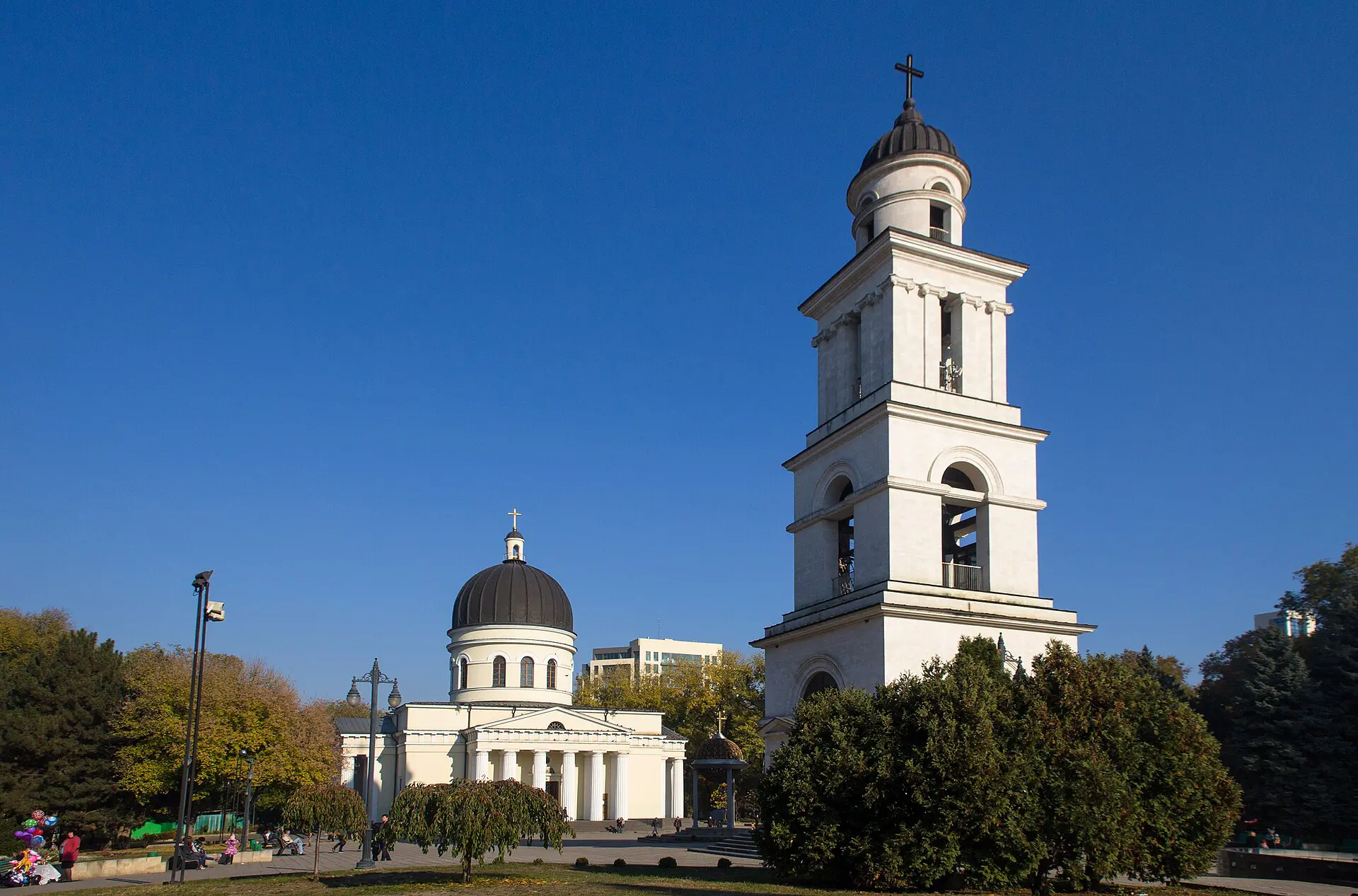
Chișinău
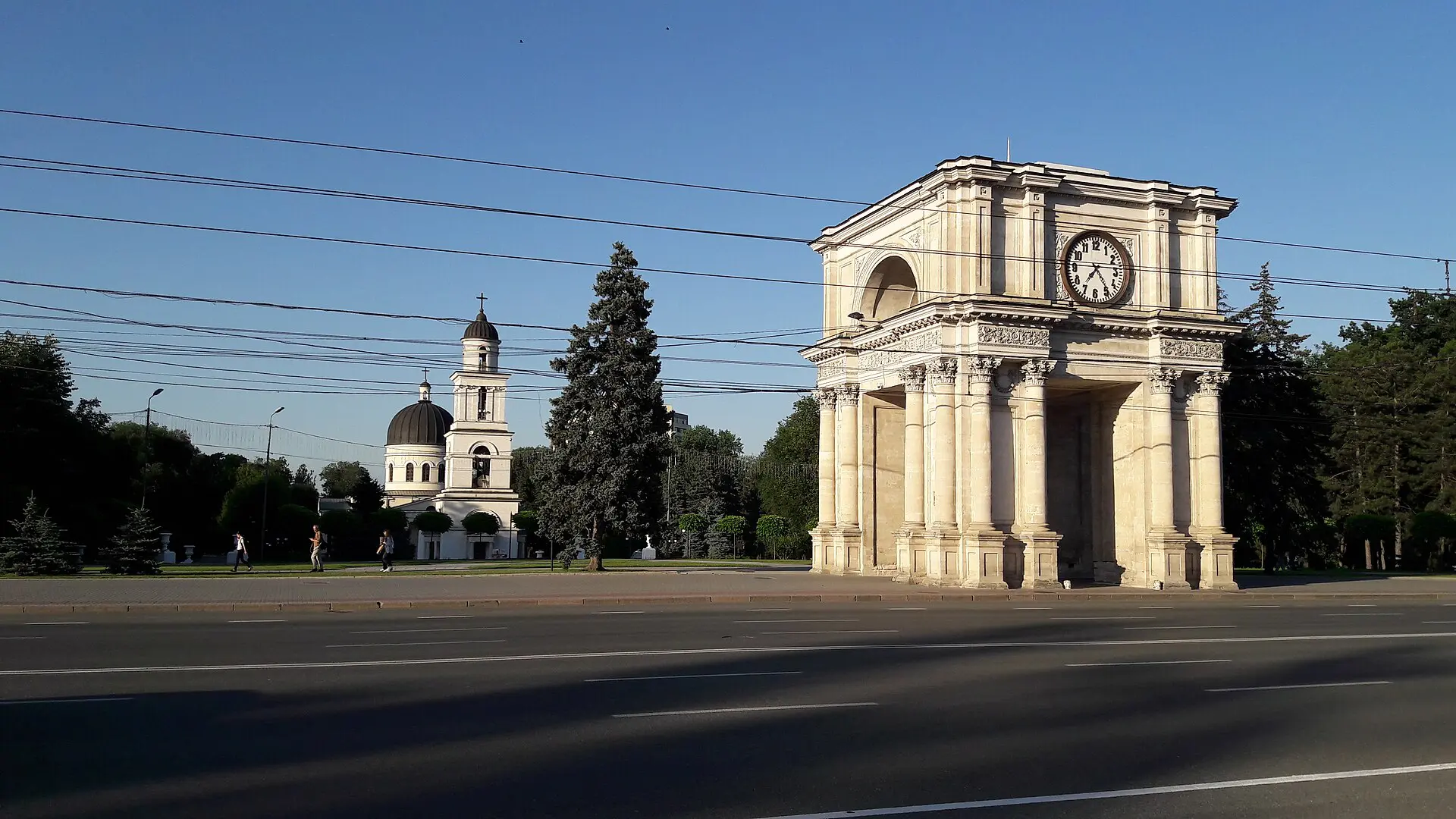
The capital has wide Soviet-era boulevards, leafy parks, a triumphal arch, the Nativity Cathedral and good museums, including the National Museum of History. The central market is a busy place for local food. Two or three days is enough.
Orheiul Vechi
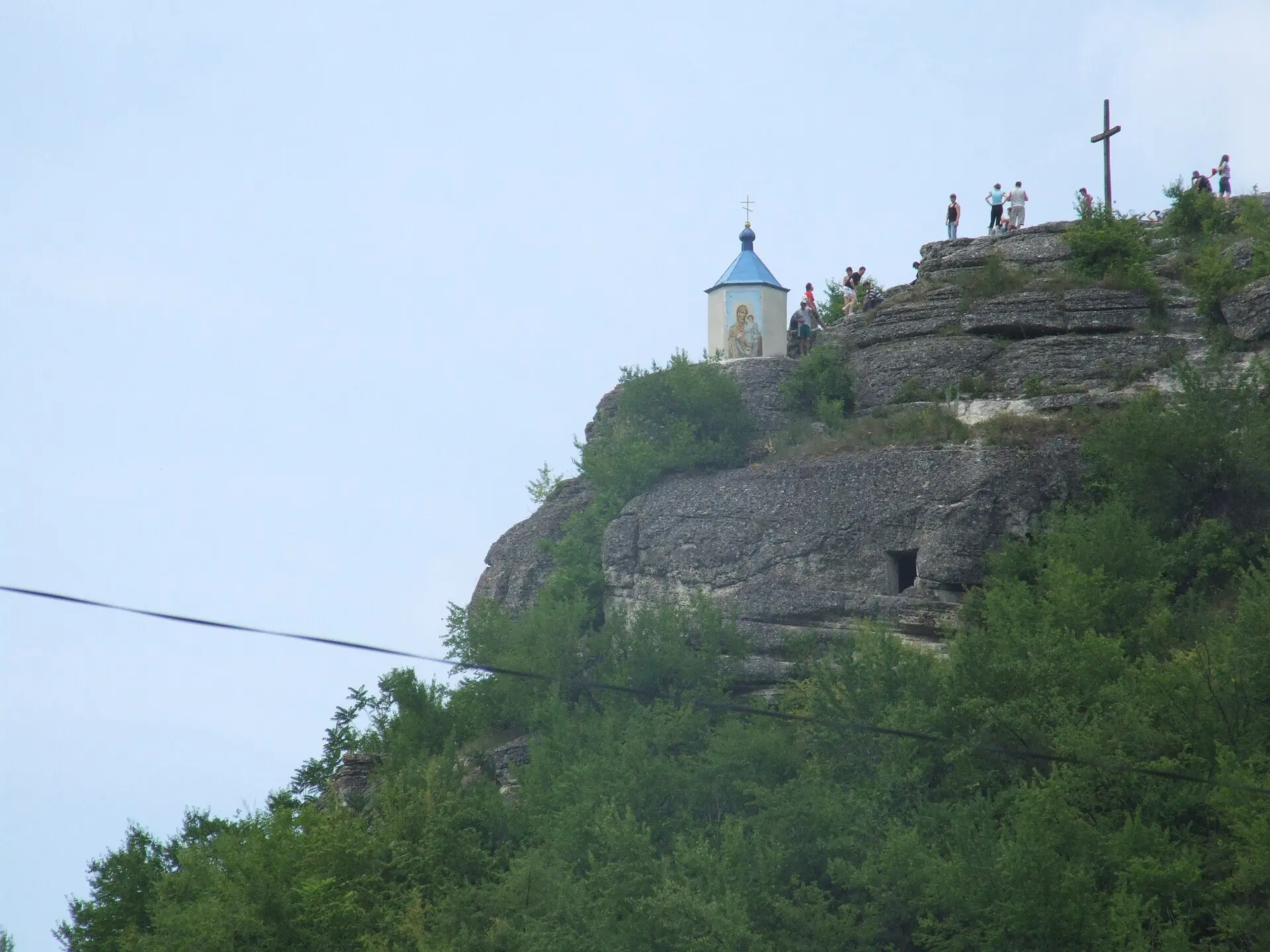
About an hour from Chișinău, this archaeological and monastic complex sits above the Răut river. A cave monastery carved into the cliff is still used, and nearby villages offer rural guesthouses and home cooking.
Cricova and Mileștii Mici
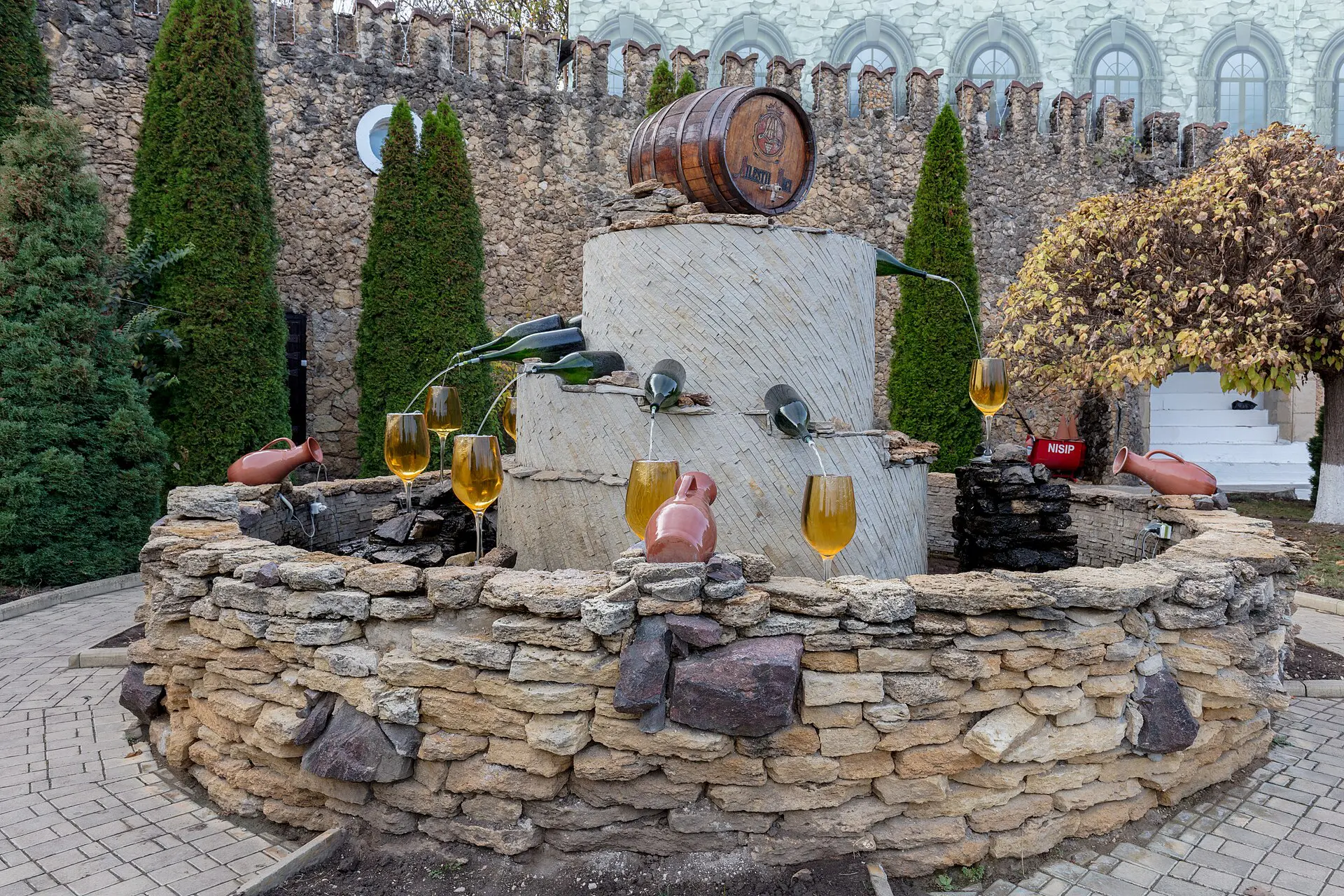
These two wineries have kilometres of limestone tunnels used as cellars. Mileștii Mici holds a vast collection of bottles. Book tours and tastings in advance.
Soroca
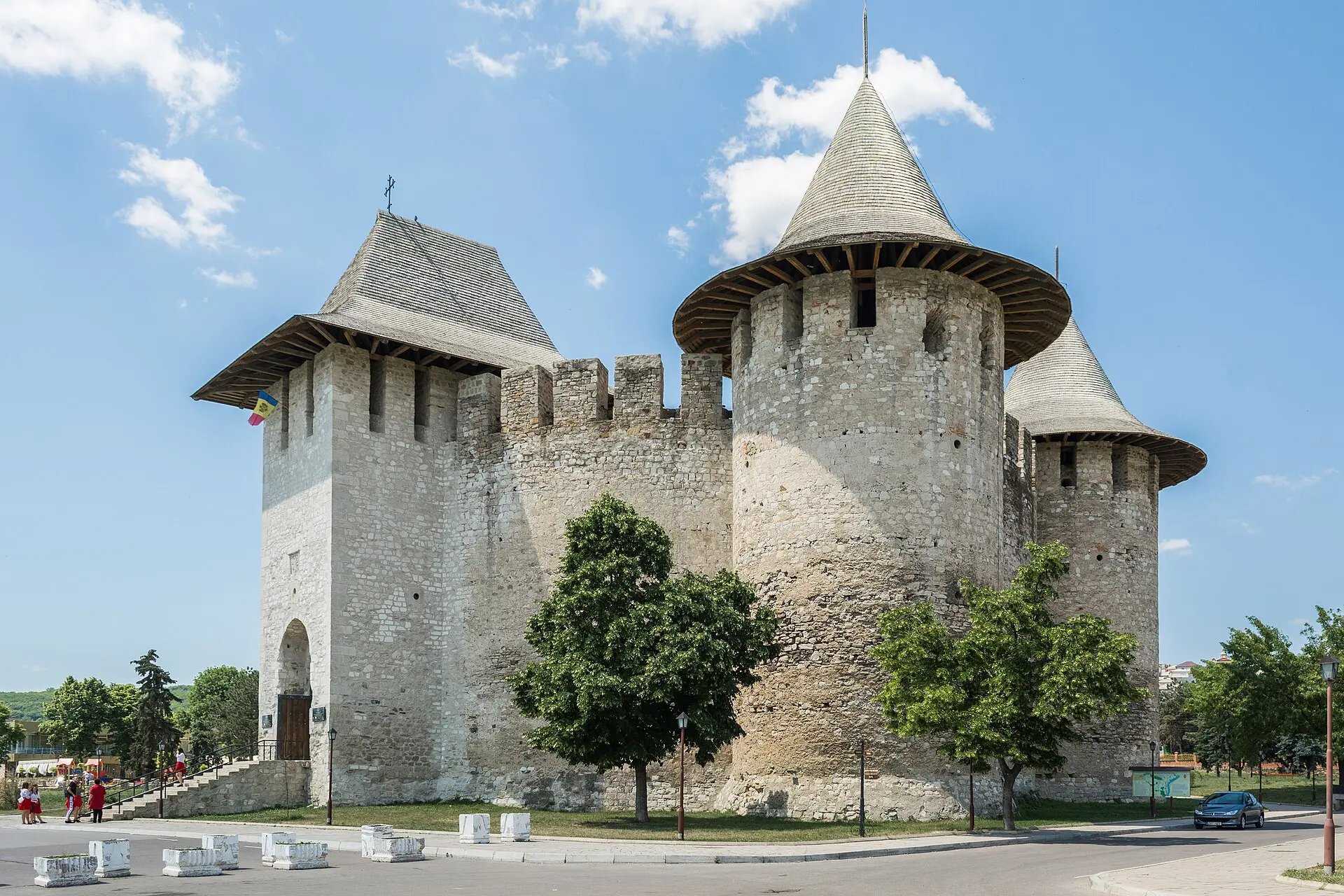
In the north, on the Dniester river, Soroca has a well-preserved round stone fortress built by Stephen the Great in the late 15th century. It is a long day trip or an overnight stop.
Gagauzia and the south
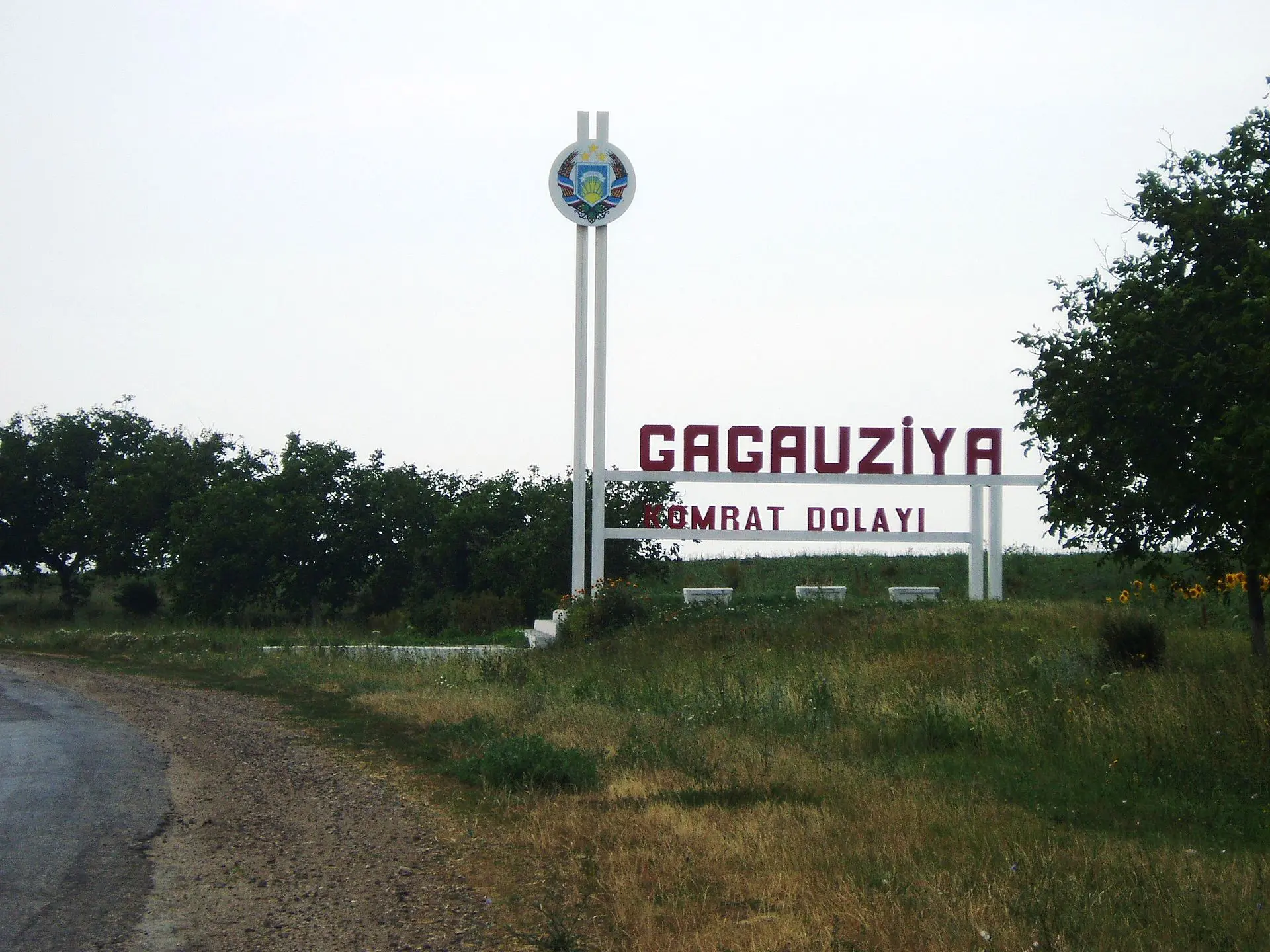
The autonomous region around Comrat has Turkic-Christian Gagauz culture, and local wineries. Cahul and nearby villages offer spa-style stays and quiet countryside.
Transnistria
The breakaway strip east of the Dniester has its own authorities and currency, and Tiraspol keeps strong Soviet imagery. Check government advice before considering a visit.
Top things to do in Moldova
The top things to do in Moldova combine wine, monasteries and village life, and most are easy and cheap.
- Tour the Cricova cellars: a small electric train takes visitors through underground streets lined with wine bottles.
- Taste wine at Mileștii Mici: its cellars hold millions of bottles, and tastings are arranged by reservation.
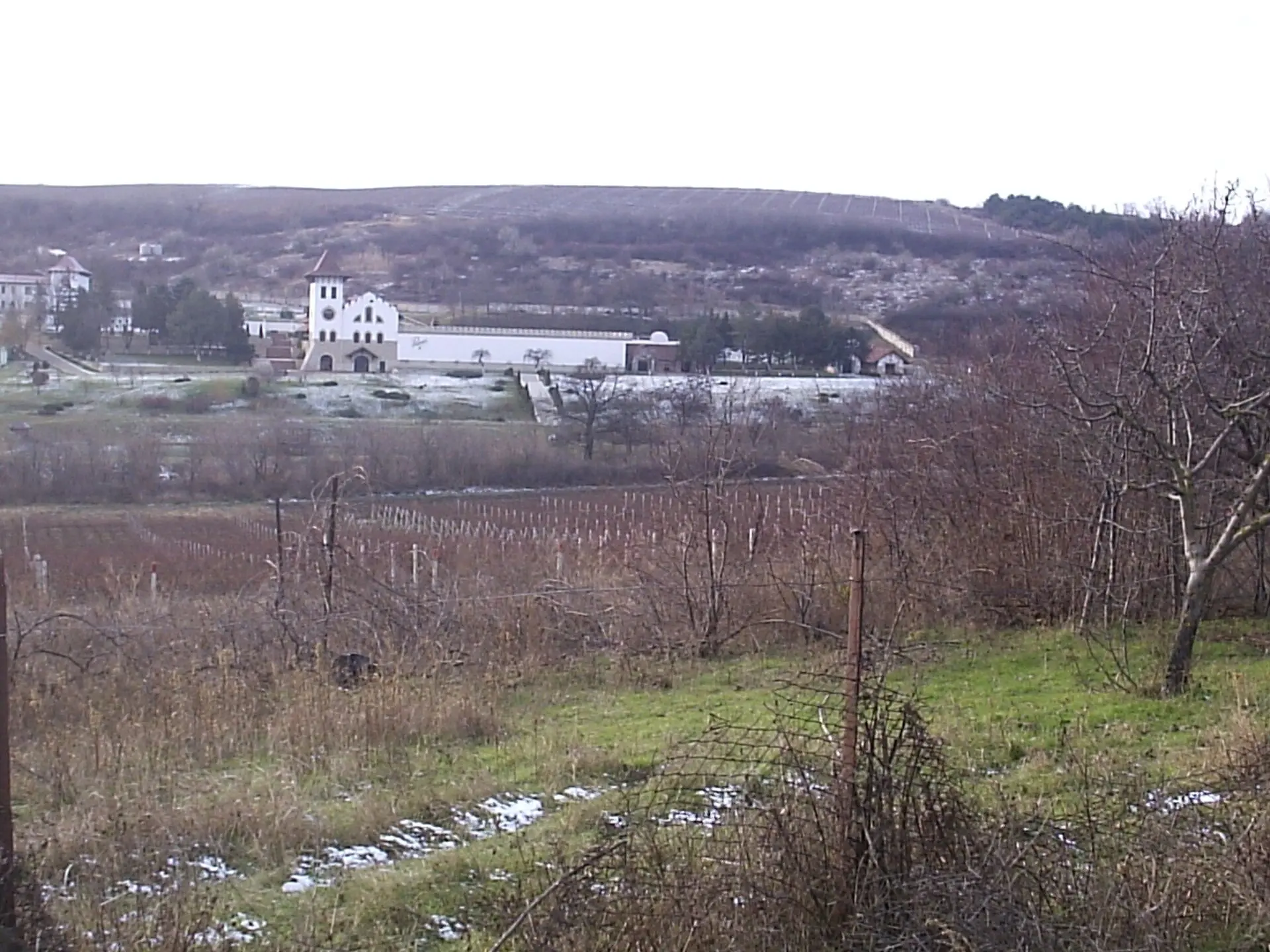
- Visit Purcari winery: a historic estate in the south known for red blends and a long wine tradition.
- Walk Orheiul Vechi: hike the cliff paths, visit the cave monastery and enjoy a village lunch.
- See Soroca Fortress: climb inside the circular stone walls overlooking the Dniester.
- Stay in a village guesthouse: a rural stay brings home-made wine, cheese and mămăligă.
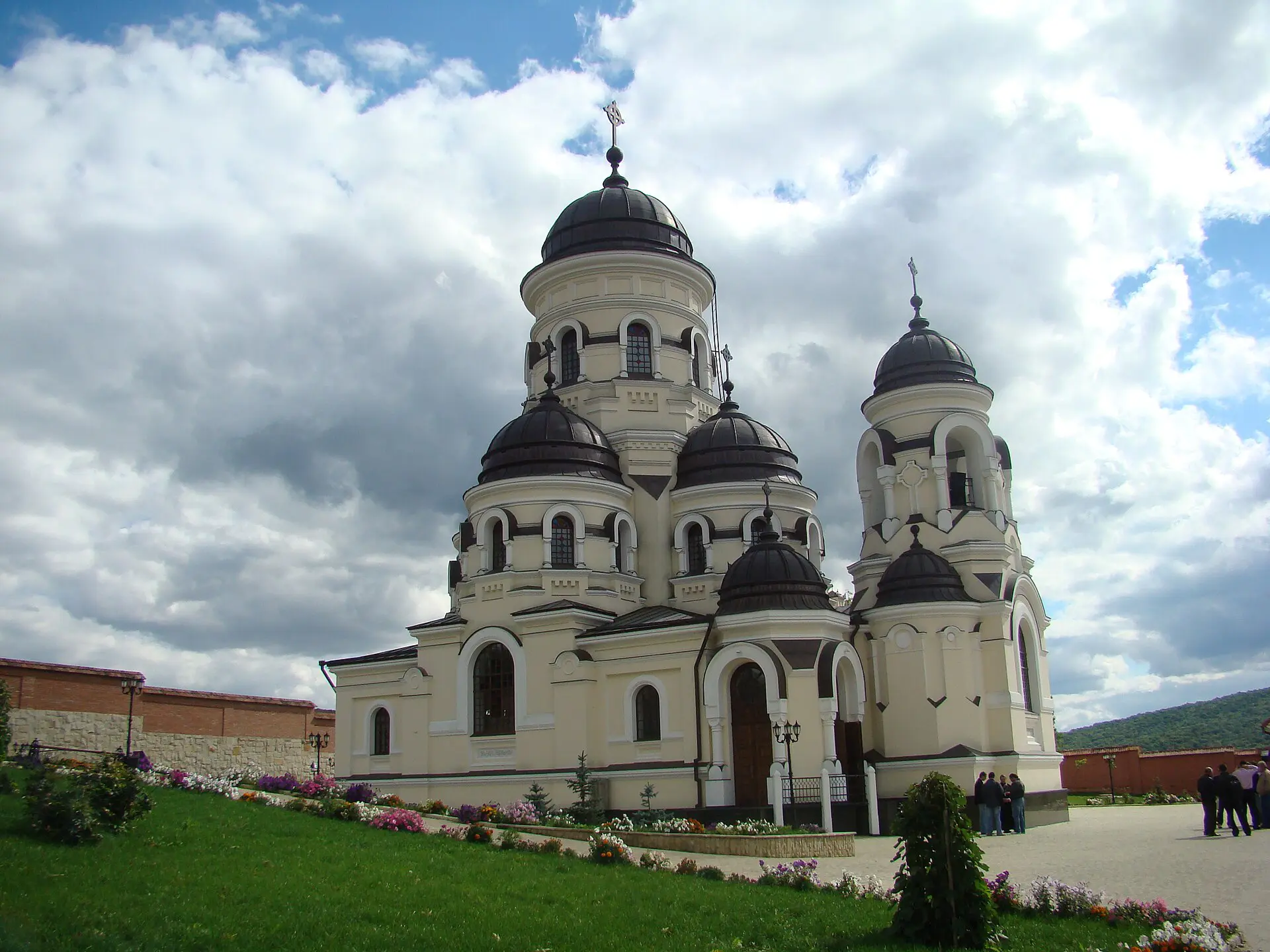
- Visit monasteries: Căpriana, Saharna and Tipova are among the best, set in forests and river valleys.
- Explore Chișinău’s markets and parks: the Central Market and Stephen the Great Park are good for an easy day.
- Join the National Wine Day: early October brings festivals and tastings across Chișinău.
- Try a day in Gagauzia: visit Comrat and taste local wine and food.
Best time to visit Moldova
The best time to visit Moldova is May to June and September to October. Spring brings green countryside and mild weather, while autumn adds the grape harvest and wine festivals, with the National Wine Day in early October. July and August are hot, often above 30 C, and winter is cold, with snow and freezing temperatures between December and February.
| Season | Weather | Crowds and prices | Good for |
|---|---|---|---|
| Spring (Apr-Jun) | Mild to warm, some rain | Quiet and cheap | Villages, monasteries, walking |
| Summer (Jul-Aug) | Hot and dry | Quiet; slightly higher prices | Rural stays, wine, Gagauzia |
| Autumn (Sep-Oct) | Warm then cooler | Busiest, still modest | Wine harvest, festivals |
| Winter (Nov-Mar) | Cold, snow and fog | Very low | Cellars, museums, Christmas markets |
Underground cellars stay at a constant temperature year-round, so wine tours work in any season. Rural roads may be muddy after rain or snow.
Is Moldova safe to visit?
Is Moldova safe? Day to day, yes: violent crime against tourists is rare, and visitors usually report friendly, helpful locals. Is Moldova safe to visit given the war in Ukraine? Governments generally advise normal caution in most of the country, with extra care near the Ukrainian border, so check the current UK FCDO or US State Department pages before you book.
Transnistria. This breakaway region has its own authorities and Russian military presence, and is not under the control of Moldova’s government. Some governments advise caution or against travel there. If you go, carry your passport and registration slip, avoid photographing military sites and expect a different security environment than in the rest of the country.
Crime and scams. Pickpocketing and petty theft occur in Chișinău, especially around the central market and on public transport. Use licensed taxis or apps, and check change and bills.
Roads. Driving is the main hazard, with potholes, poor lighting and aggressive overtaking. Avoid driving at night outside towns. Drink-driving rules are strict.
Other. Tap water is not reliably drinkable in rural areas, and tick-borne illness can occur in forested areas in summer.
Moldova visa and entry requirements
The Moldova visa position depends on your nationality, but citizens of the EU, the UK, the US, Canada and many other countries can usually enter without a visa for up to 90 days in any 180-day period. Rules change, so confirm the current requirement with the Moldovan Bureau for Migration and Asylum, or an embassy, before you travel.
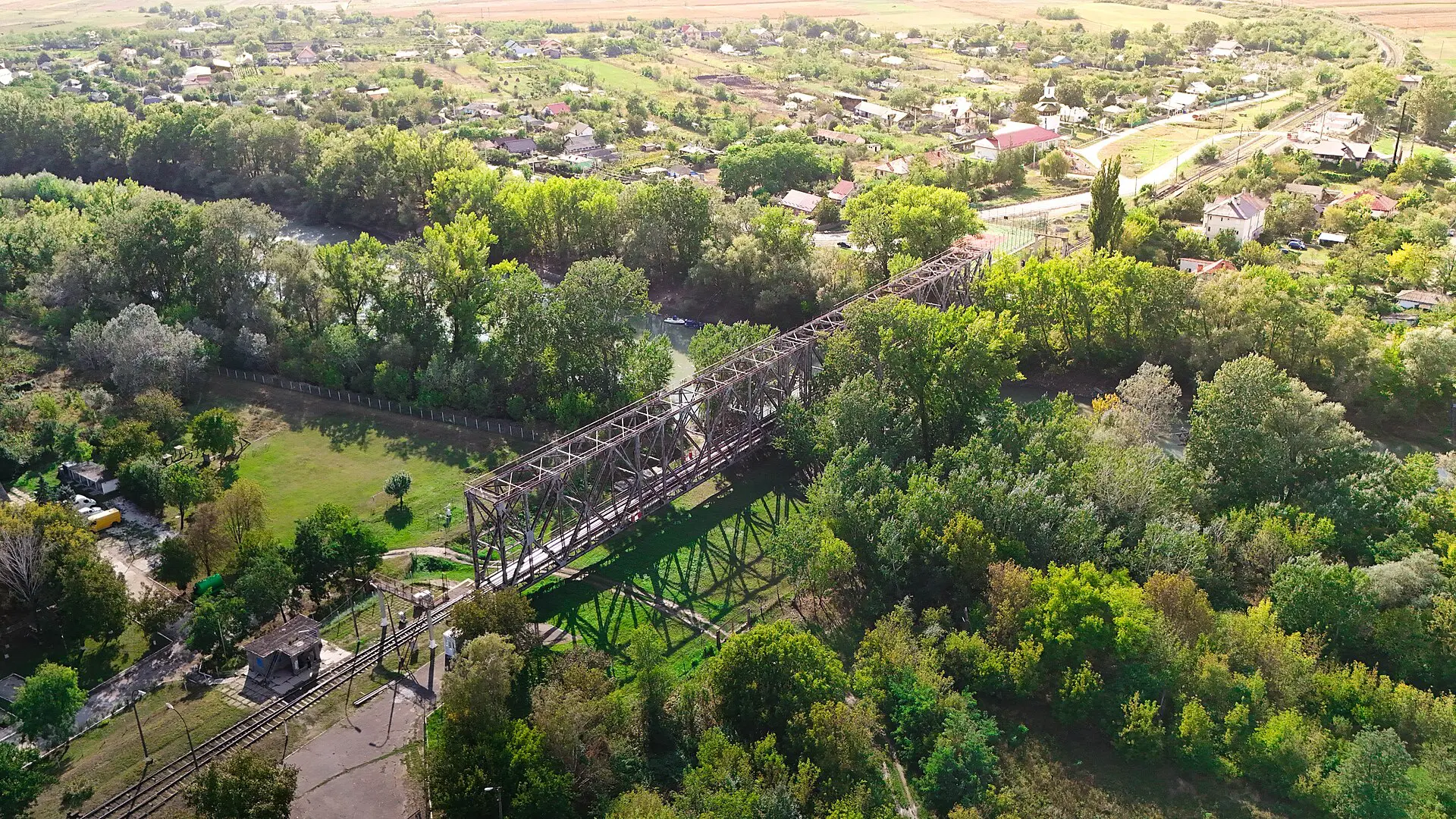
Bring a passport valid for the period of stay, and keep proof of accommodation, return travel and sufficient funds in case border officers ask. If you cross from Romania, expect queues at the Prut river crossings, particularly in summer holidays. Moldova has no direct border with other EU countries except Romania.
For Transnistria, there is no formal border with Moldova but there are checkpoints. You may receive a registration slip valid for a short stay, and you should keep it until you leave. Entry to Transnistria is not recognised by the Moldovan government as an international border. The UNESCO page for Moldova lists the Struve Geodetic Arc, but it does not cover entry rules.
Getting to and around Moldova
Most visitors arrive at Chișinău International Airport, which has flights to a number of European cities, often via Bucharest, Vienna, Istanbul or other hubs. Because Moldovan airspace has been affected by regional tensions, flight options and routes change, so check carriers early. Many travellers instead fly to Iași in Romania and cross by road or minibus. Overland, buses connect Chișinău with Bucharest, Iași and other Romanian cities, and trains run to Iași and Bucharest but are slow.
Within the country, minibuses called maxitaxis connect Chișinău with towns and villages, and run cheaply, leaving when full from the central and northern bus stations. Trains reach a few cities, such as Bălți and Cahul, but are slow. Taxis and ride-hailing apps work in Chișinău and are inexpensive.
A rental car gives the best access to Orheiul Vechi, wineries and villages. Roads are mixed in quality, and potholes are common. Chișinău to Orheiul Vechi takes about an hour, to Soroca around two and a half hours, and to Comrat about two hours. Book winery tours in advance, as many are by appointment.
How much does a trip to Moldova cost?
Moldova is one of the cheapest countries in Europe. The currency is the Moldovan leu (MDL), and euros are accepted rarely, so change money at banks or exchange offices. Figures below are rough per-person guides for 2026.
- Budget: around EUR 25 to 40 per day, with hostels or guesthouses, local meals and public transport.
- Mid-range: around EUR 40 to 80 per day, with comfortable hotels, restaurant meals, a winery tour and taxis or car hire.
- High-end: from around EUR 100 per day, with boutique stays, private drivers and premium tastings.
The main swing factors are winery tours and tastings, which cost more than restaurant meals, and whether you rent a car or hire a driver. Restaurant meals cost a few euros, and local wine is cheap by European standards. Entrance fees are low. Rural guesthouses that include dinner and breakfast often give the best value.
Moldova food and drink
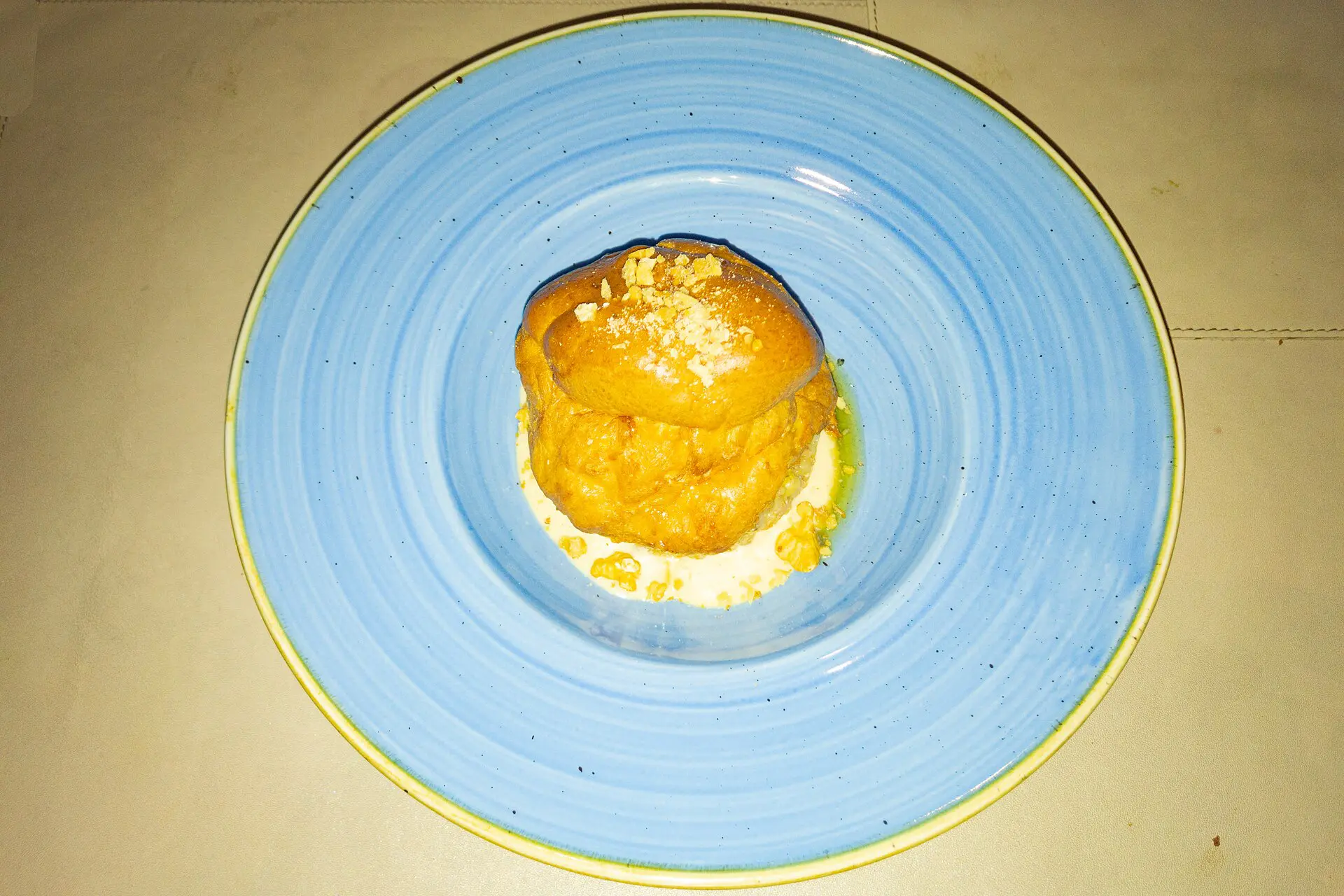
Moldova food is hearty and rural, close to Romanian cooking with Slavic, Turkish and Gagauz influences. Meals centre on corn, vegetables, meat, cheese and wine, and portions are large.
- Mămăligă: cornmeal porridge served with cheese, sour cream and sometimes fried pork.
- Plăcinte: thin baked or fried pies filled with cheese, potato, cabbage or pumpkin.
- Zeama: a chicken noodle soup with a sour edge, often soured with borș.
- Sarmale: cabbage or vine leaves stuffed with minced meat and rice.
- Mici: grilled skinless sausages, usually eaten with mustard.
- Brânză and smântână: fresh cheeses and sour cream appear everywhere.
- Wine: reds such as Fetească Neagră and whites such as Fetească Albă and Rară Neagră are the focus. Local grapes are common.
- Divin: Moldovan brandy, usually served after meals.
Vegetarians can eat well, since plăcinte, vegetable soups, beans and salads are common, but many dishes use lard or meat stock. Rural guesthouses often serve home-made dishes with their own wine.
Culture, language and etiquette in Moldova
The official language is Romanian, which the constitution and many Moldovans call Moldovan. Russian is widely spoken, especially in Chișinău and the north, and Gagauz, Ukrainian and Bulgarian are used by local minorities. English is common among younger people and in hotels, but less so in villages. Greeting with bună ziua (good day) in Romanian is a polite start.
The population is mostly Orthodox Christian, and monasteries and churches are active places of worship. Dress modestly, with covered shoulders and knees, and women often wear a scarf in churches. Do not photograph inside unless permitted. Hospitality is strong in villages, and guests may be offered wine, food and toasts. Declining politely is fine, but accept a glass or small taste when you can.
Moldova’s history is complex, with Romanian, Russian and Soviet influences, and language and identity can be sensitive. Avoid arguing about politics, Transnistria or the war unless locals raise it, and listen more than you speak. Always ask before photographing military or border areas.
Moldova itinerary: a 7-day route
This route stays in the central and southern parts of the country and uses Chișinău as the base, avoiding the border areas and Transnistria. Confirm current advice before you book.
- Day 1, Chișinău: arrive, walk the centre, the Triumphal Arch and Stephen the Great Park, and have dinner with local wine.
- Day 2, Chișinău: visit the National Museum of History, the Central Market and the cathedral.
- Day 3, Cricova and Mileștii Mici: cellar tours and tastings by appointment, with a driver if you plan to taste.
- Day 4, Orheiul Vechi: hike the cliffs, visit the cave monastery and stay overnight in a village guesthouse.
- Day 5, Saharna and Soroca: drive north to the monastery and Soroca Fortress, staying overnight in Soroca.
- Day 6, back via Căpriana: return south with a stop at Căpriana monastery and a late lunch.
- Day 7, Purcari or departure: take an early trip south to Purcari winery if time allows, or head to the airport.
With more days, add Gagauzia and Comrat or a trip across the border to Iași in Romania.
Practical tips for Moldova
- Money: the leu (MDL) is the local currency. ATMs are common in towns, and cards work in Chișinău and at larger wineries, but carry cash for villages and markets.
- SIM and eSIM: prepaid SIMs and eSIMs are cheap, with good 4G coverage along main roads and in towns. EU roaming rules do not apply, so check charges.
- Plugs: types C and F at 230 V.
- Tipping: not required, but around 10 percent in restaurants and rounding up for taxis is appreciated.
- Health: bring travel insurance, repellent for ticks in summer and any regular medicines. Pharmacies are common in towns.
- Packing: layers for variable weather, sturdy shoes for cliff paths, a scarf for monasteries and warm clothes in winter.
- Booking: reserve winery tours, especially for Mileștii Mici and Cricova, and ask whether a rural guesthouse includes meals.
For more background, see the Wikivoyage Moldova guide.
FAQ
Q1Is Moldova safe?
Day to day, yes. Violent crime against tourists is rare, and the main risks are pickpocketing in Chișinău and dangerous driving. Because of the war in Ukraine and the Transnistria situation, check your government's current travel advice and avoid border areas where it warns against travel.
Q2What is Moldova food like?
Moldova food is hearty and rural, close to Romanian cooking. Expect mămăligă with cheese and sour cream, plăcinte pies, zeama chicken soup, sarmale and grilled mici. Local wine and brandy accompany most meals, and vegetarian dishes are available in most places.
Q3What are the best things to do in Moldova?
Tour the underground wine cellars at Cricova and Mileștii Mici, visit the cave monastery at Orheiul Vechi, see Soroca Fortress, stay in a village guesthouse and explore Chișinău's markets and parks. Wine tastings and monastery visits are the main draws.
Q4Is Moldova safe to visit with the war in Ukraine?
Most governments advise normal caution in much of Moldova, with extra care near the Ukrainian border and in Transnistria. Tourism continues in central areas. Check your foreign ministry's latest advice, buy insurance that covers the region and keep flexible bookings.
Q5Do I need a visa for Moldova?
Citizens of the EU, UK, US, Canada and many other countries can usually enter visa-free for up to 90 days in 180. Rules vary by nationality and change, so check the official Moldovan migration source or an embassy before you book.
Q6What is the best time to visit Moldova?
May to June and September to October are best, with mild weather and green or harvest landscapes. Early October brings National Wine Day and festivals. Summer is hot, and winter is cold and grey, though the cellars can be visited all year.
Q7How many days do you need in Moldova?
Three to four days cover Chișinău, the wine cellars and Orheiul Vechi. Seven days allows a northern loop to Soroca and a monastery trail, plus a rural stay. Add more time for Gagauzia or a side trip to Iași in Romania.