Why visit Belarus
For travellers who weigh the risks and decide to go, the main things to do in Belarus are historical and scenic rather than glamorous: two UNESCO-listed castles, Europe’s last large primeval lowland forest, wartime memorials and a capital rebuilt after 1945 in Soviet style. The Wikipedia overview describes a landlocked country of about 9.1 million people, bordered by Russia, Ukraine, Poland, Lithuania and Latvia, with a long history under the Grand Duchy of Lithuania and the Soviet Union.
Belarus has a reputation as an off-the-radar destination, and some of that reputation is earned: sights are uncrowded, towns are clean, prices are low and the landscape is flat, green and dotted with lakes. But it is also a strict authoritarian state, and governments warn that foreign visitors can be detained arbitrarily. It suits only well-informed, politically cautious travellers who accept those risks, and it should not be anyone’s casual first trip abroad.
Best places to visit in Belarus
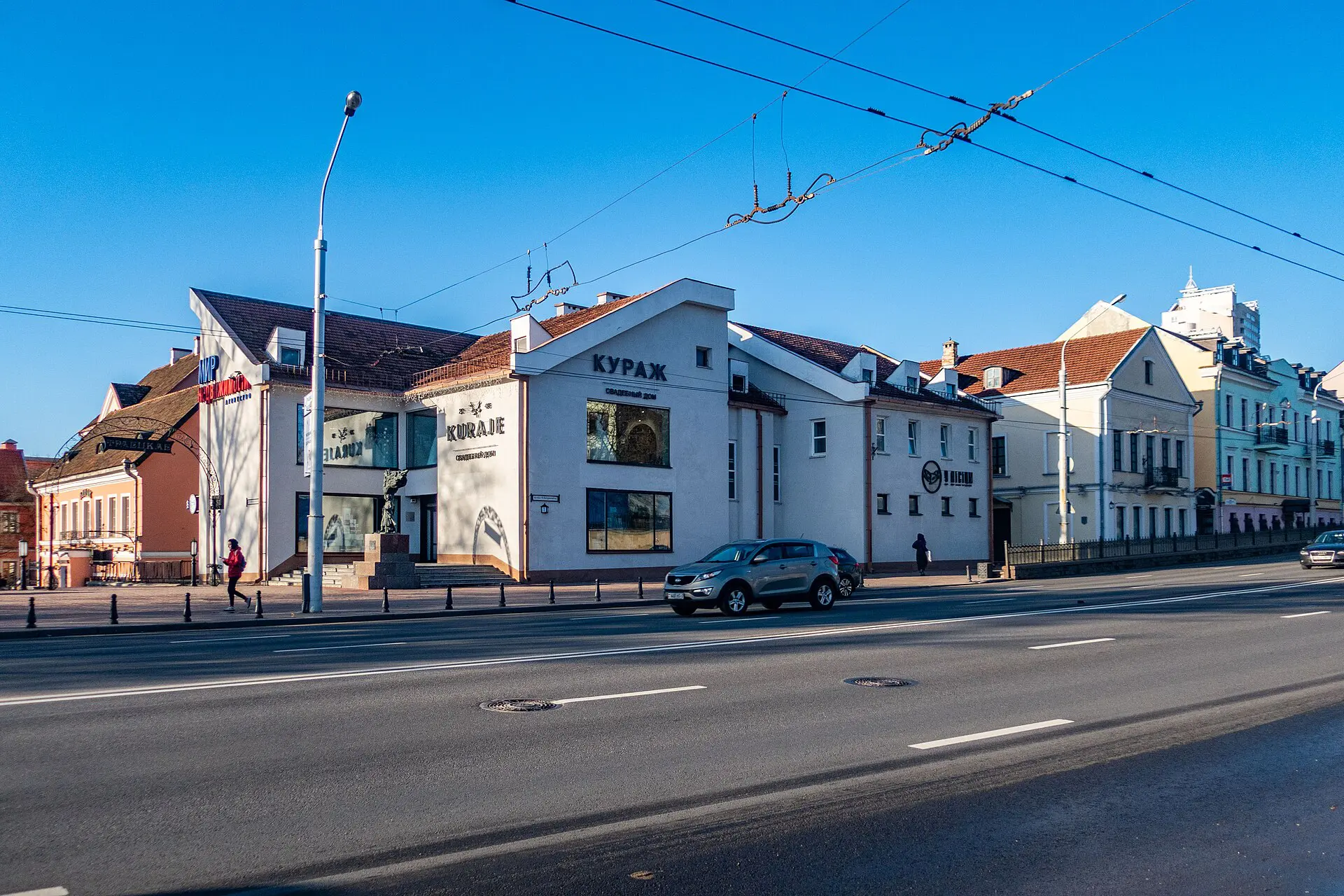
The best places to visit in Belarus are mostly in the west and centre, close to Minsk, and are the same sites that appear on most tour programmes.
Minsk
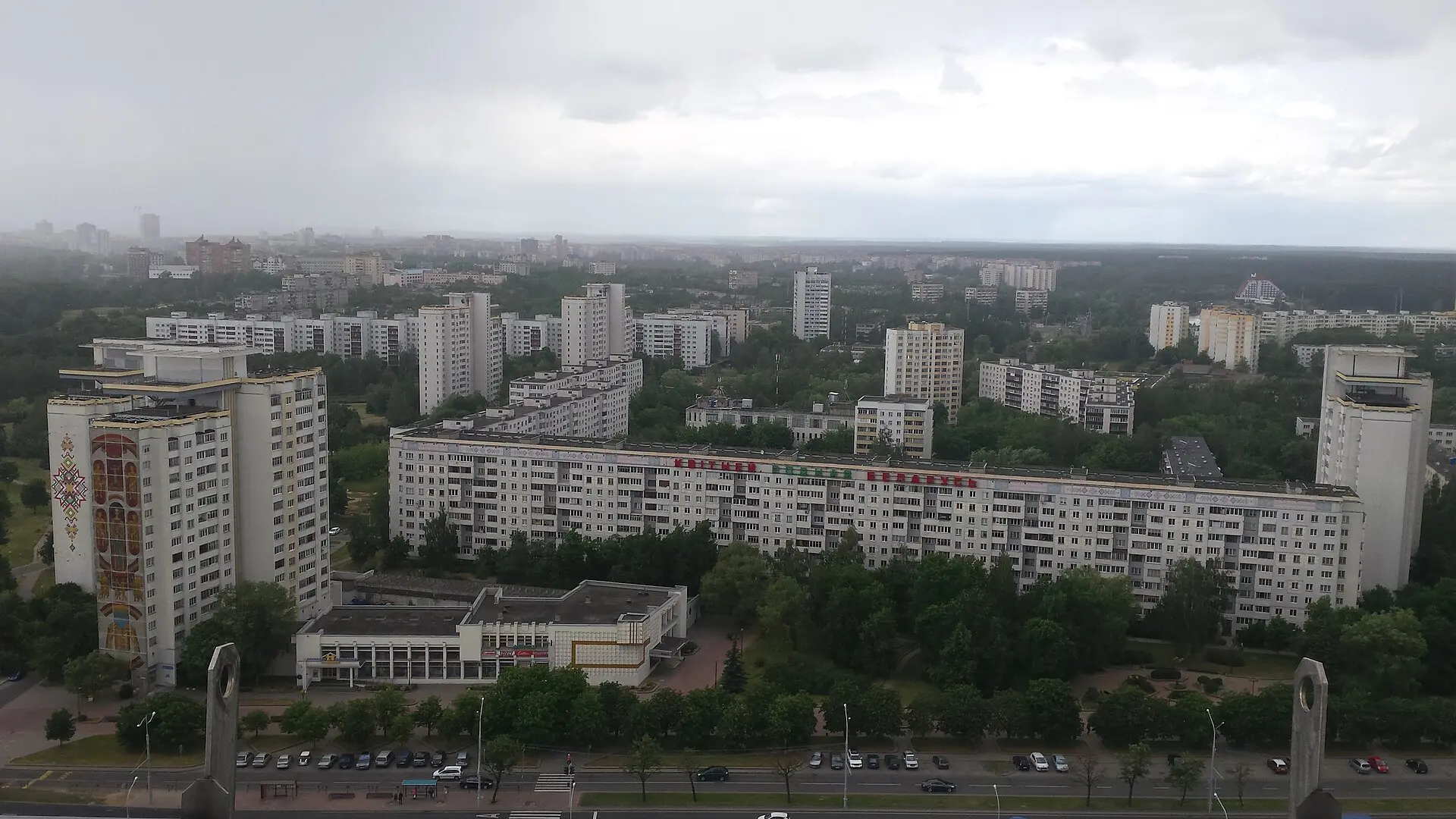
The capital, home to more than two million people, was largely rebuilt after World War II. Independence Avenue is lined with Stalinist-era buildings, and the Trinity Suburb and Upper Town have restored 19th-century streets. The National Library and the Island of Tears memorial are also on most itineraries.
Mir Castle
Mir is a UNESCO World Heritage Site about 90 kilometres south-west of Minsk. Its corner towers and brick walls date to the 16th century, and parts are a museum and hotel. It is an easy day trip, usually combined with Nesvizh.
Nesvizh
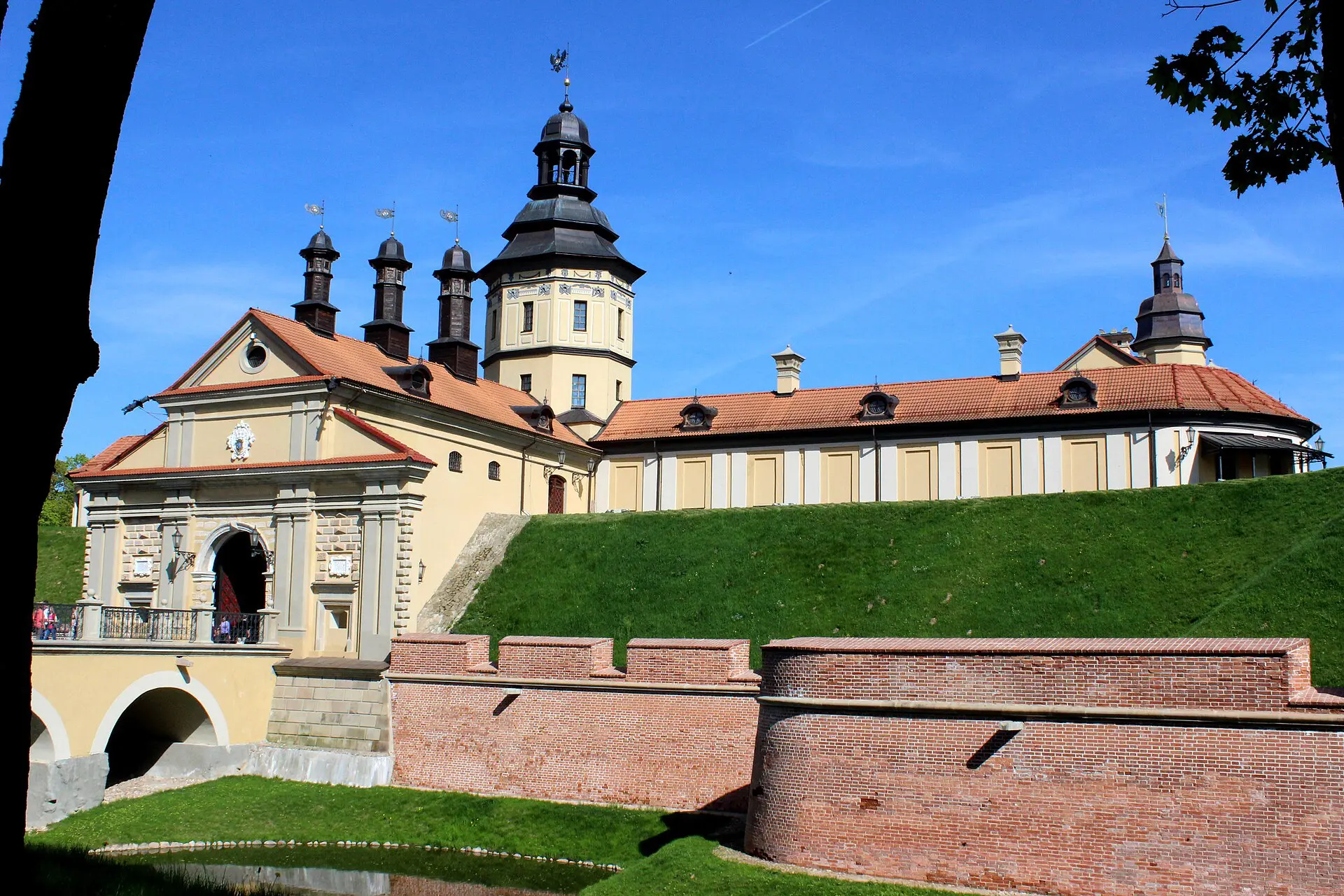
Nesvizh, also UNESCO-listed, was the seat of the powerful Radziwill family. The palace and castle complex sits in a park with a lake and a small old town.
Belovezhskaya Pushcha
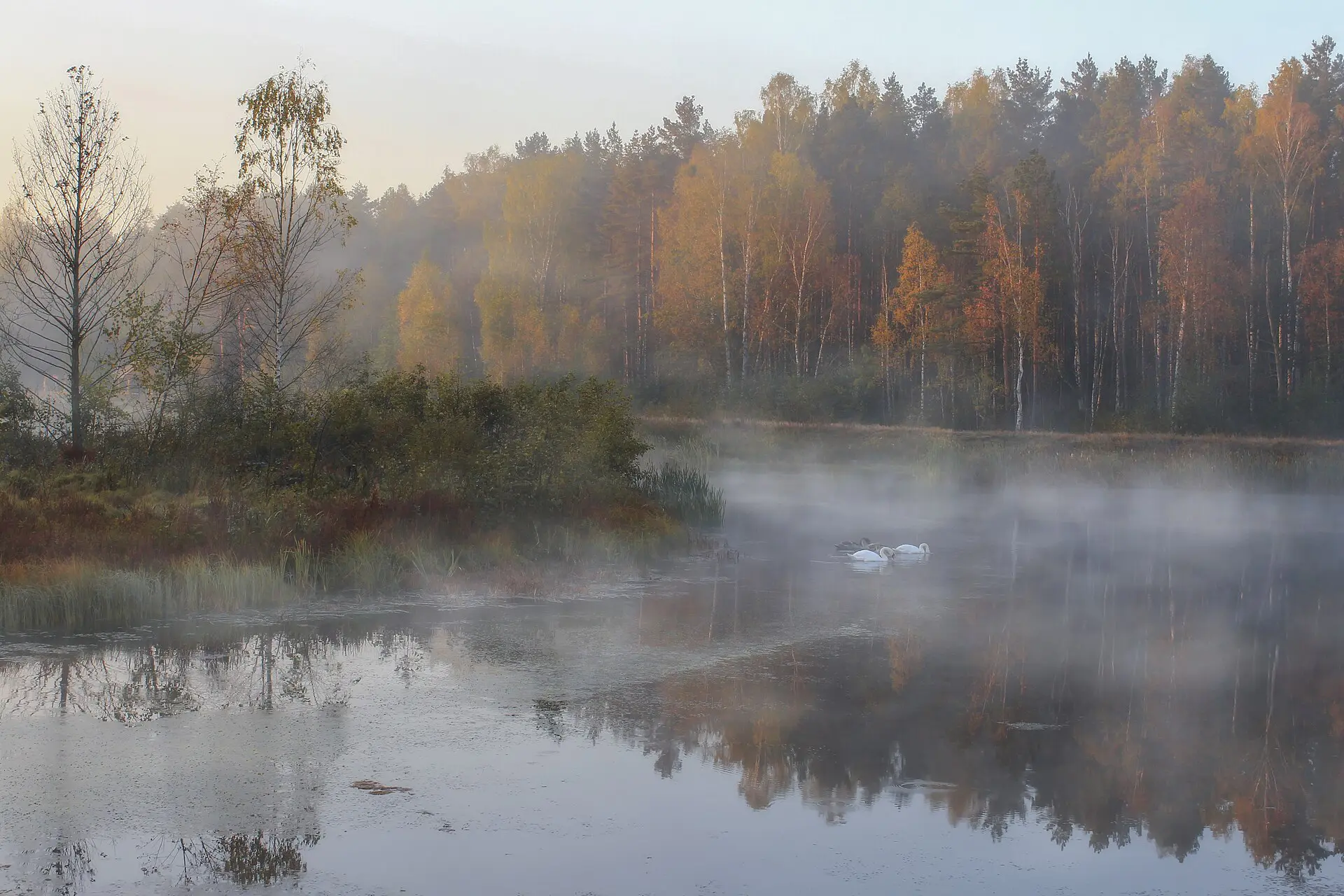
This ancient forest on the Polish border is a UNESCO World Heritage Site and shelters the European bison. Visits are by organised tour, and permits may be required.
Brest and Grodno
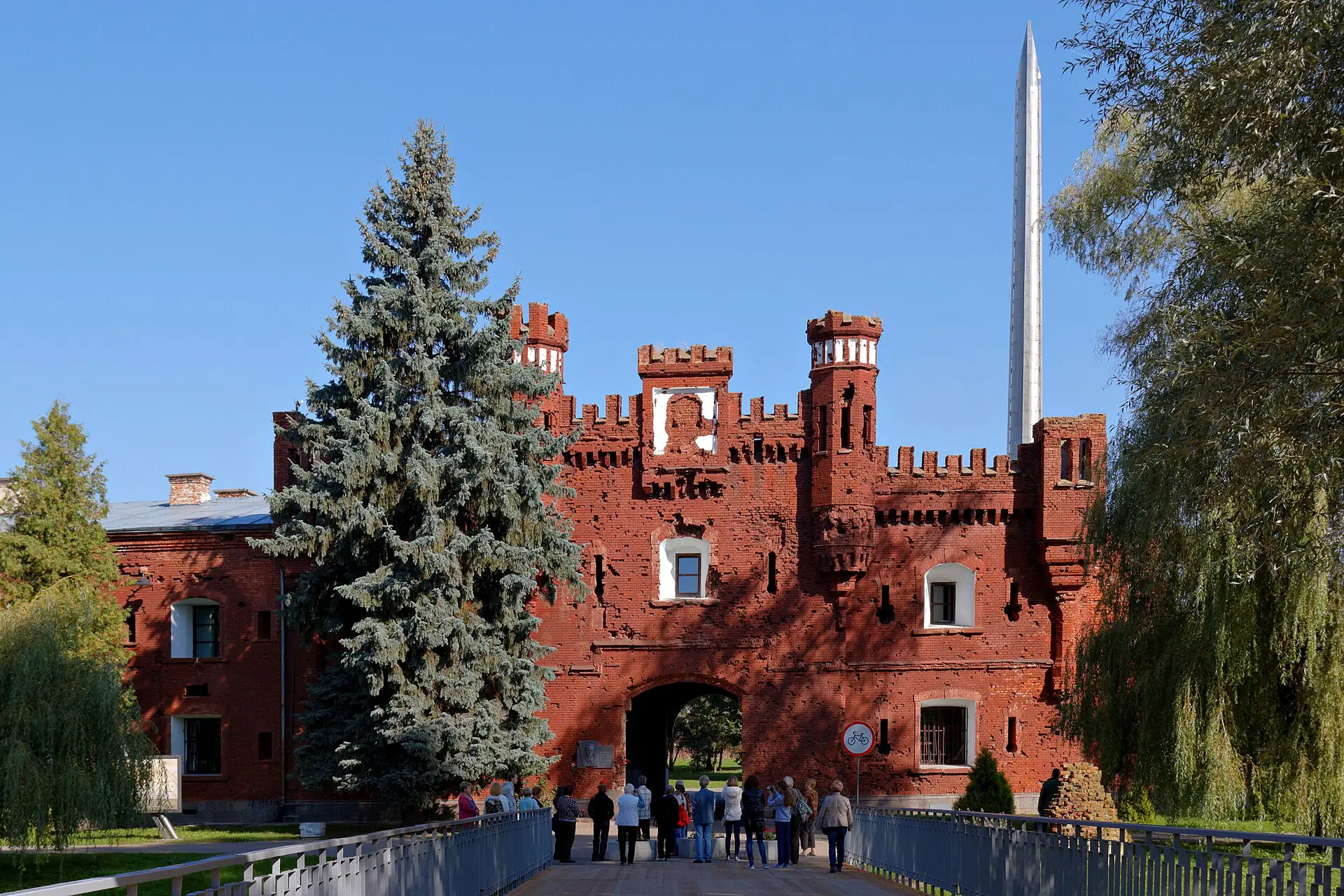
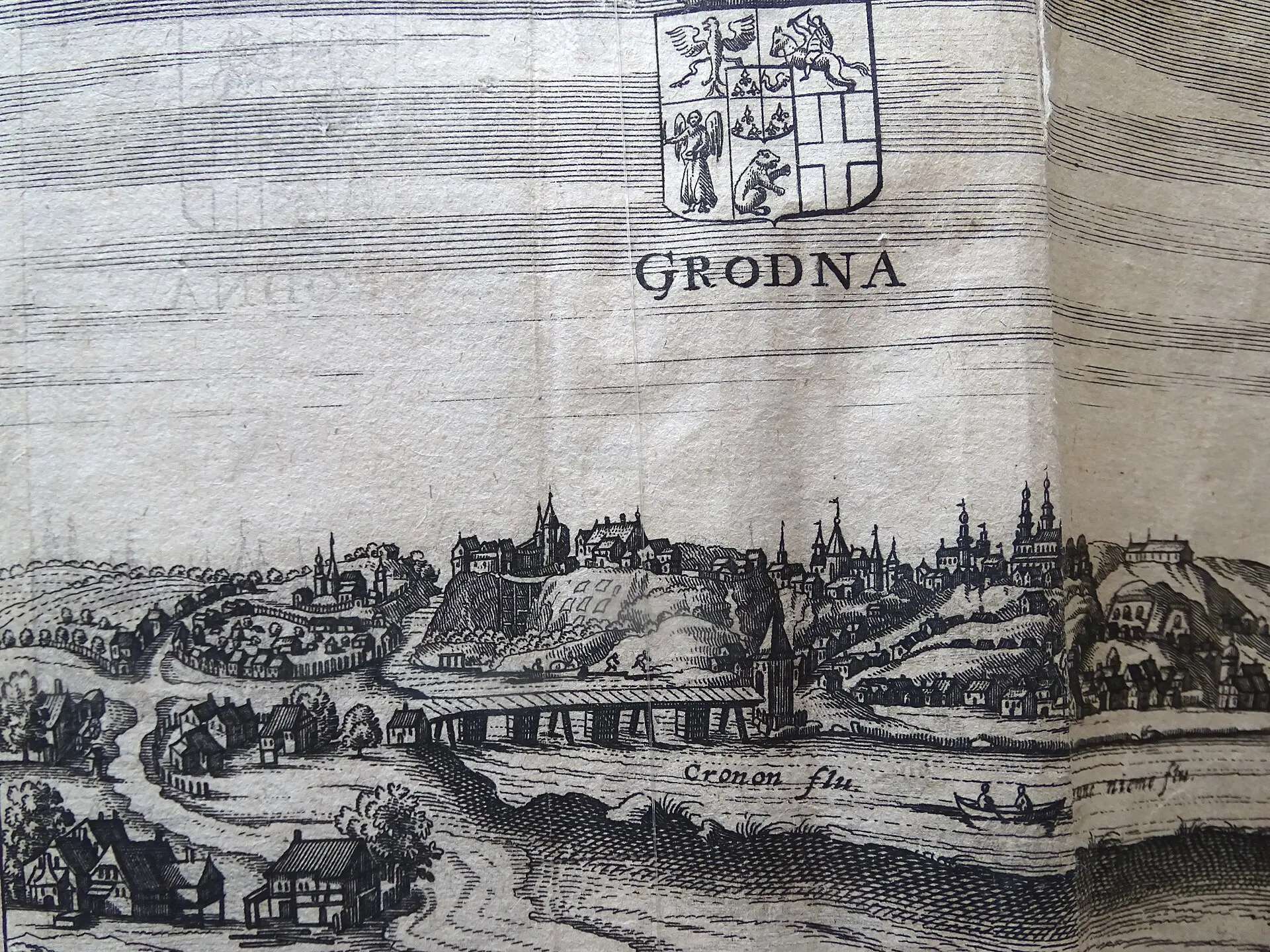
Brest Fortress commemorates the 1941 defence, while Grodno has a well-preserved old town and Polish-influenced churches.
Top things to do in Belarus
The top things to do in Belarus focus on history, nature and Soviet-era landmarks, and most are best done on a guided or pre-arranged basis.
- Tour Mir Castle: walk the walls, climb a tower and see the museum rooms in the restored fortress.
- Visit Nesvizh: explore the Radziwill palace, gardens and the nearby Corpus Christi church.
- See the bison at Belovezhskaya Pushcha: organised visits include a walking trail and an enclosure with the animals.
- Walk Brest Fortress: the memorial complex marks the German attack of June 1941 and is dramatic and sombre.
- Stroll Independence Avenue in Minsk: the grand boulevard shows Soviet urban planning at its most ambitious.
- Explore the Trinity Suburb: small restored lanes along the Svislach River have cafes and shops.
- Visit the Mound of Glory: a huge World War II memorial mound outside Minsk with a long stair.
- Ride the Minsk metro: stations are clean and decorated, and fares are cheap.
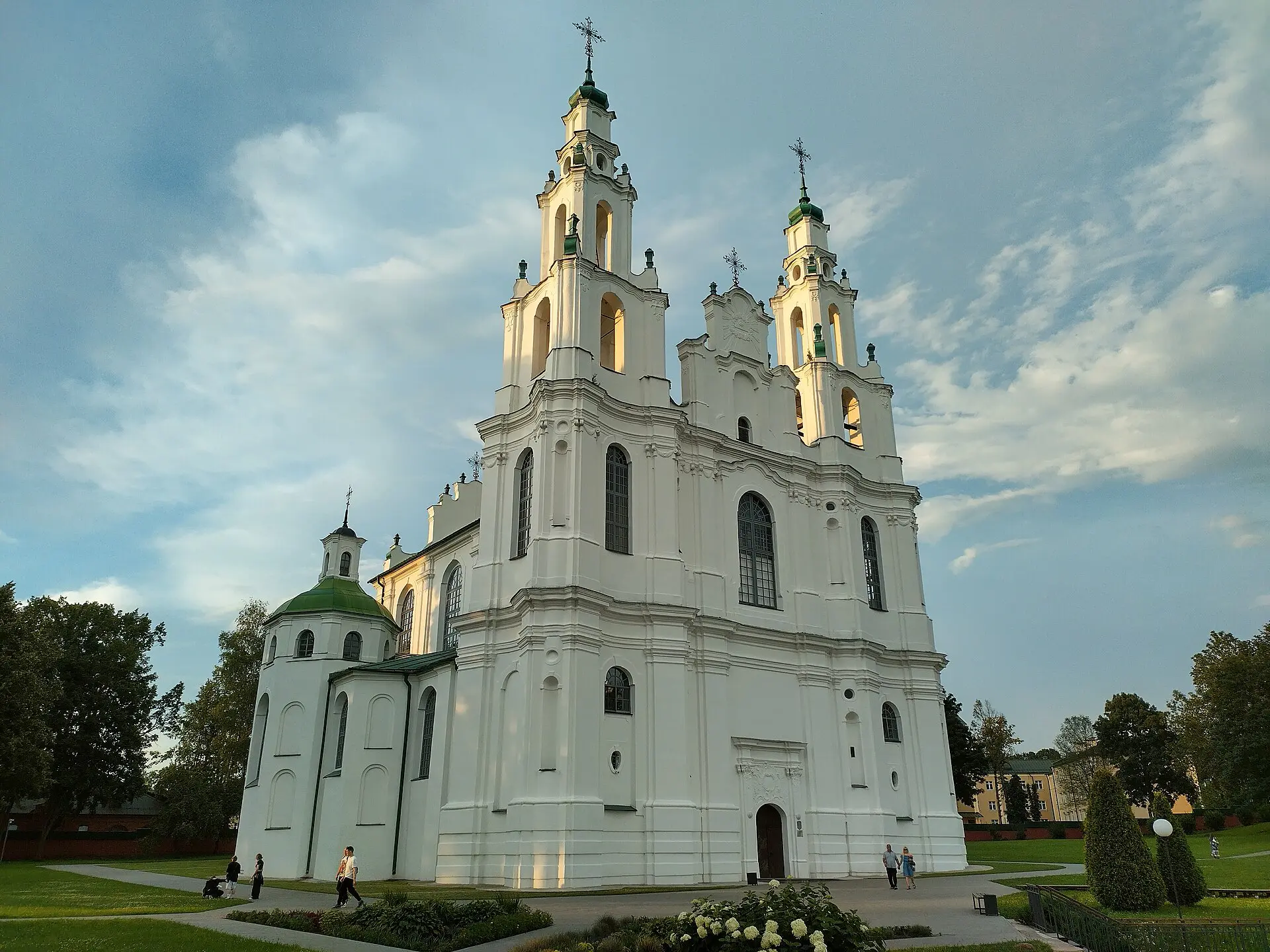
- Visit Polotsk: the country’s oldest city has the 11th-century St Sophia Cathedral.
- Walk the Dudutki open-air museum: a rural heritage park with crafts and food, near Minsk.
Best time to visit Belarus
The best time to visit Belarus is late spring to early autumn, from May to September, when days are mild and long. July and August are warm, often 20 to 25 C, with occasional thunderstorms. Winters are long and cold, with temperatures often below freezing from December to February, and snow can be heavy.
| Season | Weather | Crowds and prices | Good for |
|---|---|---|---|
| Spring (Apr-May) | Cool to mild, muddy early | Low | Castles, parks |
| Summer (Jun-Aug) | Warm, long days, some storms | Highest, though still quiet | Forest, lakes, city walks |
| Autumn (Sep-Oct) | Cool, colourful, rainy later | Low | Photography, quiet stays |
| Winter (Nov-Mar) | Cold, snowy, dark early | Very low | Museums, cafés, Christmas events |
Belovezhskaya Pushcha and rural routes are most accessible in dry months. Check road and border conditions, which can change at short notice, before choosing any dates.
Is Belarus safe to visit?
Is Belarus safe? Not in the way most countries are, and governments including the UK and US advise against all travel. Street crime is low, but the risks for foreigners come from the state: arbitrary detention, extensive surveillance, political repression and sudden changes to border and travel rules. Consular help is limited, and the border with Ukraine is closed. Read your foreign ministry’s current advice, such as the UK FCDO or US State Department, and consider whether your insurer will cover you at all.
Detention. Foreigners have been detained for social media posts, photographs of sensitive sites or contact with opposition figures. Do not photograph military or government buildings and avoid political discussion, demonstrations and any activism.
Surveillance. Assume phones, hotels and public places are monitored. Devices may be inspected at the border.
Border risk. Land crossings with Poland, Lithuania and Latvia are restricted or closed at times, which can leave visitors stranded.
Everyday safety. Petty crime is relatively low, but take normal care with valuables. Roads are decent, and drink-driving laws are strict.
Belarus visa and entry requirements
Entry rules for Belarus depend on your nationality and have changed repeatedly. Belarus has at times allowed citizens of many countries to enter visa-free for up to 30 days through Minsk National Airport, subject to conditions such as health insurance valid in Belarus and proof of funds, and has offered separate visa-free arrangements for certain land routes and the Belovezhskaya Pushcha area. Others need a visa from a Belarusian embassy or an e-visa where available.
Do not rely on a blog or a booking site for current rules. Confirm them with the Belarusian Ministry of Foreign Affairs and with your own government, whose advice may say that travel is not recommended and that consular help is limited. Land borders with Poland, Lithuania and Latvia have repeatedly been closed or restricted at short notice, so check them close to departure and keep flexible onward plans.
You should carry a passport valid well beyond your stay, medical insurance and proof of accommodation. The UNESCO page for Belarus lists the country’s heritage sites, but it does not cover entry rules.
Getting to and around Belarus
Minsk National Airport is the main international gateway, though direct European flights have been heavily restricted since 2021, and airspace rules and airline availability change often. Many visitors have historically travelled via Russia, Turkey or other hubs, so check current availability before booking. Land borders with Poland, Lithuania and Latvia may be closed or limited, and the border with Ukraine is closed.
Trains are the most practical way to travel inside the country. Belarusian Railways links Minsk with Brest, Grodno, Gomel, Vitebsk and Mogilev on comfortable, cheap services, and Minsk to Brest takes around three to four hours. Buses and minibuses connect smaller towns, including Mir and Nesvizh, although timetables can be sparse.
Within Minsk, the metro, buses and trams are inexpensive and easy to use, and taxi apps operate in the city. Driving is on the right, roads are generally good and police checks are common. Rental cars and cross-border driving carry extra paperwork, so check documents and insurance carefully if you plan to drive.
How much does a trip to Belarus cost?
Belarus is inexpensive by European standards, although foreign cards often do not work and costs depend on the exchange rate. The currency is the Belarusian ruble (BYN). The figures below are rough 2026 guides per person per day, and they exclude flights and compulsory insurance.
- Budget: around EUR 30 to 45 per day, with hostels, trains and simple cafés.
- Mid-range: around EUR 45 to 90 per day, with comfortable hotels, restaurant meals and some taxis or a driver.
- High-end: from around EUR 120 per day, with the best Minsk hotels, private guides and day trips.
Accommodation in Minsk is the main variable, and day tours to Mir and Nesvizh or Belovezhskaya Pushcha cost extra. Meals are cheap, and a hearty lunch is usually a few euros. Because international banking restrictions mean many foreign Visa and Mastercard cards do not work, bring enough cash in euros or US dollars, and exchange it at official bureaux rather than on the street.
Belarus food and drink
Belarus food is hearty and built on potatoes, pork, mushrooms, dairy and rye bread, with a cuisine shaped by cold winters. It is usually cheap, filling and mildly seasoned, and the best-known dishes are served in many restaurants in Minsk and in traditional-style cafés.
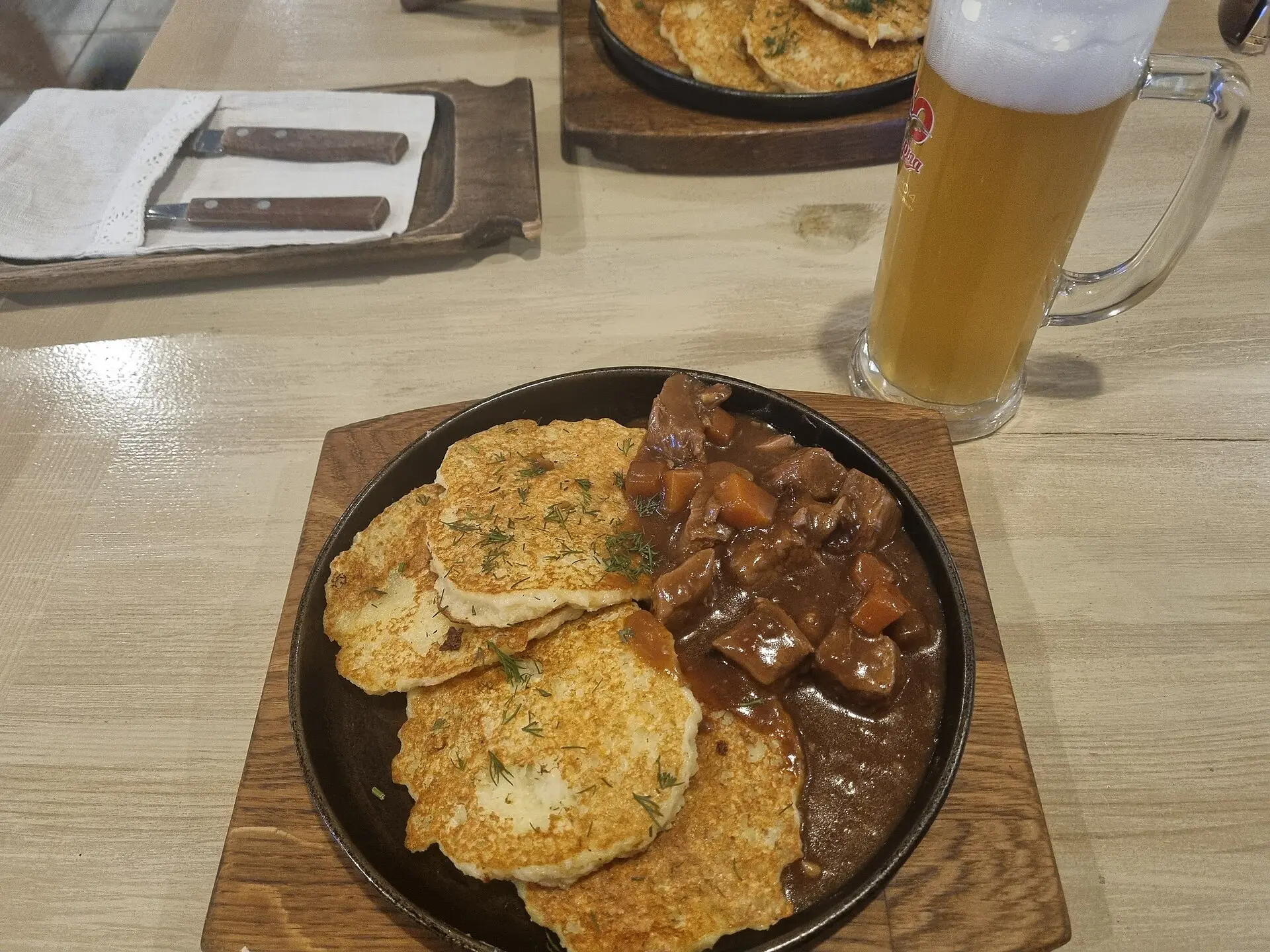
- Draniki: crisp potato pancakes served with sour cream, the national dish.
- Machanka: pork and sausages in a thick sauce, traditionally eaten with pancakes.
- Kolduny: potato dumplings stuffed with minced meat.
- Kholodnik: chilled beetroot soup, popular in summer.
- Kletski: flour dumplings in mushroom or creamy sauce.
- Kvass and birch sap: traditional drinks, with rye-bread kvass sold in summer.
- Krambambula: a spiced honey liqueur, widely linked to Belarus.
Vegetarians can find potato dishes, mushrooms, syrniki cheese pancakes and salads, though many soups and sides are cooked with meat or lard. Belarusians are enthusiastic about local beer, and rural agritourism farms serve home-style meals. Tap water is generally treated, but many visitors prefer bottled water.
Culture, language and etiquette in Belarus
Belarus has two official languages, Belarusian and Russian, and Russian is far more widely used in daily life. English is spoken by some younger people and in hotels, but less so elsewhere, so a translation app and a few Russian phrases help. Spasibo means thank you, and Dobry dzen is a greeting in Belarusian.
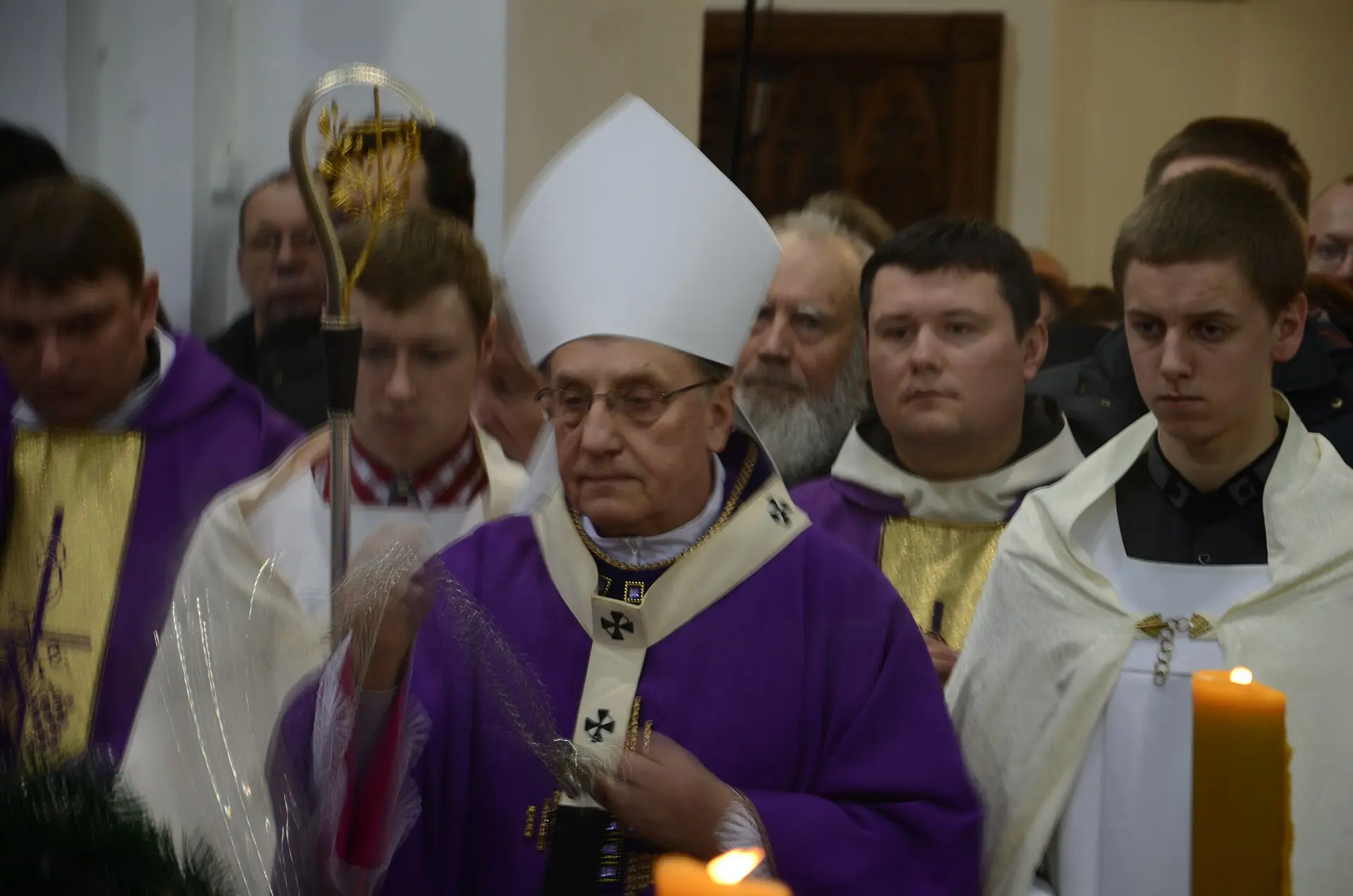
Belarusians are often reserved with strangers, but warm once you are introduced. Remove shoes at the door when visiting a home, bring a small gift, and expect toasts at meals. Most people are Orthodox Christian, with a Catholic minority, and dress should be modest in churches.
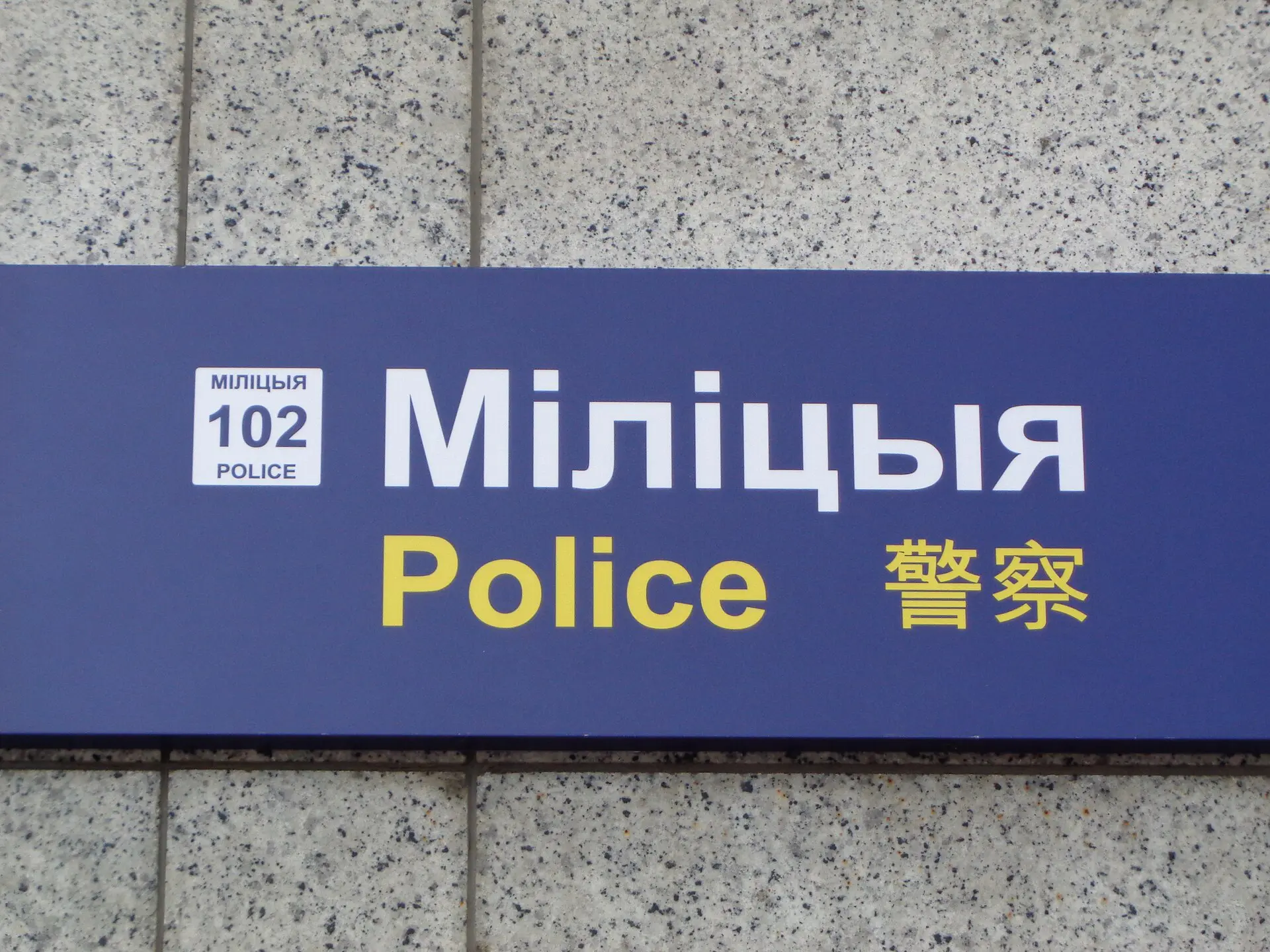
Politics is the biggest etiquette issue. Do not discuss the government, protests, the war in Ukraine or the flag and symbols of the opposition, and do not photograph police, soldiers or official buildings. World War II memories remain central to national identity, so treat memorials with respect. Many people value World War II memorial days and Soviet-era heritage, and it is wise to listen more than you comment.
Belarus itinerary: a 7-day route
Independent travel in Belarus is not currently advisable, because governments advise against all travel and entry rules and borders can change without warning. The route below is a planning reference only, for readers who decide to go after checking official advice, and it keeps to the best-known western and central sights rather than border zones or sensitive areas.
- Day 1, Minsk: arrive, walk Independence Avenue and the Trinity Suburb, and eat dinner locally.
- Day 2, Minsk: visit the National Library, the Island of Tears and the war museum.
- Day 3, Mir and Nesvizh: take a day trip by pre-arranged transport to the two UNESCO castles.
- Day 4, Mound of Glory and Dudutki: visit the memorial and the open-air museum near Minsk.
- Day 5, train to Brest: about three to four hours, then visit Brest Fortress.
- Day 6, Belovezhskaya Pushcha: join an organised excursion, with the required permits arranged beforehand.
- Day 7, return: go back to Minsk or onward by a route confirmed in advance.
Keep your plans flexible, register accommodation as required, and share your itinerary with someone at home.
Practical tips for Belarus
- Money: the Belarusian ruble is the local currency. Foreign bank cards often do not work, so carry cash in euros or US dollars and exchange it at official bureaux or banks.
- SIM and eSIM: local SIMs require passport registration, and coverage is good in cities. Assume communications are monitored, and review what is on your phone.
- Plugs: types C and F at 230 V, as in much of Europe.
- Tipping: not required, but rounding up or leaving about 10 percent is welcome.
- Insurance: medical insurance valid in Belarus may be compulsory, and many insurers exclude countries with an advisory against travel, so check carefully.
- Registration: hotels normally register foreign guests, but for private stays you may need to register within a short period.
- Packing: layers, waterproofs and sturdy shoes, plus warm clothing from October to April.
- Emergency: make sure your embassy knows you are visiting, and keep copies of your documents.
For wider background, see the Wikivoyage Belarus guide.
FAQ
Q1What is Belarus food like?
Belarus food is hearty and potato-based. Try draniki potato pancakes with sour cream, machanka pork stew, kolduny dumplings, cold beetroot soup in summer and rye kvass. Portions are large and cheap, and vegetarians can find mushroom and cheese dishes, though meat is common in soups.
Q2Is Belarus safe?
Governments including the UK and US advise against all travel. Street crime is low, but foreigners face risks of arbitrary detention, surveillance and sudden border closures. Consular help is limited. Check your foreign ministry's current advice and your insurance before considering a trip.
Q3What are the best things to do in Belarus?
Popular choices are touring the UNESCO castles at Mir and Nesvizh, seeing bison in Belovezhskaya Pushcha, visiting Brest Fortress, and walking Minsk's Independence Avenue and Trinity Suburb. These sights are usually visited on guided or pre-arranged trips. Check official travel advice first.
Q4Do I need a visa for Belarus?
It depends on your passport. Citizens of many countries have been able to enter visa-free for up to 30 days via Minsk airport, with conditions such as insurance, while others need a visa. Rules change, so confirm with Belarusian authorities and your own government before booking.
Q5What is the best time to visit Belarus?
May to September is best, with mild to warm weather and long days. Spring and autumn are cooler and quieter. Winters are cold and snowy, with limited daylight, though Minsk's museums and cafés remain open. Border and travel rules matter more than the season.
Q6Is Belarus safe to visit for tourists right now?
Many governments say no and advise against all travel because of political repression, detention of foreigners and restricted borders. Tourists have been detained for photographs and social media posts. If you still decide to go, avoid politics, photograph only tourist sights and keep an exit plan.