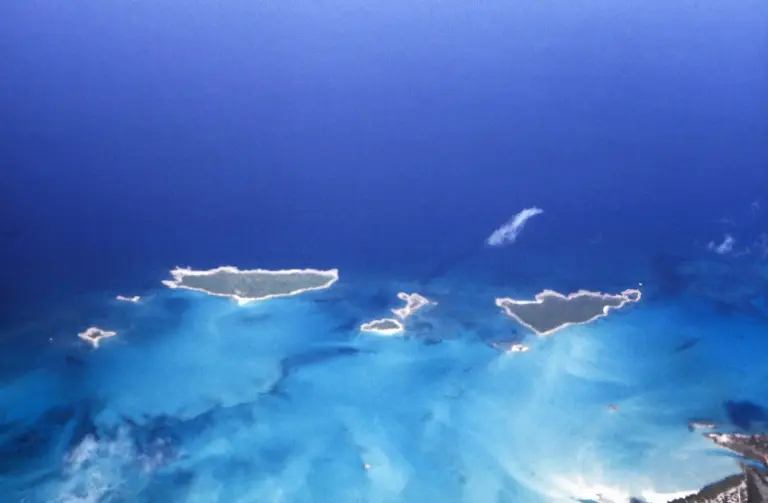
Why visit Trinidad and Tobago
This Trinidad and Tobago travel guide starts with a simple fact: the country is two islands with two personalities. Trinidad, the larger one, is an industrial and cultural powerhouse, the birthplace of the steelpan, the limbo and calypso, and home to one of the world’s best-known Carnivals. Tobago, a short flight or ferry away, is quieter, with coral reefs, small fishing villages and some of the oldest protected rainforest in the western hemisphere. The Wikipedia overview gives the wider background, including the country’s oil and gas economy.
Unlike most Caribbean countries, tourism is not the main industry here, so there are few all-inclusive resorts and a lot of everyday life to see. The population blends African, Indian, European, Chinese and Indigenous heritage, and that shows in the food, the festivals and the music. The country suits food travellers, birdwatchers, divers and anyone who wants culture alongside the beach. It is less suited to people who want a polished, resort-style holiday with no planning.
Best places to visit in Trinidad and Tobago
The best places to visit in Trinidad and Tobago are split between Trinidad’s cities and nature reserves and Tobago’s beaches and reefs, so most visitors spend time on both.

Port of Spain
The capital is the centre of Carnival and the country’s business district. The Queen’s Park Savannah, a large open park ringed by colonial mansions known as the Magnificent Seven, is the natural starting point. The city is best explored by day and with local advice about which areas to avoid.
Maracas Bay
Reached by a winding road over the Northern Range, Maracas is the best-known beach on Trinidad’s north coast. It is also the home of bake and shark, the island’s famous beach snack. Go on weekdays to avoid weekend crowds.
Asa Wright Nature Centre
In the Arima Valley, this former plantation is a world-famous birdwatching lodge with hummingbirds, toucans and the oilbird cave. Day visits are possible, and rooms are popular with birders, so book ahead.
Caroni Bird Sanctuary
Boat trips through mangrove channels near Port of Spain end at dusk, when scarlet ibis return to roost in the trees. It is one of the most distinctive wildlife sights in the Caribbean.
Pigeon Point and Buccoo Reef, Tobago
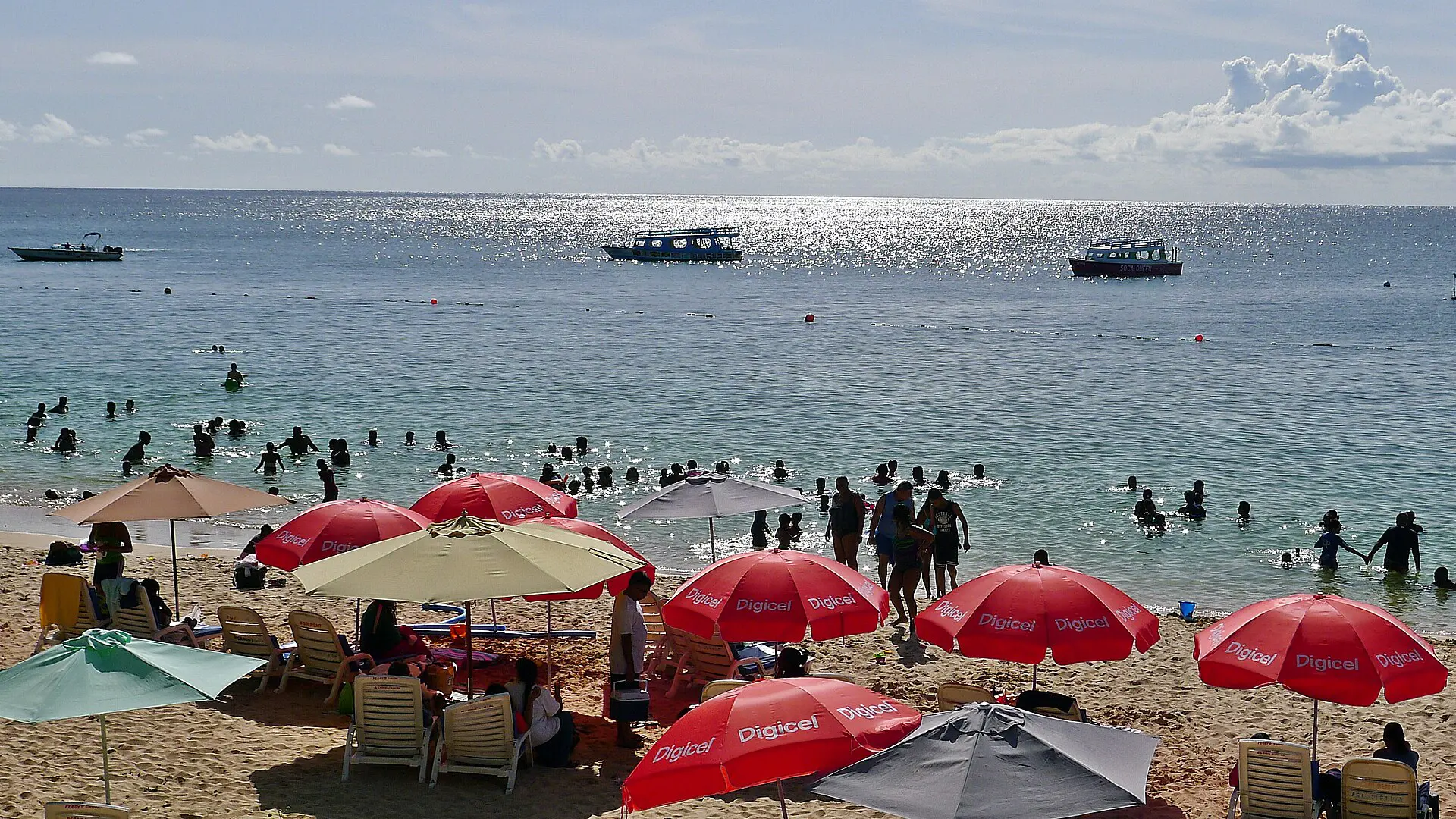
Pigeon Point has the thatched jetty and calm water that appear on most postcards, while glass-bottom boats from Buccoo run to the reef and the shallow Nylon Pool.
Charlotteville and Speyside, Tobago
At Tobago’s northeastern tip, these villages are the base for diving and snorkelling on reefs with large brain corals. Little Tobago, offshore, is a seabird sanctuary.
Top things to do in Trinidad and Tobago
The top things to do in Trinidad and Tobago combine festival culture, food and nature, and most work well even outside Carnival season.
- Join Carnival: the parade of bands, soca and costumes in Port of Spain on the Monday and Tuesday before Ash Wednesday is the main event.
- Hear a steelpan band: pan yards in the capital often rehearse in the weeks before Carnival and welcome listeners.
- Eat bake and shark at Maracas: fried shark in fried bread with a long list of sauces, eaten on the beach.
- Watch scarlet ibis at Caroni: take an evening boat tour through the mangroves.
- Go birdwatching at Asa Wright: spot tanagers, motmots and hummingbirds from the veranda.
- Dive or snorkel off Speyside: Tobago’s reefs have strong currents in places, so go with a local operator.
- Hike the Main Ridge Forest Reserve: the reserve on Tobago was protected in 1776 and has guided trails to waterfalls and viewpoints.
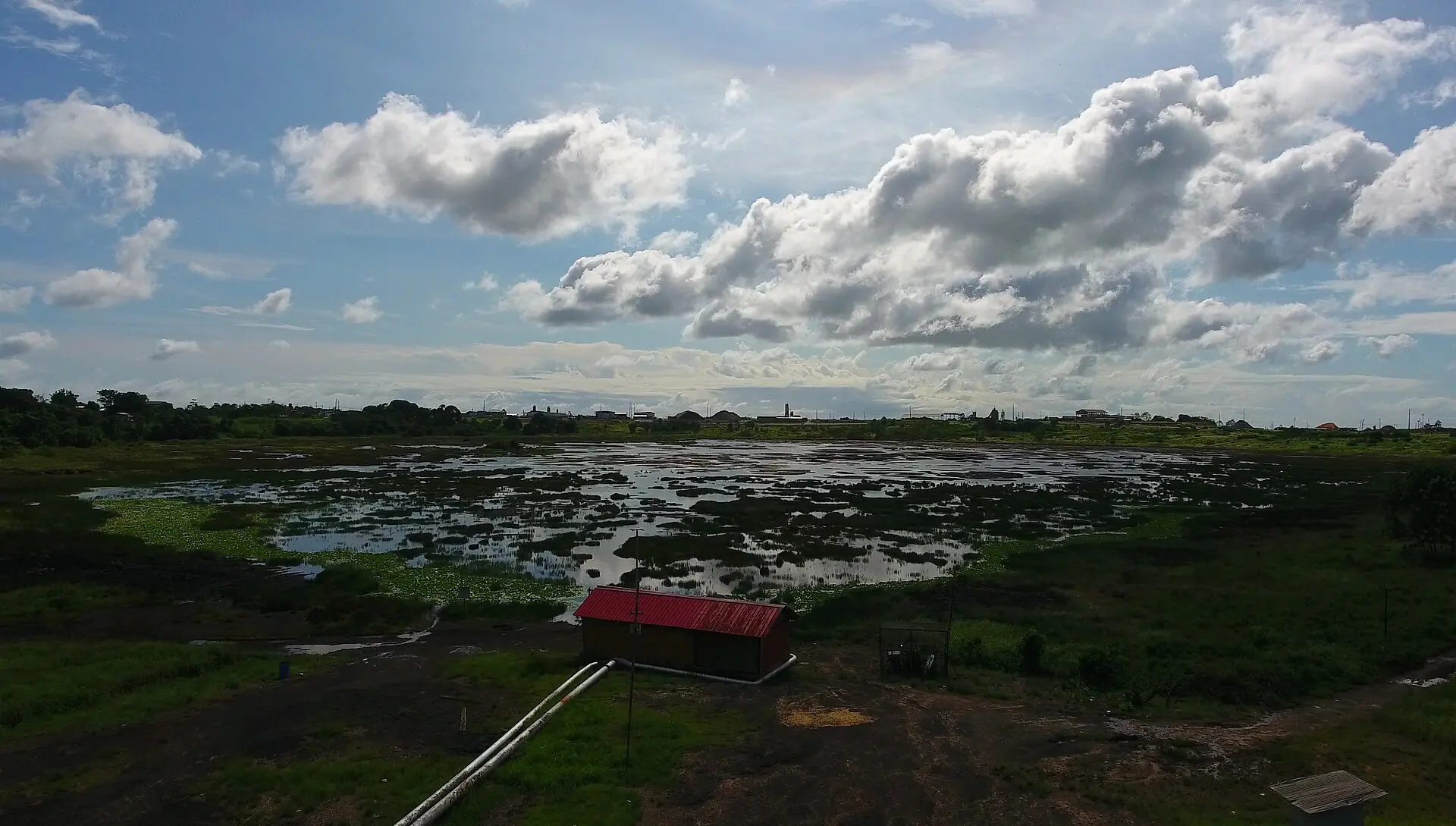
- Visit the Pitch Lake: at La Brea, a natural lake of asphalt, one of the largest in the world, is open to guided visits.
- Try doubles in Port of Spain: curried chickpeas in soft fried bread, a standard breakfast.
- Swim at Store Bay and Englishman’s Bay: two easily accessible beaches in Tobago.
- Attend Hosay or Diwali events: these Indian Caribbean festivals are major community celebrations.
Best time to visit Trinidad and Tobago
The best time to visit Trinidad and Tobago is the dry season from January to May, when rain is lightest and the sea is calm for diving. Carnival falls in February or March, and prices and demand are far higher in that period. The country sits south of the main hurricane belt, so storms are less frequent than elsewhere in the Caribbean, but the wet season from June to December brings heavy showers and some flooding.

| Season | Weather | Crowds and prices | Good for |
|---|---|---|---|
| Dry season (Jan-May) | Hot, sunny, low rain | High around Carnival; moderate otherwise | Beaches, diving, Carnival |
| Early wet (Jun-Aug) | Hot, frequent showers | Lower, with some festivals | Birdwatching, cheaper stays |
| Late wet (Sep-Nov) | Humid, heavy rain possible | Low | Budget trips, Diwali in Oct or Nov |
| Early dry (Dec) | Rain easing | Rising for Christmas parang | Music, food, mild weather |
Book flights and rooms for Carnival many months ahead, and treat all dates as approximate because the festival follows the Christian calendar.
Is Trinidad and Tobago safe to visit?
Trinidad and Tobago is safe for many visitors who take precautions, but violent crime is a genuine concern, particularly in parts of Trinidad. Tobago and the main tourist areas generally see fewer incidents. Government advisories, such as the UK FCDO travel advice and the US State Department page, are the best sources to check before you book.

Crime. Armed robbery, gang violence and kidnapping have been reported in parts of Port of Spain and other areas, and the government has at times declared states of emergency. Stay in recommended areas, avoid walking after dark, do not display valuables, and use a trusted taxi or hotel-arranged driver.
Roads. Traffic in Port of Spain is heavy, and driving is on the left. Use a driver for night trips and avoid isolated beaches after dark.
Nature. Rip currents occur at Maracas and other open beaches, so swim where lifeguards are present. Dengue is present, so use mosquito repellent. Earthquakes are possible in this region.
Health. Carry travel insurance with medical cover and evacuation, and check vaccine advice, including yellow fever rules if you arrive from an affected country.
Visa and entry requirements for Trinidad and Tobago
Entry rules depend on your nationality. Citizens of many countries, including the US, UK and most EU states, have generally been able to visit for short tourist stays without a visa, but rules change and some nationalities do need one, so confirm with the Trinidad and Tobago Ministry of Foreign and CARICOM Affairs or the nearest embassy.

Bring a passport valid for the whole stay, proof of onward or return travel and details of where you will stay. Some travellers must complete an online immigration or arrival form before departure, so check whether this applies. If you arrive from a country where yellow fever is present, you may need a vaccination certificate.
Tobago is part of the same country, so you do not clear immigration again when flying or taking the ferry between the islands. For general heritage context, the UNESCO page for Trinidad and Tobago lists the country’s current World Heritage status, though it does not cover entry rules.
Getting to and around Trinidad and Tobago
Most visitors arrive at Piarco International Airport near Port of Spain, with direct flights from the US, Canada, the UK and other Caribbean hubs. Tobago has its own airport, Arthur Napoleon Raymond Robinson International Airport, which receives some international charters and seasonal flights.
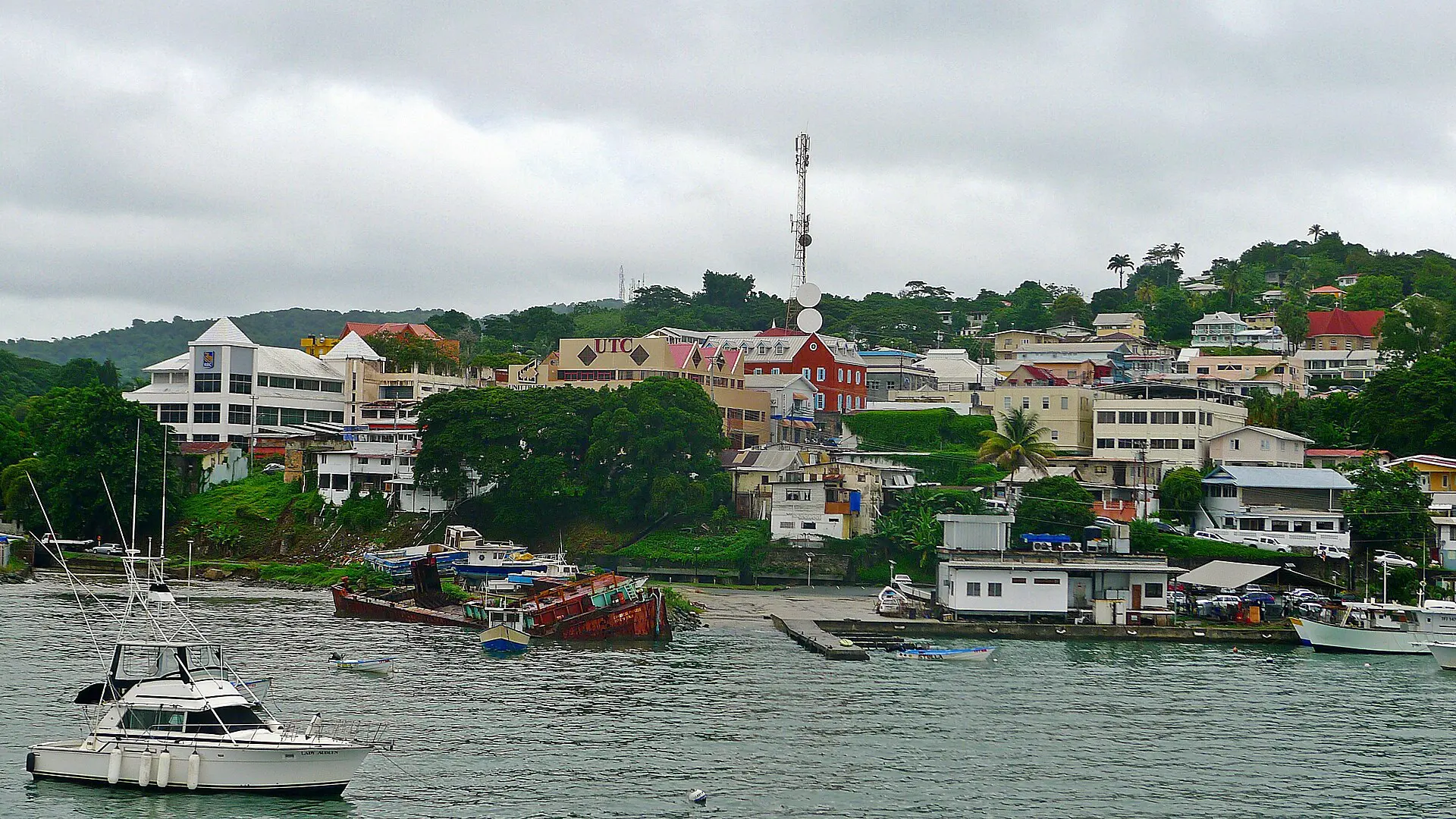
Between the islands, domestic flights take about 20 minutes, and a ferry between Port of Spain and Scarborough takes around three to four hours, with schedules changing, so check current timetables. Book ahead for holiday weekends.
On Trinidad, shared route taxis and buses operate on set routes, but most visitors use a hired car with driver, hotel transfers or a rental car. Driving is on the left, and traffic around Port of Spain is slow in rush hour. In Tobago, a rental car makes it easy to reach beaches and villages, and taxis are plentiful near Crown Point. Allow more time than distances suggest, as roads are narrow and winding in the north of both islands.
How much does a trip to Trinidad and Tobago cost?
Trinidad and Tobago is mid-priced for the Caribbean, cheaper than the Eastern Caribbean resort islands for food and local transport but not cheap for accommodation in Tobago. The currency is the Trinidad and Tobago dollar (TTD), though hotels often quote in US dollars. These figures are rough per-person guides for 2026 and rise at Carnival.
- Budget: around USD 50 to 90 per day, with guesthouses, route taxis and street food such as doubles and roti.
- Mid-range: around USD 90 to 180 per day, with comfortable hotels, restaurant meals, taxis and a few tours.
- High-end: from around USD 250 per day, with boutique hotels, private drivers and dive packages.
Carnival is the biggest cost factor: hotels can double in price and costume packages for the parade often cost hundreds of dollars. Flights between the islands, car rental and guided nature tours are the other main extras, while street food is among the cheapest in the region.
Trinidad and Tobago food and drink
Trinidad and Tobago food is widely regarded as among the best in the Caribbean, shaped by Indian, African, Creole, Chinese and Syrian-Lebanese cooks. Street stalls and small family places are often better than hotel restaurants.
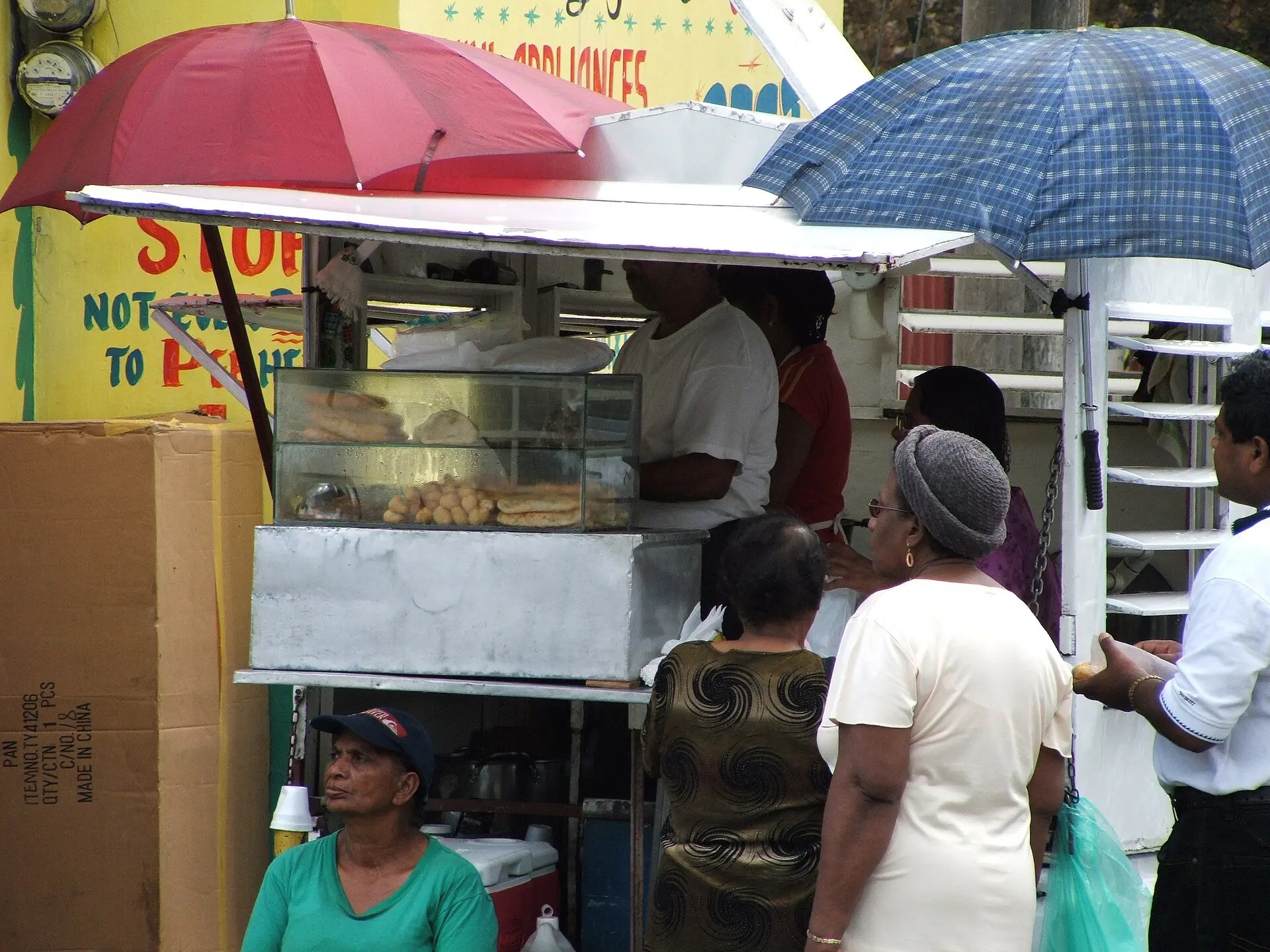
- Doubles: two soft fried breads (bara) filled with curried chickpeas and chutney, eaten at breakfast.
- Roti: flatbread wrapped around curried meat or vegetables; the dhalpuri variety is filled with ground split peas.
- Bake and shark: fried shark in fried bread, dressed with sauces and slaw at Maracas Bay.
- Pelau: a one-pot dish of rice, pigeon peas and caramelised chicken or beef.
- Callaloo: a creamy soup of dasheen leaves, okra and coconut milk.
- Crab and dumpling: Tobago’s signature curried crab dish, best at Store Bay stalls.
- Local drinks: rum, Carib and Stag beer, and coconut water from roadside vendors.
Pepper sauce is very hot, so ask for it on the side. Vegetarians can eat well because chickpea, pumpkin and lentil dishes are everywhere, though ask whether dishes use meat stock. Street food is generally safe at busy stalls where food is cooked fresh.
Culture, language and etiquette in Trinidad and Tobago
English is the official language, and the everyday speech is a lively local English-based creole with its own rhythm and slang, though visitors have no trouble being understood. Hindi, French Creole and Spanish words appear in names and music.

Trinidad and Tobago has large communities of African and Indian descent, along with mixed, Chinese, European, Syrian-Lebanese and Indigenous people. Religion is varied, with Christian, Hindu and Muslim communities, and national holidays cover Divali, Eid and Emancipation Day. Music is central: calypso, soca and steelpan fill the air before Carnival, and chutney soca grew out of Indian Caribbean culture.
Greet people with a friendly good morning or good afternoon before asking for anything, which is considered polite. Dress modestly when visiting temples, mosques and churches, and remove shoes where asked. At Carnival, ask before photographing masqueraders up close. Avoid raising ethnic politics or crime in casual conversation, and be punctual for tours even though social events may start late, a habit locals call Trini time.
Trinidad and Tobago itinerary: a 7-day route
This route splits the week between Trinidad and Tobago and uses taxis or a hired driver for safety and convenience.
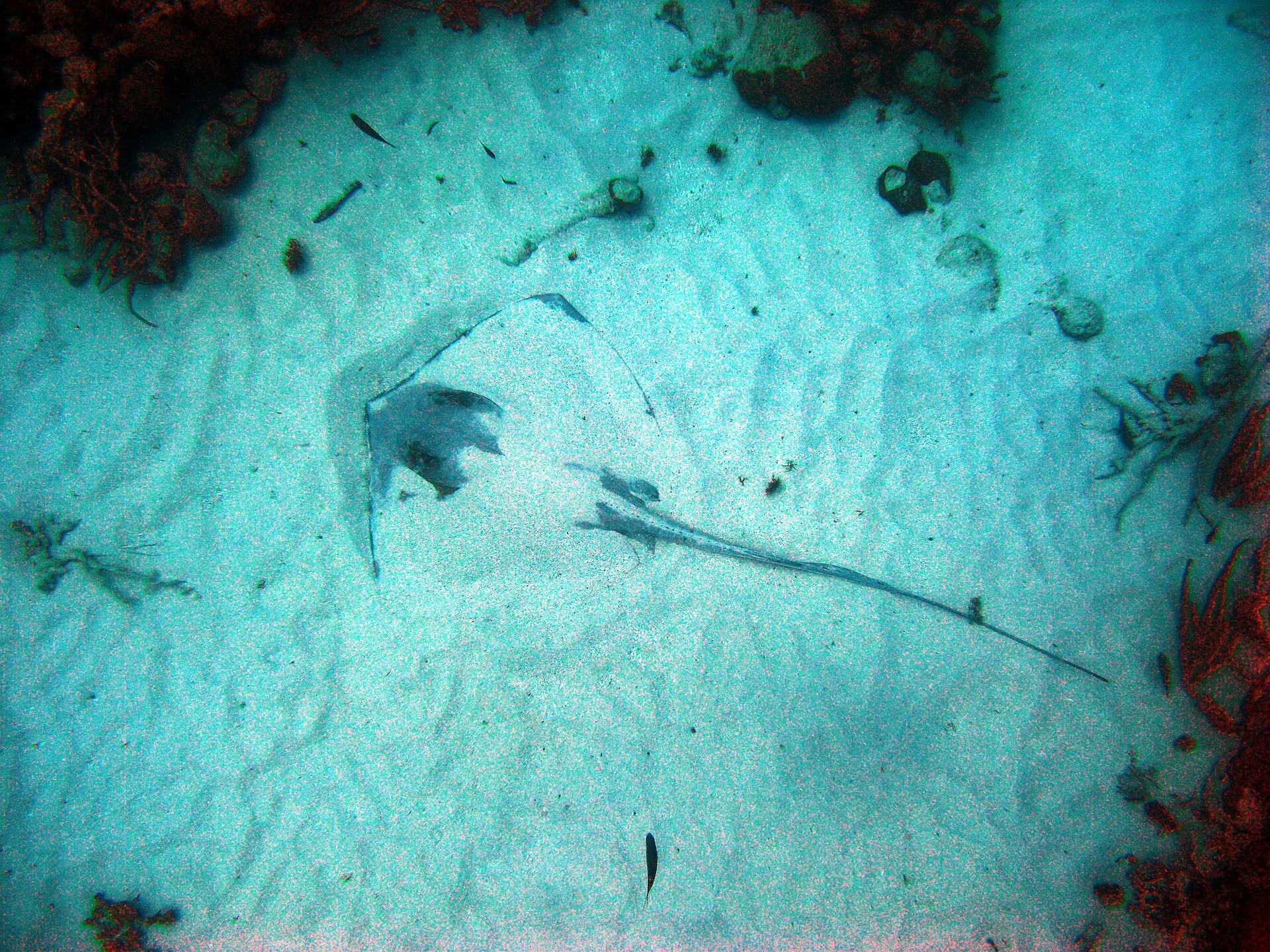
- Day 1, Port of Spain: arrive, then walk the Queen’s Park Savannah in daylight and eat doubles or roti.
- Day 2, Asa Wright: spend the day birdwatching in the Arima Valley, with a night at the centre or a nearby guesthouse.
- Day 3, Maracas Bay: travel over the Northern Range, swim carefully, and eat bake and shark.
- Day 4, Caroni: join an evening boat tour to see scarlet ibis, then fly to Tobago the next morning or take the morning flight.
- Day 5, Pigeon Point and Buccoo: spend the morning on the beach and take a glass-bottom boat to the reef.
- Day 6, Speyside: drive north for a dive or snorkel and a forest walk in the Main Ridge Reserve.
- Day 7, Scarborough and departure: visit Fort King George and fly out from Tobago or return to Piarco.
During Carnival, spend more time in Port of Spain and book parade tickets and transport early.
Practical tips for Trinidad and Tobago
- Money: the Trinidad and Tobago dollar is the local currency. ATMs are common in towns, cards work in hotels and larger restaurants, and cash is needed for street food and route taxis. US dollars are sometimes accepted but at poor rates.
- SIM and eSIM: local prepaid SIMs and eSIMs are widely available at the airport and in town; check roaming charges before relying on your home plan.
- Plugs: types A and B at 115 V, so bring adapters if your devices use a different standard.
- Tipping: 10 to 15 percent in restaurants if no service charge is included; a small tip for drivers and guides is appreciated.
- Health: use insect repellent, drink bottled water if unsure, and carry insurance covering medical care.
- Packing: light clothes, a rain jacket, reef-safe sunscreen, binoculars for birdwatching and sturdy shoes for trails.
- Safety habits: carry only what you need, use hotel safes and arrange rides by phone rather than flagging them in the street at night.
For more background reading, see the Wikivoyage Trinidad and Tobago guide.
FAQ
Q1Is Trinidad and Tobago safe to visit?
Many visitors travel without problems, but violent crime is a real concern, mainly in parts of Trinidad. Tobago generally sees fewer incidents. Use trusted drivers, avoid walking after dark, keep valuables hidden and check your government's current travel advice, since states of emergency have been declared in the past.
Q2When is the best time to visit Trinidad and Tobago?
January to May is the best period, with dry weather and calm seas for diving and beaches. Carnival falls in February or March and brings the biggest crowds and highest prices. The wet season from June to December is cheaper but has heavy showers and some flooding.
Q3What are the best things to do in Trinidad and Tobago?
Top picks are Carnival, a steelpan performance, bake and shark at Maracas Bay, scarlet ibis at Caroni, birdwatching at Asa Wright, the Pitch Lake and diving or snorkelling at Speyside and Buccoo Reef in Tobago.
Q4Do you need a visa for Trinidad and Tobago?
It depends on nationality. Many visitors, including from the US, UK and EU, have generally been able to enter without a visa for short stays, but some nationalities need one. Confirm the current rule and any online arrival form with the official immigration source before booking.
Q5What is Trinidad and Tobago famous for?
The country is known for Carnival, the steelpan instrument, calypso and soca music, and a food scene rooted in Indian and African Caribbean cooking. It is also known for birdwatching, the Pitch Lake and Tobago's coral reefs and quiet beaches.
Q6What food should I try in Trinidad and Tobago?
Start with doubles for breakfast, then try roti, bake and shark at Maracas, pelau, callaloo and Tobago's crab and dumpling. Wash it down with local rum or Carib beer, and treat pepper sauce carefully.
Q7How many days do you need in Trinidad and Tobago?
Seven days covers Port of Spain, a nature stop in Trinidad's Northern Range and a few beach and reef days in Tobago. Add three or four days for Carnival preparations, extra diving or a longer birdwatching stay.