Why visit Togo
This Togo travel guide begins with how small and varied the country is: Togo covers about 56,800 square kilometres, is less than 115 kilometres wide, and runs from the Gulf of Guinea coast through green hills to dry savanna in the north (see the Wikipedia overview for background). The capital, Lomé, sits right on the coast beside the Ghanaian border, and French is the official language, with Ewe and Kabiye widely spoken.
Togo suits travellers who like cultural depth over ready-made attractions. Highlights include Lomé’s grand marché, the voodoo traditions of the south, forest walks around Kpalimé and the Batammariba tower-houses of Koutammakou. It works well on a combined trip with Ghana and Benin. It is not an easy destination: infrastructure is basic, English is rare and the far north has serious security warnings.
Best places to visit in Togo
The best places to visit in Togo are mostly in the south and the central hills, with Koutammakou as the main northern draw.
Lomé
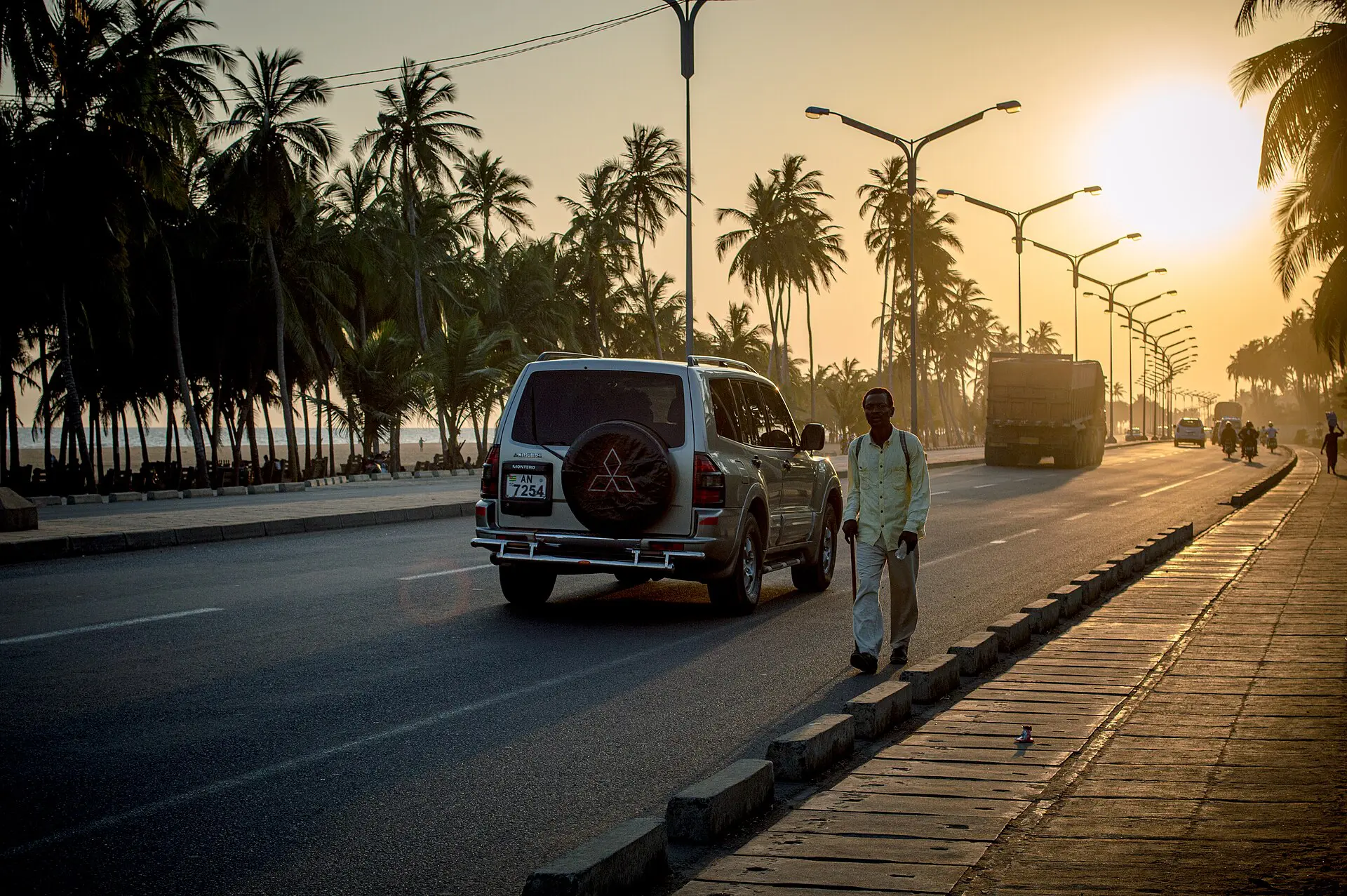
The capital has a lively seafront, the Grand Marché, the Fetish Market (Akodessewa) and the National Museum. It is the main entry point, a good base for day trips and busier and more modern than many visitors expect.
Aného and Togoville
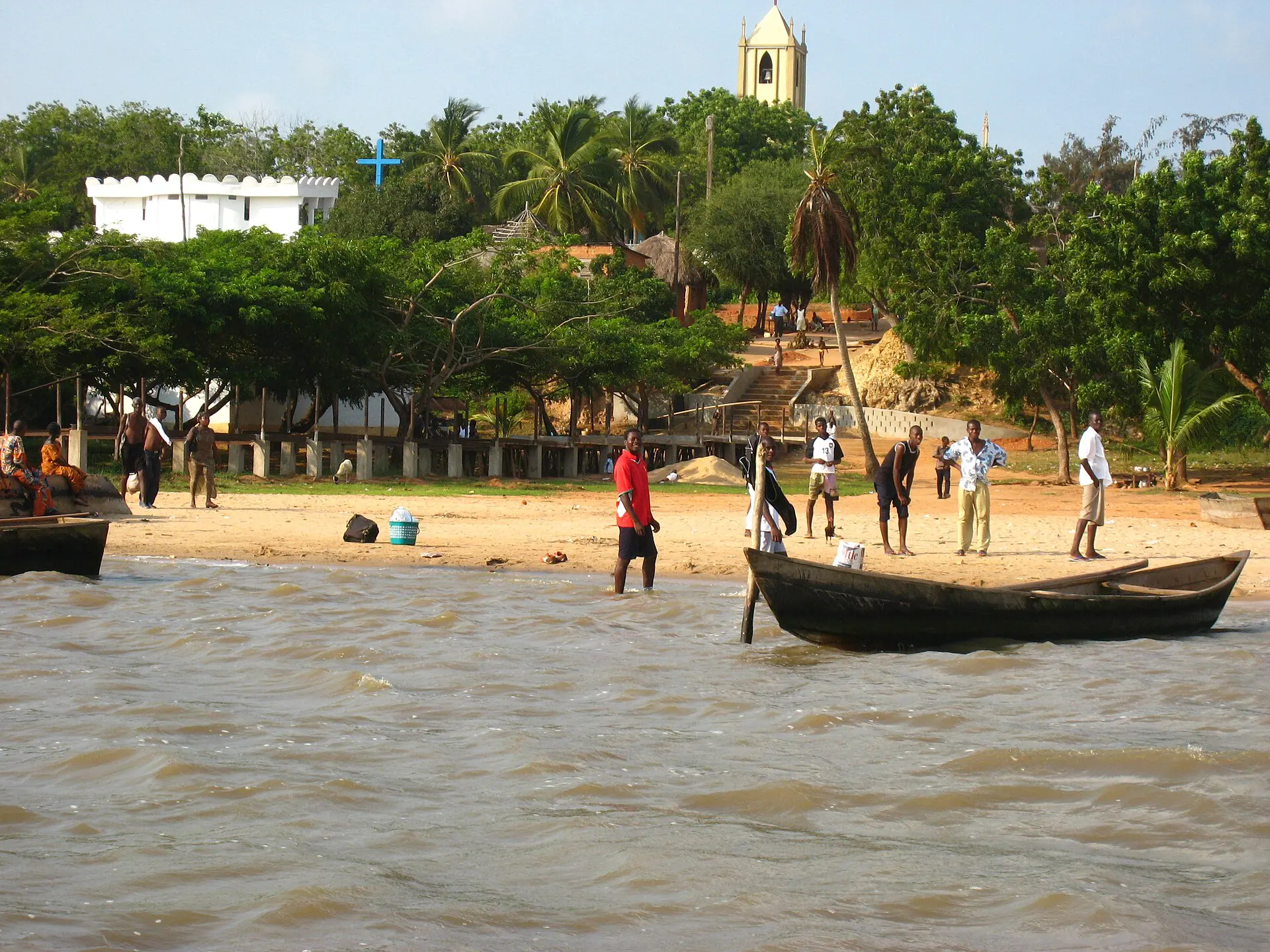
Aného, on the coast east of Lomé, has faded colonial buildings and a long history as a trading and slave-trade site. Togoville, across Lake Togo, is a spiritual and historical town linked to the 1884 treaty with Germany.
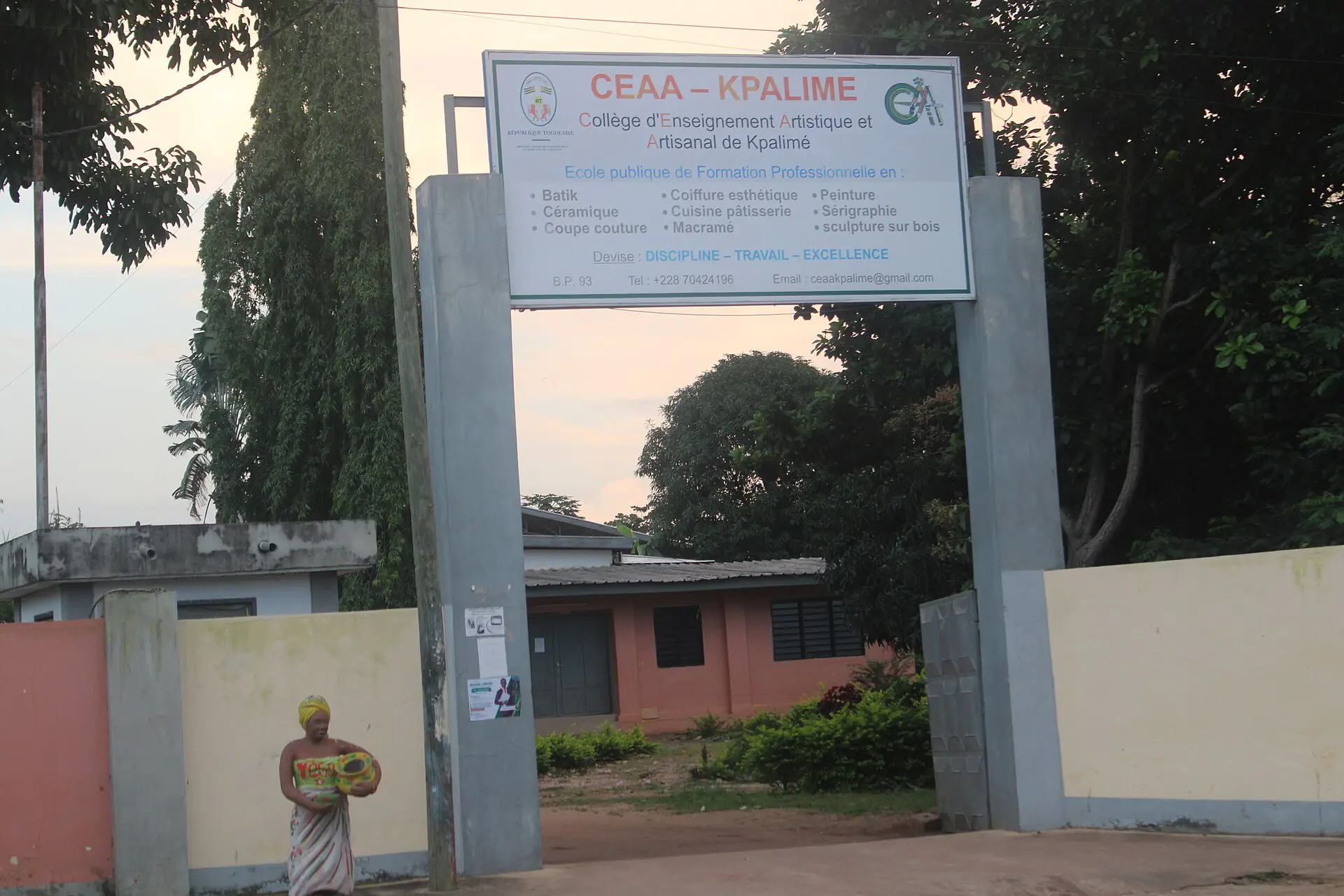
Kpalimé and Mont Agou
Kpalimé is a hill town with waterfalls, forests, butterflies and craft workshops. Mont Agou, the highest peak in Togo at about 986 metres, has a good day hike.
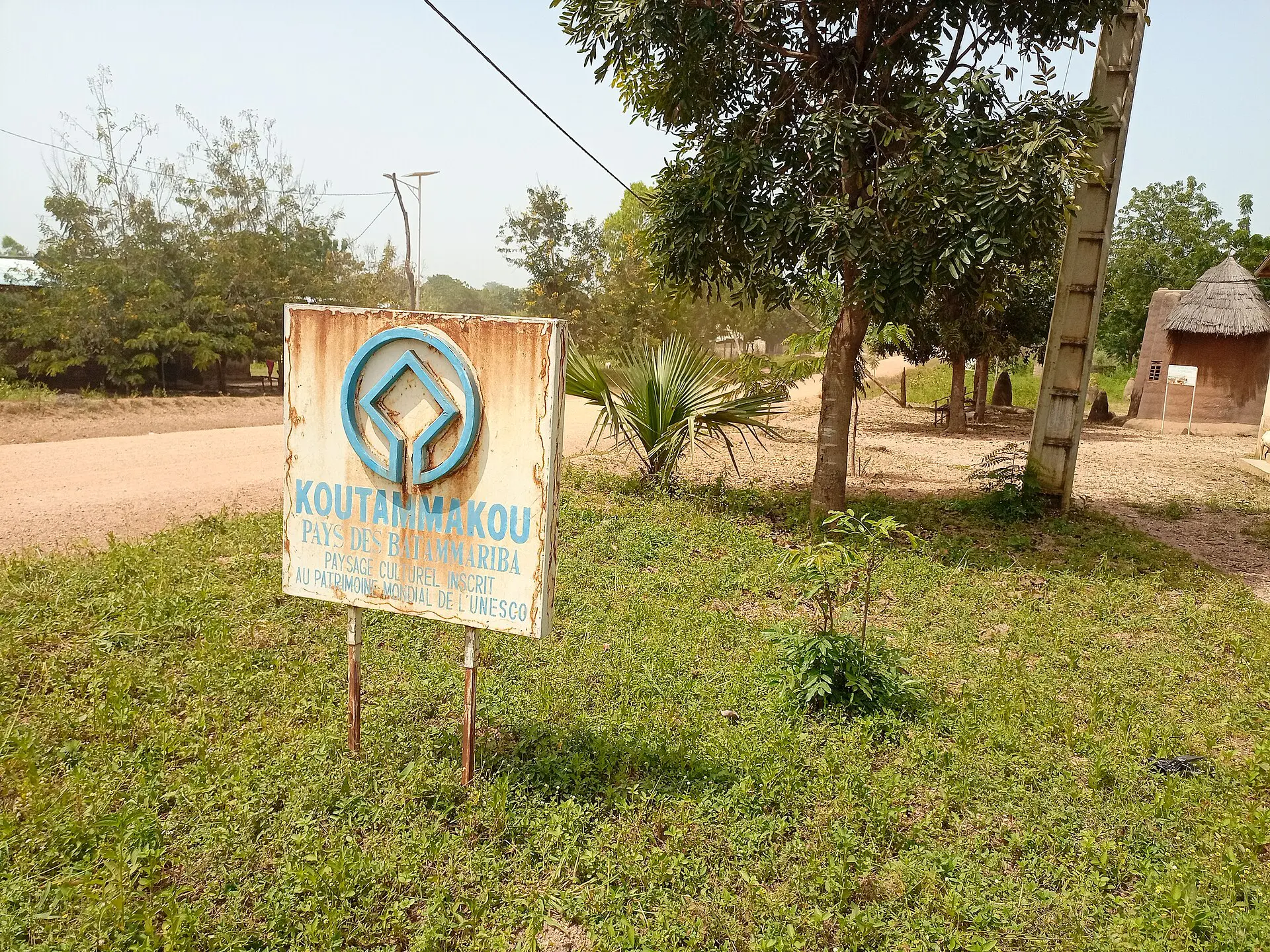
Koutammakou
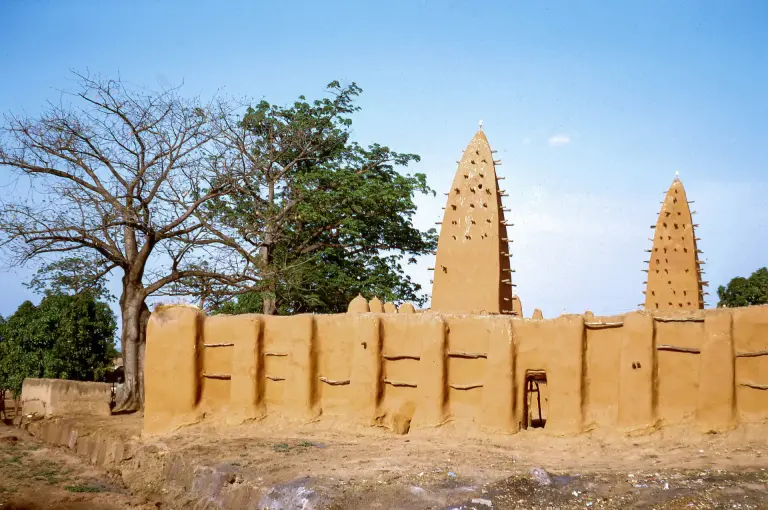
In the north-east, this UNESCO World Heritage cultural landscape is home to the Batammariba, who live in mud tower-houses called tata somba.
Kara and Sokodé
Central and northern towns that serve as bases for local markets, Fazao-Malfakassa National Park and village trips, depending on the current security advice.
Top things to do in Togo
The top things to do in Togo centre on culture, hills and the coast, and a local guide helps on most of them.
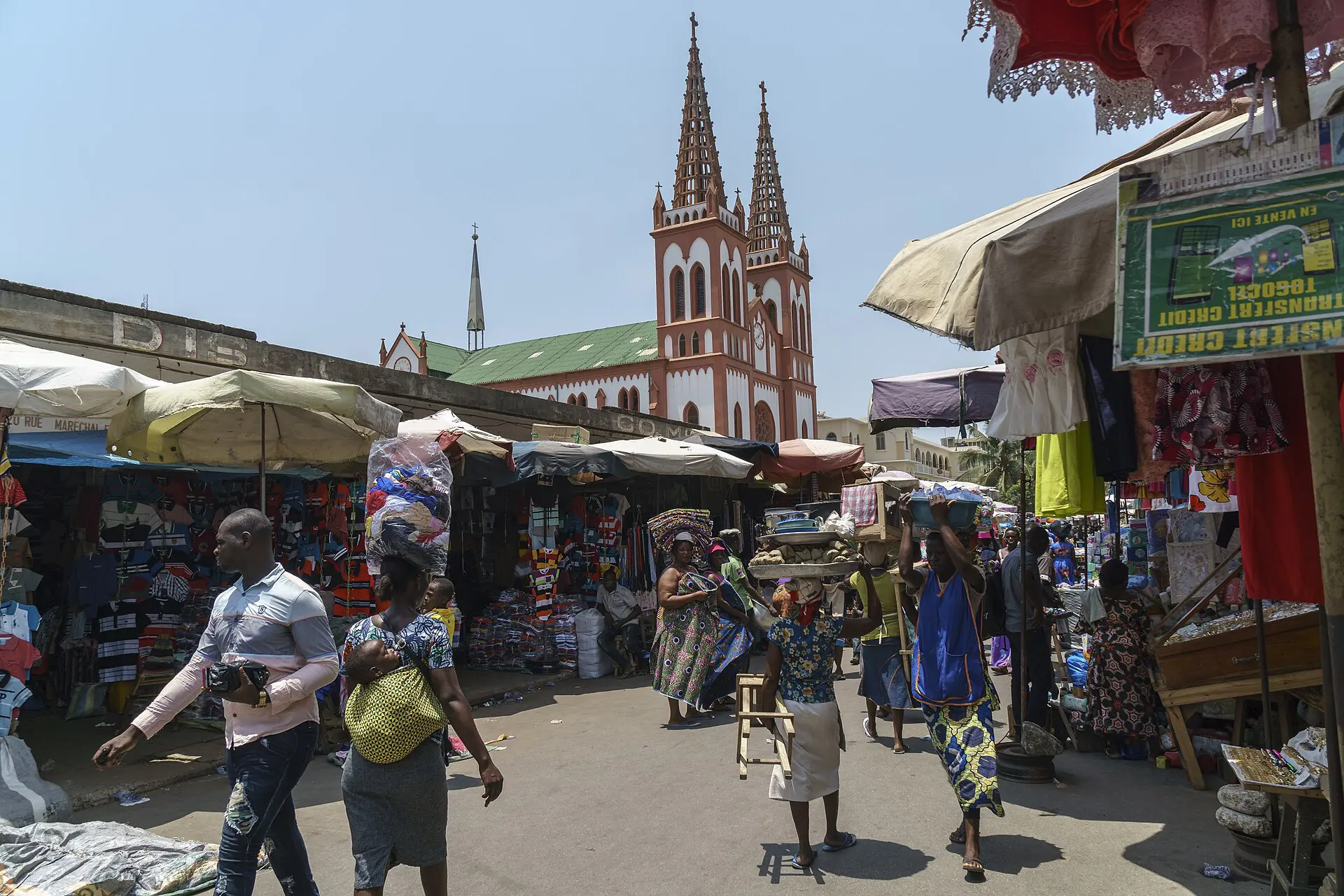
- Wander the Grand Marché in Lomé: the large central market is known for its textile sellers, the Nana Benz.
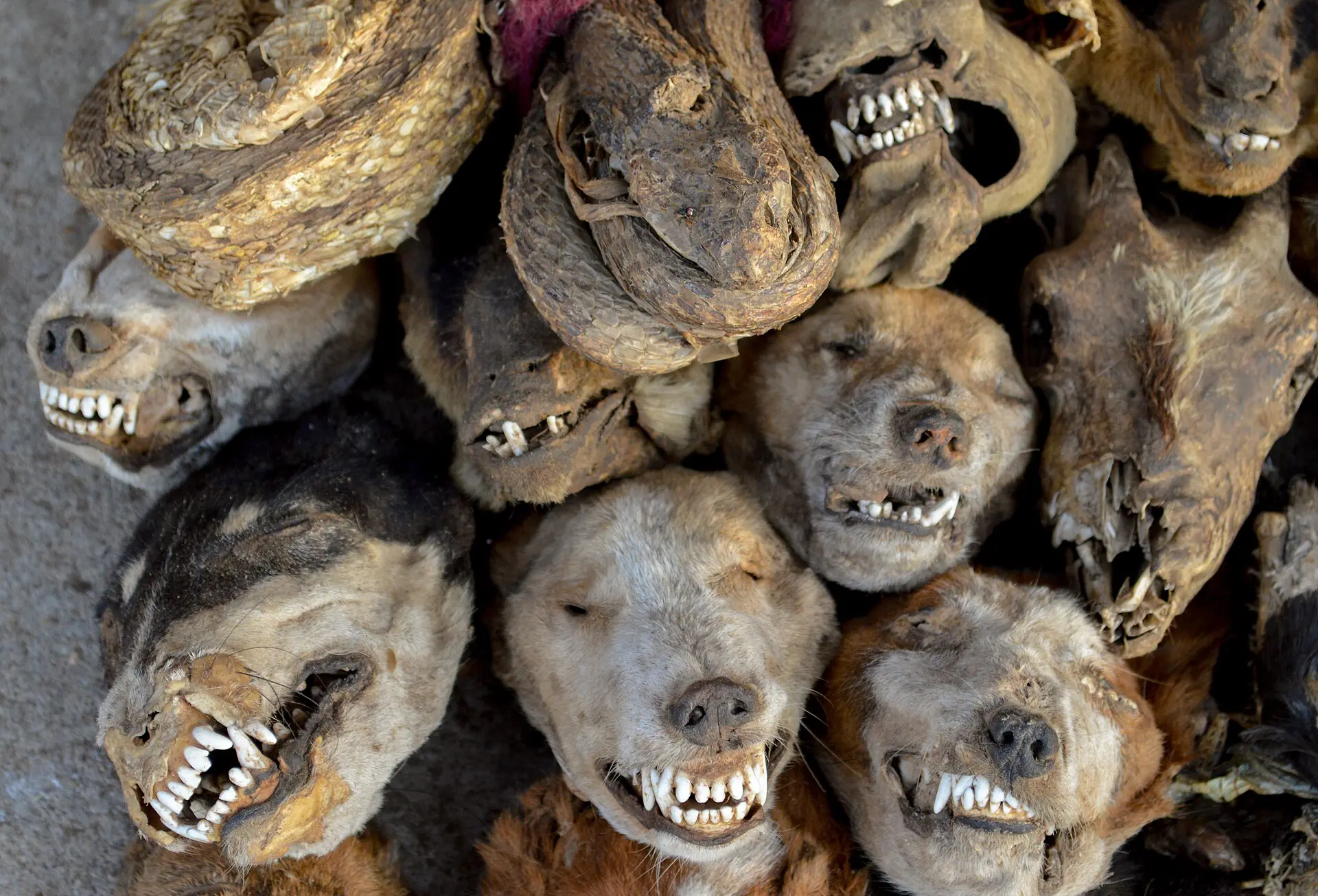
- Visit the Akodessewa fetish market: stalls sell voodoo items, and a guide can explain the traditions respectfully.
- Relax on the Lomé and Aného beaches: swim only where locals do, since currents are strong.
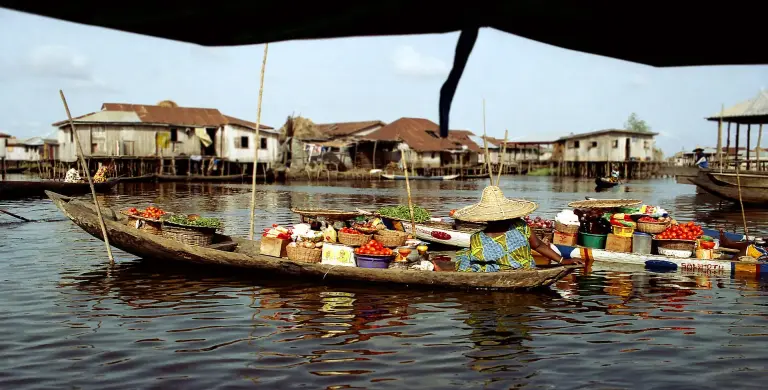
- Tour Togoville: cross Lake Togo by pirogue to see the historic cathedral and shrines.
- Hike around Kpalimé: forest paths lead to waterfalls and viewpoints, and Mont Agou is a longer climb.
- Go to Vogan on market day: the Friday market is known for its voodoo market goods.
- Visit Koutammakou: walk between tower-houses with a local Batammariba guide, if conditions allow.
- Look at Lomé’s art and craft: galleries and workshops show Togolese fabric, wood and bronze.
- Join a Lake Togo pirogue ride: a half-day trip from Aného.
- Watch for birds in Fazao-Malfakassa: the national park offers walking, subject to current conditions.
Best time to visit Togo
The best time to visit Togo is November to February, during the dry season. Days are warm, roads are passable and travel is easiest, though the Harmattan wind from December to February brings dusty haze and cooler mornings. The south has two rainy seasons, with the heaviest rain from April to July and a lighter spell around September to October. The north has one rainy season from about May to October.
| Season | Weather | Crowds and prices | Good for |
|---|---|---|---|
| Nov-Feb | Dry, hot days, Harmattan haze | Few tourists, best season | Travel, hiking, northern trips |
| Mar-Jul | Hot, humid, heavy rains in the south | Very quiet, low prices | Green hills, budget travel |
| Aug-Oct | Short break in rain, warm | Quiet | Kpalimé, Lomé, cultural visits |
Dirt roads become slow or impassable in heavy rain, especially in the hills and north.
Is Togo safe to visit?
Lomé and the south are generally calm and safe for careful visitors, but the far north has serious security warnings. Governments advise against travel to the Savanes region near the Burkina Faso border because of militant activity and a state of emergency. Check the UK FCDO or US State Department pages before you book and again before departure.
Crime. Petty theft and bag snatching occur in Lomé, particularly around the Grand Marché and beaches at night. Avoid displaying phones and jewellery, avoid walking after dark and use registered taxis.
Roads. Poor roads, motorbike taxis (zemidjans) and unlit vehicles make roads the main daily risk. Avoid travelling at night.
Health. Malaria is present year-round, and yellow fever vaccination is required for entry. Drink bottled water and carry travel insurance including medical evacuation.
Politics. Demonstrations occasionally occur in Lomé. Avoid gatherings, do not photograph government buildings or the military, and follow local news.
Visa and entry requirements for Togo
Entry rules depend on your nationality. Most visitors need a visa, and Togo has offered an online e-visa system, with visas on arrival available to some nationalities in the past. Citizens of ECOWAS countries can generally enter without a visa. Rules and fees change, so confirm the current requirement with the official Togolese e-visa portal, the Ministry of Foreign Affairs or your nearest embassy.
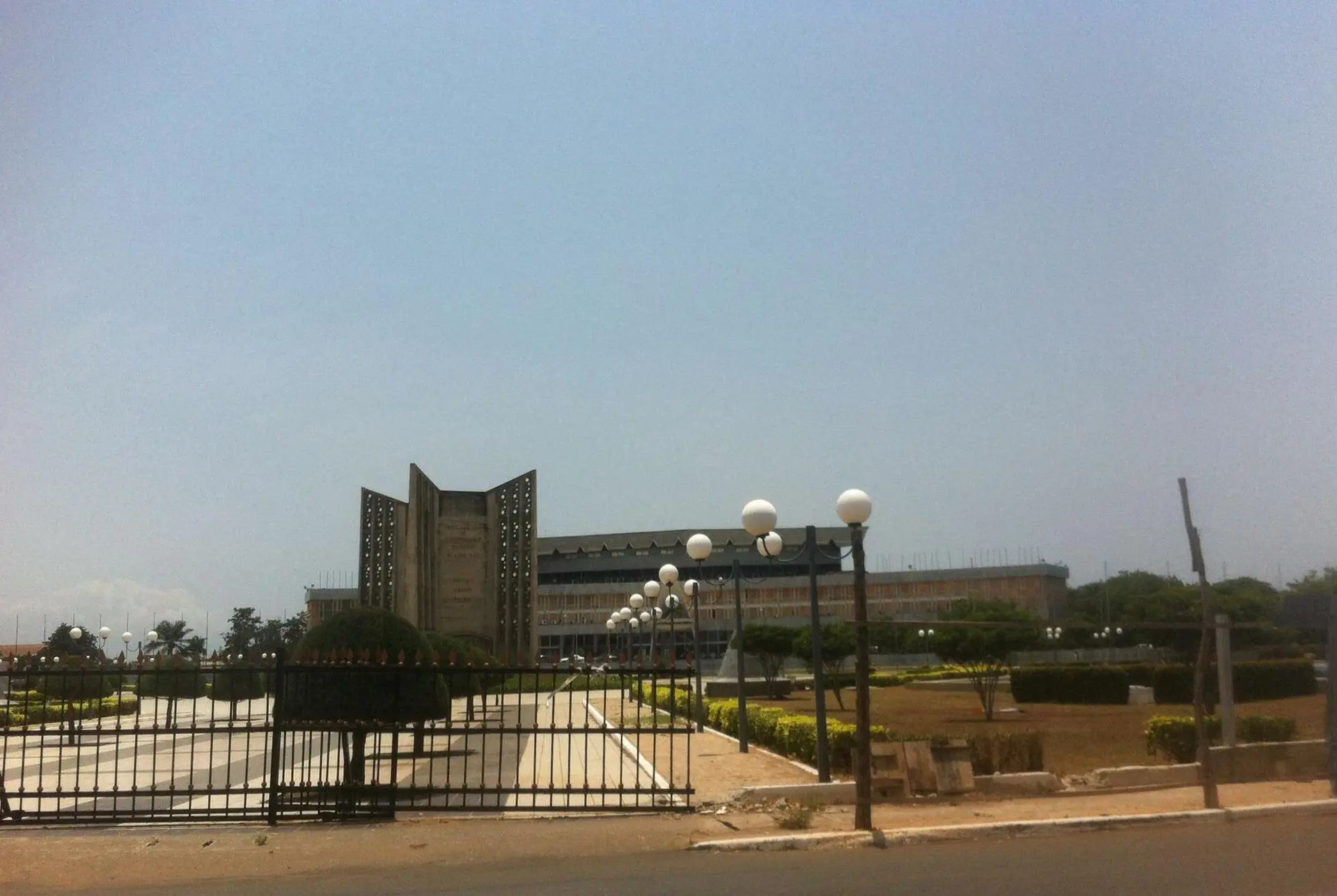
Bring a passport valid for at least six months. A yellow fever vaccination certificate is required for entry, and officials may ask to see it. Keep a copy of your passport and visa with you, since police checkpoints are common.
The land borders with Ghana at Aflao and with Benin at Hillacondji are the busiest crossings, and conditions at borders can change. The UNESCO page for Togo lists heritage sites, though it does not cover entry rules.
Getting to and around Togo
Most visitors fly into Gnassingbé Eyadéma International Airport in Lomé, which has flights via regional hubs in West Africa and some European cities. Overland, the borders with Ghana (Aflao) and Benin (Hillacondji) are open and usually busy, and Lomé is a short ride from both. Check current border conditions before you travel.
Domestic transport is mainly by bus, minibus and shared taxi, with some private coach companies running between Lomé, Kpalimé, Atakpamé, Sokodé and Kara. Lomé to Kpalimé takes around two and a half hours, and Lomé to Kara can take most of a day. In cities, motorbike taxis called zemidjans are cheap but risky, and metered or negotiated taxis are safer. Domestic flights are limited, and car hire with a driver is a good option on rural roads.
Driving is on the right. Roads on the coast and main northern route are in reasonable condition, while rural tracks become difficult in the rainy season.
How much does a trip to Togo cost?
Togo is cheaper than many West African capitals, although hotels in Lomé are not very cheap. The currency is the West African CFA franc (XOF), which is pegged to the euro. Figures are rough per-person guides for 2026 and rise when you hire a car with a driver.
- Budget: around USD 25 to 40 per day, with simple guesthouses, shared taxis and local food.
- Mid-range: around USD 40 to 90 per day, with air-conditioned hotels, restaurant meals and some private transport.
- High-end: from around USD 130 per day, with the best Lomé hotels, a private driver and guides.
Accommodation in Lomé and private transport are the main cost drivers. Local meals at maquis restaurants cost very little. Cash is essential outside the capital, since cards are accepted in only a few hotels and ATMs can fail, so carry euros or CFA francs.
Togo food and drink
Togo food draws on Ewe and Kabiye cooking, with staples such as maize, cassava, yam, rice and plenty of fish on the coast. Meals are often eaten at simple roadside restaurants called maquis.
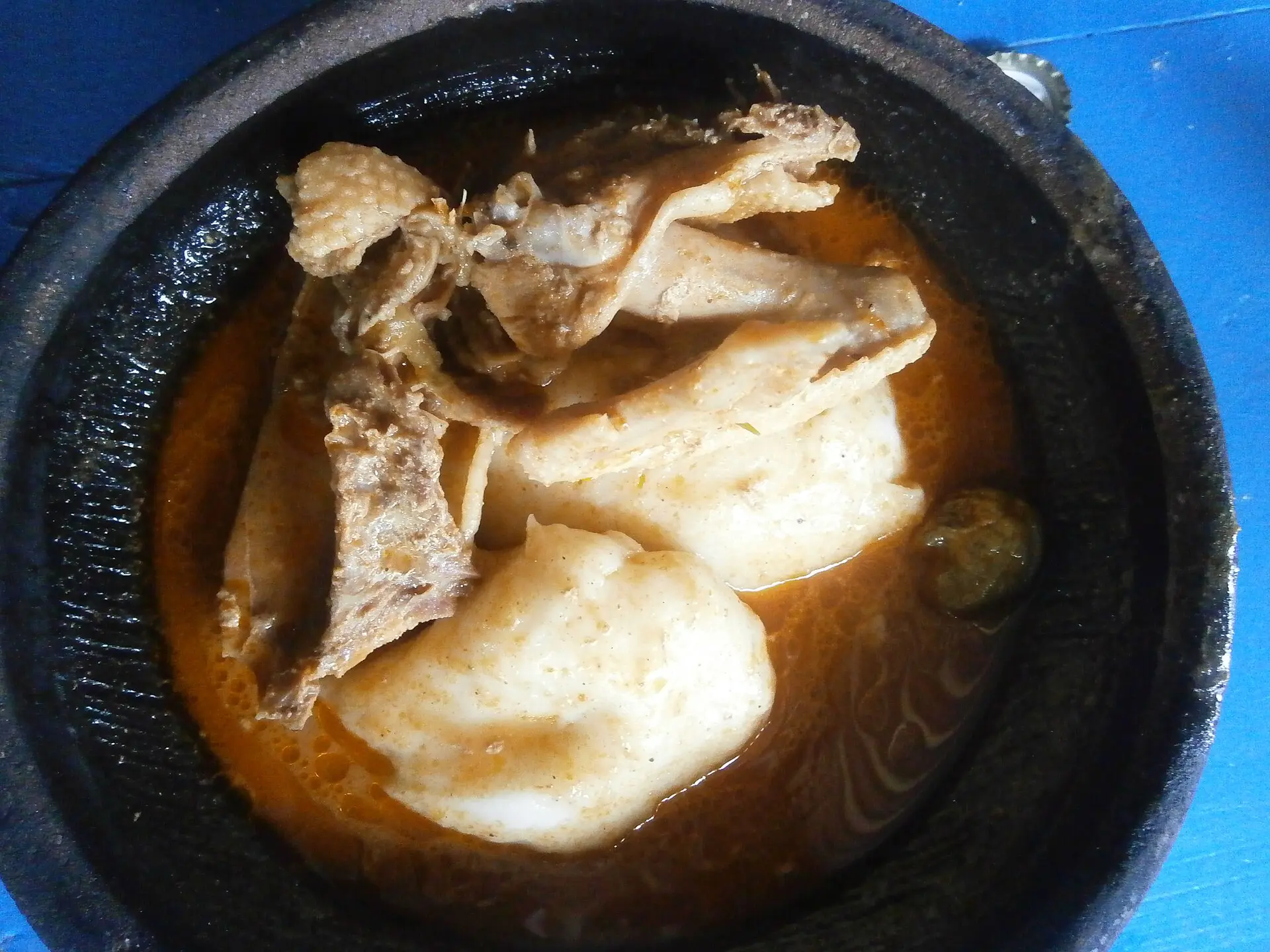
- Fufu: pounded yam or cassava served with peanut, palm nut or okra sauces.
- Akoumé (pâte): maize dough eaten with a sauce of tomatoes, okra or fish.
- Riz sauce and jollof rice: rice with tomato-based sauces.
- Poulet bicyclette: free-range grilled chicken, sold at roadside stands.
- Grilled fish and tilapia: served with chilli sauce and onions, especially along the coast and at Lake Togo.
- Fried plantains (aloko): a popular snack with spicy sauce.
- Sodabi and Togolese beer: palm spirit and local lagers such as Awooyo.
Vegetarians can eat rice, plantains, beans and vegetable sauces, though most sauces use fish or meat stock. Choose busy stalls, peel fruit and drink bottled water.
Culture, language and etiquette in Togo
French is the official language, with Ewe and Kabiye as the main national languages and many others, including Gbe-family languages, spoken. English is rare, so basic French helps: bonjour, merci and s’il vous plaît. In Ewe, akpe means thank you.
Greetings matter. Take time for a handshake and a polite exchange before getting to the point, and use titles for older people. Use your right hand to give and receive items. Christianity, Islam and traditional religions, including vodun (voodoo), exist side by side, and many people practise more than one.
Voodoo is a living religion, not a tourist show. Ask before photographing shrines, ceremonies or people, and expect to pay a small fee to a guide or priest. Dress modestly, especially in the north and in mosques. Do not photograph government buildings, soldiers or airports. Keep conversations about politics and the long-running ruling family light.
Togo itinerary: a 7-day route
This route covers the south and the central hills and avoids the Savanes region and the far north, where governments advise against travel. It can be linked with Ghana or Benin.
- Day 1, Lomé: arrive, walk the seafront and have dinner at a maquis.
- Day 2, Lomé: visit the Grand Marché, the Akodessewa fetish market and the National Museum.
- Day 3, Aného and Togoville: travel about an hour and a half east to Aného, then take a pirogue to Togoville on Lake Togo.
- Day 4, Vogan or Lomé: if it is Friday, visit the Vogan market, otherwise relax at the beach.
- Day 5, Kpalimé: drive about two and a half hours into the hills, and walk to a waterfall.
- Day 6, Mont Agou: take a guided hike up Togo’s highest peak, and return to Kpalimé.
- Day 7, return: allow about three hours back to Lomé airport.
Koutammakou needs more time and current security advice, so treat it as a separate trip.
Practical tips for Togo
- Money: the West African CFA franc is the currency. Carry euros in cash to change, because cards and ATMs are unreliable outside Lomé. Mobile money is widely used by locals.
- SIM and eSIM: local SIMs are cheap, with registration required, and coverage is good in towns and weaker in rural areas.
- Plugs: types C and E at 220 V.
- Tipping: not obligatory, but small tips for guides, drivers and porters are appreciated.
- Health: bring proof of yellow fever vaccination, take malaria prophylaxis as advised, use repellent and carry a basic medical kit.
- Packing: light, modest clothing, a rain jacket in the wet season, sturdy shoes for hikes and a torch for power cuts.
- Planning: allow flexibility for transport delays, and book a local guide for villages and shrines. See the Wikivoyage Togo guide for more background.
FAQ
Q1Is Togo safe to visit?
Lomé and the south are generally calm for careful visitors, with petty theft and road accidents the main risks. The far north near Burkina Faso has serious security warnings, and governments advise against travel there. Check your government's current advice before booking.
Q2What is the best time to visit Togo?
November to February is best, with dry weather and easy travel, although the Harmattan wind brings haze from December. The south has heavy rains from April to July, and rural roads can become hard to use. The dry season is also best for hiking.
Q3Do I need a visa for Togo?
It depends on your nationality, but most visitors need a visa. Togo has used an online e-visa system, and citizens of ECOWAS countries can generally enter without one. A yellow fever certificate is required. Confirm current rules with the official Togolese source or an embassy.
Q4What are the best things to do in Togo?
Top picks are Lomé's Grand Marché and fetish market, a pirogue trip to Togoville, hiking around Kpalimé and Mont Agou, relaxing on the coast and visiting the Koutammakou tower-houses when security conditions allow.
Q5How much does a trip to Togo cost?
Budget around USD 25 to 40 per day with guesthouses and shared taxis, USD 40 to 90 per day mid-range, and USD 130 or more for high-end stays. Hotels in Lomé and private car hire are the main costs, and you need cash outside the capital.
Q6How many days do you need in Togo?
Five to seven days cover Lomé, Aného, Togoville and the Kpalimé hills. Add three or four days if you want to reach Koutammakou in the north and conditions allow. Transport is slow, so avoid packing too many stops.
Q7What is Togo food like?
Togo food is built on fufu, maize dough (akoumé), rice, yam and plantains with tomato, peanut or okra sauces. Grilled fish and chicken are common, and sodabi is the local palm spirit. Vegetarian options are limited, because many sauces use fish or meat stock.