Why visit Taiwan
This Taiwan travel guide starts with the island’s range: it lies between the East and South China Seas, with mountain ranges across the eastern two-thirds and a densely populated western plain, and it packs night markets, hot springs, national parks and temples into an area slightly smaller than Switzerland (see the Wikipedia overview). Taipei is the capital and the base for most trips. Its historic name, Formosa, still appears in some places.
Taiwan suits travellers who want an easy Asian trip: transport is punctual, English signage is common, and the cost of food, hostels and trains is lower than in Japan or South Korea. It is welcoming for solo travellers and families, and has strong hiking, cycling and food options. Summers are hot and humid, and the east coast and mountains reward those who venture beyond Taipei.
Best places to visit in Taiwan
The best places to visit in Taiwan are spread around the island, and the high-speed rail links the west coast so that most can be reached in a day.
Taipei
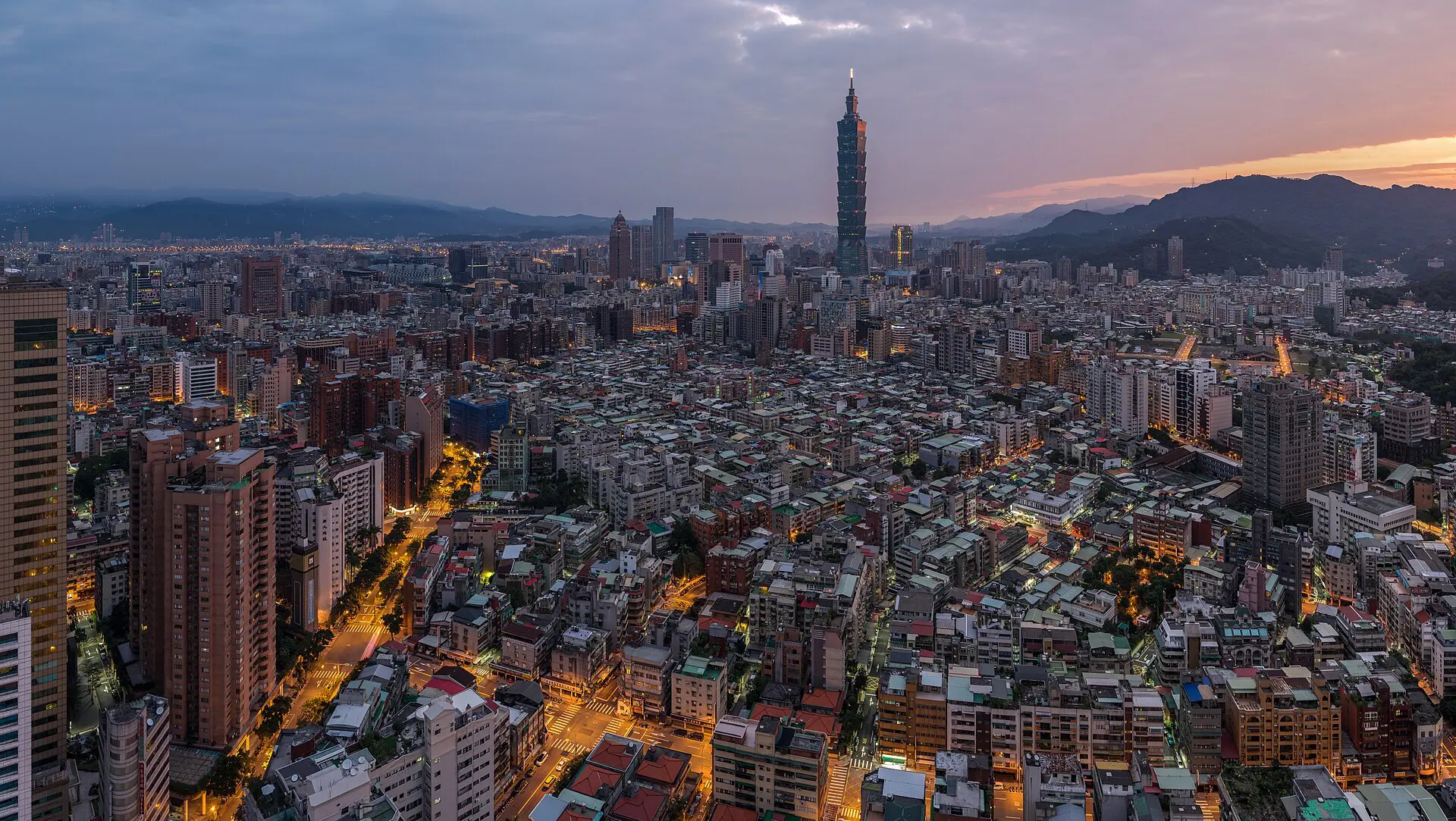
The capital mixes temples, night markets, museums and modern towers. Highlights include Taipei 101, the National Palace Museum, Longshan Temple and the Shilin and Raohe night markets.
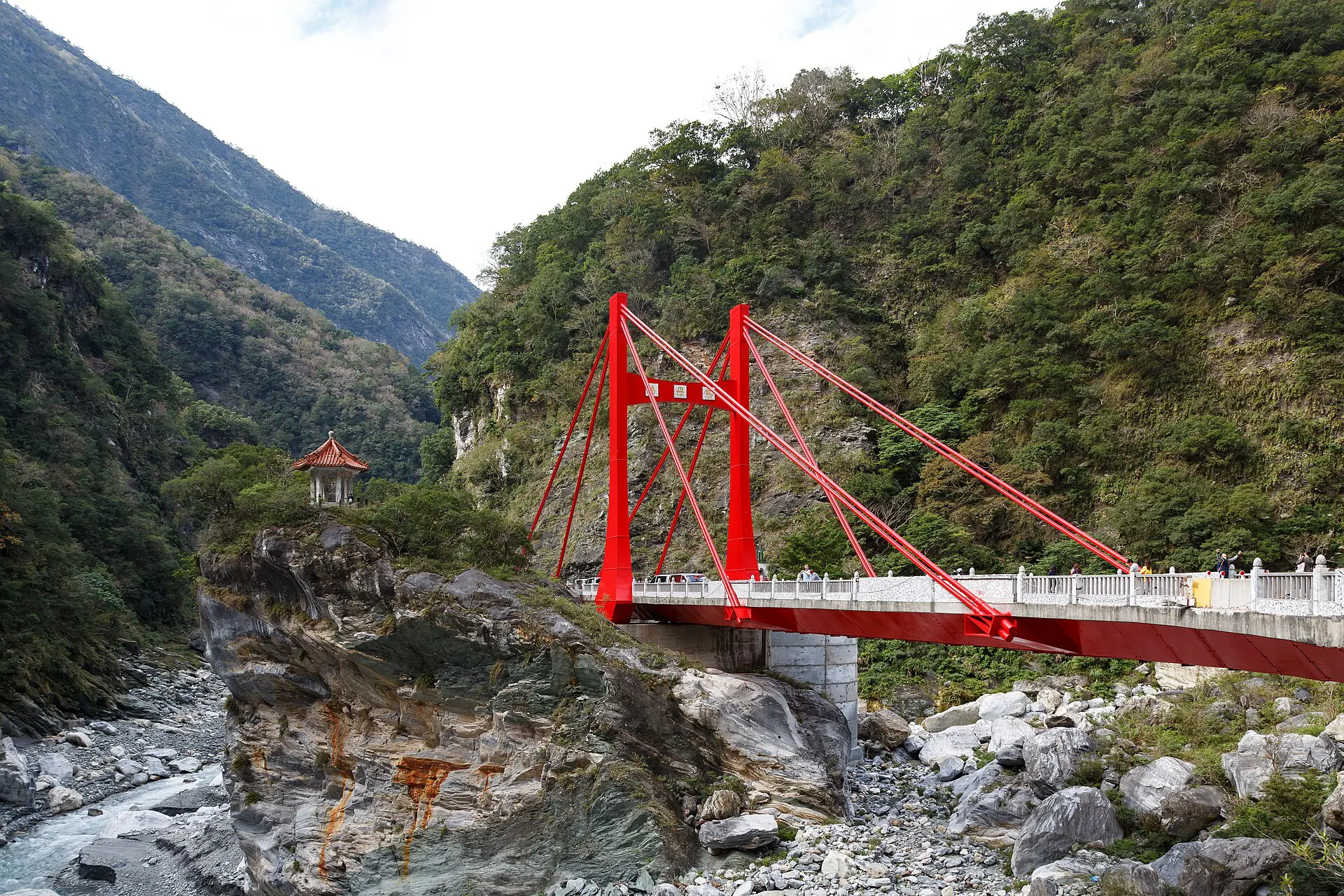
Taroko Gorge
A national park near Hualien on the east coast, with marble canyons, tunnels and walking trails. Rockfalls and earthquakes can close sections, so check access.
Sun Moon Lake
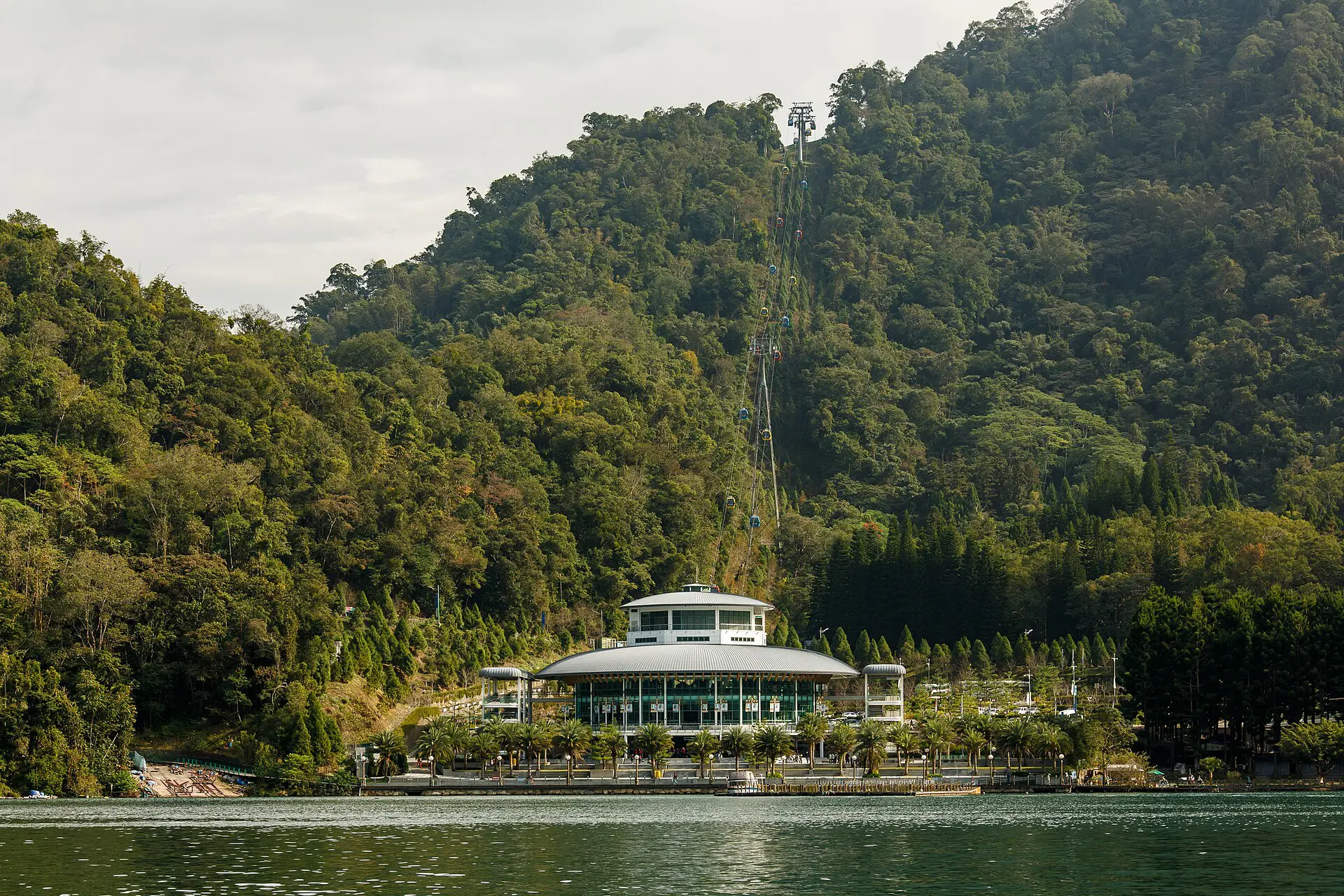
The largest lake in Taiwan, in the central mountains near Puli, with cycling paths, temples and boat trips.
Tainan
The oldest city and a former capital, known for old temples, Fort Zeelandia and Anping, and widely considered the food capital of Taiwan.
Kaohsiung
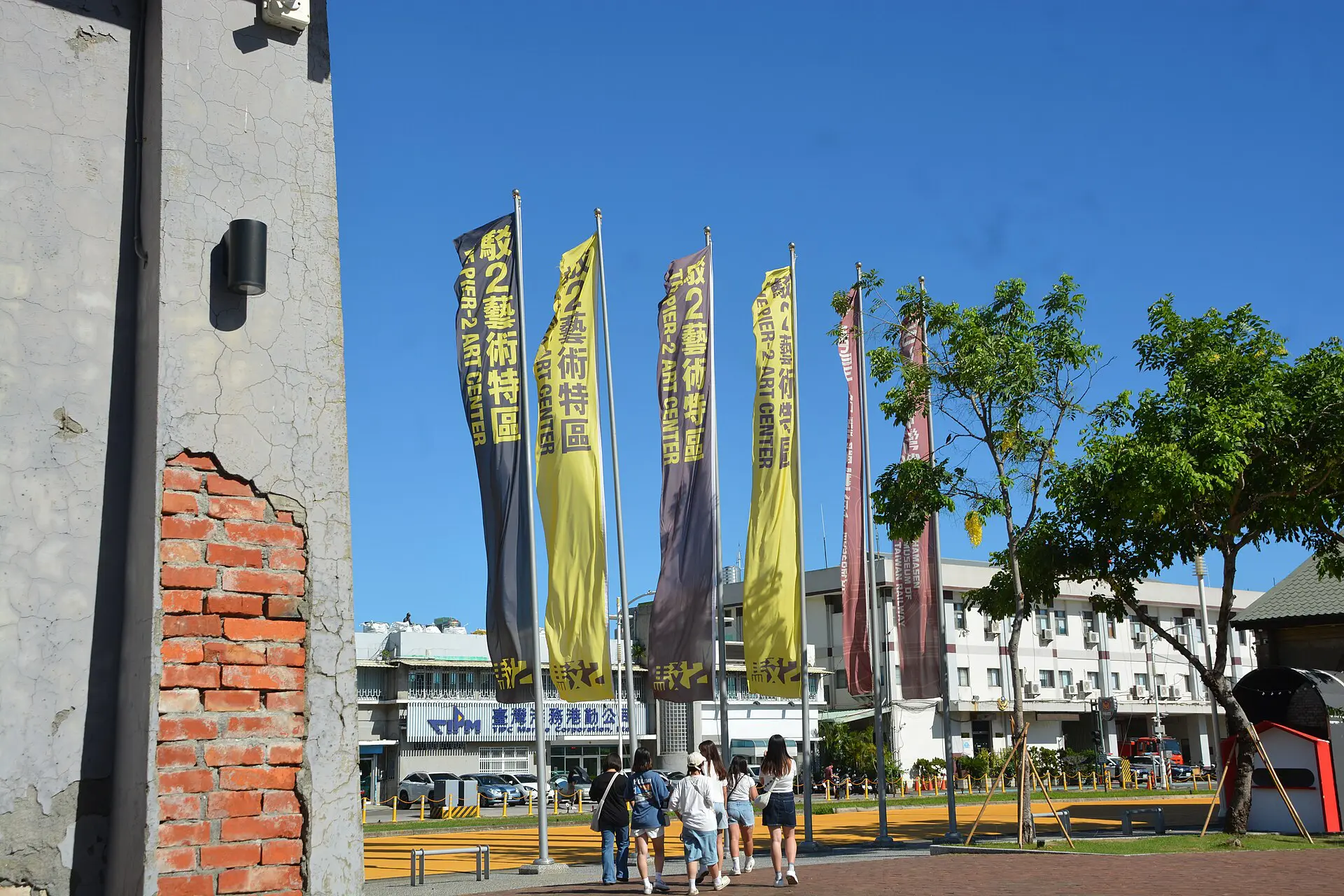
A port city in the south with a lively art district at Pier-2, the Lotus Pond temples and a relaxed waterfront.
Jiufen and the northeast coast
A former gold-mining hill town with tea houses and narrow alleys, near Shifen’s lantern-releasing railway line.
Alishan
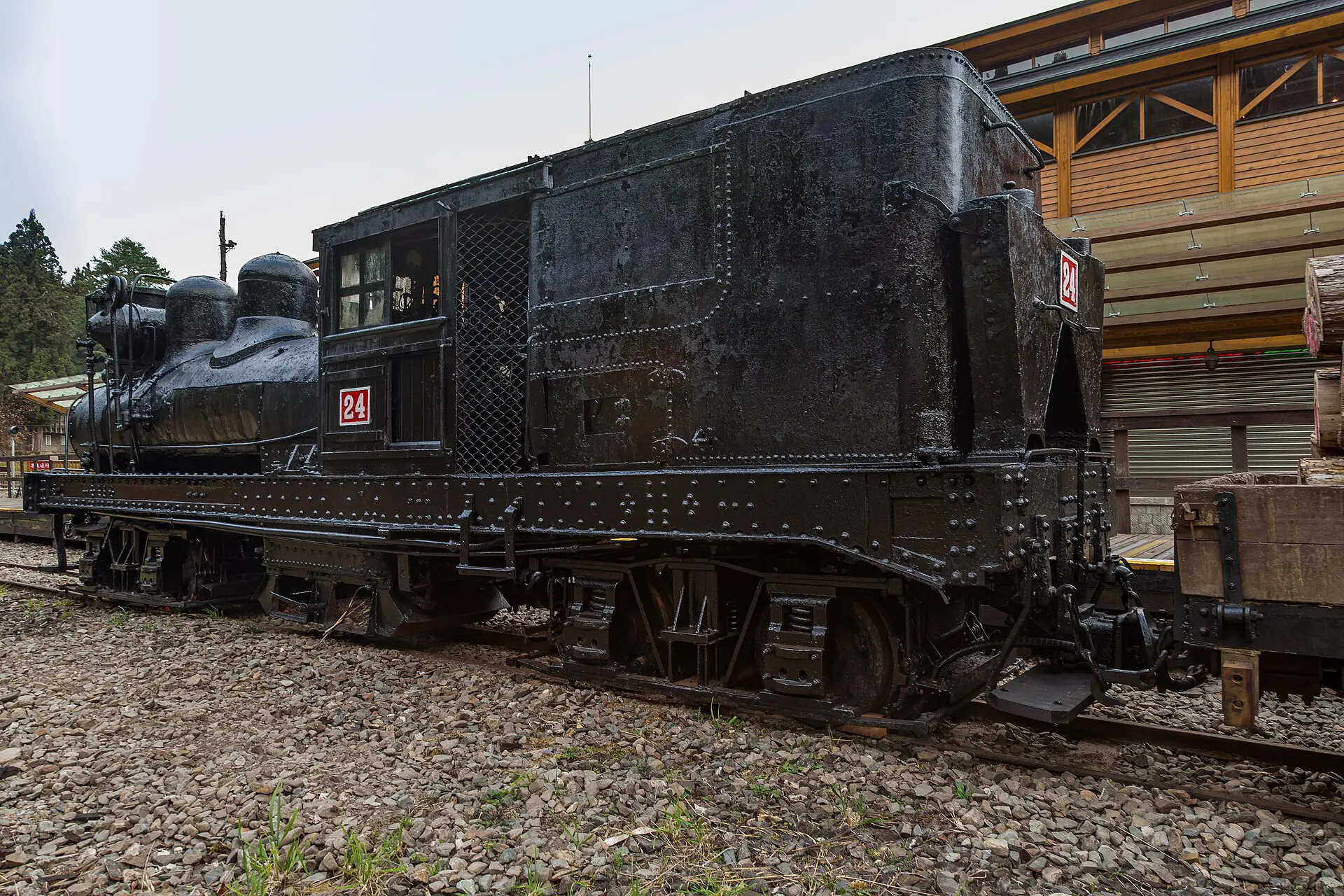
A mountain resort in Chiayi County, known for sunrise views over a sea of clouds and a narrow-gauge forest railway.
Top things to do in Taiwan
The top things to do in Taiwan centre on food, nature and temples, and most are easy to reach by metro, train or bus.
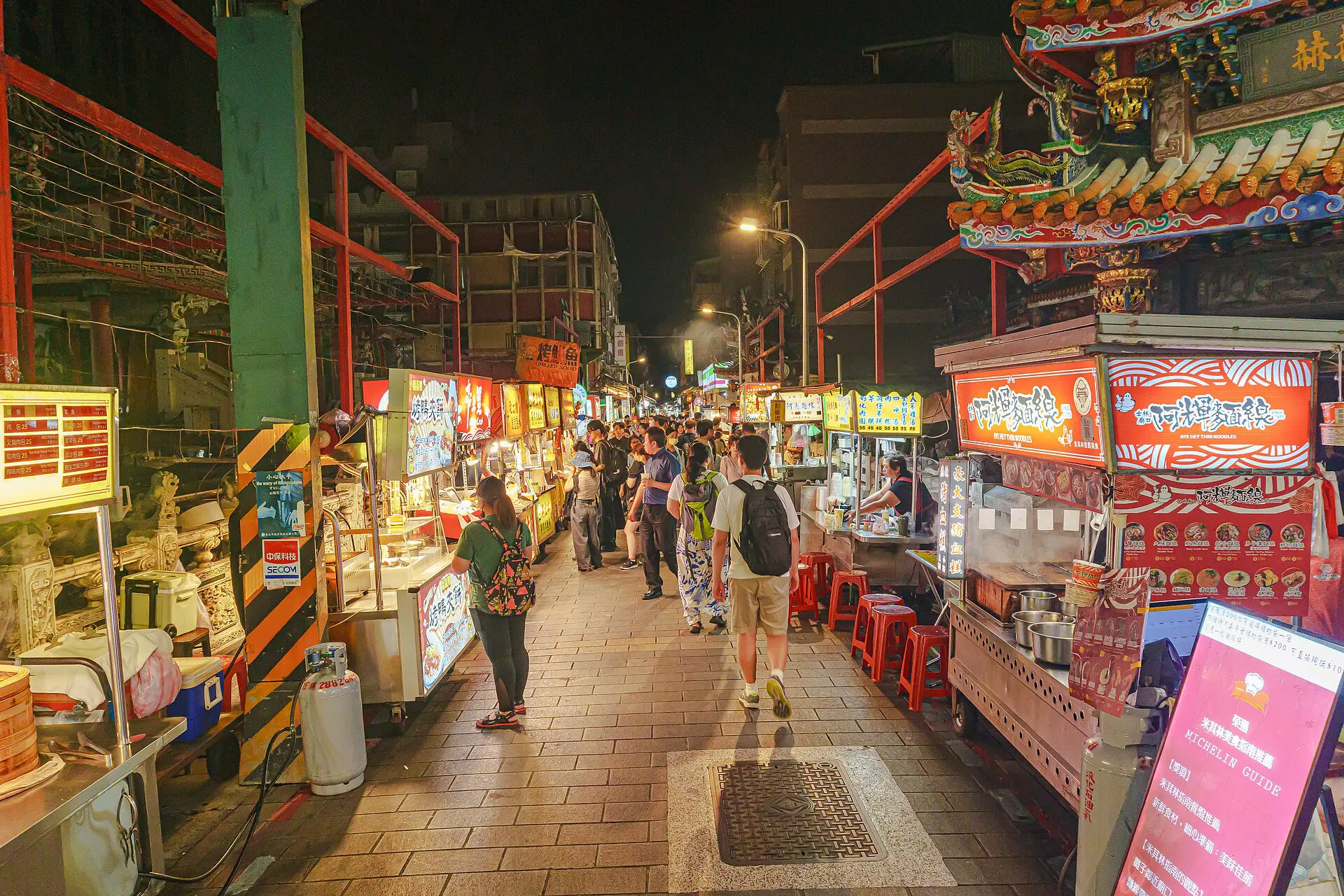
- Eat at a night market: try stinky tofu, oyster omelette and bubble tea at Shilin or Raohe in Taipei.
- Visit the National Palace Museum: a very large collection of Chinese imperial art in Taipei.
- Go up Taipei 101: the observation deck gives city and mountain views.
- Walk Taroko Gorge: short trails such as Shakadang follow the river through marble cliffs.
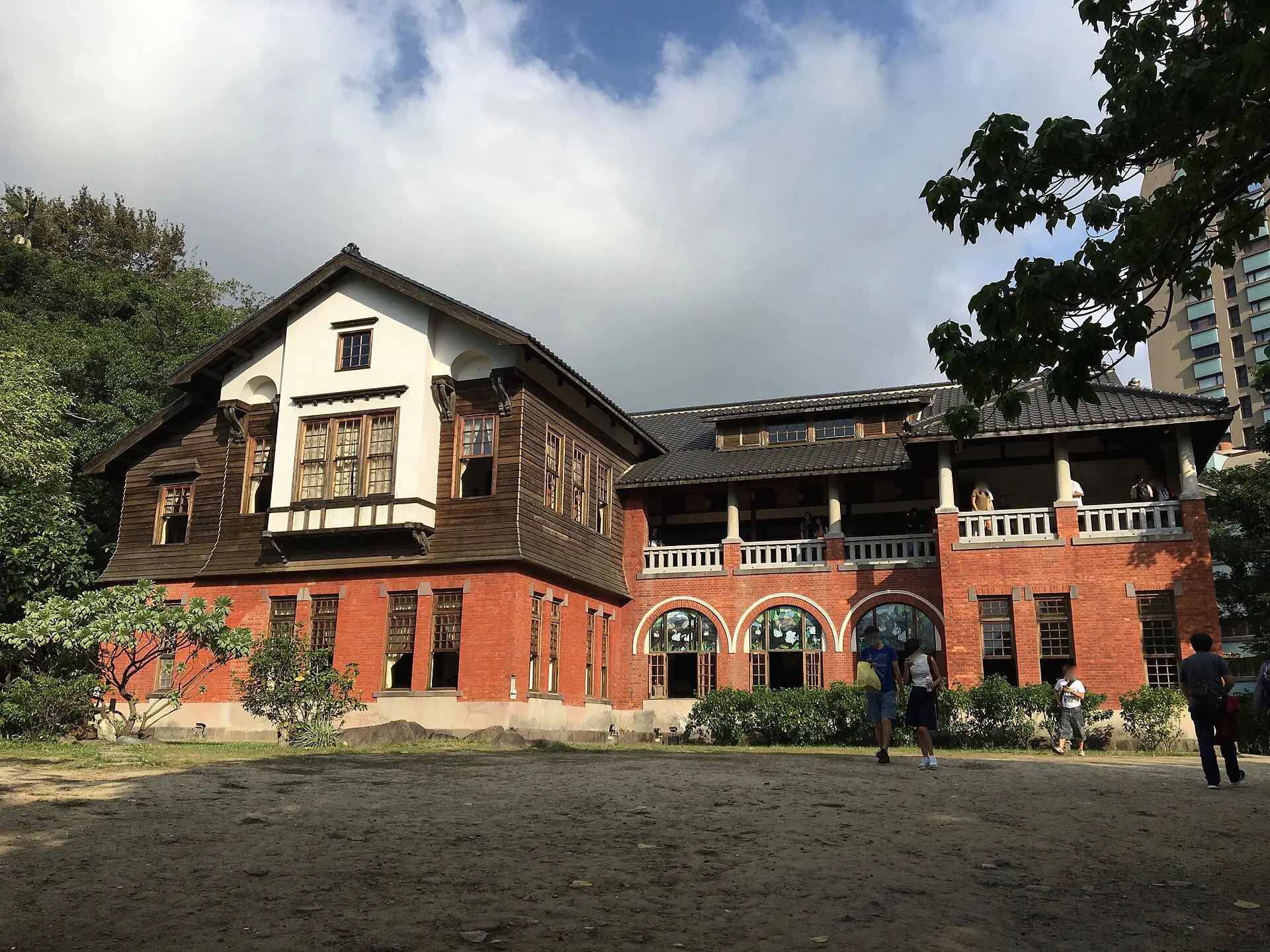
- Soak in a hot spring: Beitou, near Taipei, has public and private pools.
- Cycle around Sun Moon Lake: a lakeside bike path suits all levels.
- Release a sky lantern at Shifen: a tradition on the old railway line.
- Ride the Alishan forest railway: a mountain line with sunrise views.
- Tour Tainan’s temples and old streets: walk between historic sites and food stalls.
- Visit a tea plantation: Maokong near Taipei and the highlands grow oolong tea.
Best time to visit Taiwan
The best time to visit Taiwan is October to December and March to April, when temperatures are comfortable and humidity is lower. Summers (June to September) are hot, humid and wet, with typhoons possible from roughly July to October. Winters are mild in the south and cool and damp in Taipei, with snow only on the highest peaks.
| Season | Weather | Crowds and prices | Good for |
|---|---|---|---|
| Spring (Mar-May) | Mild, some rain, plum rains from May | Moderate; busy around holidays | Cities, hiking, tea highlands |
| Summer (Jun-Sep) | Hot, humid, typhoon risk | Moderate; domestic holidays | Beaches, islands, high mountains |
| Autumn (Oct-Dec) | Warm, drier, clearer | Moderate to high | All-round, cycling, food |
| Winter (Jan-Feb) | Cool and damp in the north, mild south | Peaks at Lunar New Year | Hot springs, Kaohsiung and Tainan |
Lunar New Year, usually in late January or February, brings the island’s busiest travel days, and trains and hotels book out, so reserve well ahead if you travel then.
Is Taiwan safe to visit?
Taiwan is very safe for visitors, with low violent crime and high trust in public spaces. Petty theft exists but is uncommon, and travellers, including women and solo travellers, usually report feeling comfortable at night in cities. Check your government’s current travel advice, such as the UK FCDO page, before you go.
Natural hazards are the main risks. Taiwan is in a seismically active zone, and earthquakes are frequent, with a large one on the east coast in April 2024. Buildings are built to strict codes, and visitors should know the basics: drop, cover and hold on, and follow local alerts. Typhoons, roughly from July to October, can cancel flights, trains and mountain access, so build slack into your plans and follow weather updates. Heavy rain can cause landslides on mountain roads and in Taroko.
Road safety deserves care: scooters are everywhere, and drivers may not stop for pedestrians even at crossings. Heat and humidity in summer require water and rest. Hiking in the mountains requires permits for some routes and good preparation.
Cross-strait tensions with the PRC are a long-standing political issue, and daily life continues normally. Follow official advice for any changes.
Visa and entry requirements for Taiwan
Entry requirements for Taiwan depend on your nationality. Citizens of many countries, including the EU, UK, US, Canada, Australia and Japan, can visit visa-free for periods that range from 14 to 90 days, with 90 days common for many Western passports. Citizens of other countries need a visa or an approved online travel authorisation.
A passport valid for at least six months from arrival is generally required, and you may be asked for an onward or return ticket. Most visitors are also asked to fill in an online arrival card in advance of landing, which speeds up immigration, though the requirement can change, so confirm it.
The Taiwanese authorities use biometric checks at entry, and visa-free stays cannot normally be extended beyond the limit for your nationality. Travellers with previous visits to certain countries or transit through other airports may face additional rules.
Because requirements and visa-free lengths are changed from time to time, confirm them with the official Taiwanese Bureau of Consular Affairs or National Immigration Agency, or with your nearest Taiwanese representative office, before you book.
Getting to and around Taiwan
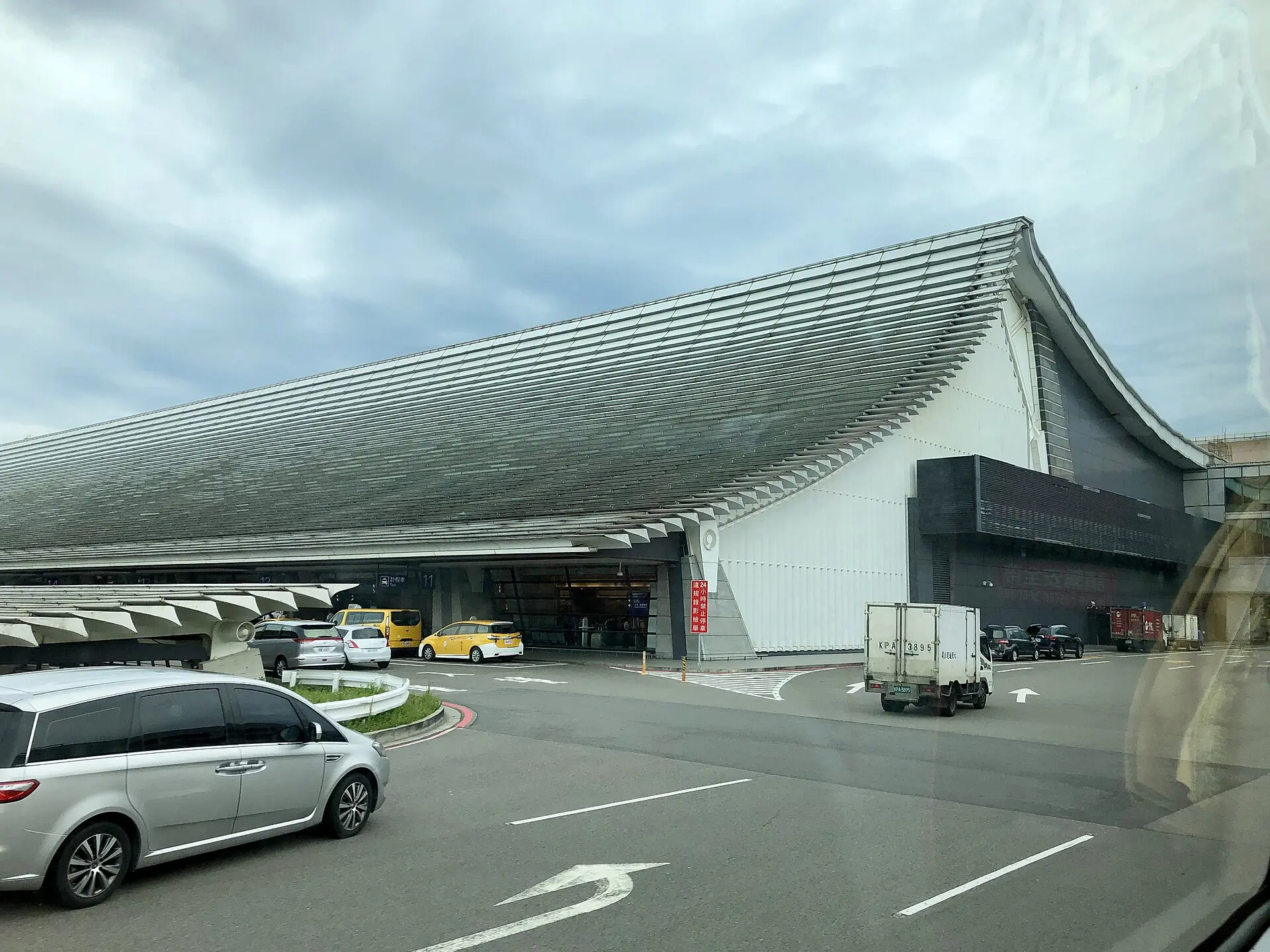
Taiwan Taoyuan International Airport (TPE) is the main gateway, about 40 minutes from central Taipei by the airport MRT line. Taipei Songshan serves some regional flights, while Kaohsiung and Taichung also have international services. Ferries and flights link the outlying islands such as Penghu.
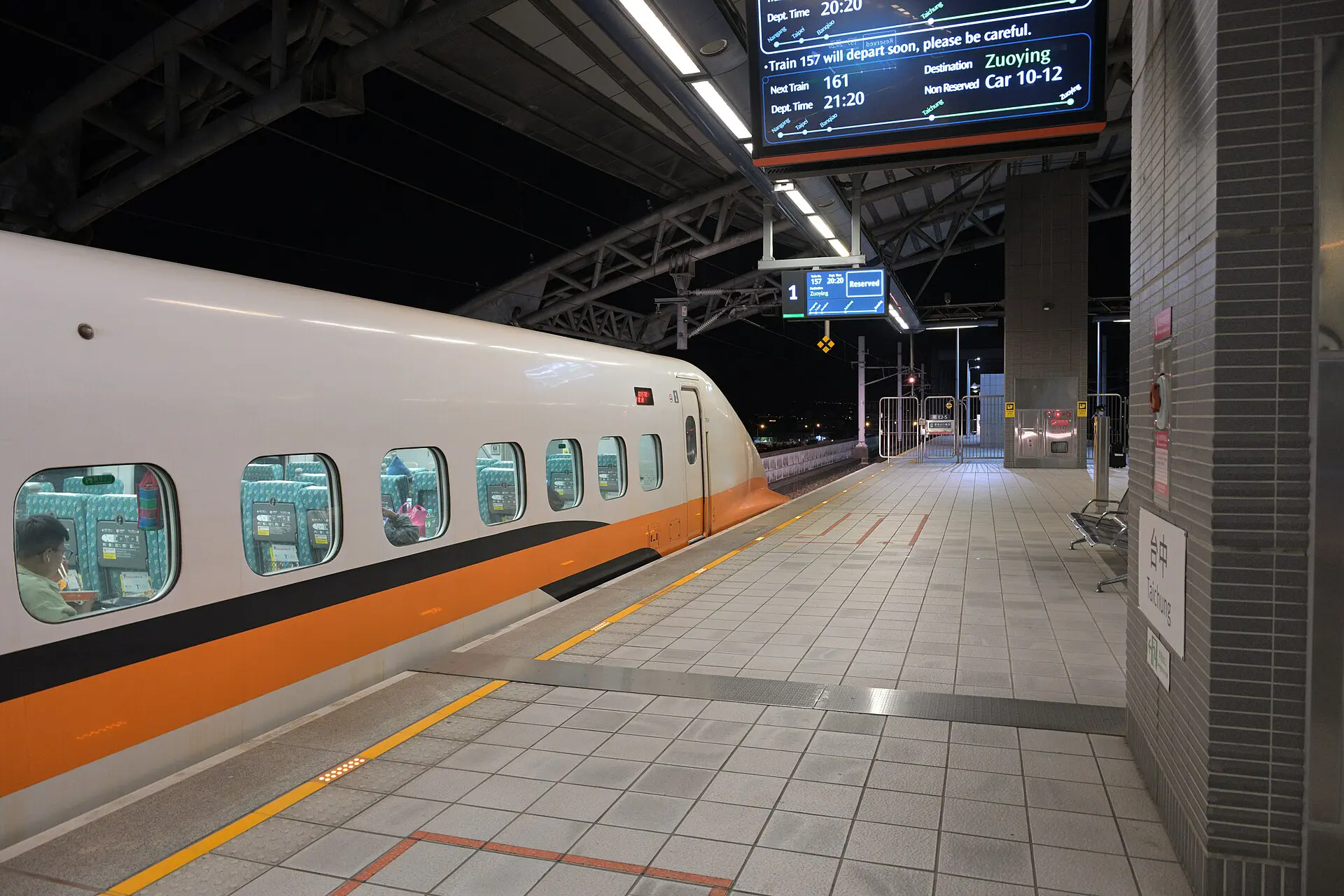
Getting around Taiwan is easy. The high-speed rail runs along the west coast from Taipei to Zuoying (Kaohsiung) in about 1 hour 30 minutes to 2 hours. Taiwan Railway trains serve the east coast and smaller towns, for example Taipei to Hualien in around two to two and a half hours on the fastest services. Reserve in advance for popular routes and holidays. Intercity buses are comfortable and cheap.
City travel is straightforward: Taipei and Kaohsiung have metro systems, and a rechargeable EasyCard or similar card works on metro, buses, many trains and in convenience stores. YouBike public bicycles are widely available. Scooter rental is common outside the capital, but you need a valid licence and an international permit, and the roads can be risky.
Driving is on the right. Taxis are cheap and widely available, and ride-hailing apps work in cities.
How much does a trip to Taiwan cost?
A trip to Taiwan is good value compared with Japan, South Korea or Singapore. These are rough bands for 2026, in US dollars, with the currency being the New Taiwan dollar (TWD), and prices vary with exchange rates.
- Budget (about USD 40-70 per day): hostel bed, night market meals, metro and buses and mostly free sights.
- Mid-range (about USD 70-130 per day): a comfortable hotel, restaurant meals, some high-speed rail and entry fees.
- High (USD 150 and up per day): boutique hotels, hot spring stays, private drivers and fine dining.
Food is the great bargain: a night market meal can cost a few US dollars, and the metro and local buses are cheap. Accommodation is the main expense, especially in Taipei and at hot spring resorts during holidays. High-speed rail is the biggest transport cost, though discounted early-bird fares and passes can help.
Many restaurants and markets are cash only, so carry some TWD, though cards work in hotels, department stores and convenience stores. Taiwan has no general tipping culture, and some hotels and restaurants add a 10% service charge.
Food and drink in Taiwan
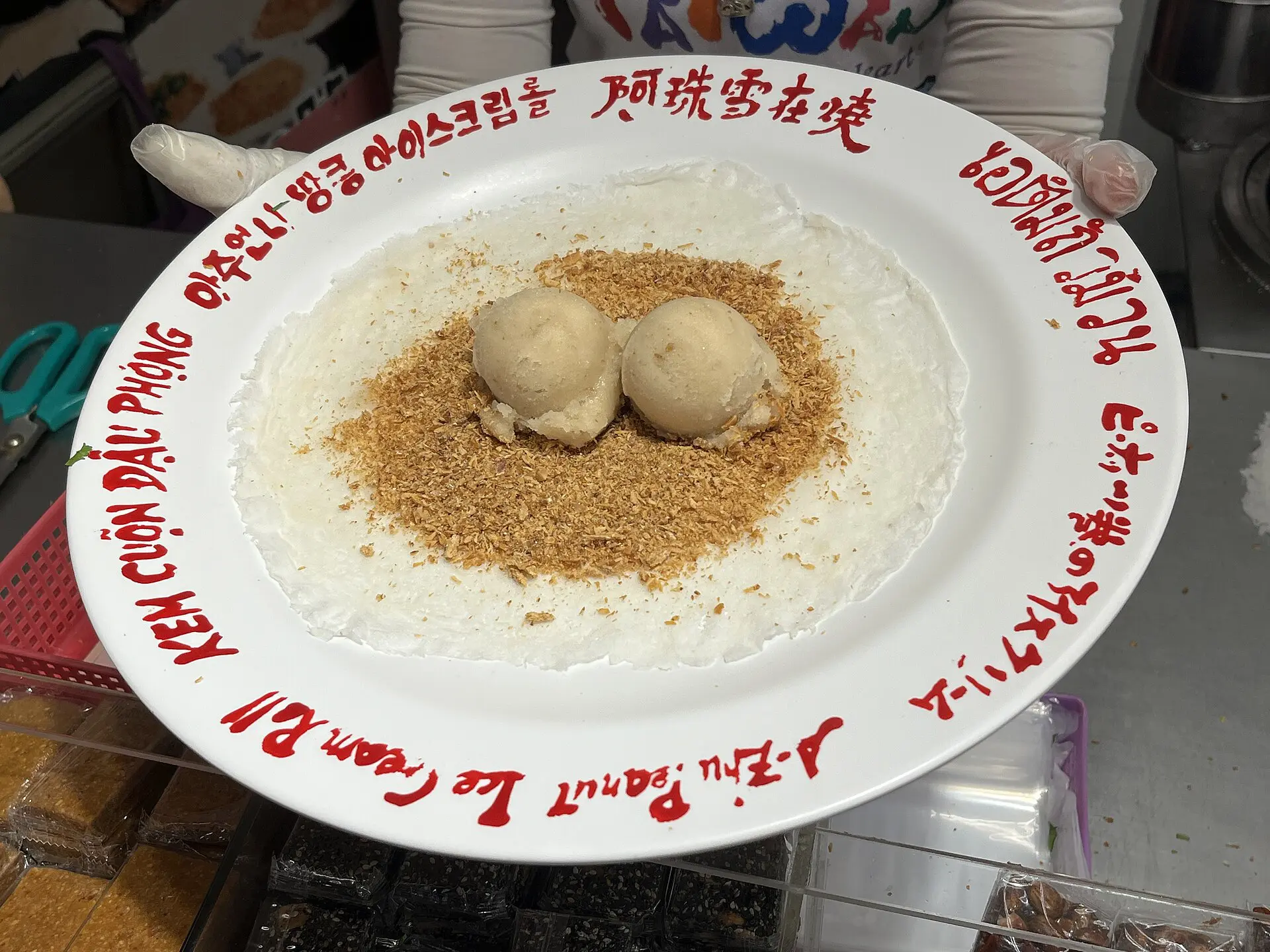
Food and drink in Taiwan are a major reason to visit. Night markets, breakfast shops and street stalls serve a mix of Hokkien, Hakka, Indigenous and Japanese-influenced dishes, and Tainan in particular is known for its local specialities.
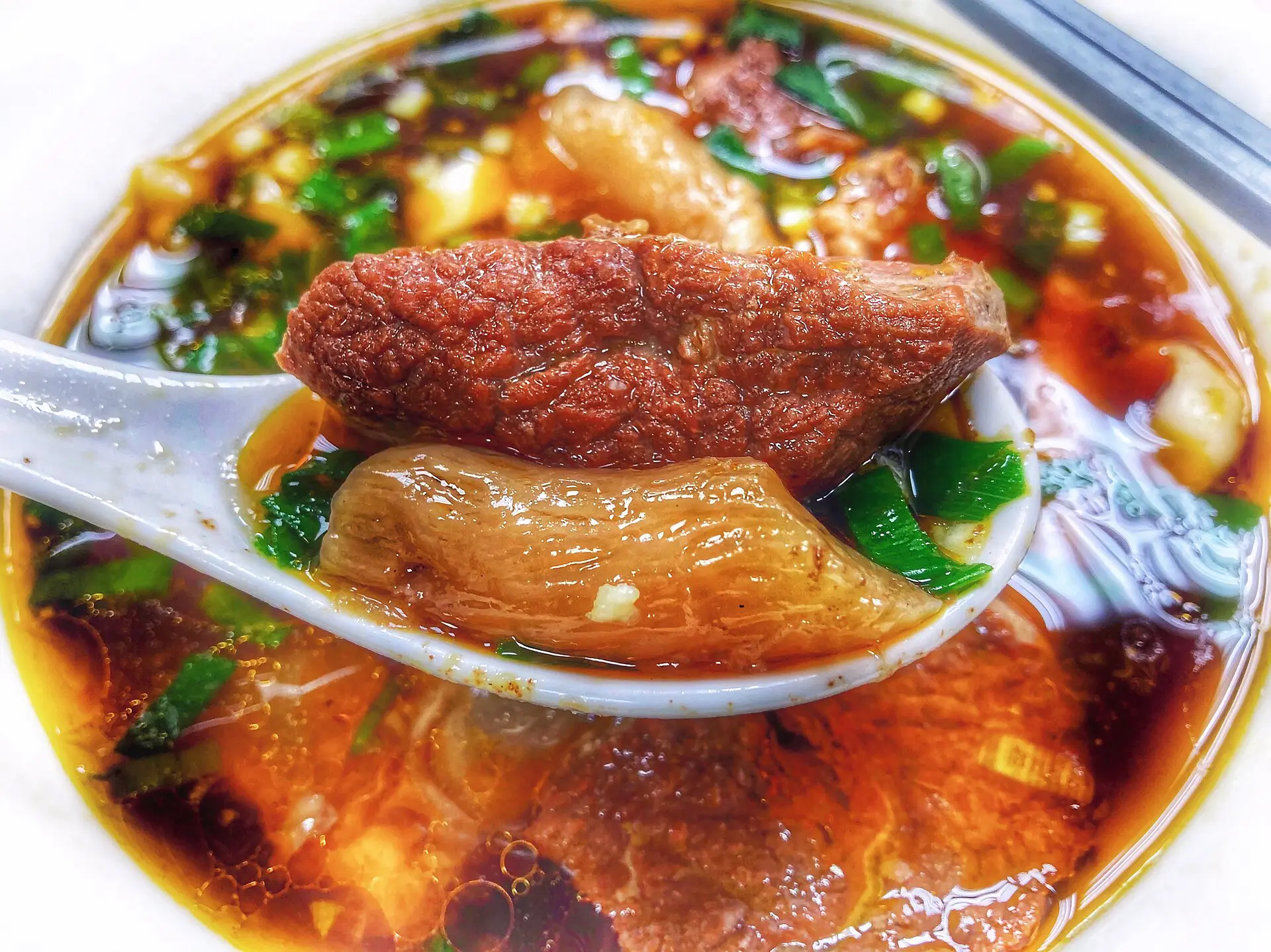
- Beef noodle soup: a Taiwanese classic, with braised beef and wheat noodles in rich broth.
- Xiaolongbao: soup dumplings, famously served at Din Tai Fung and many other restaurants.
- Oyster omelette: eggs, oysters and a starchy batter with sweet sauce, found at night markets.
- Stinky tofu: fermented tofu, fried and smelly, loved by many locals.
- Lu rou fan: minced braised pork over rice.
- Bubble tea: milk tea with tapioca pearls, invented in Taiwan.
- Pineapple cake and mango shaved ice: popular sweets, the latter in summer.
Breakfast shops sell egg pancakes, soy milk and fried dough, and convenience stores offer cheap tea eggs and snacks. Vegetarian food is widespread because of Buddhist traditions, with dedicated vegetarian buffets and clear signage. Seafood and pork are common, so check ingredients if you have allergies. Tap water is generally boiled before drinking, and bottled water is cheap.
Culture, language and etiquette in Taiwan
Mandarin is the official language, and Taiwanese Hokkien, Hakka and Indigenous languages are also spoken. Traditional Chinese characters are used for writing. English is widely understood in Taipei and tourist places, less so in rural areas, and translation apps help.
Taiwanese society is polite and relaxed. People queue for the metro and escalators, and eating or drinking on the Taipei metro is prohibited and fined. Greet with a smile or a slight nod, remove your shoes when entering homes and some guesthouses, and use both hands when giving or receiving business cards or gifts.
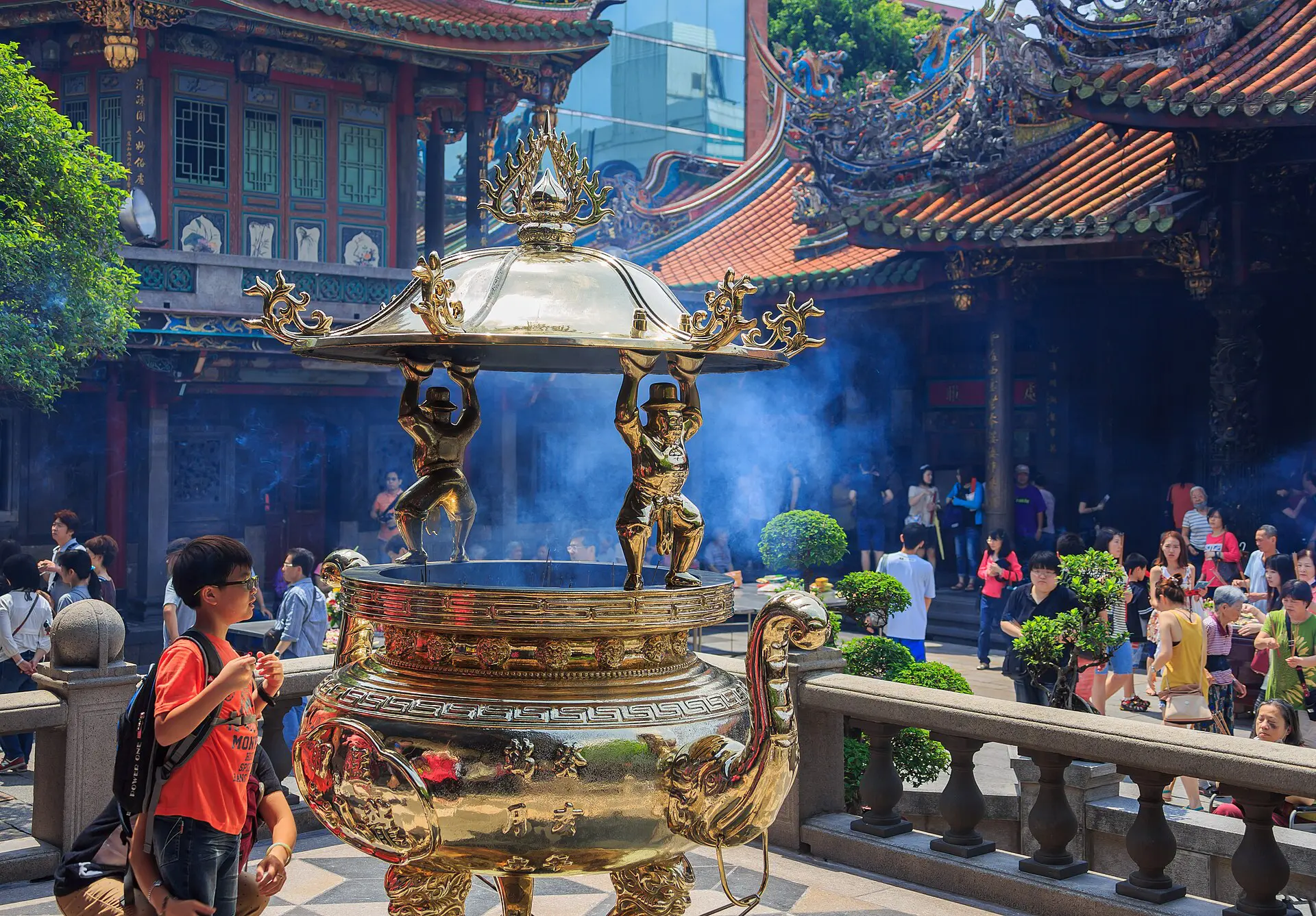
Religion is visible in daily life. Temples mix Buddhist, Taoist and folk traditions, and you can usually enter freely: dress modestly, do not point your feet at altars and follow local worshippers on incense and offerings. Avoid giving clocks as gifts or writing names in red ink, and avoid sticking chopsticks upright in rice.
Taiwan is a democracy with an active civic culture and a complex political identity. Be respectful and listen rather than offering strong opinions about politics and relations with the PRC. Indigenous peoples have distinct cultures, particularly in the east and south, and many offer guided cultural experiences.
Taiwan itinerary: a 7-day route
This Taiwan itinerary links Taipei, the east coast and the south using trains and works in most seasons. Avoid typhoon periods and book east-coast trains in advance.
- Day 1, Taipei: arrive, Taipei 101 and the Raohe night market.
- Day 2, Taipei: National Palace Museum, Longshan Temple and the Beitou hot springs.
- Day 3, northeast coast: day trip to Jiufen and Shifen by train and bus.
- Day 4, Hualien and Taroko: train to Hualien (about two hours), then an afternoon in Taroko Gorge.
- Day 5, Taroko to Taichung: morning walk, then train and bus toward Sun Moon Lake or Taichung.
- Day 6, Sun Moon Lake and Tainan: cycle part of the lake, then high-speed rail to Tainan.
- Day 7, Tainan and Kaohsiung: historic temples and street food in Tainan, then high-speed rail or train to Kaohsiung for a flight or return to Taipei by high-speed rail (about two hours).
With a short stay, drop the east coast and spend more time in Taipei, Tainan and Kaohsiung. Check Taroko road conditions before committing.
Practical tips for Taiwan
Practical tips for Taiwan start with payment: the currency is the New Taiwan dollar (TWD). Cards are accepted in hotels, malls and convenience stores, but night markets and small shops are often cash only, and ATMs at convenience stores accept most foreign cards.
- SIM and data: tourist SIM cards and eSIMs are cheap and easy to buy at the airport; coverage is excellent and free Wi-Fi is common.
- Power: type A and B sockets at 110 V, so some devices need a voltage converter and many travellers need no adapter if from North America.
- Tipping: not expected; a 10% service charge is added in many hotels and restaurants.
- Health: health care is high quality and cheap, but travel insurance is still advised; pharmacies are common.
- Packing: an umbrella or rain jacket year-round, light layers and sun protection in summer and a warm layer for the mountains.
- Transport card: get an EasyCard or iPass at the airport or a convenience store.
- Time and dialling: the country code is +886, and Taiwan uses UTC+8.
For further background, see the Wikivoyage Taiwan guide.
FAQ
Q1Is Taiwan safe to visit?
Yes, Taiwan is very safe, with low violent crime and a high level of public trust. The main risks are natural: earthquakes, typhoons from roughly July to October and landslides on mountain roads. Scooter traffic is heavy, so cross carefully. Check your government's current advice before you go.
Q2What is the best time to visit Taiwan?
October to December and March to April have the most comfortable weather. Summers are hot, humid and wet, with typhoons possible from roughly July to October. Winters are mild in the south and damp in Taipei. Avoid Lunar New Year unless you book trains and hotels early.
Q3How much does a trip to Taiwan cost?
Roughly USD 70 to 130 per day mid-range, and about USD 40 to 70 on a budget. Food and metro travel are cheap, while accommodation and high-speed rail are the main costs. Many night markets are cash only, so carry some New Taiwan dollars.
Q4What are the best things to do in Taiwan?
Eat at night markets such as Shilin, visit the National Palace Museum and Taipei 101, walk Taroko Gorge, soak in Beitou's hot springs, cycle Sun Moon Lake, ride the Alishan forest railway and explore Tainan's temples and food stalls.
Q5Do I need a visa for Taiwan?
It depends on your nationality. Many visitors, including those from the EU, UK, US and Canada, can enter visa-free for 14 to 90 days, and an online arrival card is usually needed. Passports should be valid for six months. Confirm with Taiwan's official immigration authorities before booking.
Q6How many days do you need in Taiwan?
Seven days covers Taipei, a taste of the east coast with Taroko Gorge and the southern cities of Tainan and Kaohsiung. Five days suits Taipei plus one region, while ten days allows Alishan, Sun Moon Lake and slower travel. The high-speed rail makes short trips practical.
Q7Is Taiwan part of China?
Taiwan is self-governing, with its own government, currency, passport and elections, officially called the Republic of China. The People's Republic of China claims it, and most countries do not formally recognise it, which is a long-standing political dispute. For travel, you enter via Taiwan's own immigration, separate from mainland China.