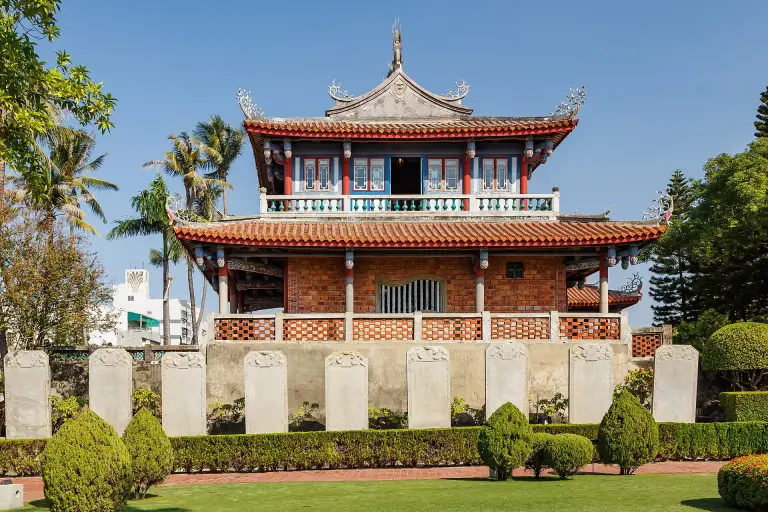
Why visit Taipei
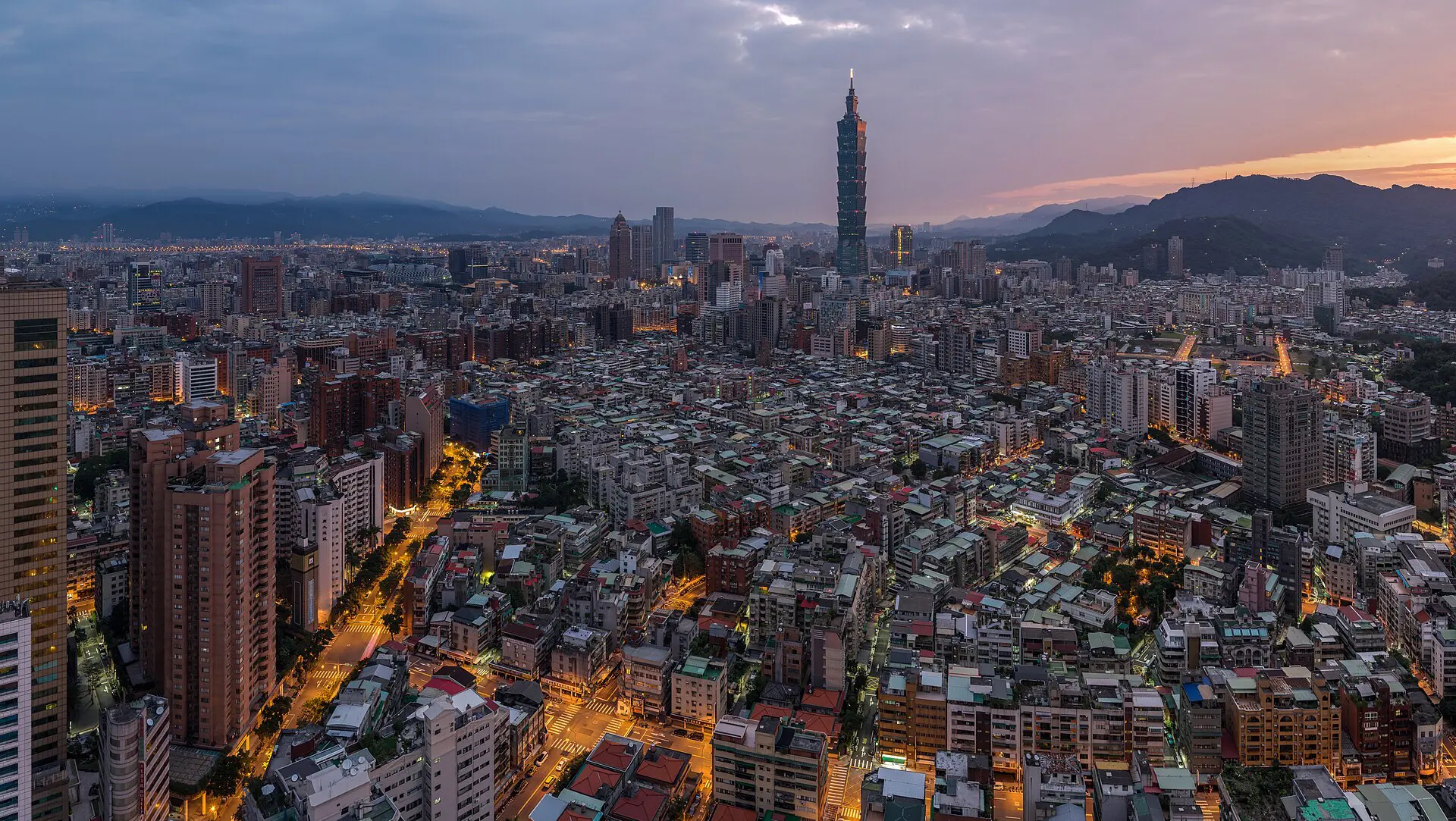
The most useful things to do in Taipei are mostly free or cheap, and the city makes them easy to string together. It is the capital of Taiwan, in the north of the island, in a basin between the Yangming and Central Mountains, so green hills are never far from the skyline.
There is a blend of Chinese heritage with strong Japanese and American influences, and a pace that is unhurried by big-city standards. The municipality has about 2.5 million residents, and Greater Taipei with New Taipei and Keelung holds around 7 million people, so the urban area is large even if the centre feels manageable.
You can eat well on a modest budget, from night market snacks to sit-down meals, and the public transport system connects most neighbourhoods and nature spots. Taiwanese tea houses, galleries and historic temples sit close to modern towers such as Taipei 101.
It also suits first-time visitors to East Asia who want an easy introduction without language stress.
Top things to do in Taipei
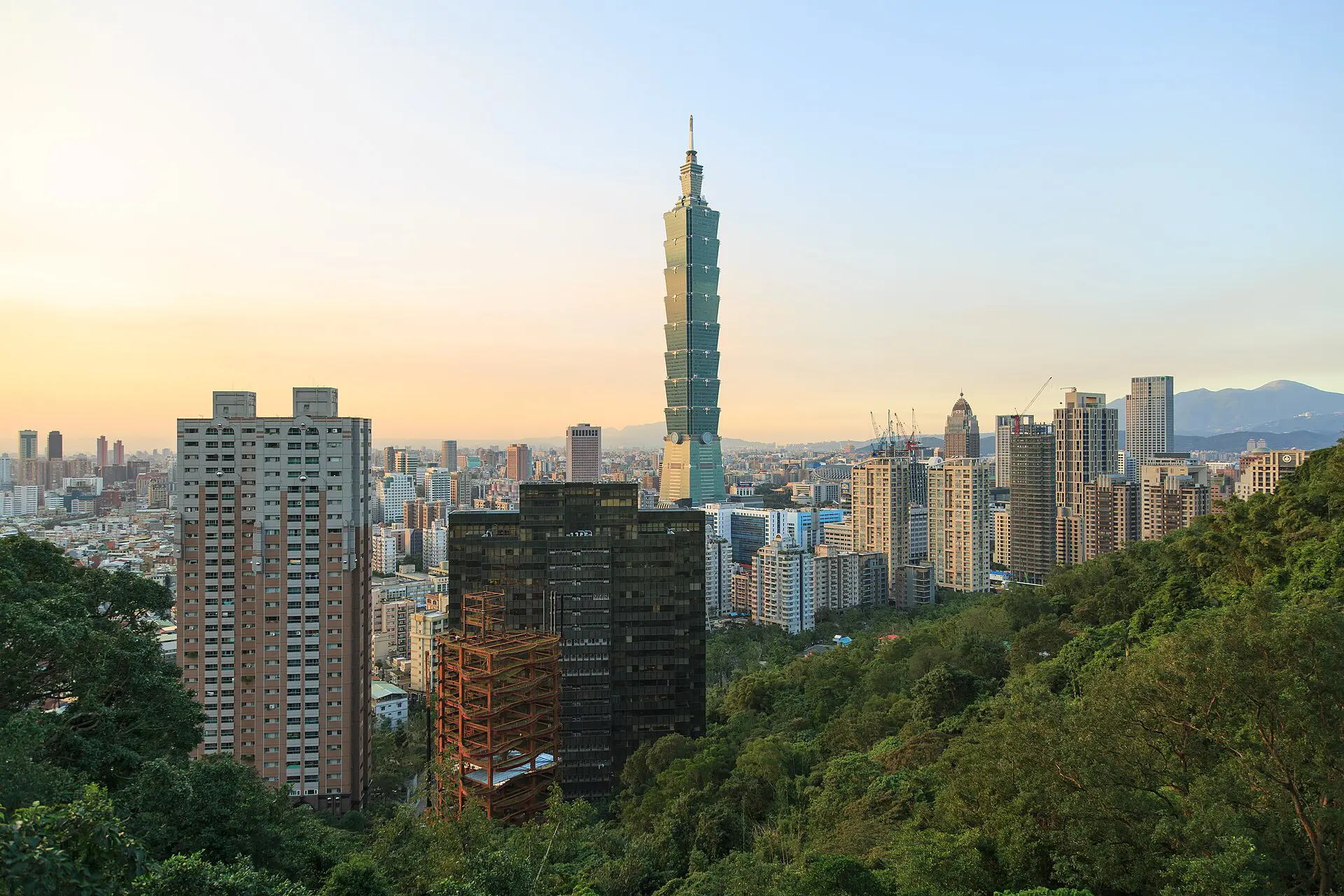
Taipei 101
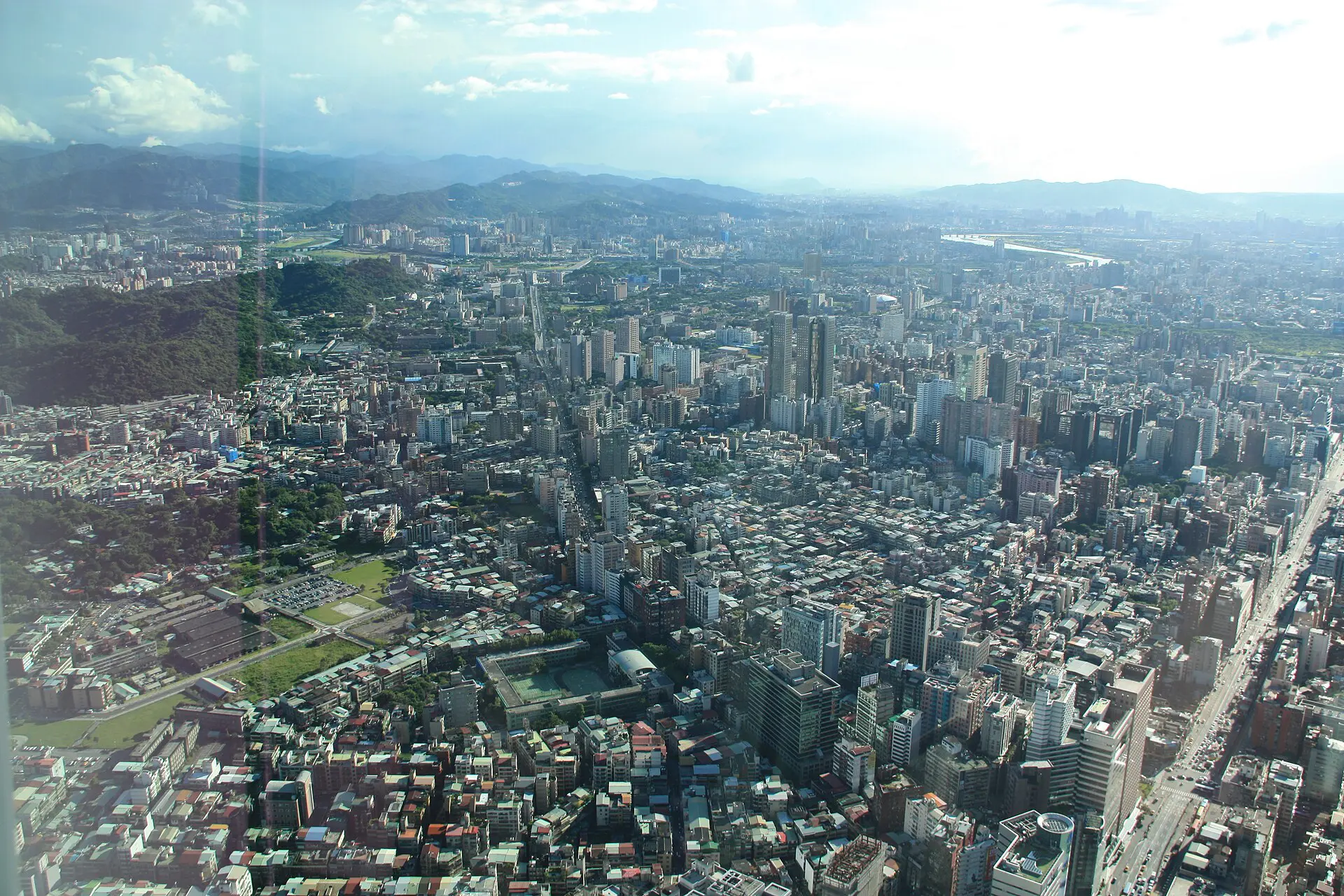
The skyscraper is the city’s best-known landmark and has an observation deck with wide views of the basin. Allow one to two hours including the queue. Book timed tickets in advance if you can, and choose a clear day, since cloud and haze reduce the view.
Night markets
The markets offer affordable, high-quality street food. Shilin is among the best known, and others suit different tastes. Go after dark, allow two to three hours, bring small cash, and come hungry, as most stalls sell snack-sized portions that you can combine.
Ximending
A pedestrian-focused district known for youth fashion, cinemas, snack stalls and street life. It is busiest in the evenings and at weekends, and an hour or two is enough. It is a good first stop if you want a lively, concentrated area close to the MRT.
Temples
Traditional temples such as Longshan are active places of worship, with incense, offerings and worshippers. Visit in the morning, dress modestly, speak quietly and do not photograph people praying. A visit takes about an hour.
Maokong and tea houses
Maokong is a hillside tea area reached by public transport, a tranquil escape. Plan half a day, ideally late afternoon into evening for the views, and check whether the cable car is operating before you set out.
National Palace Museum
The museum is known for its collection of Chinese imperial artefacts. Allow at least half a day, and check opening days and ticket details before you go, since popular exhibits can draw crowds, particularly at weekends.
Hot springs and Yangmingshan
The mountains north of the city have walking trails and hot spring areas, reached by bus or taxi. Allow half a day, check weather conditions and pack a layer, since temperatures on the hills can be cooler and wetter than in the basin.
Best time to visit Taipei
Taipei has a humid, subtropical climate, so timing matters more for comfort than for crowds. Autumn and spring are generally the most pleasant. Summers are hot and humid, with typhoon risk, and winters are cooler, often damp and grey but rarely cold for long.
| Season | Weather | Crowds and prices |
|---|---|---|
| Spring (March to May) | Mild, showery | Moderate |
| Summer (June to September) | Hot, humid, typhoon risk | Hotels can be cheaper; heat limits walking |
| Autumn (October to December) | Warm to cool, usually clearer | Popular; book ahead |
| Winter (January to February) | Cool and damp | Lunar New Year raises prices and closes some shops |
Check typhoon forecasts if you travel between July and October, as flights and tours can be disrupted.
How to get to Taipei and around
Most international visitors arrive at Taoyuan International Airport, roughly 40 km from the centre, and reach the city by the airport rail line, by bus or by taxi. Journey times vary with traffic and the line you choose, so check the current schedule before you plan a late arrival. A smaller airport, Songshan, is closer to the centre and handles some regional flights.
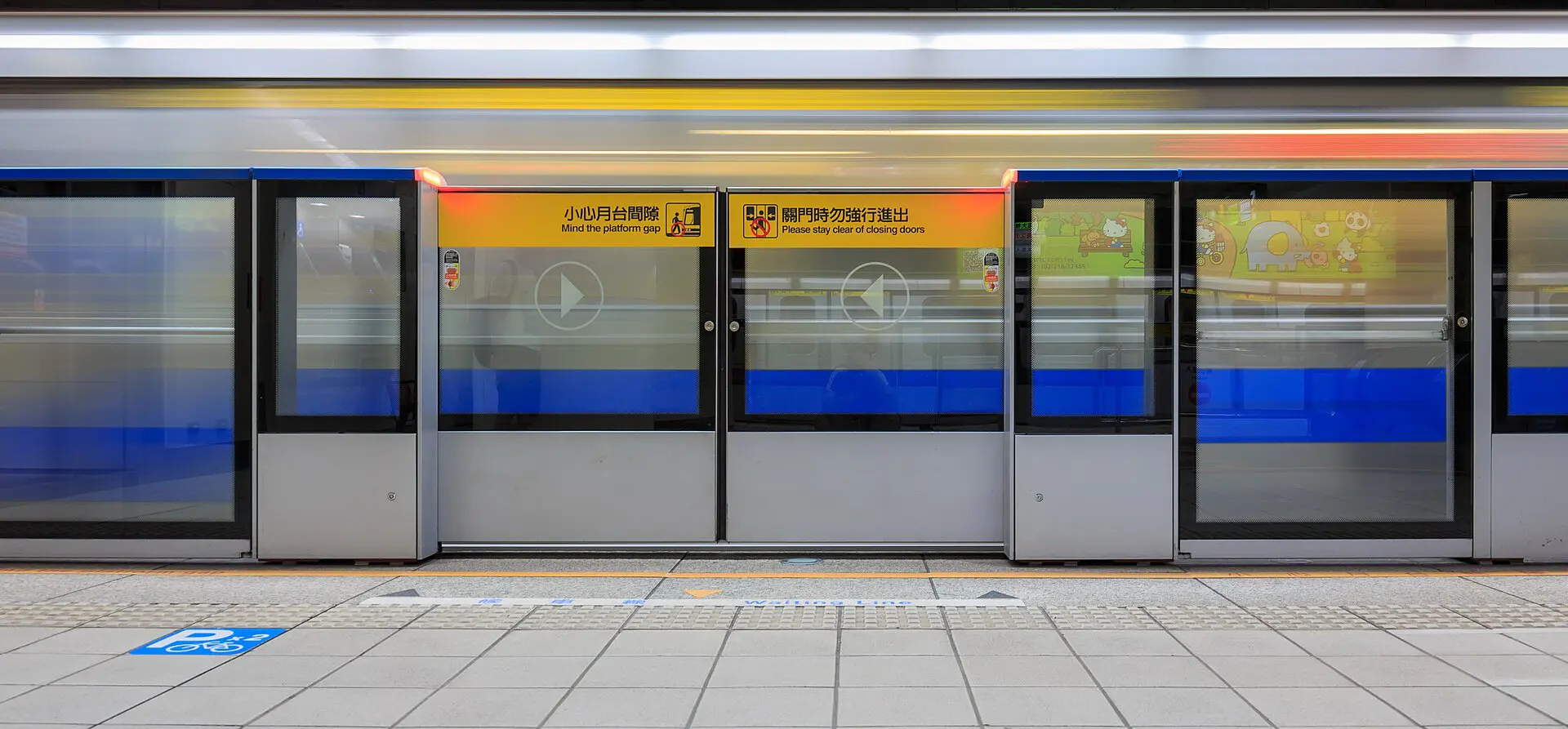
Taiwan’s high-speed rail connects Taipei with cities along the west coast, such as Taichung and Kaohsiung, and conventional trains run along the east coast towards Hualien and Taitung. Both are comfortable, and booking in advance is wise on holidays.
In the city, the MRT is the easiest way around: it is clean, frequent and well signed in English. Buses, taxis and a rechargeable travel card cover the rest. Walking between nearby sights is pleasant, though summer humidity can make it tiring.
Where to stay in Taipei
The area around Taipei Main Station is the most practical base, with rail, MRT and airport links all close by. It suits short stays, onward travel and visitors who want convenience over atmosphere.
Ximending and the neighbouring Zhongshan area suit people who want food, shopping and nightlife within walking distance, with plenty of budget and mid-range hotels and hostels. The Xinyi district around Taipei 101 is more modern and upmarket, with larger hotels, shopping centres and good transit.
If you prefer a quieter feel, look at residential neighbourhoods along MRT lines, which can offer good value and local cafes. Since the network is so efficient, being near any MRT station matters more than being in the exact centre. Book ahead for Lunar New Year and autumn weekends.
How many days do you need?
Three days gives you the main sights at a relaxed pace, and four lets you add a mountain or coast day trip. With two days you can see the centre and a night market, but you will have to skip the hills and tea areas. A first-time visit rarely needs more than five days unless you plan to explore the rest of Taiwan.
- Day 1: Taipei 101 and the Xinyi area, then a night market in the evening.
- Day 2: A temple, Ximending and the old streets in the morning, the National Palace Museum in the afternoon.
- Day 3: Maokong for tea and views, or Yangmingshan for walks and hot springs.
Day trips and nearby
Jiufen
A hillside town in the north known for its narrow lanes, tea houses and sea views. It can be done as a half-day or full-day trip by bus. Go on a weekday or early to avoid crowds, and bring a rain jacket.
Keelung
The northern port city lies about 25 km from Taipei and is known for its seafood and harbour. It is a simple trip by train or bus, and the evening food market is a draw for a few hours.
Hsinchu
A city to the southwest, reachable by rail, with a mix of old town streets and technology industry. It is a lower-key option if you want somewhere less visited, with a half-day being enough.
Yilan
The coastal county to the east, reached by train or bus, offers hot springs, farmland and coastline. Plan a full day, and check the weather, as the area can be wet.
FAQ
Q1When is the best time to visit Taipei?
Autumn (October to December) and spring (March to April) are generally the most comfortable, with milder weather. Summer is hot, humid and typhoon-prone, and winter is cool and often damp, so pack a rain jacket in any season.
Q2How many days do you need in Taipei?
Three to four days is enough for Taipei 101, a night market, a temple, a museum and either Maokong or Yangmingshan. Add a day or two if you want to visit places such as Jiufen or Keelung without rushing.
Q3How do you get around Taipei?
The MRT metro is the easiest option, with frequent trains and English signs. Buses, taxis and a rechargeable travel card cover the rest. Taiwan's high-speed rail and regular trains handle longer trips to other cities.
Q4Is Taipei expensive?
Taipei is generally cheaper than many major world cities, especially for food and transit. Street food and local meals are inexpensive, while hotels and tourist attractions cost more. Prices vary with exchange rates, so check recent costs.
Prices, schedules and entry rules change. Check current details with official sources before you travel. Read the Taiwan travel guide.