Why visit Syria
This Syria travel guide starts with a caution: the country’s history draws visitors, but the present situation does not allow easy tourism. Syria, in the Eastern Mediterranean and the Levant, was home to the Eblan civilisation, the Umayyad caliphate and later Ottoman and French rule, and Damascus is often described as one of the oldest continuously inhabited cities in the world (see the Wikipedia overview). Six UNESCO World Heritage Sites include the Ancient City of Aleppo, Palmyra and Krak des Chevaliers.
From 2011 to 2024 a brutal civil war devastated much of the country, and a provisional government has taken power since the regime changed in late 2024. Syria therefore suits only experienced travellers with specialist knowledge, journalists, aid workers and people visiting family, not casual holidaymakers. This page explains what is known, so you can judge risks and follow official advice.
Best places to visit in Syria
The best places to visit in Syria are known for their heritage, but condition, access and safety vary and change quickly, and some are not safe to visit now. Treat this as background for planning when advice changes.
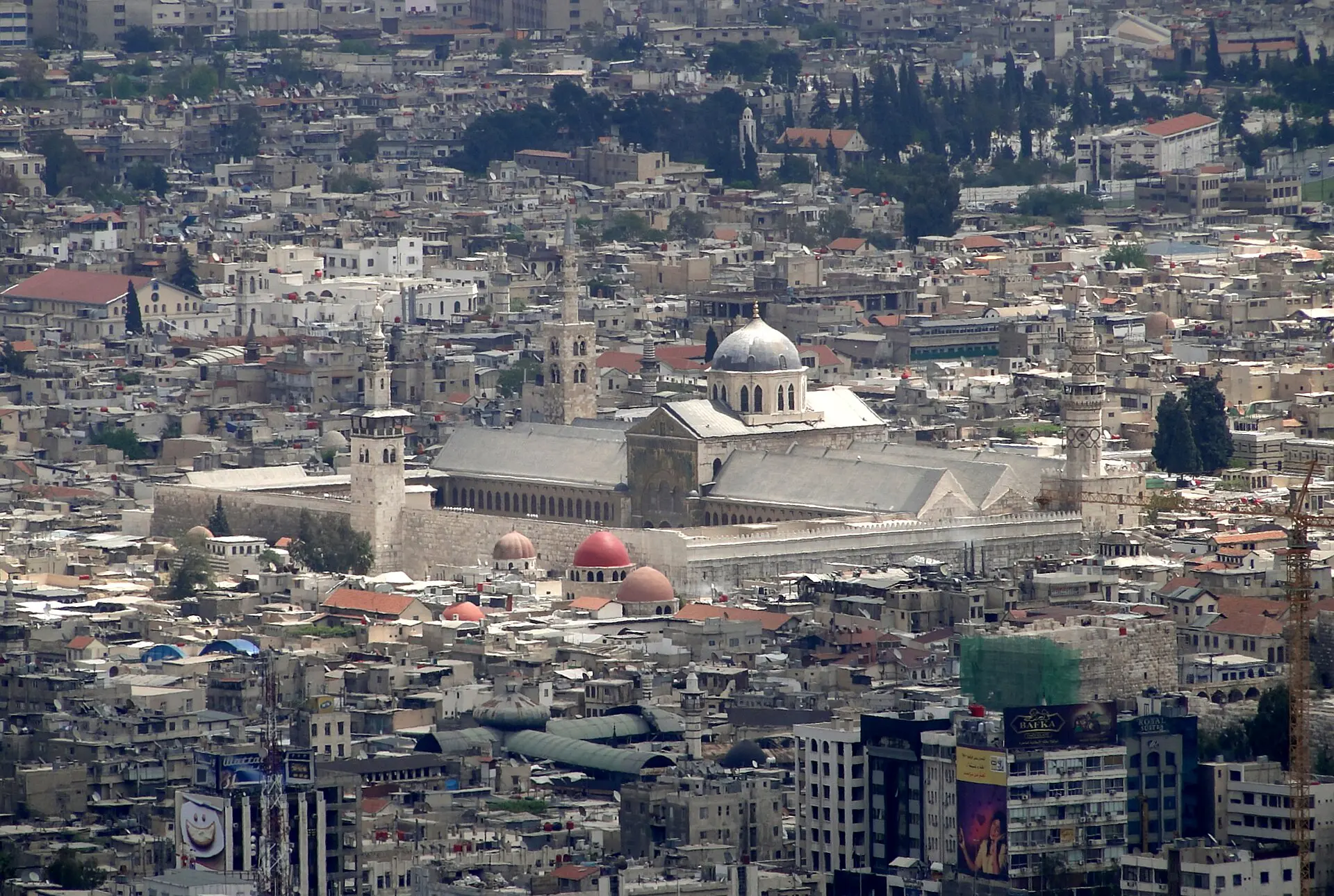
Damascus
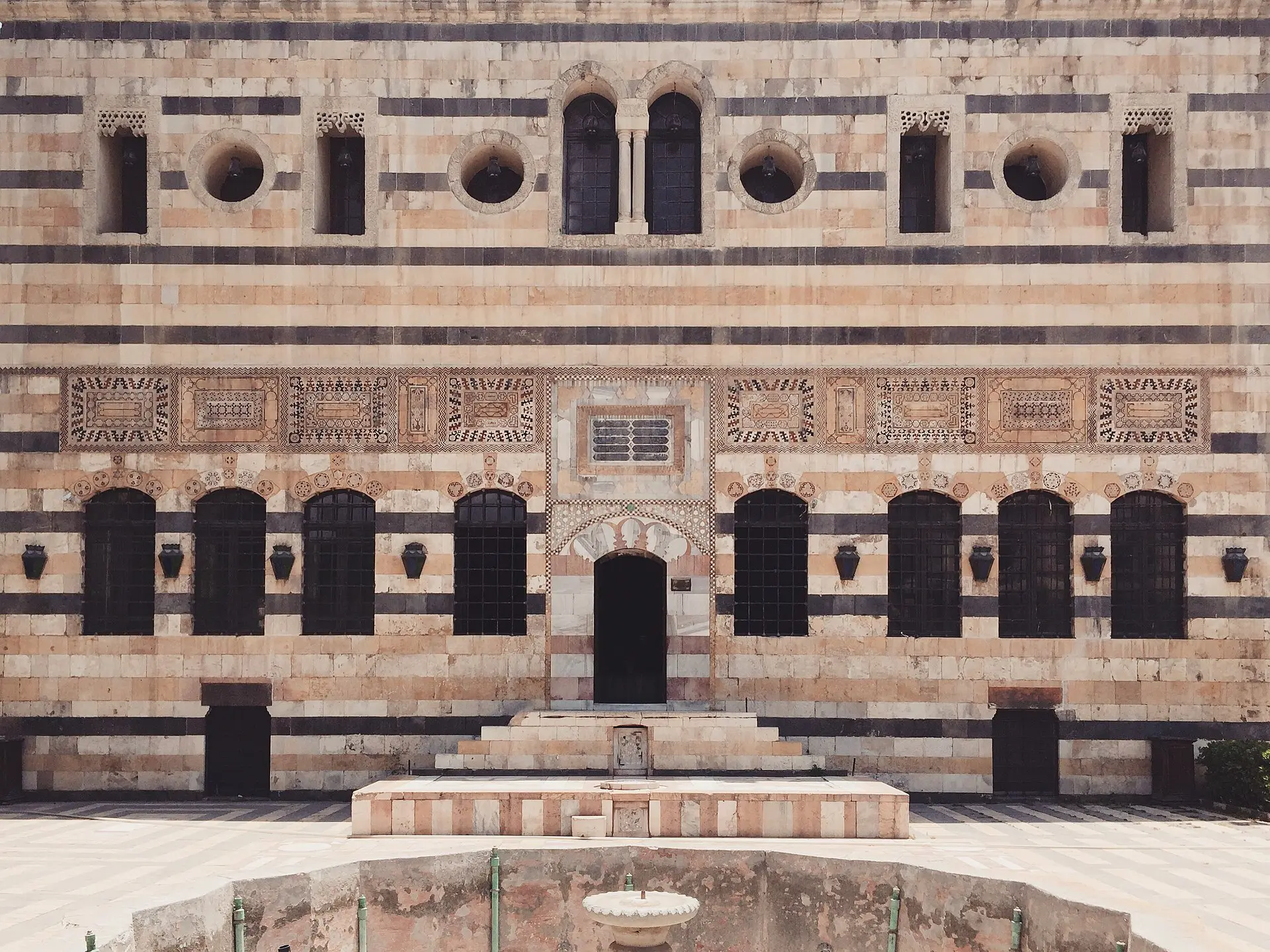
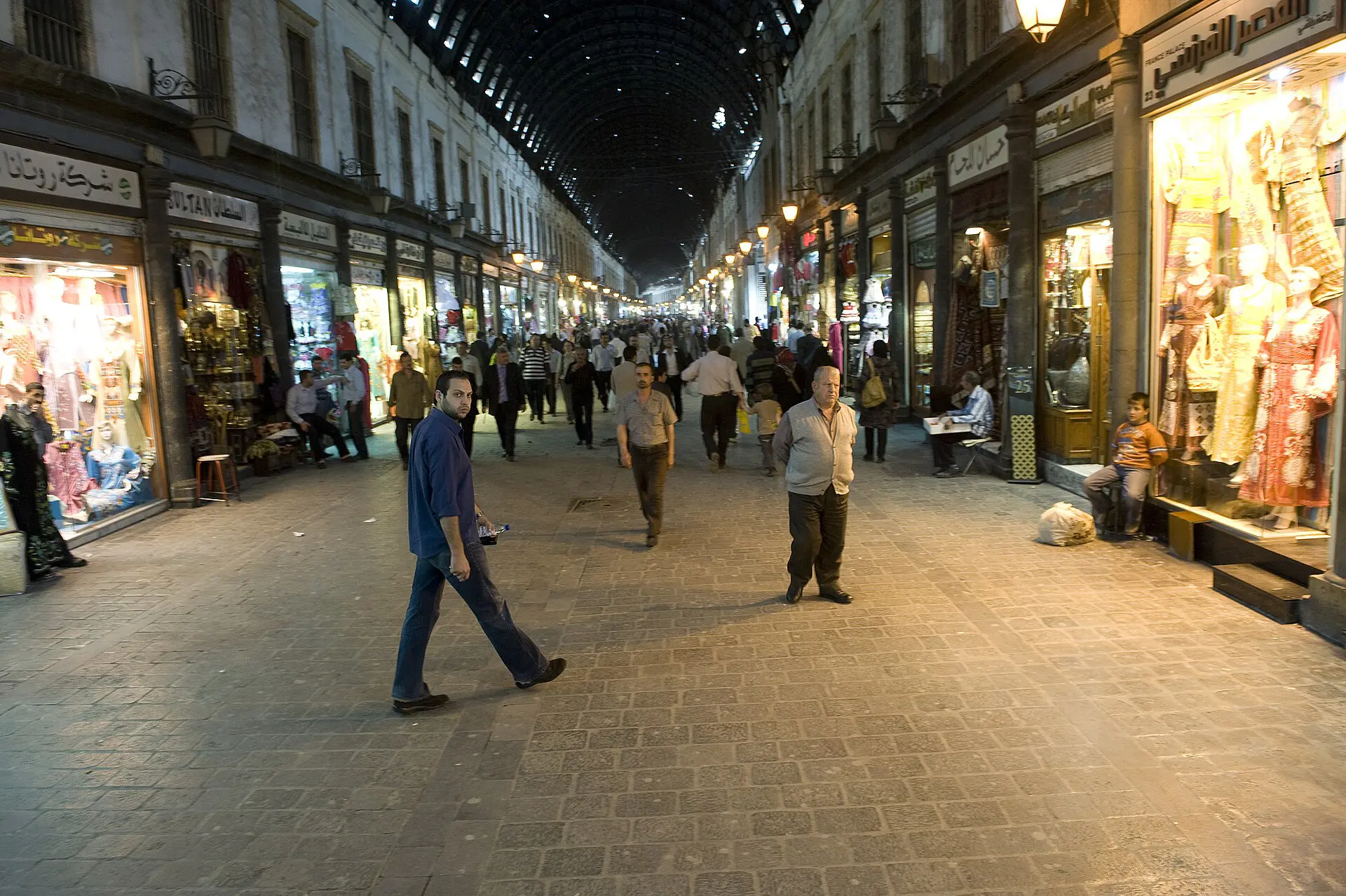
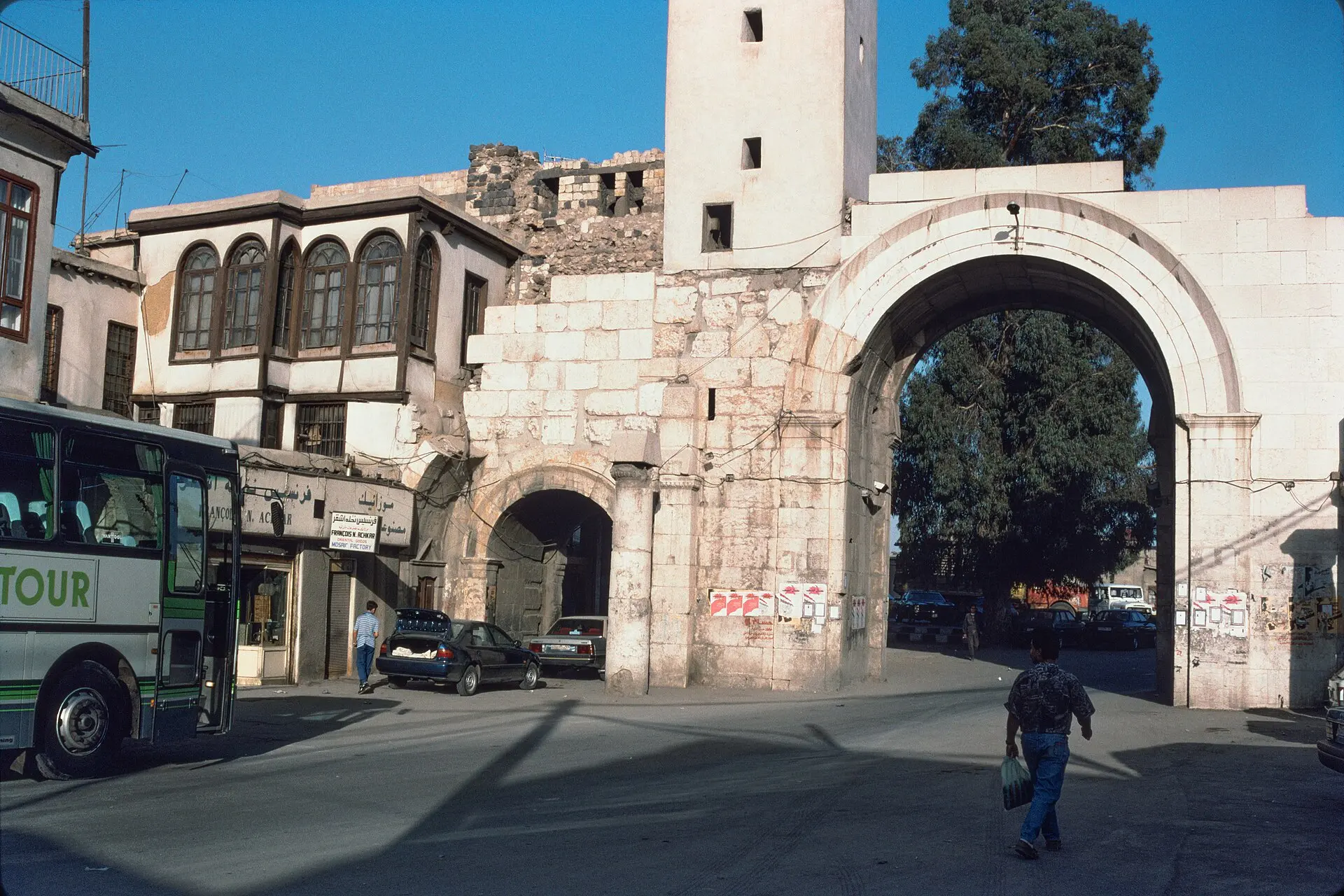
The capital’s walled Old City contains the Umayyad Mosque, the Azem Palace, covered souks and Roman-era Straight Street. It has been among the more accessible places in recent years, though conditions vary and advice should be checked.
Aleppo
Once a major trading city with a hilltop citadel and covered souks, much of Aleppo’s old city was badly damaged in the war. Reconstruction is ongoing and the situation is uncertain.
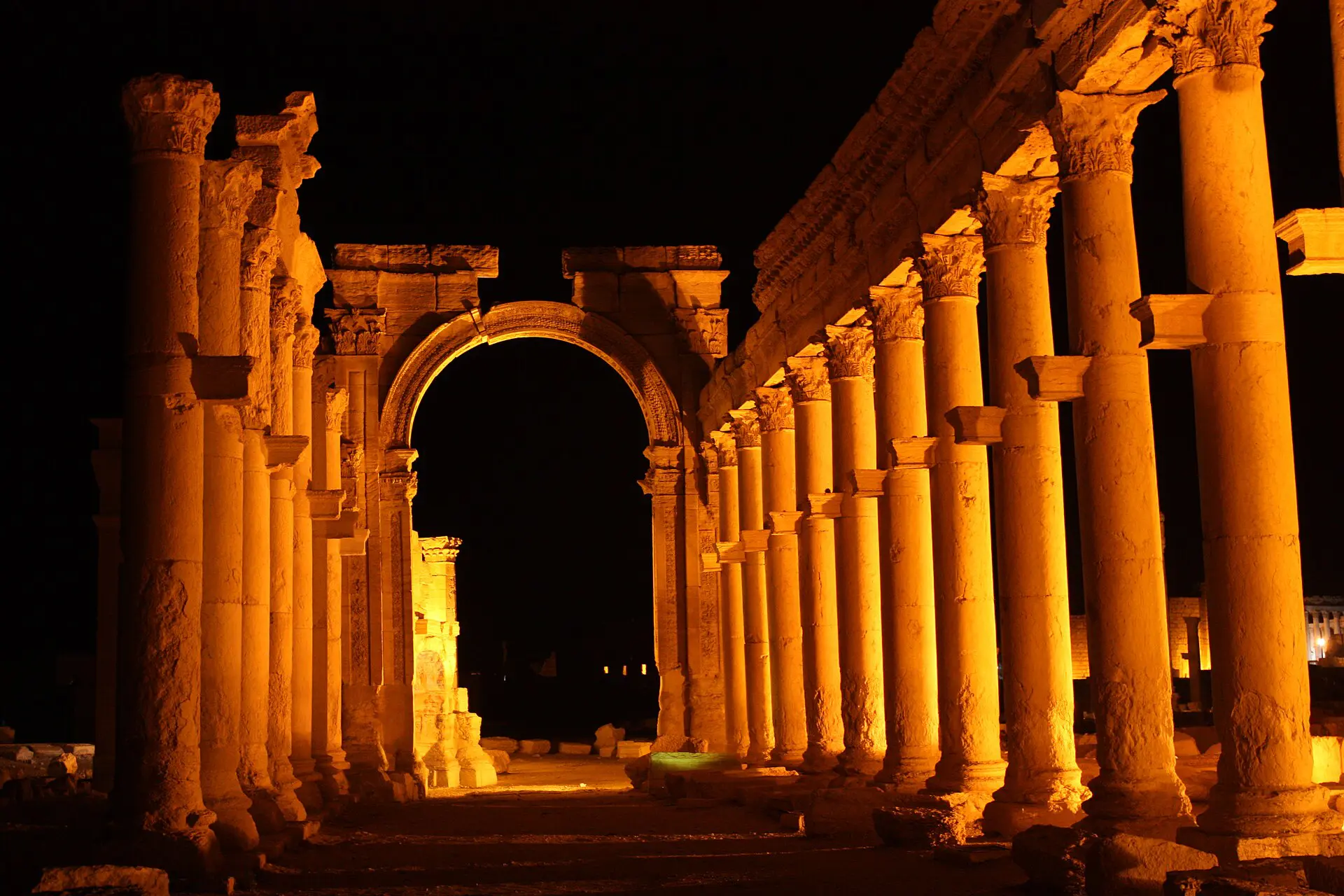
Palmyra
The ruins of a desert caravan city in central Syria include colonnades and temples, parts of which were damaged by Islamic State. The surrounding area has had security problems and landmines.
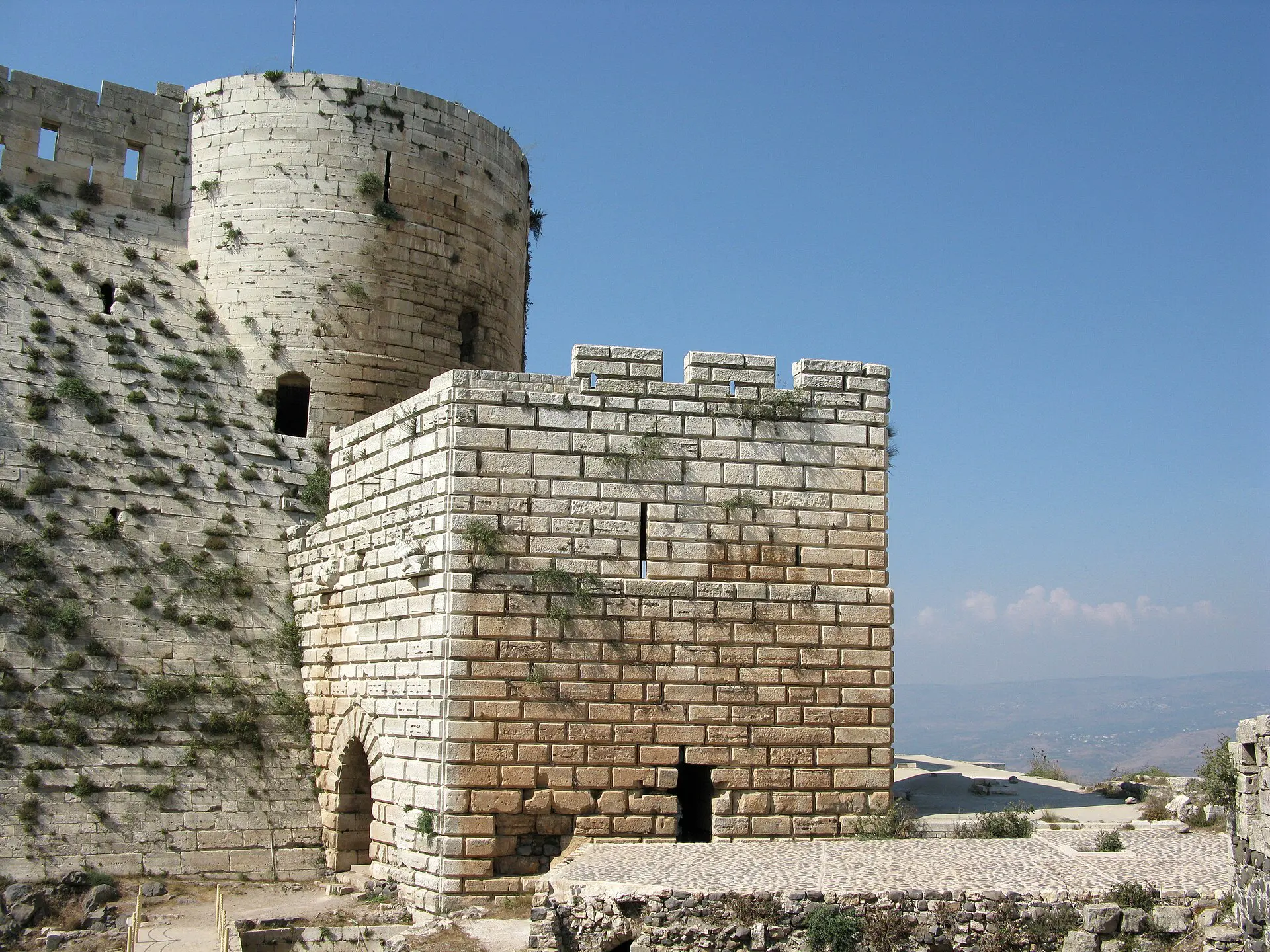
Krak des Chevaliers
A Crusader castle near Homs, among the best-preserved medieval castles in the world, listed by UNESCO.
Bosra
A UNESCO-listed town in the south with a well-preserved Roman theatre built in basalt.
Coast: Latakia and Tartus
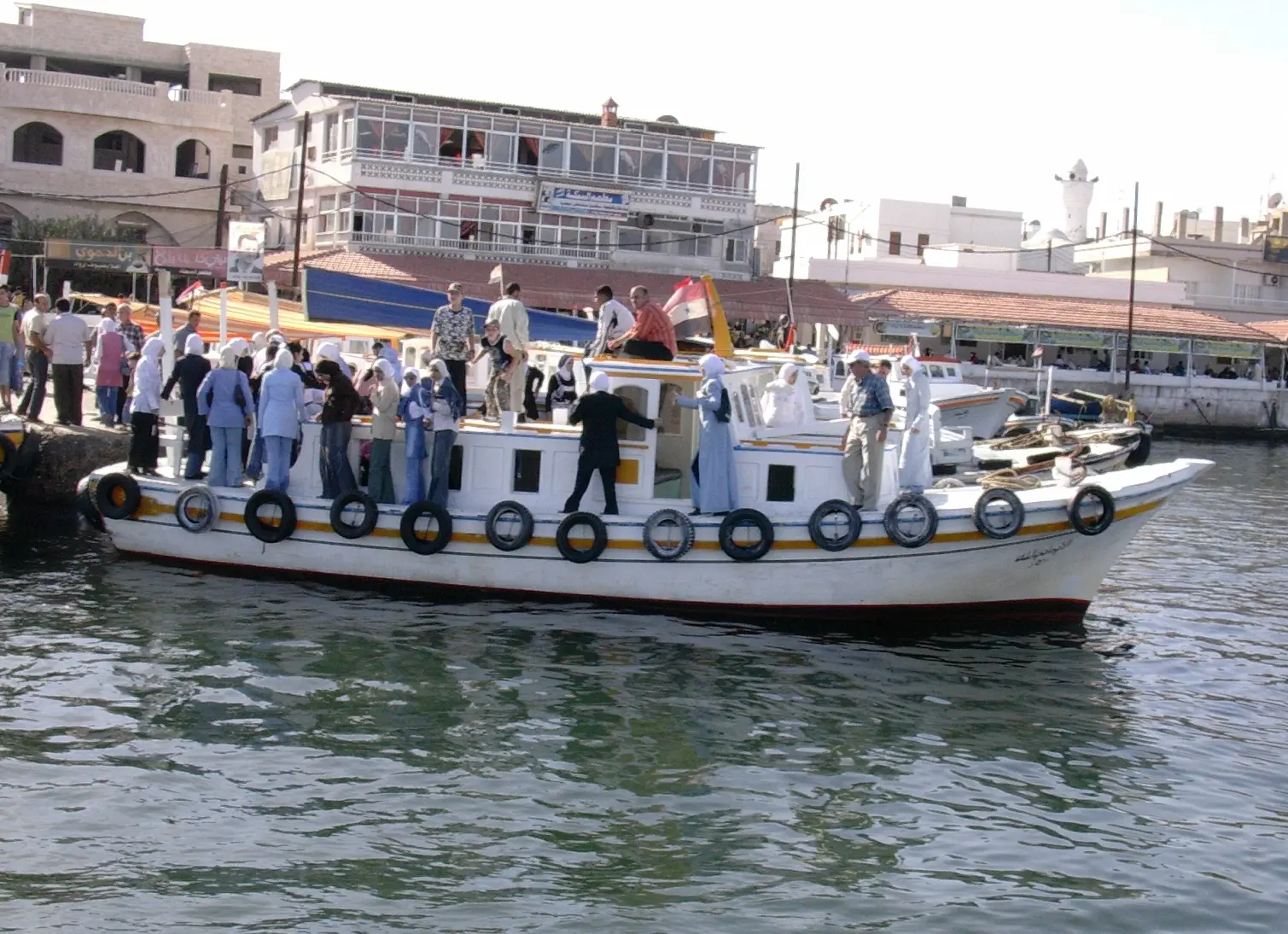
Mediterranean port towns with beaches, and the small island of Arwad off Tartus. Check regional security before considering any coastal visit.
Top things to do in Syria
The top things to do in Syria, historically, centre on heritage sites and markets. Many are currently closed, damaged or in areas governments advise against, so use this list for background rather than as a plan.
- Visit the Umayyad Mosque: one of the oldest and largest mosques in the world, in Damascus.
- Walk the Damascus souks: the covered Al-Hamidiyah market has long sold textiles, spices and sweets.
- See the Azem Palace: an 18th-century Ottoman mansion with a museum of arts and traditions.
- Explore Aleppo’s citadel and souks: large parts were damaged, and restoration continues.
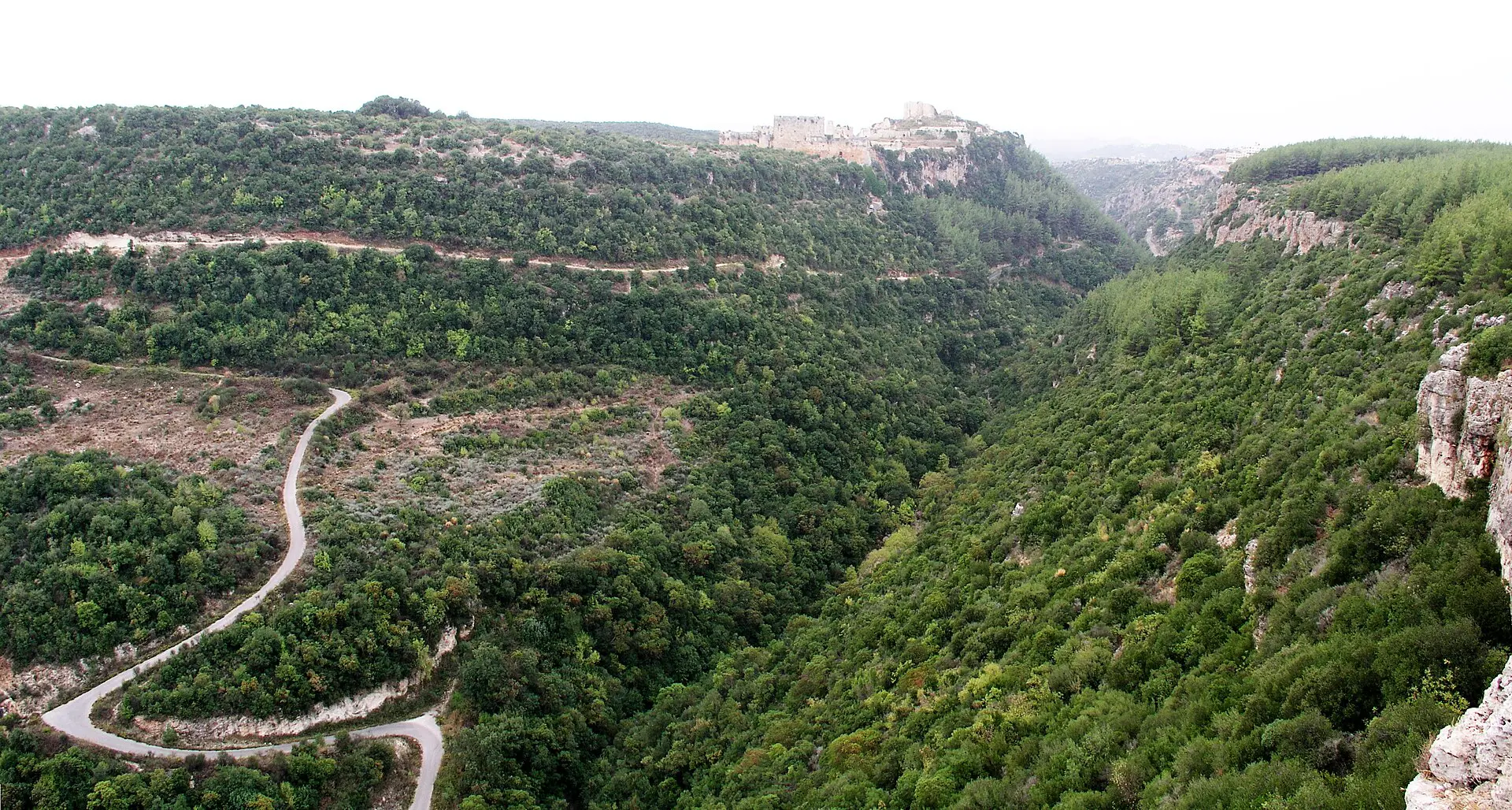
- Tour Krak des Chevaliers: a Crusader fortress on a hill with views over the surrounding valley.
- See the Roman theatre at Bosra: still a venue for events in peaceful years.
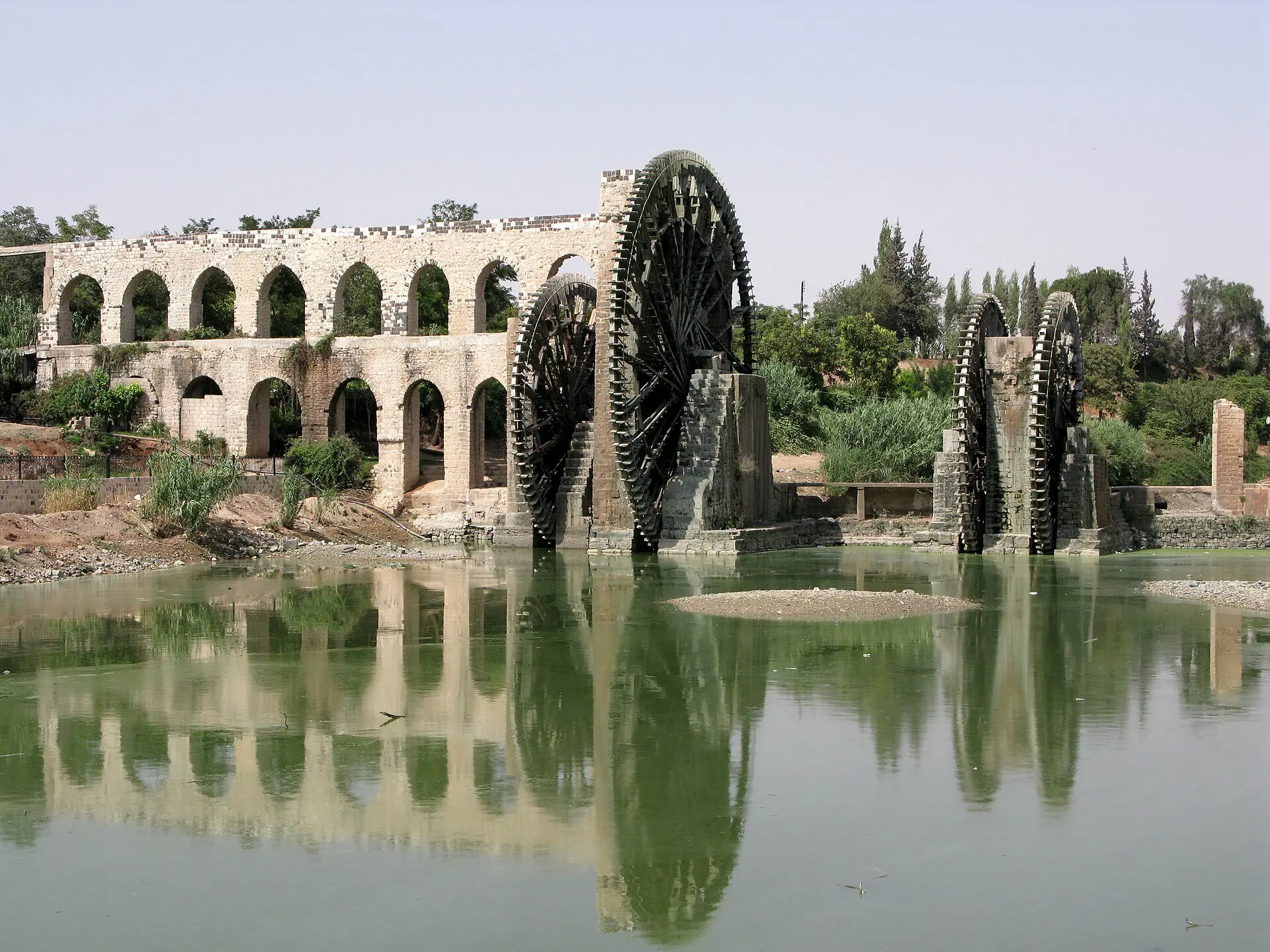
- Visit the waterwheels of Hama: ancient norias on the Orontes river.
- Eat in a Damascus restaurant: traditional dishes in an old courtyard house.
- Visit Palmyra: the ancient site has been damaged and its surroundings are risky.
Before considering any of these, check whether a site is open, accessible and safe, and read your government’s current travel advice.
Best time to visit Syria
The best time to visit Syria, if travel becomes advisable, is spring (April to May) and autumn (October to November), when temperatures are milder. Summers are hot and dry, particularly in the desert and inland cities, while winters are cool to cold and can bring rain and snow in the mountains and around Damascus.
| Season | Weather | Crowds and prices | Good for |
|---|---|---|---|
| Spring (Mar-May) | Mild, some rain, green hills | Historically the busiest season | Cities, ancient sites |
| Summer (Jun-Aug) | Hot and dry, above 35 C inland | Low outside the coast | Coast only; avoid desert sites |
| Autumn (Sep-Nov) | Warm to mild, dry | Moderate | Cities, ancient sites |
| Winter (Dec-Feb) | Cool, wet, snow on high ground | Low | Damascus and coast, if safe |
Ramadan changes opening hours and daily life, and its dates shift each year. Seasonal weather matters less than security: conditions on the ground can change quickly regardless of the month, so any planning must start with official advice.
Is Syria safe to visit?
Syria is not considered safe for tourism at present. Many governments, including the UK, US and EU member states, advise against all or most travel because of armed conflict, unrest, terrorism, kidnapping and arbitrary detention. Consular help is very limited or absent, and travel insurance rarely covers it.
The war that ran from 2011 to 2024 left widespread destruction, and the political transition since then has been uncertain. Some regions have seen renewed violence, and security can change quickly and differently from one province to the next. Large areas are contaminated with landmines and unexploded ordnance, so leaving roads or entering damaged buildings can be fatal. Electricity, fuel, medical care and communications are unreliable, and hospitals may lack basic supplies.
Other risks include checkpoints, restrictions on photography and movement, and the possibility of being unable to leave if a situation worsens. Dual nationals and journalists face additional risks.
If you are considering travel for work, family or humanitarian reasons, read the UK FCDO or your own foreign ministry’s advice, register with your embassy where possible, arrange specialist security support and tell people your plans. Do not travel against official advice without understanding that normal protections may not apply.
Visa and entry requirements for Syria
Entry rules for Syria depend on your nationality and have been changing since the political transition in late 2024, so any general summary may be out of date. In the past, most foreign visitors needed a visa issued in advance by a Syrian embassy or consulate, and entry required an approved purpose and, for many nationalities, sponsorship or a tour arranged through an authorised operator.
Do not assume visa-on-arrival or e-visa options are available. Borders and crossings from Lebanon, Jordan and Turkey have varied in what they allow, and some have closed or changed rules at short notice. Land borders may also be restricted to certain nationalities or purposes, and the status of crossings in the north and east differs from those controlled by the central authorities.
Passports must usually be valid for at least six months. Evidence of Israeli travel can cause problems in some circumstances, and your government may restrict or advise against travel entirely, which can affect insurance and consular help.
Confirm every requirement with the nearest Syrian embassy or the official foreign ministry source, and with your own government’s travel advice, before spending money on any plan.
Getting to and around Syria
Getting to Syria has been difficult and has varied since the political change. Damascus International Airport and Aleppo International Airport have handled limited commercial flights, with services changing and some airlines suspending routes. Check which airlines currently fly and whether your insurance and government advice allow it.
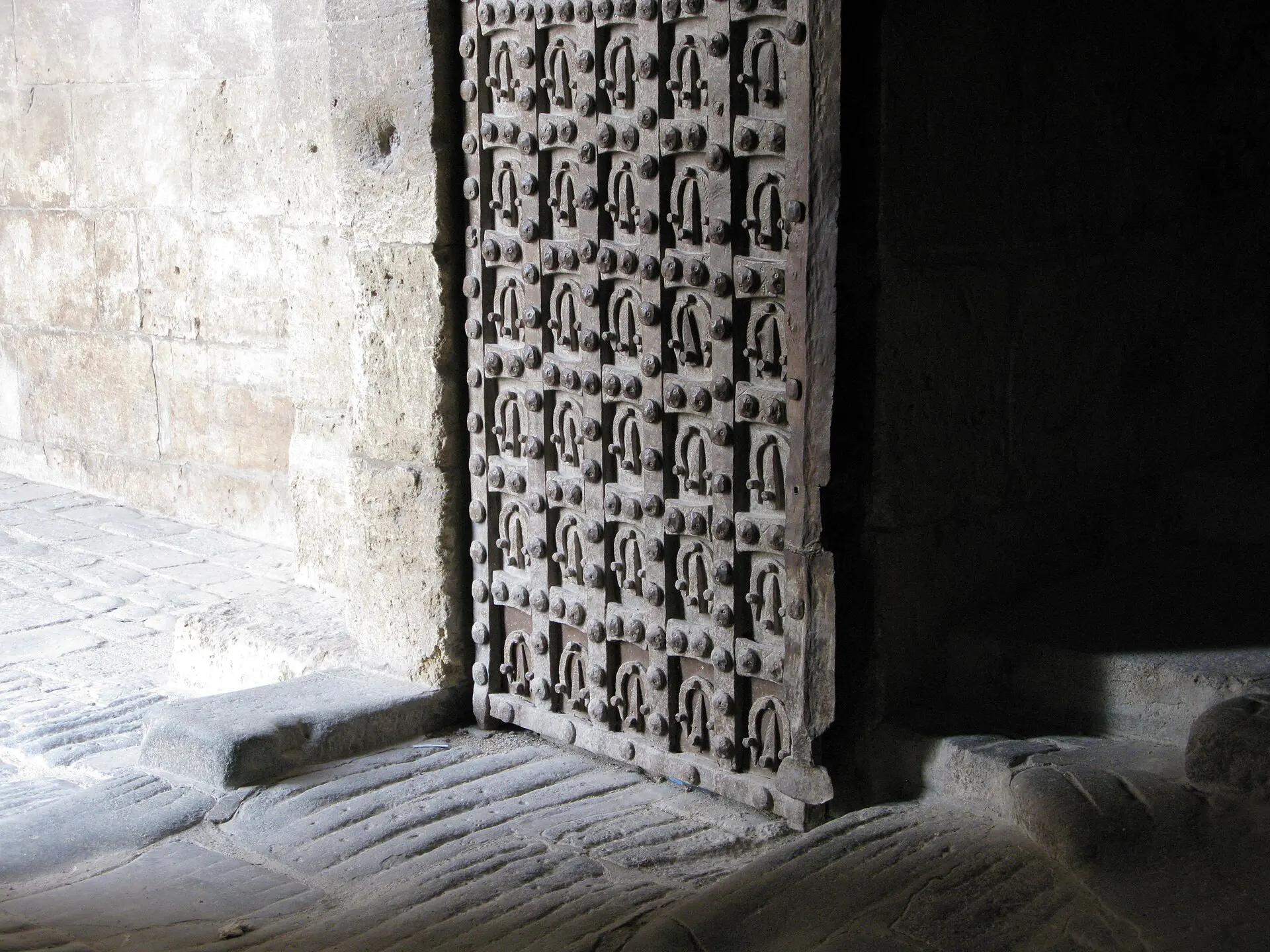
Land routes from Lebanon (to Damascus, about two to three hours from Beirut when the border is open) and Jordan (via Nassib and Jaber) have been used in the past, but crossings can close at short notice and hours change. Crossings from Turkey in the north are also unpredictable and cross areas with different authorities.
Inside the country, shared taxis, minibuses and buses connect main cities, but road security, checkpoints and damaged infrastructure make independent travel risky. Some roads are unsafe because of landmines or armed groups. Fuel shortages and power cuts affect services. Most people who travel use a local driver and guide arranged through a reputable, established contact, rather than public transport.
Do not rely on maps or apps for road safety. Local information can change daily, and you should always have a plan for leaving quickly.
How much does a trip to Syria cost?
It is hard to give reliable costs for a trip to Syria. The Syrian pound (SYP) has lost a great deal of value and rates differ sharply between official and street exchanges, so local prices quoted in pounds are not a useful guide. Many hotels, drivers and guides quote in US dollars or euros, and prices change quickly.
- Budget: basic guesthouses and local food can be cheap in dollar terms, but options are limited and electricity and heating may be unreliable.
- Mid-range: a hotel with generator power, a private driver and guide and restaurant meals can cost far more than local prices suggest.
- High: security support, specialist logistics and insurance are the largest costs and often exceed the cost of the trip itself.
The main cost drivers are security, transport, insurance and permits, and not food and lodging. Most standard travel insurance does not cover travel to places where governments advise against all travel, so specialist cover, if available, can be expensive.
International bank cards generally do not work and ATMs are unreliable, so travellers carry cash in US dollars or euros. Get current figures from specialist operators and recent travellers rather than relying on older guides.
Food and drink in Syria
Food and drink in Syria belong to the wider Levantine tradition and are among the country’s strongest cultural exports. Damascus and Aleppo are known for different cooking styles, with Aleppo often described as the culinary capital.
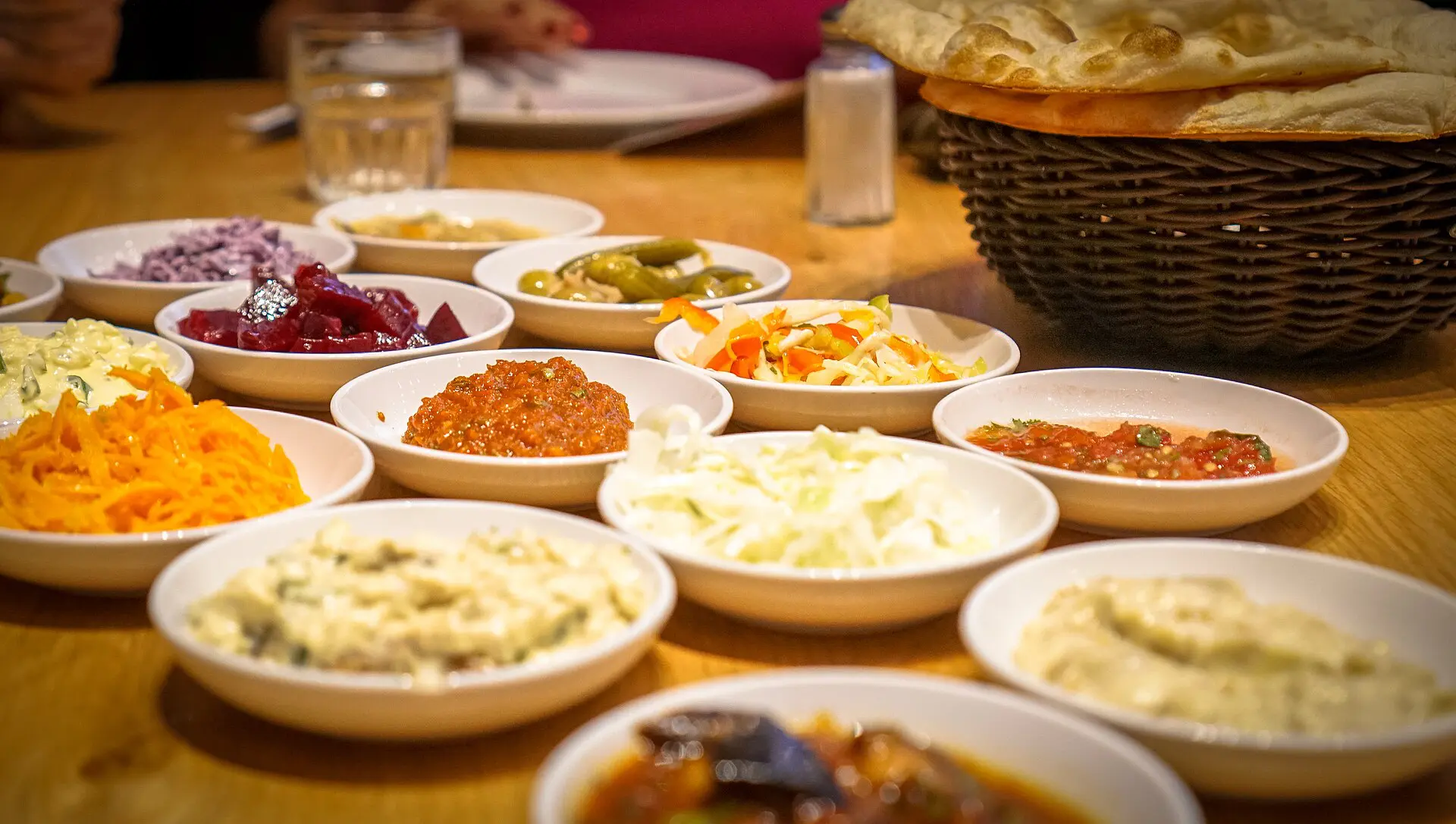
- Mezze: small dishes such as hummus, baba ghanoush, tabbouleh and fattoush served together.
- Kibbeh: bulgur and minced meat shells, fried, baked or served raw, with many regional versions.
- Shawarma: spiced meat carved from a spit and wrapped in flatbread.
- Fatteh: layered dish of bread, yoghurt, chickpeas and sometimes meat.
- Muhammara: a dip of red peppers, walnuts and pomegranate molasses, strongly linked to Aleppo.
- Baklava and ma’amoul: pastries and date-filled biscuits sold in sweet shops.
- Arabic coffee, tea and Aleppo soap and spices: coffee flavoured with cardamom is the usual welcome drink.
Eating in family restaurants and courtyard houses is a core part of Syrian hospitality. Vegetarian eaters will find many mezze and vegetable dishes. Pork and alcohol are not served in many places, though some Christian-owned places in Damascus serve alcohol. Be cautious with tap water and raw salads, as supply and sanitation can be unreliable, and carry rehydration salts.
Culture, language and etiquette in Syria
Arabic is the official language, spoken in a Levantine dialect, and Kurdish, Armenian, Aramaic and other languages are also used by minorities. English is spoken by some younger people and in hotels, but less than in neighbouring tourist countries, so learn a few Arabic phrases.
Syria is religiously and ethnically diverse, with Sunni Muslim majority communities and significant Alawite, Druze, Christian, Kurdish and other minorities. Experiences of the war differ sharply by community, so politics, religion and the conflict are sensitive subjects. Let local people lead any conversation and avoid taking sides.
Hospitality is a strong tradition, and visitors are often invited for tea or a meal. Accept at least a first offer, use the right hand to eat and pass things, and remove shoes when entering homes and mosques. Dress modestly: long trousers and covered shoulders for men and women, and a headscarf for women entering mosques. Ask permission before photographing people, and do not photograph military sites, checkpoints or officials, which can lead to detention. Public displays of affection are discouraged. Friday is the main day of prayer, and many businesses are closed.
Syria itinerary: a 7-day route
Independent travel in Syria is not currently advisable, and this page does not recommend a route that crosses areas governments advise against. A fixed seven-day route would depend on conditions that change faster than a guide can track. What follows is a preparation plan rather than a set of destinations to book.
- Day 1, check advice: read your government’s travel advice and note any exclusions by region.
- Day 2, insurance: ask insurers whether any cover exists; most exclude Syria.
- Day 3, entry: contact the Syrian embassy for visa conditions and approved purposes.
- Day 4, security: speak to specialist operators or organisations with current on-the-ground experience.
- Day 5, health: see a travel clinic for vaccines and a medical kit.
- Day 6, communications: plan check-ins, emergency contacts and an exit route.
- Day 7, decide: if advice is still against travel, postpone, and consider visiting Syrian heritage through museums or neighbouring countries instead.
Even if advice eases, any route most likely to be considered would focus on Damascus and its surroundings, with a guide, rather than long overland journeys. Treat any itinerary as provisional.
Practical tips for Syria
Practical tips for Syria assume that you are travelling with specialist support and have checked official advice. Money is the first problem: the Syrian pound (SYP) is volatile, foreign bank cards generally do not work, and ATMs are unreliable, so carry cash in US dollars or euros in small notes and exchange only through trusted channels.
- SIM and data: local SIM cards exist but registration rules and coverage vary; do not rely on mobile data, and download maps offline.
- Power: sockets are types C, E and L at 220 V, and outages are common, so bring a power bank.
- Tipping: a small tip of around 5-10% in restaurants and for guides and drivers is customary.
- Health: medical care is limited, so carry a full kit, rehydration salts and any prescriptions, and check vaccines with a clinic.
- Packing: modest clothing, sturdy shoes, a head torch and copies of documents.
- Time and dialling: the country code is +963, and Syria uses UTC+3.
- Documents: keep your passport safe and carry copies, as checkpoints are common.
For background reading, see the Wikivoyage Syria guide and the UNESCO list of Syrian World Heritage Sites, and always compare them with current official advice.
FAQ
Q1Is Syria safe to visit?
No, not for ordinary tourism at present. Many governments advise against all or most travel because of armed conflict, landmines, kidnapping and arbitrary detention, and consular help is very limited. Check your government's current advice, and do not travel without specialist support and insurance that actually covers Syria.
Q2Can tourists visit Syria?
In principle some visitors have travelled, but entry rules and conditions have changed since 2024 and many governments advise against it. Most visitors need a visa arranged in advance, and many must travel with an authorised guide. Confirm with a Syrian embassy and your own government before planning anything.
Q3What are the best places to visit in Syria?
Historically, Damascus's Old City and Umayyad Mosque, Aleppo's citadel and souks, Palmyra, Krak des Chevaliers, Bosra's Roman theatre and the coast at Tartus. Many sites were damaged in the war and some are in unsafe areas, so check current conditions and advice.
Q4Do I need a visa for Syria?
Most nationalities need a visa arranged in advance, and rules have been changing since the political transition in late 2024. Do not assume visa on arrival. Confirm requirements with the Syrian embassy and check your own government's travel advice, which may advise against any trip.
Q5What is the best time to visit Syria?
Spring (April to May) and autumn (October to November) have milder weather, while summers are hot and winters cold and wet. Security matters far more than season, so check official advice first. Ramadan dates shift each year and change opening hours and daily life.
Q6How much does a trip to Syria cost?
It is hard to say. The Syrian pound has lost most of its value, prices change quickly, and foreign cards generally do not work. Security, transport and specialist insurance cost far more than food and lodging, so ask specialist operators for current quotes in US dollars or euros.
Q7What is the capital of Syria?
The capital and largest city is Damascus, often described as one of the oldest continuously inhabited cities in the world. Its walled Old City holds the Umayyad Mosque and the Al-Hamidiyah souk. The currency is the Syrian pound, and Arabic is the official language.