Why visit St Vincent and the Grenadines
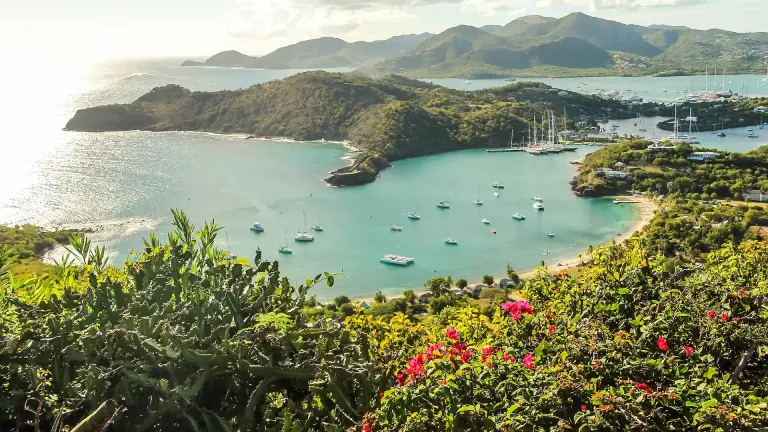
This St Vincent and the Grenadines travel guide starts with the geography: a country of one main volcanic island, Saint Vincent, and a chain of smaller islands stretching south toward Grenada, with a combined land area of about 389 square kilometres. Kingstown is the capital, and the official name is Saint Vincent and the Grenadines, often shortened to SVG. The country sits in the Windward Islands, and it has a more local, less developed feel than many Caribbean destinations (see the Wikipedia overview).
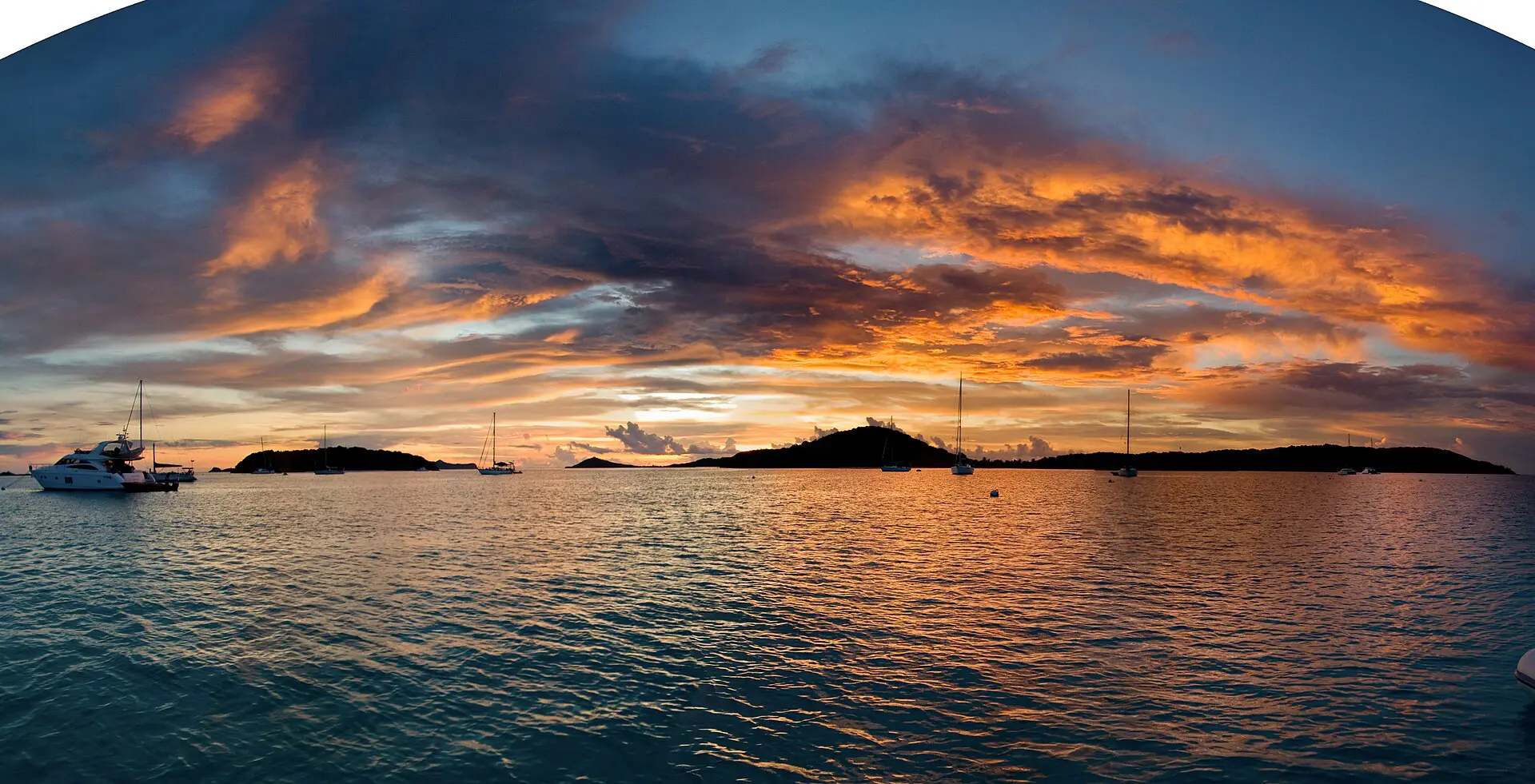
The country suits sailors, snorkellers, divers and travellers who want quiet beaches and small guesthouses. St Vincent offers hiking, waterfalls and the active La Soufrière volcano, while the Grenadines offer calm harbours, reefs and sandbars. Many visitors combine a few days on the main island with Bequia and a boat trip to the Tobago Cays. Expect limited nightlife, few big resorts and travel by small boat or plane, which is part of the appeal. Flexibility with timetables helps.
Best places to visit in St Vincent and the Grenadines
The best places to visit in St Vincent and the Grenadines are the main island’s nature and the Grenadines’ islands, each with a distinct feel.
Kingstown and the south of St Vincent
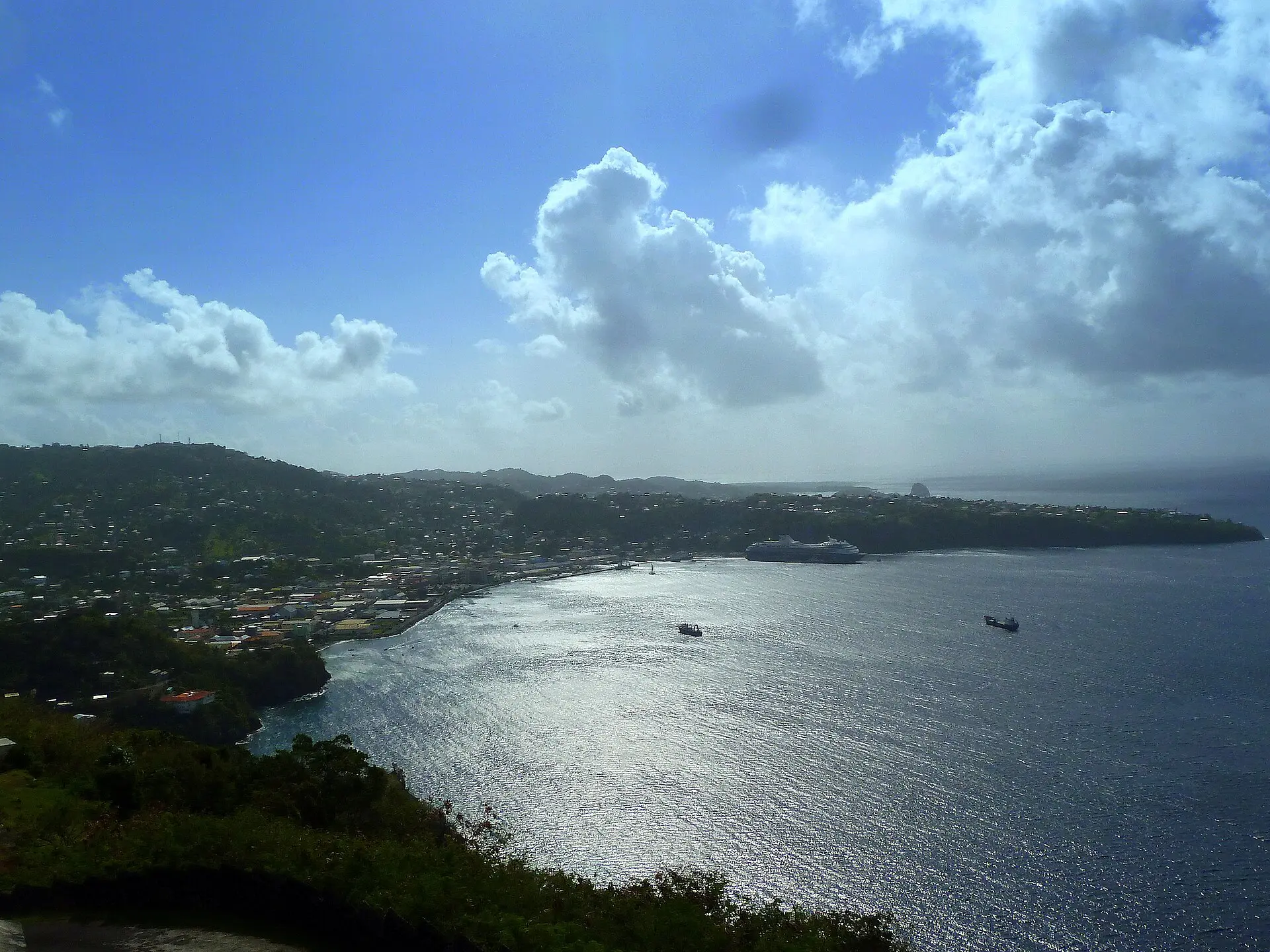
The capital has a busy market, a Georgian cathedral and Fort Charlotte, which overlooks the harbour. The Botanic Gardens, among the oldest in the Western Hemisphere, are on the edge of town and hold the descendants of a breadfruit plant brought by Captain Bligh.
La Soufrière and the north
The volcano at the north end of the island last erupted in April 2021, and access can be restricted. When open and safe, the trail to the crater is a long hike. The north has black-sand beaches and dramatic coastal roads.
Wallilabou and the leeward coast
Wallilabou Bay has a small beach and was a filming location for the first Pirates of the Caribbean film. Nearby Dark View Falls offers a pair of waterfalls in the forest.
Bequia
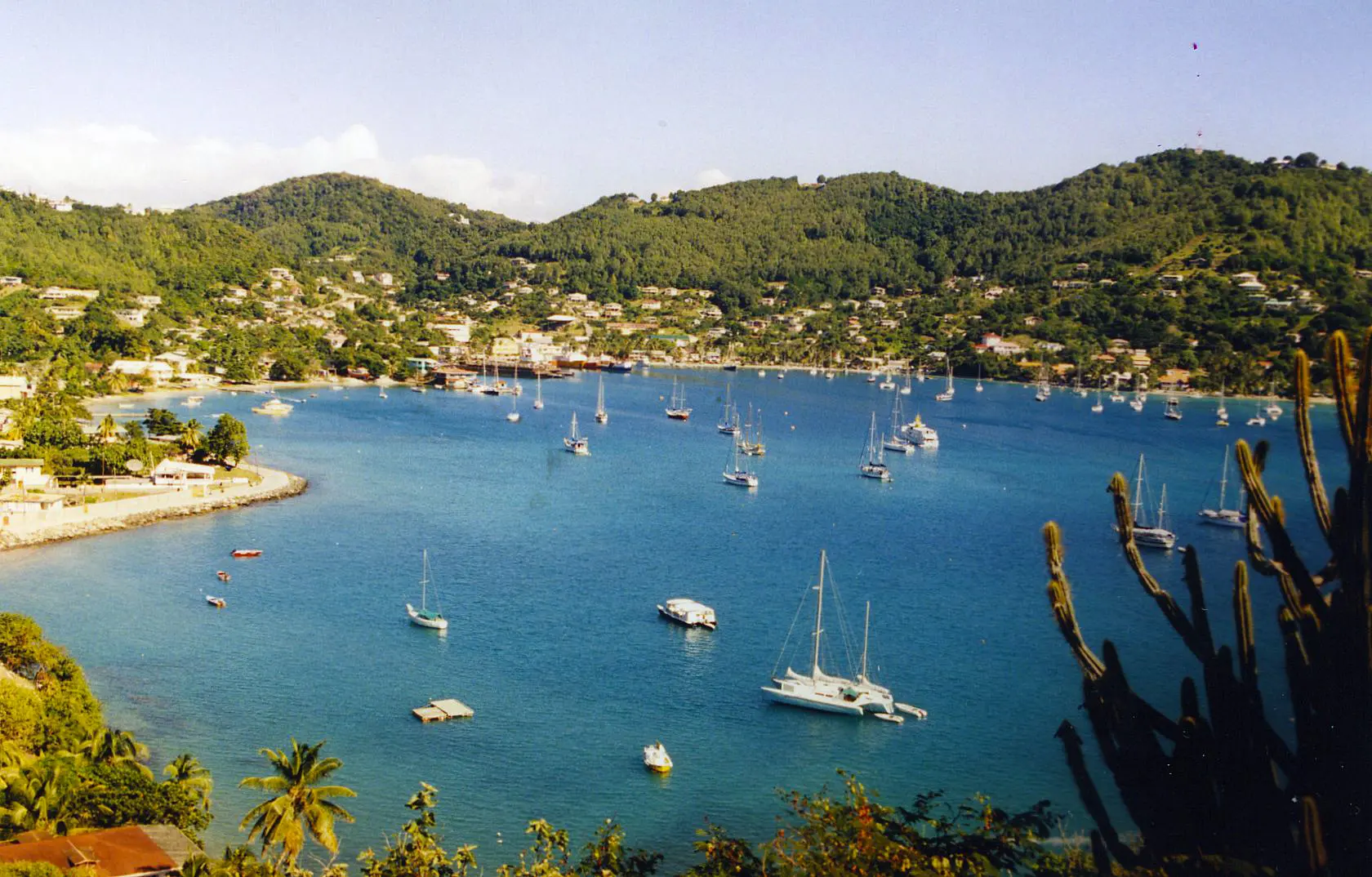
The largest Grenadine island, reached by ferry from Kingstown, has the harbour town of Port Elizabeth on Admiralty Bay, a boat-building tradition and small beaches such as Princess Margaret and Lower Bay.
Mustique
A private island known for its celebrity villas, a polo-style social scene and quiet beaches. Day trips are possible; accommodation is very expensive.
Tobago Cays and Union Island
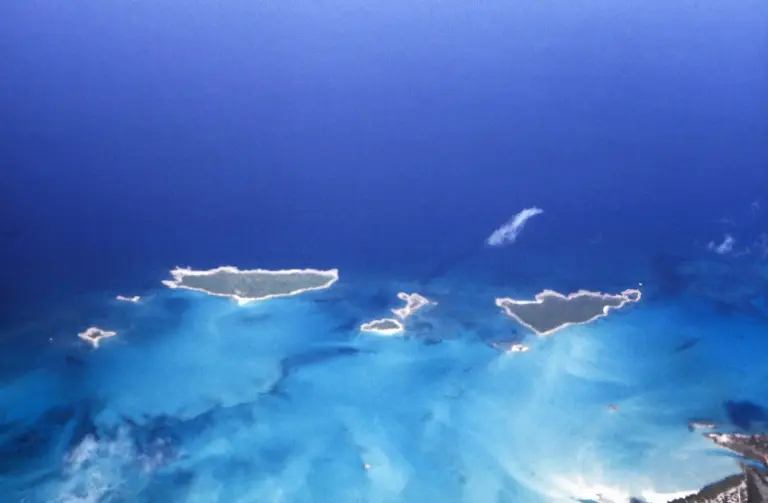
The Tobago Cays Marine Park has five small islands, reef and sea turtles. Union Island, with Clifton harbour, is the usual gateway.
Top things to do in St Vincent and the Grenadines
The top things to do in St Vincent and the Grenadines focus on the sea, sailing and nature, with a few historic and cultural stops.
- Snorkel the Tobago Cays: swim with green turtles in the shallow reef-protected waters.
- Charter a yacht or catamaran: the short hops between islands and steady trade winds make this one of the Caribbean’s best sailing areas.
- Take the ferry to Bequia: spend a day or more walking the Belmont Walkway along the harbour.
- Visit Fort Charlotte: the 18th-century fortress above Kingstown has views of the harbour and the Grenadines.
- Walk the Botanic Gardens: see old trees, parrots and a breadfruit connection to Captain Bligh.
- Hike to Dark View Falls: a short walk through forest leads to two waterfalls.
- Dive at Bequia or Union Island: reefs and wrecks suit beginners and experienced divers.
- See Wallilabou Bay: the bay still has some set pieces from the film.
- Watch a traditional whaling-boat race: Bequia holds regattas; check dates locally.
- Attend Vincy Mas: the country’s Carnival runs from late June into July with calypso, soca and street parades.
Best time to visit St Vincent and the Grenadines
The best time to visit St Vincent and the Grenadines is December to May, when the weather is dry, breezy and reliable for sailing and snorkelling. Temperatures stay around 27 to 31 C all year. The wet season and Atlantic hurricane season run from June to November, though the islands lie at the southern edge of the usual hurricane track and are hit less often than islands further north.
| Season | Weather | Crowds and prices | Good for |
|---|---|---|---|
| Dec-Apr | Dry, sunny, steady trade winds | Peak prices; yachts and flights book up | Sailing, snorkelling, beaches |
| May-Jun | Warmer, with brief showers | Falling prices, quieter | Value stays, Vincy Mas in late June |
| Jul-Nov | Hot, humid, rain and storm risk | Lowest; some guesthouses and restaurants close | Budget travel, hiking, lush scenery |
Sailing charters are busiest from December to April, and the Bequia Easter Regatta draws crowds, so book early for those periods. Insurance that covers storms is wise from June to November.
Is St Vincent and the Grenadines safe to visit?
Yes, St Vincent and the Grenadines is generally safe for visitors, especially on the Grenadine islands, where crime levels are low. Petty theft occurs, and there is more crime on the main island of St Vincent, usually not directed at tourists. Check your government’s current travel advice, such as the UK FCDO or US State Department pages, before you go.
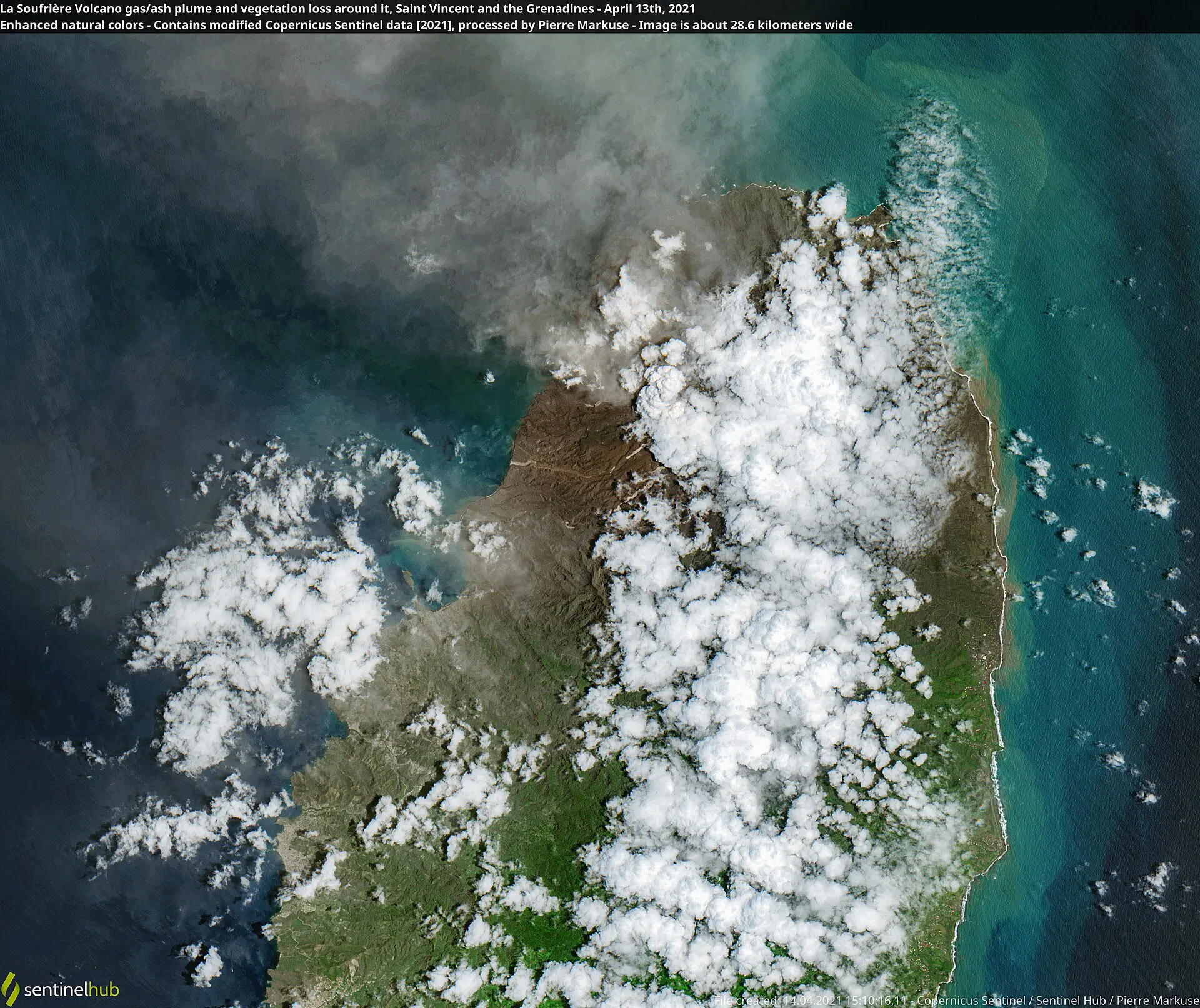
Volcano. La Soufrière on St Vincent erupted explosively in April 2021, forcing evacuations in the north. The volcano is monitored, but access to the north can be restricted. Check with local authorities before visiting, and never enter any exclusion zone.
Theft. Do not leave valuables on beaches, in cars or on unlocked boats. Lock your accommodation and avoid walking alone at night in Kingstown or on isolated trails.
Sea and weather. Currents can be strong, particularly on Atlantic-facing beaches. Boat owners and charter guests should check forecasts and local advice. Hurricanes are a risk from June to November.
Roads and health. Driving is on the left, on steep, winding roads. Mosquito-borne illnesses such as dengue occur, so use repellent. Medical facilities are limited on the smaller islands, so carry insurance with evacuation cover.
Visa and entry requirements for St Vincent and the Grenadines
Entry rules vary by nationality, so check them before you book. Many visitors from North America, the UK and the EU can enter without a visa for stays of up to a few months, while citizens of some other countries must apply in advance. Confirm the current list with the official immigration source or the nearest embassy.
In general, you will need a passport valid for your stay, often with six months remaining, a return or onward ticket and the address of your accommodation. Private yacht arrivals must clear customs and immigration at a designated port of entry, such as Bequia, Union Island or Kingstown, before going ashore elsewhere. Rules on online arrival forms and health requirements have changed in recent years, so check the current position on your travel date.
Cruise passengers normally need a passport and ship card. Overstaying your permitted period can lead to fines, so keep track of the date stamped in your passport.
Getting to and around St Vincent and the Grenadines
Most visitors arrive at Argyle International Airport (AIA), on the east side of St Vincent, with flights from regional hubs such as Barbados, Grenada, Miami and Toronto, and some seasonal services from the UK. Schedules change, so check current routes. Several Grenadine islands, including Bequia, Mustique, Canouan and Union Island, have small airports served by regional carriers and charters.
Ferries. Passenger ferries link Kingstown with Bequia, taking about an hour, and other services run to Canouan, Mayreau and Union Island. Cargo and passenger boats follow set timetables that often change, so confirm times locally and avoid tight onward connections.
Taxis and minibuses. Minibuses run along main roads on St Vincent for low fares, and taxis are plentiful. Agree the fare first. On Bequia, open-sided taxis and minibuses are the main option.
Car and boat. Rental cars are available on St Vincent and need a temporary local licence, issued through the rental company or licensing office. Driving is on the left. Water taxis and charter yachts are the usual way to reach the Tobago Cays.
How much does a trip to St Vincent and the Grenadines cost?
St Vincent and the Grenadines is mid-priced for the Caribbean on the main island and expensive on Mustique and in peak season on the smaller islands. The currency is the Eastern Caribbean dollar (XCD), pegged to the US dollar at about 2.7, and US dollars are widely accepted. The bands below are rough per-person daily costs as of 2026, excluding flights.
- Budget, around USD 70-120: guesthouse or small apartment, local meals, minibuses and the cheaper ferries.
- Mid-range, around USD 140-280: comfortable hotel or villa, restaurant dinners, taxis, ferries and one or two boat trips.
- High-end, USD 450 and up: boutique hotels, villas and yacht charters; Mustique is among the most expensive places in the Caribbean.
Cost is driven by season, island and transport. Moving between islands adds ferry, plane or boat charges, so travelling slowly with fewer stops keeps costs down. Most goods are imported, so groceries and restaurant meals cost more than in many countries. Accommodation drops in price from May to November. Many hotels add a service charge and government tax, so check the final total.
St Vincent and the Grenadines food and drink
Vincentian food draws on African, European and Caribbean traditions, with an emphasis on fresh seafood, root vegetables and fruit.
- Roast breadfruit and fried jackfish: the national dish, with breadfruit roasted over fire and small fried fish.
- Callaloo soup: a thick soup of dasheen leaves, often with crab or salted meat.
- Grilled lobster and fish: common on Bequia and the Grenadines, with lobster served in season.
- Provisions: boiled dasheen, plantain, sweet potato and breadfruit served with fish or stew.
- Roti and doubles-style snacks: Indo-Caribbean influence appears in curries and flatbreads.
- Fish cakes and bakes: fried snacks that are common at breakfast and stalls.
- Hairoun beer: the local lager, brewed on St Vincent.
- Sunset rum and ginger beer: local rums and a spiced drink often served at beach bars.
On St Vincent, small restaurants and bakeries around Kingstown and the south coast serve inexpensive local plates. On Bequia, waterfront bars and seafood restaurants face Admiralty Bay. Vegetarian choices are available but limited, so ask. Tap water is generally treated on the main island, but bottled water is common, and you should check with your hotel on the smaller islands.
Culture, language and etiquette in St Vincent and the Grenadines
English is the official language, spoken alongside a Vincentian Creole that can be hard to follow at speed. Most Vincentians descend from West African people brought to the islands as enslaved labour, and the Garifuna, or Black Carib, people trace part of their history to Saint Vincent. The country gained independence from the United Kingdom in 1979 and remains a Commonwealth realm.
Etiquette is friendly and fairly formal. Greet people with good morning or good afternoon before asking a question, as skipping it can seem rude. Wear swimwear only at the beach or on boats, and dress modestly in towns, churches and government buildings. Camouflage clothing is banned in many Caribbean countries, so avoid it. Ask before photographing people.
Music, church and sport matter. Vincy Mas, the Carnival, runs from late June into July, with calypso and soca competitions, and Bequia has a long tradition of boat building and whaling, with a small, regulated aboriginal subsistence whale hunt. Cricket is the national sport. Respect marine park rules in the Tobago Cays, including no feeding turtles and no anchoring on coral.
St Vincent and the Grenadines itinerary: a 7-day route
This St Vincent and the Grenadines itinerary spends three nights on the main island, three on Bequia and one on Union Island or on a boat. It works best from December to May. Check the volcano status and ferry timetable before you go, and keep a day spare for delays.
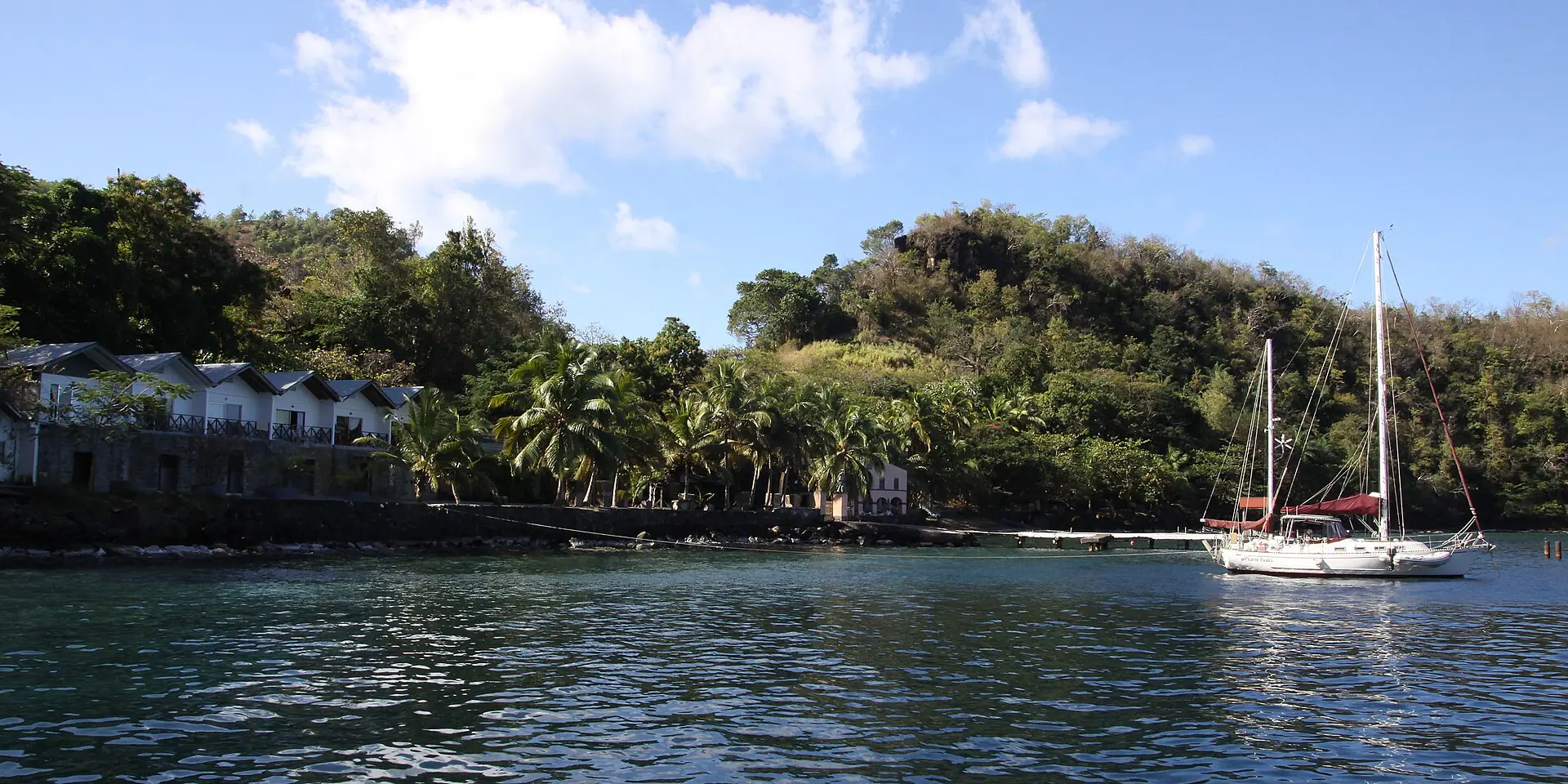
- Day 1, Arrival in Kingstown: fly into Argyle, transfer to your hotel and walk the market area if time allows.
- Day 2, Kingstown sights: visit Fort Charlotte and the Botanic Gardens, then relax on the south coast.
- Day 3, Leeward coast: take a taxi or driver to Wallilabou Bay and Dark View Falls. Check road and volcano conditions first.
- Day 4, Ferry to Bequia: cross in about an hour and walk the Belmont Walkway to Princess Margaret Beach.
- Day 5, Bequia beaches: spend a day at Lower Bay or take a dive or snorkel trip.
- Day 6, Tobago Cays: join a boat tour from Bequia or Union Island to snorkel with turtles.
- Day 7, Return: take the ferry or a short flight back to St Vincent and leave a generous buffer for your international flight.
With extra time, add a night on Mayreau or Canouan, or join a short sailing charter.
Practical tips for St Vincent and the Grenadines
A few practical points make island hopping easier.
- Money: the Eastern Caribbean dollar is the currency, and US dollars are widely accepted. ATMs are found in Kingstown and on Bequia, but are scarce on smaller islands, so carry cash. Cards work at hotels and many restaurants.
- SIM and eSIM: prepaid SIMs are sold on St Vincent, and eSIMs work for short stays. Coverage is patchy in the hills and at sea.
- Plugs: sockets are mixed, including types A, G, I and K, at 230 V. A universal adapter is useful.
- Tipping: 10 to 15% in restaurants unless a service charge is added, and a small tip for boat crews, guides and drivers.
- Health: use reef-safe sunscreen and mosquito repellent. Bring prescriptions and insurance with medical evacuation cover.
- Packing: light clothes, a rain jacket, sturdy shoes for hiking, water shoes and a dry bag for boat trips.
- Time and calling: the country uses Atlantic Standard Time (UTC-4) with no daylight saving, and the calling code is +1 784.
FAQ
Q1What is the best time to visit St Vincent and the Grenadines?
December to May is best, with dry weather, steady trade winds and good conditions for sailing and snorkelling. Prices are highest from December to April. June to November is wetter and hurricane season, though the southern islands are hit less often than those farther north.
Q2Is St Vincent and the Grenadines safe for tourists?
Generally yes, especially in the Grenadines. Petty theft occurs, and crime is higher on the main island. Lock accommodation, avoid isolated areas at night and watch for La Soufrière volcano alerts. Check your government's current travel advice before booking.
Q3Do I need a visa for St Vincent and the Grenadines?
It depends on nationality. Many visitors from North America, the UK and the EU can enter visa-free for short stays, while others must apply in advance. Confirm the current rules with the official immigration source or an embassy, and carry a valid passport and onward ticket.
Q4How many days do you need in St Vincent and the Grenadines?
Seven days covers a few nights on St Vincent, a stay on Bequia and a boat day to the Tobago Cays. Five days works if you skip the main island's north. Ferry schedules are limited, so leave a spare day for delays before an international flight.
Q5Is the La Soufrière volcano safe to visit?
La Soufrière erupted explosively in April 2021, and the north of St Vincent was evacuated. The volcano is monitored, but access can be restricted and the hike is not always open. Check with local authorities or your accommodation before going, and never enter exclusion zones.
Q6How do you get to the Tobago Cays?
Most people join a boat tour from Bequia, Canouan, Mayreau or Union Island, or arrive on a charter yacht. There are no bridges or ferries to the cays. Tours often include snorkelling and a beach lunch, and the marine park charges a small entry fee.