Why visit St Lucia
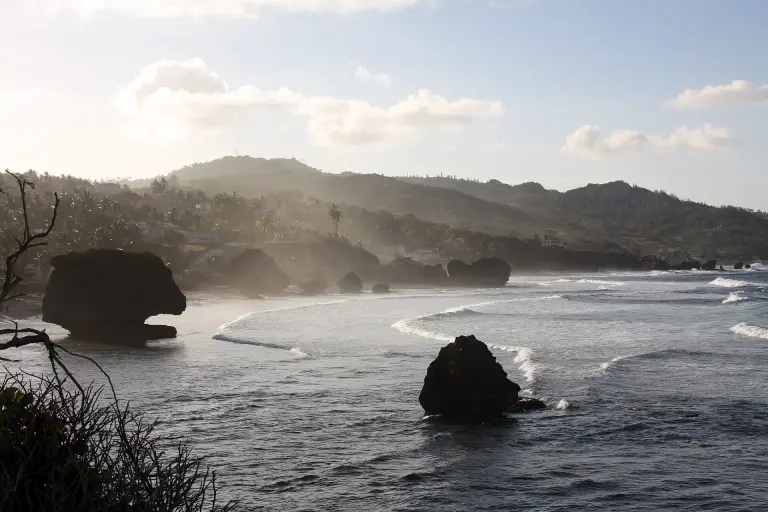
This St Lucia travel guide begins with the island’s shape: a volcanic ridge about 616 square kilometres in size, rising from the Caribbean Sea to rainforested peaks, with a coast that alternates between calm bays on the west and surf-swept Atlantic beaches on the east. The island is in the Windward Islands, and its best-known landmarks, the Pitons, are a UNESCO World Heritage Site (see the UNESCO list for Saint Lucia). The capital is Castries, on the northwest coast, and the official name is simply Saint Lucia.
St Lucia suits travellers who want a mix: a few days of hiking, snorkelling and waterfall swims, then time on the beach. It is especially popular with couples and honeymooners, but families and independent travellers do well too, especially if they hire a car or rely on local taxis. The island changed hands between France and Britain many times, which left a mix of English and Creole culture; see the Wikipedia overview for the history. Roads are steep and winding, and prices are high, so go in with a clear plan.
Best places to visit in St Lucia
The best places to visit in St Lucia are split between the busy north and the dramatic, quieter south around Soufrière.
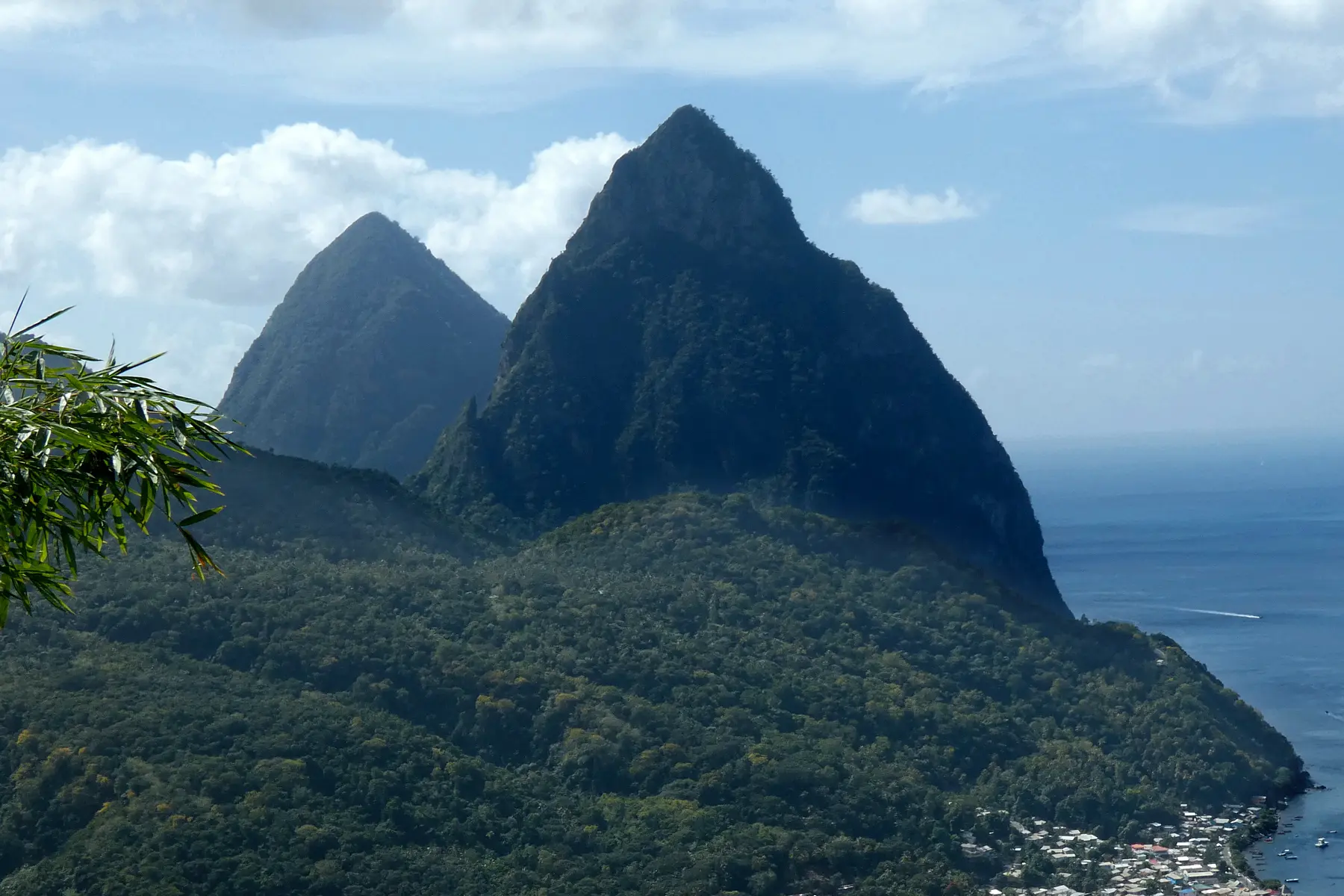
Soufrière and the Pitons
The old French colonial town sits beneath Gros Piton and Petit Piton, two volcanic spires rising straight from the sea. It is the base for hikes, sulphur springs, botanical gardens and snorkelling at nearby bays. Plan at least two nights.
Rodney Bay and Gros Islet
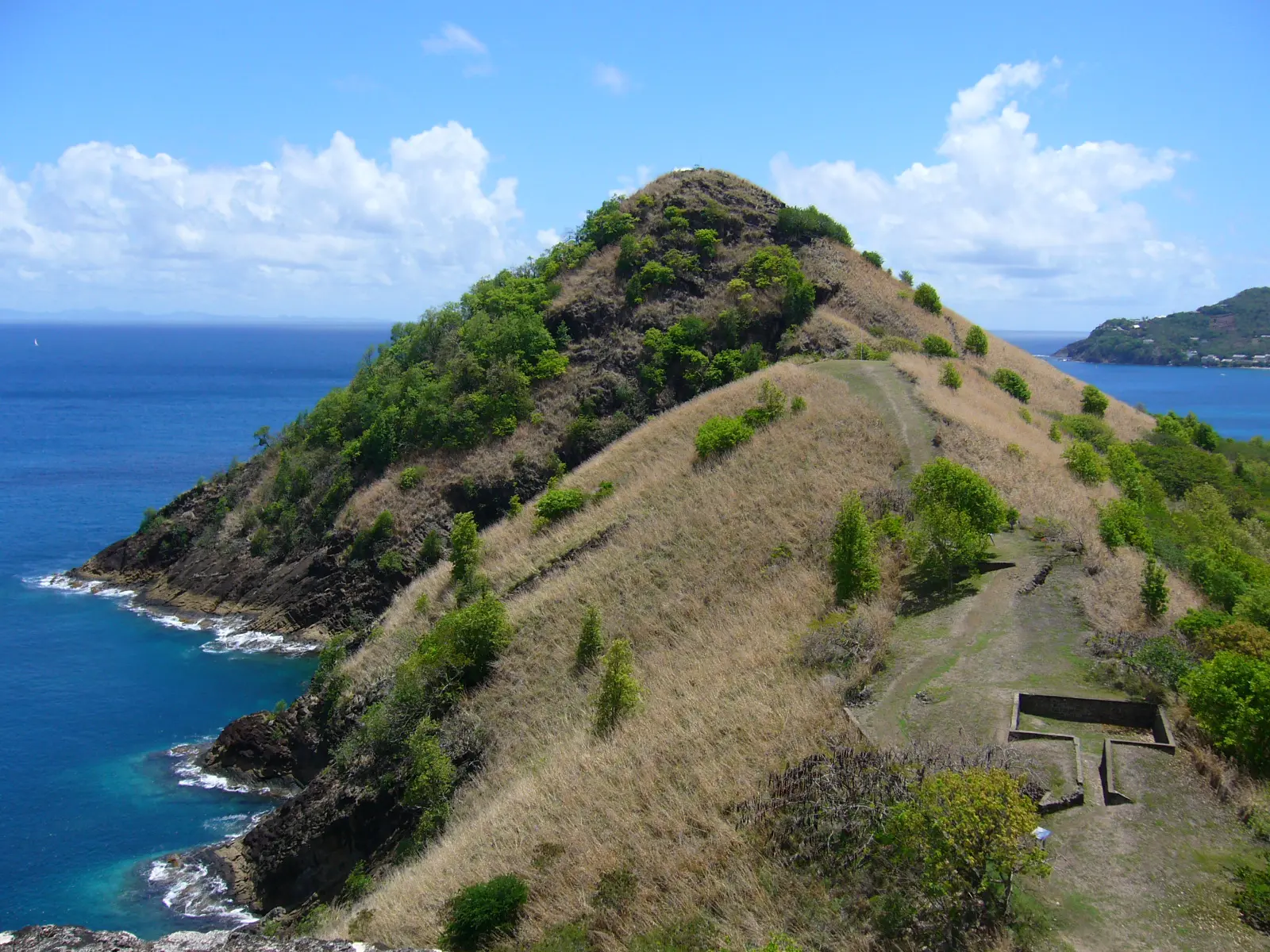
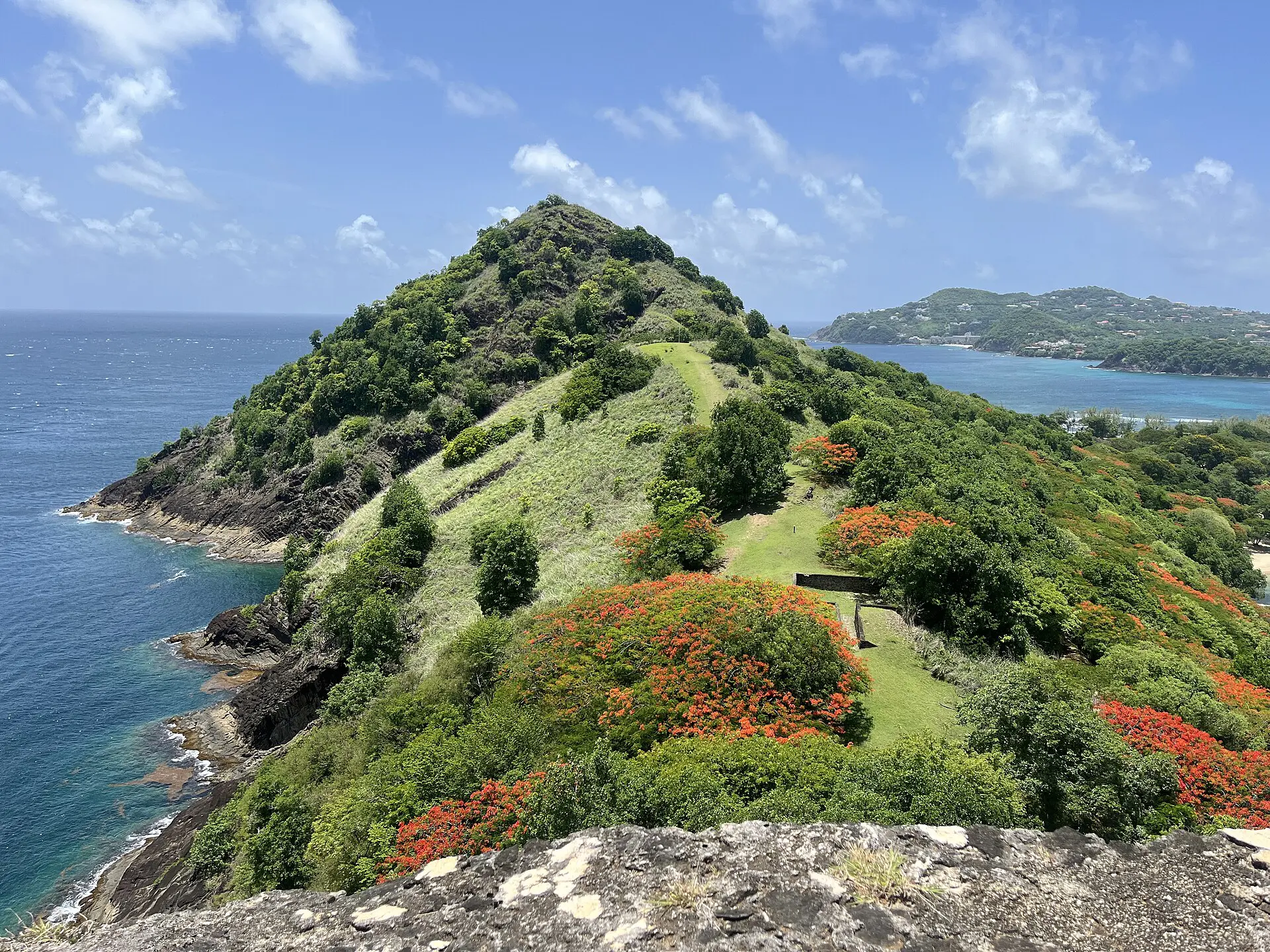
The island’s main resort zone has a long beach, restaurants, marinas and shops. Gros Islet holds a popular Friday-night street party, and Pigeon Island National Landmark nearby has fort ruins and a hilltop viewpoint.
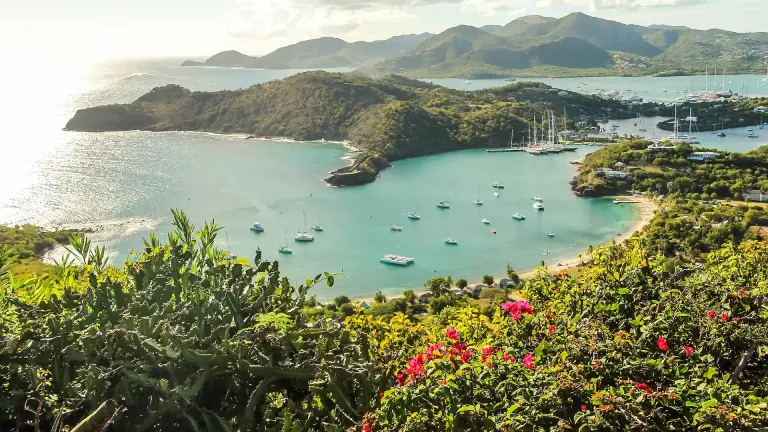
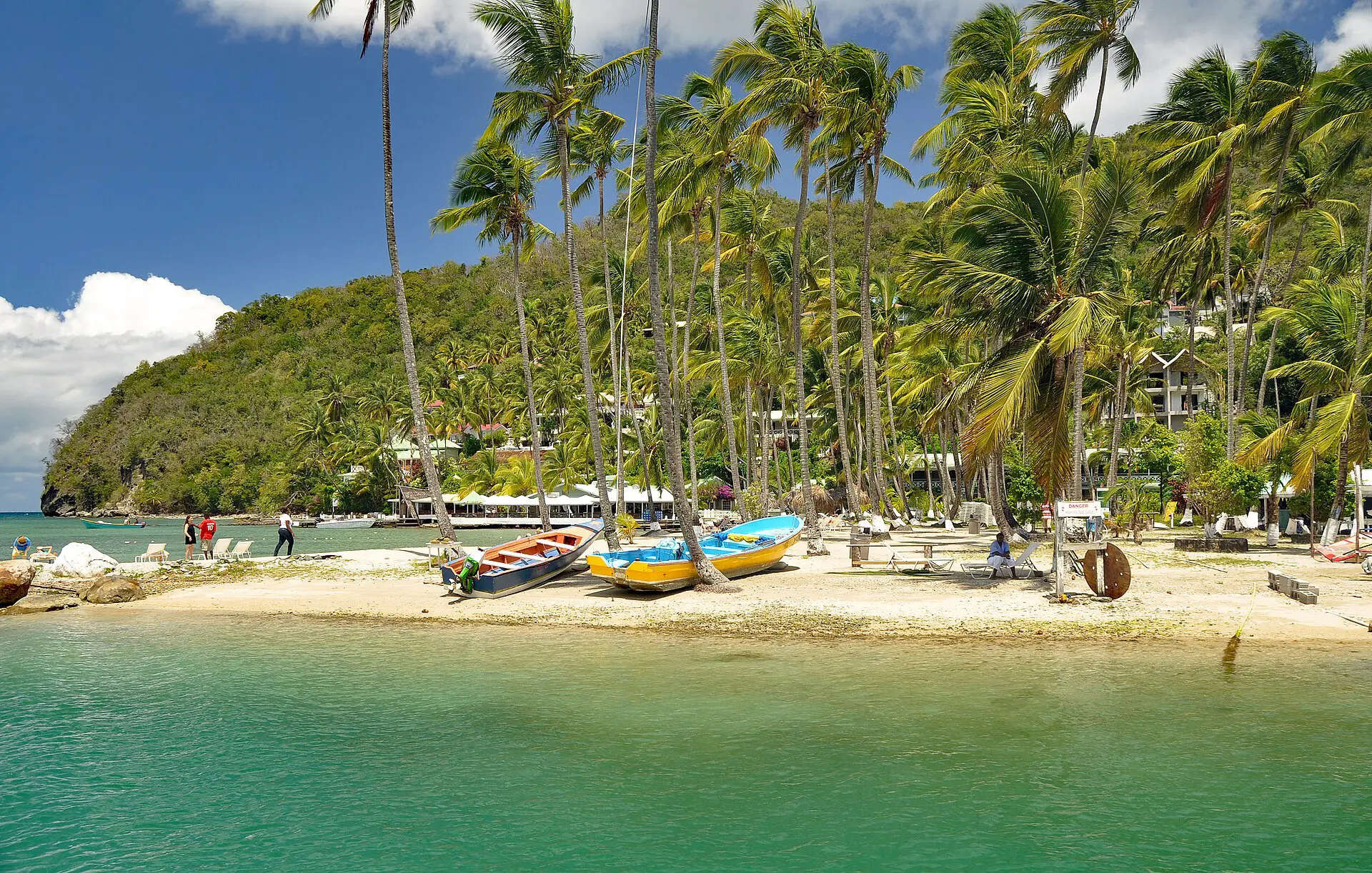
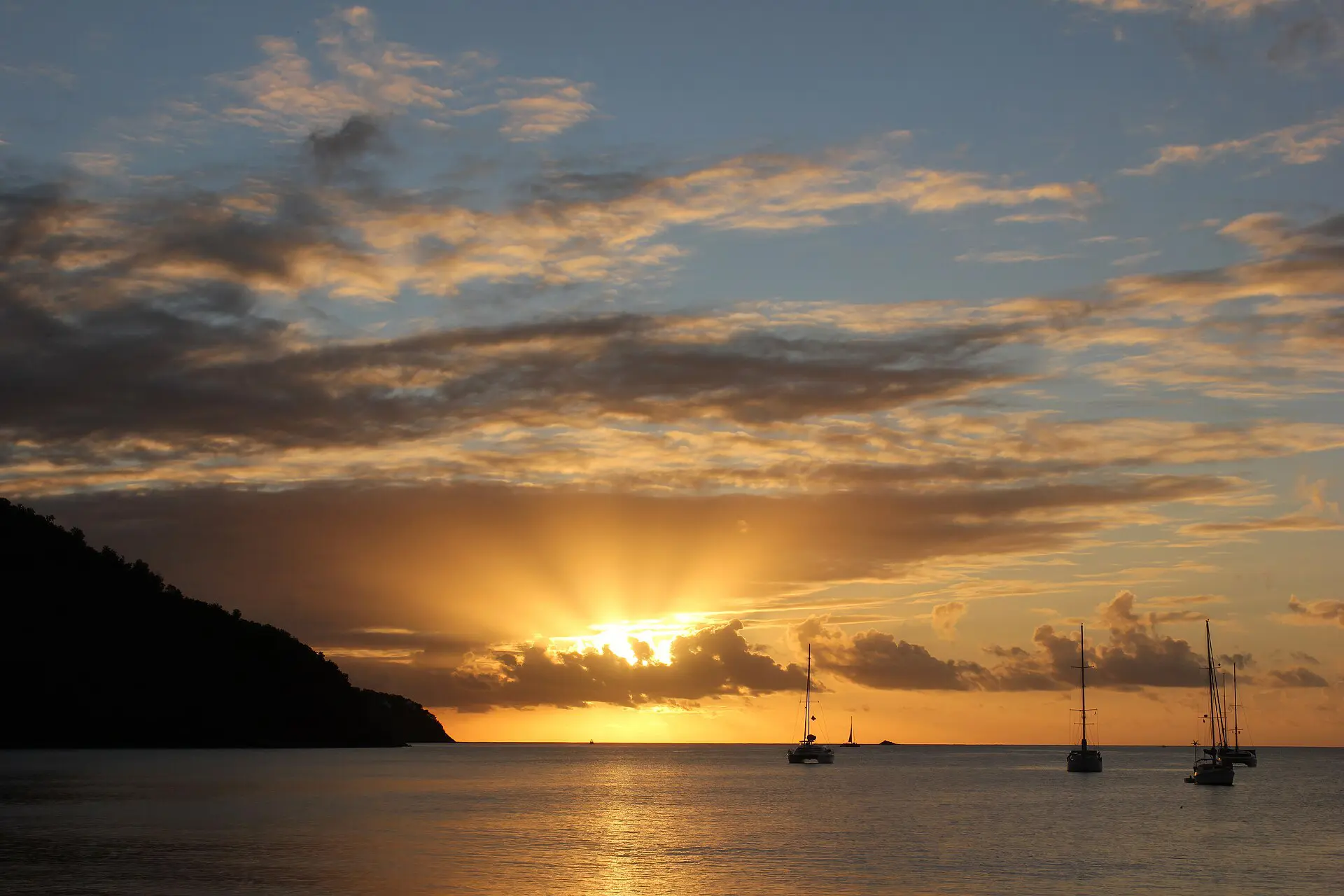
Marigot Bay
A sheltered, palm-fringed inlet on the west coast, popular with yachts and often called one of the Caribbean’s prettiest harbours. It has a small beach, a few restaurants and a ferry across the bay.
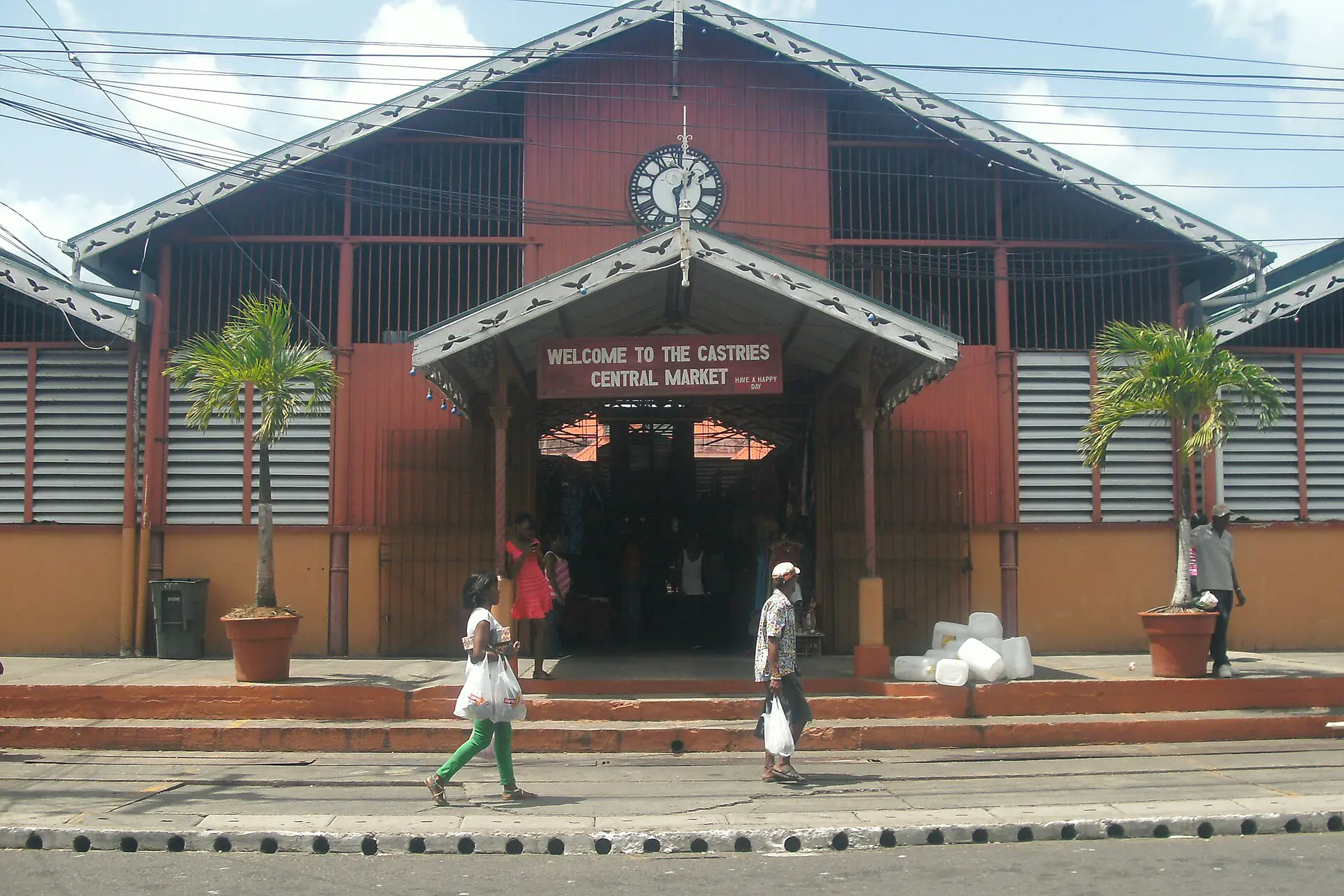
Castries
The capital is a working port with a covered market, a cathedral and Derek Walcott Square. Most visitors pass through briefly, and Saturday morning is the best time for the market.
Vieux Fort and the south
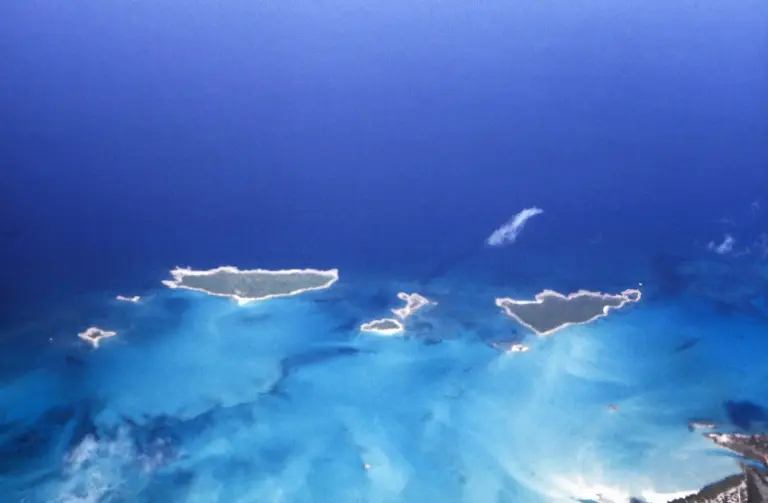
The south has the main international airport, Hewanorra, and windy beaches such as Anse de Sable that attract kitesurfers. Further east, the Maria Islands Nature Reserve protects rare lizards and snakes.
Anse Chastanet and Anse Cochon
These west-coast bays have some of the best snorkelling and diving on the island, with reefs close to the shore.
Top things to do in St Lucia
The top things to do in St Lucia centre on the volcanic landscape and the sea, with a few cultural stops.
- Hike Gros Piton: the climb takes around three to four hours return with a required local guide and rewards you with views of both peaks.
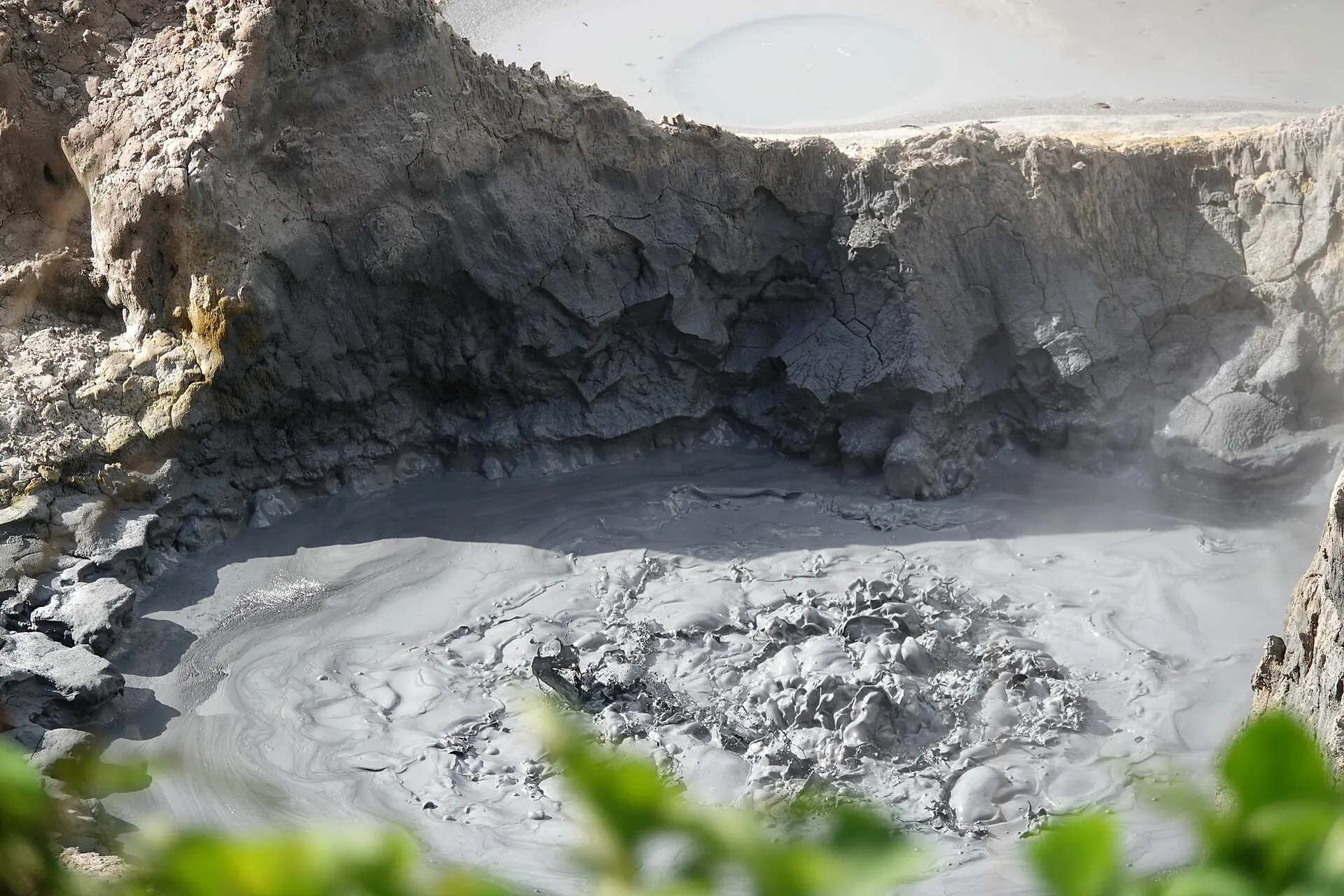
- Soak at Sulphur Springs: the drive-in volcano near Soufrière has hot mud and warm pools.
- Snorkel at Anse Chastanet: a reef starts just off the beach and is suitable for beginners.
- Visit Diamond Falls and Botanical Gardens: a short walk past a multicoloured waterfall in a former estate.
- Take a catamaran trip: day cruises run along the west coast from Rodney Bay and Marigot Bay, often with a snorkel stop.
- Climb Pigeon Island: the fort ruins give a view across to Martinique on clear days.
- Join the Gros Islet Friday night street party: local food, music and crowds, best with a taxi home.
- See the cocoa estates: several plantations offer chocolate tours and tastings.
- Walk the Tet Paul Nature Trail: a short, easy path with views of the Pitons.
- Kitesurf or windsurf at Anse de Sable: the south wind makes it a good spot for lessons.
Best time to visit St Lucia
The best time to visit St Lucia is December to April, when the weather is dry, the sea is calm and humidity is lower. Daytime temperatures are around 28 to 31 C all year. The rainy season runs roughly from June to November, which is also the Atlantic hurricane season, with the highest storm risk usually in August to October.
| Season | Weather | Crowds and prices | Good for |
|---|---|---|---|
| Dec-Apr | Dry, sunny, breezy | Peak prices; Christmas and New Year are the highest | Beaches, hiking, snorkelling |
| May | Hot, with the first showers | Falling prices, quiet | Value stays, calm seas |
| Jun-Nov | Hot, humid, frequent rain and storm risk | Lowest prices; some hotels close | Budget travel, Carnival in July, lush scenery |
The St Lucia Jazz and Arts Festival is usually held in May and Carnival in July, so rooms in those periods can sell out. Buy travel insurance that covers hurricanes if you travel in the wet season.
Is St Lucia safe to visit?
Yes, St Lucia is safe for most visitors who take basic precautions, and resort areas receive millions of arrivals without incident. The island does have a notable crime rate, including burglary, theft and some armed robberies, and these occasionally affect visitors. Check your government’s travel advice, such as the UK FCDO or US State Department pages, before you travel.
Theft and robbery. Do not carry valuables to beaches or leave bags in cars. Avoid walking alone at night, and avoid isolated beaches and trails without a guide. Use registered taxis and keep hotel doors and windows locked.
Hassle. Vendors and tour offers on beaches can be persistent. A polite no is usually enough. Agree fares for taxis before you set off.
Sea and weather. Atlantic beaches have strong currents, and swimming is best on the calmer west coast. Hurricanes are the main natural hazard from June to November. Earthquakes and volcanic activity are possible in the region.
Roads and health. Roads are steep and narrow, with sharp bends, and driving is on the left. Dengue and other mosquito-borne illnesses occur, so use repellent. Carry insurance that covers medical evacuation.
Visa and entry requirements for St Lucia
Entry rules vary by nationality, so check them before you book. Many visitors from North America, the UK and the EU can enter without a visa for stays of up to a few months, while citizens of other countries must apply in advance. Confirm the current list with the official Saint Lucia immigration source or the nearest embassy.
In general, you will need a passport valid for your stay, often with at least six months remaining, a return or onward ticket and the address of your accommodation. The island has used an online immigration form for arrivals, and health-related entry rules have changed in recent years, so check what applies on your travel date.
Cruise passengers normally need only a passport and their ship card. Visitors planning a longer remote-work stay should look at the separate programmes the government has offered, which have their own conditions and fees. Overstaying can lead to fines or problems at the airport, so keep track of your permitted period.
Getting to and around St Lucia
St Lucia has two airports. Hewanorra International (UVF) in Vieux Fort, in the south, handles most long-haul flights from North America and Europe. George F. L. Charles Airport (SLU) near Castries takes regional flights. Check which airport your flight uses, because the drive between Hewanorra and the northern resorts takes about 1.5 hours. Cruise ships dock at Castries and Pointe Seraphine.
Transfers. Pre-booked airport transfers are the easiest option. Hewanorra to Soufrière takes about an hour, and to Rodney Bay roughly 1.5 hours on winding roads.
Taxis and minibuses. Taxis have set rates by route, so agree the fare first. Minibuses run along main roads and are cheap but crowded and less frequent after dark.
Car hire. A rental car gives freedom but requires confidence on narrow, steep roads, with driving on the left. Visitors normally need a temporary local driving permit, which rental companies can issue, so ask when booking.
By water. Water taxis and catamaran trips connect some west-coast bays, which can be faster and more scenic than the road.
How much does a trip to St Lucia cost?
St Lucia is not a cheap destination, because most goods are imported and many hotels target the resort market. The currency is the Eastern Caribbean dollar (XCD), pegged to the US dollar at about 2.7, and US dollars are widely accepted. The bands below are rough per-person daily costs as of 2026, excluding flights.
- Budget, around USD 80-130: guesthouse or apartment, local meals, minibuses and shared taxis.
- Mid-range, around USD 150-300: comfortable hotel, restaurant dinners, taxis or a rental car and a tour or two.
- High-end, USD 500 and up: luxury resorts or villas with private transfers, activities and fine dining; the Pitons area has some of the island’s most expensive stays.
Accommodation, season and transport drive costs. All-inclusive resorts can be good value if you will use them fully, but they limit local meals. Prices drop sharply from May to November. Guided hikes, boat trips and attraction fees add up, so budget for several paid activities. A hotel service charge and government tax are often added to listed rates, so check the final price.
St Lucia food and drink
Saint Lucian food mixes West African, French, British and Indian influences, with plenty of seafood, root vegetables and spice.
- Green fig and saltfish: the national dish, made with boiled green bananas and salted cod in a seasoned sauce.
- Bouyon: a hearty soup of meat, dumplings, provisions and vegetables.
- Accra: fried saltfish fritters, a common snack or starter.
- Grilled fish and lobster: mahi-mahi, snapper and lobster (in season) at beach bars and restaurants.
- Callaloo soup: made from dasheen leaves, often with crab or salted meat.
- Bakes and fish cakes: fried bread and fritters, popular at breakfast and street stalls.
- Piton beer: the local lager, brewed on the island.
- Rum and cocoa tea: Bounty and Chairman’s Reserve are local rums, and cocoa tea is a hot spiced drink.
The Gros Islet Friday night street party is the best-known place for grilled meat and fish. Elsewhere, family-run restaurants and rum shops serve Creole meals at lower prices than hotel dining rooms. Vegetarian options exist but are limited outside resorts. Tap water is treated, but many visitors prefer bottled.
Culture, language and etiquette in St Lucia
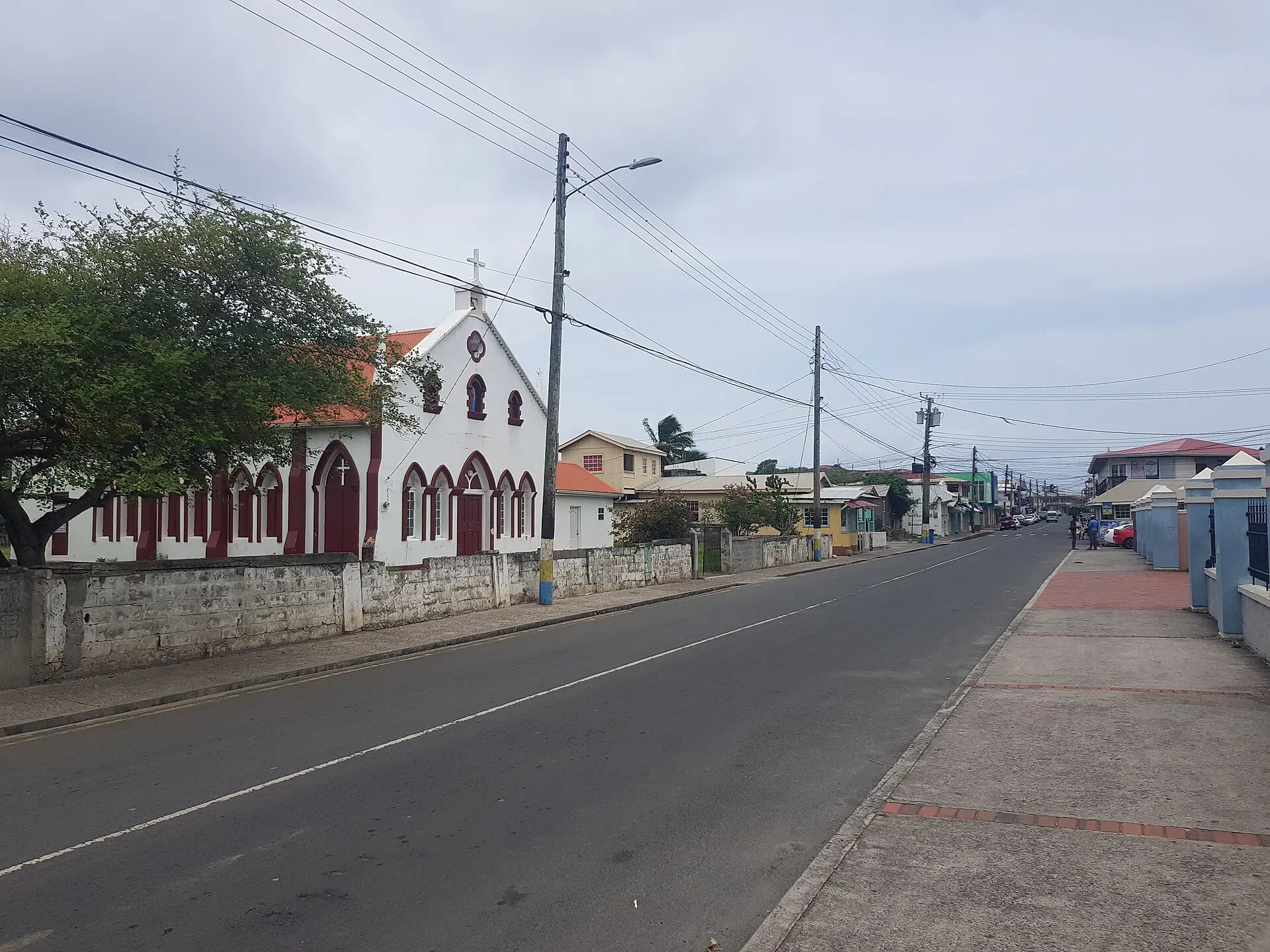
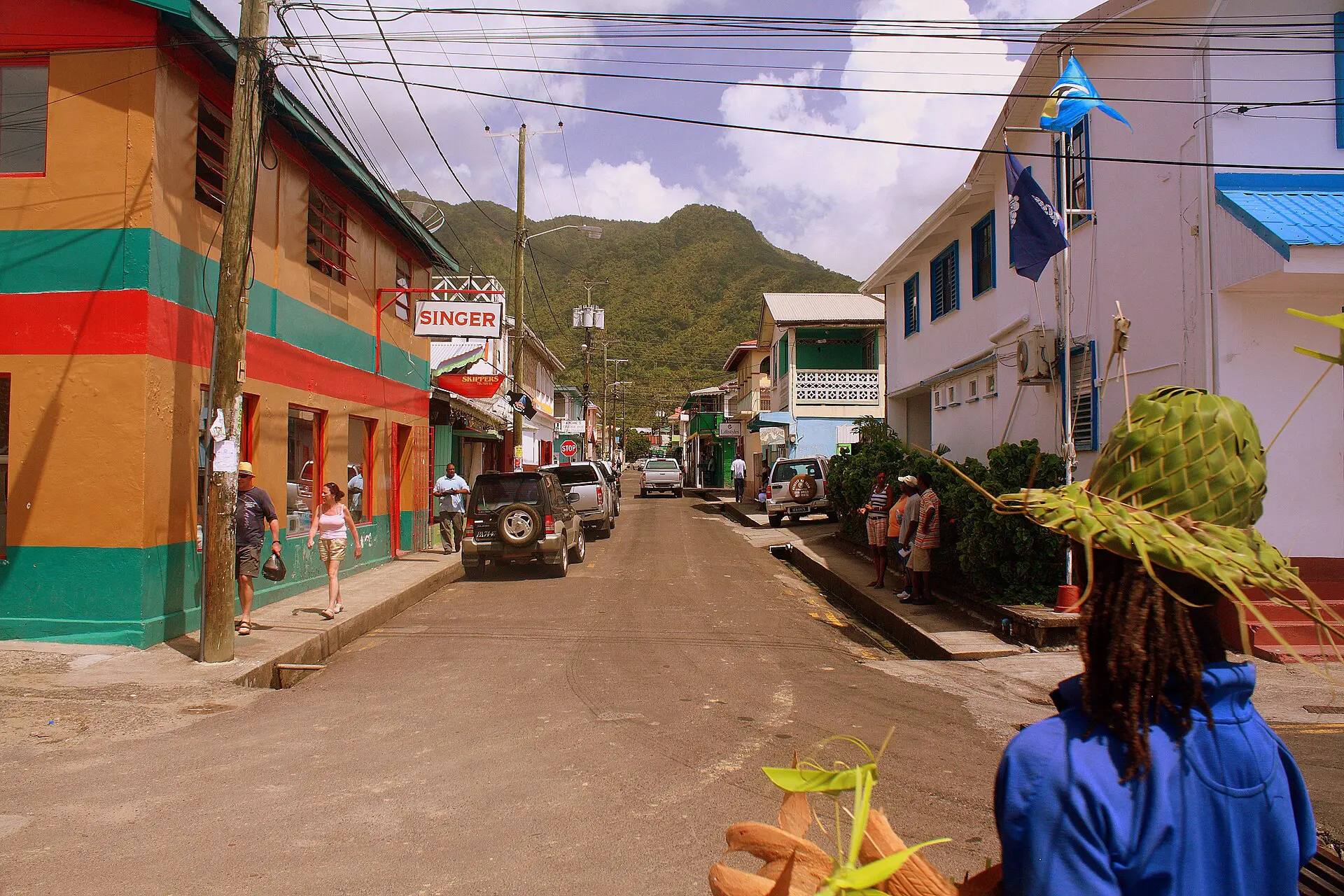
English is the official language, and most residents also speak Kwéyòl (Saint Lucian Creole), a French-based language heard in everyday life, songs and place names. Most Saint Lucians descend from West Africans brought as enslaved labour to work on sugar estates under French and British rule, and the island gained independence in 1979. It remains a Commonwealth realm.
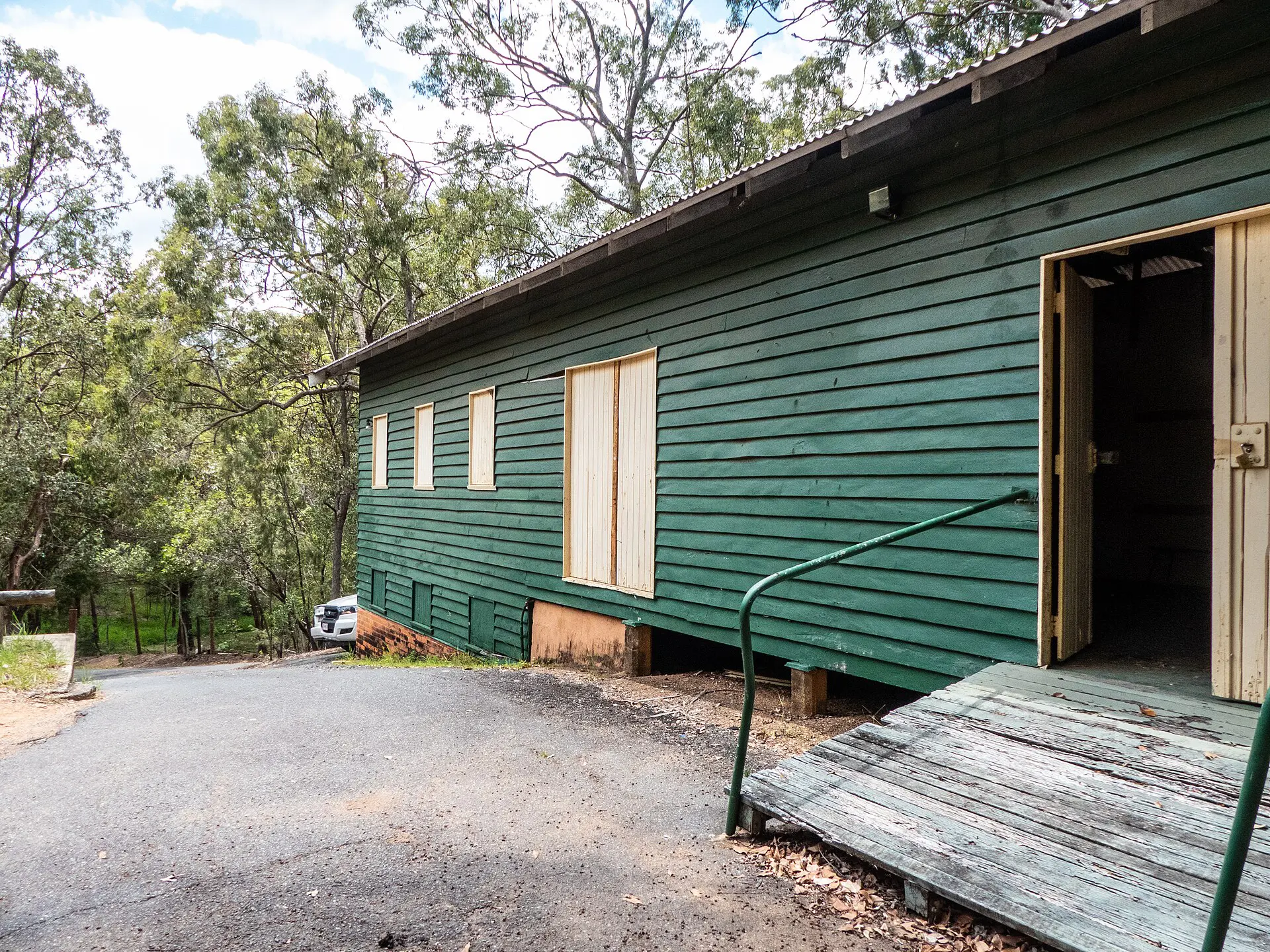
Etiquette is friendly and fairly formal. Greet people with good morning or good afternoon before asking for anything, because skipping it can seem rude. Dress modestly in towns and churches, since swimwear belongs on the beach. Camouflage clothing is banned in many Caribbean countries, so avoid it. Ask before photographing people, and expect vendors to be persistent but not aggressive.
Culture centres on music, church, food and festival. Carnival is held in July, La Rose and La Marguerite flower festivals in August and October honour old Creole societies, and the Jazz and Arts Festival is usually in May. The island is proud of two Nobel laureates, Derek Walcott (literature) and Sir Arthur Lewis (economics), and Castries has a square named after Walcott.
St Lucia itinerary: a 7-day route
This St Lucia itinerary splits a week between the north and the Soufrière area. It works best from December to April, and a rental car or private driver helps with the steep roads.
- Day 1, Rodney Bay: arrive, transfer to the north and relax on the beach.
- Day 2, Pigeon Island and Gros Islet: walk to the fort ruins in the morning and swim in the afternoon. On Fridays, join the street party.
- Day 3, Castries and Marigot Bay: visit the market in the morning, then spend the afternoon at Marigot Bay.
- Day 4, Transfer to Soufrière: drive about 1.5 hours along the west coast and stop at viewpoints. Visit Sulphur Springs and Diamond Falls.
- Day 5, Gros Piton: start early for the guided climb, then rest on Anse Chastanet or another beach.
- Day 6, Snorkelling and cocoa: snorkel at Anse Chastanet or take a boat trip, then tour a cocoa estate and walk the Tet Paul trail.
- Day 7, Departure: drive to Hewanorra airport, about an hour from Soufrière, and leave a buffer.
With extra time, add a catamaran day, a kitesurf lesson at Anse de Sable or a night in Vieux Fort.
Practical tips for St Lucia
A few practical points make a short trip easier.
- Money: the Eastern Caribbean dollar is the currency, though US dollars are widely accepted in tourist areas and change may come in XCD. ATMs are available in Castries and Rodney Bay. Cards are accepted at hotels and many restaurants.
- SIM and eSIM: prepaid SIMs are sold at the airports, and eSIMs work for short stays. Signal can be patchy in the mountains.
- Plugs: sockets are types A, B and G. Voltage is 240 V in most places, but some hotels use 110 V, so check before plugging in.
- Tipping: 10 to 15% in restaurants unless a service charge is added, and small tips for guides and drivers.
- Health: use mosquito repellent and sun protection. Bring prescriptions and insurance that covers medical evacuation.
- Packing: light clothes, a rain jacket, sturdy shoes for hiking, water shoes, reef-safe sunscreen and a hat.
- Time and calling: the island uses Atlantic Standard Time (UTC-4) with no daylight saving, and the calling code is +1 758.
FAQ
Q1Is St Lucia safe to visit?
Yes for most visitors, especially in resort areas, but theft and occasional armed robbery do occur. Do not carry valuables to beaches, avoid isolated areas and walking at night, and use registered taxis. Check your government's current travel advice before you go.
Q2What is the best time to visit St Lucia?
December to April is best, with dry, sunny weather and calm seas, though prices peak at Christmas. May is a good value month. The wet season and hurricane season run June to November, with the greatest storm risk from August to October.
Q3Do I need a visa for St Lucia?
It depends on nationality. Many visitors from North America, the UK and the EU can enter visa-free for short stays, while others must apply in advance. Confirm the current rules with the official immigration source or an embassy, and carry a valid passport and onward ticket.
Q4How many days do you need in St Lucia?
Five to seven days is enough to combine the north, with Rodney Bay and Pigeon Island, and the south around Soufrière and the Pitons. Three days works if you stay in one area. Allow extra time for steep, slow roads and transfers between airports.
Q5Is St Lucia expensive?
Yes, compared with many Caribbean islands. Mid-range travellers should expect around USD 150 to 300 per day, with higher costs at resorts. Visiting between May and November, staying in apartments and eating at local restaurants can cut costs noticeably.
Q6Can you drive in St Lucia?
Yes. Driving is on the left, and visitors normally need a temporary local driving permit that rental companies can arrange. Roads are steep, narrow and winding, so drive slowly, avoid night driving in the hills, or hire a driver instead.
Q7Do you need to hike the Pitons with a guide?
Yes, a local guide is required for Gros Piton, and the climb takes around three to four hours return. Petit Piton is far steeper and is only for experienced climbers. Book through the official trail office or a reputable operator and check current access.