Why visit Sri Lanka
This Sri Lanka travel guide starts with the island’s main advantage: scale. Sri Lanka covers about 65,610 square kilometres, yet it holds ancient Buddhist capitals, Dutch colonial forts, cool tea country at 2,000 metres, rainforest, safari parks and a coastline of surf and swimming beaches. A good route can touch all of them in one to two weeks. The island, formerly known as Ceylon, has a documented history of more than 3,000 years, and several of its sites are UNESCO-listed (see the UNESCO list for Sri Lanka).
Sri Lanka suits travellers who want an easy first step into South Asia: English is widely understood in tourism, food is varied and inexpensive, and distances are short, if slow. It works for couples, families, solo travellers and anyone interested in wildlife, Buddhism or colonial history. The trade-offs are traffic, winding roads that turn a 100 km trip into a half-day, and two monsoon seasons that mean you must choose your coast by month. Read the Wikipedia overview for background on the economy and recent history.
Best places to visit in Sri Lanka
The best places to visit in Sri Lanka form a loose loop from Colombo through the Cultural Triangle and hill country to the south coast.
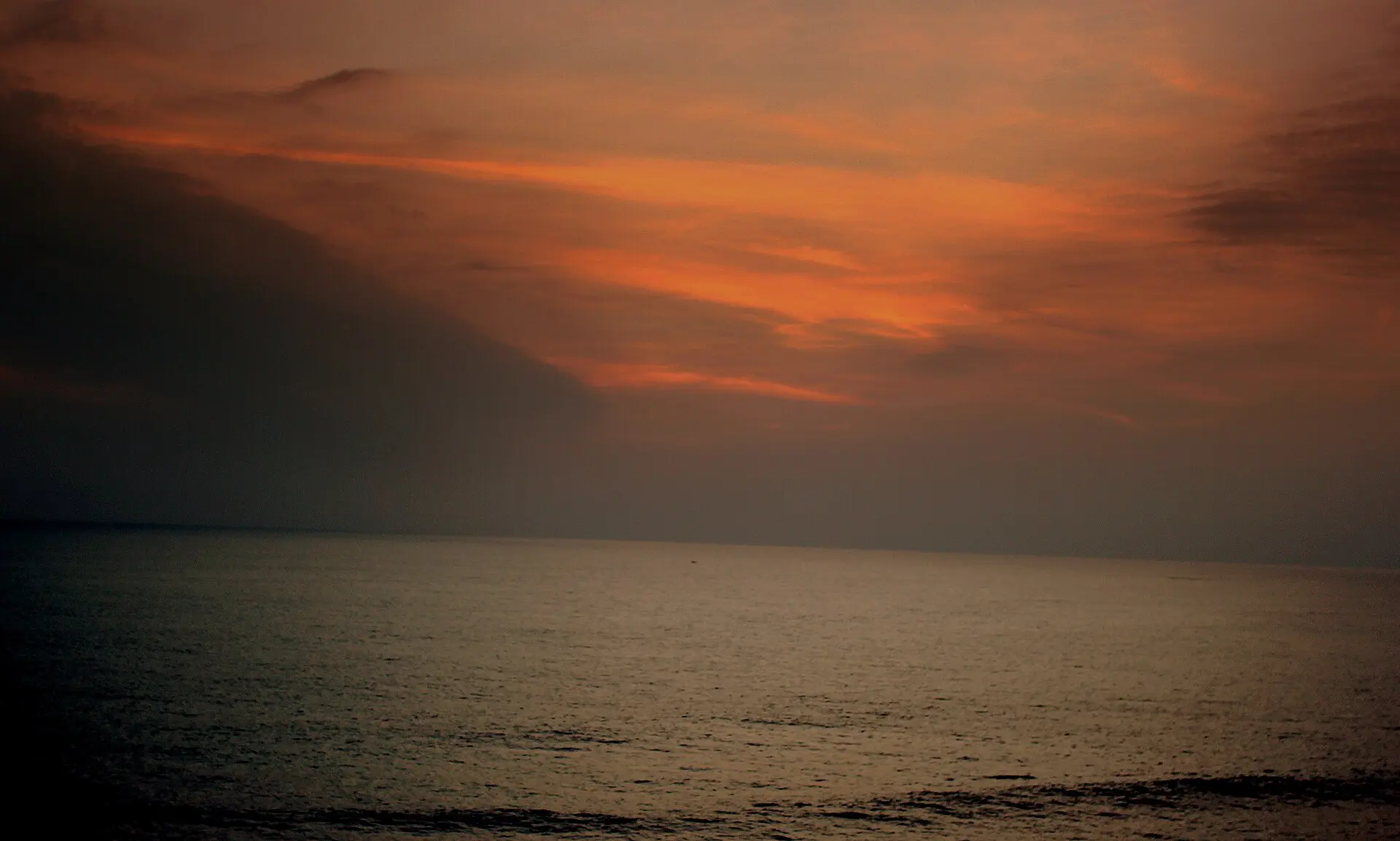
Sigiriya and Dambulla
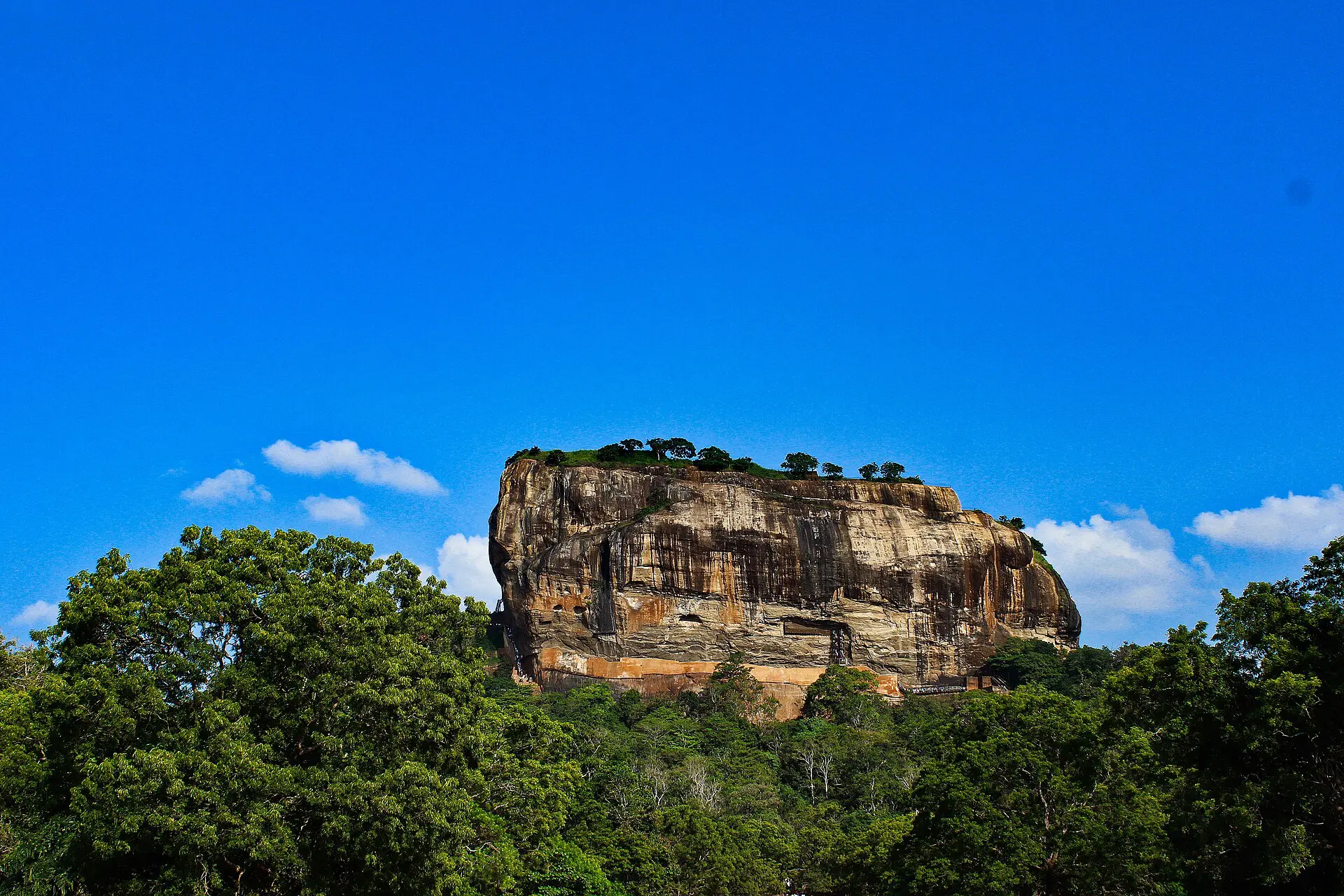
Sigiriya is a fifth-century fortress and palace ruin on a sheer granite rock, reached by a staircase with views across the forest. Nearby Dambulla has a cave temple complex filled with painted ceilings and Buddha statues. Both are UNESCO World Heritage Sites and make a natural base for the central plains.
Anuradhapura and Polonnaruwa
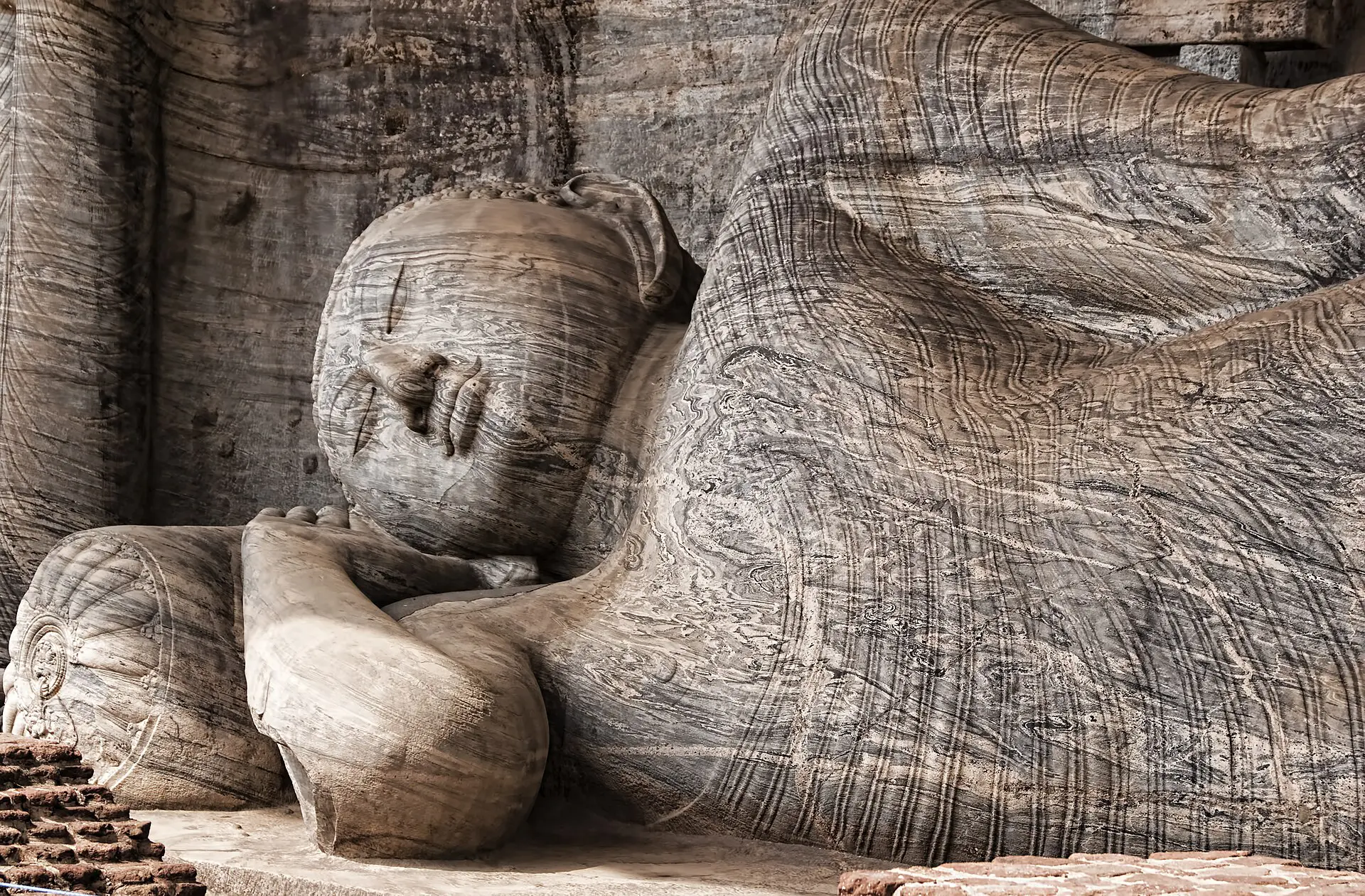
These two former royal capitals hold huge dagobas, ruined monasteries and ancient reservoirs. Anuradhapura is the older and more sacred; Polonnaruwa is compact enough to cycle. Allow a full day for either.
Kandy
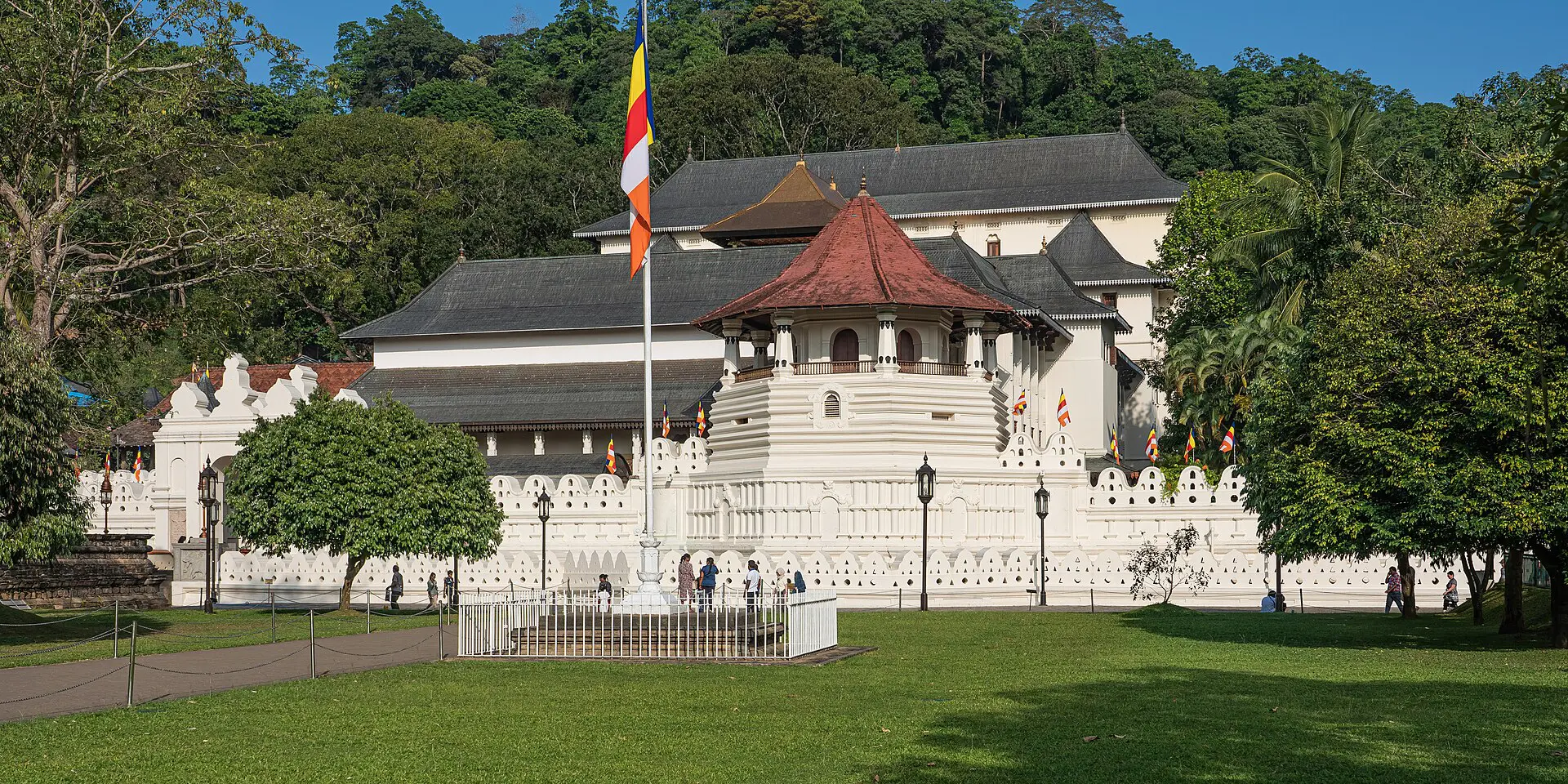
The hill city surrounds a lake and houses the Temple of the Tooth, which keeps a relic said to be a tooth of the Buddha. It is the cultural heart of the Sinhalese Buddhist tradition and a good base for botanic gardens and nearby villages.
Nuwara Eliya and Ella
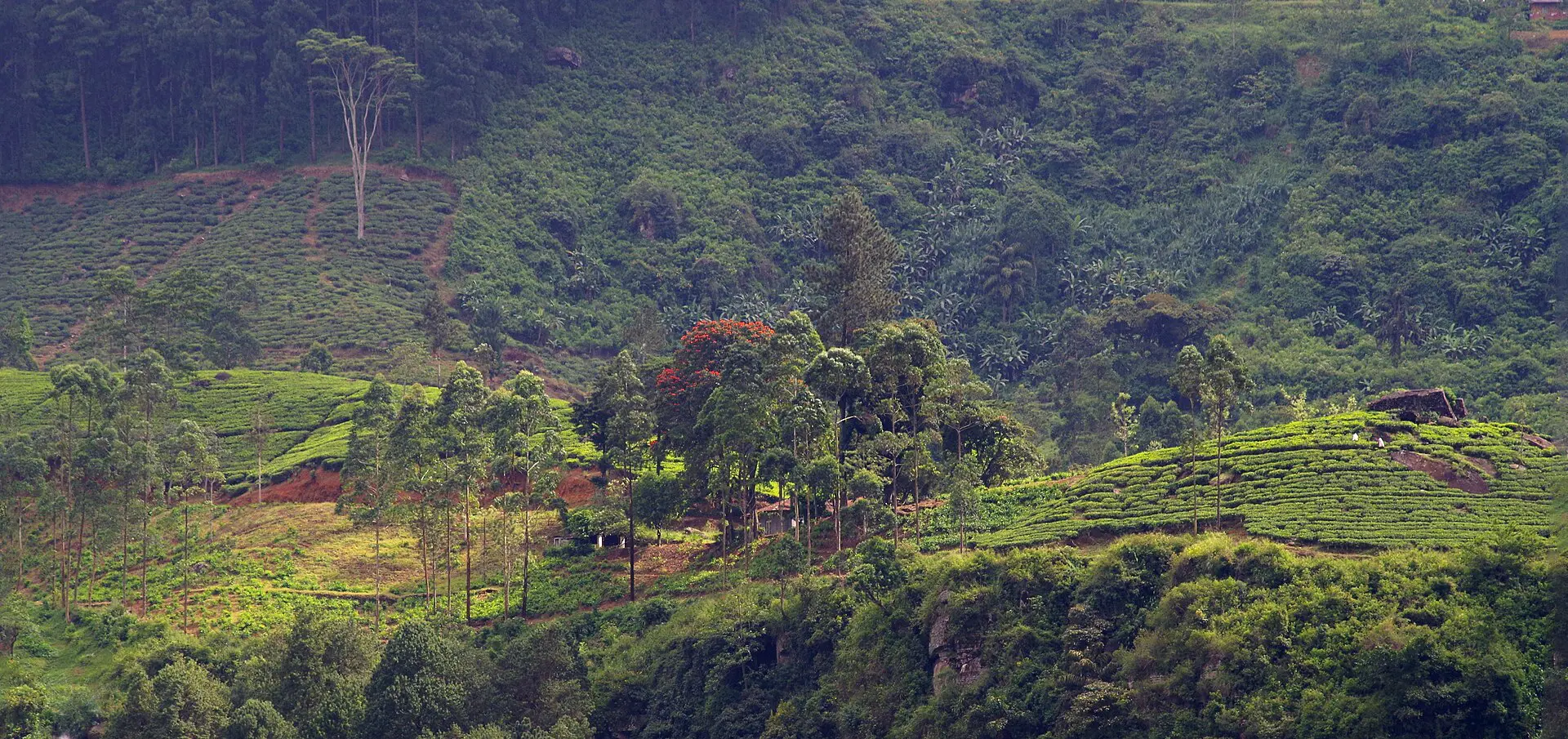
The tea country is cooler and greener, with Victorian-era buildings in Nuwara Eliya and walking trails around Ella. The train between Kandy and Ella is one of the island’s best-known rides.
Galle
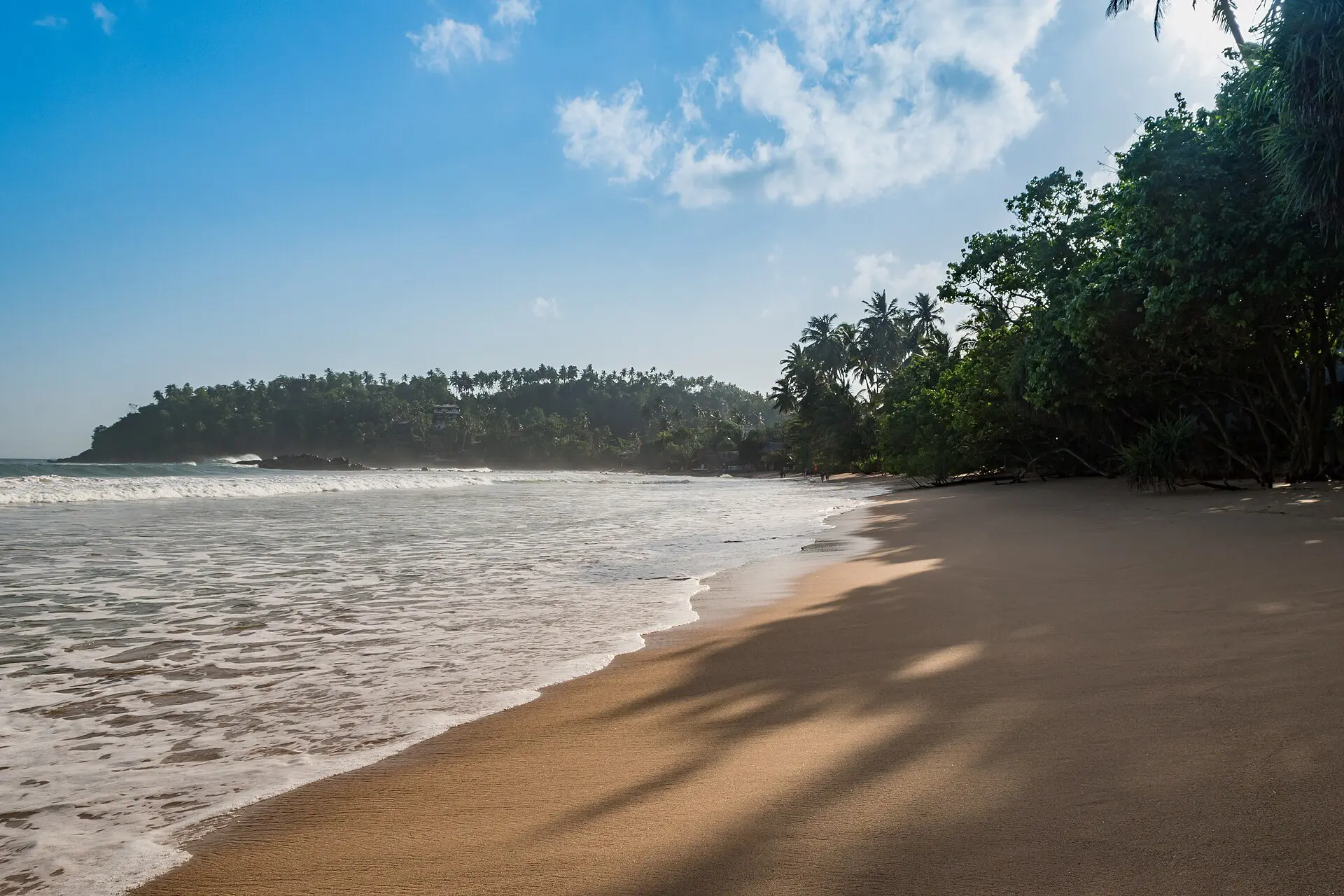
Galle Fort is a UNESCO-listed Dutch-era walled town on the south-west coast, with ramparts, cafes and boutique hotels. Beaches such as Unawatuna and Mirissa lie within easy reach.
Jaffna and the east
Jaffna in the north has a distinct Tamil heritage, temples and a Dutch fort. On the east coast, Arugam Bay is known for surfing and Batticaloa for lagoons and quiet beaches.
Top things to do in Sri Lanka
The top things to do in Sri Lanka combine heritage sites, wildlife and the outdoors, and most fit into a two-week trip.
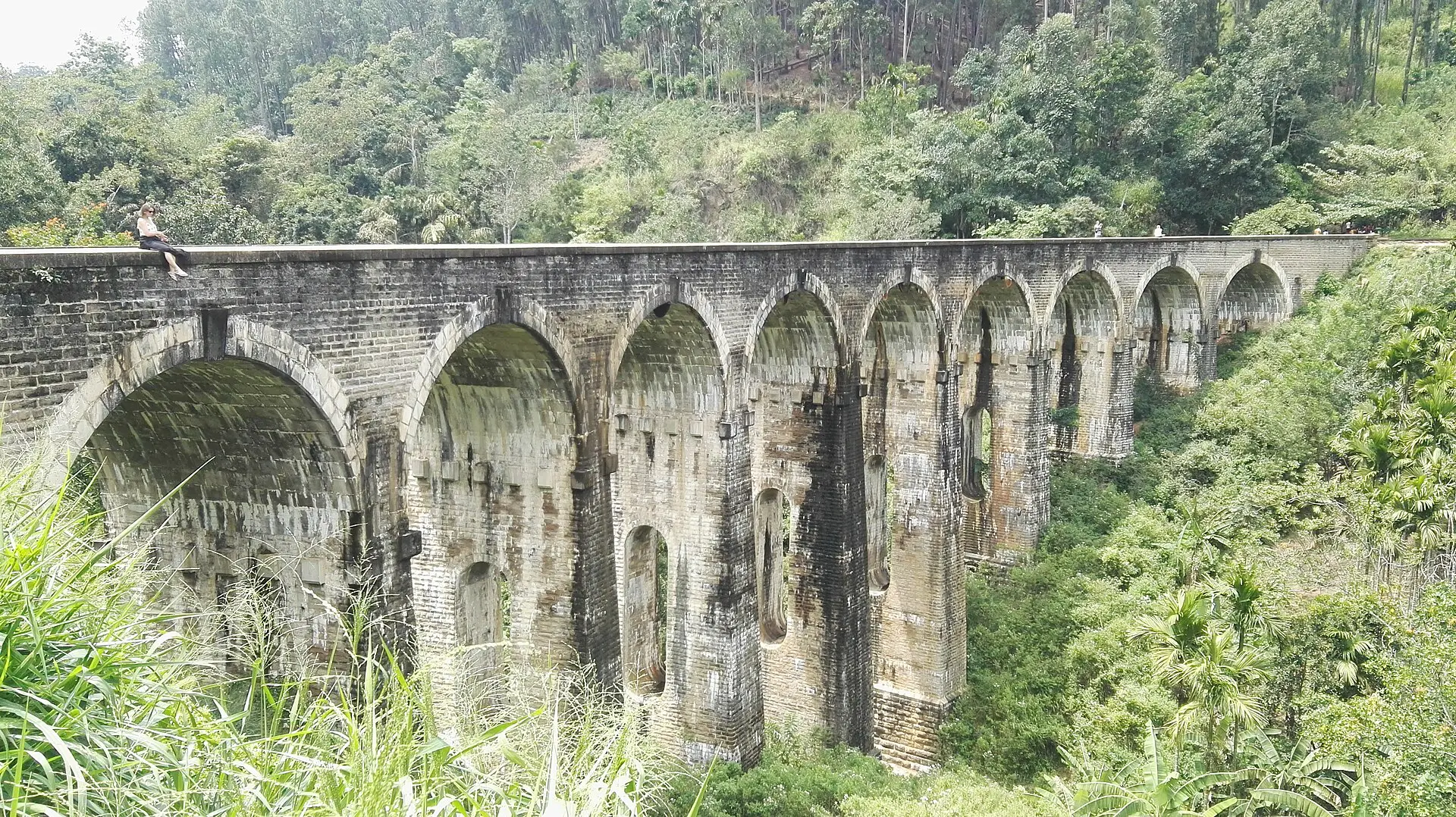
- Climb Sigiriya: go at opening time to beat the heat and the tour groups.
- Ride the Kandy to Ella train: the line climbs through tea estates and cloud forest; book reserved seats ahead.
- Visit the Temple of the Tooth: evening ceremonies in Kandy draw large crowds, so dress modestly.
- Go on a safari: Yala is known for leopards, while Udawalawe and Minneriya are good for elephants.
- Watch for whales: blue and sperm whales are seen off Mirissa and Trincomalee in their respective seasons.
- Walk Galle Fort at sunset: the ramparts circle the old town and are free to walk.
- Hike Adam’s Peak: the pilgrimage climb is done overnight to reach the summit at dawn, mainly December to May.
- Tour a tea estate: factories around Nuwara Eliya explain processing and offer tastings.
- Hike Little Adam’s Peak and Ella Rock: shorter walks with wide views of the Uva hills.
- Take a surf lesson: Weligama suits beginners, while Arugam Bay has stronger point breaks.
Best time to visit Sri Lanka
The best time to visit Sri Lanka depends on the coast, because the island has two monsoons. For the south-west and west coasts, hill country and cultural sites, December to March is the driest and most popular period. For the east coast and the north, May to September is usually better. The Cultural Triangle is hot year-round, and mornings are best for climbing and sightseeing.
| Season | Weather | Crowds and prices | Good for |
|---|---|---|---|
| Dec-Mar | Dry and sunny in the south and west; cool nights in the hills | Peak prices, especially around Christmas | South coast beaches, whale watching, hill country, Adam’s Peak |
| Apr | Hot, humid, with inter-monsoon showers | Busy around the Sinhala and Tamil New Year in mid-April | Cultural sites, early-morning climbs |
| May-Sep | South-west monsoon: wet in the south and west, drier in the east | Lower on the west; moderate in the east | Arugam Bay surf, Yala (dry months), Kandy festival season |
| Oct-Nov | Second inter-monsoon with heavy afternoon rain | Quiet, bargains common | Budget travel, culture, flexible plans |
Kandy’s Esala Perahera procession is usually held in July or August, and rooms book out early. Dates change each year, so confirm before booking.
Is Sri Lanka safe to visit?
Yes, Sri Lanka is generally safe for visitors, and most trips pass without serious incident. The most common problems are road accidents, petty theft, tourist overcharging and sea hazards. The country has had political and economic turmoil in recent years, including protests and fuel and currency shortages in 2022, so check the Wikivoyage Sri Lanka page and your own government’s advice, such as the UK FCDO or US State Department, before you book.
Roads. Traffic is fast and unpredictable, with buses overtaking on bends and traffic keeping to the left. Avoid driving yourself unless you are experienced; a car with a driver is common and affordable.
Scams and theft. Agree tuk-tuk fares first or use a ride-hailing app, be sceptical of people who say a site is closed, and keep bags zipped on trains and buses. Solo women should expect staring and occasional harassment, and may prefer reputable guesthouses and daytime travel.
Sea and wildlife. Rip currents on south and west beaches are strong in the monsoon, so swim only where locals do. Keep a safe distance from wild elephants and do not feed monkeys.
Health and weather. Dengue is present, so use repellent. Heavy monsoon rain can cause floods and landslides in the hills. Check current advice on any areas of unrest before travelling.
Visa and entry requirements for Sri Lanka
Most visitors need an electronic travel authorisation (ETA) or a visa before arrival, though the rules differ by nationality and have changed several times in recent years. A visa-free or fee-waived arrangement has applied to some nationalities for limited periods, so do not rely on old blog posts.
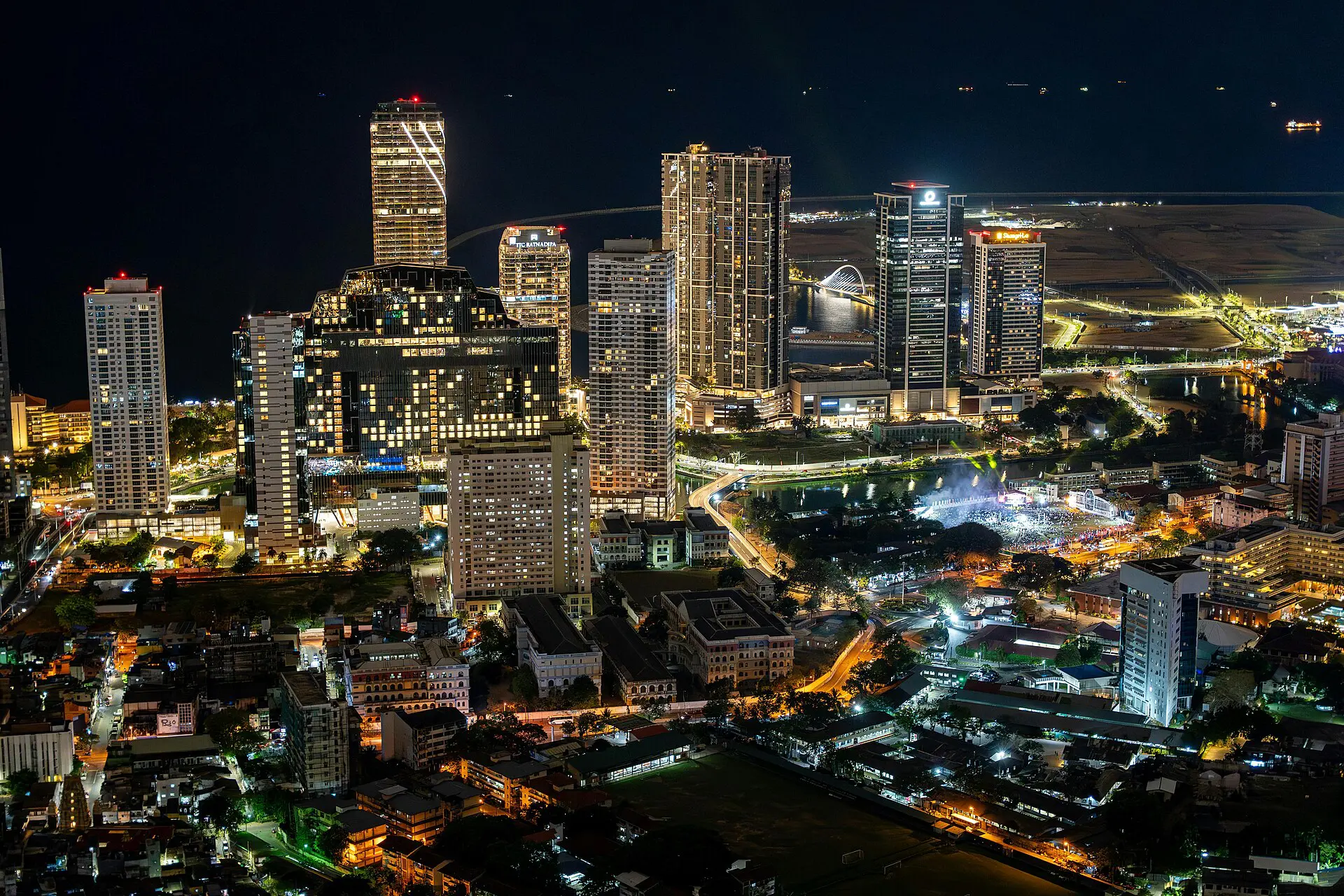
In general, apply online through the official Sri Lankan government immigration portal rather than third-party sites, which often add fees. You will usually need a passport valid for at least six months from arrival, a return or onward ticket, and proof of accommodation or funds. Typical tourist stays are 30 days, with extensions available at the immigration department in Colombo for an additional fee.
Keep a printed or digital copy of your approval. Airlines may check it before boarding. Rules for transit, business travel, and longer stays differ, so confirm each with the official immigration source or your nearest Sri Lankan embassy before booking flights.
Getting to and around Sri Lanka
Most visitors arrive at Bandaranaike International Airport (CMB), about 35 km north of Colombo near Negombo, which has direct flights from the Middle East, India, Southeast Asia and Europe. Mattala Rajapaksa airport in the south is little used. There are no regular international ferry services for tourists, so flying is the main way in.
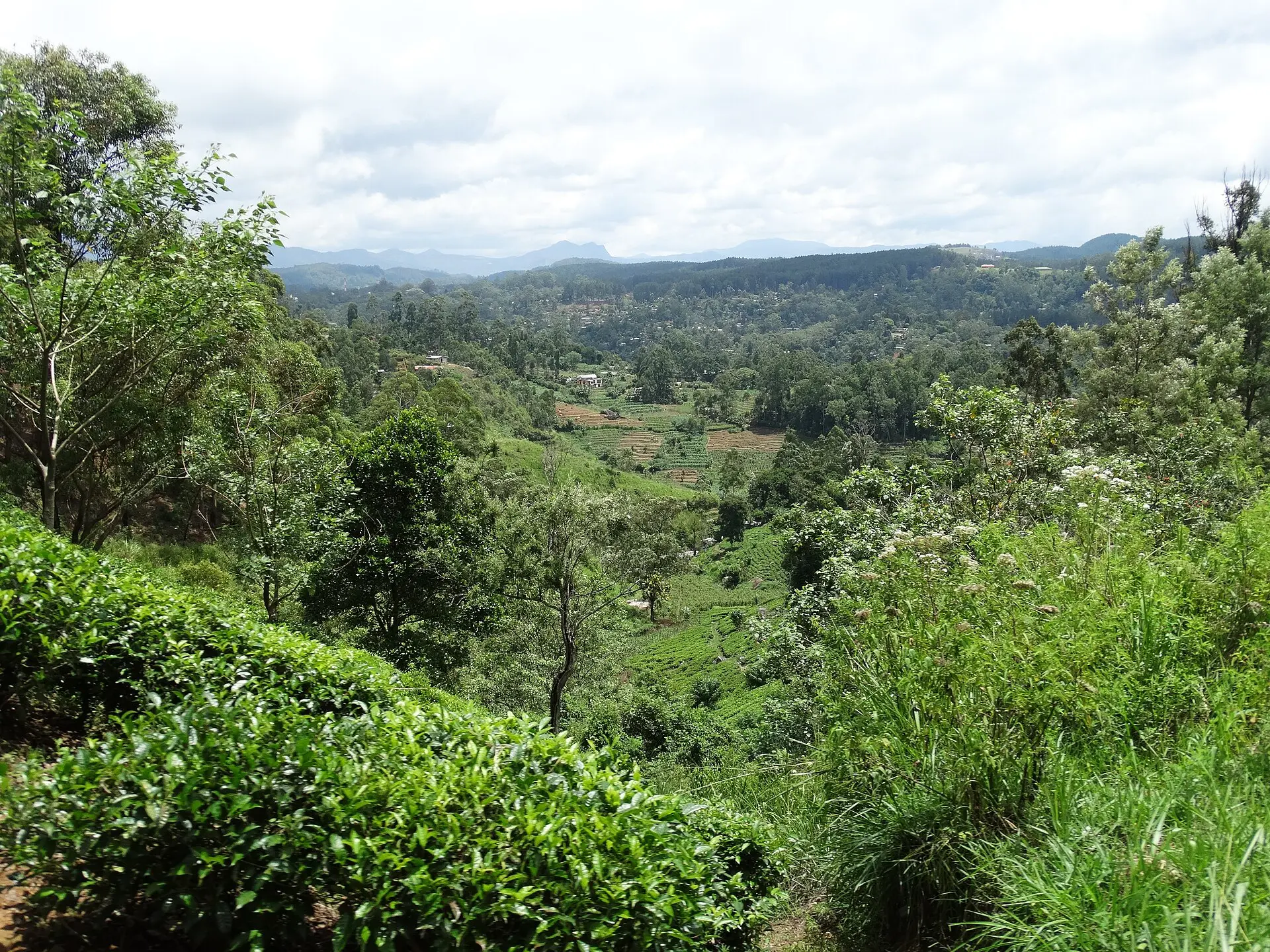
Trains. Sri Lanka’s trains are slow, scenic and cheap. The hill-country line from Kandy to Ella takes roughly 6 to 7 hours. Reserved seats on popular routes sell out, and second-class reserved tickets are worth booking in advance. The coastal line from Colombo to Galle takes around 2.5 to 3 hours.
Buses. Buses cover almost everywhere and cost very little, but they are crowded and often fast. Air-conditioned intercity services are more comfortable.
Drivers and tuk-tuks. A car with a driver is the usual choice for multi-stop routes and is typically priced by the day. Tuk-tuks suit short trips; metered rides are rare, so agree the price or use an app. Expressways link Colombo with Galle and Matara, but many hill roads are winding, so allow extra time. Driving is on the left; foreigners need a local driving permit.
How much does a trip to Sri Lanka cost?
Sri Lanka is inexpensive by international standards, though prices rose after the 2022 economic crisis and are quoted in US dollars at many tourist hotels. The currency is the Sri Lankan rupee (LKR). The figures below are rough per-person daily bands as of 2026 and exclude international flights.
- Budget, around USD 25-45: guesthouse or hostel, local meals, buses and trains, and one or two paid sights.
- Mid-range, around USD 50-100: comfortable hotel, restaurant meals, a driver for part of the trip and park fees.
- High-end, USD 150 and up: boutique hotels or villas, private drivers, safaris and guided tours.
Costs are driven mainly by foreign-visitor entry fees, accommodation season and transport style. Entry to major ancient sites, such as Sigiriya, is priced for foreigners in US dollars and is much higher than the local rate. National park safaris add a park fee, vehicle hire and a tracker, so a jeep safari can cost more than several days of food. A local meal of rice and curry can cost only a few dollars, while a beachfront dinner costs several times that. Prices rise sharply in December to March on the south coast.
Sri Lanka food and drink
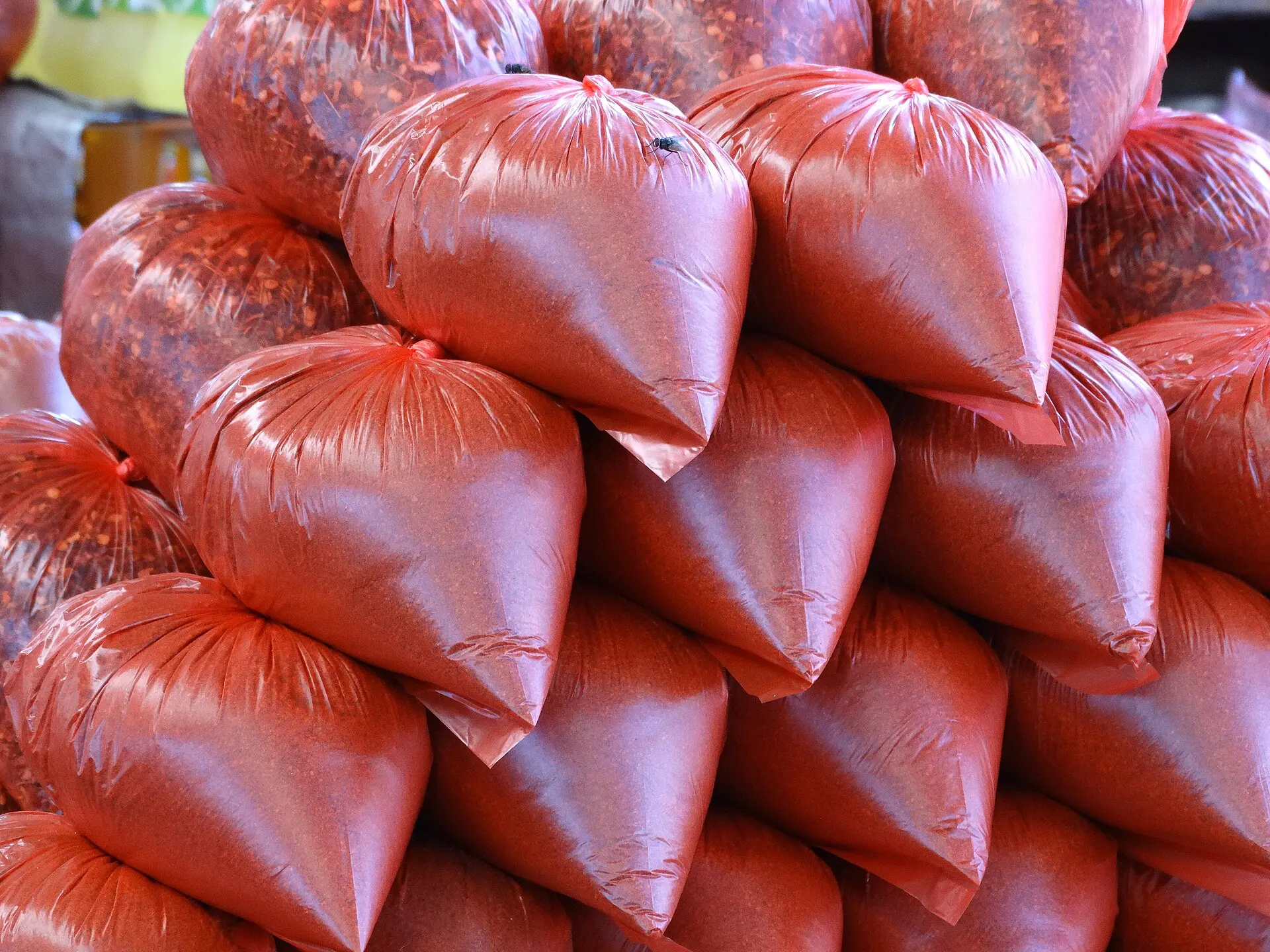
Sri Lankan food is built on rice, coconut, curry leaves, chilli and a strong spice mix, and it is often hotter than the Indian dishes it resembles. Most meals are shared or served with several side dishes.
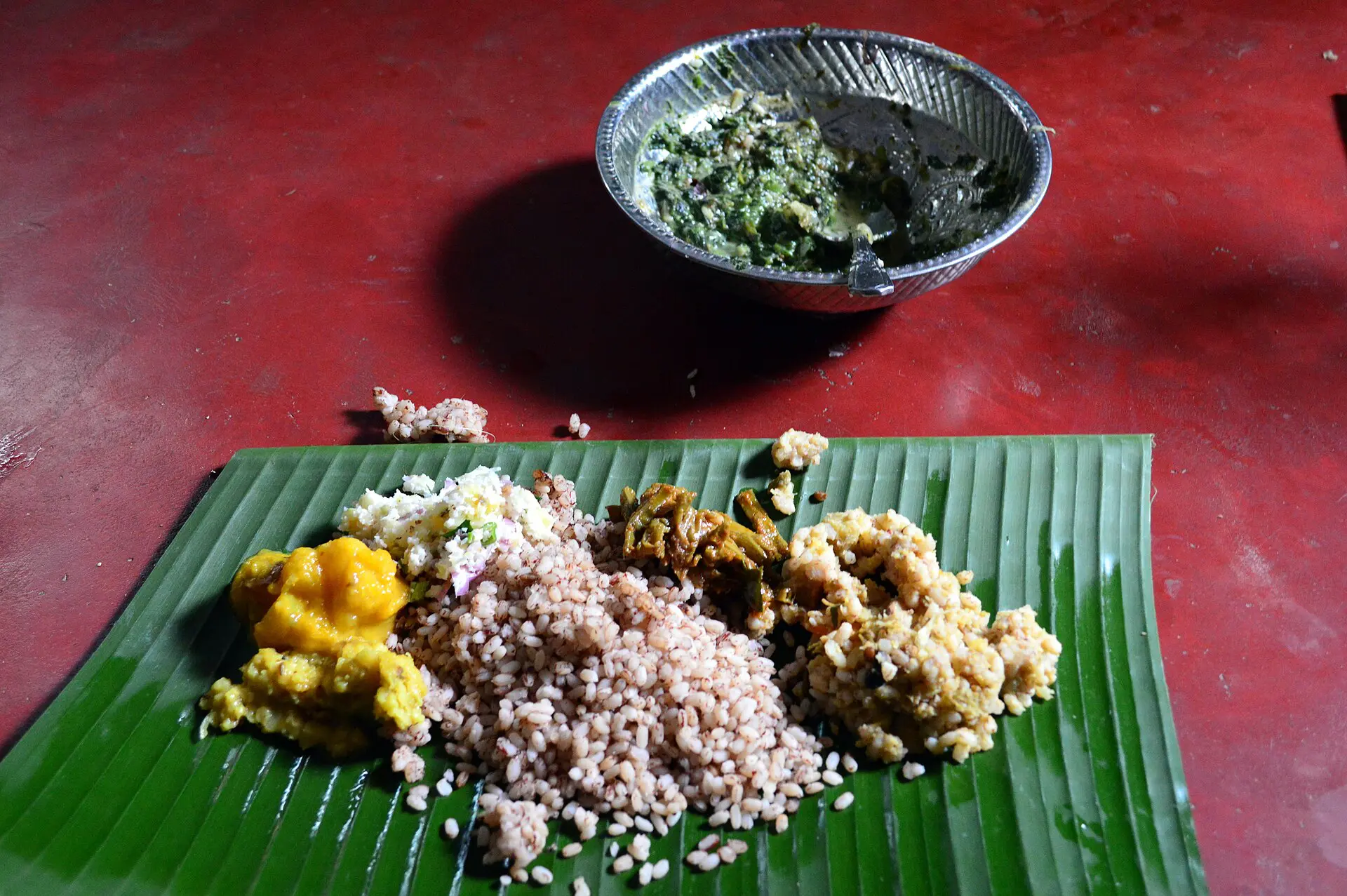
- Rice and curry: the staple, with rice and several vegetable, lentil and fish or meat curries plus sambols.
- Kottu roti: chopped flatbread stir-fried with egg, vegetables and meat, famous for its rhythmic clatter.
- Hoppers (appa): bowl-shaped fermented rice-and-coconut pancakes, often with an egg in the middle.
- String hoppers: steamed rice-flour noodles served with curry and coconut sambol.
- Lamprais: rice, meat and sambol baked in a banana leaf, a Dutch Burgher dish.
- Pol sambol: a mix of grated coconut, chilli and lime that goes with most meals.
- Ceylon tea: grown in the hills and served strong with milk and sugar unless you ask otherwise.
- Arrack: a coconut-based spirit, often mixed with ginger beer or cola.
Seafood is excellent on the coasts, and fresh fruit such as papaya, mango and king coconut is cheap. Vegetarian and vegan eating is easy, since many curries are vegetable-based, though fish sauce and dried fish sometimes appear. Say if you want less spice, and drink bottled or filtered water.
Culture, language and etiquette in Sri Lanka
Sri Lanka is multi-ethnic and multi-religious. Sinhalese, mostly Buddhist, make up around 74% of the population, with Tamils, mostly Hindu, at about 15%, plus Muslim and Christian communities. Sinhala and Tamil are the official languages, and English is widely used in business, hotels and signs in cities and tourist areas.
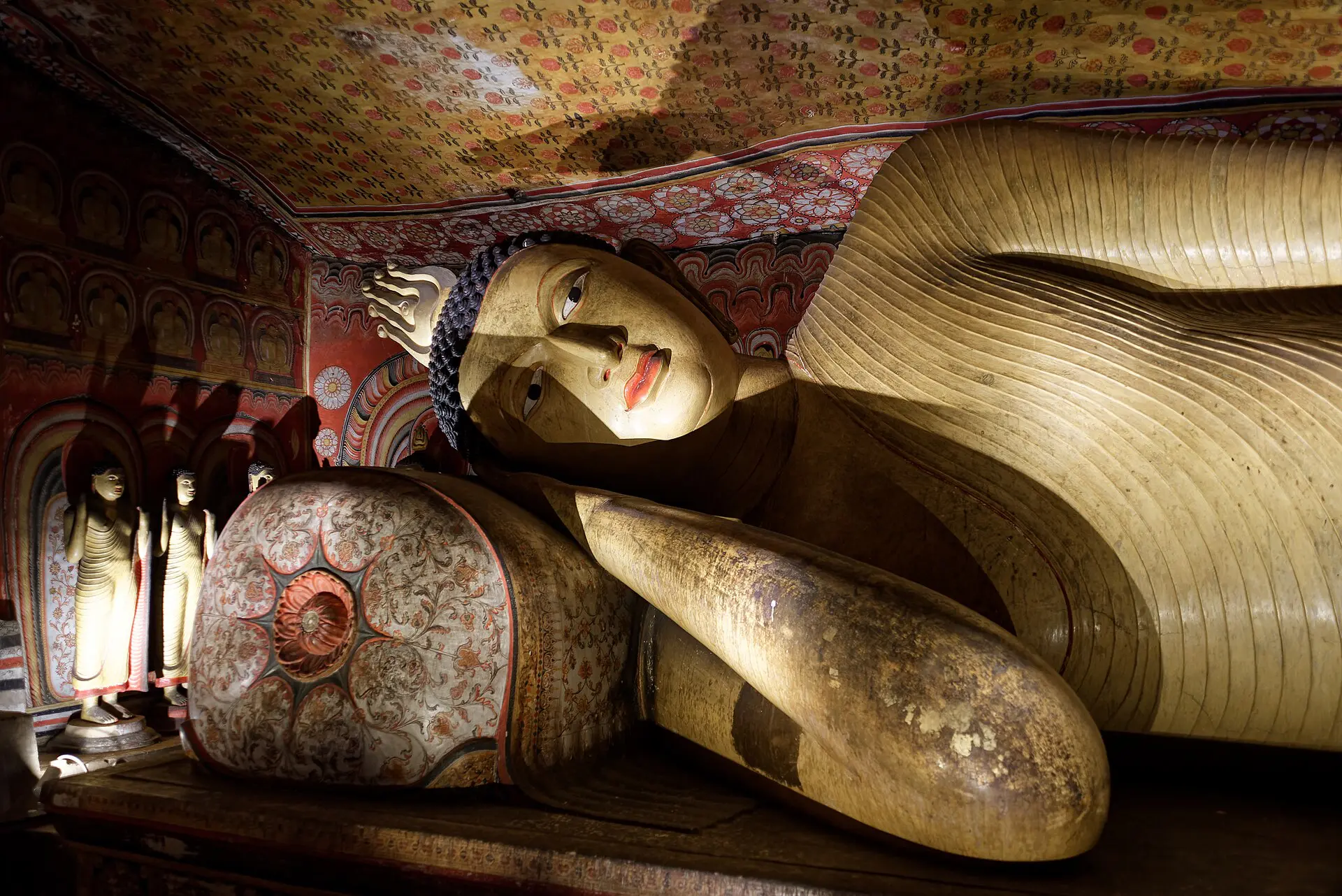
Religious sites call for care. Remove shoes and hats before entering temples and wear clothes that cover shoulders and knees. Never pose for photos with your back to a Buddha statue, and avoid touching or climbing on sacred objects. Tattoos of the Buddha can cause problems at immigration and with locals. Women should not touch Buddhist monks.
Everyday etiquette is polite and relaxed. Greet people with a smile or the palms-together ayubowan gesture, use your right hand to give and receive items, and eat with your right hand if you eat with your fingers. Public displays of affection are frowned upon. Nodding side to side can mean yes. Politics and the civil war that ended in 2009 are sensitive topics, so let local hosts raise them first.
Sri Lanka itinerary: a 7-day route
This Sri Lanka itinerary links the Cultural Triangle, hill country and south coast. It works best from December to March; in other months, swap the south coast for the east. Always check current road and weather conditions.
- Day 1, Colombo to Sigiriya: collect your driver at the airport and drive about 4 to 5 hours north. Rest and walk a village or lake near your hotel.
- Day 2, Sigiriya and Dambulla: climb Sigiriya at opening time, then visit the Dambulla cave temple in the afternoon.
- Day 3, Polonnaruwa and Kandy: explore the ruins in the morning and drive about 3 hours to Kandy. Attend the evening puja at the Temple of the Tooth.
- Day 4, Kandy to Nuwara Eliya: drive or take the train into tea country. Visit a tea factory and walk through the town.
- Day 5, Ella: take the scenic train from Nuwara Eliya area to Ella, then hike Little Adam’s Peak and see the Nine Arch Bridge.
- Day 6, Ella to Galle: drive about 4 to 5 hours to the south coast via Udawalawe, with an optional elephant safari on the way. Walk the fort at sunset.
- Day 7, Galle to Colombo: use the expressway, around 1.5 to 2 hours, and leave time for the airport. Allow a buffer for traffic.
With ten days, add a Yala safari and a beach day in Mirissa.
Practical tips for Sri Lanka
A few practical points make a trip smoother.
- Money: the currency is the Sri Lankan rupee. ATMs are common in towns, though machines may limit withdrawals, so carry some cash. Cards work in hotels and larger restaurants.
- SIM and eSIM: local SIM cards can be bought at the airport with a passport, and eSIMs are widely available. Coverage is good in towns and weaker in the hills and parks.
- Plugs: the voltage is 230 V. Types D and G are common, and a universal adapter is useful.
- Tipping: many restaurants add a service charge of about 10%. Otherwise, rounding up is fine, and drivers and guides appreciate a tip at the end of a trip.
- Health: check vaccination advice with a travel clinic, use mosquito repellent, and drink bottled or filtered water. Travel insurance that covers medical care is sensible.
- Packing: light clothes that cover shoulders and knees, a rain jacket, sun protection, a warm layer for the hills and shoes that are easy to remove for temples.
- Time and calling: Sri Lanka is on UTC+5:30, and the country calling code is +94. Traffic on roads from Colombo can make journeys long, so plan a buffer before flights.
FAQ
Q1What is the best time to visit Sri Lanka?
December to March is best for the south and west coasts and the hill country, with dry weather and calm seas. May to September is better for the east coast, including Arugam Bay. Because the island has two monsoons, pick your coast first, then your month.
Q2Is Sri Lanka safe for tourists?
Generally yes. Violent crime against visitors is uncommon. The main risks are road accidents, petty theft, tuk-tuk overcharging, rip currents and monsoon floods. Check your government's current advice before booking, as the political and economic situation has shifted in recent years.
Q3Do I need a visa for Sri Lanka?
Most travellers need an electronic travel authorisation or visa before arrival, but rules vary by nationality and have changed several times. Apply only through the official Sri Lankan government portal, and confirm the current fee and permitted stay before you book flights.
Q4How many days do you need in Sri Lanka?
Seven days covers the Cultural Triangle, hill country and one stretch of coast at a steady pace. Ten to fourteen days lets you add a safari, the south coast beaches and a slower route. Journeys are slow, so avoid packing in too many towns.
Q5How much does a trip to Sri Lanka cost per day?
Around USD 25 to 45 per day on a budget, USD 50 to 100 mid-range and USD 150 or more for high-end stays, excluding flights. Foreign-visitor entry fees, safaris and the season on the south coast are the main factors that push costs up.
Q6What is the best way to get around Sri Lanka?
A car with a driver is the easiest option for multi-stop routes. Trains are slow but scenic, especially Kandy to Ella, and buses are cheap but crowded. Tuk-tuks suit short trips. Roads are winding, so expect long journey times even over short distances.
Q7What should I wear in Sri Lanka?
Light, breathable clothing that covers shoulders and knees is best, particularly at temples, where you must also remove shoes and hats. Swimwear is for beaches and hotel pools only. Pack a rain jacket and a warm layer if you plan to visit the hill country.