Why visit South Sudan
This South Sudan travel guide begins with an honest framing: South Sudan is not a conventional tourist destination. It gained independence from Sudan in 2011 and has faced civil war, political instability, flooding and severe humanitarian needs, so most visitors are aid workers, diplomats, journalists and business people (see the Wikipedia overview for background).
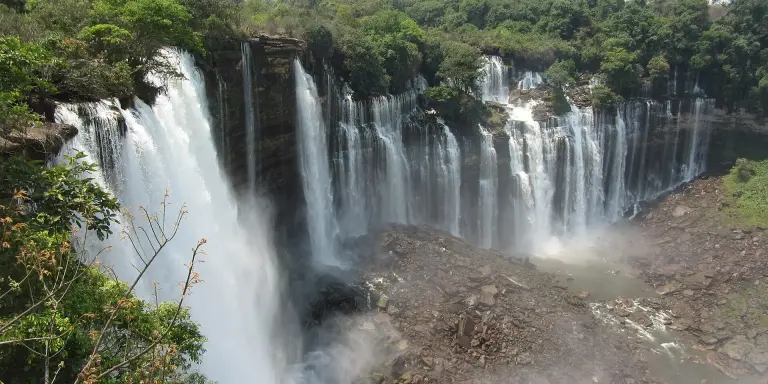
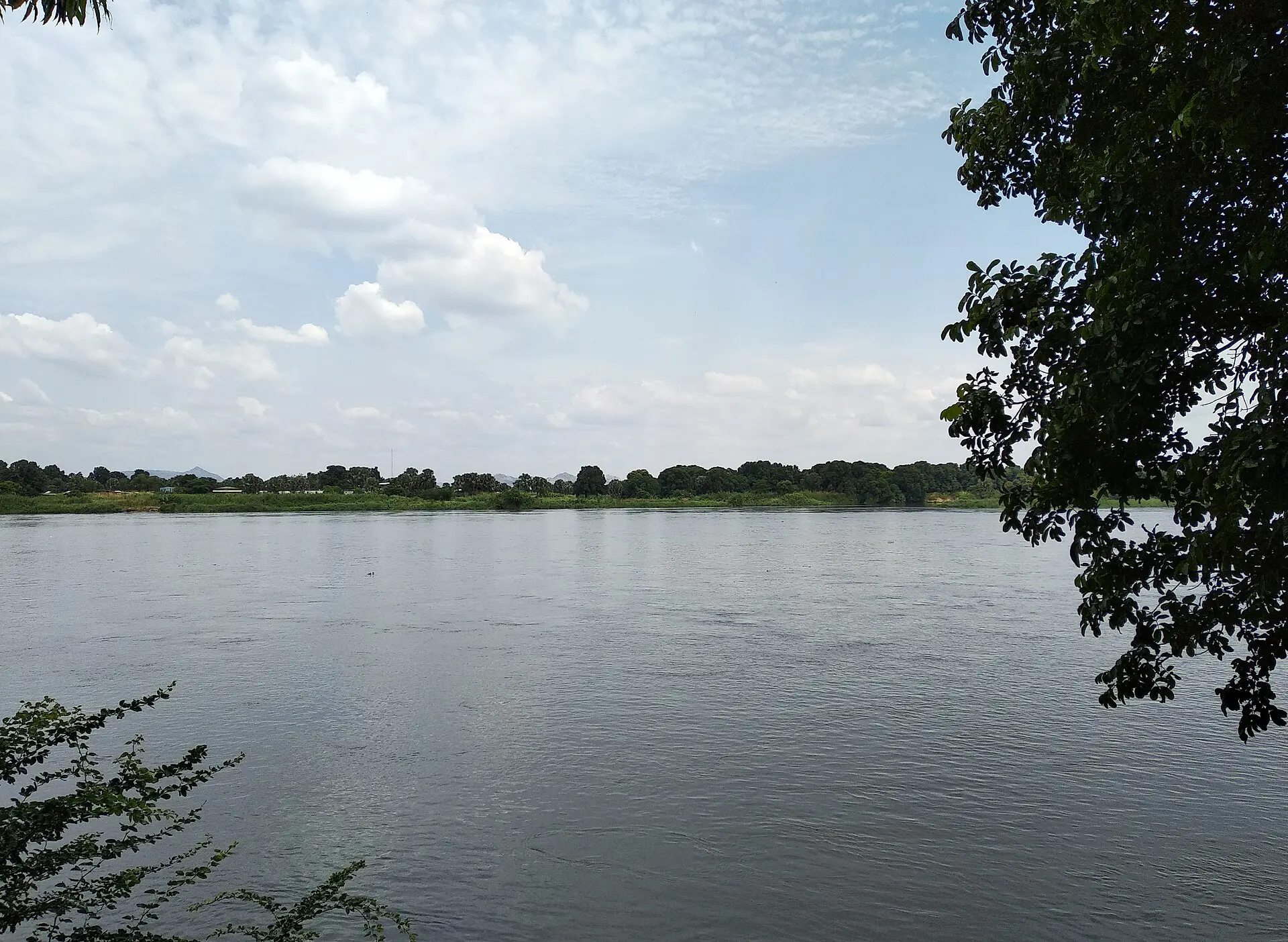
For those with reason to go, the attractions include the White Nile, the huge Sudd wetland, wildlife in Boma and Nimule national parks, one of the largest antelope migrations on earth and cultures such as the Dinka, Nuer, Zande and Murle. The country suits only experienced, well-supported visitors who accept serious risk, hold the right insurance and have read their government’s advice. For most readers, understanding the country from a distance is the realistic option for now.
Best places to visit in South Sudan
The best places to visit in South Sudan are limited by security and by poor roads, and access can close quickly. The places below are described for background, and none is a recommendation to travel against official advice.
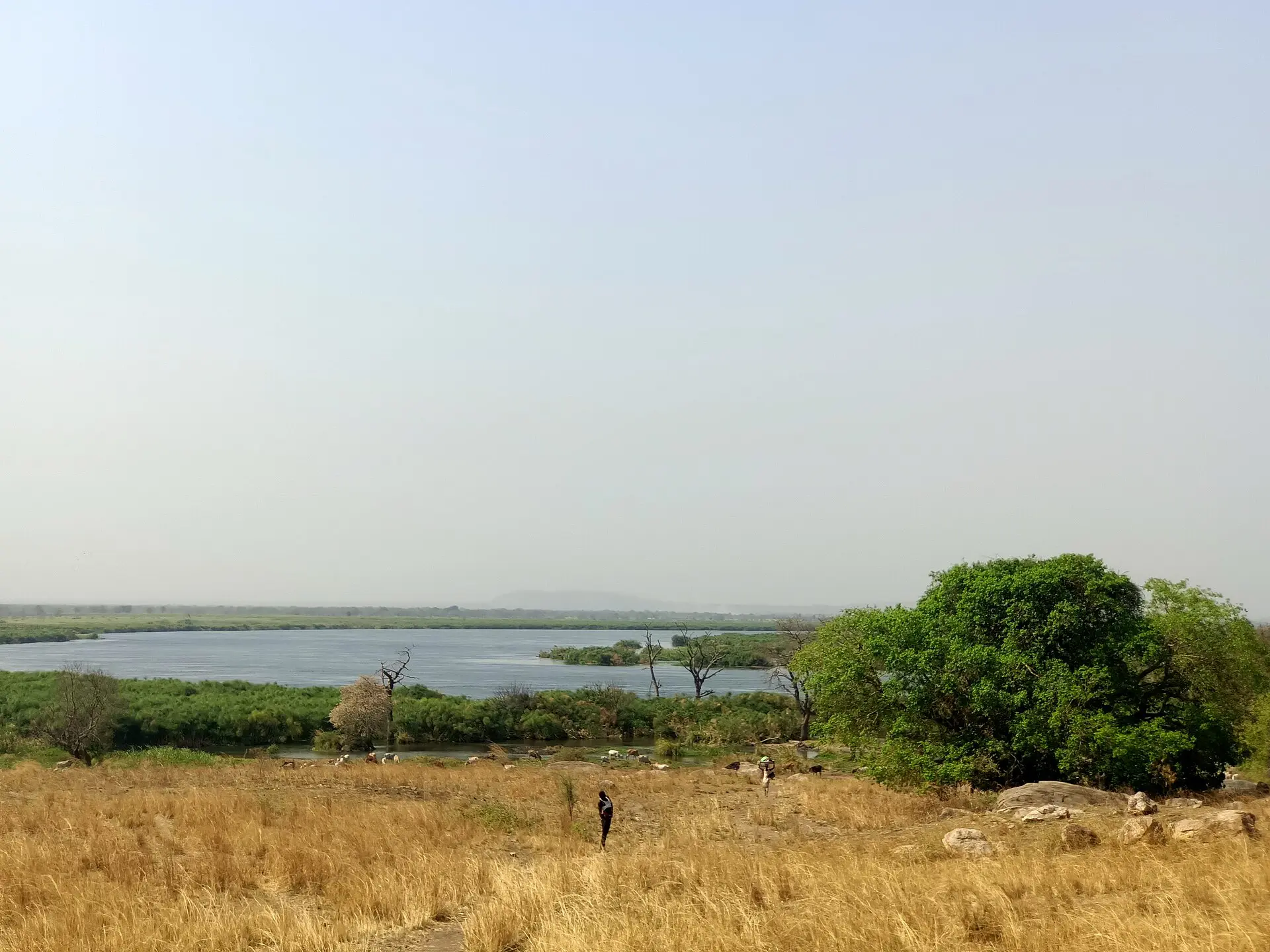
Juba
The capital sits on the White Nile and is the main arrival point. It has riverside restaurants, the Jebel Kujur hill, Konyo Konyo market and the mausoleum of John Garang. Facilities for visitors are limited and expensive, and crime is a concern.
Nimule National Park
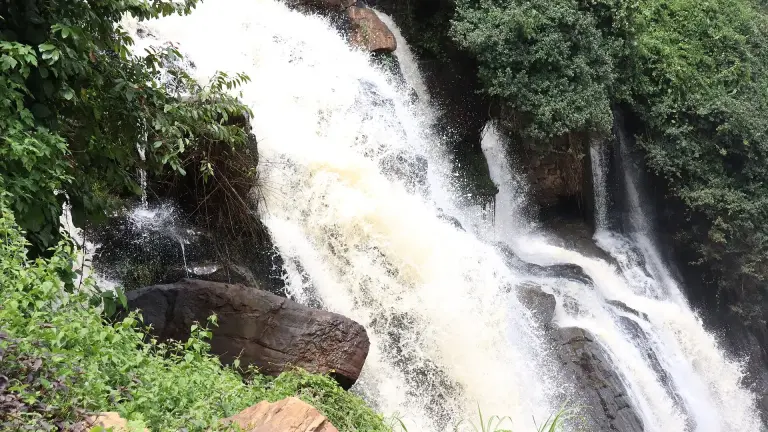
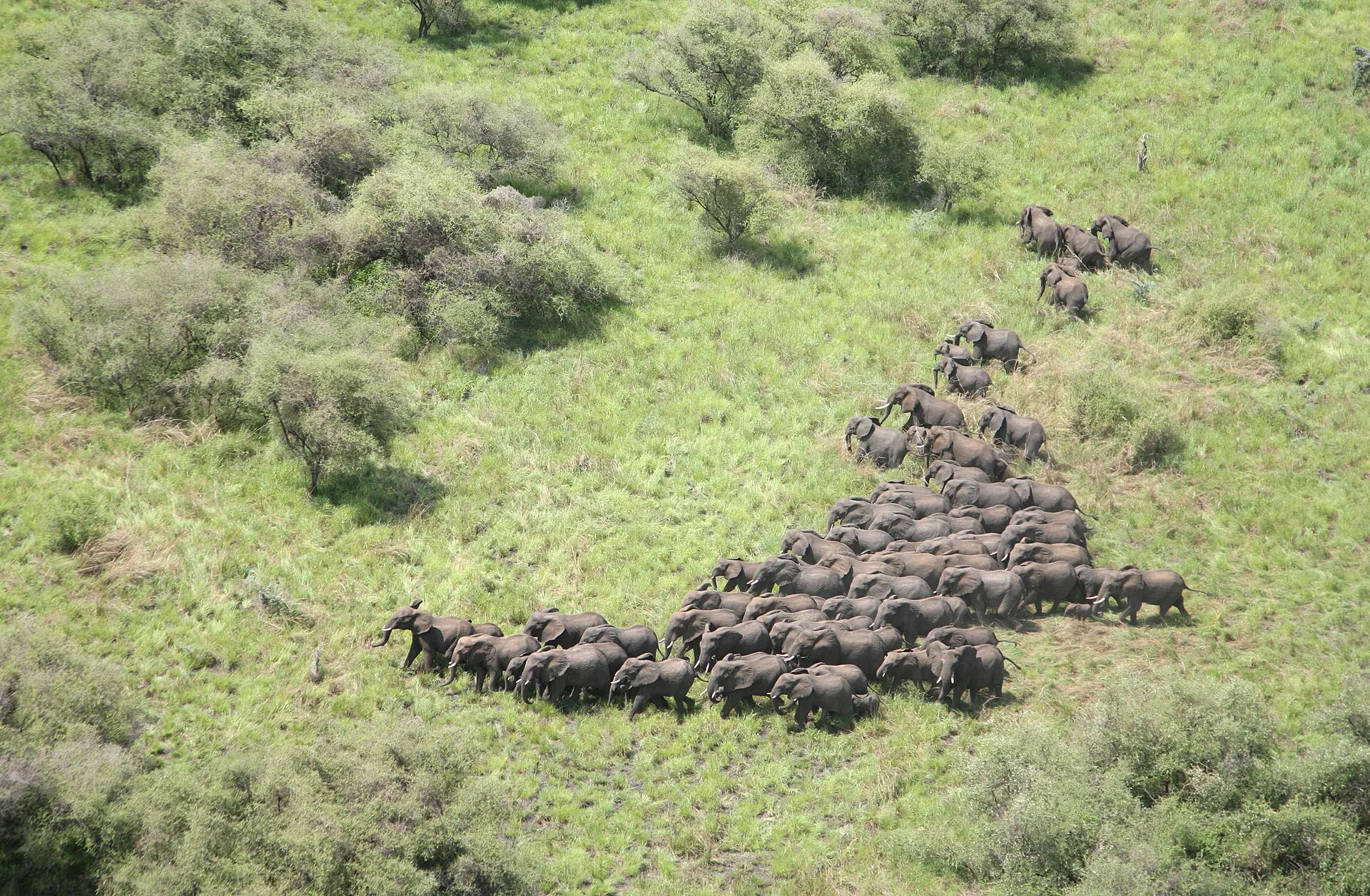
Near the Ugandan border, about 190 kilometres south of Juba, the park lies on the Nile and the Fula Rapids. It has elephants, hippos, buffalo and many birds, and has been the most accessible park in recent years.
Boma National Park and the Jonglei landscape
In the south-east, Boma is known for the huge migration of white-eared kob, tiang and other antelope, among the largest in Africa. It is remote, and access is restricted by security and logistics.
The Sudd
One of the world’s largest wetlands, in the centre of the country, holds shoebill storks and vast papyrus swamps, but travel there is rarely feasible.
Imatong Mountains
Near the Ugandan border, Mount Kinyeti is the country’s highest peak, with forested slopes and cooler weather, though security can limit access.
Top things to do in South Sudan
The top things to do in South Sudan depend entirely on security conditions, and most need professional arrangements. Treat this list as a view of what the country offers, not as a plan.
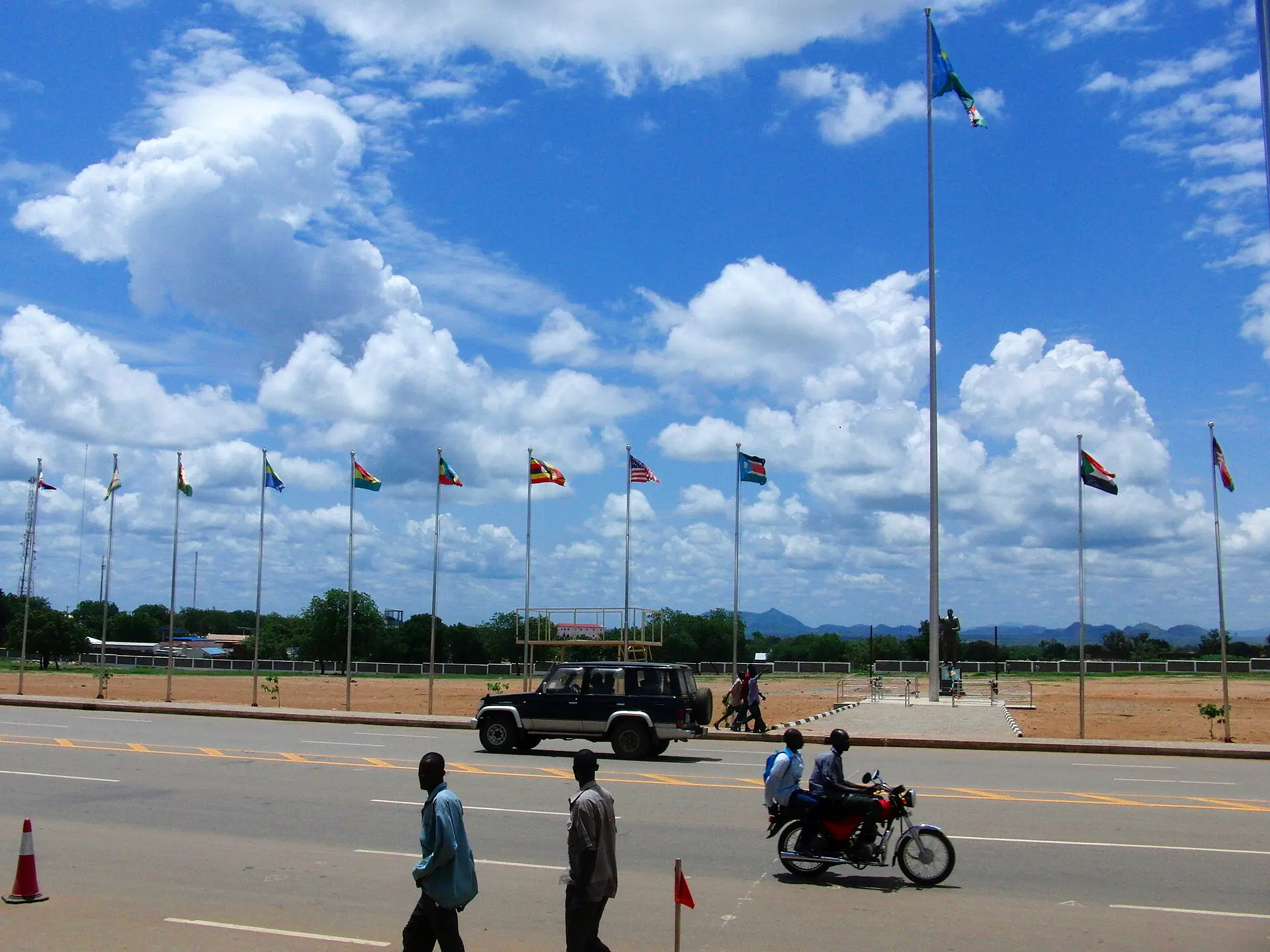
- Visit Nimule National Park: look for elephants and hippos near the Nile, and watch the Fula Rapids.
- See the Boma migration: in the dry months, millions of antelope move through the Boma plains, when organised access is possible.
- Walk Juba’s riverfront: sunset by the White Nile is a calm moment, with cafes and restaurants nearby.
- Visit the John Garang Mausoleum: the memorial honours the former rebel leader and first vice president of autonomous South Sudan.
- Browse Konyo Konyo market: traders sell food, textiles, handicrafts and household goods.
- Go birdwatching: the Nile wetlands support herons, kingfishers and, in the Sudd, shoebill storks.
- Climb in the Imatong Mountains: the forests and cooler slopes near Torit offer walking, with a guide.
- Learn about local cultures: cattle camps, beadwork and music are central for Dinka, Nuer and other communities, and visits need local introductions.
Best time to visit South Sudan
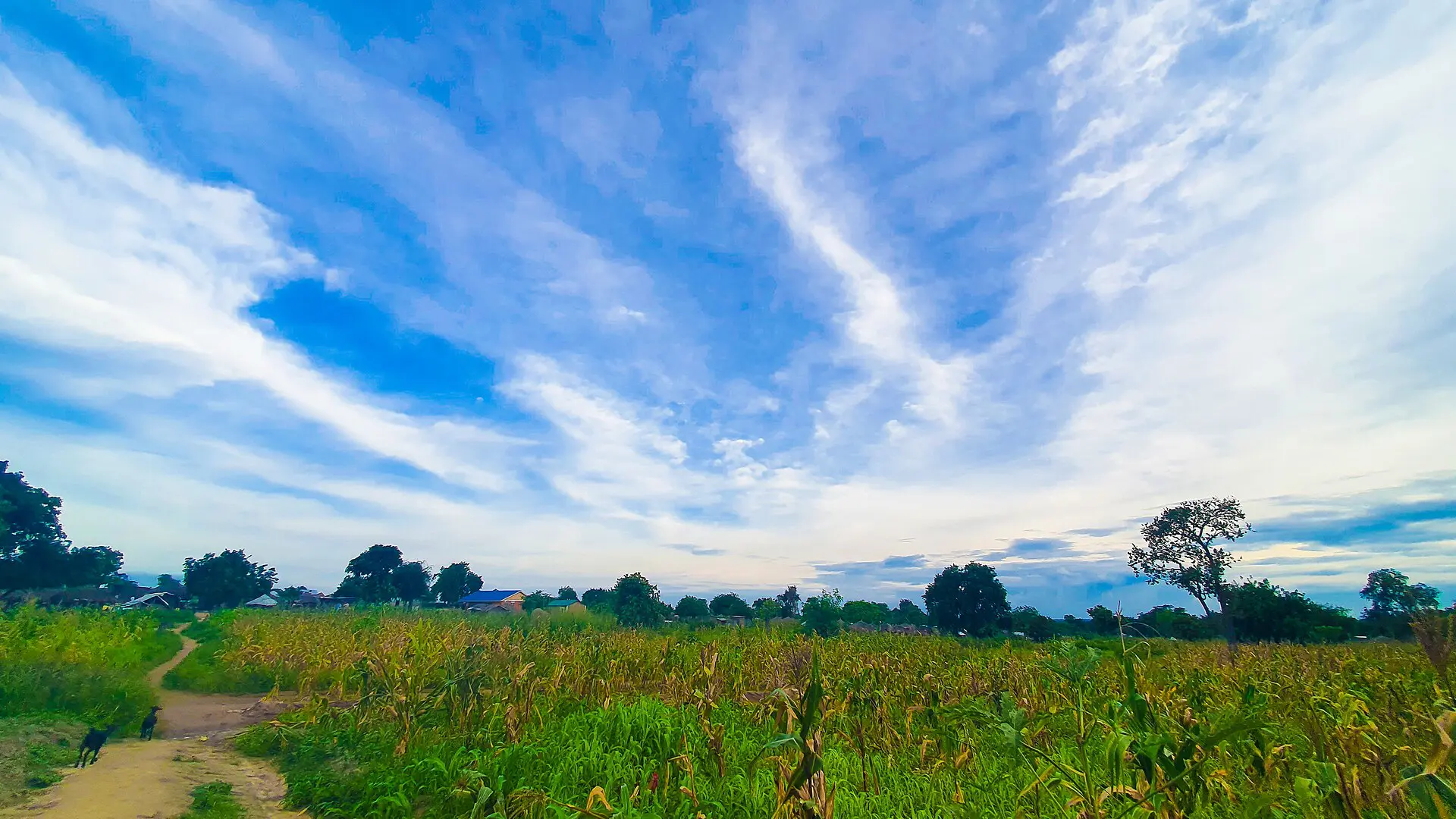
The best time to visit South Sudan, from a weather point of view, is the dry season from about November to March, when roads are more passable and wildlife is easier to see. Security matters more than the weather, however, and conditions can change within days. The rainy season, from roughly April to October, can make unpaved roads impassable and cut off large areas, and floods have affected many parts of the country in recent years.
| Season | Weather | Crowds and prices | Good for |
|---|---|---|---|
| Dry (Nov-Mar) | Hot and dry, dusty, cooler nights | Very few visitors; costs driven by logistics | Overland travel, wildlife |
| Hottest (Mar-Apr) | Very hot, rains begin late | Very few visitors | Not advised for travel |
| Rainy (May-Sep) | Heavy rain, humid, floods | Few visitors; roads close | Not advised for travel |
| Late rains (Oct) | Rain easing, mud and standing water | Few visitors | Limited access only |
Flooding and drought both occur, so check weather and humanitarian reports before making any plans.
Is South Sudan safe to visit?
No, South Sudan is not safe for ordinary tourism, and most governments advise against all or nearly all travel. The UK Foreign, Commonwealth and Development Office and the US State Department publish current advice, and you should read it in full. Insurance policies often exclude places your government advises against, so the financial risk can match the physical one.
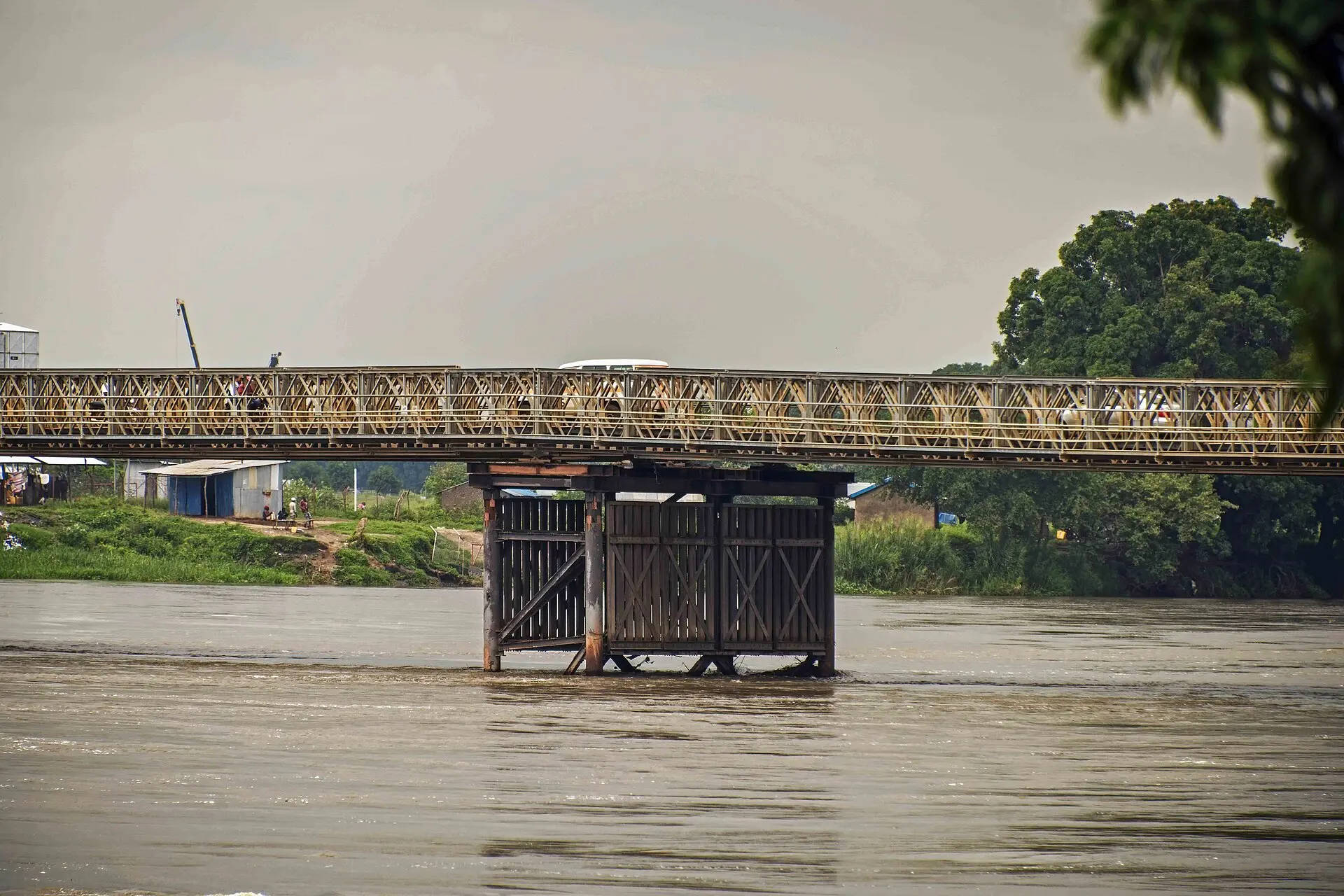
Conflict and crime. A civil war from 2013 to 2018 killed many people and displaced millions, and political tension and armed clashes have continued in many regions. Violent crime, armed robbery, carjacking and sexual violence occur, including in Juba. Cattle raiding and inter-communal violence are widespread, and the situation across the border with Sudan has added further pressure.
Kidnapping and checkpoints. Foreigners can be targeted, and unofficial checkpoints are common on roads. Movement after dark is considered dangerous, and travel outside Juba usually needs permits.
Health and hazards. Healthcare is very limited. Malaria, cholera, hepatitis E and other diseases occur, and landmines and unexploded ordnance remain a risk in some areas. Floods can cut off whole regions.
Photography. Photography of government buildings, the airport and military sites is restricted and can lead to arrest.
Visa and entry requirements for South Sudan
Entry rules depend on your nationality, but most visitors need a visa before travelling. South Sudan has offered an e-visa system, and visas have also been issued at Juba International Airport and some border crossings, with fees reported around USD 100 for a single-entry visa. Fees, processing times and the rules for each route change often, so confirm them with the official South Sudanese immigration source or the nearest embassy before you book.
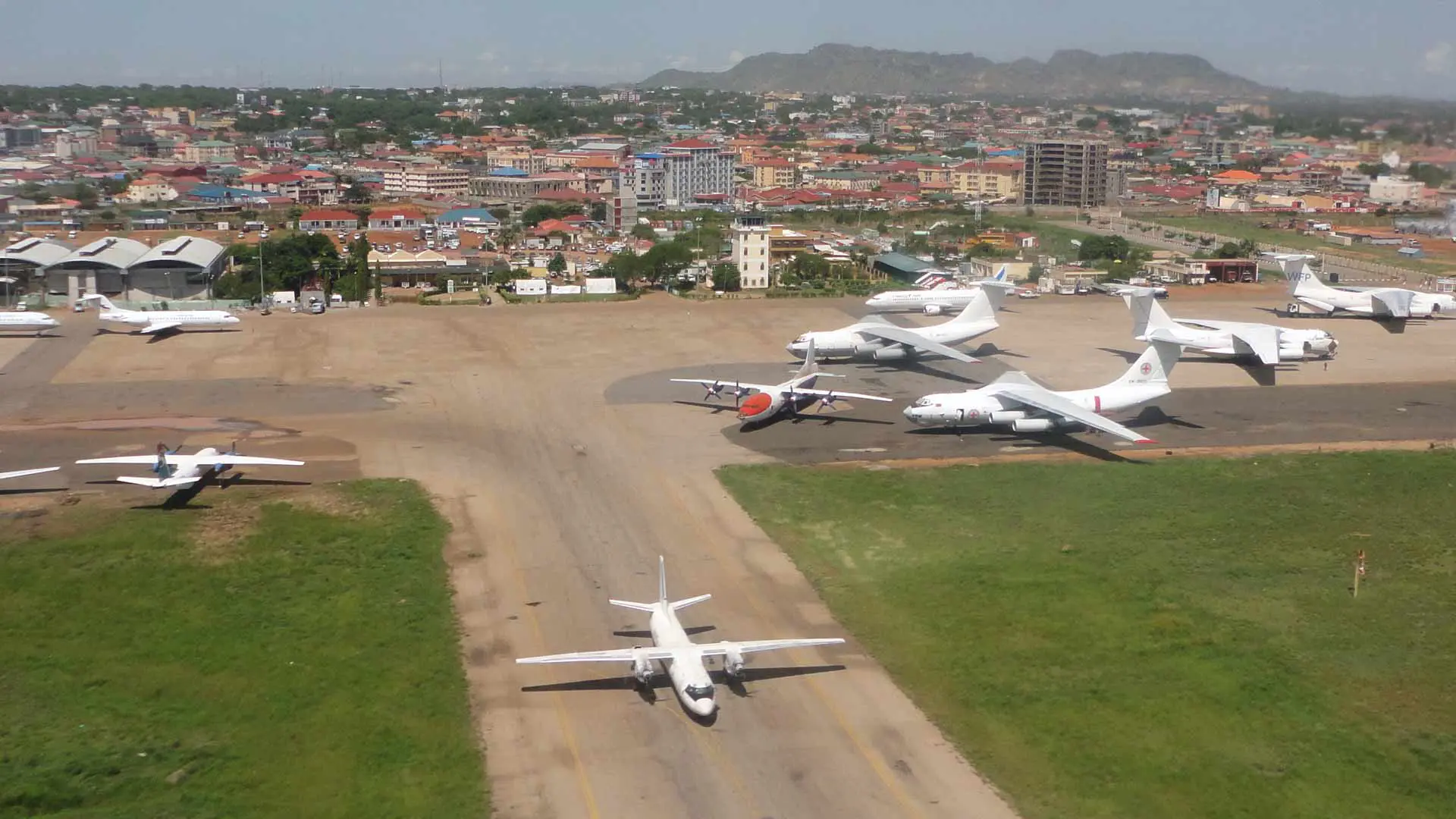
A passport valid for at least six months and a yellow fever vaccination certificate are normally required. An invitation letter from a registered company, organisation or hotel may be requested, and visitors have to register their presence with the authorities within a few days of arrival, usually in person. Photography permits can also be needed.
Overland entry from Uganda, Kenya and Ethiopia has been possible at certain crossings, but the border with Sudan is affected by conflict and displacement. The UNESCO page for South Sudan is a useful reference for the country’s heritage status, though it does not cover entry rules, and it does not replace current government advisories.
Getting to and around South Sudan
Almost all visitors arrive by air at Juba International Airport. Flights usually connect through regional hubs such as Nairobi, Addis Ababa, Entebbe and Cairo, and some Gulf carriers have served the route, but schedules change and flights are sometimes suspended. Overland routes include the road from Uganda to Juba, and buses have run from Kampala, though travel on them is hard and not advised without current local information.
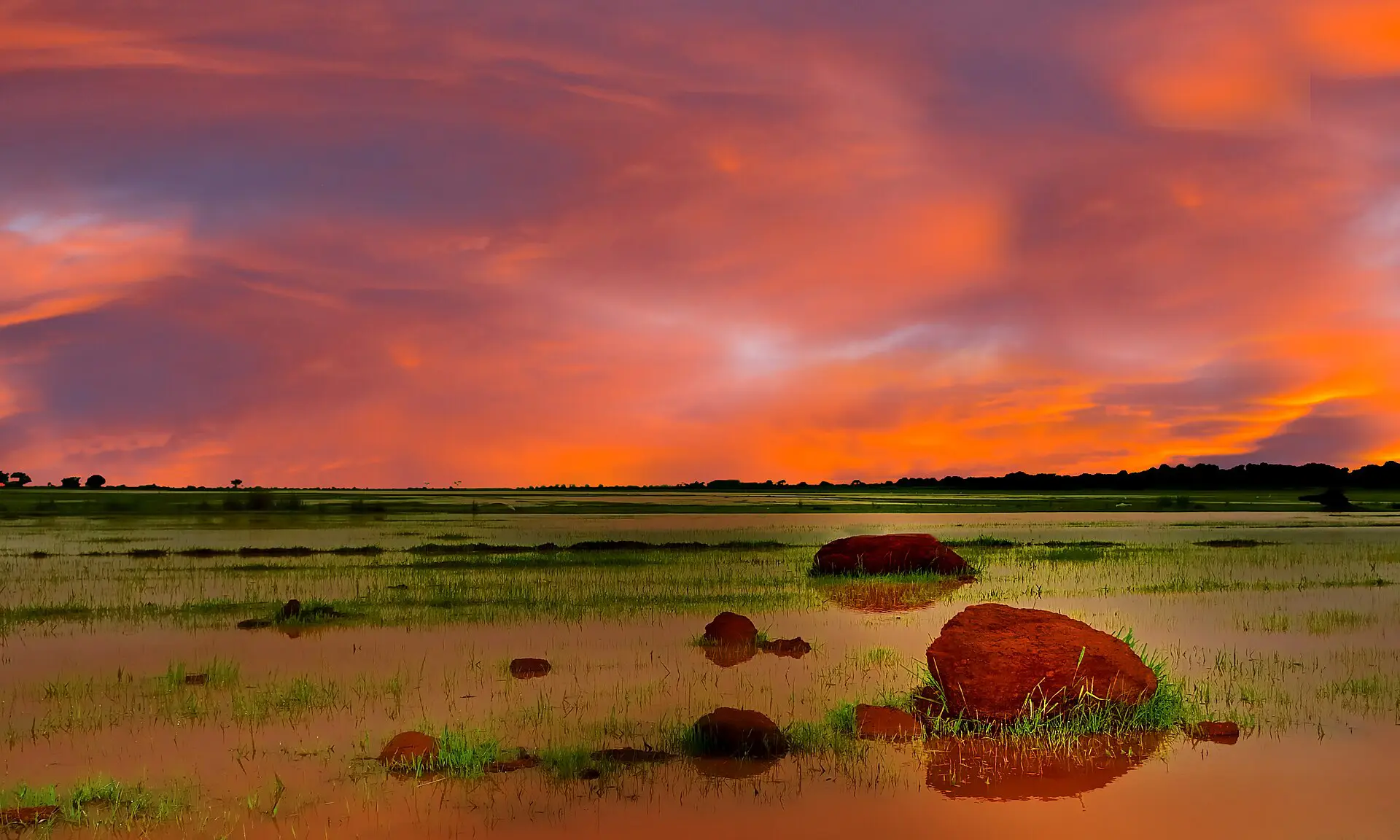
Roads are mostly unpaved, and in the rainy season many become impassable. Outside Juba, travel by road usually needs a 4×4, a local driver and permits, and fuel can be scarce and expensive. Domestic flights by small charter and humanitarian operators link some towns, but they are not designed for tourists, and safety standards vary.
There is no useful passenger rail. A line runs from the north to Wau, but scheduled passenger service has not operated for years. Boat travel on the Nile can be possible in places, though it is slow and affected by conflict. Taxis and motorcycle taxis (boda-bodas) operate in Juba, but visitors are generally advised to use a vetted driver provided by a hotel or host organisation.
How much does a trip to South Sudan cost?
South Sudan is one of the most expensive places in Africa for visitors, because almost everything is imported and the number of safe, formal facilities is small. The currency is the South Sudanese pound (SSP), but US dollars are widely used for hotels, visas and many purchases, and exchange rates have been volatile. Figures below are rough per-person guides for 2026 and should be confirmed.
- Budget: around USD 100 to 200 per day, with basic guesthouses, local food and shared transport, where it is available.
- Mid-range: around USD 200 to 450 per day, with a secure hotel or camp room, a driver and permits.
- High-end or remote: from around USD 600 per day, with private vehicles, charter flights and a secured lodge.
Hotels in Juba aimed at foreigners are often expensive for their quality, and rooms may cost more than USD 100 per night. Flights, visas and security-aware insurance add further cost. Cards and ATMs are unreliable, so travellers usually carry clean US dollars in small notes, and bring enough for the whole stay.
South Sudan food and drink
South Sudan food is based on grains, stews, fish and meat, with large regional differences. Dinka and Nuer communities rely on cattle, milk and sorghum, while the Equatoria region has more vegetables, cassava and fish, and Juba offers East African and Middle Eastern dishes.
- Kisra: a thin fermented sorghum flatbread, eaten with stews.
- Asida: a thick porridge made from sorghum or millet, served with a meat or vegetable sauce.
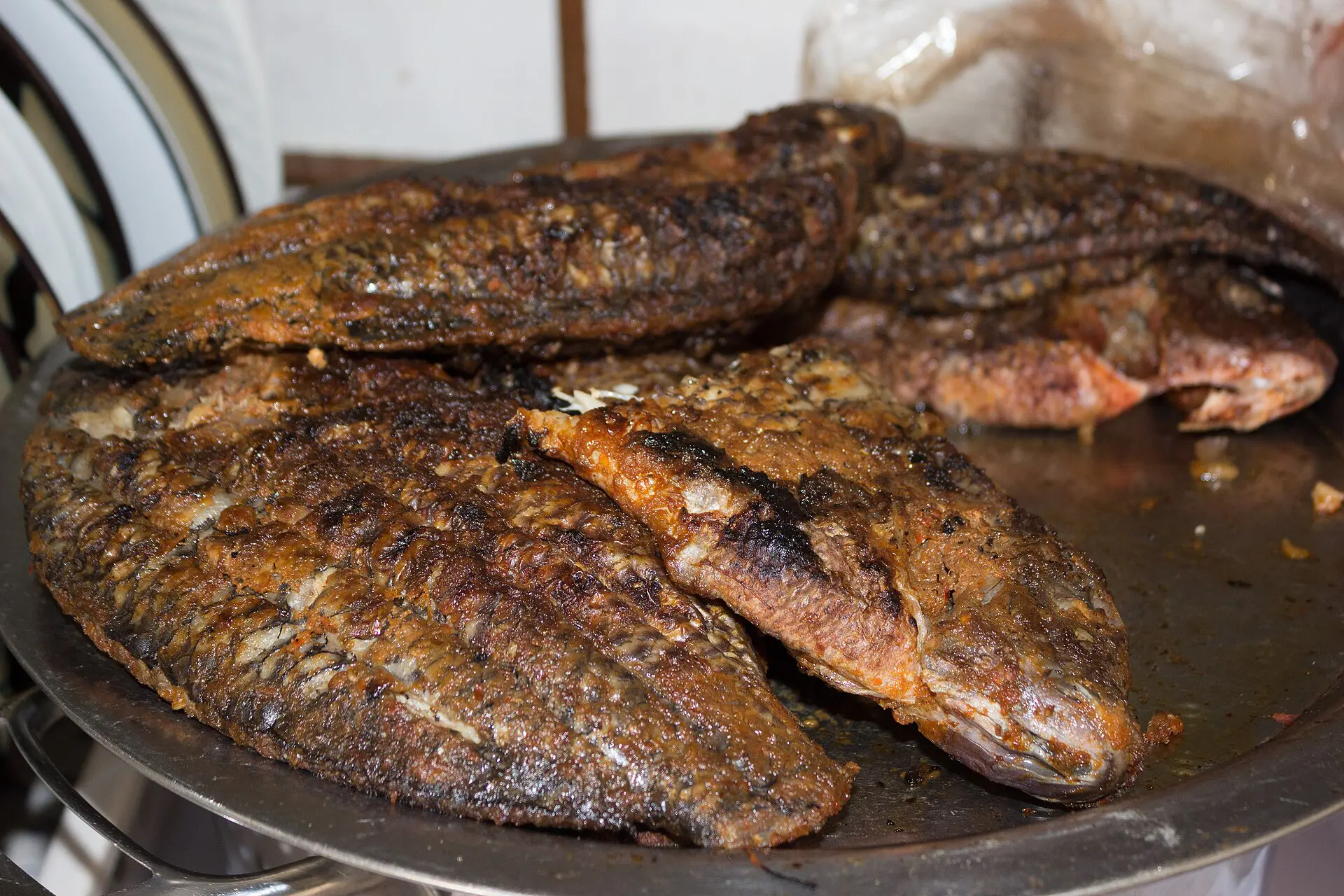
- Fresh Nile fish: tilapia and Nile perch, grilled or fried by the river in Juba and Nimule.
- Ful and ta’amiya: broad bean stew and falafel-style fritters, popular for breakfast.
- Grilled goat and beef: served with rice, flatbread and onion salad.
- Groundnut stews: peanut-based sauces with greens or meat, common in the south.
- Tea and coffee: sweet spiced shai (tea) and coffee are offered to guests.
Beer is available in Juba, but alcohol rules vary, and public drinking can be restricted. Vegetarians will find the choice limited, mainly beans, vegetables and bread. Eat in hotel or well-reviewed restaurants, avoid raw salads and ice, and drink bottled or treated water to reduce stomach illness.
Culture, language and etiquette in South Sudan
English is the official language of South Sudan, and Juba Arabic is widely used as a lingua franca. More than sixty local languages are spoken, with Dinka the most widely spoken, followed by Nuer, Bari, Zande and others. The population includes Christian, traditional-belief and Muslim communities, and Christianity is the largest religion.
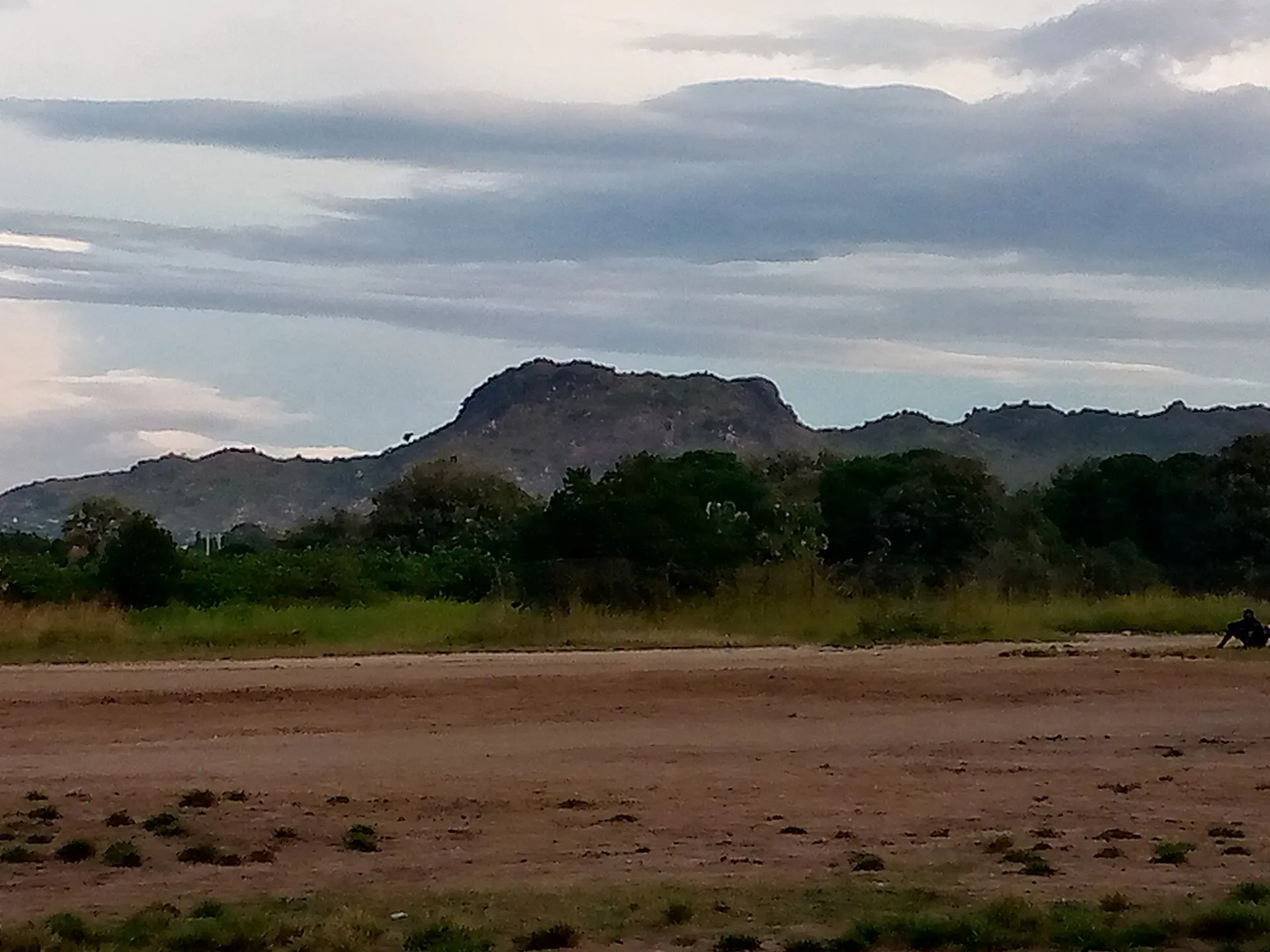
Greetings matter. Take time to exchange a handshake and ask after health and family before getting to business. Respect for elders and chiefs is important, and visitors are often treated with generous hospitality. Accept tea or food if it is offered, and use your right hand when giving and receiving items.
Dress modestly and conservatively, with covered shoulders and knees. Always ask permission before photographing people, and avoid photographing government buildings, soldiers, airports and bridges. Politics, ethnic identity, the civil war and relations with Sudan are very sensitive subjects, so let local people lead any conversation. Cattle hold great cultural value in many communities, and questions about them are welcomed.
South Sudan itinerary: a 7-day route
Independent travel in South Sudan is not currently advisable, and no day-by-day route is offered for the conflict-affected regions or for any area that governments advise against visiting. The only realistic outline is a short, closely managed trip based in Juba, for people with a work or humanitarian reason to be there, and only if their government’s advice and insurance allow it.
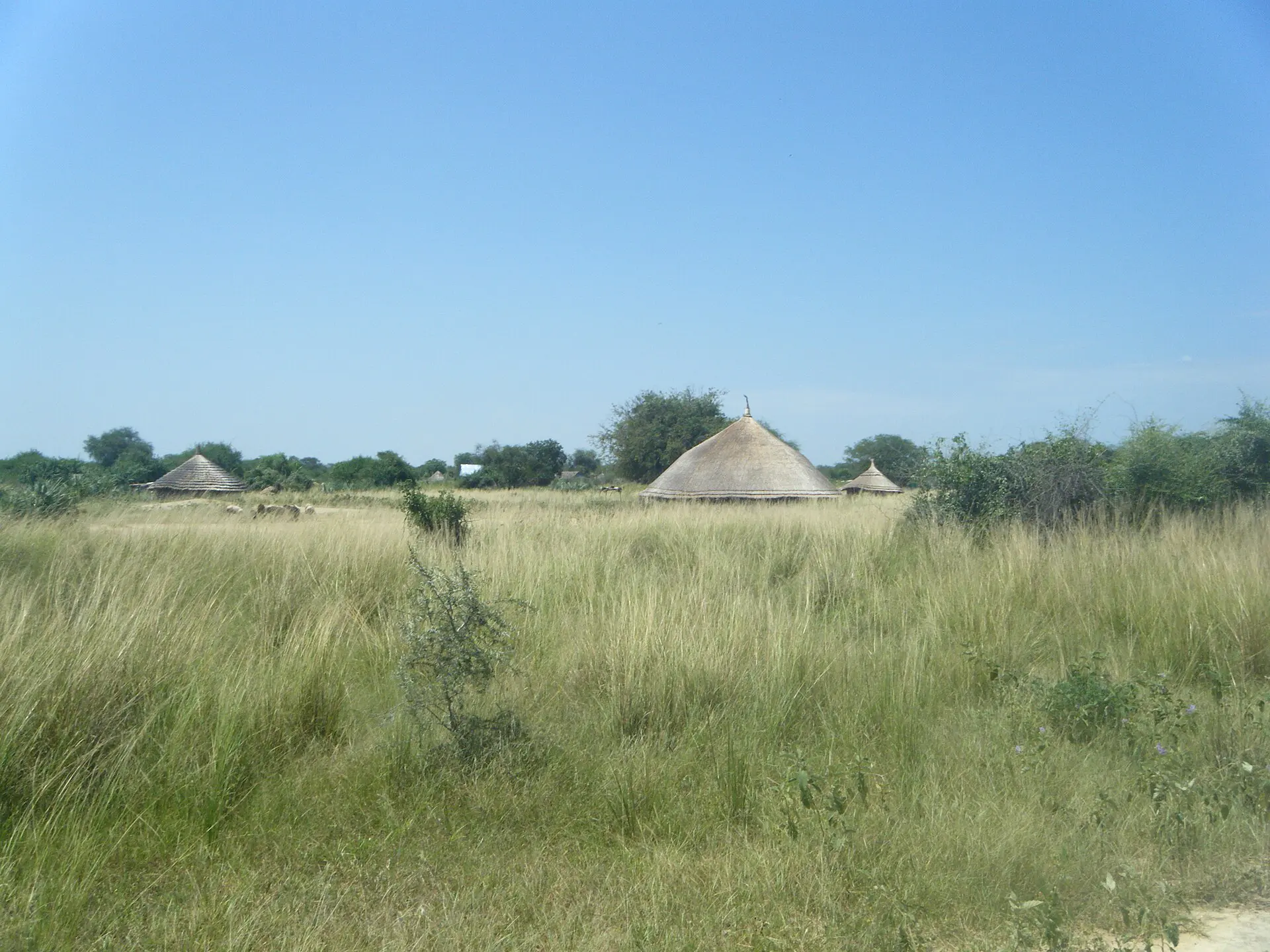
- Day 1, Juba arrival: arrive by air, register with the authorities and go straight to a secure hotel arranged in advance.
- Day 2, Juba: attend meetings, or visit the John Garang Mausoleum and Konyo Konyo market with a trusted driver.
- Day 3, Juba: walk the river area in daylight, and see Jebel Kujur only with local guidance.
- Day 4, Nimule trip: travel by daylight to Nimule National Park, if the road and security situation allows it.
- Day 5, Nimule: look for wildlife along the Nile and see the Fula Rapids with a ranger.
- Day 6, return to Juba: travel in daylight and arrive before dusk.
- Day 7, departure: fly out of Juba, allowing extra time for checks.
Avoid travel after dark and any conflict-affected areas, and cancel if advisories change.
Practical tips for South Sudan
- Advice and insurance: read your government’s advice, and confirm that your insurance covers the destination, including medical evacuation, before booking.
- Money: bring clean, recent US dollar notes in small denominations. Cards and ATMs are rarely reliable, and the pound’s value can swing sharply.
- SIM and eSIM: local SIM cards are available, but coverage is patchy outside Juba and data can be slow.
- Plugs: types C and D at 230 V, though sockets vary, so carry a universal adapter and a power bank.
- Tipping: not customary, but small tips to drivers and guides are appreciated.
- Registration: register with the authorities within the required period after arrival, and carry copies of your passport and visa.
- Health: see a travel clinic well ahead for yellow fever, typhoid, hepatitis and malaria advice, and bring a full medical kit.
- Communication: share your plans with someone at home and with your embassy, where possible, and use a satellite phone outside towns.
For wider background, see the Wikivoyage South Sudan guide.
FAQ
Q1Is South Sudan safe to visit?
No. Most governments advise against all or nearly all travel to South Sudan because of armed conflict, violent crime, kidnapping and limited healthcare. Even Juba carries serious risks. Read your government's advice and confirm that insurance applies before considering any trip.
Q2Do I need a visa for South Sudan?
Yes, most travellers need a visa. South Sudan has offered an e-visa and visas at Juba airport, with fees reported around USD 100 for single entry, and visitors must register after arrival. Rules change, so confirm them with the official source or an embassy.
Q3What are the best places to visit in South Sudan?
The places most often mentioned are Juba, Nimule National Park on the Nile, Boma National Park for antelope migration, the Sudd wetland and the Imatong Mountains. Access is restricted, and many areas are unsafe or unreachable, especially in the rainy season.
Q4What is the best time to visit South Sudan?
The dry season from about November to March is the best from a weather point of view, when roads are more passable. Security matters more than season, and the rains from April to October can flood roads and cut off regions.
Q5How much does a trip to South Sudan cost?
It is expensive, because almost everything is imported and facilities are limited. Plan on roughly USD 200 to 450 per day for a secure hotel, driver and permits, and more for remote travel. US dollars are widely used, and cards rarely work.
Q6What is South Sudan food like?
South Sudan food is based on sorghum, fish, meat and stews. Typical dishes include kisra flatbread, asida porridge, grilled Nile tilapia, ful beans and groundnut stews. Juba also has East African and Middle Eastern restaurants, and choices for vegetarians are limited.
Q7Can tourists visit South Sudan?
Tourism is extremely limited. A few specialist operators have arranged trips to Juba and Nimule, but most governments advise against travel, insurance may be void, and the situation can change quickly. Most visitors are aid workers, diplomats and journalists with organisational support.