Why visit Angola
Angola travel rewards visitors who want somewhere genuinely unfamiliar. The country covers about 1.25 million square kilometres on Africa’s Atlantic coast and has some of the continent’s most dramatic scenery: a desert coastline in the south, highland escarpments near Lubango, rainforest and waterfalls in the north, and a long run of beaches (see the Wikipedia overview). Its culture mixes Bantu traditions with five centuries of Portuguese influence, and Luanda has a lively music and food scene.
Angola suits experienced, independent travellers, photographers, wildlife and nature enthusiasts, and people with business contacts who want to see more of the country. It is not an easy destination: prices are high, infrastructure is uneven, Portuguese is the language of daily life, and tourism services are still developing. Plan ahead, hire local help, and the reward is a trip with few other visitors.
Best places to visit in Angola
The best places to visit in Angola are far apart, so most trips choose two or three regions and fly between them.
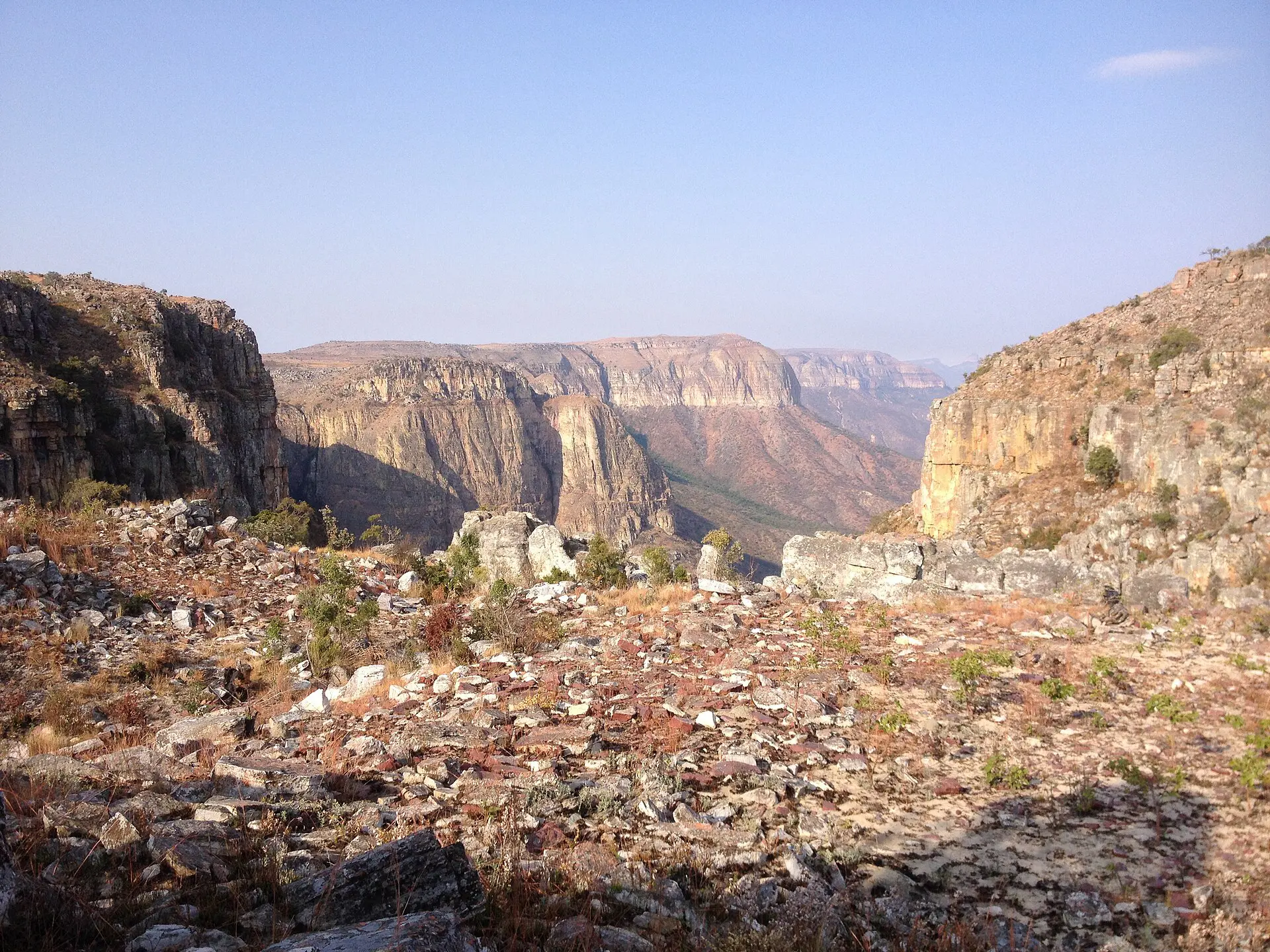
Luanda
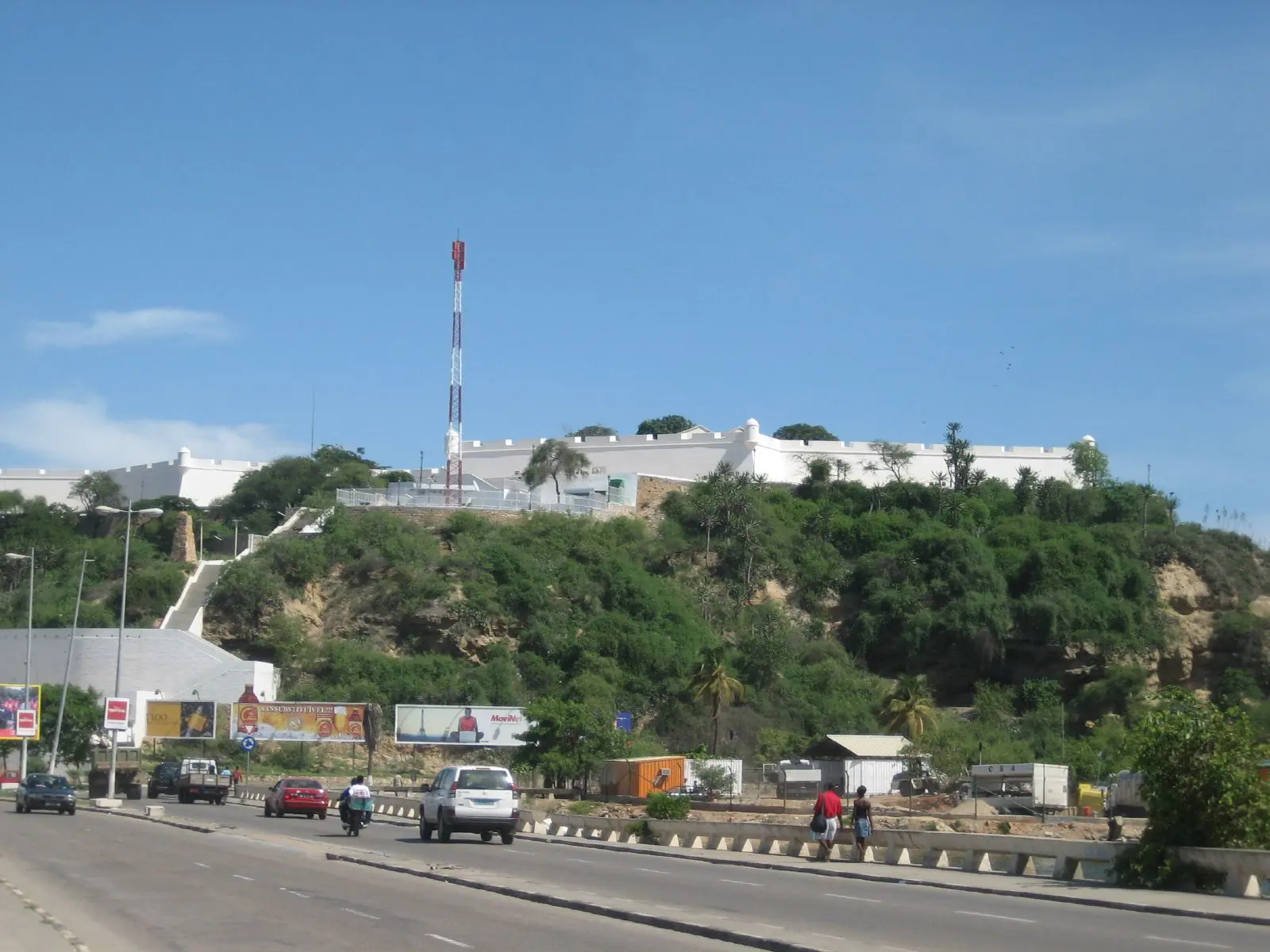
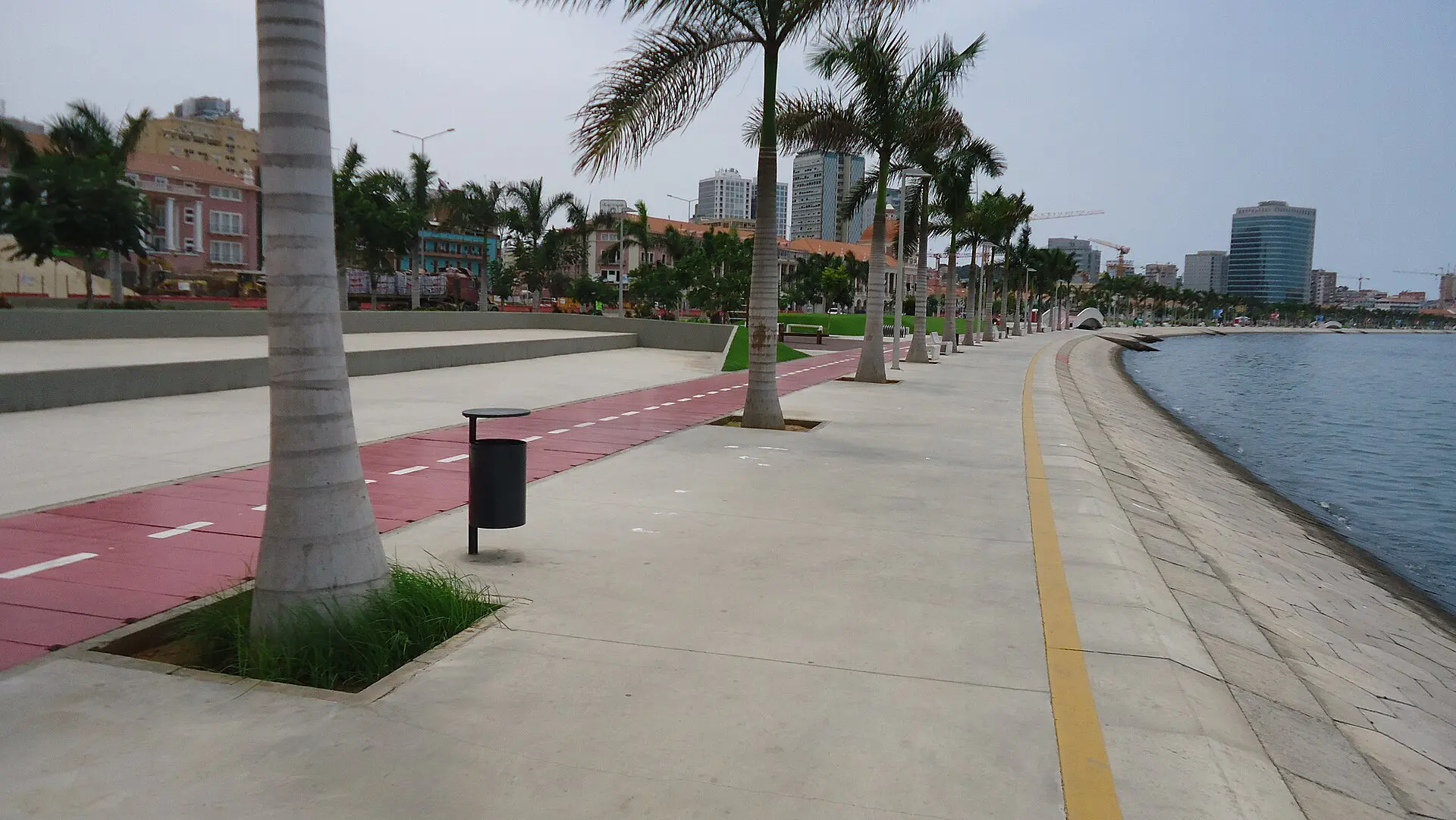
The capital is a big, busy Atlantic port city with a colonial old town, the Fortaleza de São Miguel overlooking the bay, a waterfront promenade called the Marginal and the Ilha do Cabo beach strip. It is the entry point for nearly every visitor.
Lubango and the Huíla highlands
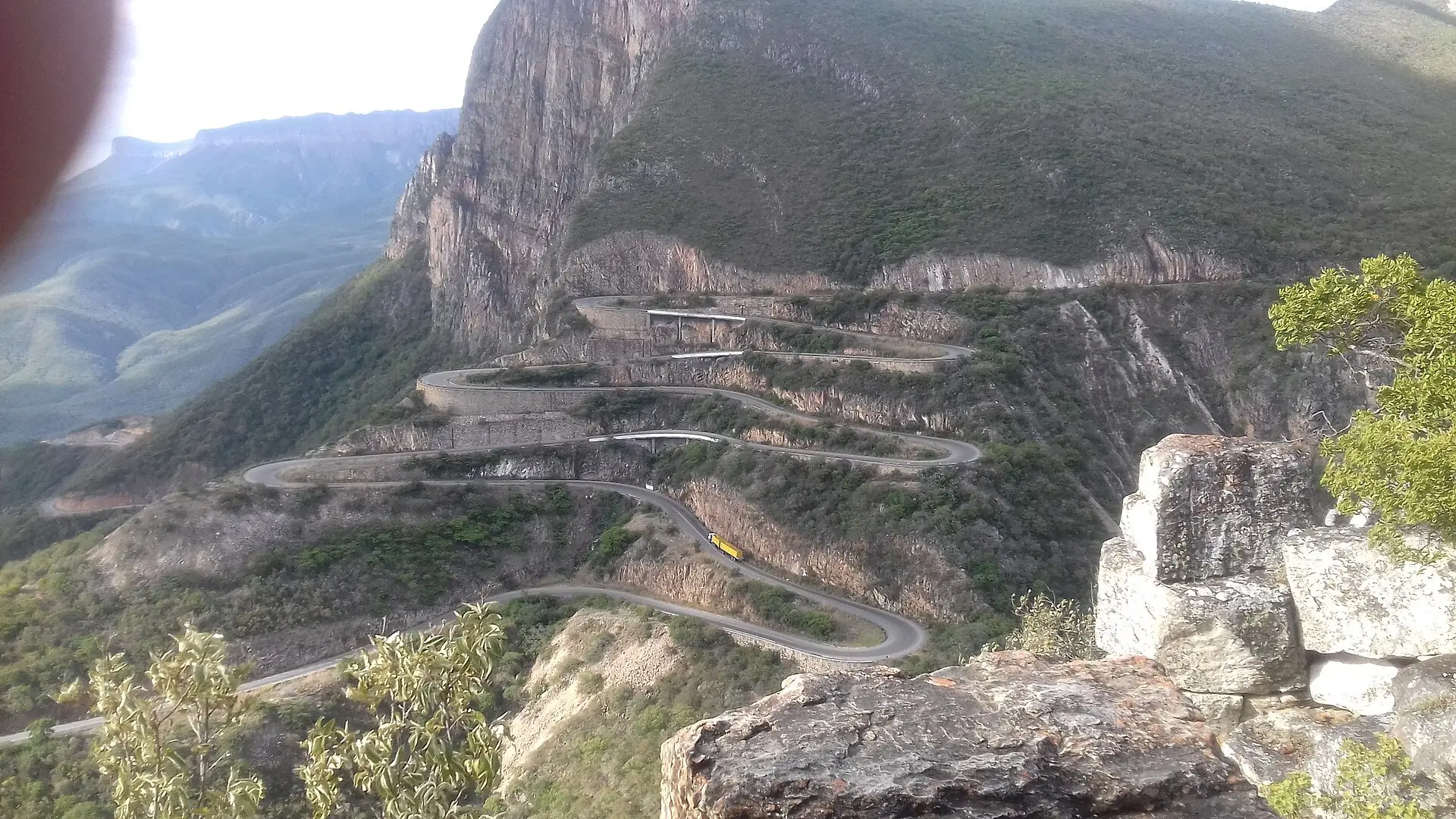
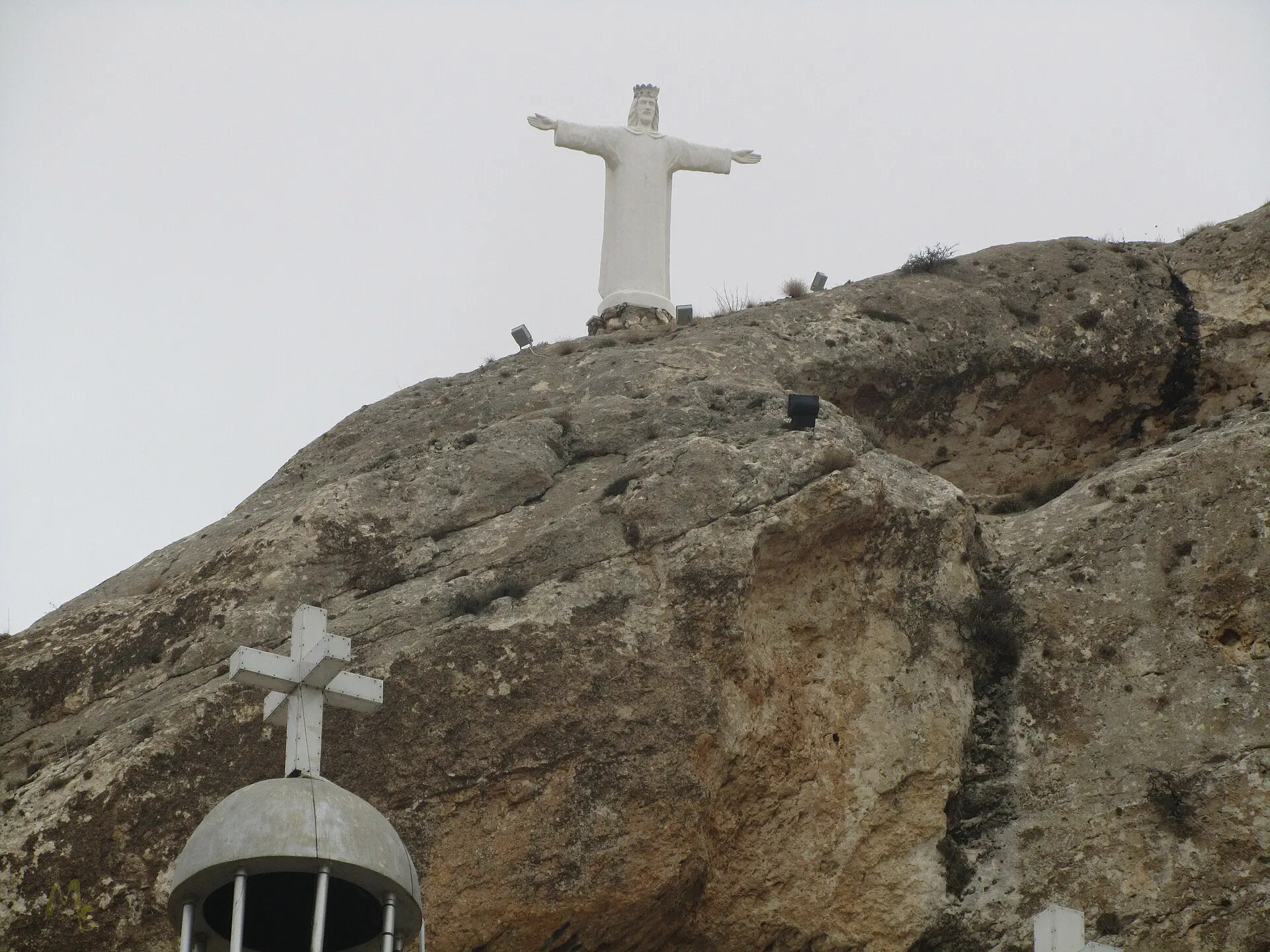
Cooler and greener than the coast, Lubango has the Cristo Rei statue, the Tundavala Gap escarpment, which drops about a thousand metres, and the Serra da Leba road with its hairpin bends.
Benguela and Lobito
These coastal neighbours have colonial architecture, long beaches, the Lobito spit and the terminus of the historic Benguela railway.
Kalandula Falls and Malanje
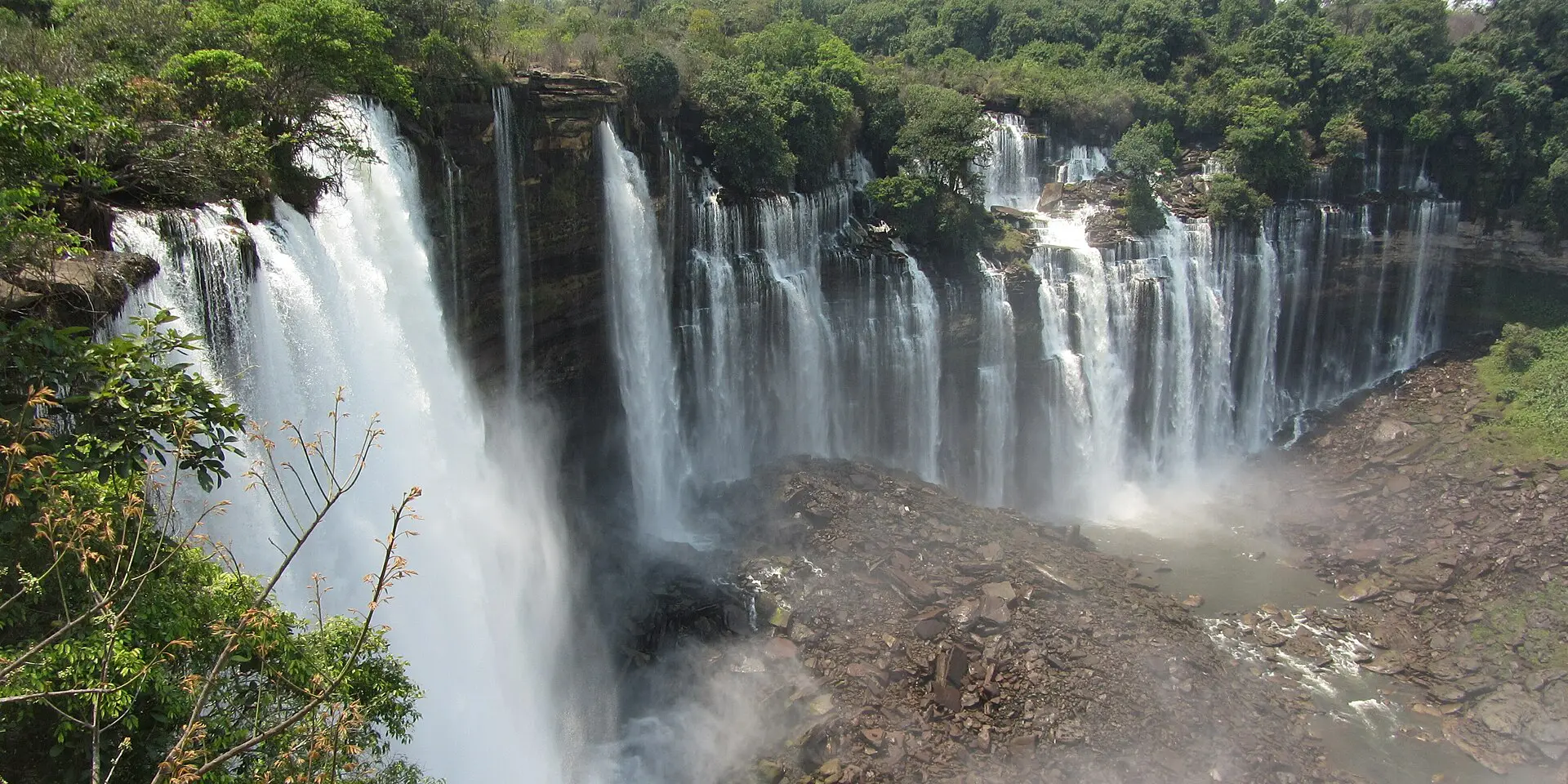
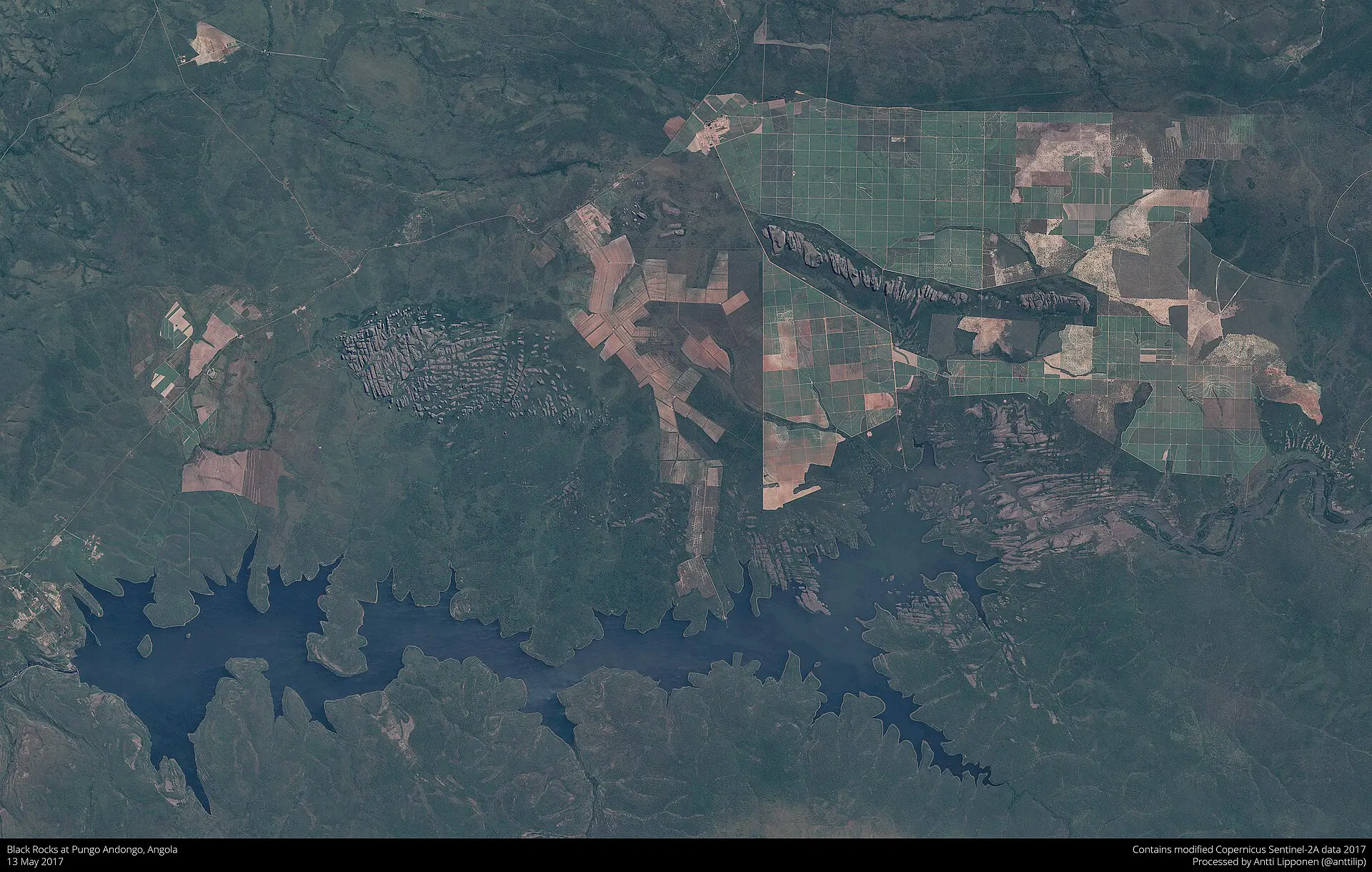
About six hours inland from Luanda by road, Kalandula is one of Africa’s largest waterfalls by volume, and Pungo Andongo’s black rocks are nearby.
Kissama National Park
Around 70 kilometres south of Luanda, this park is the best-known place to see wildlife reintroduced after the civil war.
Mbanza Kongo
The old capital of the Kingdom of Kongo, in the north, is a UNESCO World Heritage site.
Things to do in Angola
Things to do in Angola mix waterfalls, coast, wildlife and urban culture, and most require a bit of planning.
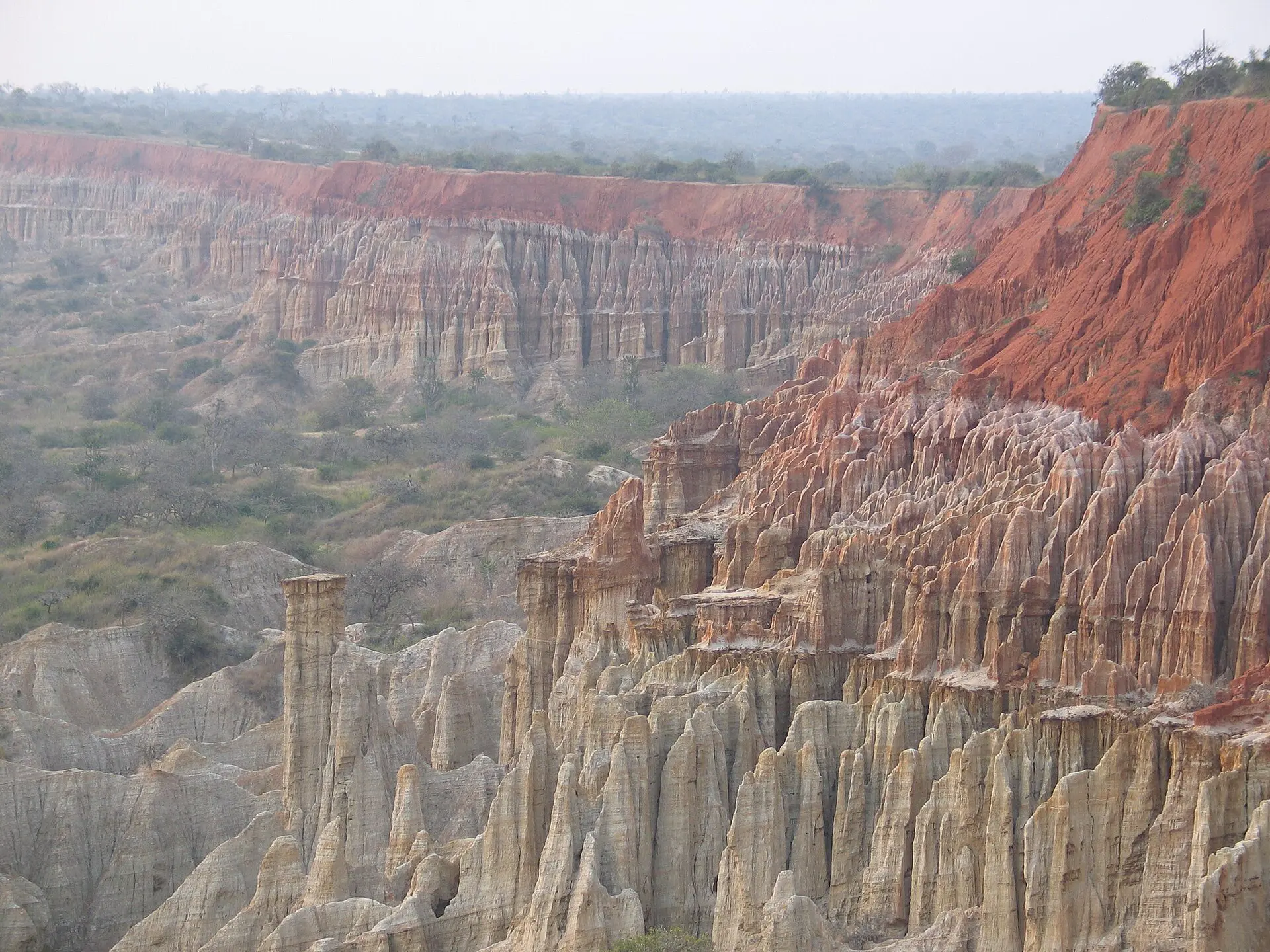
- See Kalandula Falls: the falls are widest and strongest after the rains, around March and April.
- Stand at Tundavala Gap: the viewpoint above Lubango has sweeping views over the plain.
- Drive the Serra da Leba pass: a famous road of tight switchbacks descending from the Huíla plateau.
- Visit Kissama National Park: a day trip from Luanda for wildlife and landscapes.
- Explore Fortaleza de São Miguel: a 16th-century fort in Luanda with views over the bay and a history of the slave trade.
- Walk the Marginal in Luanda: a sea-front promenade busy in the evening.
- Relax at Mussulo or Benguela beaches: sandy coast within reach of the cities.
- Go to Miradouro da Lua: an eroded, moon-like canyon landscape south of Luanda.
- Take in live music: semba and kizomba grew up here, and Luanda venues host regular performances.
- Visit Mbanza Kongo: a UNESCO-listed site; see the UNESCO page for Angola.
Best time to visit Angola
The best time to visit Angola is the dry season from May to September, when roads are easier, skies are clear and temperatures on the coast are cooler. The cacimbo, a cool, misty season, brings grey mornings to the coast but little rain. Kalandula Falls are strongest during or just after the rainy season, so some visitors accept wetter roads to see them at full flow, around March and April.
| Season | Weather | Crowds and prices | Good for |
|---|---|---|---|
| Dry (May-Sep) | Cooler and dry; misty coast | Highest demand, still few tourists | Road trips, parks, highlands |
| Early wet (Oct-Dec) | Hot and humid, first rains | Low | City stays, beaches |
| Peak wet (Jan-Mar) | Hot, heavy rain in north and centre | Low; some road problems | Waterfalls, green landscapes |
| Late wet (Apr) | Rain easing, warm | Low | Kalandula Falls, photography |
The far south is a desert and receives little rain. Always check road conditions locally in the wet season, since unpaved routes can become impassable.
Is Angola safe?
Angola is moderately safe, with real risks that vary by place. Most visitors who take sensible precautions have no problems, but crime, including armed robbery, is a known issue in Luanda and other cities. Check your government’s current advice, such as the UK FCDO or US State Department pages, because they flag specific regions and can change.
Is Angola safe to visit?
Is Angola safe to visit as a tourist? Yes, with planning. Avoid walking at night, keep phones and cameras out of sight, use hotel-arranged or app-based taxis, and do not display valuables. Petty theft and bag-snatching are common in busy areas and on beaches.
Landmines. Decades of civil war left unexploded mines in rural areas. Stay on paved roads and known tracks, and take local advice before walking off the path.
Health. Malaria is present, so ask a travel clinic about prophylaxis. Yellow fever vaccination is commonly required or recommended, and cholera and typhoid occur. Drink bottled water and carry travel insurance with medical evacuation.
Roads and police. Roads vary in quality, and driving outside cities at night is risky. Carry copies of your passport and visa, and stay calm at police checkpoints. Some mining areas and border regions have restrictions.
Angola visa and entry requirements
Angola visa rules depend on nationality and have changed in recent years. Since 2023 the government has waived tourist visas for citizens of many countries, including several in Europe and the Americas, for short stays, with a separate e-visa system for others. Rules, allowed stay lengths and exceptions can change, so confirm the current position with the official Angolan immigration service or the nearest embassy before you book.
Bring a passport with at least six months of validity and blank pages, proof of onward travel and your accommodation details. Officials commonly ask for a yellow fever vaccination certificate, and some travellers are asked for proof of hotel bookings or an invitation letter. Carry printed copies of everything.
Overland border crossings with the Democratic Republic of the Congo, Republic of the Congo, Zambia and Namibia exist, but they can be slow, and some are closed or restricted. Check recent traveller reports before relying on a land route. Photography of airports, ports and government buildings can cause problems, so ask before shooting.
Getting to and around Angola
Most visitors arrive at Luanda’s Dr. António Agostinho Neto International Airport, with services from Lisbon, Addis Ababa, Johannesburg, Dubai and other hubs. The country also has a newer airport project near Luanda, and several regional airports, including Lubango, Benguela and Huambo. Schedules change, so verify flights close to departure.
Domestic flights are the easiest way to cover long distances, for example Luanda to Lubango takes around an hour and a half. Roads have improved in many corridors, including Luanda to Benguela and Lubango, but distances are huge and rural roads can be rough. Hiring a driver or a 4×4 with a driver is common. Drivers use the right-hand side.
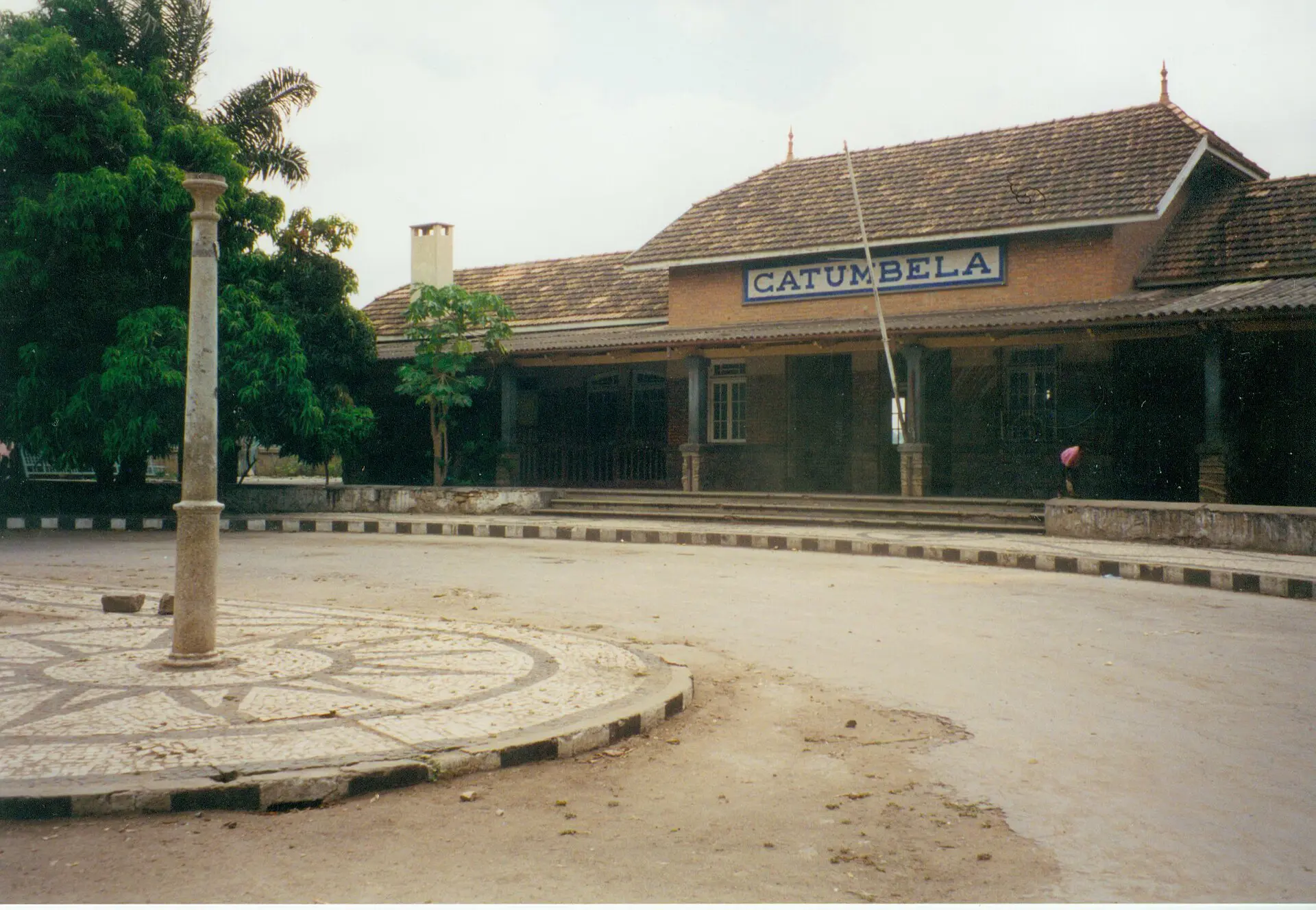
The historic Benguela railway, reopened after the civil war, runs inland from Lobito, though passenger services are limited, so check timetables. Within cities, taxis, minibuses called candongueiros and app-based rides operate. Luanda traffic is heavy, so allow plenty of time to reach the airport.
How much does a trip to Angola cost?
Angola is expensive by African standards, particularly in Luanda, which has often ranked among the costliest cities for expatriates. The currency is the Angolan kwanza (AOA), and rates have been volatile. Figures below are rough per-person guides for 2026, and many travellers pay in US dollars or euros equivalents, so check current rates.
- Budget: around USD 70 to 120 per day, with guesthouses, local restaurants and shared transport outside Luanda.
- Mid-range: around USD 120 to 250 per day, with a good hotel, restaurant meals and some domestic flights or a driver.
- High-end: from around USD 350 per day, with top Luanda hotels, private vehicles and guides.
Accommodation in Luanda is the largest cost, and car hire with a driver adds a lot over a long trip. Outside the capital, local food and guesthouses are cheaper. Cards are not always accepted, so carry cash and confirm costs before taking taxis or tours.
Angola food and drink
Angola food blends Bantu staples with Portuguese techniques, with a focus on cassava, fish, chicken, peanuts and palm oil. Meals are generous, and seafood is excellent along the coast.
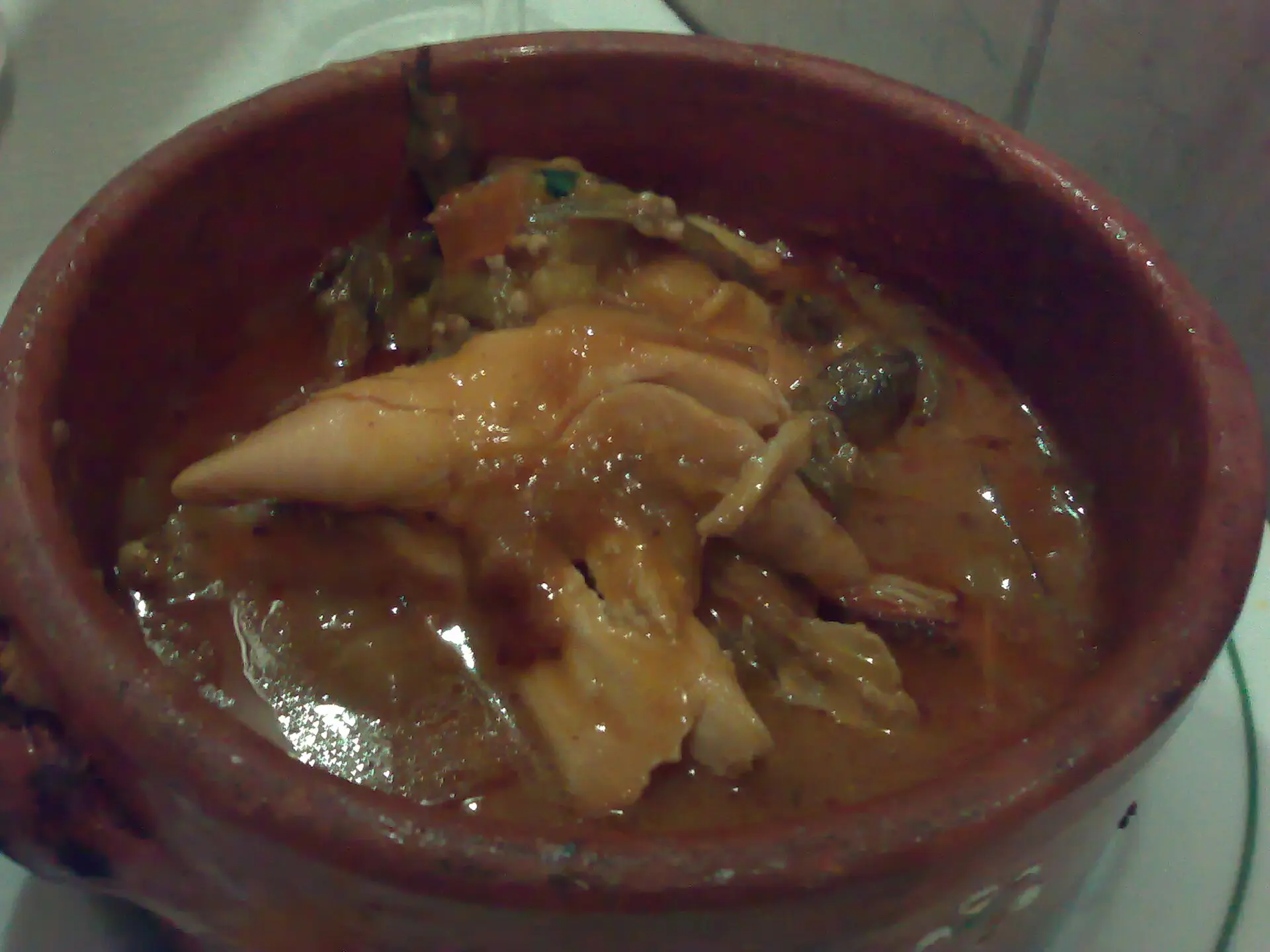
- Muamba de galinha: the national dish, chicken stewed in palm oil with okra, garlic and chilli.
- Funge: a thick porridge of cassava or maize flour, served with most stews.
- Calulu: a stew of dried or smoked fish or meat with vegetables and palm oil.
- Mufete: grilled fish served with beans, cassava, plantain and sweet potato, a Luanda beach classic.
- Kizaka: cassava leaves cooked with ground peanuts and fish.
- Grilled seafood: prawns, crab and lobster at coastal restaurants, usually priced by weight.
- Cuca beer and local drinks: Cuca is a popular lager, and Portuguese wine is widely available.
Vegetarians can eat funge, beans, cassava and vegetable dishes, but many sauces contain meat or fish stock. Street food, such as grilled corn and fried snacks, is common. Choose busy stalls and bottled drinks, since tap water is not reliably safe.
Culture, language and etiquette in Angola
Portuguese is the official language and the one you will use daily, while Umbundu, Kimbundu, Kikongo and other Bantu languages are widely spoken at home. English is limited outside top hotels and business circles, so a phrasebook or translation app helps. Basic words such as bom dia (good morning) and obrigado or obrigada (thank you) are appreciated.
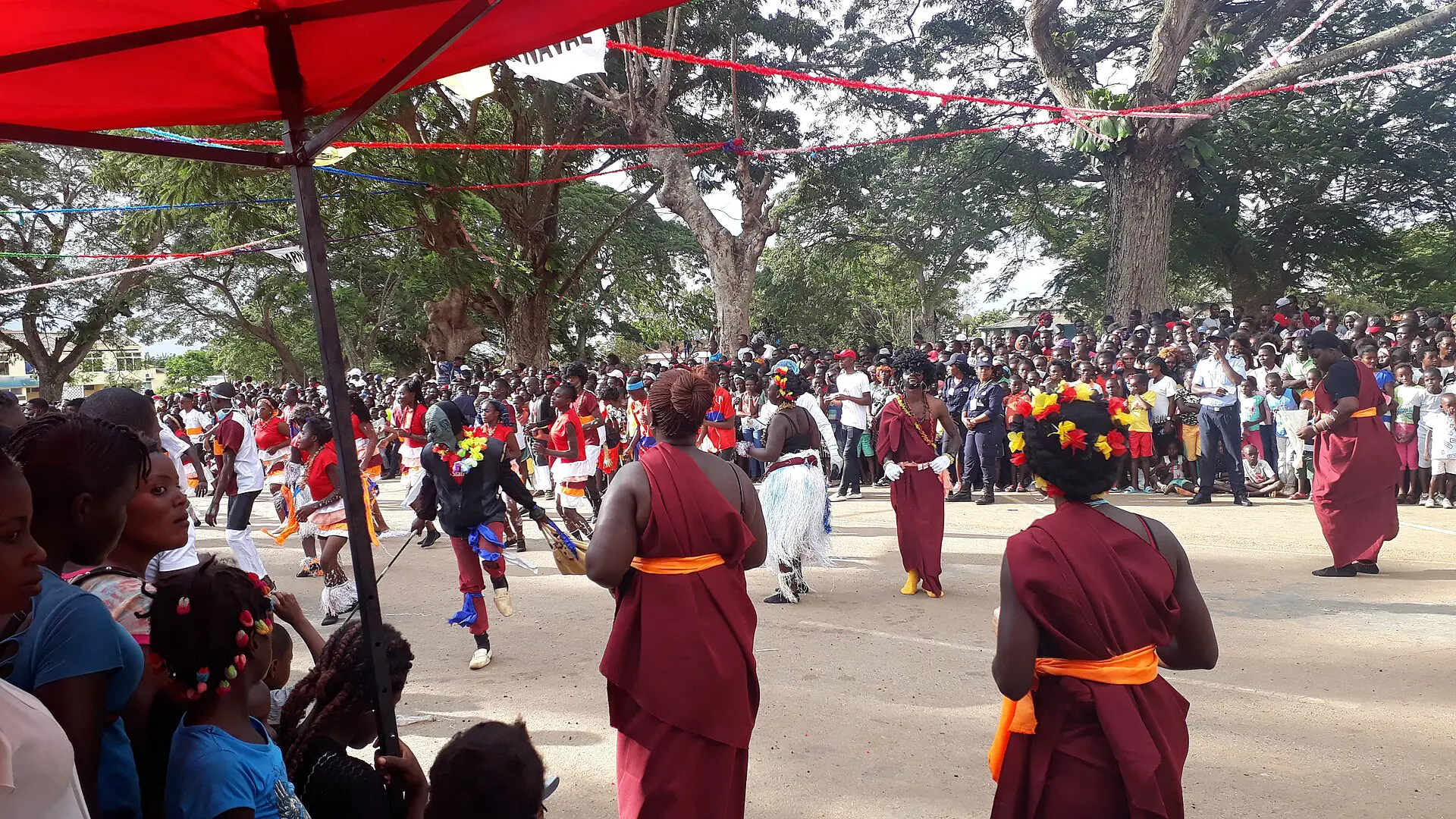
Angolan culture combines Bantu traditions with Portuguese influence and the legacy of a long civil war that ended in 2002. Music is central: semba, kizomba and kuduro began here. Family is important, and greetings are polite and unhurried, so start a conversation with a greeting before getting to business.
Dress is casual but tidy, and swimwear should stay on the beach. Ask before photographing people, and avoid taking photos of police, soldiers or government buildings. Avoid sensitive political topics such as corruption, the civil war or the oil economy unless your hosts raise them. Punctuality is flexible in social settings, but be on time for business meetings. Most Angolans are Christian, and Sunday is a family day.
Angola itinerary: a 7-day route
This route combines Luanda, wildlife, the coast and the Huíla highlands, with a domestic flight to avoid the longest drives.
- Day 1, Luanda: arrive, then walk the Marginal and old town.
- Day 2, Luanda: visit Fortaleza de São Miguel and a museum, then eat mufete by the sea.
- Day 3, Kissama National Park: take a day trip of about 70 kilometres south for wildlife and the river landscape, or visit Miradouro da Lua on the way.
- Day 4, Benguela and Lobito: fly or drive to the coast, walk the beaches and the Lobito spit, and overnight in Benguela.
- Day 5, Lubango: travel inland to the highlands, with a drive over the Serra da Leba pass if timing allows.
- Day 6, Tundavala and Cristo Rei: see the escarpment at sunrise and the statue in the afternoon.
- Day 7, return: fly from Lubango to Luanda, allowing time for onward flights.
If you have more time, add Kalandula Falls in Malanje, ideally in March or April, and allow a full extra day each way.
Practical tips for Angola
- Money: the kwanza is the currency, and US dollars or euros are useful backup. Cards work in top hotels and some restaurants, but ATMs can be unreliable for foreign cards. Carry cash and exchange at official bureaus.
- SIM and eSIM: local SIMs need passport registration, and coverage is good in cities but patchy in remote areas. Data is relatively expensive.
- Plugs: type C at around 220 V; a universal adapter is useful.
- Tipping: not required; around 10 percent in better restaurants is appreciated.
- Health: see a travel clinic for yellow fever, malaria, typhoid and hepatitis A advice. Bring insurance with evacuation cover and insect repellent.
- Packing: light layers, sun protection, rain jacket for the wet season, sturdy shoes and copies of your documents.
- Language: download offline Portuguese in a translation app.
- Booking: reserve hotels and internal flights early, since options are limited and prices are high.
For wider background, see the Wikivoyage Angola guide.
FAQ
Q1Is Angola safe?
Angola is moderately safe for careful visitors. Armed robbery and petty theft occur in Luanda and other cities, and landmines remain in some rural areas. Avoid walking at night, use trusted transport, stay on main roads and check your government's current travel advice before booking.
Q2What is Angola food like?
Angola food mixes Bantu staples with Portuguese influence. Typical dishes are muamba de galinha (chicken in palm oil), funge (cassava porridge), calulu stew, mufete grilled fish and kizaka. Coastal seafood is excellent, and Cuca is the best-known local beer.
Q3What are the best things to do in Angola?
Top experiences are Kalandula Falls, the Tundavala Gap and Serra da Leba near Lubango, Kissama National Park, Luanda's fort and waterfront, beaches near Benguela and Lobito, and the UNESCO site of Mbanza Kongo. Many need a driver or domestic flight.
Q4Is Angola safe to visit for tourists?
Yes for prepared travellers, though it is not a casual destination. Plan transport, avoid night travel, protect valuables, take malaria precautions and stay out of unmarked land because of mines. Hire local guides for remote areas, and buy insurance with evacuation.
Q5Do I need a visa for Angola?
It depends on your passport. Angola has waived tourist visas for many nationalities since 2023 and offers an e-visa for others, but rules change. Confirm with the official immigration service or an embassy, and carry a yellow fever certificate in case it is requested.
Q6What is the best time to visit Angola?
May to September is the best period, with dry roads and cooler coastal weather. March and April bring the fullest waterfalls but wetter roads. Between November and March the north and centre are hot, humid and rainy, while the far south stays arid.