Why visit Cameroon
The best things to do in Cameroon come from its range: the country is often called Africa in miniature because rainforest, savannah, mountains, desert fringes and beaches all appear within one border, and about 250 languages are spoken by its nearly 31 million people (see the Wikipedia overview). It sits at the crossroads of West and Central Africa, and its mix of French and English heritage, Fulani and Bamileke culture and highland chiefdoms is unusual.
Cameroon is not an easy country. Tourism infrastructure is thin, visas are required, transport is slow, and parts of the country are under serious government travel warnings. It is best suited to experienced travellers who value wildlife, music, markets and cultural depth over comfort, and who are happy to use a local guide or agency. First-time Africa visitors will find easier options elsewhere.
Best places to visit in Cameroon
The best places to visit in Cameroon right now are in the south, centre and west, away from the regions covered by government advisories.
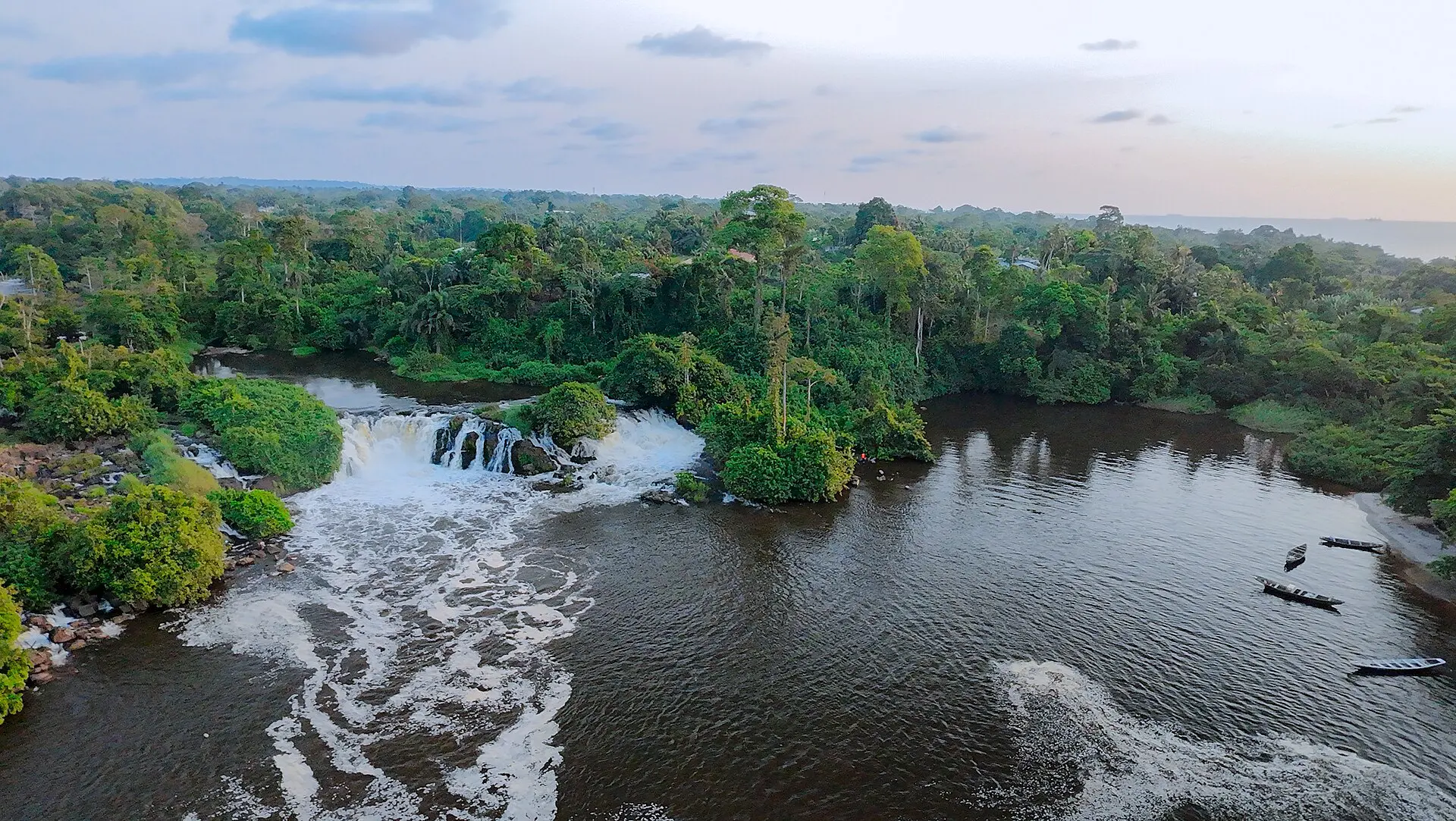
Kribi
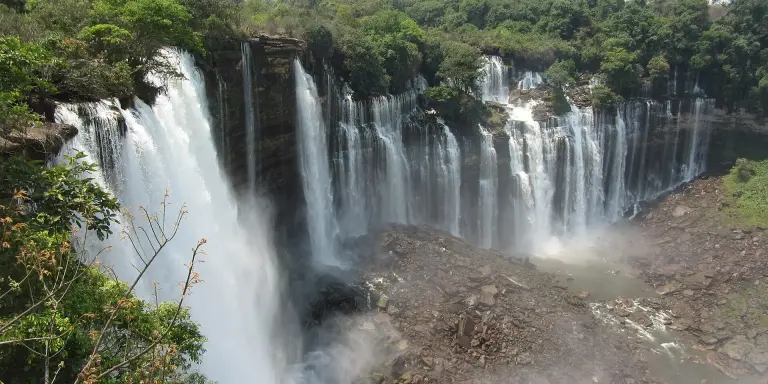
Kribi is the main beach resort, on the Atlantic coast south of Douala, with palm-lined sand, fishing boats and the Lobé Falls, where a river drops straight into the sea. It is a relaxed place for seafood and a few days of rest.
Yaoundé
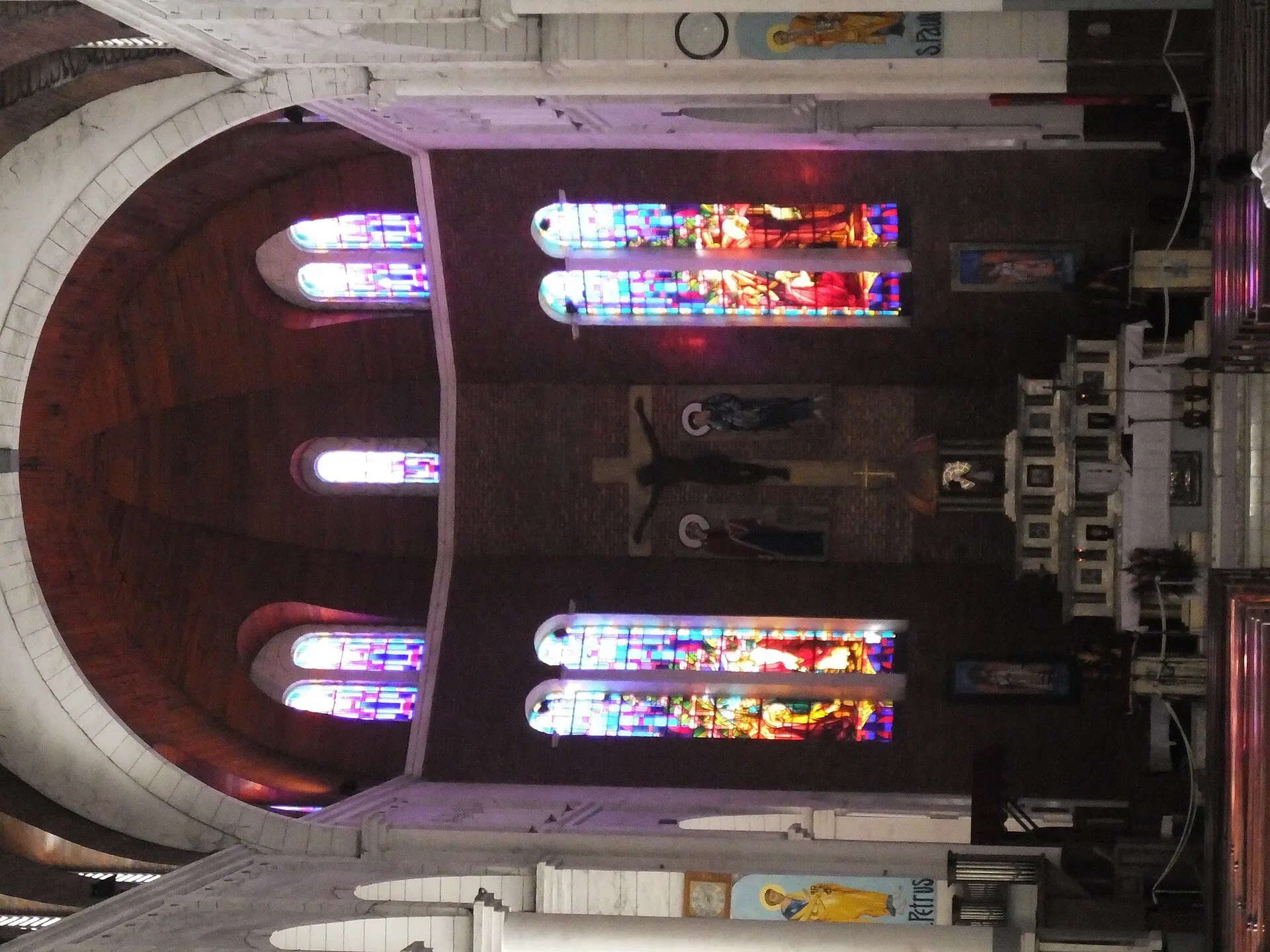
The capital is built on hills and is calmer than Douala. Visit the Basilica of Mary Queen of the Apostles, the National Museum in the former presidential palace and the busy neighbourhood markets and music bars.
Douala
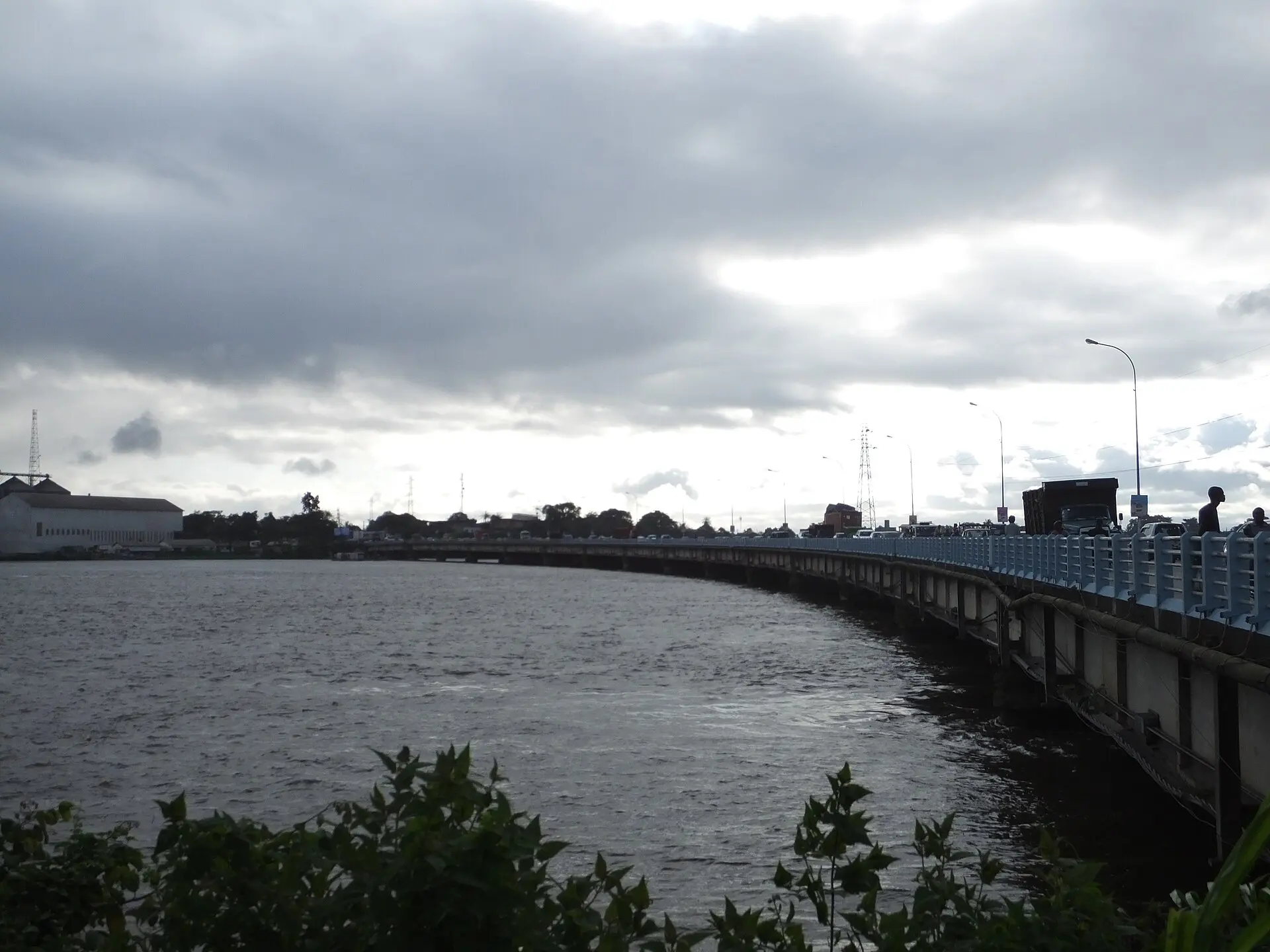
The economic capital and main port is hot, crowded and energetic. Cameroon’s best contemporary art and music scenes are here, with a handful of galleries, restaurants and a waterfront.
Foumban and the West region
Foumban, in the western highlands, is the seat of the Bamoun sultanate, with a palace museum, artisan quarters and craft markets. Bafoussam and the green hills around Dschang are the main bases for chiefdom visits.
Ebolowa and the south forests
The south has remaining rainforest, Baka communities and the Campo-Ma’an area, best visited with an organised guide.
Waza National Park
Waza, in the Far North, is a well-known savannah reserve, but it lies in a region subject to advisories and is not recommended at present.
Top things to do in Cameroon
The top things to do in Cameroon are cultural, coastal and wildlife-based, and are best arranged through a local agency.
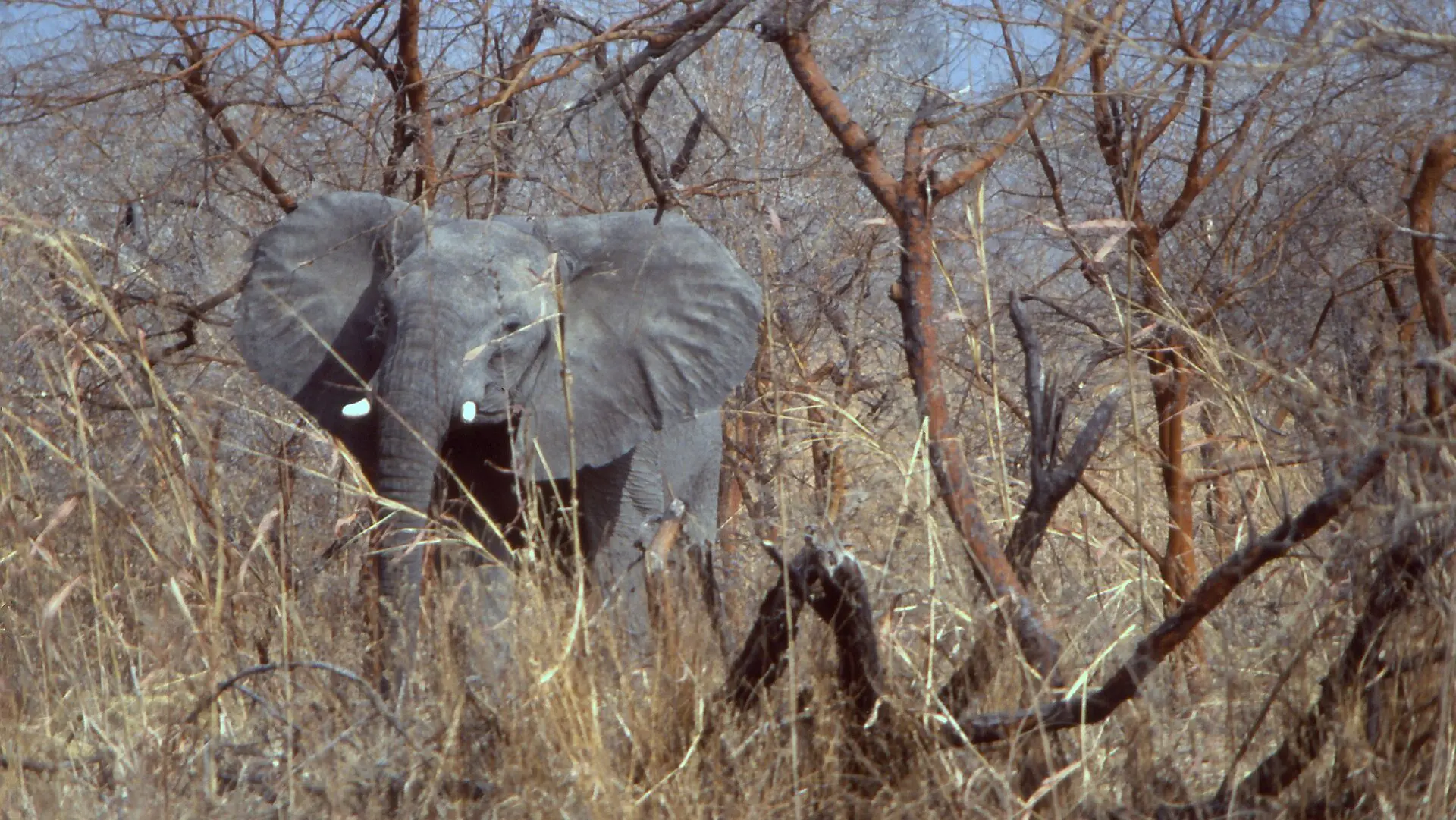
- Visit the Lobé Falls: the river tumbles over rocks into the sea, and local boats take visitors to the base.
- Relax on Kribi’s beaches: palm-fringed sand, with fish grilled to order on the shore.
- Tour the Foumban palace: the Bamoun sultan’s museum shows royal regalia and history.
- Browse Foumban’s craft quarter: bronze casters, weavers and carvers work in open workshops.
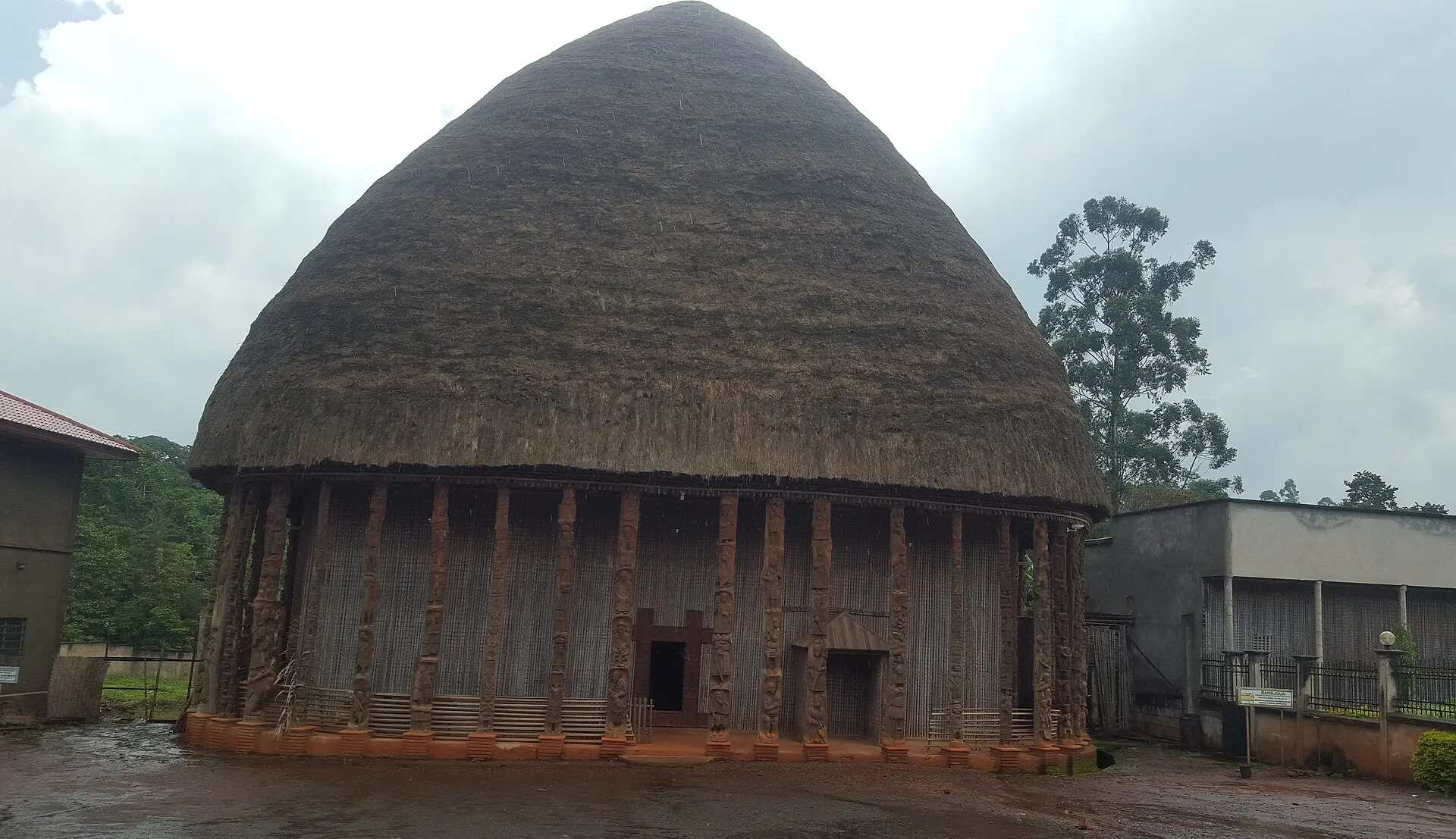
- See a chiefdom: visit a Bamileke chiefdom such as Bandjoun, with traditional architecture, by arrangement.
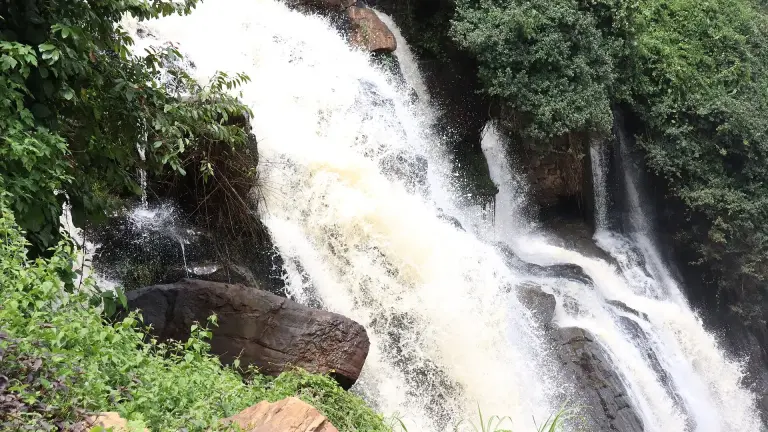
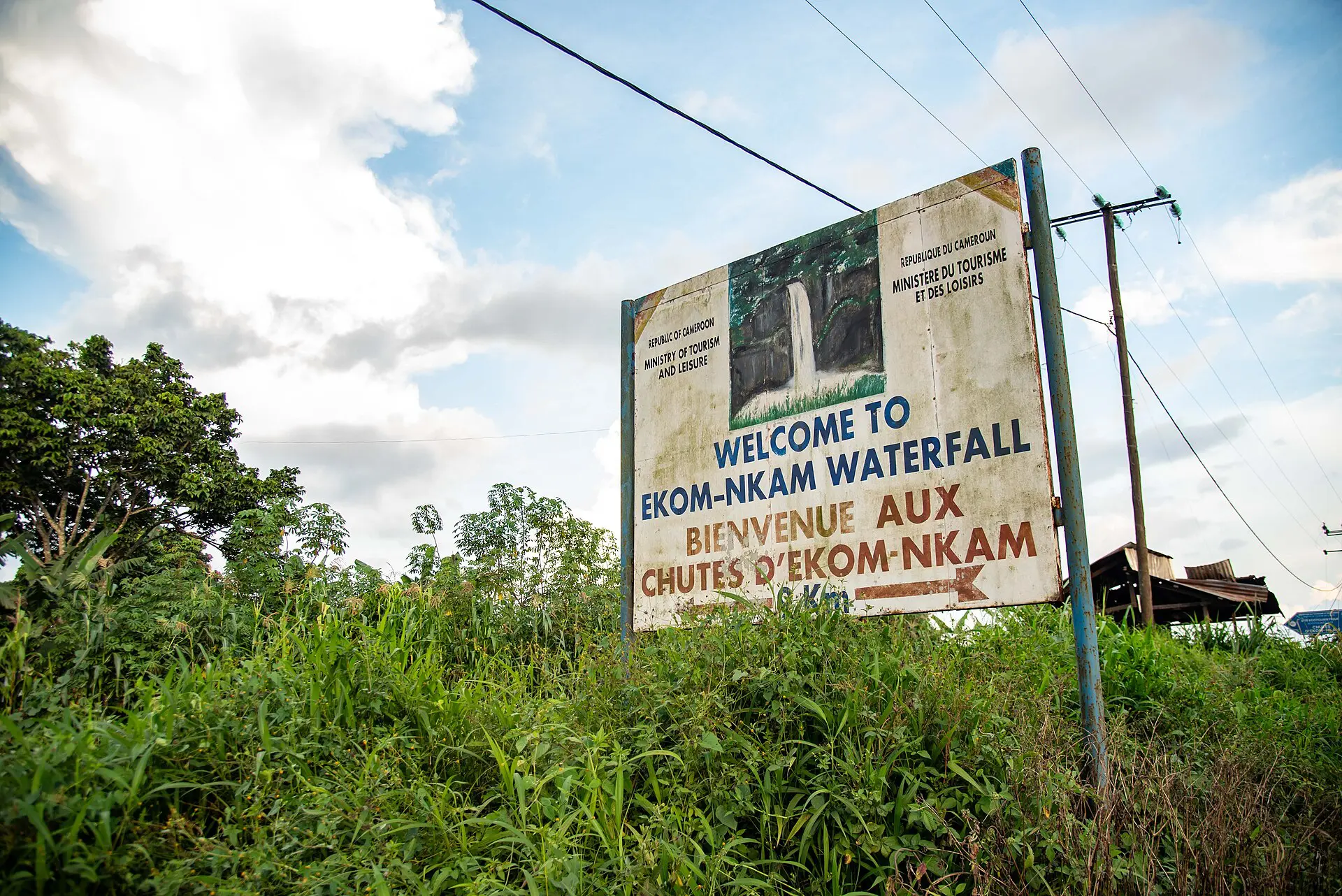
- Visit the Ekom-Nkam Falls: a pair of waterfalls in the Littoral region, reached by a short walk through forest.
- See the Basilica in Yaoundé: a large modern church with city views.
- Hear makossa and bikutsi: live music in Douala and Yaoundé bars is the best way to see local culture.
- Shop at the markets: Mokolo, Mfoundi and Central Market sell fabrics, spices and crafts.
- Join a rainforest trek: guided visits to southern forests with Baka guides, ideally via a registered operator.
Best time to visit Cameroon
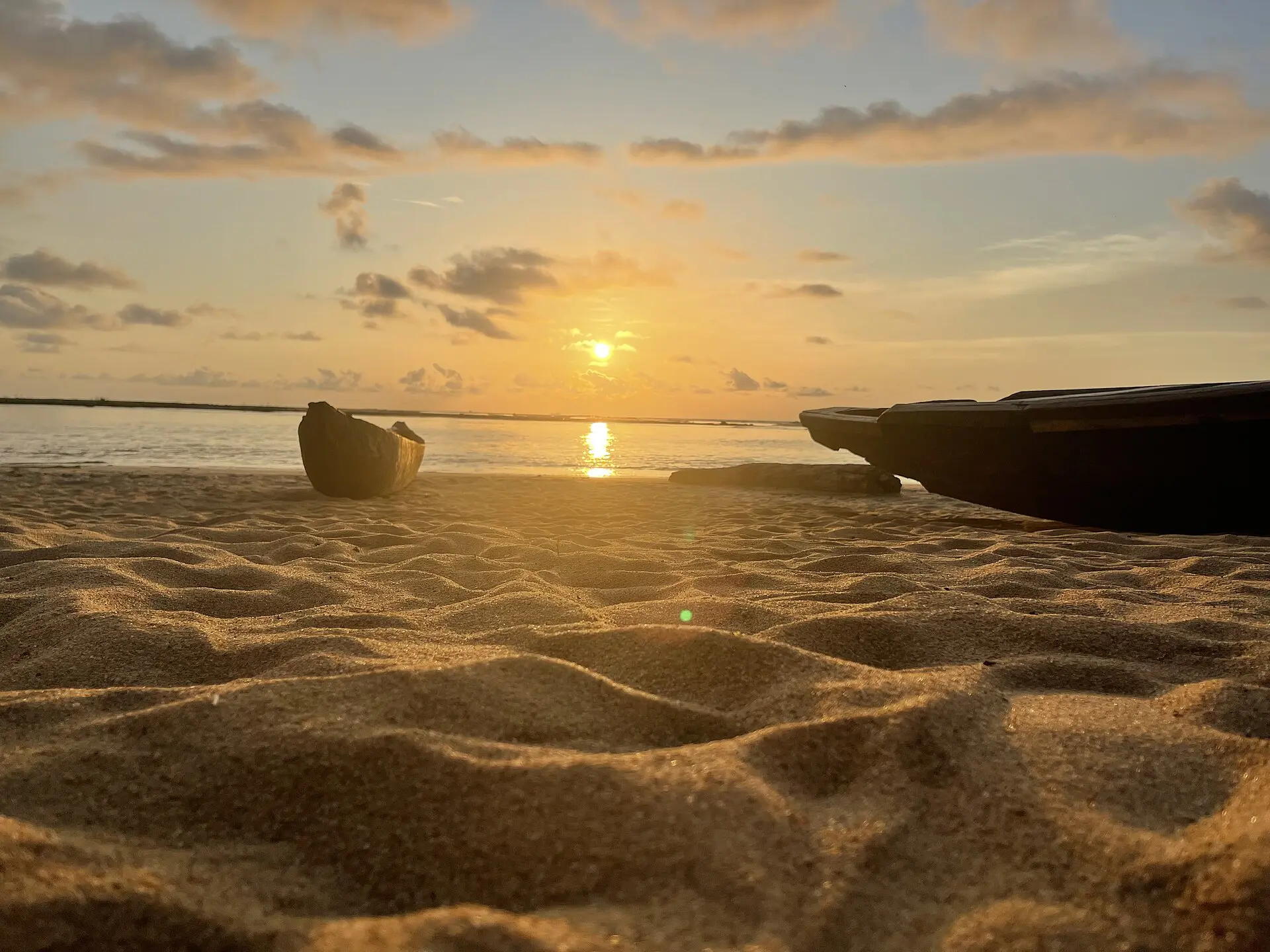
The best time to visit Cameroon is the dry season, from about November to February, when roads are more passable, skies are clearer and wildlife is easier to see. The country has several climates, so timing varies by region. The south and coast have heavy rain from about June to October, while the north is hot and semi-arid.
| Season | Weather | Crowds and prices | Good for |
|---|---|---|---|
| Dry (Nov-Feb) | Sunny and warmer; dusty winds in the north | Highest demand but still few tourists | Beaches, highland trips, forest trekking |
| Hot (Mar-May) | Hot and humid, rains begin | Quiet | Cities, culture, markets |
| Rainy (Jun-Oct) | Heavy rain, especially on the coast and mountains | Lowest prices, difficult roads | Little; many tracks become impassable |
Highland towns such as Dschang are cooler at night year-round, so pack a jacket. Many unpaved roads become impassable in heavy rain.
Is Cameroon safe to visit?
Cameroon is not safe everywhere, and parts of the country are subject to government advice against all travel. Is Cameroon safe to visit in the south and centre? Many visitors travel in Yaoundé, Douala, Kribi and the western highlands without incident, but risks are higher than in most tourist destinations. Always check the UK FCDO or US State Department advice before booking.
Conflict zones. An armed separatist conflict has affected the North-West and South-West regions since 2017, with kidnappings and attacks. The Far North suffers from Boko Haram violence, and border areas with Nigeria, Chad and the Central African Republic carry a high risk. Do not travel to these areas.
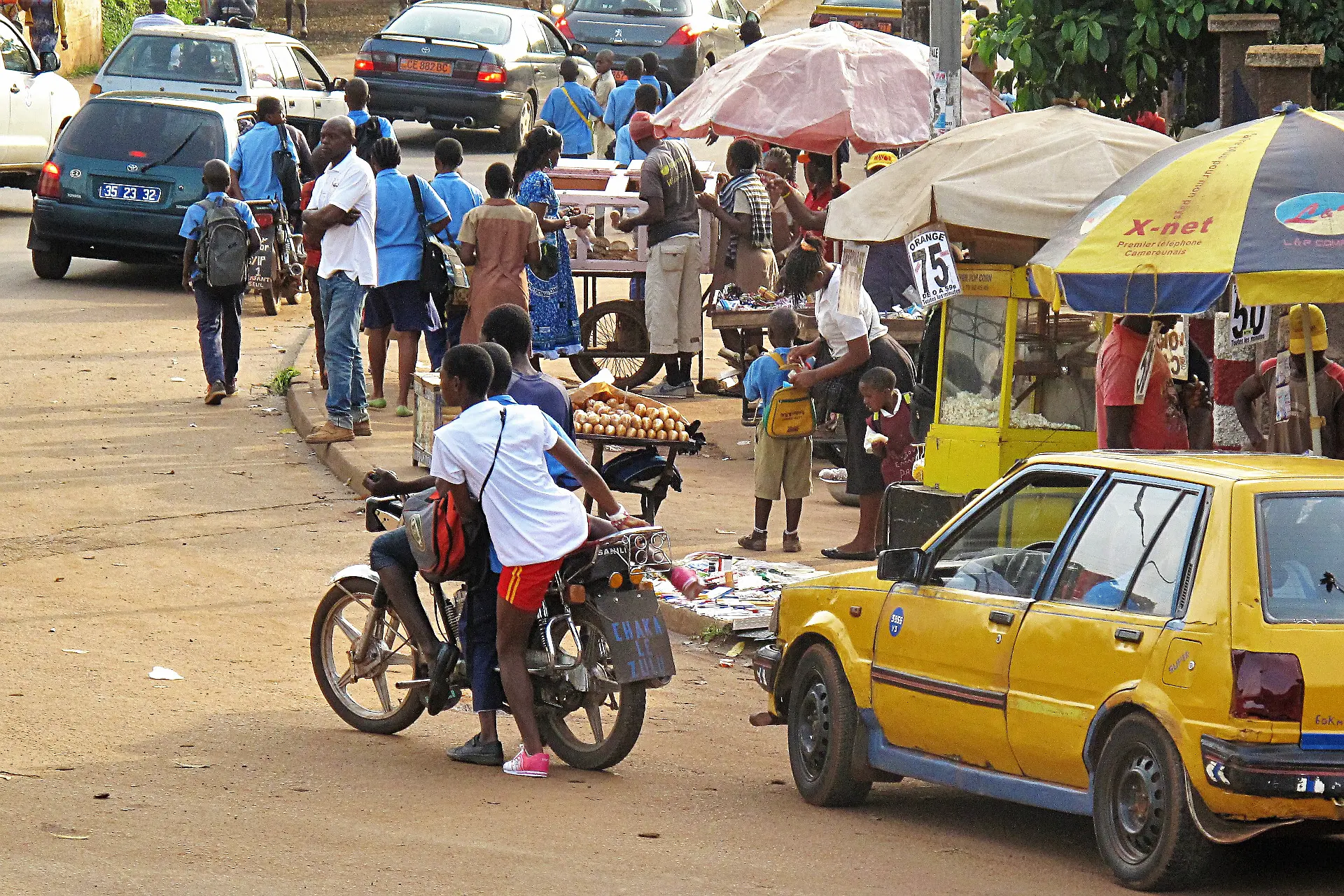
Crime. Street crime, bag snatching and armed robbery occur in Douala and Yaoundé, particularly at night. Avoid walking after dark, use hotel-arranged taxis and keep valuables hidden.
Roads. Bush taxis are overloaded and often unsafe, and night driving is dangerous because of checkpoints and poor roads.
Health. Yellow fever vaccination is required, malaria is widespread, and cholera and other outbreaks occur. Carry medical evacuation insurance.
Cameroon visa and entry requirements
Cameroon visa rules are strict. Most visitors need a visa, and only a short list of mostly neighbouring countries have visa-free arrangements. Many travellers now apply through the official online e-visa system, while others apply at an embassy or consulate. Fees vary by nationality and length of stay, with a tourist visa often costing around USD 100, and processing can take a week or more, so apply early.
Typical requirements include a passport valid for at least six months, passport photos, a copy of your itinerary, proof of accommodation, proof of funds and a yellow fever vaccination certificate, which can be checked on arrival. A visitor visa usually needs an invitation letter. Rules change, so confirm with the official Cameroonian immigration source or your nearest embassy.
Foreign visitors should register with their embassy, carry a photocopy of the passport at all times and expect frequent police checkpoints. Photography of government buildings, airports and military sites is restricted.
Getting to and around Cameroon
The two international airports are Douala International Airport and Yaoundé Nsimalen International Airport, with flights from Paris, Brussels, Istanbul, Casablanca, Addis Ababa and other African hubs. Overland entry from neighbouring countries is possible but often passes through advisory areas and is not generally advised.
Between main cities, modern coach companies run buses with assigned seats. Yaoundé to Douala takes around four hours by road. Camrail operates trains between Yaoundé, Douala and Ngaoundéré, including an overnight service to the north; check schedules locally. Domestic flights link Douala, Yaoundé, Garoua and Maroua, though schedules and airlines change.
Away from the main routes, shared minibuses and bush taxis are the norm; they depart when full and safety standards vary. Motorbike taxis, called benskin, are cheap but risky. In cities use taxis agreed by the hotel. A 4×4 with a driver is the safest way to reach rural areas, particularly in the rainy season.
How much does a trip to Cameroon cost?
Cameroon is cheaper than Western Europe but not as cheap as many travellers expect, partly because tourist infrastructure is limited and good hotels are priced for business travellers. The currency is the Central African CFA franc (XAF), tied to the euro. Cash is key, and card use is limited outside big hotels. Figures are rough per-person guides for 2026.
- Budget: around EUR 30 to 50 per day, with basic guesthouses, local food and shared transport.
- Mid-range: around EUR 60 to 110 per day, with comfortable hotels, restaurant meals and some taxis or a driver.
- High-end: from about EUR 150 per day, with top hotels in Douala or Yaoundé, a 4×4 with driver and guided excursions.
The main costs are visas, which can be USD 100 or more, accommodation in Douala and Yaoundé, domestic flights and private vehicle hire. Meals at local restaurants are inexpensive, while imported food and drinks cost more. Guides and permits for parks add extra costs.
Cameroon food and drink
Cameroon food is among the most varied in Central Africa, with French and English influences added to a base of cassava, plantain, yam, fish and peanuts. Meals are filling and flavoursome, and spice levels vary.
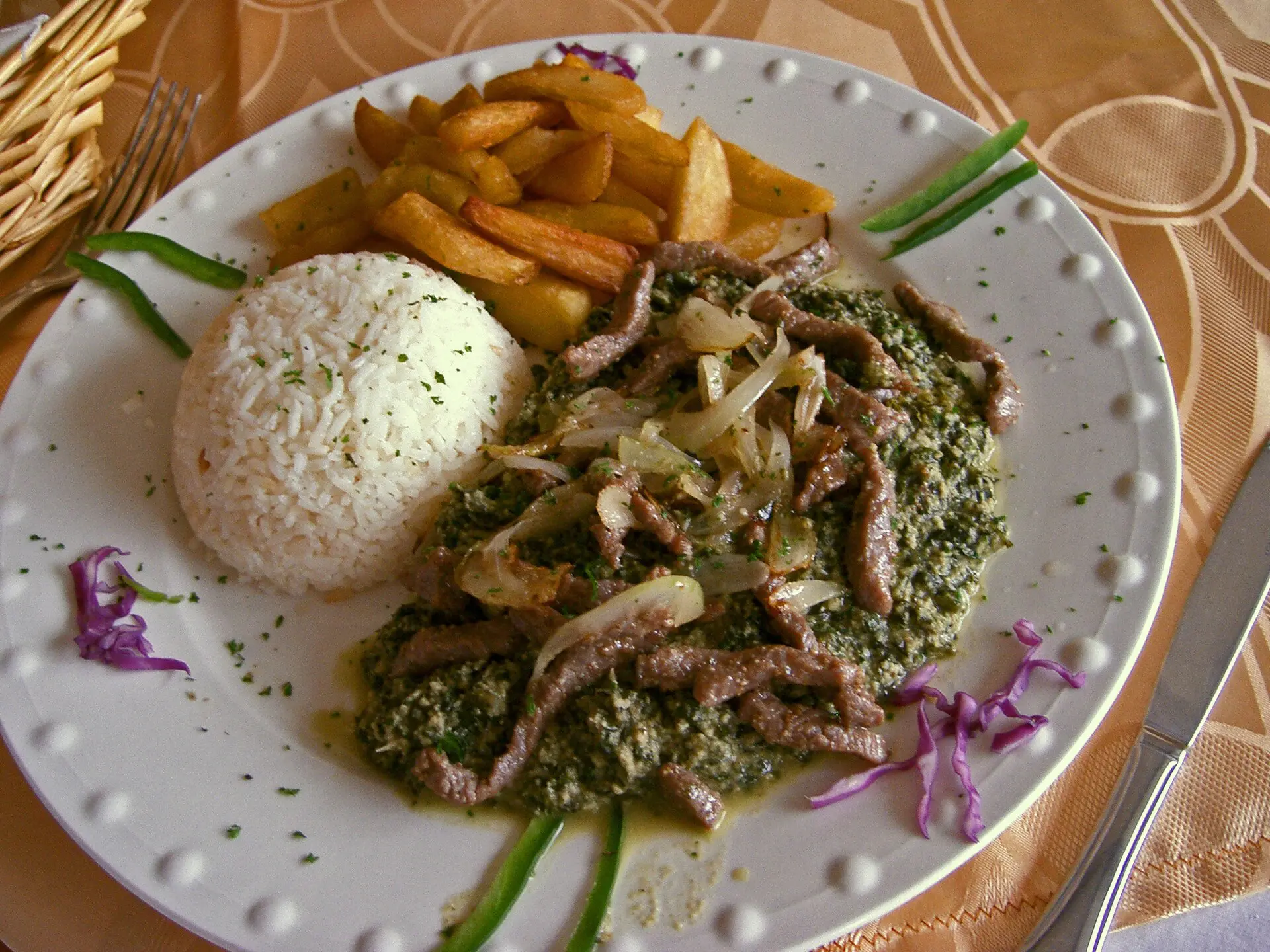
- Ndolé: a stew of bitter leaves with peanuts and meat or shrimp, often called the national dish.
- Poulet DG: chicken fried with plantain, carrots and peppers, popular at celebrations.
- Eru and water fufu: a leafy stew from the south-west eaten with fufu made from cassava.
- Koki: steamed black-eyed pea pudding cooked in banana leaves.
- Grilled fish: in Kribi and Douala, fish is grilled with pepper sauce and eaten with bobolo or plantain.
- Soya: spiced grilled beef skewers sold in the evening from roadside stalls.
- Drinks: local beers such as 33 Export, fresh juices, palm wine and ginger drinks.
Vegetarian options are limited, as many stews contain fish or meat, but plantain, beans and vegetable dishes are available. Eat at busy places, drink bottled water and avoid raw salads in cheap restaurants. Check whether bushmeat is on the menu, as ethical and health concerns apply.
Culture, language and etiquette in Cameroon
French and English are official languages, with French spoken by most of the population and English mainly in the north-west and south-west. Pidgin English is widely used, and about 250 local languages exist. French is the most useful in cities such as Yaoundé and Douala. A greeting is essential before any request, and a handshake is common.
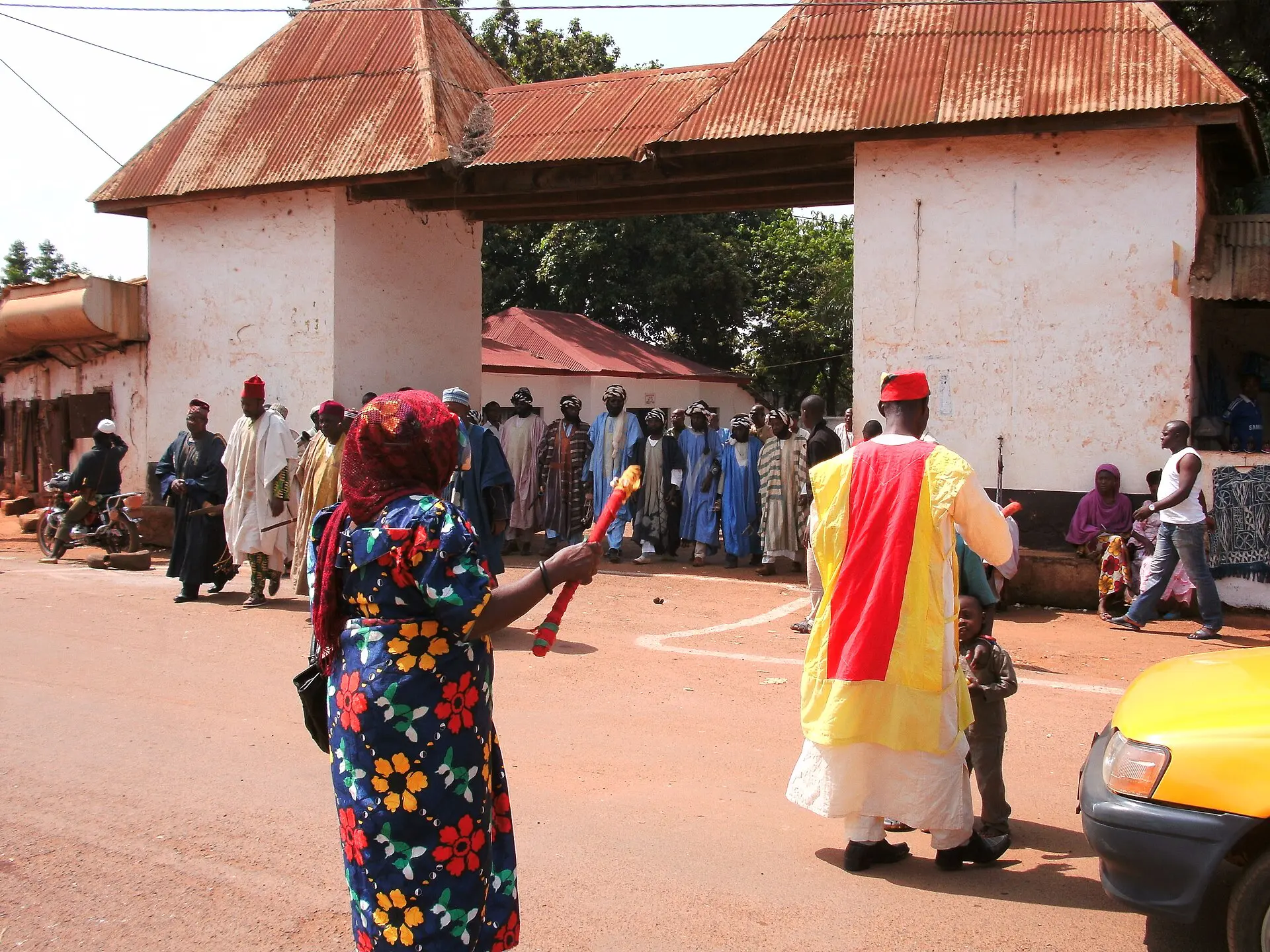
Christianity is the majority religion, with a large Muslim population in the north and traditional beliefs practised alongside. Respect for elders and traditional rulers is important. In chiefdoms and palaces, ask permission before entering or photographing, and expect to give a small gift or fee. Dress modestly, especially in the north and at places of worship.
Photography of police, soldiers, government buildings, bridges and airports can cause trouble, so ask first. Public displays of affection are discouraged, and same-sex relations are criminalised, so travellers should be discreet. Politics are sensitive, especially the English-speaking regions and the long-serving president, so avoid starting conversations about them.
Cameroon itinerary: a 7-day route
This route covers the south and west and avoids the regions that governments advise against. It is a guideline, so confirm current advice and road conditions before you go.
- Day 1, Douala: arrive, transfer to a secure hotel and rest.
- Day 2, Douala: visit the cathedral, the Wouri waterfront and galleries, and eat at a local grill.
- Day 3, Ekom-Nkam and Kribi: travel by hired car, stop at Ekom-Nkam Falls and continue to the coast (about five hours in total).
- Day 4, Kribi: visit the Lobé Falls by boat and spend the afternoon at the beach.
- Day 5, Yaoundé: drive about three to four hours inland and visit the Basilica and National Museum.
- Day 6, Foumban: travel about five hours to the west and tour the Bamoun palace and craft quarter.
- Day 7, return: allow a full day by road or a flight from Yaoundé to Douala for departure.
Do not add Mount Cameroon, Limbe, Bamenda or the Far North unless the advisories change. In the rainy season, drop Foumban and keep to the coast and the two main cities.
Practical tips for Cameroon
- Money: the Central African CFA franc is the currency; carry euros in clean notes to exchange, and use ATMs in big cities, though they can be unreliable. Cards work only in large hotels.
- SIM and eSIM: local SIMs from MTN and Orange are cheap, and coverage is good in cities but patchy in rural areas. Register with your passport.
- Plugs: types C and E at 230 V.
- Tipping: not obligatory; about 5 to 10 percent in restaurants and small change for helpers.
- Health: yellow fever vaccination is compulsory, take malaria prophylaxis on medical advice, and drink bottled water. Pharmacies are common in cities.
- Documents: carry photocopies of your passport, visa and yellow fever card for checkpoints.
- Packing: light clothing, a rain jacket, insect repellent and a warm layer for the highlands.
- Security: avoid night travel, keep a low profile, and register with your embassy.
For wider background, see the Wikivoyage Cameroon guide, and see the UNESCO page for Cameroon for World Heritage sites.
FAQ
Q1What is Cameroon food like?
Cameroon food is varied, using cassava, plantain, yam, fish, peanuts and leafy greens. Try ndolé, poulet DG, koki, grilled fish with bobolo and soya beef skewers. Dishes are filling and mildly to moderately spicy, and vegetarian choices are limited because many stews include meat or fish.
Q2Is Cameroon safe?
Not everywhere. Governments advise against all travel to the Far North, North-West and South-West regions and border areas because of armed conflict and kidnapping. Parts of the south and west are visited with care, but street crime and bad roads are real risks. Check FCDO or State Department advice before booking.
Q3Do I need a Cameroon visa?
Yes, most travellers do. Only a few mostly neighbouring nationalities are exempt. Many apply through the official e-visa system or an embassy, with fees around USD 100 and a week or more of processing. You will also need a yellow fever certificate, so confirm current rules officially.
Q4What are the best things to do in Cameroon?
Visit the Lobé Falls and beaches at Kribi, tour the Bamoun palace and crafts in Foumban, see a western chiefdom, explore Ekom-Nkam Falls, enjoy live music in Douala and Yaoundé and eat ndolé. Use a local operator, and stay out of advisory regions.
Q5Is Cameroon safe to visit for tourists?
It can be in the south and centre with planning, but risk is higher than in most destinations. Use hotel-arranged transport, avoid night travel, keep valuables hidden and stay away from the Far North, North-West and South-West. Travel insurance with evacuation cover is essential.
Q6What is the best time to visit Cameroon?
November to February, the dry season, is best for roads, beaches and travel generally. June to October brings heavy rain on the coast and in the highlands, and many tracks become impassable. Highland towns stay cool at night, so pack a warm layer.
Q7How many days do you need in Cameroon?
Seven days covers Douala, Kribi, Yaoundé and Foumban at a steady pace, as roads are slow. Add three or four days for rainforest trips or a slower coastal stay. Long distances and limited flights mean you should avoid cramming in too many places.