Why visit the Central African Republic
Central African Republic travel appeals to a very small group: wildlife specialists, researchers and experienced expedition travellers. The country is landlocked, covers about 623,000 square kilometres and is mostly savannah, with equatorial rainforest in the south and a drier zone in the north (see the Wikipedia overview). Its main draw is wilderness: forest elephants, western lowland gorillas and large tracts of lightly visited rainforest, with some of the lowest light pollution in the world.
It is important to be honest about the picture. The country has suffered coups, rebellions and civil war since independence from France in 1960, and it remains one of the poorest in the world, with limited roads, electricity and healthcare. Most travel advice is to stay away. This guide explains what the country offers and why current travel is so difficult. It is not a recommendation to go.
Best places to visit in the Central African Republic
The best places to visit in the Central African Republic are natural areas, and access is limited. This list describes the country rather than suggests routes, and every place below depends on current security advice.
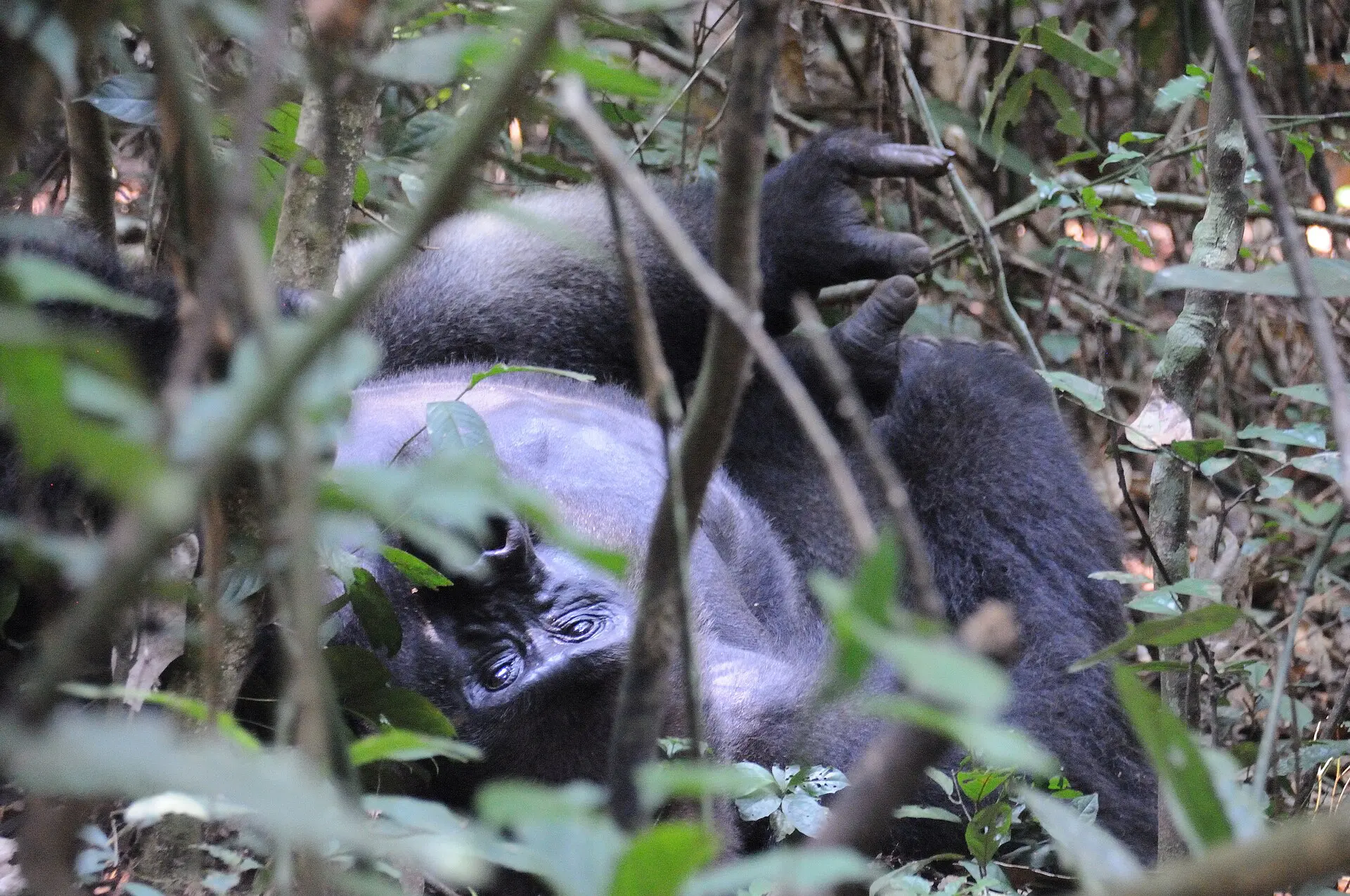
Dzanga-Sangha
In the far south-west, the Dzanga-Sangha protected area is the best-known destination. It forms part of the Sangha Trinational World Heritage Site with reserves in Cameroon and Congo. Visits to the forest clearing at Dzanga Bai, where elephants gather, and guided gorilla tracking are run by the conservation project from the village of Bayanga. It is perhaps the safest area to visit in the country.
Bangui
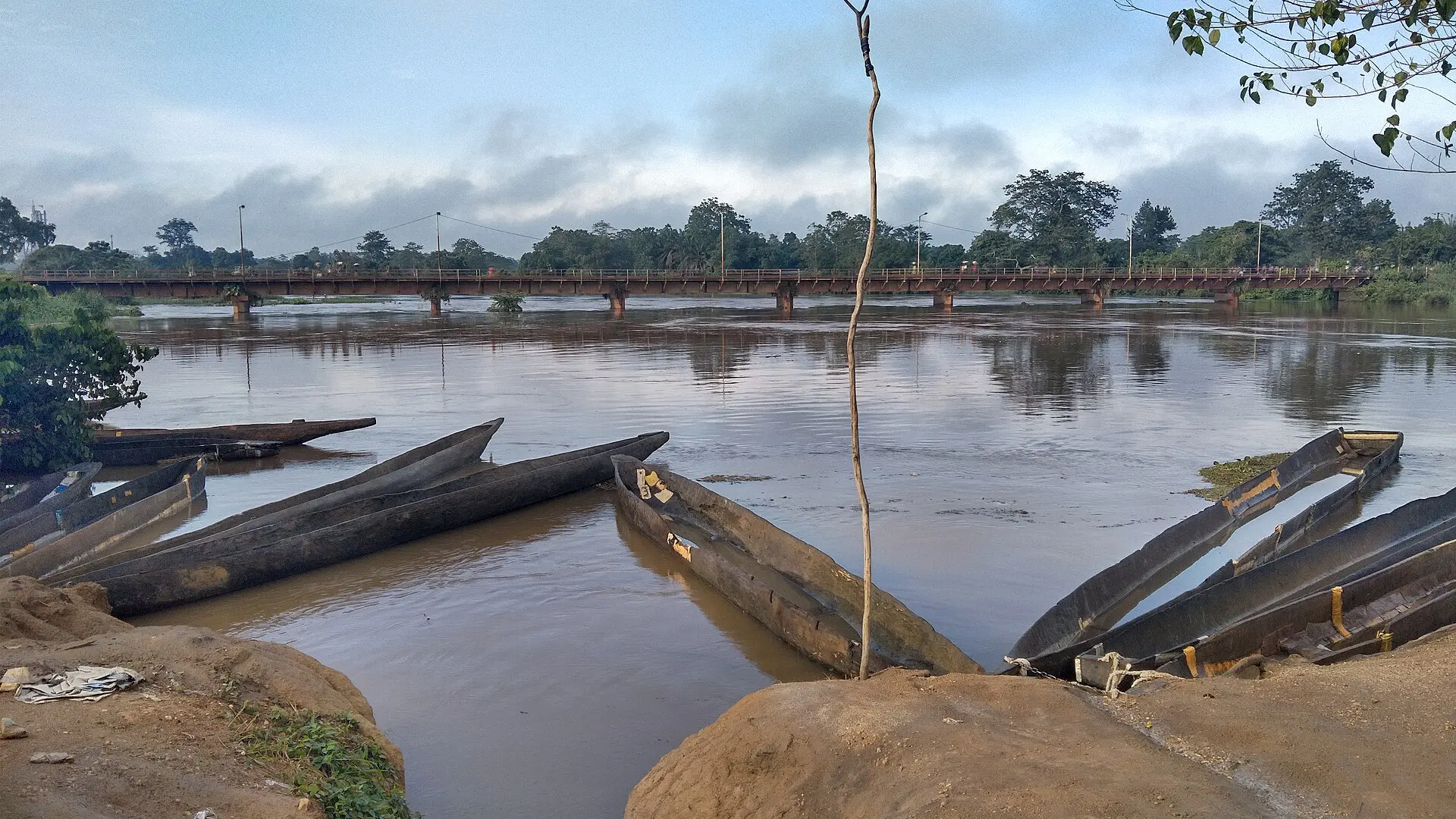
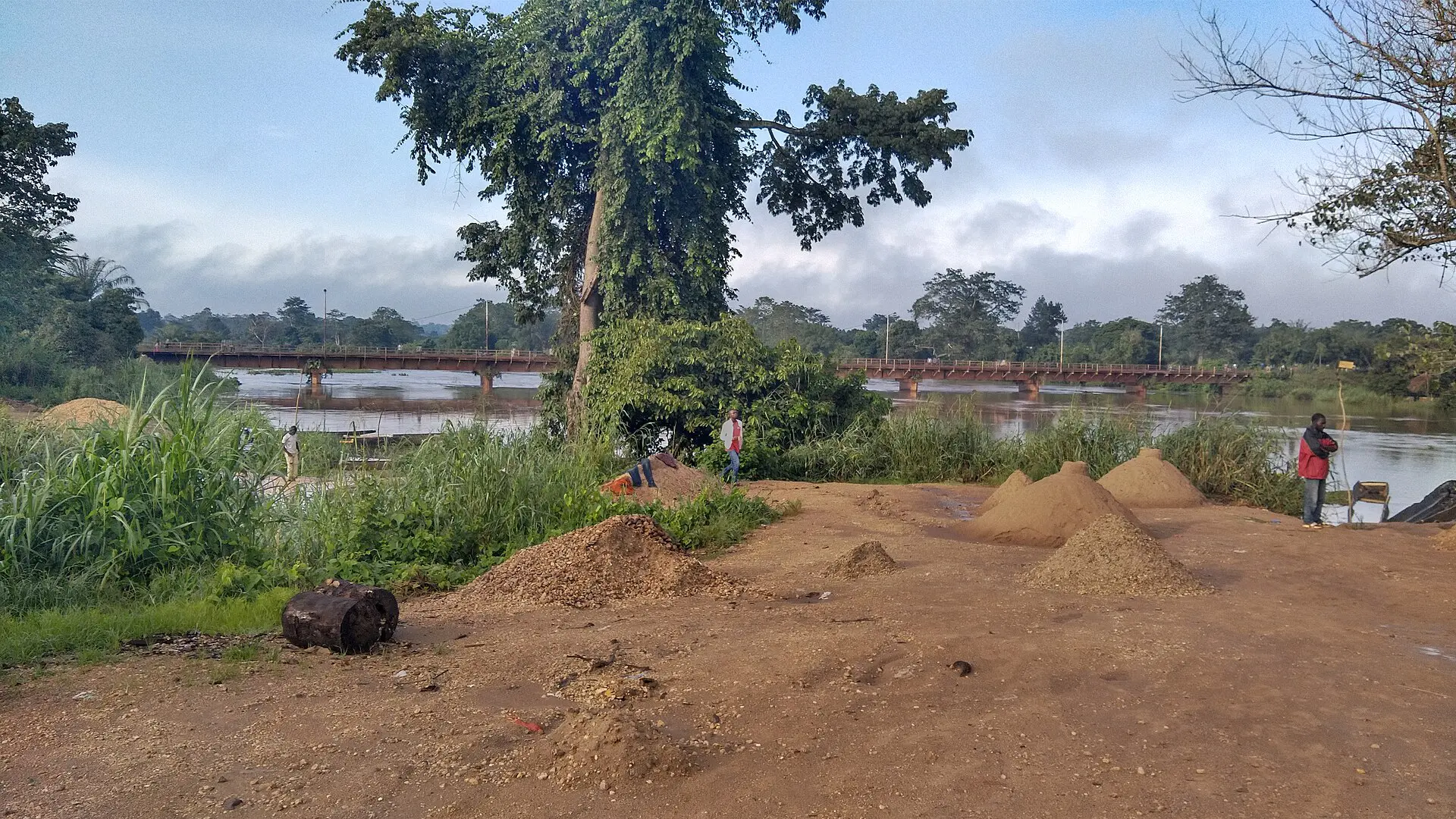
The capital sits on the Ubangi River on the Congo border. It has a cathedral, markets, a national museum and river views, but security conditions vary and independent walking is not advised.
Boali Falls
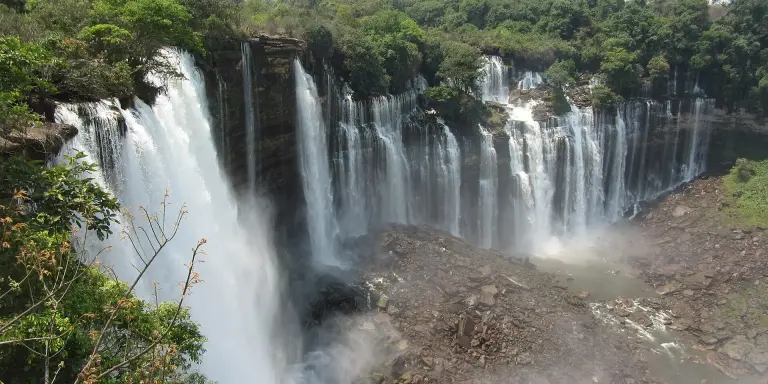
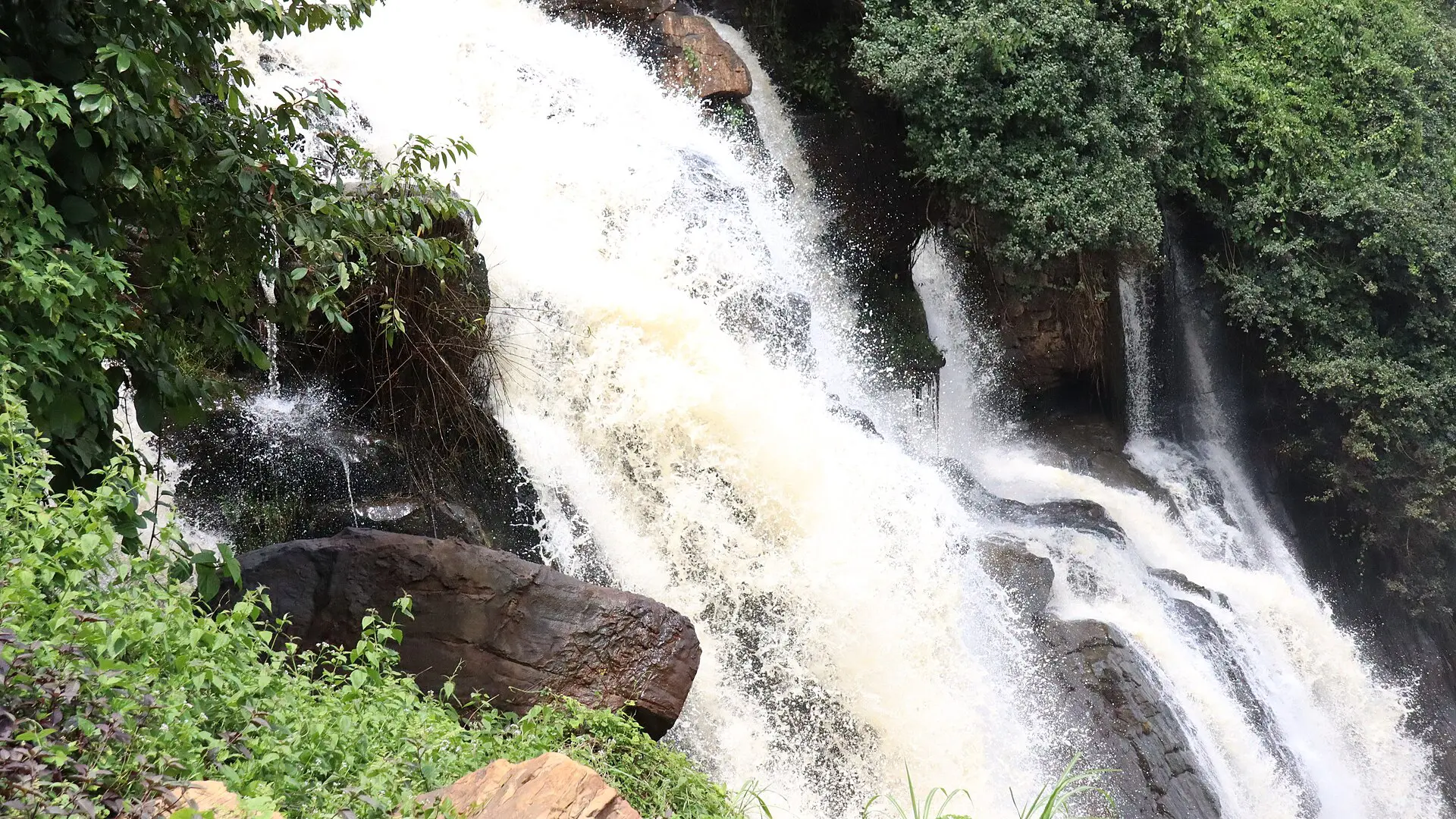
About 100 km north-west of Bangui, the falls are the best-known natural sight near the capital, although the area has seen security problems.
Bouar megaliths
Near Bouar in the west, the Tazunu megalithic sites are ancient stone alignments thought to be several thousand years old.
Manovo-Gounda St Floris
In the far north, this national park is a World Heritage Site that has been placed on the endangered list and is not accessible in practice.
Top things to do in the Central African Republic
The top things to do in the Central African Republic are wildlife-focused, and nearly all need a specialist operator with security support. Do not attempt them independently.
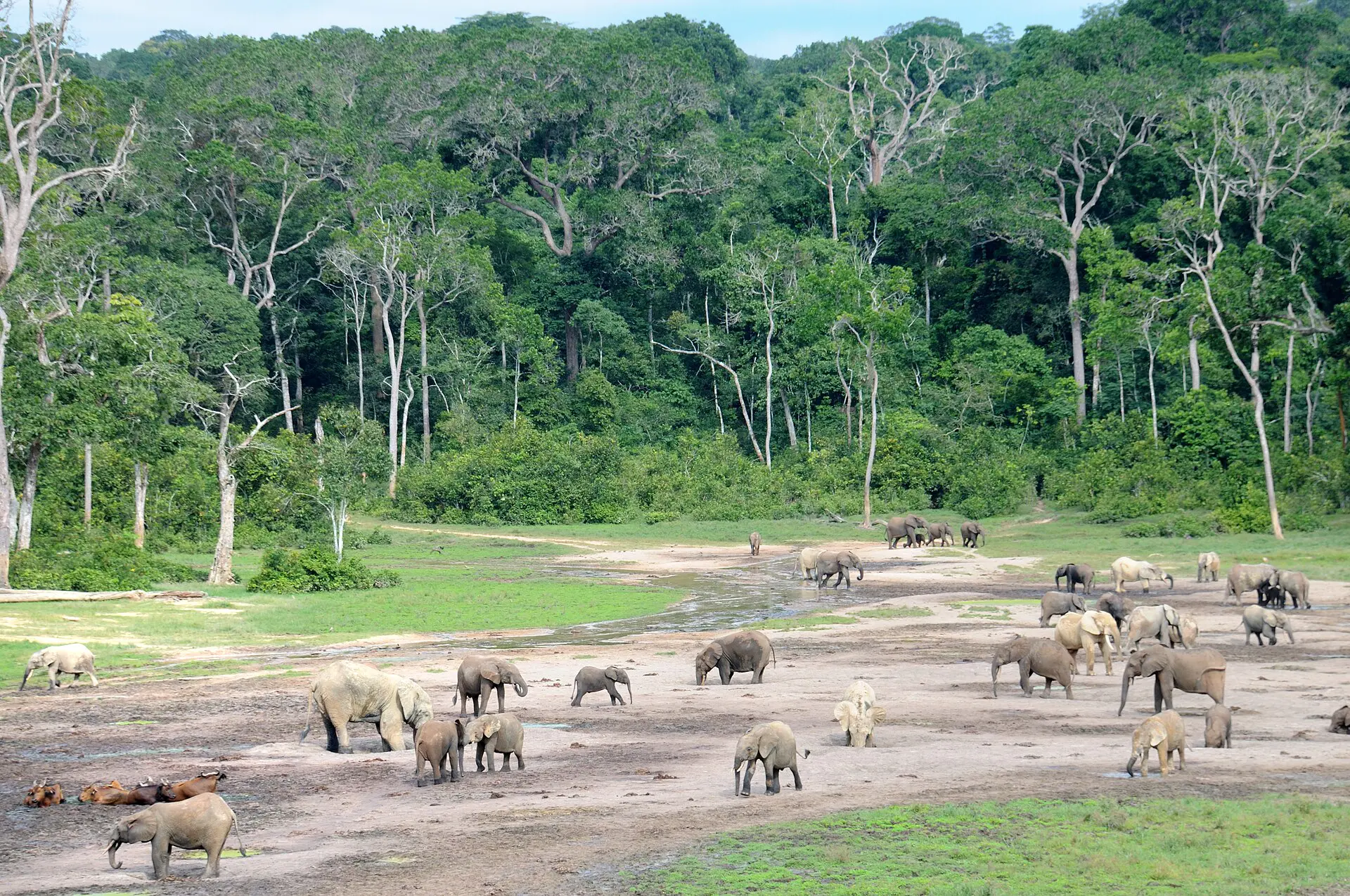
- Watch forest elephants at Dzanga Bai: a platform overlooks a mineral clearing where dozens of elephants gather.
- Track western lowland gorillas: habituated groups in Dzanga-Sangha are visited with trackers and guides.
- Walk with BaAka trackers: guided forest walks with local people show hunting traditions and plant knowledge.
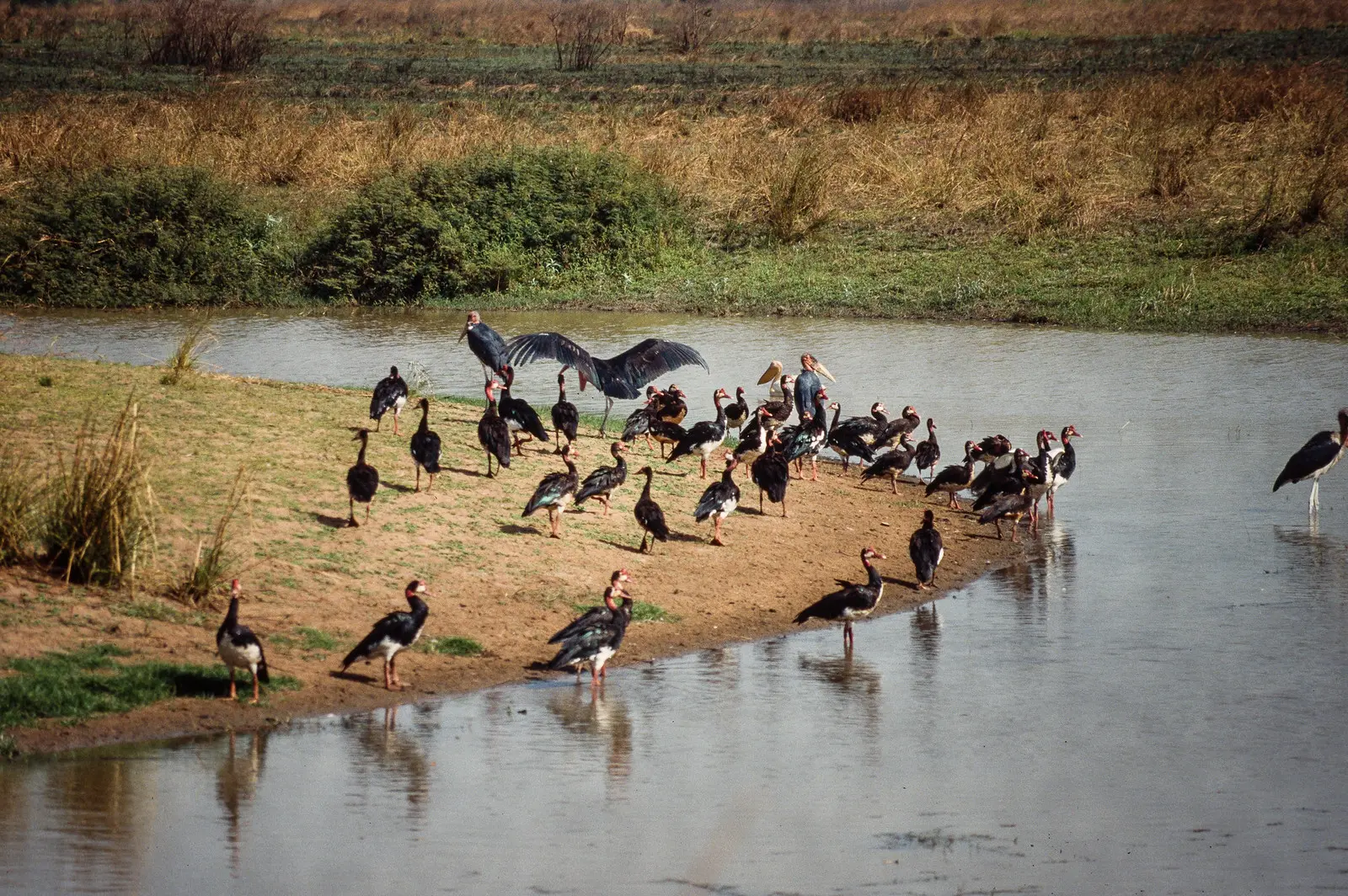
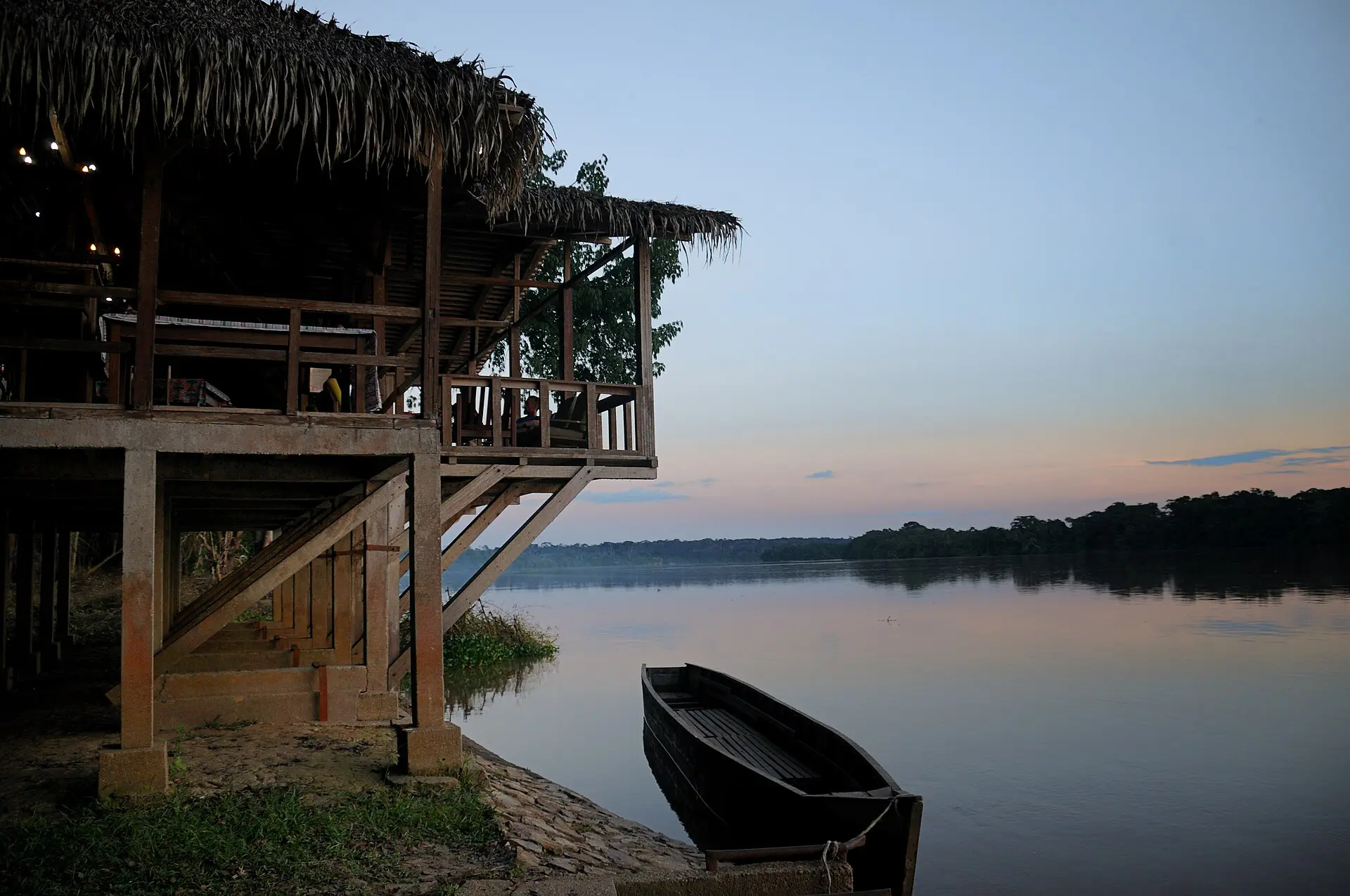
- Take a boat on the Sangha River: trips from Bayanga show birds, hippos and riverside villages.
- See Boali Falls: a short drive from Bangui in good conditions, best in the rainy season when the flow is high.
- Look at the Bouar megaliths: stone alignments in the west, with local guides.
- Visit Bangui’s museum and markets: only with a trusted local host and advice on safe areas.
- Watch birds: the forests and rivers have large numbers of species, popular with specialist birdwatchers.
- Look at the night sky: low light pollution gives exceptional stargazing in remote areas.
Best time to visit the Central African Republic
The best time to visit the Central African Republic is the dry season from about December to March, when roads and airstrips are usable and rivers are lower. The climate is tropical, hot and humid in the south and drier in the north, and the north is affected by hot, dusty harmattan winds. Heavy rain falls from roughly May to October, and flooding can cut roads for weeks.
| Season | Weather | Crowds and prices | Good for |
|---|---|---|---|
| Dry (Dec-Mar) | Hot, mostly dry; dusty in the north | Very few visitors; costs high | Wildlife, river trips, overland travel |
| Early rains (Apr-May) | Hot, humid, storms | Few visitors | Limited; roads deteriorate |
| Wet (Jun-Oct) | Heavy rain, flooding | Almost none | Boali Falls at full flow; little else |
| Late (Nov) | Rains ending, humid | Few visitors | Early planning and permits |
Wildlife viewing in the rainforest is possible year-round, but roads to Dzanga-Sangha are worst in the wet season. Any trip must follow current security advice rather than the weather.
Is the Central African Republic safe to visit?
No, not at present for most travellers. Governments including the UK and US advise against all travel to the country, and the security situation can change quickly. Armed groups control large areas outside the capital, and the state has limited reach. Read the current FCDO or State Department pages before considering any trip.
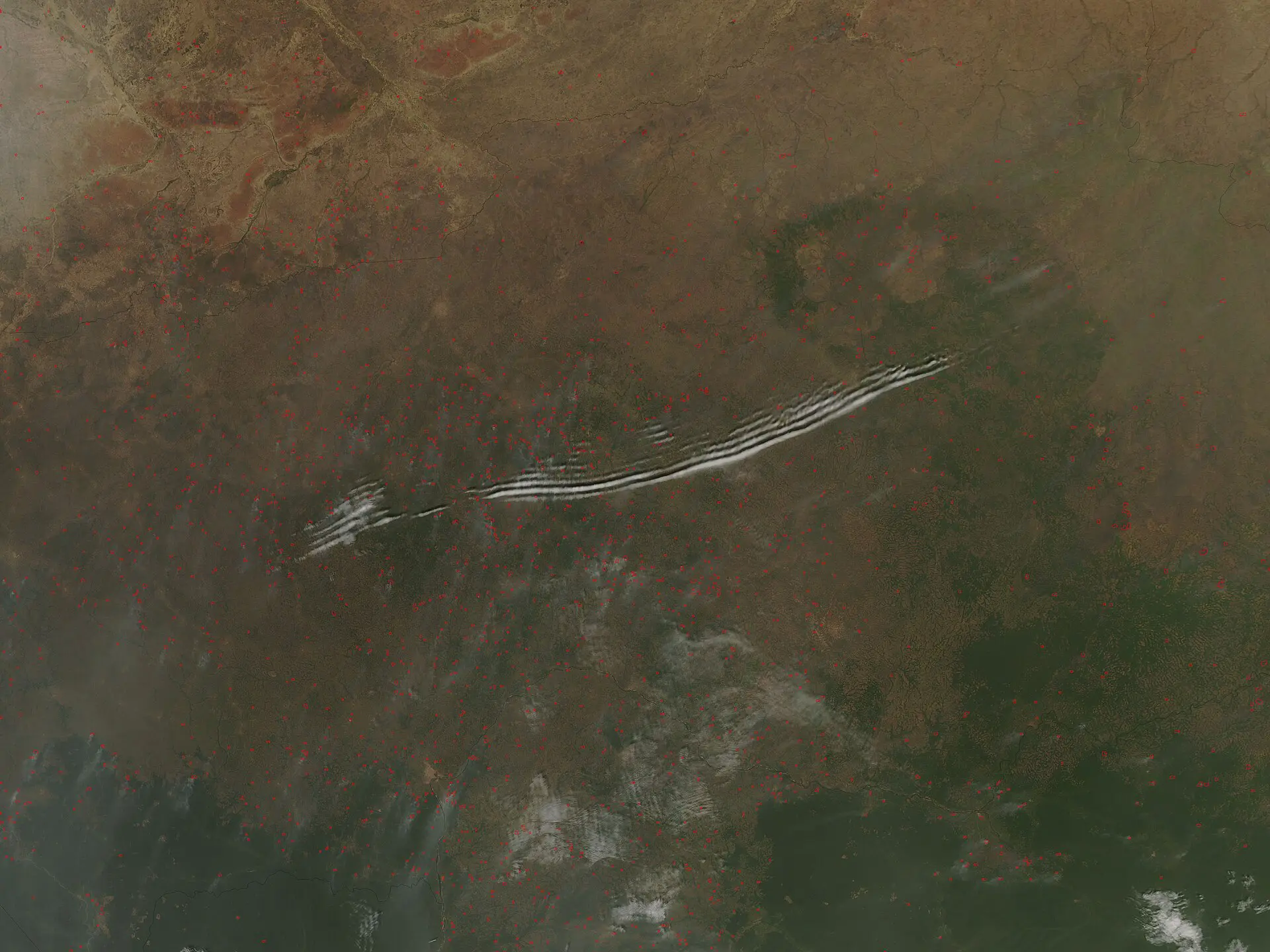
Conflict. A civil war that began in 2012 has left armed groups, militias and bandits active across much of the country, with clashes, attacks on civilians and roadblocks. The north-east is regarded as the most dangerous region. A United Nations peacekeeping mission is present, but it does not guarantee tourist safety.
Crime and kidnapping. Armed robbery, carjacking and kidnapping of foreigners have occurred, including in and around Bangui. Avoid travel outside the capital by road and never travel after dark.
Health. Malaria, yellow fever, cholera and mpox outbreaks have been reported, and medical facilities are very limited. Medical evacuation insurance is essential, and may not be available for conflict zones.
Landmines and roads. Roads are poor, checkpoints are frequent and some routes are mined or controlled by armed groups.
Central African Republic visa and entry requirements
Visa rules for the Central African Republic are strict, and most visitors need a visa arranged before arrival. Only a short list of mainly neighbouring African countries has visa-free access. Embassies are few, fees are high, and an embassy in the United States has listed a short-stay visa at around USD 150, while the embassy in France has listed about EUR 80. Rules change, so confirm with the nearest embassy.
Typical requirements include a passport valid for at least six months, passport photographs, a copy of your itinerary, an invitation letter or hotel reservation, and a yellow fever vaccination certificate. Entering without a visa can lead to heavy fines.
Visits to national parks, particularly Dzanga-Sangha, need separate arrangements and fees with the park management or an operator. Registering with your embassy is wise, and many embassies will not be able to help if something goes wrong. If your government advises against all travel, travel insurance may be void, so check your policy before you consider any trip.
Getting to and around the Central African Republic
The only international airport with scheduled flights is Bangui M’Poko International Airport. Air France, Ethiopian Airlines, Kenya Airways, Royal Air Maroc and a small number of regional carriers have served it in recent years, often via Douala, Brazzaville or Addis Ababa, but schedules change often. There are no domestic scheduled flights of note, and the country has no railway.
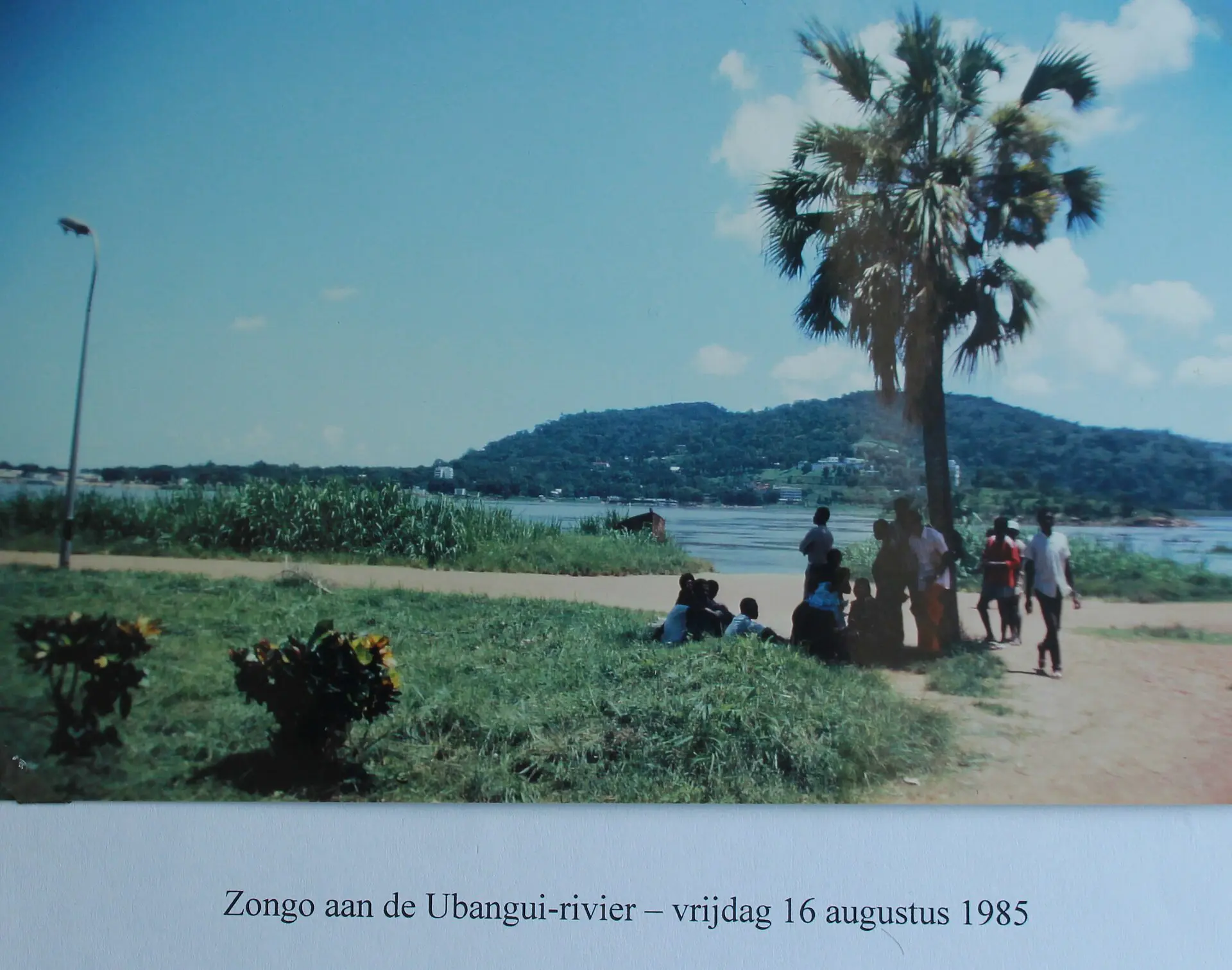
Land borders with Cameroon, Chad and neighbouring countries exist, but long journeys cross areas with active armed groups and are strongly discouraged. Barges and boats run infrequently on the Ubangi River to the Congos, with no fixed timetable.
Inside the country, roads outside Bangui are poor, often impassable in the wet season and subject to checkpoints and banditry. Specialist operators use chartered aircraft or secured 4×4 convoys, typically to the south-west. Bayanga, the base for Dzanga-Sangha, is far from Bangui, and many expeditions arrive there via Cameroon by an arranged route. Independent travel by public transport is not advisable.
How much does a trip to the Central African Republic cost?
Travel here is expensive because infrastructure is minimal, security needs are high and operators are few. The currency is the Central African CFA franc (XAF), linked to the euro, and cash in euros is useful. Figures below are rough estimates only, and independent travel is not recommended.
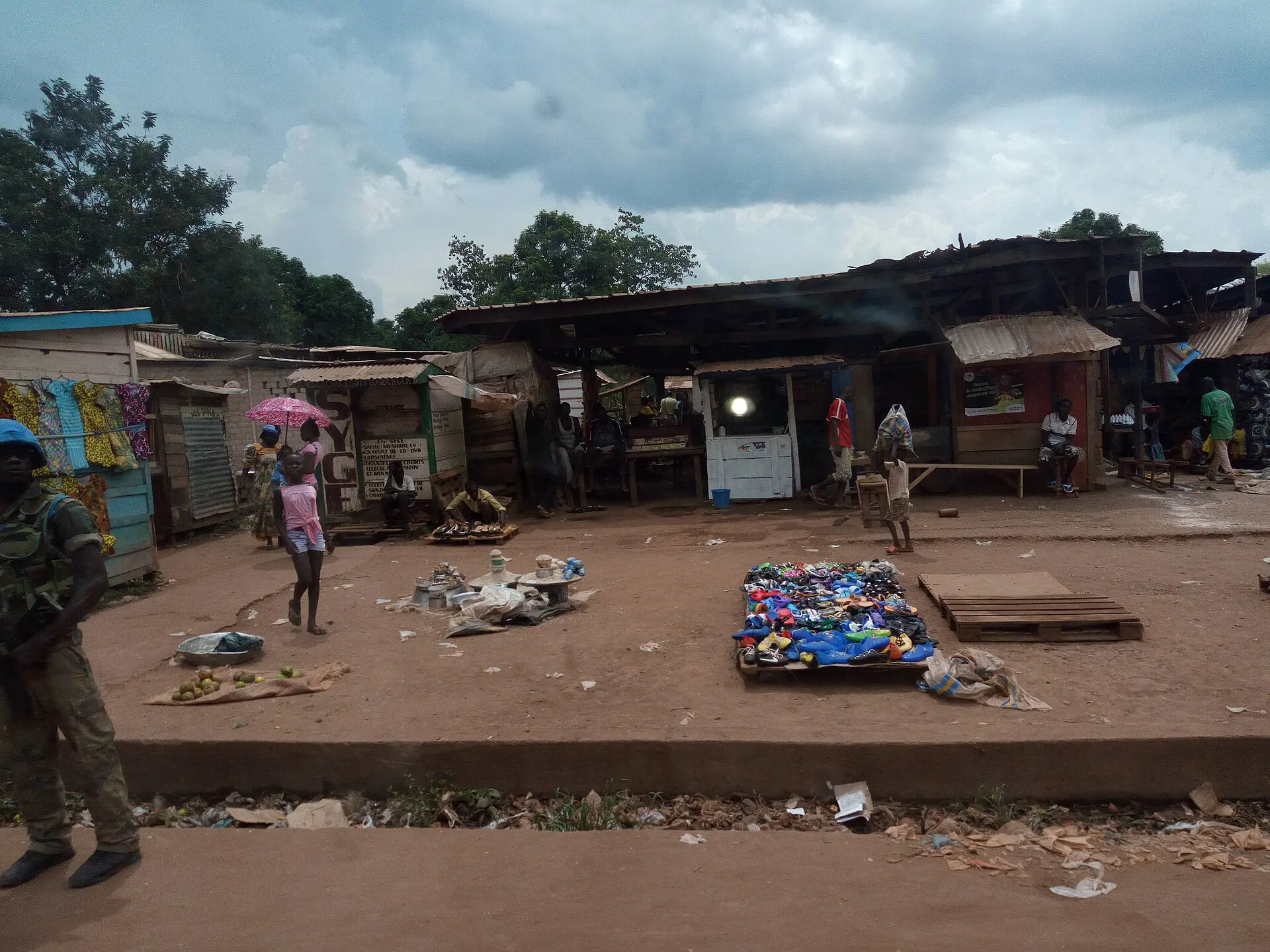
- Budget: not realistic; even basic guesthouses in Bangui and local food cost more than visitors expect, at around EUR 60 to 100 per day before transport.
- Mid-range: around EUR 150 to 300 per day, with hotels in Bangui, local guides and a driver.
- High-end: several hundred euros per day or more for organised expeditions, which include security, charter flights, park fees and lodges.
The biggest costs are the visa, flights via regional hubs, internal charters and security arrangements. Park fees, trackers and guides add more at Dzanga-Sangha. Few places accept cards, ATMs are unreliable, and imported goods are expensive. Insurance that covers a country under an all-travel advisory may be impossible to buy, which is itself a significant cost.
Central African Republic food and drink
Central African Republic food is based on cassava, plantain, maize, peanuts, fish and leaf stews, with French influences in Bangui. Meals are usually simple, filling and eaten with the hands.
- Gozo: a stiff cassava paste eaten with sauces, the staple across much of the country.
- Sauce feuille: cassava or other leaves cooked with peanuts or palm oil, often with fish or meat.
- Grilled river fish: Ubangi River fish, grilled and served with chilli sauce and cassava.
- Caterpillars: edible caterpillars, a seasonal protein source in forest areas.
- Bushmeat: widely eaten, but often illegal and linked to wildlife loss, so ethical and health concerns apply.
- Palm wine and local beer: palm wine is common in villages, and Mocaf beer is brewed in Bangui.
- Peanut sauces and plantain: filling and widely available.
Vegetarians can eat leaf stews, beans and plantain, though meat or fish is added to most dishes. Eat only well-cooked food, avoid salads and ice, and drink bottled or treated water. Food supplies can be disrupted when roads are closed, so expedition operators bring their own provisions.
Culture, language and etiquette in the Central African Republic
The country has two official languages, French and Sango. Sango is the national language, used as a lingua franca across more than 80 ethnic groups, each with its own language. French is used in government, schools and business. Greeting people in Sango, with balao for hello, is appreciated. English is rare outside the aid and expedition community.
Christianity is the largest religion, mainly Protestant and Catholic, followed by Islam. Tensions between communities have driven recent conflict, so avoid religious or political debate. Greetings are important: shake hands, ask after the family and be patient with conversation before business. Dress modestly, especially in rural areas and for women.
Photography is sensitive. Never photograph soldiers, peacekeepers, checkpoints, airports or government buildings, and always ask before photographing people. In forest communities such as the BaAka, ask the guide how to behave, offer fair payment for guiding and do not treat people as an attraction. Show respect for local custom, and take your lead from your host.
Central African Republic itinerary: a 7-day route
Independent travel in the Central African Republic is not currently advisable, so this guide does not provide a day-by-day self-guided route. Governments advise against travel to the country, and any trip depends on up-to-date security advice, specialist operators and secure transport. This outline shows how a security-supported expedition to the safest known area has been structured in the past, and it is for planning information only.
- Days 1 and 2, arrival and briefing: arrive in Bangui, meet the operator and complete security and permit checks.
- Day 3, transfer south-west: operators typically use a charter flight or a long, secured road journey to Bayanga.
- Days 4 and 5, Dzanga-Sangha: visit Dzanga Bai for elephants and walk in the forest with local trackers.
- Day 6, gorilla tracking: track a habituated western lowland gorilla group if permits are available.
- Day 7, return: travel back to Bangui and onward.
Dates, routes and entry points change with security conditions. If your government advises against all travel, do not go, and do not rely on unofficial guides.
Practical tips for the Central African Republic
- Advice first: read your government’s travel advice and confirm that your insurer will cover the trip. Many will not.
- Money: the Central African CFA franc is the currency; bring euros in cash, as cards and ATMs are rarely usable.
- SIM and eSIM: local SIMs are available in Bangui, but coverage outside the capital is poor, so many expeditions carry satellite phones.
- Plugs: types C and E at 230 V, with unreliable power outside big towns.
- Tipping: not customary, but small cash tips for guides, trackers and drivers are appreciated.
- Health: yellow fever vaccination is required, take malaria prophylaxis on medical advice, and bring a full medical kit and water purification.
- Documents: carry several copies of your passport, visa and vaccination certificate for checkpoints.
- Packing: light, long clothing, strong boots, rain gear and a headlamp for power outages.
For wider background, see the Wikivoyage Central African Republic guide, and the UNESCO page for the Central African Republic for World Heritage sites.
FAQ
Q1Is the Central African Republic safe?
No. Governments including the UK and US advise against all travel because of armed groups, kidnapping, banditry and limited medical care. Security can change quickly, and the north-east is especially dangerous. Check current official advice, and do not travel independently.
Q2What is Central African Republic food like?
Central African Republic food centres on cassava paste (gozo), plantain, peanuts, leaf stews, grilled river fish and palm wine. Meals are simple and filling, with French touches in Bangui. Vegetarian choices are limited, and bushmeat is common but raises ethical and health concerns.
Q3Do I need a visa for the Central African Republic?
Most travellers do. Only a few mostly neighbouring African nationalities are exempt. Fees are high, with an embassy in the United States listing about USD 150, and you also need a yellow fever certificate. Confirm requirements with the nearest embassy before applying.
Q4Can tourists travel to the Central African Republic?
In practice very few do. Governments advise against travel, insurance is hard to obtain and independent travel is unsafe. A small number of specialist expeditions visit the Dzanga-Sangha area in the south-west with operators who arrange security, but conditions can change at any time.
Q5What is there to see in the Central African Republic?
The main sights are natural: forest elephants at Dzanga Bai, western lowland gorillas in Dzanga-Sangha, the Sangha River, Boali Falls near Bangui and the Bouar megaliths. Most are difficult to reach and only visited with specialist operators.
Q6What is the best time to visit the Central African Republic?
December to March, the dry season, is best because roads and airstrips are usable. Heavy rain from about May to October floods roads and makes access very hard. Any trip must follow current security advice first, not just the weather.