Why visit Chad
The things to do in Chad are unlike those of any mainstream destination. The country covers about 1.28 million square kilometres, stretching from the Sahara in the north to the savanna of the south, and is home to more than 200 ethnic and linguistic groups (see the Wikipedia overview). Its draws are remote and spectacular: sandstone massifs, desert lakes, camel caravans and one of Central Africa’s best-run national parks.
Chad suits seasoned travellers, wildlife enthusiasts and photographers who accept that independent travel is difficult and that some regions are closed to visitors in practice. It does not suit first-time visitors to Africa, anyone on a tight budget or anyone who needs reliable infrastructure. Most trips are built around a small number of safe, arranged stops rather than a loose overland route.
Best places to visit in Chad
The best places to visit in Chad are few and mostly require specialist organisation. Several of the most famous areas lie in regions that governments advise against, so treat the descriptions below as a map of the country, not a route.
Zakouma National Park
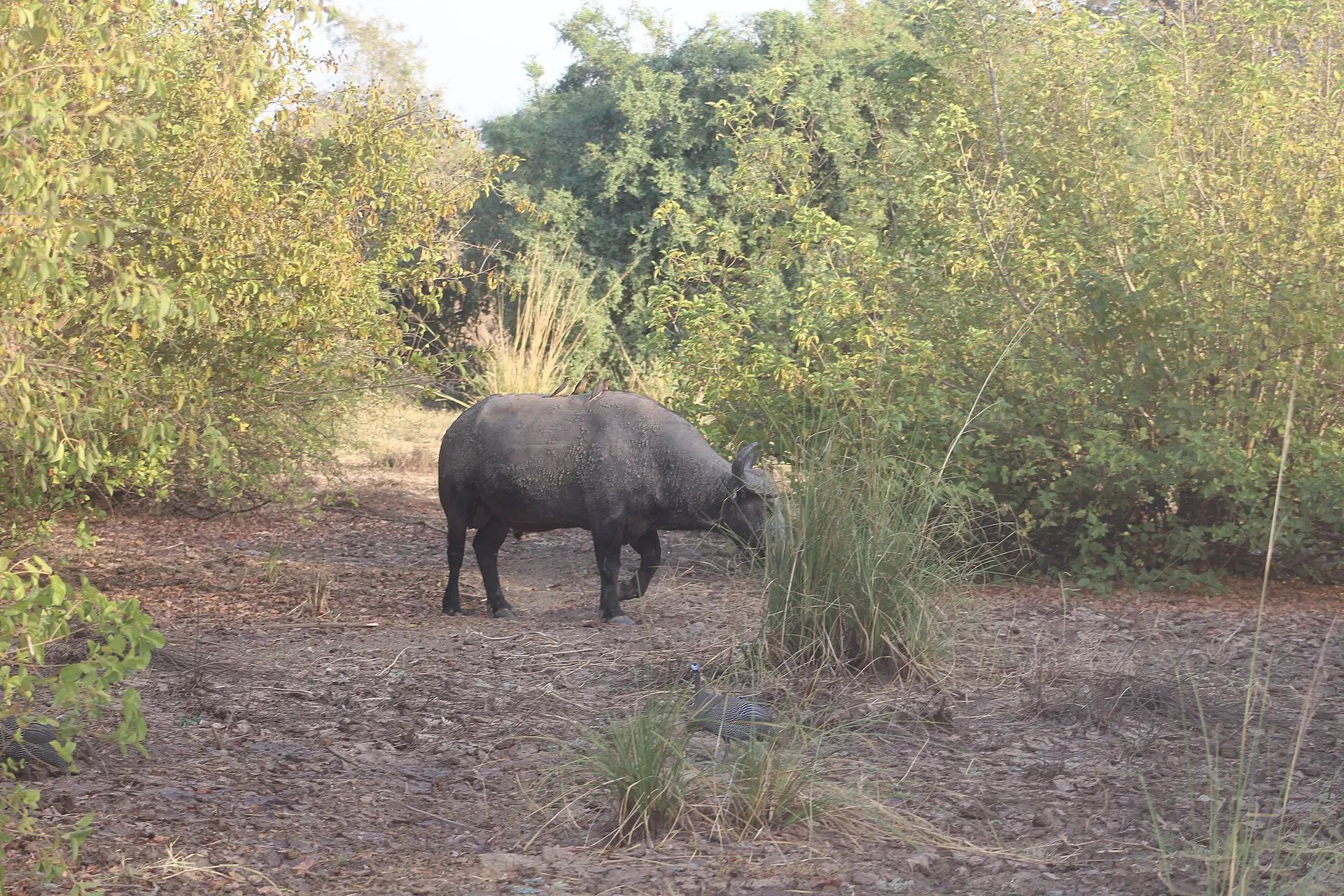
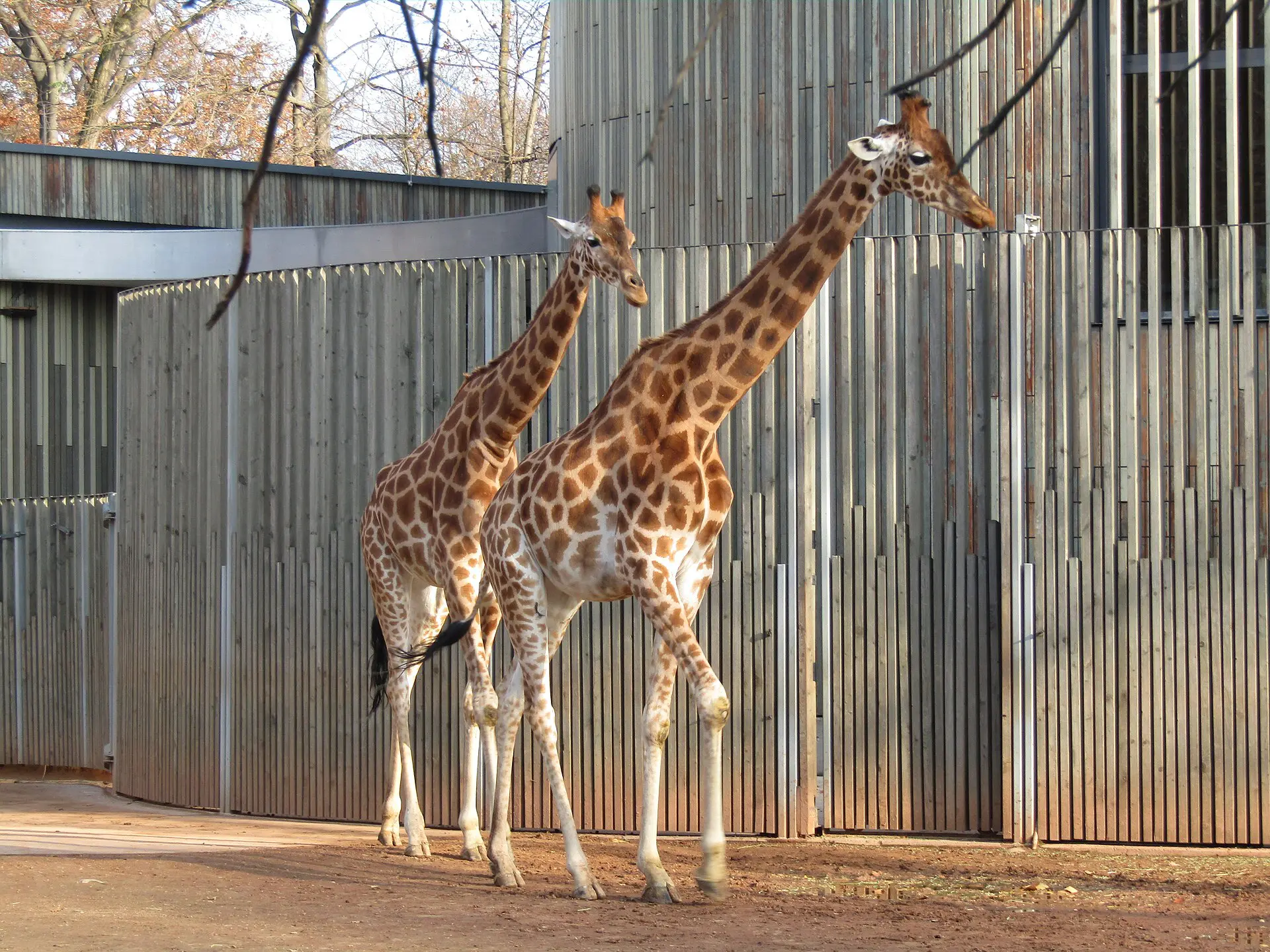
In the south-east, Zakouma is the country’s best-known destination and is home to a large share of the world’s Kordofan giraffes, along with elephants, lions and nearly 400 recorded bird species. It has been managed by a conservation operator since 2010 and is open in the dry season, roughly November to May.
N’Djamena
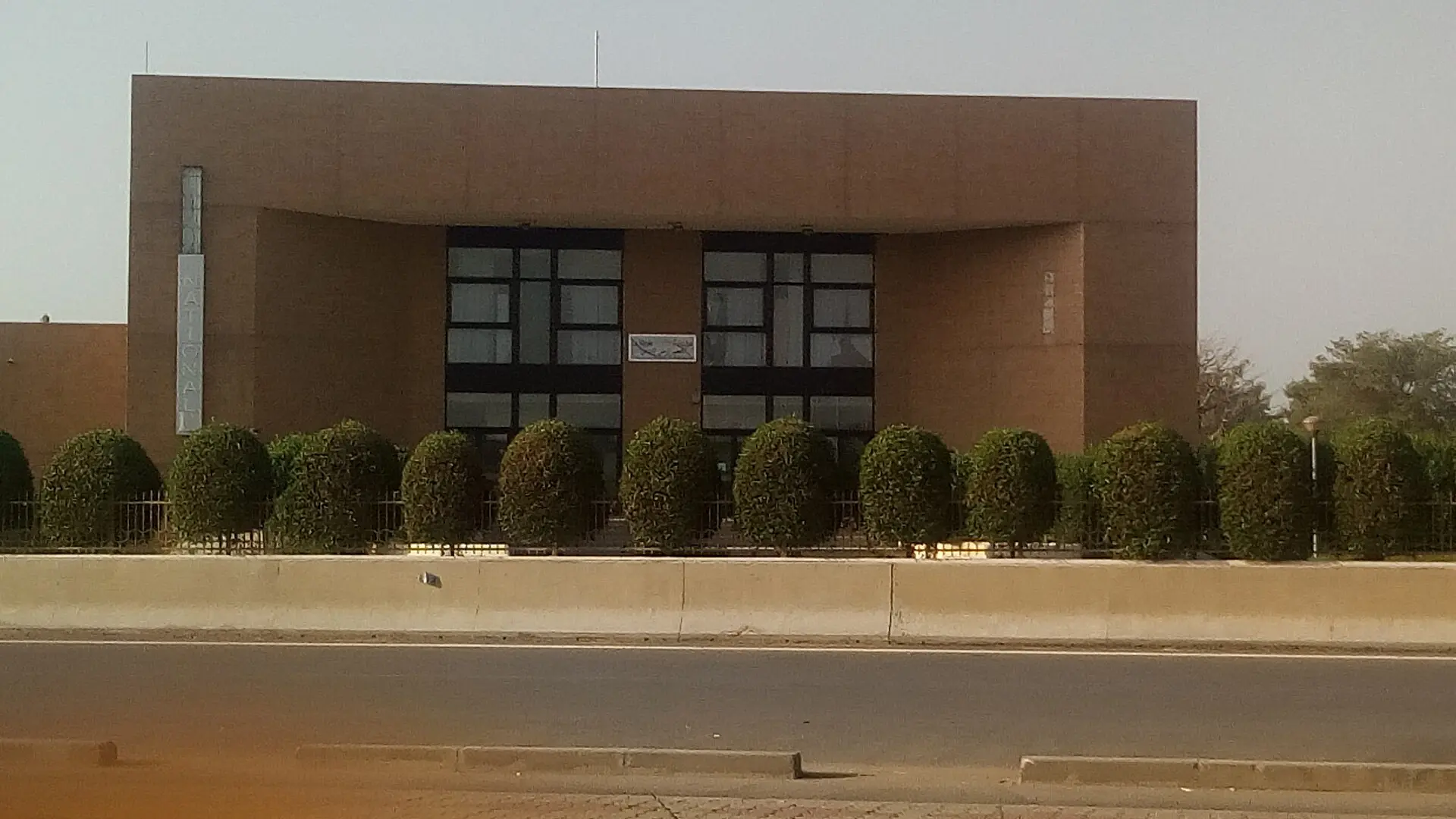
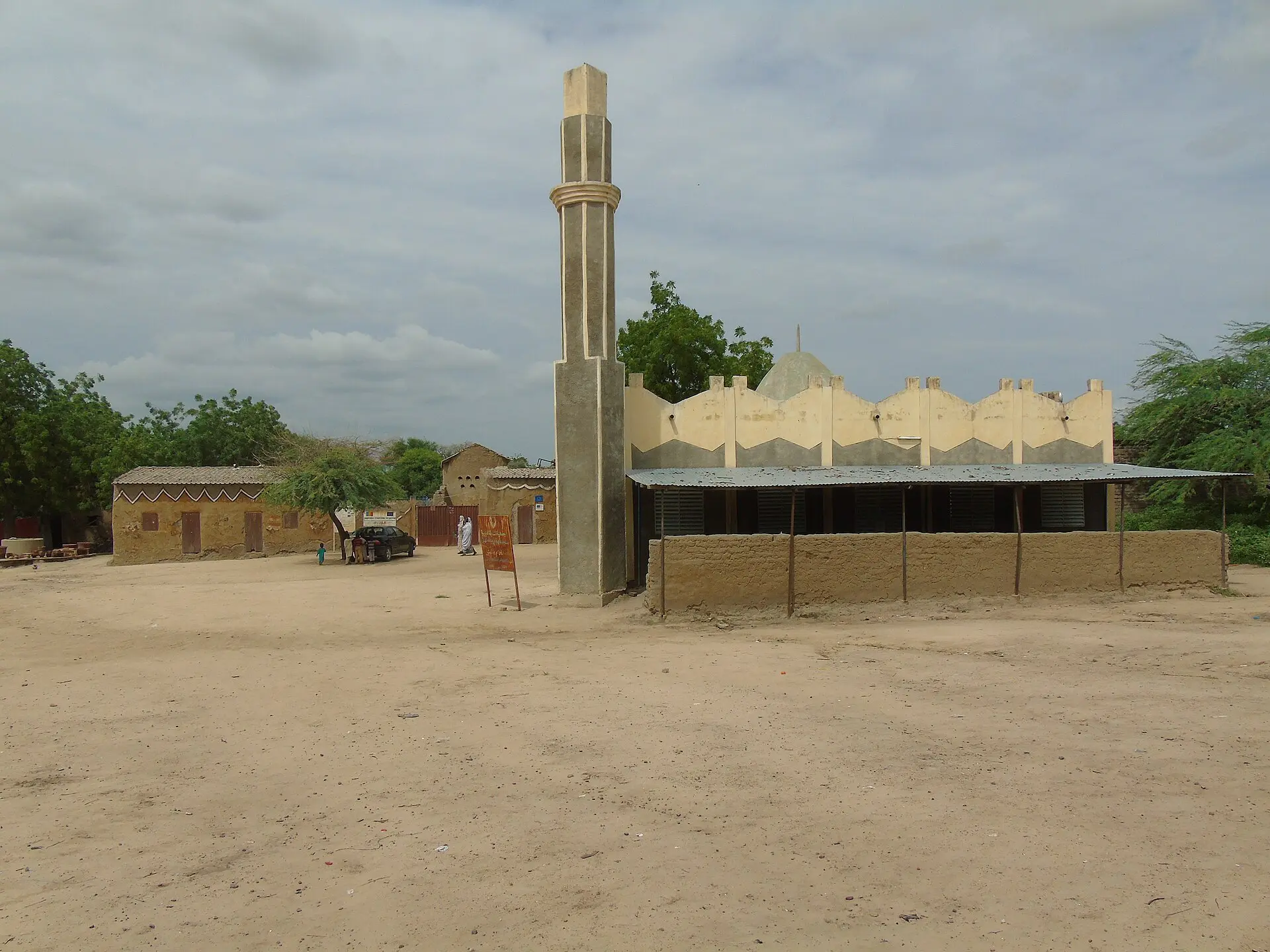
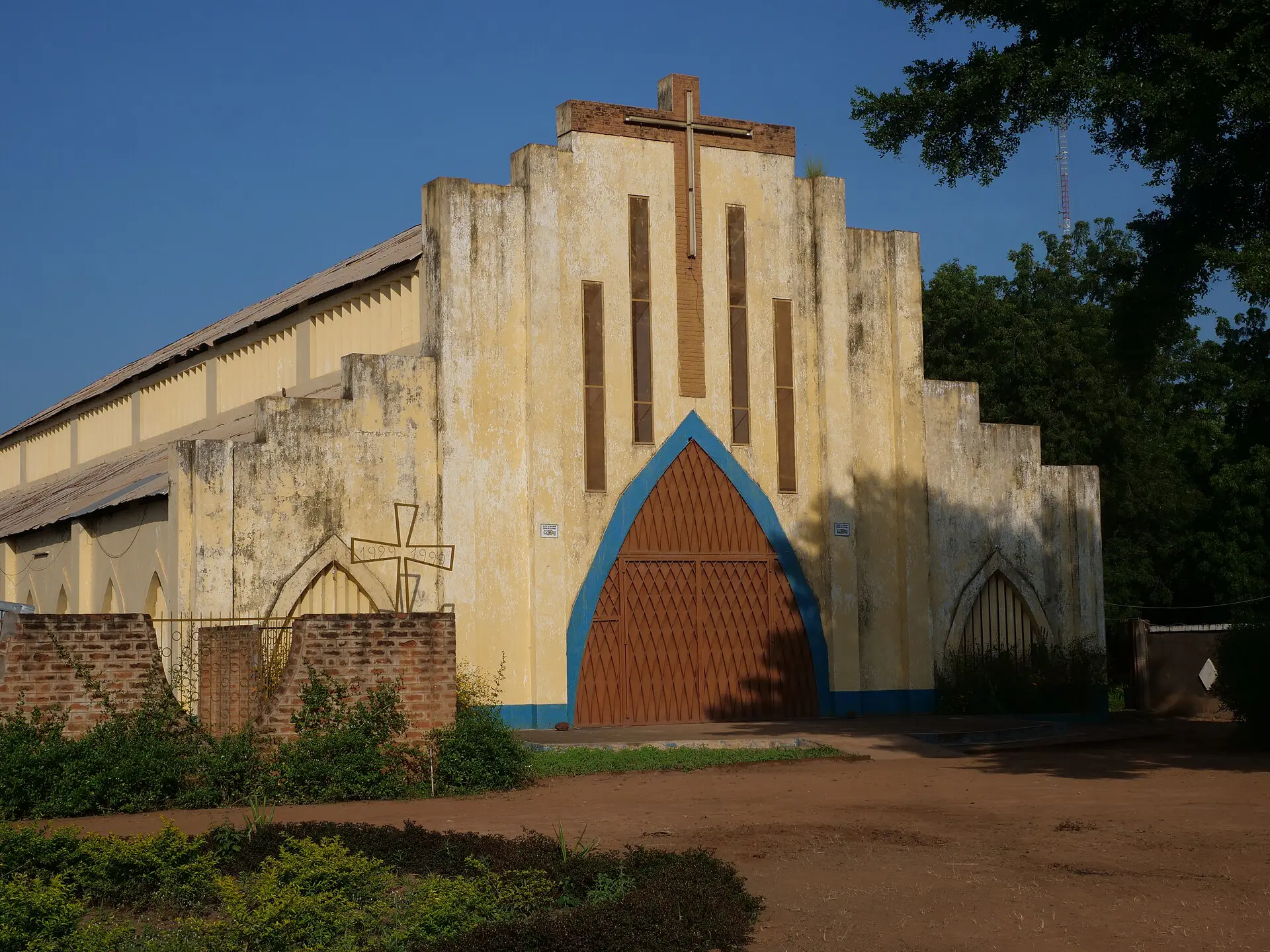
The capital sits on the Chari River by the Cameroon border. Its national museum, large central market, mosques and cathedral give a first look at Chadian life, and the nearby pottery village of Gaoui is a short trip.
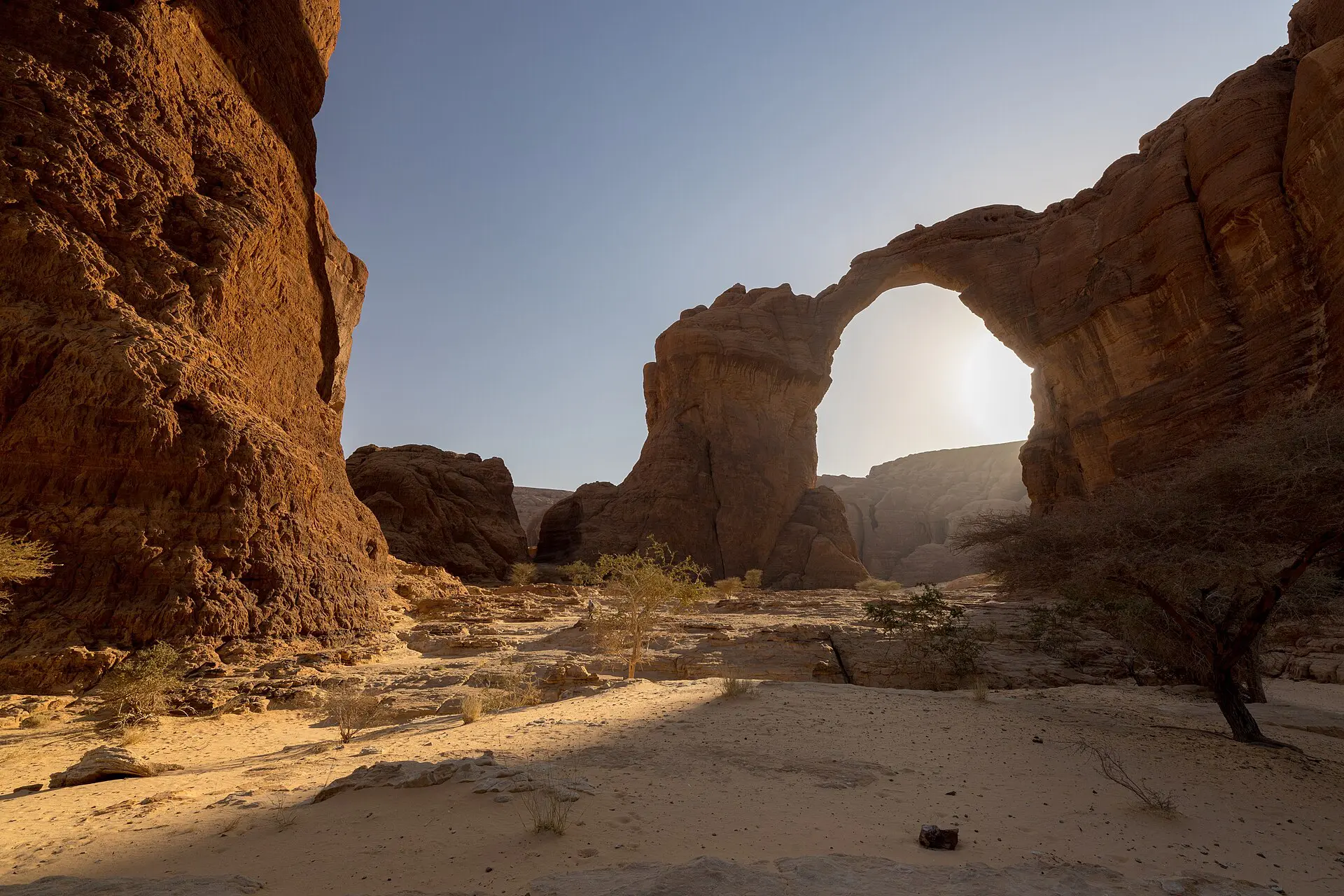
Ennedi Massif
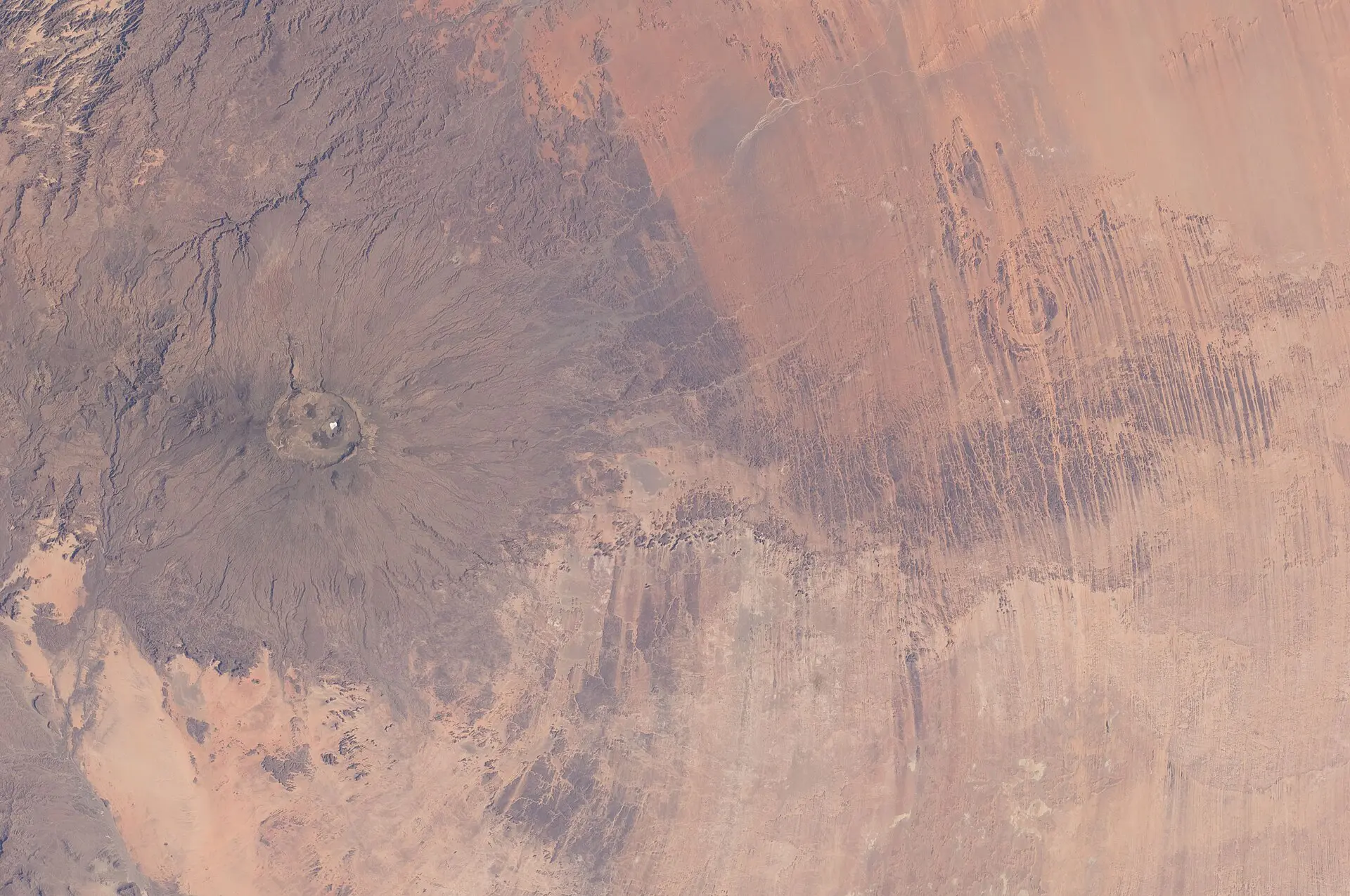
This UNESCO-listed north-eastern plateau has sandstone arches, canyons and rock art, plus guelta pools where camels gather. It is remote and lies in an area where official advice has been strongly against travel; see the UNESCO page for Chad for the listed sites.
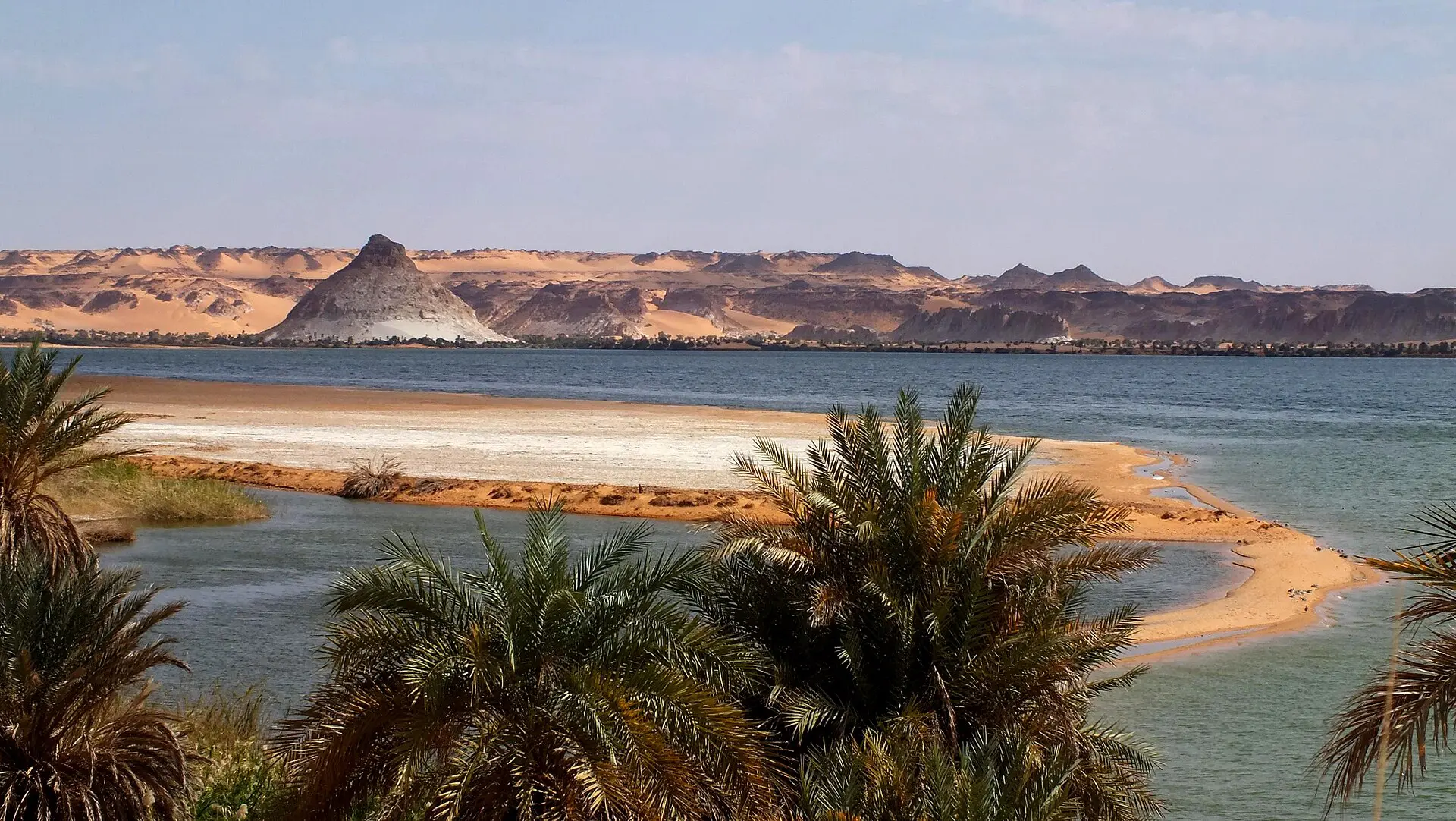
Lakes of Ounianga
A chain of desert lakes in the Sahara, also UNESCO-listed, fed by groundwater and ringed by dunes. Access is by long desert tracks or charter flight, and the same security caution applies.
Moundou and the south
Moundou, the second city, and the cotton and farming belt of the south offer a greener, more humid Chad, though few facilities exist for visitors.
Top things to do in Chad
The top things to do in Chad are built around wildlife, desert scenery and city life, and several depend on security conditions at the time of travel.
- Go on safari in Zakouma: game drives and guided walks reveal giraffes, elephants, buffalo and predators.
- Watch birds at Zakouma: the wet-season and early dry-season wetlands draw many resident and migrant species.
- Visit the National Museum in N’Djamena: it holds archaeological and ethnographic collections, subject to opening times.
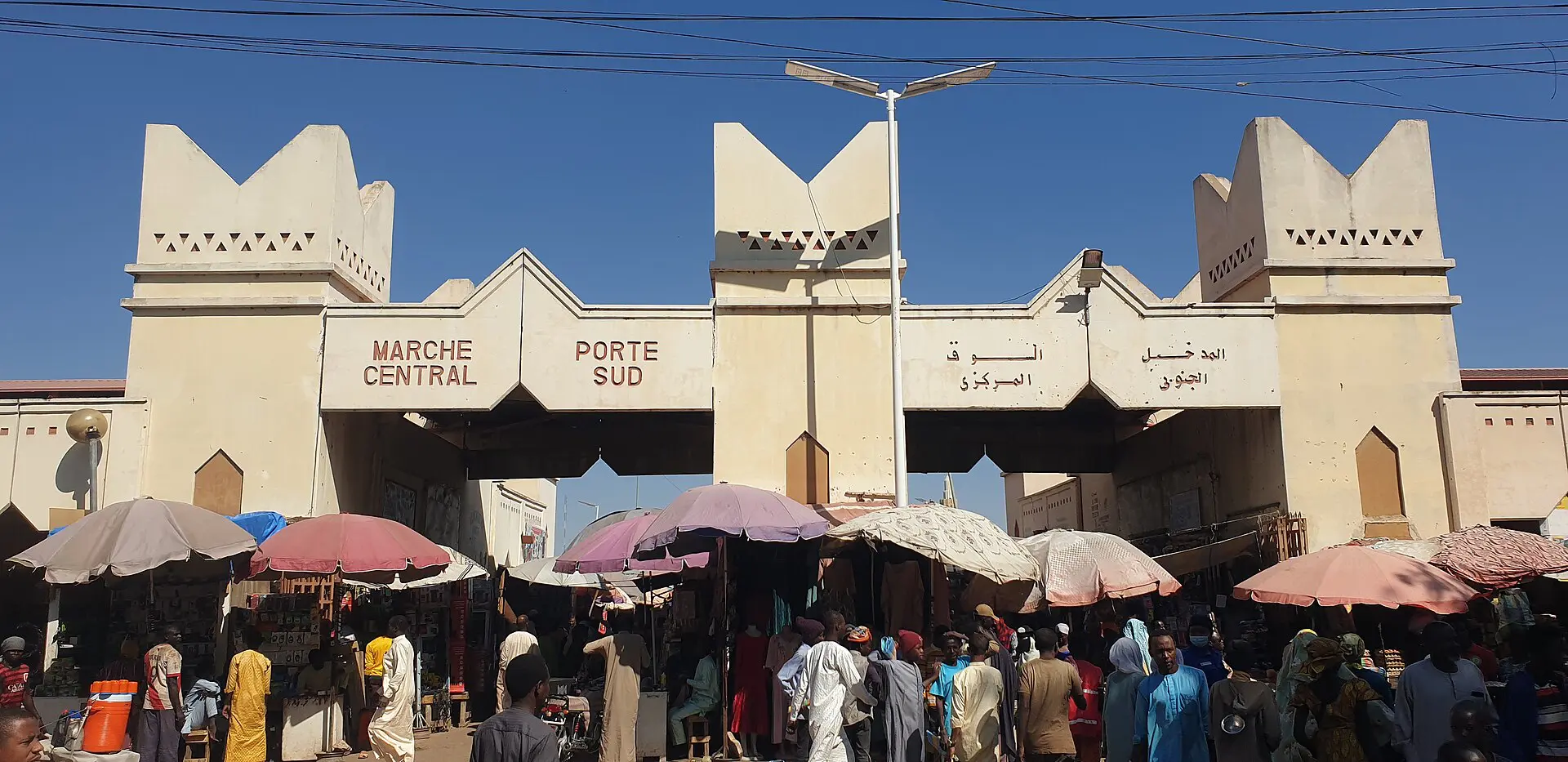
- Walk the Grand Marché: N’Djamena’s central market sells textiles, spices, leather and household goods.
- Watch the Chari River at sunset: fishermen’s boats and the Cameroon bank are visible from the riverfront.
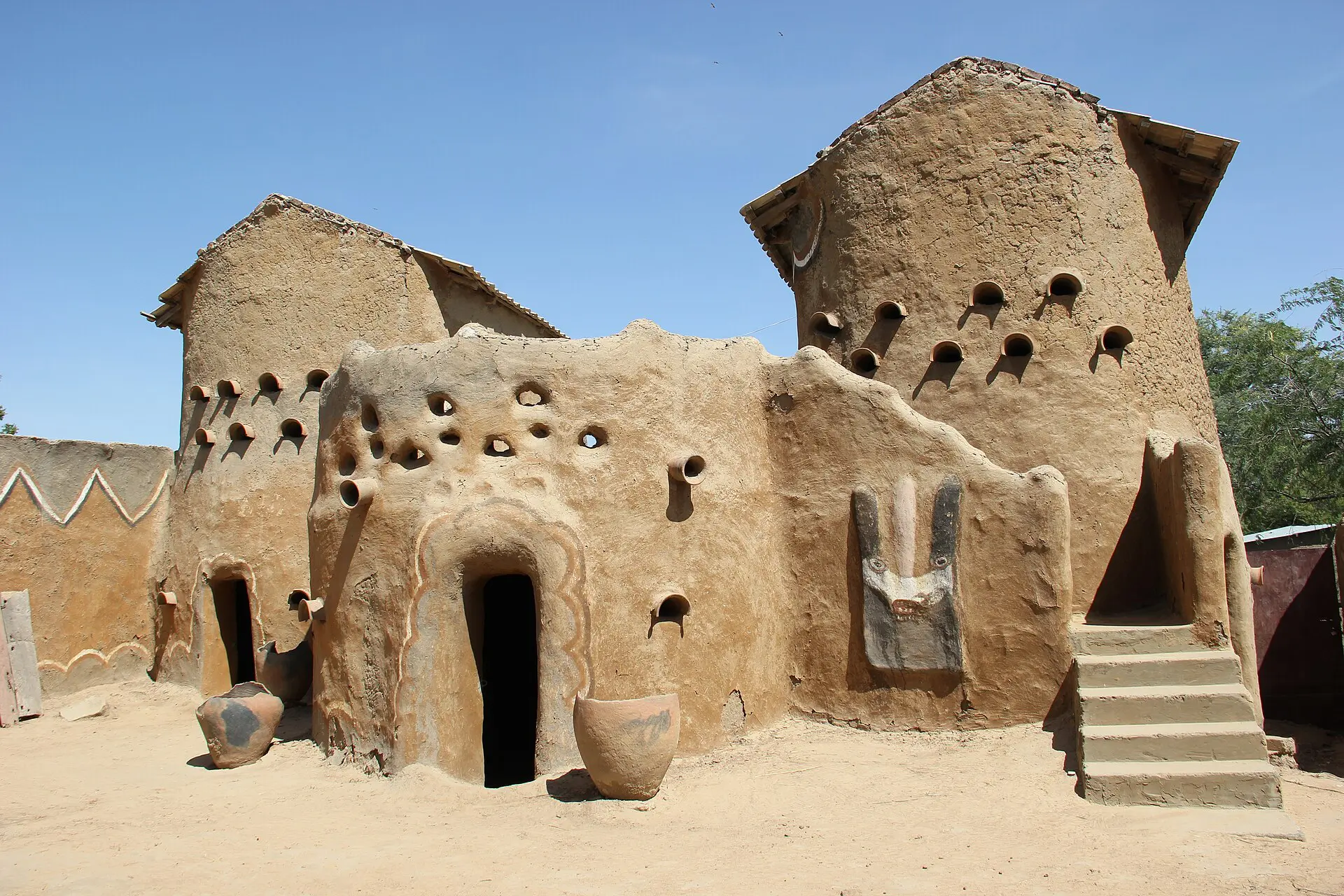
- Visit Gaoui: a village near the capital known for pottery and traditional mud architecture.
- See the Ennedi guelta pools: only on a specialist expedition and only when advice allows.
- Learn about Sahelian history: the old Kanem and Wadai kingdoms shaped the region, and local guides can explain it.
- Try river fish and grilled meat: simple local restaurants serve both along the Chari.
Best time to visit Chad
The best time to visit Chad is November to April, when the rains have ended and temperatures are more bearable. A tropical front brings the wet season from May to October in the south and from June to September in the Sahel, and many roads and wildlife areas become hard to reach. March and April are very hot, so December to February is the most comfortable period for most visitors.
| Season | Weather | Crowds and prices | Good for |
|---|---|---|---|
| Nov-Feb | Dry, warm days, cooler nights | Few visitors; safari prices highest | Zakouma, N’Djamena, desert travel |
| Mar-Apr | Very hot, dusty | Low | Late wildlife viewing |
| May-Oct | Rainy in the south; hot and humid | Very low; many roads impassable | Little; Zakouma usually closed |
Check the park’s opening dates and local road conditions before booking, because they shift with each rainy season.
Is Chad safe to visit?
Is Chad safe? Not for casual travel: Chad carries a high level of risk, and governments such as the UK FCDO and US State Department advise against travel to large areas. Is Chad safe to visit at all? Some parts can be visited on organised trips, but only with current advice, local expertise and a clear plan. Read your government’s guidance for Chad before you book anything.
Is Chad safe?
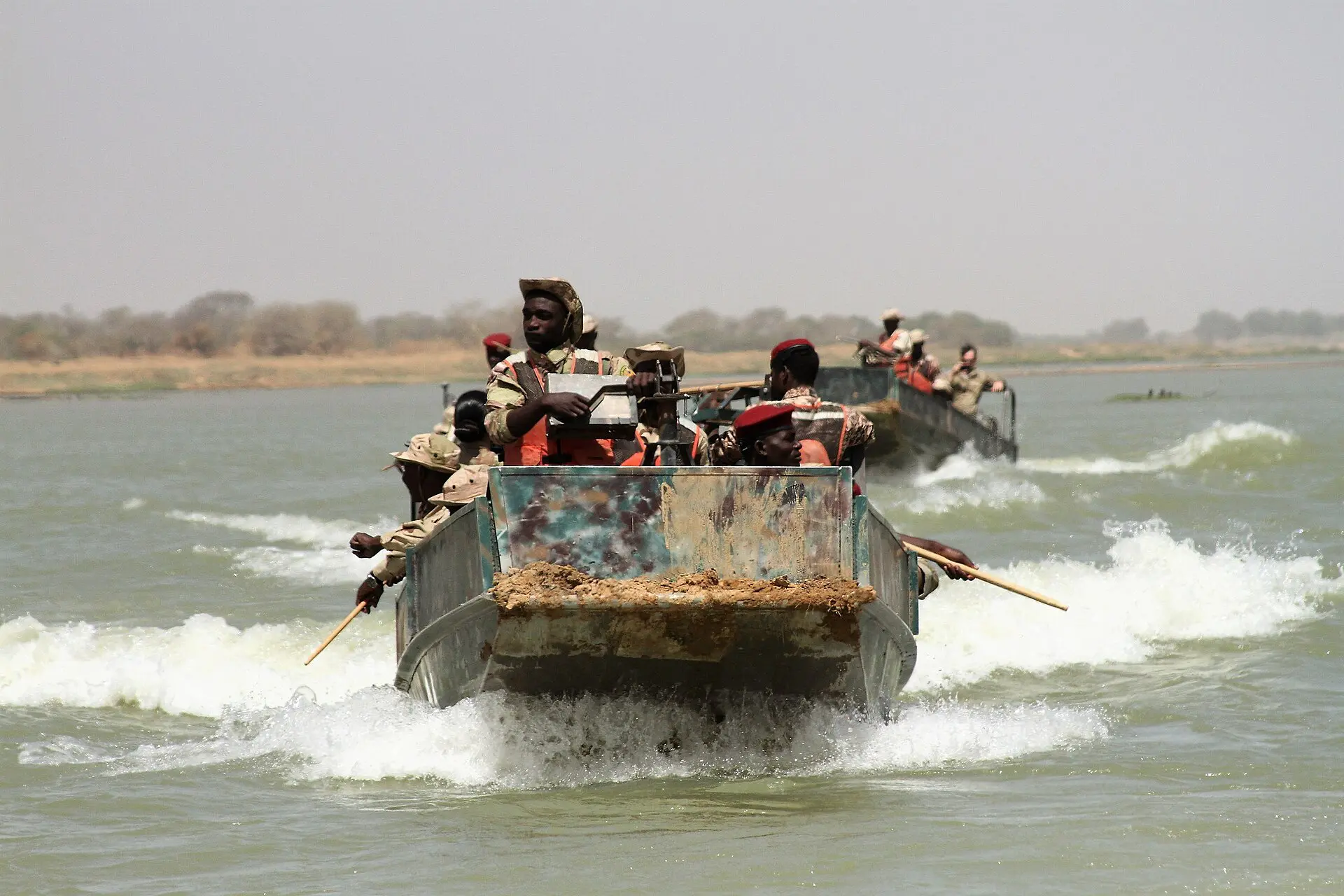
Security. Armed groups operate around Lake Chad and in border zones, and Sudan’s conflict has pushed large numbers of refugees into the east. Coups and political violence have occurred, and the situation can shift quickly. Do not travel overland near the borders with Sudan, Libya, Niger, Nigeria or the Central African Republic without specialist support.
Crime and rules. Petty theft and robbery occur in N’Djamena, especially after dark. Photography near government or military sites, and sometimes of people, can lead to detention. Carry copies of your documents.
Health. Malaria, water-borne illness and heat are major risks, and medical care is limited. Carry travel insurance that includes medical evacuation, and ask a clinician about vaccines and malaria prevention.
Visa and entry requirements for Chad
Most nationalities need a visa to enter Chad, and rules and procedures change, including the use of an online application, so confirm the current process with the Chadian authorities or your nearest embassy. Do not plan on getting a visa at the border.
Expect to need a passport valid for at least six months, proof of accommodation or an invitation from a tour operator, a return ticket and a certificate of yellow fever vaccination. Registration with local authorities and travel permits for areas outside the capital are often required, and a tour operator will normally arrange these. The Wikivoyage guide to Chad gives general background on entry.
If you are crossing by land from Cameroon at Kousséri and N’Djamena, check that the crossing is open and safe on the day you travel.
Getting to and around Chad
Most visitors fly into N’Djamena International Airport, which has connections to Paris, Addis Ababa and some African hubs; schedules change often, so check current options. A few land borders exist, but several are unsafe or closed.
Inside the country, roads outside the capital are poor and often unpaved, and the rainy season cuts many routes. Public buses and shared taxis exist between the main towns, yet they are slow and not suited to short trips. For Zakouma, most visitors fly by small charter aircraft from N’Djamena, which takes a few hours; the drive is a long journey of a day or more.
In N’Djamena, use hotel-arranged taxis or a driver, and avoid walking at night. In the desert north, travel only in four-wheel-drive vehicles with an experienced guide, satellite communications and spare fuel, and only where advice permits.
How much does a trip to Chad cost?
Chad is not a budget destination. The Central African CFA franc (XAF) is the currency, pegged to the euro, but visitors’ costs are set by scarcity of services and the cost of logistics. Figures are rough guides.
- Budget: around EUR 60 to 100 per day in N’Djamena for a basic room and local meals, with few real options below that.
- Mid-range: around EUR 100 to 200 per day for a good hotel, restaurant meals and a driver.
- High-end: safari lodges in Zakouma often cost several hundred US dollars per person per night, usually including meals and game drives, and charter flights add to the bill.
Visas, permits, guide fees and satellite phones all add up. Most visitors book a complete package through an experienced operator, which is usually the safest and often the only practical choice.
Chad food and drink
Chad food is based on millet, sorghum, rice, river fish and grilled meat, with regional variations between the Sahel and the south. Restaurants for visitors are concentrated in N’Djamena.
- Boule: a thick ball of millet or sorghum paste eaten with a sauce.
- Daraba: a sticky okra sauce served with boule, a common pairing.
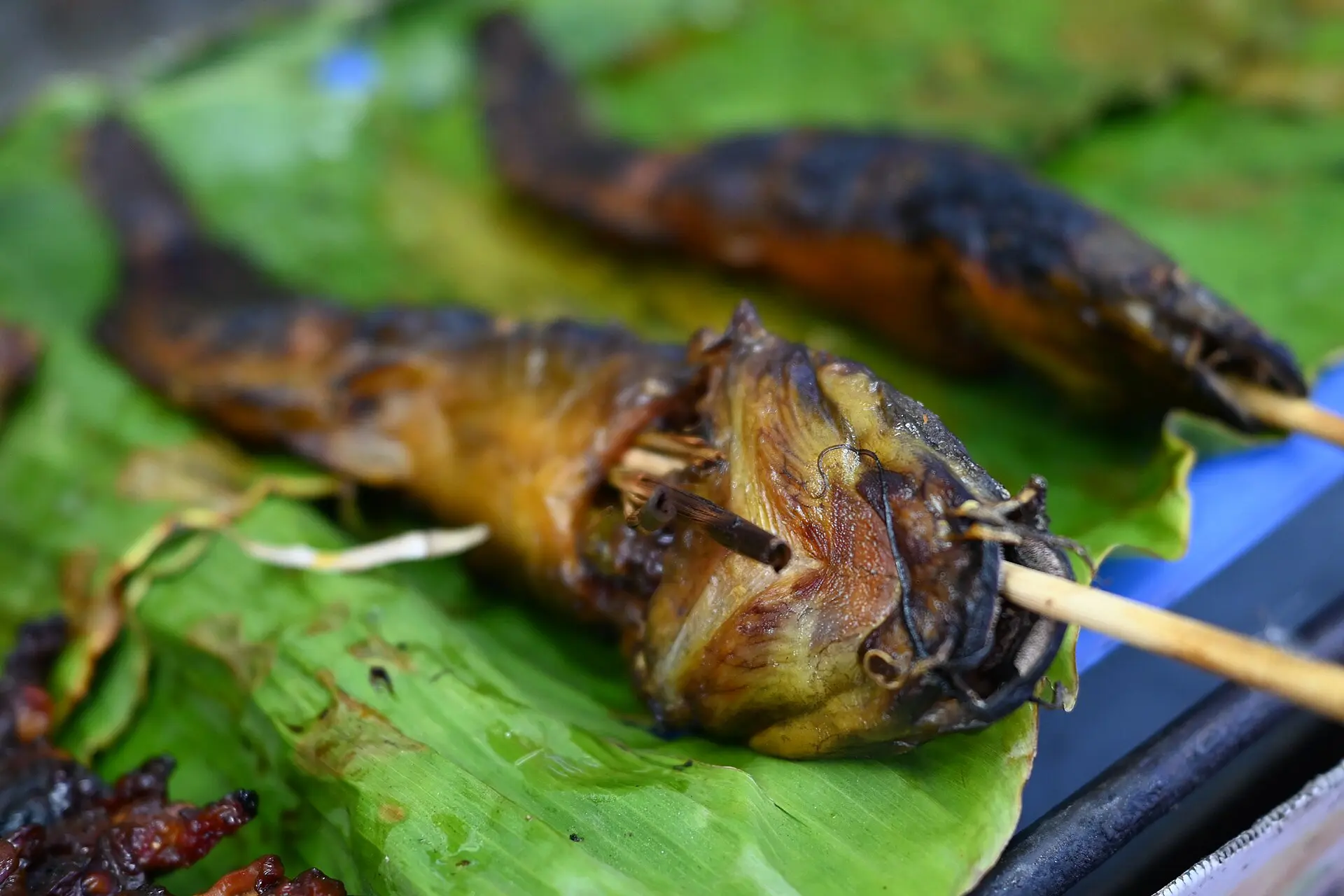
- Grilled fish: Nile perch and other fish from the Chari River, often grilled whole.
- Brochettes: skewers of grilled beef or goat sold on street corners.
- Karkanji and bissap: chilled hibiscus drinks that are popular in the heat.
- Beer: local lagers are sold in the south and the capital, though alcohol is less visible in Muslim areas.
Choose freshly cooked food, drink bottled water and peel fruit. Vegetarians can eat rice, beans, vegetables and fruit but will find few labelled options.
Culture, language and etiquette in Chad
French and Arabic are the official languages, with French the usual language of government and education and Chadian Arabic the common trade language. Many other languages are spoken, including Sara in the south. Islam is the largest religion, followed by Christianity, and the north is more conservative than the south.
Greetings matter. Take time over a handshake and a few questions about health and family before getting to business. Use the right hand for eating and passing items. Dress modestly, with covered shoulders and knees, and for women a scarf in mosques and more conservative areas.
Always ask permission before photographing people, and avoid photographing airports, bridges, government buildings and military sites. During Ramadan, avoid eating or drinking in public in Muslim areas. Avoid discussing politics, the military and ethnic tensions with strangers.
Chad itinerary: a 7-day route
Independent travel across Chad is not currently advisable, so this itinerary stays in the safest and most accessible areas and assumes a licensed operator arranges permits, transport and security.
- Day 1, N’Djamena: arrive, settle in and rest at a secure hotel.
- Day 2, N’Djamena: visit the National Museum, the Grand Marché with a guide and the Chari riverfront.
- Day 3, Gaoui and transfer: visit Gaoui in the morning, then prepare for the flight to Zakouma.
- Days 4 to 6, Zakouma National Park: go on game drives and guided walks, with a focus on giraffes, elephants and birds.
- Day 7, return: fly back to N’Djamena for your onward flight.
This works only between roughly November and April. Avoid the north, the east and Lake Chad, and re-check official advice shortly before departure.
Practical tips for Chad
- Money: bring euros or US dollars in clean, recent notes and exchange locally; cards and ATMs are unreliable outside top hotels.
- SIM and eSIM: local SIMs are available in N’Djamena with a passport, but coverage is patchy outside towns, so carry a satellite device on remote trips.
- Plugs: types C, D, E and F at 220 to 230 V; a universal adapter is the safest choice.
- Tipping: not expected, but small tips for guides and drivers are appreciated.
- Health: get a yellow fever certificate, take malaria prevention, and carry a first-aid kit and extra medication.
- Packing: light long clothes, a hat, sun protection, a head torch and a scarf for dust.
- Registration: register with your embassy, share your itinerary and keep copies of your passport and visa.
For wider background, see the Wikivoyage Chad guide.
FAQ
Q1What is Chad food like?
Chad food centres on millet or sorghum boule served with okra or meat sauces, plus grilled fish from the Chari River, skewered brochettes and rice dishes. Hibiscus drinks such as karkanji are common. Restaurants for visitors are mostly in N'Djamena.
Q2Is Chad safe?
Chad is high risk. Governments advise against travel to large parts of the country, including border and Lake Chad areas, because of armed groups and instability. N'Djamena has crime risks too. Travel only with current advice, an experienced operator and medical evacuation insurance.
Q3What are the best things to do in Chad?
Safari at Zakouma National Park is the top draw, with giraffes, elephants and nearly 400 bird species. In N'Djamena, visit the National Museum, the Grand Marché and the Chari riverfront. Desert sites such as Ennedi and Ounianga require specialist expeditions.
Q4Is Chad safe to visit for tourists?
Only in limited ways. Organised trips to Zakouma and short stays in N'Djamena are the most feasible, and they should be arranged through experienced operators who track security. Independent overland travel is not advisable at present.
Q5What is the best time to visit Chad?
November to April is best: it is dry and cooler, roads are usable and Zakouma is open. March and April get very hot. The rainy season from May to October makes many routes impassable.
Q6Do I need a visa for Chad?
Most nationalities do. Plan to apply before travel, carrying a valid passport, proof of accommodation and a yellow fever certificate. Rules change, so confirm with the Chadian authorities or an embassy rather than relying on a border visa.
Q7How many days do you need in Chad?
Around seven days covers N'Djamena and a few days in Zakouma. Desert expeditions in the north need two weeks or more and specialist support, if advice allows them at all.