Why visit Somalia
This Somalia travel guide begins with an honest framing: Somalia is not a conventional tourist destination, and its security situation means that most visitors are aid workers, diplomats, journalists, business people or the diaspora. The country is the easternmost in mainland Africa, with the longest coastline on the continent’s mainland and a history as a trading hub that includes ancient links with Egypt and medieval ports such as Mogadishu (see the Wikipedia overview for background).
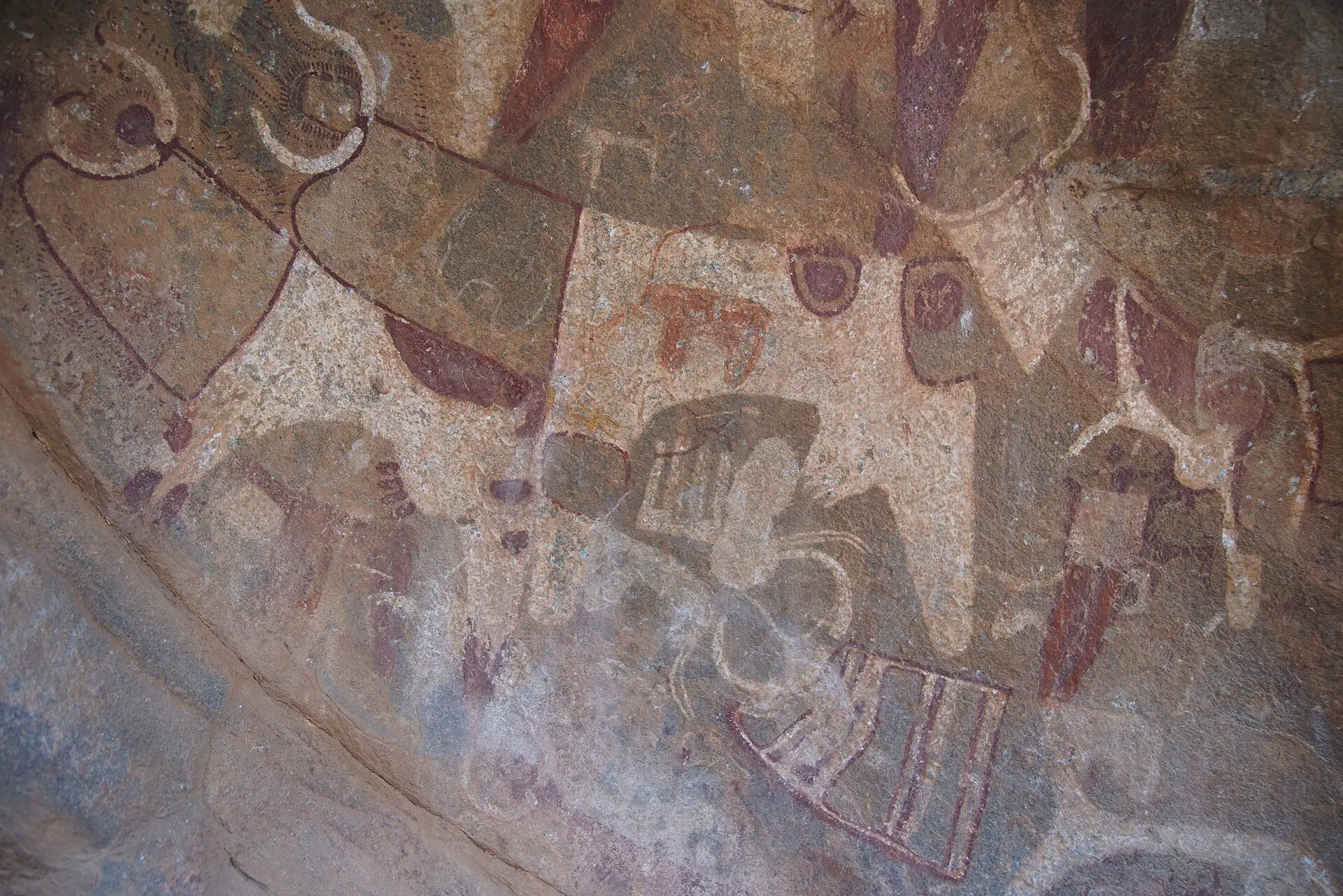
For those who do have reason to go, the draws include coastal Indian Ocean scenery, Cal Madow mountains, the Laas Geel cave paintings near Hargeisa and the hospitality that travellers often report. Somalia suits only experienced, well-supported visitors who accept real risk and who have first checked their government’s advice and insurance cover. For most readers, learning about the country from a distance is the practical option for now.
Best places to visit in Somalia
The best places to visit in Somalia are limited by security, and access varies sharply between regions. The places below are described for background; none is a recommendation to travel against official advice.
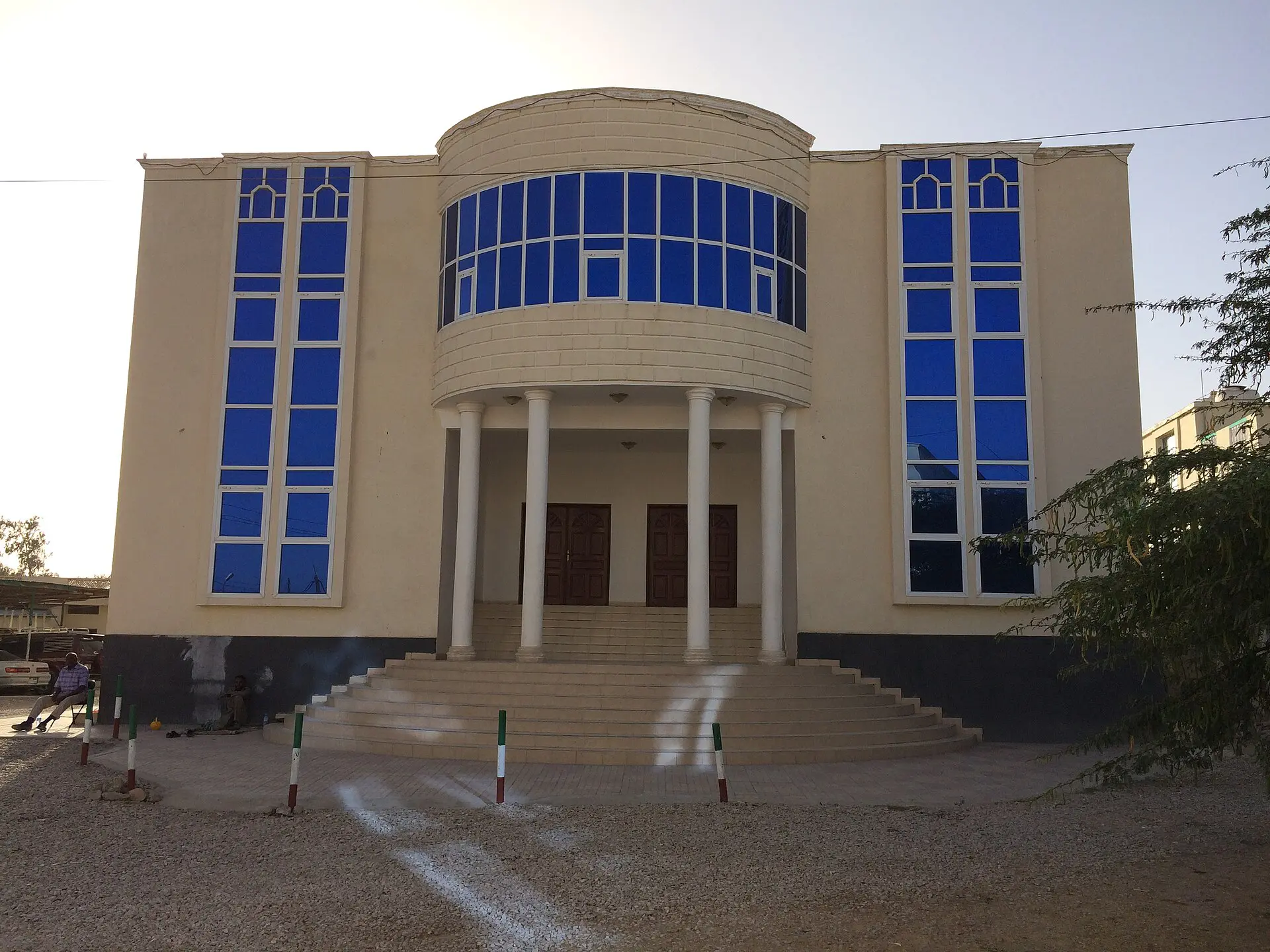
Hargeisa and Somaliland
Hargeisa is the capital of Somaliland, a self-declared state in the north-west that is not internationally recognised but is considerably calmer than southern Somalia. It has lively markets, a war memorial and a small museum. Government advice for Somaliland differs from that for the rest of the country, so check it separately.
Laas Geel
About 50 kilometres from Hargeisa, rock shelters hold some of the best-preserved Neolithic paintings in Africa, mostly of decorated cattle. Visits normally need a permit, a guide and a local escort.
Berbera
This historic Red Sea port has Ottoman-era buildings, a long beach and a modern port expansion. It is reached by road from Hargeisa, about 150 kilometres to the north.
Mogadishu
The capital has been rebuilt in places and has beaches, the old Hamar Weyne and Shingani districts and the Arba’a Rukun Mosque. It also faces regular attacks, and movement outside secured compounds is highly restricted.
Kismayo and the south coast
Kismayo is a southern port with long beaches, but travel there is considered too dangerous by most governments.
Top things to do in Somalia
The top things to do in Somalia depend entirely on security conditions, and most activities need professional arrangements. Treat this list as a view of what the country offers, not a plan.
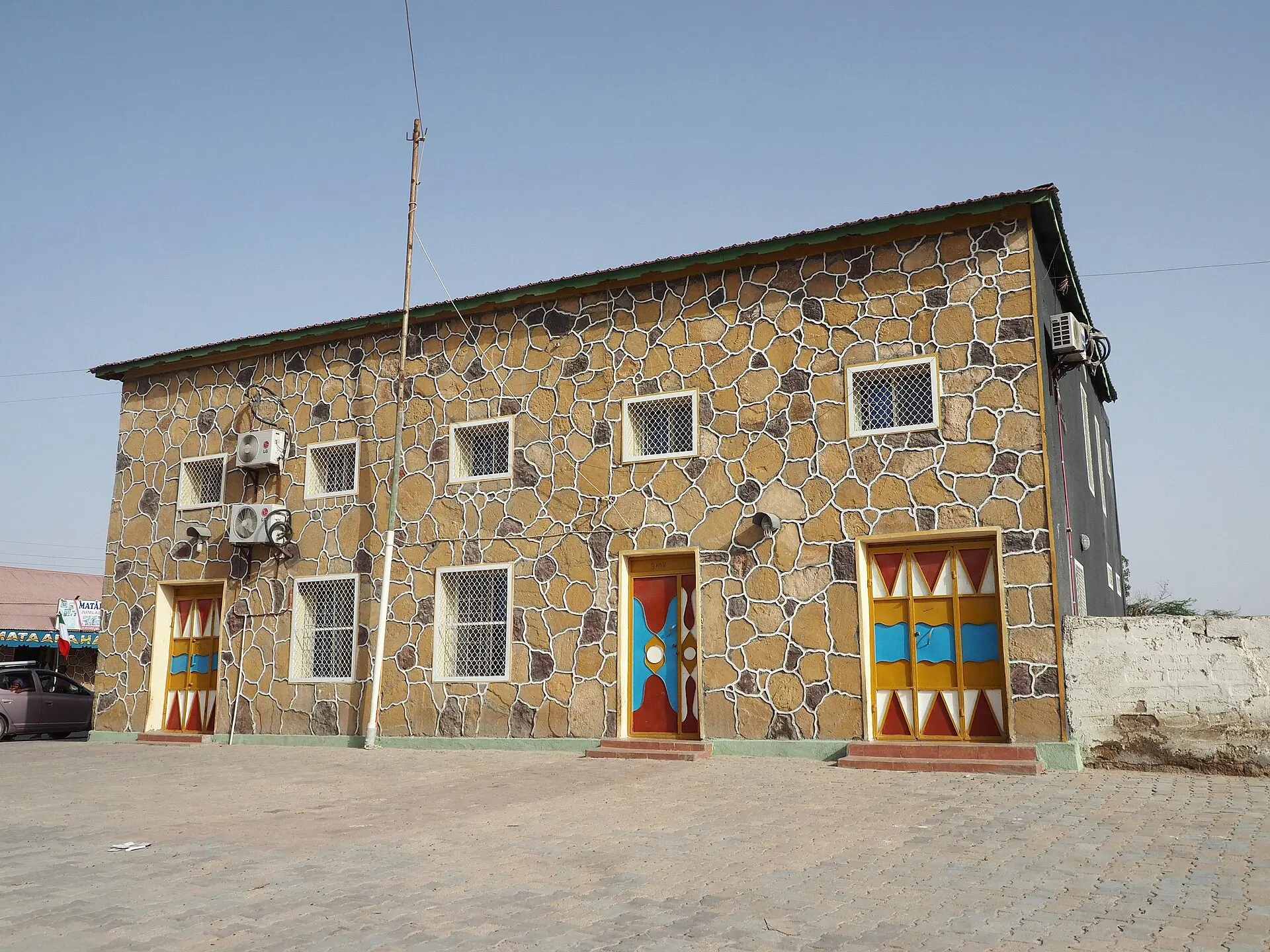
- See the Laas Geel paintings: rock shelters near Hargeisa hold painted cattle and human figures thousands of years old.
- Walk Berbera’s old quarter: Ottoman and colonial buildings stand beside a working harbour.
- Visit Hargeisa’s markets: traders sell livestock, spices, incense and money-changers carry bundles of local currency.
- Explore Mogadishu’s Hamar Weyne: the old district preserves coral-stone houses and a historic mosque, but only with specialist security.
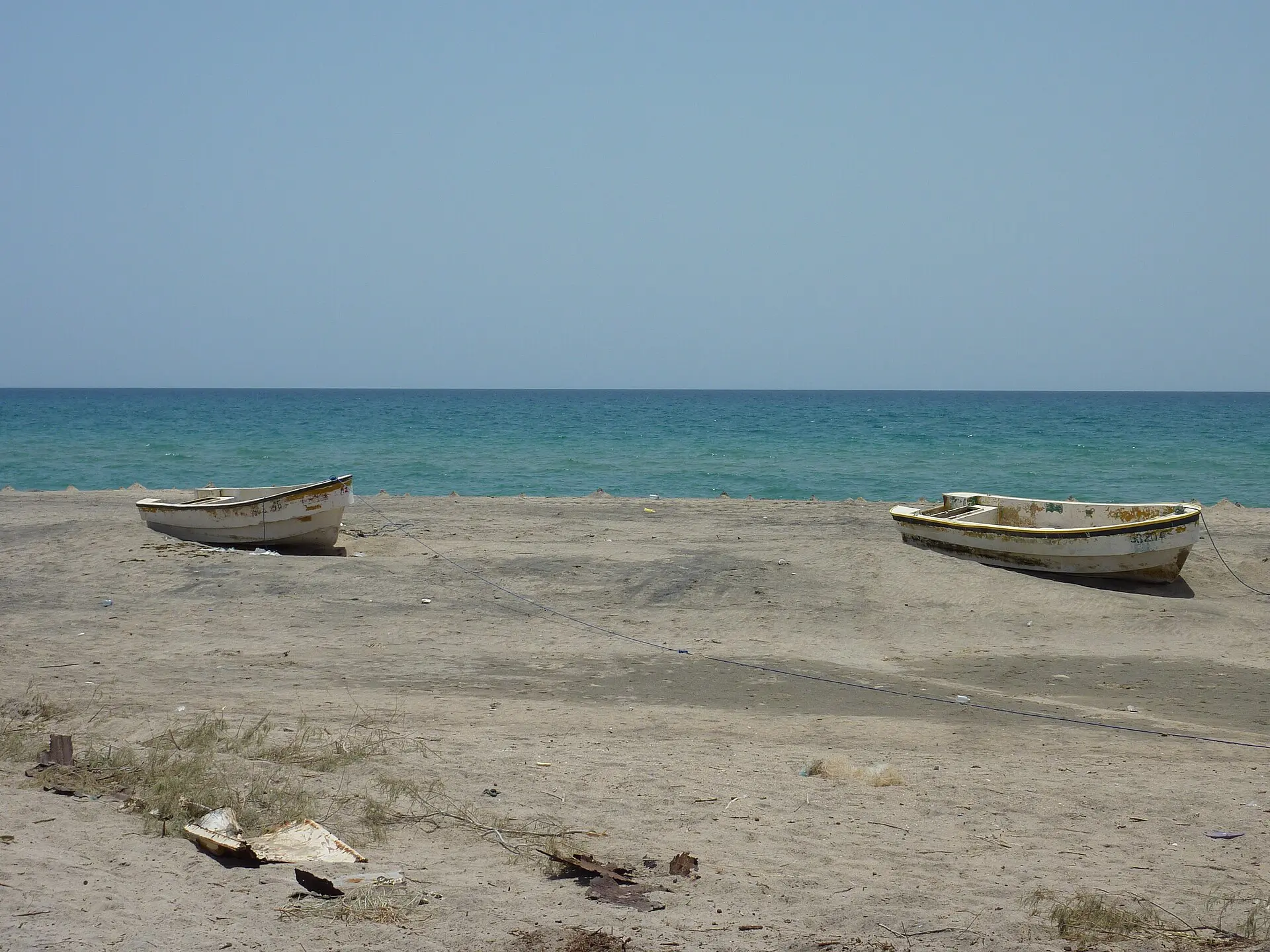
- Relax on the Berbera coast: beaches near the town offer clear water, though facilities are limited.
- Drive to the Cal Madow mountains: in the north-east, they hold frankincense trees and high plateau scenery, with serious security limitations.
- Meet local artists and poets: Somali poetry is highly valued, and Hargeisa has a small cultural scene.
- Taste camel milk and fresh fish: coastal towns serve grilled fish, rice and camel milk.
Best time to visit Somalia
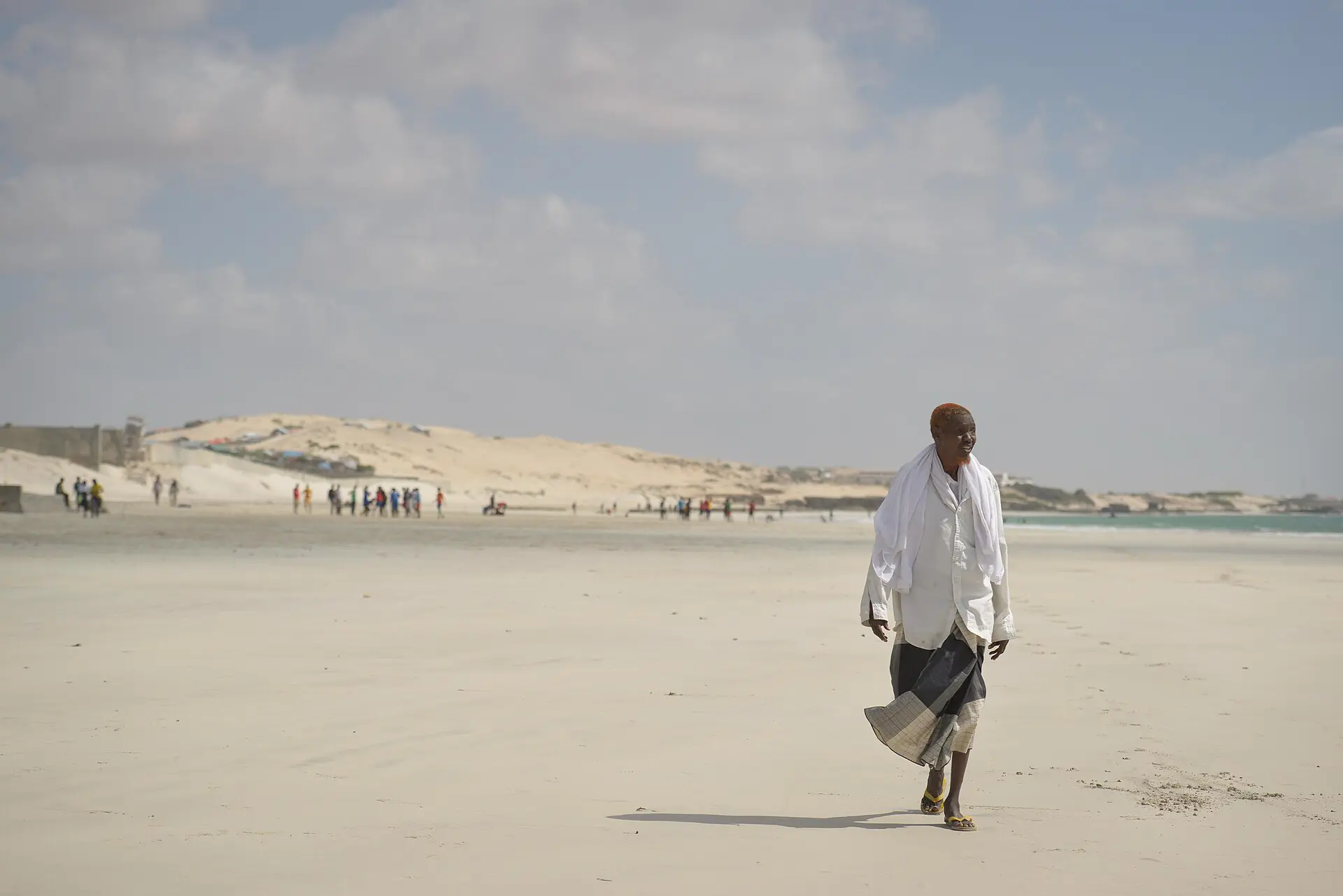
The best time to visit Somalia, from a weather point of view, is during the dry seasons: December to March (Jilaal) and June to September (Xagaa). Security matters more than the weather, however, and the situation can change within days regardless of the month. Coastal areas are hot year-round, and the highlands around Hargeisa are cooler.
| Season | Weather | Crowds and prices | Good for |
|---|---|---|---|
| Jilaal (Dec-Mar) | Dry and warm to hot, cool nights in the highlands | Very few visitors; costs are driven by security | Overland travel, rock art visits |
| Gu (Apr-Jun) | Main rains, some flooding | Few visitors; road conditions worsen | Not advised for travel |
| Xagaa (Jun-Sep) | Hot and dry, strong monsoon winds on the coast | Few visitors; rough seas limit boats | Highlands, inland trips |
| Deyr (Oct-Nov) | Shorter rains, humid | Few visitors; road conditions vary | Not advised for travel |
Flooding and drought are both recurring hazards, and humanitarian conditions can affect access to many areas, so check current reports before making plans.
Is Somalia safe to visit?
No, Somalia is not safe for ordinary tourism, and most governments advise against all travel to most of the country. The UK Foreign, Commonwealth and Development Office and the US State Department publish current advice, and you should read it in full before considering any trip. Insurance policies often exclude areas that your government advises against, so the financial risk can be as serious as the physical one.
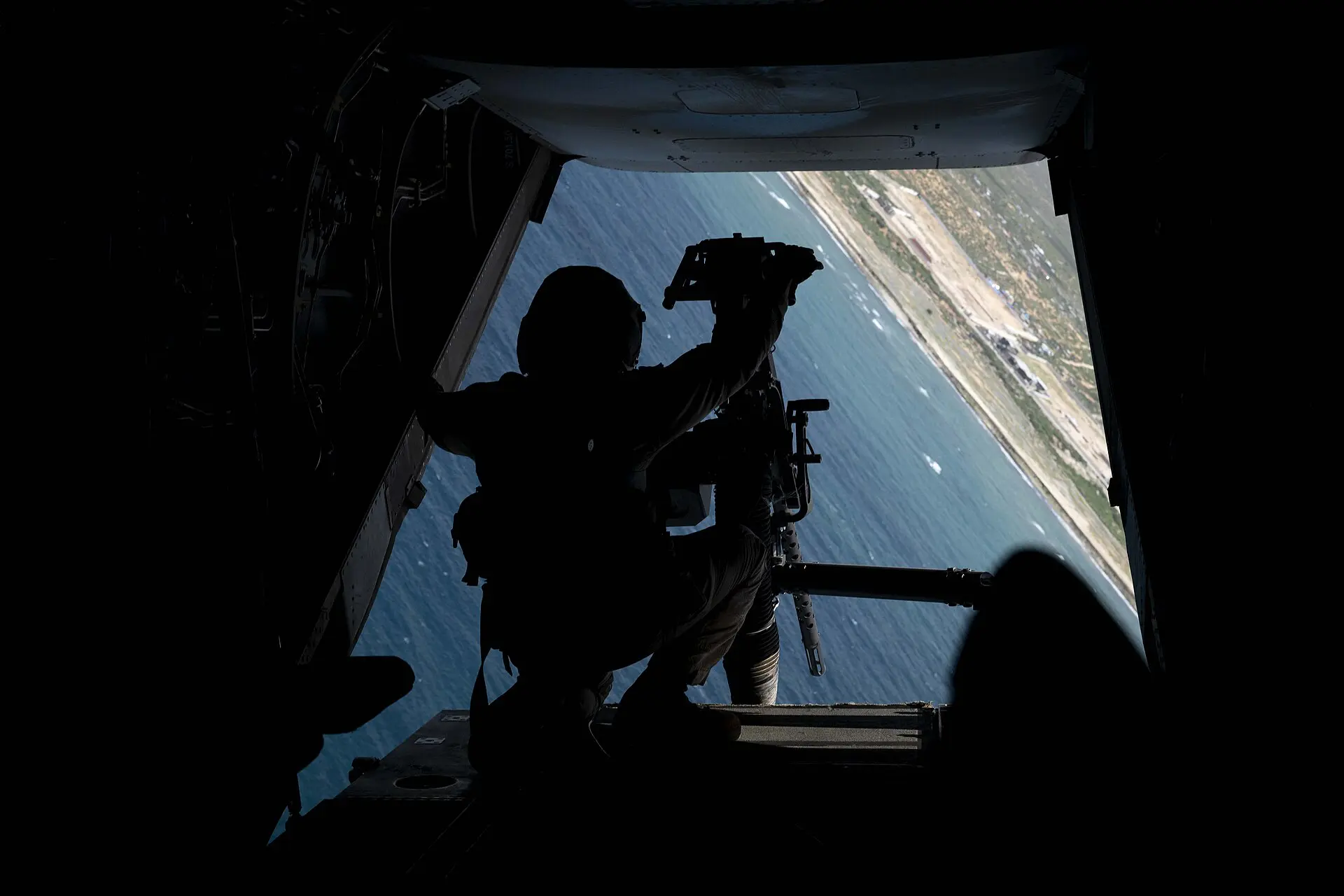
Terrorism and conflict. The militant group al-Shabaab controls or influences large parts of central and southern Somalia and carries out bombings and shootings, including in Mogadishu, targeting hotels, restaurants, beaches, government sites and security forces. Armed clashes between clans, regional forces and the government also occur.
Kidnapping and piracy. Foreigners are targets for kidnapping, and piracy off the coast has resurfaced in recent years. Road travel outside secured areas can involve checkpoints, improvised explosive devices and banditry.
Somaliland. The north-west is more stable, but disputed areas along the Sool and Sanaag borders have seen fighting, notably around Las Anod. Advice varies by area.
Health and hazards. Healthcare is very limited. Malaria, cholera and other diseases occur, and landmines remain a risk. Drought and flooding affect large areas.
Visa and entry requirements for Somalia
Entry rules depend on your nationality and on where you plan to go, because Somalia and Somaliland run separate systems. Federal Somalia has operated an e-visa system, and Somaliland issues its own visas, including on arrival at Hargeisa airport for some travellers. Fees, processing times and rules change often, so confirm them with the relevant official source or the nearest embassy or representative office before you travel.
A passport valid for at least six months and a recent yellow fever vaccination certificate are commonly required. Many visitors need a sponsor or invitation from a registered organisation, hotel or company, and unaccompanied tourist travel may not be accepted at all. Registration with local authorities on arrival can also be required.
Entering Somaliland and then continuing into other parts of Somalia can cause complications, because the authorities do not recognise each other’s entry stamps in the same way. Travelling by land from Ethiopia, Djibouti or Kenya is highly restricted. For general heritage reference, see the UNESCO page for Somalia, though it does not cover entry rules, and the same applies to current government advisories.
Getting to and around Somalia
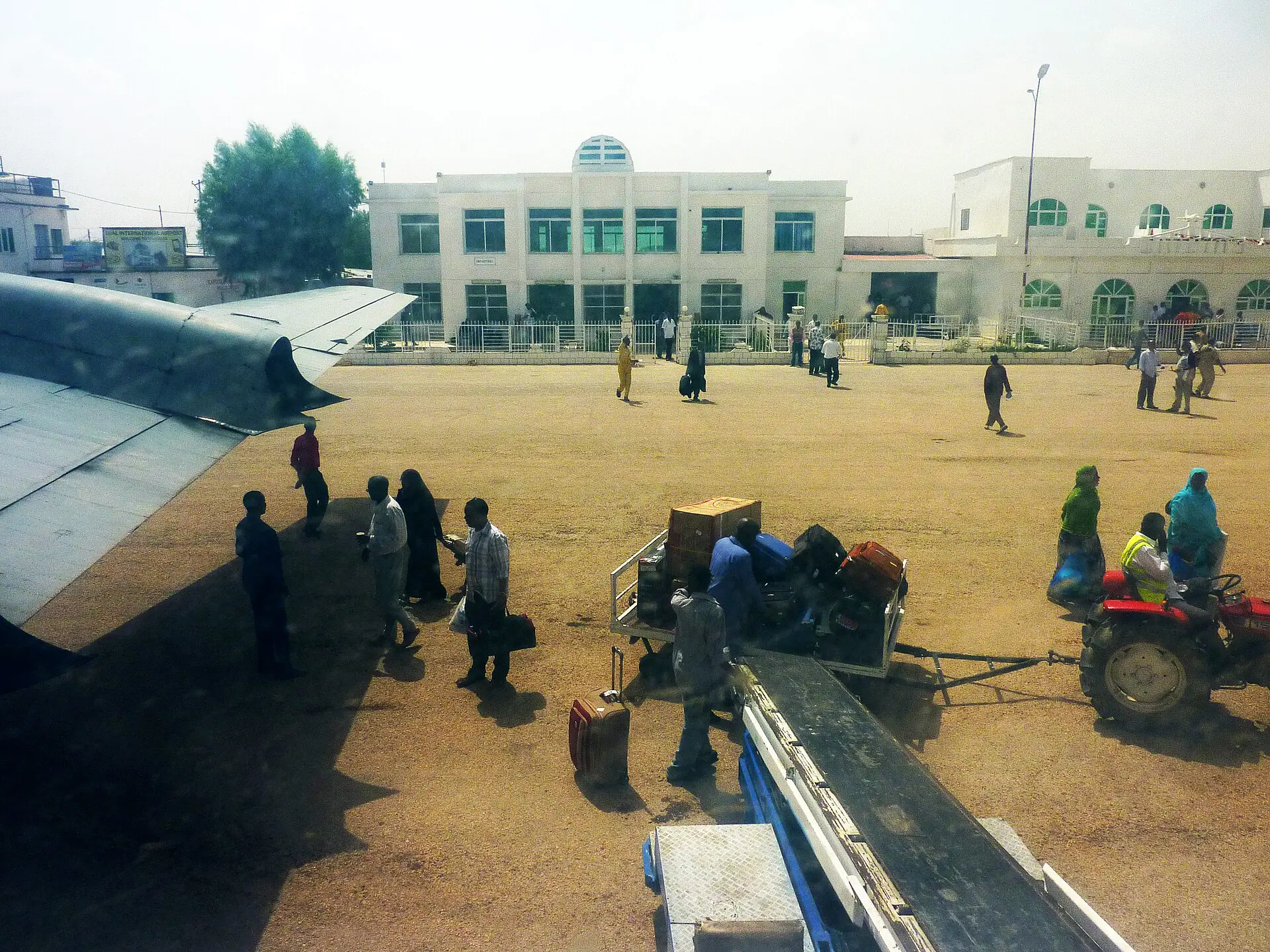
Most visitors fly into Mogadishu’s Aden Adde International Airport or Hargeisa’s Egal International Airport. Regional carriers and Gulf and Turkish airlines have served these airports through hubs in Addis Ababa, Nairobi, Djibouti, Dubai and Istanbul, but schedules change often and flights can be suspended. Berbera also has an airport and a major port.
Land travel is difficult. The main northern road runs from Hargeisa to Berbera and to Borama, and is one of the more reliable routes. Roads in central and southern Somalia pass through areas controlled by armed groups, and checkpoints are frequent. Buses and shared minibuses link major towns, but foreign visitors are advised not to use them without local security guidance.
Within cities, visitors who have reason to be there usually move by armoured vehicle or with a trusted driver arranged by their host organisation, and independent walking is often not possible in Mogadishu. Ferries and ships serve coastal ports for cargo, but piracy and rough seas make informal sea travel a hazard. There is no passenger rail network.
How much does a trip to Somalia cost?
Somalia is expensive for visitors, not because food or rooms are costly, but because security, transport and permits are. The Somali shilling (SOS) is the national currency, while US dollars are widely used for larger payments, and mobile money is common in cities. Somaliland has its own shilling. Figures below are rough per-person guides for 2026 and should be confirmed before planning.
- Budget: around USD 80 to 150 per day in Somaliland, with simple hotels, local meals and shared transport.
- Mid-range: around USD 150 to 400 per day, with a secure hotel, a driver, a guide and permits.
- High-end or Mogadishu: from around USD 500 per day, with armoured transport, close protection and a secured compound.
Hotels in Mogadishu and Hargeisa that cater to foreigners cost more than their facilities suggest. Rooms in the capital often include security features. Flights, visa fees and insurance with security cover may add hundreds of dollars. Credit cards are rarely useful, and ATMs are scarce, so travellers usually carry clean US dollars and use mobile money where available.
Somalia food and drink
Somalia food reflects the Indian Ocean trade, with rice, pasta, flatbreads, spices and meat dishes that show Arab, Indian and Italian influences. Meals are often shared from a large platter and eaten with the right hand or a spoon.
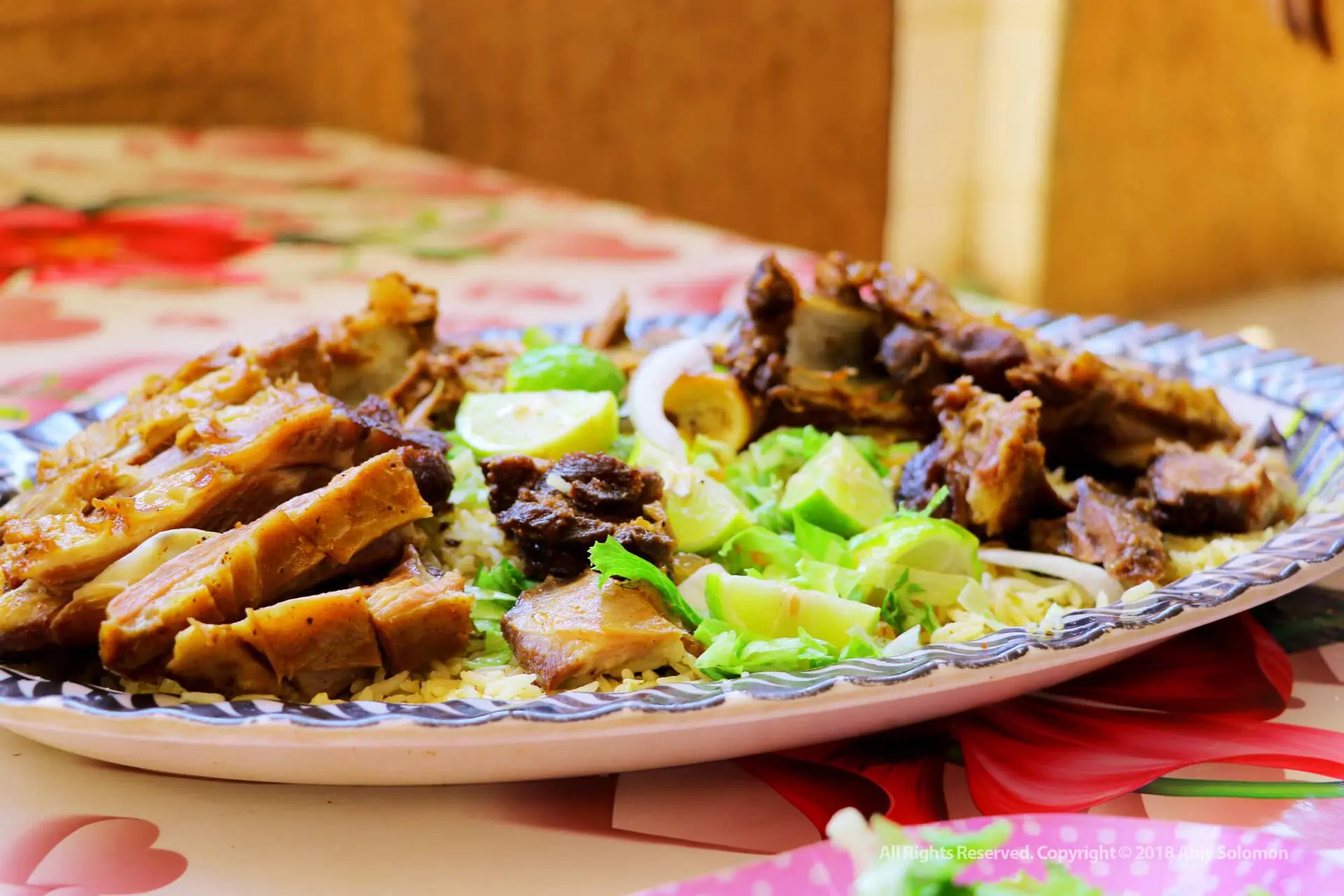
- Bariis iskukaris: spiced rice cooked with meat, raisins and cardamom, often served with a banana on the side.
- Canjeero (anjero): a spongy fermented pancake eaten at breakfast with tea, ghee or sugar.
- Suqaar: small pieces of sauteed beef or goat with onion and peppers.
- Hilib ari: roast goat meat, usually served at celebrations.
- Sambuus: triangular fried pastry filled with spiced meat or lentils, popular during Ramadan.
- Fresh fish and lobster: grilled on the coast, particularly around Mogadishu, Berbera and Kismayo.
- Shaah and camel milk: Somali spiced tea with cardamom and cinnamon, and fresh or fermented camel milk.
Alcohol is not available in most places, and pork is not eaten. Vegetarians will find the choice limited, mostly rice, beans, vegetables and bread. Eat in well-reviewed or hotel restaurants, avoid raw salads and drink bottled water to lower the risk of stomach illness.
Culture, language and etiquette in Somalia
Somali is the main national language, and Arabic is also recognised as an official language. The country is one of Africa’s most ethnically homogeneous, with the overwhelming majority of people Sunni Muslim. English is spoken in business and aid circles, and Italian can be understood by older people in the south. Greeting someone with salaam alaykum, and a few words of Somali, makes a good impression.
Somali culture places great value on oral poetry, hospitality and family and clan ties. Visitors are often treated as guests, and refusing tea or food too firmly can cause offence. Use your right hand for eating and passing items, and greet elders first. Men and women do not always shake hands across genders, so wait for the other person to offer.
Dress modestly and conservatively, with covered shoulders and knees for everyone, and a headscarf for women in many settings. Respect prayer times and avoid eating or drinking publicly during Ramadan daylight hours. Do not photograph people, government buildings, military sites or ports without clear permission. Politics, clan identity and Somaliland’s status are very sensitive subjects.
Somalia itinerary: a 7-day route
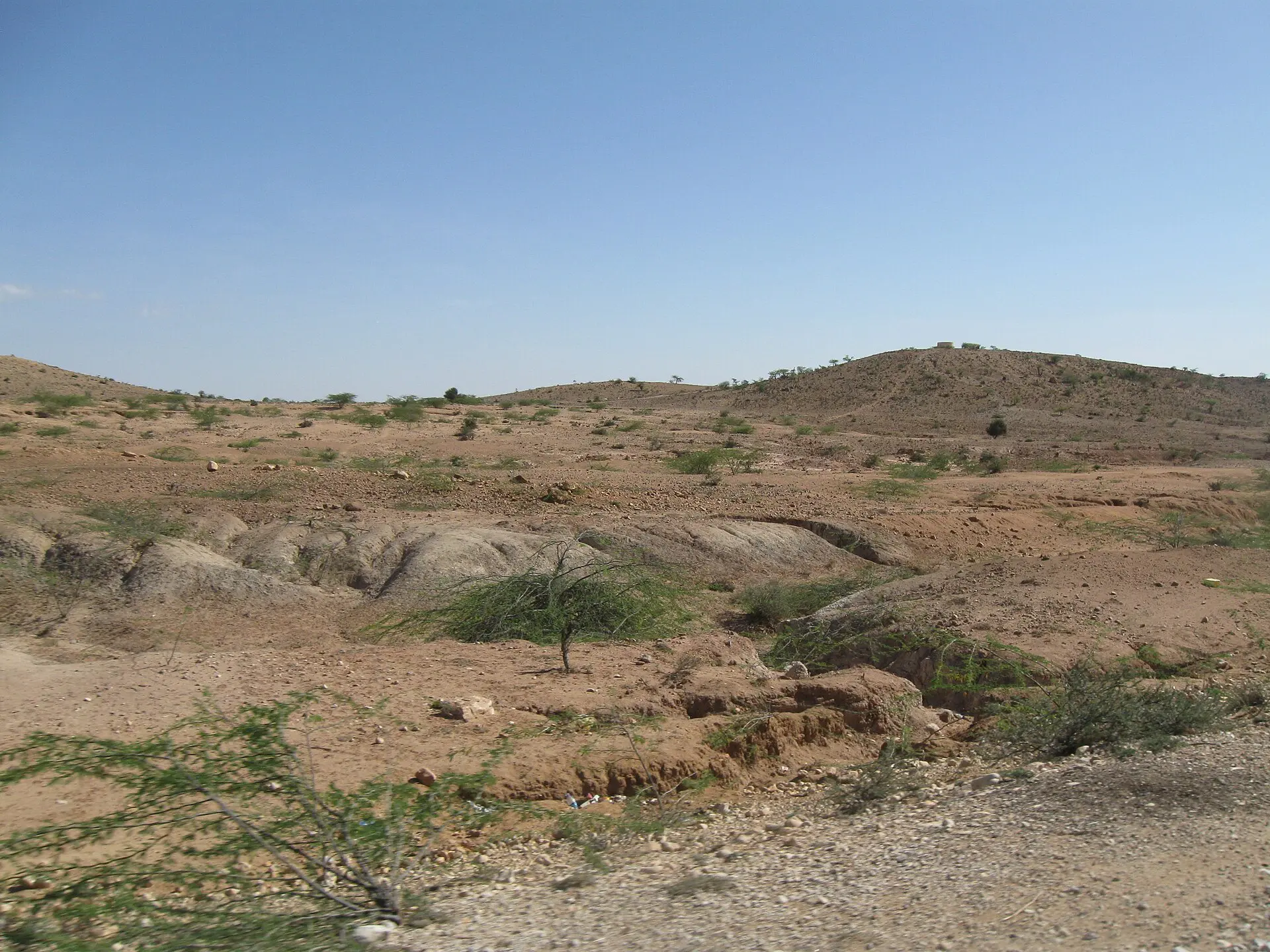
Independent travel across Somalia is not currently advisable, and no day-by-day plan is offered for Mogadishu, Kismayo or other areas that governments advise against visiting. The only outline that makes sense at all is a short, closely managed trip in Somaliland, and only if your government’s advice allows it and you travel with a licensed local operator.
- Day 1, Hargeisa: arrive, register with the authorities and stay at a hotel recommended by your operator.
- Day 2, Hargeisa: visit the war memorial, the markets and a museum, with a guide.
- Day 3, Laas Geel: make a day trip with permit and escort to the rock paintings, and return by evening.
- Day 4, Berbera road: travel by daylight through the Sheikh area to Berbera.
- Day 5, Berbera: walk the old town and harbour and visit the beach with a guide.
- Day 6, return to Hargeisa: travel by daylight and rest.
- Day 7, departure: fly out from Hargeisa airport, allowing extra time for checks.
Skip land travel after dark, avoid disputed eastern areas and keep plans flexible. If advisories change, cancel.
Practical tips for Somalia
- Advice and insurance: read your government’s advice, and confirm that your insurance covers the destination, including evacuation and kidnap cover where relevant.
- Money: bring clean, recent US dollar notes. Mobile money services are widely used, but cards and ATMs are rarely reliable.
- SIM and eSIM: local SIM cards are cheap, and mobile coverage is better than many expect in towns, but data can be patchy.
- Plugs: mostly type C at 220 V, though sockets vary, so carry a universal adapter.
- Tipping: not customary, but small tips to drivers and guides are appreciated.
- Health: see a travel clinic well ahead for yellow fever, typhoid, hepatitis and malaria advice, and bring a full medical kit.
- Packing: light, loose and modest clothing, a headscarf for women, sun protection and a power bank.
- Communication: share your plans with someone at home and with your embassy, where possible.
For wider background, see the Wikivoyage Somalia guide.
FAQ
Q1Is Somalia safe to visit?
No. Most governments advise against all or nearly all travel to Somalia because of terrorism, armed conflict, kidnapping and piracy. Somaliland is calmer, but advice differs and disputed border areas are dangerous. Read your government's advice and check that insurance applies before considering any trip.
Q2Do I need a visa for Somalia?
Yes, most travellers need a visa. Federal Somalia and Somaliland issue separate visas, and fees and rules change, so confirm the current requirement with the relevant authority or embassy. A yellow fever certificate and a sponsor or invitation are often required.
Q3What are the best places to visit in Somalia?
In practice, the places most often mentioned are Hargeisa, the Laas Geel rock art and the port of Berbera in Somaliland, plus Mogadishu's old districts. Access is restricted, and most of the south is considered too dangerous for tourism.
Q4What is the best time to visit Somalia?
The dry months of December to March and June to September are the best from a weather point of view, but security matters far more than season. Heavy rains in April to June and October to November can cause floods and make roads difficult.
Q5How much does a trip to Somalia cost?
Costs are driven by security and transport, not food or rooms. Plan on roughly USD 150 to 400 per day with a guide and secure hotel, and much more in Mogadishu with armoured vehicles and protection. US dollars are widely used.
Q6What is Somalia food like?
Somalia food combines rice, pasta, flatbreads and grilled meat, with Arab, Indian and Italian influences. Typical dishes include bariis iskukaris (spiced rice), canjeero pancakes, suqaar and sambuus, plus fresh fish on the coast and spiced shaah tea.
Q7Is Somaliland safe to visit?
Somaliland is more stable than southern and central Somalia, and parts of it have been visited by tourists with local guides. Fighting has occurred in the disputed eastern areas, and government advice varies, so check it before you go and use a licensed operator.