Why visit Slovakia
This Slovakia travel guide starts with its range: the country spans about 49,000 square kilometres, with nine national parks, the tallest part of the Carpathian Mountains and, according to Wikivoyage, the highest number of castles and chateaux per capita in the world. Limestone caves, waterfall canyons, thermal springs and wooden churches fill the gaps between Gothic and Baroque towns. Bratislava, the capital, sits on the Danube close to Vienna and Hungary.
Slovakia suits hikers, skiers, castle-hunters and travellers who want Central Europe at lower prices and with fewer crowds than Prague or Vienna. It works well for independent trips, because distances are short, trains are cheap and most signs include English. Many visitors combine it with Austria, the Czech Republic, Hungary or Poland, but a week in Slovakia alone is rewarding, with mountains, spa towns and the east’s medieval architecture still relatively quiet.
Best places to visit in Slovakia
The best places to visit in Slovakia are spread from the Danube in the west to the eastern plains, with the mountains in the north.
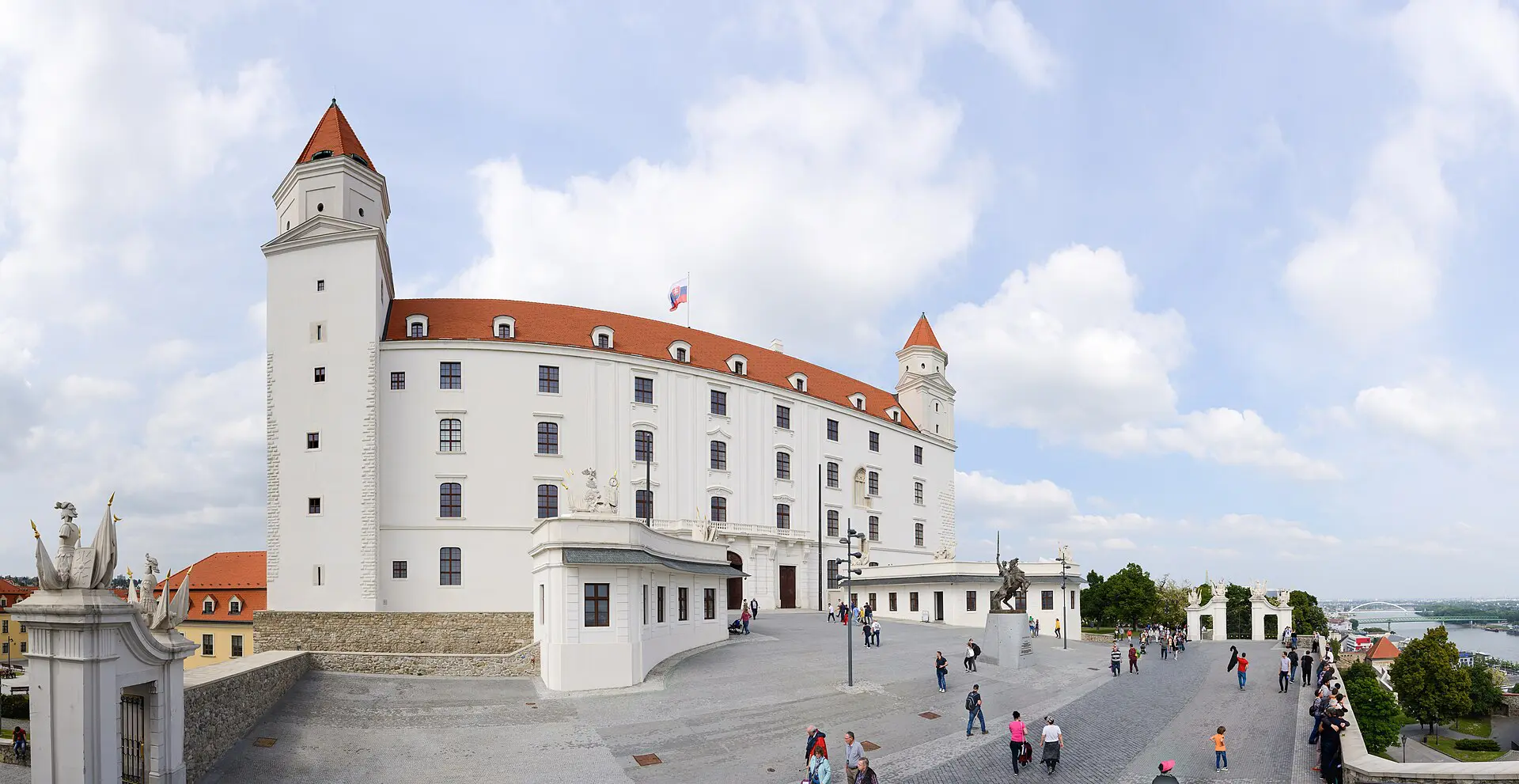
Bratislava
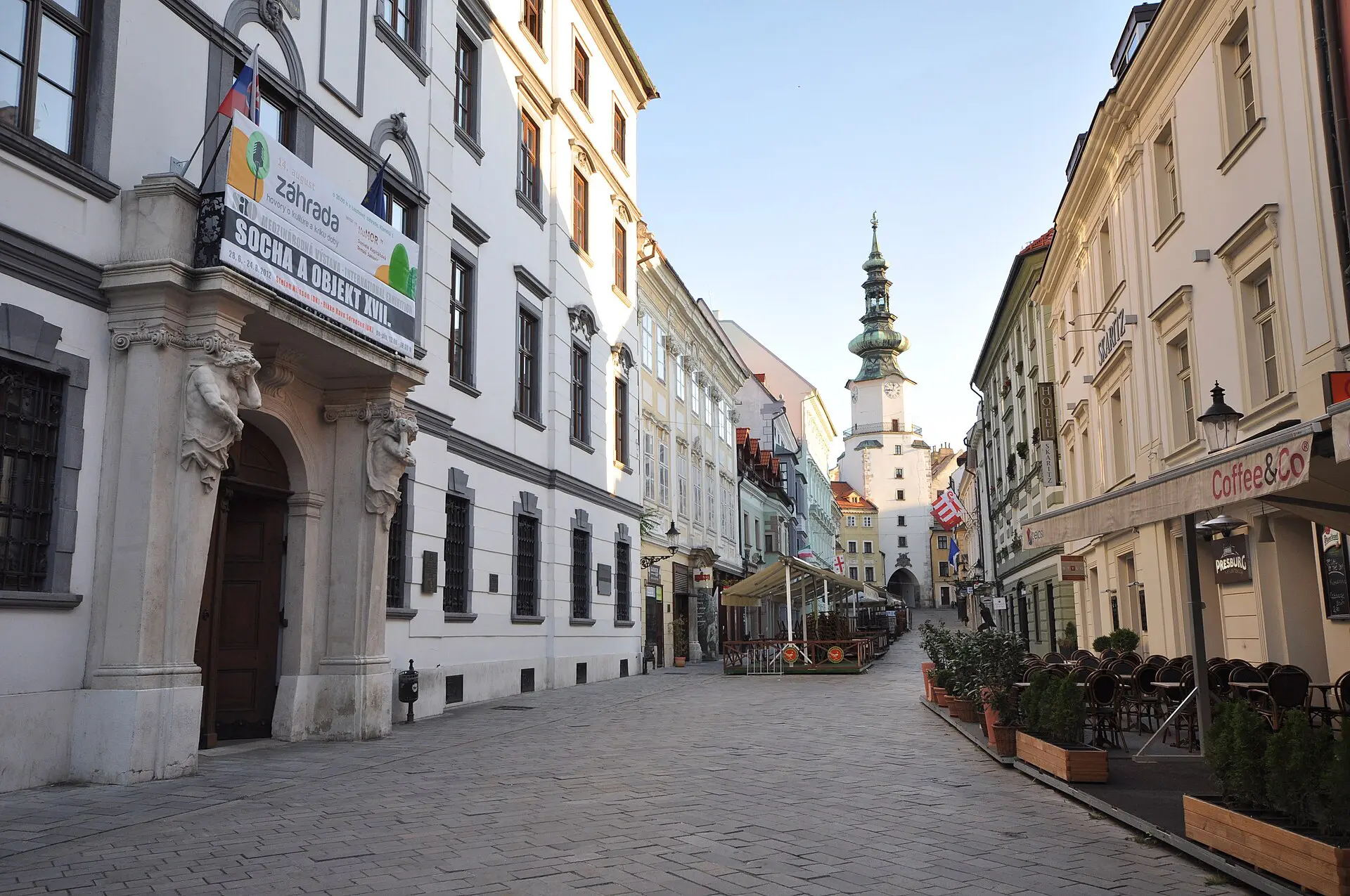
The capital has a compact old town of pastel Baroque buildings, a hilltop castle with views over the Danube, pedestrian streets and a good café and craft-beer scene. Michael’s Gate is the best-known old-town landmark. Allow one to two days.
High Tatras
The smallest alpine-style mountain range in the world, with jagged peaks above 2,500 metres, glacial lakes and resorts such as Štrbské Pleso and Starý Smokovec. Hiking is best from late June to September, and skiing from December.
Spiš Castle and Levoča
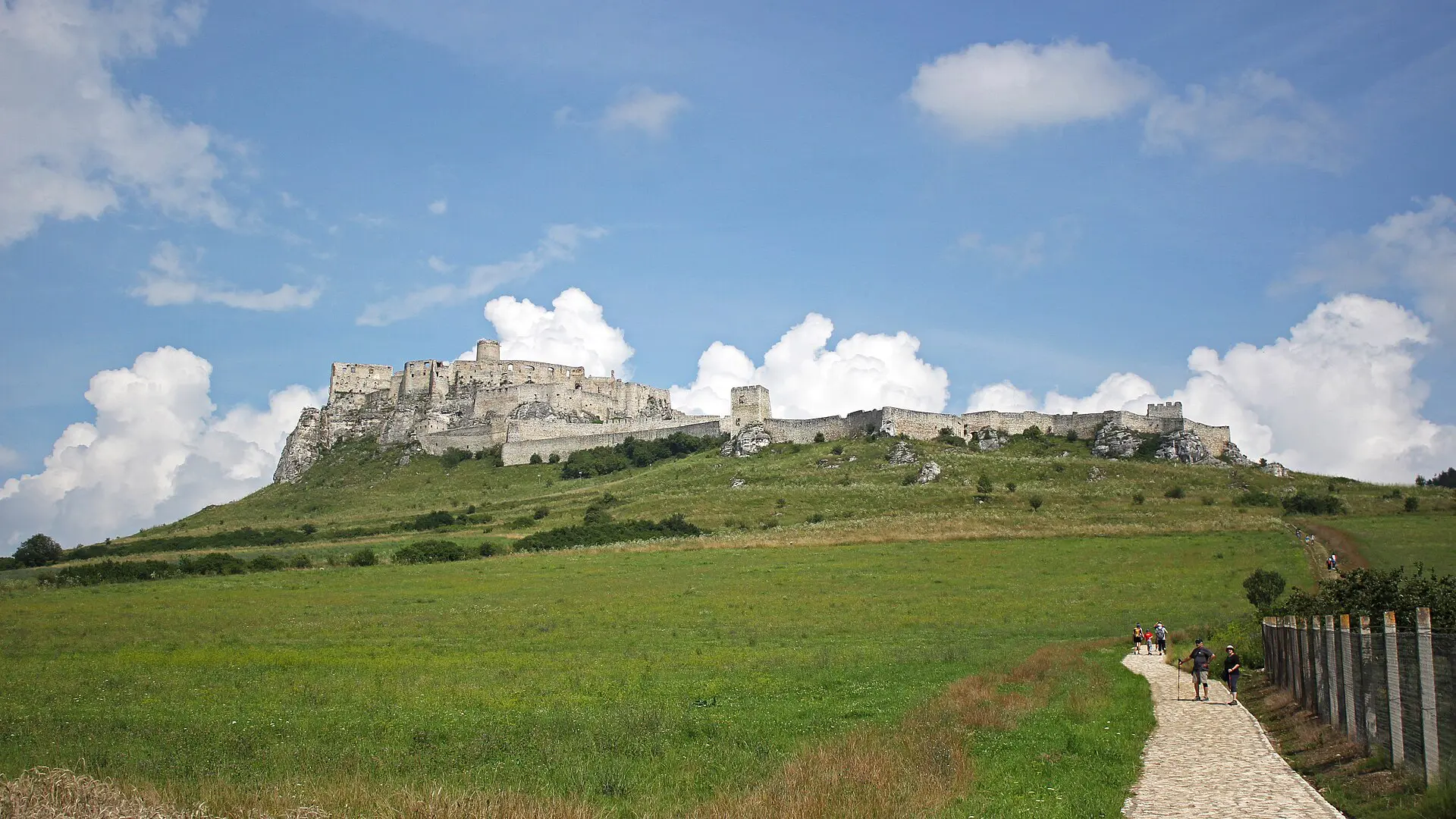
The ruins of Spiš Castle are among the largest castle complexes in Central Europe, and the walled town of Levoča nearby holds the world’s tallest Gothic wooden altar in St James’s Church. The area is UNESCO-listed.
Banská Štiavnica
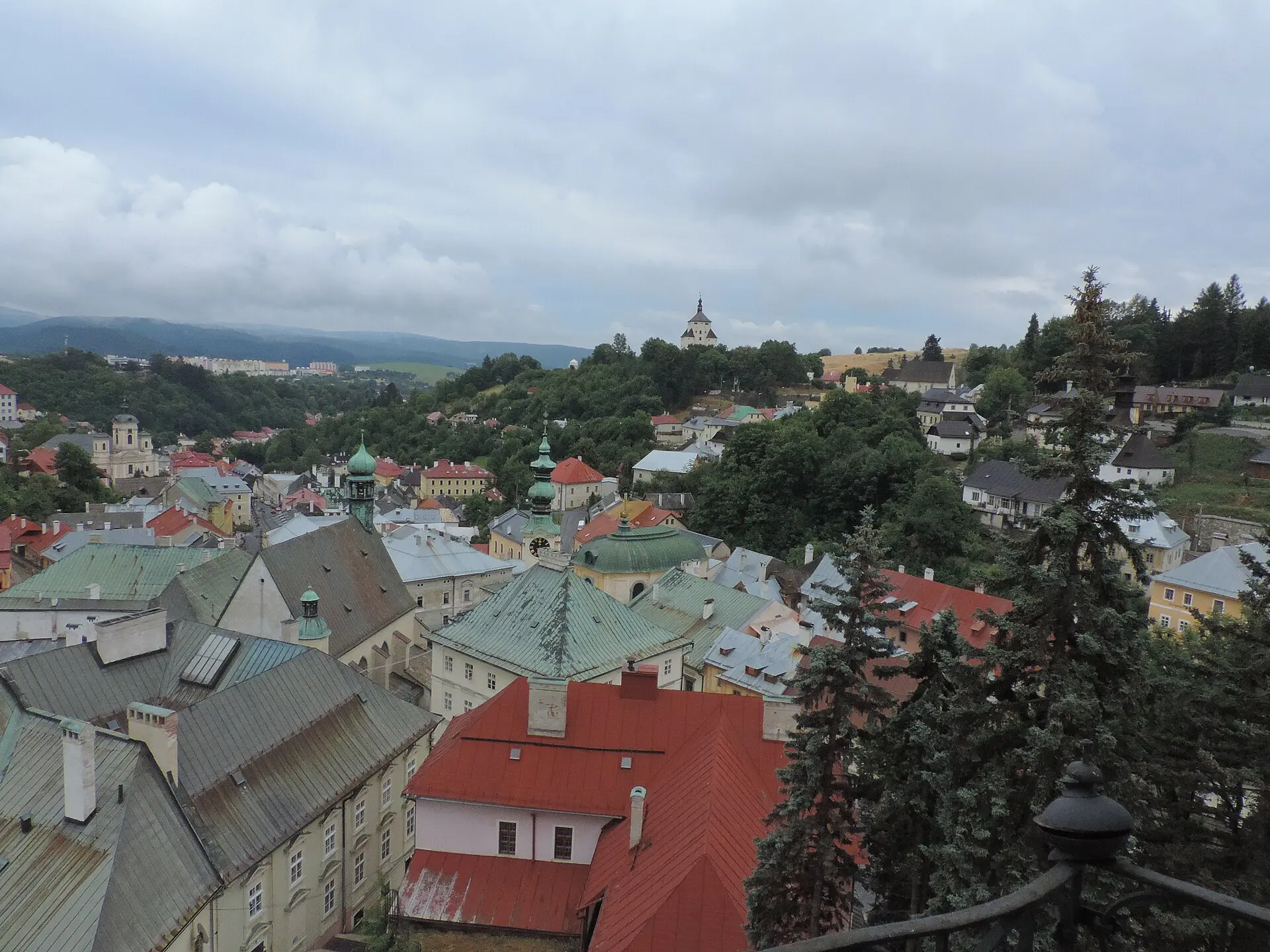
A former silver-mining town on hillsides, with a UNESCO-listed historic centre, old mines and castles. It is quieter than most places and very scenic.
Košice
The second city has Slovakia’s largest Gothic cathedral, St Elisabeth’s, and a long central square lined with cafés.
Slovak Paradise
A national park of gorges, ladders and waterfalls, popular for wet, adventurous hikes.
Top things to do in Slovakia
The top things to do in Slovakia are mostly outdoors or historic, and many are cheap.
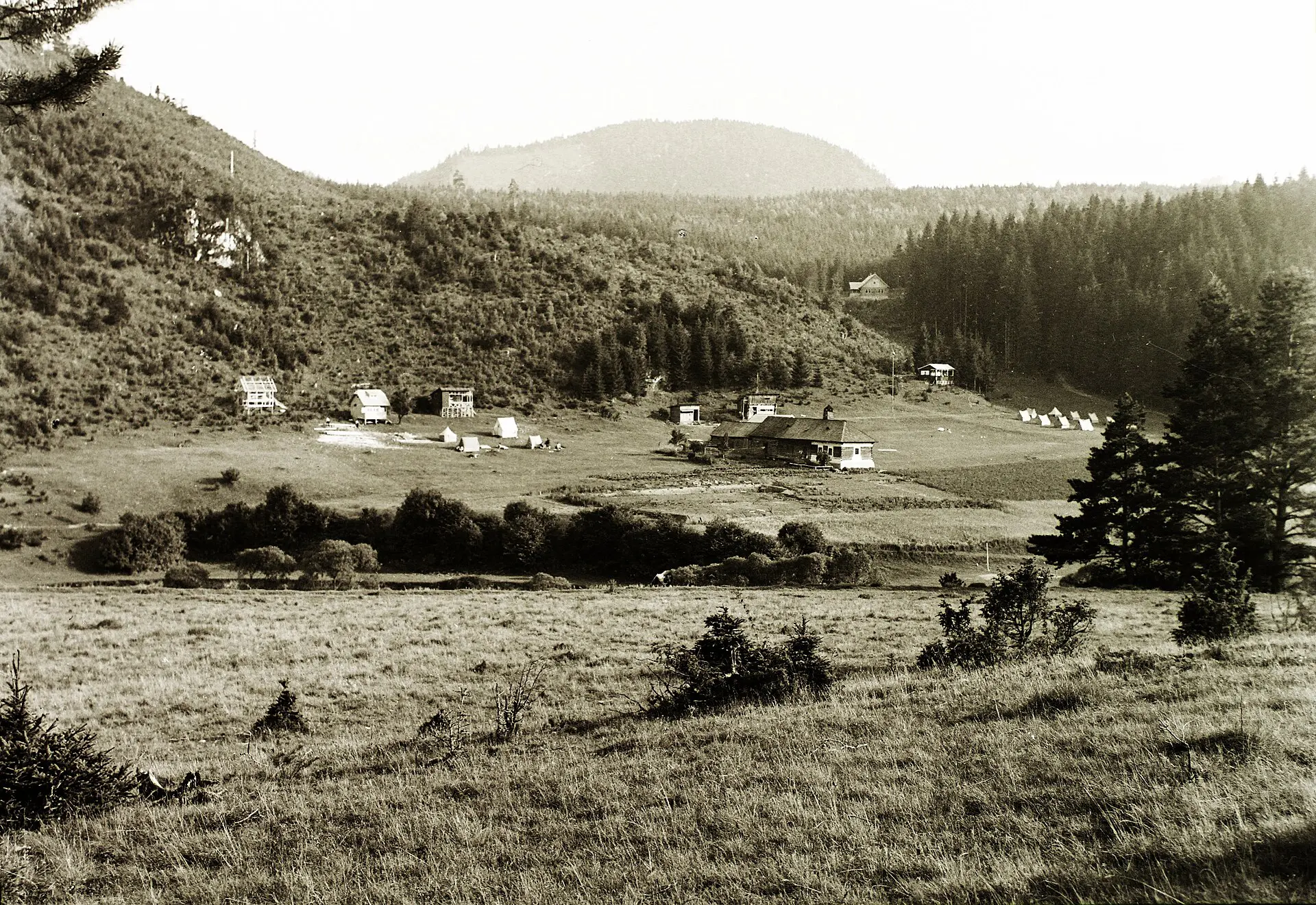
- Hike in the High Tatras: routes to mountain lakes such as Popradské pleso suit most walkers, and higher peaks need experience and good weather.
- Walk the Slovak Paradise gorges: climb ladders and boardwalks beside waterfalls at Suchá Belá.
- Explore Spiš Castle: walk the ramparts and museum rooms of the huge hilltop ruin.
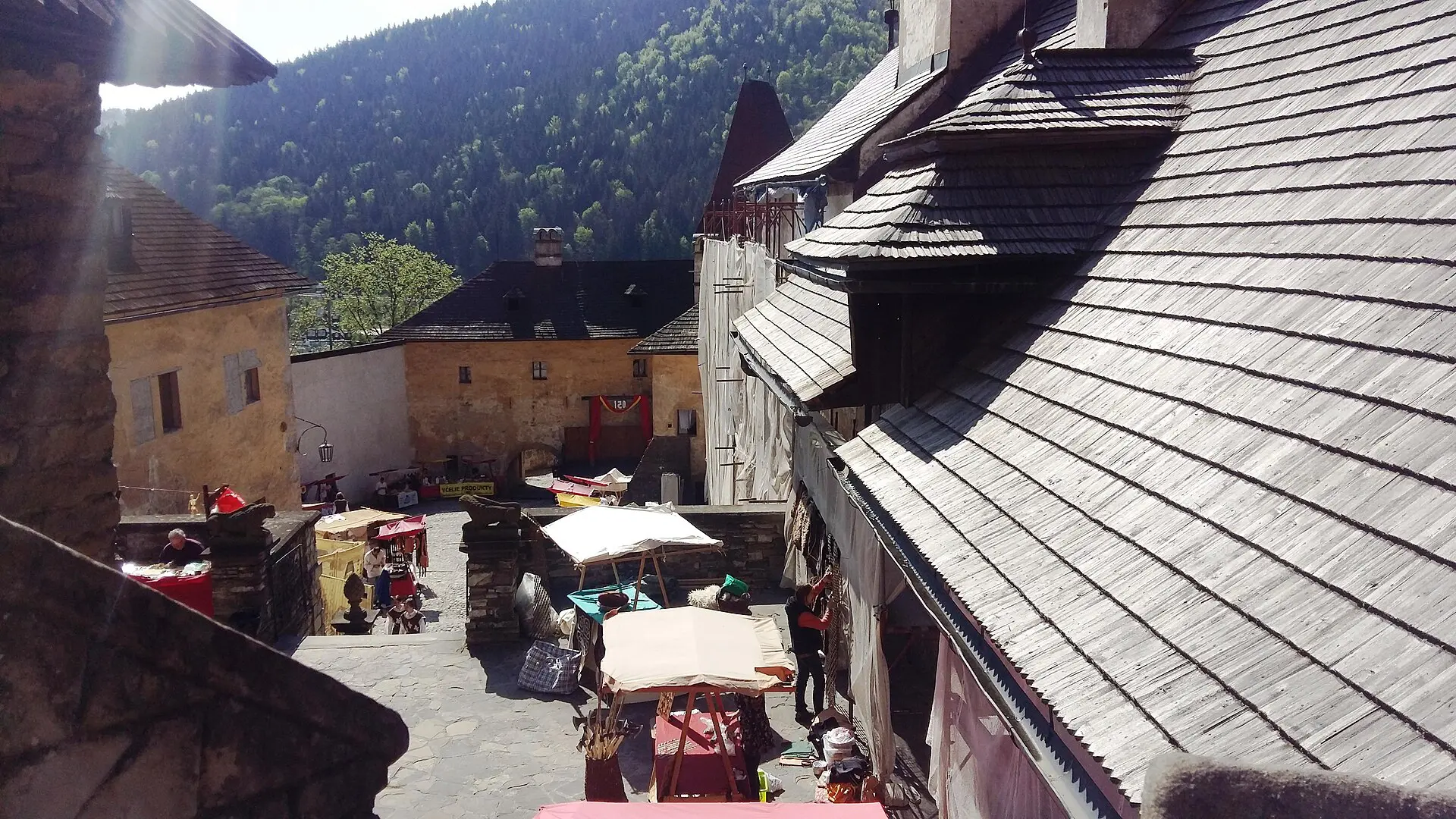
- Visit Orava Castle: a dramatic castle on a rock above the Orava River, used as a film location.
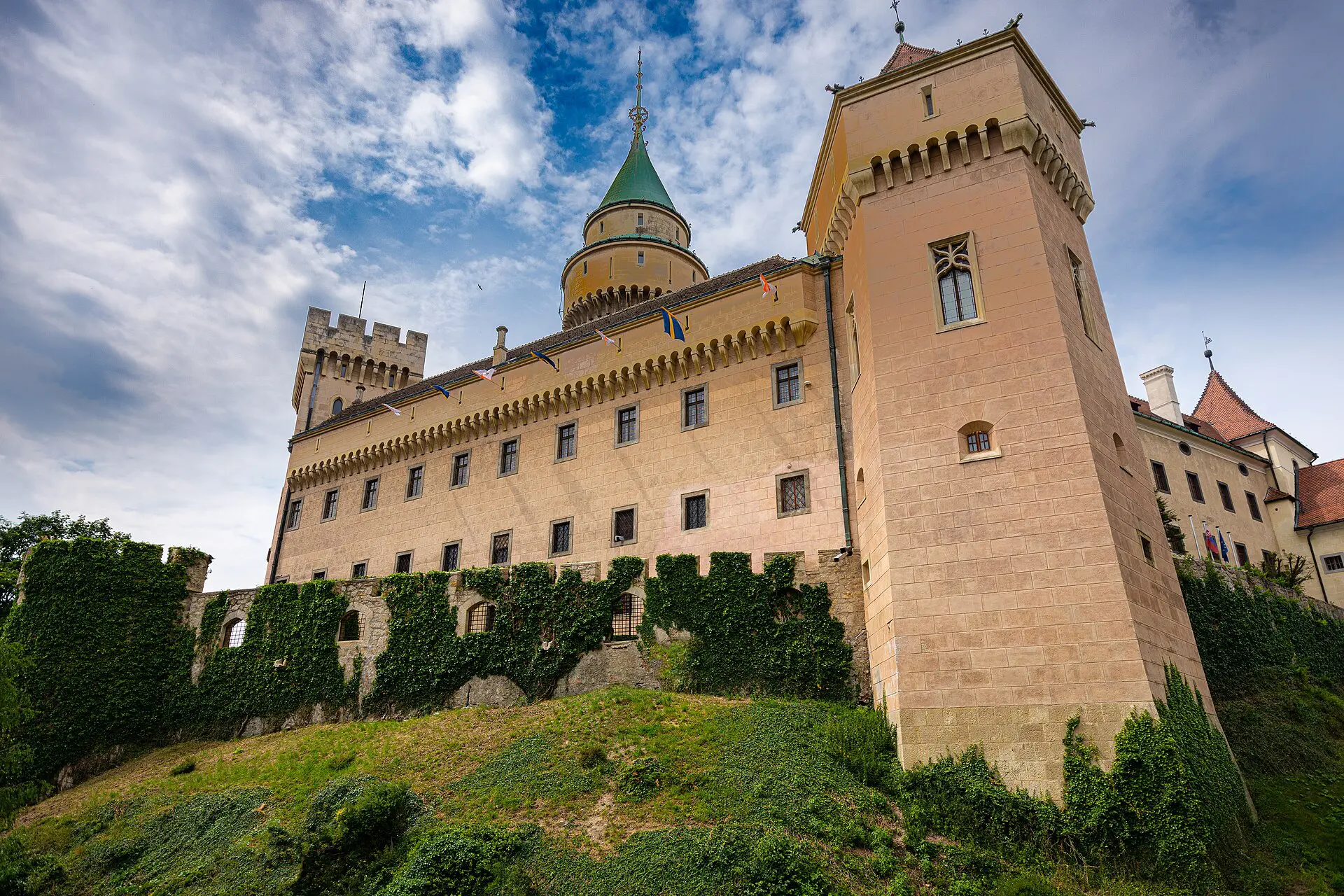
- See Bojnice Castle: a fairytale-style castle with a spa town and zoo nearby.
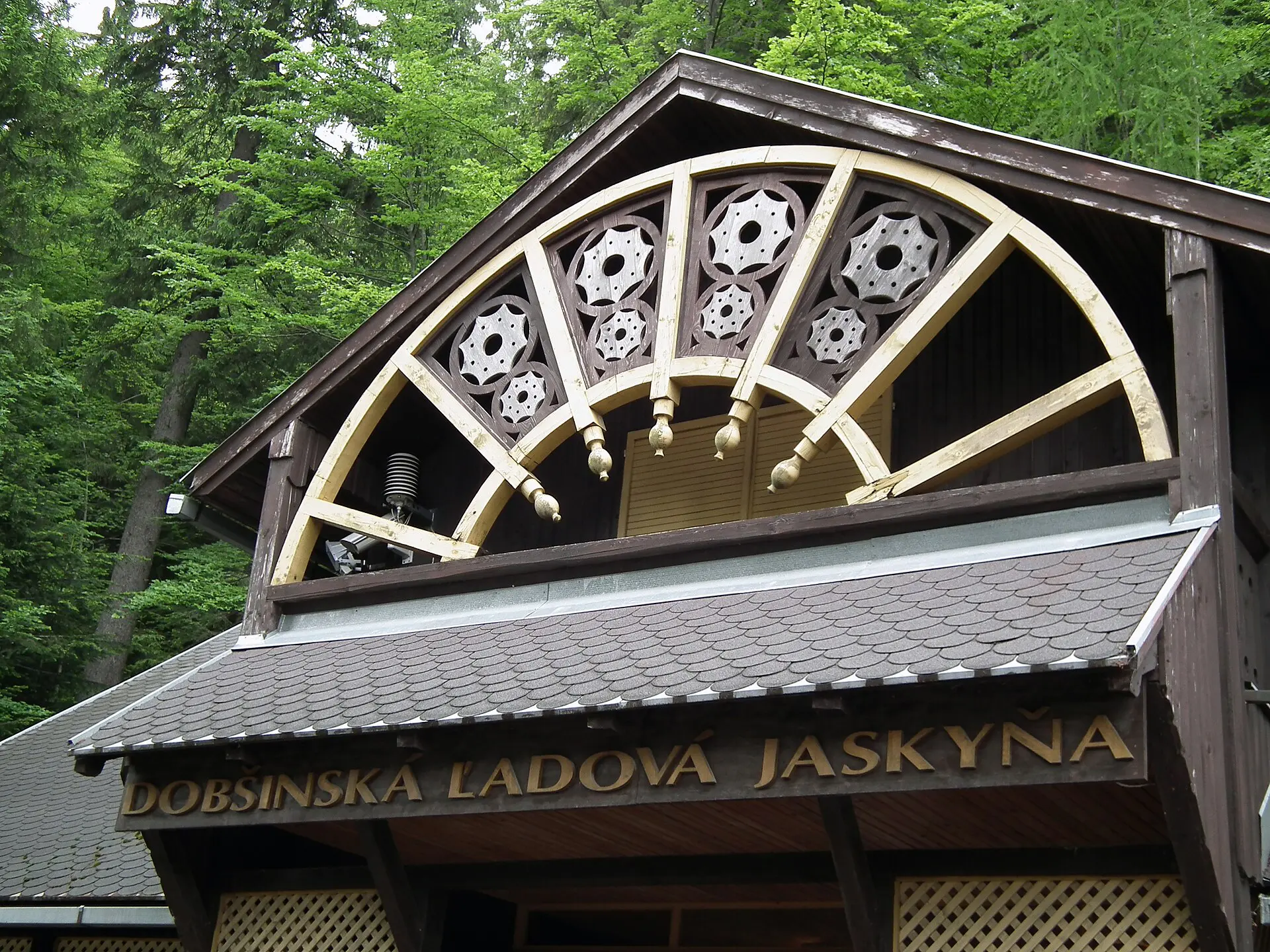
- Tour Dobšiná Ice Cave: a UNESCO-listed cave with ice formations, usually open in the warmer months.
- Stroll Bratislava’s old town: visit Michael’s Gate, the castle and the riverside promenade.
- Relax at a thermal spa: Piešťany, Bešeňová and Poprad’s aquapark are popular.
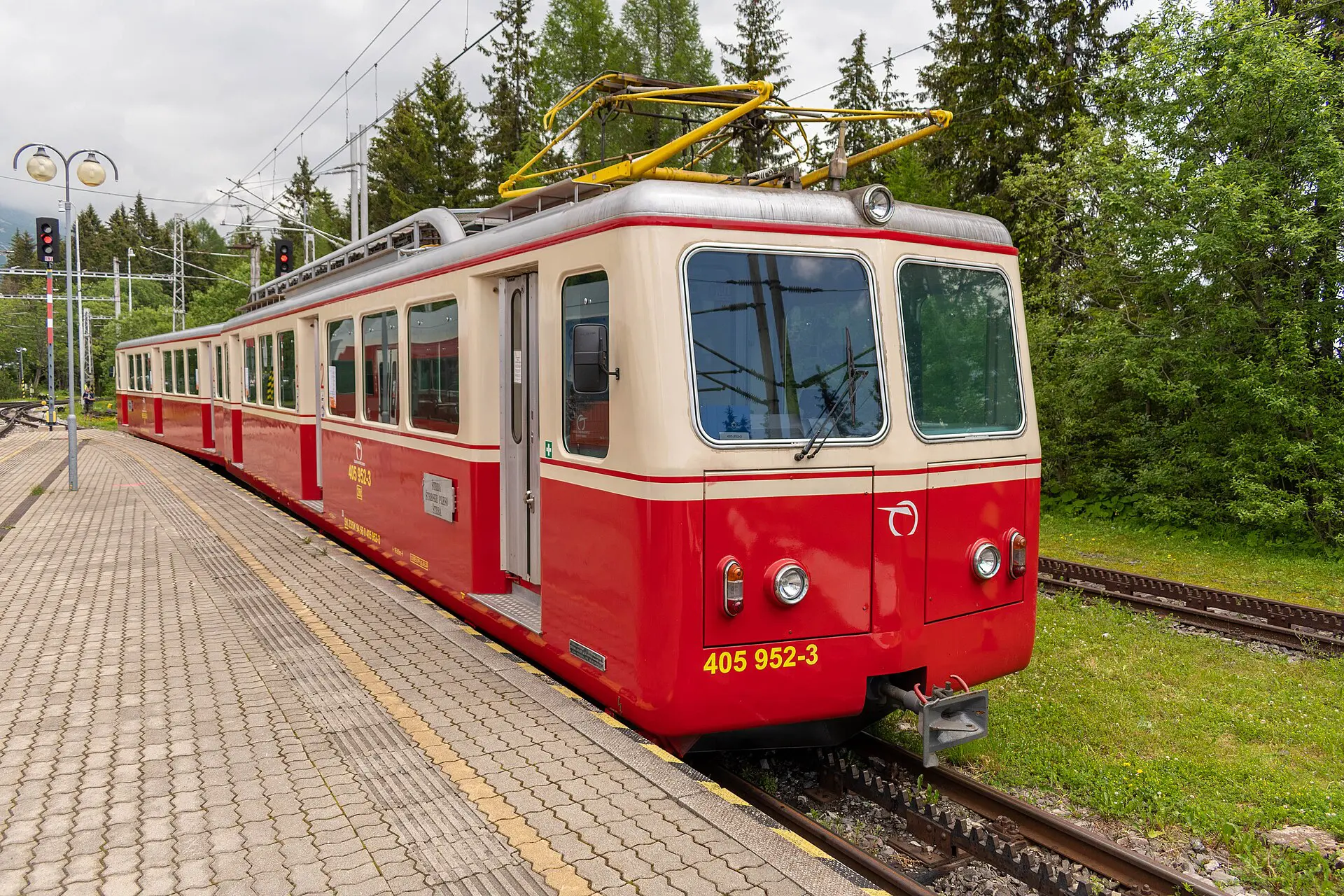
- Ride a historic mountain railway: the Tatra electric railway links resorts, and the narrow-gauge Čiernohronská line runs in summer.
- Ski in winter: Jasná and Tatranská Lomnica are the main resorts, with lower prices than in the Alps.
Best time to visit Slovakia
The best time to visit Slovakia depends on what you want: June to September is ideal for hiking and castles, December to March suits skiing, and May and September to October are good for cities with fewer crowds. Summers are warm, winters cold and snowy in the mountains, and Bratislava is milder than the north and east.
| Season | Weather | Crowds and prices | Good for |
|---|---|---|---|
| Spring (Apr-May) | Cool to mild, showers; snow still on high peaks | Low, rising in May | Cities, castles, spas |
| Summer (Jun-Aug) | Warm to hot; thunderstorms in the mountains | Highest in the Tatras and spas | Hiking, caves, lakes |
| Autumn (Sep-Oct) | Mild and clear, colourful forests | Falling, good value | Hiking, wine, towns |
| Winter (Dec-Mar) | Cold, snowy in the north | High at ski resorts, low elsewhere | Skiing, Christmas markets, spas |
High trails and some caves close or need equipment outside summer, so check conditions before you go.
Is Slovakia safe to visit?
Yes, Slovakia is safe for most visitors, and violent crime against tourists is rare. The most common problems are pickpocketing and overcharging in Bratislava’s old town, and mountain accidents. Check your government’s current travel advice, such as the UK FCDO or US State Department pages, before you travel.
Cities. Keep valuables out of sight on trams and in crowded squares, and be careful with taxis hailed on the street, because some overcharge. Use a ride-hailing app or order by phone.
Mountains. The High Tatras weather changes quickly and snow can linger at altitude until early summer, so check forecasts, carry layers and stay on marked trails. Winter hiking above the tree line needs avalanche awareness and equipment. Slovakia’s mountain rescue service is well organised, but call 112 only in a real emergency.
Wildlife. Brown bears live in the Tatras and other forests. Make noise on trails, do not approach them and never feed them. Ticks are common in summer, so consider vaccination against tick-borne encephalitis.
Roads. Driving is generally good, but roads can be icy in winter.
Visa and entry requirements for Slovakia
Slovakia is part of the Schengen Area and uses the euro. Citizens of the EU, UK and US, along with many other nationalities, can generally enter without a visa for short stays of up to 90 days in any 180-day period, but rules depend on your passport and change over time. Confirm the current requirement with the Slovak Ministry of Foreign and European Affairs or your nearest embassy.
A new pre-travel authorisation, ETIAS, has been planned for visa-exempt visitors to Schengen countries, so check whether it applies on your travel date. Your passport should be valid for the period required by Schengen rules, and you should carry proof of accommodation, funds and onward travel in case of checks.
Border controls between Slovakia and neighbouring Schengen countries are usually absent, although temporary checks can be introduced, so carry your passport or ID at all times. Slovakia also borders Ukraine, where crossings are a different matter and are subject to the advice of your government. The UNESCO page for Slovakia lists heritage sites to plan around.
Getting to and around Slovakia
Bratislava’s airport has budget flights from many European cities, but many visitors fly into Vienna, which is about an hour away by bus or train, or Budapest or Kraków. Košice and Poprad-Tatry airports have limited seasonal flights. Direct trains connect Bratislava with Vienna, Budapest and Prague.
Slovakia has a decent rail network run by ZSSK, with trains from Bratislava to Košice taking around five hours, and to Poprad about four to five hours. Fares are low, and reservations are advisable on InterCity trains. Buses fill gaps, including routes to places such as Banská Štiavnica, and cost little. Narrow-gauge and mountain electric railways serve the Tatras.
Driving is on the right, and a car helps for castles and villages. Motorway use requires an electronic vignette bought online, and mountain roads need care in winter. Cities have trams and buses, and Bratislava has ride-hailing apps. Distances are short: Bratislava to Banská Štiavnica is about two and a half hours.
How much does a trip to Slovakia cost?
Slovakia is cheaper than Austria, Germany or the Czech capital, though Bratislava and the Tatras cost more than the east. The currency is the euro, and cards are accepted in most places, though small guesthouses and mountain huts may want cash. Figures below are rough per-person guides for 2026.
- Budget: around EUR 35 to 55 per day, with hostels or simple guesthouses, trains and buses, and cheap local meals.
- Mid-range: around EUR 60 to 110 per day, with a hotel room, restaurant meals, castle tickets and some car hire.
- High-end: from around EUR 150 per day, with spa hotels, a rental car and tasting-menu dinners.
Accommodation is the biggest cost, with Bratislava, Tatras resorts in peak ski and summer weeks and spa hotels the dearest. Lunch menus in local restaurants are very cheap, and public transport is inexpensive. Castle entry costs a few euros, and cable cars in the Tatras are the main sightseeing expense.
Slovakia food and drink
Slovakia food is hearty, built on potatoes, dairy, pork and cabbage, with Hungarian and Austrian influences. Portions are large and prices low.
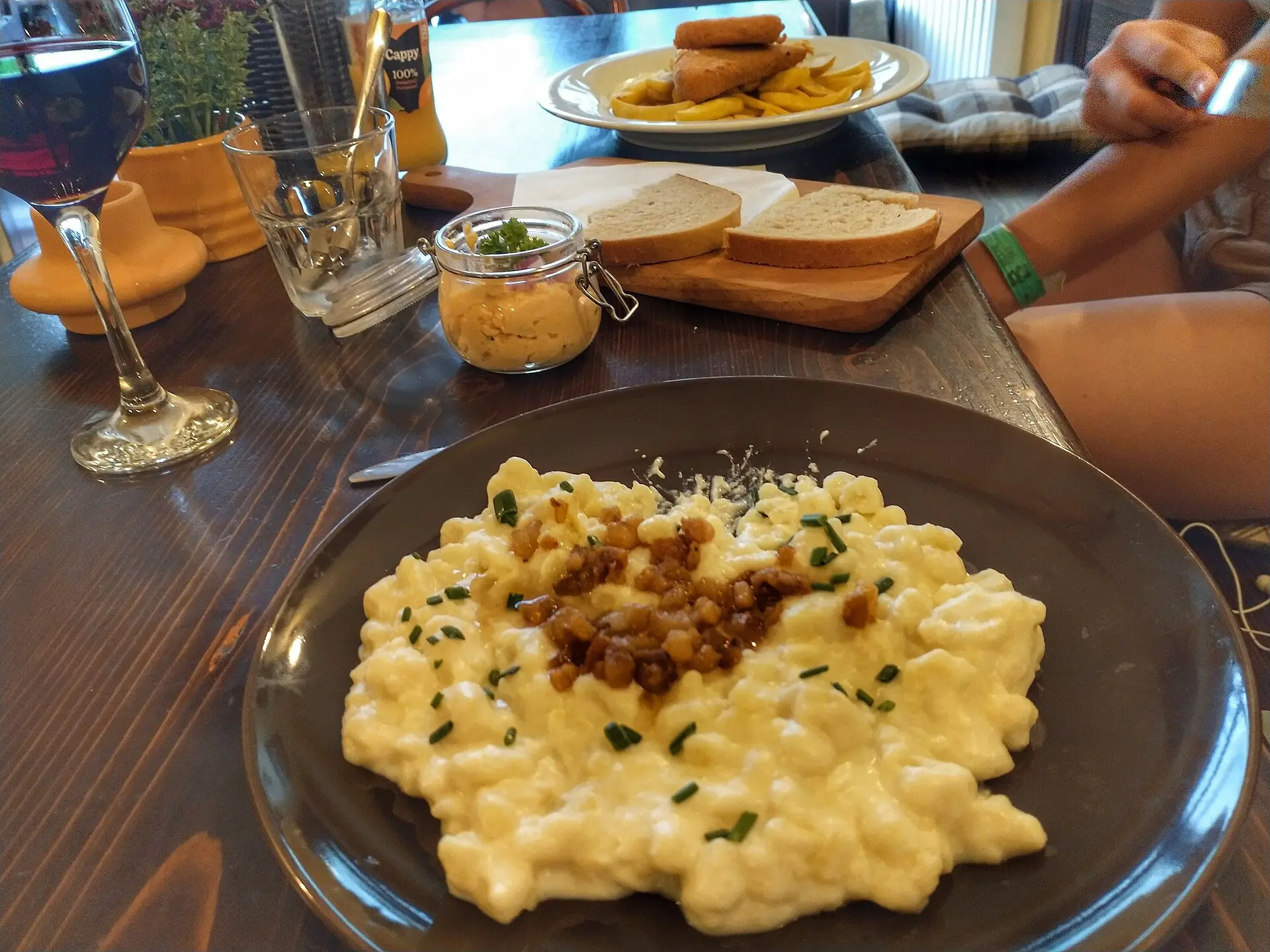
- Bryndzové halušky: small potato dumplings in a sauce of soft sheep cheese, topped with fried bacon. It is widely considered the national dish.
- Kapustnica: a sour cabbage soup with sausage and smoked meat, traditional at Christmas.
- Pirohy: filled dumplings with potato, cheese or cabbage.
- Lokše: thin potato pancakes with sweet or savoury fillings.
- Parené buchty: steamed yeast buns with poppy seeds or jam.
- Slivovica and borovička: fruit and juniper spirits, served as aperitifs.
- Wine and beer: the south and Small Carpathians region grow wine, and Slovak lager is cheap. Kofola, a herbal cola, is a local favourite.
Look for traditional restaurants called koliba, rustic mountain-style places serving the dishes above. Many offer cheap lunch menus on weekdays. Vegetarians do well with dumplings and cheese dishes, though meat appears in many soups and sauces, so ask.
Culture, language and etiquette in Slovakia
Slovak is the official language, closely related to Czech, and Hungarian is spoken in the south. English is widely understood among younger people and in tourism, and German is common in the west. Learning a few words such as dobrý deň (good day) and ďakujem (thank you) goes a long way.
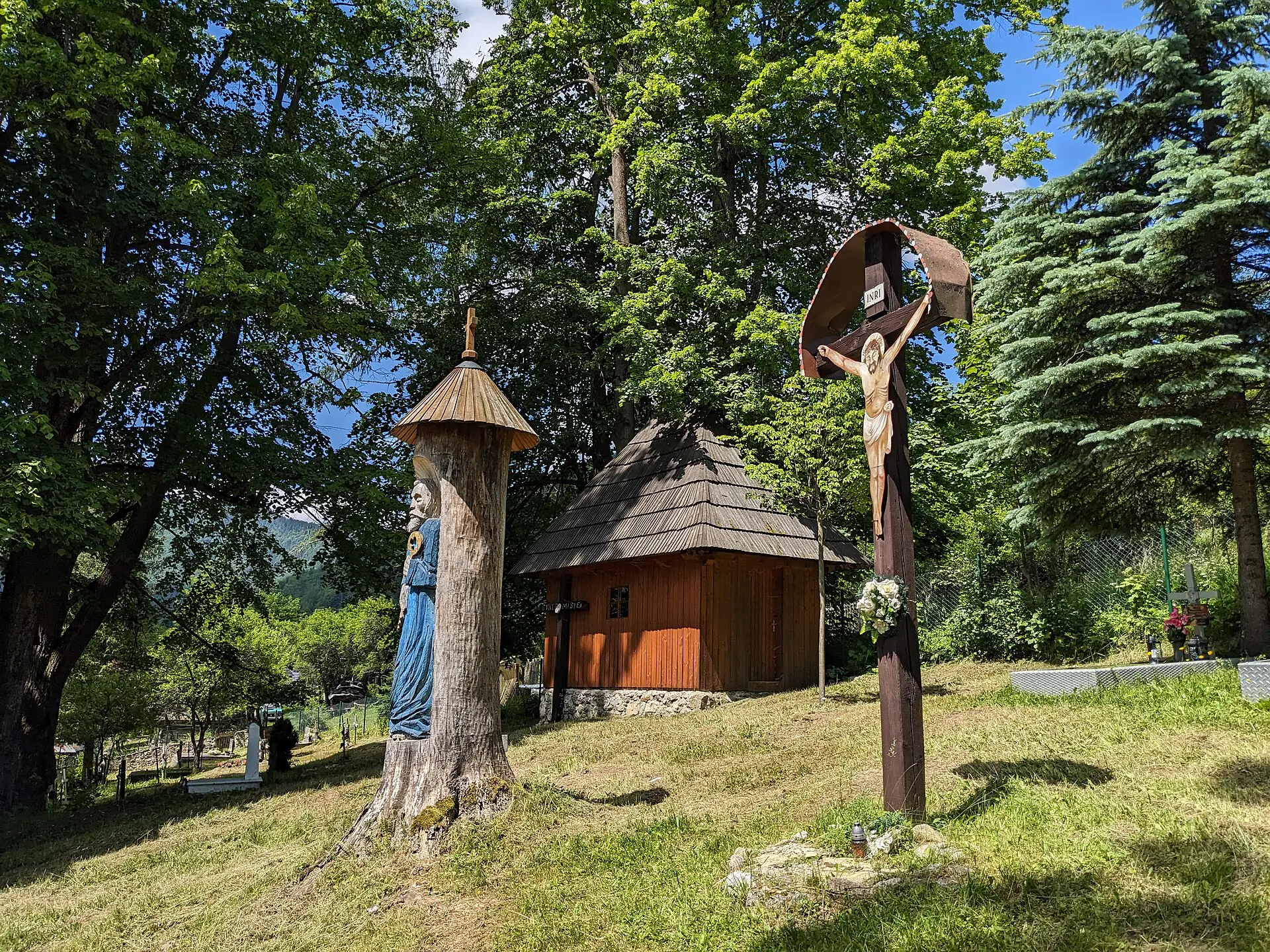
Slovakia is a mainly Catholic country, with Protestant and Greek Catholic communities, and traditions such as Easter customs and Christmas Eve dishes remain strong. Folk culture survives in villages, with wooden churches, painted houses and festivals. Slovaks are reserved at first but friendly, and humour is dry.
Greet shopkeepers and people on entering small shops, and shake hands when you meet. If invited to a home, bring flowers or a small gift and remove your shoes at the door. Dress modestly when visiting churches. Toasts with spirits are common, and you should look people in the eye and say na zdravie. Tipping around 10 percent is common when service is good. Avoid joking about the former Czechoslovakia or the Roma minority, and be considerate when photographing people.
Slovakia itinerary: a 7-day route
This route runs west to east by train and bus with one rental-car option, and it fits Slovakia’s main contrasts.
- Day 1, Bratislava: arrive, walk the old town and Michael’s Gate, and eat halušky for dinner.
- Day 2, Bratislava Castle and Danube: visit the castle in the morning, then stroll the riverfront and try a local wine bar.
- Day 3, Banská Štiavnica: travel about two and a half hours, walk the old town and visit a mining museum.
- Day 4, Bojnice and Orava: continue north, stopping at Bojnice Castle or Orava Castle, and sleep in Žilina or near the Tatras.
- Day 5, High Tatras: take the cable car or walk to a mountain lake such as Štrbské Pleso or Popradské pleso.
- Day 6, Spiš: visit Spiš Castle and Levoča, then continue by train or bus to Košice.
- Day 7, Košice: see St Elisabeth’s Cathedral and the main square, then fly or take the train onward.
In winter, replace Day 3 with a ski day at Jasná, and in spring check which caves and trails are open.
Practical tips for Slovakia
- Money: the euro is used, ATMs are common and cards work in most places. Carry some cash for mountain huts, small guesthouses and rural cafés.
- SIM and eSIM: EU roaming applies for EU visitors, while others can buy cheap prepaid SIMs or eSIMs. Coverage is good except in remote valleys.
- Plugs: types C and E at 230 V, as in much of continental Europe.
- Tipping: not obligatory, but rounding up or leaving about 10 percent is common.
- Health: tap water is safe, pharmacies are widespread, and EU citizens should carry a European Health Insurance Card. Consider tick-borne encephalitis vaccination for summer hiking.
- Packing: waterproof jacket, good hiking boots, warm layers for the mountains and a swimsuit for spas.
- Driving: buy a motorway vignette online, carry headlights on at all times and expect winter tyres rules in cold months.
- Booking: reserve Tatras rooms early for winter and August.
For wider background, see the Wikipedia article on Slovakia.
FAQ
Q1Is Slovakia safe to visit?
Yes, for most visitors. Violent crime against tourists is rare, and the main risks are pickpocketing in Bratislava, overcharging taxis and mountain accidents. Check weather before hiking in the Tatras, keep distance from bears and use ride-hailing apps rather than street taxis.
Q2What is the best time to visit Slovakia?
June to September is best for hiking, castles and caves, while December to March suits skiing in the Tatras. May and September to October are good for cities, with milder weather and fewer crowds. Summer can bring afternoon thunderstorms in the mountains.
Q3What are the best things to do in Slovakia?
Hike in the High Tatras, walk the gorges of Slovak Paradise, visit Spiš, Orava and Bojnice castles, explore Bratislava's old town and Banská Štiavnica, tour an ice cave, soak in a thermal spa and ski in winter at Jasná or Tatranská Lomnica.
Q4What are the best places to visit in Slovakia?
Bratislava, the High Tatras, Spiš Castle with Levoča, Banská Štiavnica, Košice and the Slovak Paradise are the highlights. Bojnice and Orava castles and the wooden village of Vlkolínec are good extras on a road trip or longer rail route.
Q5Do I need a visa for Slovakia?
It depends on nationality. Slovakia is in the Schengen Area, so citizens of the EU, UK, US and many other countries can enter visa-free for up to 90 days in 180. A pre-travel authorisation may apply, so check official sources before booking.
Q6Is Slovakia cheaper than Austria or Czechia?
Generally yes. Meals, local transport and accommodation cost less than in Vienna or Prague, especially outside Bratislava and the main Tatras resorts. A mid-range trip costs around EUR 60 to 110 per day, with lunch menus and trains particularly cheap.
Q7How many days do you need in Slovakia?
Seven days cover Bratislava, Banská Štiavnica, the High Tatras, Spiš and Košice at a steady pace. A long weekend is enough for Bratislava plus a day trip, while hikers and skiers may want five days in the mountains alone.