Why visit Sierra Leone
This Sierra Leone travel guide starts with the case for going: the country has some of the best beaches in West Africa, a mountainous peninsula around Freetown, protected rainforest, river islands with wildlife and one of the most significant slave-trade heritage sites on the continent. It is a small country, about 71,740 square kilometres, with a tropical climate that ranges from coastal mangroves to savannah. The Wikivoyage entry calls its welcoming population the greatest asset, and visitors usually agree.
Sierra Leone suits independent, patient travellers who enjoy places that are still finding their feet as a destination. English is the official language, Krio is spoken everywhere, and the civil war that ended in 2002 is long in the past. Tourist infrastructure is thin outside the Freetown peninsula, so plans change, journeys run long and facilities are simple. In return you get empty beaches, low visitor numbers and unusually direct contact with local people.
Best places to visit in Sierra Leone
The best places to visit in Sierra Leone are concentrated around the Freetown peninsula, with a handful of wildlife and heritage stops inland and in the south.
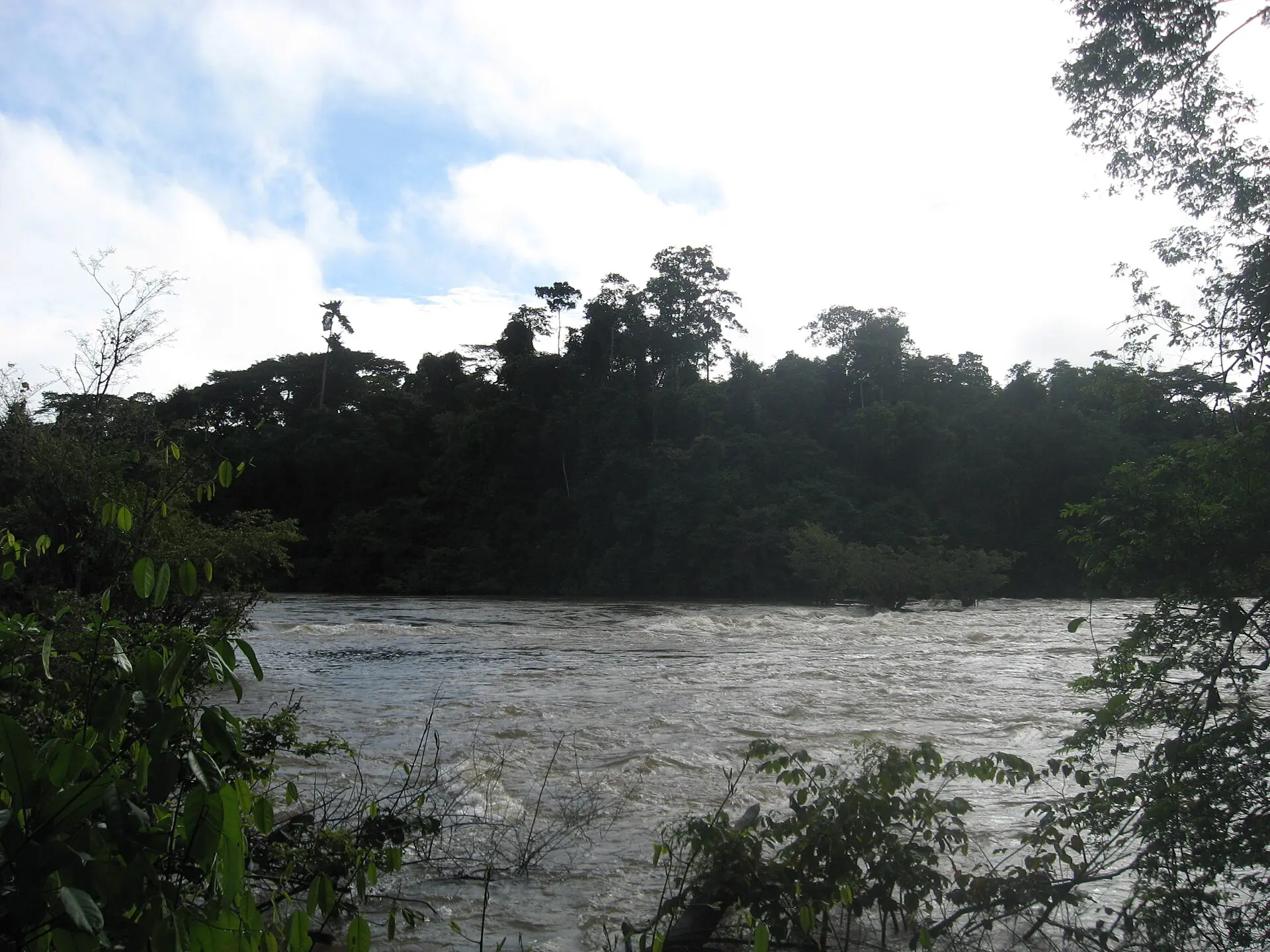
Freetown
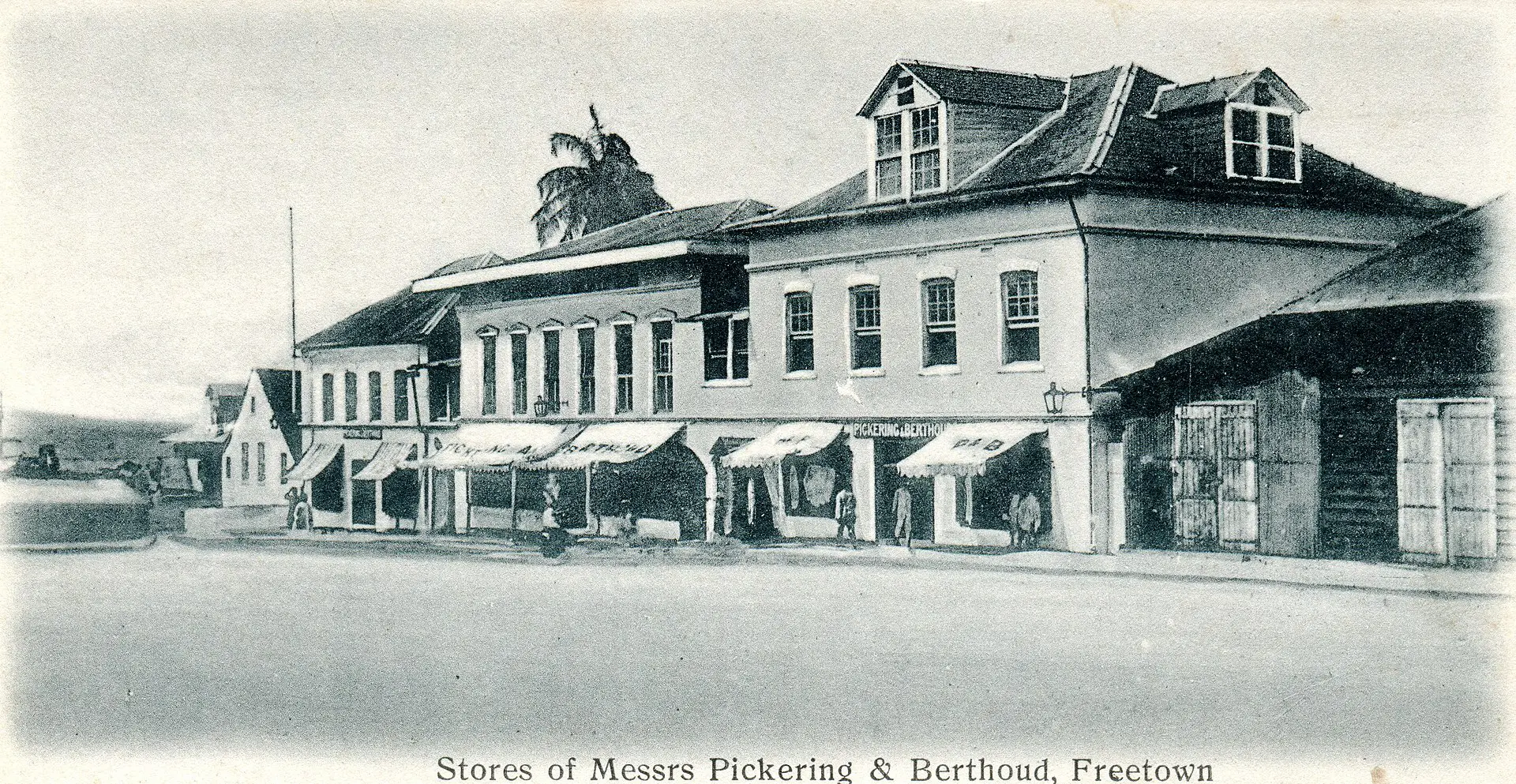
The capital sits on a hilly peninsula between mountains and the Atlantic. It was founded as a settlement for freed and returned Africans, and its mix of Krio wooden houses, markets, churches and mosques reflects that story. The National Museum, the busy Big Market district and the harbour views from the hills are the main city stops. Allow two nights.
Peninsula beaches: Lumley, River No. 2 and Tokeh
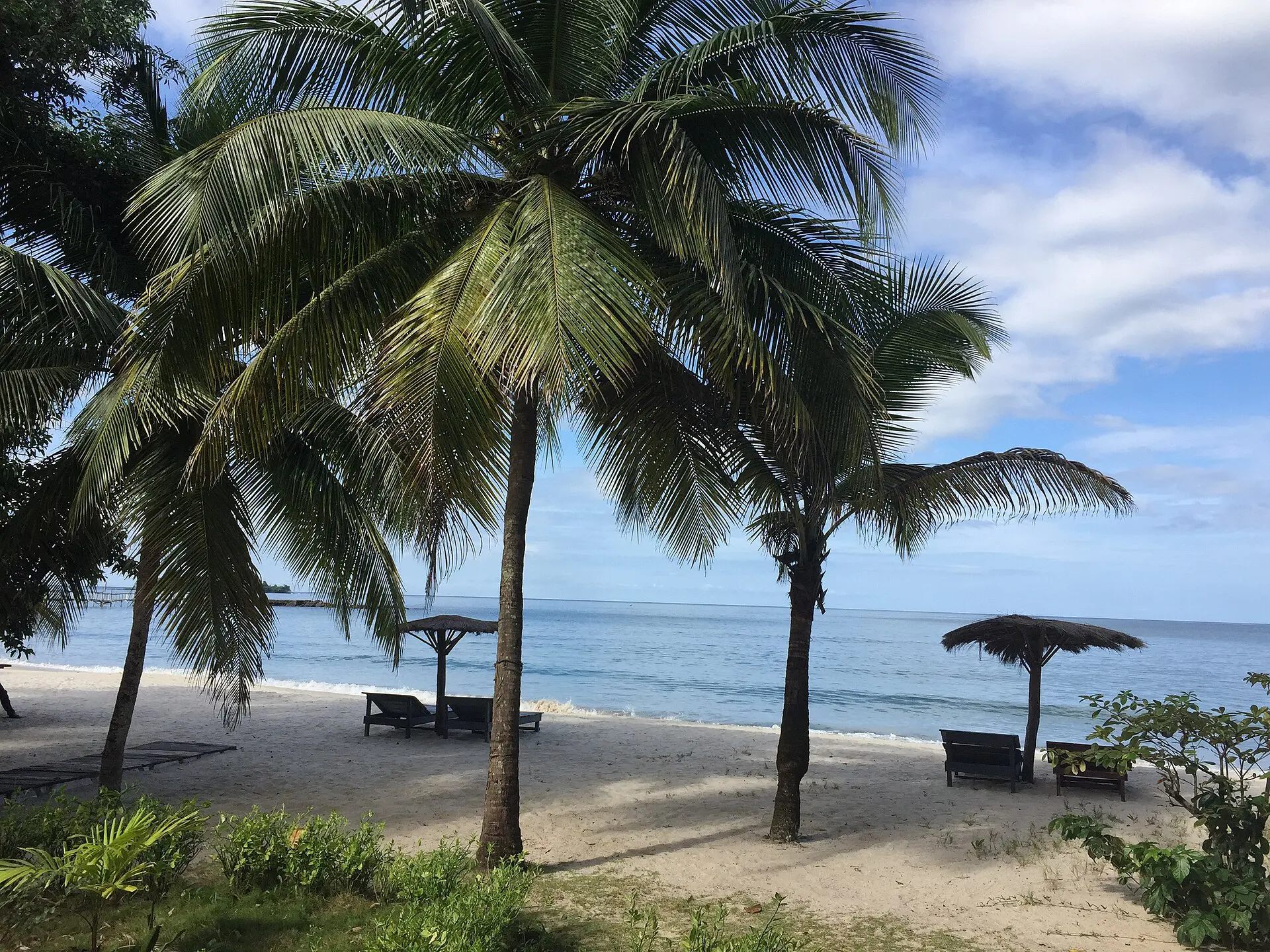
Lumley Beach is the city beach, good for sunset drinks and fish at beachfront shacks. River Number Two, a short drive south, has white sand and a freshwater river meeting the sea. Tokeh and Bureh are further along the peninsula road, with long, quieter sands and simple guesthouses.
Bunce Island
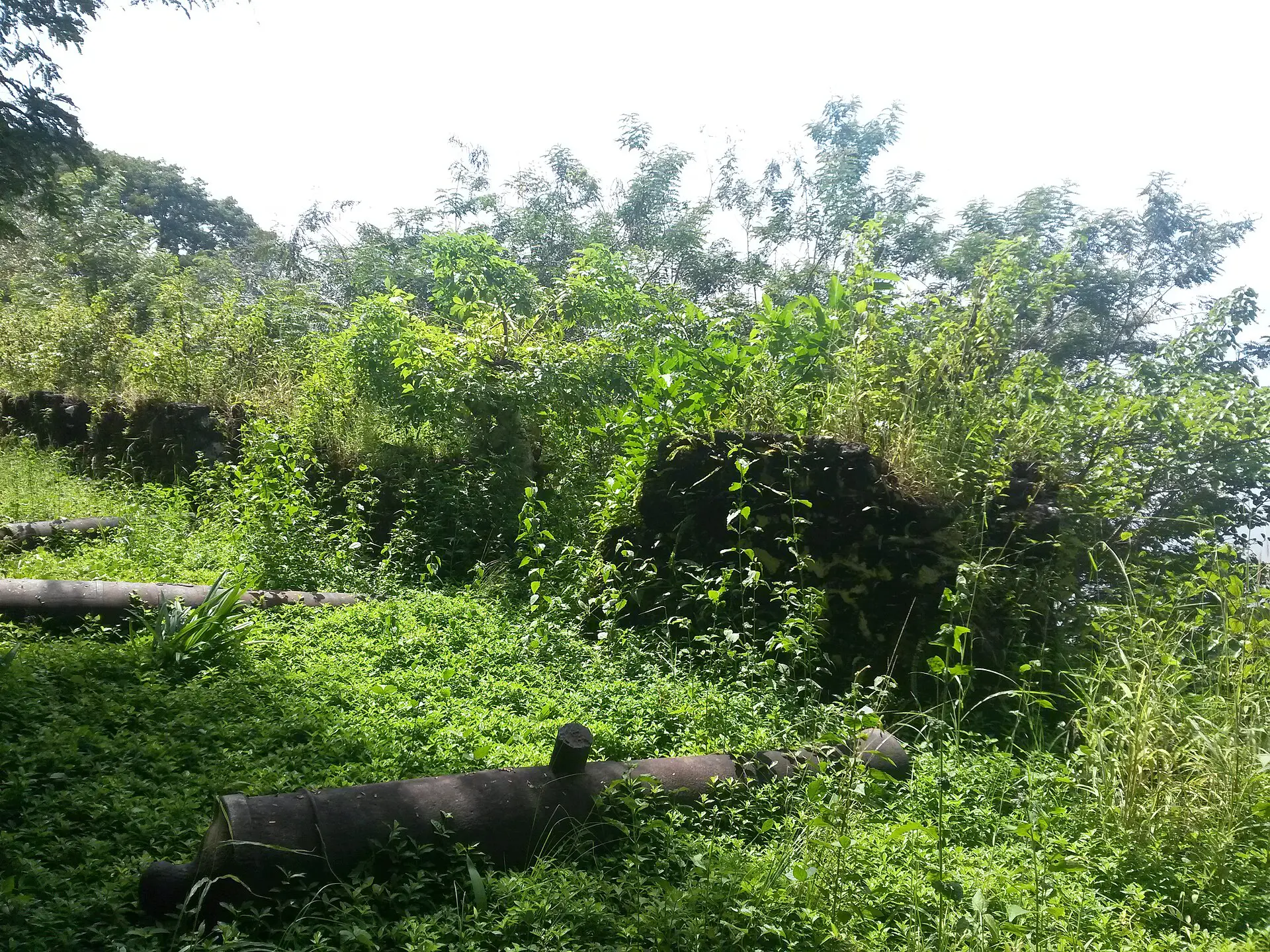
A ruined British slave fort in the Sierra Leone River estuary, reached by boat from Freetown. Brick walls, cannon and a cemetery survive among the trees. It is a sober, important place, and it is on the country’s UNESCO tentative list.
Banana Islands
Reached by boat from the peninsula, these islands offer quiet beaches, ruined colonial buildings and basic lodging for a night or two.
Tiwai Island
A river island wildlife sanctuary in the Moa River, run with local communities, with chimpanzees, monkeys, pygmy hippos and many birds. Visits are by boat and guided walk.
Gola Rainforest National Park
The largest remaining tract of rainforest in the country, on the Liberian border, with forest elephants, rare birds and canopy walks for those who plan well ahead.
Top things to do in Sierra Leone
The top things to do in Sierra Leone mix beaches, history and wildlife, and most start within a day’s travel of Freetown.
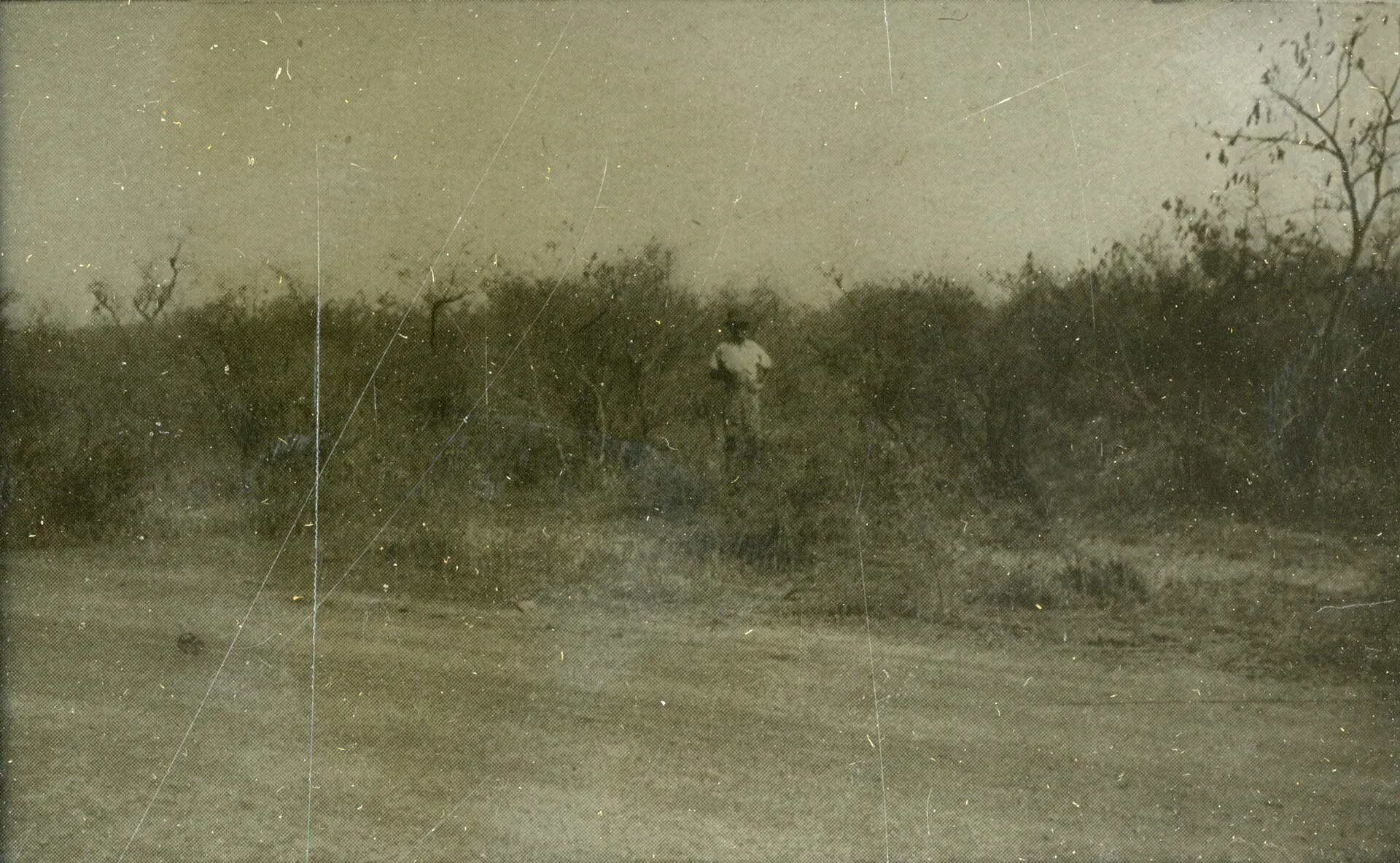
- Take a boat to Bunce Island: walk the fort ruins with a local guide who explains the slave-trade history.
- Relax on Tokeh Beach: long white sand and coconut palms, best on weekdays.
- Surf or watch surfers at Bureh Beach: a small, friendly beach town with a surf scene and lessons.
- Walk Freetown’s markets: bargain for cloth, carvings and snacks in the central streets.
- Visit the National Museum: a small collection on culture and history near the city centre.
- Spend a night on Tiwai Island: look for chimpanzees, monkeys and pygmy hippos with community guides.
- Explore the Banana Islands: swim, snorkel and walk to old ruins.
- Hike in the Western Area Peninsula forest: trails above Freetown, for example around Leicester Peak, give views over the city.
- Climb toward Mount Bintumani: the highest peak in West Africa between Morocco and Cameroon, for experienced trekkers with guides.
- Watch fishing boats land at dawn: a lively scene in coastal villages such as Tombo.
Best time to visit Sierra Leone
The best time to visit Sierra Leone is the dry season from November to April, when roads are more passable, beaches are at their best and wildlife viewing is easier. From May to October heavy rain falls, and Freetown is among the wettest capital cities in the world, so roads turn to mud and some boat trips are cancelled.
| Season | Weather | Crowds and prices | Good for |
|---|---|---|---|
| Nov-Feb | Dry, hot and sunny; Harmattan dust haze from December | Peak season, still quiet | Beaches, wildlife, travel by road |
| Mar-Apr | Hot and humid, rains building | Low to moderate | Beaches, islands, city visits |
| May-Oct | Heavy rain, humid, rivers high | Lowest prices, some places closed | Green scenery, budget stays |
For a first trip, aim for late November to February, accepting the dusty haze that can reduce views in the Harmattan months.
Is Sierra Leone safe to visit?
Sierra Leone is generally safe for visitors who take sensible precautions, and the people are known for being welcoming, but conditions can change. Check your government’s current advice, such as the background in the country overview and the UK FCDO or US State Department pages, before you book and again before you travel.
Crime. Petty theft and street crime occur in Freetown, especially after dark and on crowded beaches. Avoid walking at night, keep phones and cameras out of sight and use hotel-recommended taxis.
Unrest. There have been periods of political tension and protests in the capital in recent years, sometimes with curfews. Follow local news and your embassy’s updates and avoid demonstrations.
Health. Malaria is a year-round risk, so take preventive medication advised by a travel clinic. Yellow fever vaccination is required for entry, and typhoid, hepatitis A and routine vaccines are commonly recommended. Drink bottled or treated water, and carry comprehensive insurance, including medical evacuation, as local healthcare is limited.
Roads and sea. Road accidents are a leading risk, and some boats lack safety gear. Avoid night driving and ask for life jackets on boat trips.
Visa and entry requirements for Sierra Leone
Entry rules depend on your nationality, and they have changed in recent years, so confirm the current rule for your passport with the official Sierra Leone immigration source or your nearest embassy before you book. Many visitors need a visa, often applied for online as an e-visa before departure, while some nationalities, including citizens of other West African states, can enter more easily.
You need a passport valid for at least six months and with blank pages. A yellow fever vaccination certificate is usually checked on arrival, and other health documents may be requested at times. Keep printed copies of your visa approval, hotel booking and return ticket, as officials may ask for them.
If you cross by land from Guinea or Liberia, border posts can be slow and informal, and rules and fees there may differ from the airport. Check the latest guidance with your embassy, and consider arranging a trusted local contact before arrival. Registration or fees for national parks and conservation areas are separate from the visa.
Getting to and around Sierra Leone
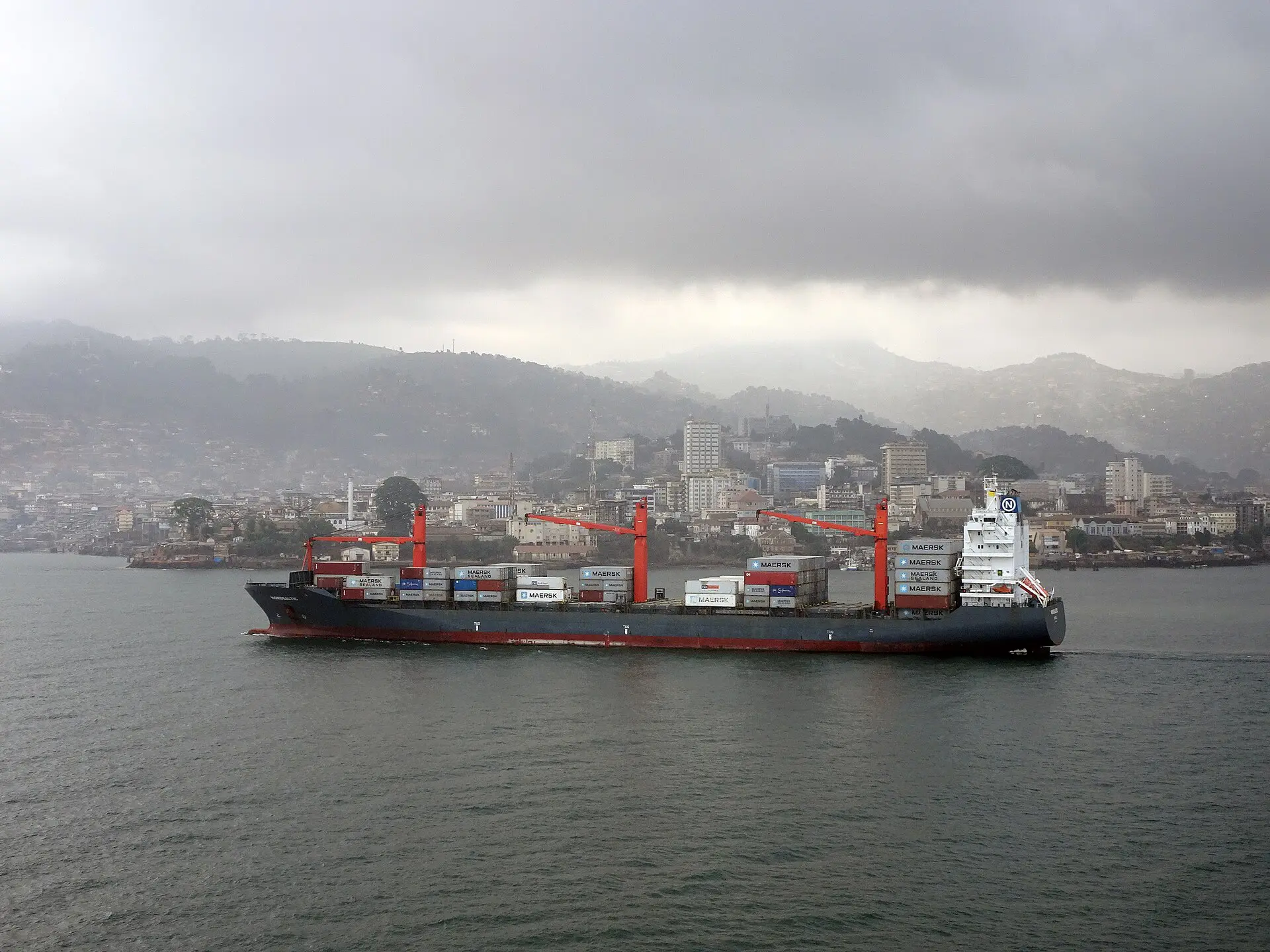
Most visitors arrive at Freetown International Airport at Lungi, which has flights from several European and African hubs. The airport is across the Sierra Leone River estuary from the capital, so the transfer is a major part of arrival. Options have included ferries, speedboats, water taxis and helicopter or hovercraft services, with a road route around the estuary that takes several hours. Check which services are currently running and book the connection in advance, particularly after dark.
Within Freetown, yellow taxis, shared taxis, minibuses called poda-podas and motorbike taxis are common. Hire a driver for sightseeing, because it is cheap by Western standards and spares you the hassle of city traffic.
Beyond the capital, main roads to Bo, Kenema and Makeni are paved and in reasonable condition, but side roads can be rough, especially in the rainy season. Shared minibuses and taxis leave when full. A 4×4 with a driver is the practical choice for national parks. Expect long, slow journeys and police checkpoints, where polite patience helps.
How much does a trip to Sierra Leone cost?
Sierra Leone is not as cheap as many visitors expect, mainly because accommodation, transfers and tours cost more than local living costs suggest. The currency is the Sierra Leonean leone (SLE); many tourist services quote in US dollars, and you should bring clean, recent notes. Figures below are rough per-person guides for 2026 and may change.
- Budget: around USD 40 to 70 per day, with guesthouses, shared transport and local meals.
- Mid-range: around USD 80 to 150 per day, with comfortable hotels or beach lodges, a hired car and driver and restaurant meals.
- High-end: from around USD 200 per day, with the best beach resorts, private transfers and guided wildlife trips.
The airport transfer, hiring a 4×4 with driver for the interior and park fees are the biggest costs. Local food at street stalls and simple restaurants is cheap. Card use is limited outside upmarket hotels, so budget to pay mostly in cash.
Sierra Leone food and drink
Sierra Leone food is built around rice, served at almost every meal, with rich stews and sauces, fresh fish and plenty of chilli. Local cooking is hearty and generous.
- Cassava leaf stew: pounded cassava leaves cooked with palm oil, fish or meat, served over rice. It is often called the national dish.
- Potato leaf stew: a similar leafy stew with a slightly different flavour.
- Jollof rice: a spiced tomato rice served at parties and in restaurants.
- Groundnut soup: a peanut-based stew with chicken or fish.
- Grilled fish: barracuda, snapper and other catches grilled on beach shacks, especially along Lumley Beach.
- Fried plantain and cassava: popular snacks sold by roadside vendors.
- Drinks: Star beer is the common local lager, and palm wine is tapped from palm trees and sold fresh.
Vegetarians can eat rice with vegetable stews, though most sauces contain fish or meat stock, so ask. Street food is part of daily life, but choose busy stalls and food cooked fresh. Beach restaurants in Freetown serve seafood, and some international restaurants cater to visitors.
Culture, language and etiquette in Sierra Leone
English is the official language, but Krio, an English-based creole, is the lingua franca spoken across ethnic groups. Mende, Temne and other languages are widely used in the south and north. Learning a few Krio phrases, such as “how di body?” as a greeting, is warmly received.
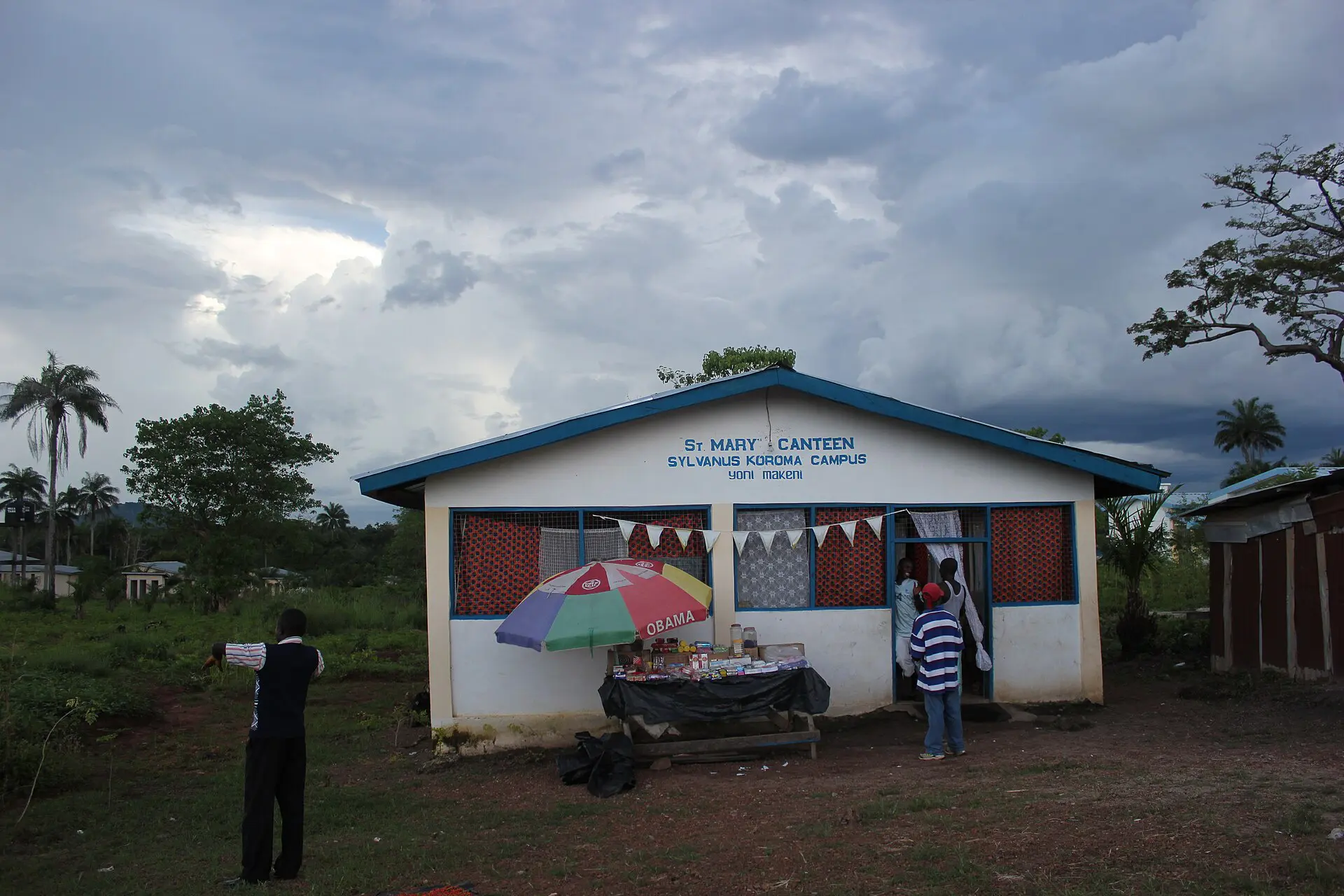
Greetings matter. Take time to say hello and ask after people before getting down to business, and use the right hand for eating, passing and receiving. Muslims make up about three-quarters of the population, and there is a significant Christian minority, with high levels of religious tolerance. Dress modestly when visiting mosques, churches and villages, covering shoulders and knees, and avoid bikinis away from the beach.
Ask permission before photographing people, and avoid photographing government buildings, military sites, police and airports. Be aware that same-sex relations are criminalised under colonial-era law, and discretion is advised for LGBT travellers. Handle politics with care, and let locals lead conversation about the civil war. Bargaining is normal in markets but should stay good-humoured.
Sierra Leone itinerary: a 7-day route
This route keeps most travel on the peninsula and one inland excursion, which is realistic given road and boat conditions. Confirm tours, boats and lodging ahead, as services are limited.
- Day 1, arrive and cross to Freetown: take your pre-booked transfer from Lungi airport, check in and rest.
- Day 2, Freetown: visit the National Museum, walk the central markets and see the city from the hills at sunset.
- Day 3, Bunce Island: take a boat trip with a guide to the fort ruins, returning to Freetown for the night.
- Day 4, peninsula beaches: drive south to River No. 2 and Tokeh for swimming and fish lunch, staying overnight on the coast.
- Day 5, Bureh Beach: continue to Bureh for a surf lesson, a village walk or a lazy beach day.
- Day 6, Banana Islands: take a boat across, walk to the ruins and swim before returning to the mainland.
- Day 7, return: transfer back to Freetown and on to the airport, allowing generous time for the crossing.
With ten days or more, add Tiwai Island or Gola Rainforest by 4×4 with a driver, which each need at least two days from Freetown.
Practical tips for Sierra Leone
- Money: bring clean US dollars or euros to exchange, and carry cash in small notes, because ATMs and cards work mainly in Freetown and larger hotels. Currency rules and notes have changed since the leone was redenominated in 2022.
- SIM and eSIM: local prepaid SIMs are inexpensive and give reasonable coverage near towns, but signal drops in rural areas. Check roaming and eSIM availability before you travel.
- Plugs: types D and G at 230 V, and power cuts are common, so carry a power bank.
- Tipping: not expected, though small tips for drivers and guides are appreciated.
- Health: see a travel clinic well before departure for malaria prevention and vaccines, and pack insect repellent, a first-aid kit and rehydration salts.
- Packing: lightweight long sleeves, a rain jacket (essential May to October), sturdy sandals, sunscreen, and a torch.
- Planning: book transfers and rooms ahead, keep spare days for delays and avoid travelling after dark.
For wider background, see the Wikipedia article on Sierra Leone.
FAQ
Q1Is Sierra Leone safe to visit?
Most visitors have trouble-free trips, and Sierra Leoneans are known for their welcome. The main risks are petty theft in Freetown, road accidents, malaria and occasional protests. Avoid night travel, use trusted drivers and check your government's current advice before and during your trip.
Q2What is the best time to visit Sierra Leone?
November to April is best: it is dry, beaches are at their finest and roads are easier. December to February brings Harmattan dust haze. May to October is very wet, with heavy rain, high rivers and some closures, but prices are lower.
Q3What are the best things to do in Sierra Leone?
Visit Bunce Island's slave fort, relax on Tokeh, River No. 2 and Bureh beaches, spend a night on Tiwai Island for chimpanzees and monkeys, explore Freetown's markets and museum, and visit the Banana Islands. Gola Rainforest rewards those with more time.
Q4Do I need a visa for Sierra Leone?
Most travellers do, though rules differ by nationality and change over time. An online e-visa is common, and yellow fever vaccination proof is usually required. Confirm current requirements with the official Sierra Leone immigration source or your nearest embassy before booking.
Q5How much does a trip to Sierra Leone cost?
Budget travellers spend around USD 40 to 70 per day, mid-range travellers USD 80 to 150, and high-end trips start near USD 200. Airport transfers, 4x4 hire and lodging drive the cost, while street food and local transport are cheap. Bring cash.
Q6How do you get from Lungi airport to Freetown?
The airport is across the estuary, so you need a ferry, speedboat, water taxi or other transfer service, or a long road route around. Services and schedules change, so confirm and book in advance, especially for evening arrivals.
Q7What language do they speak in Sierra Leone?
English is the official language, and Krio, an English-based creole, is spoken by most people as a common language. Mende and Temne are widely spoken in the south and north. Visitors can usually get by in English in tourist areas.