Why visit Serbia
This Serbia travel guide starts with the case for going: the country sits on one of Europe’s main crossroads, between Central Europe and the Balkans, and its layered history shows in Roman ruins, medieval monasteries, Ottoman towns and Austro-Hungarian streets (see the Wikipedia overview). Belgrade, the capital, has grown into one of Europe’s liveliest cities for food, music and river nightlife, and the north and south offer very different landscapes, from Vojvodina’s flat plains to mountains and gorges.
Serbia suits travellers who like cities with character, hearty food, generous hospitality and low prices. It is good for short breaks, road trips and for people who want to see the Balkans beyond the coast. Serbia has no sea coast, so swimming means rivers, lakes and the Danube beaches, and public transport outside the main corridors is limited.
Best places to visit in Serbia
The best places to visit in Serbia include one major capital, a handful of heritage towns and several national parks.
Belgrade
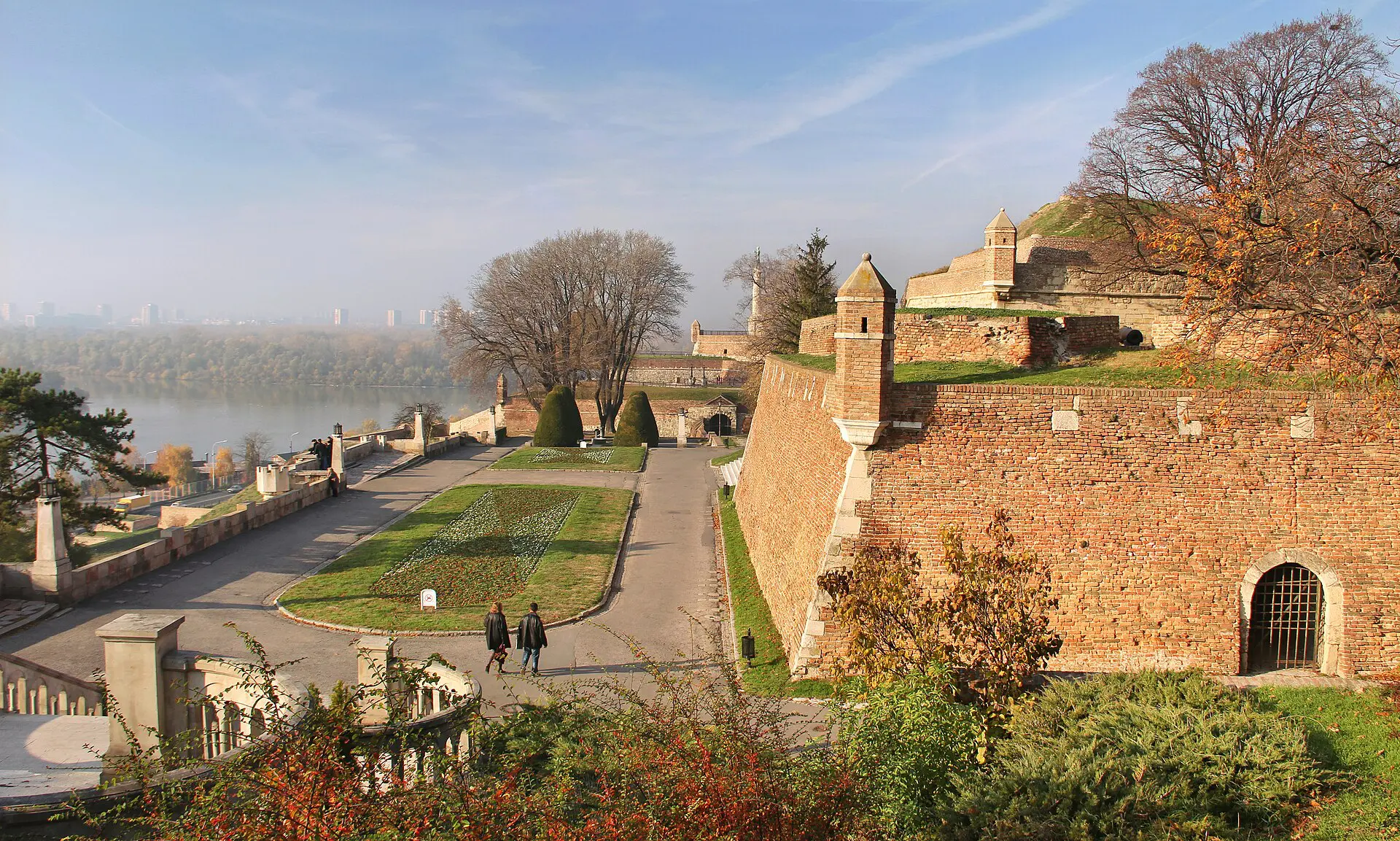
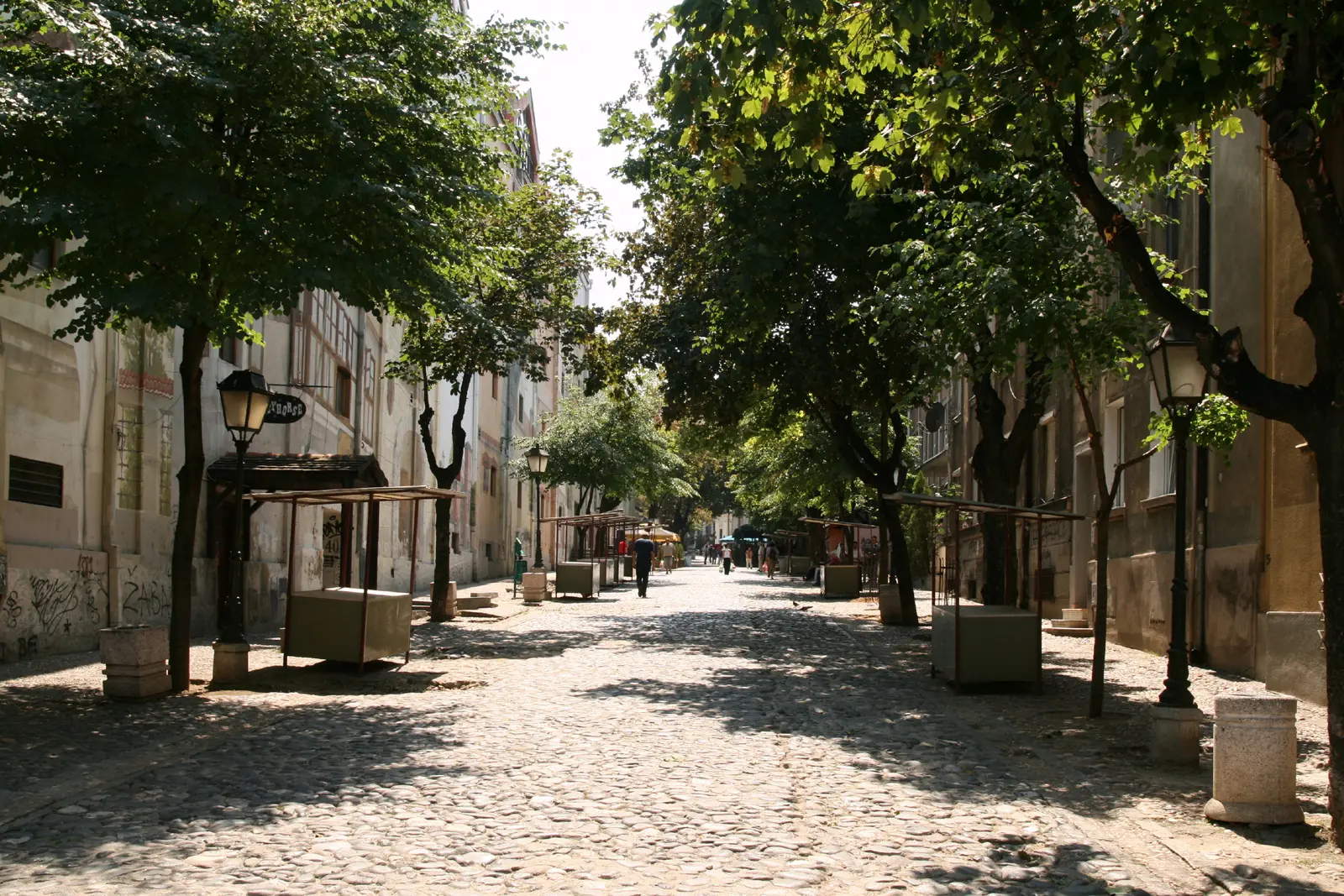
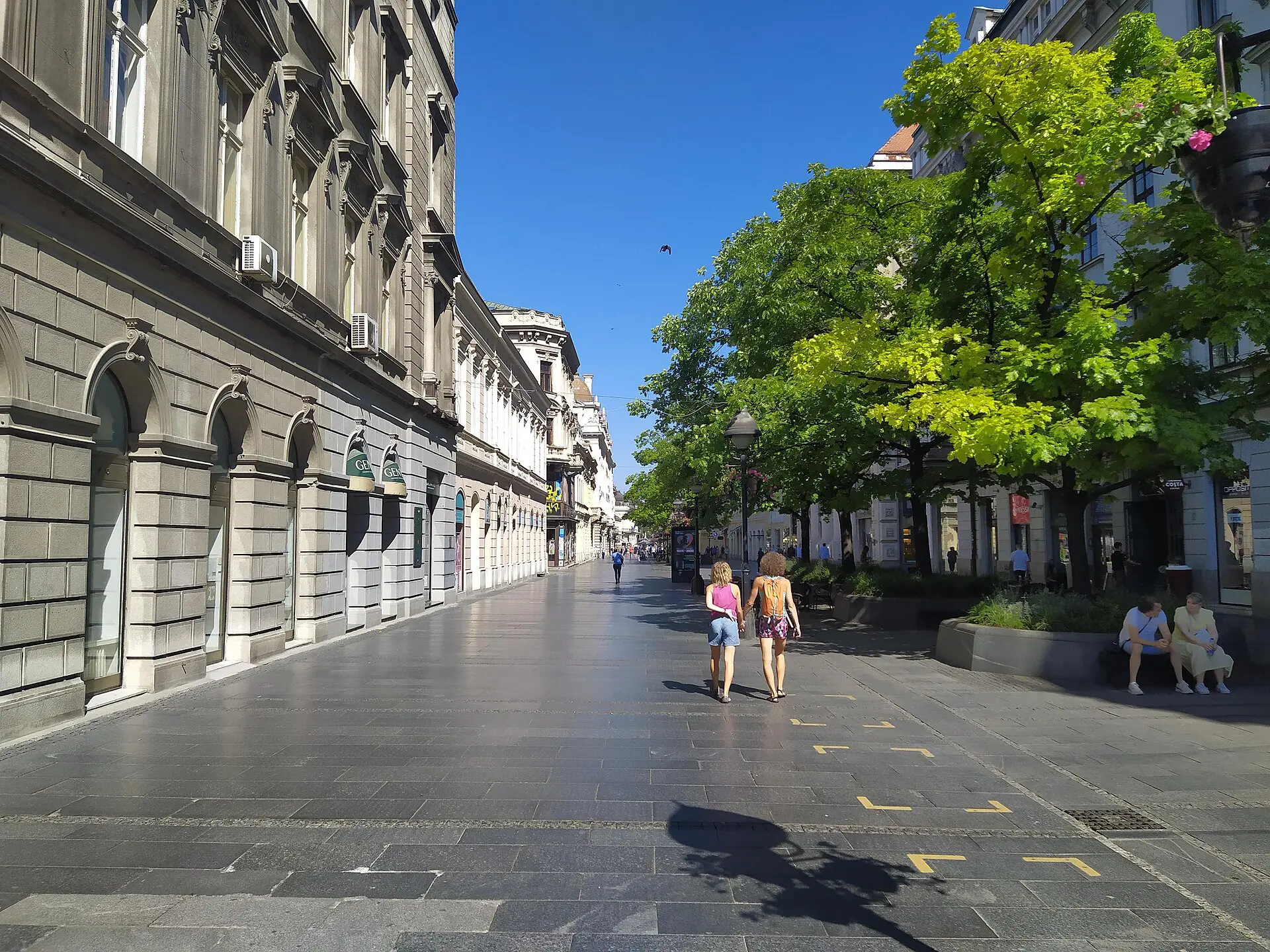
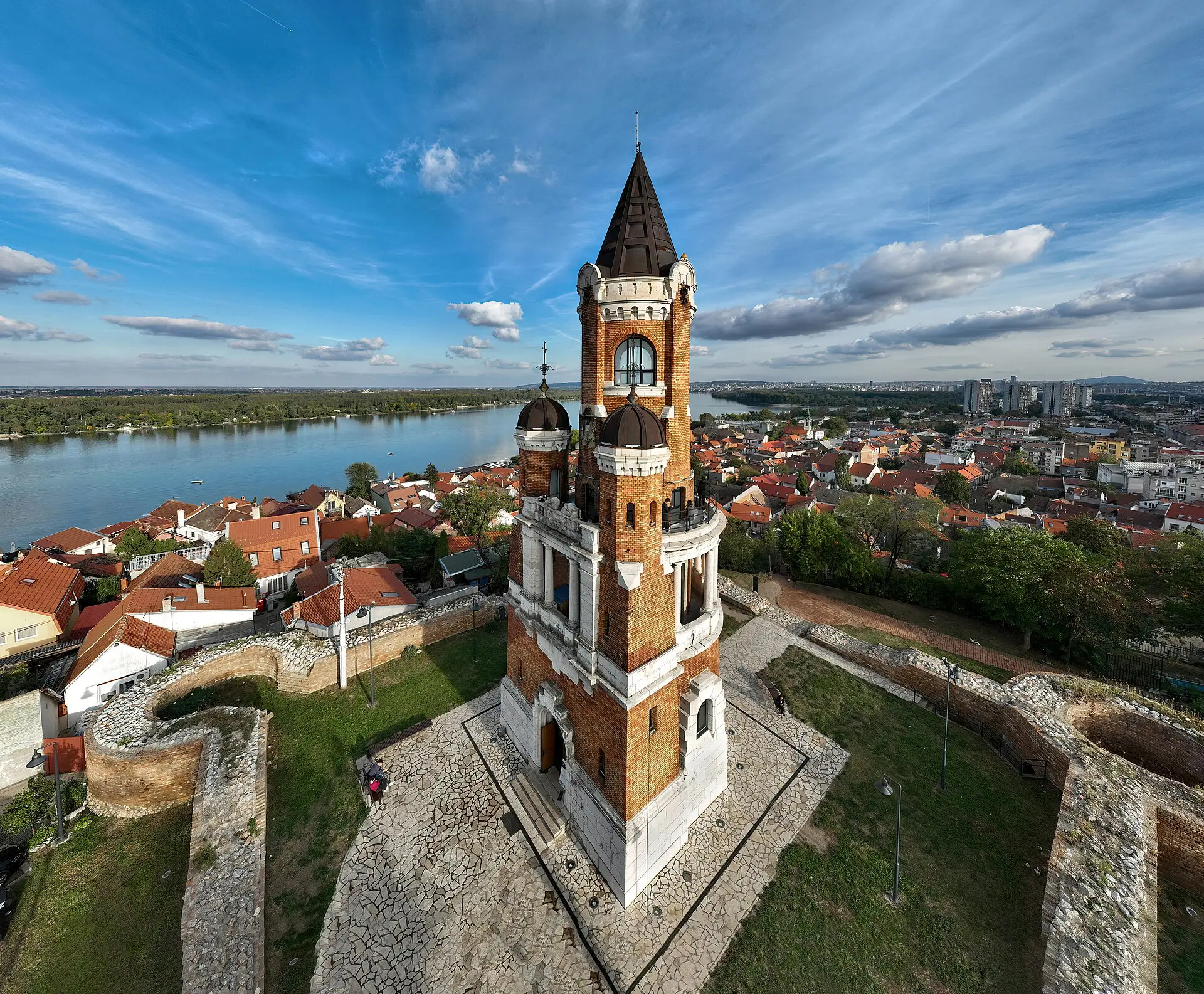
The capital stands where the Sava meets the Danube, with Kalemegdan Fortress above the confluence. Skadarlija is the old bohemian quarter, Knez Mihailova is the main pedestrian street and the floating river clubs (splavovi) are a summer feature. Allow at least three days.
Novi Sad
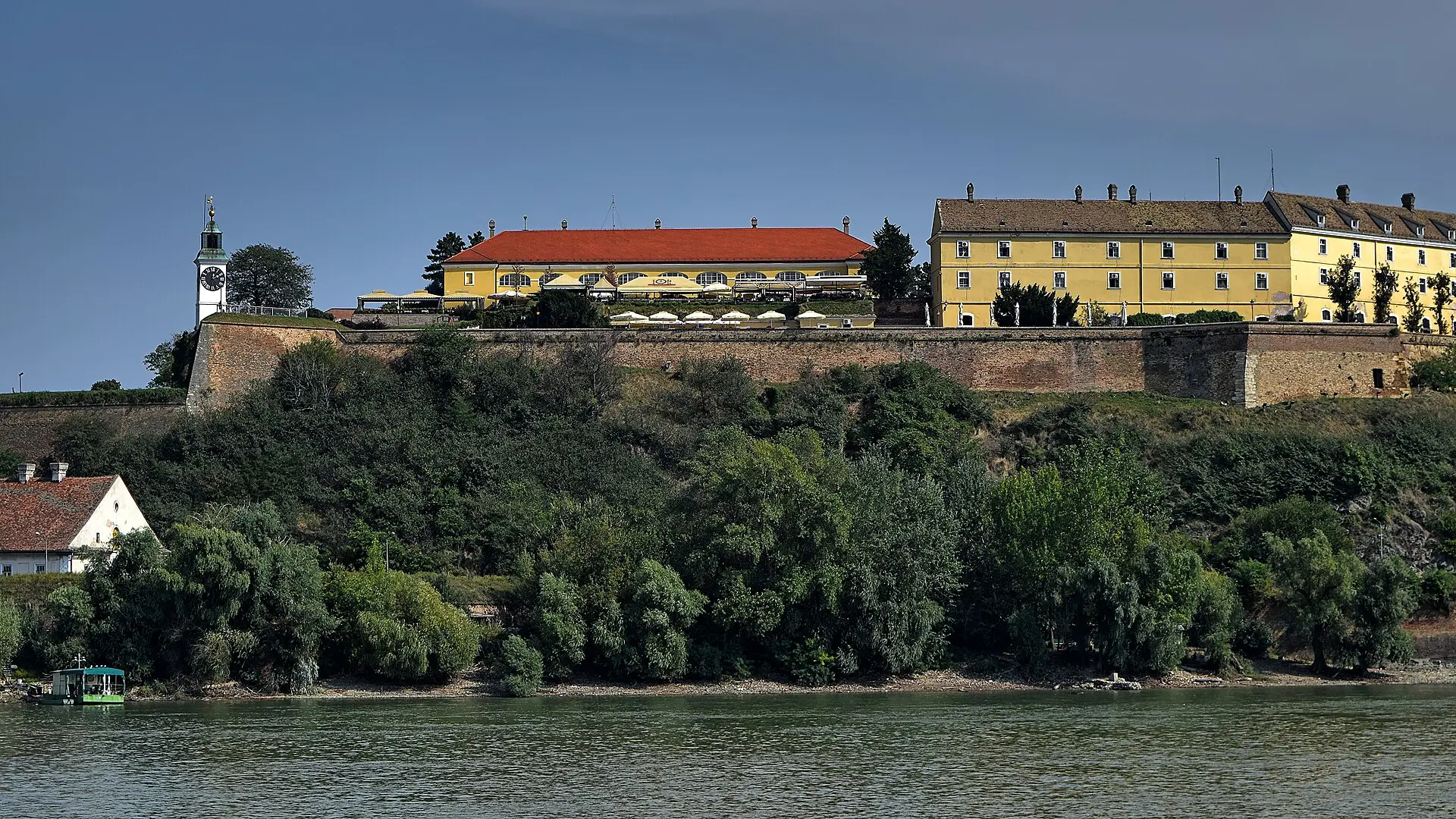
Serbia’s second city, about an hour from Belgrade, has a pastel old centre and the Petrovaradin Fortress across the Danube, which hosts the EXIT festival. It is a relaxed day trip or overnight stay.
Fruška Gora
This low, forested mountain near Novi Sad holds around a dozen Orthodox monasteries and vineyards, and suits half-day drives and wine tastings.
Tara National Park and Zlatibor
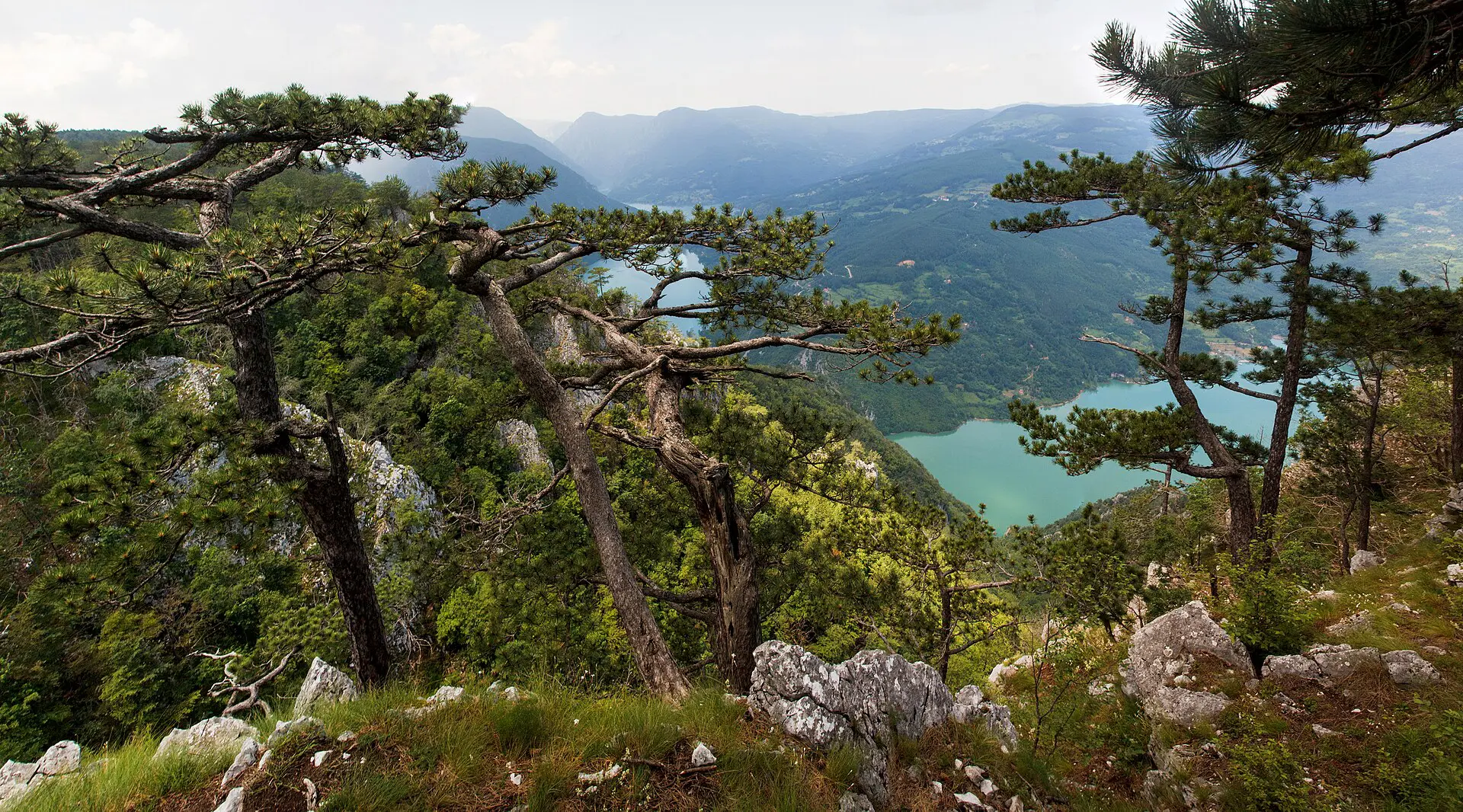
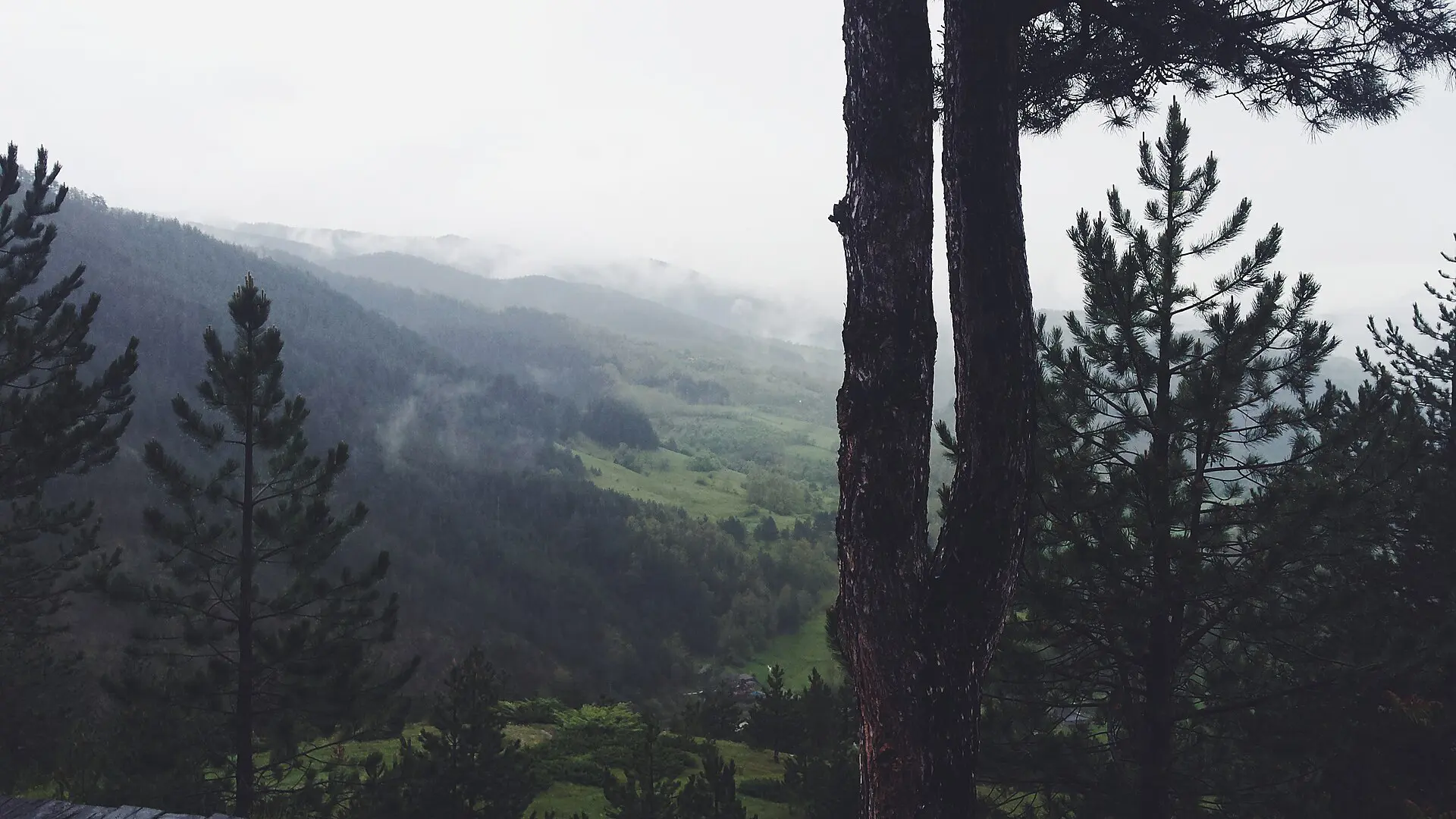
In the west, Tara has dense forest and Drina River viewpoints, while nearby Zlatibor is a popular hill resort. Mokra Gora, with the Šargan Eight heritage railway, sits close by.
Niš and Felix Romuliana
Niš, in the south, is an Ottoman and Roman city and the birthplace of Constantine the Great. Gamzigrad’s Felix Romuliana, a late Roman palace, is a UNESCO site nearby.
Đerdap Gorge
The Danube cuts through Europe’s largest river gorge in the east, with the Golubac Fortress and Lepenski Vir prehistoric site.
Top things to do in Serbia
The top things to do in Serbia mix city life, heritage and outdoor days.
- Walk Kalemegdan Fortress: stroll the ramparts at sunset for views of the rivers meeting.
- Eat in Skadarlija: traditional taverns with live music in a cobbled quarter of Belgrade.
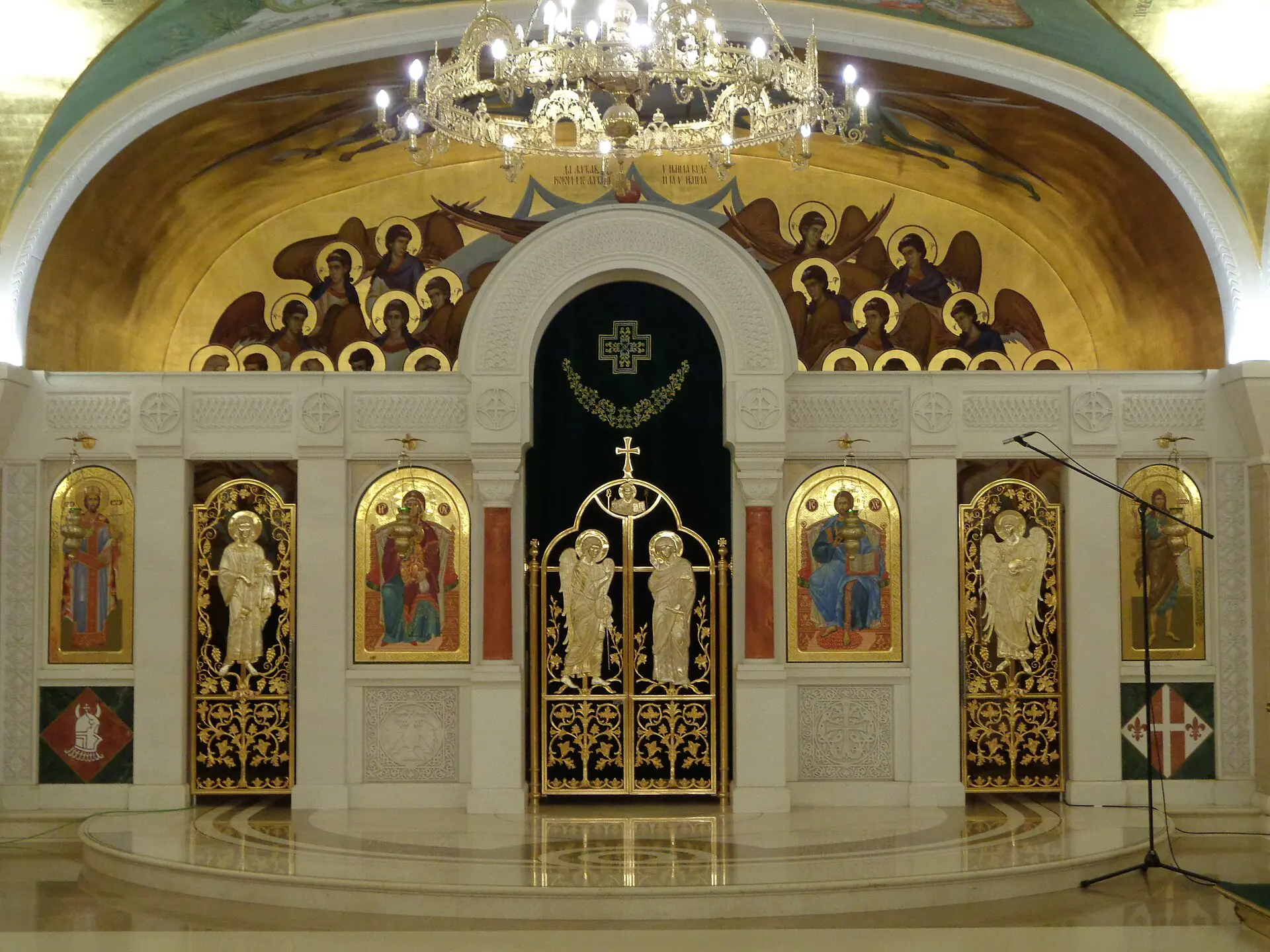
- Visit the Temple of Saint Sava: one of the world’s largest Orthodox churches dominates Belgrade’s skyline.
- Tour a Fruška Gora monastery: several date from the 16th to 18th centuries and are open to visitors in modest dress.
- Try a river club: Belgrade’s splavovi on the Sava and Danube are best in summer.
- Ride the Šargan Eight: a restored narrow-gauge heritage railway on a spiral route near Mokra Gora.
- Hike in Tara or Đerdap: forest paths and gorge viewpoints are good from late spring to autumn.
- See Manasija or Studenica: medieval monasteries with preserved frescoes, the latter UNESCO-listed.
- Taste rakija and wine: producers around Fruška Gora and Župa offer tastings.
- Ski at Kopaonik: the main resort in winter, with a season usually from December to March.
Best time to visit Serbia
The best time to visit Serbia is May to June and September to October, when the weather is warm and settled and crowds are modest. Summers can be hot, often above 30 C in Belgrade and Vojvodina, which suits river clubs and festivals. Winters are cold, with snow in the mountains and ski season at Kopaonik and Zlatibor.
| Season | Weather | Crowds and prices | Good for |
|---|---|---|---|
| Spring (Apr-Jun) | Mild to warm, some rain | Moderate | City breaks, monasteries, hiking |
| Summer (Jul-Aug) | Hot, sometimes above 35 C | Busy in Belgrade and festivals | River clubs, EXIT festival, rivers |
| Autumn (Sep-Oct) | Warm, then cool and colourful | Falling | Wine, Tara, Fruška Gora |
| Winter (Nov-Mar) | Cold, snow and fog | Low, except ski resorts | Skiing, spas, city cafés |
Festival dates, including EXIT in Novi Sad and Belgrade’s summer events, change each year, so check them before booking.
Is Serbia safe to visit?
Yes, Serbia is safe for most visitors, and violent crime against tourists is rare. The main issues are petty theft in busy areas, dangerous driving and occasional political tension. Check your government’s current travel advice, such as the UK FCDO or US State Department pages, before you go.
Crime and scams. Pickpockets work crowded trams, markets and bus stations in Belgrade. Use licensed taxis or apps, agree fares in advance and check bills in bars and tourist restaurants. Keep valuables in a safe place.
Politics. Protests occur periodically in Belgrade and other cities, and tensions around Kosovo can flare up, especially near the administrative boundary. Avoid demonstrations and follow local news. Some governments advise caution when crossing between Serbia and Kosovo, and entry rules for Kosovo differ from those for Serbia.
Roads and nature. Roads have many accidents, with fast driving and poor night visibility in rural areas. In summer, heat waves and wildfires can occur, and floods have affected rivers in the past.
Visa and entry requirements for Serbia
Entry rules depend on your nationality. Citizens of the EU, UK, US and many other countries have generally been able to enter visa-free for short tourist stays, but this changes, so confirm the current rule for your passport with the Serbian Ministry of Foreign Affairs or your nearest embassy.
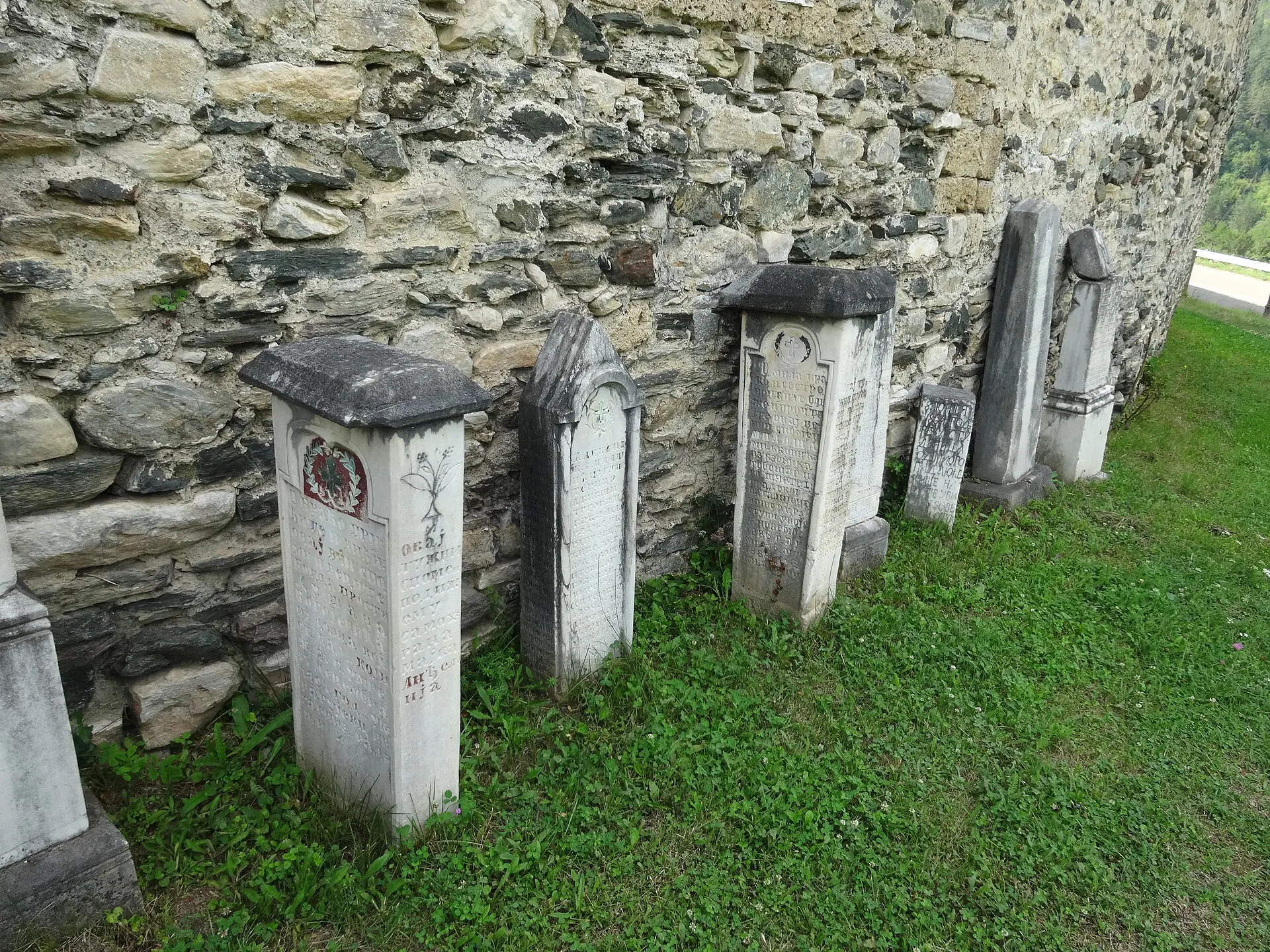
Bring a passport valid for the length of your stay, and be ready to show proof of accommodation. Foreign visitors must be registered with the police, which hotels do automatically; if you stay in a private rental, ask the host to register you and keep the slip. Serbia is not in the EU or the Schengen area, so border checks apply on every crossing.
Crossing between Serbia and Kosovo has its own conditions, and entry to Kosovo from Serbia can affect later entry elsewhere, so check official guidance. The UNESCO page for Serbia lists its World Heritage sites, though it does not cover entry rules. Rental cars may need extra paperwork for border crossings.
Getting to and around Serbia
Most visitors fly into Belgrade Nikola Tesla Airport, which has links to many European cities and a growing number of long-haul routes, while Niš has a smaller airport with some budget flights. Serbia has land borders with Hungary, Romania, Bulgaria, North Macedonia, Croatia, Bosnia and Herzegovina, Montenegro and, with different rules, Kosovo.
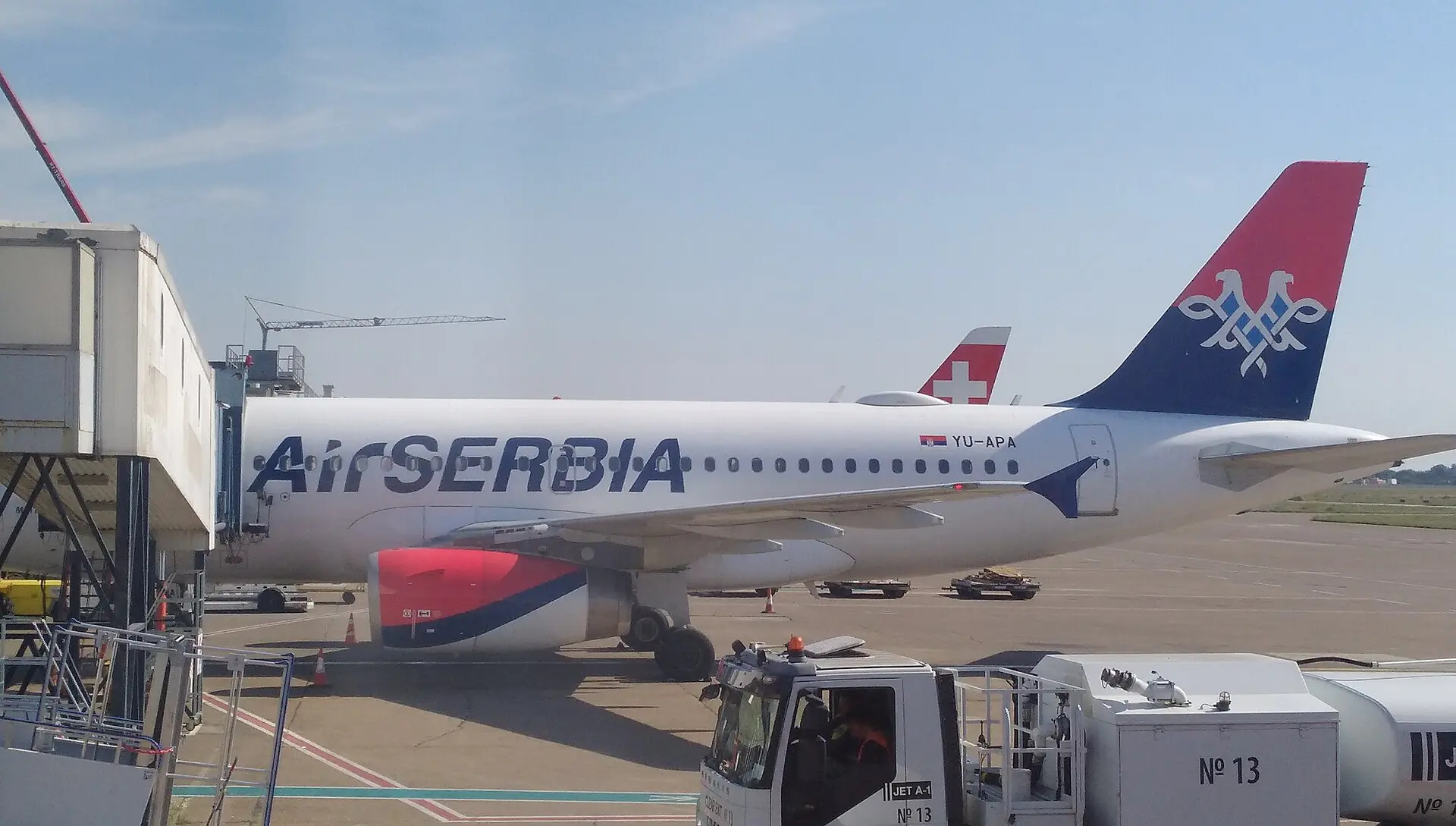
Buses are the main public transport and run between nearly all towns, with Belgrade to Novi Sad taking about an hour and a half by bus. A high-speed train between Belgrade and Novi Sad takes roughly 35 to 40 minutes, and trains also run to Niš and on towards Bulgaria, though slower than the coach on some lines. Belgrade has trams, trolleybuses, buses and ride-hailing apps; taxis from the airport should be booked at official desks or by app.
A rental car is useful for Tara, Zlatibor and the monasteries. Roads on the main motorways are good but tolled, while mountain roads are slower. Driving is on the right.
How much does a trip to Serbia cost?
Serbia is among the cheaper countries in Europe for visitors, although Belgrade has become more expensive in recent years. The currency is the Serbian dinar (RSD); euros are accepted by some hotels but not in shops or restaurants, so change money to dinars. Figures below are rough per-person guides for 2026.
- Budget: around EUR 30 to 50 per day, with hostels or simple guesthouses, local food and public transport.
- Mid-range: around EUR 50 to 90 per day, with a comfortable hotel, restaurant meals and some taxis or tours.
- High-end: from around EUR 130 per day, with boutique hotels, fine dining and a rental car or driver.
Accommodation in Belgrade and Novi Sad during festivals is the main swing factor. Meals, public transport, entrance fees and drinks are inexpensive. Mountain resorts such as Kopaonik cost more in the ski season, while smaller towns and countryside stays are cheaper.
Serbia food and drink
Serbia food is hearty and meat-centred, with Ottoman, Hungarian and Central European influences. Portions are large, bread is served with most meals and prices are low.
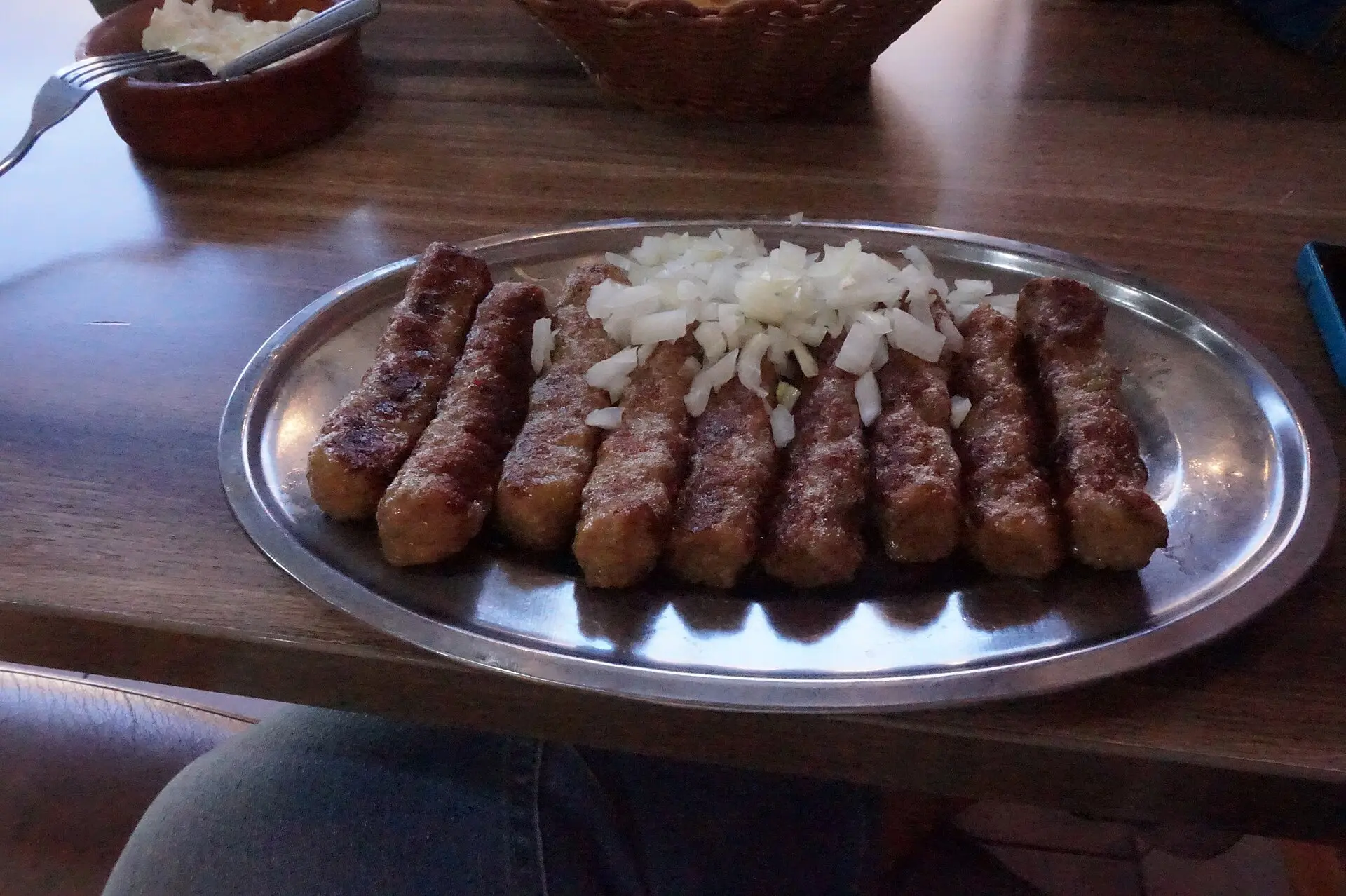
- Ćevapi: small grilled minced-meat sausages served with onions and flatbread (lepinja).
- Pljeskavica: a large grilled patty, often topped with kajmak.
- Kajmak: a creamy, salty dairy spread eaten with bread and grilled meat.
- Sarma: cabbage rolls stuffed with minced meat and rice, popular in winter.
- Burek: flaky pastry with cheese or meat, a standard breakfast or snack.
- Šopska and shepherd’s salad: tomato, cucumber, peppers and white cheese.
- Rakija: fruit brandy, often plum (šljivovica), drunk as an aperitif.
- Serbian wine and coffee: Fruška Gora and Župa produce good wines, and coffee culture is strong.
Vegetarians can eat grilled vegetables, salads, cheese and pastries, but menus are meat-heavy and it helps to ask. Restaurants often add a cover charge for bread. Skadarlija, Belgrade’s riverfront and local kafanas, which are traditional taverns, are good places to eat.
Culture, language and etiquette in Serbia
Serbian is the official language and is written in both Cyrillic and Latin scripts, with Cyrillic more common on official signs and Latin widely used in daily life. English is widely spoken by younger people in cities, and German and Russian are also understood. Useful words include hvala (thank you) and zdravo (hello).
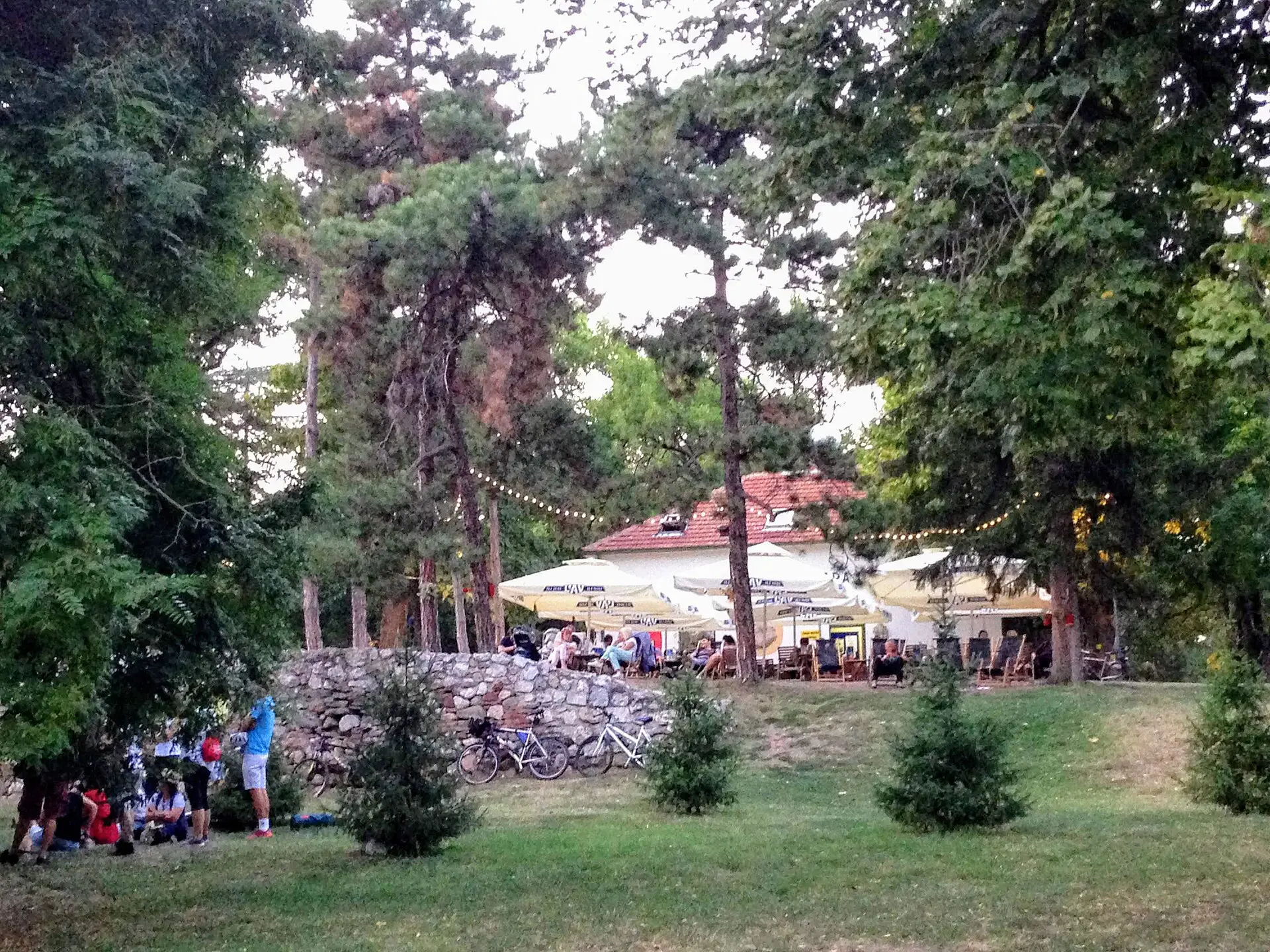
Most Serbs are Orthodox Christian, and the church is closely tied to national identity, while Vojvodina is notably multi-ethnic, with Hungarian, Slovak and other communities. Hospitality is strong: guests are offered coffee, rakija or food, and refusing too many offers can seem rude. Coffee drinking is a slow social ritual, and meetings can last for hours.
Dress modestly in monasteries, with covered shoulders and knees. Shake hands when you meet and greet people at shops and cafes. Be careful with topics such as the 1990s wars, NATO, Kosovo and nationalism, and listen rather than debate. Smoking indoors is still common in some places, despite rules.
Serbia itinerary: a 7-day route
This route starts in Belgrade, visits Vojvodina and the west, and returns by road or bus.
- Day 1, Belgrade: arrive, walk Knez Mihailova Street and Kalemegdan Fortress, and have dinner in Skadarlija.
- Day 2, Belgrade: see the Temple of Saint Sava, a museum or Zemun on the Danube, then evening on the river.
- Day 3, Novi Sad: travel by train in about 40 minutes, tour Petrovaradin Fortress and the old centre.
- Day 4, Fruška Gora: visit one or two monasteries and a winery, then return to Belgrade or continue west.
- Day 5, Zlatibor and Mokra Gora: travel by car or bus, about three to four hours, and ride the Šargan Eight.
- Day 6, Tara National Park: hike to a viewpoint above the Drina, about an hour from Zlatibor by road.
- Day 7, return: allow around three to four hours back to Belgrade for your flight.
With extra days, add Niš and Felix Romuliana in the south, or the Đerdap gorge in the east. In winter, replace Tara with Kopaonik for skiing.
Practical tips for Serbia
- Money: the Serbian dinar is the currency. ATMs are widespread, cards are accepted in most hotels, restaurants and shops, but carry cash for small places and villages.
- SIM and eSIM: local prepaid SIMs and eSIMs are cheap, with good coverage in towns. Check whether EU roaming applies to you; it generally does not.
- Plugs: types C and F at 230 V, as in most of continental Europe.
- Tipping: around 10 percent in restaurants is customary, and rounding up for taxis is normal.
- Health: bring insurance, sunscreen and tick repellent for hiking; pharmacies are plentiful and tap water is generally safe in towns.
- Packing: modest clothes for monasteries, comfortable walking shoes and warm layers for winter.
- Language: learn to read a little Cyrillic, because signs and timetables often use it.
For more background, see the Wikivoyage Serbia guide.
FAQ
Q1Is Serbia safe?
Yes, for most visitors. Violent crime against tourists is rare, but pickpocketing, dangerous driving and occasional political protests are the main issues, and tensions around Kosovo can flare. Use licensed taxis, avoid demonstrations and check your government's current travel advice.
Q2What is the best time to visit Serbia?
May to June and September to October are best, with warm weather and moderate crowds. July and August are hot but suit river clubs and festivals, and winter is cold and snowy, which suits skiing at Kopaonik and spas in smaller towns.
Q3Do you need a visa for Serbia?
It depends on your nationality. Citizens of the EU, UK, US and many other countries have generally been able to enter visa-free for short stays, but rules change. Confirm with the Serbian Ministry of Foreign Affairs or an embassy before you book.
Q4What are the best things to do in Serbia?
Walk Kalemegdan Fortress and eat in Skadarlija in Belgrade, tour Petrovaradin Fortress in Novi Sad, visit Fruška Gora monasteries, ride the Šargan Eight railway, hike Tara National Park and try rakija, ćevapi and kajmak.
Q5How many days do you need in Serbia?
Three days is enough for Belgrade and a quick day trip to Novi Sad. Seven days adds Fruška Gora, Zlatibor and Tara, and ten days allows Niš, the Đerdap gorge and the southern monasteries at a relaxed pace.
Q6What currency is used in Serbia?
The Serbian dinar (RSD). Euros are not generally accepted in shops and restaurants, though some hotels quote in euros. ATMs are common and cards are widely accepted in cities, but keep some dinars for small purchases and rural areas.
Q7Is Serbia cheap to visit?
Yes, compared with most of Europe. Meals, local transport and drinks are inexpensive, and a mid-range day costs roughly EUR 50 to 90. Belgrade and festival periods cost more, while smaller towns and the countryside are noticeably cheaper.