Why visit Sao Tome and Principe
This Sao Tome and Principe travel guide starts with scale: the country is only 964 square kilometres, split between two volcanic islands about 150 kilometres apart in the Gulf of Guinea, and it is the second-smallest country in Africa by population (see the Wikipedia overview). Portuguese settlers found the islands uninhabited in 1470, and cocoa and coffee plantations later shaped the landscape and the society. The country is often written São Tomé and Príncipe.
It suits travellers who prefer nature and slow days to sightseeing lists: rainforest walks, birdwatching, turtle nesting beaches, snorkelling and visits to old plantation estates. The islands fuse Portuguese and African influences in music, food and daily life. Facilities are basic and flights are infrequent, so it rewards flexible, self-reliant visitors rather than those who need a polished resort experience.
Best places to visit in Sao Tome and Principe
The best places to visit in Sao Tome and Principe are split between the main island of São Tomé and the much quieter island of Príncipe, with a few islets and plantation estates in between.
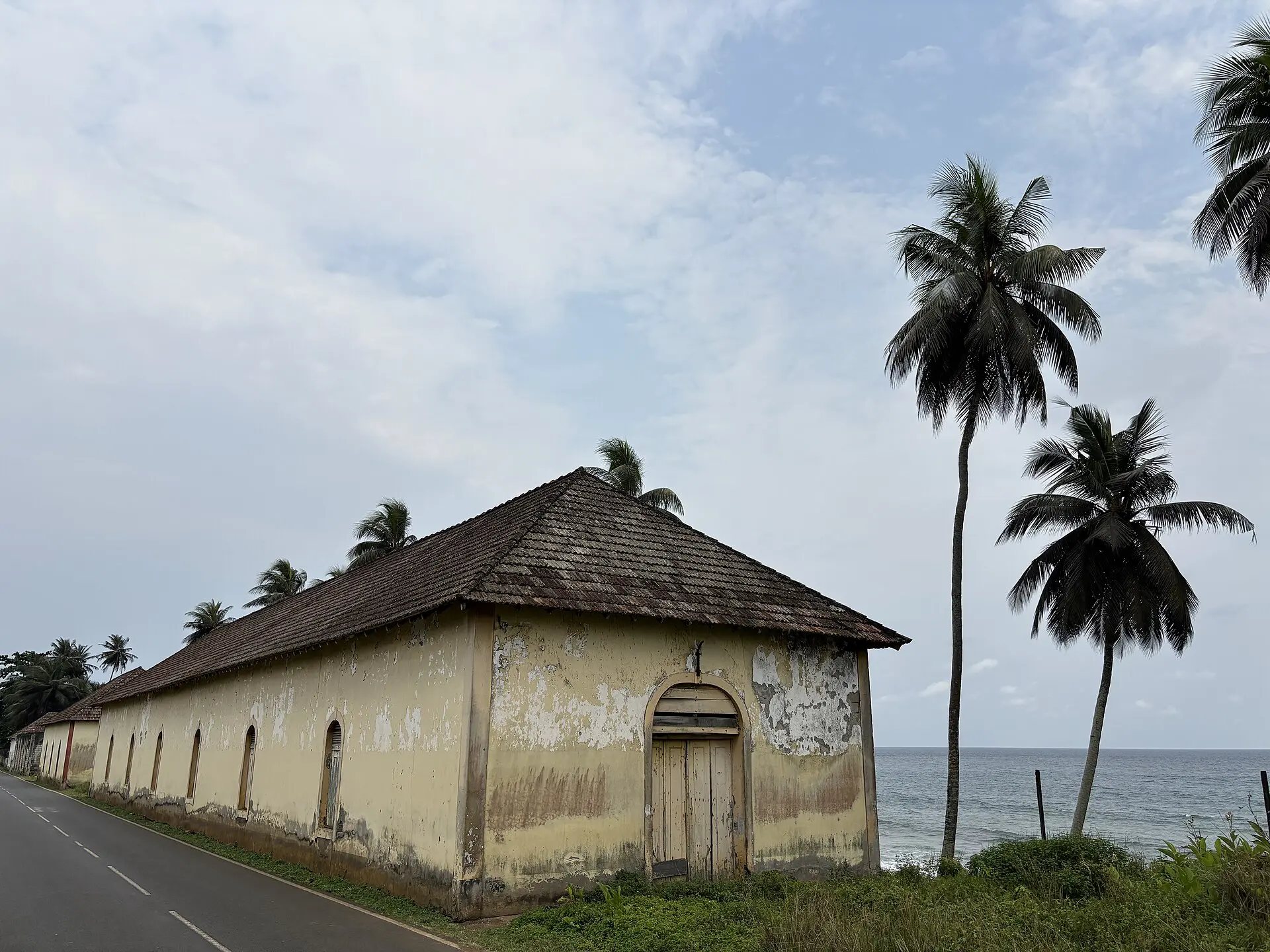
São Tomé city
The capital is a low-key waterfront town of colonial buildings, a cathedral, a fort that holds the national museum and a lively market. It is the arrival point for nearly everyone and a practical base for the first and last nights of a trip.
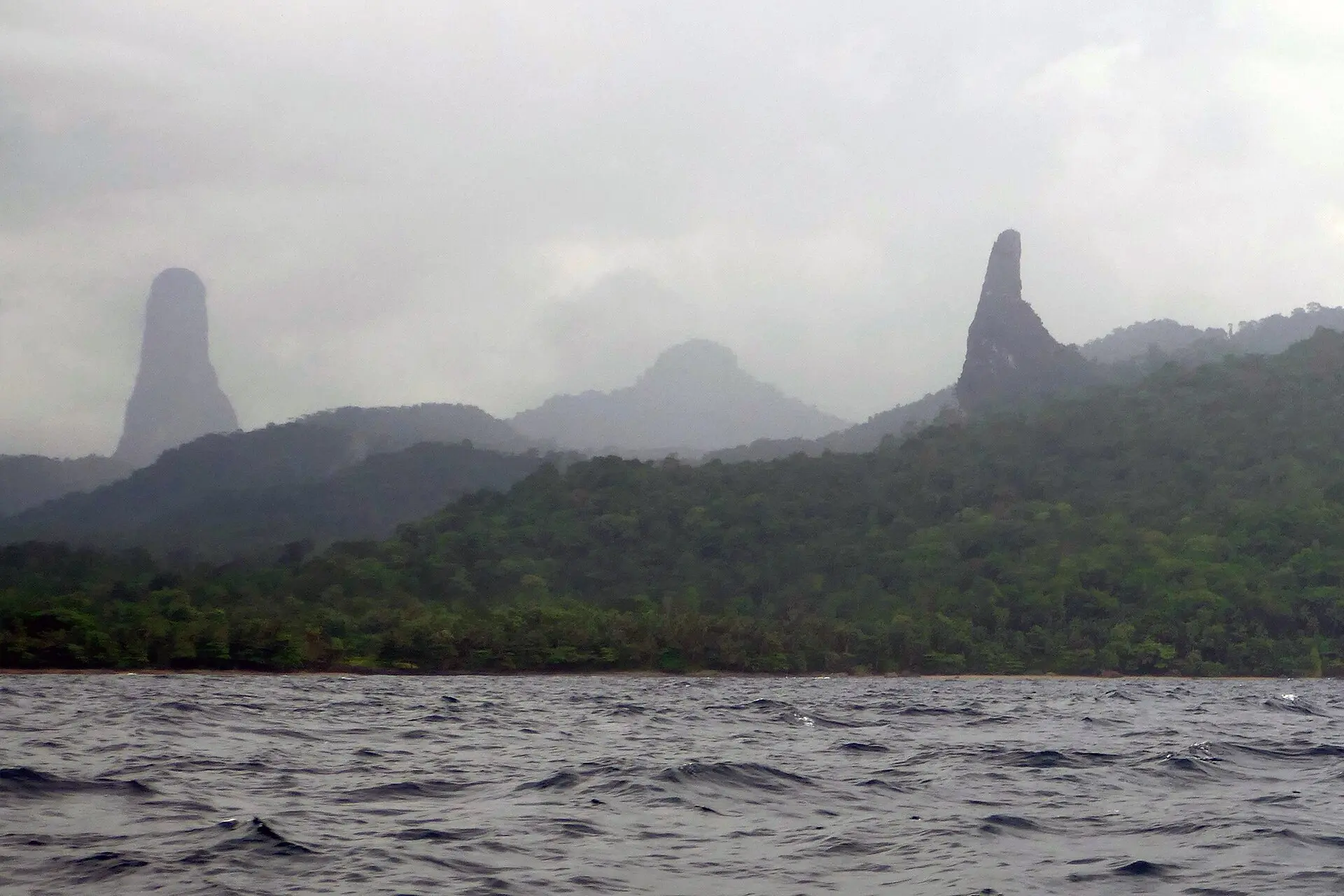
Pico Cão Grande
This needle-like volcanic plug in the south of São Tomé rises about 370 metres above the forest and is the most recognisable landmark in the country. It is viewed from the road and trails rather than climbed, and the surrounding area offers forest walks.
Roça Água Izé and the plantation estates
Roças are old cocoa and coffee estates, many now half-ruined villages. Some, such as Roça Água Izé, can be visited to see drying terraces and former hospitals, and a few run guesthouses.
Ilhéu das Rolas
This small islet off the southern tip of São Tomé sits on the Equator, marked by a monument. Boat trips run from the south coast, and the beaches nearby are good for swimming.
Príncipe
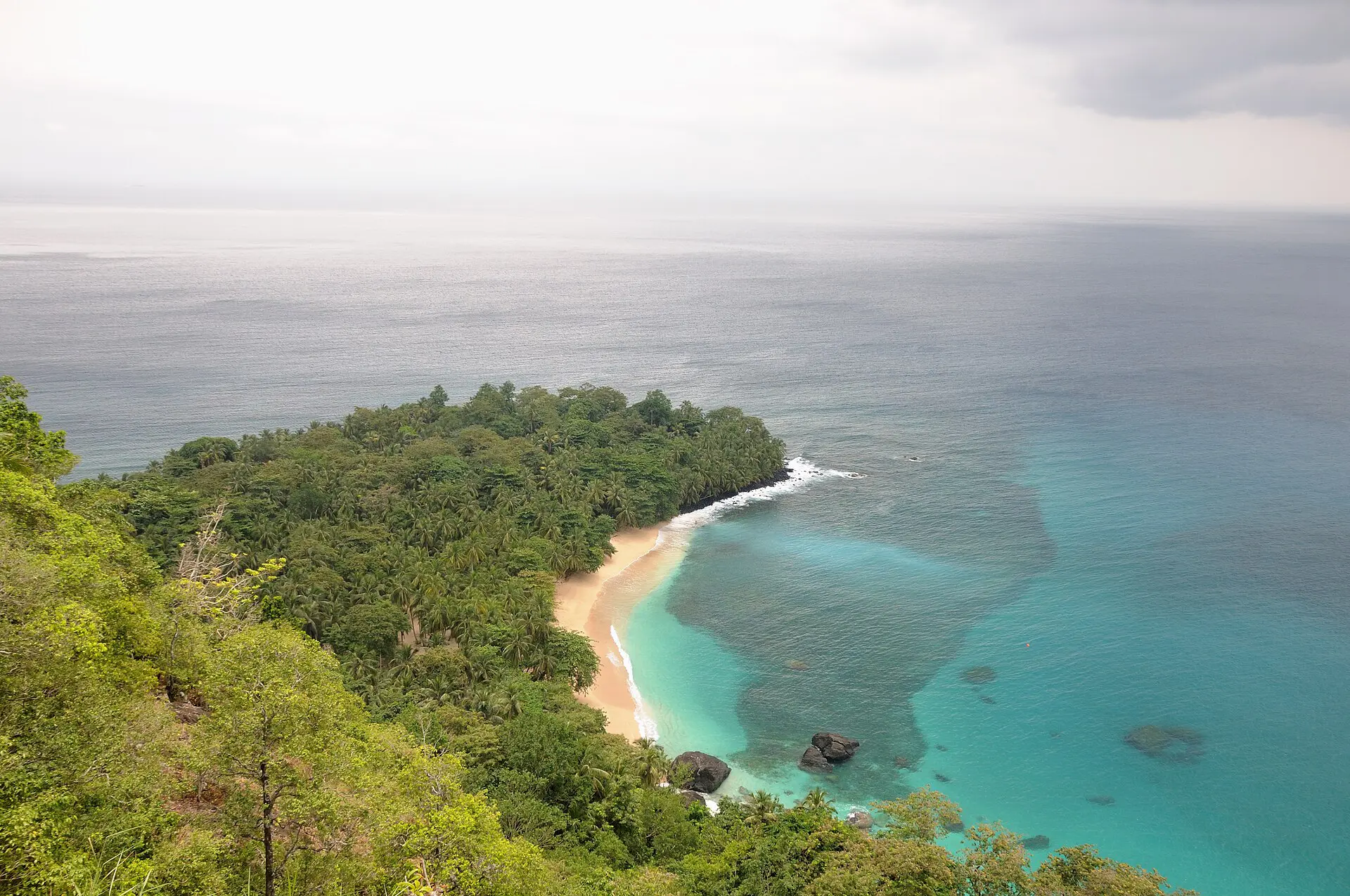
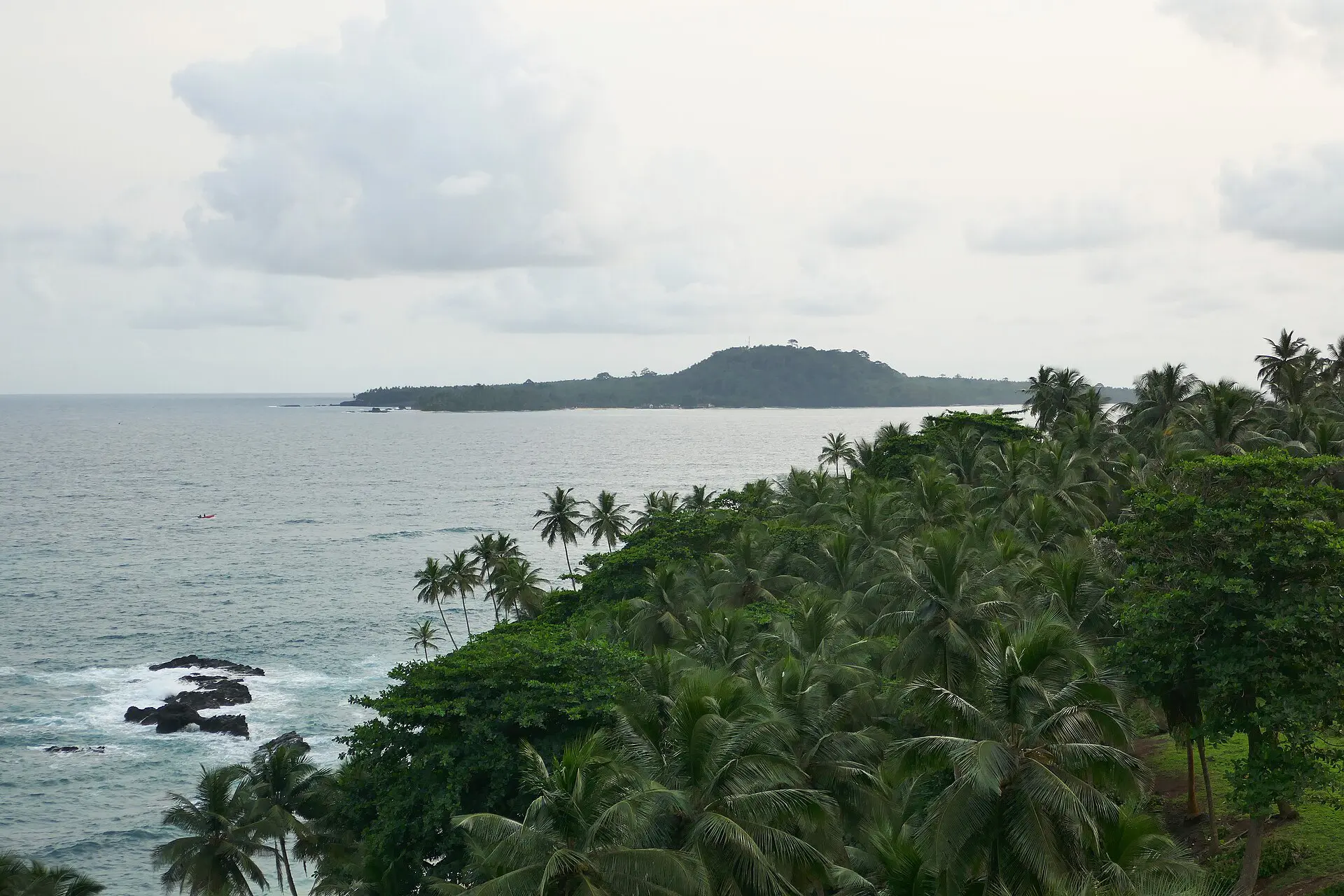
The smaller island is a UNESCO Biosphere Reserve with dense forest, steep green peaks and secluded bays. Santo António is the sleepy main town, and Praia Banana is a well-known beach.
Lagoa Azul and the north coast
North of the capital, the coast has the sheltered bay of Lagoa Azul, good for snorkelling, along with small fishing villages and beaches reached on a coastal road.
Top things to do in Sao Tome and Principe
The top things to do in Sao Tome and Principe revolve around nature, plantation history and the sea.
- Tour a cocoa estate: see beans drying and taste dark chocolate made on the islands.
- Walk in Obô Natural Park: the forest covering much of São Tomé’s interior has endemic birds and plants, best with a local guide.
- Look for turtles: hawksbill, green and olive ridley turtles nest on several beaches, mainly from roughly November to March, with community-run tours.
- Stand on the Equator: take a boat to Ilhéu das Rolas and visit the monument.
- Swim at Praia Banana: on Príncipe, a palm-fringed beach reached by a short walk or boat ride.
- Go birdwatching: the islands hold many species found nowhere else, including the São Tomé fiscal and Príncipe seedeater.
- Dive or snorkel: clear volcanic reefs are best in the drier months.
- Visit the capital’s market: look at fish, spices and fruit, and talk to vendors.
- Hike a volcanic peak: guided routes lead up forested ridges on both islands.
- Watch whales: humpbacks pass the coast during the dry season, according to local operators.
Best time to visit Sao Tome and Principe
The best time to visit Sao Tome and Principe is the dry season from June to September, locally called gravana, when rain is lighter, roads are more passable and the sea is calmer. The climate is tropical year-round, hot and humid, and the islands receive heavy rain in the wetter months, especially on the south and in the mountains.
| Season | Weather | Crowds and prices | Good for |
|---|---|---|---|
| Jun-Sep (dry) | Cooler, drier, breezy | Busiest, though still quiet | Hiking, beaches, whale watching |
| Oct-Dec (wet) | Hot, frequent heavy showers | Quiet and cheaper | Cocoa harvest visits, birds |
| Jan-Feb (short dry spell) | Warm, somewhat drier | Low | Turtle nesting, beaches |
| Mar-May (wet) | Hot, humid, heaviest rain | Lowest | Lush scenery, flexible budgets |
Turtle nesting runs roughly from November to March, so you can combine it with the shoulder weeks. Check forecasts, because landslides can block southern roads in heavy rain.
Is Sao Tome and Principe safe to visit?
Yes, Sao Tome and Principe is generally considered safe, with low rates of violent crime and a relaxed atmosphere. The main concerns are health, rough roads and the sea. Check the UK FCDO or your own government’s current travel advice before booking.
Crime. Petty theft can occur, particularly in the capital and on beaches. Keep valuables out of sight, avoid walking alone at night in unlit areas and lock rooms.
Health. Malaria is present, so ask a travel clinic about prophylaxis and use repellent. Other mosquito-borne diseases occur. Medical facilities are limited; serious cases are often evacuated, so comprehensive travel insurance with medical evacuation is important. Drink bottled or treated water.
Roads and sea. Many roads are potholed and become slick in heavy rain. Currents can be strong off some beaches, and there are rarely lifeguards, so swim cautiously. Political demonstrations have occurred in the past; avoid crowds and follow local news.
Visa and entry requirements for Sao Tome and Principe
Entry rules depend on your nationality and can change. In recent years the country has operated an online e-visa and, for some travellers, visa-free or on-arrival arrangements, but you should confirm the current system with the official immigration authority or the nearest embassy before you book flights.
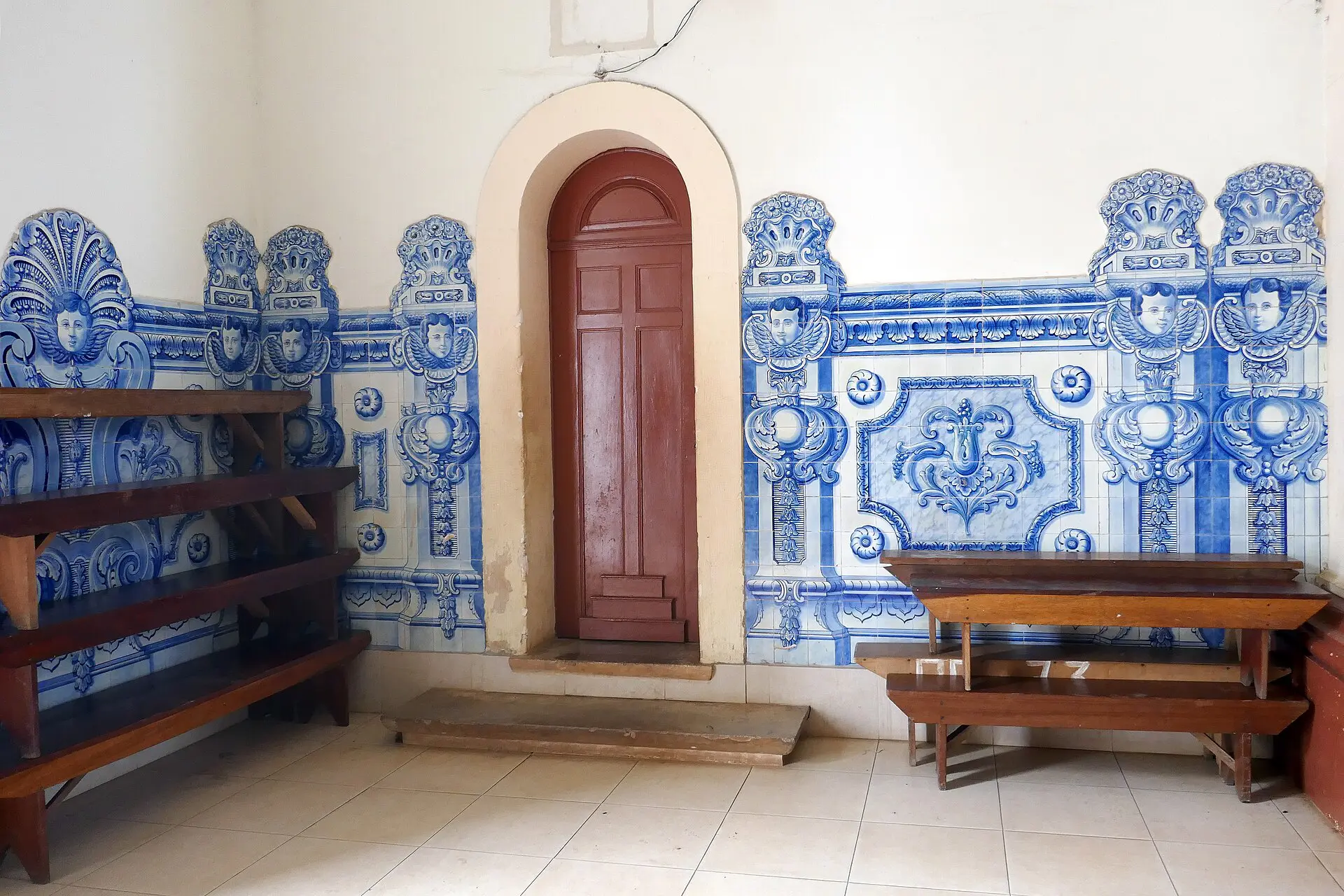
Bring a passport valid for at least six months and with blank pages, plus proof of onward travel and accommodation. A yellow fever vaccination certificate is commonly requested, especially if you arrive from a country with yellow fever risk, so check the health requirements early.
If you travel between the two islands, you will not need a second visa, although you may be asked for your passport at the airport. The UNESCO page for Sao Tome and Principe lists the country’s heritage designations, but it does not cover entry rules.
Getting to and around Sao Tome and Principe
Most visitors fly into São Tomé International Airport. Scheduled flights have connected the islands with Lisbon and with African hubs such as Accra and Luanda, but routes and frequency change, so check current schedules. There are no regular passenger ferries from the mainland.
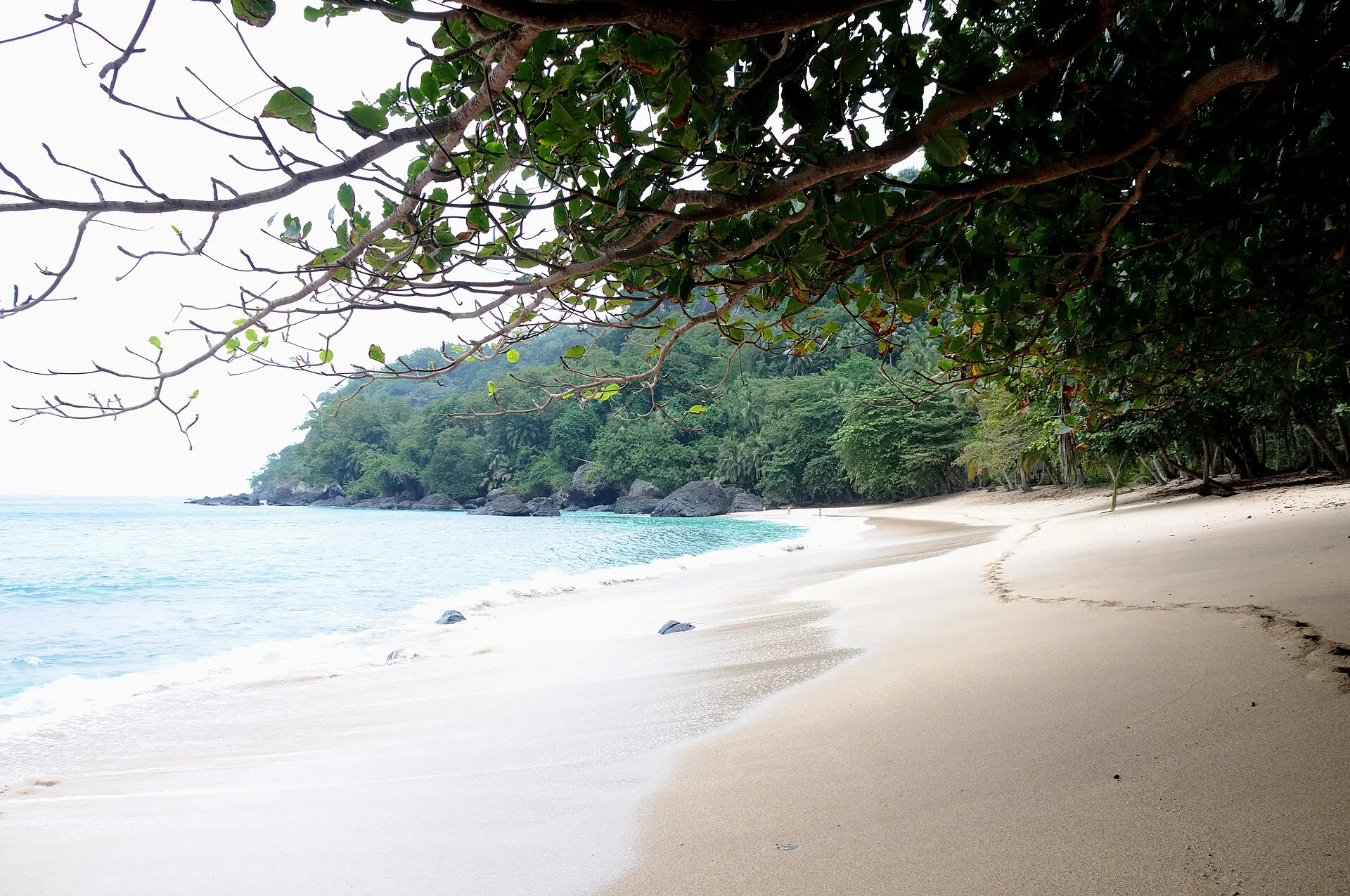
Getting around São Tomé island is by taxi, shared minibus or hired car with driver, and a day rate for a car with driver is often the most practical way to reach the south. The coastal ring road is mostly paved but can be potholed, and the drive from the capital to Pico Cão Grande takes a couple of hours. The country drives on the right.
To reach Príncipe, you fly from São Tomé on a short domestic hop of about 40 minutes, usually booked ahead through the national airline or a local agent. Ferries and small boats connect some beaches and islets, but sea conditions vary, so confirm departures locally and use operators who carry life jackets.
How much does a trip to Sao Tome and Principe cost?
Flights are usually the biggest cost, because the islands are served by few routes. On the ground, prices are moderate for Africa but higher than the low incomes suggest, since many goods are imported. The currency is the dobra (STN), and euros are often accepted in tourist places. Figures below are rough guides per person.
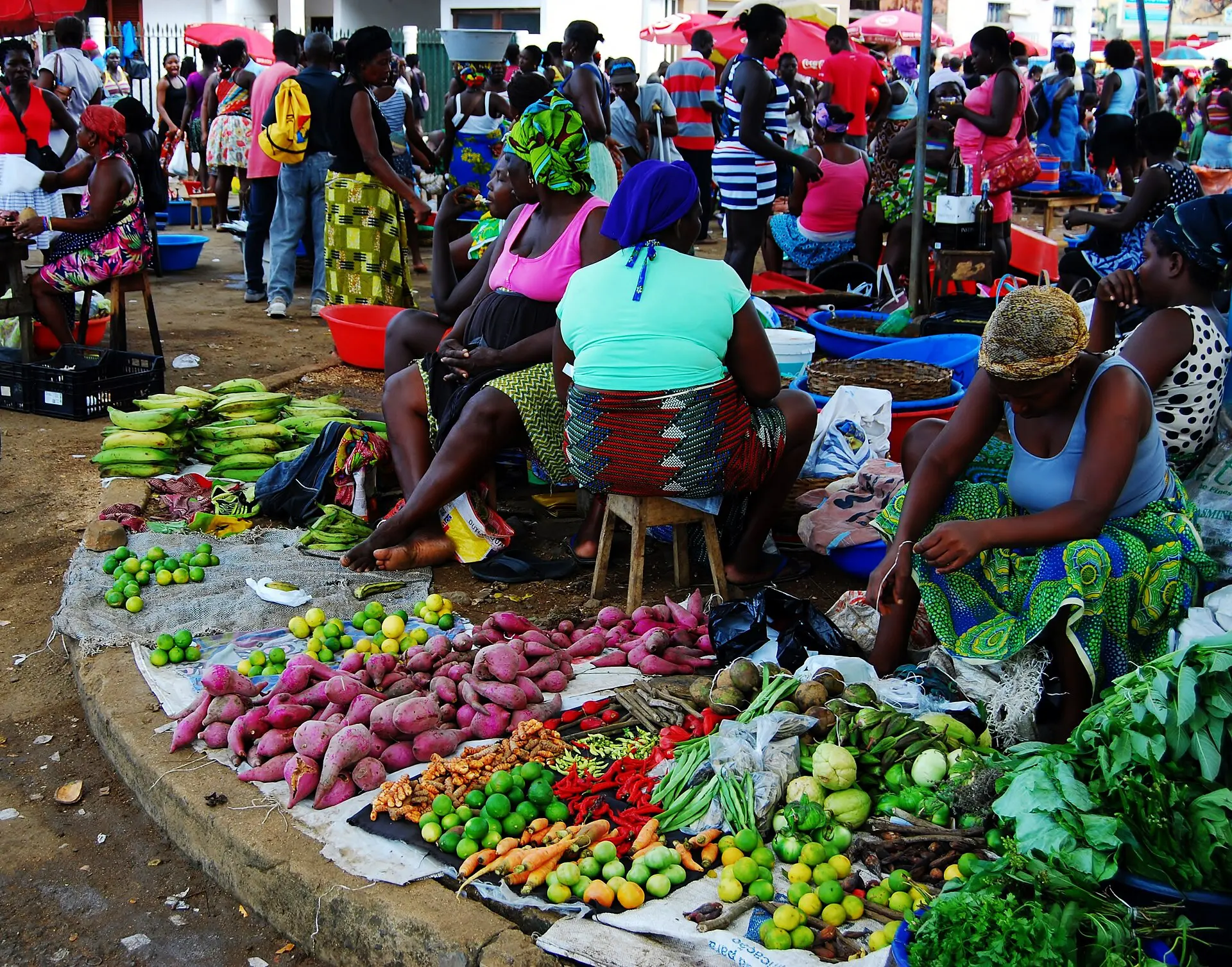
- Budget: around EUR 35 to 60 per day, with guesthouses, local meals and shared minibuses.
- Mid-range: around EUR 60 to 110 per day, with a comfortable hotel, restaurant meals and some guided trips.
- High-end: from around EUR 150 per day, with plantation lodges, private drivers and boat excursions.
Príncipe and southern eco-lodges cost more than the capital. Guided hikes, turtle tours and boat trips are the main extras, and car hire with a driver is a significant daily outlay. Book accommodation ahead in the dry season because stock is limited.
Sao Tome and Principe food and drink
Sao Tome and Principe food is built on fish, tropical fruit, root vegetables and the palm oil and spices of West and Central Africa, with Portuguese touches. Meals are simple and portions generous.
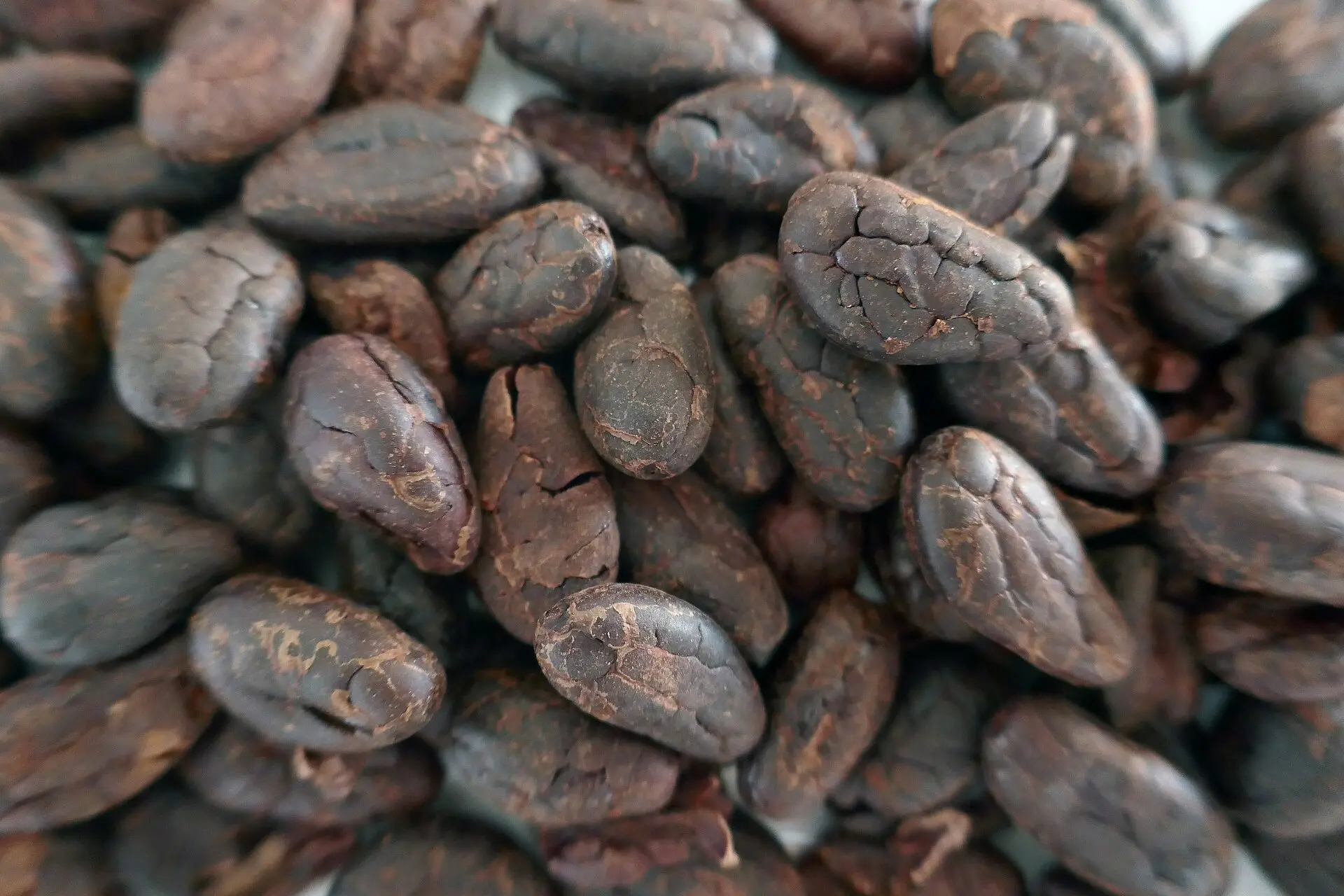
- Calulu: a slow-cooked stew of fish or meat with okra, leafy greens and palm oil, often served with funge.
- Funge: a dense cassava or maize paste eaten alongside stews.
- Fish dishes: grilled or stewed fish, caught that morning, is the staple on the coast.
- Banana and breadfruit: boiled, roasted or fried and served as a side.
- Cocoa and chocolate: local dark chocolate is a signature product.
- Coffee: grown on the islands and served strong.
- Palm wine and aguardente: local alcoholic drinks, with palm wine tapped from trees.
Eating options are limited outside the capital, so plantation lodges and guesthouses often provide set meals. Vegetarians can eat vegetables, rice, beans and fruit, but should explain the request, because fish and meat appear in many dishes.
Culture, language and etiquette in Sao Tome and Principe
Portuguese is the official language and the main one used in daily life. Local Creole languages, including Forro, are also widely spoken, and English is rare outside tourism, so a few Portuguese phrases such as obrigado (thank you) and bom dia (good morning) help. French is spoken by some in the tourism sector.
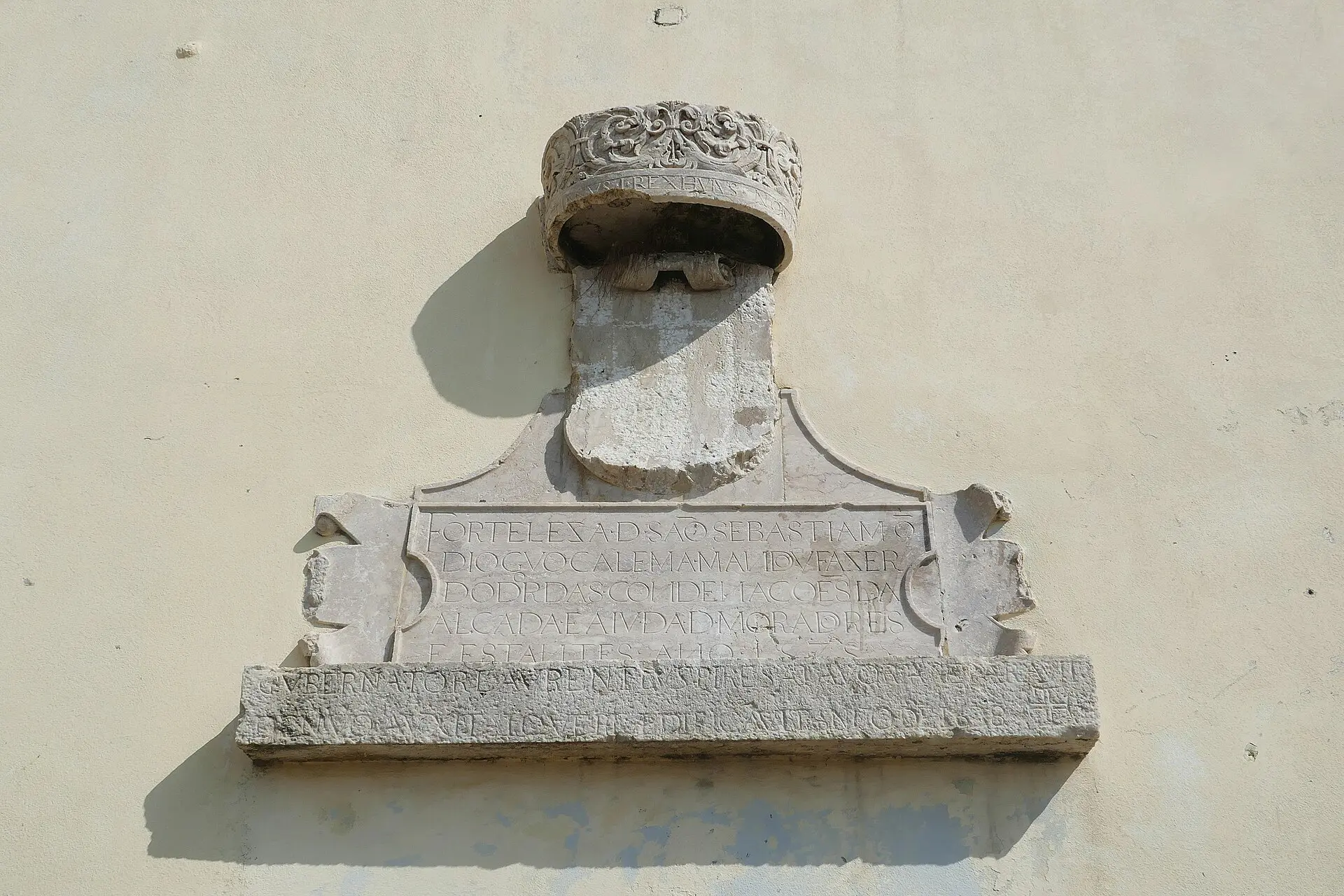
Nearly all residents are descended from people brought to the islands, mostly from mainland Africa, during the plantation era, and the culture blends Portuguese and African elements. Roman Catholicism is the main religion, with churches central to community life. Music is important: socopé and ússua are traditional rhythms, and the Tchiloli is a theatre performance with Portuguese roots.
Greet people when you enter a shop or meet them on a path. Dress modestly away from the beach, ask before taking photographs of people, and be patient with timekeeping, which is relaxed. Avoid commenting on politics or the colonial past unless invited, and remember that the pace of service is slow.
Sao Tome and Principe itinerary: a 7-day route
This route covers both islands, with time for nature and a beach finish. Book accommodation and the domestic flight early.
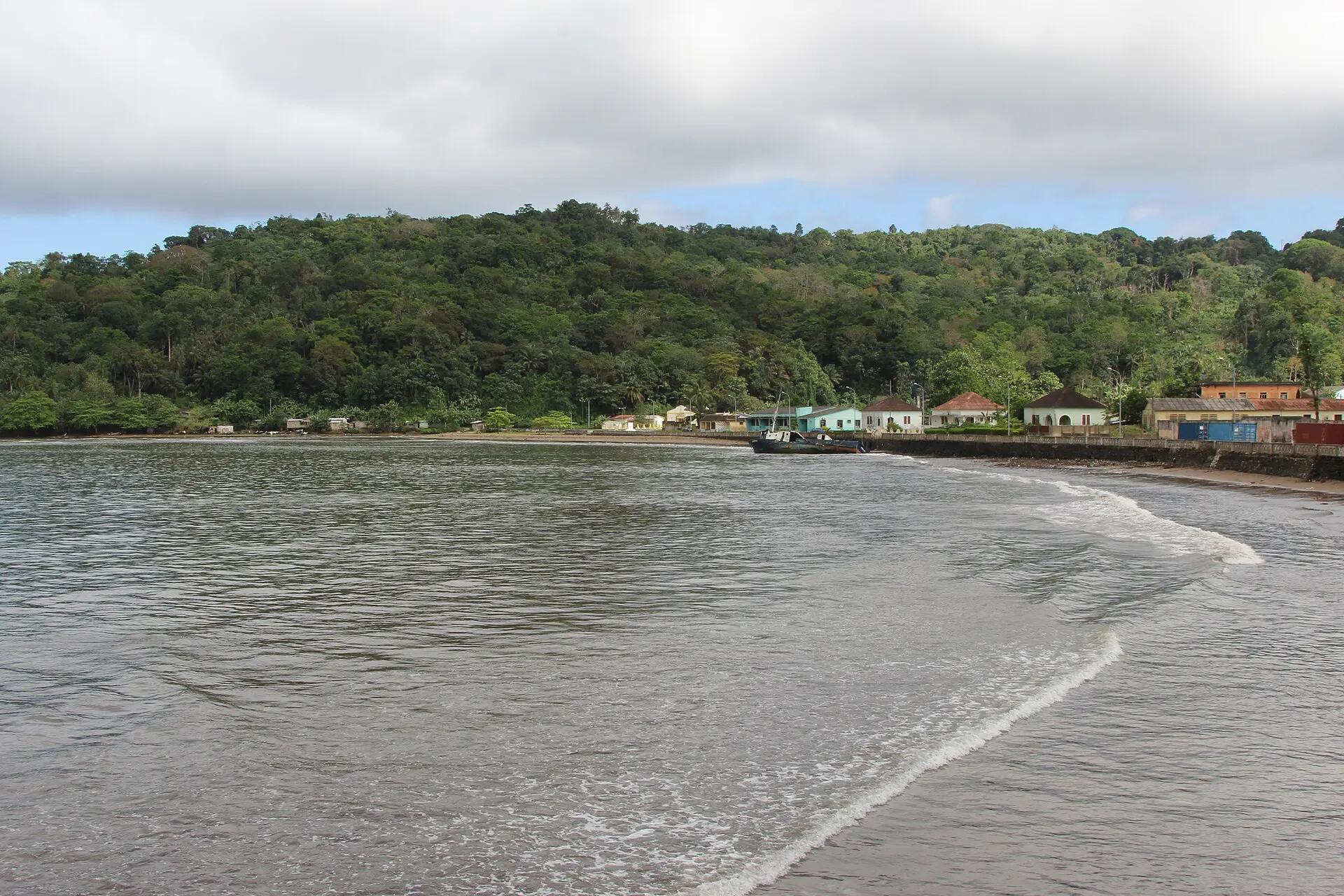
- Day 1, São Tomé city: arrive, walk the waterfront, see the fort and cathedral, and eat local fish.
- Day 2, north coast: drive along the coast to Lagoa Azul for snorkelling, with stops at fishing villages.
- Day 3, Obô Natural Park: take a guided forest walk and visit a cocoa estate.
- Day 4, the south: travel to Pico Cão Grande and Roça Água Izé, then continue towards the southern tip.
- Day 5, Ilhéu das Rolas: boat across, stand on the Equator and swim, then return to São Tomé.
- Day 6, fly to Príncipe: take the short flight, explore Santo António and a plantation estate.
- Day 7, Praia Banana: spend the morning on the beach before flying back to São Tomé for onward connections.
Allow a buffer day before an international flight, because schedules can change.
Practical tips for Sao Tome and Principe
- Money: the dobra is the local currency. ATMs are few and sometimes empty, and cards work only in some hotels, so bring enough euros in cash to change.
- SIM and eSIM: local prepaid SIMs are inexpensive, but coverage is patchy outside towns. Check whether your phone is unlocked.
- Plugs: types C and F at 230 V; carry an adaptor and a power bank for outages.
- Tipping: not expected, though small tips for guides and drivers are welcomed.
- Health: arrange malaria advice and vaccinations with a travel clinic, bring insect repellent, a first-aid kit and your usual medicines.
- Packing: a rain jacket, quick-drying clothes, sturdy shoes for muddy trails and reef-safe sunscreen.
- Connectivity: internet can be slow, so download maps and bookings before you travel.
For further reading, see the Wikivoyage guide.

FAQ
Q1Is Sao Tome and Principe safe?
Generally yes. Violent crime is low and locals are friendly, but petty theft, malaria, rough roads and strong sea currents are real risks. Take malaria advice, keep valuables hidden, avoid unlit areas at night and carry insurance with medical evacuation. Check your government's current travel advice.
Q2What is the best time to visit Sao Tome and Principe?
June to September, the dry season, is the best time, with lighter rain, calmer seas and easier roads. Turtle nesting runs roughly November to March, and the wet months are quiet, green and cheaper but bring heavy showers and some road problems.
Q3Do you need a visa for Sao Tome and Principe?
It depends on your nationality. The country has used an online e-visa and some visa-free or on-arrival arrangements, and a yellow fever certificate is often requested. Confirm the current rules with the official immigration authority or an embassy before you buy flights.
Q4What are the best things to do in Sao Tome and Principe?
Visit cocoa plantation estates, hike in Obô Natural Park, see Pico Cão Grande, stand on the Equator at Ilhéu das Rolas, swim at Praia Banana on Príncipe, watch for nesting turtles and go birdwatching for species found only on the islands.
Q5How many days do you need in Sao Tome and Principe?
Five to seven days covers São Tomé's capital, north coast, forest and south, with a short extension to Príncipe. A long weekend only allows the capital and a day trip or two, while ten days suits slower travel and diving or birding.
Q6What currency is used in Sao Tome and Principe?
The São Tomé and Príncipe dobra (STN). Euros are accepted in many hotels and for tours, but you will want some dobras for markets and taxis. ATMs are scarce and unreliable, so bring cash in euros to exchange.
Q7What language is spoken in Sao Tome and Principe?
Portuguese is the official and main language. Creole languages such as Forro are also spoken, and some people in tourism speak English or French. Learning basic Portuguese greetings and polite phrases makes travel easier and is appreciated by locals.