Why visit the Republic of the Congo
Republic of the Congo travel is for people who want rainforest, wildlife and a country few outsiders see. It is often called Congo-Brazzaville, or just Congo, to separate it from the Democratic Republic of the Congo across the river. Most of the country is thinly populated forest and savanna, with about 85 percent of residents living in towns in the south and along the railway between Brazzaville and Pointe-Noire. Background is available on Wikipedia.
The main draw is nature. Odzala-Kokoua National Park, Lésio-Louna and Conkouati-Douli protect western lowland gorillas, forest elephants and chimpanzees, while Nouabalé-Ndoki forms part of a UNESCO site in the far north. Brazzaville adds Central African music and painting. This is not an easy or cheap destination: infrastructure is limited, visas and permits take planning, and most good wildlife experiences need a lodge or operator. Visitors who accept that find a rare, uncrowded corner of Africa.
Best places to visit in the Republic of the Congo
The best places to visit in the Republic of the Congo are a few parks and the two main cities. Distances are long, so most visitors choose one or two bases.
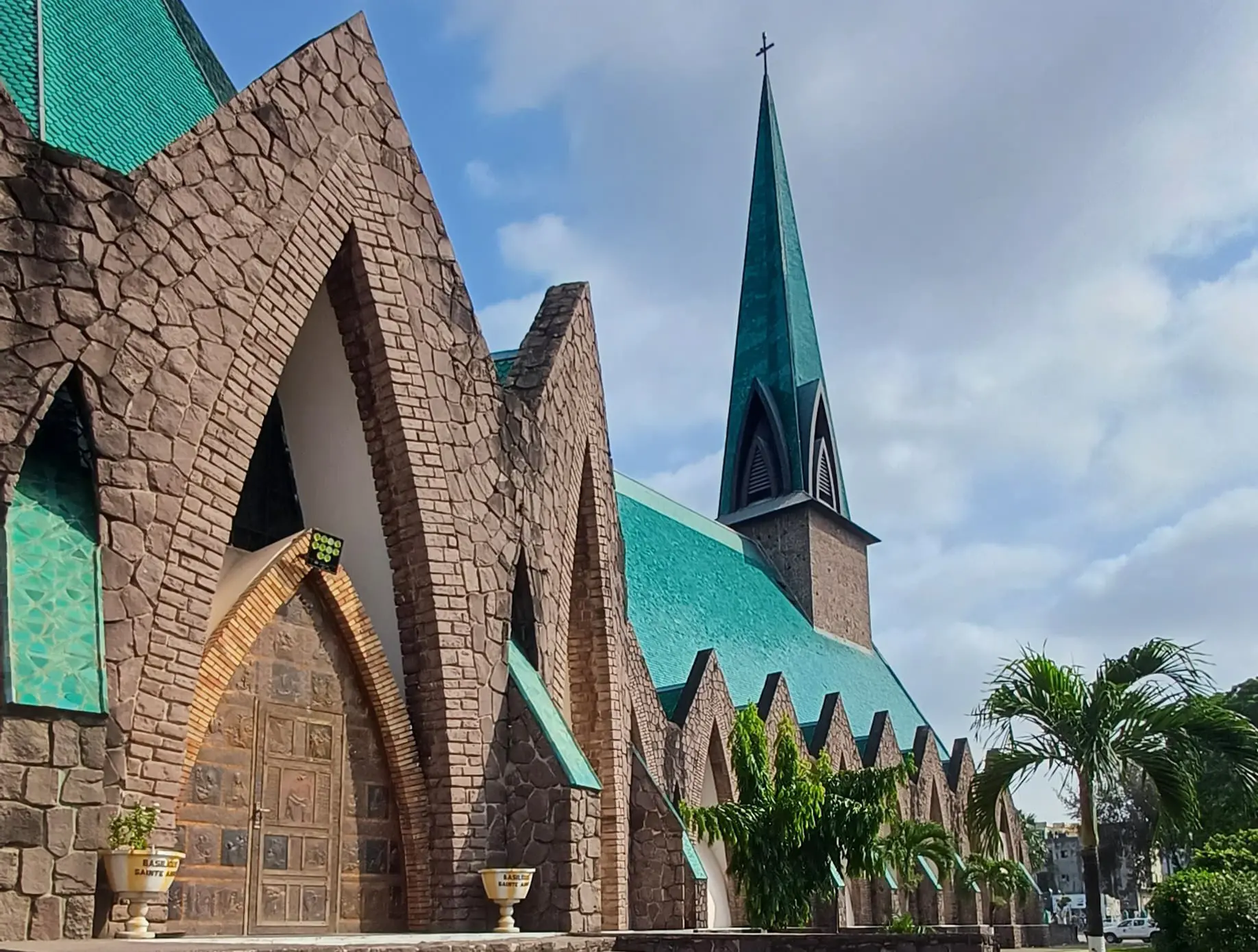
Brazzaville
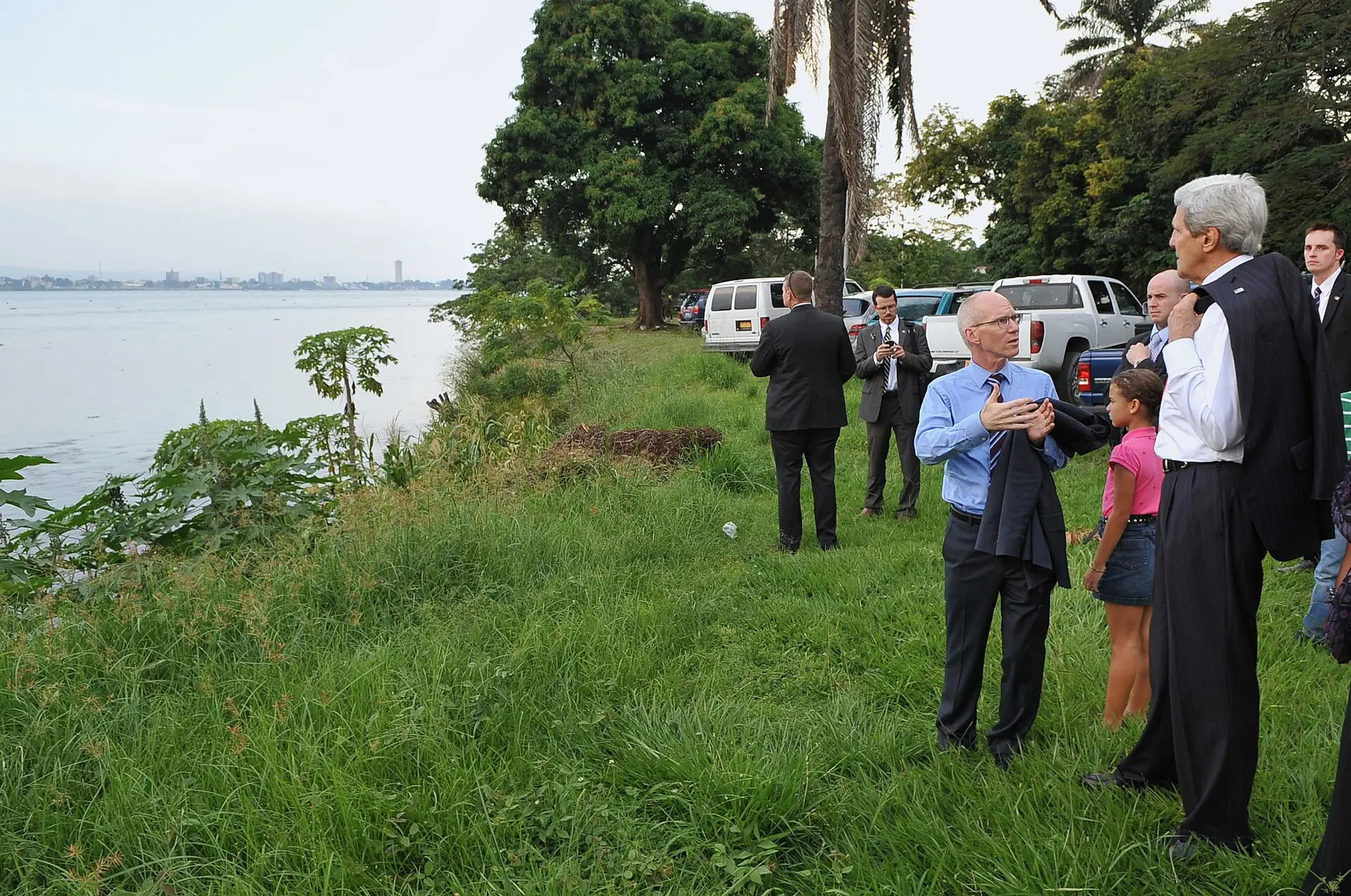
The capital stands on the Congo River, facing Kinshasa across the water. It has the Basilique Sainte-Anne, the Poto-Poto painting scene, music venues and riverside restaurants. UNESCO has named it a City of Music.
Pointe-Noire
The country’s main port and oil city has a long Atlantic coast with sandy beaches, the nearby Diosso Gorge and a livelier restaurant scene than most towns.
Odzala-Kokoua National Park
The country’s best-known park has forest and savanna clearings where gorillas, forest elephants and many bird species can be seen. Access is by charter flight to lodges.
Lésio-Louna Gorilla Reserve
North of Brazzaville on the Batéké plateau, this reserve reintroduces orphaned gorillas and has savanna, rivers and walking safaris.
Conkouati-Douli and Tchimpounga
Conkouati-Douli mixes coast, lagoon and forest and has marine protection. Tchimpounga, near Pointe-Noire, is a large chimpanzee sanctuary, with visits requiring prior arrangement.
Nouabalé-Ndoki
This remote northern park is part of the Sangha Trinational UNESCO site and is only for dedicated expeditions.
Top things to do in the Republic of the Congo
The top things to do in the Republic of the Congo involve wildlife, rivers and coast, plus some urban culture in Brazzaville.
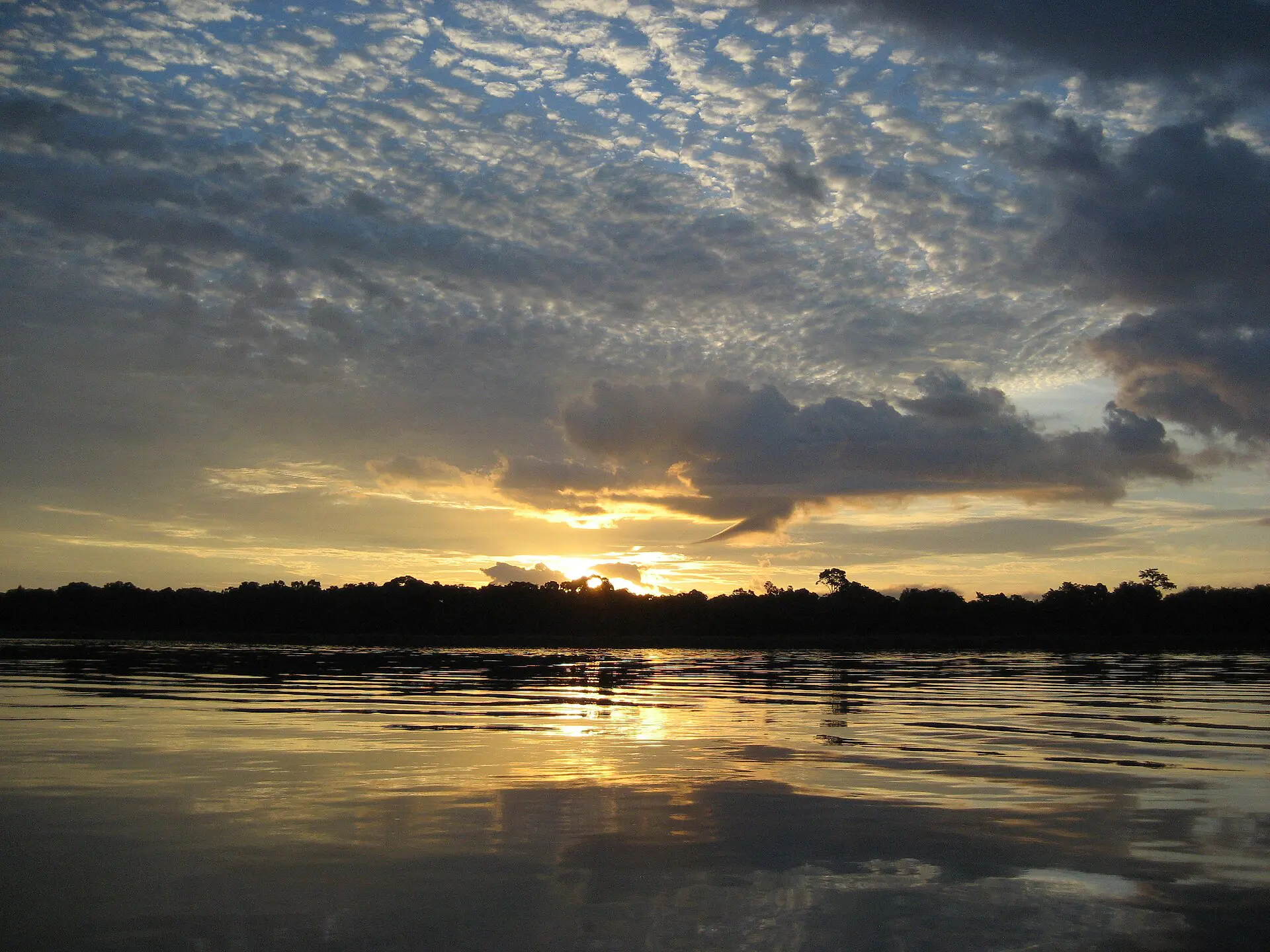
- Track gorillas in Odzala-Kokoua: guided forest walks in the park look for habituated western lowland gorillas.
- Visit Lésio-Louna Reserve: savanna walks and boat trips reveal gorillas, antelope and birds close to the capital.
- See Tchimpounga chimpanzees: the sanctuary near Pointe-Noire cares for orphaned chimps, with visits by arrangement.
- Walk the Brazzaville riverfront: watch the Congo River rapids and the lights of Kinshasa in the evening.
- Browse Poto-Poto painters: galleries and workshops show the Poto-Poto school of art.
- Hear live music: Brazzaville has a strong rumba and Congolese music scene in clubs and bars.
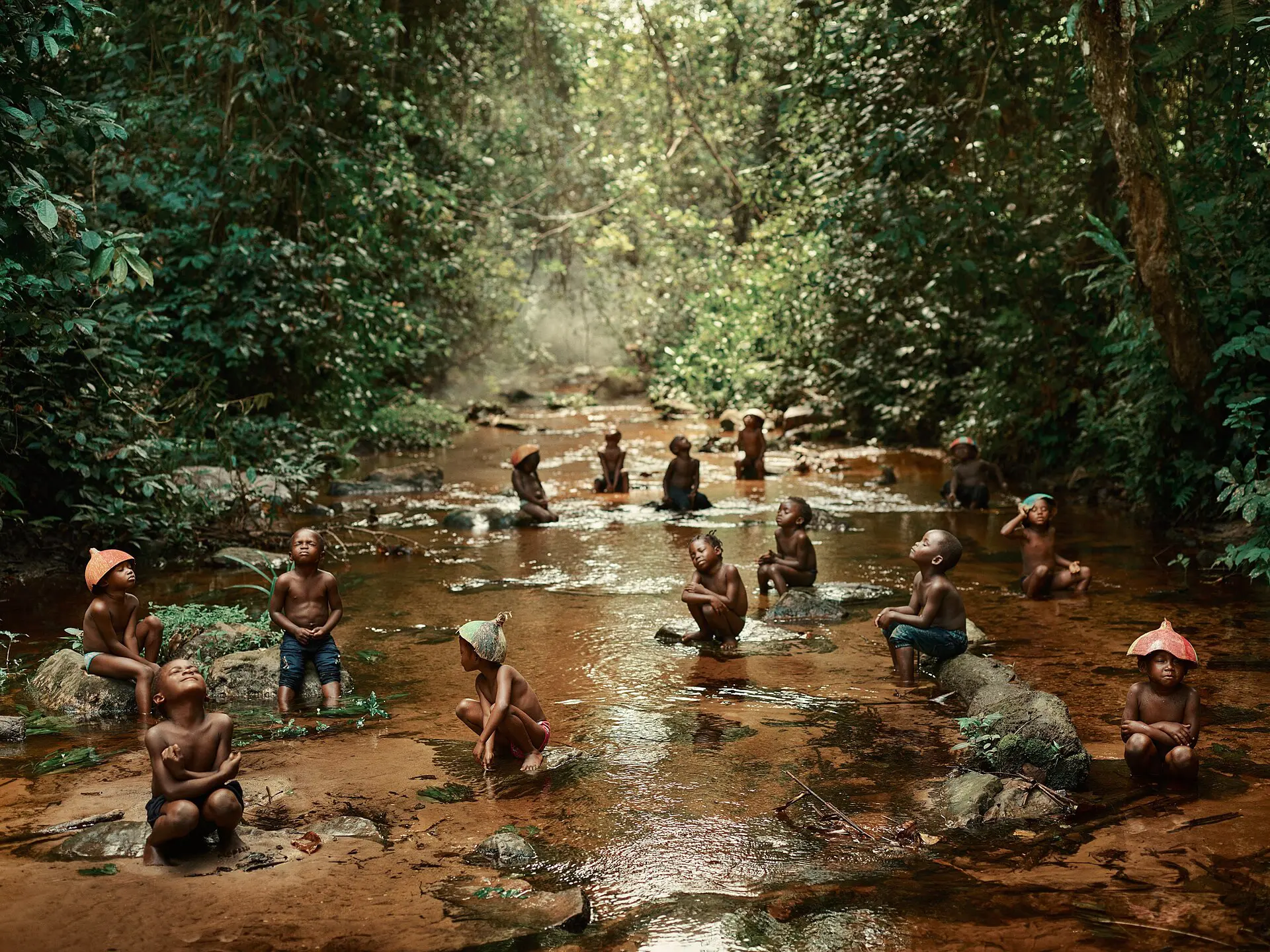
- Swim and relax on the coast: beaches near Pointe-Noire, such as Côte Sauvage, are popular on weekends, though currents can be strong.
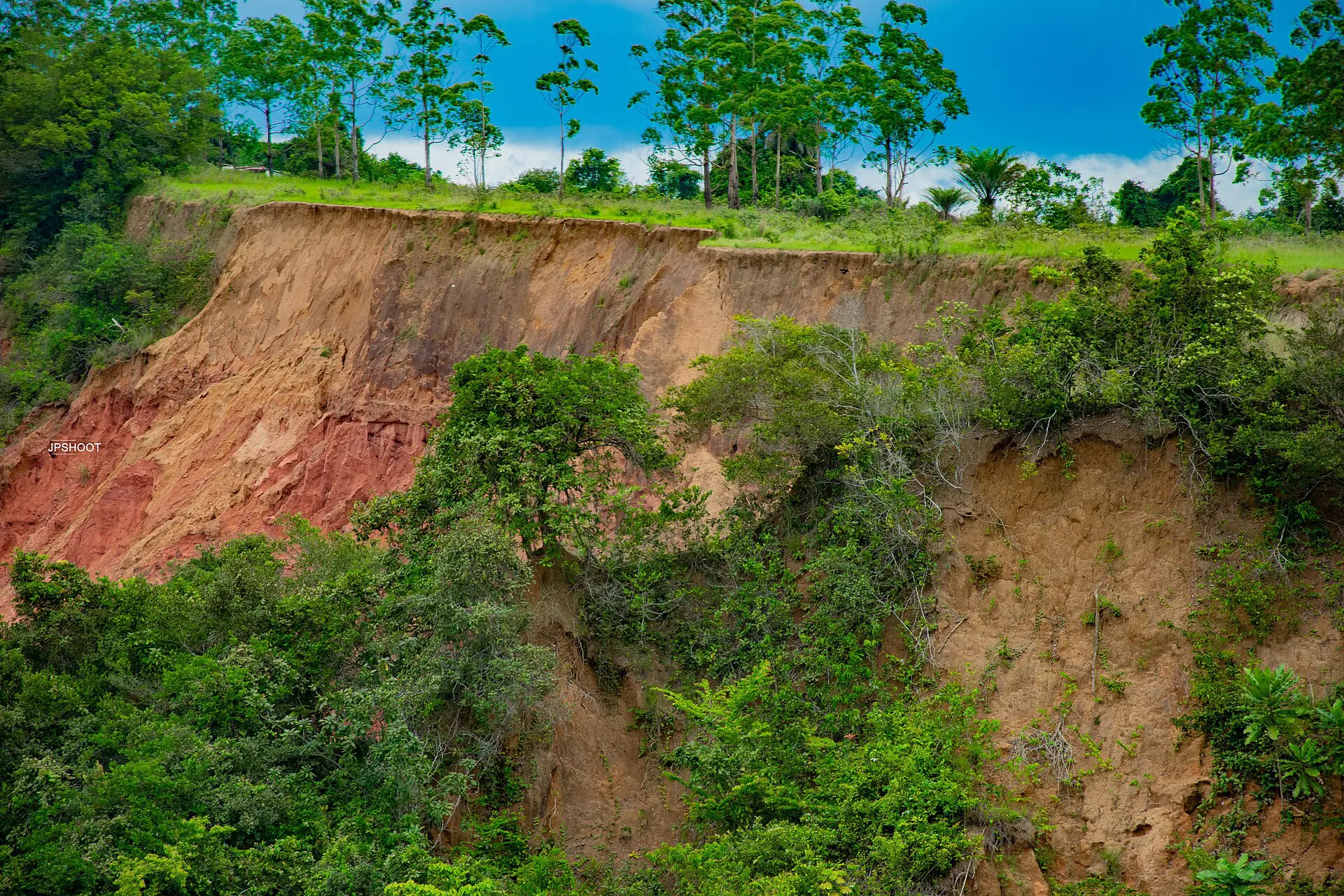
- Hike Diosso Gorge: eroded red and white cliffs lie near Pointe-Noire.
- Visit Conkouati-Douli: boat and walking trips cover lagoons, forest and marine life, subject to season and access.
- Take a river trip to Île Mbamou: the island is about an hour from Brazzaville and is a quiet day out.
Best time to visit the Republic of the Congo
The best time to visit the Republic of the Congo is the main dry season from June to September, when forest trails are easier, roads are more reliable and wildlife is easier to see at clearings. A shorter dry spell runs roughly December to February. The rest of the year is hot, humid and rainy, with heavy downpours that cut off some roads and airstrips.
| Season | Weather | Crowds and prices | Good for |
|---|---|---|---|
| Jun-Sep | Dry, cooler, less humid | Peak, but still few visitors | Gorillas, parks, beaches |
| Oct-Nov | Hot, rains return | Low | Cities, quiet lodge stays |
| Dec-Feb | Short dry spell, still humid | Moderate | Parks, coast |
| Mar-May | Hot, wet, heavy rain | Lowest | Little; roads and airstrips can fail |
Lodges in the north often close during the wettest months, so confirm opening dates with your operator before you plan.
Is the Republic of the Congo safe?
Is the Republic of the Congo safe? It is calm in the main cities and parks that tourists use, but it is a low-infrastructure destination with some real risks, and some regions are not recommended. Governments such as the UK FCDO have advised against travel to parts of the Pool department and remote border areas, so read the current advice for your nationality before you go.
Security. Political tension can flare around elections and demonstrations. Avoid protests, keep up with local news and follow your embassy’s guidance.
Crime. Petty theft, bag snatching and muggings occur in Brazzaville and Pointe-Noire, mostly after dark. Use registered taxis, avoid walking at night and keep valuables out of sight.
Officials. Checkpoints are common. Carry a passport copy and your visa, stay calm and polite, and do not photograph government buildings, soldiers, airports or bridges without permission.
Health. Malaria is present, so use prophylaxis and repellent. Yellow fever vaccination is required for entry, and you should see a travel clinic about other vaccines. Medical care is limited, so buy insurance with evacuation cover.
Roads. Roads outside the south are poor and often impassable in rain.
Republic of the Congo visa and entry requirements
Republic of the Congo visa rules are strict, and almost all visitors need a visa arranged before arrival. A small number of nationalities have had visa-on-arrival arrangements, but these change, so confirm the rule for your passport with the Congolese embassy or the official immigration authority. An online e-visa system has been introduced in recent years, and availability depends on nationality, so check whether it applies to you.
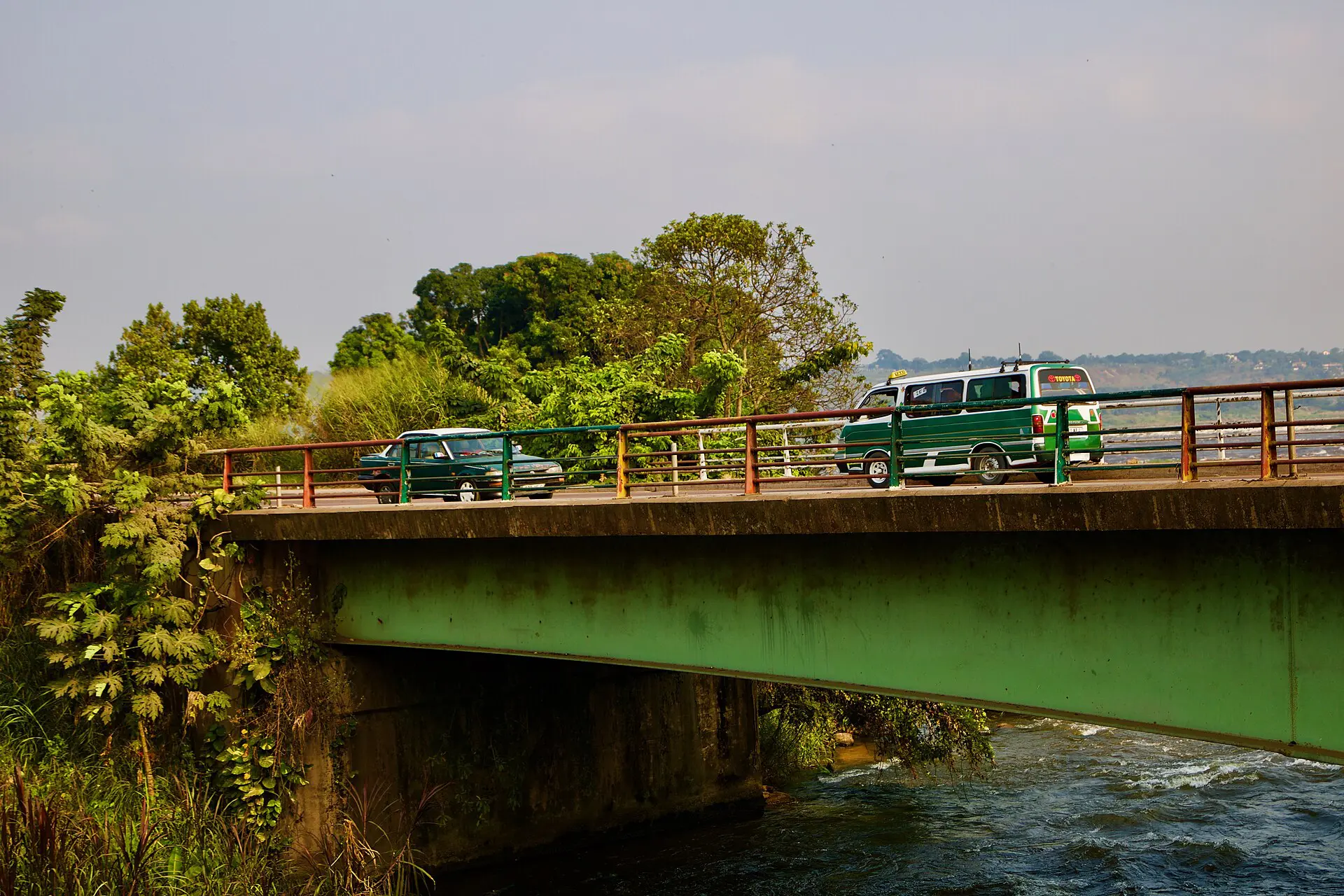
Typical requirements include a passport with at least six months of validity, completed forms, photographs, a return or onward ticket, an itinerary, a hotel booking or invitation letter and a yellow fever vaccination certificate. Fees can be high, and processing can take weeks, so apply early.
Park access often requires separate permits arranged by the lodge or operator. Register with your embassy if you plan to travel to remote areas. Ask about onward-travel proof at airlines, since check-in staff may refuse boarding without the correct documents. The UNESCO page for the Republic of the Congo lists the country’s World Heritage properties.
Getting to and around the Republic of the Congo
Most international visitors fly into Maya-Maya Airport in Brazzaville or Agostinho-Neto Airport in Pointe-Noire, with connections via cities such as Paris, Addis Ababa, Casablanca and Brussels. Flight options change, so check current routes. Land and river borders exist with Gabon, Cameroon, the Central African Republic, Angola’s Cabinda exclave and the Democratic Republic of the Congo, but many are unsuitable for casual tourists. Ferries run between Brazzaville and Kinshasa across the river, subject to visa and border rules.
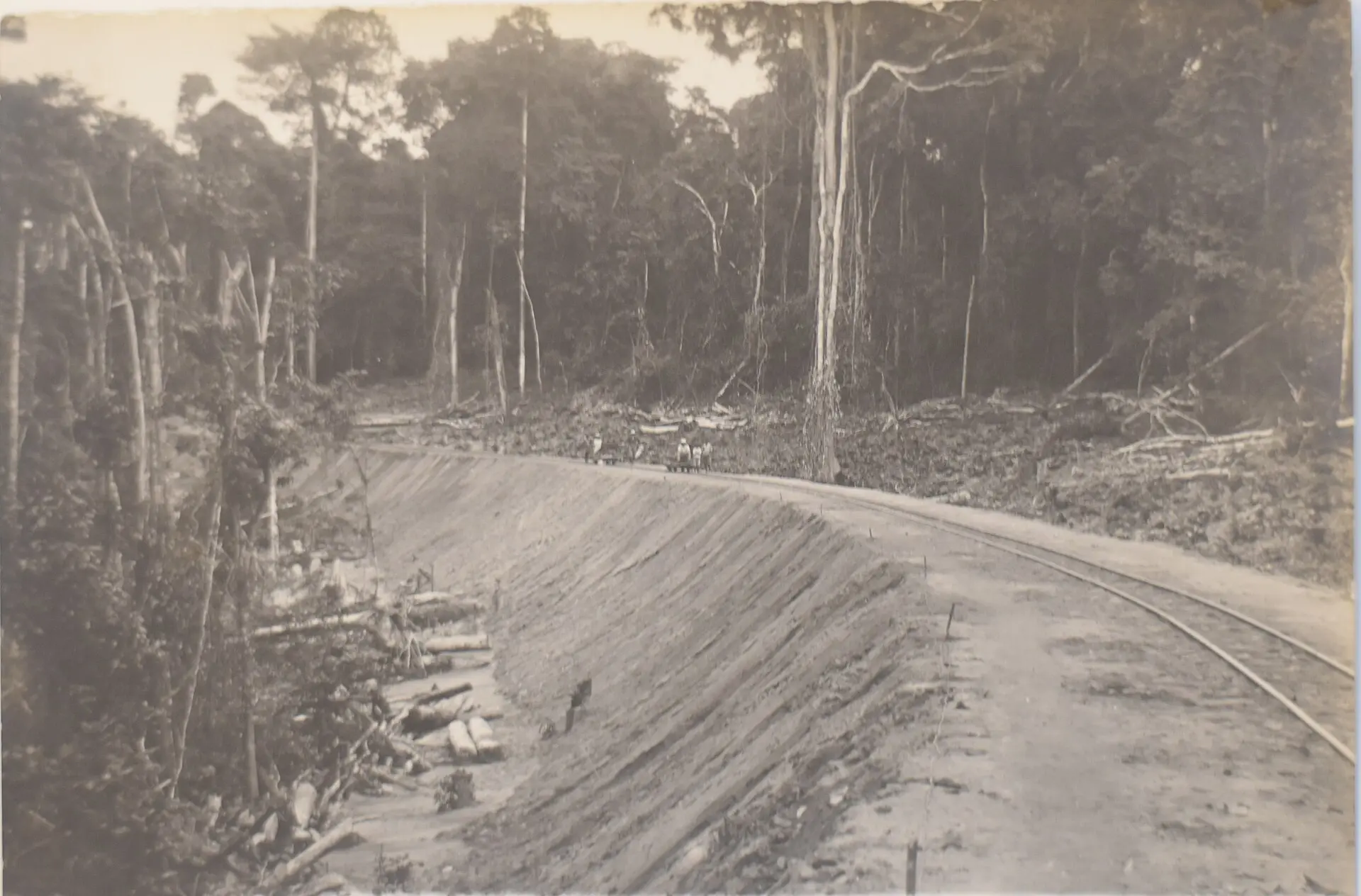
Domestic flights link Brazzaville and Pointe-Noire in about an hour, and small charter planes serve parks such as Odzala. The Congo-Ocean railway between the two cities runs only intermittently and can be slow, so do not rely on it. Buses and shared taxis exist but are crowded and uncomfortable.
For parks, book a package through a lodge or specialised operator, who arranges permits, 4×4 transfers and flights. In cities, use taxis agreed at a price before the trip, and do not self-drive outside the south without experience, since roads can be rough or flooded.
How much does a trip to the Republic of the Congo cost?
The Republic of the Congo is expensive for what you get, because infrastructure is limited and most imported goods are costly. The currency is the Central African CFA franc (XAF), which is pegged to the euro at about 656 francs per euro. The figures below are rough per-person daily guides for 2026 and exclude international flights.
- Budget: around USD 80 to 130 per day, with basic guesthouses and local restaurants in cities, mostly without park visits.
- Mid-range: around USD 150 to 300 per day, with decent hotels in Brazzaville or Pointe-Noire, taxis and day tours.
- High-end: from around USD 600 per day, mostly for lodge stays in Odzala or other parks, which often include flights and guides.
Visa fees, permits, charter flights and park fees are the largest costs. Hotels in Brazzaville and Pointe-Noire are priced for oil and business clients, and rates are high compared with quality. Eating at local places is much cheaper than at international hotels. Budget for cash, since cards are accepted in only a few hotels.
Republic of the Congo food and drink
Republic of the Congo food relies on cassava, plantain, fish, forest greens and grilled meat, with French influence in bread, coffee and pastries. Portions are filling, and spicy sauces are common.
- Poulet moambe: chicken cooked in palm-nut sauce, often called a national dish.
- Saka-saka: pounded cassava leaves cooked with palm oil, sometimes with fish or meat.
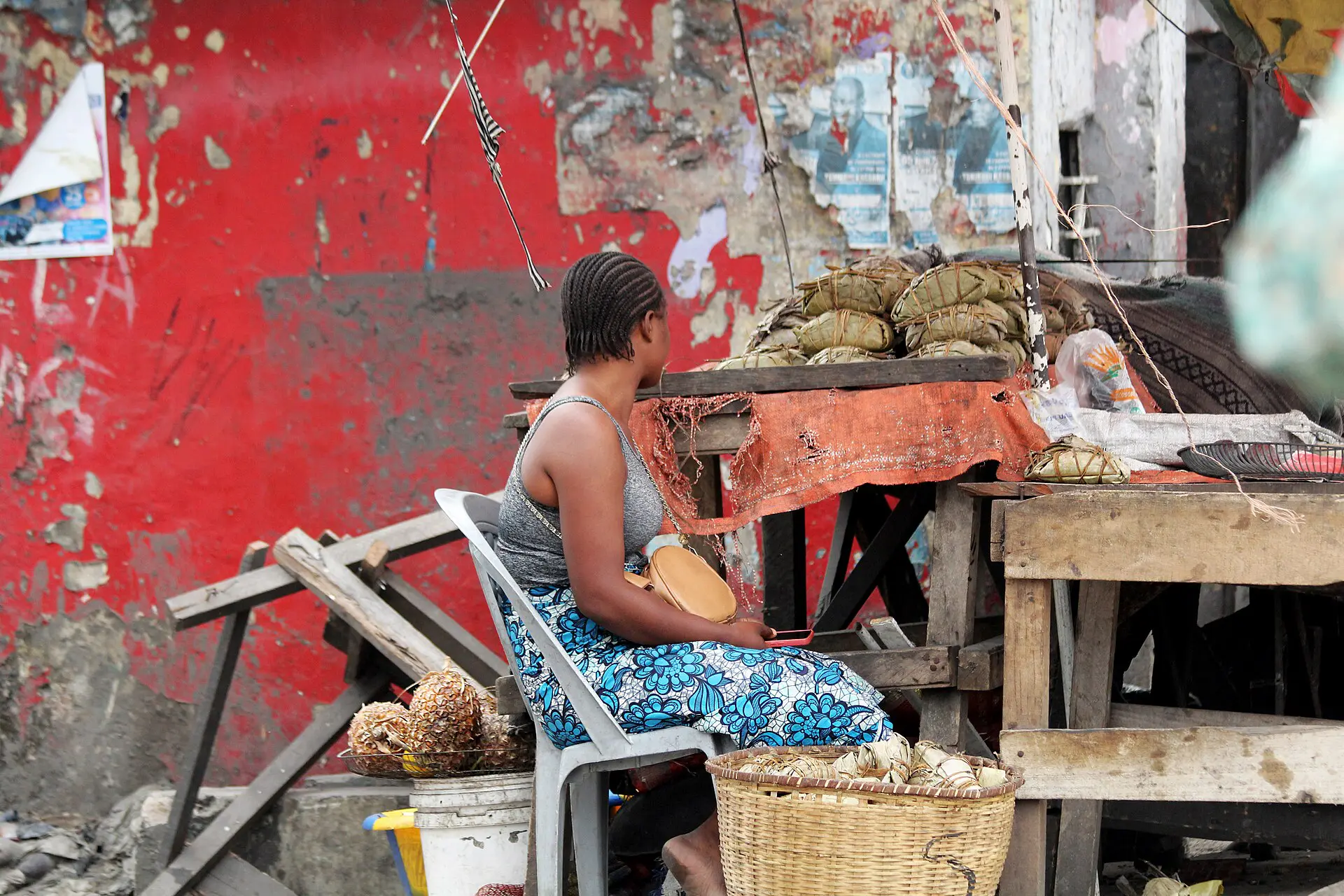
- Chikwangue: fermented cassava bread wrapped in leaves, served with sauces.
- Fufu: a stiff cassava or maize dough eaten with stew.
- Grilled fish: fresh fish from the river or Atlantic, grilled with spices and served with plantain.
- Brochettes: street skewers of beef or goat, a standard evening snack.
- Primus and Mutzig beer: local lagers are everywhere, along with palm wine in rural areas.
Eat in busy restaurants and use bottled or filtered water. Vegetarians can find saka-saka, plantain and beans, though many sauces include fish or meat, so ask. Bush meat appears on some menus, but avoid protected species.
Culture, language and etiquette in the Republic of the Congo
French is the official language and is used in government, schools and business. Kikongo (Kituba) and Lingala are widely spoken national languages, and more than 60 languages are spoken across the country. English is rare, so basic French greetings help a lot: bonjour, merci and s’il vous plaît.
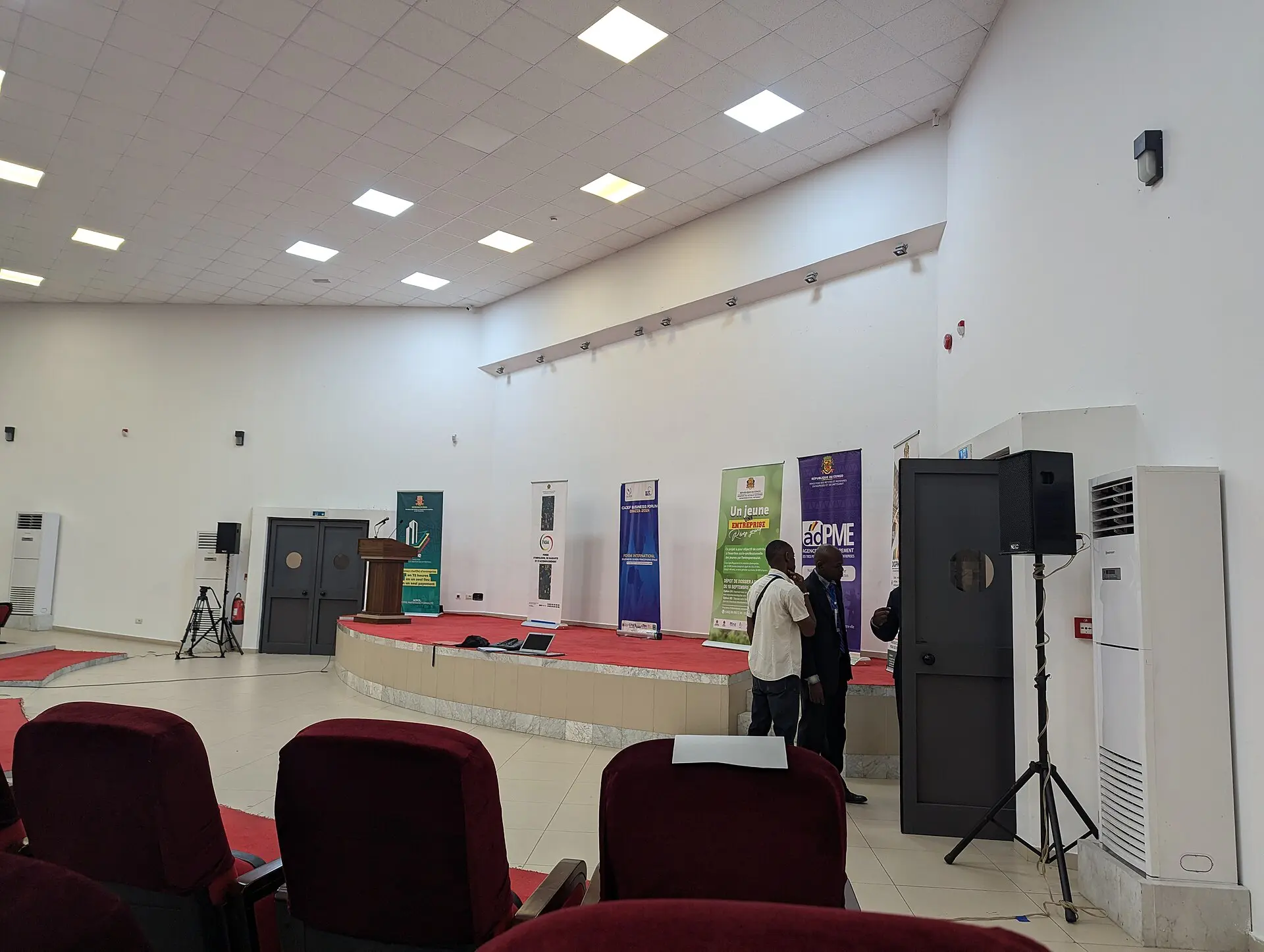
The Kongo are the largest ethnic group, followed by the Teke, Mbochi and Sangha communities. Christianity, mainly Catholicism, is dominant, and independent African churches such as Kimbanguism are strong. Music is central to life, from Congolese rumba to soukous, and Brazzaville has a long tradition of painters and sculptors.
Greet people properly, with a handshake and a few polite words, before asking questions. Dress neatly, since appearance matters. Ask permission before photographing people, and never photograph officials, military sites or infrastructure. Respect local rules in villages, and use guides when visiting forest communities, including Indigenous groups. Avoid commenting on politics, the president or the 1997 civil war, unless local friends raise it.
Republic of the Congo itinerary: a 7-day route
This route uses only the south and avoids areas under government advisories. Arrange park visits with a specialised operator, and confirm access with them, since schedules change.
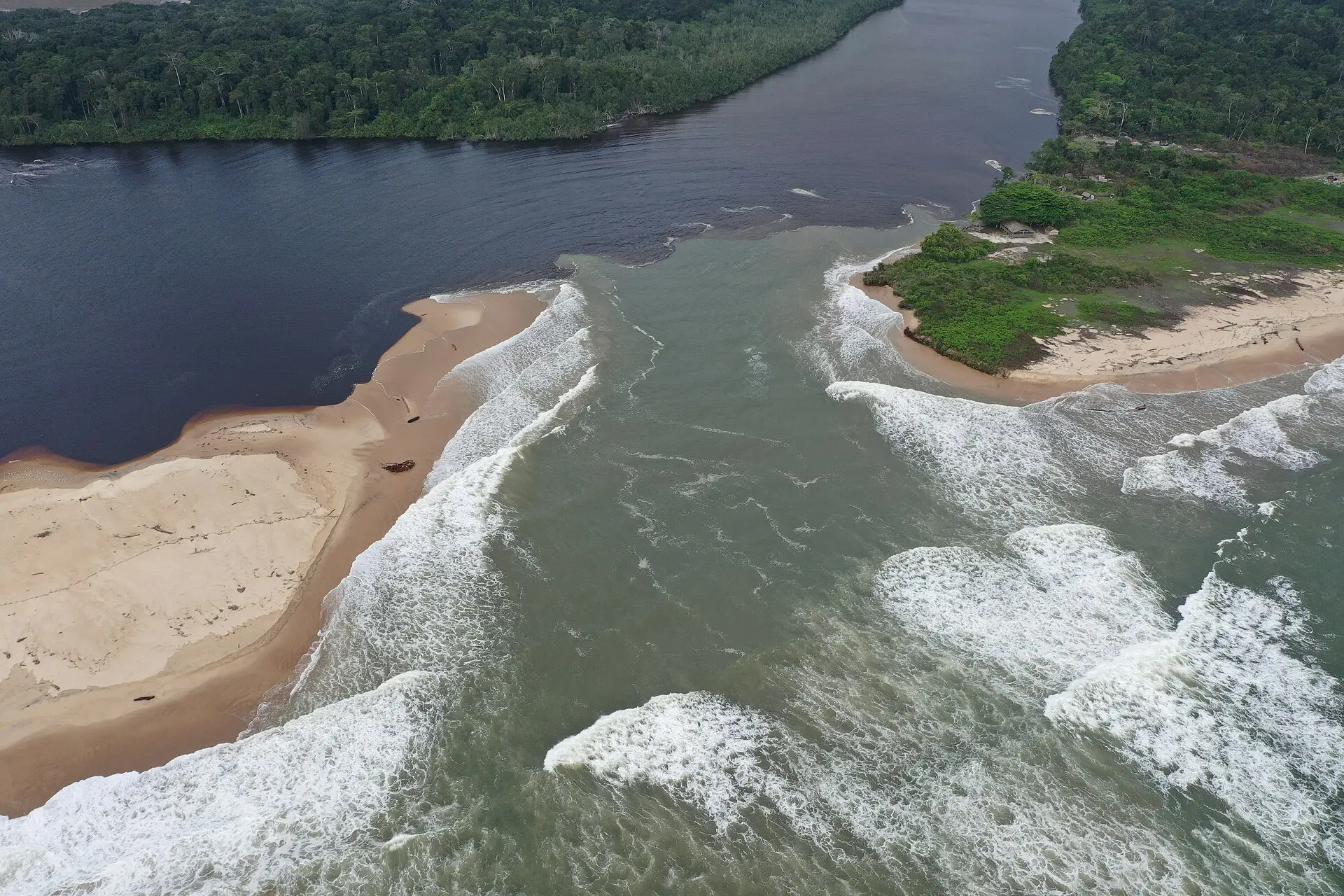
- Day 1, Brazzaville: arrive, then walk the riverfront near the rapids and have dinner at a riverside restaurant.
- Day 2, Brazzaville: visit the Basilique Sainte-Anne, the Poto-Poto art galleries and a live music venue.
- Day 3, Lésio-Louna: take a road transfer onto the Batéké plateau, which usually takes several hours, and stay at a camp.
- Day 4, Lésio-Louna: walk and take boat trips in the reserve, then return to Brazzaville.
- Day 5, Pointe-Noire: fly in about an hour, then relax on the coast.
- Day 6, Diosso and Tchimpounga: see Diosso Gorge, and visit Tchimpounga if your operator has arranged it.
- Day 7, Côte Sauvage: have a last beach morning, then fly onward from Pointe-Noire.
Swap the coast for a charter flight to Odzala-Kokoua if you have a larger budget and want gorilla tracking.
Practical tips for the Republic of the Congo
- Money: the Central African CFA franc (XAF) is used. Bring euros in clean notes to exchange, and use ATMs in Brazzaville and Pointe-Noire, which sometimes run out. Cards are accepted in only a few hotels.
- SIM and eSIM: local SIMs are available with a passport, and coverage is good in towns but patchy in parks. Lodges often have limited or no internet.
- Plugs: types C and E at 230 V.
- Tipping: not required; small tips for guides, drivers and trackers are appreciated.
- Health: carry malaria tablets, repellent, a medical kit and a yellow fever certificate. Drink only bottled or treated water.
- Packing: lightweight long sleeves, a rain jacket, sturdy boots for forest walks and a dry bag.
- Documents: carry photocopies of your passport and visa for checkpoints.
- Planning: use a specialised operator for parks, and book months ahead.
For further reading, see the Wikivoyage Republic of the Congo guide.
FAQ
Q1Is the Republic of the Congo safe for tourists?
Brazzaville, Pointe-Noire and the lodge-based parks are generally calm, but crime, checkpoints and political tension are real concerns. Governments advise against travel to parts of the Pool department and remote borders. Check current advice, use registered taxis and avoid demonstrations.
Q2Do I need a visa for the Republic of the Congo?
Almost all visitors do. Few nationalities have visa-free or on-arrival access, so you usually apply in advance at an embassy or online and need a yellow fever certificate. Fees are high and processing can be slow, so confirm requirements with official sources.
Q3What are the best things to do in the Republic of the Congo?
Track gorillas at Odzala-Kokoua, visit Lésio-Louna and the Tchimpounga chimpanzee sanctuary, enjoy the beaches and gorge near Pointe-Noire, and explore Brazzaville's music, art and riverfront. Most wildlife experiences need a lodge or specialised operator.
Q4What is the best time to visit the Republic of the Congo?
June to September is the best time, with dry weather, easier trails and better wildlife viewing. December to February is a shorter dry spell. March to May and October to November are very wet, and some lodges and roads close.
Q5What is Republic of the Congo food like?
Republic of the Congo food centres on cassava, plantain, fish and forest greens. Try poulet moambe, saka-saka, chikwangue and grilled fish, with Primus or Mutzig beer. French bread and pastries are common in cities, and vegetarians may need to ask about fish or meat in sauces.
Q6Is Congo-Brazzaville the same as the Democratic Republic of the Congo?
No. Congo-Brazzaville is the Republic of the Congo, with its capital at Brazzaville, while the Democratic Republic of the Congo has its capital at Kinshasa. They face each other across the Congo River but are separate countries with different visas, laws and travel advice.
Q7How much does a trip to the Republic of the Congo cost?
Mid-range travel in cities costs roughly USD 150 to 300 per day, and lodge stays in parks cost far more because flights and permits are included. Visas, charters and imported goods drive costs up, so budget well above typical African destinations.