Why visit Qatar
The things to do in Qatar are concentrated in an area of about 11,600 square kilometres, so a short trip can combine museums, markets and desert in a few days. Doha has become a major air hub, and the country invested heavily in culture before and after hosting the 2022 FIFA World Cup. For background, see Wikipedia.
Qatar suits culture-minded travellers, families who want comfort and short distances, and stopover passengers using Hamad International Airport. Visitors will see modern architecture beside traditional Gulf life, from the dhow harbour to the falcon souq. It is not a backpacker destination: it is expensive, very hot for half the year and shaped by conservative social rules. In return it offers world-class museums, excellent infrastructure and an easy introduction to the Arab Gulf.
Best places to visit in Qatar
The best places to visit in Qatar are mostly in or near Doha, with a few desert and coastal sites farther out.
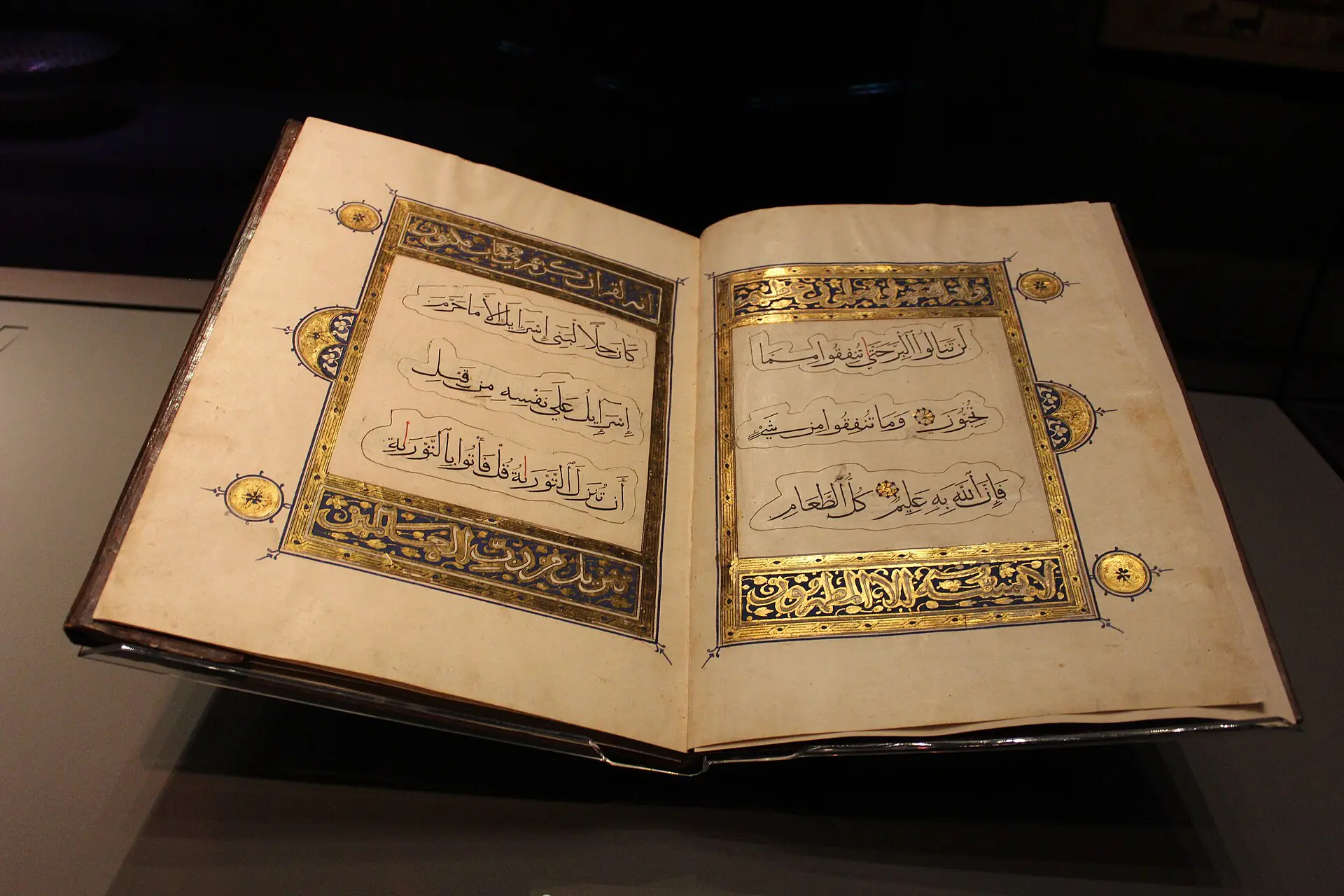
Doha Corniche and West Bay
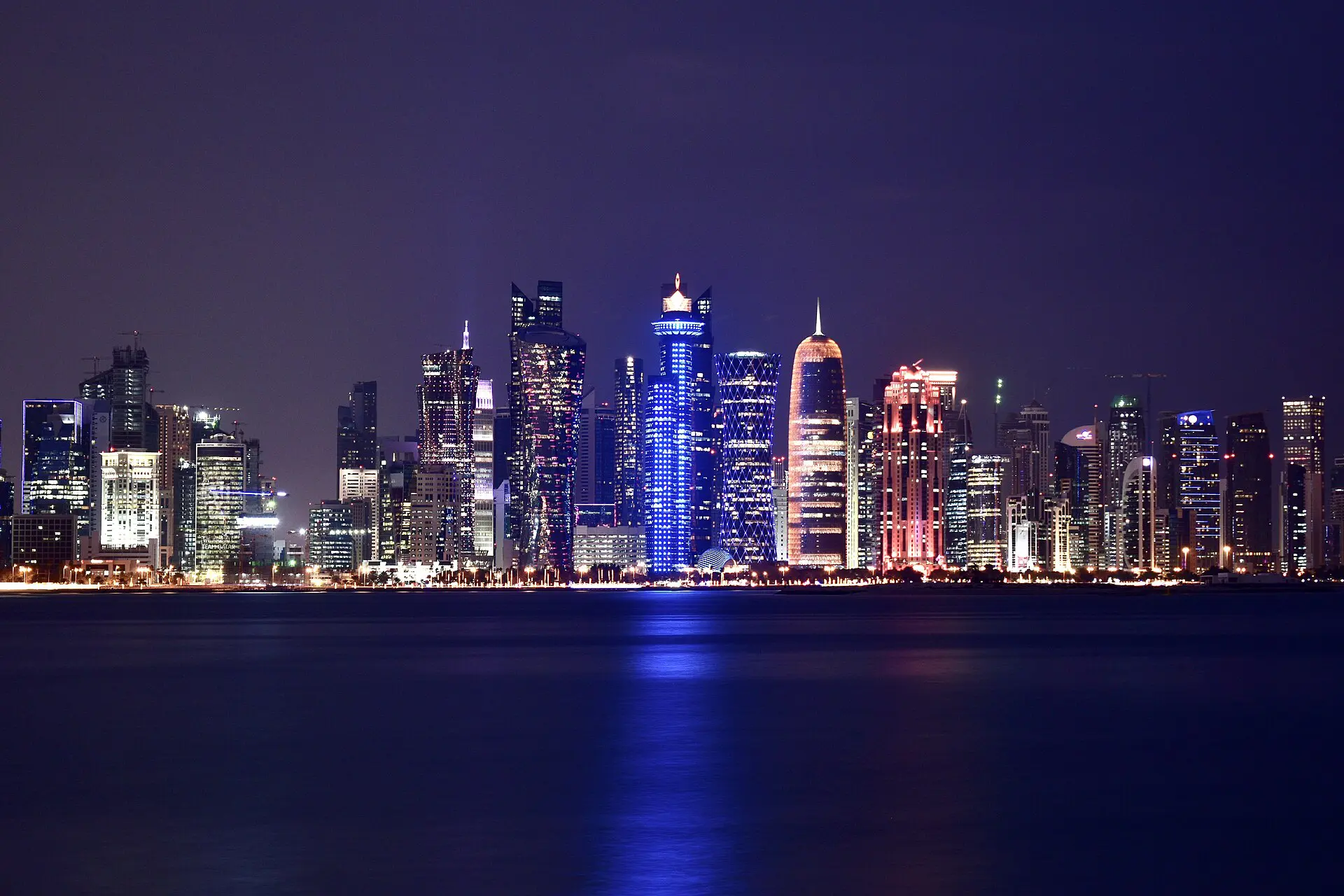
The seafront promenade runs along Doha Bay, with the glass towers of West Bay on one side and traditional dhows on the other. It is best at sunset, when the heat eases.
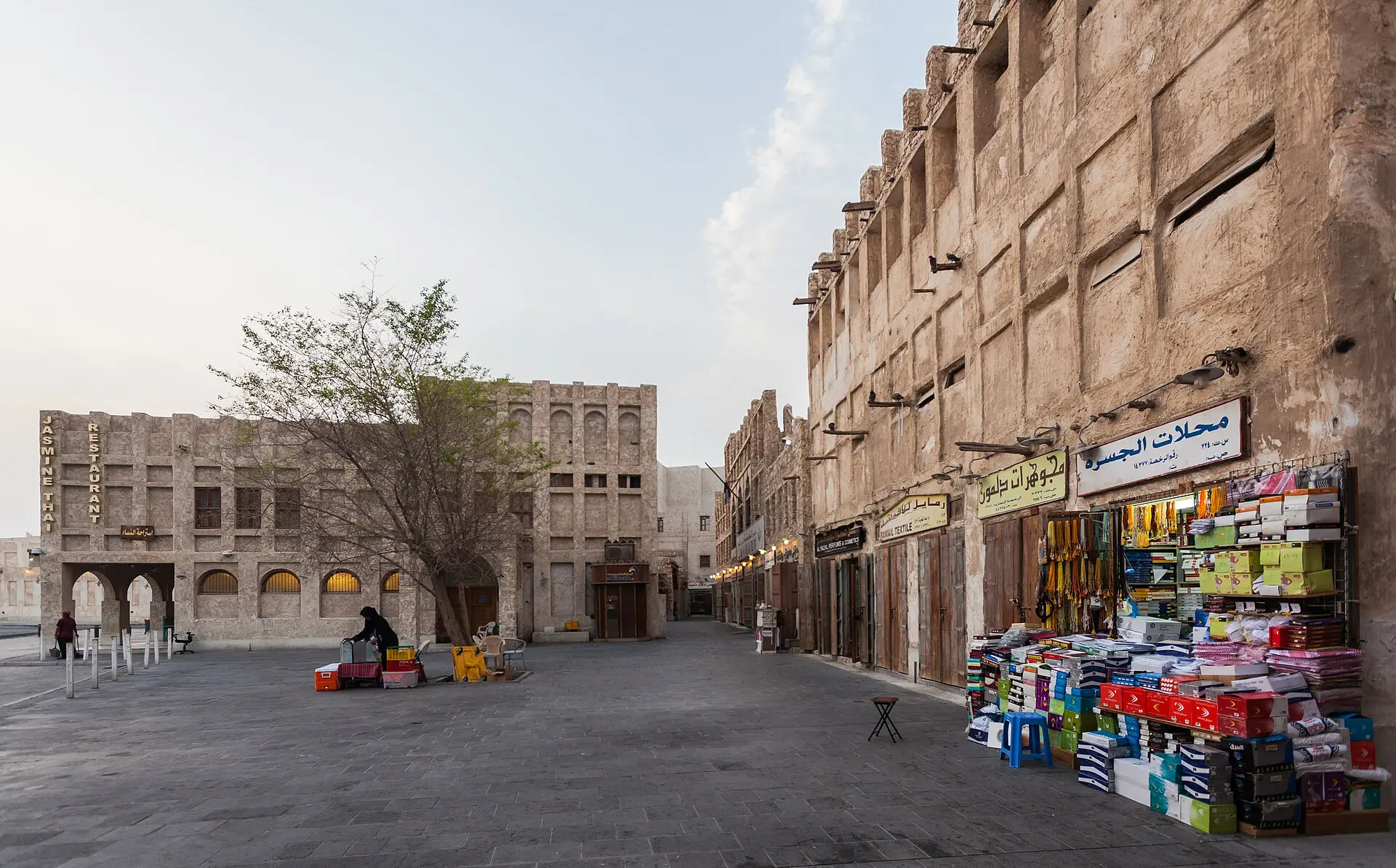
Souq Waqif
This rebuilt old market has spice stalls, cafés, shisha lounges and the falcon souq. It is busiest in the evening, and is the easiest place to feel local life.
Museum of Islamic Art and Katara
The museum sits on its own island on the waterfront, with collections spanning three continents. Katara Cultural Village, a short drive away, has a beach, an amphitheatre and galleries.
The Pearl and Lusail
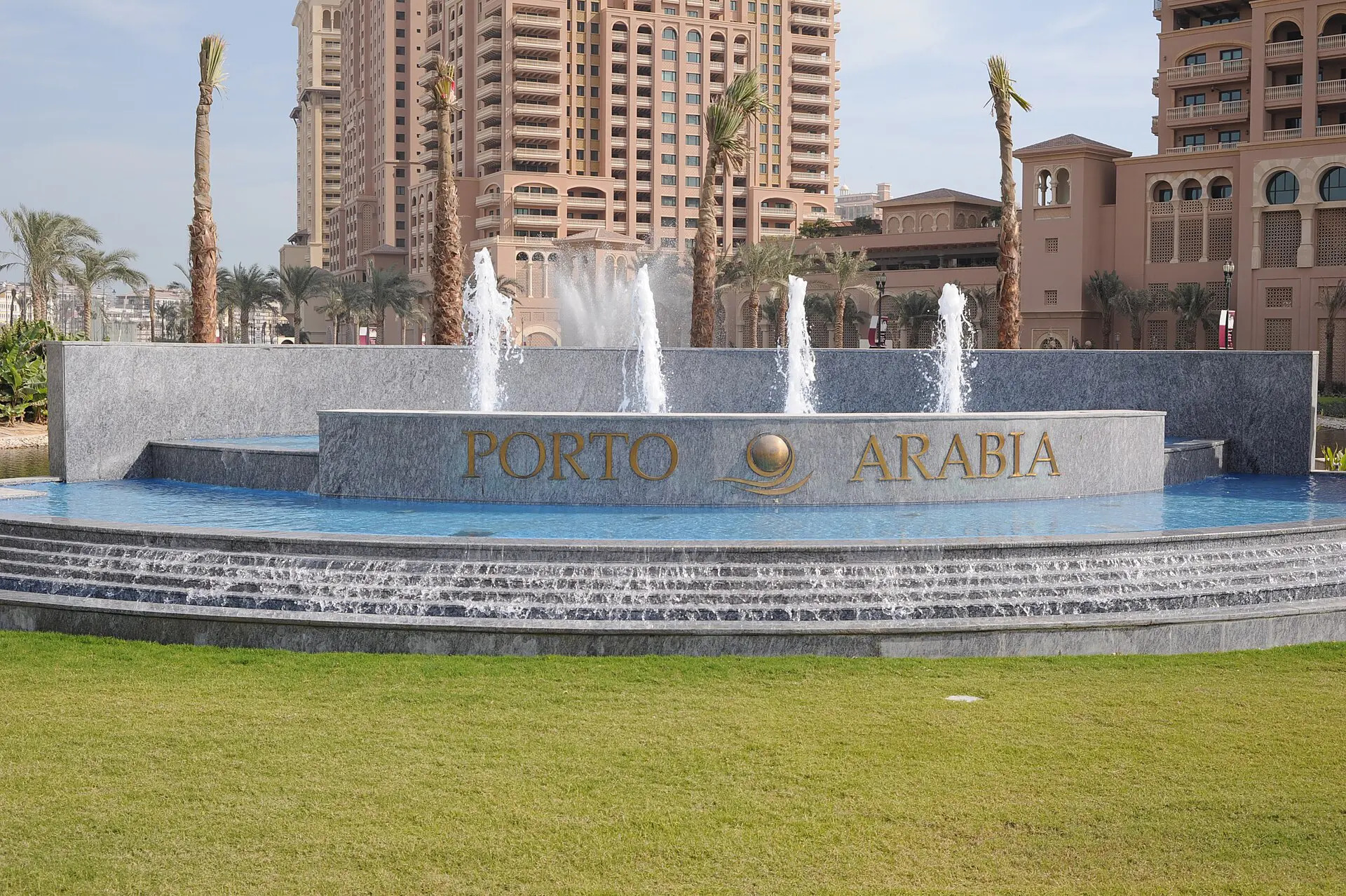
The Pearl is an artificial island of marinas and boutiques, while Lusail is a planned city with a World Cup stadium and wide waterfront.
Khor Al Adaid (Inland Sea)
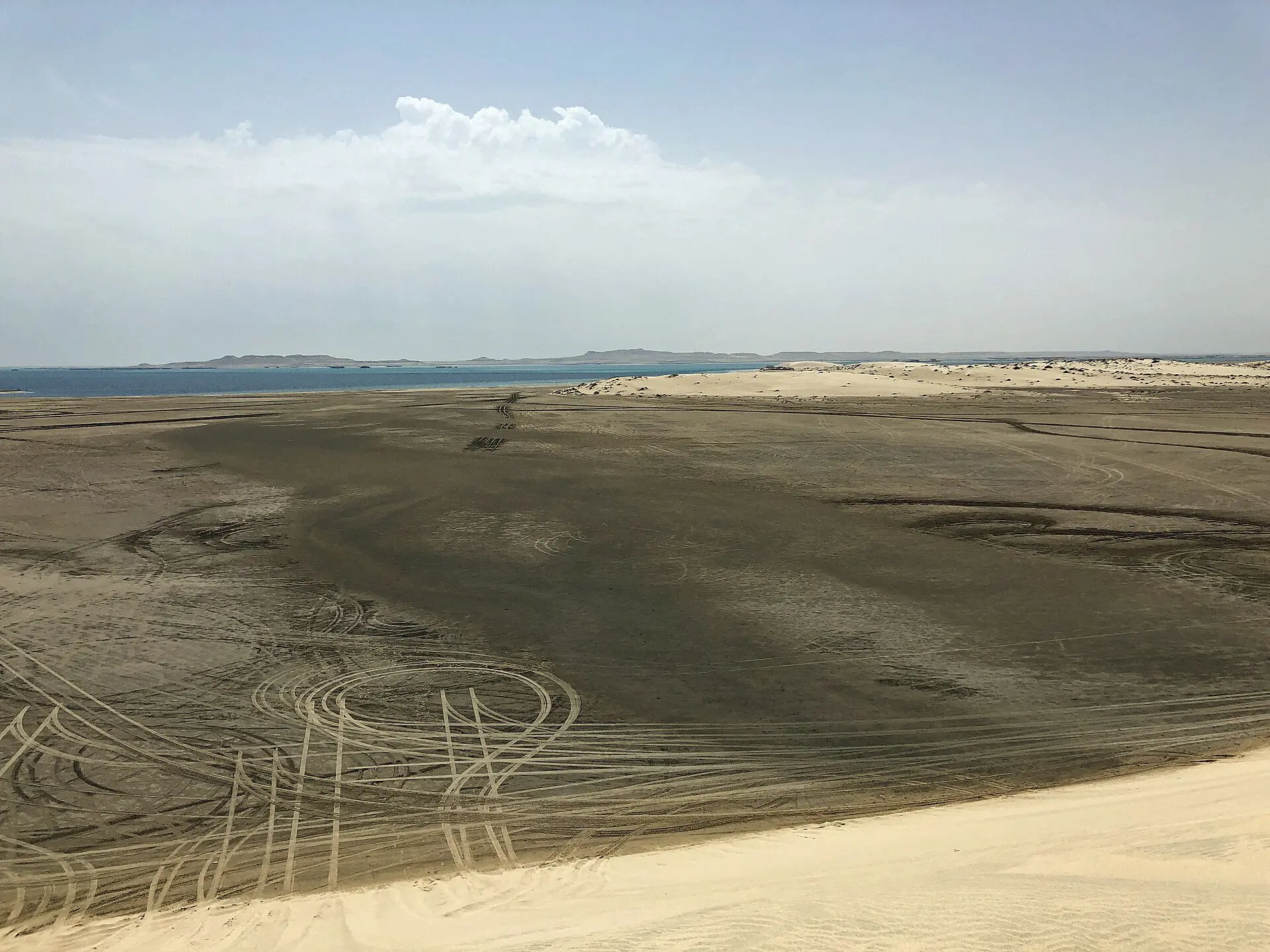
In the far south, huge dunes surround a tidal inlet that almost reaches Saudi Arabia, and tours leave from Doha.
Al Zubarah
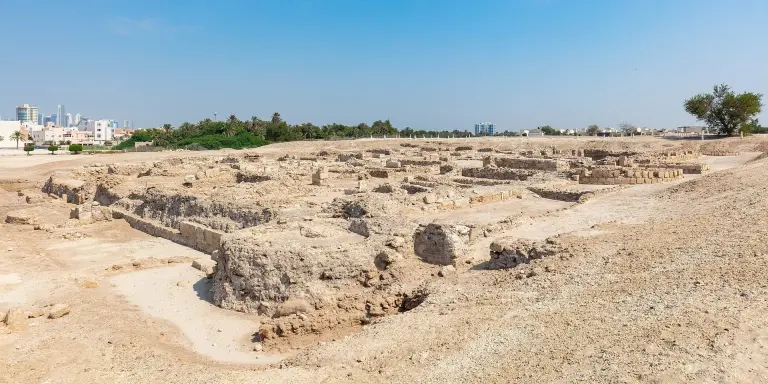
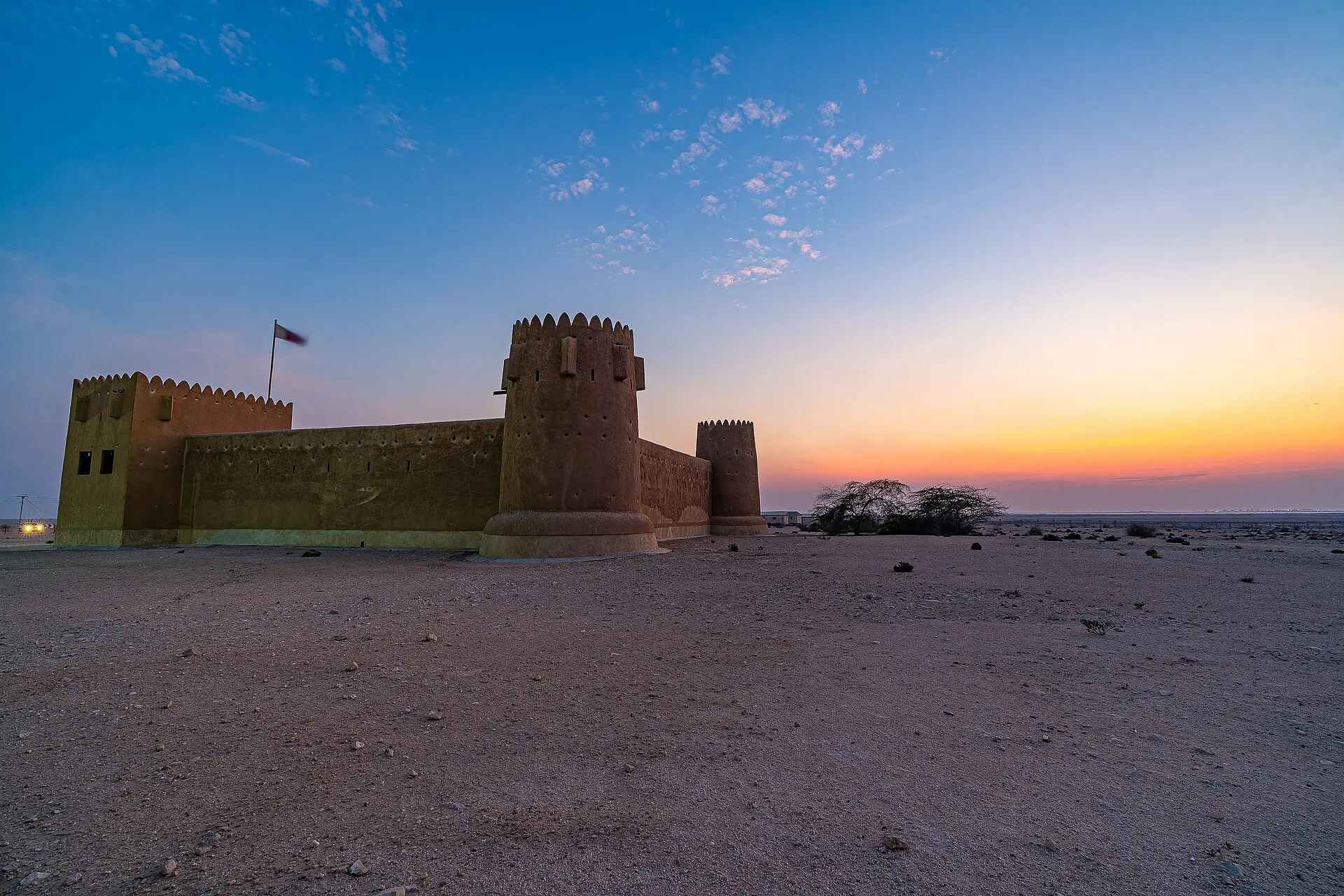
On the north-west coast, the ruins of a pearling and trading town and its fort are a UNESCO World Heritage Site.
Top things to do in Qatar
The top things to do in Qatar are indoor and outdoor, and can be combined in half-day blocks to avoid the midday heat.
- Tour the Museum of Islamic Art: allow two to three hours for the galleries and the view across the bay.
- Wander Souq Waqif: go after sunset for the best atmosphere and try Arabic coffee and sweets.
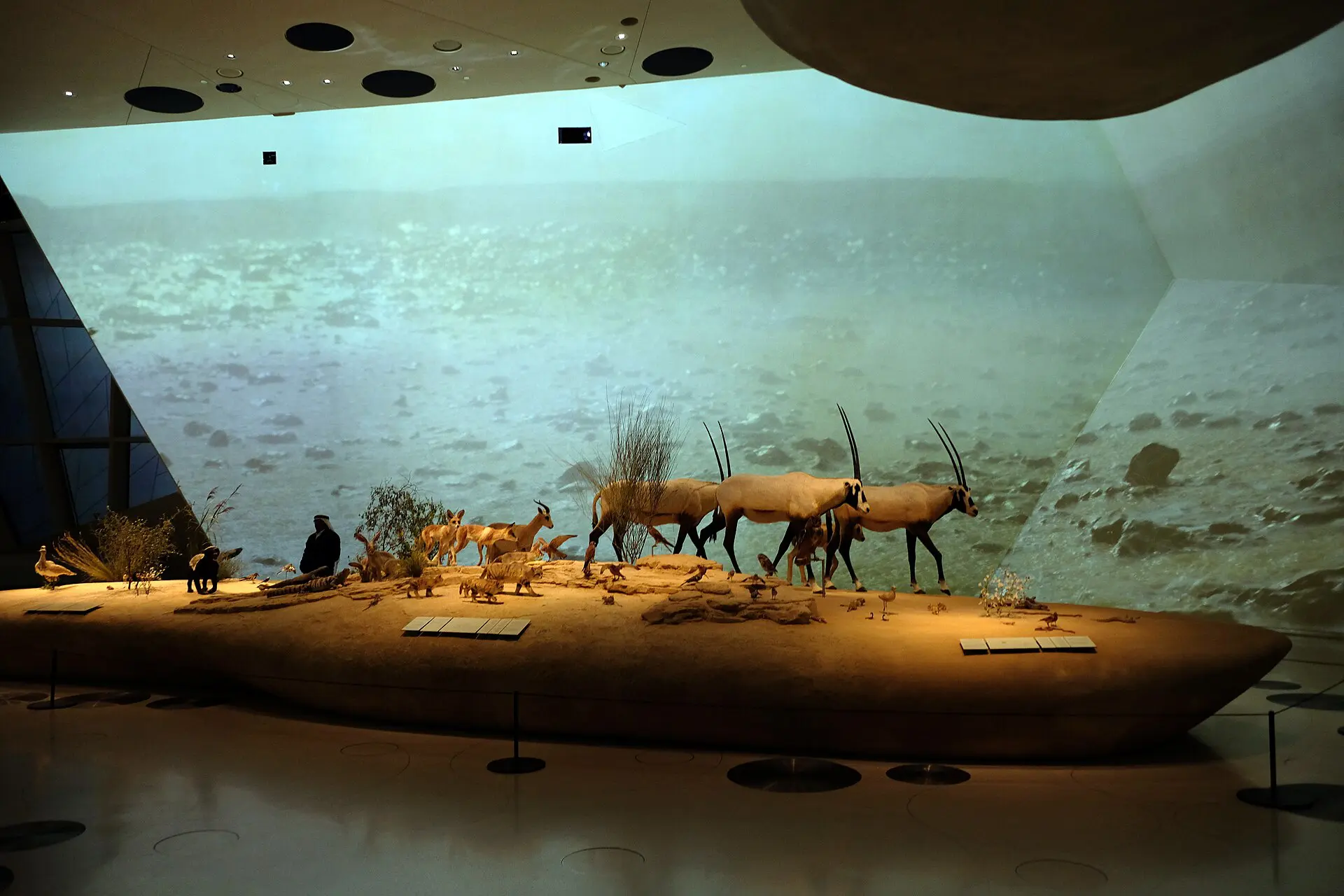
- Visit the National Museum of Qatar: the building resembles a desert rose crystal formation, and the galleries tell the country’s story.
- Walk the Corniche: a long waterfront path with views of the skyline and traditional dhows.
- Take a dhow ride: short boat trips cross Doha Bay at sunset.
- Go dune bashing at the Inland Sea: a desert tour combines driving over dunes, camel rides and sandboarding.
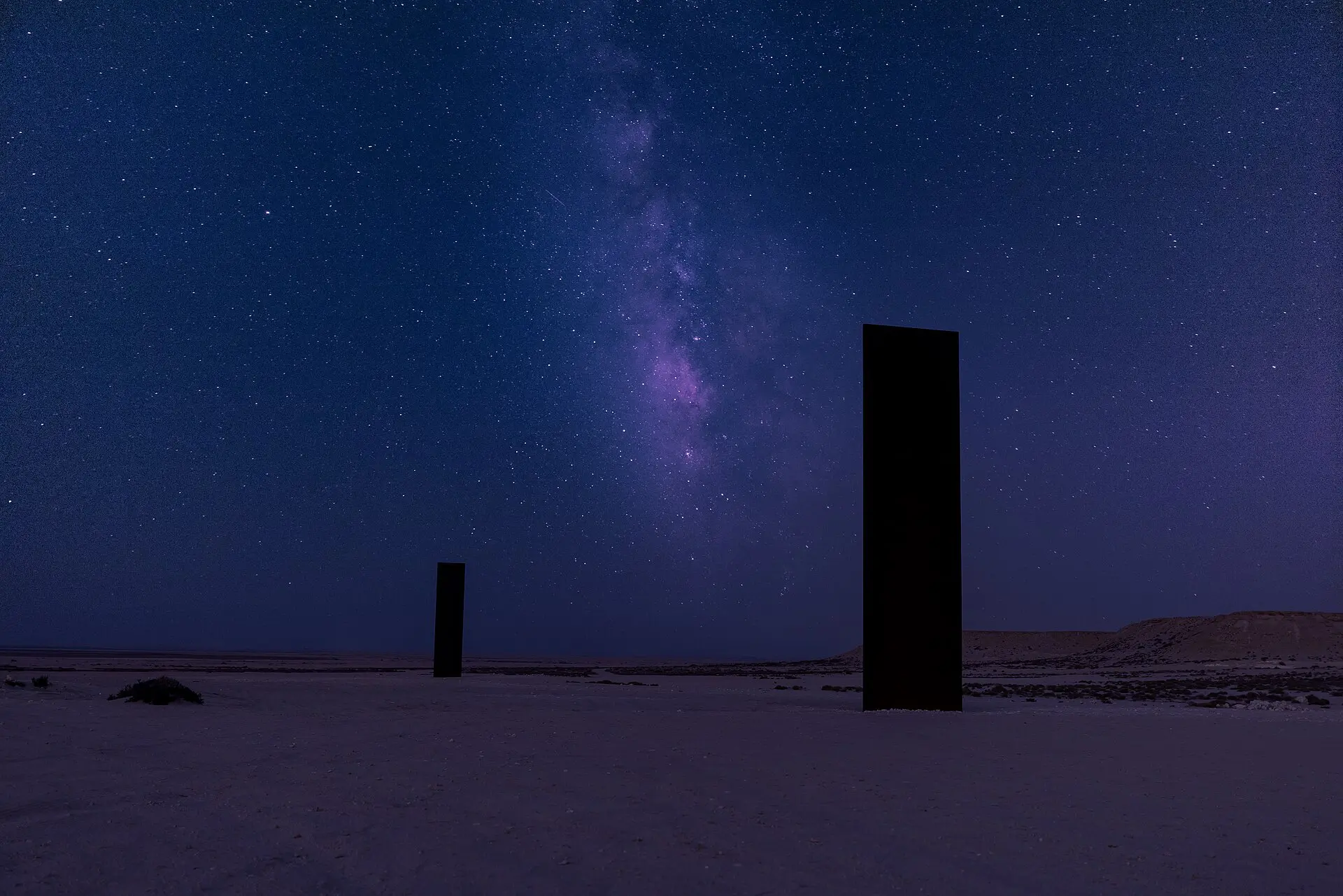
- See Richard Serra’s East-West/West-East: four giant steel plates stand in the desert near Zekreet, and the trip can be combined with the film set and the Brouq cliffs.
- Watch a camel race or falcon display: seasonal events and demonstrations show traditional Gulf pastimes.
- Explore Msheireb and Education City: modern districts with museums, mosques and interesting architecture.
- Relax at Katara Beach or the Pearl: cafés and beaches suit the late afternoon.
Best time to visit Qatar
The best time to visit Qatar is November to April, when daytime temperatures are pleasant and outdoor sights are comfortable. May to September is very hot and humid, with temperatures often above 40 C, so most activity moves indoors. Rain is rare and falls mostly between December and March.
| Season | Weather | Crowds and prices | Good for |
|---|---|---|---|
| Winter (Nov-Feb) | Mild and sunny, cool evenings | Highest prices and crowds | Desert trips, souqs, outdoor events |
| Spring (Mar-Apr) | Warm, getting hot by April | Moderate to high | Beaches, museums, dhow rides |
| Summer (May-Sep) | Extremely hot and humid, dust storms | Lowest hotel rates | Museums, malls, stopovers |
| Autumn (Oct) | Hot, cooling late in the month | Rising | Early-season sightseeing |
Ramadan moves each year, and daytime eating, drinking and some leisure services are restricted in public places, though hotels and malls usually provide arrangements for visitors. Check dates before booking.
Is Qatar safe to visit?
Is Qatar safe? Yes, Qatar has very low rates of violent crime and street crime, and most visitors feel comfortable walking around Doha day and night. The more relevant risks are strict local laws, heat and regional security developments. Is Qatar safe to visit right now should be checked against current government advice, such as the UK FCDO or US State Department pages, as Gulf tensions have at times affected airspace and travel plans.
Laws. Alcohol is only sold in licensed hotels and a few venues; drunkenness in public, drug possession and importing drugs carry severe penalties. Same-sex relations are criminalised, and public displays of affection are discouraged for all couples.
Photography. Do not photograph people without permission, and avoid government buildings, military sites and some labour accommodation.
Heat. Heatstroke is a real risk from May to September; drink water, avoid midday outdoor activity and use sun protection.
Roads. Traffic is fast and drivers can be aggressive, so seat belts and caution matter. Desert driving should only be done with an experienced operator.
Online conduct. Defamation and cyber laws are strict, so be careful what you post.
Qatar visa and entry requirements
Qatar visa rules depend on your nationality. Citizens of a large number of countries have been able to enter visa-free or receive a visa on arrival for stays of up to 30 or 90 days, while others must apply for a visa in advance through the official visa service. The rules change and have been revised several times in recent years, so check them with the Ministry of Interior, the official Qatar visa portal or your nearest embassy.
Your passport generally needs to be valid for at least six months from arrival. Airlines and border officers may ask for a confirmed hotel booking, a return ticket and proof of funds. Some visitors have been asked to register through the official Hayya portal for events, so confirm whether that applies to you.
Stopover passengers at Doha airport can often arrange short-stay visas through the airline. Always check whether medications are allowed in the country, since some common prescription drugs are controlled. For heritage context, the UNESCO page for Qatar lists the inscribed site.
Getting to and around Qatar
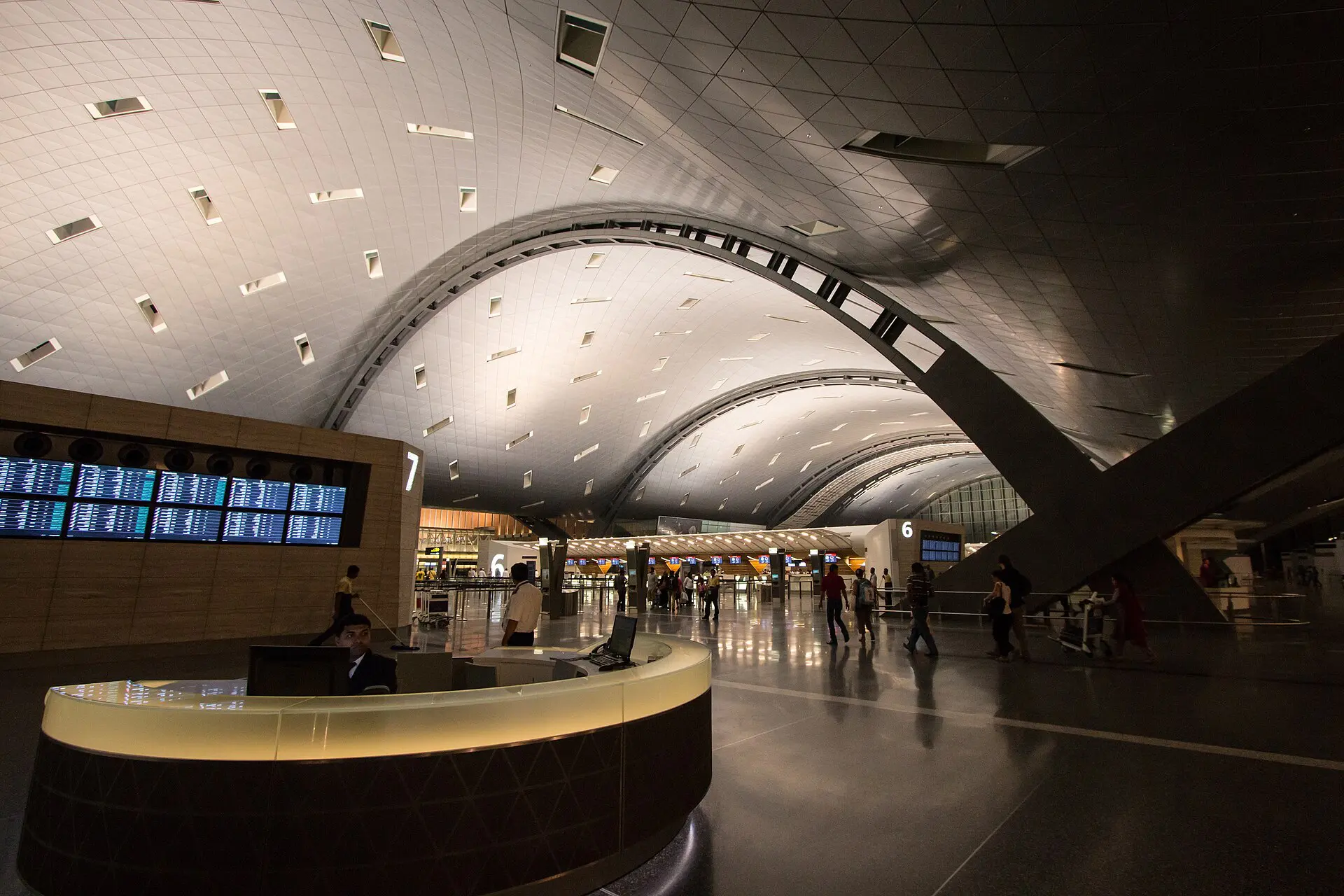
Nearly all visitors arrive by air at Hamad International Airport (DOH), about 15 minutes from central Doha and a hub for Qatar Airways. The only land border is with Saudi Arabia at Abu Samra, used mainly by drivers and organised groups. Arrival by sea is rare.
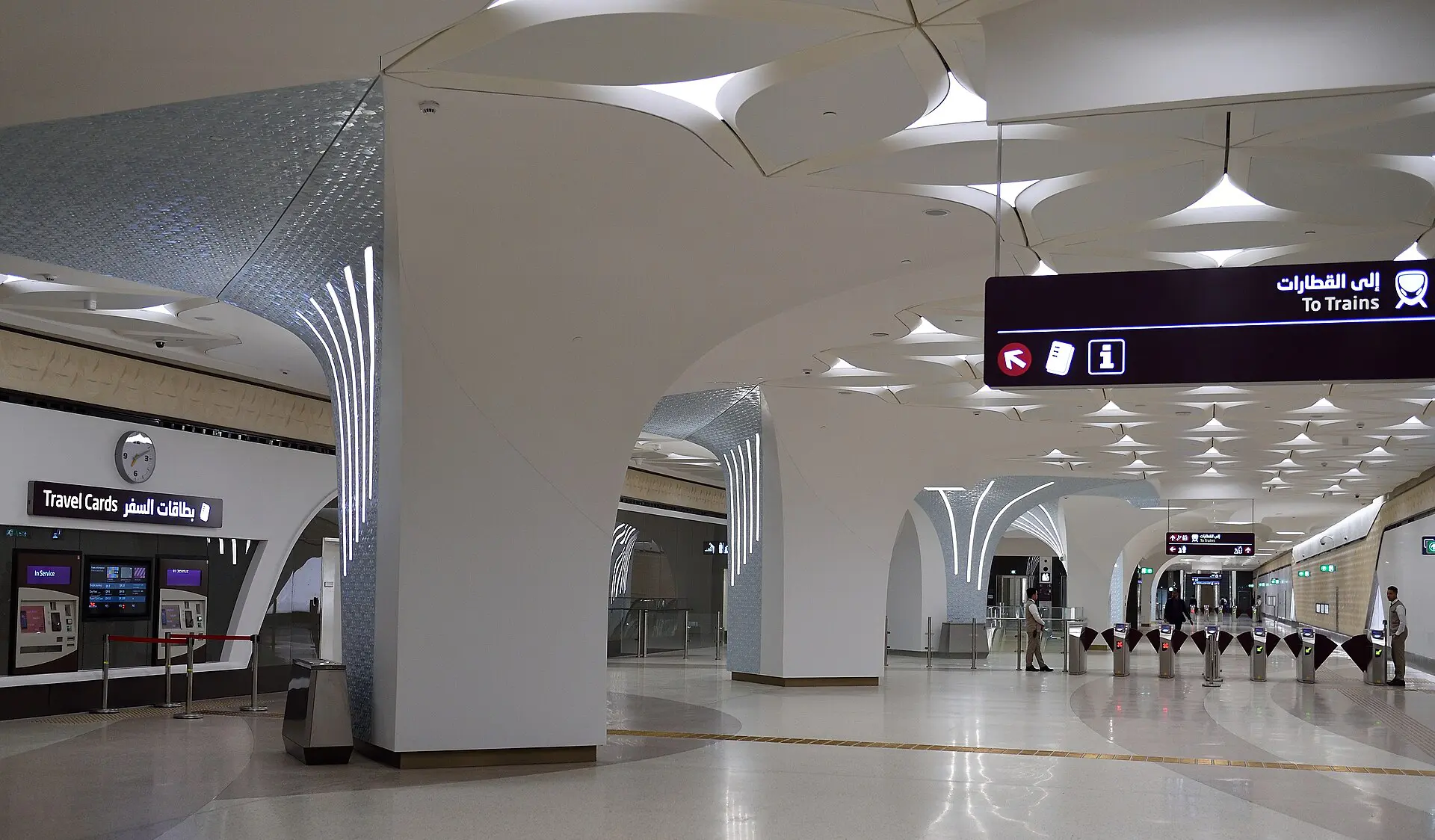
Doha Metro is the simplest way to get around the city. It has Red, Green and Gold lines that link the airport, West Bay, Msheireb, Souq Waqif, Education City and Lusail. Tickets are cheap, but operating hours are shorter on Fridays, so check the schedule. Ride-hailing apps and licensed taxis are widely available, and fares are inexpensive compared with Western cities.
Car rental is useful for trips to the north and west, such as Al Zubarah and Zekreet, but traffic can be heavy and drivers are fast. Qatar drives on the right. For the Inland Sea, hire a 4×4 with an experienced driver and go with a tour operator rather than driving over the dunes alone.
How much does a trip to Qatar cost?
Qatar is among the more expensive destinations in the region, particularly for accommodation and dining out. The currency is the Qatari riyal (QAR), pegged to the US dollar at about 3.64. The figures below are rough per-person daily guides for 2026 and exclude international flights.
- Budget: around USD 80 to 120 per day, with a simple hotel or hostel, metro, and cheap local meals.
- Mid-range: around USD 150 to 280 per day, with a four-star hotel, restaurant meals, taxis and tour entries.
- High-end: from around USD 400 per day, with luxury hotels, fine dining and private desert tours.
Hotels are the main cost and are most expensive from November to March, with big events pushing rates up. Many museums are inexpensive or free for residents, and the public transport is cheap. Alcohol is costly and only served in licensed venues. Desert tours cost more than city sights, so share a group tour if you want to reduce the price.
Qatar food and drink
Qatar food draws on Gulf Arab, Persian, Indian and Levantine cooking, shaped by the pearling and trading history of the coast. Doha has everything from simple local cafés to world-class restaurants.
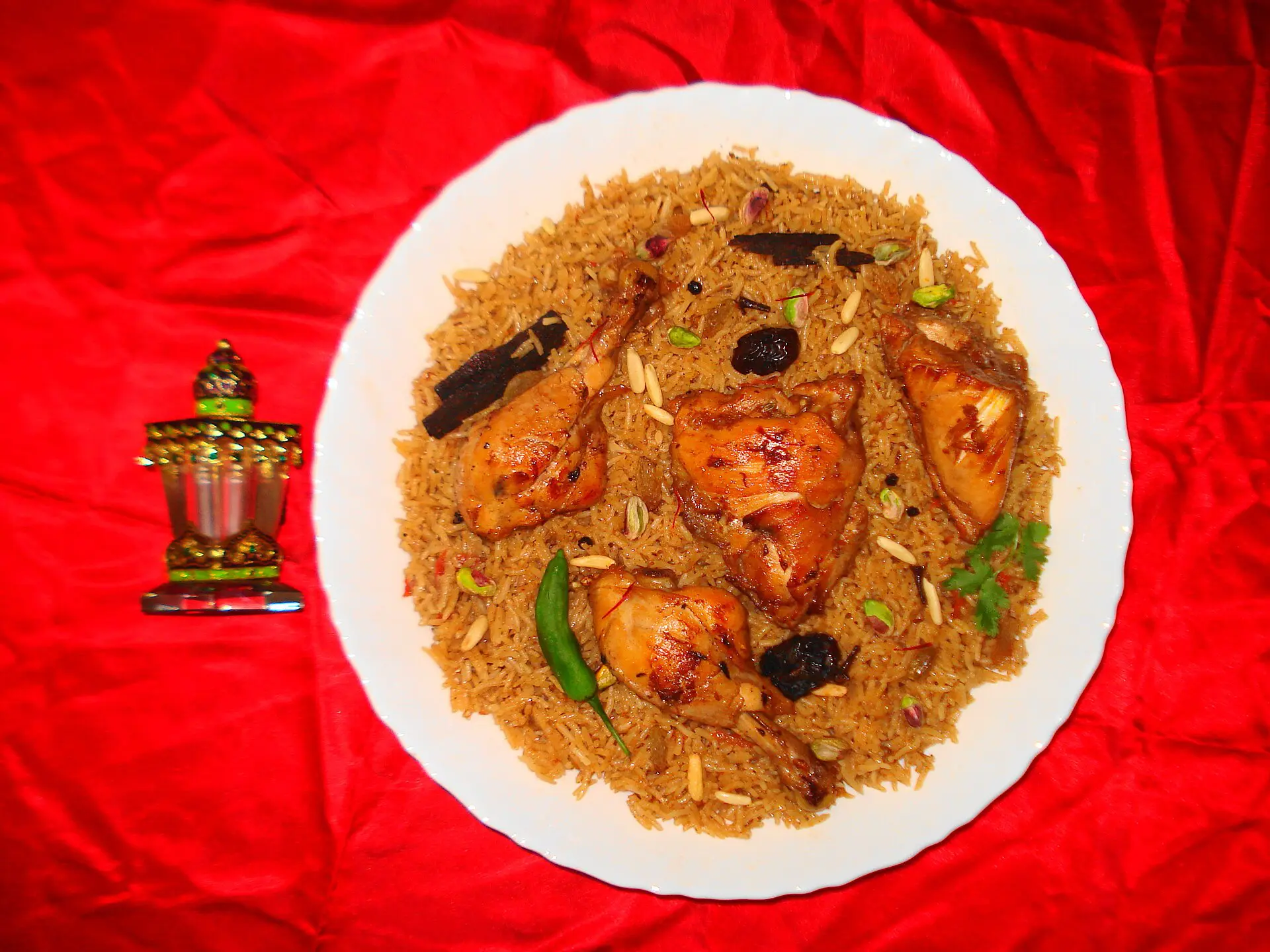
- Machboos: spiced rice with lamb, chicken or fish, widely seen as the national dish.
- Harees: slow-cooked wheat and meat porridge, popular during Ramadan.
- Thareed: a stew of meat and vegetables poured over thin bread.
- Luqaimat: small fried dumplings drizzled with date syrup.
- Karak chai: strong, sweet milk tea cooked with cardamom, sold in cafés everywhere.
- Arabic coffee and dates: served as hospitality, usually with cardamom.
- Shawarma and mezze: Levantine staples available at low prices across the city.
Eat at Souq Waqif for traditional dishes, and try small Indian and Filipino places in the older neighbourhoods for cheap meals. Pork is not widely available, meat is halal and alcohol is served only in licensed hotels and restaurants. Vegetarians do well with mezze, falafel and lentil dishes.
Culture, language and etiquette in Qatar
Arabic is the official language, and English is widely used in hotels, restaurants, malls and business. Only about 10 to 15 percent of residents are Qatari citizens, and most of the population is made up of migrant workers and expatriates from South Asia, other Arab countries and the Philippines. Useful words include shukran (thank you) and marhaba (hello).
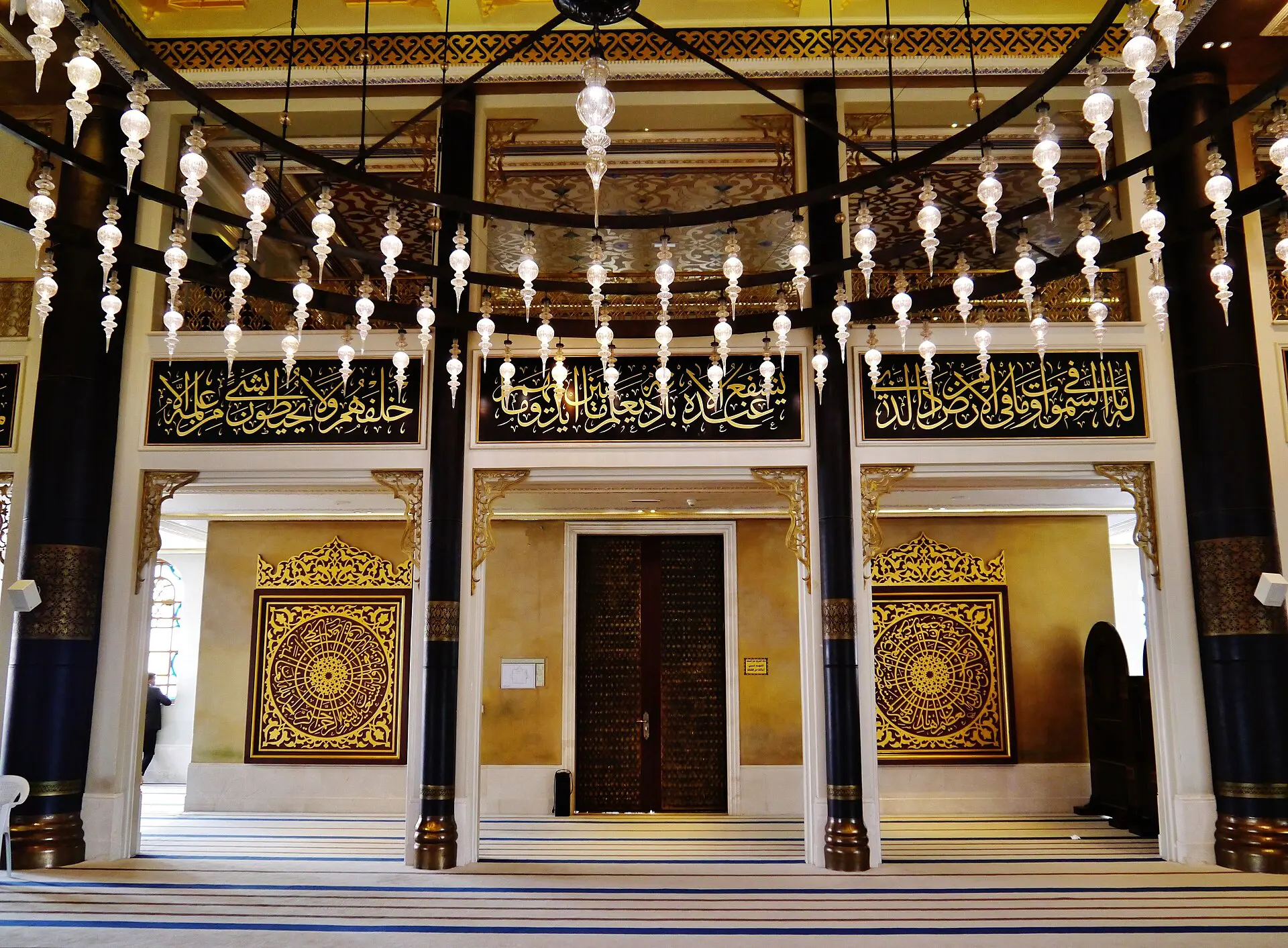
Islam is the state religion, and the call to prayer shapes daily life. The weekend is Friday and Saturday, and many shops reopen in the late afternoon on Fridays. During Ramadan, eating, drinking and smoking in public during daylight hours is not allowed.
Dress modestly: shoulders and knees covered for both men and women in public places, and loose clothing is more comfortable in the heat. Swimwear is for pools and beaches. Greet with a handshake only if the other person offers it, particularly across genders, and use your right hand for eating and passing items. Ask permission before photographing people, especially women. Hospitality is a strong value, so accept coffee or dates if offered.
Qatar itinerary: a 7-day route
This route is based in Doha, with day trips by metro, taxi or tour. It avoids the midday heat by placing outdoor activities in the morning and evening.
- Day 1, Corniche and West Bay: arrive, walk the waterfront at sunset and take a dhow ride.
- Day 2, Museum of Islamic Art and Souq Waqif: visit the museum in the morning and spend the evening at the souq and falcon market.
- Day 3, National Museum and Msheireb: see the National Museum of Qatar, then explore Msheireb’s heritage houses.
- Day 4, Education City and Katara: visit Education City’s mosque and art, then relax at Katara Beach.
- Day 5, Inland Sea: join a half- or full-day desert tour for dunes, camel rides and the tidal inlet.
- Day 6, North-west Qatar: drive or join a tour to Al Zubarah Fort, Fuwairit beach and the mangroves at Al Thakira.
- Day 7, Zekreet and Doha: see the Serra sculpture and Brouq cliffs in the morning, then head to the airport.
For a shorter stopover, combine the Museum of Islamic Art, Souq Waqif and the Corniche in one day.
Practical tips for Qatar
- Money: the Qatari riyal (QAR) is the currency, and cards and contactless payments are accepted almost everywhere. ATMs are common.
- SIM and eSIM: tourist SIMs and eSIMs are sold at the airport and in malls, and mobile coverage is excellent.
- Plugs: types D and G at 240 V.
- Tipping: not required; about 10 percent is common if no service charge is added.
- Health: carry sun protection, water and any prescription drug documentation. Check that your medicines are permitted.
- Packing: light, loose clothes, a scarf or shawl for mosques, a light jacket for strong air conditioning and sandals.
- Weekends: Friday and Saturday are the busiest days for local families.
- Booking: reserve hotels early in winter and during major events.
For more information see the Wikivoyage Qatar guide.
FAQ
Q1What are the best things to do in Qatar?
Top things to do are the Museum of Islamic Art, Souq Waqif, the National Museum of Qatar, the Doha Corniche and a desert trip to the Inland Sea. Visitors with more time can add Al Zubarah Fort, Zekreet and the Pearl.
Q2Is Qatar safe for tourists?
Yes, Qatar has very low violent and street crime, and visitors generally feel safe in Doha. The main risks are strict laws on alcohol, drugs and public behaviour, extreme summer heat and regional tensions, so check government travel advice before you go.
Q3What is Qatar food like?
Qatar food features machboos spiced rice, harees wheat porridge, thareed stew and luqaimat dumplings, with Arabic coffee, dates and karak tea. Levantine, Indian and international restaurants are common in Doha, and meat is halal. Alcohol is served only in licensed venues.
Q4Do I need a visa for Qatar?
It depends on your nationality. Many visitors can enter visa-free or get a visa on arrival for a limited stay, while others must apply in advance. Rules change often, so confirm with the Ministry of Interior, the official visa portal or an embassy.
Q5What are the best places to visit in Qatar?
Doha is the main base, with the Corniche, Souq Waqif, Museum of Islamic Art, Katara and the Pearl. Outside the city, visit the Inland Sea for dunes, Al Zubarah for a UNESCO fort and Zekreet for desert sculptures.
Q6What is the best time to visit Qatar?
November to April is best, with mild, sunny weather. May to September is extremely hot and humid, often above 40 C, so activities move indoors. Hotel prices are highest in winter, and Ramadan changes opening hours and public eating rules.
Q7How many days do you need in Qatar?
Three to four days cover Doha's main museums, souq and Corniche, plus a desert tour. A week lets you add the north and west of the country at a relaxed pace. A stopover of 24 hours can fit the Museum of Islamic Art and Souq Waqif.