Why visit Palestine
Anyone searching for things to do in Palestine is usually looking for the West Bank, which holds most of the places visitors can reach: Bethlehem, Jericho, Nablus, Ramallah, Hebron and the desert monasteries of the Judaean hills. The State of Palestine, with a land area of about 6,000 square kilometres, comprises the West Bank, including East Jerusalem, and the Gaza Strip. Most international travel advice refers to the West Bank as the West Bank, and you will see both names on signs and maps. See the Wikipedia overview for the political background.
The case for going is human as much as scenic. Palestinian cities are some of the oldest continuously inhabited places on earth, the food is among the best in the Levant, and hosts are famously generous with visitors. The trade-off is that travel here is shaped by an Israeli military occupation: checkpoints, route closures and sudden security changes affect almost every itinerary. This guide suits flexible, well-informed travellers who read official advice, travel with local guides where possible and accept that plans may change on the day. Gaza is closed to ordinary visitors and is not covered as a destination.
Best places to visit in Palestine
The best places to visit in Palestine are concentrated within an hour or two of Jerusalem, which makes them easy to combine, but several areas carry government warnings, so check the current situation for each one.
Bethlehem
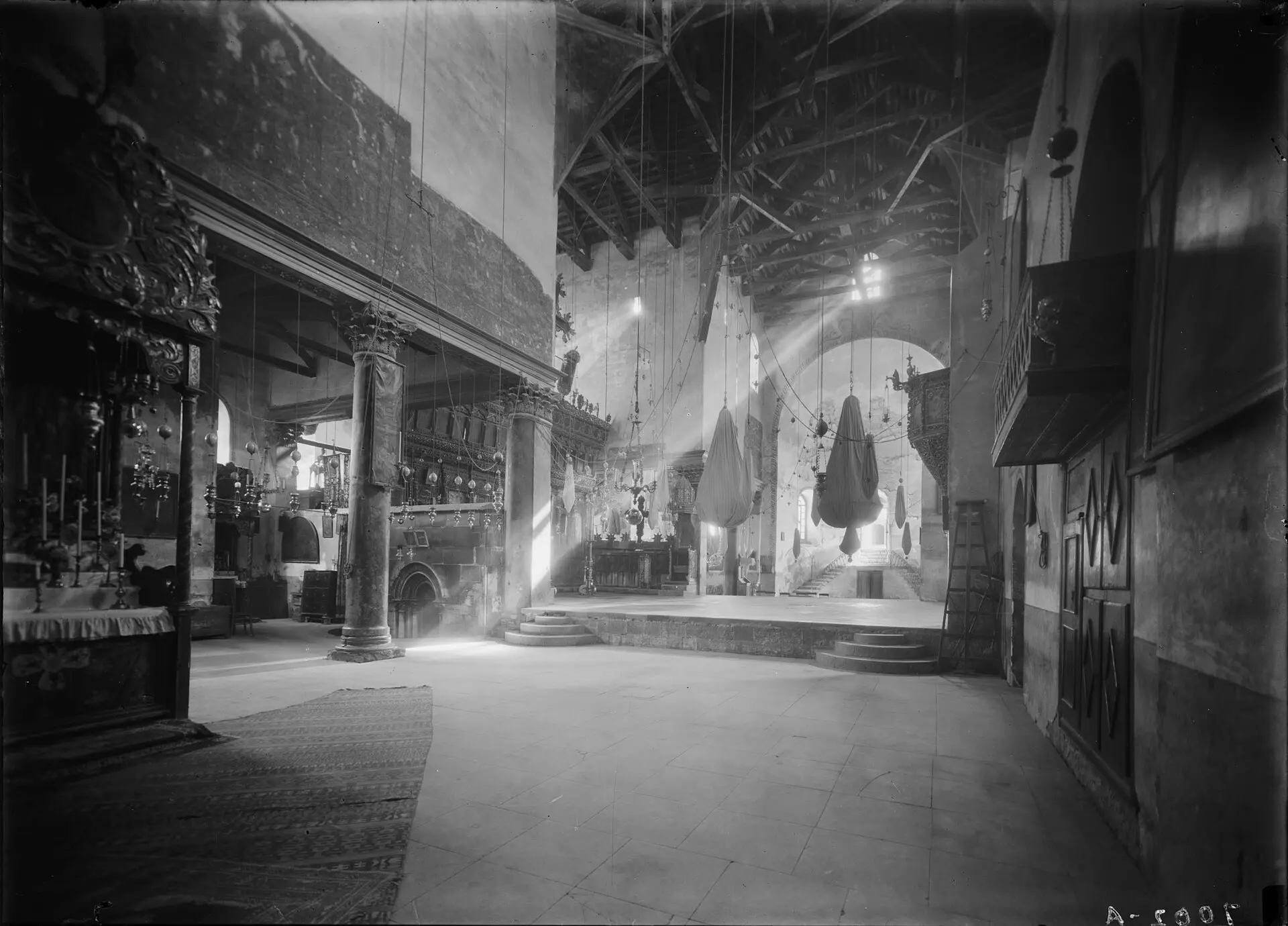
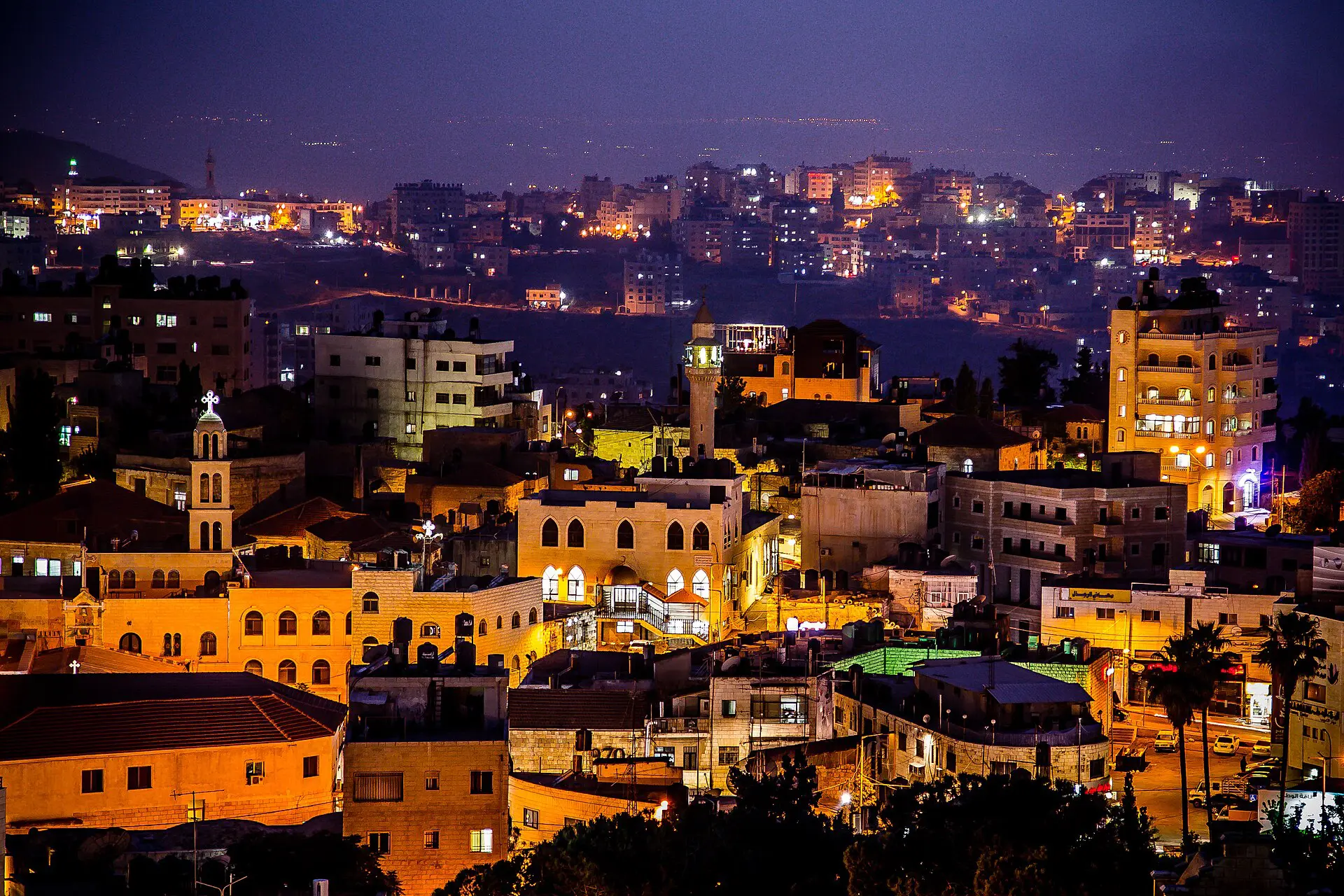
Bethlehem is the most visited Palestinian city. The Church of the Nativity, on Manger Square, is a UNESCO World Heritage Site and one of the oldest continuously used churches in the world. Nearby are the Milk Grotto chapel, Star Street and the lively market. Most visitors enter from Jerusalem through the main checkpoint on foot, and a half-day is the minimum.
Nablus
Nablus is the commercial capital of the northern West Bank, known for its Ottoman old city with soap factories, hammams and covered markets, and for the best kunafa in the region. Allow a full day and check conditions first, as the city and its surroundings have seen recurring military operations.
Jericho
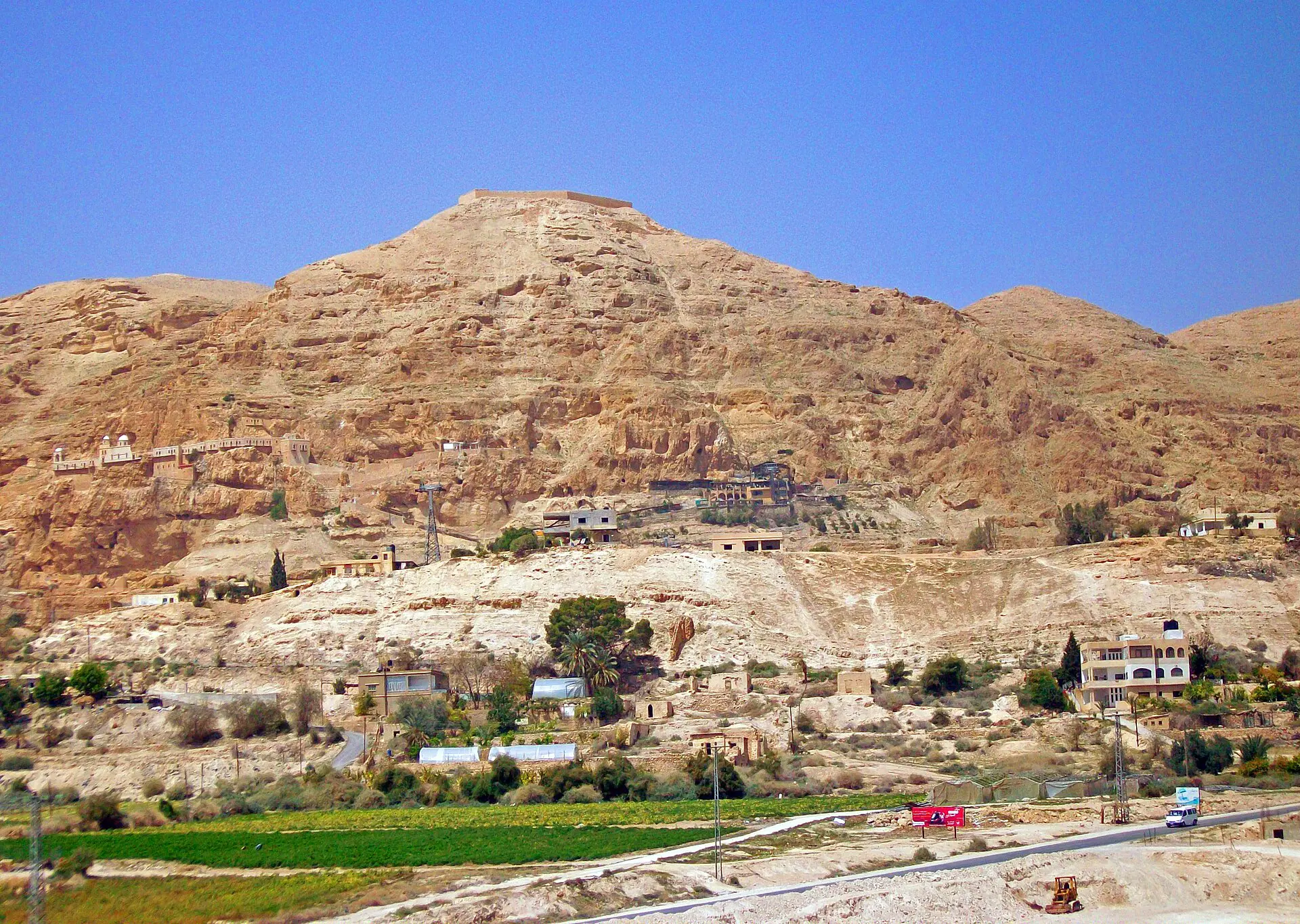
Jericho lies about 250 metres below sea level and is often described as one of the oldest inhabited cities on earth. Tel es-Sultan holds Neolithic remains, and the Mount of Temptation monastery clings to a cliff above town, reached by cable car. It is a good winter destination because the desert is mild.
Ramallah
Ramallah is the de facto administrative centre of the Palestinian Authority and its liveliest city, with cafés, galleries, restaurants and a university crowd. The Yasser Arafat Museum and the nearby village of Birzeit are common stops.
Hebron
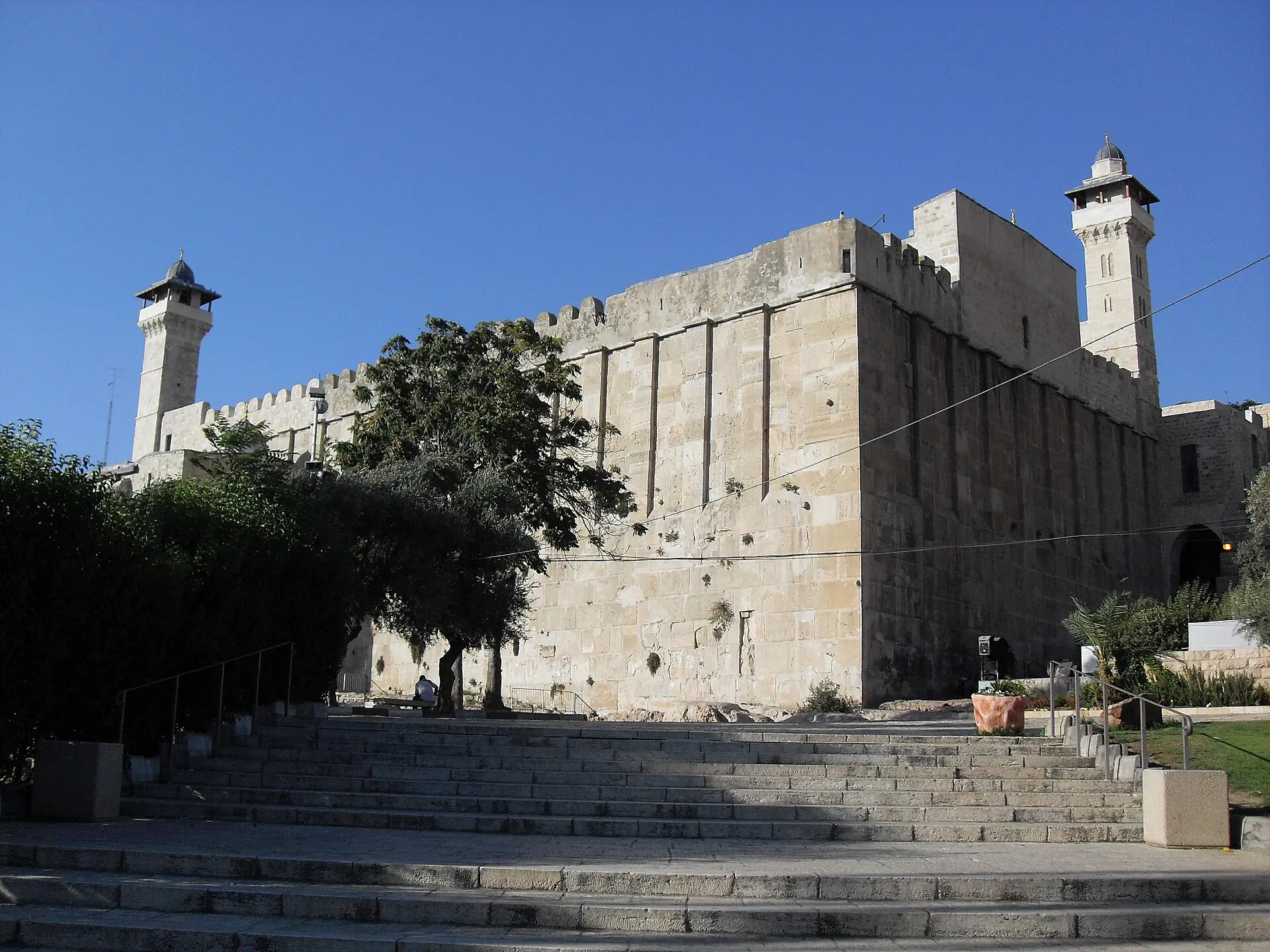
Hebron is a holy city for several faiths because of the Cave of the Patriarchs, and its old city and glassmaking tradition are notable. It is also the most tense place in the West Bank, with a divided city centre and a heavy military presence, so go only with an experienced local guide and after checking advice.
Judaean Desert and Dead Sea
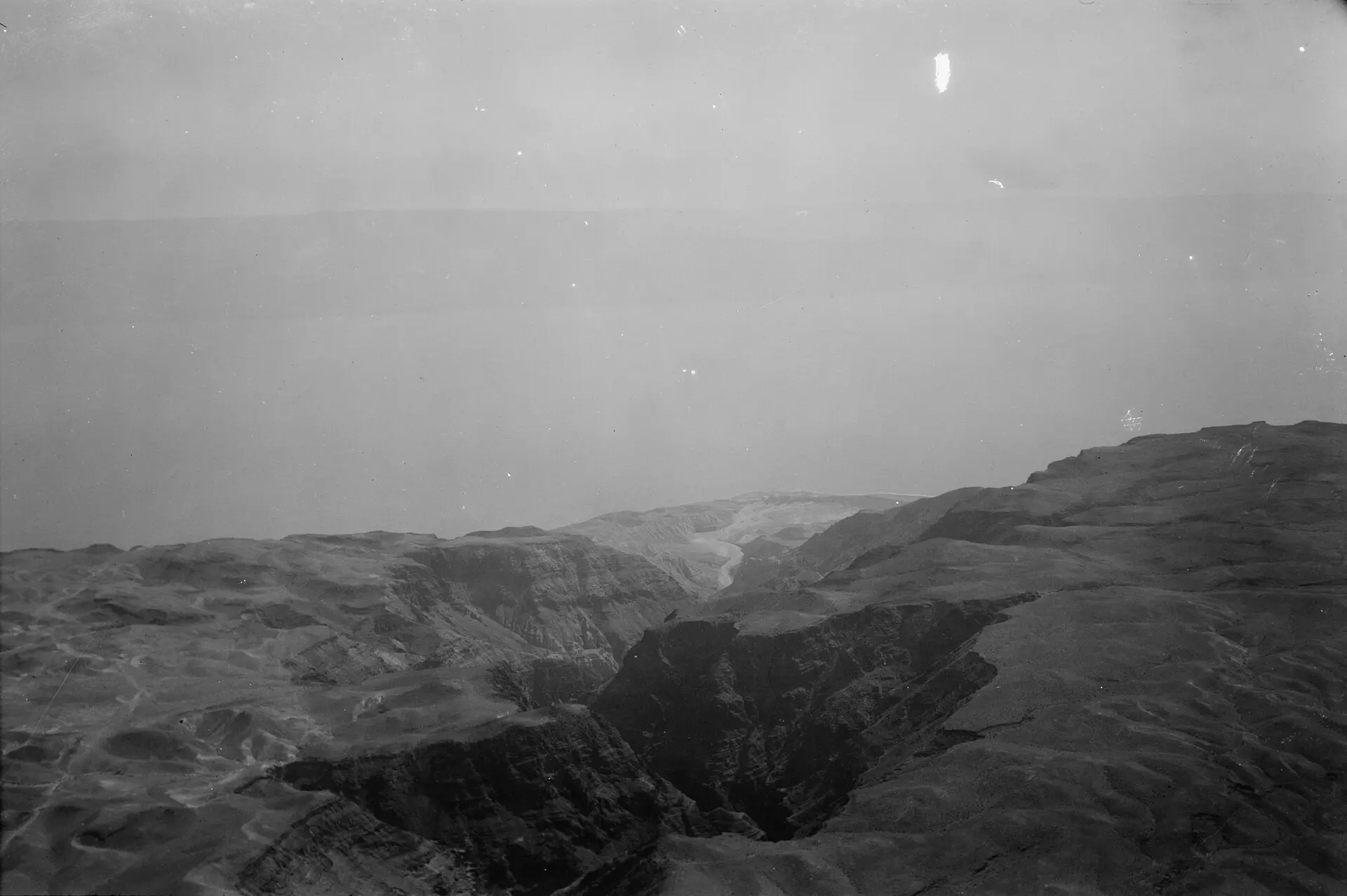
The Mar Saba monastery, the Wadi Qelt gorge and the northern Dead Sea shore are the main natural sights. They are reached by road from Jericho or Bethlehem, usually with a driver.
Things to do in Palestine
The top things to do in Palestine combine heritage, food and conversation with local people, and most can be done in day trips from Bethlehem or Ramallah.
- Visit the Church of the Nativity: descend to the grotto traditionally marked as Jesus’s birthplace, and expect queues around Christmas and Easter.
- Walk the old city of Nablus: follow the vaulted markets to a soap factory and finish with a plate of kunafa.
- Ride the Jericho cable car: it climbs to the Mount of Temptation monastery with views across the Jordan Valley.
- Explore Tel es-Sultan: the mound has some of the world’s earliest known town remains.
- Hike Wadi Qelt: a desert gorge path leads towards the cliffside St George’s Monastery; go early and carry water.
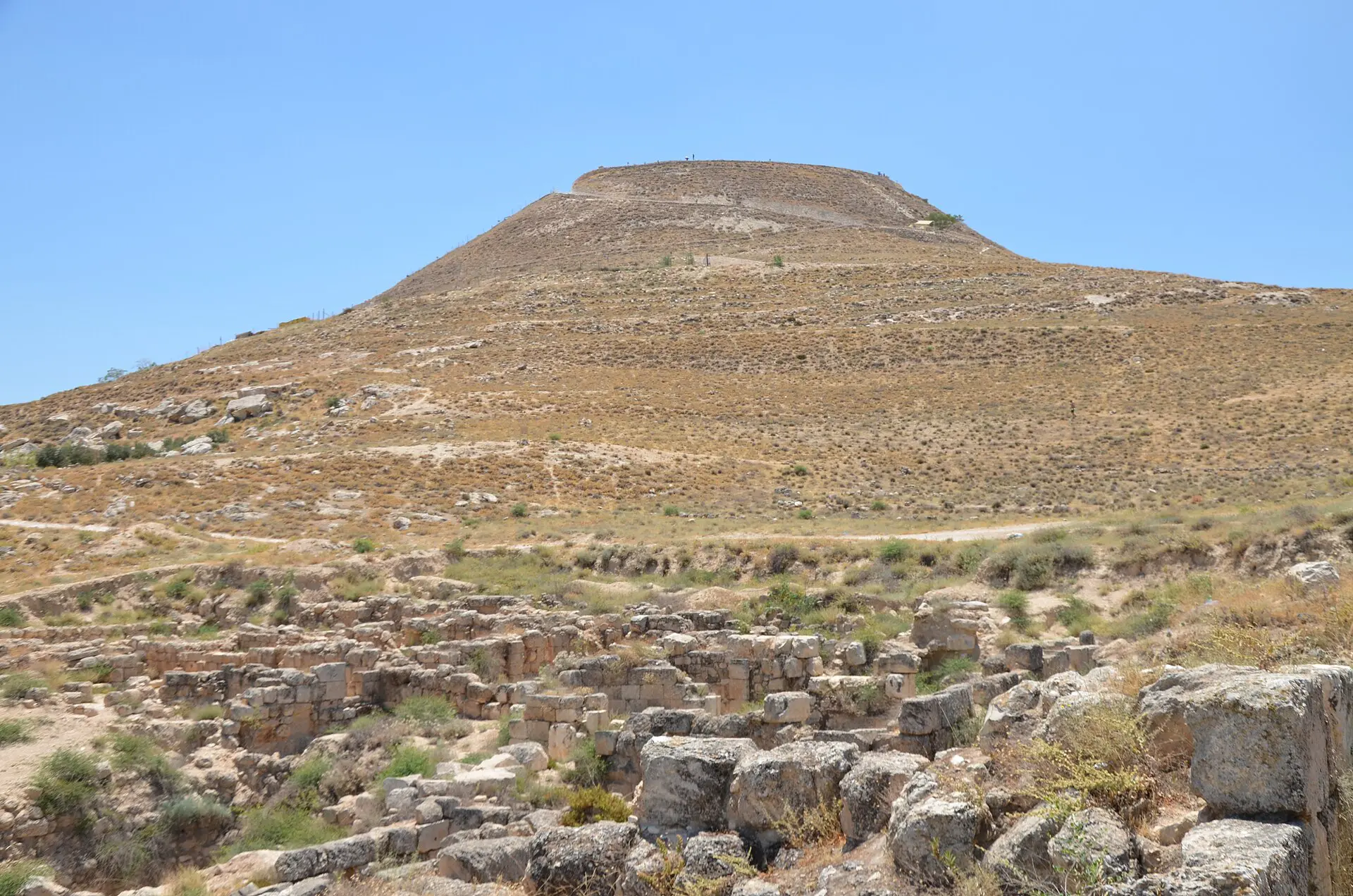
- Tour the Herodium: the fortress hill built by Herod the Great, south of Bethlehem, has underground tunnels and sweeping views.
- Join a cooking class or village visit: several Palestinian organisations run home-cooked meals and olive-harvest days in October and November.
- See the street art in Bethlehem: the separation wall carries murals and local artists’ work near the checkpoint.
- Visit Ramallah’s galleries and cafés: the city is the centre of Palestinian contemporary culture.
- Float in the Dead Sea: public beaches on the northern shore offer a free swim, though access and closures vary.
Best time to visit Palestine
The best time to visit Palestine is March to May and September to November, when days are warm rather than hot and the hills are green in spring. Summers are hot, especially in Jericho and the Jordan Valley where temperatures can pass 40 C, and winters are cool and wet in the hills, sometimes with snow in Ramallah and Hebron. Christmas and Easter bring pilgrims to Bethlehem, which raises prices, and the Muslim holy month of Ramadan changes opening hours and eating habits. Always check political conditions alongside the weather.
| Season | Weather | Crowds and prices | Good for |
|---|---|---|---|
| Spring (Mar-May) | Warm, green hills, occasional showers | Moderate; busier around Easter | Hiking, towns, village visits |
| Summer (Jun-Aug) | Hot and dry; very hot in Jericho | Lower, with some heat discounts | Ramallah, early-morning sightseeing |
| Autumn (Sep-Nov) | Warm, stable, pleasant evenings | Moderate | Olive harvest, general travel |
| Winter (Dec-Feb) | Cool and rainy in the hills, mild in Jericho | Peak at Christmas, otherwise low | Jericho, Dead Sea, Bethlehem at Christmas |
Local holidays and security events can close checkpoints with little warning, so keep a flexible day in your plan.
Is Palestine safe to visit?
Not in the usual sense: Palestine carries serious risks, and many governments advise against all travel to Gaza and against travel to some or most of the West Bank. Gaza is an active war zone and is closed to tourists. In the West Bank, many places can still be visited, but security conditions vary by town and by week, so follow the latest advice from sources such as the UK FCDO or the US State Department.
Security. Military incursions, protests, settler violence and clashes occur, most often around Nablus, Jenin, Tulkarm, Hebron and some roads between settlements. Avoid demonstrations, stay away from checkpoints at night and do not approach military installations.
Movement. Checkpoints and closures can strand travellers or add hours to a journey. Carry your passport at all times, expect bag checks, and have a flexible return plan, especially if you need to reach a flight.
Everyday safety. Violent crime against foreign visitors is uncommon, and Palestinians are typically welcoming to visitors. Women travelling alone usually report courtesy but should dress modestly. Be careful if you drive a rental car with Israeli plates in Palestinian cities, which may attract hostility.
Insurance and contingency. Many travel insurance policies exclude areas under government warnings, so read the exclusions, register with your embassy and keep emergency contacts to hand.
Visa and entry requirements for Palestine
Palestine does not issue its own visas or run its own international borders. Israel controls access to the West Bank, so nearly all visitors enter through Israel, either by flying into Tel Aviv or by land from Jordan across the Allenby/King Hussein Bridge. Entry rules therefore follow Israeli policy, which varies by nationality and can change at short notice. Many Western passport holders are admitted as tourists for up to 90 days, but border officers have wide discretion, and some travellers are questioned for a long time or refused.
Be ready to explain your plans, show onward travel and accommodation, and keep your passport valid for at least six months. Travellers with Palestinian, Arab or Muslim backgrounds, or who mention working with local organisations, report more screening. Do not rely on a printed Palestinian invitation to override Israeli rules. Foreigners may not enter Gaza through Israeli crossings without special permission, and the Rafah crossing with Egypt is not a tourist route.
Check requirements with the Israeli immigration authority, the Palestinian Authority’s diplomatic missions and your own embassy. The UNESCO page for Palestine lists World Heritage sites such as Bethlehem, Hebron’s old town and Battir.
Getting to and around Palestine
Most travellers fly into Ben Gurion Airport near Tel Aviv, or into Amman in Jordan and cross the King Hussein/Allenby Bridge. The Palestinian territories have no operating commercial airport. From Jerusalem, Bethlehem is about 10 kilometres south and reached by bus 231 or a taxi to the Checkpoint 300 crossing, with a short walk through the terminal. Ramallah is reached from Jerusalem’s Damascus Gate area by minibus or bus to Qalandia checkpoint, and onward by taxi, usually in under an hour but longer at busy times.
Within the West Bank, shared taxis (service taxis) and minibuses link cities cheaply and leave when full; ask locals which stand serves your destination. Palestinian and Israeli bus networks are largely separate. Rental cars are usually Israeli-plated and are often not insured for Palestinian areas, so many visitors hire a local driver or a guide for the day instead. Nablus from Ramallah takes about an hour by road, and Hebron from Bethlehem around 40 minutes, but allow for delays at checkpoints and closures. Travel in daylight, and confirm the route is open on the morning you travel.
How much does a trip to Palestine cost?
Costs in the West Bank are lower than in Israel but higher than many neighbours expect. The shekel (ILS) is used in practice, with US dollars and Jordanian dinars also accepted in some places. The figures below are rough per-person guides for 2026 and change with the exchange rate and the political situation.
- Budget: around USD 40 to 60 per day, with hostels or simple guesthouses, shared taxis, falafel and shawarma meals.
- Mid-range: around USD 60 to 120 per day, with comfortable hotels, restaurant meals, a driver or guide for some days and entry fees.
- High-end: from around USD 150 per day, with boutique hotels in Bethlehem or Ramallah and a private guide and car.
Accommodation in Bethlehem rises at Christmas and Easter. The cost of getting to the region, especially a flight into Tel Aviv, is often larger than the daily spend. Expect to pay for a guide in Hebron and for transport that avoids checkpoints, and set aside a contingency fund for delays and rebooking.
Palestine food and drink
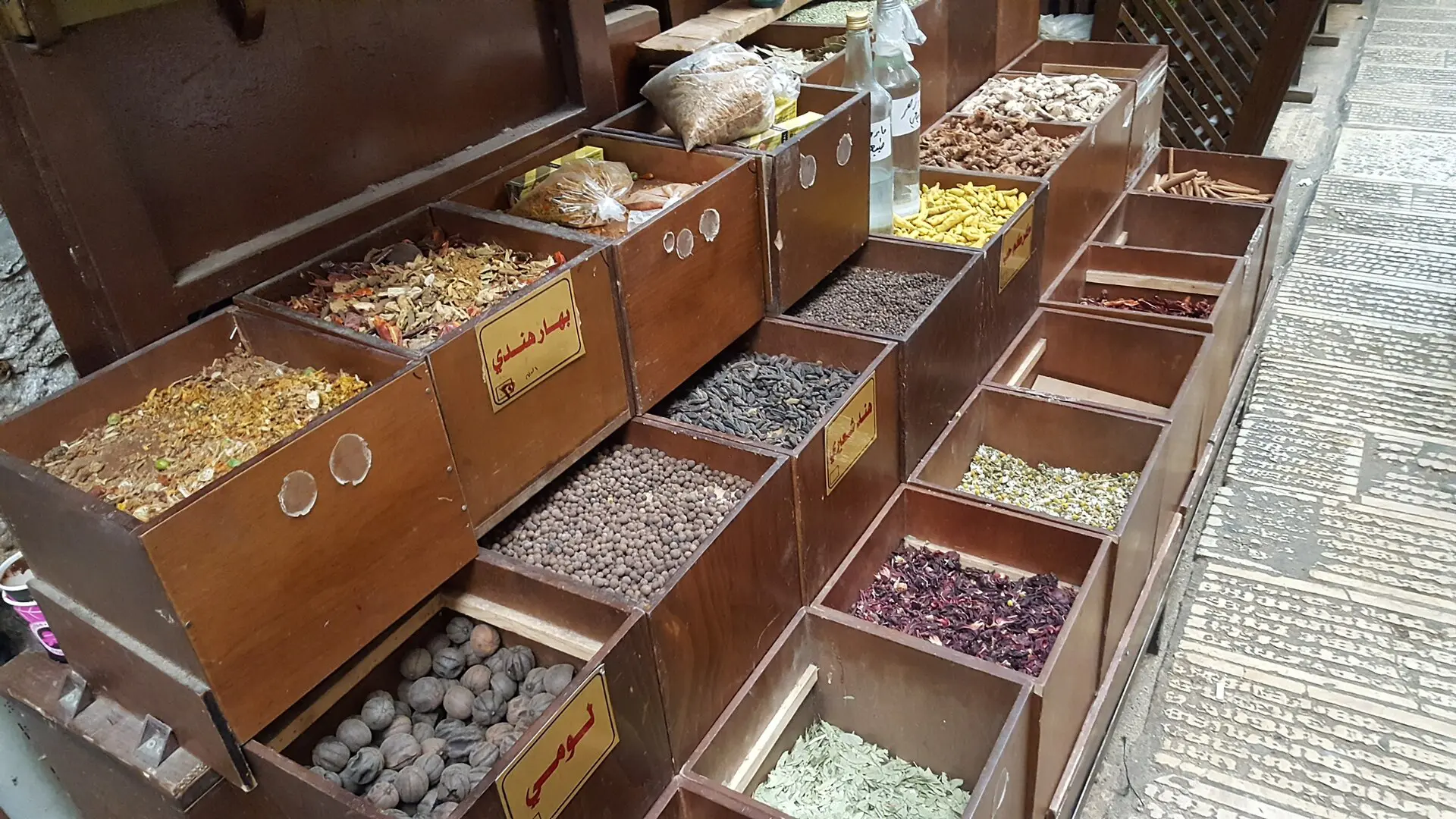
Palestine food centres on olive oil, za’atar, fresh vegetables, legumes and slow-cooked meat, and it rewards curious eaters. Meals are shared, with plenty of small dishes and bread.
- Maqluba: an upside-down pot of rice, spiced meat or chicken and fried vegetables, flipped at the table.
- Musakhan: roasted chicken with sumac and onions on taboon bread, closely linked to the olive harvest.
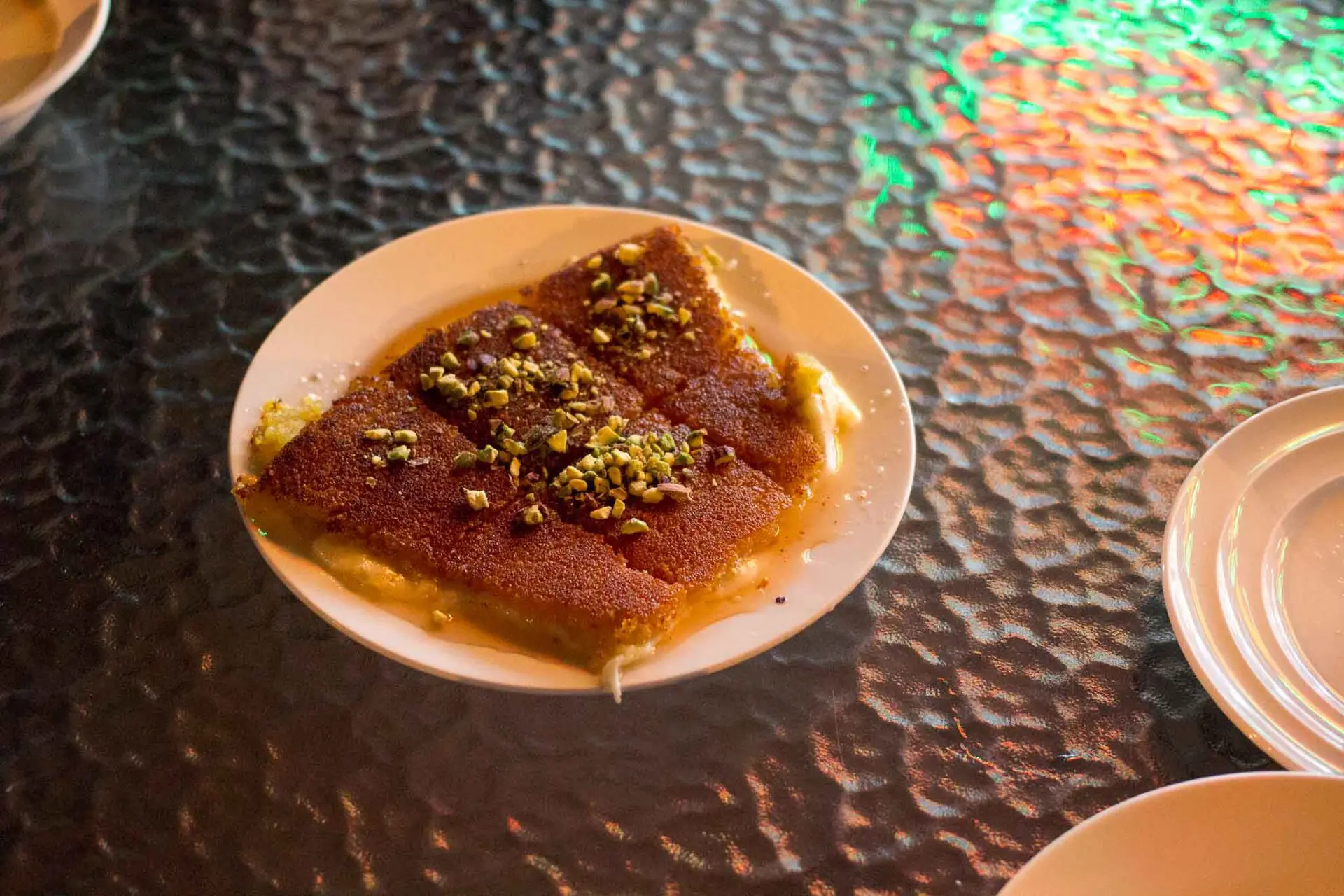
- Kunafa Nabulsia: hot cheese pastry soaked in syrup, the signature dessert of Nablus.
- Mansaf: lamb in a dried-yoghurt sauce over rice, served at celebrations and to honoured guests.
- Hummus, foul and falafel: the standard breakfast, eaten with fresh bread, pickles and olive oil.
- Arabic coffee: strong, cardamom-scented and served with sweets.
- Taybeh beer and local wine: Taybeh is a well-known Palestinian brewery near Ramallah, and a few Christian villages make wine.
Vegetarians eat well, as vegetable dishes, salads and legumes are central. Alcohol is available in Christian towns such as Bethlehem and in Ramallah but rarely elsewhere. During Ramadan, restaurants may close during daylight, and it is polite not to eat or drink in public.
Culture, language and etiquette in Palestine
Arabic is the main language, with a distinctive Levantine Palestinian dialect. English is widely understood in Ramallah, Bethlehem and tourism businesses, and many people also speak some Hebrew. A few phrases help: shukran (thank you), marhaba (hello), and ahlan wa sahlan (welcome). The population is predominantly Muslim, with a significant Christian minority concentrated in Bethlehem, Beit Jala and Ramallah.
Hospitality is central. You may be invited for tea or coffee, and refusing repeatedly can seem rude, so accept at least once. Dress modestly in towns outside Ramallah and Bethlehem: shoulders and knees covered, and a scarf for women entering mosques. Remove shoes before entering a mosque or private home. Use your right hand for eating and handing items.
Politics is part of daily life, and people often talk about it with visitors. Listen respectfully, avoid arguing, and do not assume views from appearance. Ask before photographing people, and never photograph soldiers, checkpoints or military installations. Do not wear clothing with national or political symbols. Friday is the weekly day of prayer, so many shops close in the morning.
Palestine itinerary: a 7-day route
This route covers the safer, most visited parts of the West Bank, uses Bethlehem and Ramallah as bases and leaves out Gaza and areas where governments advise against all travel. Check each day’s conditions the evening before, and swap days if a checkpoint or town is closed.
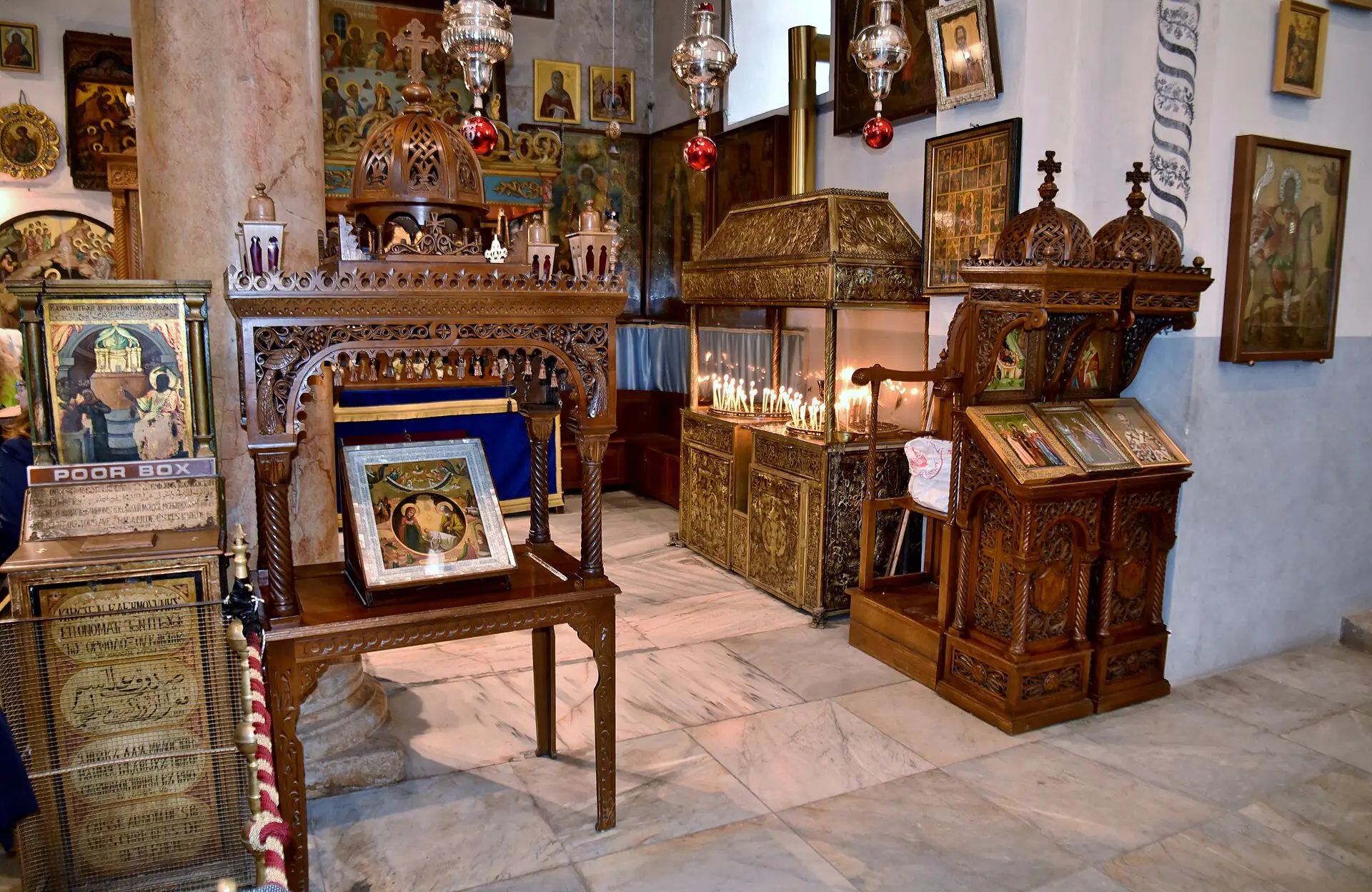
- Day 1, Jerusalem to Bethlehem: cross at Checkpoint 300, visit the Church of the Nativity and the Milk Grotto, and walk Star Street.
- Day 2, Herodium and Battir: visit the Herodium fortress in the morning, then walk the Battir terraces in the afternoon.
- Day 3, Jericho: go by road via the desert, visit Tel es-Sultan, ride the cable car and swim at the Dead Sea.
- Day 4, Wadi Qelt: hike the gorge towards St George’s Monastery in the morning and return to Bethlehem.
- Day 5, Ramallah: take a service taxi or bus to the city, see the Arafat Museum and eat dinner in the centre.
- Day 6, Taybeh and Birzeit: visit Taybeh brewery and nearby villages, or add Nablus only if advice and conditions allow, with a local guide.
- Day 7, departure: allow extra time for checkpoints back to Jerusalem or the Allenby Bridge, and arrive at the airport well before your flight.
Hebron and Nablus are possible only with a guide and after checking the latest conditions; if advice worsens, replace them with extra time in Bethlehem and the desert.
Practical tips for Palestine
- Money: the Israeli shekel is the main currency; ATMs exist in all towns, and cards work in hotels and restaurants. Carry small notes for taxis and markets.
- SIM and eSIM: local SIMs and eSIMs work, though Israeli and Palestinian networks overlap and roaming can bill at foreign rates, so check your plan.
- Plugs: types C and H at 230 V; bring a universal adapter.
- Tipping: about 10 percent in restaurants if service is not included.
- Health: bring travel insurance with medical evacuation, avoid unwashed salads if your stomach is sensitive and carry sun protection and water for desert days.
- Packing: modest clothing, comfortable walking shoes, a scarf, a copy of your passport and a power bank.
- Guides: hire a licensed local guide for sensitive places, and book through reputable Palestinian tour operators.
- Planning: keep your itinerary loose, tell your embassy or hotel where you are going and monitor news daily.
For more regional background, see the Wikivoyage West Bank guide.
FAQ
Q1What is there to see and do in Palestine?
The main sights are in the West Bank: the Church of the Nativity in Bethlehem, Nablus old city and its kunafa, Jericho and the Mount of Temptation, the Herodium, Wadi Qelt and the cafés and galleries of Ramallah. Hebron and Nablus need extra caution and a local guide.
Q2What is Palestine food like?
Palestine food is built on olive oil, za'atar, legumes, vegetables and slow-cooked meat. Try maqluba, musakhan, hummus and foul for breakfast, falafel, and kunafa Nabulsia. Meals are served communally, vegetarians eat well, and Arabic coffee with cardamom follows most meals.
Q3Is Palestine safe?
Not without serious precautions. Governments advise against all travel to Gaza and against travel to parts of the West Bank, and conditions change quickly. Check your government's latest advice, avoid protests and checkpoints at night, use local guides and carry insurance that covers the area.
Q4Is Palestine safe to visit as a tourist?
Parts of the West Bank, such as Bethlehem, Jericho and Ramallah, are visited by tourists, and violent crime against foreigners is uncommon. The main risks are political: clashes, closures and military operations. Gaza is closed. Review your government's advice before each day trip.
Q5Do I need a visa for Palestine?
Palestine does not issue its own tourist visa. You enter through Israel or Jordan, so Israeli entry rules for your nationality apply, and many Western visitors receive a tourist stay of up to 90 days at the border. Rules and border decisions change, so check official sources.
Q6What is the best time to visit Palestine?
March to May and September to November are best, with mild weather and green hills in spring. Summer is hot, especially in Jericho, and winter is cool and rainy in the hills. Christmas and Easter bring crowds and higher prices to Bethlehem.
Q7How do you get to the West Bank?
Most visitors fly to Ben Gurion Airport near Tel Aviv or to Amman and cross the Allenby/King Hussein Bridge. From Jerusalem, Bethlehem and Ramallah are reached by bus and checkpoint crossings, and there are shared taxis between West Bank cities. Allow extra time for delays.