Why visit Pakistan
Pakistan travel appeals to people who want history, mountains and hospitality at a scale few countries match. The country covers about 882,000 square kilometres (see the Wikipedia overview) and includes the ruins of the Indus Valley civilisation at Mohenjo-daro, the Gandhara remains at Taxila, Mughal gardens and mosques in Lahore, and a stretch of the Karakoram, Hindu Kush and Himalaya with peaks including K2.
It suits experienced independent travellers, hikers, photographers and anyone interested in South Asian history who is comfortable with risk, heat, crowds and a conservative society. It is not an easy first trip abroad. Security conditions vary a great deal between regions and change quickly, many governments warn against travel to parts of the country, and tourism infrastructure is limited outside major cities and the northern valleys. Visitors usually describe the people they meet as generous and curious.
Best places to visit in Pakistan
The best places to visit in Pakistan lie mostly in the north and the Punjab plains, away from the border regions that governments advise against.
Lahore
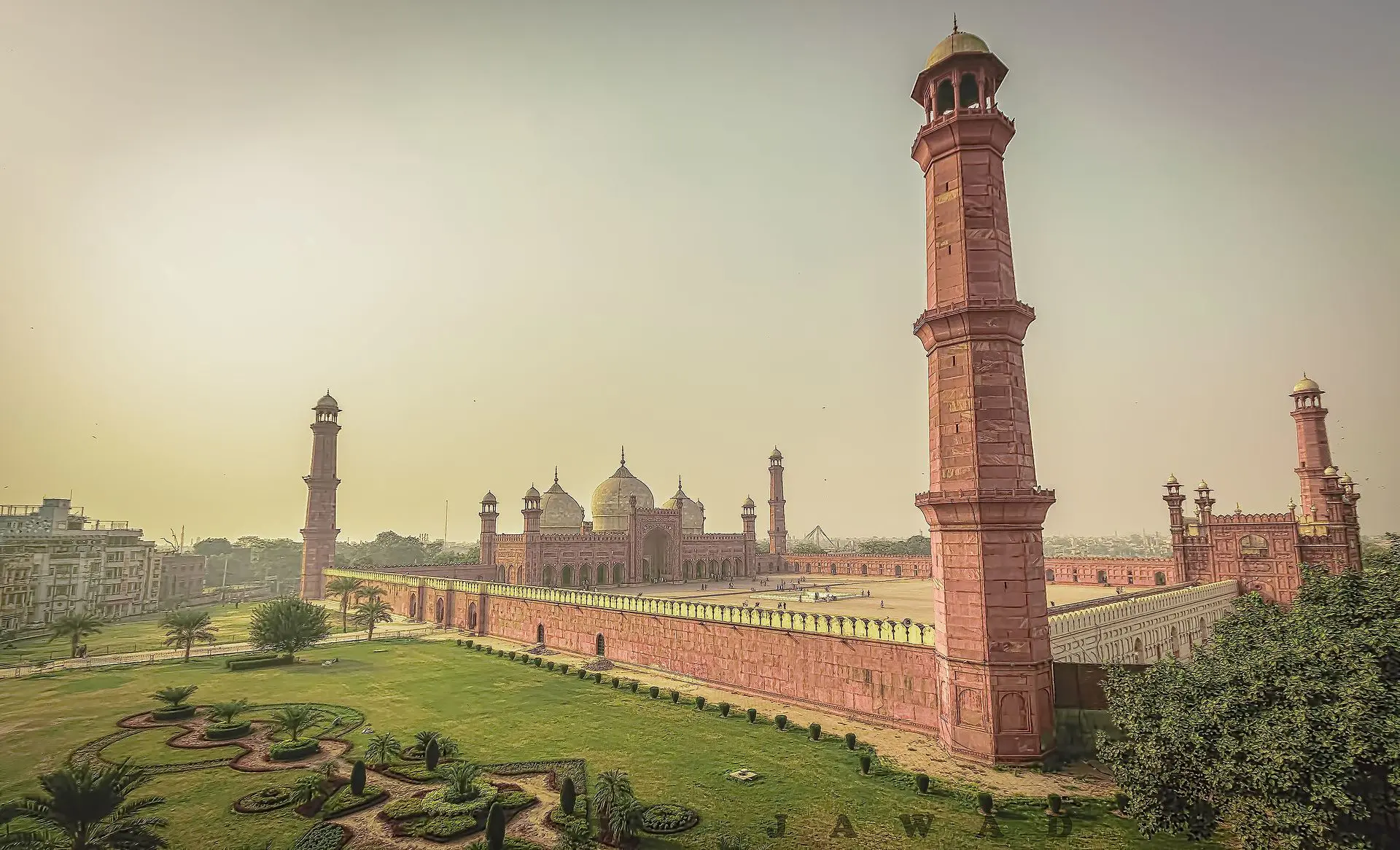
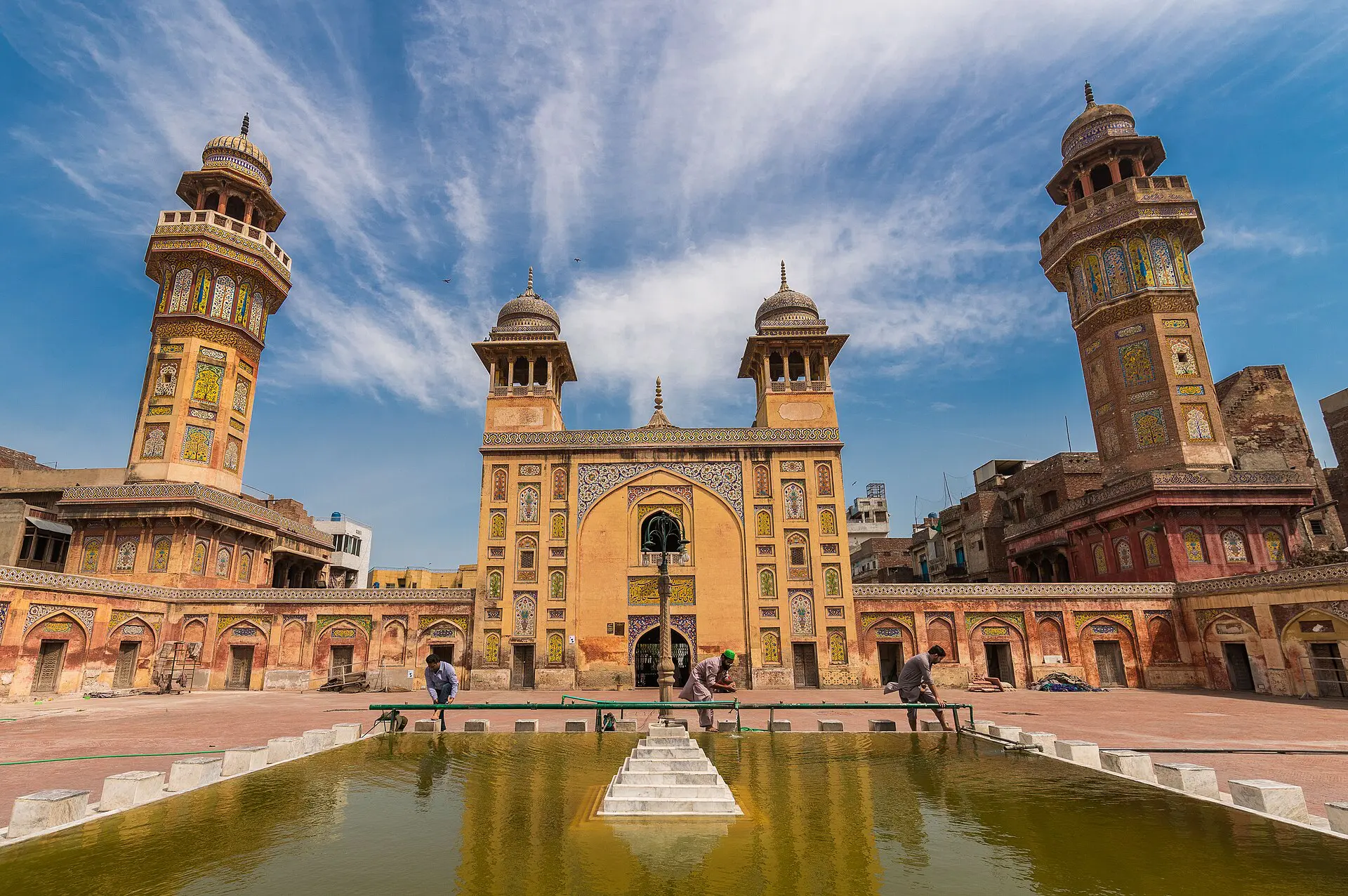
The cultural capital of the Punjab has the Walled City, Lahore Fort, the Badshahi Mosque, Wazir Khan Mosque and the Shalimar Gardens. It is the best-known city for food. Allow three days.
Islamabad and Rawalpindi
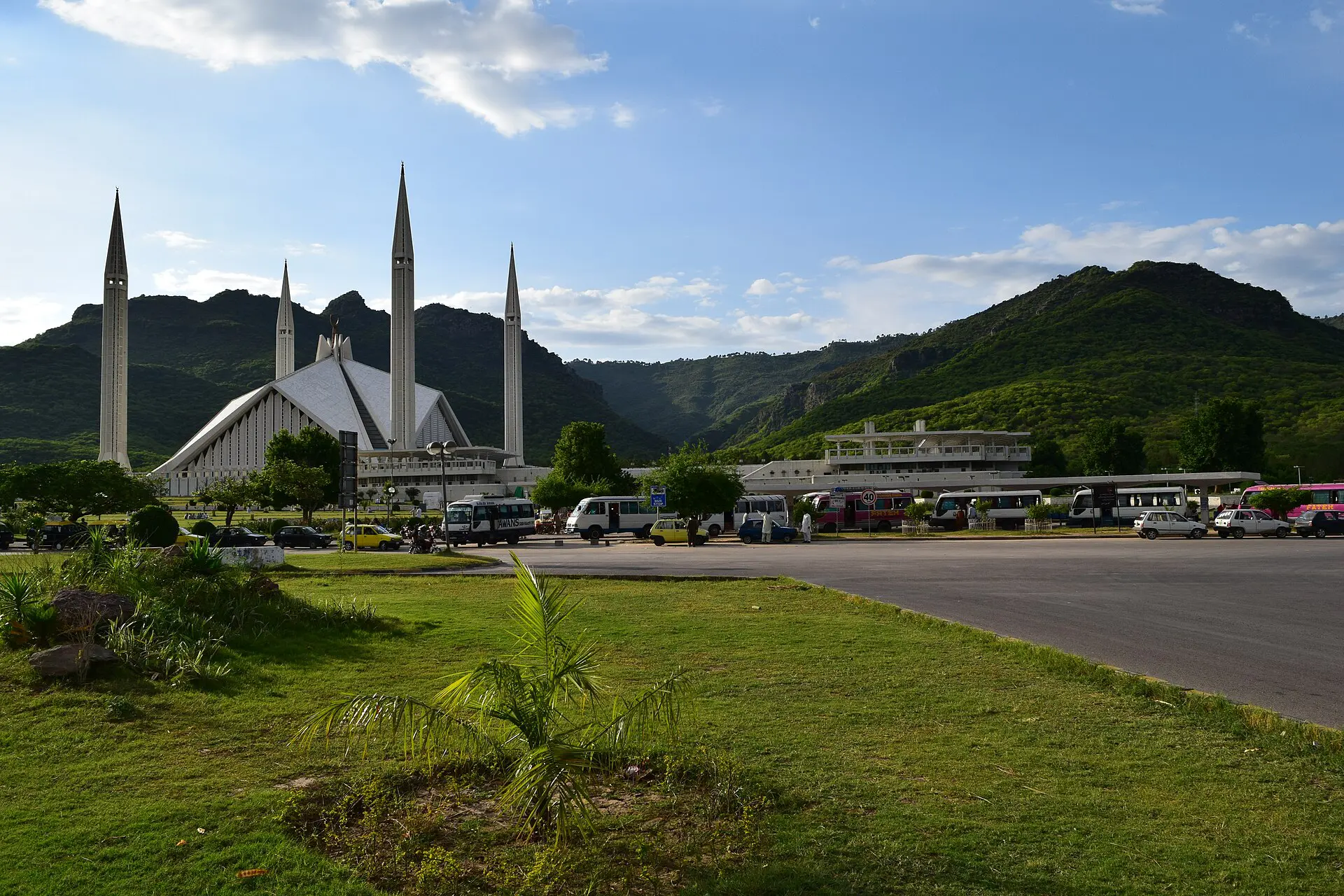
The planned capital is green and calm, with the Faisal Mosque and the Margalla Hills. Rawalpindi next door is older and busier. Taxila, a Buddhist and Gandhara site, is a day trip.
Hunza Valley
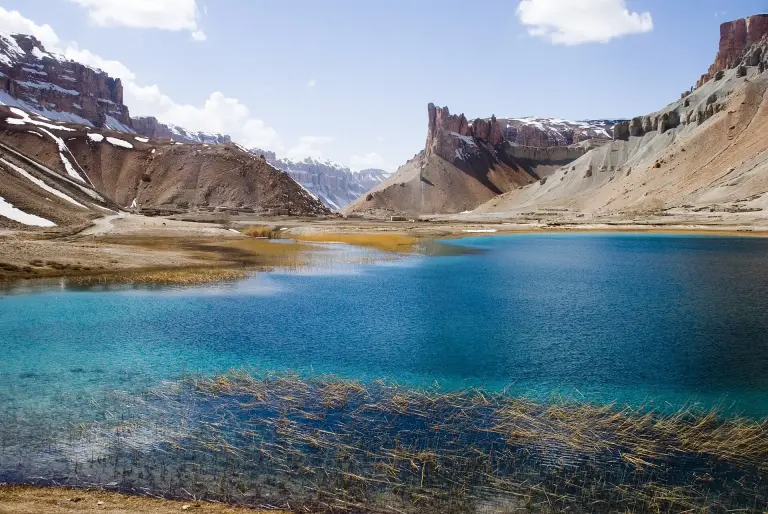
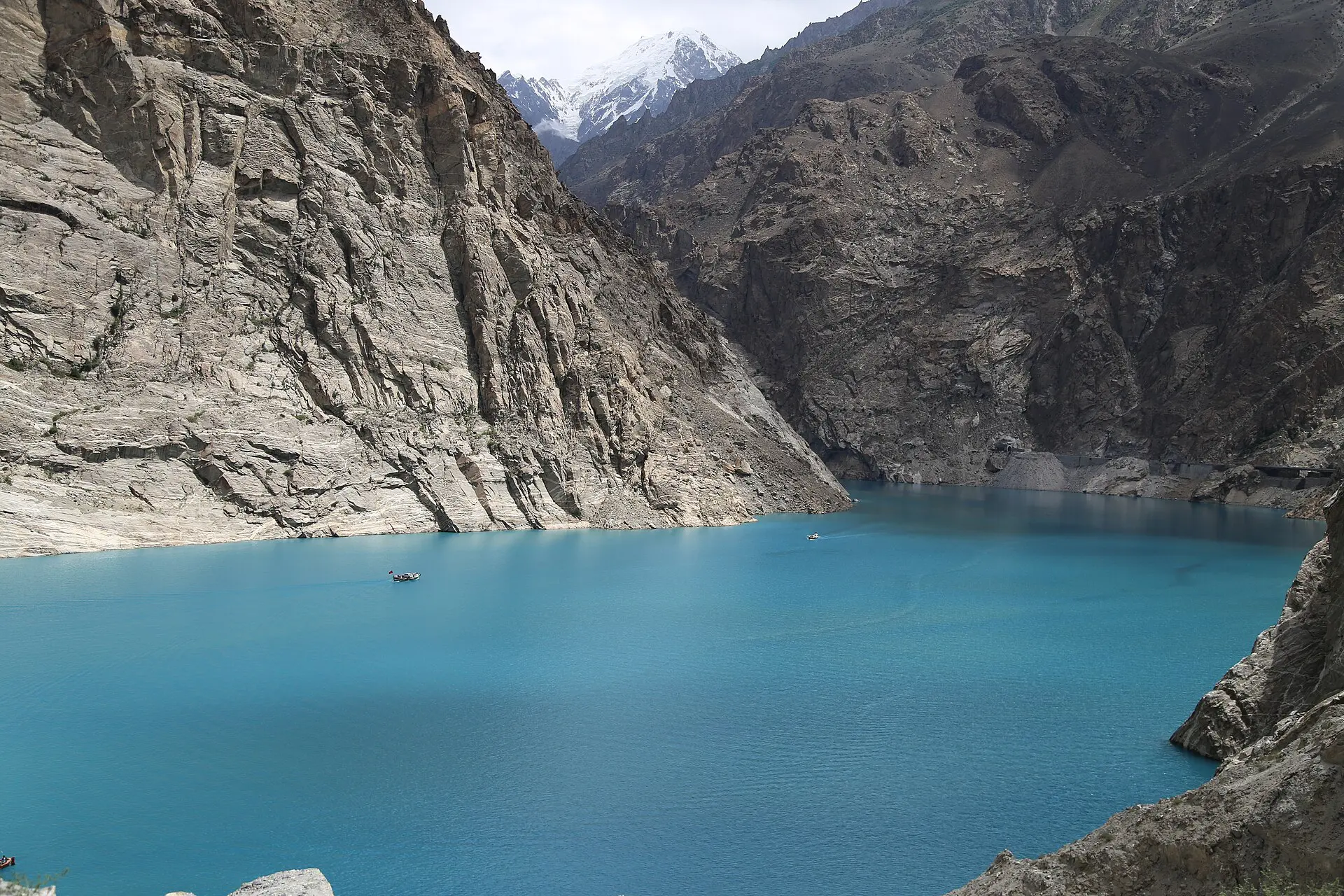
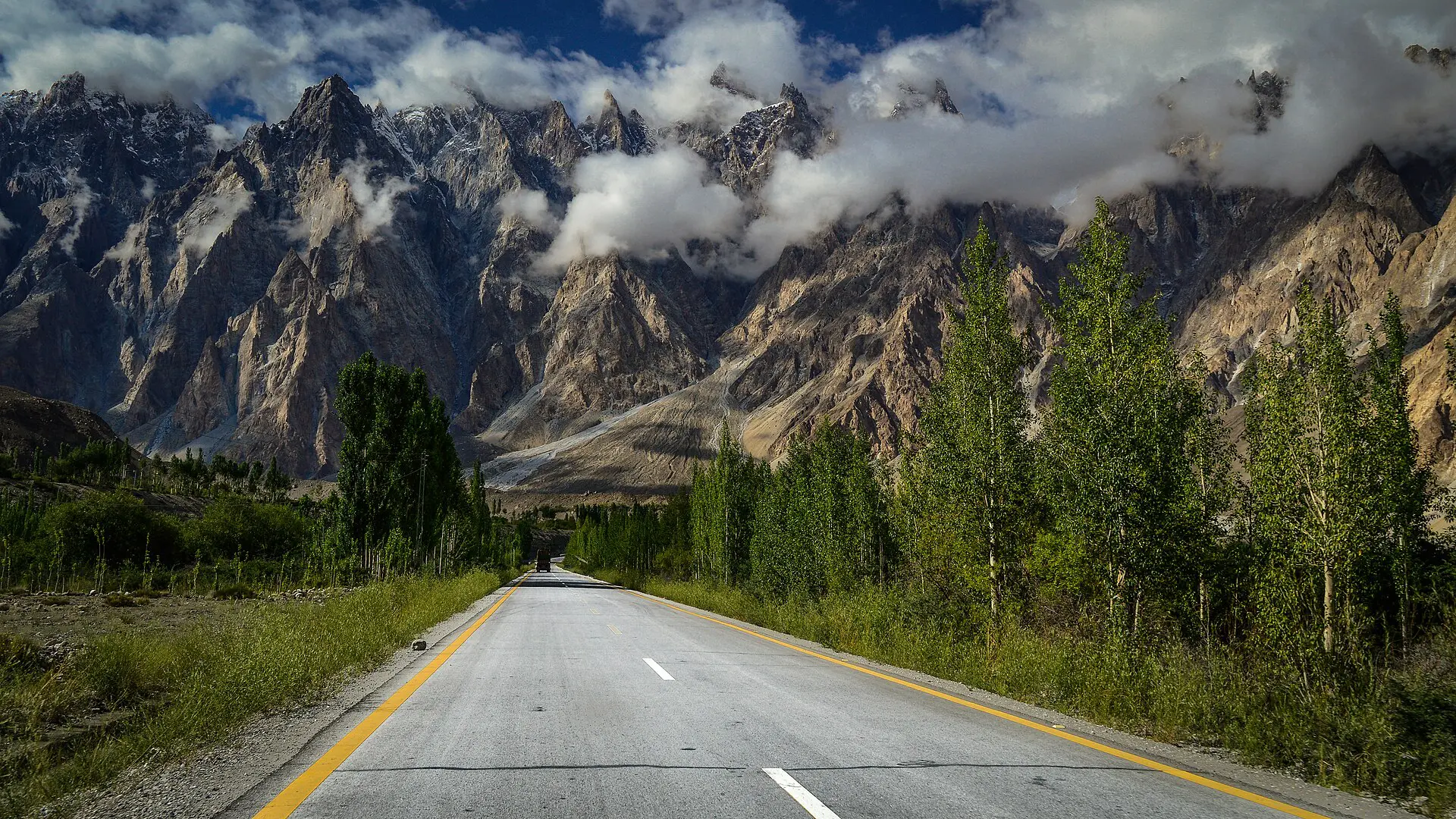
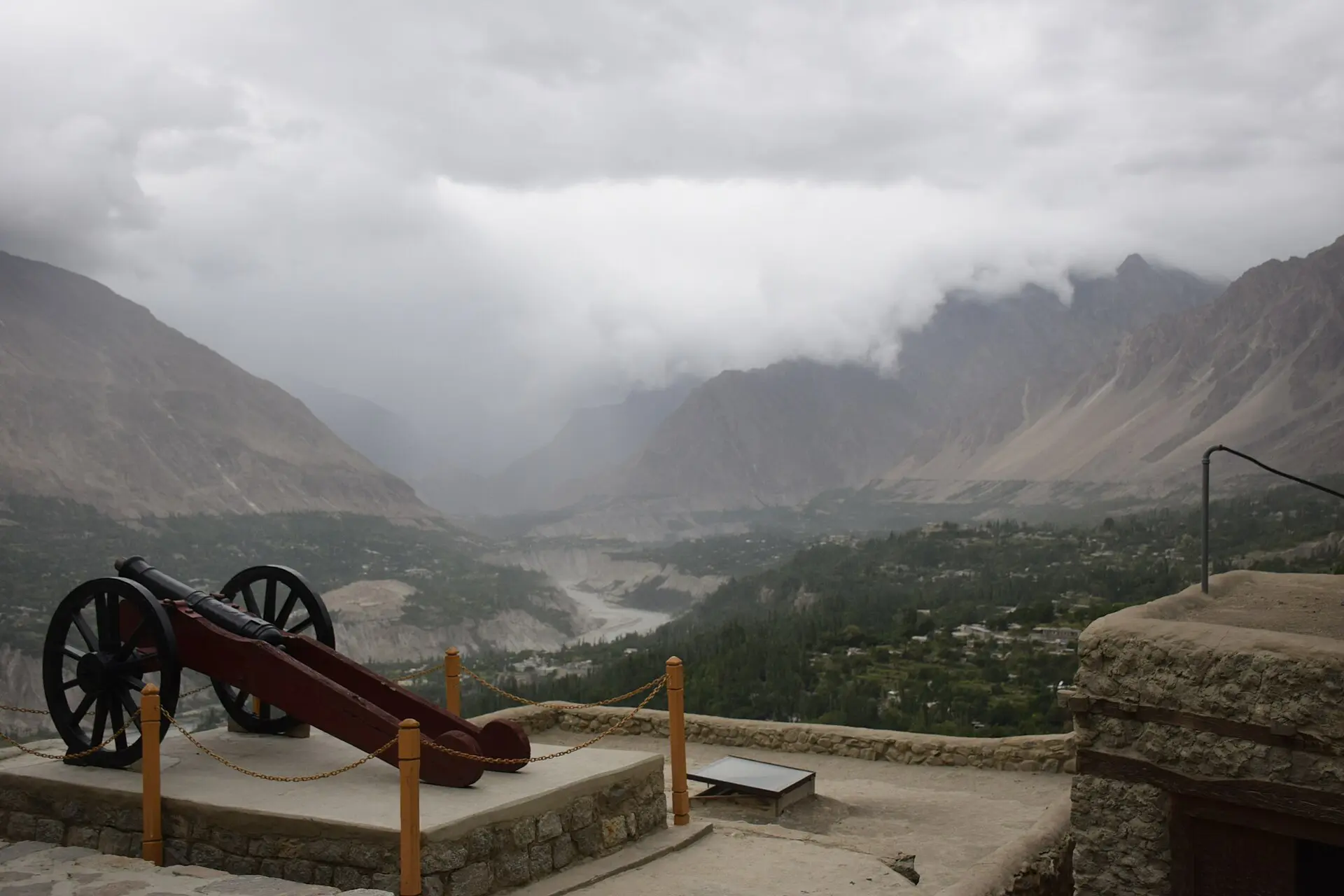
Karimabad, Baltit Fort, Attabad Lake and the Passu cones are the main sights, with apricot orchards and views of Rakaposhi. The valley is a base for treks and a drive to Khunjerab Pass.
Skardu and Deosai
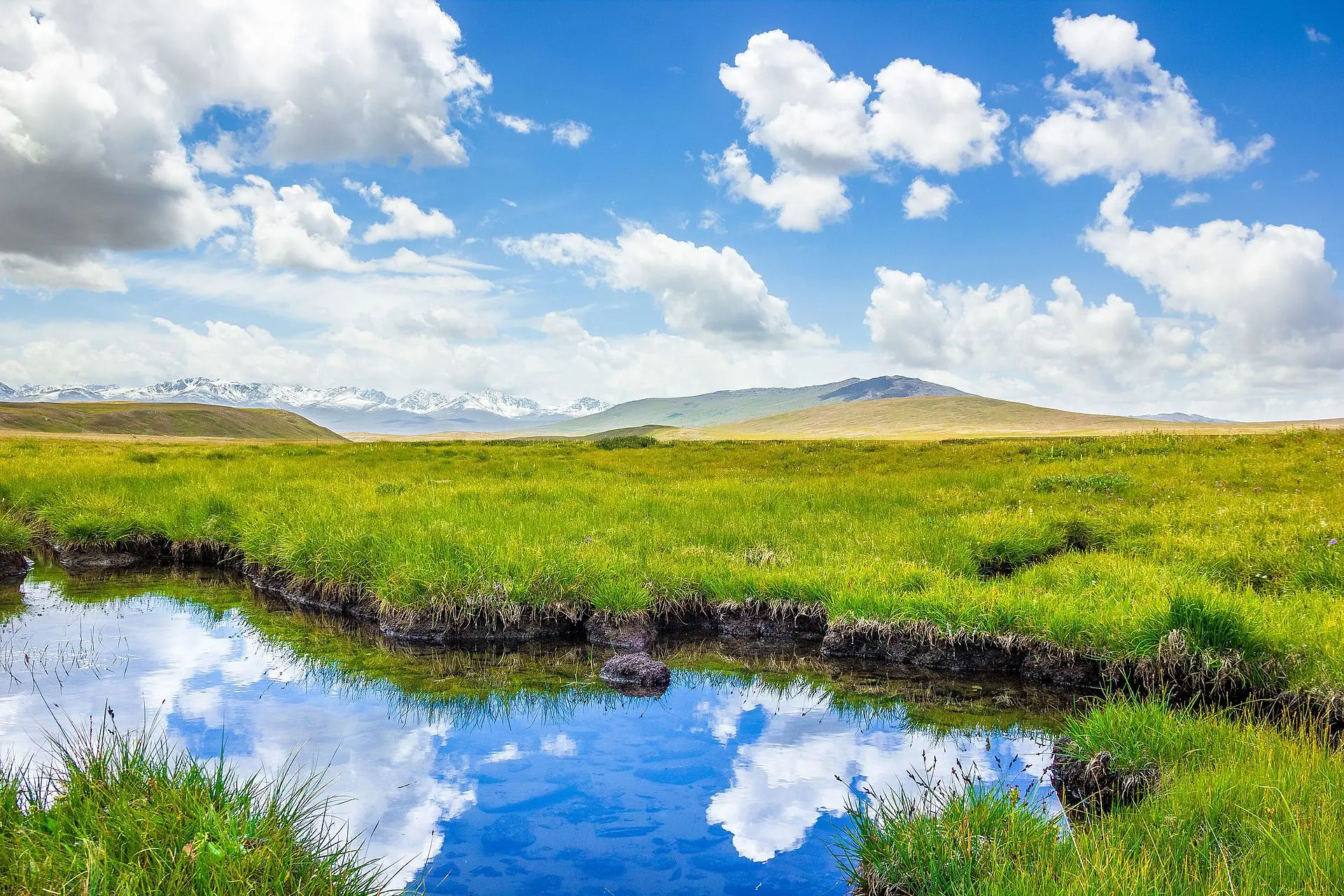
Skardu is the gateway to K2 and Baltoro treks, and the high Deosai Plains and Shangrila lake are popular in summer. Flights are often delayed by weather.
Fairy Meadows
A short trek leads to meadows with a close view of Nanga Parbat. The road to the trailhead is steep and the area has had security incidents, so check current advice.
Sindh and Multan
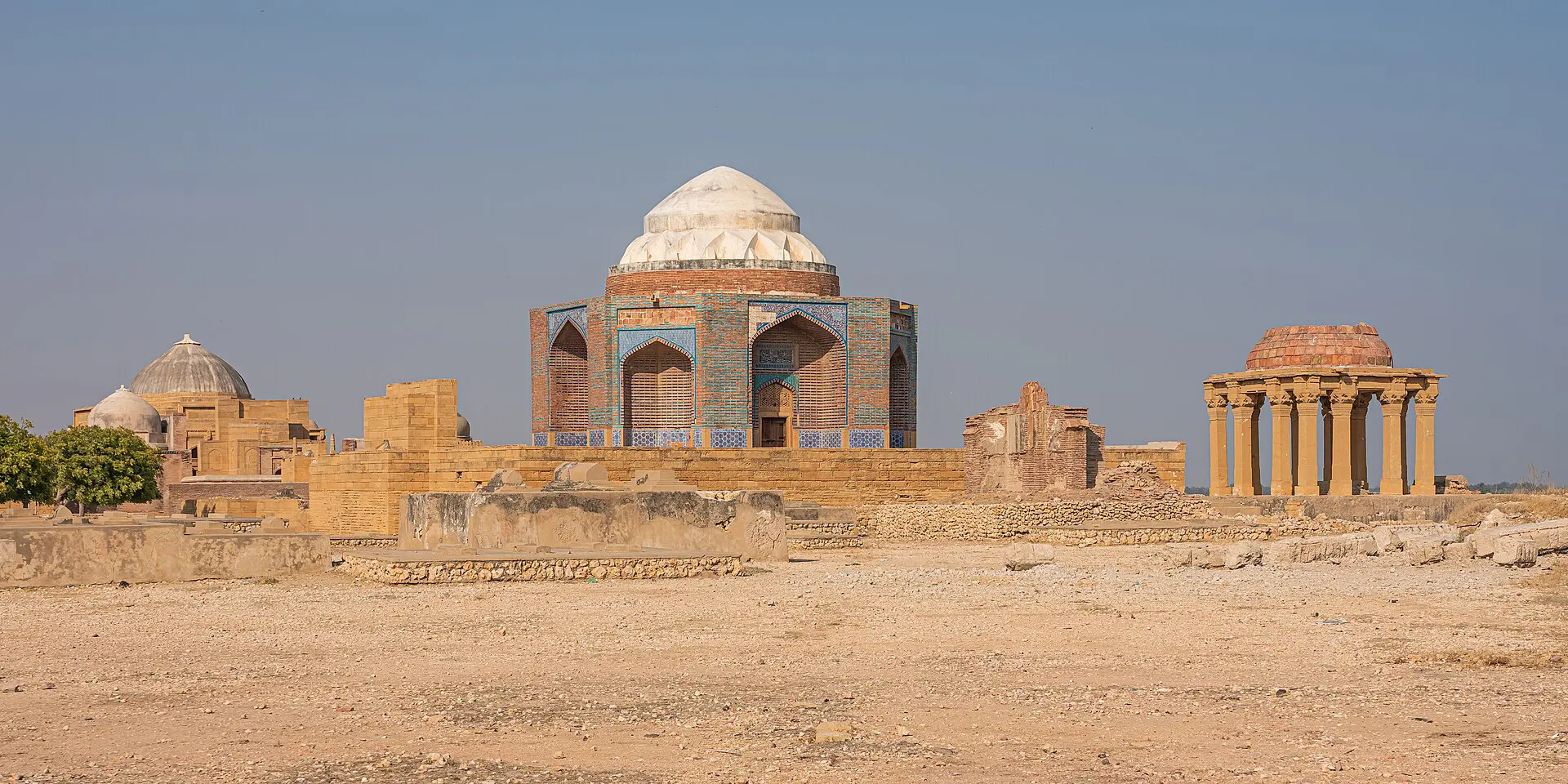
Mohenjo-daro, the Makli necropolis near Thatta and the shrines of Multan show the south’s history, but security and heat require extra planning.
Things to do in Pakistan
The top things to do in Pakistan centre on heritage, mountain scenery and food, and many are possible without a long trek.
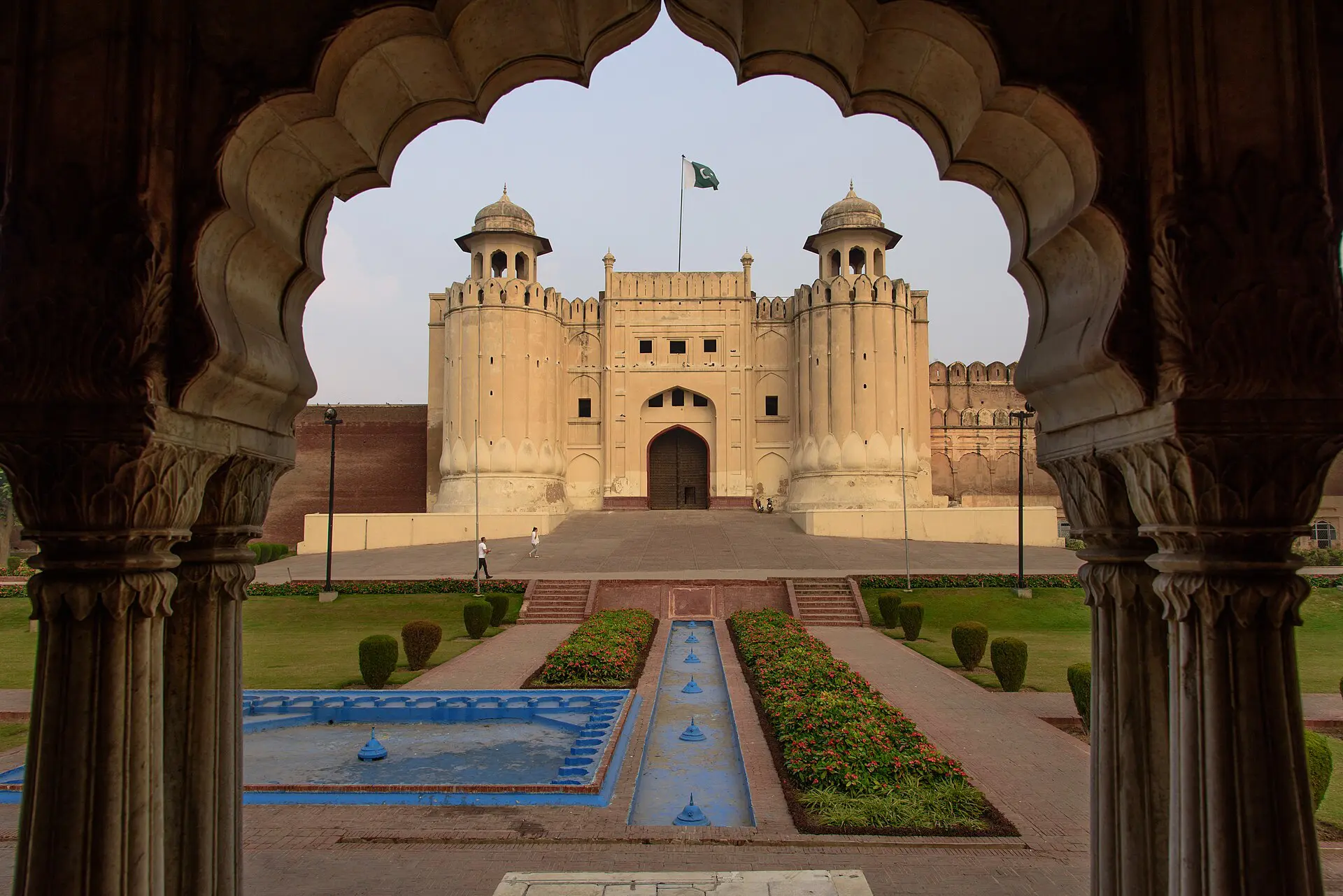
- Walk Lahore’s Walled City: enter through Delhi Gate and follow the lanes to Wazir Khan Mosque and Lahore Fort.
- Visit Badshahi Mosque: one of the largest Mughal mosques, best seen at dusk.
- Tour Taxila: the Buddhist stupas and monasteries show the Gandhara period, about an hour from Islamabad.
- Drive the Karakoram Highway: the road climbs through the Himalaya, Karakoram and Hindu Kush; check current conditions and advice before choosing a route.
- Explore Baltit Fort in Karimabad: the restored fort overlooks Hunza with peaks behind.
- Walk the Passu Cones area: a short trail and the Hussaini suspension bridge give a famous mountain view.
- Visit Deosai National Park: the high plateau has wildflowers and brown bears; access is generally limited to summer.
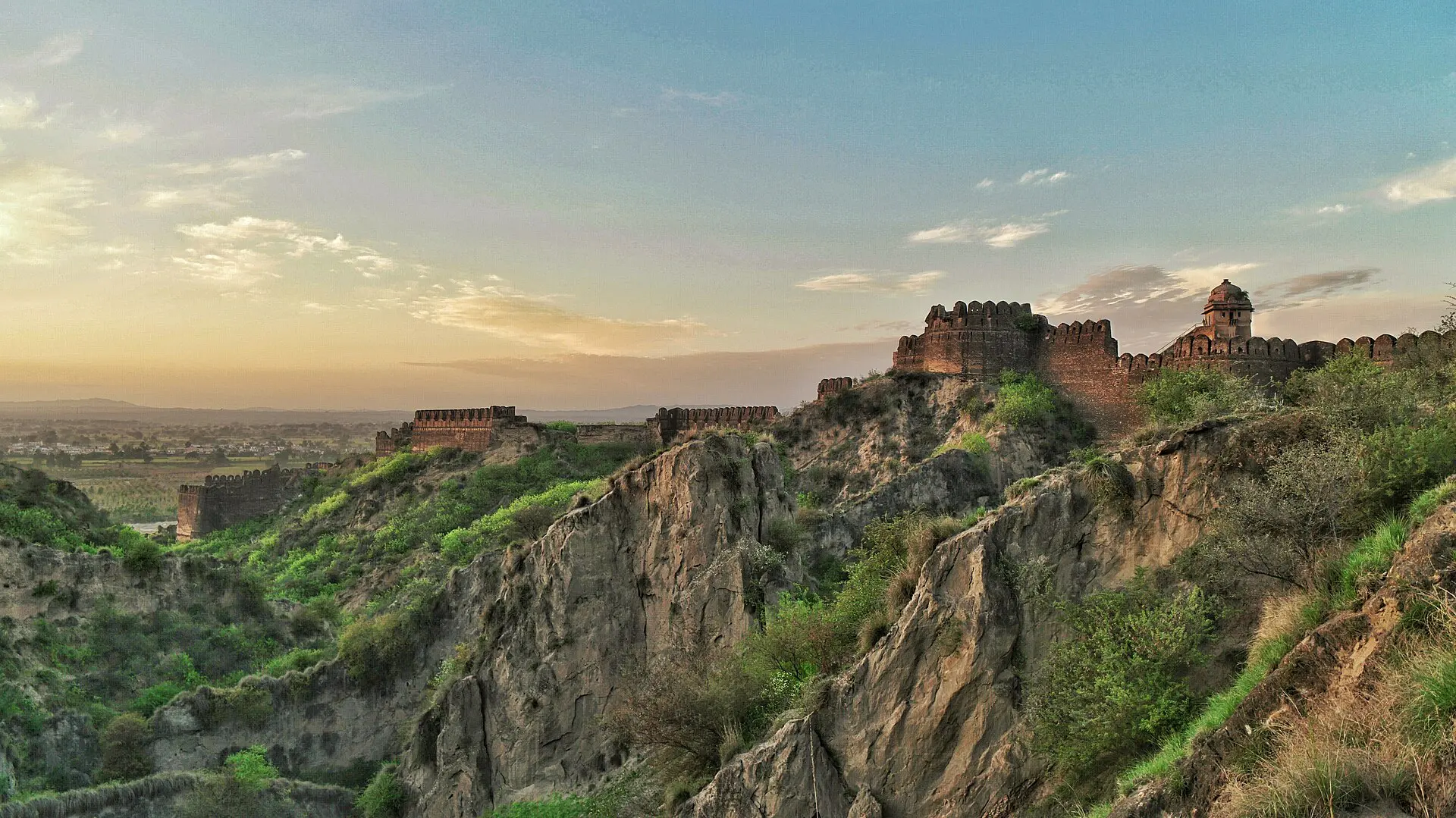
- See Rohtas Fort: a huge 16th-century fort near Jhelum.
- Ride the Margalla Hills trails: easy walks above Islamabad suit a half-day.
- Eat in Lahore’s Food Street: grills and sweets in the old city are a main draw.
Best time to visit Pakistan
The best time to visit Pakistan depends on where you go. The northern mountains are best from April to October, with July and August the main trekking season, and the plains of Punjab and Sindh are best from November to March. From May to August, cities such as Lahore, Multan and Karachi are extremely hot, and the monsoon from July to September brings heavy rain, flooding and landslides.
| Season | Weather | Crowds and prices | Good for |
|---|---|---|---|
| Spring (Mar-May) | Warm; blossom in Hunza in April | Moderate | Lahore, Hunza, Islamabad |
| Summer (Jun-Aug) | Very hot on the plains; mild in the mountains; monsoon from July | Peak in the north | Treks, Skardu, Deosai |
| Autumn (Sep-Nov) | Clear and cooler; autumn colours in Hunza | Falling | Karakoram Highway, culture |
| Winter (Dec-Feb) | Cool in cities; heavy snow in the north | Low | Lahore, Sindh, Taxila |
Many northern roads close or are risky in winter, and Karakoram Highway sections can be blocked by landslides in the monsoon. Ramadan and Eid shift opening hours and transport demand, so check the dates, which move each year.
Is Pakistan safe to visit?
Pakistan is safe in some areas and dangerous in others, and risk changes over time. Many governments advise against all or all but essential travel to some regions, including areas near the Afghan border, much of Balochistan and Khyber Pakhtunkhwa, and areas near the border with India. Read your government’s current advice, such as the UK FCDO or US State Department pages, before you book and again before you travel.
Terrorism and conflict. Attacks have targeted security forces, religious sites and public places, and tensions with India and Afghanistan can flare. Avoid large gatherings and demonstrations, follow local news, and register with your embassy if possible.
Crime and scams. Petty theft, overcharging and taxi scams occur in cities. Use ride-hailing apps, keep valuables out of sight and carry only what you need.
Roads and nature. Road accidents are common, mountain roads are dangerous, and monsoon floods and landslides are serious from July to September. High-altitude trekking needs permits, acclimatisation and a reliable operator.
Women and conduct. Solo women travellers report staring and unwanted attention in some areas; dress modestly and consider a local guide. Blasphemy and drug laws are strict.
Health. Drink bottled or filtered water, and see a travel clinic about vaccines before you go.
Pakistan visa and entry requirements
Pakistan visa rules depend on your nationality. Many visitors can apply for an e-visa through the official online system, and some nationalities may qualify for easier visa terms, but this changes often, so confirm the current requirement for your passport on the official Pakistani government visa portal or with the nearest embassy before you book.
You generally need a passport valid for at least six months, proof of accommodation and a return or onward ticket. Some visa categories require an invitation or a registered tour operator. Foreign visitors may need a No Objection Certificate (NOC) or a permit for certain restricted areas, particularly near borders and in parts of Gilgit-Baltistan and Khyber Pakhtunkhwa, and these requirements change.
Land borders with India and Afghanistan are generally closed to most travellers or are subject to sudden closure, so do not plan an overland crossing without current confirmation. The crossing with China at Khunjerab Pass is seasonal and depends on current rules. The UNESCO page for Pakistan is helpful for planning heritage stops, though it does not cover entry rules.
Getting to and around Pakistan
Most visitors arrive at Islamabad, Lahore or Karachi, which have international flights from the Gulf, Turkey, the UK and parts of Asia. Gulf hubs such as Dubai, Doha and Abu Dhabi are the easiest connections. Check whether airspace restrictions affect your route, because they have changed during regional tensions.
Domestic flights are the best way to cover long distances, including Islamabad to Skardu and Gilgit, though mountain flights are often cancelled for weather. Trains link Lahore, Rawalpindi, Karachi and other cities, but they are slow and varied in quality. Intercity coaches run between Islamabad, Lahore and Peshawar; Islamabad to Lahore takes about four to five hours by motorway.
The Karakoram Highway leads north from Islamabad to Hunza, and the journey takes about two long days by road, longer if landslides occur. Many travellers hire a car with a driver, which is relatively cheap and avoids the stress of driving, since traffic is chaotic. Traffic keeps to the left. Ride-hailing apps work in major cities.
How much does a trip to Pakistan cost?
Pakistan is one of the cheaper countries in Asia for visitors, although flights, guided treks and permits add costs. The currency is the Pakistani rupee (PKR), and prices are quoted in rupees. The figures below are rough per-person guides in US dollars for 2026, and inflation and exchange rates have moved sharply in recent years, so check current prices.
- Budget: around USD 20 to 40 per day, with basic guesthouses, buses and local food.
- Mid-range: around USD 40 to 90 per day, with comfortable hotels, a car and driver for part of the trip and restaurant meals.
- High-end: from around USD 150 per day, with luxury hotels in Lahore and Islamabad and private tours in the north.
Domestic flights, car hire with a driver and guided treks are the biggest costs. Meals in local restaurants are very cheap, and entry fees to sites are low for locals but higher for foreigners. Accommodation in Hunza and Skardu rises in July and August. Alcohol is mostly restricted, so it does not add to costs.
Pakistan food and drink
Pakistan food is rich, spicy and meat-heavy, with strong Punjabi, Mughal and Central Asian influences. Meals are cheap and generous, and eating is central to social life.
- Nihari: slow-cooked beef or lamb stew, often eaten for breakfast with naan.
- Biryani: spiced rice with chicken or mutton; the Karachi style is especially popular.
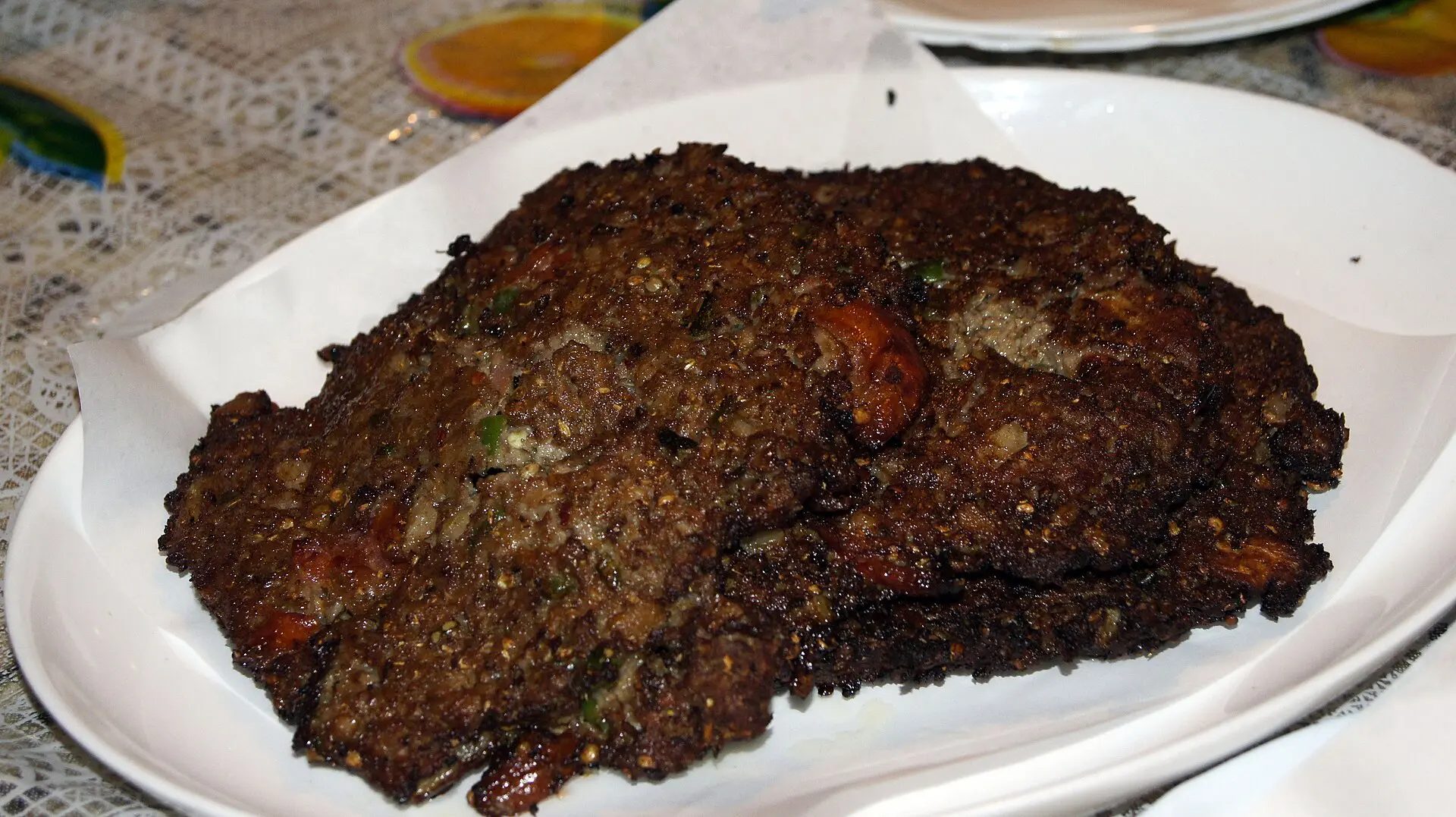
- Chapli kebab: flat spiced minced-meat patty, associated with Peshawar.
- Karahi: chicken or mutton cooked in a wok with tomatoes, ginger and chilli.
- Haleem: thick lentil, wheat and meat porridge.
- Lassi and chai: yoghurt drink and sweet milky tea, which are everywhere; the northern salt tea is different.
- Sweets: jalebi, gulab jamun, and kheer, a rice pudding.
Vegetarians can eat dal, saag, chana and vegetable curries, but meat dishes dominate and cooking fats may be animal-based. Alcohol is mostly restricted for Muslims and is only sold in some licensed hotels. Choose busy stalls with fresh turnover, drink bottled water, and avoid ice in unclear places to reduce the risk of stomach trouble.
Culture, language and etiquette in Pakistan
Urdu and English are the official languages, and regional languages include Punjabi, Pashto, Sindhi, Balochi and Shina. English is widely understood among educated people and in tourism. Learning a few words, such as shukriya (thank you) and assalam alaikum (a greeting), is welcomed.
Pakistan is a Muslim-majority country, and Islam shapes daily life. Dress modestly: men should avoid shorts, and women should cover shoulders, arms and legs, and carry a scarf (dupatta) for mosques and conservative areas. Remove shoes before entering mosques and homes. During Ramadan, do not eat, drink or smoke in public during daylight.
Hospitality is central, and visitors are often invited for tea or a meal. Accept at least tea. Use the right hand for eating and passing items. Men and women generally do not shake hands unless the other person offers. Avoid public displays of affection, and avoid commenting on religion, Kashmir and relations with India or Afghanistan. Ask permission before photographing people, especially women, and avoid photographing military sites, bridges and checkpoints.
Pakistan itinerary: a 7-day route
This route stays on the Islamabad to Lahore corridor, which governments generally treat as lower risk than the border regions. It does not enter areas under advisories against travel. Confirm current advice before booking, and add the northern valleys only if conditions allow.
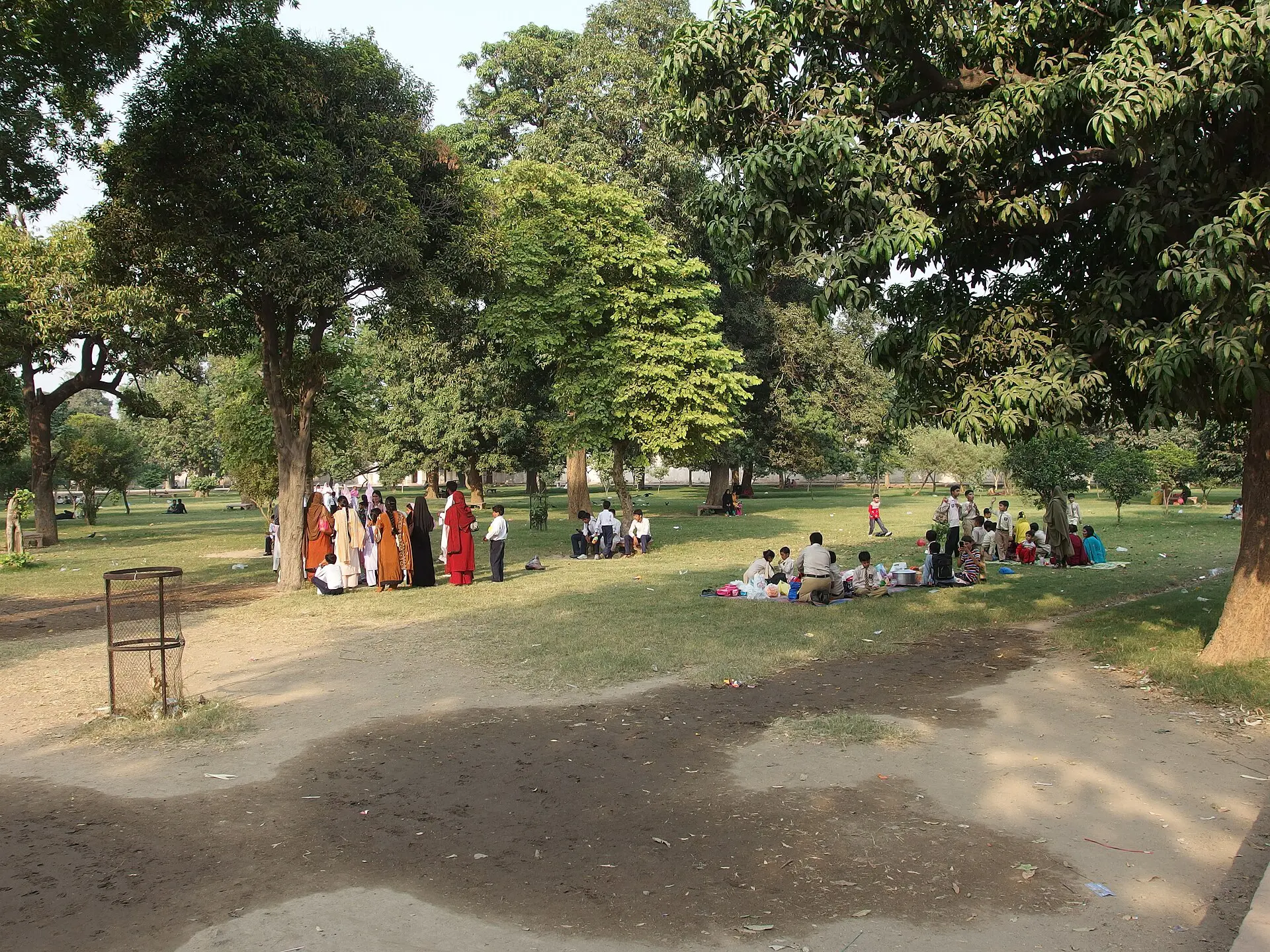
- Day 1, Islamabad: arrive, walk in the Margalla Hills foothills and visit the Faisal Mosque.
- Day 2, Taxila: take a day trip to the Gandhara ruins and the museum, returning to Islamabad.
- Day 3, Rohtas and Lahore: travel by road about 4 to 5 hours, stopping at Rohtas Fort if time allows, and arrive in Lahore.
- Day 4, Lahore Walled City: visit Wazir Khan Mosque, Delhi Gate and Lahore Fort with a guide.
- Day 5, Lahore: see Badshahi Mosque, the Shalimar Gardens and the Lahore Museum, then eat in the old city.
- Day 6, Lahore: use as a flexible day for markets, the Anarkali bazaar or a day trip to a nearby site.
- Day 7, return: fly or drive back to Islamabad or depart from Lahore airport.
With extra days, add a flight to Skardu or Gilgit for Hunza and Deosai in summer, using a local operator and checking conditions first. In winter, stay on the plains.
Practical tips for Pakistan
- Money: the rupee is the local currency; ATMs are common in cities but less so in the north, and cards are accepted in upmarket hotels and restaurants. Carry cash, in small notes, for travel outside cities.
- SIM and eSIM: tourist SIMs require registration with your passport, and eSIMs may be easier. Coverage is good in cities and weak in mountains; internet shutdowns happen in some regions.
- Plugs: types C, D, G and M at 230 V; bring a universal adapter. Power cuts happen, so keep devices charged.
- Tipping: not obligatory, but rounding up or leaving around 10 percent is common in restaurants, and small tips for drivers and guides are expected.
- Health: see a travel clinic before departure, carry insurance with medical evacuation cover, drink bottled water and bring rehydration salts.
- Packing: loose clothing that covers arms and legs, a scarf, sun protection, and warm layers for the north, which is cold at altitude even in summer.
- Booking: book a reputable local operator for the north and any trek, and check permits and security conditions before leaving.
For wider background, see the Wikivoyage Pakistan guide.
FAQ
Q1What is Pakistan food like?
Pakistan food is rich, spicy and meat-heavy. Expect nihari, biryani, karahi, chapli kebab, haleem, naan, lassi and sweet milky tea. Meals are cheap and generous, vegetarians can eat dal and vegetable curries, and bottled water is advisable to avoid stomach trouble.
Q2Do I need a visa for Pakistan?
It depends on your nationality. Many visitors can apply for an e-visa online, while others need a visa from an embassy. Some areas also need a permit or No Objection Certificate. Check the official Pakistani government visa portal and your embassy before you book.
Q3Is Pakistan safe?
It depends on the region. Lahore, Islamabad and parts of the north are visited by foreign travellers, but many governments advise against all or all but essential travel to parts of the country, including border areas. Check current advice, avoid crowds and use reputable operators.
Q4Is Pakistan safe to visit for tourists and solo women?
Visiting is possible in lower-risk areas with preparation. Risks include terrorism, road accidents and floods, and solo women may face staring and unwanted attention. Dress modestly, use trusted drivers and guides, share your plans with someone and follow government advice.
Q5What are the best things to do in Pakistan?
Top picks are exploring Lahore's Walled City and Badshahi Mosque, visiting Taxila, driving the Karakoram Highway, seeing Baltit Fort and Attabad Lake in Hunza, and visiting Deosai in summer. Check current security conditions and permits before choosing northern routes.
Q6What are the best places to visit in Pakistan?
Lahore is the top city for history and food, Islamabad and Taxila suit a first stop, and Hunza and Skardu offer the best mountain scenery. Mohenjo-daro and Makli show the south's history, though extra planning is needed for security and heat.
Q7What is the best time to visit Pakistan?
April to October is best for the northern mountains, and November to March is best for Lahore and the plains. Summer is extremely hot on the plains, and the monsoon from July to September can cause floods and landslides on mountain roads.