Why visit Oman
The things to do in Oman are varied for a country on the Arabian Peninsula: a Gulf coast with beaches and marinas, a rugged mountain interior, a desert with high dunes, and a southern region that turns green during the monsoon. Oman covers about 309,500 square kilometres (see the Wikipedia overview) and is generally quieter and more traditional than some neighbours, with a long seafaring and trading history.
Oman suits travellers who like independent road trips and short, scenic drives between forts, villages and viewpoints. It is good for families, couples and solo travellers, including women, because the country has a reputation for politeness and low crime. It is less suited to travellers who rely on public transport, nightlife or a very low budget, because distances are long, buses are limited and hotels are not cheap.
Best places to visit in Oman
The best places to visit in Oman are spread around a large country, so most trips pair the capital with one or two regions.
Muscat
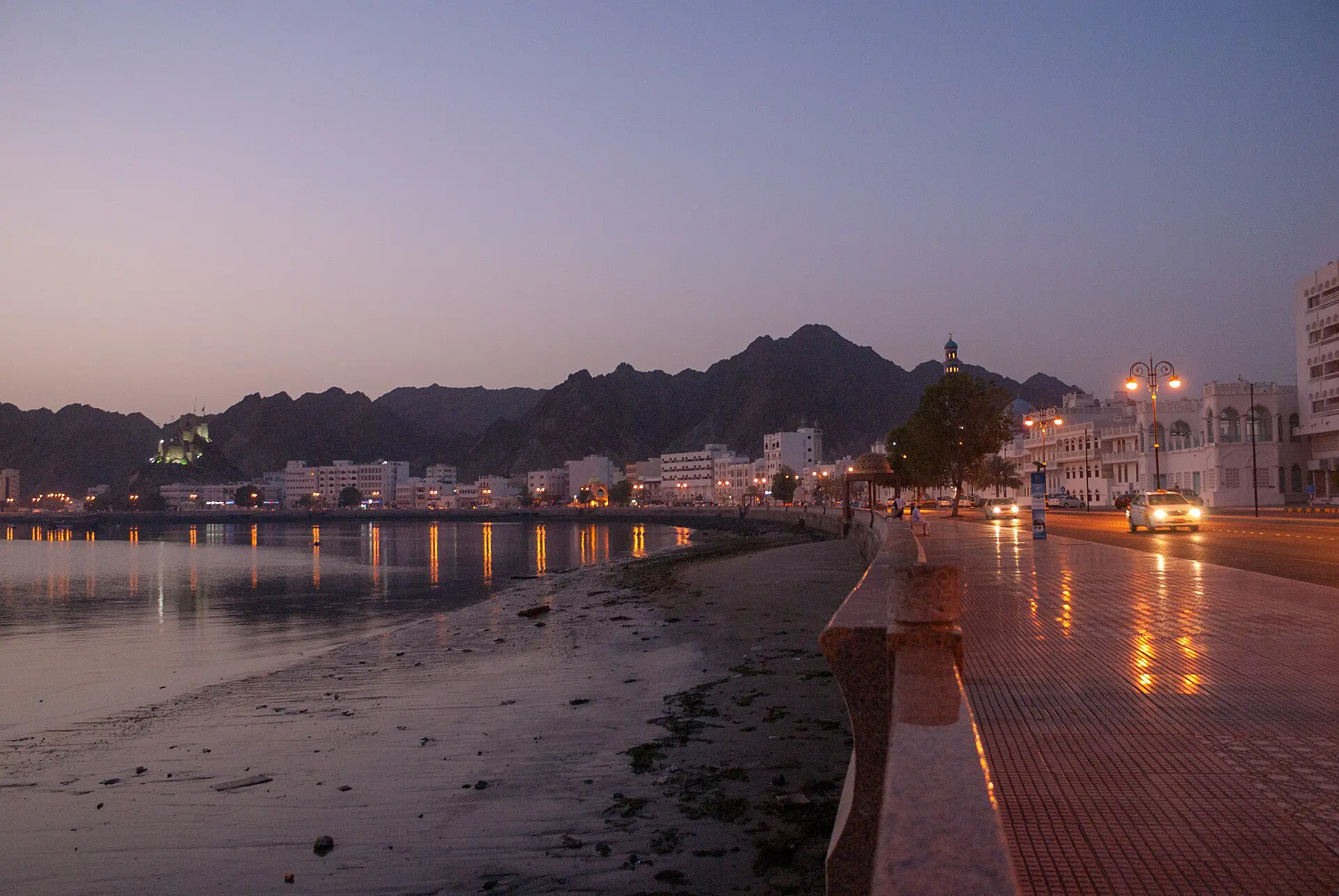
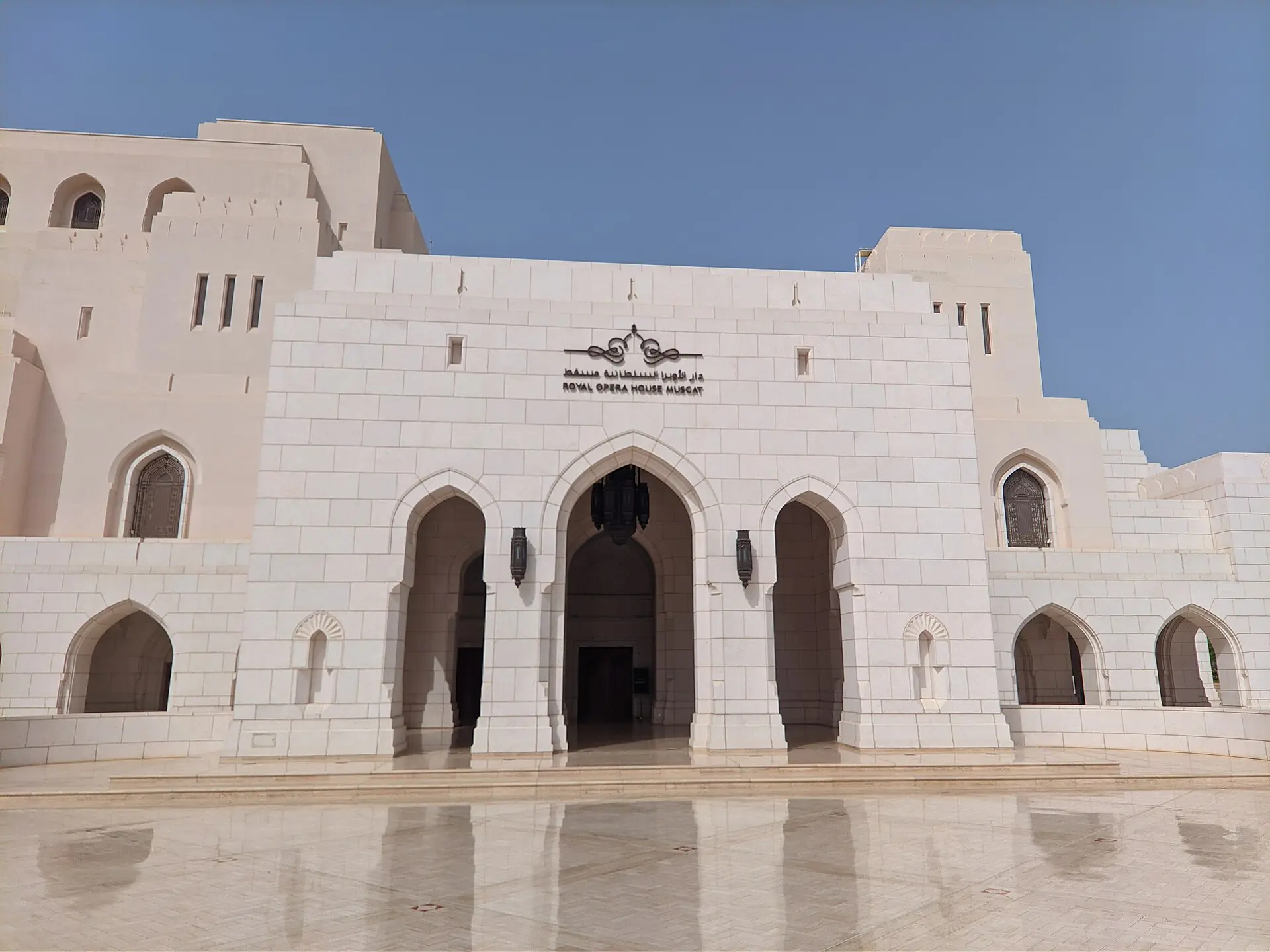
The capital stretches along the coast between mountains and sea. Highlights are the Sultan Qaboos Grand Mosque, the Royal Opera House, the Mutrah Corniche and souq, and the old forts of Al Jalali and Al Mirani. Two or three days is enough.
Nizwa
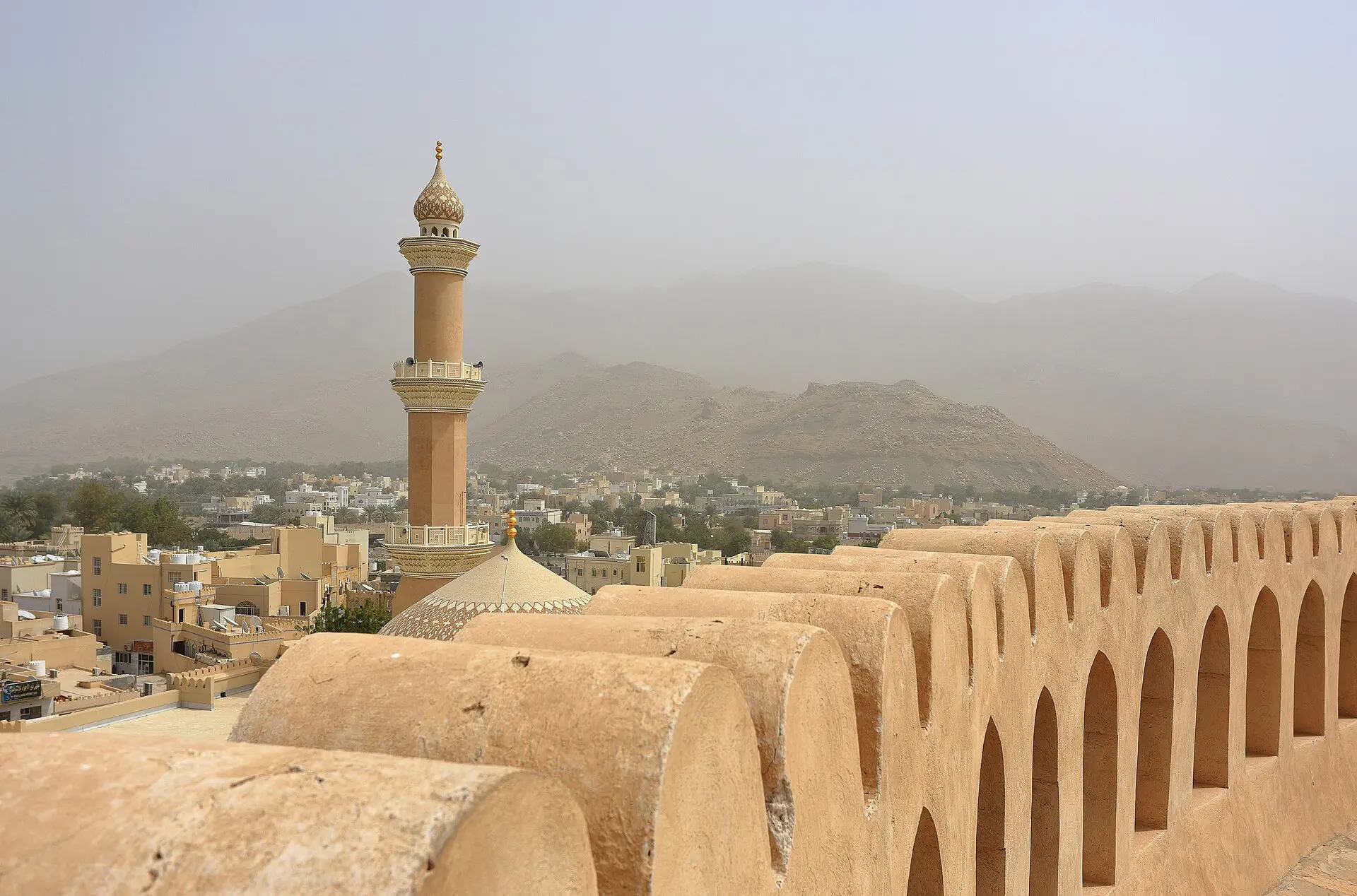
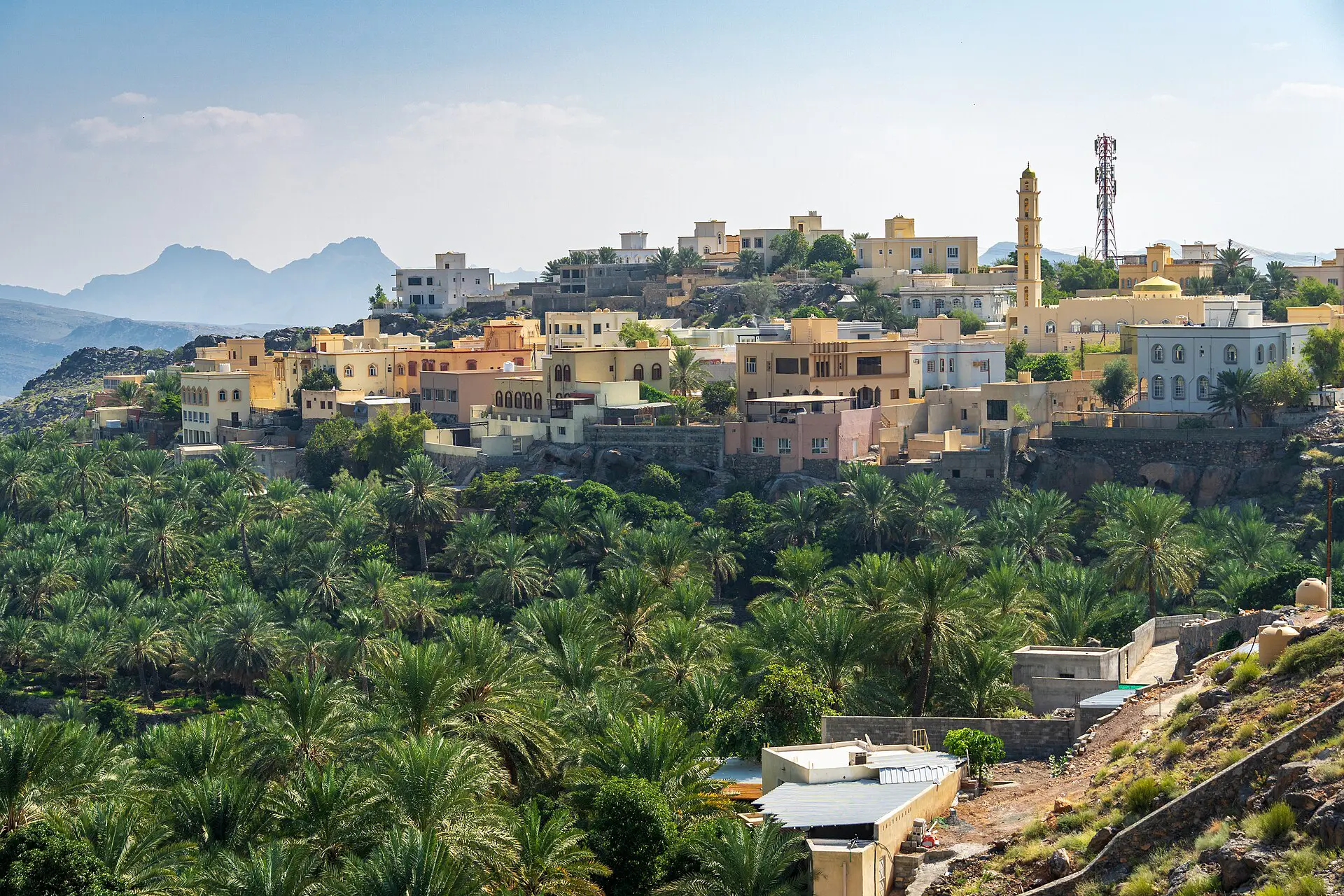
The former capital has a large round fort and a lively souq. The Friday goat market is a draw. It is also a base for Jebel Akhdar and the old village of Misfat Al Abriyyin.
Wahiba Sands
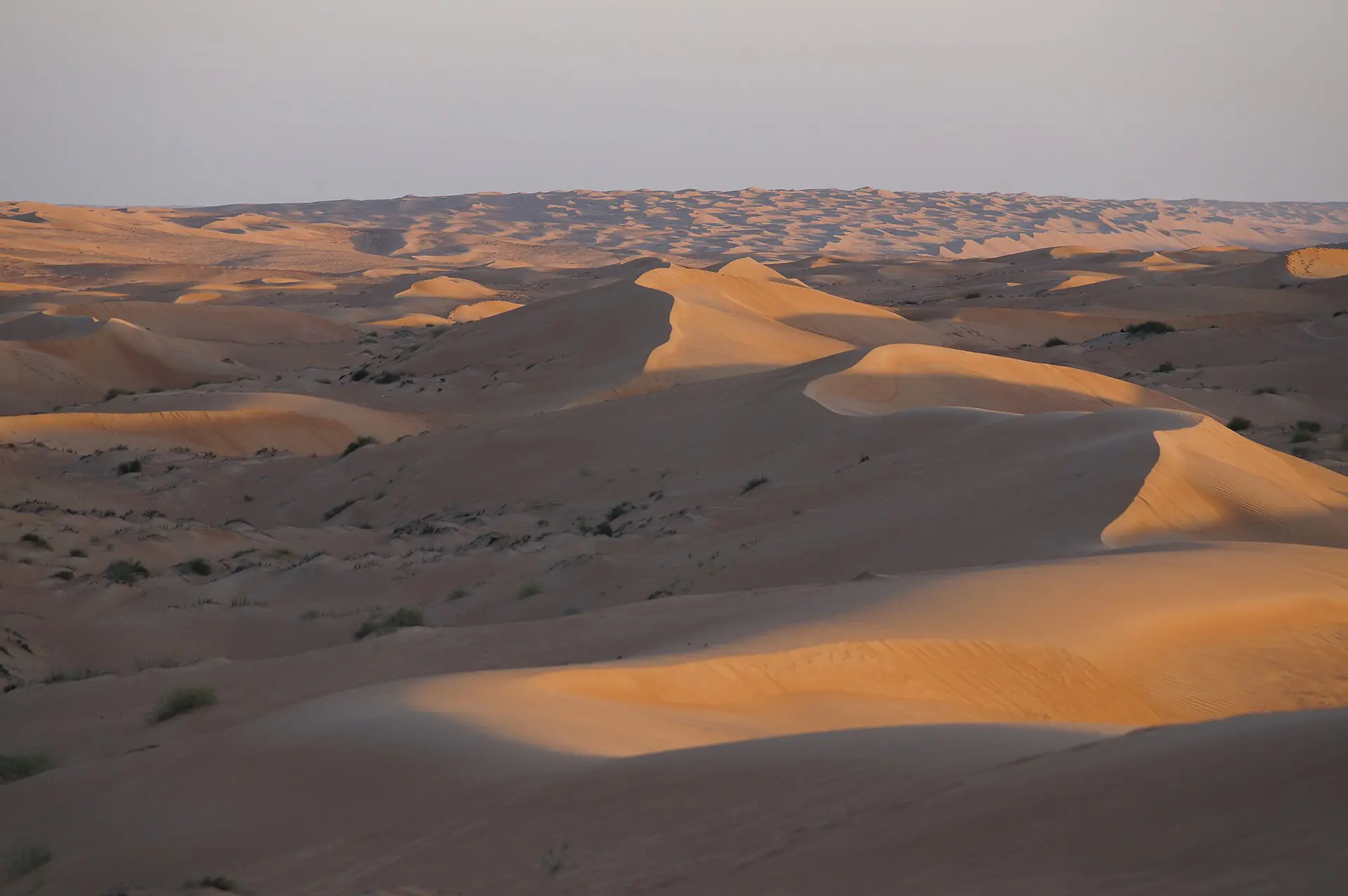
Also called Sharqiya Sands, this large desert of red dunes is reached by a four-wheel-drive track. Desert camps offer dune driving, sunset walks and overnight stays.
Sur and the east coast
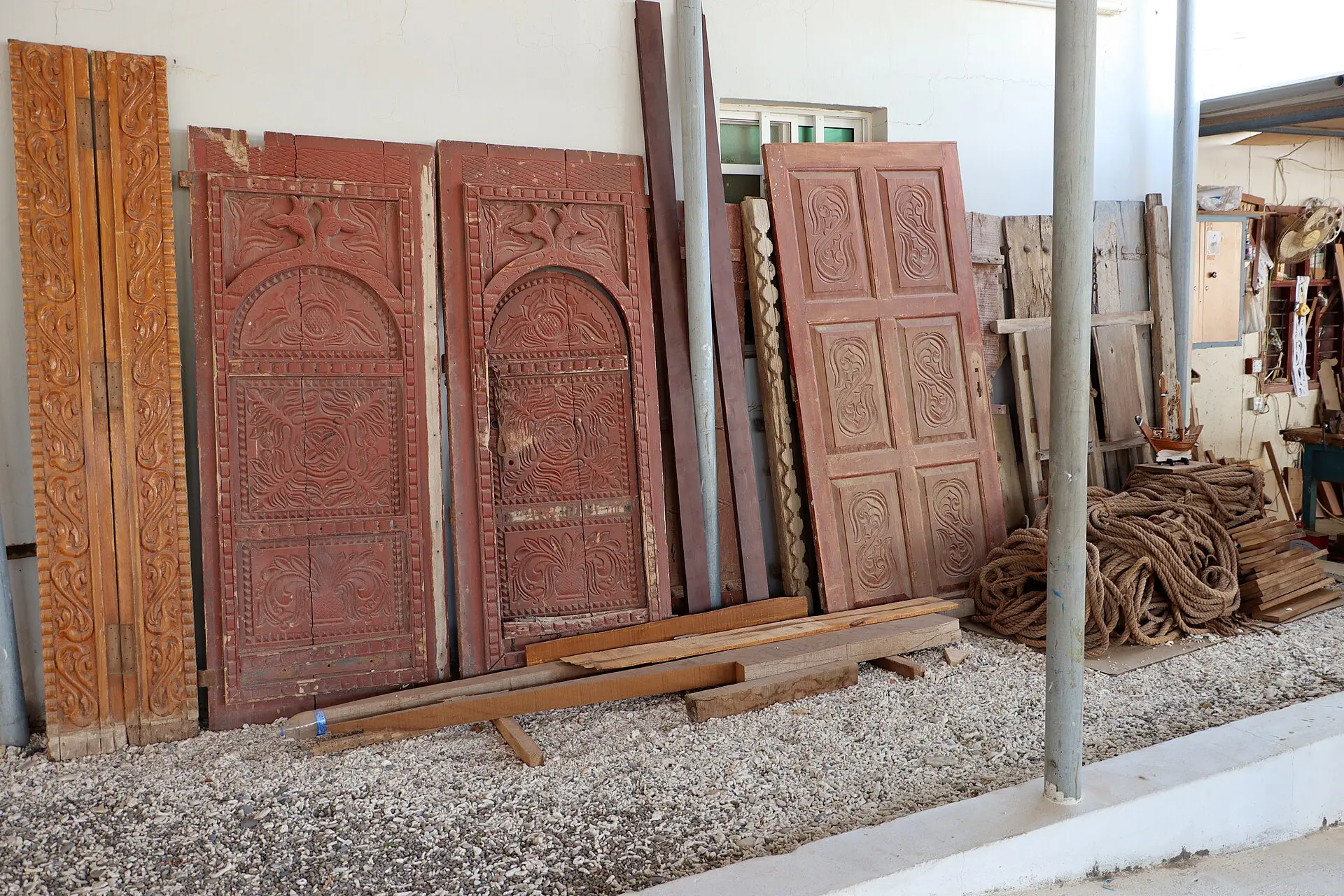
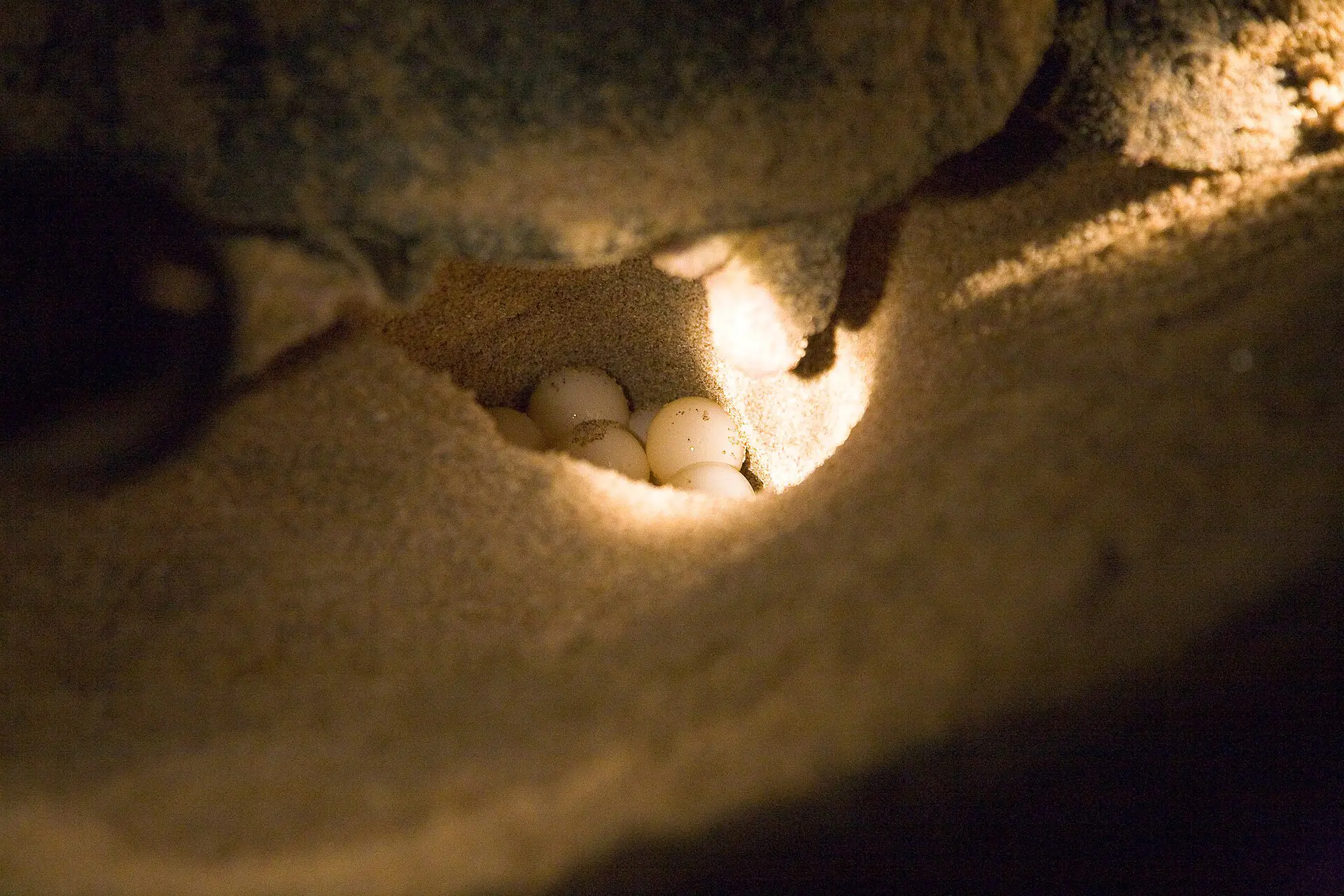
Sur is known for dhow building. Nearby, Wadi Shab and Bimmah Sinkhole are the best-known swimming spots. Ras al Jinz is a protected beach where green turtles nest.
Salalah
The southern city is quiet most of the year, but during the khareef, from late June to early September, the hills turn green and mist drifts through. It is popular with Gulf families.
Musandam
This exclave on the Strait of Hormuz is separated from the rest of Oman by the UAE. Dhow cruises through its fjord-like inlets are the main draw.
Things to do in Oman
The top things to do in Oman mix culture, landscape and outdoor activity, and most are easy to arrange with a rental car.
- Visit the Grand Mosque in Muscat: check opening hours and dress rules, as non-Muslim visitors are admitted at set times.
- Browse Mutrah Souq: look for frankincense, silver and textiles in the covered market beside the corniche.
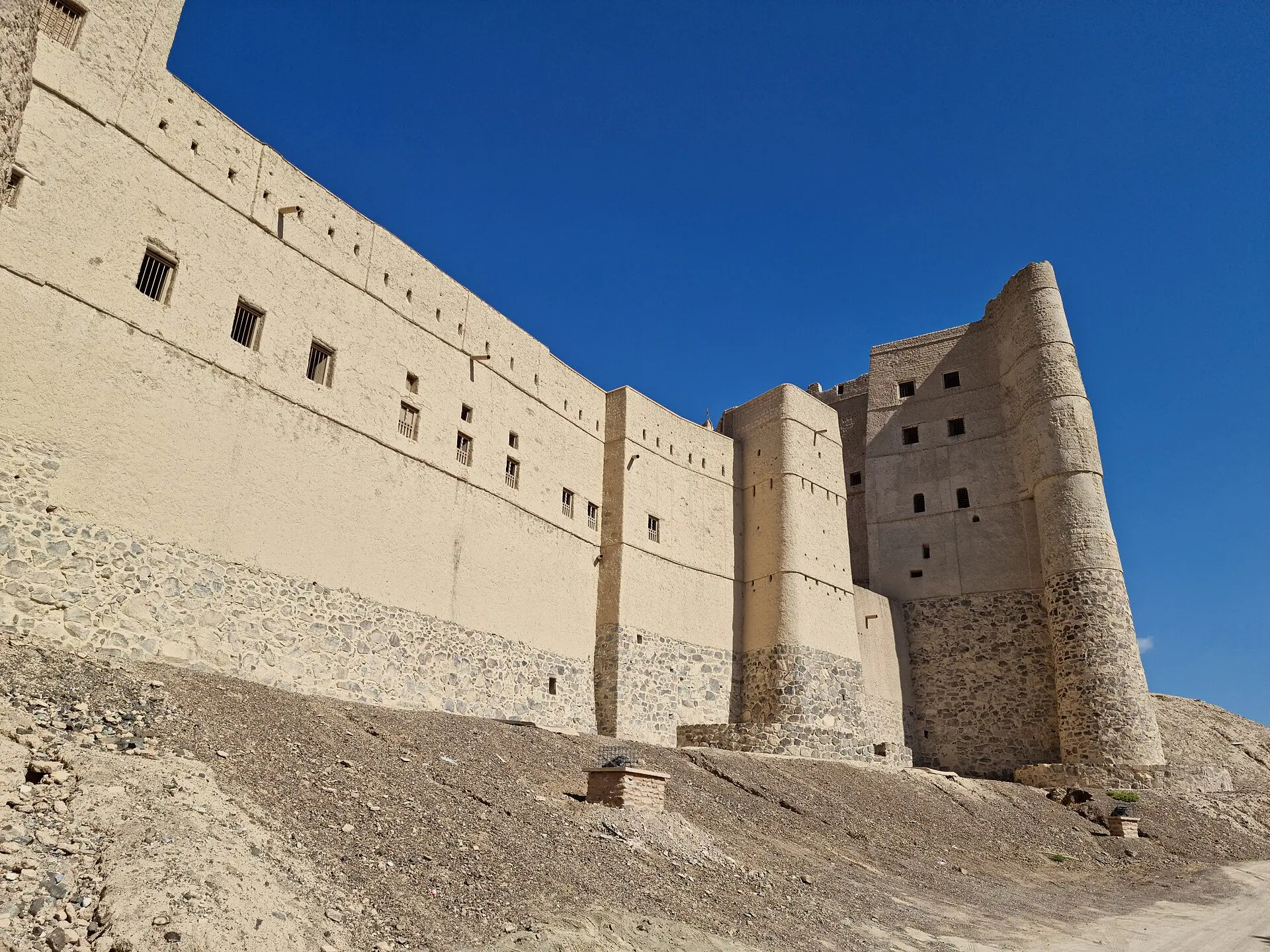
- Tour Nizwa Fort: climb the round tower for views over the date groves and mountains.
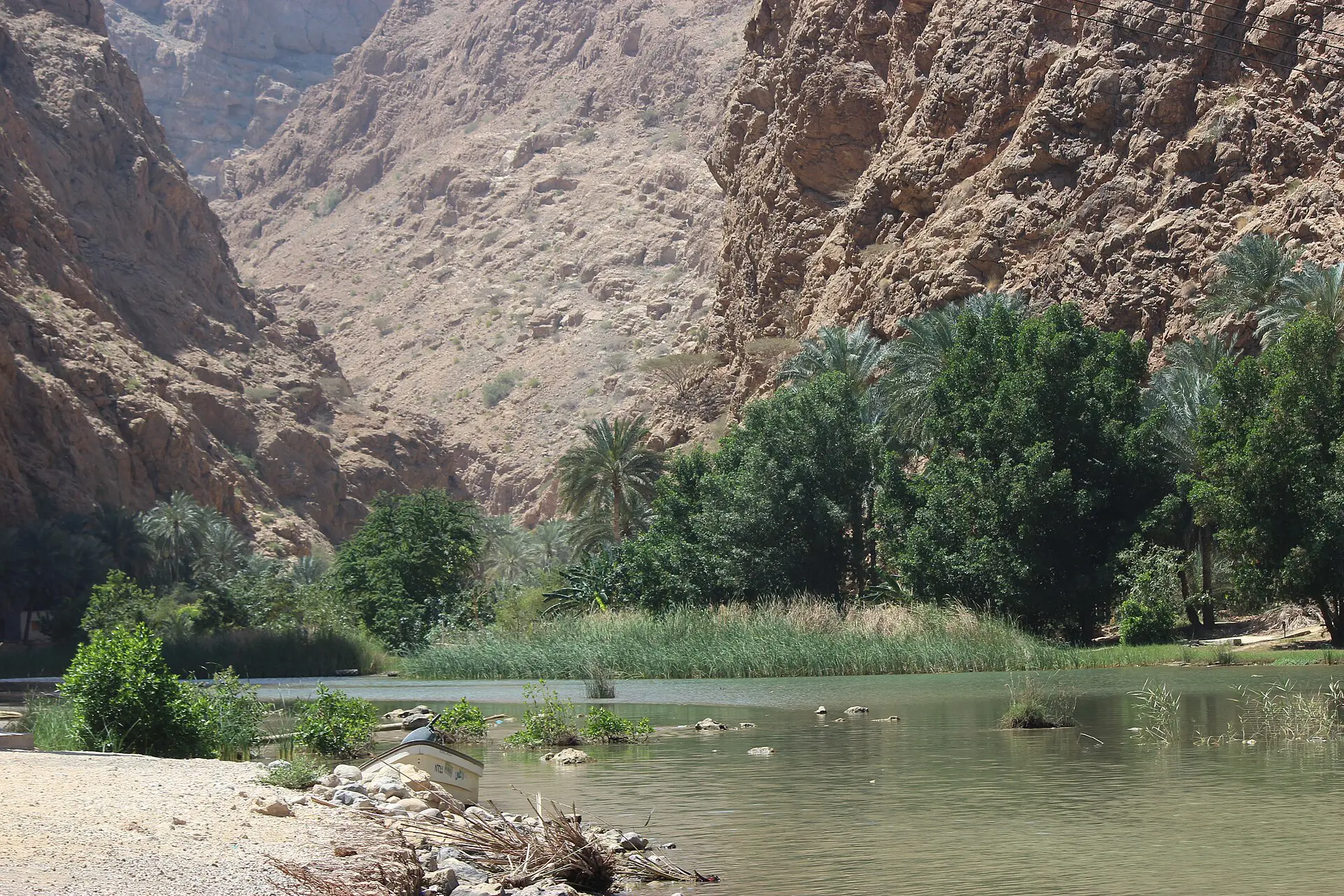
- Swim in Wadi Shab: walk the trail and swim through the pools to a hidden cave; check weather before you go.
- Camp in Wahiba Sands: stay at a desert camp for dunes, stars and dune-bashing in a 4×4.
- See turtles at Ras al Jinz: guided night visits let you watch nesting green turtles, usually from late spring to autumn.
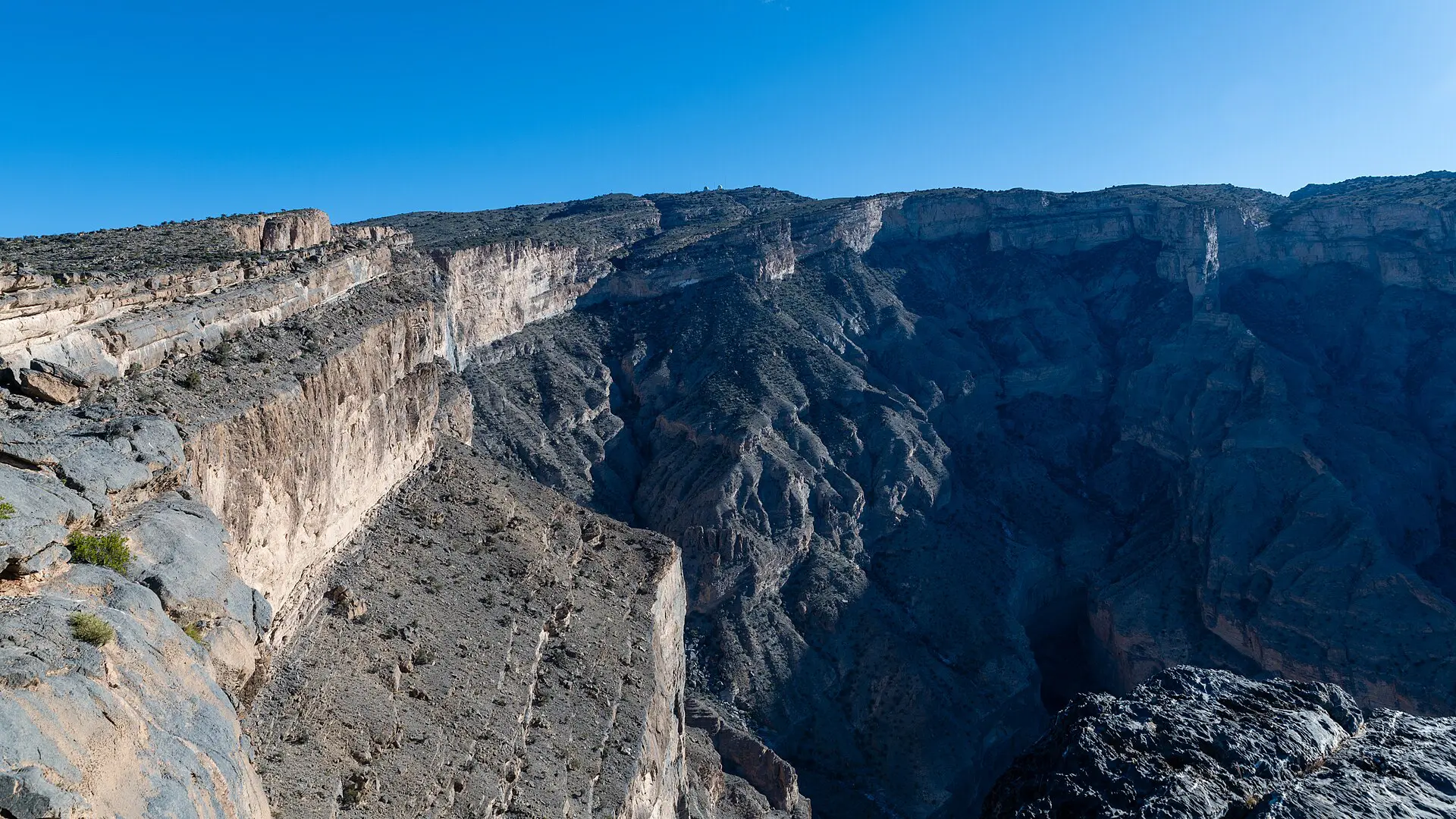
- Drive to Jebel Shams: the highest point in Oman has a canyon rim walk with big views.
- Cruise Musandam: dhow trips run from Khasab and often include snorkelling and dolphins.
- Explore Bahla and Jabrin: forts and old oasis villages in the interior.
- Visit Salalah in the khareef: waterfalls, green hills and frankincense trees near the Yemen border region of Dhofar (stay on main roads).
Best time to visit Oman
The best time to visit Oman is October to April, when days are warm and dry and nights are cool in the mountains and desert. From May to September, much of the country is very hot, with temperatures often above 40 C on the coast and in the interior, and humid on the Muscat coast. The big exception is Salalah, which gets monsoon mist and green hills from late June to early September.
| Season | Weather | Crowds and prices | Good for |
|---|---|---|---|
| Winter (Dec-Feb) | Pleasant days, cool nights; mountain cold | High prices and crowds | Desert camps, hiking, sightseeing |
| Spring (Mar-Apr) | Warm to hot, dry | Moderate | Wadis, forts, coast |
| Summer (May-Sep) | Very hot; humid on the coast; monsoon in Salalah | Low outside Salalah | Salalah khareef, cheap hotels |
| Autumn (Oct-Nov) | Warm, easing in November | Rising | All-round trips, Musandam |
Ramadan changes opening hours and daytime dining, so check dates, which move each year, if you travel during that month. Sudden rain can trigger flash floods in wadis in any season.
Is Oman safe to visit?
Yes, Oman is safe for most visitors, and crime against tourists is low. It has a reputation as one of the calmest countries in the Middle East. Regional tensions can change the picture, so check the UK FCDO or US State Department pages before you book, especially for the border area with Yemen, where advice is stricter than for the rest of the country.
Roads. Driving is the biggest practical risk. Speeds are high on highways, and camels, goats and speed bumps appear without warning. Avoid driving at night outside towns.
Wadis and weather. Flash floods can happen after rain, even if the sky above you is clear. Do not enter wadis when rain is forecast. Summer heat is severe; carry water and avoid midday walks.
Laws and conduct. Drug laws are strict, drinking alcohol is limited to licensed venues, and drunken behaviour in public is illegal. Public displays of affection and revealing clothing can cause offence. Same-sex relations are criminalised.
Health. Tap water is generally treated, but many visitors choose bottled water. Carry insurance with medical cover, and avoid the sun in summer.
Oman visa and entry requirements
Oman visa rules depend on your nationality and change from time to time. Citizens of many countries, including those in the EU, UK and US, have generally been able to enter either visa-free for a short stay or with an e-visa obtained online, while others need a visa in advance. Always check the Royal Oman Police e-visa portal or the nearest Omani embassy for the current rule for your passport.
You usually need a passport valid for at least six months, a return or onward ticket and proof of accommodation. Entry by land from the UAE is possible at several crossings, and the Musandam exclave is reached from Dubai in about four hours by road. Car hire companies may restrict crossing the border, so confirm your insurance and permits first.
If you are visiting from a neighbouring Gulf country on a residence visa or tourist visa, the rules differ, so check the requirements for your own status. The UNESCO page for Oman is useful for planning heritage stops, though it does not cover entry rules.
Getting to and around Oman
Most visitors arrive at Muscat International Airport, which has flights from Gulf hubs, Europe and Asia, and a smaller number go to Salalah or Duqm. Land crossings are open with the UAE and Saudi Arabia, and ferries run to some Gulf ports. From Dubai, Muscat is about four to five hours by road, and from Abu Dhabi slightly less.
Inside the country, distances are long and public transport is limited. Intercity buses run between Muscat, Nizwa, Sur and Salalah, but services are infrequent. Domestic flights link Muscat with Salalah in about one hour 30 minutes, and Khasab on the Musandam peninsula can be reached by a short flight or by road from the UAE.
A rental car is the best way to see the country, and main roads are excellent. A four-wheel-drive vehicle is needed for the Wahiba Sands and rough mountain tracks, and most rental firms ban off-road driving in saloons. Taxis are available in Muscat, and ride-hailing apps work there. Fuel is cheap, and petrol stations are common on main routes but sparse in the desert.
How much does a trip to Oman cost?
Oman is more expensive than South Asia or Southeast Asia and is generally cheaper than Dubai. The currency is the Omani rial (OMR), which is worth more than most currencies, so prices look small in rials but add up. The figures below are rough per-person guides in US dollars for 2026 and are highest from November to March.
- Budget: around USD 60 to 90 per day, with simple hotels, shared transport, local food and free sights.
- Mid-range: around USD 120 to 220 per day, with a comfortable hotel, a rental car, restaurant meals and a tour or two.
- High-end: from around USD 350 per day, with beach resorts, luxury desert camps and private drivers.
Accommodation and car hire are the biggest costs. Fuel is inexpensive, and street food, shawarma and local restaurants give cheap meals. Entrance fees to forts are low. Alcohol is available only in licensed hotels and bars and is expensive. Desert camps and dhow cruises are the main extras, and they cost much more than a day’s driving.
Oman food and drink
Oman food draws on Arabian, Indian and East African influences, with lots of rice, grilled meat, fish and dates. Local restaurants are inexpensive, and hotels serve a wider range.

- Shuwa: lamb or goat marinated in spices, wrapped in leaves and slow-cooked underground, often for festivals.
- Majboos: spiced rice with meat or fish, a staple dish across the Gulf.
- Harees: a porridge of wheat and meat, common during Ramadan and holidays.
- Mashuai: grilled kingfish served with lemon rice, popular on the coast.
- Halwa: a sticky, spiced sweet made with sugar, starch and nuts, often served with coffee.
- Kahwa: cardamom coffee served with dates, offered as a welcome gesture.
- Fresh juice and shawarma: cheap and easy to find in towns.
Pork is rarely served, and alcohol is limited to licensed venues. Vegetarians can eat well on hummus, salads, falafel and vegetable curries, though many traditional mains contain meat. During Ramadan, eating and drinking in public in daylight is discouraged, and many restaurants open only after sunset.
Culture, language and etiquette in Oman
Arabic is the official language, and English is widely spoken in hotels, restaurants and tourism. A few words, such as shukran (thank you) and marhaba (hello), are appreciated. Oman is a Muslim-majority country, with Ibadi Islam as the main tradition, and the country is known for tolerance and quiet courtesy.
Dress modestly. Men and women should cover shoulders and knees in towns and villages, and women should carry a light scarf for mosques. Swimwear is fine at hotel pools and beaches but not in public in towns. Non-Muslims are welcome at some mosques at set times, as at the Grand Mosque, with dress rules posted at the entrance.
Greet people politely and use the right hand to eat and pass things. Accept coffee and dates when offered, and shake the cup gently when you have had enough. Ask before photographing people, especially women, and avoid photographing military sites and government buildings. During Ramadan, avoid eating, drinking or smoking in public during daylight.
Oman itinerary: a 7-day route
This route runs from Muscat through the interior and back along the coast, and assumes a rental car. Check road and weather conditions before leaving, especially in wadis.
- Day 1, Muscat: arrive, walk Mutrah Corniche and souq, and visit the Grand Mosque the next morning if open.
- Day 2, Muscat: visit the Royal Opera House exterior, Al Alam Palace and the old forts, then drive towards Nizwa.
- Day 3, Nizwa and Jebel Akhdar: tour the fort and souq, then drive up the mountain or visit the village of Misfat Al Abriyyin.
- Day 4, Jebel Shams and Bahla: take the canyon-rim walk and stop at Bahla Fort.
- Day 5, Wahiba Sands: drive east, take the 4×4 track into the dunes, and overnight at a desert camp.
- Day 6, Wadi Shab and Sur: swim at Wadi Shab, then visit Sur’s dhow yard; Ras al Jinz is an optional night turtle visit.
- Day 7, return: drive about three hours back to Muscat airport via Qurayyat.
With extra days, add Salalah in the khareef or Musandam by dhow. In summer, focus on the coast and the Salalah monsoon rather than the interior.
Practical tips for Oman
- Money: the Omani rial is the local currency; ATMs are common in towns, and cards are widely accepted in hotels and restaurants but less so in small shops and souqs. Carry some cash for markets and fuel stops in remote areas.
- SIM and eSIM: tourist SIMs and eSIMs are easy to get at the airport, and coverage is good on main roads and in towns but patchy in the desert.
- Plugs: type G (UK-style) at 230 V.
- Tipping: not obligatory; rounding up or leaving around 10 percent in restaurants is common if no service charge is added.
- Health: bring insurance, sunscreen, a hat and plenty of water; pharmacies are common in towns.
- Packing: light, loose clothing that covers shoulders and knees, a scarf, sturdy sandals or water shoes for wadis, and a warm layer for desert and mountain nights.
- Booking: reserve desert camps, Musandam cruises and rental cars early between November and March.
For wider background, see the Wikivoyage Oman guide.
FAQ
Q1Is Oman safe?
Yes, for most visitors. Oman has low crime and a calm reputation, and the main risks are driving, flash floods in wadis and summer heat. Check your government's current travel advice, particularly for the area near the Yemen border, before you go.
Q2What are the best things to do in Oman?
Top picks are visiting the Grand Mosque and Mutrah Souq in Muscat, touring Nizwa Fort, swimming in Wadi Shab, camping in the Wahiba Sands, watching turtles at Ras al Jinz and cruising the fjords of Musandam by dhow.
Q3Do I need a visa for Oman?
It depends on your nationality. Many visitors can enter visa-free for a short stay or with an e-visa issued online, while others need a visa in advance. Check the Royal Oman Police e-visa portal or an Omani embassy before you book.
Q4What is the best time to visit Oman?
October to April is best, with warm, dry days and cooler nights in the desert and mountains. Summer is very hot on most of the coast and interior. The exception is Salalah, which has monsoon mist and green hills from late June to early September.
Q5What is Oman food like?
Oman food blends Arabian, Indian and East African flavours. Expect shuwa (slow-cooked marinated meat), majboos rice, grilled fish, harees, halwa and cardamom coffee with dates. Pork is rare, alcohol is limited to licensed venues and vegetarians can eat well.
Q6Is Oman safe to visit for solo female travellers?
Oman is generally considered one of the easier Middle Eastern countries for solo women. Dress modestly, use licensed taxis or ride-hailing apps at night and book accommodation with good reviews. Unwanted attention is uncommon but possible, and a firm refusal usually works.
Q7How many days do you need in Oman?
Seven days covers Muscat, Nizwa, a night in the desert and the wadis along the coast. Five days is tight but possible without the desert. Add three to four days for Salalah in the monsoon or for Musandam.