Why visit North Macedonia
North Macedonia travel rewards people who like a place with real depth and few tour groups. The country is a landlocked patch of the Balkans of about 25,700 square kilometres (see the Wikipedia overview), with one of Europe’s oldest and deepest lakes, Orthodox churches full of medieval frescoes, Ottoman bazaars and mountain national parks. Many people still say simply Macedonia, and you will hear both names used locally.
It suits independent travellers who are happy with a little improvisation. Tourist infrastructure is thinner than in Croatia or Greece, buses are slow and signage can be patchy, but prices are low and hospitality is warm. It works well as a standalone week or as a link between Albania, Kosovo, Bulgaria and northern Greece. Ohrid gets most of the visitors, so towns such as Bitola, Kratovo and Kruševo feel far quieter.
Best places to visit in North Macedonia
The best places to visit in North Macedonia are small and close together, so a week can include the capital, the lake and one or two quieter towns.
Ohrid
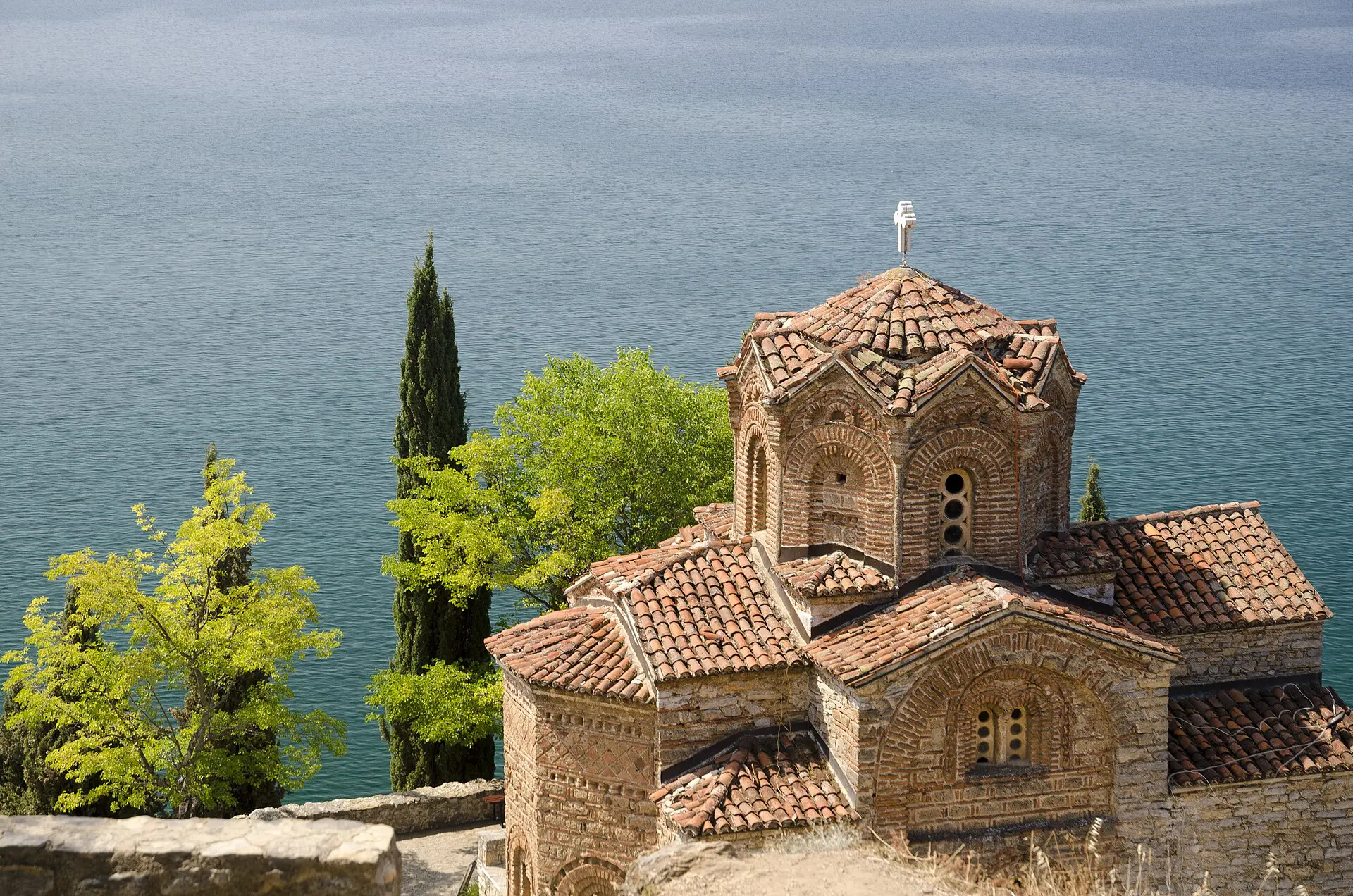
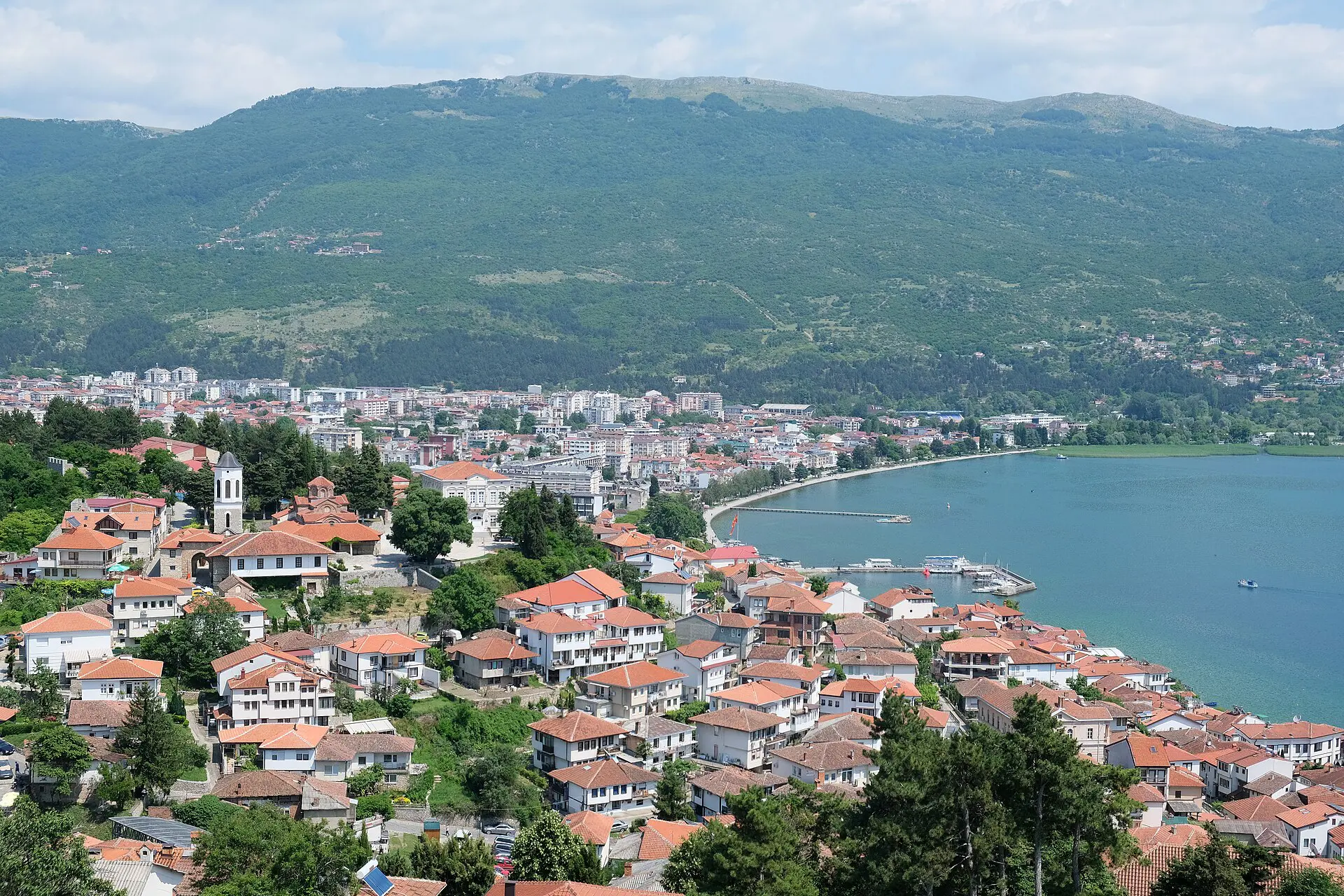
Ohrid is the country’s main resort town and a UNESCO World Heritage site together with its lake. The old town climbs from the waterfront to Samuel’s Fortress, passing churches such as St Sophia and the cliffside St John at Kaneo. Swimming is good from June to September. Allow at least two nights.
Skopje
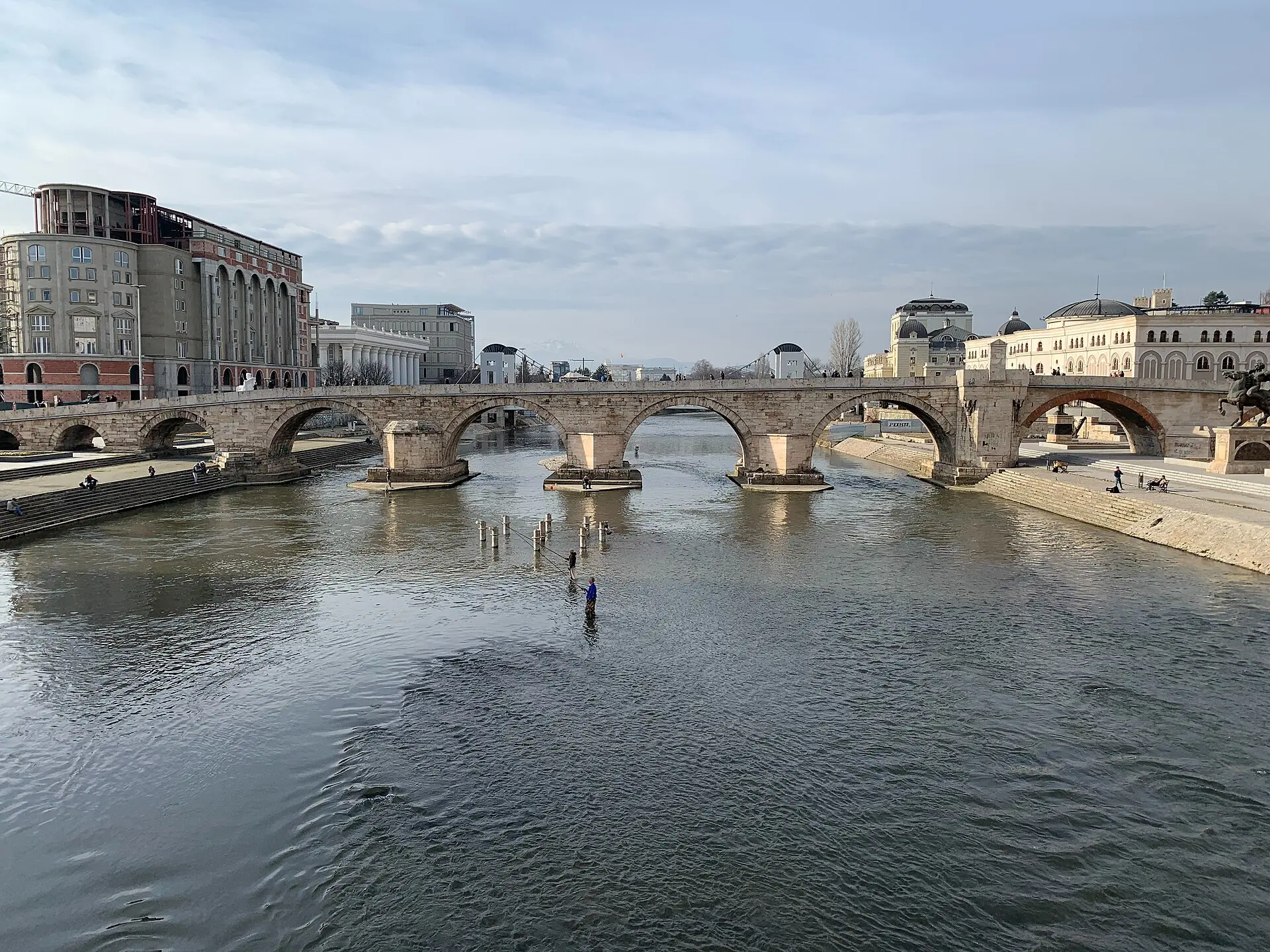
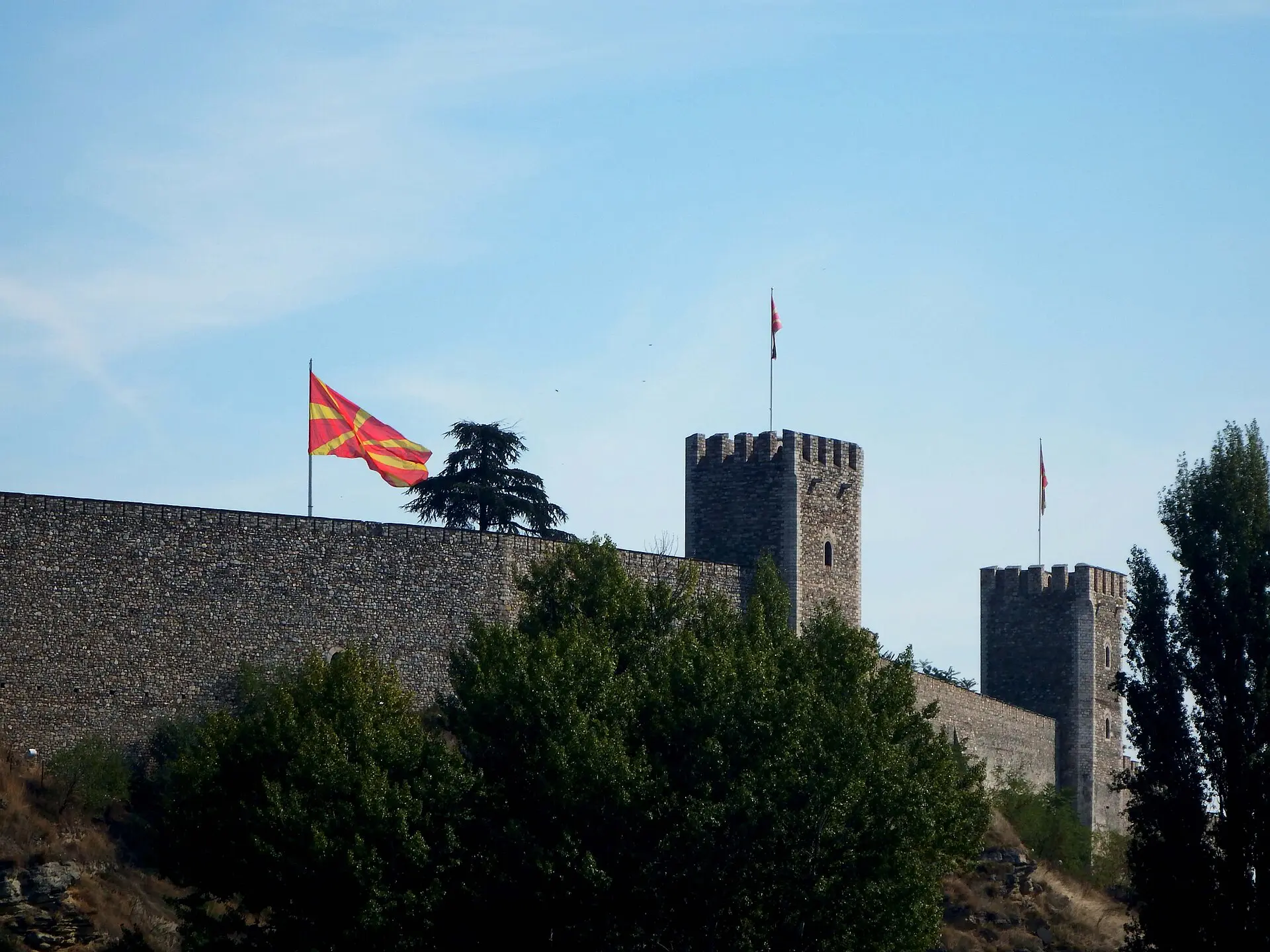
The capital mixes an Ottoman old bazaar, the Stone Bridge over the Vardar, the Kale fortress and the statue-heavy Skopje 2014 city-centre project. Mother Teresa was born here, and a memorial house honours her. Most visitors need a day or two.
Bitola
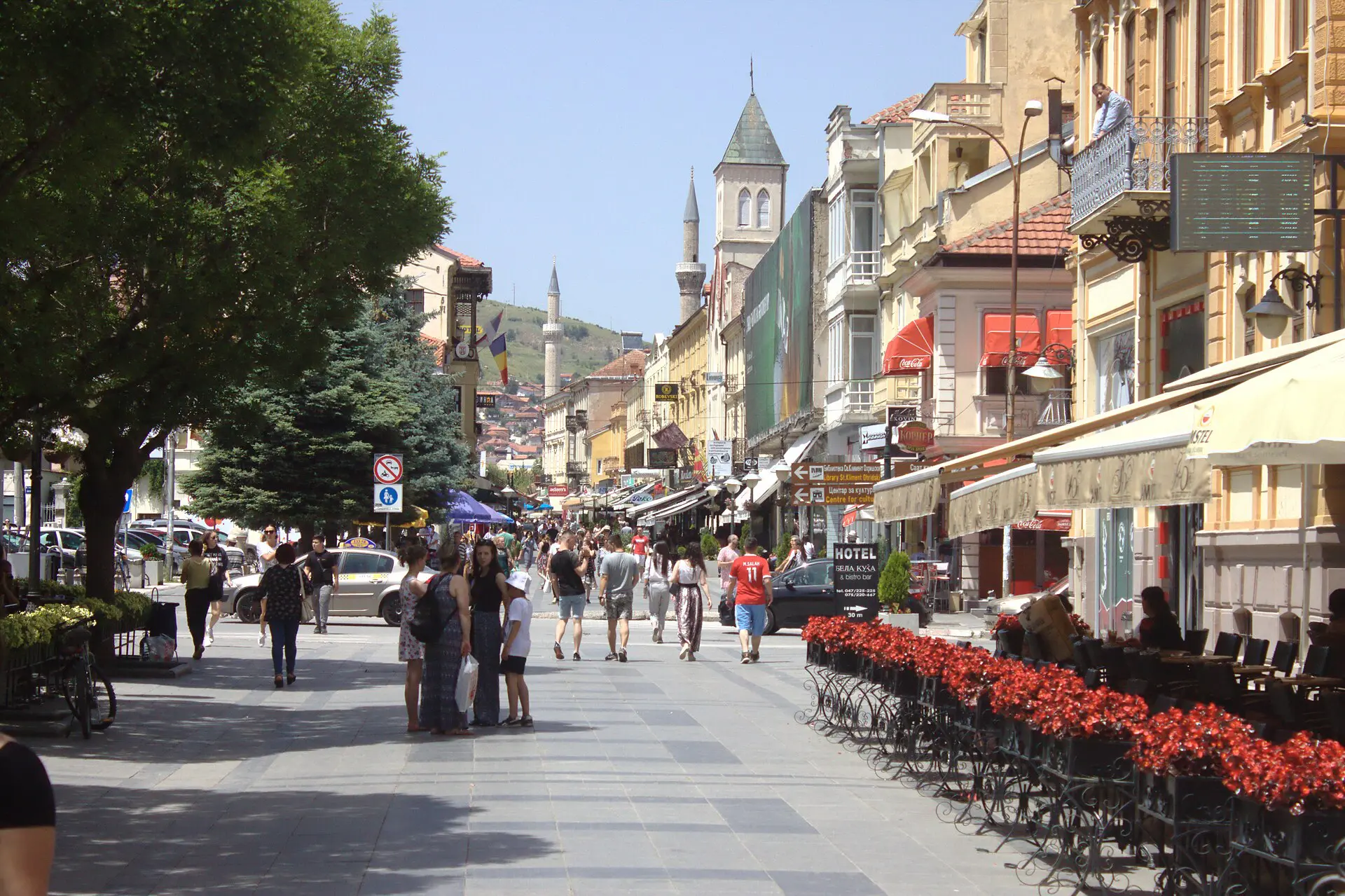
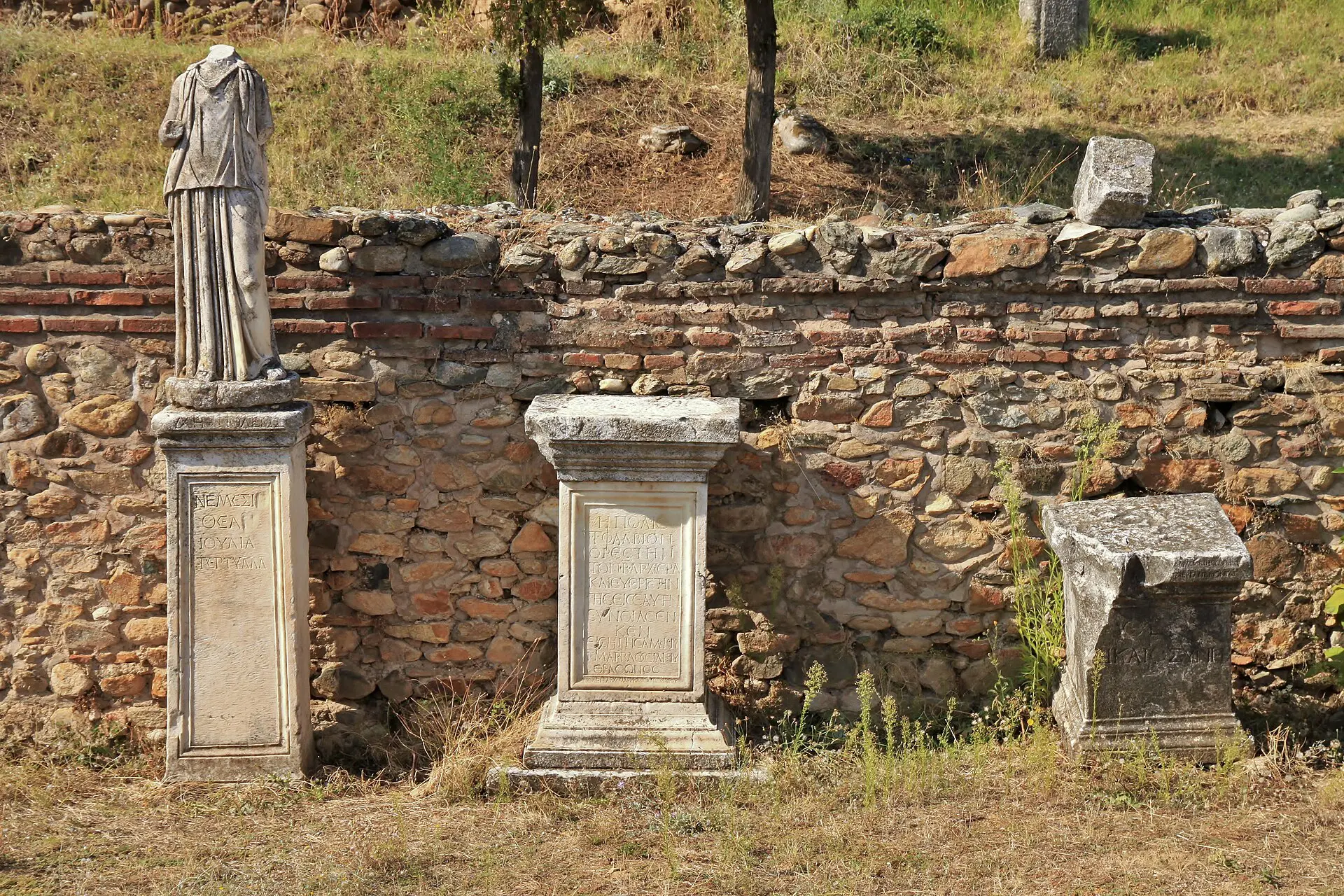
The country’s second city has a long pedestrian street, Širok Sokak, lined with neoclassical consulates and cafés from its Ottoman-era importance. The Roman ruins of Heraclea Lyncestis are just outside town.
Matka Canyon
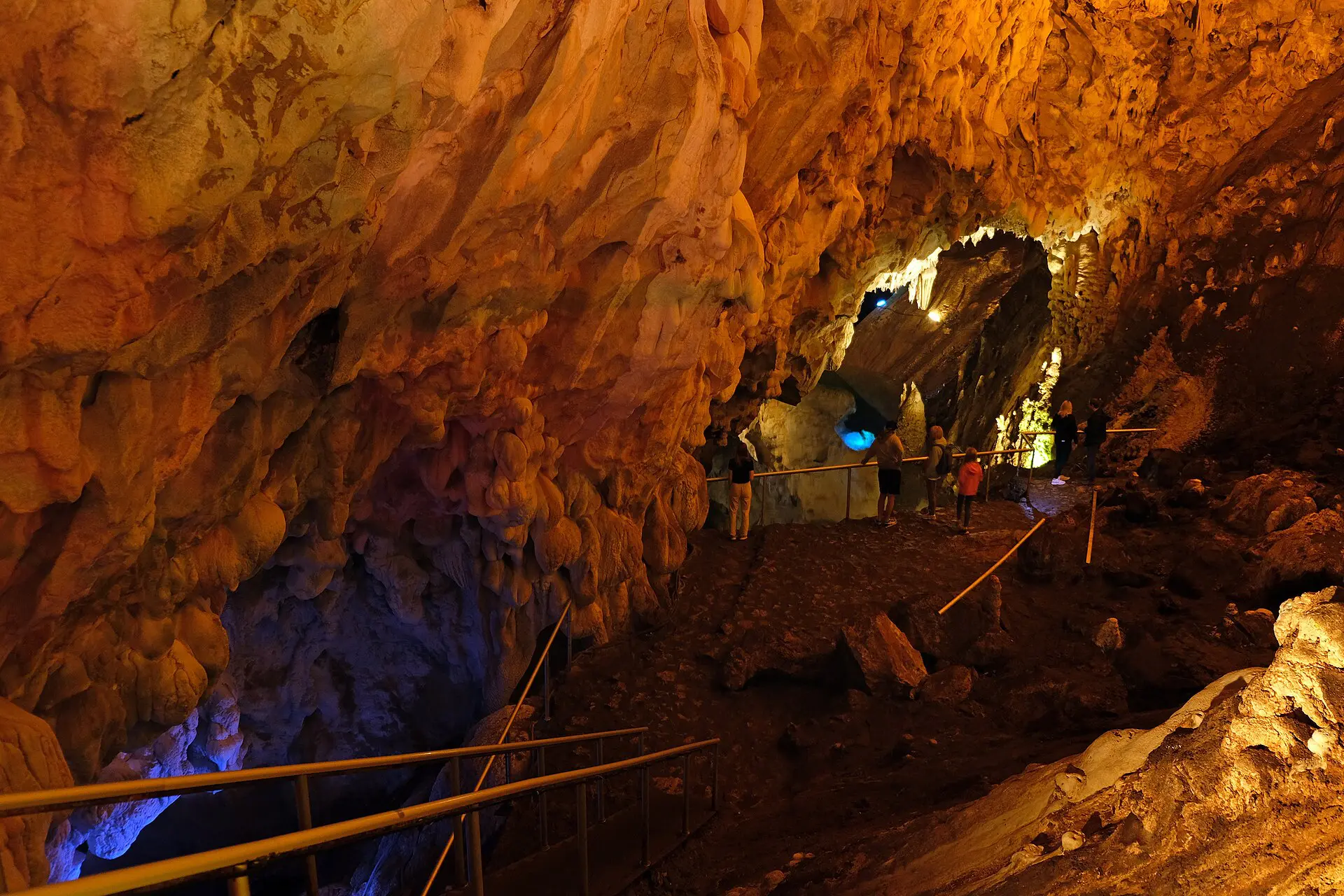
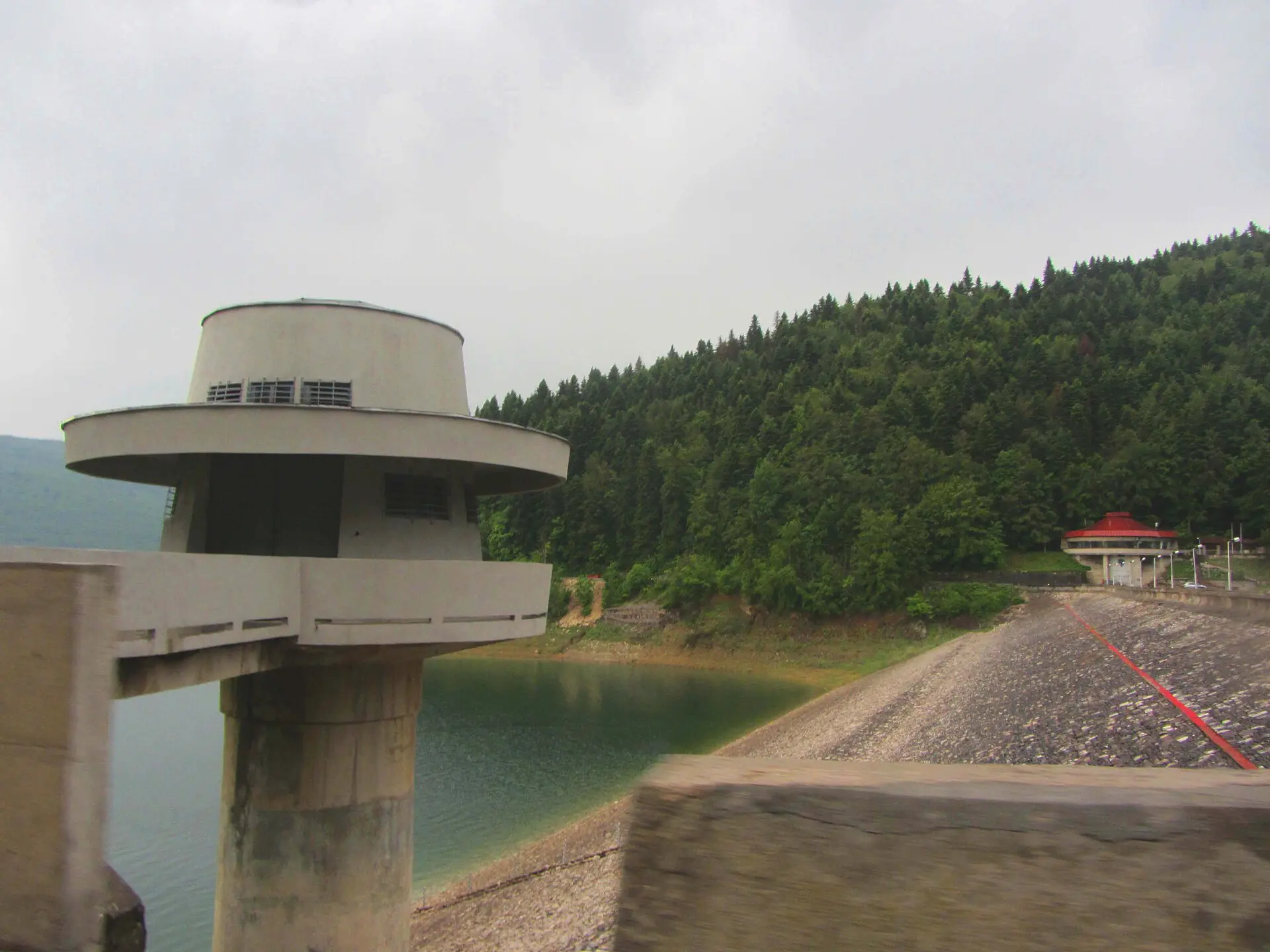
A short trip from Skopje, this gorge holds a reservoir, a medieval monastery and kayak rental. It is easy as a half-day.
Mavrovo National Park
The largest national park offers forest, alpine meadows and the ski resort at Mavrovo, with the monastery of St Jovan Bigorski nearby. It is better in summer for hiking and in winter for skiing.
Kratovo and Kruševo
Kratovo sits inside an extinct volcano crater with stone bridges and towers, while Kruševo is a high mountain town known for the Ilinden uprising memorial and for skiing.
Things to do in North Macedonia
The top things to do in North Macedonia (and in Macedonia, as many people search for it) combine lakes, monasteries, markets and light outdoor activity.
- Walk Ohrid’s old town: follow the lanes up to Samuel’s Fortress for views over the lake.
- Visit St John at Kaneo: the small church on a cliff over the water is one of the most photographed spots in the country.
- Swim in Lake Ohrid: the water is clear, and rocky platforms and small beaches line the shore south of town.
- Browse Skopje’s Old Bazaar: shops sell copper, filigree and sweets in a quarter that dates to Ottoman times.
- Kayak at Matka Canyon: paddle between limestone walls on the reservoir.
- Tour the Heraclea Lyncestis ruins: Roman mosaics and a theatre lie just outside Bitola.
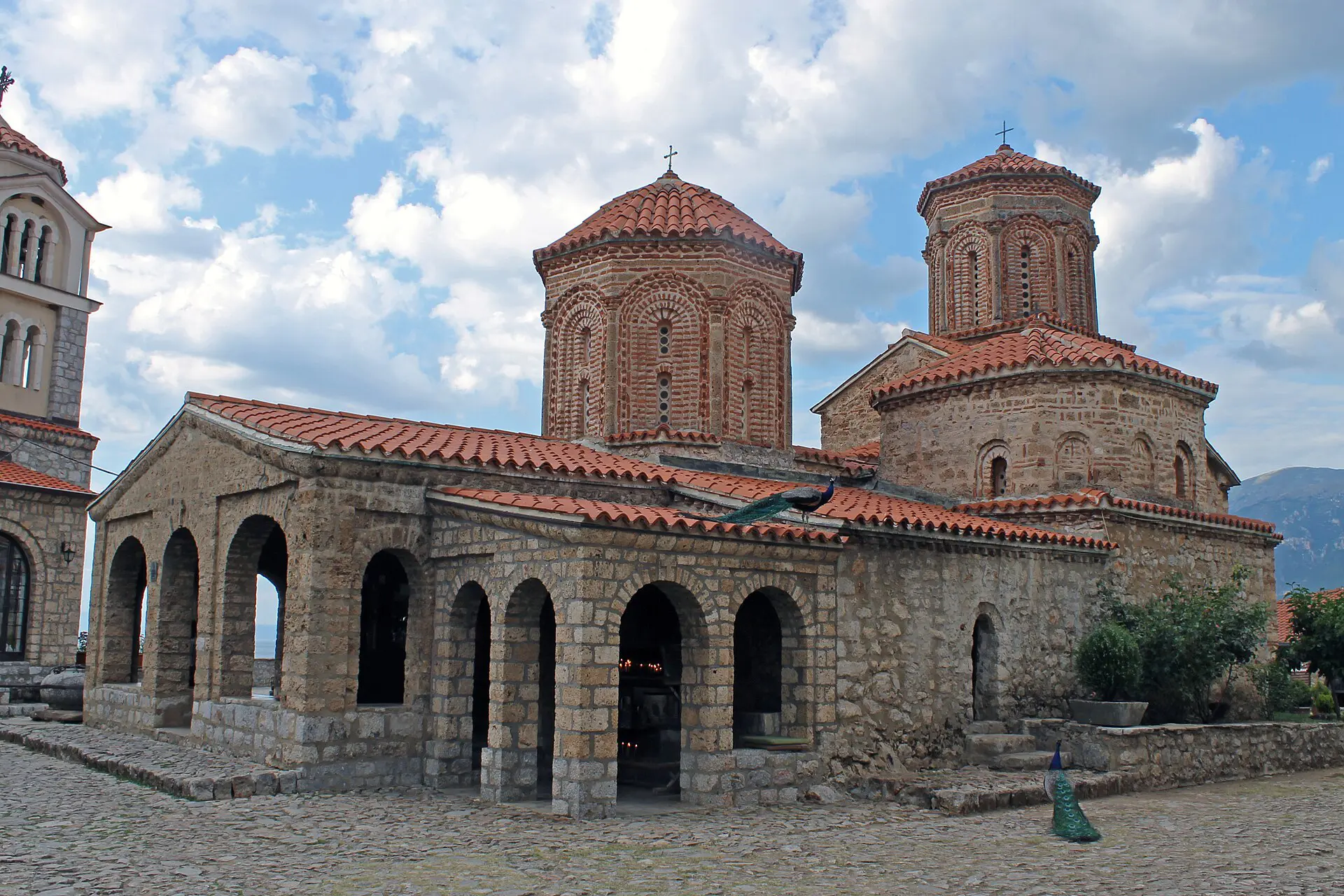
- Visit Monastery of St Naum: the monastery near the Albanian border has peacocks and springs that feed the lake.
- Hike in Galičica or Mavrovo: trails between the two lakes and in the western mountains are best from June to September.
- Taste wine in Tikveš: the Kavadarci area is the main wine region, with cellars open for visits.
- See the Stobi ruins: a large ancient city beside the main road south of Skopje.
Best time to visit North Macedonia
The best time to visit North Macedonia is May to June and September to October, when days are warm, the lake is swimmable from June and crowds are lighter than in high summer. July and August are hot, with temperatures often above 30 C inland and the busiest weeks in Ohrid. The ski season in Mavrovo and Kruševo generally runs from December to March, depending on snow.
| Season | Weather | Crowds and prices | Good for |
|---|---|---|---|
| Spring (Apr-Jun) | Mild, some rain early; warm by June | Low to moderate | Cities, monasteries, hiking |
| Summer (Jul-Aug) | Hot and dry, often above 30 C | Highest, especially in Ohrid | Lake swimming, festivals |
| Autumn (Sep-Oct) | Warm, then cooler; harvest season | Falling quickly | Wine, hiking, sightseeing |
| Winter (Nov-Mar) | Cold, snowy in mountains | Low, apart from ski resorts | Skiing, Skopje city breaks |
Ohrid has the Ohrid Summer Festival of music and theatre in July and August, and many restaurants and boat services at the lake reduce hours after September.
Is North Macedonia safe to visit?
Yes, North Macedonia is safe for most visitors, and violent crime against tourists is uncommon. The most frequent problems are petty theft in crowded places, risky driving and the occasional taxi overcharge. Check the UK FCDO or US State Department pages for current advice before you book.
Roads. Driving is the biggest practical risk. Expect speeding, overtaking on blind curves and uneven surfaces in rural areas. Avoid mountain roads at night and in snow, and carry winter tyres or chains in winter, which are legally required in the cold season.
Scams and theft. Use licensed taxis or a ride-hailing app, check the meter, and keep valuables out of sight at bus stations and markets.
Nature. Summer wildfires occur, and earthquakes happen in the region, with a destructive one hitting Skopje in 1963. Mountain weather can change fast, so carry water and layers on trails.
Politics. Protests are usually peaceful, but avoid demonstrations and follow local news. Carry travel insurance with medical cover; tap water is generally considered safe in major towns, though many travellers prefer bottled water.
Visa and entry requirements for North Macedonia
Entry rules depend on your nationality. Citizens of the EU, UK, US and many other countries have generally been able to enter visa-free for short tourist stays, usually up to 90 days, but rules change, so confirm the current requirement for your passport with the Ministry of Foreign Affairs of North Macedonia or the nearest embassy.
Bring a passport valid for the full stay (and ideally several months beyond), and keep proof of accommodation and onward travel. North Macedonia is not in the EU or the Schengen Area, so border checks apply on every crossing, including from Greece, Bulgaria, Albania, Serbia and Kosovo. Queues at land crossings can be long at weekends and in summer.
If you rent a car, check that the company allows cross-border trips, and ask about the extra insurance paperwork needed for non-EU countries. The UNESCO page for North Macedonia is helpful for planning heritage stops, though it does not cover entry rules.
Getting to and around North Macedonia
Most visitors arrive at Skopje Alexander the Great Airport, which has budget-airline links to many European cities, or at Ohrid St Paul the Apostle Airport, which has seasonal flights. Land crossings are common from Greece (Thessaloniki is about three hours from Skopje), Albania, Kosovo, Serbia and Bulgaria. Direct buses run between Skopje and Pristina, Tirana and Sofia.
Inside the country, buses are the main public transport. Skopje to Ohrid takes about three to four hours, Skopje to Bitola about three, and Ohrid to Bitola around one hour. Services run most of the day, though timetables are loose, so check at the bus station and buy tickets at the counter. Passenger rail is slow and limited, so most travellers skip it.
A rental car gives the most freedom for the lakes, monasteries and mountains, and main roads between the big towns are decent. Allow extra time for rural roads, and expect tolls on some highways. Taxis are cheap in towns; use an app or agree the fare first.
How much does a trip to North Macedonia cost?
North Macedonia is among the cheapest countries in Europe to visit. The currency is the Macedonian denar (MKD); euros are sometimes accepted in tourist places, but you will do better with denars. The figures below are rough per-person guides for 2026 and peak in Ohrid in July and August.
- Budget: around EUR 25 to 40 per day, with hostels or simple guesthouses, buses and cheap local meals.
- Mid-range: around EUR 40 to 70 per day, with private hotel rooms, restaurant meals, taxis and some car hire.
- High-end: from around EUR 90 per day, with boutique lake hotels, private drivers and wine tours.
Accommodation in Ohrid in summer is the biggest swing factor, followed by car hire. Restaurant meals are inexpensive, and a good dinner with local wine can cost less than a fast-food meal in Western Europe. Museum and monastery entrance fees are modest, and many churches ask only a small donation.
North Macedonia food and drink
North Macedonia food mixes Balkan, Ottoman and Mediterranean influences, with plenty of grilled meat, cheese, peppers and tomatoes. Portions are large and prices are low.
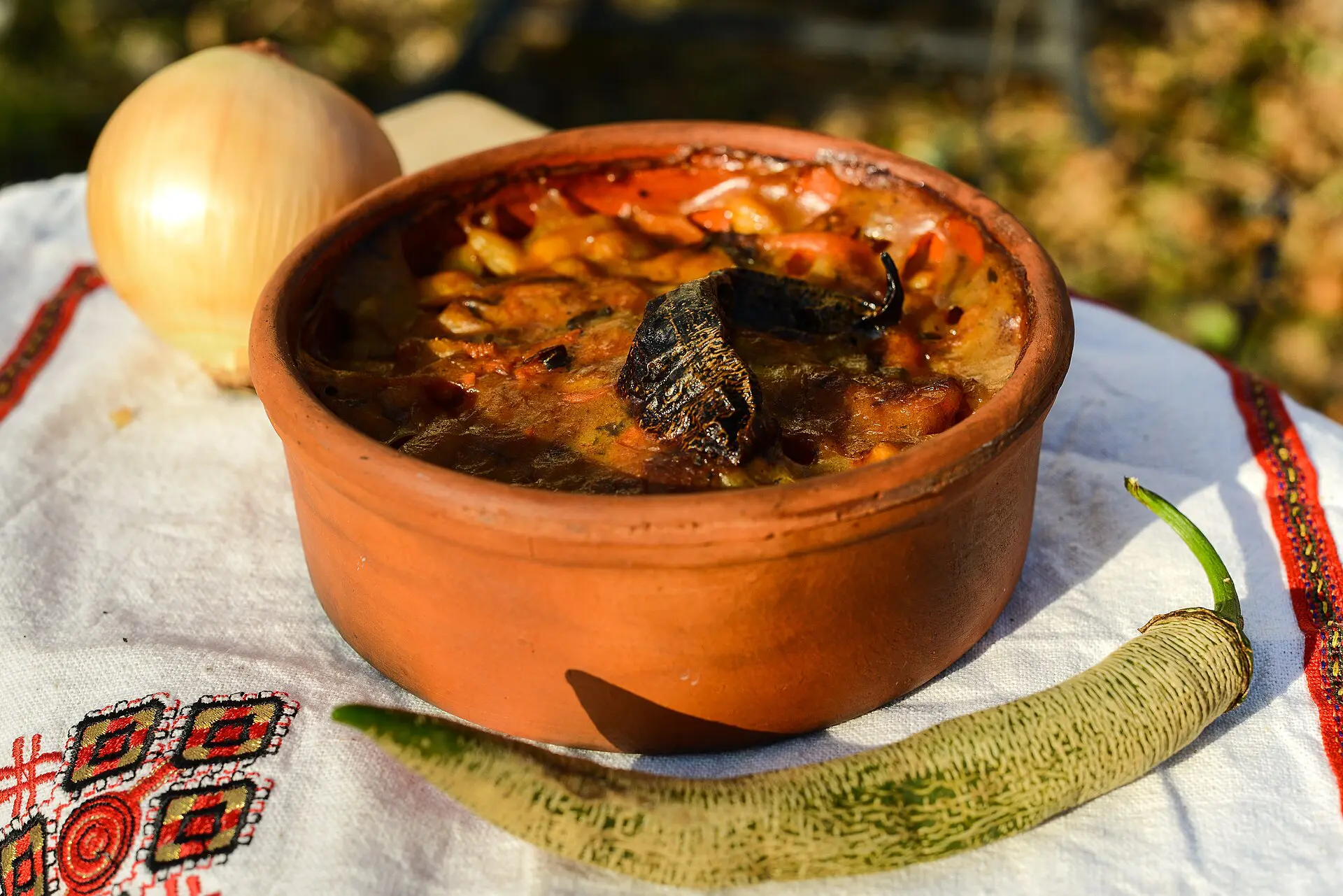
- Tavče gravče: baked beans with paprika and onion in a clay dish, widely regarded as the national dish.
- Šopska salad: chopped tomato, cucumber and onion topped with grated white cheese.
- Ajvar: a roasted red pepper spread served with bread or meat, especially in autumn.
- Burek: flaky pastry filled with cheese, spinach or meat, eaten for breakfast or a snack.
- Ohrid trout: a protected local fish from the lake, often served grilled; the endemic species is subject to catch limits, so ask where it comes from.
- Kebapi: small grilled minced-meat sausages, usually with onions and flatbread.
- Rakija and Tikveš wine: fruit brandy as an aperitif, and good reds from Vranec grapes.
Vegetarians can eat well on salads, beans, cheese pastries and grilled vegetables, though meat features in most traditional mains. Small family restaurants, called kafana or mehana, are usually the best value.
Culture, language and etiquette in North Macedonia
Macedonian, a South Slavic language written in Cyrillic, is the main official language, and Albanian is widely spoken in the west and parts of Skopje. English is common among younger people and in tourism. Learning a few words, such as blagodaram (thank you) and dobar den (good day), is appreciated.
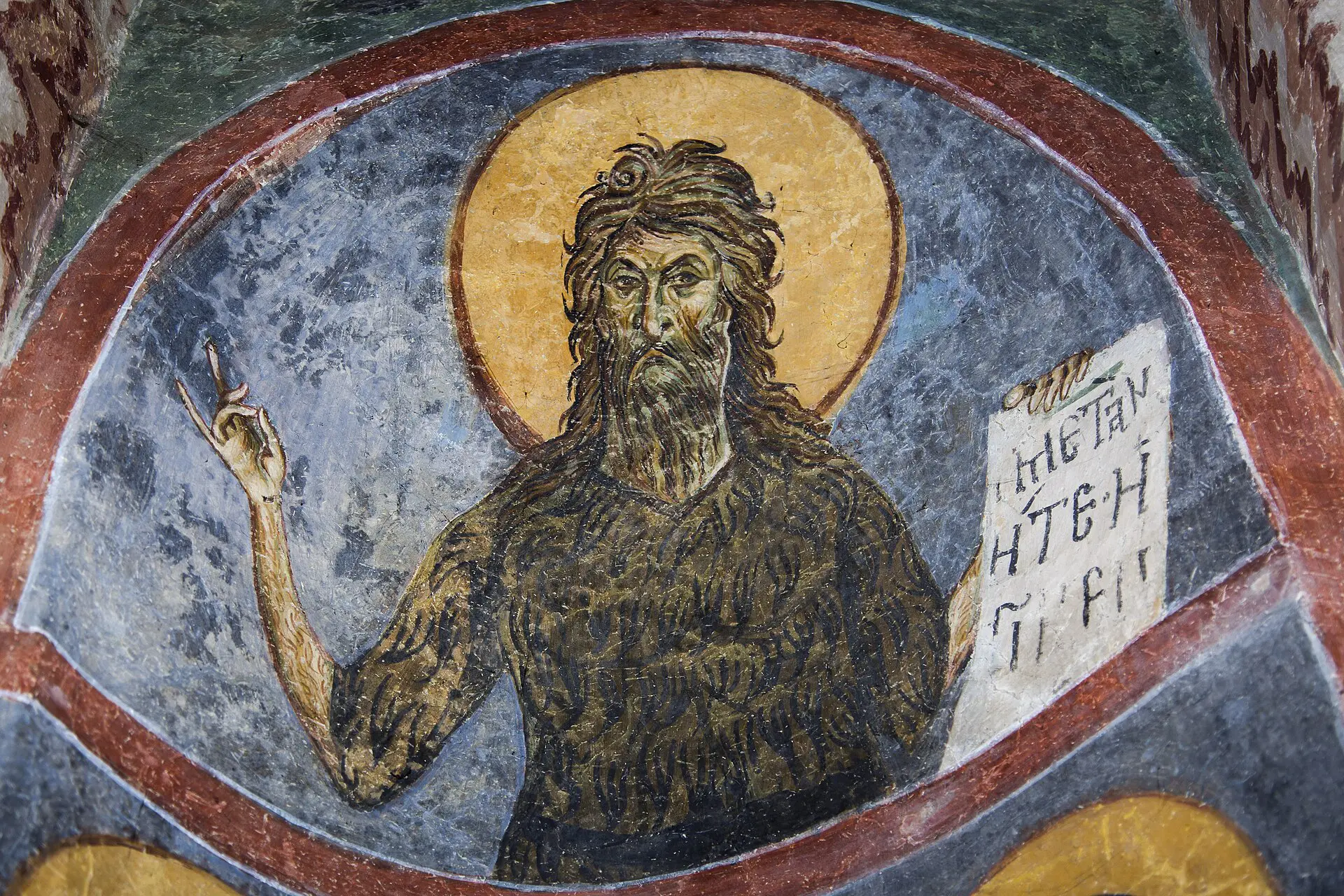
The population is diverse: ethnic Macedonians form the majority, with a large Albanian minority and smaller Turkish, Roma, Serbian and other communities. Most Macedonians are Orthodox Christian, and most Albanians and Turks are Muslim. Hospitality is central, and guests are often offered coffee, rakija or sweets; decline politely if you must, but accepting a coffee is a good way to start a conversation.
Dress modestly in churches, monasteries and mosques, and ask before photographing inside. Nodding and head shaking can mean the opposite of what you expect in parts of the Balkans, so confirm answers in words. Avoid raising the country’s name dispute with Greece, relations with neighbours or ethnic politics unless locals begin the conversation.
North Macedonia itinerary: a 7-day route
This route starts in Skopje and ends at Ohrid, so it avoids long backtracking. It uses buses, with a car making it faster.
- Day 1, Skopje: arrive, walk the Stone Bridge and the Old Bazaar, and climb to Kale fortress at sunset.
- Day 2, Matka and Skopje: take a half-day trip to Matka Canyon, then visit the Mother Teresa Memorial House.
- Day 3, Kratovo or Stobi: head east to Kratovo’s volcanic-crater town, or south to the Stobi ruins on the way to Bitola.
- Day 4, Bitola: walk Širok Sokak and visit Heraclea Lyncestis; stay overnight.
- Day 5, Ohrid: travel about an hour to the lake, then explore the old town and Samuel’s Fortress.
- Day 6, Lake Ohrid: take a day trip to the Monastery of St Naum, swim, and visit St John at Kaneo.
- Day 7, return: allow three to four hours by bus or car to the Skopje airport.
With extra days, add Mavrovo National Park or the Tikveš wine region. In winter, replace the lake days with a ski stop at Mavrovo.
Practical tips for North Macedonia
- Money: the denar is the local currency; ATMs are common in towns, and cards are accepted in most hotels and mid-range restaurants but not in all small guesthouses or buses. Carry some cash.
- SIM and eSIM: prepaid local SIMs and eSIMs are cheap and coverage is good on main routes. Check roaming rules if you come from the EU, since North Macedonia is not covered by EU roaming in the same way.
- Plugs: types C and F at 230 V, as in most of continental Europe.
- Tipping: not required, but rounding up or leaving around 10 percent in restaurants is customary.
- Health: bring insurance, sunscreen and insect repellent; pharmacies are plentiful in towns.
- Packing: sturdy shoes for cobbled old towns, a light layer for evenings in the mountains and a swimsuit from late spring.
- Booking: reserve Ohrid rooms early for July and August, and check opening hours for monasteries and museums, which can be short in the off-season.
For wider background, see the Wikivoyage North Macedonia guide.
FAQ
Q1Is North Macedonia safe?
Yes, for most visitors. Violent crime against tourists is rare, and the main risks are dangerous driving, petty theft and summer wildfires. Use licensed taxis, keep valuables hidden and avoid mountain roads at night. Check your government's current travel advice before you go.
Q2What is North Macedonia food like?
North Macedonia food blends Balkan, Ottoman and Mediterranean cooking. Expect tavče gravče (baked beans), šopska salad, ajvar, burek, grilled kebapi, Ohrid trout and local rakija and wine. Portions are large, prices are low and vegetarians can eat well.
Q3What are the best things to do in Macedonia?
Top picks are walking Ohrid's old town and swimming in the lake, exploring Skopje's Old Bazaar, kayaking at Matka Canyon, visiting the Roman ruins at Heraclea Lyncestis near Bitola, and hiking in Mavrovo National Park or the Galičica mountains.
Q4Is Macedonia the same as North Macedonia?
Yes. The country was renamed North Macedonia in 2019 under an agreement with Greece, but many locals and visitors still say Macedonia. Do not confuse it with the Greek region of Macedonia, which is a separate area in northern Greece.
Q5What is the best time to visit North Macedonia?
May to June and September to October are best, with warm weather and fewer crowds. July and August are hot and busy in Ohrid but suit lake swimming. Winter is cold, and the ski season at Mavrovo and Kruševo generally runs from December to March.
Q6Do I need a visa for North Macedonia?
It depends on your nationality. Many visitors, including EU, UK and US citizens, can generally enter visa-free for short stays, but rules change. Confirm the requirement for your passport with the Ministry of Foreign Affairs of North Macedonia or an embassy before booking.
Q7How many days do you need in North Macedonia?
Seven days covers Skopje, Matka Canyon, Bitola and Ohrid at a steady pace. Five days works if you focus on Skopje and Ohrid. Add two or three days for Mavrovo, Kratovo or the Tikveš wine region if you want a slower trip.