Why visit Niger
The things to do in Niger have always appealed to a small number of very experienced travellers: the Sahara and the Sahel meet here, with desert mountains, caravan routes, river markets and a mix of Hausa, Zarma, Tuareg, Fulani and Toubou communities. Niger is a landlocked country of about 1.27 million square kilometres, and over 80 percent of its land lies in the Sahara. The Wikipedia overview covers its history, from the Songhai and Kanem-Bornu empires to French colonial rule and independence in 1960.
Today the picture is different. Niger has had several coups, the latest in 2023, and an Islamist insurgency affects the west, the south-east and parts of the north. Tourism has been very limited for years, and many foreign governments now advise their citizens against travel. This guide gives background and realistic expectations. It suits readers researching the country, journalists, aid workers and anyone planning far ahead who will wait for conditions to change.
Best places to visit in Niger
The best places to visit in Niger, in normal conditions, are the historic towns and protected areas below. Many are in or near areas that governments advise against, so treat this as a reference, not a route.
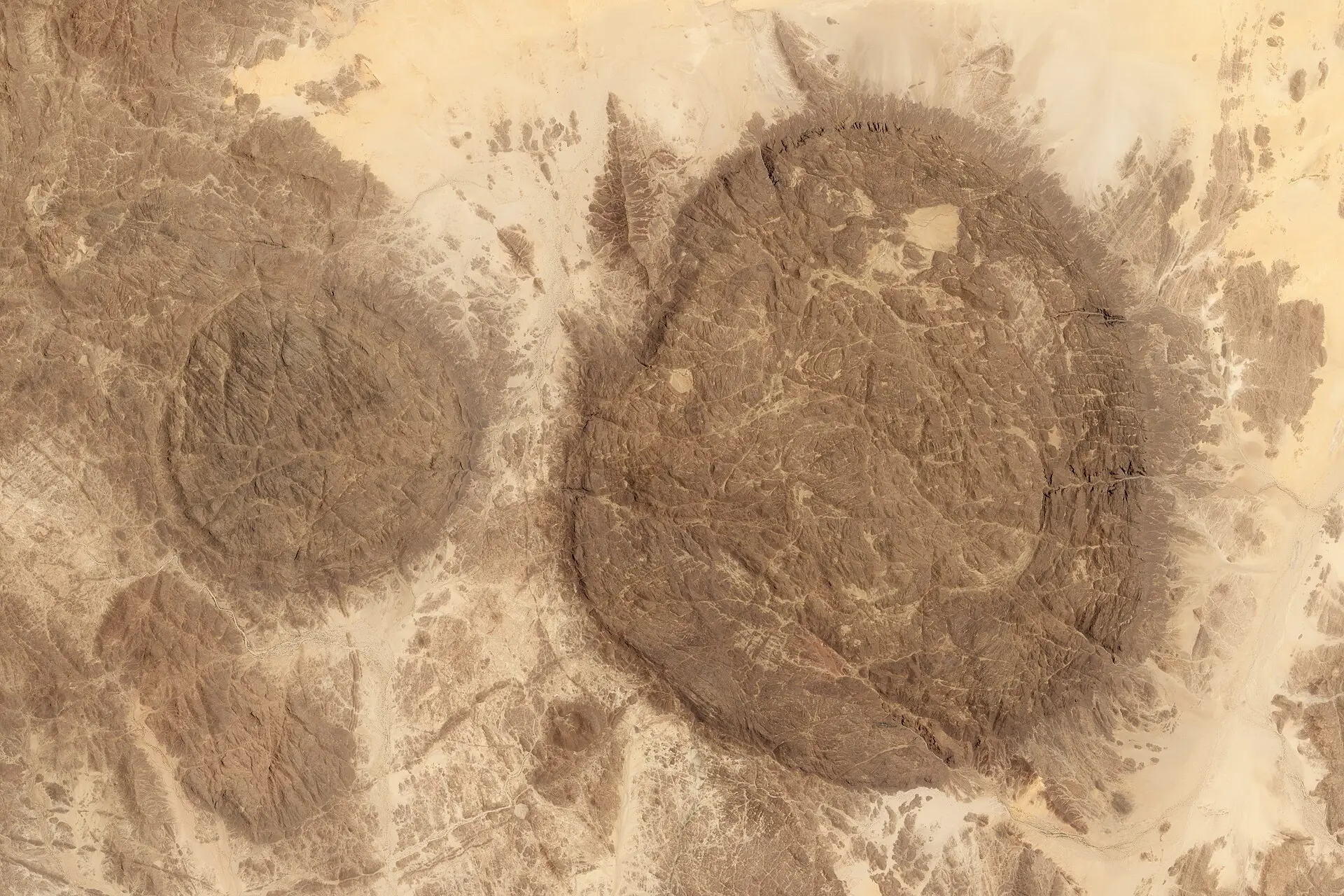
Agadez and the Aïr Mountains
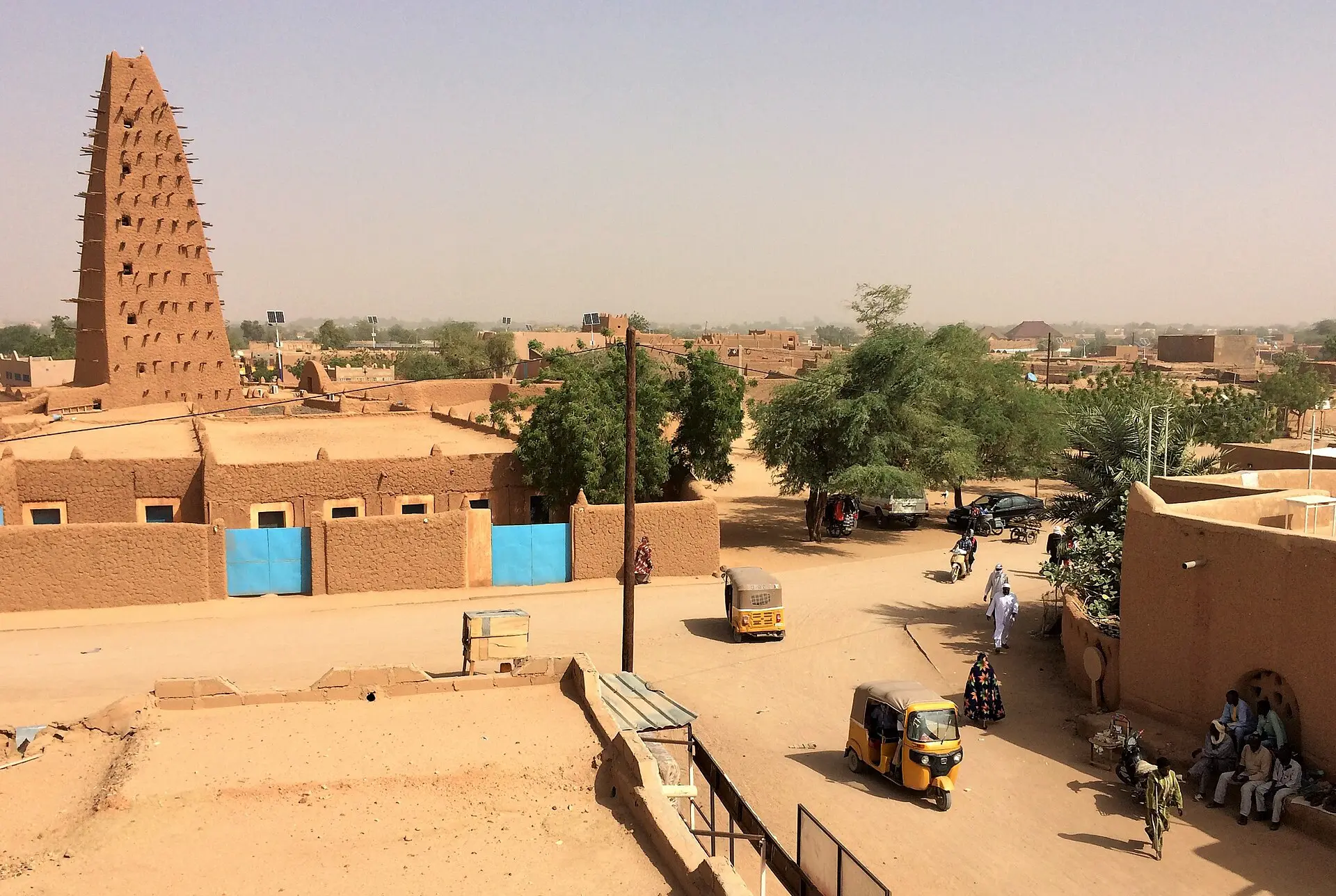
Agadez is a former Tuareg sultanate and trans-Saharan trading hub. Its historic centre is on the UNESCO list, with a mud-brick Grand Mosque whose minaret is among the tallest of its kind. The Aïr Mountains to the north hold rock art, gardens and desert scenery, and form part of the Aïr and Ténéré Natural Reserve.
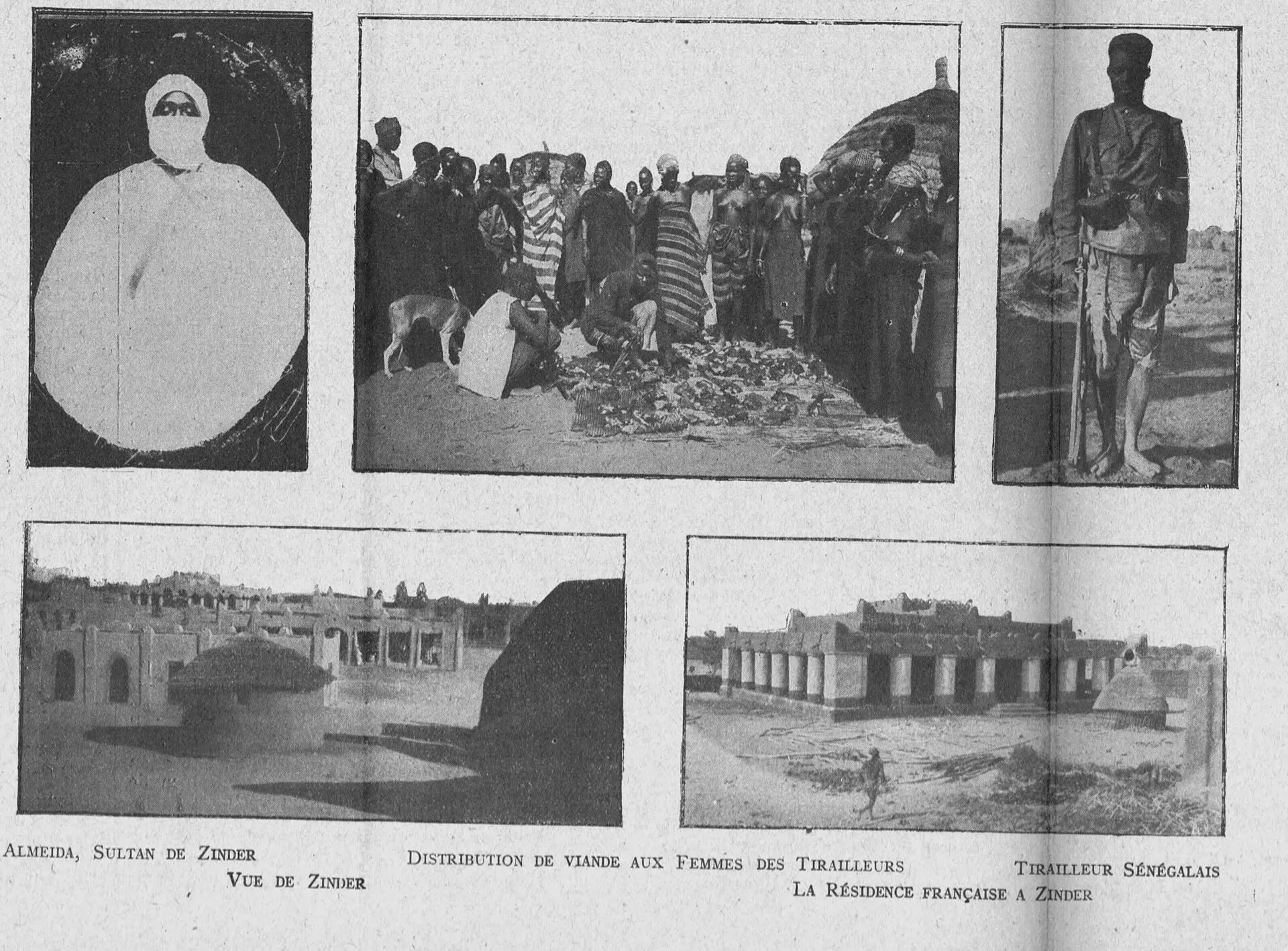
Zinder
Zinder is the cultural capital of the Hausa east, known for its old town, the sultan’s palace, tanneries and craft markets.
Niamey
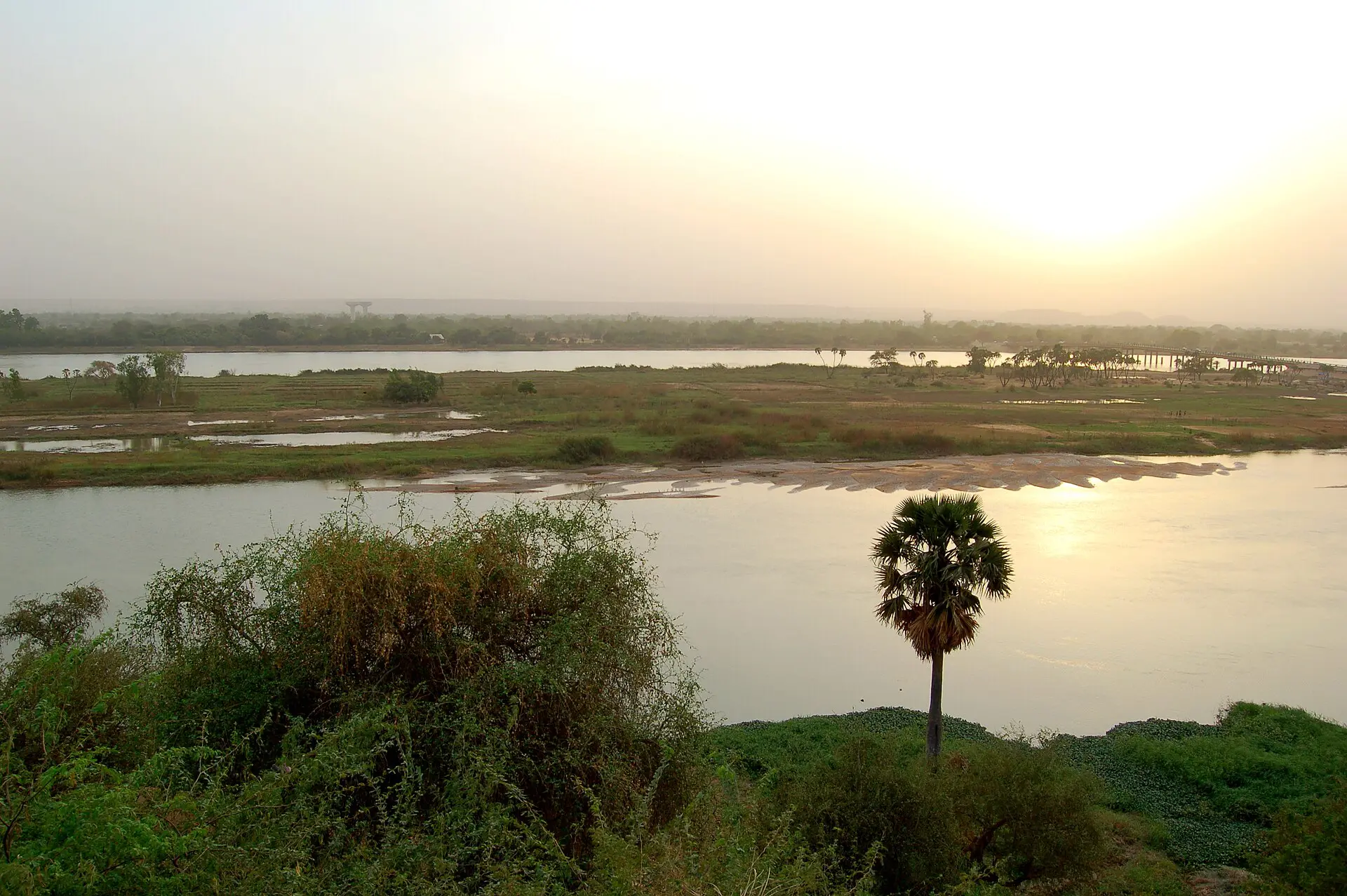
The capital lies on the Niger River in the south-west. It is quiet by West African standards and has a national museum, craft centre, a large market and river views.
Ayorou and the Niger River
Ayorou is known for its Sunday market and for pirogue trips to see hippos. It is in a region with severe security problems.
W National Park and Koure
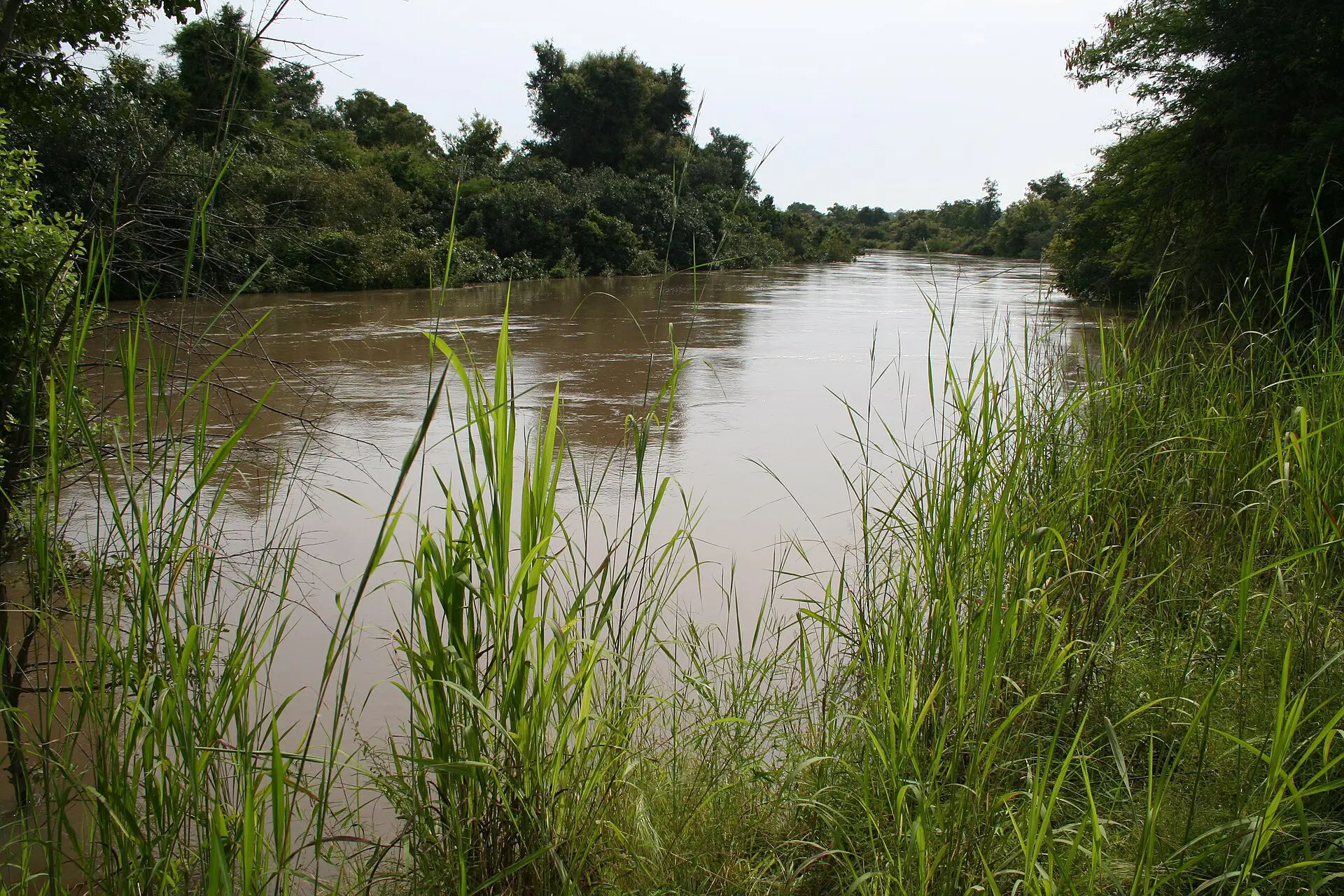
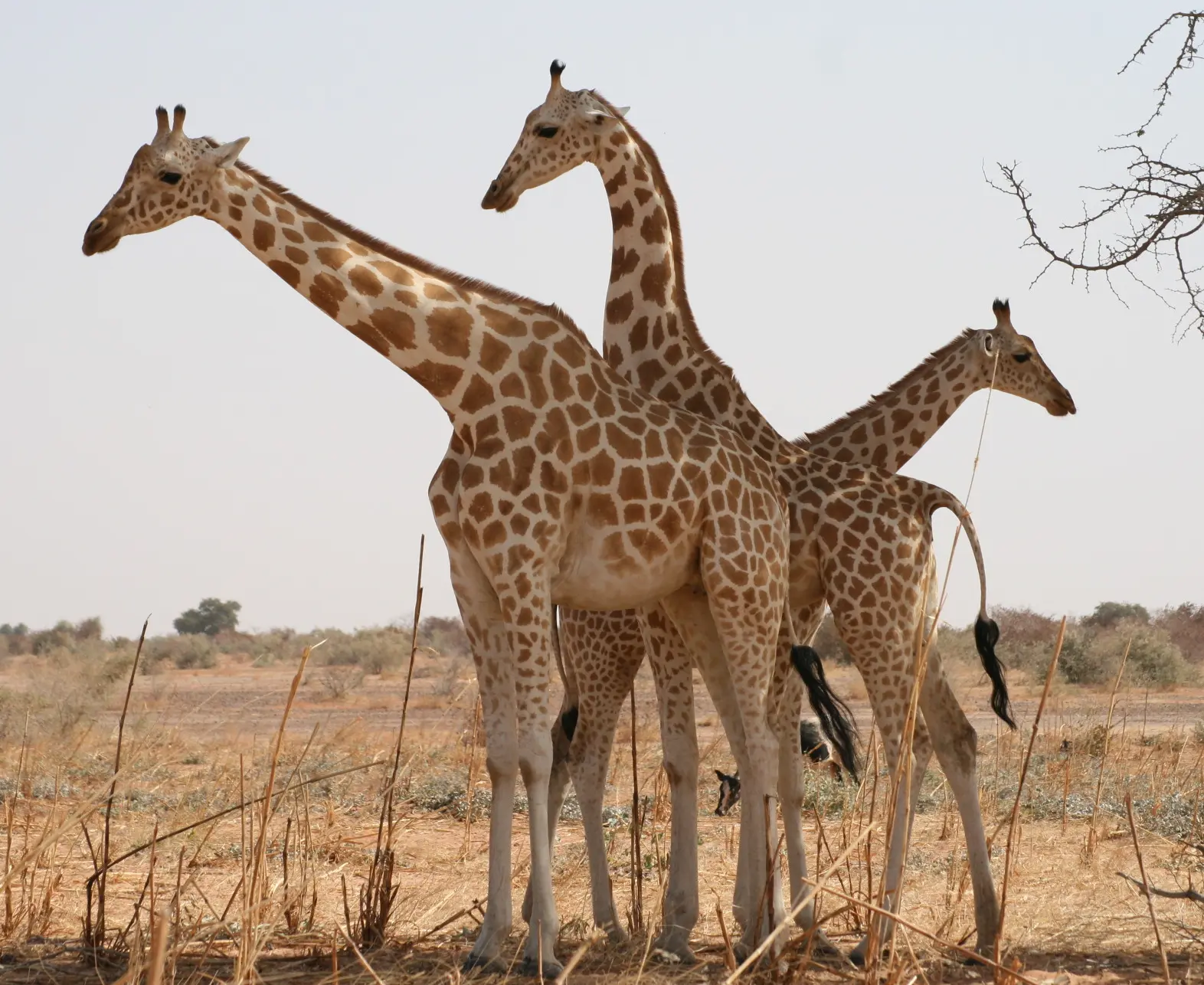
The W Park is a trans-border reserve shared with Benin and Burkina Faso. Near Koure, a small herd of West African giraffes lives among villages and farmland, and it has been the country’s best-known wildlife draw.
Top things to do in Niger
The top things to do in Niger have been cultural and outdoor experiences. Most need an organised, authorised guide and are not currently advised by governments, so this list describes what the country offers, not what to book.
- See the Agadez Grand Mosque: climb or view the mud-brick minaret over the old town, with the permission of the community.
- Visit the Niamey National Museum: it holds an open-air section with traditional houses, a zoo and craft workshops.
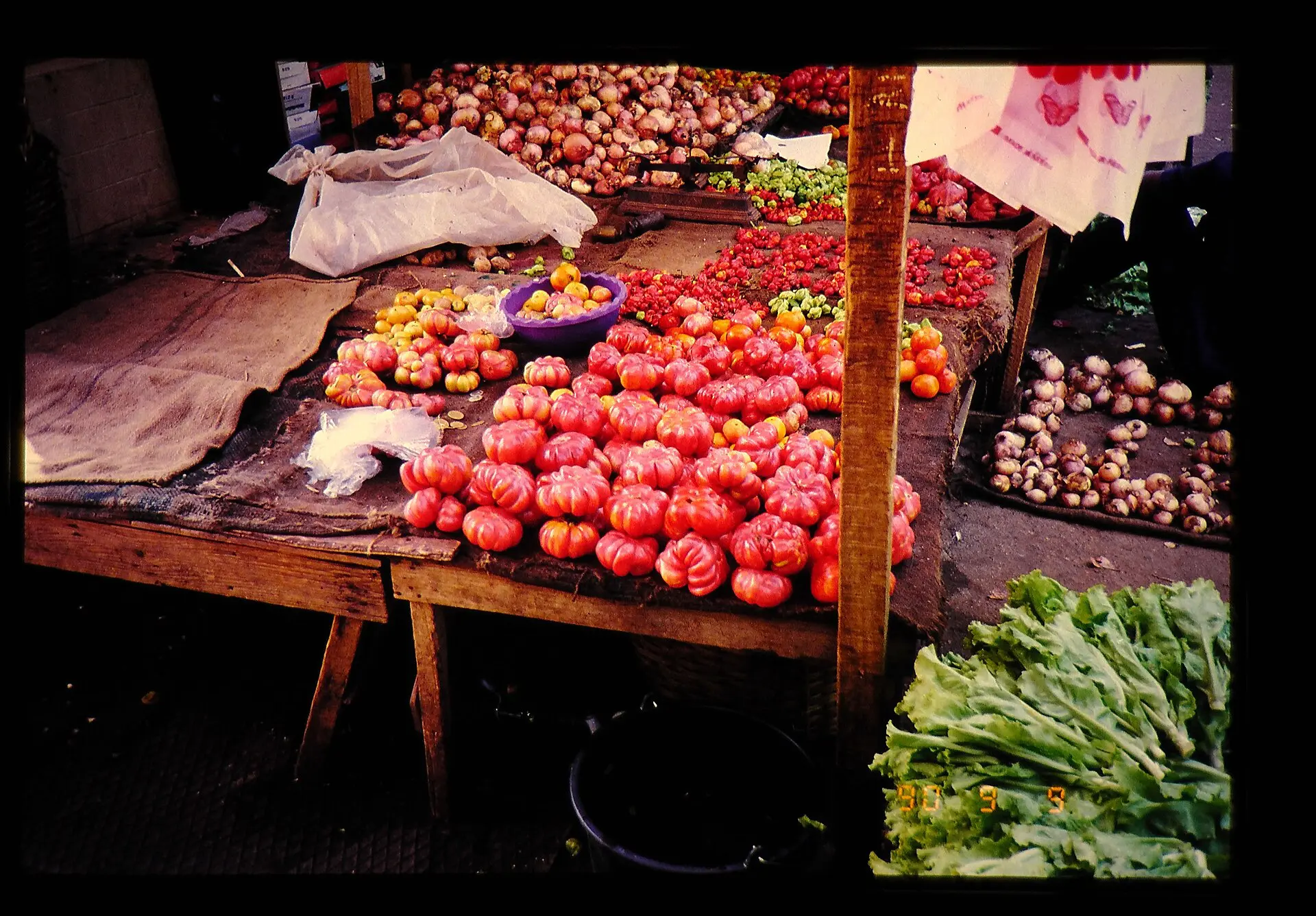
- Browse the Niamey Grand Marché: the main market sells fabric, spices, leather and jewellery.
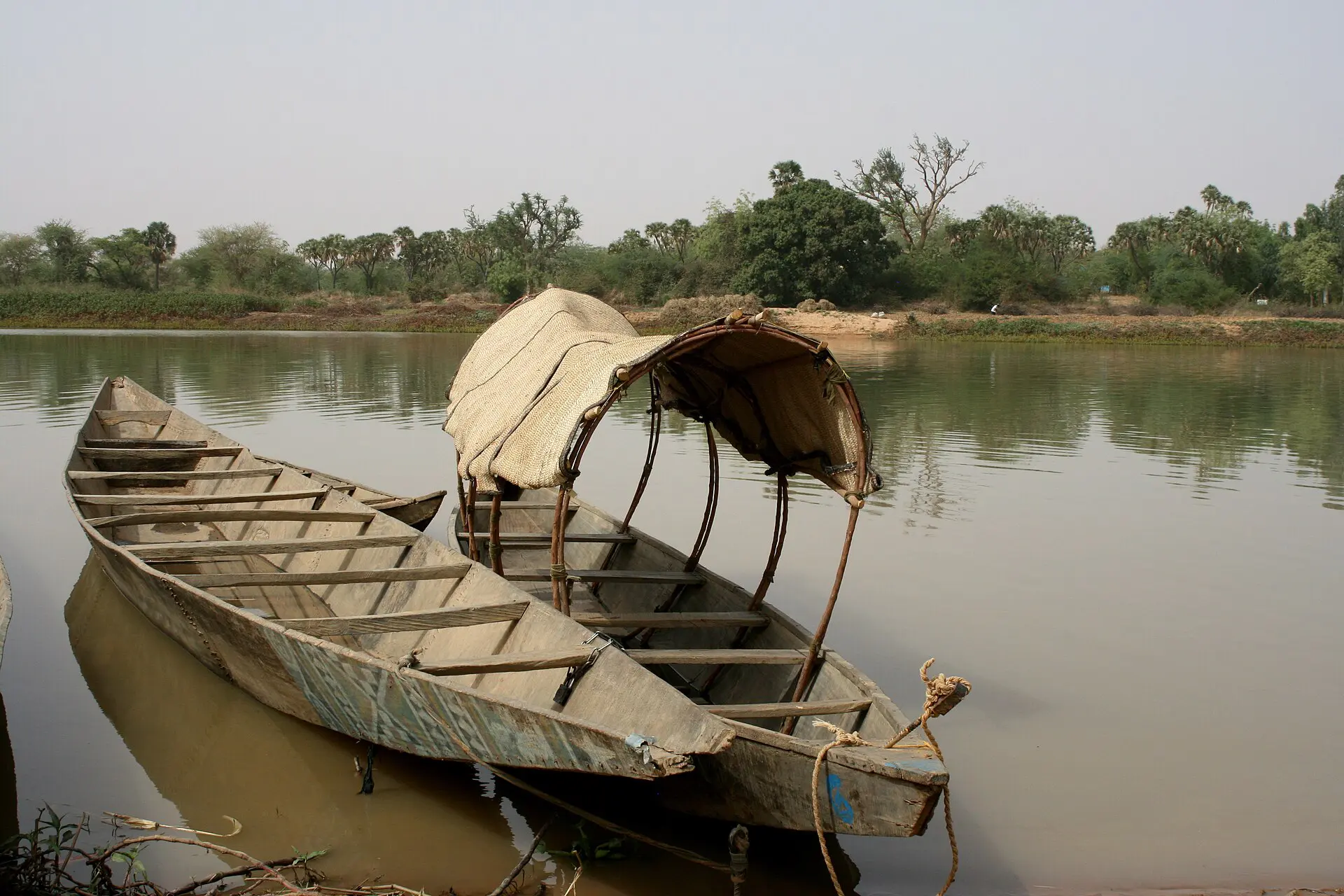
- Watch river life at Niamey: the Niger River and its bridges are the focus of the city, with fishing boats and sandbanks.
- Shop for crafts in Zinder: look for leather goods, pottery and dyed cloth.
- Attend a market day: weekly markets such as Ayorou and Balleyara trade livestock and goods.
- See West African giraffes near Koure: day trips from Niamey were once typical.
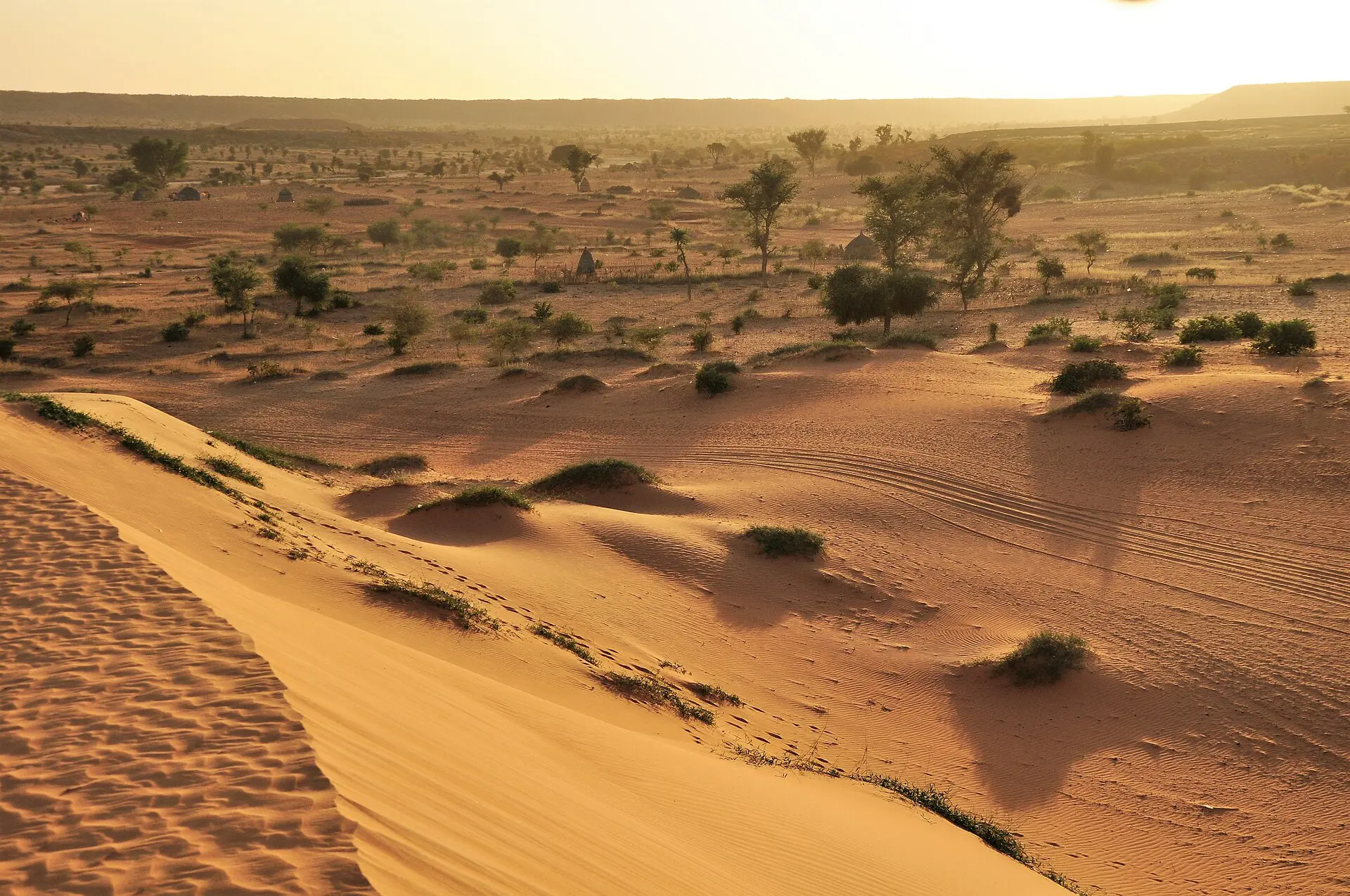
- Cross the Ténéré desert: long expeditions with expert drivers once visited dunes and the site of the Tree of Ténéré.
- Attend Tuareg and Wodaabe festivals: the Cure Salée and Gerewol gatherings were once the main cultural events.
Best time to visit Niger
The best time to visit Niger, if travel becomes possible, is November to February, when days are warm and nights are cool and dry. From March to June the heat is severe, with temperatures above 40 C in many places, and the harmattan wind brings dust between December and March. The rainy season runs roughly from June or July to September in the south, bringing flooding and difficult roads.
| Season | Weather | Crowds and prices | Good for |
|---|---|---|---|
| Cool dry (Nov-Feb) | Warm days, cool desert nights, some dust | Few visitors; highest local demand for guides | Desert travel, markets, festivals |
| Hot dry (Mar-Jun) | Very hot, often above 40 C | Very few visitors | Nothing outdoors; avoid |
| Rainy (Jul-Sep) | Heavy storms in the south, floods possible | Few visitors | Green Sahel, river views |
| Post-rain (Oct) | Hot but drying, roads recovering | Few visitors | Agricultural landscapes |
Security conditions matter far more than weather, so check government advice before planning around any season.
Is Niger safe to visit?
Is Niger safe? No, not currently. Many governments, including the UK and US, advise against all or nearly all travel to the country, and the risks go beyond ordinary petty crime. Check the UK FCDO and US State Department pages before you read further, because they change quickly.
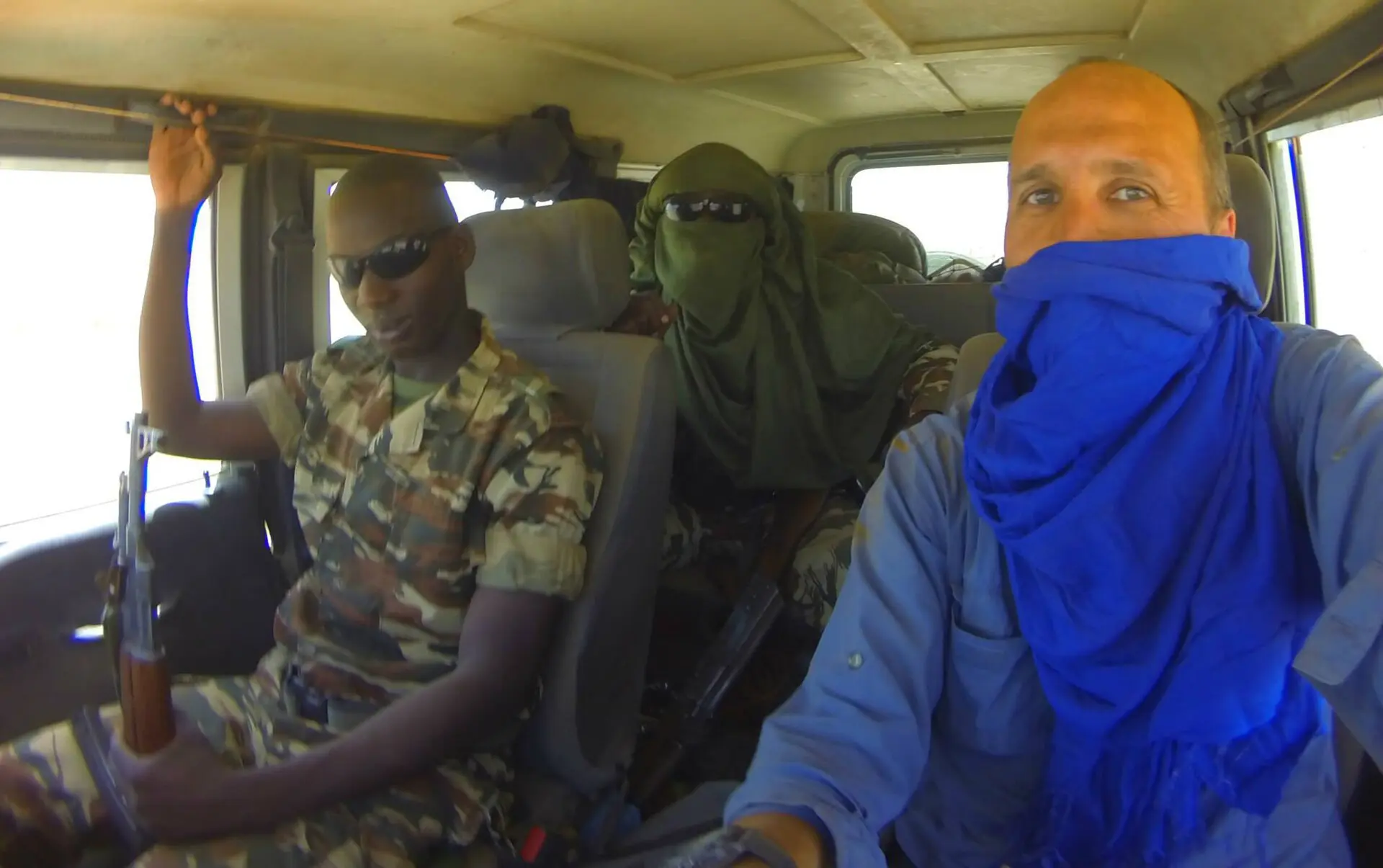
Terrorism and kidnapping. Armed groups linked to al-Qaeda and Islamic State operate in the Tillabéri, Tahoua and Dosso regions in the west and in the Diffa region near Lake Chad. Foreigners have been kidnapped, including in the north. Government travel advice also lists risks near the borders with Mali, Burkina Faso, Nigeria and Libya.
Politics. Since the July 2023 coup, the country has been ruled by a military government. Curfews, protests, checkpoints and sudden border or flight closures are possible, and consular support is limited.
Roads and crime. Banditry occurs on remote routes, and road accidents are common. Travel outside Niamey normally requires official clearance and an escort.
Health. Malaria, meningitis, cholera and heat illness are real risks, and medical facilities are basic. Travel insurance with evacuation cover is essential, but insurers may exclude regions where governments advise against travel.
Niger visa and entry requirements
The Niger visa position depends on your nationality and can change at short notice. Most non-African visitors need a visa arranged before travel, through an embassy or a consulate, and sometimes with an invitation letter or hotel booking. Citizens of several West African states may enter under regional arrangements, though these are under review as Niger has left some regional bodies. Confirm the current rule with the official Nigerien immigration source or your nearest Nigerien embassy.
A yellow fever vaccination certificate is usually required, and a passport valid for six months is standard. Registration with local police and permits for travel outside the capital are common requirements, and checkpoints are frequent. Land borders, including those with Benin and Nigeria, have closed or restricted at times since 2023, so check before relying on them.
Many governments warn against travel, and travel insurance may be void. For heritage reference, the UNESCO page for Niger lists the World Heritage sites, though it does not cover entry rules.
Getting to and around Niger
The main international gateway is Diori Hamani International Airport in Niamey, with limited regional connections, and Agadez has a smaller airport. Flight schedules change often, so confirm with the airline and your government’s advice. There is no passenger rail, and land borders have closed or restricted at times.
Inside the country, a paved road runs east from Niamey through Dosso, Maradi and Zinder, and another goes north through Tahoua to Agadez. Public buses and shared taxis serve these corridors. Typical journeys are long: Niamey to Zinder takes around 12 hours or more by road, and Niamey to Agadez is a full day or longer. In the north, desert routes need experienced drivers, off-road vehicles, fuel and satellite communication.
Official permission and escorts are often required outside Niamey, and travel after dark is strongly discouraged. In Niamey, taxis are cheap, with fares agreed beforehand, and motorbike taxis are common. Car rental usually includes a driver.
How much does a trip to Niger cost?
A trip to Niger costs more than the country’s poverty suggests, because secure transport, guides and permits make up most of the budget. The currency is the West African CFA franc (XOF), which is pegged to the euro at around 656 francs per euro. Figures below are rough guides for a hypothetical 2026 trip and are not an endorsement of travel.
- Budget: around EUR 40 to 70 per day, using basic guesthouses, local meals and shared transport inside Niamey only.
- Mid-range: around EUR 70 to 130 per day, with air-conditioned hotels, private drivers and some guided visits.
- High-end: EUR 200 or more per day, particularly with a vehicle, armed escort or expedition outfitter.
Hotels in Niamey are expensive for what they offer, and cash is used almost everywhere. Foreign cards are accepted only in a few hotels, and ATMs can be unreliable. Desert expeditions cost most because of vehicles, fuel, guides and permits. Add insurance, visa fees and vaccinations to your total.
Niger food and drink
Niger food is based on millet, sorghum, rice, beans and meat, with regional differences between the Hausa, Zarma, Tuareg and Fulani. Meals are simple and eaten communally, and Niamey has restaurants serving French, Lebanese and West African dishes.
- Millet porridge and tô: a thick millet or sorghum paste eaten with a leaf or okra sauce.
- Dambou: steamed millet or couscous with vegetables, a Zarma dish.
- Brochettes: grilled skewers of beef or mutton, sold at roadside stalls in the evening.
- Riz gras and sauces: rice cooked in tomato and oil, served with meat or fish from the river.
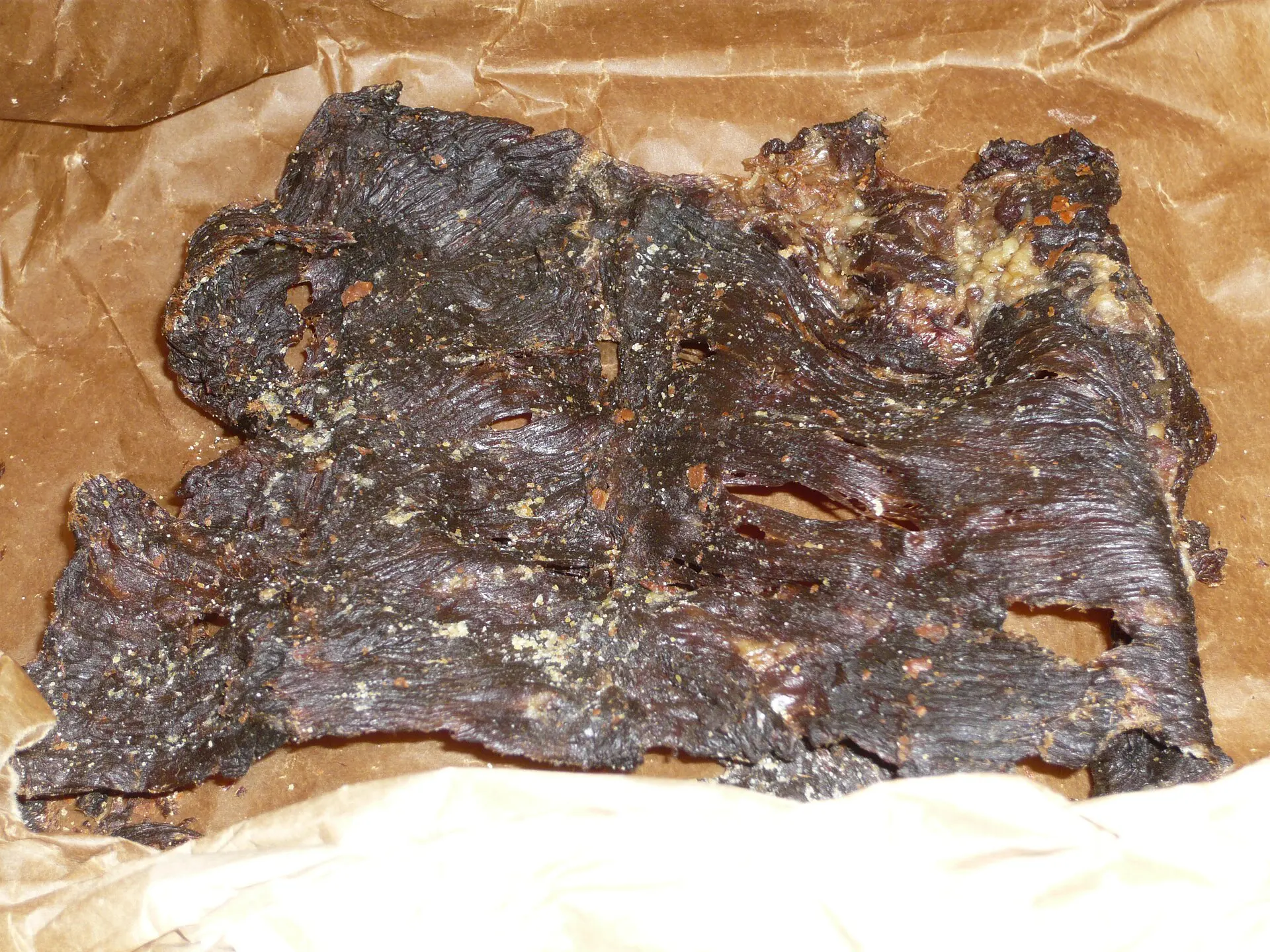
- Kilishi: spicy dried beef, a Hausa speciality sold as a snack.
- Fura and kossam: millet balls in fermented milk, often a drink for the day.
- Tea: three rounds of strong sweet mint tea are a Tuareg custom, offered to guests.
Alcohol is limited and mostly found in hotels, because the population is predominantly Muslim. Vegetarians can eat vegetable stews and grains, but meat is central to most celebrations. Drink only bottled water and eat freshly cooked food.
Culture, language and etiquette in Niger
French has long been the language of administration and education, but most people speak Hausa, Zarma-Songhai, Fulfulde, Tamasheq or Kanuri at home, and Hausa serves as the main lingua franca. English is rare. Greetings are long and important: ask about family and health before any business, and shake hands gently with the right hand.
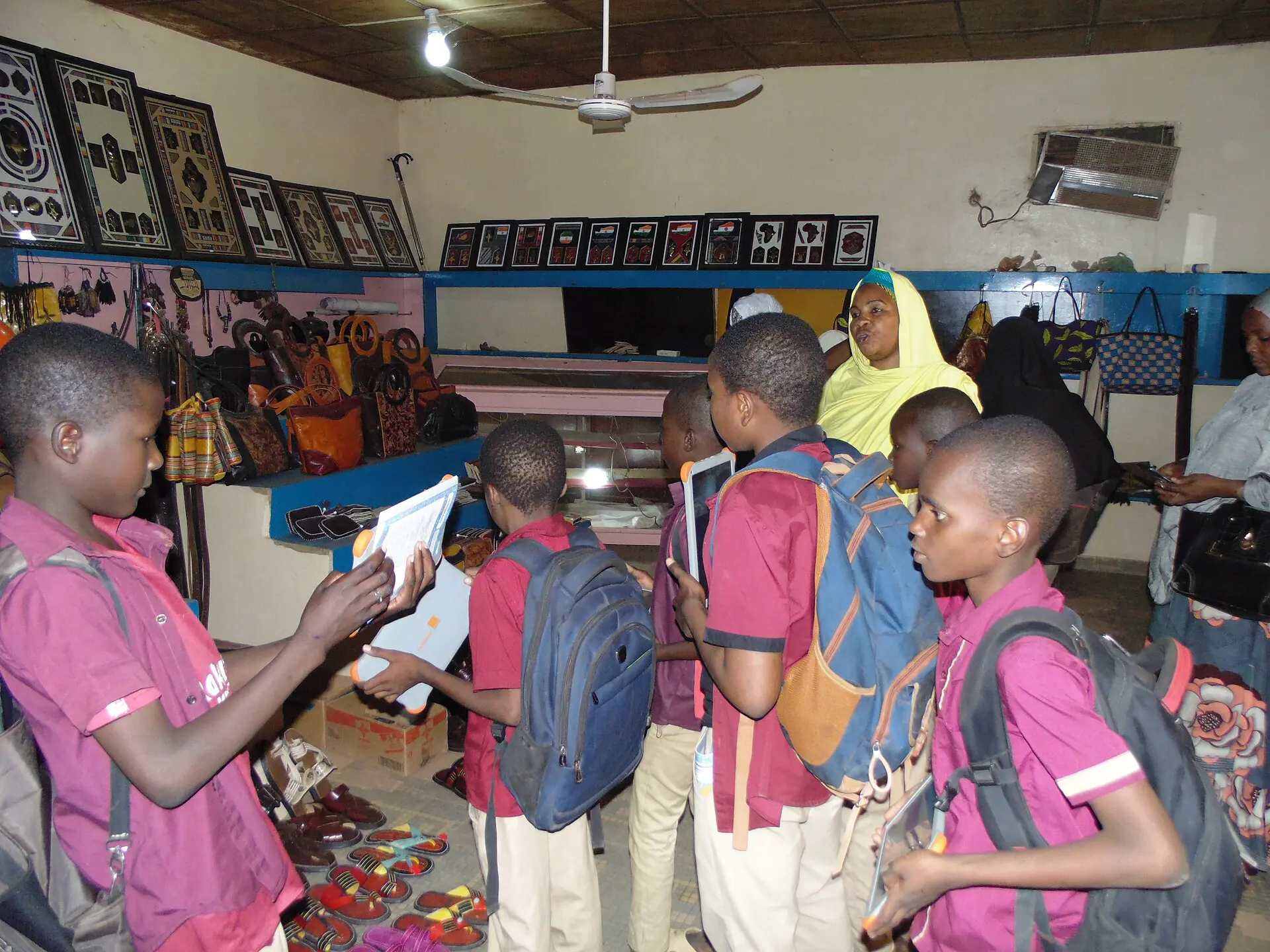
Niger is predominantly Muslim, and Islam shapes daily life. Dress modestly, covering shoulders and knees, and women should carry a light scarf. Avoid public displays of affection, and do not eat or drink in public during Ramadan daylight hours. Ask before photographing people, markets, mosques, bridges and any government or military site, because photography restrictions are strictly applied.
Hospitality is a strong value, and you may be offered tea or food. Use the right hand to eat and pass things. Many Nigeriens are friendly to visitors and curious, but politics, the 2023 coup and foreign military presence are sensitive topics, so let local contacts raise them first.
Niger itinerary: a 7-day route
Independent travel through Niger is not currently advisable, and this guide does not offer a route into the north, the west or the south-east. If your government’s advice changes to allow limited travel, the only plan worth considering is a Niamey-based visit with local official guidance. Treat the outline below as a conditional template.
- Day 1, arrival: fly into Niamey, register as required and rest in a secure hotel.
- Day 2, National Museum: visit the museum grounds and craft centre by taxi from a trusted company.
- Day 3, Grand Marché: go in daylight with a local guide and keep valuables hidden.
- Day 4, river and city views: cross the Kennedy Bridge by car and take a short guided boat trip if conditions allow.
- Day 5, buffer day: rest, update advice and keep a flexible plan.
- Day 6, local culture: meet an established cultural or craft organisation for a half-day.
- Day 7, departure: reconfirm the flight and leave early for the airport.
Do not add Agadez, Ayorou, Koure, the W Park or overland routes without current official clearance and professional security support. Flights can be cancelled at short notice, so keep flexible tickets and consider the option of not going.
Practical tips for Niger
- Advice: read your government’s travel page and register your trip if there is a scheme. Keep a contact at your embassy.
- Money: cash in euros is easiest to exchange for CFA francs. Cards and ATMs are unreliable outside a few hotels.
- SIM and eSIM: local SIMs are cheap, and coverage is limited outside towns. A satellite messenger is wise for any remote travel.
- Plugs: types C and E at 220 V.
- Tipping: not expected; small tips for drivers and guides are welcome.
- Health: get a yellow fever certificate, check malaria prevention and vaccines, and bring a medical kit and oral rehydration salts.
- Packing: light long-sleeved cotton clothes, a scarf, a hat, sunscreen and a power bank. Photocopies of your passport help at checkpoints.
- Communication: keep family informed and agree check-in times.
For wider background, see the Wikivoyage Niger guide.
FAQ
Q1What is Niger food like?
Niger food centres on millet, sorghum and rice with sauces, plus grilled brochettes, kilishi dried beef, dambou and fermented milk drinks. Meals are simple and shared, tea is an important Tuareg custom, alcohol is rare, and vegetarians can eat grain and vegetable dishes.
Q2Is Niger safe?
No, not currently. Many governments advise against all or nearly all travel because of terrorism, kidnapping of foreigners, banditry and political instability since the 2023 coup. Consular help is limited, and insurance may not cover the trip. Read your government's latest advice.
Q3What are the best things to do in Niger?
In normal conditions, visitors came for the Agadez mosque, the Aïr Mountains and the Ténéré desert, Niger River life, Zinder's old town and craft markets, and giraffes near Koure. Most of these are in areas currently advised against, so they are best treated as background.
Q4Is Niger safe to visit for tourists?
Tourism is not currently advisable. Armed groups operate in several regions, foreigners have been kidnapped, and borders and flights can change quickly. Even Niamey carries risks. If you must travel for work, use official guidance, secure transport and a strong security plan.
Q5Do I need a visa for Niger?
Most visitors do, and it should be arranged before travel through a Nigerien embassy or consulate. A yellow fever certificate is usually required. Rules vary by nationality and change at short notice, so check an official Nigerien source before making any plans.
Q6What is the best time to visit Niger?
November to February is the coolest and driest period. March to June is extremely hot, and the rainy season from about July to September brings flooding. Security conditions matter more than weather, so check government advice before planning any season.