Why visit Myanmar (Burma)
This Myanmar travel guide starts with an honest framing: Myanmar, also called Burma, is one of the most culturally rich countries in Southeast Asia and one of the hardest to visit responsibly today. It is the largest country in mainland Southeast Asia, with about 55 million people, a long coastline on the Andaman Sea and Bay of Bengal, and a Buddhist heritage visible in thousands of pagodas. The Wikipedia overview covers the political background in detail.
In calmer years the draw was clear: the Shwedagon Pagoda in Yangon, the ancient temple plain at Bagan, boat life on Inle Lake and warm hospitality in markets and tea shops. It suits travellers who are patient with rough infrastructure and who will follow government advice closely. The country has been in conflict since the 2021 military takeover, so this guide describes the places and practicalities while treating safety as the first question, not the last. Many readers will use it to plan for the future rather than for a trip now.
Best places to visit in Myanmar
The best places to visit in Myanmar sit mostly in the central plains and around Yangon, but the security picture changes quickly, so treat this as a map of what exists, not a recommendation to go anywhere in particular.
Yangon
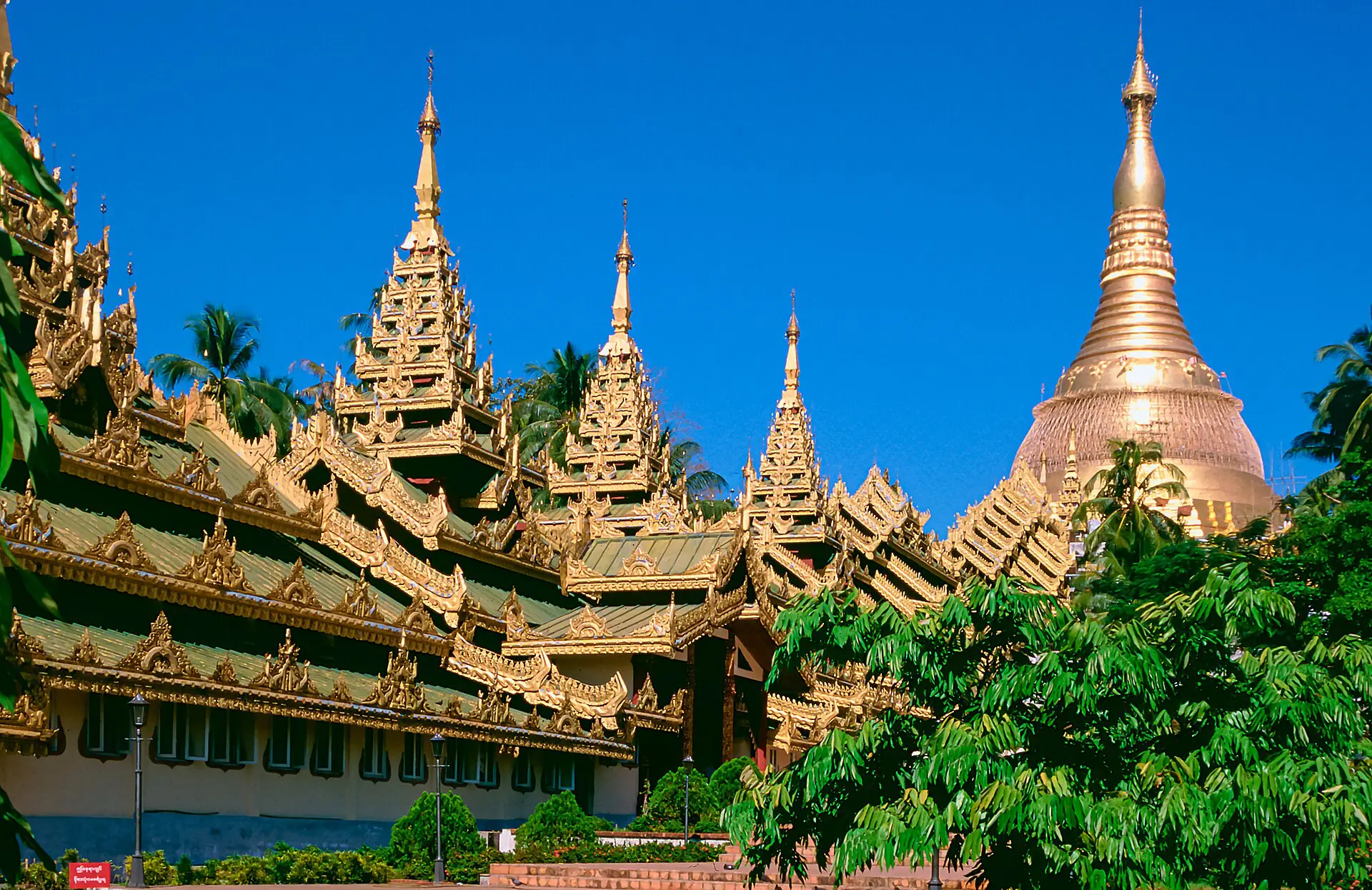
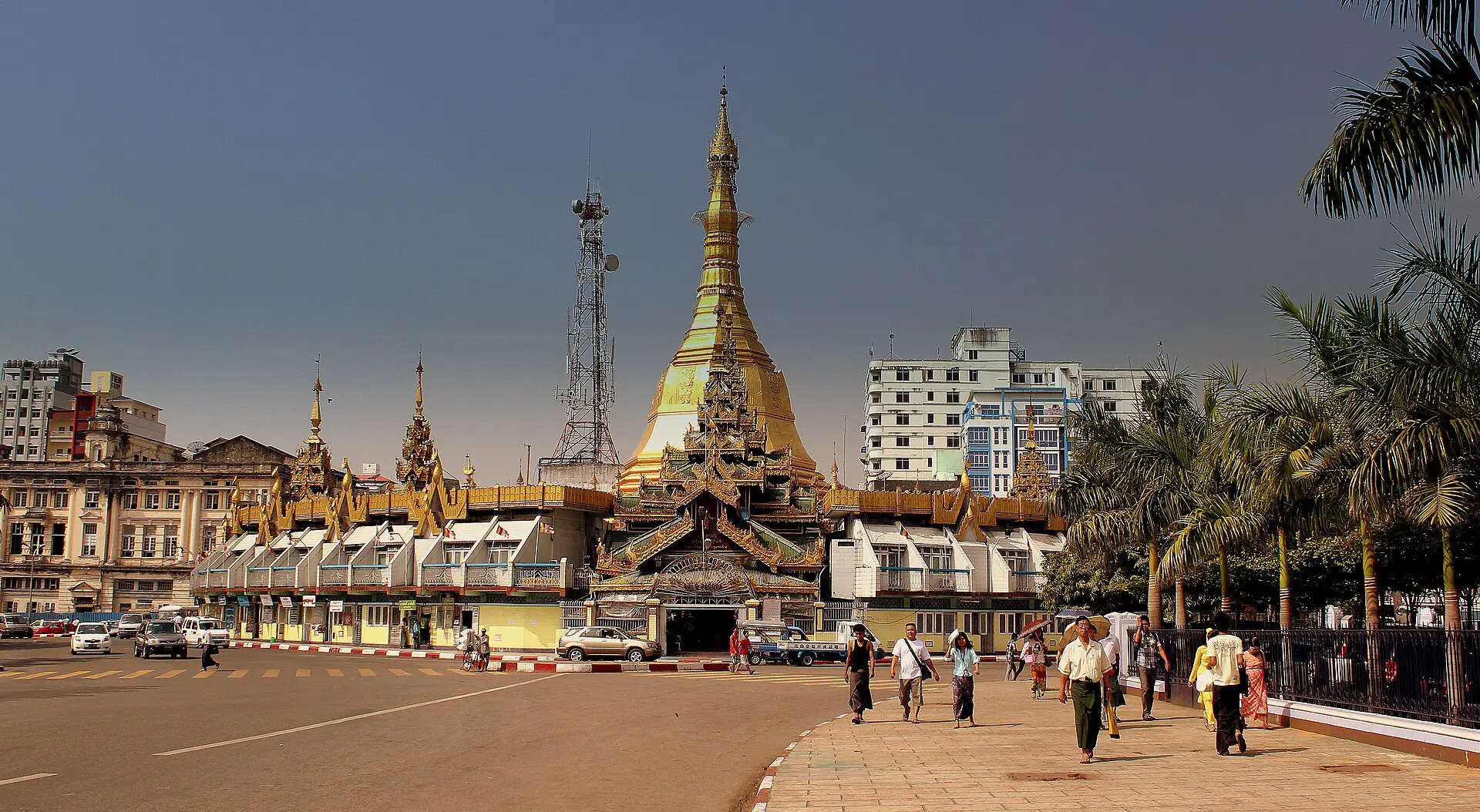
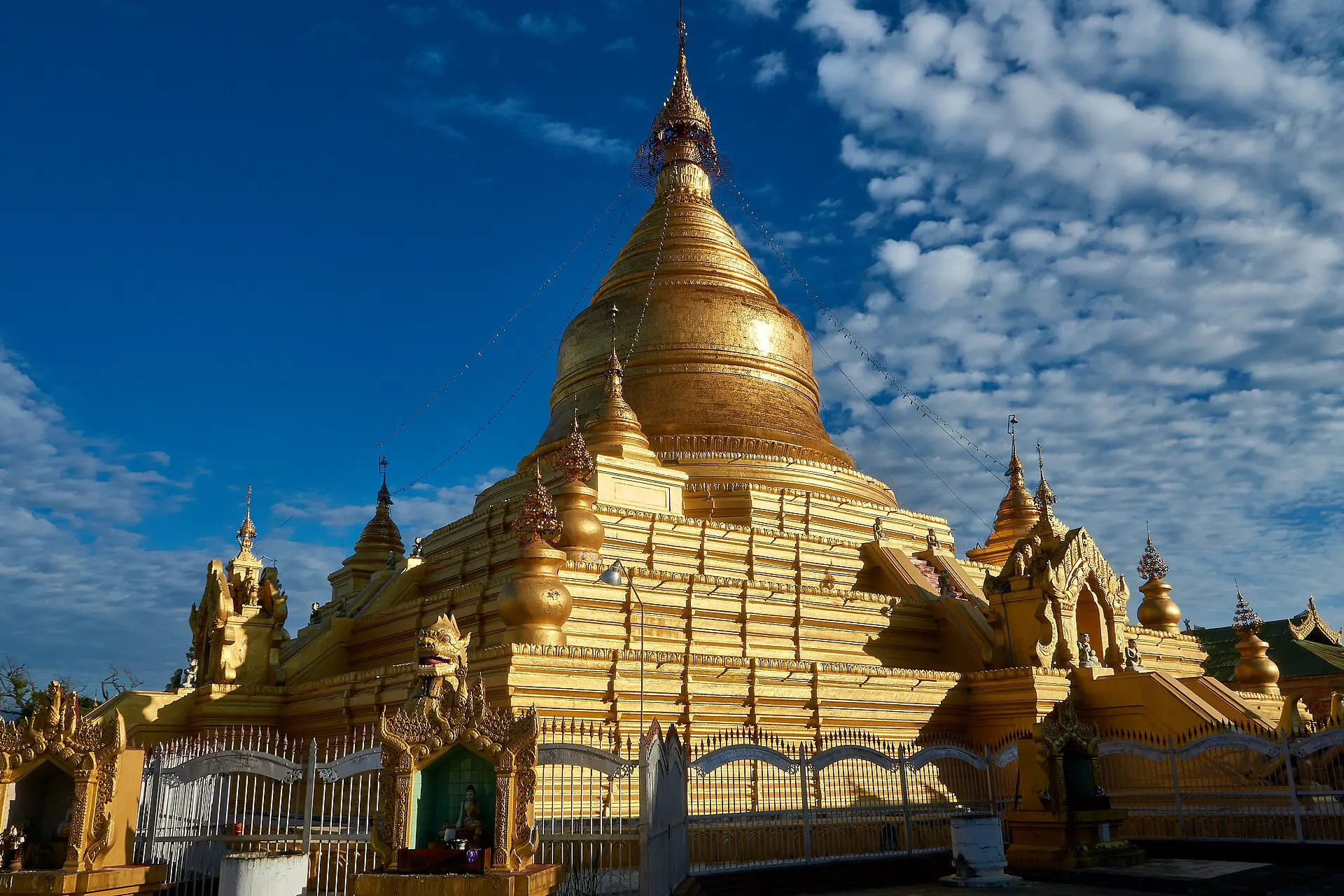
The largest city and former capital has a colonial-era downtown, busy street markets and the Shwedagon Pagoda, a gilded stupa that dominates the skyline and is most atmospheric around sunset. Most international flights arrive here.
Bagan
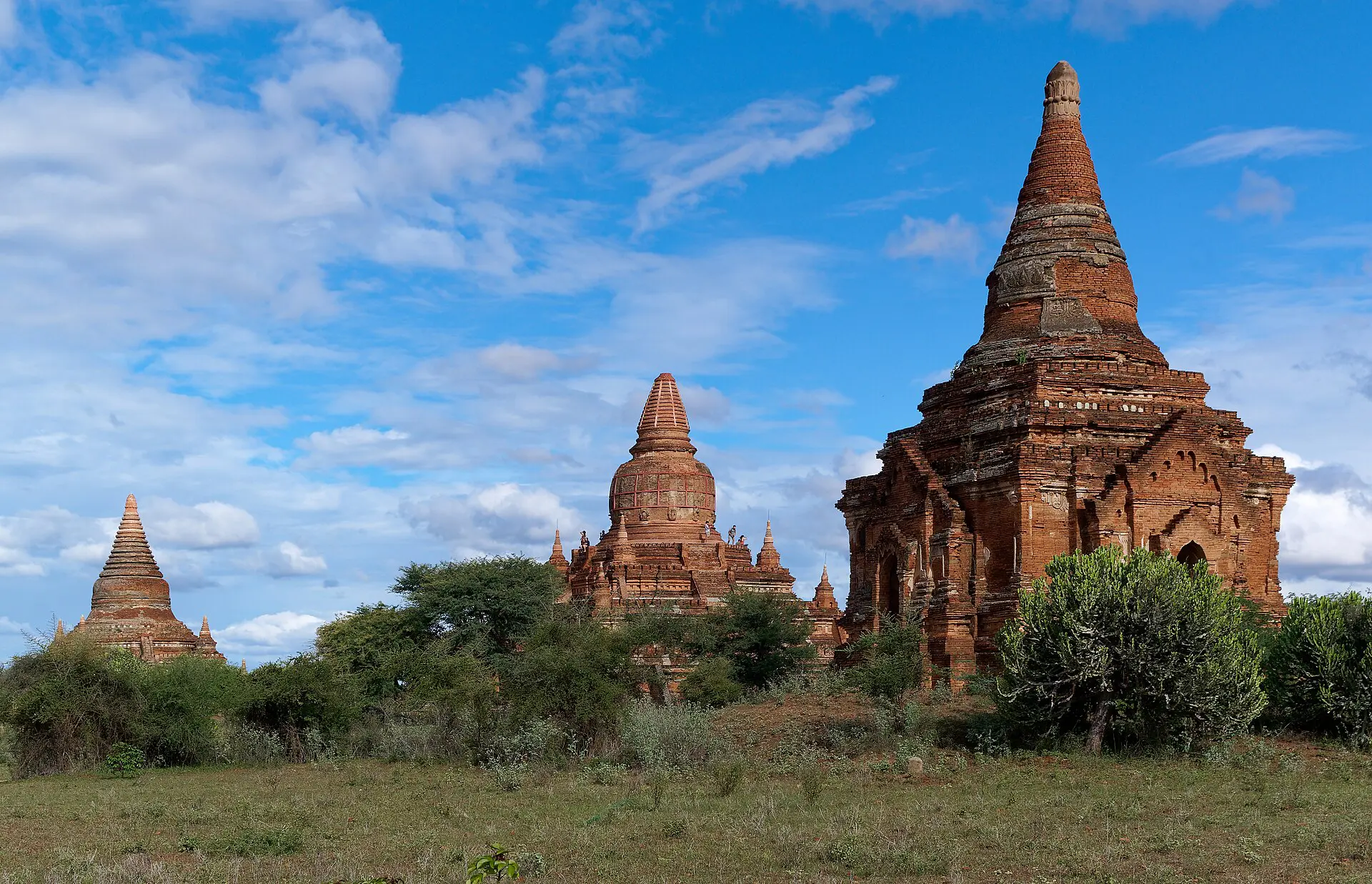
The Bagan Archaeological Zone holds thousands of brick temples and pagodas built from the 11th century on the plain beside the Irrawaddy River. It is a UNESCO World Heritage Site, and visitors traditionally explored by e-bike and watched sunrise from the terraces of selected monuments.
Mandalay and surroundings
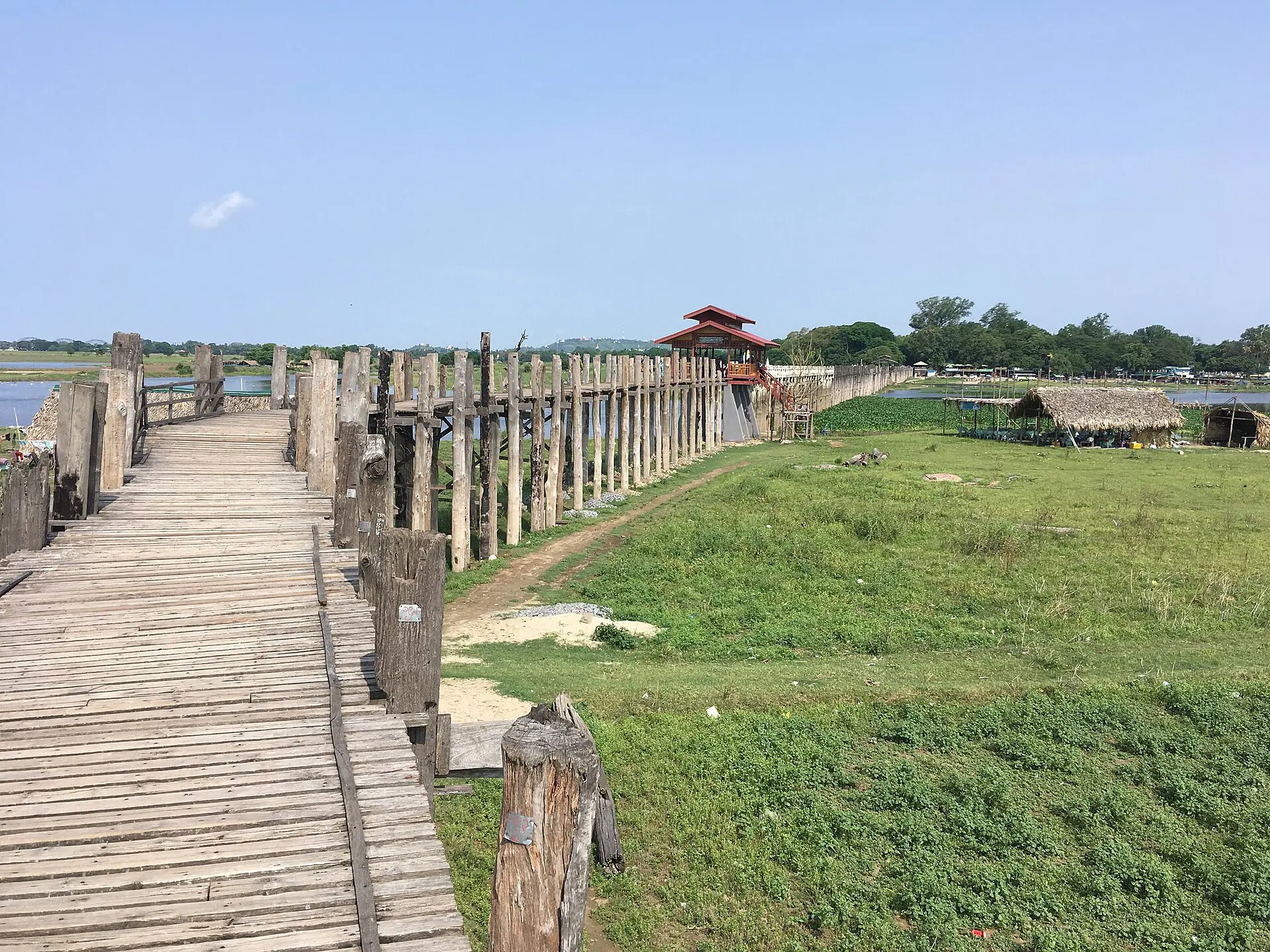
Mandalay, the last royal capital, is the cultural and commercial centre of Upper Myanmar. Mandalay Hill, the Mahamuni Buddha Temple and the U Bein teak bridge at Amarapura are the standard stops, with the old royal cities of Inwa and Sagaing nearby.
Inle Lake
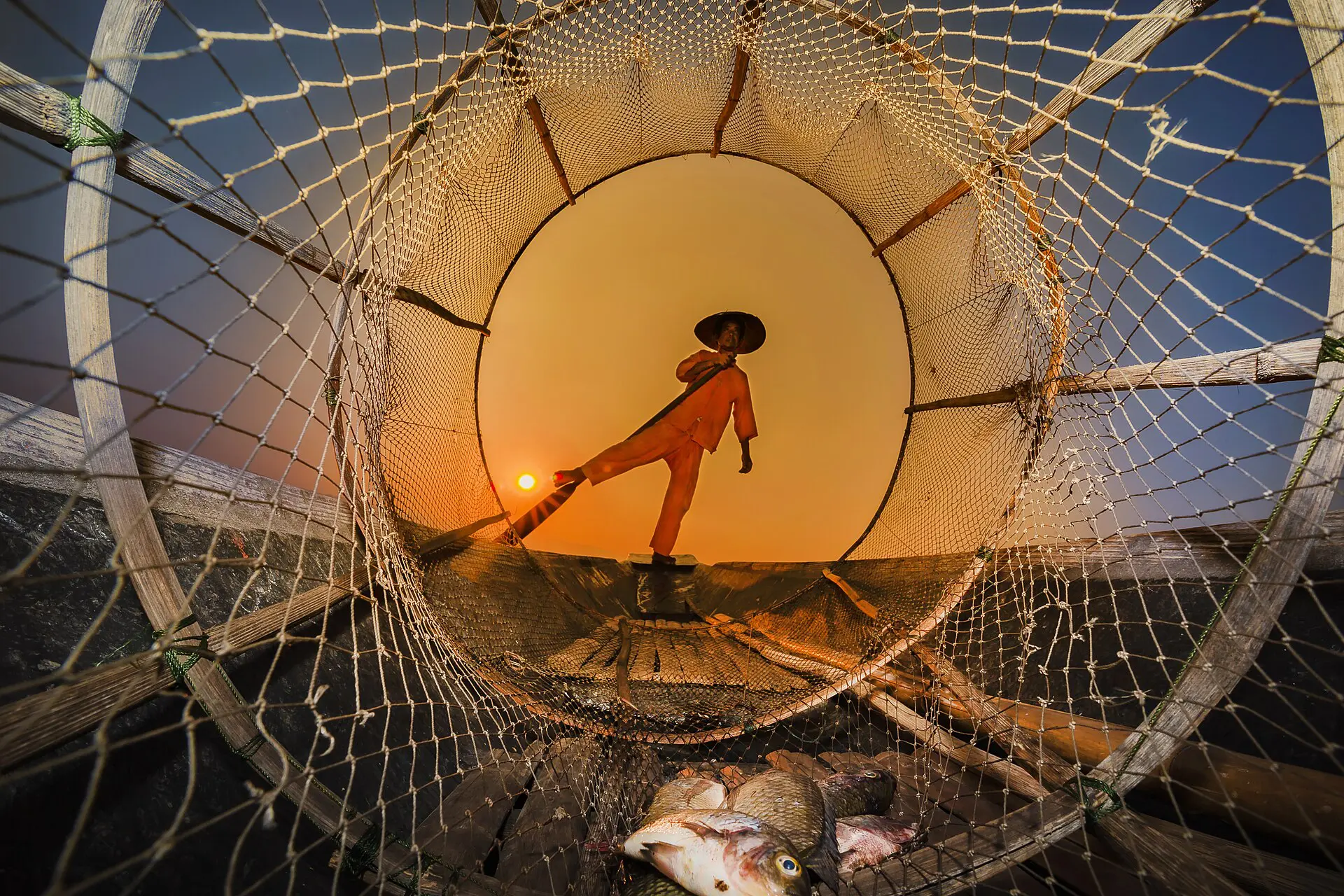
In Shan State, this shallow lake is known for Intha fishermen who row standing with one leg wrapped around the oar, for floating gardens and stilt villages. Security in Shan State varies widely, so check the latest advice.
Mount Popa and Pyin U Lwin
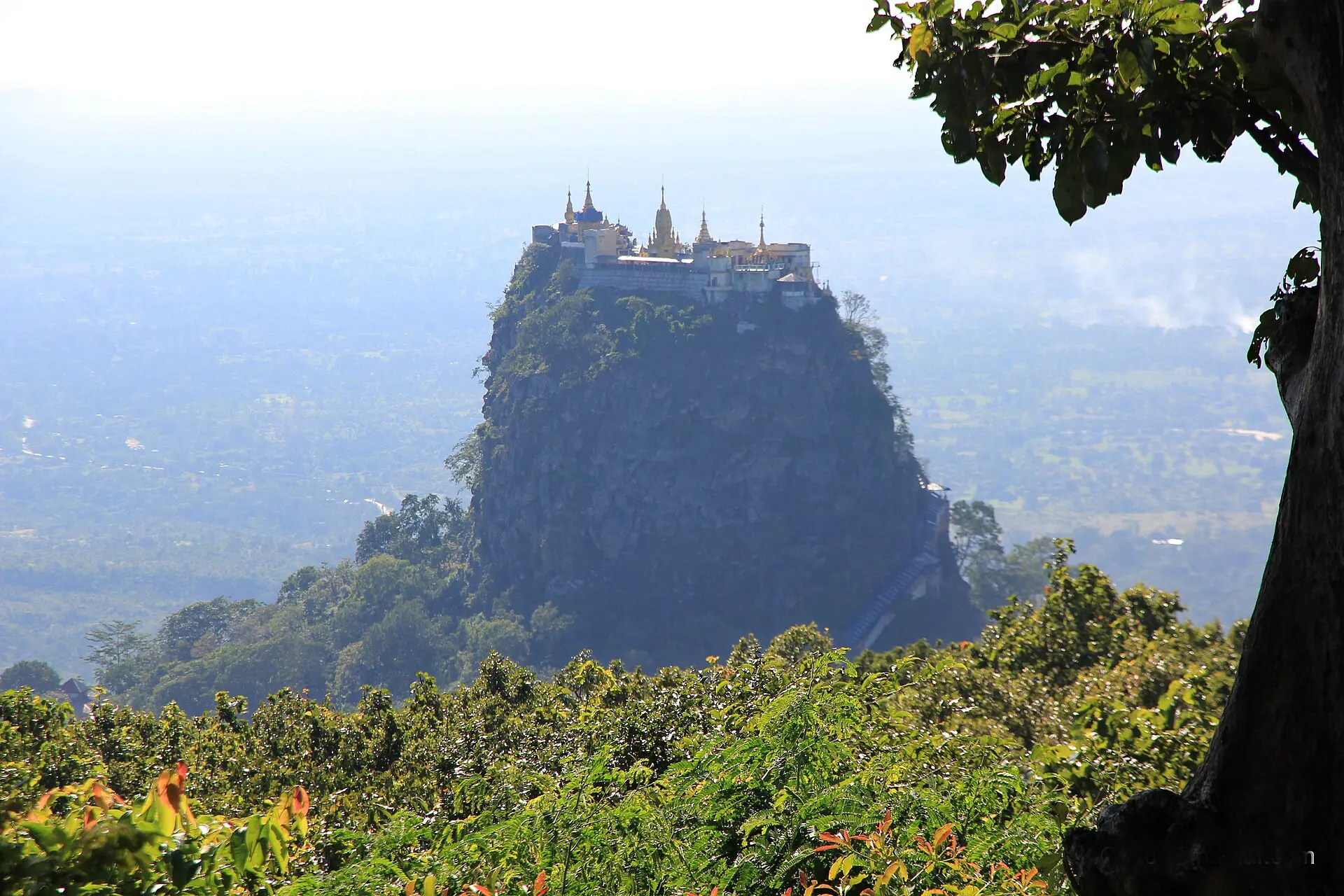
Mount Popa is an extinct volcano with a monastery on a rock pinnacle, an easy day from Bagan. Pyin U Lwin is a cool former British hill station with botanical gardens.
Ngapali and the coast
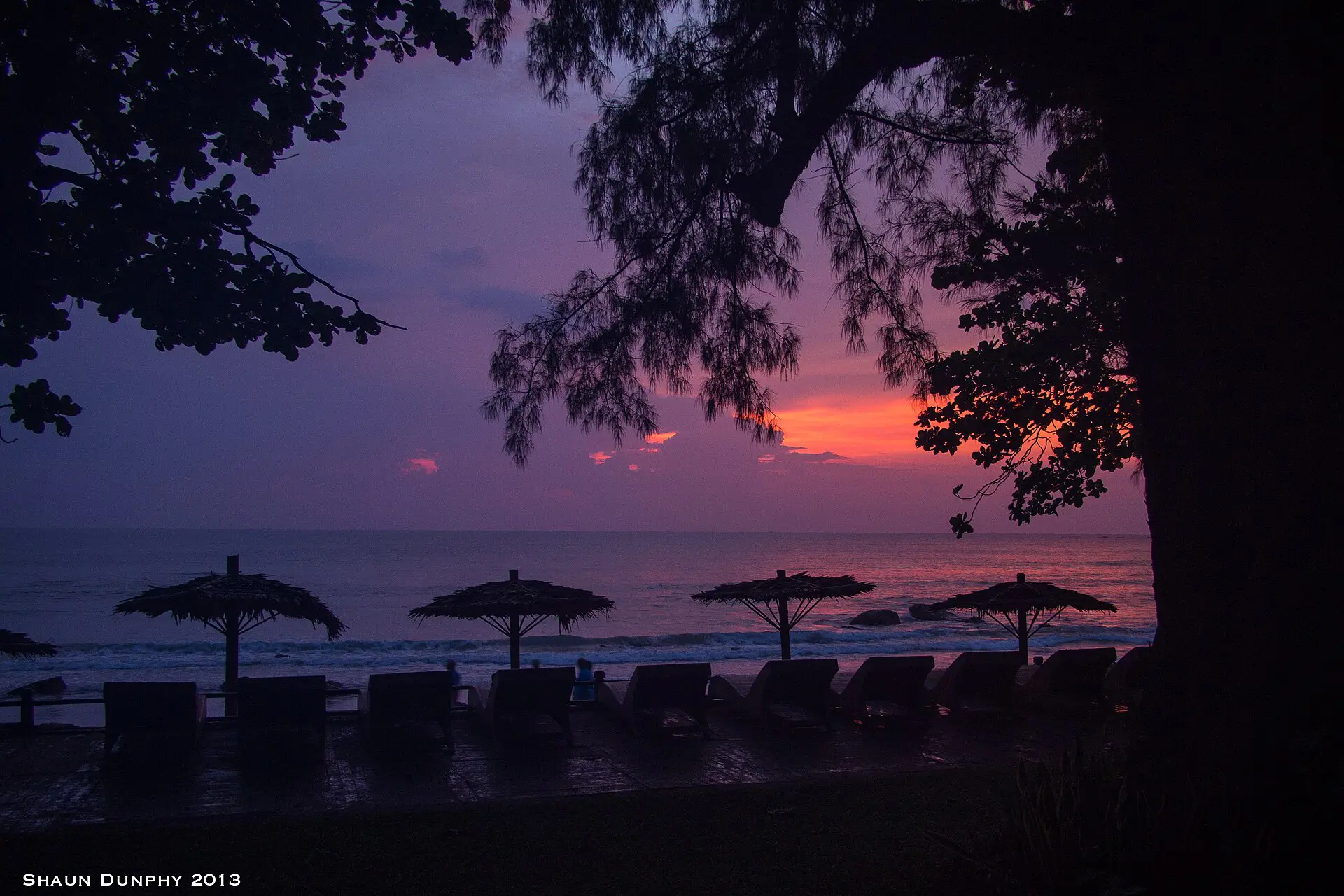
Ngapali, in Rakhine State, is a long palm-fringed beach on the Bay of Bengal. Rakhine State has seen severe conflict, so this is among the areas most governments warn against.
Top things to do in Myanmar
The top things to do in Myanmar are built around temples, water and food, and most of them are available only where it is safe and legal to travel. Verify access with current official advice and local operators first.
- Visit the Shwedagon Pagoda: walk the circular terrace at dusk, when the gold stupa is lit and local worshippers gather.
- Explore the temples of Bagan: hire an e-bike or a horse cart and visit a mix of famous and quiet monuments.
- Boat across Inle Lake: see the stilt villages, floating gardens and craft workshops from a long-tail boat.
- Cross the U Bein Bridge: the long teak footbridge at Amarapura is busiest at sunset.
- Climb Mandalay Hill: covered stairways lead to a hilltop pagoda with views across the city.
- Ride the Yangon Circular Railway: the commuter loop takes about three hours and shows daily life in the suburbs, when it is operating.
- Eat in a tea shop: order tea, samosas and snacks like locals at a morning stop.
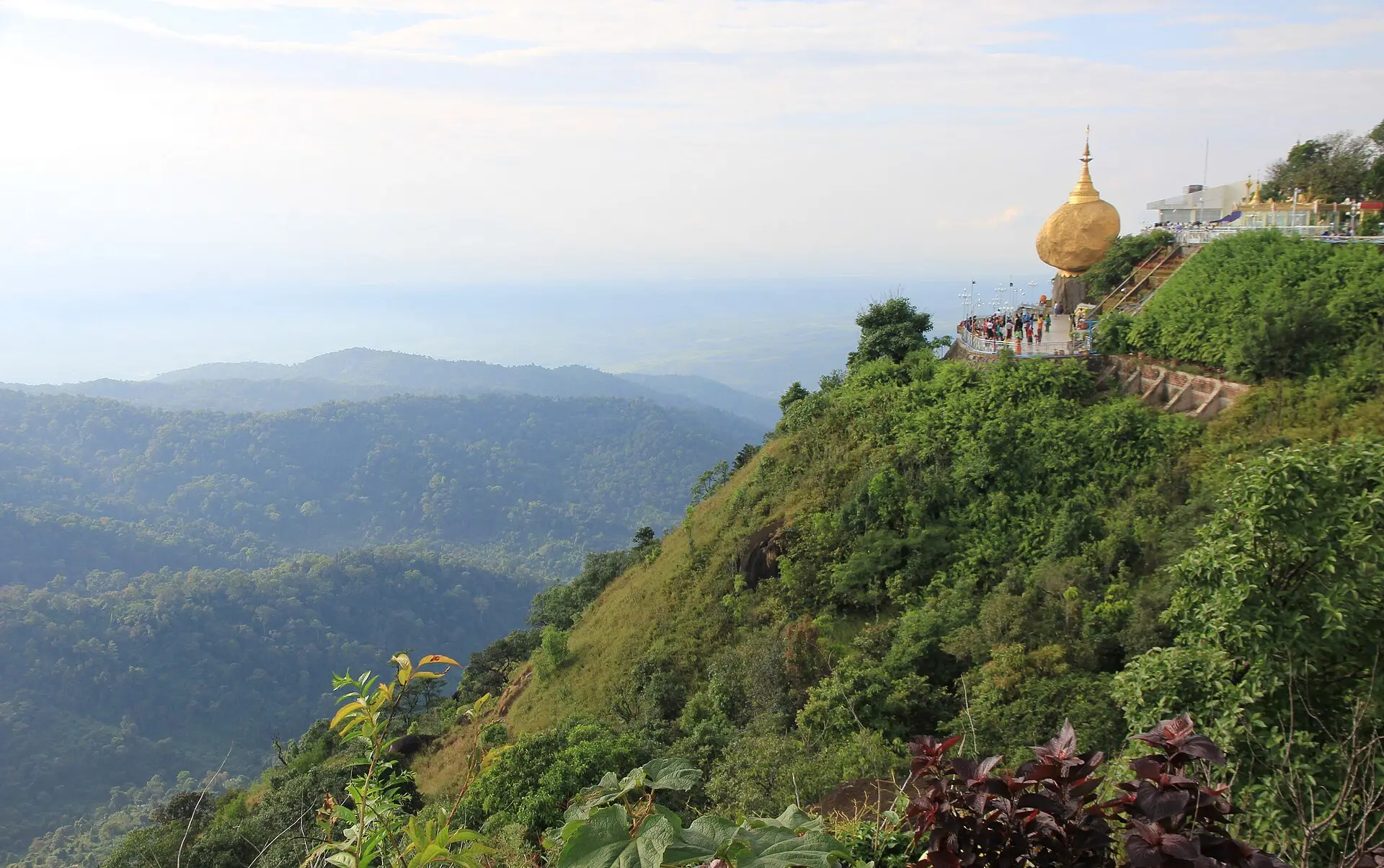
- Visit Kyaiktiyo, the Golden Rock: a gilded boulder balanced on a cliff is a major pilgrimage site in Mon State.
- Walk the Mahamuni Temple: pilgrims apply gold leaf to a famous seated Buddha image.
- Shop for lacquerware and silk: workshops around Bagan and Inle sell handmade pieces.
Best time to visit Myanmar
The best time to visit Myanmar, if conditions allow, is November to February, when the weather is dry and relatively cool. March to May is extremely hot, especially in the central plains, and the monsoon from roughly June to October brings heavy rain, flooded roads and muddy trails. Seasons do not change security conditions, so government advice still comes first.
| Season | Weather | Crowds and prices | Good for |
|---|---|---|---|
| Cool (Nov-Feb) | Dry and sunny; cool mornings at Inle and in the hills | Peak season; highest hotel prices | Bagan, Inle Lake, Yangon |
| Hot (Mar-May) | Very hot, often above 40 C in central regions | Low; good deals | Festivals such as Thingyan water festival in April |
| Monsoon (Jun-Oct) | Heavy rain, humid, green landscapes | Lowest; some beach resorts close | Budget travel, lush scenery |
Thingyan, the New Year water festival in mid-April, is the biggest holiday. Many businesses close for several days and transport is crowded.
Is Myanmar safe to visit?
No, Myanmar is not safe for ordinary tourism at present. Is Myanmar safe to visit is a question the UK, US and several other governments answer with warnings against all or most travel, because of armed conflict, airstrikes, landmines, unrest and very limited consular help. Read your own government’s page, such as the UK FCDO advice, before going further. Travel insurance often excludes regions that your government warns against.
Conflict. Fighting between the military and a range of armed groups has affected many states and regions, including Rakhine, Kachin, Shan, Chin, Sagaing and Kayin. Front lines shift quickly, and areas that were calm can change within days.
Landmines and unexploded ordnance. They are a real risk off main roads in conflict-affected areas. Stay on marked routes.
Rules and surveillance. Authorities restrict movement, and checkpoints, curfews and internet shutdowns are common. Photographing military sites or sharing political content online can lead to arrest.
Other hazards. Earthquakes occur, with a major quake hitting central Myanmar in March 2025. Flooding in the monsoon, unreliable electricity, limited hospitals and road accidents add risk. Medical evacuation can be hard to arrange.
If you decide to travel anyway, tell family your plans, register with your embassy where possible and have a plan to leave quickly.
Myanmar visa and entry requirements
Myanmar visa rules vary by nationality and have changed repeatedly since 2020, so treat any summary as a starting point. Most visitors have needed a visa or e-visa arranged before arrival, with the application made through the official immigration site. Some regional nationals have had special arrangements, and rules for land borders have been inconsistent.
A passport valid for at least six months is the usual requirement, along with a recent photo and proof of onward travel. Visa fees, processing times and entry points shift without much notice. Confirm everything with the Myanmar embassy or the official immigration source and your own government’s travel advice, because advisories may affect your insurance and consular support even where a visa is issued.
Land crossings with Thailand, China, India and Laos have been closed or restricted at various times, so do not assume they are open. Some areas require permits or are off limits to foreigners. The UNESCO listing for Myanmar is useful for heritage background, but it is not an entry guide.
Carry copies of your passport and visa, and expect checks at hotels and checkpoints.
Getting to and around Myanmar
Most visitors have flown into Yangon International Airport, with some regional links to Bangkok, Singapore, Kuala Lumpur and other Asian hubs. Flight schedules have been reduced and change often, so confirm routes with airlines. Mandalay also has an international airport with limited services.
Inside the country, domestic flights link Yangon with Bagan, Mandalay, Inle (Heho) and Ngapali, but schedules are unreliable and some airlines have suspended routes. Overnight buses and trains run between Yangon and Mandalay, with the slow train taking well over 12 hours. Roads are often poor, and travel after dark is hazardous.
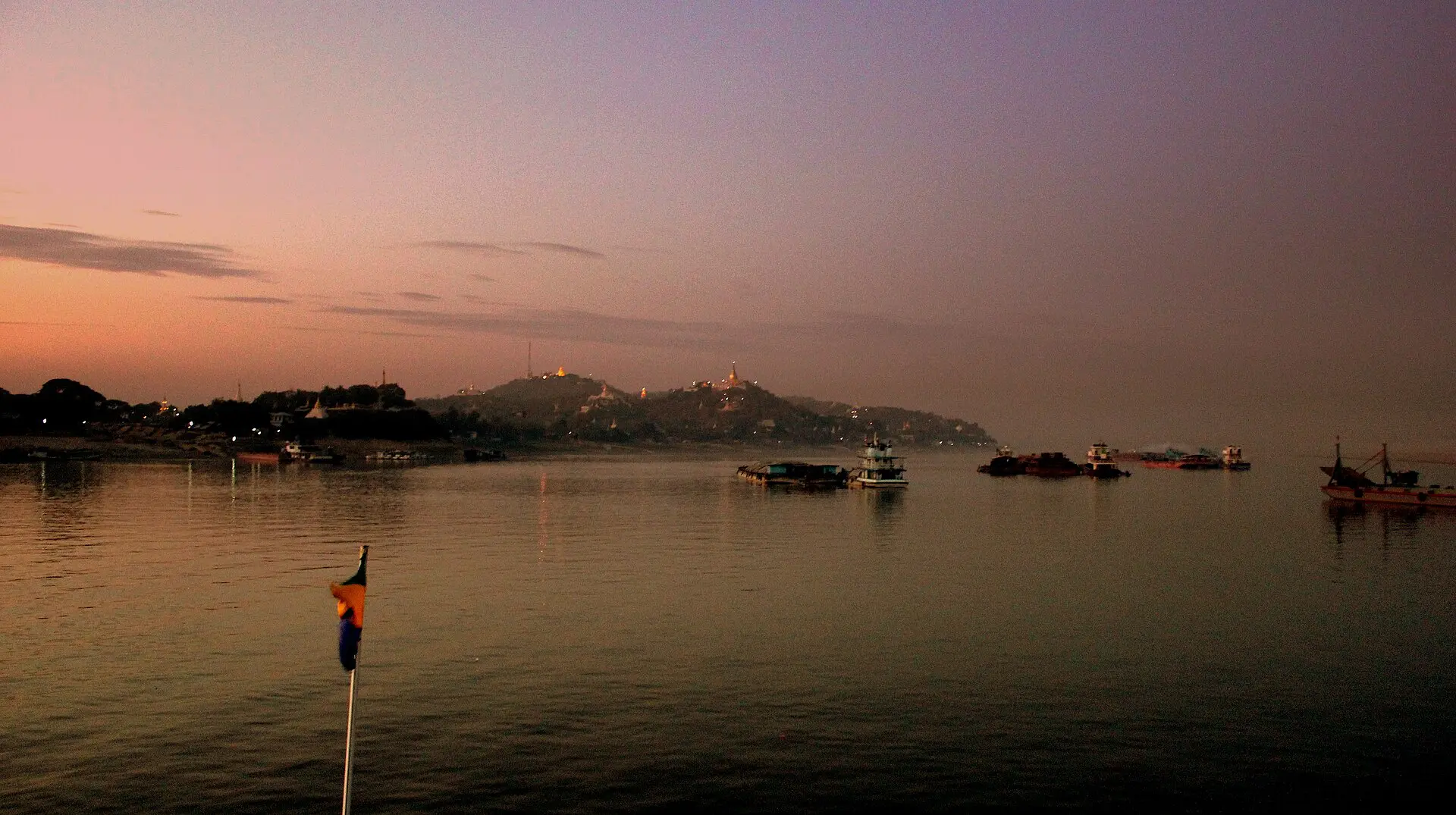
Riverboats on the Irrawaddy between Mandalay and Bagan are a classic way to travel, taking a day or more, if services are running. In towns, tuk-tuks, motorbike taxis and ride-hailing apps cover short trips, and e-bikes are the usual way to cover Bagan. Foreigners have been banned from driving themselves, so you would normally hire a car with a driver.
Government restrictions on movement mean some roads, railway lines and regions are closed to foreigners. Check locally on the day before travelling long distances.
How much does a trip to Myanmar cost?
Myanmar has been inexpensive by Southeast Asian standards, but costs have moved with high inflation and a volatile exchange rate for the Burmese kyat (MMK). Many hotels and tourist services price in US dollars, and notes are expected to be clean, new-looking bills. Figures below are rough guides for a visitor, not a quote.
- Budget: around USD 25 to 40 per day, with guesthouses, local food and buses.
- Mid-range: around USD 40 to 90 per day, with comfortable hotels, domestic flights some days and a driver or guide.
- High-end: from around USD 150 per day, with boutique hotels, private cars and organised tours.
Domestic flights, hotels in Bagan and Inle, and entrance fees to sites such as the Bagan zone drive the budget. Meals at local restaurants and tea shops are very cheap. ATMs have been unreliable and cards are accepted only in a few hotels, so carry enough cash. Some fees, such as zone tickets, have been set in dollars and change without notice.
Myanmar food and drink
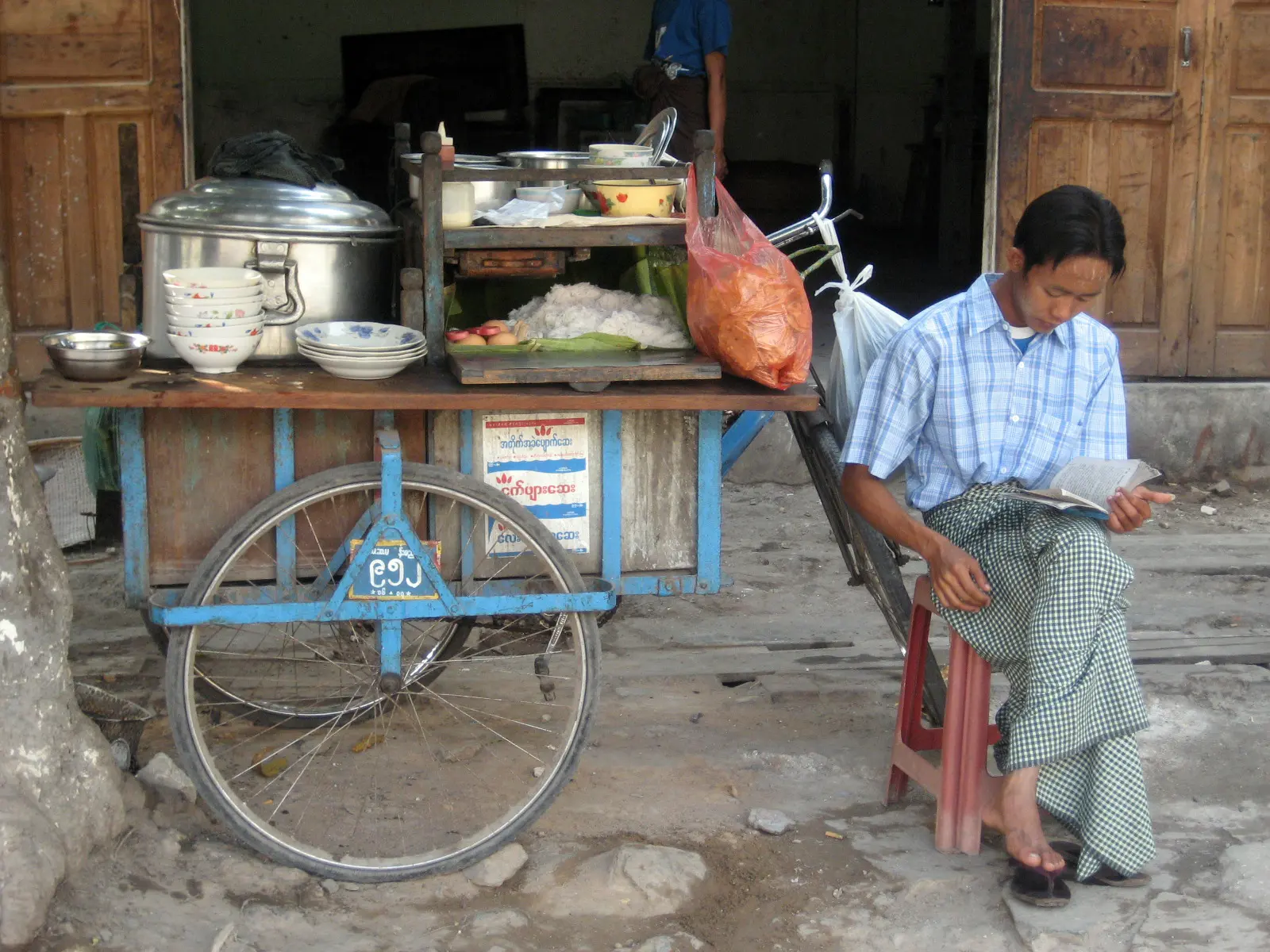
Myanmar food blends Burmese, Shan, Indian and Chinese influences, and meals tend to be built around rice with several side dishes, soups and fresh herbs. Curries are often oily rather than hot, and fermented flavours, tamarind, lime and fried garlic are common. Street stalls and tea shops are the cheapest and best places to eat.
- Mohinga: rice noodles in a fish and lemongrass broth, thickened with chickpea flour and eaten for breakfast; it is widely seen as the national dish.
- Laphet thoke: fermented tea leaf salad with fried beans, nuts, garlic and tomato.
- Shan noodles: thin rice noodles with chicken or pork, served as a soup or dry with sauce.
- Ohn no khao swe: coconut chicken noodles with a creamy broth, from the same family as northern Thai khao soi.
- Burmese curry: pork, chicken or fish in a thick oil-based sauce, served with rice, soup and fresh vegetables.
- Samosa salad and tea shop snacks: served with sweet milky tea at street tea houses.
- Myanmar beer and tea: local lagers are common, and green tea is served free at many restaurants.
Vegetarians can eat well with salads, tofu dishes and vegetable curries, but fish paste and fish sauce are in many dishes, so ask. Tap water is not safe to drink, and ice and raw salads carry some risk where hygiene is doubtful.
Culture, language and etiquette in Myanmar
Burmese is the national language and the first language of the Bamar majority, while the country is home to over a hundred ethnic groups, including Shan, Karen, Kachin, Rakhine, Mon and Chin, with their own languages. English is understood in hotels and by some younger people. Theravada Buddhism is the main religion, with Christian, Muslim and Hindu communities as well.
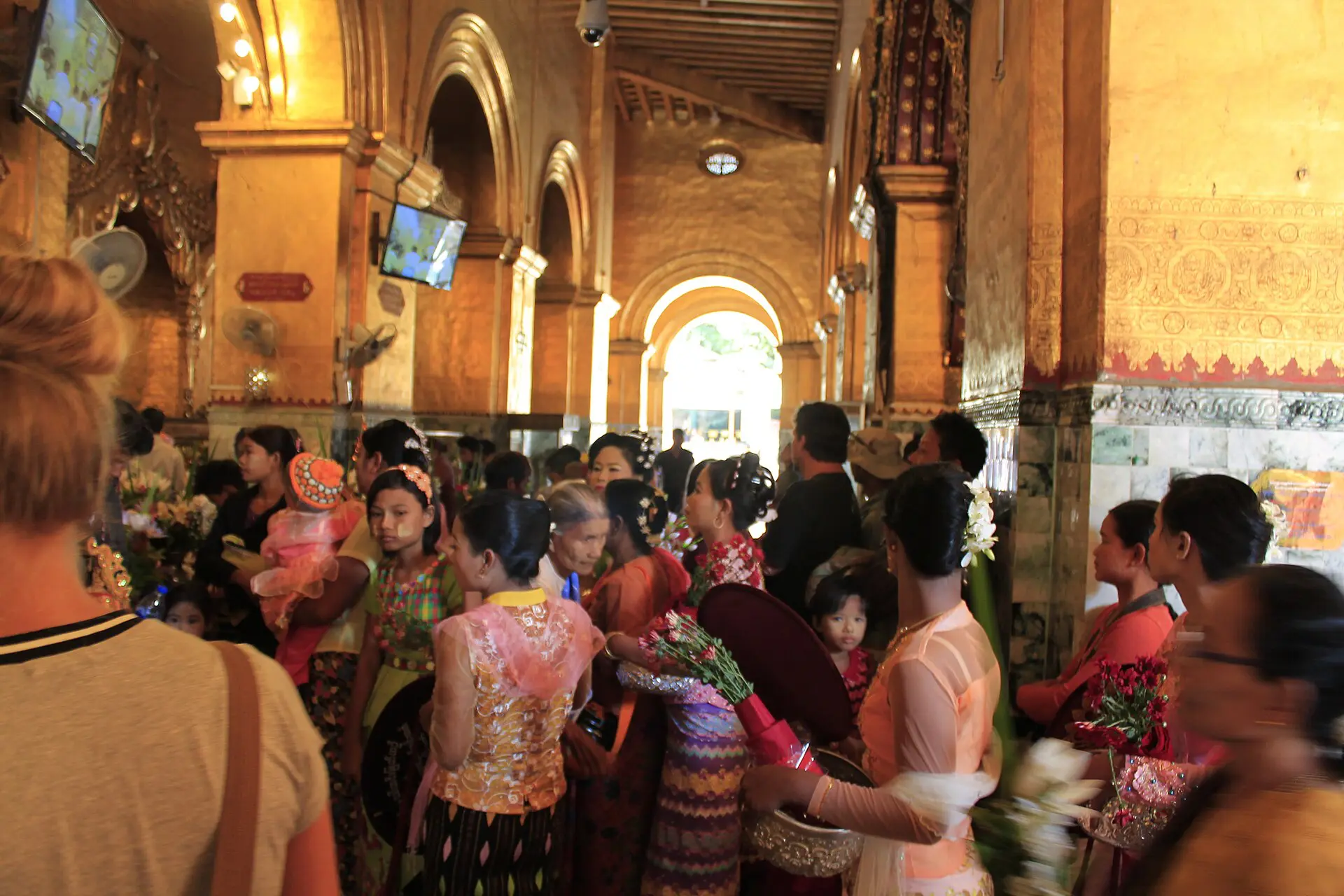
Religious sites call for care. Remove shoes and socks before entering any pagoda or temple compound, including the paved grounds, and dress with covered shoulders and knees. Never point your feet at a Buddha image or monk, and do not climb on monuments. Women should not touch monks or hand them items directly.
Show respect with a slight bow and a smile, and use the right hand, or both hands, to give and receive things. The head is regarded as the highest part of the body, so avoid touching people’s heads. Public criticism of the military or politics is risky for locals and for you. Do not raise political topics uninvited, and be careful with photos of soldiers, police and checkpoints.
Many men and women wear the longyi, a wrapped sarong, and tanaka paste on the face is a traditional sunscreen and cosmetic.
Myanmar itinerary: a 7-day route
Independent travel across Myanmar is not currently advisable for most nationalities. The route below is a planning reference for a time when government advice allows travel, and it only covers central areas that were historically the most visited. Do not follow it if your government warns against travel to the places named, and check road and flight status before every leg.
- Day 1, Yangon: arrive, visit Sule Pagoda and the colonial downtown, and see the Shwedagon at sunset.
- Day 2, Yangon: explore Bogyoke Market, the Chinatown food streets and, if running, the circular railway.
- Day 3, fly to Bagan: a flight of around 90 minutes, then temples in the late afternoon.
- Day 4, Bagan: sunrise at a permitted pagoda, then an e-bike day, with lacquerware workshops.
- Day 5, Mount Popa and fly to Heho: visit the volcano monastery in the morning, then fly towards Inle Lake and transfer to the lakeside.
- Day 6, Inle Lake: boat tour of the stilt villages, floating gardens and workshops.
- Day 7, return to Yangon: fly back for an onward flight.
Skip Mandalay, Rakhine, Kachin and border regions unless official advice has changed.
Myanmar travel tips and practical advice
- Money: the kyat is the local currency, and USD notes are used for some hotels and fees. Bring crisp, undamaged bills, as torn or marked ones are often refused. Cards and ATMs are unreliable outside big hotels.
- SIM and eSIM: local SIM cards require registration with your passport. Mobile data is often slow, and internet shutdowns occur in some areas. VPN use has faced legal restrictions, so read the current rules.
- Plugs: several types are in use, including C, D, F and G at 230 V, so bring a universal adapter. Power cuts are frequent.
- Tipping: not expected, but small tips for guides, drivers and hotel staff are appreciated.
- Health: check vaccine advice with a travel clinic, use insect repellent against dengue and malaria in some regions, and drink bottled water. Hospitals are limited, so carry insurance that covers evacuation and confirm it is valid for Myanmar.
- Packing: slip-on shoes for temples, modest clothing, a head torch for power cuts and a power bank.
- Ethics: prefer locally owned guesthouses and businesses, and consider whether your spending reaches ordinary families.
For more background, see the Wikivoyage Myanmar guide.
FAQ
Q1What is Myanmar food like?
Myanmar food is built around rice, curries, noodle soups and salads. Mohinga fish noodle soup, laphet thoke tea leaf salad and Shan noodles are the best known. Dishes are often oily and savoury rather than very hot. Street stalls and tea shops are cheap, and fish paste appears in many dishes.
Q2Is Myanmar safe?
Not for ordinary tourism at present. Several governments advise against all or most travel because of armed conflict, landmines, airstrikes, unrest and limited consular help since the 2021 coup. Conditions vary by region and change quickly, so read your own government's current advice before any decision.
Q3What are the best things to do in Myanmar?
In calmer times, the highlights are the Shwedagon Pagoda in Yangon, the temples of Bagan, boat trips on Inle Lake, the U Bein Bridge near Mandalay and tea shop meals. Access depends on security, so check official advice and local conditions before planning any of these.
Q4Do I need a visa for Myanmar?
Most visitors have needed a visa or e-visa arranged before arrival, but rules vary by nationality and have changed repeatedly. Land borders have been closed at times. Check the official Myanmar immigration source, the embassy and your own government's travel advice before booking anything.
Q5Is Myanmar safe to visit for tourists right now?
Governments including the UK and US warn against travel to much of the country. Even in areas that seem calm, fighting, checkpoints, curfews, landmines, internet shutdowns and arrests for online posts are risks. Travel insurance may be invalid against official advice, so confirm cover with your insurer.
Q6What are the best Myanmar travel tips?
Bring clean, new-looking US dollar notes and plenty of cash, since cards and ATMs are unreliable. Dress modestly and remove shoes at temples, avoid political talk and photos of soldiers, expect power cuts and slow internet, and carry insurance that covers evacuation.
Q7When is the best time to visit Myanmar?
November to February is traditionally best, with dry, sunny and cooler weather. March to May is very hot and the monsoon runs from about June to October. Weather does not change the security situation, which should be your first check.