Why visit Mozambique
This Mozambique travel guide begins with what sets the country apart: a coastline of more than 2,400 km, warm Indian Ocean reefs, a Portuguese-Swahili heritage that shows in its architecture and food, and far fewer visitors than neighbouring South Africa. The country covers about 800,000 square kilometres, and Portuguese is the official language (see the Wikipedia overview for its history).
Mozambique suits divers and snorkellers, beach travellers, overlanders from South Africa and anyone who enjoys travel that is still undeveloped in places. It asks for flexibility: distances are long, roads can be rough, services outside the tourist areas are basic, and the situation in the north needs checking before any trip. It is not a destination for a rushed, tightly scheduled holiday.
Best places to visit in Mozambique
The best places to visit in Mozambique for most travellers lie in the south and centre, where tourism is established and current government advice is least restrictive.
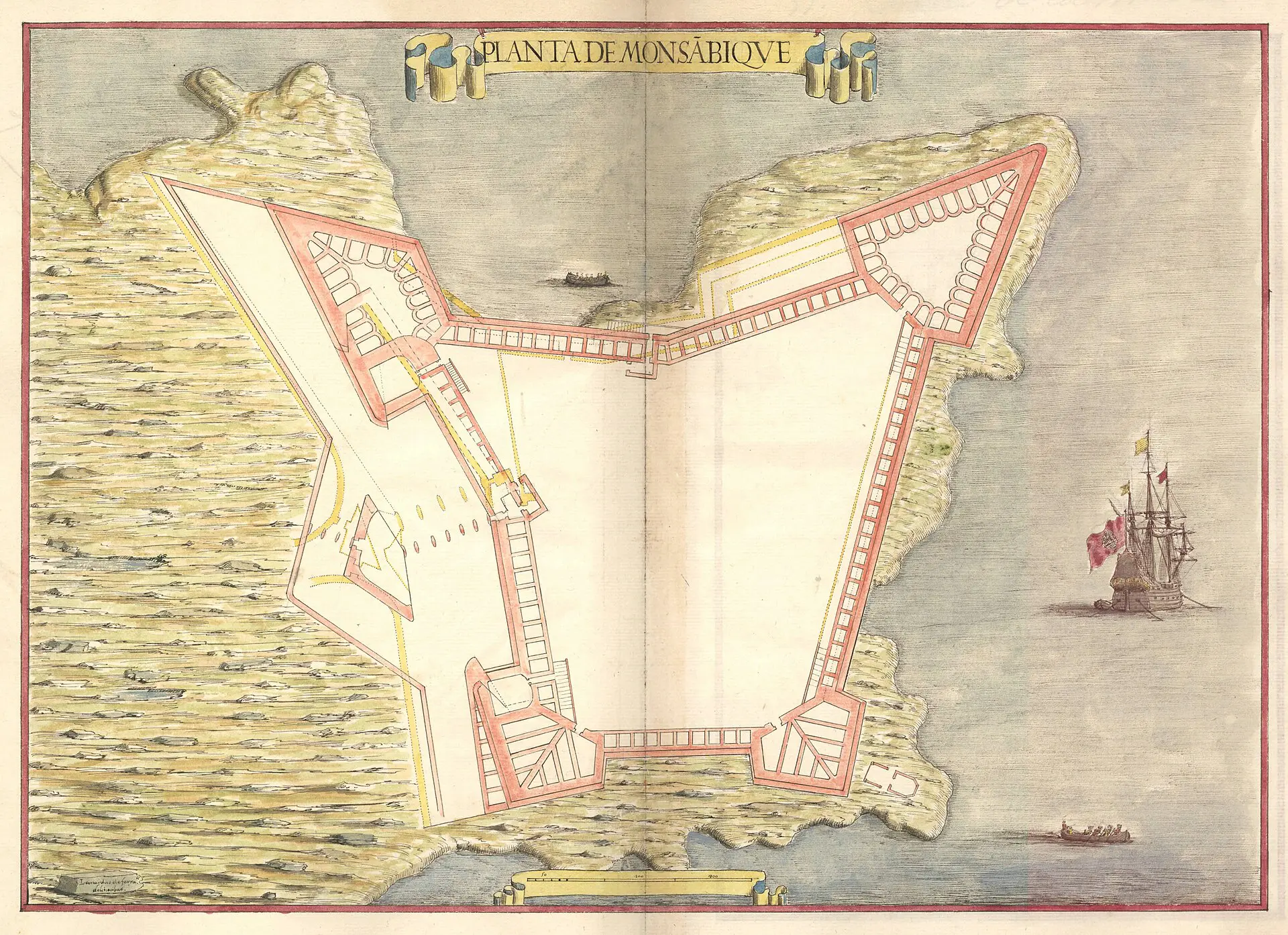
Maputo
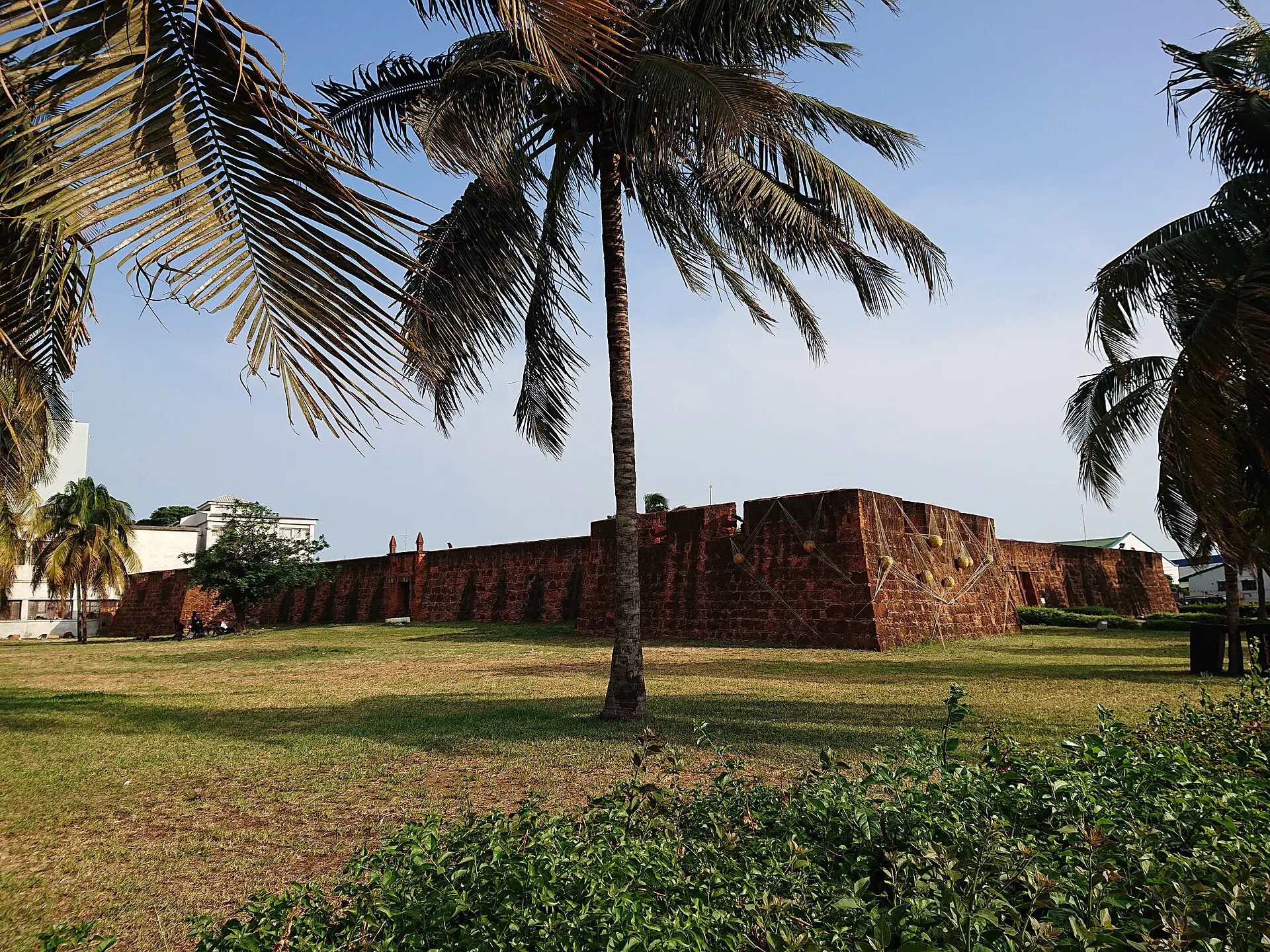
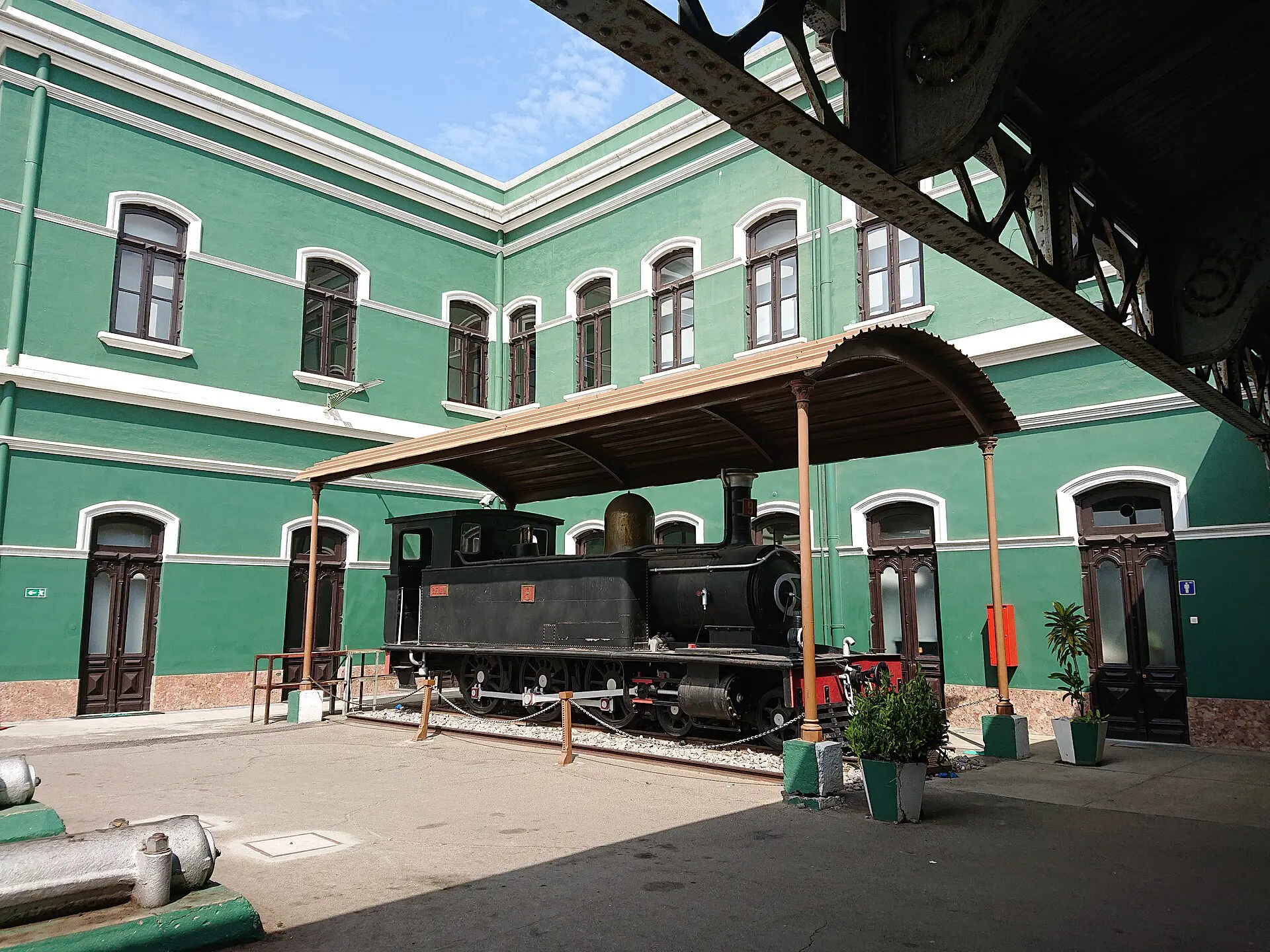
The capital has Portuguese-era architecture, the Fortress of Maputo, the Iron House, the Central Railway Station and a lively market and seafood scene. Many visitors spend one or two nights here.
Tofo and Inhambane
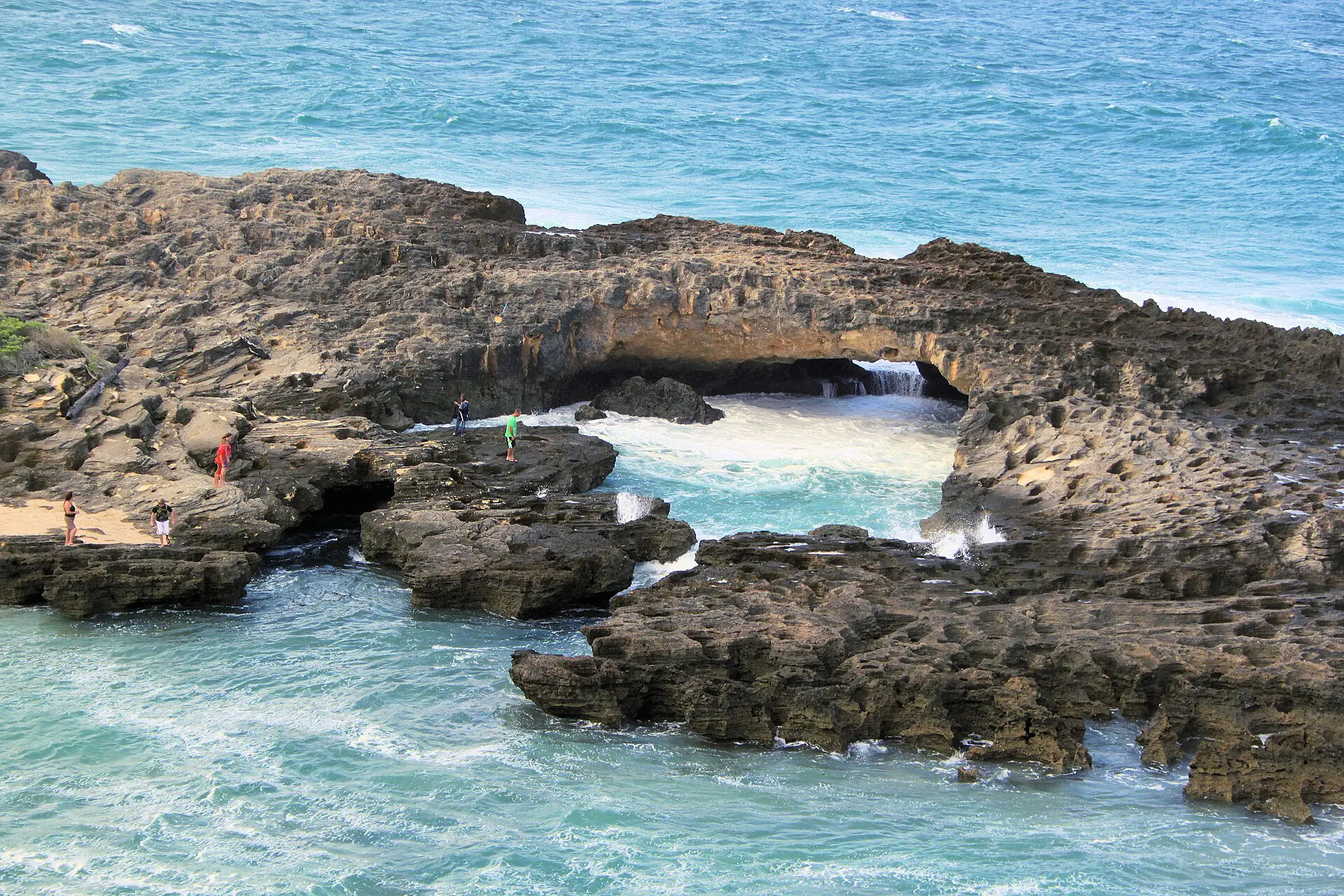
Tofo is a laid-back beach town near the historic port of Inhambane, famous for diving and snorkelling with manta rays, whale sharks and, in season, humpback whales.
Vilankulo and the Bazaruto Archipelago
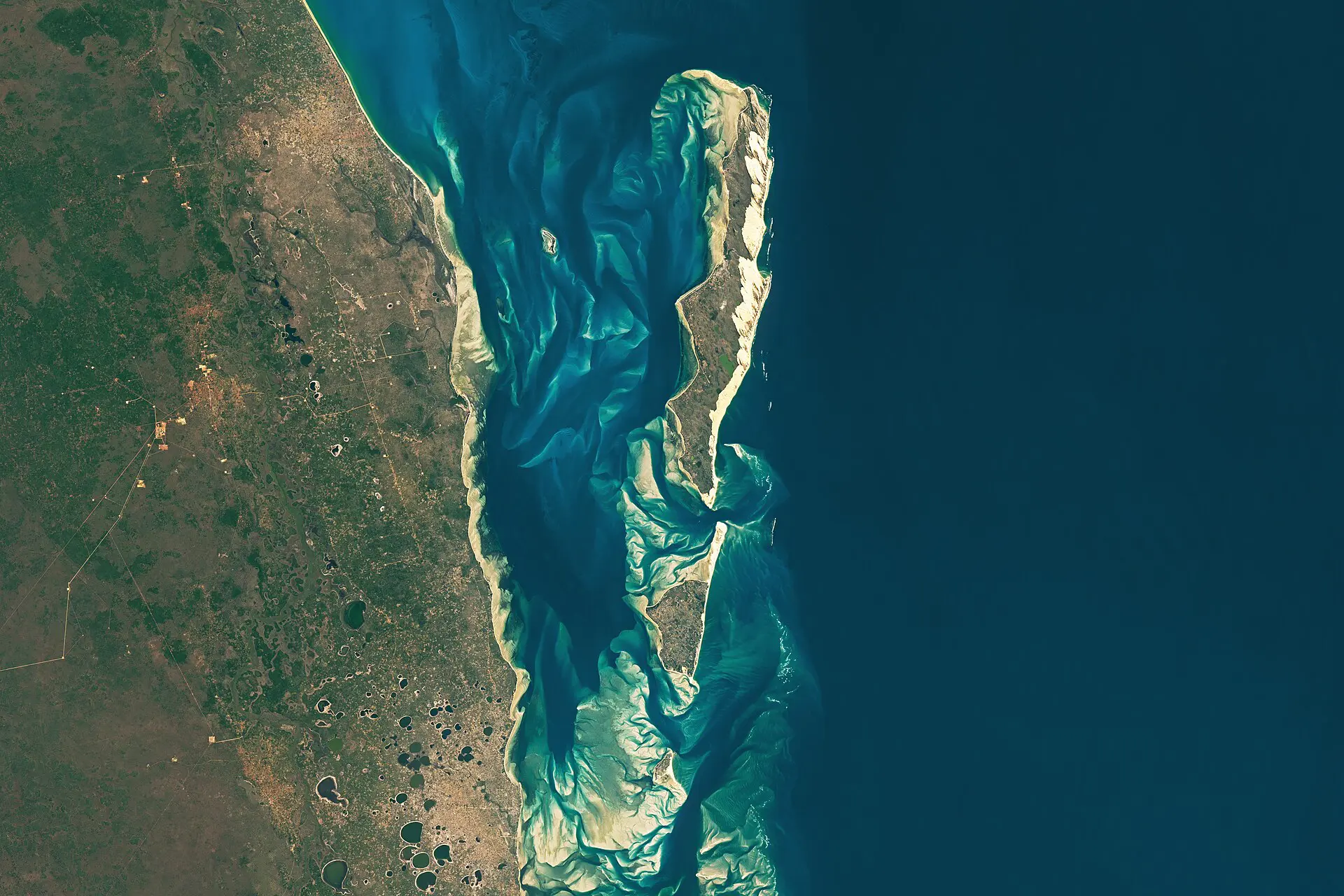
Vilankulo is the gateway to the Bazaruto islands, a marine national park with sand dunes, clear water and dhow trips. Lodges range from simple to luxury.
Ilha de Moçambique
The UNESCO-listed island town in the north of the country has Portuguese forts, a chapel and Swahili stone houses. It is reached from Nampula, so check current advice for the region first.
Gorongosa National Park
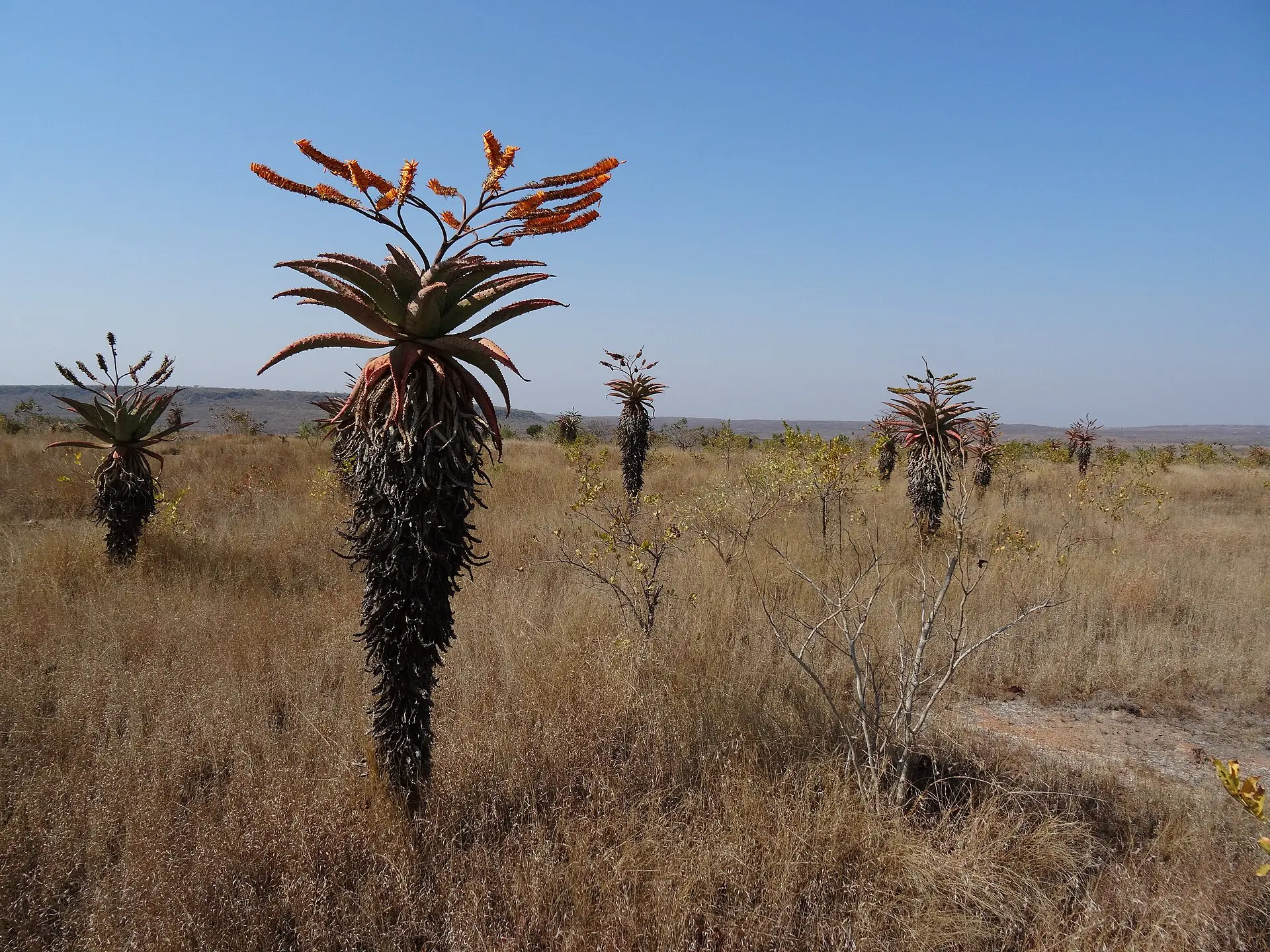
A major wildlife restoration project in central Mozambique, with lions, elephants and floodplain birdlife, open mainly in the dry season.
Ponta do Ouro
A beach and diving village near the South African border, popular with dolphins and weekenders from Johannesburg.
Top things to do in Mozambique
The top things to do in Mozambique focus on the sea, but wildlife and heritage add variety.
- Snorkel with manta rays and whale sharks: Tofo’s boat trips run most of the year, with the best sightings usually between October and March.
- Dive the Bazaruto Archipelago: reefs, clear water and sea life, with dhow trips from Vilankulo.
- Watch humpback whales: sightings off Tofo and Ponta do Ouro are most common from July to October.
- Explore Maputo on foot: the Iron House, Fortress, central station and the Mercado Central.
- Eat prawns by the sea: grilled seafood is a highlight of coastal towns.
- Walk Ilha de Moçambique: the fort of São Sebastião and the old stone town.
- Go on safari in Gorongosa: game drives and boat trips on the floodplain.
- Sandboard the dunes at Vilankulo or Bazaruto: a popular activity at sunset.
- Take the ferry to Catembe: a short crossing from Maputo with views of the skyline.
- Hike near Chimanimani: highland trails near the Zimbabwe border, with Mount Binga as the highest peak.
Best time to visit Mozambique
The best time to visit Mozambique is the dry season, from May to October, when days are sunny, humidity is lower and malaria risk drops. Hot, humid, rainy weather runs from November to March, and the cyclone season peaks from January to March, with storms and flooding affecting roads and beaches. Whale sharks and mantas can be seen almost all year at Tofo, while humpback whales are mostly seen from July to October.
| Season | Weather | Crowds and prices | Good for |
|---|---|---|---|
| Dry season (May-Oct) | Warm and sunny; cooler nights in the south | Busiest, higher prices in July and August | Diving, whales, safaris, road trips |
| Hot season (Nov-Dec) | Hot and humid; rains start | Moderate; busy at Christmas | Whale sharks, beach holidays |
| Cyclone season (Jan-Mar) | Hot, wet, storms and floods | Low | Cheap stays, but travel risks |
| Late wet season (Apr) | Rains easing | Low | Quiet beaches, flexible plans |
Parks such as Gorongosa often close or limit access in the wet season, so confirm dates before booking.
Is Mozambique safe to visit?
Mozambique is safe in the main tourist areas of the south and centre if you take sensible precautions, but it is not safe everywhere. Parts of northern Cabo Delgado are affected by an insurgency, and government advice there is to avoid travel. Check the UK FCDO, US State Department or your own government’s advice before booking, and review it again before you go.
Crime. Petty theft and robbery occur in Maputo and other cities, particularly at night and on beaches. Avoid walking alone after dark, do not display valuables and use trusted taxis or hotel transfers.
Police and roads. Police checkpoints are common on main roads, and officers may ask for payments. Stay polite, carry documents and copies, and ask for official receipts. Roads can be poor, vehicles are often overloaded, and night driving is risky. Drive on the left, and consider flights for long distances.
Health and nature. Malaria is widespread, so take medical advice on prophylaxis, and drink only bottled or treated water. Cyclones and floods affect the coast in the wet season. Unexploded landmines remain in some rural areas, so stay on established paths. Carry insurance with medical evacuation cover.
Visa and entry requirements for Mozambique
Entry rules depend on your nationality and have changed in recent years. Some countries have been granted visa-free access for short tourist stays, while others need a visa, which may be available as an e-visa, from an embassy or on arrival at certain airports and border posts. Confirm the current rule for your passport with the Mozambican immigration service or your nearest embassy before you travel.
Bring a passport with at least six months of validity and enough blank pages. Proof of onward travel and accommodation can be requested. If you arrive from a country with yellow fever transmission, carry a vaccination certificate. Land borders with South Africa, Eswatini, Zimbabwe, Zambia, Malawi and Tanzania have limited hours and sometimes long queues, so allow time.
If you bring a rental vehicle from South Africa, you need the relevant cross-border paperwork and insurance. The Wikivoyage Mozambique page has more on land crossings and permits.
Getting to and around Mozambique
Maputo International Airport (MPM) is the main entry point, with flights from Johannesburg and several African and European hubs. Other airports include Beira, Nampula, Vilankulo, Inhambane and Pemba. Overland, the busiest crossings are Ressano Garcia from South Africa and Ponta do Ouro, with border stops from Eswatini, Zimbabwe, Malawi and Tanzania.
Distances are large, and Mozambique has a single main north-south highway, the EN1. Maputo to Tofo is around 470 km and takes seven to nine hours by road, and Tofo to Vilankulo is roughly five to six hours. Domestic flights, such as Maputo to Vilankulo or Inhambane, save time and are worth booking.
Chapas, the minibus taxis, are cheap and crowded, and long-distance buses run between cities. Self-drive is common among visitors from South Africa, and a 4×4 helps on sandy coastal tracks. Mozambicans drive on the left. Avoid driving at night.
How much does a trip to Mozambique cost?
Mozambique is moderately priced, but costs are higher than many travellers expect because transport and lodges aimed at tourists are expensive. The currency is the Mozambican metical (MZN), and US dollars and South African rand are often quoted. Figures are rough per-person guides for 2026.
- Budget: around USD 35 to 70 per day, with hostels or beach huts, chapas and local food.
- Mid-range: around USD 70 to 150 per day, with private rooms, restaurant meals and some domestic flights or a rental car.
- High-end: from around USD 300 per day, with Bazaruto island lodges and private transfers.
Transport, island lodges and diving activities are the main cost drivers, while meals in local restaurants are inexpensive. Prices are highest from July to August and at Christmas, when South African holidaymakers arrive, and many coastal stays need booking months ahead.
Mozambique food and drink
Mozambique food mixes Portuguese, African and Indian Ocean influences, with seafood, coconut, cassava and chilli at the centre, and prices are low in local places.
- Piri-piri chicken: grilled chicken with a hot chilli sauce, a national favourite.
- Prawns and seafood: large grilled or garlic prawns, calamari and crab on the coast.
- Matapa: cassava leaves cooked with coconut milk, garlic and ground peanuts, often with prawns or crab.
- Xima: a firm maize porridge served with stews and sauces.
- Pão: crusty Portuguese-style bread rolls, common at breakfast.
- Cashew nuts: grown in the country and sold roasted at roadside stalls.
- Beer and spirits: 2M and Laurentina are the common lagers, and coconut or cashew spirits appear in villages.
Vegetarians can find rice, beans, salads and matapa without seafood, but should ask, because dishes often include dried fish. Eat food that is freshly cooked and hot, and drink bottled water. Cafés in Maputo serve good coffee and Portuguese pastries.
Culture, language and etiquette in Mozambique
Portuguese is the official language, and dozens of Bantu languages, such as Makhuwa, Sena and Tsonga, are spoken in different regions. English is understood in tourist areas and in the south near South Africa, but not widely elsewhere. Learning bom dia (good morning) and obrigado (thank you) helps a great deal.
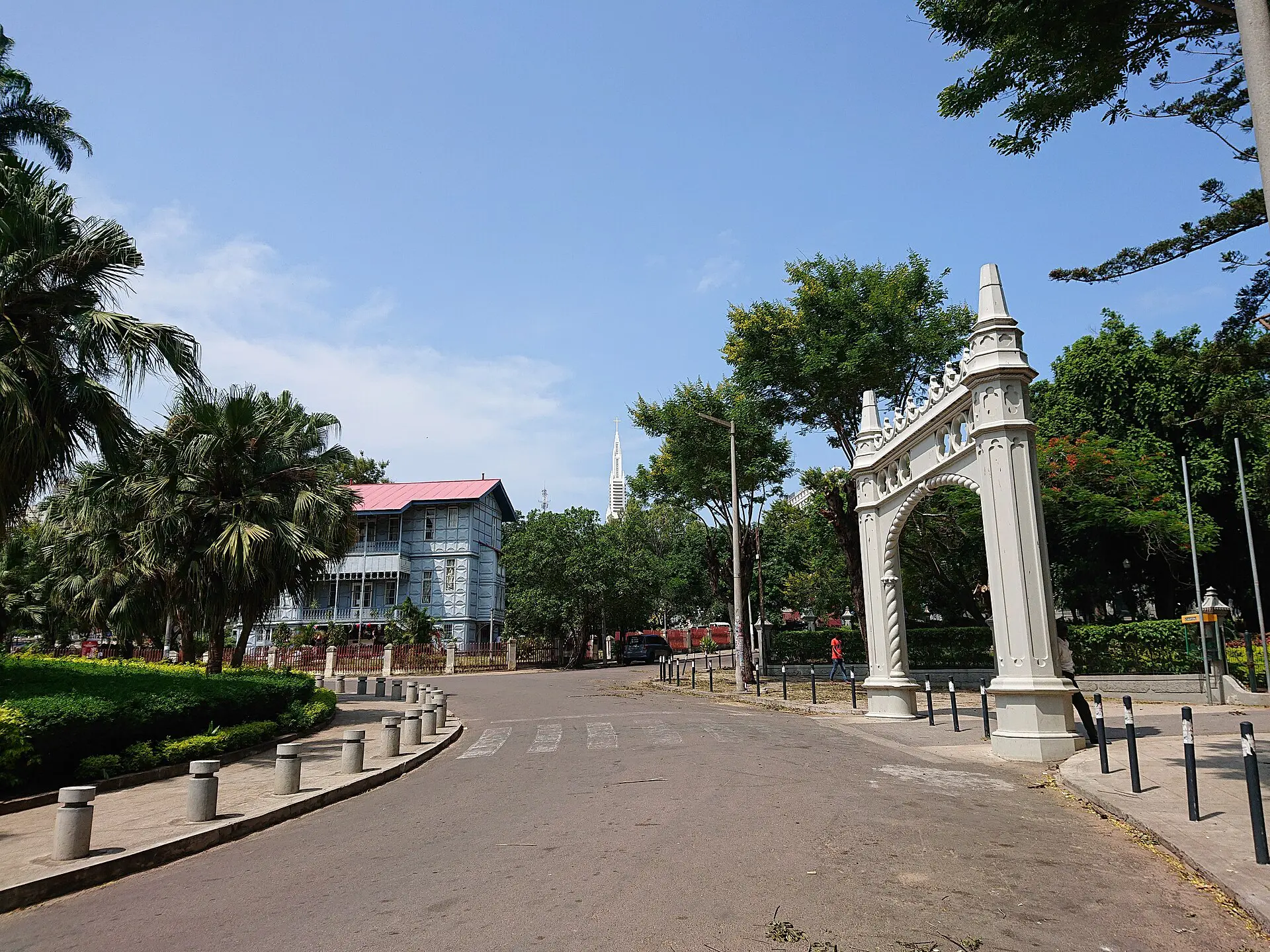
Greetings matter: handshakes are common, and people expect a polite greeting before any question or request. Mozambique has a mix of Christian, Muslim and traditional beliefs, and the coastal north has a long Swahili and Islamic heritage. Dress modestly in villages and in the north, and swimwear belongs at the beach.
Ask before photographing people, and avoid photographing police, military sites and government buildings. Music and dance are important, particularly marrabenta in Maputo. The country gained independence from Portugal in 1975, and a civil war followed until 1992, so avoid raising politics casually.
Mozambique itinerary: a 7-day route
This route keeps to the south and centre, where tourism is established and government advice is least restrictive, and it avoids Cabo Delgado entirely. Domestic flights keep it realistic in seven days.
- Day 1, Maputo: arrive, visit the Fortress, Iron House and Central Station, and eat seafood in the evening.
- Day 2, Maputo and Catembe: visit the Mercado Central, take the ferry to Catembe, then fly or travel toward Inhambane.
- Day 3, Tofo: fly to Inhambane (about an hour) and transfer to Tofo, around 30 minutes, to snorkel with mantas.
- Day 4, Tofo: try a whale shark or manta dive, or a humpback whale trip in season.
- Day 5, Inhambane: visit the old port town, then continue north toward Vilankulo by road or short flight.
- Day 6, Bazaruto Archipelago: take a dhow day trip from Vilankulo with snorkelling and a beach lunch.
- Day 7, return: fly from Vilankulo to Maputo or Johannesburg.
With more time, add Gorongosa in the dry season. Do not plan Ilha de Moçambique or the Quirimbas without checking the latest advice, and avoid travel in Cabo Delgado.
Practical tips for Mozambique
- Money: the metical is the currency; ATMs exist in cities and larger towns but may be unreliable, so carry cash, including small notes. Cards work in hotels and some restaurants.
- SIM and eSIM: local SIMs are cheap, and coverage is good in towns and along the coast but patchy in rural areas.
- Plugs: types C, F and M at 230 V, so bring a universal adapter.
- Tipping: not obligatory, but around 10 percent in restaurants and small tips for guides and boat crews are appreciated.
- Health: get medical advice on malaria prophylaxis and vaccinations, use repellent and bring a first-aid kit. Carry travel insurance with evacuation cover.
- Packing: light clothing, a rain jacket, reef-safe sunscreen, a torch and copies of your documents.
- Booking: reserve coastal lodging early for July, August and Christmas.
- Calling code: +258.
For wider background, see the Wikivoyage Mozambique guide.
FAQ
Q1Is Mozambique safe?
In the main tourist areas of the south and centre, yes, with precautions against theft, rough roads and malaria. Parts of northern Cabo Delgado are affected by an insurgency, and governments advise against travel there. Check current official advice and carry insurance.
Q2What is Mozambique food like?
Mozambique food blends Portuguese, African and Indian Ocean flavours. Expect piri-piri chicken, grilled prawns, matapa (cassava leaves with coconut and peanuts), xima porridge, fresh bread and cashew nuts. Seafood is cheap on the coast, and vegetarians should ask about dried fish.
Q3What are the best things to do in Mozambique?
Top picks are snorkelling with manta rays and whale sharks at Tofo, diving and dhow trips at Bazaruto, exploring Maputo's colonial buildings, walking Ilha de Moçambique when advice allows and going on safari in Gorongosa during the dry season.
Q4What is the best time to visit Mozambique?
May to October is best, with dry, sunny weather and lower malaria risk. Whales appear from July to October, and whale sharks and mantas are seen most of the year. Avoid January to March, when cyclones and floods can disrupt travel.
Q5Is Mozambique safe to visit for tourists?
Yes, in the established tourist areas, if you take care. Avoid walking alone at night, do not display valuables, use trusted transfers and avoid night driving. Stay away from Cabo Delgado, and check government advice because conditions can change quickly.
Q6Do you need a visa for Mozambique?
It depends on your nationality. Some visitors are visa-exempt for short stays, while others need a visa or e-visa, and rules have changed recently. Confirm with the official Mozambican immigration source or an embassy before booking, and carry a yellow fever certificate if required.
Q7How many days do you need in Mozambique?
Seven days covers Maputo, Tofo and the Bazaruto Archipelago using domestic flights. Allow ten to fourteen days to add Gorongosa or travel overland, as distances are long and roads are slow. A beach-only trip can be four to five days.