Why visit Montenegro
This Montenegro travel guide starts with the main reason to go: a country of about 13,800 square kilometres that packs a walled medieval coast, a large lake, deep canyons and Alpine-style peaks into drives of two or three hours. It gained independence in 2006 and uses the euro, although it is not a member of the European Union (see the Wikipedia overview for background).
Montenegro suits independent travellers who want beaches and mountains in one trip, couples looking for old-town atmosphere, and hikers and rafters who prefer smaller crowds than the Alps. It is less suitable for travellers without a car who want to see the north, because public transport is limited. Summer on the coast can feel crowded, particularly when cruise ships dock at Kotor.
Best places to visit in Montenegro
The best places to visit in Montenegro divide into the coast, the old royal heartland and the northern mountains, all within a day’s drive of each other.
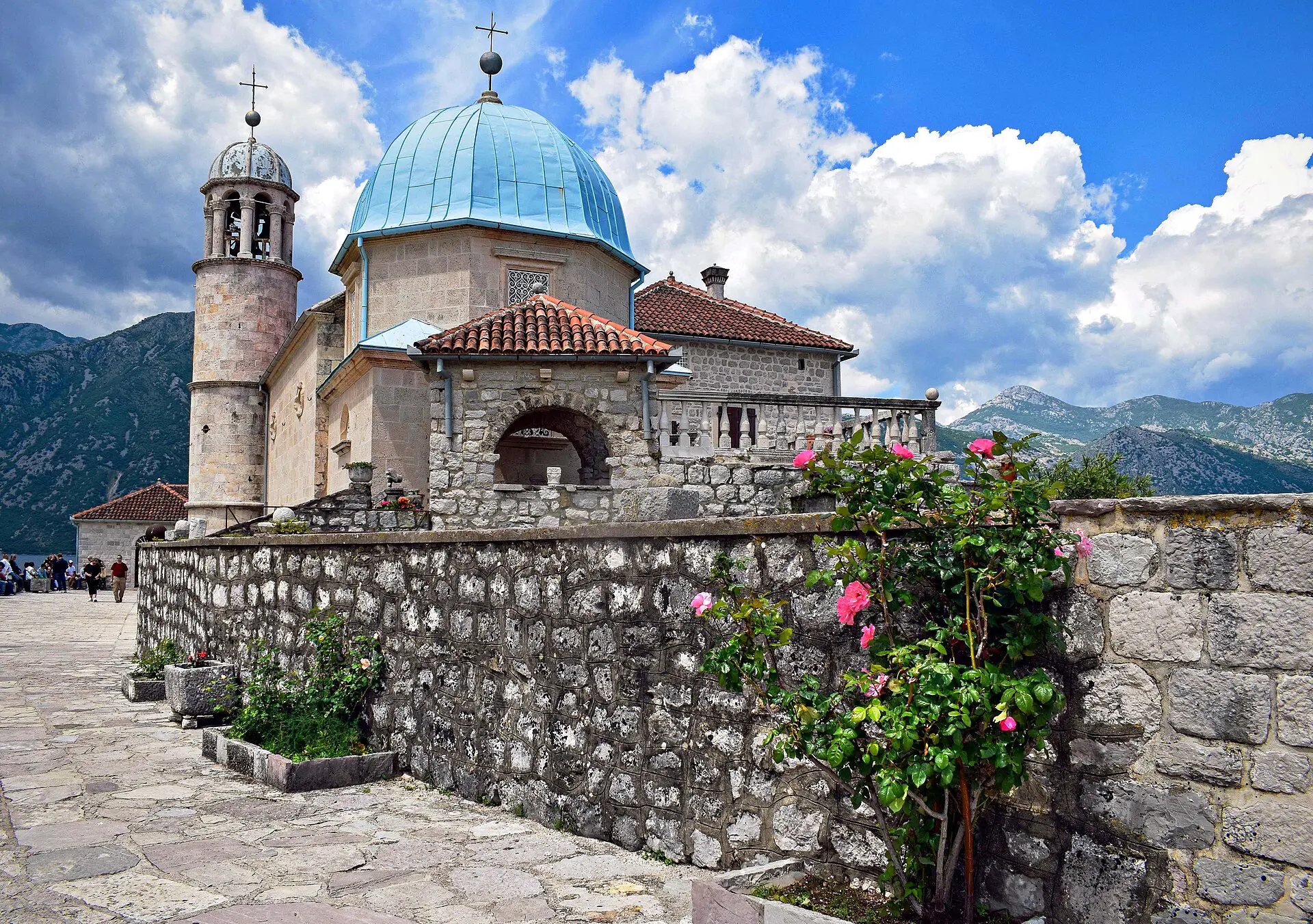
Kotor and Perast
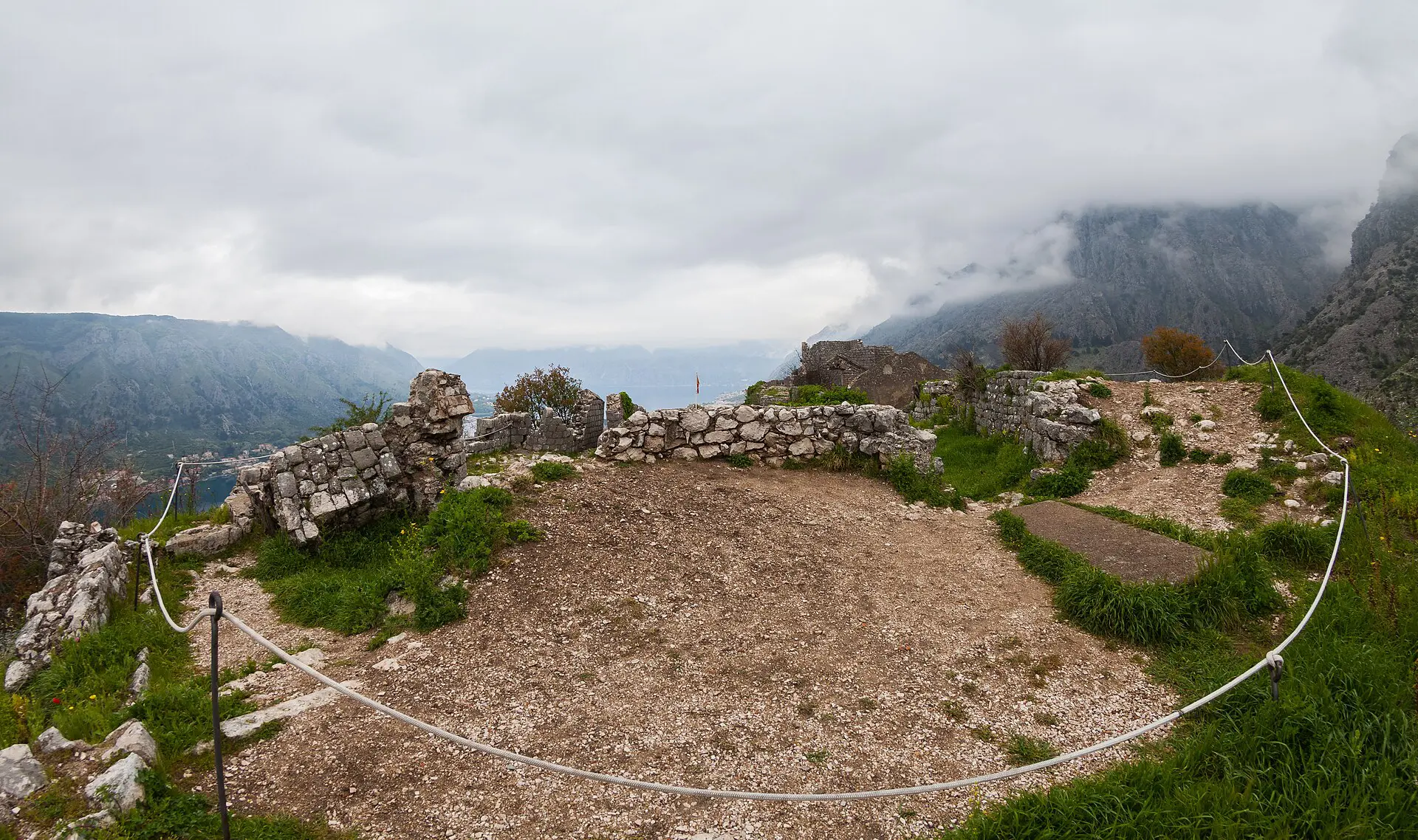
Kotor is a UNESCO-listed walled town at the head of a fjord-like bay. Climb the fortress steps for the classic view. Nearby Perast has baroque houses and boats to the island church of Our Lady of the Rocks.
Budva and Sveti Stefan
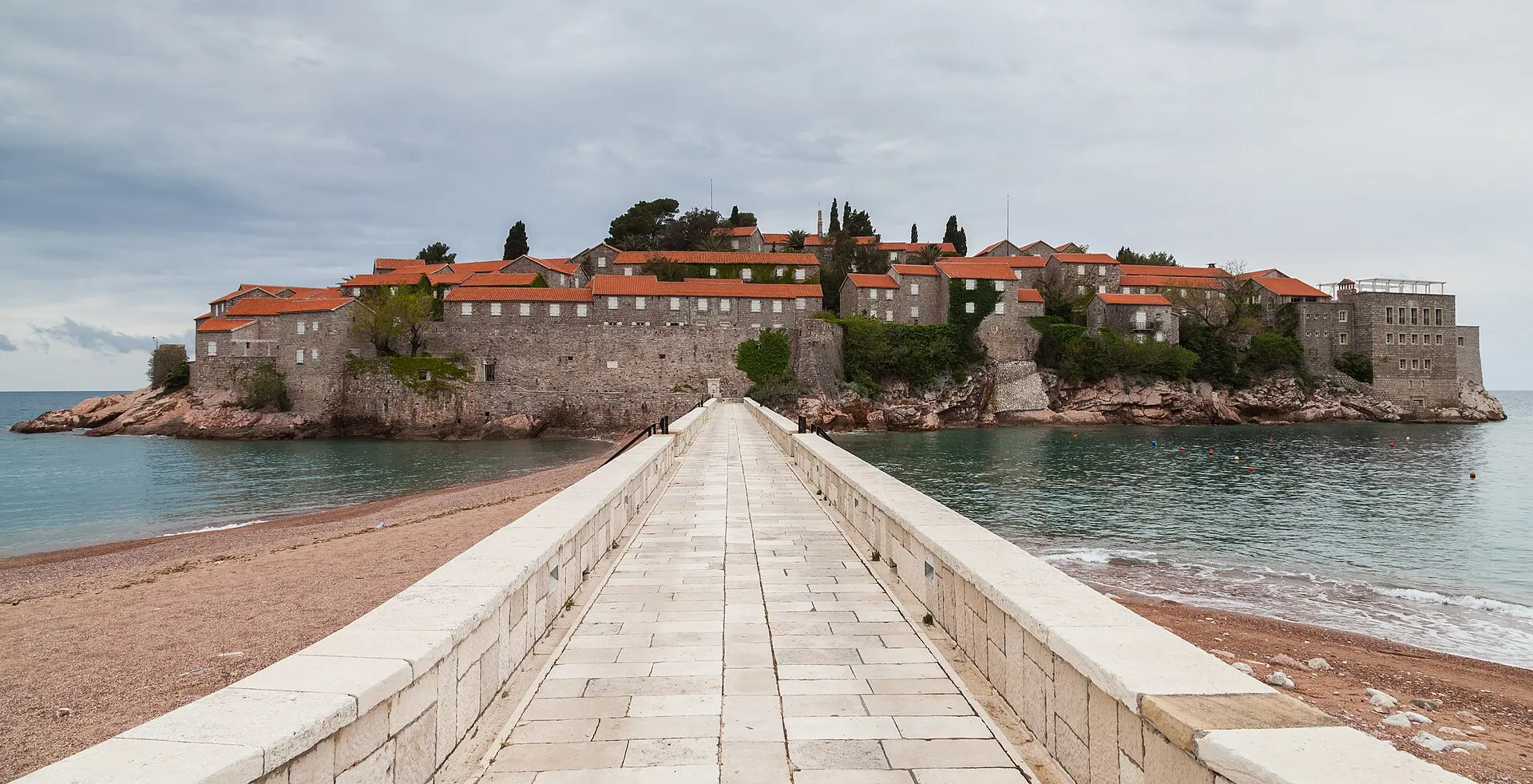
Budva has a walled old town, beaches and the busiest nightlife on the coast. The islet of Sveti Stefan, now a resort, is best seen from the viewpoint on the road.
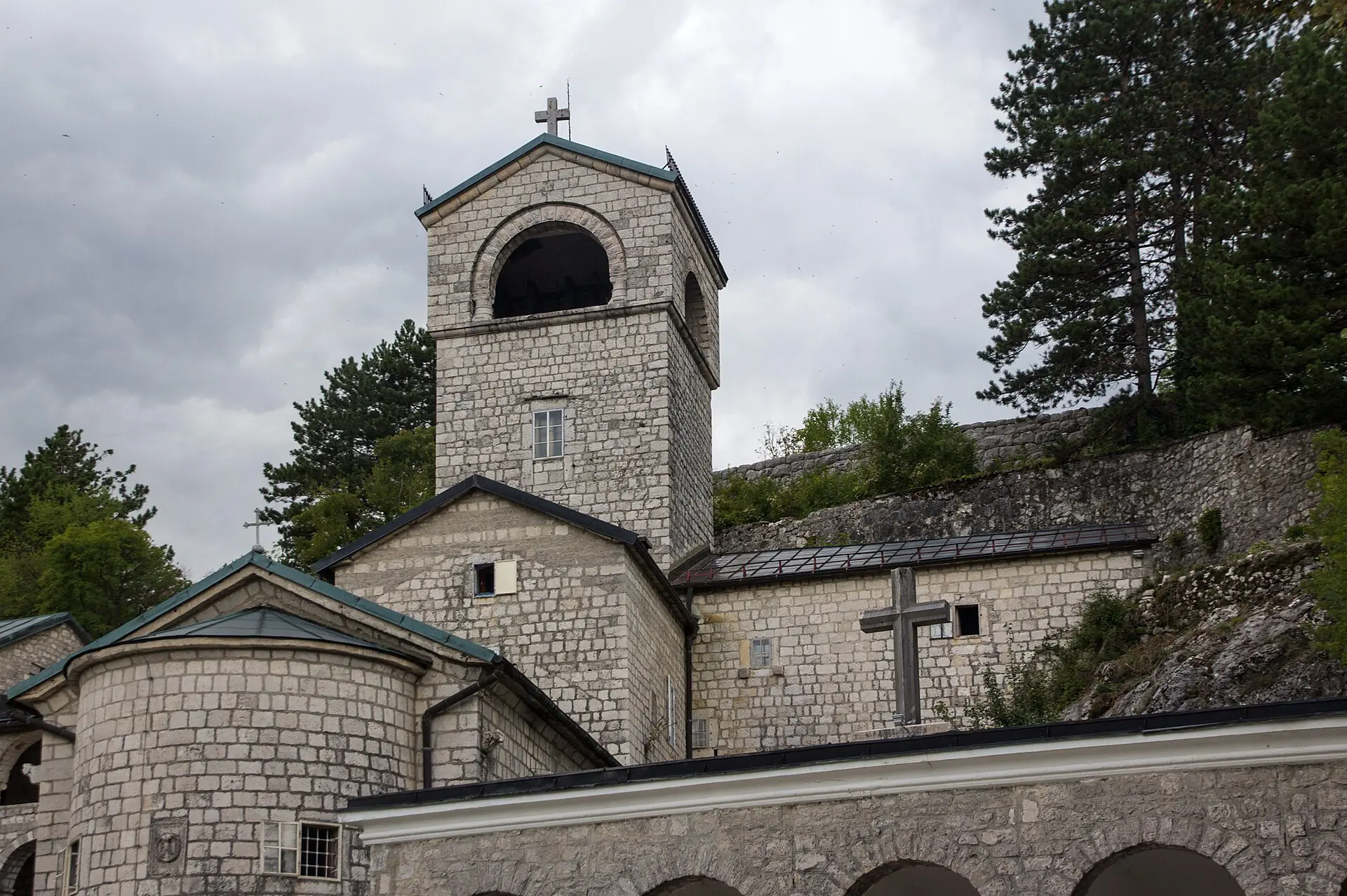
Cetinje and Lovćen
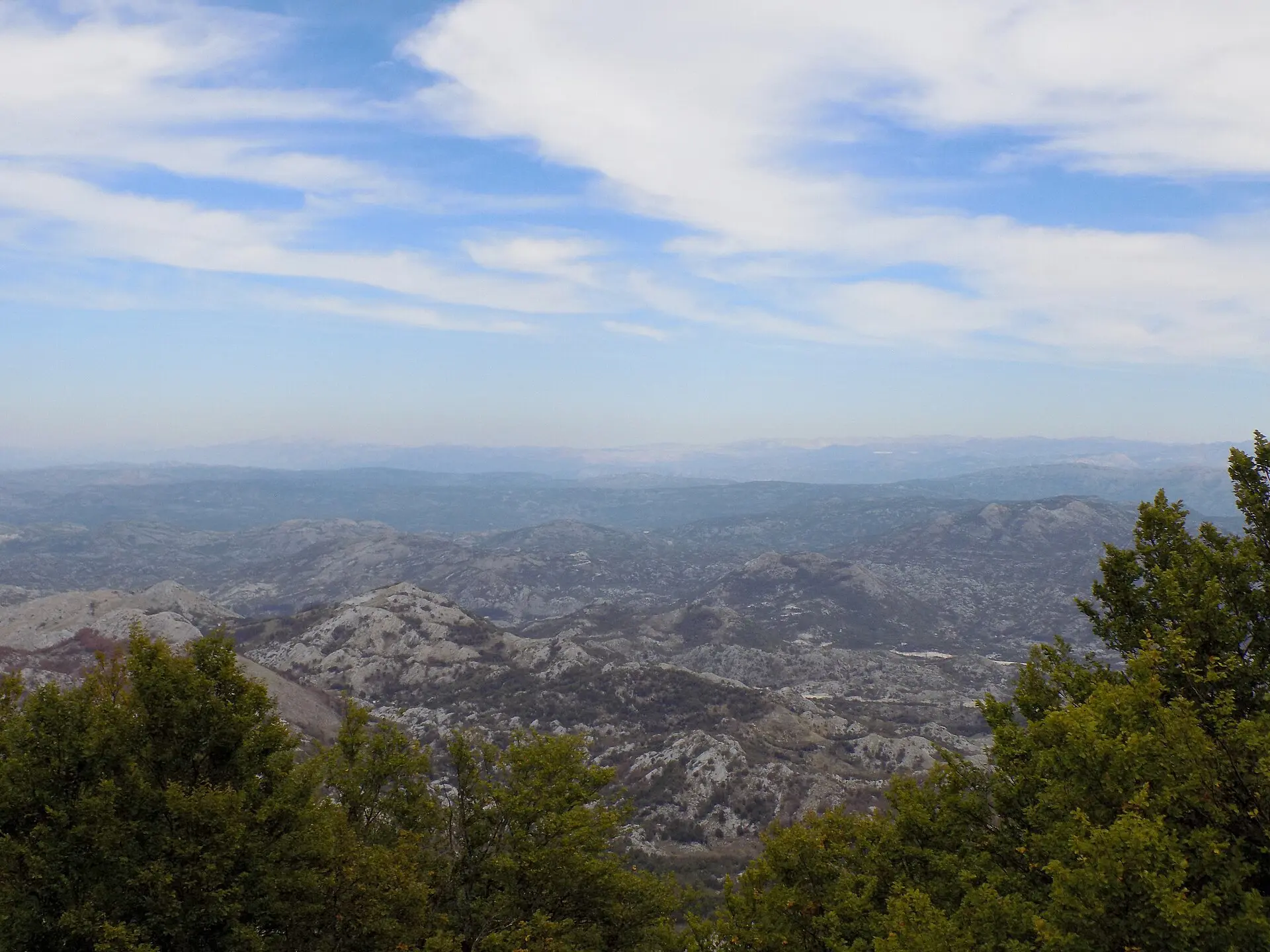
The old royal capital has museums, former embassies and a monastery. A road climbs from Kotor to Lovćen National Park and the Njegoš Mausoleum, with views across the country.
Skadar Lake
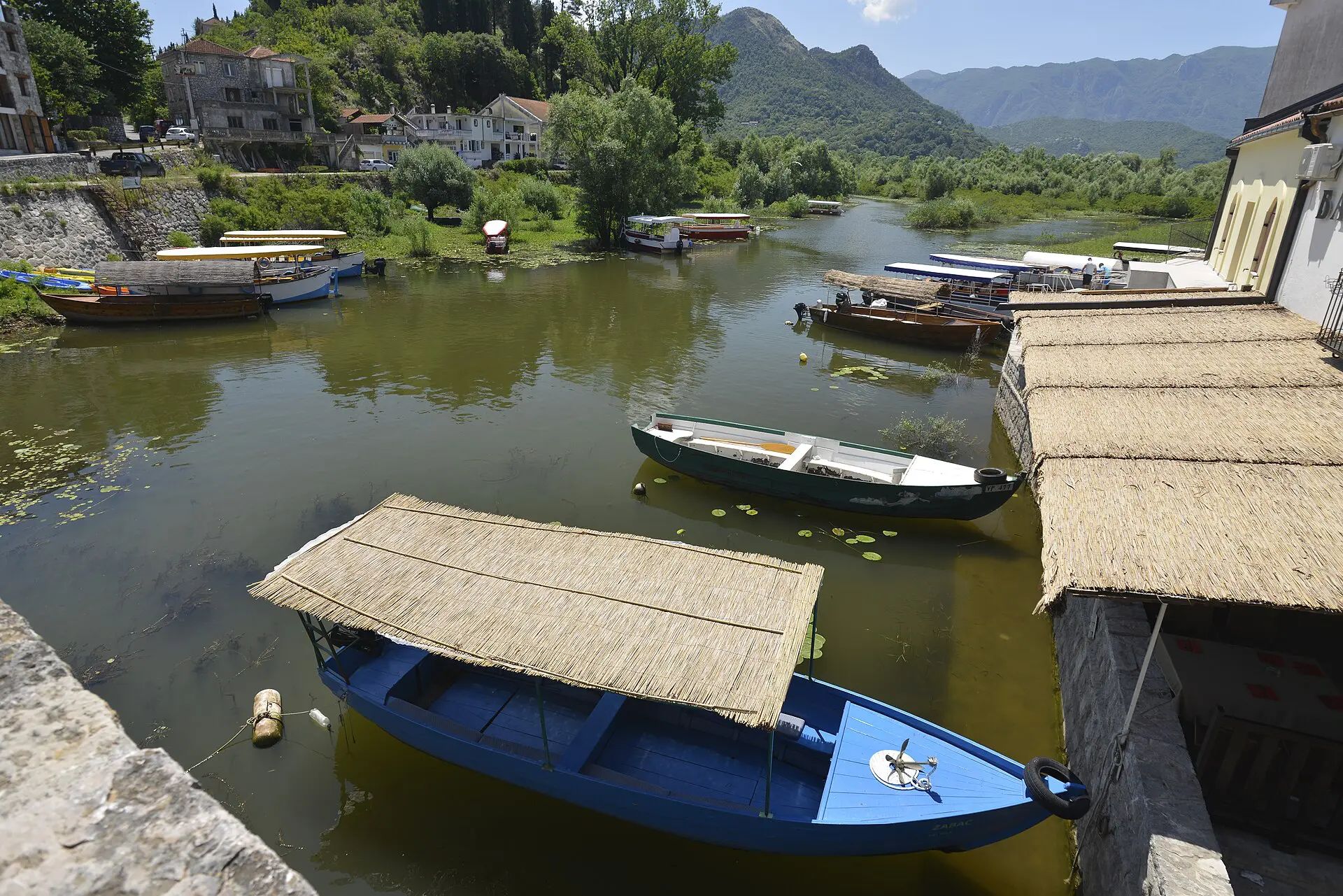
The largest lake in the Balkans is a national park rich in birdlife, with fishing villages such as Virpazar and boat trips among water lilies.
Durmitor and Žabljak
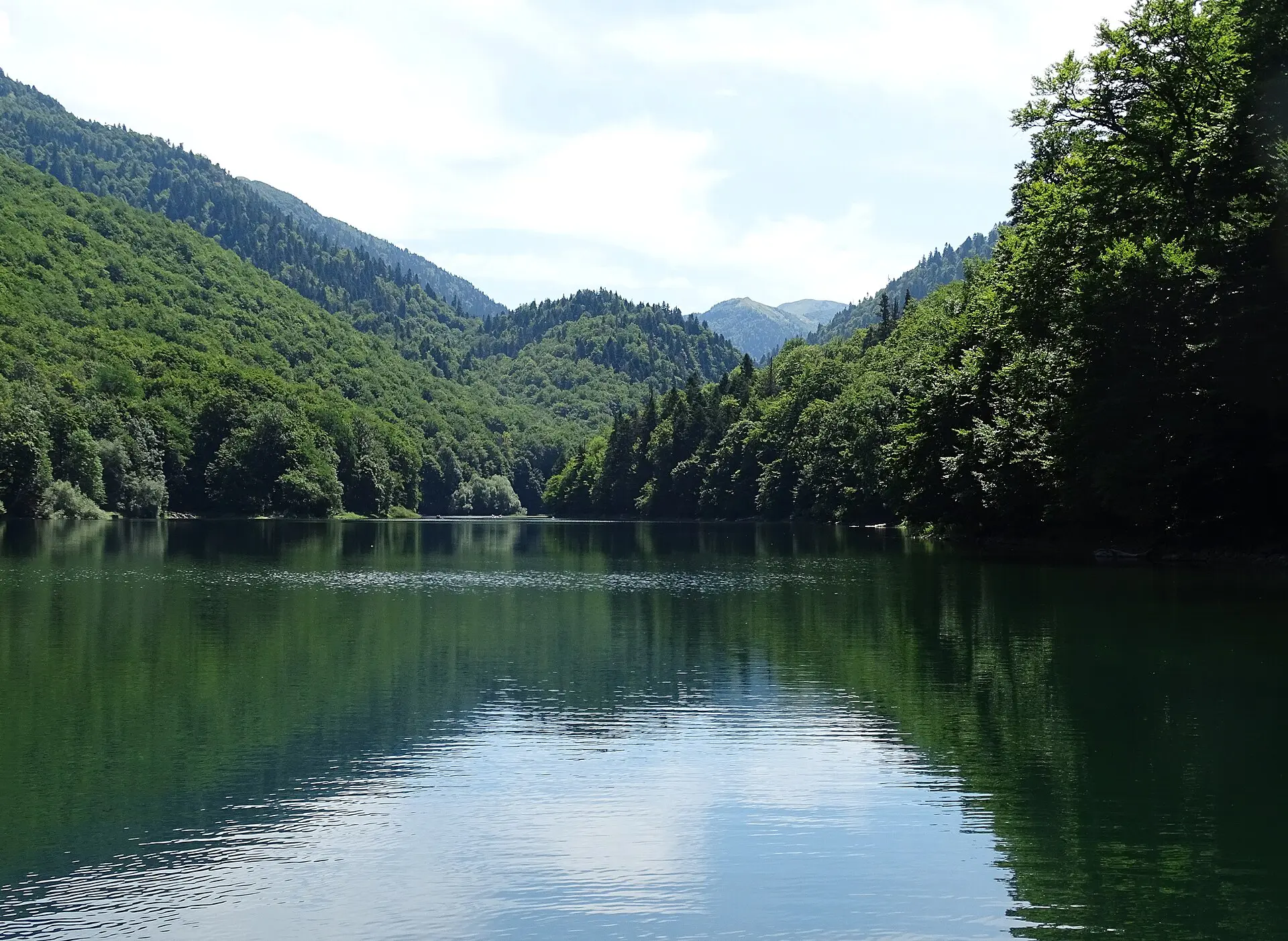
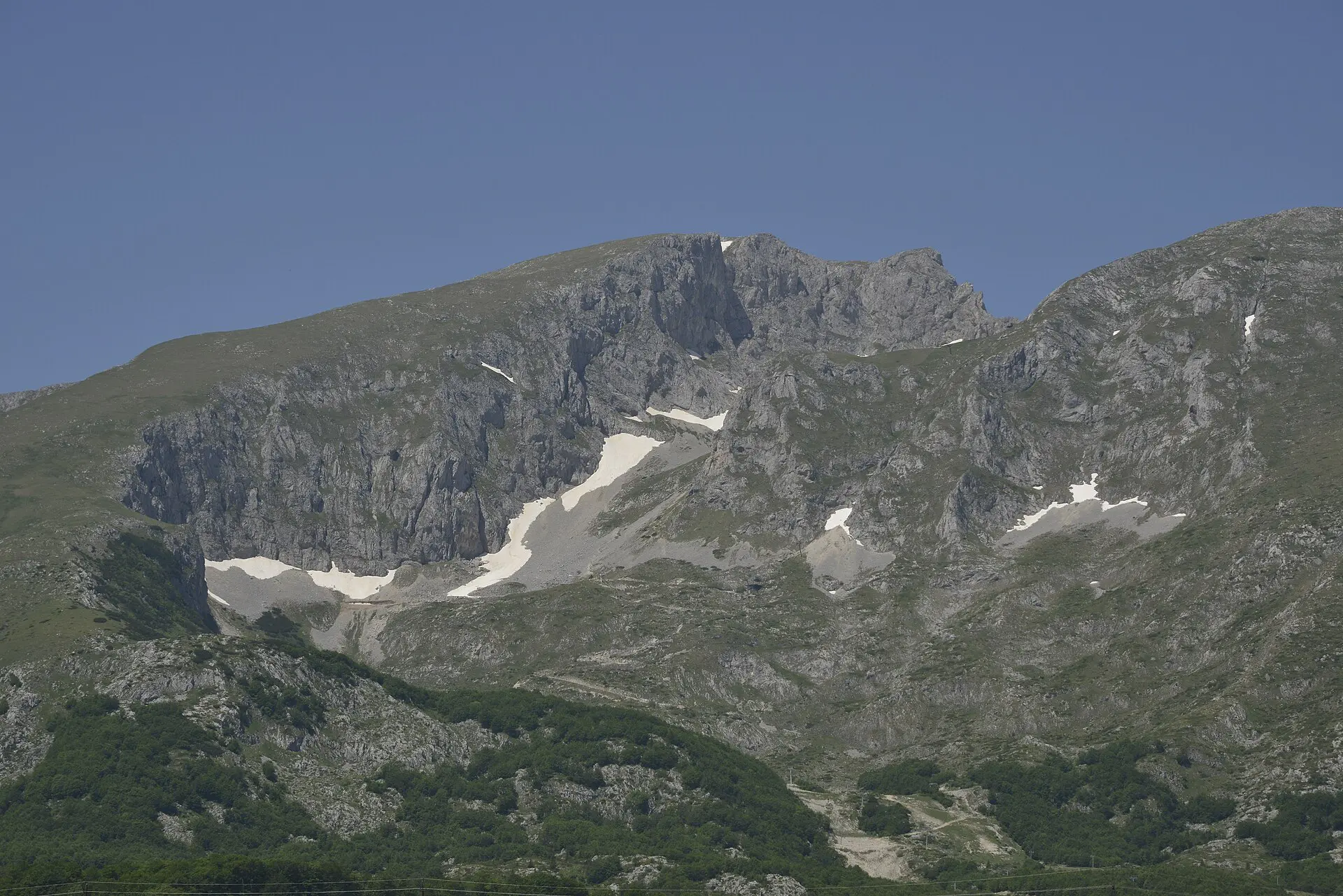
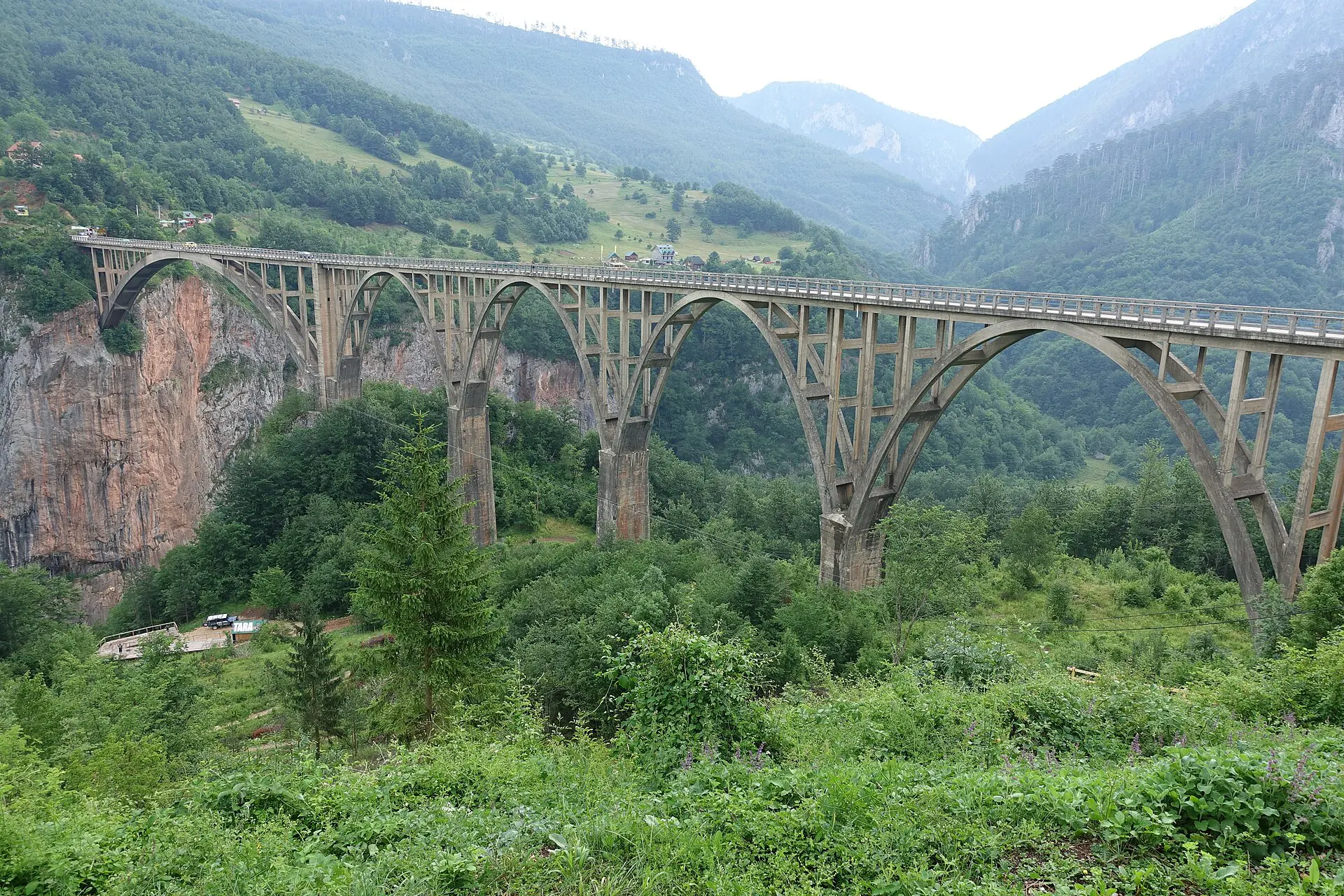
The northern massif has glacial lakes, including the Black Lake, and the Tara River canyon, one of the deepest in Europe. It is the base for hiking, rafting and skiing.
Ulcinj and Bar
The southern coast has long sandy beaches near Ulcinj and the old town of Stari Bar, an inland ruin under a mountain.
Top things to do in Montenegro
The top things to do in Montenegro combine heritage, water and mountains, and most can be done in a short trip with a car.
- Climb Kotor’s fortress: about 1,350 steps lead to the San Giovanni walls, best at sunrise or late afternoon.
- Visit Our Lady of the Rocks: boats run from Perast to the island chapel and its museum.
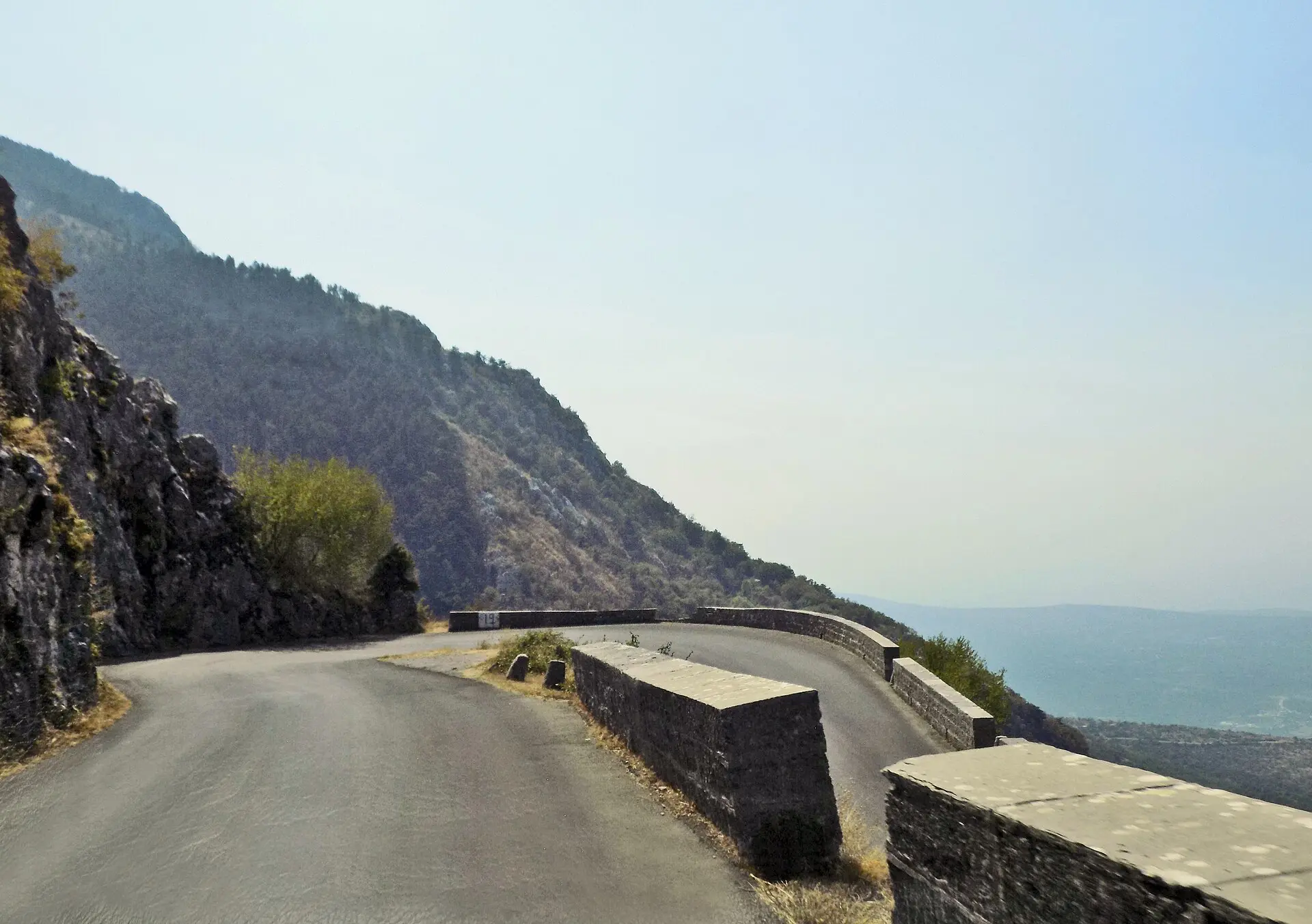
- Drive the Kotor serpentine: the road to Lovćen has dozens of hairpin bends and wide views of the bay.
- Tour the Njegoš Mausoleum: a long stairway leads to a hilltop memorial to the poet-prince.
- Cruise Skadar Lake: boat trips from Virpazar pass lily fields and old fortresses.
- Raft the Tara River: summer rafting trips run through the canyon under the Đurđevića Tara Bridge.
- Hike around the Black Lake: an easy loop near Žabljak, with longer walks to Durmitor peaks.
- Walk Stari Bar: the ruined hill town is among the largest archaeological sites in the Balkans.
- Visit Ostrog Monastery: a cliff-face monastery that draws pilgrims of many faiths.
- Swim at Mogren or Jaz beach: Budva area beaches are busy in July and August, quieter in June.
Best time to visit Montenegro
The best time to visit Montenegro is May to June and September to early October, when the sea is warm enough to swim, the towns are comfortable and crowds are smaller than in July and August. Hiking in the north works best from June to September, once snow has cleared. Ski season at Durmitor and Kolašin runs roughly from December to March.
| Season | Weather | Crowds and prices | Good for |
|---|---|---|---|
| Spring (Apr-Jun) | Mild to warm; showers early | Moderate, rising in June | Old towns, Skadar Lake, driving |
| Summer (Jul-Aug) | Hot, often above 30 C on the coast | Highest prices and crowds | Beaches, rafting, mountain hiking |
| Autumn (Sep-Oct) | Warm; sea still warm in September | Falling quickly | Coast, food, quieter sightseeing |
| Winter (Nov-Mar) | Cool and wet on the coast; snow in the north | Low on the coast; ski prices in the north | Skiing, budget city breaks |
Some coastal restaurants and hotels close in winter, so check before booking.
Is Montenegro safe to visit?
Yes, Montenegro is safe for most visitors, and violent crime against tourists is rare. The most common problems are petty theft in busy spots, aggressive driving and the occasional overcharge. Check your government’s current travel advice, such as the UK FCDO or US State Department pages, before you book.
Roads. Driving is the main practical risk. Mountain roads are narrow with sharp bends and few barriers, and some drivers overtake aggressively. Avoid unfamiliar mountain roads after dark and in snow.
Theft and scams. Keep valuables out of sight on beaches and in crowded old towns, and check restaurant bills. Agree taxi fares first or use an app.
Nature. Summer wildfires are possible on the coast and inland, and earthquakes occur in the region. On mountain trails, carry water and a map, as weather can change quickly.
Other notes. Organised-crime disputes have occasionally led to violence, but these rarely involve visitors. Tap water is generally drinkable but varies by town. Carry travel insurance with medical cover.
Visa and entry requirements for Montenegro
Entry rules depend on your nationality. Citizens of the EU, UK, US and several other countries have generally been able to enter visa-free for short tourist stays of up to 90 days, but this changes, so confirm the current rule for your passport with the Montenegrin Ministry of Foreign Affairs or your nearest embassy.
Montenegro is not in the Schengen Area, so passport checks apply when you arrive from Croatia, Bosnia and Herzegovina, Serbia, Kosovo or Albania, and queues build at busy coastal crossings in summer. Foreign visitors normally have to register their stay, which hotels do automatically. If you rent a place privately, ask the host to register you.
If you drive a rental car across a border, check the paperwork, insurance and whether the rental company allows it. The UNESCO page for Montenegro lists the World Heritage sites you may plan around, though it does not cover entry rules.
Getting to and around Montenegro
Montenegro has two main airports, Podgorica (TGD) and Tivat (TIV), with seasonal connections to many European cities. Dubrovnik airport in Croatia is also used for Kotor, with a road trip of around two hours depending on the border queue. A scenic railway links Bar, Podgorica and Belgrade, but it is slow.
Buses connect most towns and are cheap, but timetables are patchy in the north and off season. Within the Bay of Kotor, local buses and a small car ferry at Kamenari-Lepetane help with the crossing. Allow extra time for coastal traffic in July and August.
A rental car gives the most freedom, particularly for Durmitor, Skadar Lake and mountain villages. Roads are improving, but many are narrow, and the Kotor serpentine and Durmitor roads need care. Typical drives are about 1.5 hours from Kotor to Cetinje, 1.5 hours from Podgorica to Kotor and three to four hours from Kotor to Žabljak.
How much does a trip to Montenegro cost?
Montenegro is cheaper than Croatia or Italy but more expensive than most of the Balkans, and the euro is the currency. Figures below are rough guides per person for the 2026 season.
- Budget: around EUR 35 to 60 per day, with hostels or simple apartments, buses and cheap local food.
- Mid-range: around EUR 60 to 110 per day, with private rooms, restaurant meals and a rental car.
- High-end: from around EUR 150 per day, with beachfront hotels in Budva or Tivat, and private transfers.
Accommodation on the coast is the biggest swing factor, with prices in July and August often double those of May. Car rental, ferries and parking add up, and entrance fees to attractions such as the Kotor fortress or national parks are modest. Restaurant meals in smaller towns are good value.
Montenegro food and drink
Montenegro food draws on Mediterranean coastal cooking, Balkan grill traditions and mountain dairy dishes, and portions are generous.
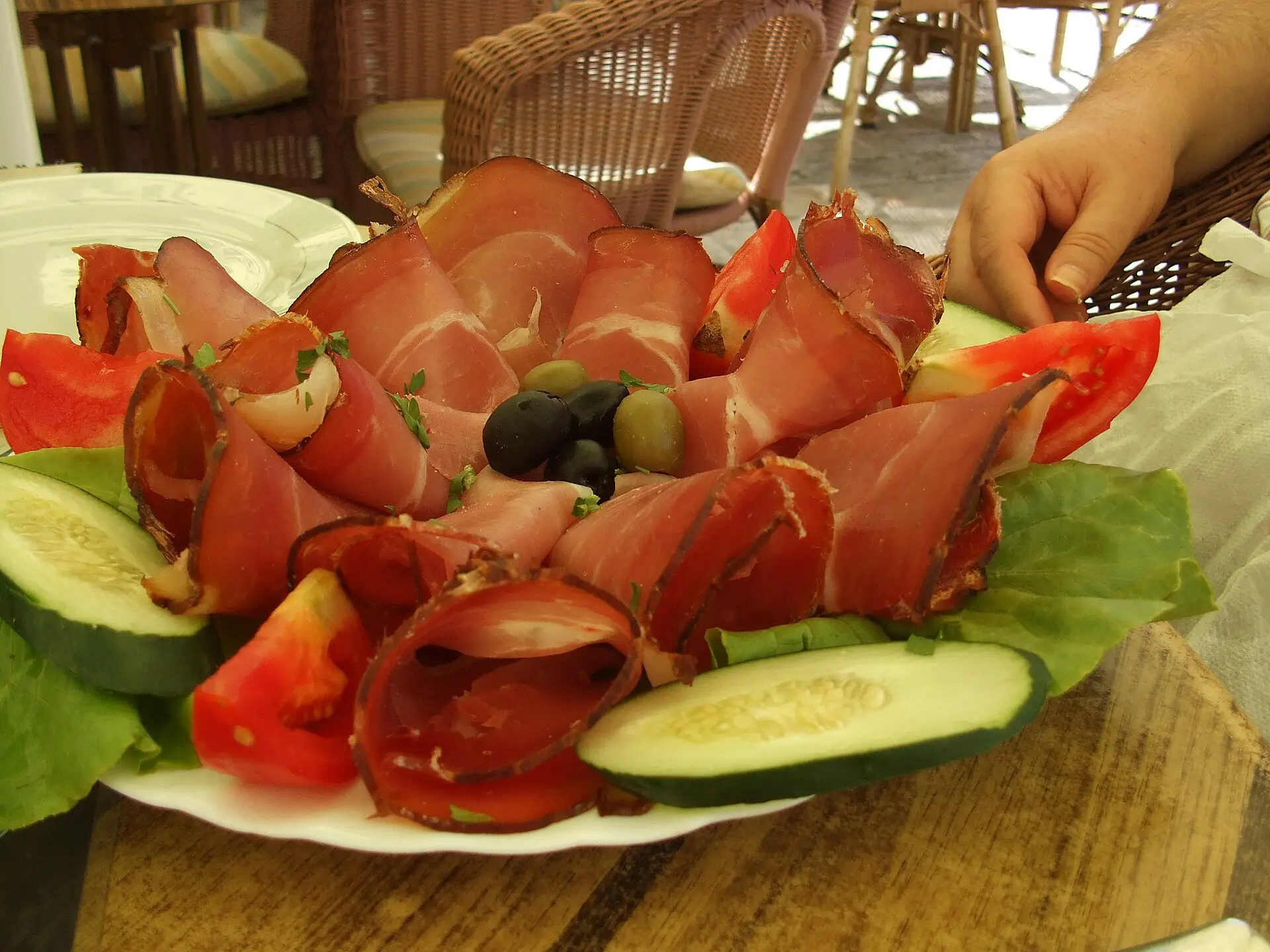
- Njeguški pršut: smoked ham from the Njeguši area near Lovćen, usually served with local cheese.
- Crni rižot: black risotto made with cuttlefish, a staple on the coast.
- Fish stew (brudet): a tomato-based coastal stew served with polenta.
- Kačamak: a hearty mash of cornmeal and potato with cheese, common in the north.
- Lamb under the sač: lamb roasted under an iron bell covered with embers, usually ordered in advance.
- Skadar Lake carp: dried or grilled fish from Virpazar.
- Vranac and krstač: the main local red and white wines, with rakija as the traditional spirit and Nikšićko as the main beer.
Vegetarians can find grilled vegetables, salads, cheese pies and pasta, though many traditional dishes contain meat. Konobas, small family restaurants, give the best value, and coastal places near the old towns cost more. Cheese and ham tastings are popular in Njeguši.
Culture, language and etiquette in Montenegro
Montenegrin is the official language, closely related to Serbian, Croatian and Bosnian, and Albanian is spoken in the south-east. English is widely understood in tourist areas and among younger people, while Italian and Russian are also common on the coast. Learning dobar dan (good day) and hvala (thank you) is appreciated.
Montenegro’s population includes Orthodox Christians, Muslims and Catholics, and religious sites are active places of worship. Dress modestly in monasteries and mosques, cover your shoulders and knees, and ask before photographing inside. Visitors to a home are usually offered coffee or rakija, and refusing politely is acceptable.
Hospitality is a point of pride, and meals are social and long. Avoid raising politics, the 2006 independence vote or relations with neighbouring countries unless locals start the topic. Smoking indoors is still common in some cafés.
Montenegro itinerary: a 7-day route
This route runs from the coast to the mountains and back, by rental car, and avoids long backtracking.
- Day 1, Kotor: arrive at Tivat or Dubrovnik, walk the old town and climb the fortress in the late afternoon.
- Day 2, Perast and the bay: take a boat to Our Lady of the Rocks and drive around the bay.
- Day 3, Lovćen and Cetinje: drive the serpentine road, visit the Njegoš Mausoleum, taste ham in Njeguši and see Cetinje.
- Day 4, Budva and Sveti Stefan: swim in the morning and walk Budva’s old town.
- Day 5, Skadar Lake: drive about an hour to Virpazar for a boat trip and lunch, then continue to Podgorica.
- Day 6, Durmitor: drive about three hours north via the Morača canyon, with a stop at Ostrog if time allows, and stay in Žabljak.
- Day 7, Black Lake and return: walk the lake loop, then drive back to Podgorica or Tivat.
In winter, replace Durmitor with Kolašin or the coast and check road conditions.
Practical tips for Montenegro
- Money: the euro is the currency; ATMs are common in towns, and cards are accepted in most hotels and restaurants, but carry cash for small guesthouses and rural shops.
- SIM and eSIM: local SIMs and eSIMs are cheap, and coverage is good along the coast and main roads. Montenegro is outside the EU roaming zone, so check your plan.
- Plugs: types C and F at 230 V.
- Tipping: not required, but rounding up or leaving around 10 percent is customary.
- Health: bring travel insurance, sunscreen and insect repellent for mountain areas; pharmacies are plentiful in towns.
- Packing: sturdy shoes for stone steps, a warm layer for the mountains and a swimsuit from late spring.
- Booking: reserve coastal rooms early for July and August, and book rafting and sač dishes in advance.
- Calling code: +382.
For wider background, see the Wikivoyage Montenegro guide.
FAQ
Q1What are the best things to do in Montenegro?
Top picks are climbing Kotor's fortress, visiting Perast and Our Lady of the Rocks, driving the Lovćen serpentine, cruising Skadar Lake, rafting the Tara River and hiking around the Black Lake in Durmitor. The coast and mountains are within a few hours of each other.
Q2Is Montenegro safe?
Yes, for most visitors. Violent crime against tourists is rare, and the main risks are narrow mountain roads, petty theft in busy areas and summer wildfires. Use taxi apps, keep valuables hidden and check your government's current travel advice before you go.
Q3What is the best time to visit Montenegro?
May to June and September to early October are best, with warm weather, swimmable sea and fewer crowds. July and August are hot and expensive on the coast but suit mountain hiking. Winter is cool and wet on the coast, with skiing in the north.
Q4What is Montenegro food like?
Montenegro food mixes Adriatic seafood with Balkan grills and mountain dairy. Try Njeguški pršut ham, black risotto, fish stew, kačamak, lamb under the sač and Skadar Lake carp, with local Vranac wine or rakija. Konobas, family restaurants, give the best value.
Q5Do you need a visa for Montenegro?
It depends on your nationality. Many visitors, including those from the EU, UK and US, have been able to stay visa-free for up to 90 days, but rules change. Confirm with the official Montenegrin sources or your embassy, and register your stay if you rent privately.
Q6How many days do you need in Montenegro?
Seven days is enough for Kotor, Lovćen, Cetinje, Budva, Skadar Lake and Durmitor at a steady pace. Allow three to four days for the coast alone, and add two to three days for hiking or rafting in the north.
Q7Do you need a car in Montenegro?
A car is the most flexible option, especially for Durmitor, Skadar Lake and mountain villages. The coast can be done by bus, taxi and boat. Mountain roads are narrow, so confident drivers should allow extra time and avoid driving at night.