Why visit Mauritius
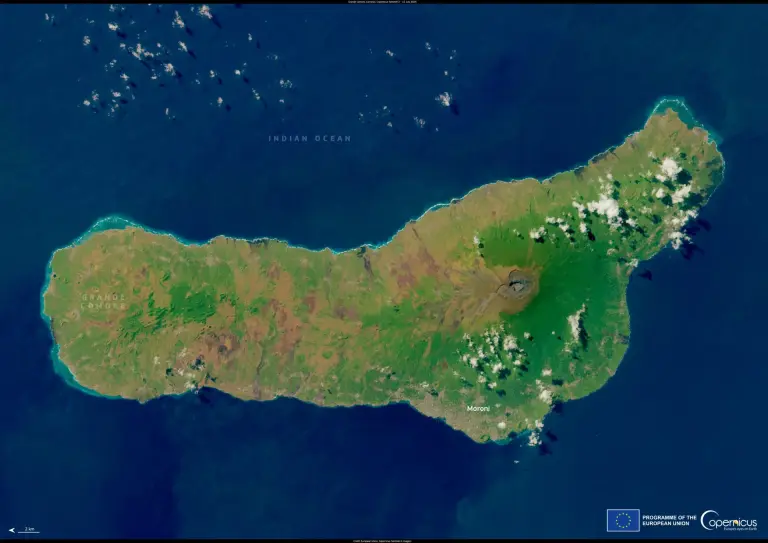
The best things to do in Mauritius go well beyond the beach. This island of about 2,040 square kilometres packs a coral-fringed coastline, a volcanic interior of forested gorges and waterfalls, sugar-cane plains and busy Hindu temples into a drive of around two hours end to end (see the Wikipedia overview). It sits in the Indian Ocean roughly 2,000 km off the coast of Africa and was uninhabited until Dutch, French and then British settlement, which explains its unusual mix of Creole, Indian, Chinese, African and European cultures.
Mauritius suits couples, families, honeymooners and active travellers who want reliable infrastructure, English and French spoken everywhere and a tropical climate. It is less suited to travellers on a tight budget, because accommodation and flights are pricey. Independent visitors can still find simple guesthouses and local food, and the island is easy to explore with a rental car or private driver.
Best places to visit in Mauritius
The best places to visit in Mauritius are grouped by coast, and most people pick one or two bases rather than moving every night.
Le Morne and the southwest
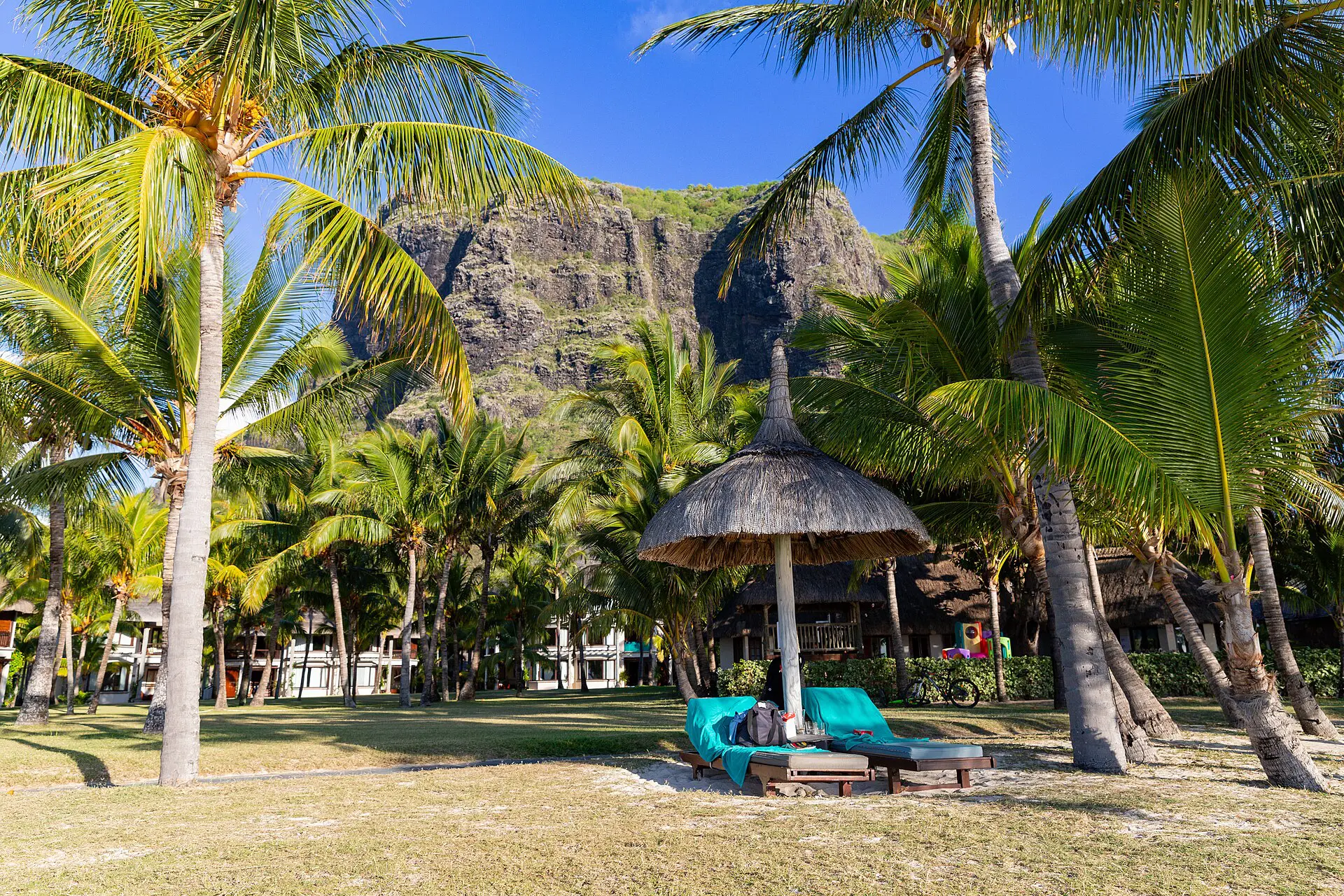
The Le Morne peninsula is dominated by a basalt mountain, Le Morne Brabant, and is a UNESCO World Heritage Site because it was a refuge for escaped enslaved people. The lagoon here is one of the best for kitesurfing. Chamarel and the Black River Gorges are a short drive inland.
Chamarel
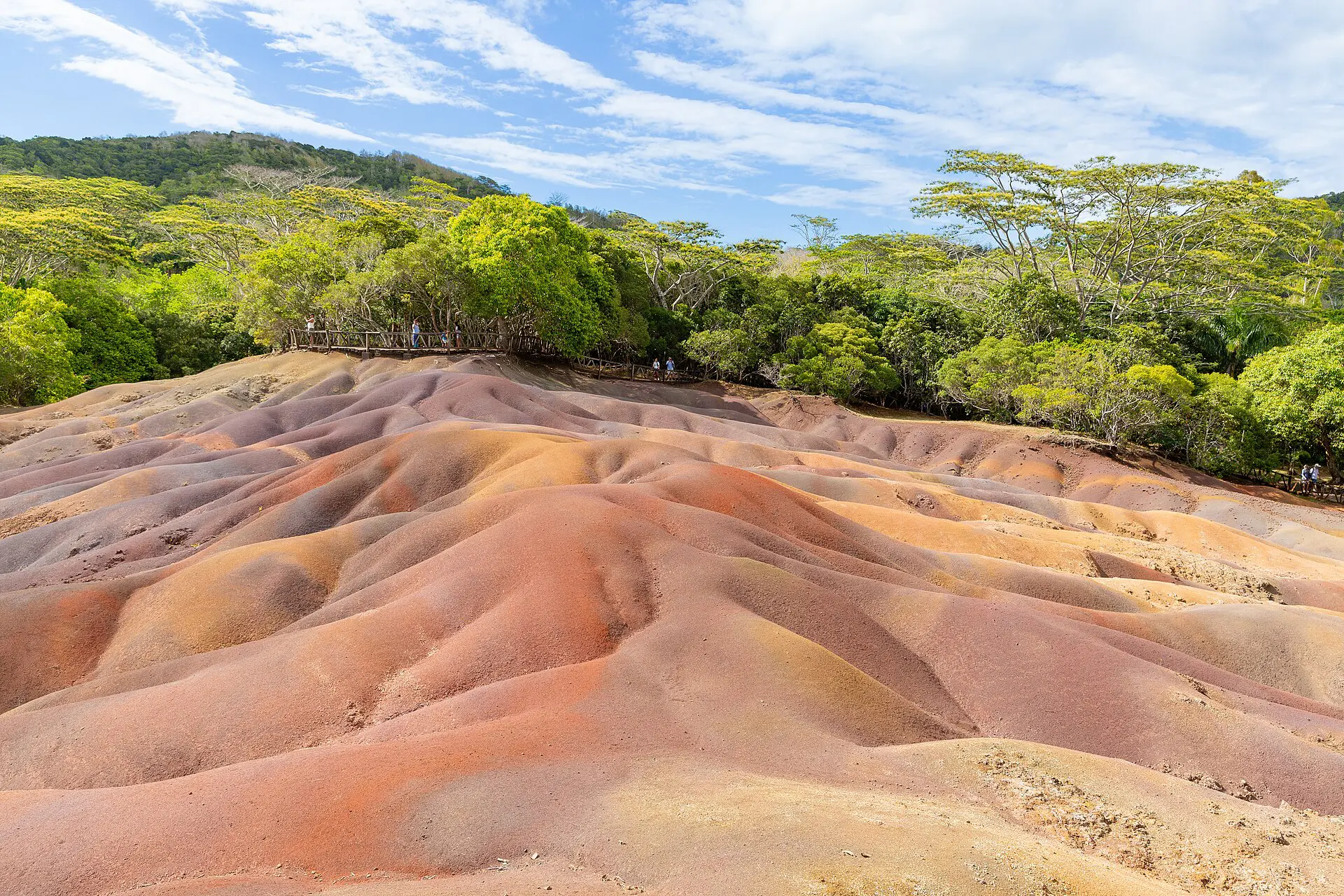
A hill village famed for its Seven Coloured Earths, dunes of striped volcanic soil, and the nearby Chamarel Waterfall. Rum distilleries and viewpoints make it a good day trip.
Grand Baie and the north
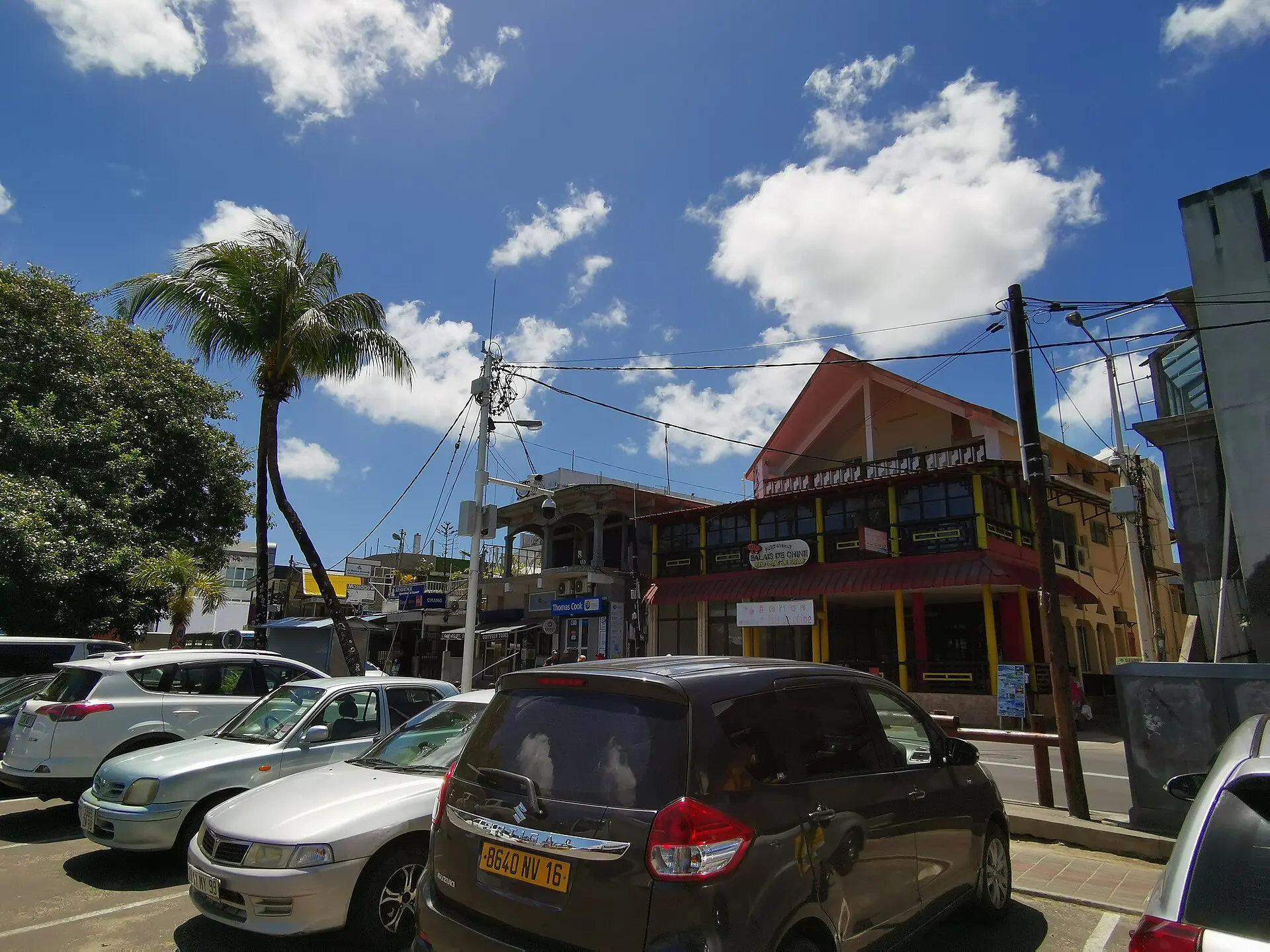
The island’s main resort and nightlife area, with shops, restaurants and boats to small northern islets such as Gunner’s Quoin. Pereybère and Mont Choisy beaches are close by.
Flic en Flac and the west
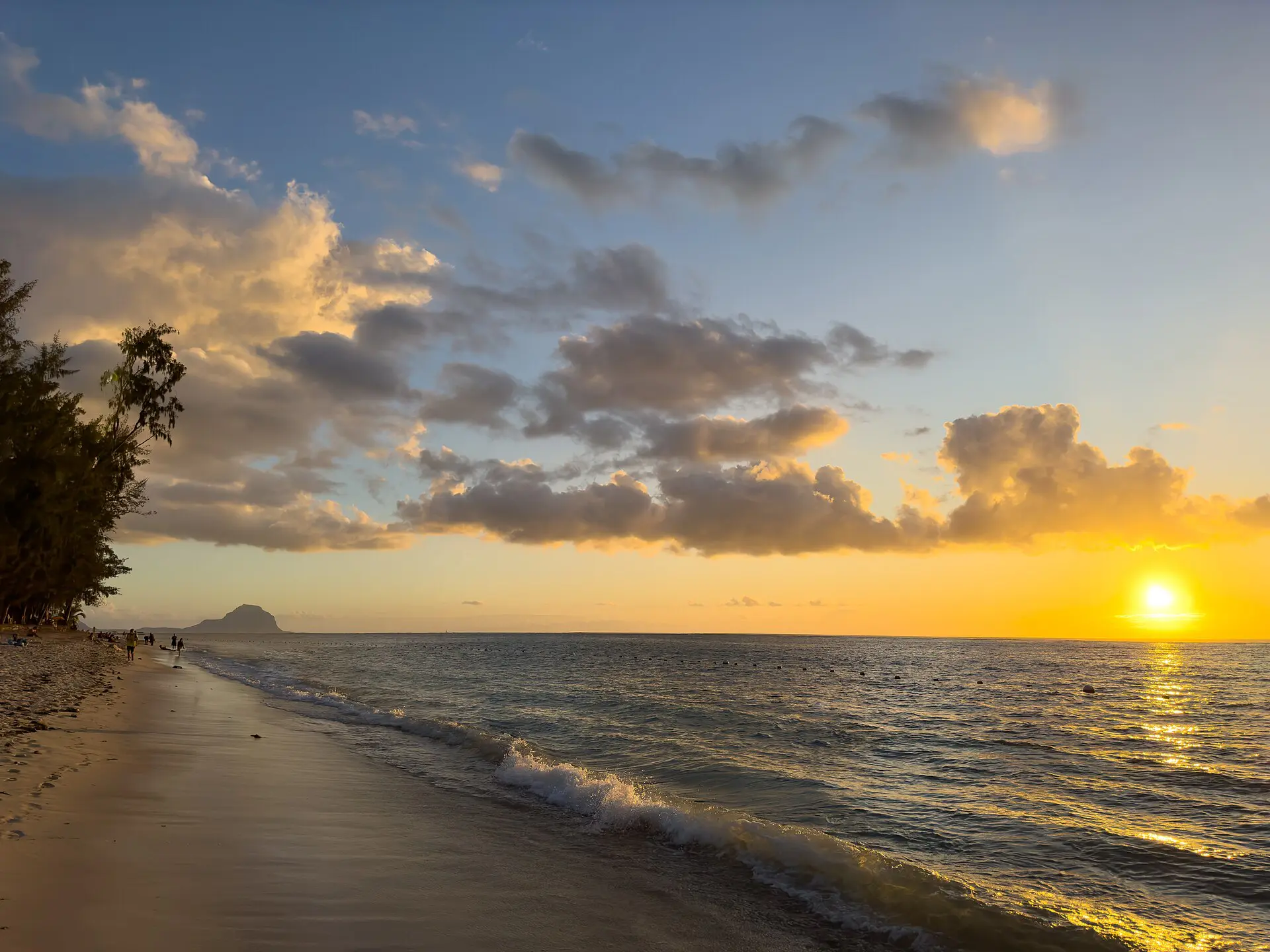
A long white beach with a laid-back feel, good sunsets and easy access to Tamarin, where dolphin and whale-watching trips depart.
Trou d’Eau Douce and the east
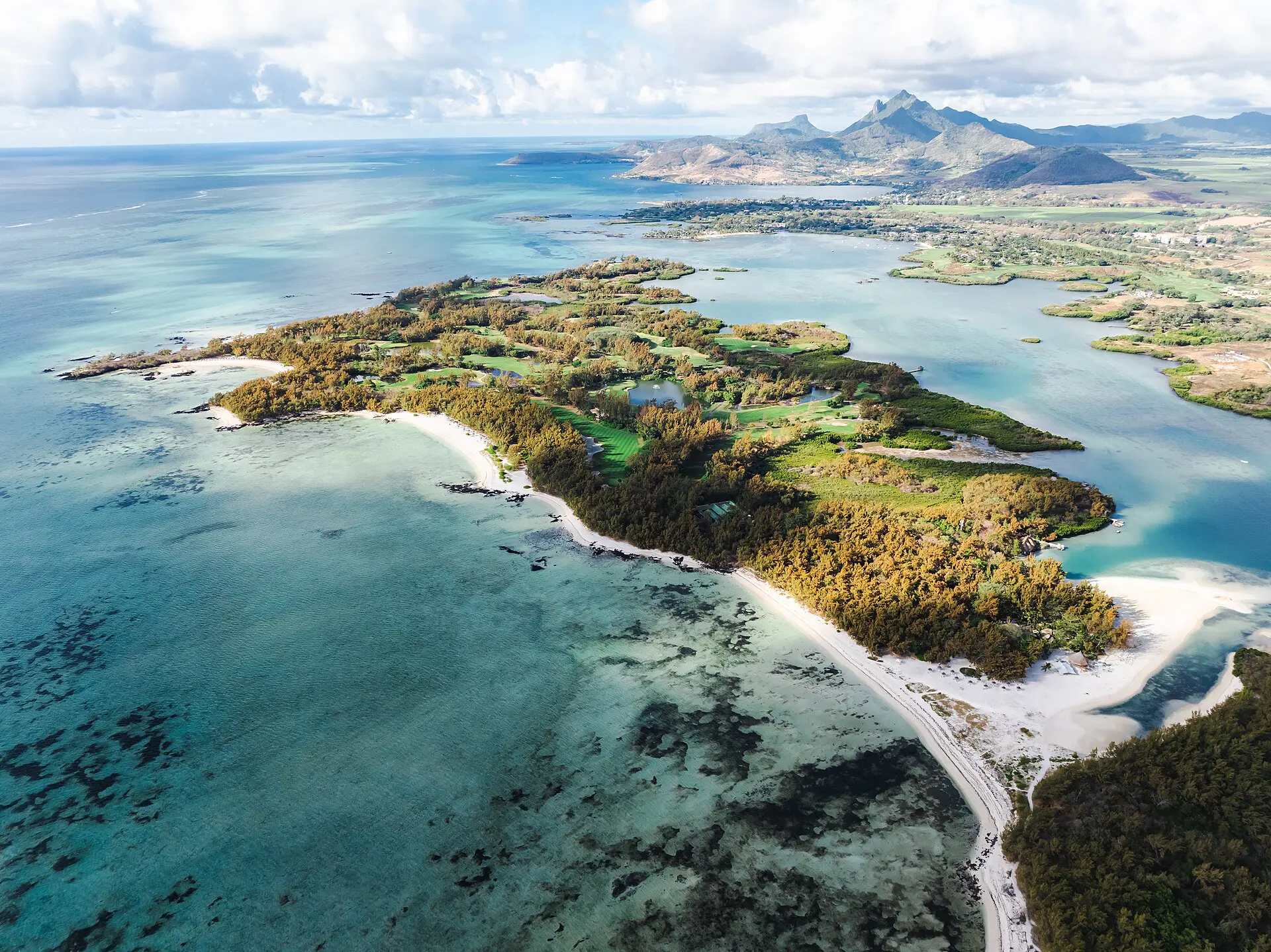
The east coast has quieter hotels and is the departure point for boat trips to Île aux Cerfs, a popular lagoon island.
Port Louis
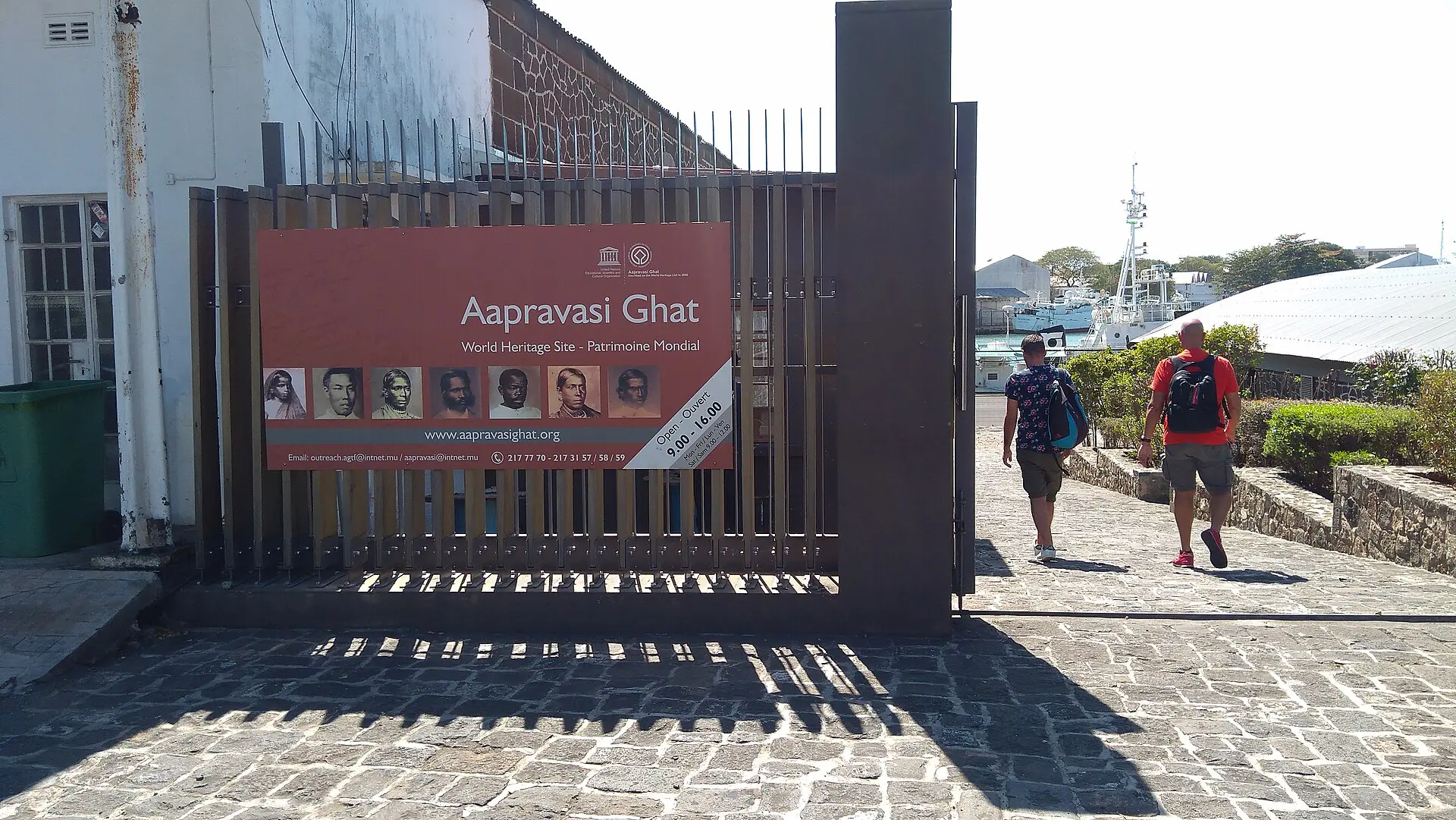
The capital has a busy central market, the UNESCO-listed Aapravasi Ghat and a harbour waterfront. Allow a half day.
Top things to do in Mauritius
The top things to do in Mauritius range from lazy lagoon days to serious hikes, and most activities can be booked locally after arrival.
- Hike Le Morne Brabant: a guided climb of about three hours to the summit gives a view over the lagoon, and it is best done early.
- Walk the Black River Gorges: national park trails lead to waterfalls and viewpoints, and offer a chance to see the endemic pink pigeon.
- See the Seven Coloured Earths: a short, easy stop with a waterfall and a giant tortoise park nearby.
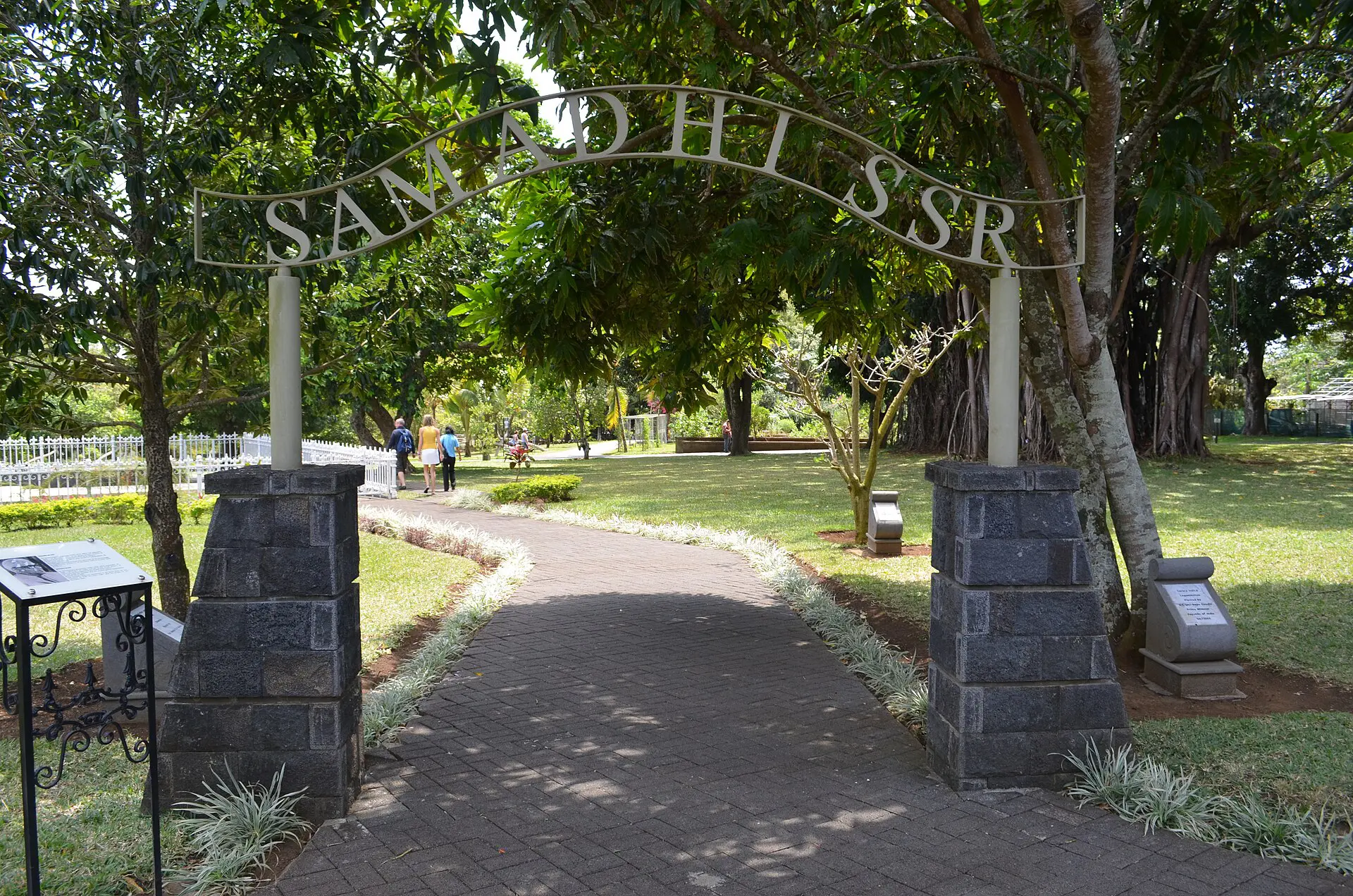
- Visit Pamplemousses Botanical Garden: famous for giant water lilies and an old tree collection.
- Take a catamaran to Île aux Cerfs: snorkel, swim and stop for lunch on a lagoon island.
- Swim with dolphins in Tamarin: operators run early-morning boat trips, and responsible operators avoid crowding the animals.
- Dive or snorkel at Blue Bay Marine Park: shallow reefs close to shore.
- Tour Port Louis: the central market, the Aapravasi Ghat and the Blue Penny Museum show the island’s layered past.
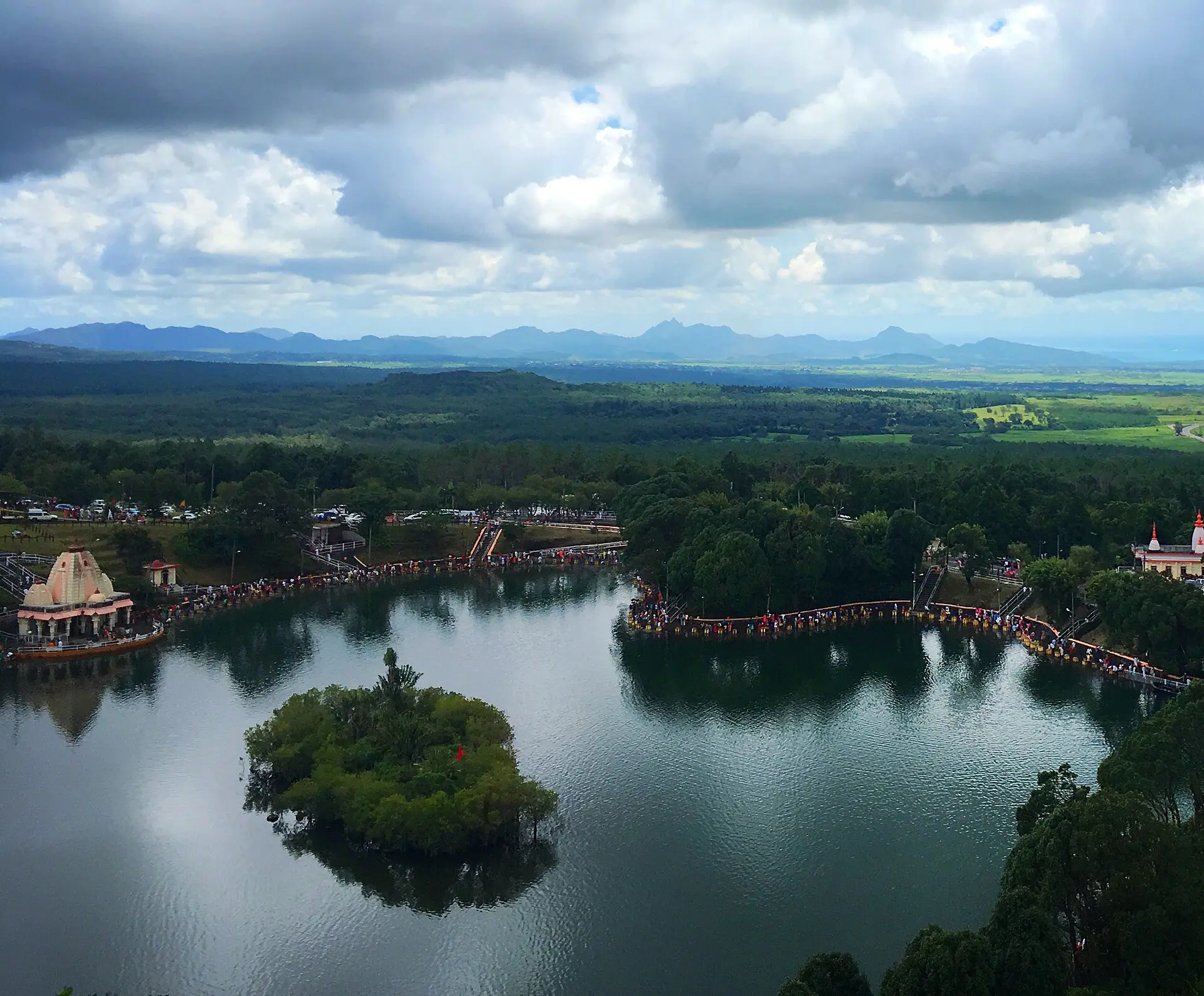
- Visit Grand Bassin: a crater lake and Hindu pilgrimage site with giant statues, particularly lively around Maha Shivaratri.
- Try street food: dholl puri and gato piment are sold at stalls across the island.
Best time to visit Mauritius
The best time to visit Mauritius is from May to December, when the weather is dry, temperatures are comfortable and cyclone risk is low. September to November is often considered the sweet spot, with warm sea, light winds and fewer visitors than December. The cyclone season runs roughly from January to March, with heavy rain, humidity and occasional storms.
| Season | Weather | Crowds and prices | Good for |
|---|---|---|---|
| Summer (Dec-Mar) | Hot, humid, rain and cyclone risk | Peak at Christmas, cheaper later | Swimming, diving, deals |
| Autumn (Apr-May) | Warm, drying out | Moderate | Beaches, hiking |
| Winter (Jun-Aug) | Mild, drier, cooler evenings; windier | Busy in school holidays | Hiking, kitesurfing, whale watching |
| Spring (Sep-Nov) | Warm, dry, calm | Moderate; good prices | All activities |
The east and south coasts get more wind and rain than the sheltered west and north, so choose your base by season. Check weather alerts if you travel between January and March.
Is Mauritius safe to visit?
Is Mauritius safe? Yes, for most visitors it is one of the safer destinations in Africa and the Indian Ocean, and violent crime against tourists is uncommon. Is Mauritius safe to visit all year? Mostly, apart from cyclone risk between January and March. Check your government’s current advice, such as the UK FCDO or US State Department pages, before you travel.
Theft and scams. Opportunistic theft from beaches, hotel rooms and parked cars is the main crime. Keep valuables out of sight, use hotel safes and never leave bags on the sand. Agree taxi fares before you go and be wary of unsolicited offers of tours near the beach.
Sea and weather. Currents can be strong outside the reef, and there are few lifeguards on public beaches. Do not swim beyond the reef line and obey flags. During cyclone season, follow the official warning system and your hotel’s instructions.
Roads. Traffic drives on the left, and roads are narrow and busy around Port Louis. Scooters are common and accidents involving them happen often.
Health. Tap water is generally treated, but many visitors prefer bottled water. Mosquito-borne illness such as dengue has occurred, so use repellent.
Mauritius visa and entry requirements
The Mauritius visa position depends on your nationality, but many visitors, including citizens of the EU, the UK, the US and a long list of other countries, have been able to enter without a visa for stays of up to 90 days. Rules can change, so confirm the current requirement with the official Mauritian passport and immigration office, or your nearest Mauritian embassy, before booking.
Visitors are normally asked to complete an online arrival form before departure. Bring a passport valid for the stay, a return or onward ticket and proof of accommodation. Some travellers also need a yellow fever certificate if they arrive from an affected area.
Mauritius has no land borders, so everyone arrives by air or sea. The UNESCO page for Mauritius is a useful reference for the island’s World Heritage Sites, such as Le Morne and the Aapravasi Ghat, though it does not cover entry rules.
Getting to and around Mauritius
Most visitors fly into Sir Seewoosagur Ramgoolam International Airport near Mahébourg in the southeast. Direct flights connect the island with Europe, the Gulf, South Africa, India and Réunion, and Air Mauritius is the national carrier. Flight time from Paris or London is around 11 to 12 hours.
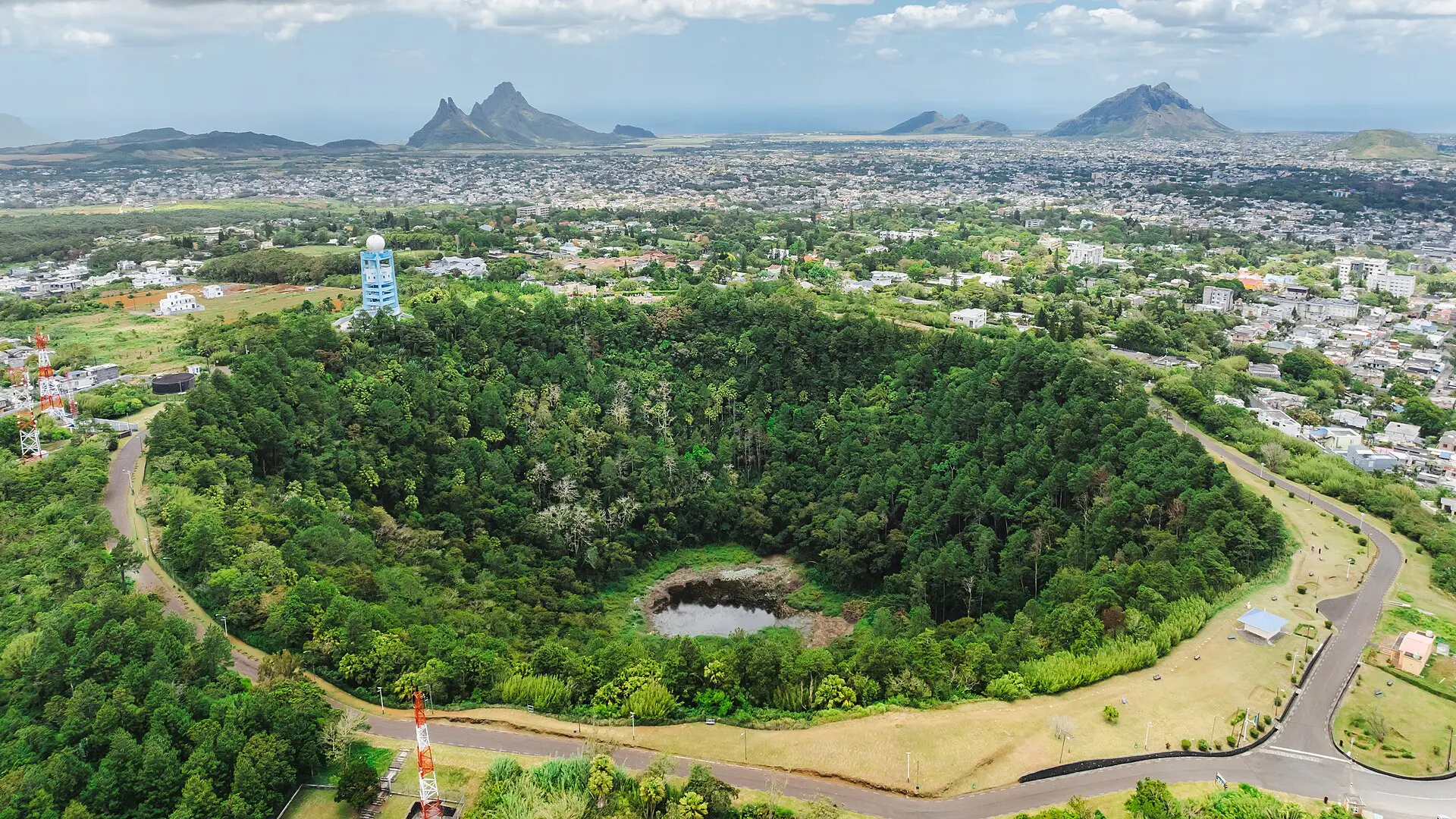
Getting around is easy. A motorway links the airport with Port Louis and the north, and cars drive on the left. Rental cars suit independent travellers, though a driver costs little more and removes the stress. Public buses run across the island and are very cheap, but are slow, crowded at peak times and rarely run late at night. Taxis are metered in theory but fares are often negotiated, so agree the price first. A metro line also links Port Louis with the towns of the central plateau.
Drive times are short: the airport to Grand Baie takes around an hour and a half, and Port Louis to Le Morne about an hour. Allow extra time in rush hour. Rodrigues Island has a separate flight from Mauritius.
How much does a trip to Mauritius cost?
Mauritius is more expensive than most Indian Ocean mainland destinations, because accommodation and flights cost more, and resort prices are high. The currency is the Mauritian rupee (MUR). Euros and US dollars are accepted by some tourist businesses, but you will usually pay in rupees. Figures are rough per-person guides for 2026.
- Budget: around USD 50 to 90 per day, with guesthouses, public buses and street food.
- Mid-range: around USD 90 to 180 per day, with a private room or small hotel, a rental car and restaurant dinners.
- High-end: from around USD 350 per day, and often far more, for beachfront resorts, spa treatments and private excursions.
The biggest swing factors are accommodation and the season: prices peak in December and January and in school holidays. Excursions such as catamaran trips and dolphin tours add up, so budget for several. Street food and local restaurants are cheap, while resort dining costs close to European prices. Package deals including flights can lower the total.
Mauritius food and drink
Mauritius food is one of the island’s highlights, combining Indian, Creole, Chinese and French cooking. Street food is cheap and reliable, and restaurants range from simple snack bars to fine dining.
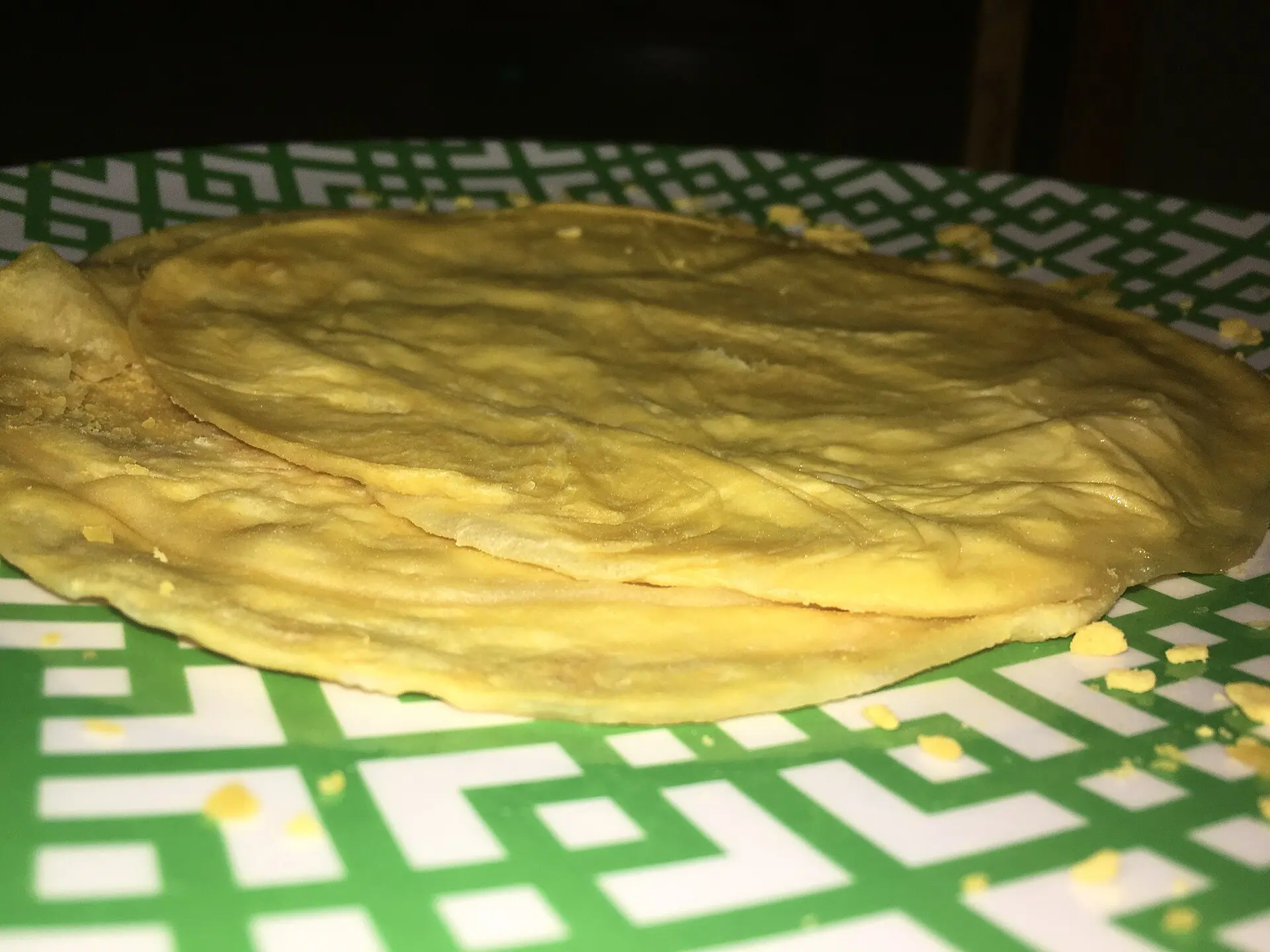
- Dholl puri: a thin flatbread filled with ground yellow split peas, served with curry and chutney. It is the national street snack.
- Gato piment: small deep-fried chilli and split-pea cakes, usually sold in a bag with chutney.
- Rougaille: a Creole tomato stew with fish, sausage or meat, served with rice.
- Biryani: a fragrant rice dish with meat, often eaten at celebrations.
- Mine frite: fried noodles from the Chinese-Mauritian tradition.
- Alouda: a cold milk drink with basil seeds and jelly, sold at street stalls.
- Rum: local rum is produced around the island, with tastings at distilleries such as in Chamarel.
Fresh seafood is common on the coast, including octopus curry and grilled fish. Vegetarians do well, since many Indian and Creole dishes use lentils, vegetables and chickpeas. Halal food is widely available, and beef is less common in Hindu areas. Drink tea and coffee grown on the island.
Culture, language and etiquette in Mauritius
English is the official language of government, and French is widely spoken in business and media. Most people speak Mauritian Creole at home, a French-based language. Bhojpuri, Hindi, Tamil, Urdu, Chinese languages and others are also used within communities. Visitors can get by in English or French almost anywhere, but a few words of Creole, such as bonzour (hello), are appreciated.
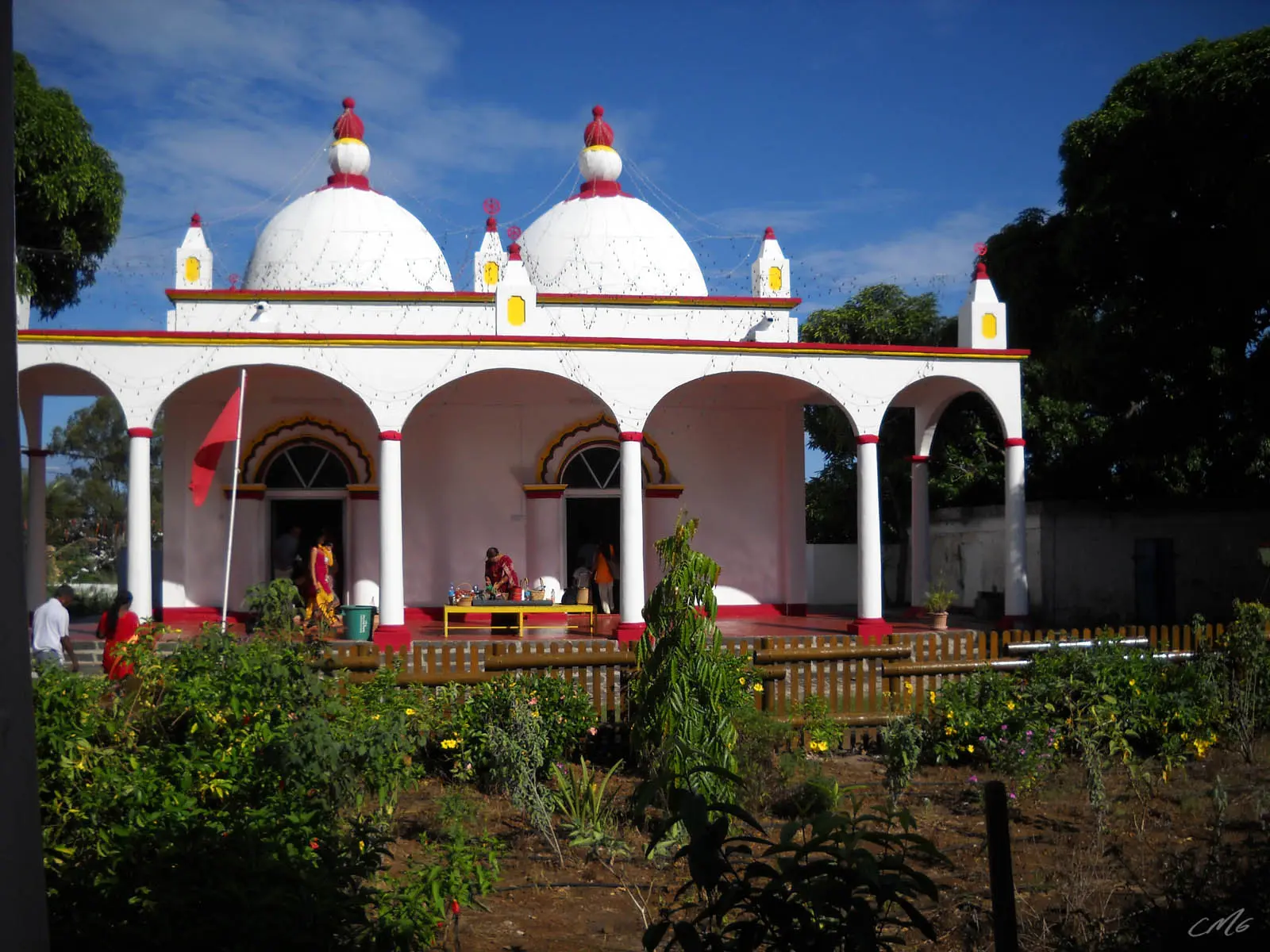
Hinduism is the largest religion, followed by Christianity and Islam, and there are also Buddhist and other communities. Festivals such as Diwali, Eid, Maha Shivaratri, Chinese New Year and Christmas are public holidays and bring colour and crowds. Mauritius is known for religious tolerance and a relaxed social atmosphere.
Dress modestly at temples, mosques and churches, and remove your shoes where signs or locals indicate. Ask before photographing worshippers, and do not point your feet at religious statues. Topless sunbathing and nudity are not accepted on public beaches. Greet people politely, and avoid commenting on ethnic or religious differences.
Mauritius itinerary: a 7-day route
This route uses two bases, one in the north or west and one in the southwest, and keeps drives short. A rental car or driver works best.
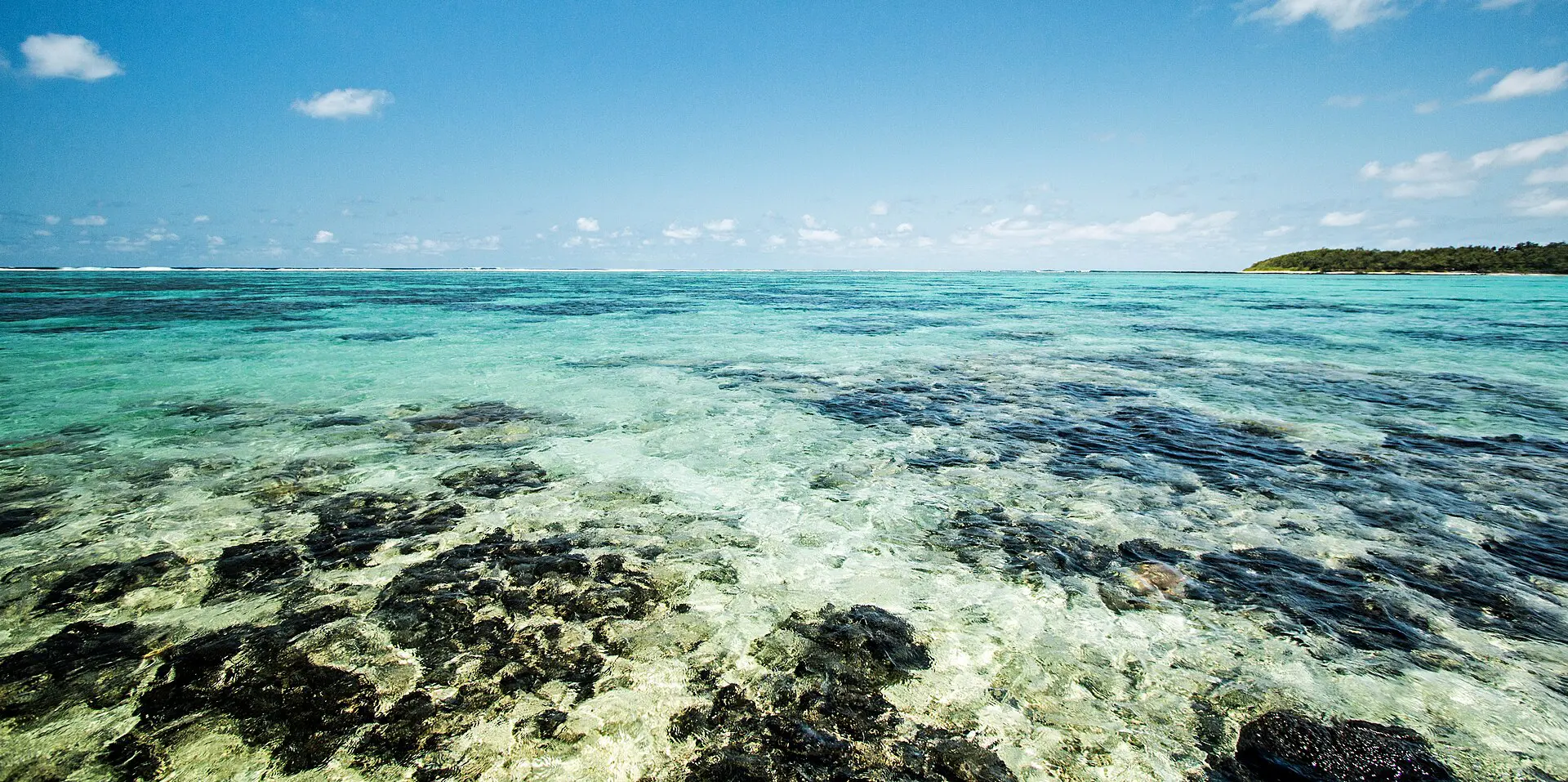
- Day 1, arrival and Mahébourg: arrive, visit the Mahébourg waterfront and the nearby Blue Bay beach.
- Day 2, east coast: boat trip from Trou d’Eau Douce to Île aux Cerfs, then relax at a local beach.
- Day 3, Port Louis and Pamplemousses: morning at the market and Aapravasi Ghat, afternoon at the botanical garden.
- Day 4, Grand Baie: swim at Pereybère, take a catamaran cruise to the northern islets and have dinner in town.
- Day 5, Flic en Flac and Tamarin: early dolphin trip, afternoon on the beach and a sunset dinner.
- Day 6, Black River Gorges and Chamarel: hike a short trail, visit the Seven Coloured Earths and a rum distillery.
- Day 7, Le Morne and departure: a morning walk or kitesurf lesson at Le Morne, then transfer to the airport, which takes about an hour and a half.
With extra days, add Grand Bassin, Curepipe or a diving trip. In cyclone season, stay flexible and book refundable rooms.
Practical tips for Mauritius
- Money: the Mauritian rupee (MUR) is the local currency. ATMs are common, and cards are accepted in hotels, restaurants and shops, but carry cash for buses, markets and street food.
- SIM and eSIM: prepaid SIM cards and eSIMs are cheap and widely available at the airport, with good 4G coverage across the island.
- Plugs: types C and G at 230 V, so UK and European plugs both work, though sockets may need an adaptor.
- Tipping: not obligatory; around 10 percent for good restaurant service is common, and a small tip for guides and drivers is appreciated.
- Health: bring insurance, sunscreen and repellent, and tell your doctor if you plan to dive. Pharmacies are common, and private clinics are good.
- Packing: reef-safe sunscreen, water shoes for coral, light rain jacket and walking shoes for hikes.
- Driving: drive on the left, carry an international licence if yours is not in English or French, and avoid night driving on rural roads.
For more background, see the Wikivoyage Mauritius guide.
FAQ
Q1What are the best things to do in Mauritius?
Top picks are hiking Le Morne Brabant, walking the Black River Gorges, seeing the Seven Coloured Earths at Chamarel, boating to Île aux Cerfs, snorkelling at Blue Bay, dolphin watching at Tamarin and tasting street food such as dholl puri.
Q2What is the best time to visit Mauritius?
May to December is best, with dry, comfortable weather and lower cyclone risk. September to November often offers the best mix of warm sea, light winds and fair prices. January to March is hot and humid, with cyclone risk and occasional heavy rain.
Q3Is Mauritius safe?
Yes, Mauritius is generally safe, and violent crime against tourists is uncommon. Main risks are petty theft from beaches and cars, strong currents outside the reef and cyclones from January to March. Use hotel safes, swim inside the reef and check your government's advice.
Q4What is Mauritius food like?
Mauritius food blends Indian, Creole, Chinese and French cooking. Try dholl puri, gato piment, rougaille, biryani, mine frite and alouda. Street food is cheap, seafood is fresh on the coast and vegetarian options are easy to find.
Q5Is Mauritius safe to visit for solo travellers and women?
Mauritius is considered one of the easier destinations for solo travellers, including women, especially in resort and town areas. Use normal precautions: avoid isolated beaches after dark, use licensed taxis, and expect occasional unwanted attention in busy spots. Hotels are generally secure and English is widely spoken.
Q6Do I need a visa for Mauritius?
Many nationalities, including EU, UK and US citizens, have been able to enter visa-free for short stays, but rules vary by passport and change over time. An online arrival form is normally required. Check the official Mauritian immigration source before booking.
Q7How many days do you need in Mauritius?
Seven days covers the main sights and a few beach days without rushing. Five days works for a short trip based in one area, while ten days allows diving, hiking and a trip to Rodrigues. Plan on a rental car or driver for sightseeing.