Why visit Mauritania
The best things to do in Mauritania centre on landscapes that most travellers never see. About 90 percent of the country lies in the Sahara, and the result is a place of long dune ridges, rocky plateaus, palm-filled oases and a coastline where the desert runs straight into the Atlantic. The country covers more than one million square kilometres but has only around five million people, and a large share of them live in or near the capital, Nouakchott (see the Wikipedia overview for background).
Mauritania suits experienced, adaptable travellers who accept simple facilities, long drives and a security picture that needs attention. It is a poor fit for first-time visitors to Africa or anyone wanting resort comfort. Its appeal is real, though: caravan-era towns with libraries of old manuscripts, one of the world’s great migratory bird sites at Banc d’Arguin, and a tea-drinking, hospitable desert culture. Most people travel with a registered local agency that arranges vehicles, permits and drivers.
Best places to visit in Mauritania
The best places to visit in Mauritania are scattered across long distances, so most trips pick one region and go deeper rather than trying to see everything.
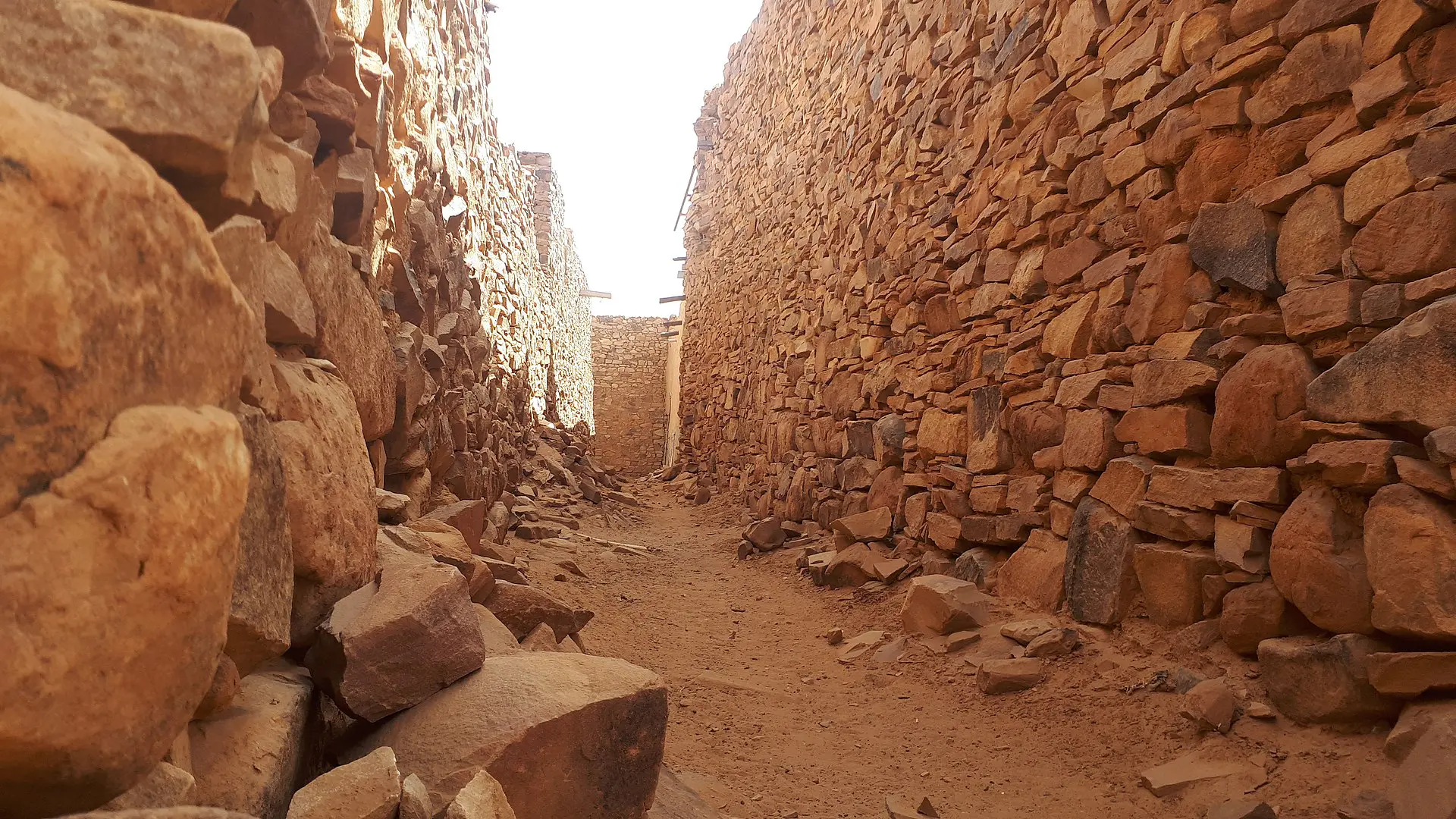
Chinguetti
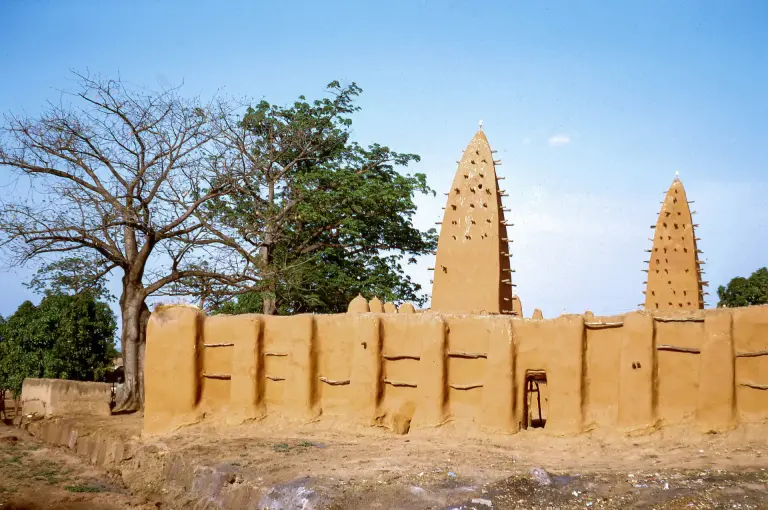
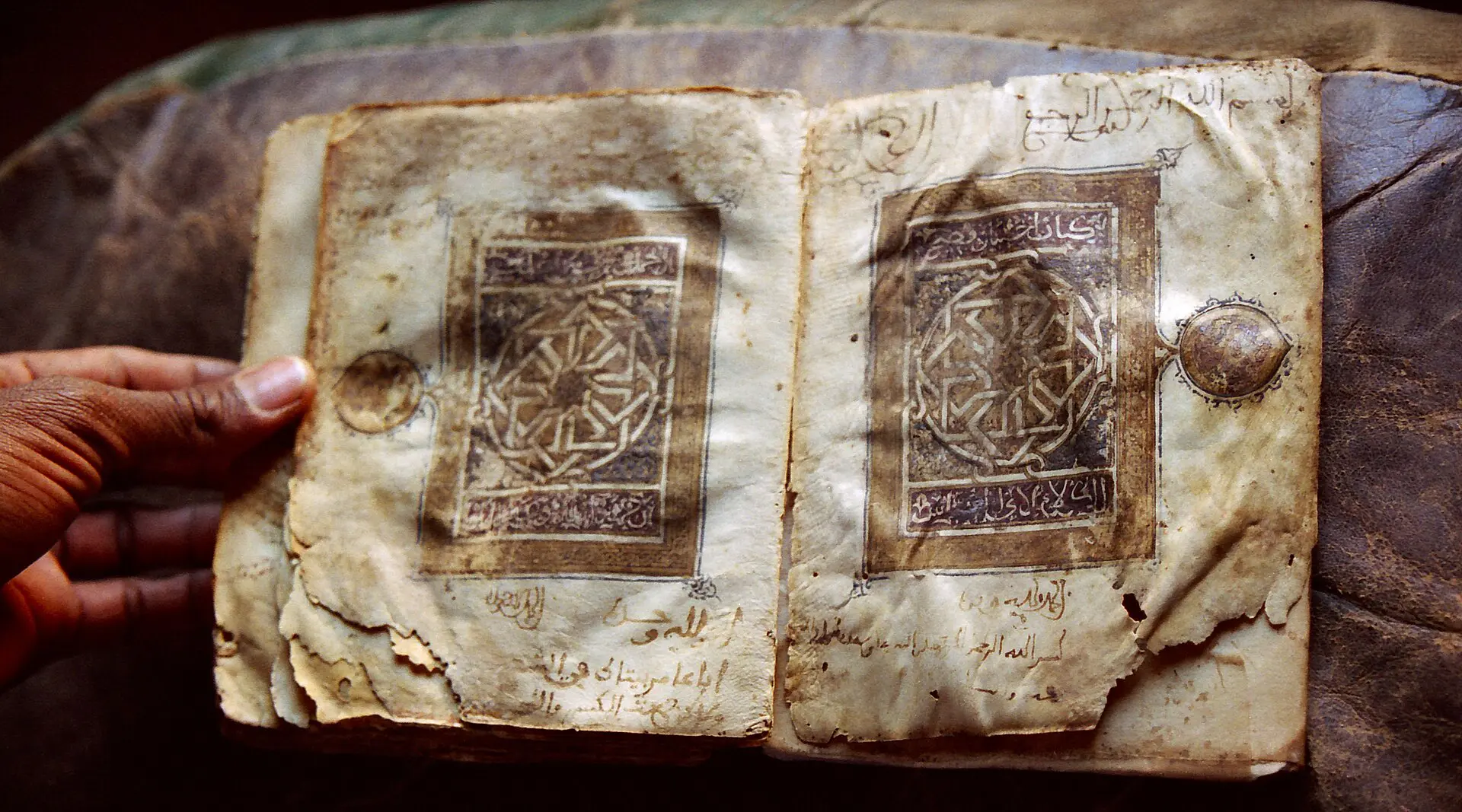
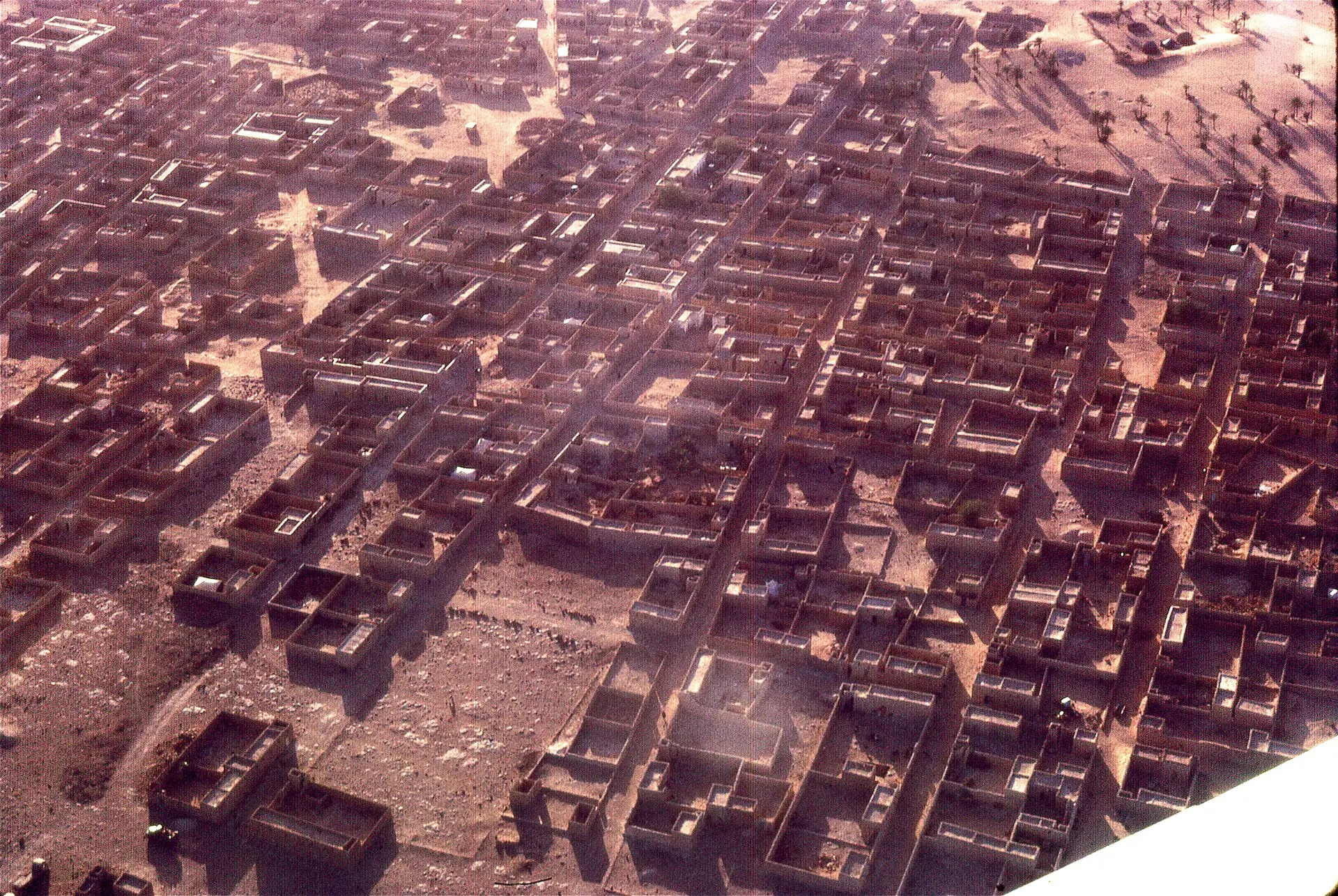
Founded in the 13th century, Chinguetti is one of the ancient trading and religious centres of the Sahara and a UNESCO World Heritage Site. Its old quarter is slowly being reached by the dunes, and private family libraries hold centuries-old Islamic manuscripts that guides can arrange to visit. Expect basic guesthouses.
Ouadane
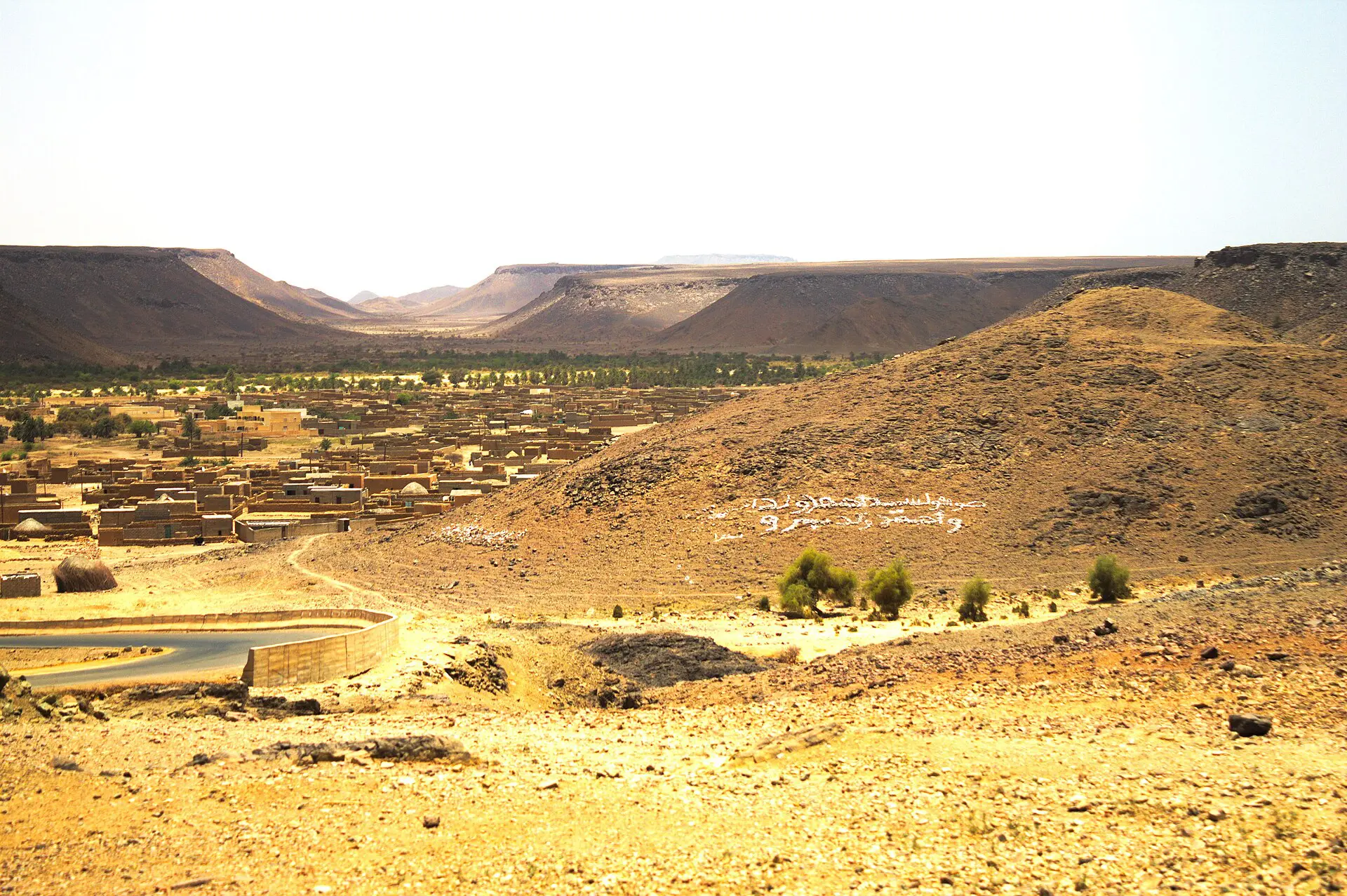
Another UNESCO-listed ksar, Ouadane sits on a rocky escarpment above the plateau. The ruined old town of stone houses is less visited than Chinguetti and gives a clearer sense of how caravan towns were built. It is usually reached by track from Atar or Chinguetti.
Atar and the Adrar plateau
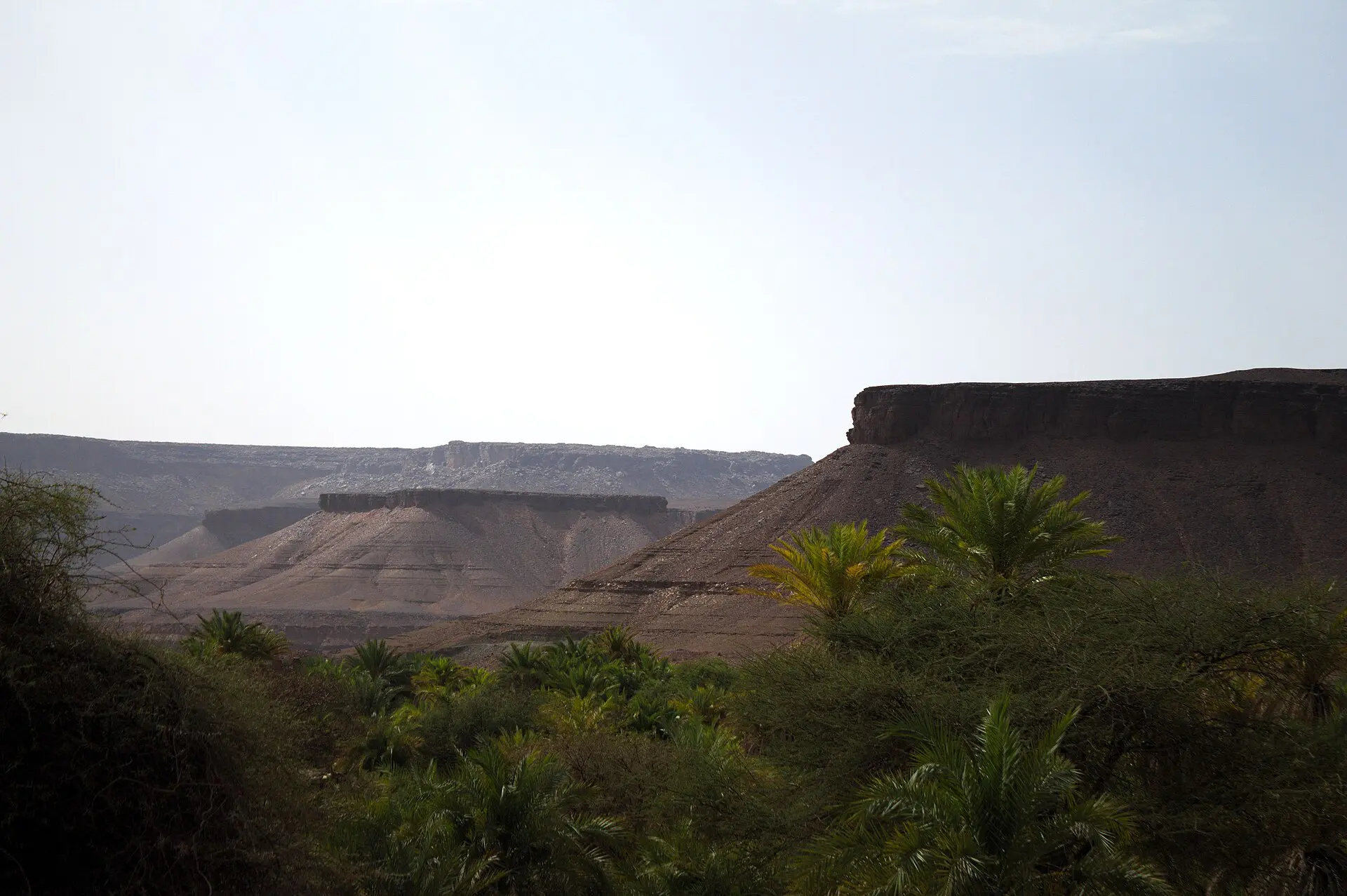
Atar is the regional capital and the usual base for the Adrar, with sandstone canyons, palm oases and desert tracks. The Terjit oasis, with its spring-fed pools, lies a short drive away and is popular as a rest stop.
Banc d’Arguin National Park
On the Atlantic coast, this UNESCO-listed park combines shallow seabed, sand flats and dunes, and attracts large numbers of migratory waders in winter. Imraguen fishing villages inside the park still use traditional sailing boats. Access is controlled, so book through an operator.
Nouakchott
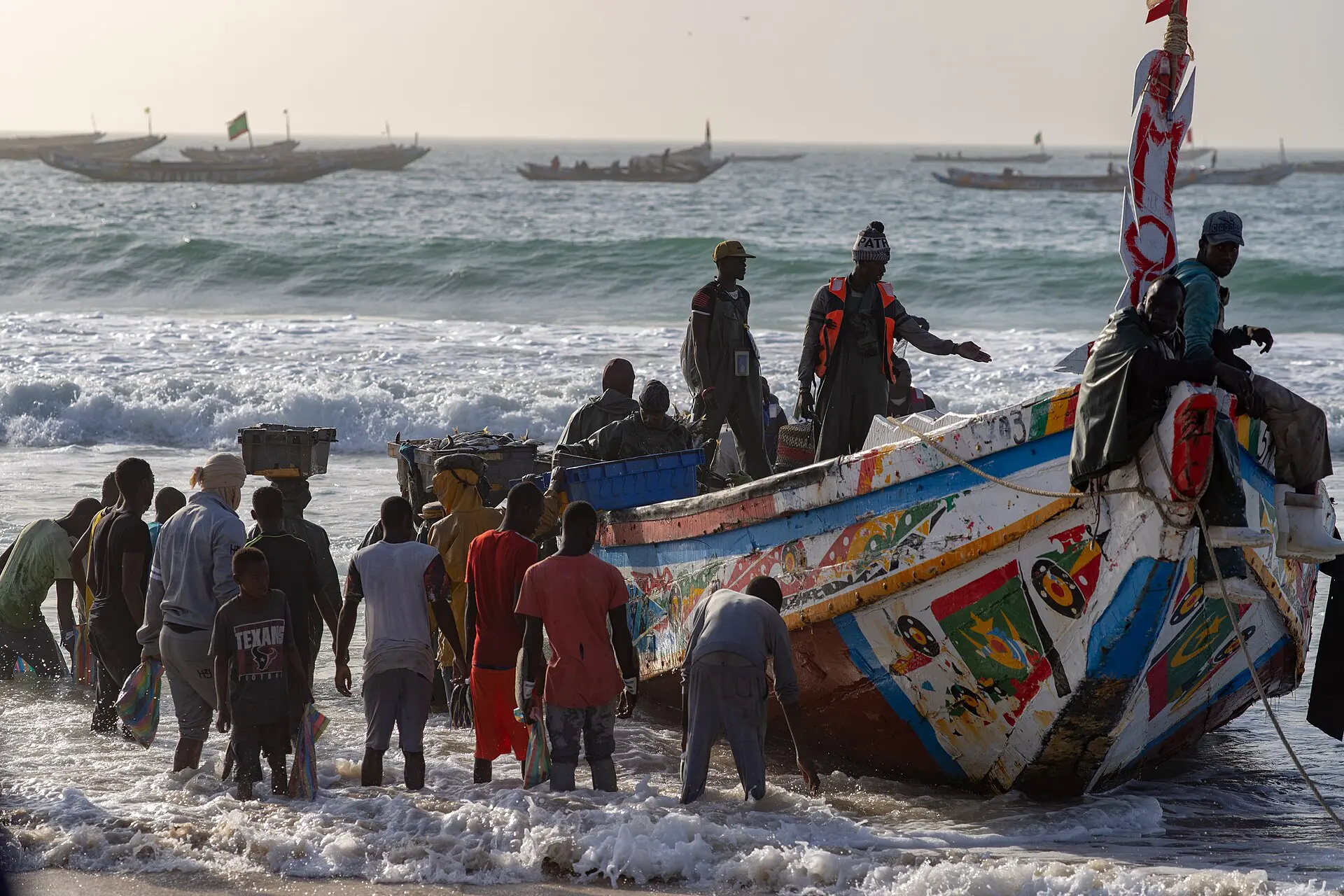
The capital is a sprawling, low-rise port city. The beach fish market at the Plage de Pêche is the main sight, and the National Museum and the Grand Mosque give some context. Most visitors treat it as an arrival point.
Nouadhibou
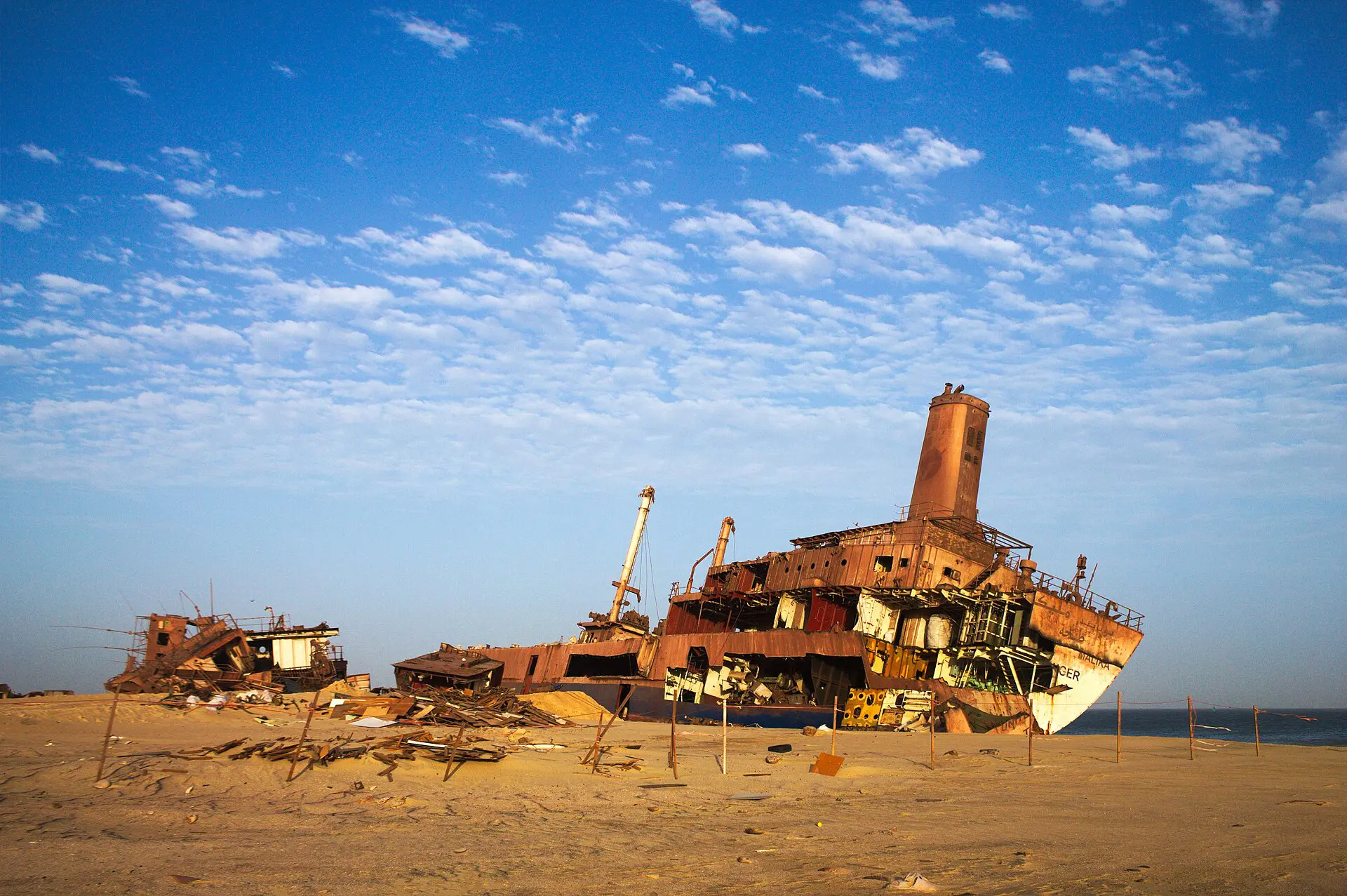
The country’s second city sits on the Ras Nouadhibou peninsula, home to a large fishing fleet, a ship graveyard and the start of the iron-ore railway to the interior.
Top things to do in Mauritania
The top things to do in Mauritania are built around desert, coast and history, and nearly all of them are best done with a guide who knows current conditions.
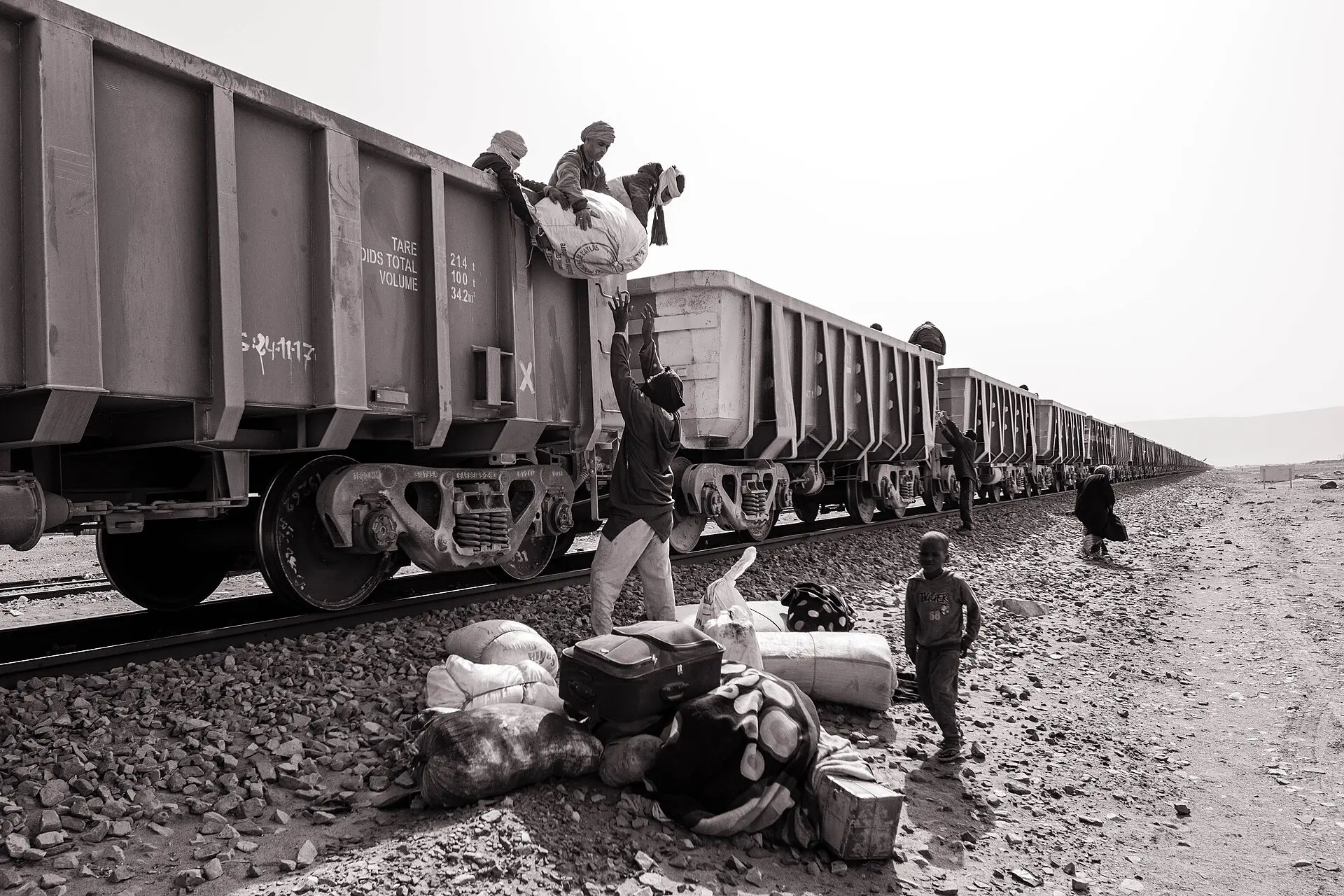
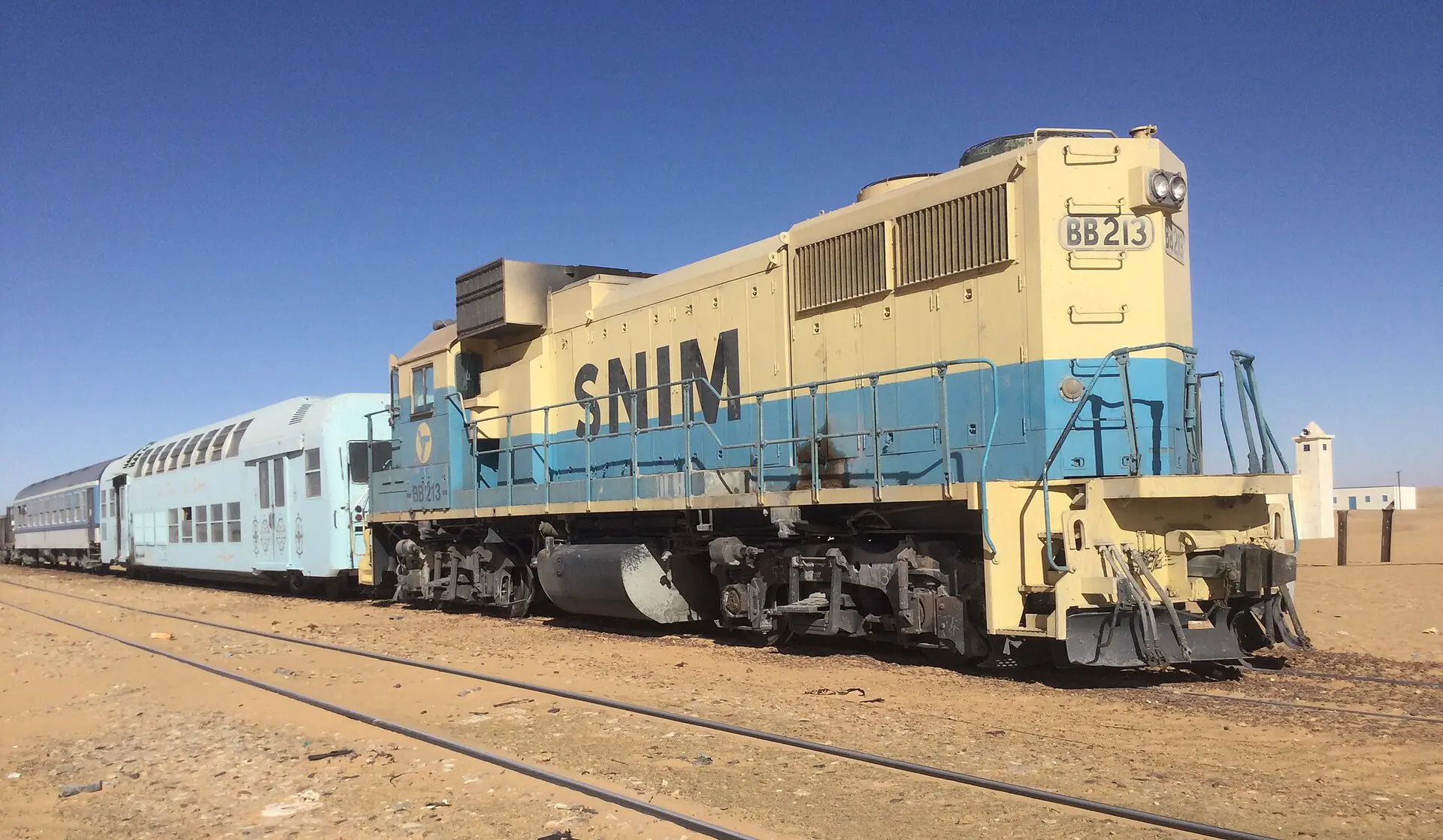
- Ride the iron-ore train: the freight line from Zouérat to Nouadhibou is one of the longest trains in the world; passengers sometimes ride in an open wagon, an exhausting, dusty overnight trip that needs operator support.
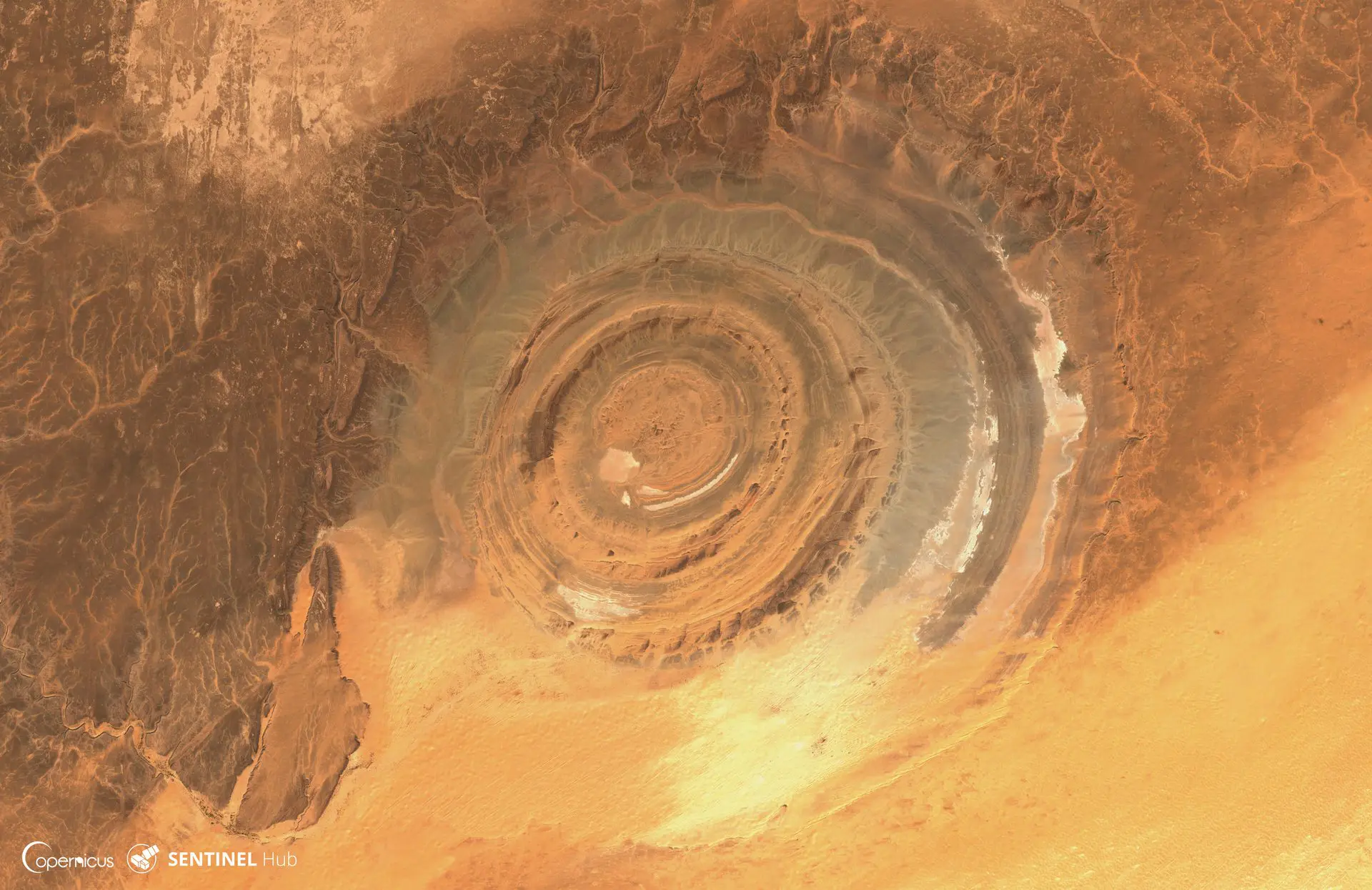
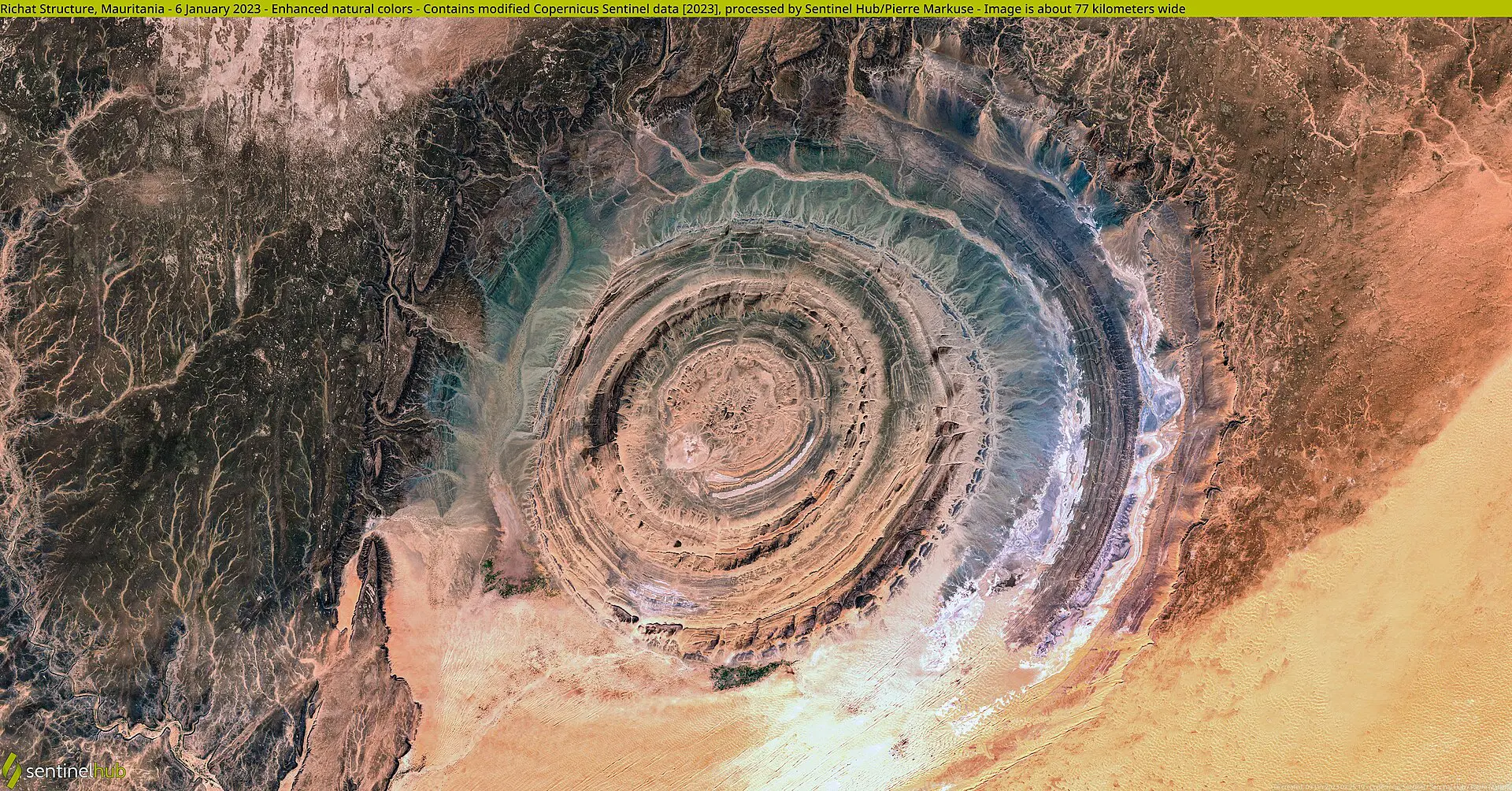
- Visit the Richat Structure: this huge circular geological formation near Ouadane is visible from space, and it can be visited on guided desert tours.
- Walk the old towns: Chinguetti and Ouadane both reward a few hours on foot through the sand-drifted lanes.
- See a manuscript library: families in Chinguetti keep Quran commentaries and scientific texts that date back centuries.
- Swim at Terjit: the spring-fed pools in the Adrar canyon are a welcome break from the heat.
- Look for birds at Banc d’Arguin: flamingos, pelicans and waders gather by the tens of thousands in winter.
- Take a sailing-boat trip: Imraguen fishermen run traditional boats from park villages.
- Camp in the dunes: overnight camel or 4×4 trips from Atar offer stargazing with almost no light pollution.
- Visit Nouakchott’s fish market: the colourful boats landing their catch at the beach are a busy morning scene.
- See the Nouadhibou ship graveyard: dozens of rusting wrecks line the bay.
Best time to visit Mauritania
The best time to visit Mauritania is November to February, when days are warm rather than extreme and nights in the desert are cool. From March, temperatures rise sharply, and in the interior they often pass 40 C from April to September. Birdwatching at Banc d’Arguin is strongest in winter, when migrants arrive from Europe and the Arctic.
| Season | Weather | Crowds and prices | Good for |
|---|---|---|---|
| Nov-Feb | Warm days, cold desert nights, dry | Peak season, still few visitors | Adrar trips, camping, birds |
| Mar-May | Hot, dusty harmattan wind | Quiet; prices stable | Coast, short city stops |
| Jun-Sep | Very hot inland; short rains in the south | Very low demand | Little, apart from the coast |
| Oct | Heat easing, occasional storms | Season starts | Early desert trips |
Dust storms can reduce visibility and delay flights or road trips at any time of year, so build slack into your schedule.
Is Mauritania safe to visit?
Is Mauritania safe? In the capital and on the main routes to Atar and the coast, risks are moderate, but several governments advise against travel to border areas and remote regions, so Mauritania is not an easy-risk destination. Is Mauritania safe to visit independently? Most advice says no: use a registered local operator and read your government’s current advice, such as the UK FCDO or US State Department pages, before booking.
Terrorism and kidnapping. Armed groups operate in the Sahel, and kidnappings of foreigners have happened in Mauritania and neighbouring Mali. The main concern is in the east and along the Mali and Algeria borders. Avoid those areas and follow the route your operator advises.
Crime. Petty theft and bag snatching happen in Nouakchott, especially in markets and after dark. Take licensed taxis and avoid walking at night.
Roads and desert. Roads outside towns are poor, with livestock, sand drifts and military checkpoints. Desert tracks should only be driven in groups with proper equipment, spare fuel, water and satellite communication.
Law and health. Alcohol is illegal for Muslims and difficult to find for others. Homosexuality is criminalised. Malaria and heat illness are real risks, so see a travel clinic well before departure.
Mauritania visa and entry requirements
The Mauritania visa rules depend on your nationality. Most visitors from Europe, North America and Asia need a visa, and as of recent years this has typically been available as an e-visa or on arrival at Nouakchott or Nouadhibou airports, but the process and fees change, so check the official Mauritanian immigration or foreign ministry website, or your nearest embassy, before you book flights.
Bring a passport valid for at least six months, a printed hotel or tour confirmation and proof of onward travel. Many travellers also need a yellow fever vaccination certificate, so ask your travel clinic. Expect police and military checkpoints on every main road, where officers may ask for a passport and a photocopy. Carry several photocopies of your passport and visa pages.
Overland crossings are limited. The Rosso and Diama crossings with Senegal are the usual choices, and crossing into Western Sahara and Morocco from the north passes through a disputed area, so verify current conditions with your government before attempting it. The UNESCO page for Mauritania lists the heritage sites, but not entry rules.
Getting to and around Mauritania
Most visitors fly into Nouakchott-Oumtounsy International Airport, which has scheduled links to Morocco, Senegal, Tunisia, France and other regional hubs. In winter there have been seasonal charter flights from France to Atar, which put the Adrar within easy reach, but these vary by year. Nouadhibou also has an airport.
Inside the country, distances are huge. The paved road from Nouakchott to Atar takes about eight to ten hours, and Nouakchott to Nouadhibou is around seven to eight hours by road. Shared taxis and minibuses link major towns and leave when full. Domestic flights exist on some routes but change frequently. Beyond the paved roads, a 4×4 with a driver-guide is the only practical option, and tracks to Chinguetti and Ouadane take a day or more from Atar depending on the route.
The iron-ore train between Choum and Nouadhibou carries passengers for little or no charge, but it is a freight train with no seats or schedule. Nouakchott has taxis with no meters, so agree the fare first.
How much does a trip to Mauritania cost?
Mauritania is not a cheap destination for visitors, because a registered guide, vehicle and fuel are effectively required for most travel outside the capital. The currency is the Mauritanian ouguiya (MRU). Euros and US dollars are the easiest foreign currencies to change, but figures here are rough guides for 2026 and may shift.
- Budget: around USD 40 to 70 per day, using shared taxis, simple guesthouses and local meals, mainly within Nouakchott and the coast.
- Mid-range: around USD 70 to 140 per day on an organised small-group desert trip that includes a driver, 4×4 and camping or guesthouse stays.
- High-end: from around USD 200 per day for private vehicles, better hotels in Nouakchott and dedicated guides.
The biggest cost drivers are the 4×4 and fuel, then the guide’s fee and permits. Group size matters: costs per person fall sharply if you share a vehicle. Card payments are rare, so bring cash and use ATMs only in Nouakchott and larger towns.
Mauritania food and drink
Mauritania food is simple, shaped by desert life, the fishing coast and trade with North and West Africa. Meals are often eaten from a shared platter with the right hand.
- Thieboudienne: fish and rice with vegetables in a tomato sauce, of Senegalese origin and common in coastal and southern areas.
- Méchoui: whole roasted lamb or goat, served at celebrations and for honoured guests.
- Couscous: served with vegetables and meat in many homes and restaurants.
- Camel meat and milk: camel milk is a staple among nomadic communities, and camel stews appear in desert towns.
- Dates: oasis palms around Atar and Tidjikja produce a good harvest and are served with tea.
- Mauritanian tea: strong green tea served in three rounds, each sweeter than the last. Refusing without reason can seem rude.
- Grilled fish: fresh catch along the coast, particularly at Nouakchott and Nouadhibou.
Vegetarians will find the choice limited, so ask for rice, vegetables and beans. Alcohol is not sold openly, and the tap water is not safe to drink, so use bottled or treated water. Expect basic restaurants in Nouakchott and food prepared by your guide on desert trips.
Culture, language and etiquette in Mauritania
Arabic is the official language, and the everyday dialect is Hassaniya. French is widely used in business, government and education, and Pulaar, Soninke and Wolof are spoken in the south. English is uncommon outside tourism, so a few French greetings help a great deal. Salaam alaikum is the standard hello.
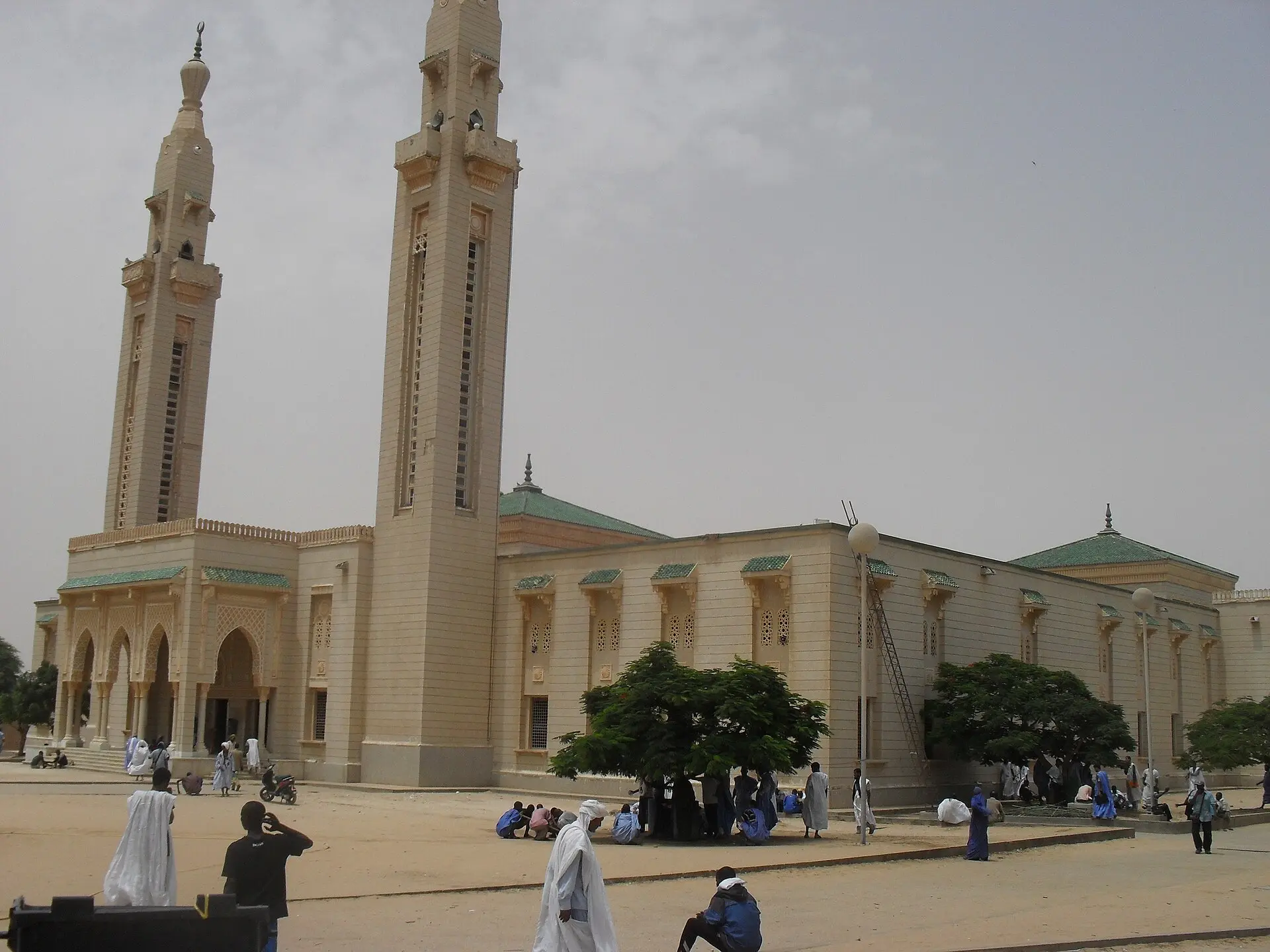
Mauritania is an Islamic republic, and society is conservative, especially in the north. Dress modestly: cover shoulders and knees, and women should carry a light scarf. Use the right hand for eating and greeting, and ask permission before photographing people, military or police sites, and government buildings, which is often forbidden. During Ramadan, avoid eating or drinking in public during daylight.
Hospitality is central. Offering and accepting tea is a sign of respect, and a guest can expect to be invited to sit and talk. Mauritanian society has long-standing social hierarchies, and the legacy of slavery remains a sensitive subject, so avoid raising it unless a local does. Greetings are long and unhurried, and rushing straight to business is considered rude.
Mauritania itinerary: a 7-day route
This route keeps to the better-travelled west of the country, using the paved road to Atar and the coast, and avoids the border regions that governments advise against. Confirm current conditions with your operator and your foreign ministry before booking, and treat the Adrar section as optional if advice changes.
- Day 1, Nouakchott: arrive, change money and visit the fish market and National Museum.
- Day 2, Nouakchott to Atar: a long drive of about eight to ten hours north-east across the desert, with a stop at Akjoujt if time allows.
- Day 3, Terjit and Atar: swim in the Terjit pools, then explore the Atar market.
- Day 4, Atar to Chinguetti: follow the plateau road by 4×4 and walk the old town in the evening.
- Day 5, Chinguetti and Ouadane: visit a manuscript library, then continue to Ouadane if your guide agrees conditions are suitable.
- Day 6, return to Atar: drive back and rest.
- Day 7, Atar to Nouakchott: a long return drive or a flight, depending on schedule.
If you prefer the coast, replace days 3 to 6 with a two-night Banc d’Arguin visit arranged through a park operator.
Practical tips for Mauritania
- Money: the ouguiya (MRU) is the local currency. Bring euros or US dollars in clean notes to exchange, and carry plenty of cash because cards are rarely accepted outside a few Nouakchott hotels.
- SIM and eSIM: local SIM cards are cheap and coverage is good near towns, but drops out in the desert. Ask your operator about a satellite phone for remote trips.
- Plugs: types C and E at 220 V.
- Tipping: not expected in most places; small tips for guides and drivers are appreciated.
- Health: consult a travel clinic about yellow fever, malaria, typhoid and hepatitis vaccinations; bring a medical kit, sunscreen and rehydration salts.
- Packing: light long clothing, a scarf for sun and dust, a warm layer for desert nights, sunglasses and sturdy shoes.
- Insurance: choose a policy that covers remote evacuation and check that it covers the regions you plan to visit.
For more background, see the Wikivoyage Mauritania guide.
FAQ
Q1Is Mauritania safe?
Mauritania carries elevated risk. The capital and the main routes to Atar and the coast are usually calmer, but several governments advise against travel to border areas, especially near Mali and Algeria, because of terrorism and kidnapping. Travel with a registered operator and check your foreign ministry's current advice.
Q2What is Mauritania food like?
Mauritania food is simple and shaped by desert and coast. Expect thieboudienne (fish and rice), roasted lamb or goat, couscous, camel milk, dates and sweet green tea served in three rounds. Choice is limited for vegetarians, and alcohol is not sold openly.
Q3What are the best things to do in Mauritania?
Top options are walking the old towns of Chinguetti and Ouadane, visiting manuscript libraries, swimming at the Terjit oasis, watching migratory birds at Banc d'Arguin National Park and riding the iron-ore train. Most need a guide and a 4x4.
Q4Do I need a visa for Mauritania?
Most travellers do. Depending on nationality, a visa has recently been available online or on arrival at Nouakchott airport, but rules and fees change. A yellow fever certificate may also be requested. Check the official Mauritanian immigration source or an embassy before you fly.
Q5Is Mauritania safe to visit for tourists?
Tourists can visit safely in the main areas when travelling with a licensed local agency and following advice on regions to avoid. Independent overland travel, night driving and the eastern and border regions are the biggest concerns. Choose an operator that monitors security daily and carries satellite communication.
Q6What is the best time to visit Mauritania?
November to February is best, with warm days, cool desert nights and the peak for migratory birds on the coast. Between April and September the interior is very hot, often above 40 C, and the rainy season brings short storms to the south.
Q7How many days do you need in Mauritania?
Seven days is enough for Nouakchott and a loop through Atar, Terjit, Chinguetti and Ouadane, given the long drives. Add three to four days for Banc d'Arguin or the iron-ore train. Allow extra buffer for delays caused by sand, dust storms or checkpoints.