Why visit Mali
The things to do in Mali are some of the most distinctive in West Africa, but they come with unusual risk. The country covers about 1.24 million square kilometres of Sahel and Sahara, and it was home to the Ghana, Mali and Songhai empires that controlled trans-Saharan trade in gold and salt. The Wikipedia overview gives the historical background, including the reputation of the 14th-century ruler Mansa Musa.
Historically Mali drew travellers for Djenné and Timbuktu, trekking in Dogon Country, boat trips on the Niger River and a music scene that is among the best in Africa. Since the early 2010s, conflict with armed groups has closed most of the north and centre to ordinary travel, and a military government has ruled since coups in 2020 and 2021. At present this guide is useful mainly for background, research and planning in case the situation changes, and not as a recommendation to go. The details are in the safety section, and you should read them first.
Best places to visit in Mali
The best places to visit in Mali are listed here for context. Several are in areas that governments advise against, and none should be seen as an easy trip.
Bamako
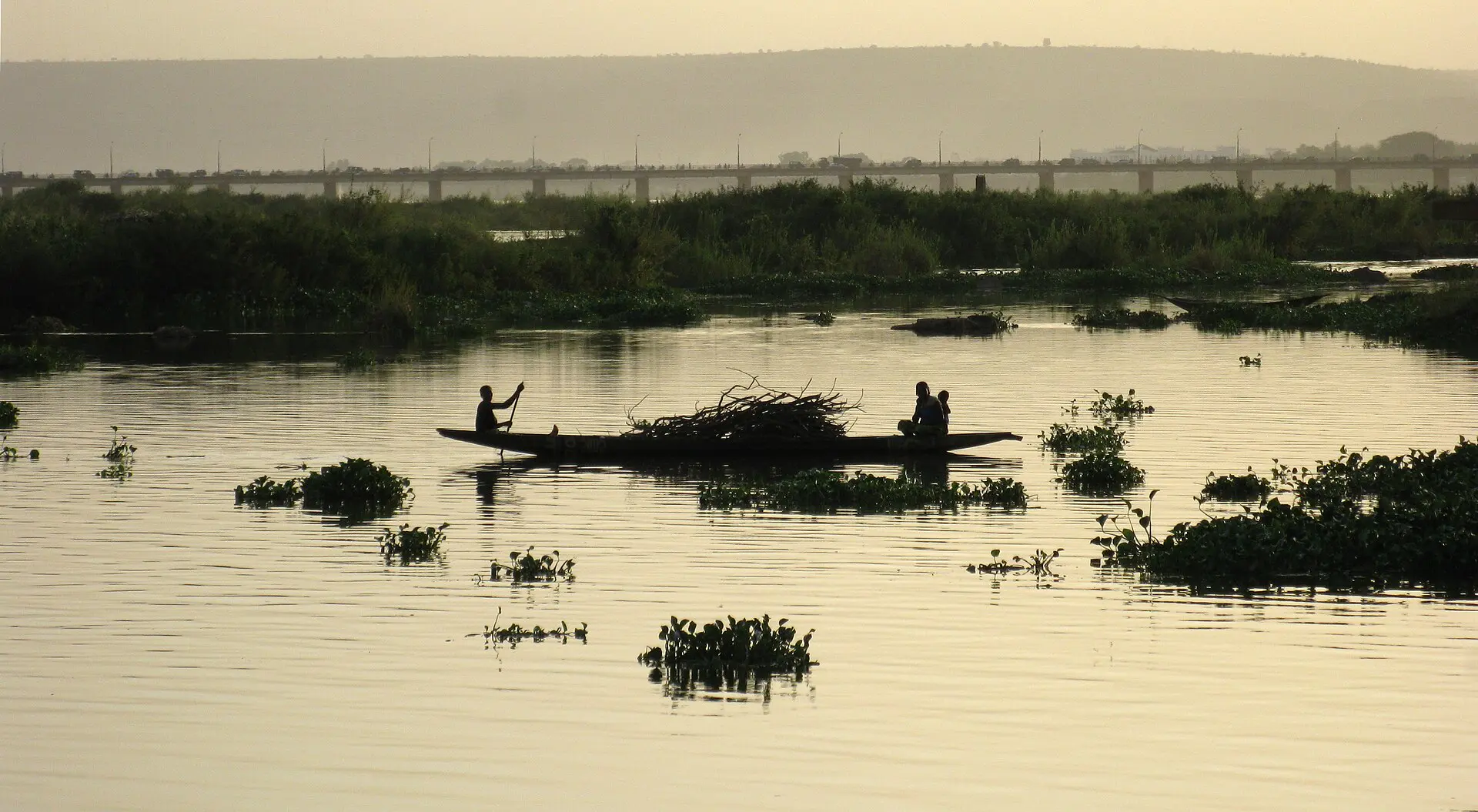
The capital and largest city sits on the Niger River and is the centre of Malian music, with a national museum, craft markets and live venues. It is the main gateway and is considered the least risky part of the country, but government advice still applies to it.
Ségou
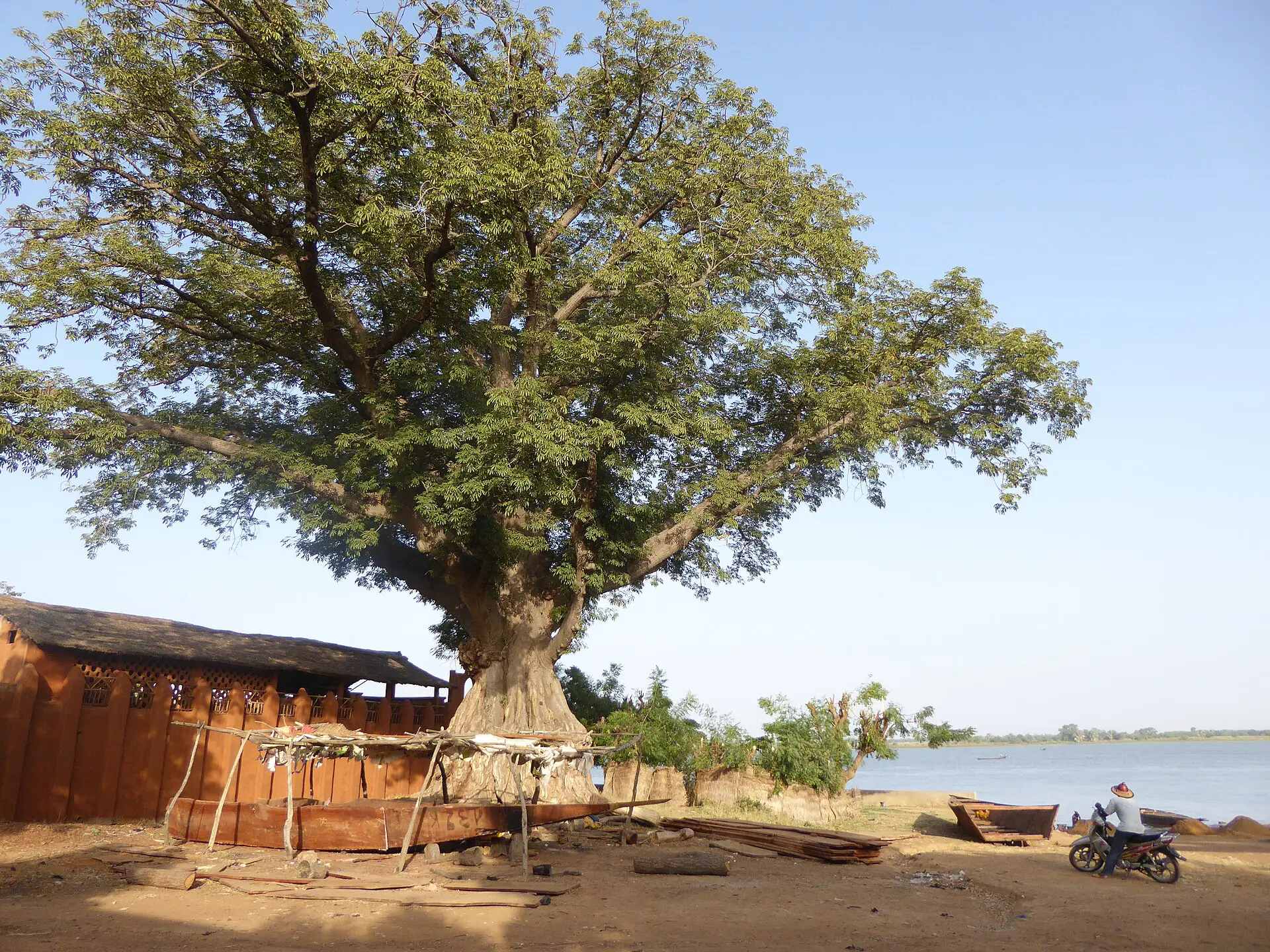
Ségou is a river town upstream of Bamako, known as the old capital of the Bamana empire, with riverfront streets, potters and colonial-era buildings. It has also hosted well-known music festivals in past years.
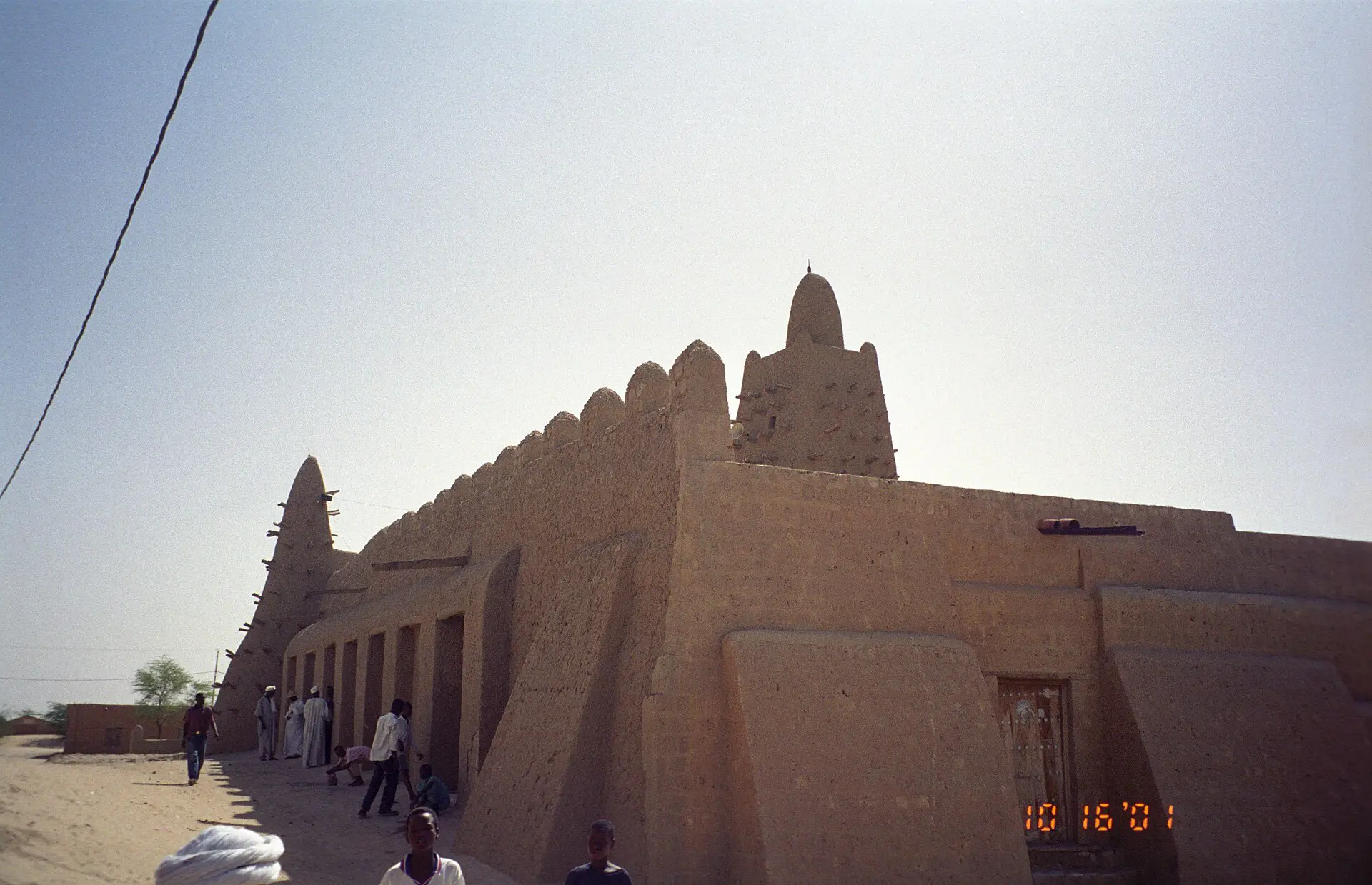
Djenné
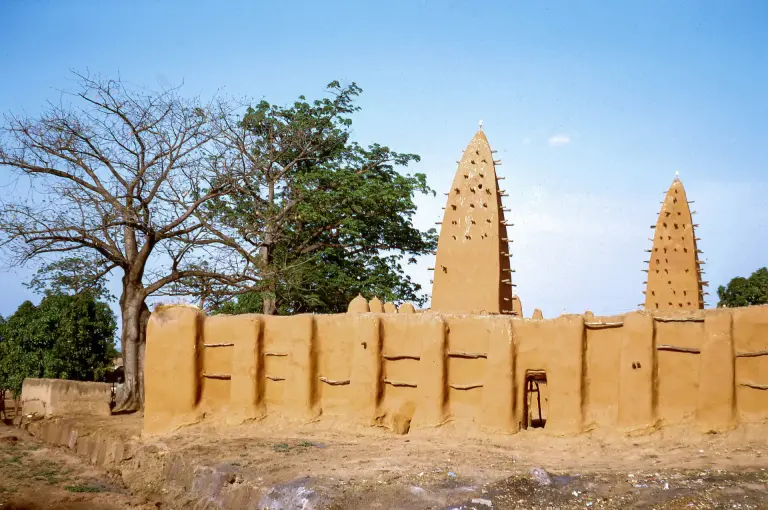
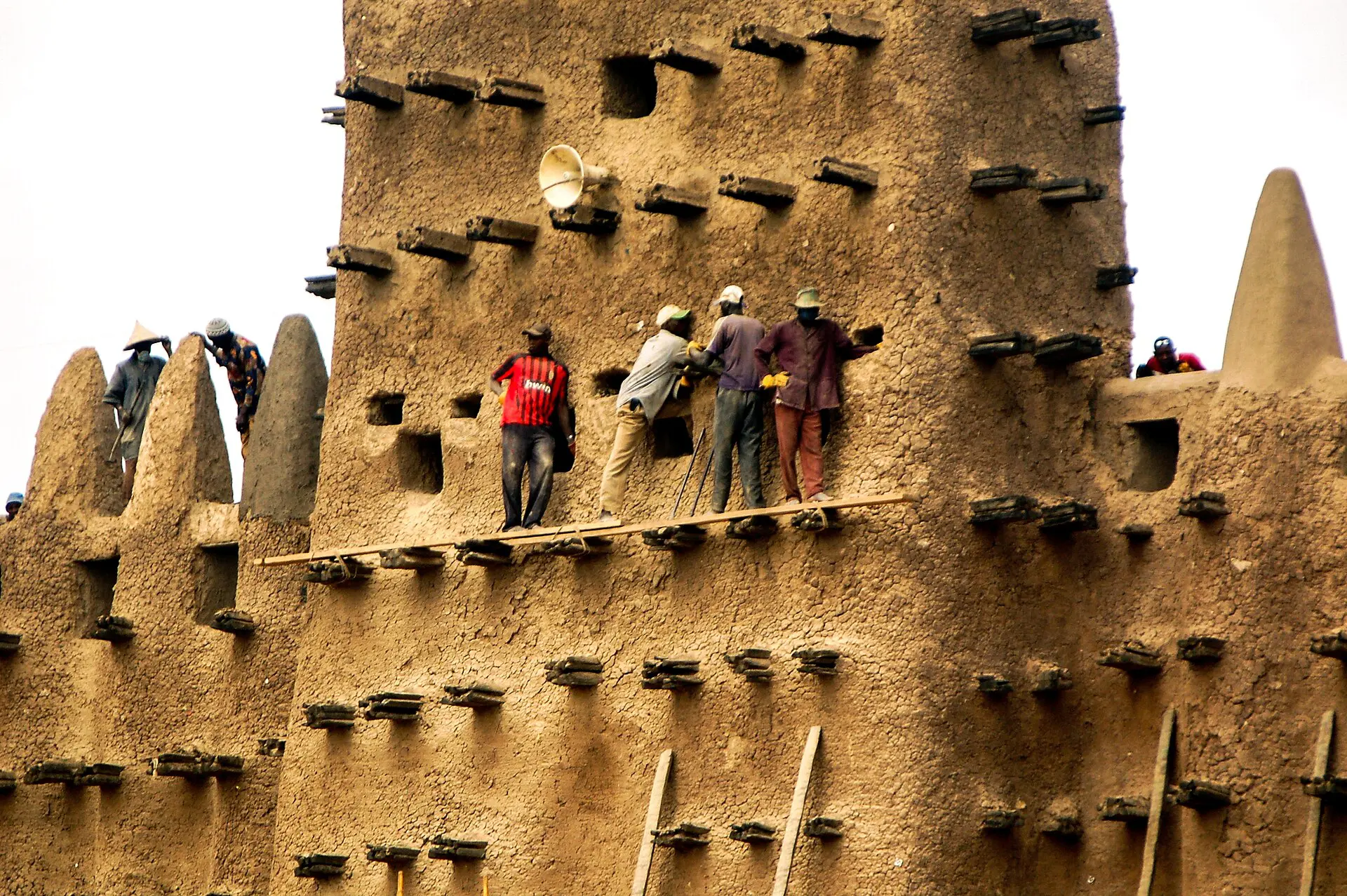
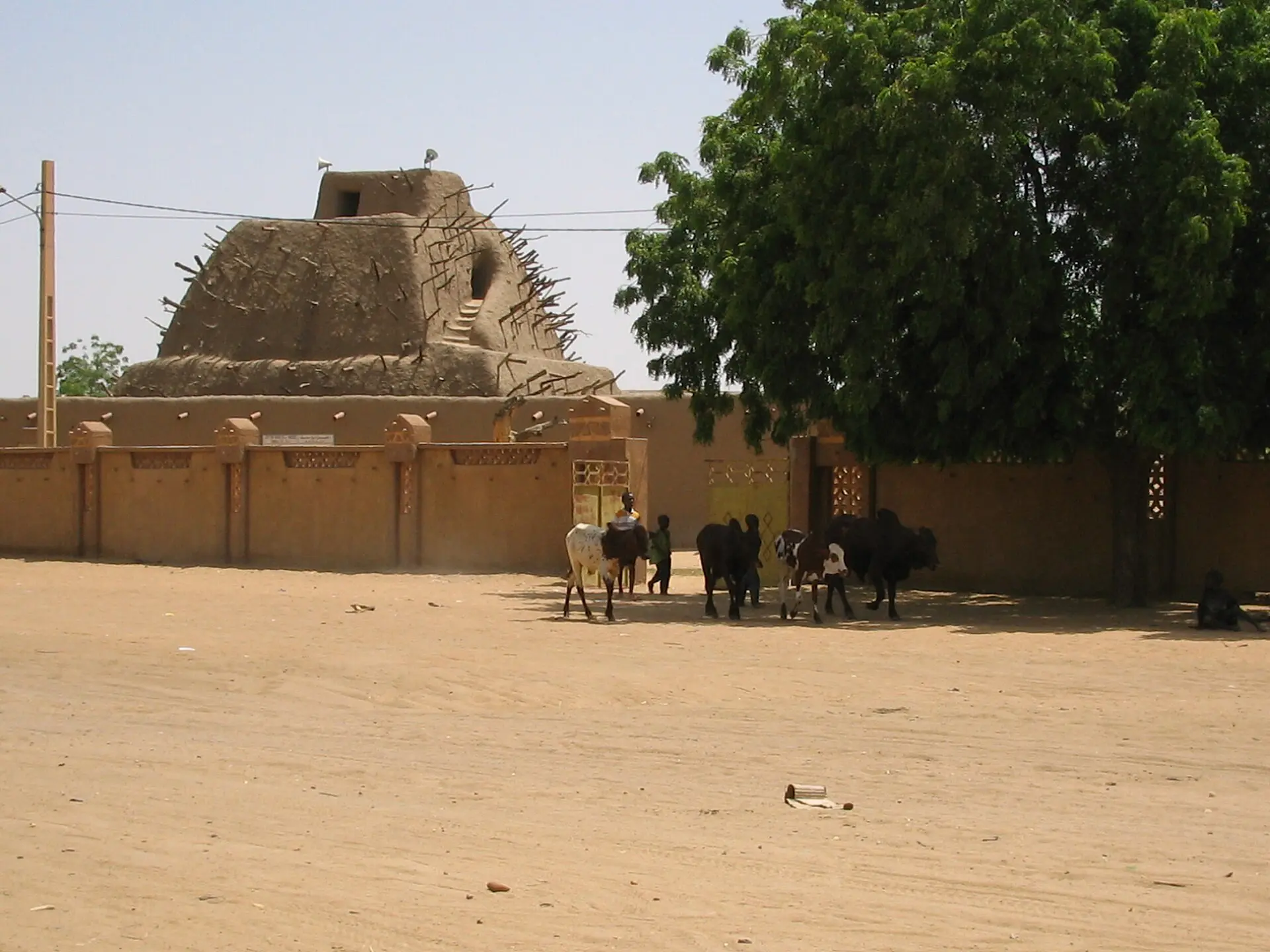
This town of multi-storey mud buildings is a UNESCO site, famed for the Great Mosque, which is replastered by the community every year after the rains. It lies in central Mali, where conflict has been active.
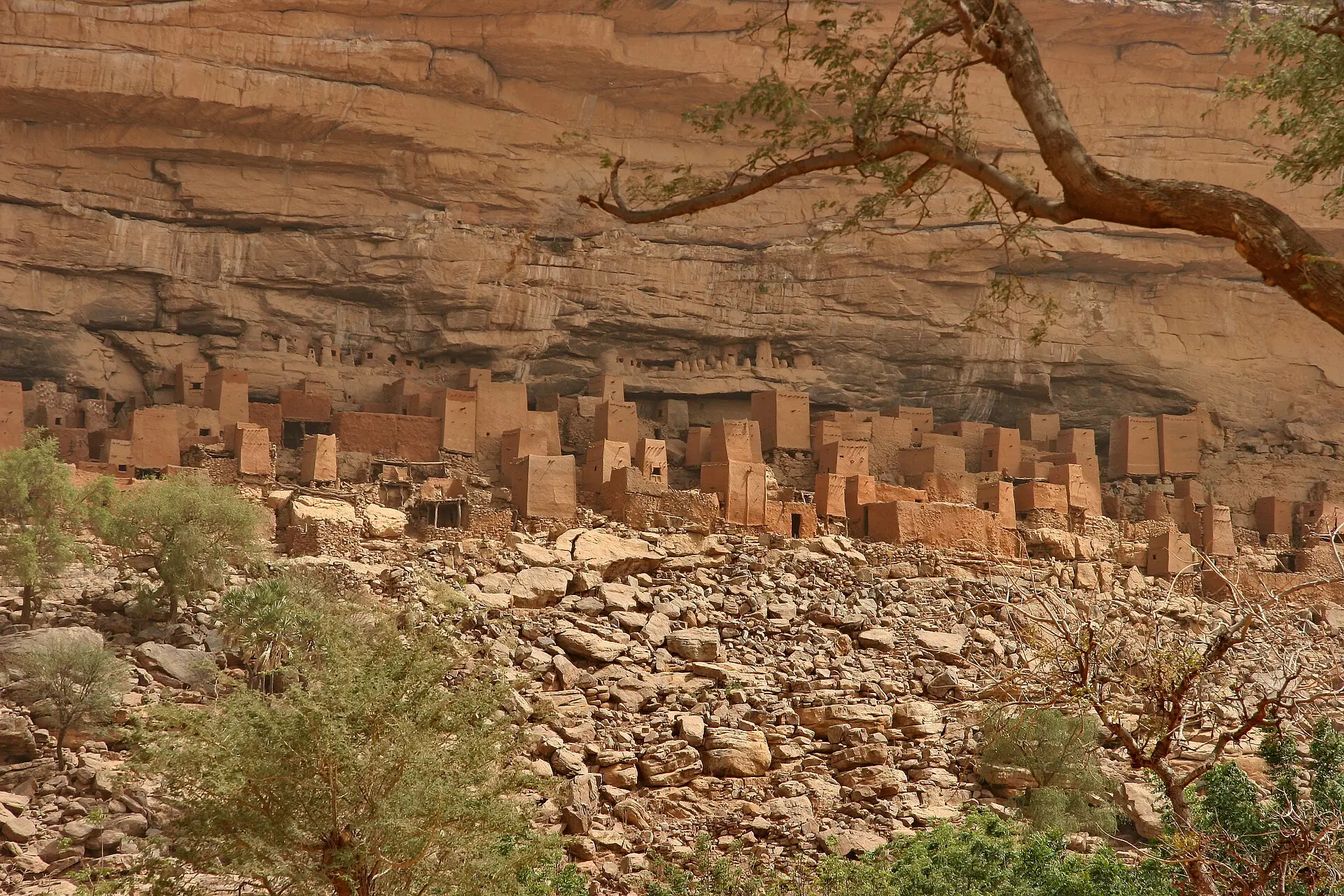
Dogon Country
The Bandiagara Escarpment, a UNESCO site, holds cliffside villages and granaries with a long tradition of trekking. The area has been affected by serious violence and is not currently suitable for tourists.
Timbuktu and Gao
Timbuktu is a historic centre of Islamic learning with ancient mosques and manuscript libraries, and Gao holds the Tomb of Askia. Both are in the north, where independent travel is not possible.
Top things to do in Mali
These are the top things to do in Mali for visitors in normal times. Under current advisories, most are not realistic, and the list is for background.
- Visit the Bamako National Museum: its collections cover textiles, masks and archaeology, and it is the easiest cultural stop in the capital.
- Hear live music in Bamako: venues and studios have produced artists with international followings, and concerts usually start late.
- Browse the Grand Marché: the central market sells fabrics, spices and crafts, and bargaining is expected.
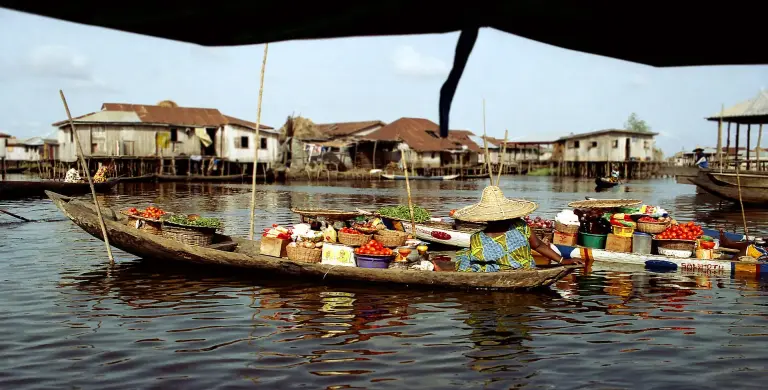
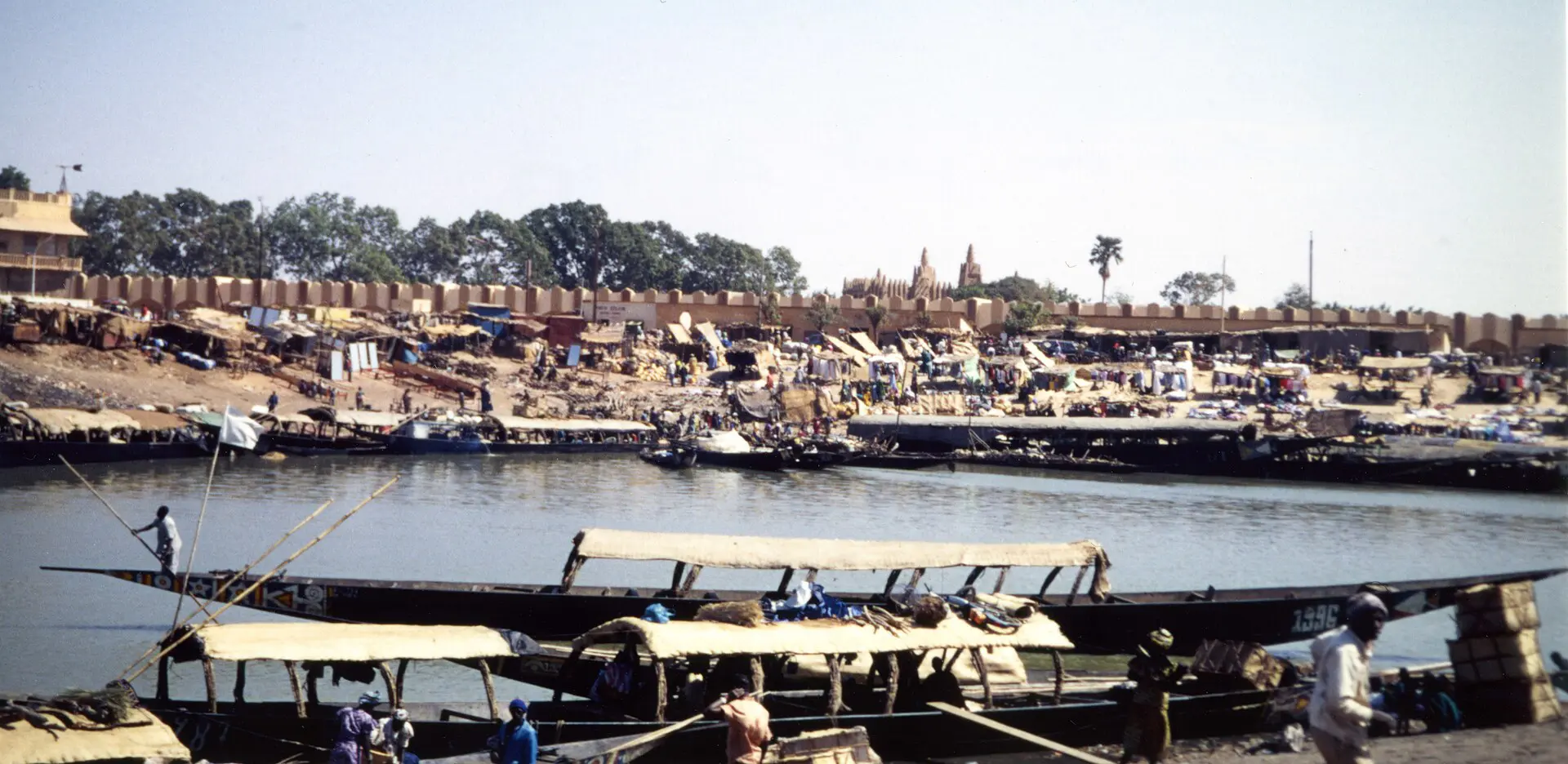
- Take a river trip on the Niger: traditional pirogues and pinasses run from towns such as Ségou.
- See Ségou’s potters and fabric makers: workshops show bogolan mud cloth and pottery techniques.
- Admire Djenné’s Great Mosque: non-Muslims have generally been unable to enter, but the exterior and the Monday market have been the draw.
- Trek Dogon Country: multi-day walks link cliff villages along the Bandiagara Escarpment, though the area is currently dangerous.
- Look at Timbuktu’s manuscripts: private libraries hold centuries of scholarship.
- See the Tomb of Askia in Gao: the 15th-century pyramid-shaped monument is a UNESCO site.
- Watch the Niger flood: in the wet season the river spreads into the Inner Niger Delta.
Best time to visit Mali
The best time to visit Mali, in normal circumstances, is November to February, when the days are warm, nights are cooler and the air is relatively dry. From about March to May it becomes extremely hot, with daytime temperatures often above 40 C, and dust is common. The rainy season runs roughly from June to October, with the Niger flooding between and after the rains and bringing the Inner Niger Delta to life.
| Season | Weather | Crowds and prices | Good for |
|---|---|---|---|
| Nov-Feb | Cooler, dry, some harmattan dust | Highest season for what tourism exists | Cities, trekking, festivals |
| Mar-May | Very hot and parched | Low | Little; heat is severe |
| Jun-Oct | Rain, floods, humidity | Low | River scenery; roads can be hard |
Rain can cut off dirt roads and make travel unpredictable. Security conditions, however, matter far more than the season: no month of the year makes travel to advised-against areas safe.
Is Mali safe to visit?
No, Mali is not currently safe for ordinary tourism, and many governments advise against all or most travel. The UK FCDO and other foreign ministries cite armed conflict, terrorism, kidnapping, banditry and unrest, and they urge citizens to avoid the country. Check your government’s current advice, because it is the most reliable source and it changes.
Armed groups. Jihadist groups linked to al-Qaeda and the Islamic State, along with other armed actors, operate across the north and centre and have also attacked in the south. Foreigners have been kidnapped, and road travel outside Bamako is especially risky because of ambushes and improvised explosive devices.
Capital. Bamako has had attacks on hotels and restaurants in the past, and fuel shortages and blockades of supply routes have disrupted daily life. Curfews, checkpoints and restrictions can be introduced quickly.
Political situation. Mali has been governed by a military-led authority since 2020 and 2021, and relations with some Western countries and neighbours have been strained. Protests can turn violent.
Health. Malaria and yellow fever risks mean you need vaccination advice and antimalarial tablets. Medical care is limited. Travel insurance rarely covers advised-against destinations.
Mali visa and entry requirements
Mali visa rules are strict, and almost all travellers need a visa before arrival. Only citizens of a small group of mostly West African and neighbouring countries have been exempt. Requirements and fees change often, so confirm the current rule with a Malian embassy or consulate, and also check whether your own government forbids or discourages travel.
Applicants have generally been asked for a passport with enough validity, application forms, photographs, a travel itinerary, flight tickets and an invitation letter or hotel reservation. Fees vary by nationality and place of application, and processing can take time. A yellow fever vaccination certificate is normally required for entry.
Land borders with Algeria, Niger, Mauritania, Burkina Faso, Ivory Coast, Guinea and Senegal have been affected by closures, restrictions or security risks, and some are not safe to use. Flight connections from Europe have changed in recent years, and many travellers have needed to connect through regional hubs. The UNESCO page for Mali lists the four World Heritage sites, though it does not cover entry rules.
Getting to and around Mali
Mali’s main international gateway is Bamako-Sénou International Airport. Flight links have varied with regional politics and airline decisions, and several European carriers have at times suspended routes, so check current schedules and your government’s guidance before assuming any flight exists. Regional carriers have connected Bamako with Dakar, Abidjan, Casablanca and other African cities.
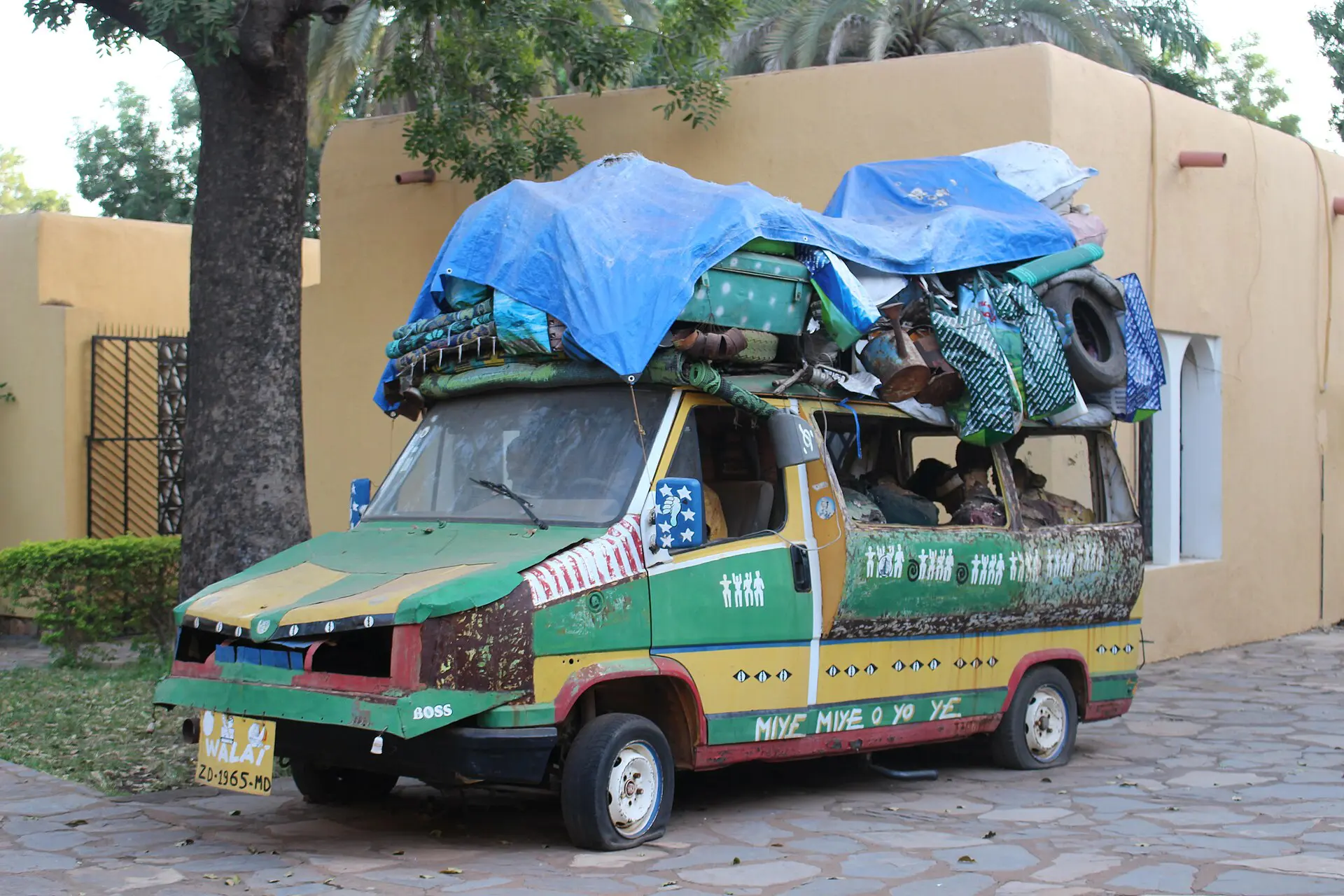
Inside Mali, travel is hard. Roads in the south link Bamako with Ségou, Sikasso and the western border, and they are mostly paved but sometimes in poor condition. Ségou is roughly four hours from Bamako by road in normal conditions. Buses and shared taxis serve the main routes, but they are not recommended for foreigners under present advice.
Roads in the centre and north can be dangerous, with ambush and explosive risks. The old river steamers on the Niger have run irregularly and seasonally, depending on water levels and security. Domestic flights, where they operate, have been limited. Do not rely on any transport schedule, and do not drive at night. The country drives on the right.
How much does a trip to Mali cost?
Day-to-day costs in Mali are low, but a trip that meets the safety conditions would be expensive. The currency is the West African CFA franc (XOF), tied to the euro, and cash is used almost everywhere. Prices below are rough 2026 guides for Bamako only, and are subject to change.
- Budget: around CFA 15,000 to 30,000 per day, with a basic guesthouse, local meals and shared transport.
- Mid-range: around CFA 30,000 to 60,000 per day, with a decent hotel, restaurant meals and taxis.
- High-end: from around CFA 100,000 per day, with international-standard hotels and private drivers.
These numbers leave out the main cost, which is security. If travel to Mali is attempted at all, it would normally require a vetted local operator, secure transport and specialist insurance, and these can push costs many times higher. Visa fees, vaccinations, antimalarials and expensive flights add to the total. Cards are accepted only at a few Bamako hotels, so bring cash in euros and be careful with it.
Mali food and drink
Mali food is built on millet, rice, sorghum, peanuts and river fish, with rich sauces and grilled meat. Meals are usually shared from a common dish, and eating is traditionally with the right hand.
- Tô: a thick millet or sorghum porridge served with a sauce of okra, baobab leaf or vegetables.
- Riz gras: rice cooked in a tomato-based sauce with meat or fish, similar to jollof rice.
- Maafe: a stew in a rich peanut sauce, usually with chicken, beef or lamb, served over rice.
- Capitaine: Nile perch grilled or fried, a Niger River speciality in Bamako and Ségou.
- Brochettes: grilled meat skewers sold at roadside stalls in the evening.
- Fonio: a small grain served like couscous, popular in the south.
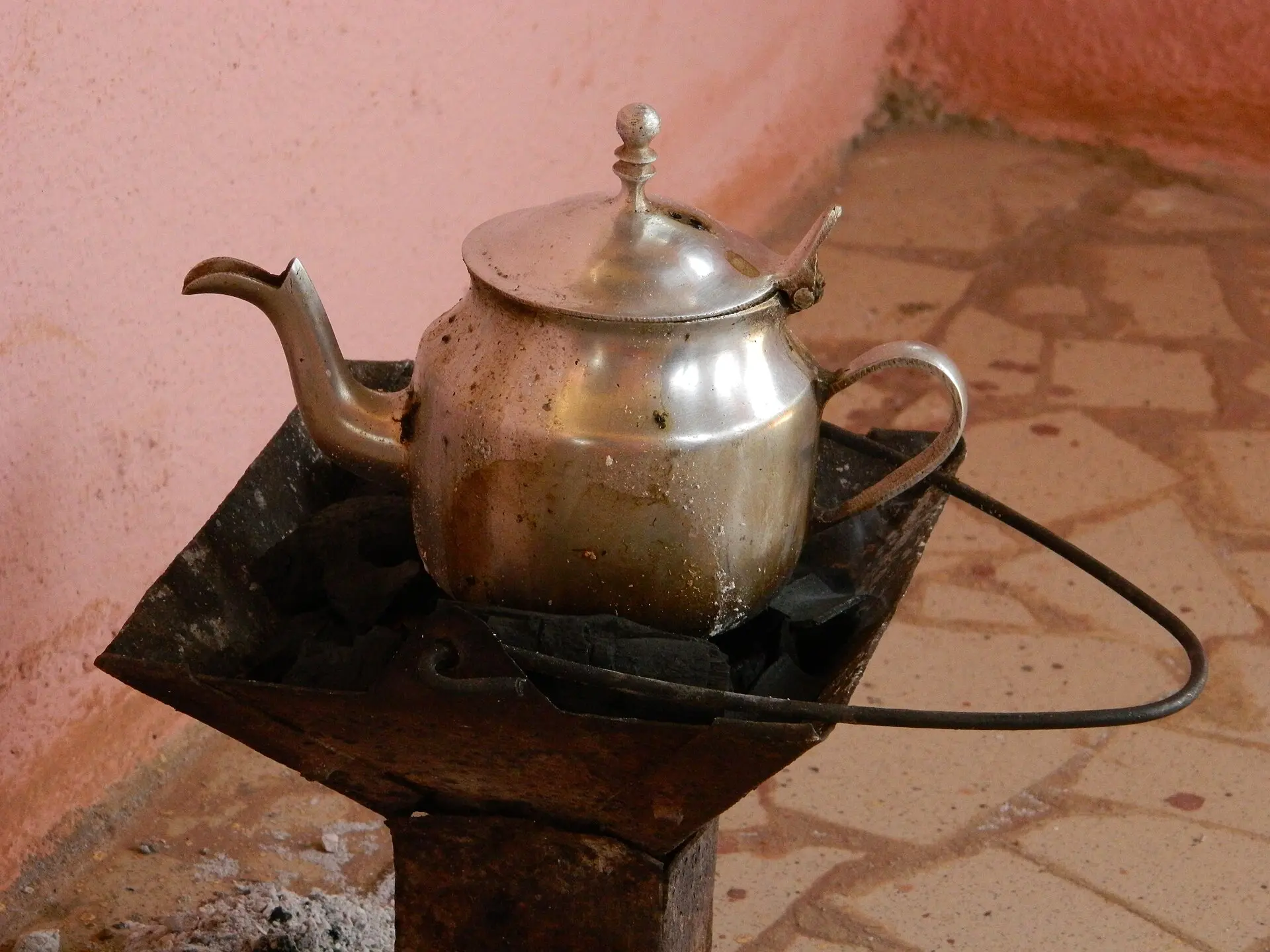
- Attaya and bissap: sweet green tea in small glasses and a red hibiscus drink.
Many Malians are Muslim, so pork is rare and alcohol is limited to hotels and some bars in Bamako. Vegetarian options are limited, though rice dishes and vegetable sauces exist. Stick to cooked food, bottled water and fruit you peel yourself, because tap water is unsafe to drink in most areas.
Culture, language and etiquette in Mali
Bambara (Bamanankan) is the most widely spoken first language, and Mali has many other national languages, including Fula, Songhai, Dogon and Tamasheq. French was the official language until 2022 and remains widely used between ethnic groups. Very few people speak English outside the largest hotels. Greetings are long and important: ask after a person’s health and family before getting to business.
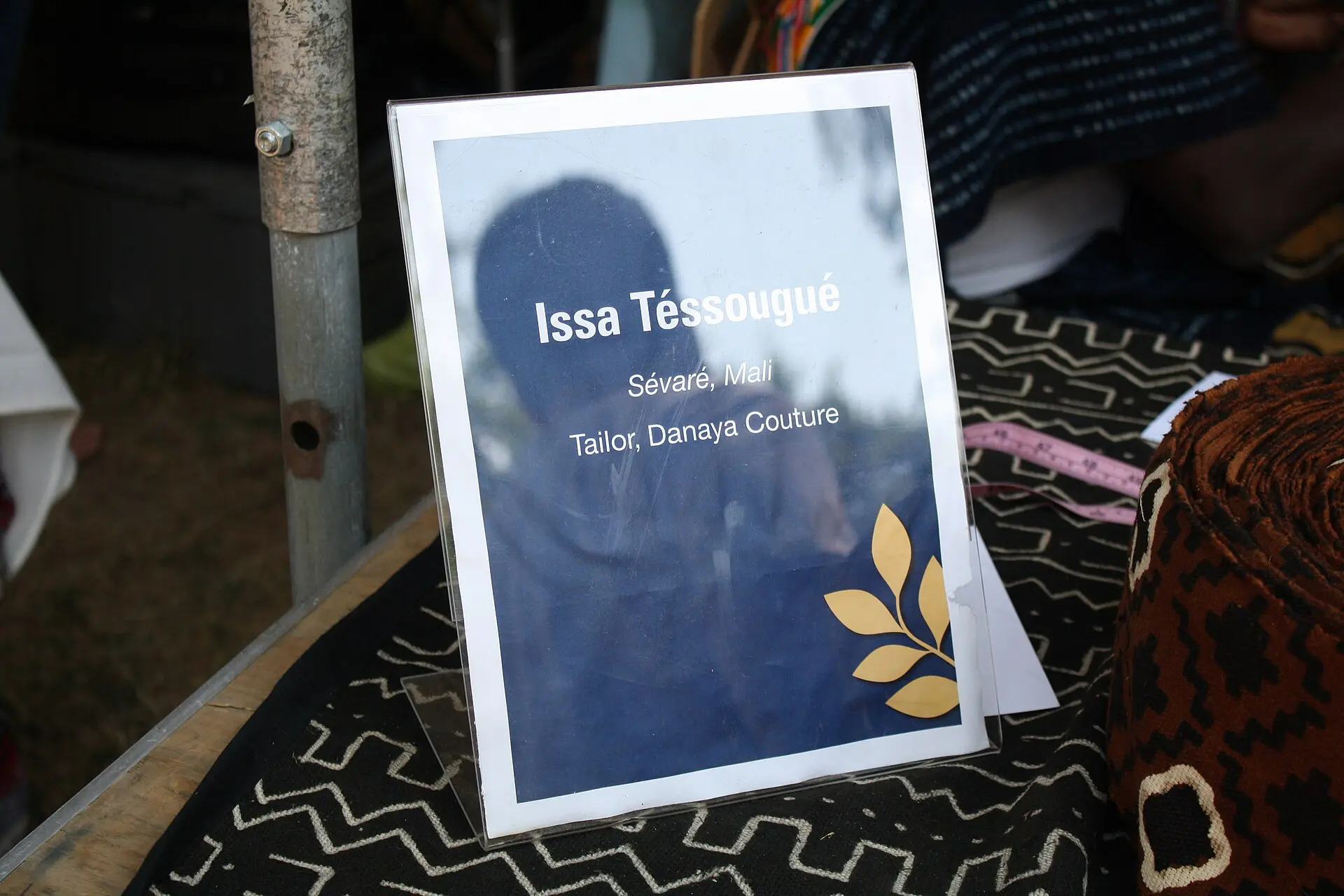
Most Malians are Muslim, and some also keep indigenous beliefs. Dress modestly, covering shoulders and knees, and take off shoes when entering mosques and homes. Use the right hand for eating and handing items, and do not photograph people, religious sites, government buildings, checkpoints or soldiers without permission, because it can cause serious trouble.
Mali’s musical culture is world famous. Griots, hereditary praise singers and storytellers, preserve oral history, and instruments such as the kora and ngoni are central to it. Bogolan, the hand-dyed mud cloth, is a signature craft. Respect for elders is essential, and small gifts for hosts are appreciated.
Mali itinerary: a 7-day route
Independent travel to Mali is not currently advisable, and this route is not a recommendation to go. It shows only what a visit confined to the safest southern areas could look like if governments lift their advice or if you travel under professional security arrangements. It deliberately leaves out Mopti, Djenné, Dogon Country, Timbuktu, Gao and the whole north.
- Day 1, Bamako: arrive, transfer to a secure hotel and rest.
- Day 2, Bamako: visit the National Museum and the Grand Marché with a vetted local guide.
- Day 3, Bamako: see the Niger riverfront in daytime and catch a live music evening at an established venue, with return by arranged car.
- Day 4, Ségou: travel by road of about four hours in daylight, only if current advice permits.
- Day 5, Ségou: take a short river trip on the Niger and visit potters and textile workshops.
- Day 6, return to Bamako: drive back in daylight and shop for crafts.
- Day 7, departure: allow plenty of time for airport checks and fly out.
Do not add overland journeys, night driving or unplanned detours. Re-check the advisory daily in the run-up to departure, and cancel if it tightens.
Practical tips for Mali
- Advice first: read your government’s travel advice, register with your embassy where possible and tell family your plans. Keep copies of your documents.
- Money: the CFA franc is the local currency. Cash is the main method of payment, ATMs are limited and unreliable, and bringing euros is wise.
- SIM and eSIM: local SIM cards are cheap but registration with ID is required, and mobile networks are patchy outside towns. Internet can be restricted during unrest.
- Plugs: types C and E at 220 V, as in much of Francophone Africa.
- Tipping: not required. Small tips are appreciated for guides and drivers.
- Health: get advice on yellow fever, hepatitis, typhoid and malaria well before departure, and carry insurance and emergency funds.
- Packing: light long-sleeved clothes, a hat, sunscreen, a head torch and a copy of your vaccination certificate.
- Planning: if you are researching Mali for the future, the Wikivoyage Mali guide keeps a longer record of the sites.
FAQ
Q1What are the best things to do in Mali?
In normal times, the highlights are Djenné's Great Mosque, Timbuktu's manuscripts, trekking in Dogon Country, Niger River trips and Bamako's music scene. Most of these lie in areas that governments now advise against, so check current advice before planning anything.
Q2What is Mali food like?
Mali food is based on millet, rice and river fish. Typical dishes include tô (millet porridge with sauce), riz gras, maafe peanut stew, grilled capitaine fish and brochettes. Alcohol is limited and vegetarian choices are few, so plan for simple meals.
Q3Is Mali safe?
No, not for ordinary tourism. The UK and several other governments advise against all or most travel because of armed conflict, terrorism and kidnapping. Bamako is calmer than the north and centre, but risks remain, and flights and fuel can be disrupted.
Q4Do I need a visa for Mali?
Yes, for almost all nationalities. Only a small group of mainly West African countries are exempt. Applicants generally need a passport, photographs, flight details, an invitation or hotel booking and a yellow fever certificate. Confirm current rules with a Malian embassy.
Q5Can tourists visit Timbuktu now?
Not safely. Timbuktu is in the north, where armed groups operate and governments advise against all travel. Roads are dangerous and flights are limited. Check official advice, and consider the city's manuscripts through museum exhibitions and books instead.
Q6What is the best time to visit Mali?
November to February is the coolest and driest period. March to May is extremely hot, and the rains from June to October can cut off roads. Season matters less than security, since no month makes advised-against areas safe.
Q7Is Dogon Country open to tourists?
Not at present. The Bandiagara region has suffered serious violence, and governments advise against travel there. Treks that once ran for tourists have largely stopped. Check current advice, and do not rely on tour operators who claim the area is safe.