Why visit Maldives
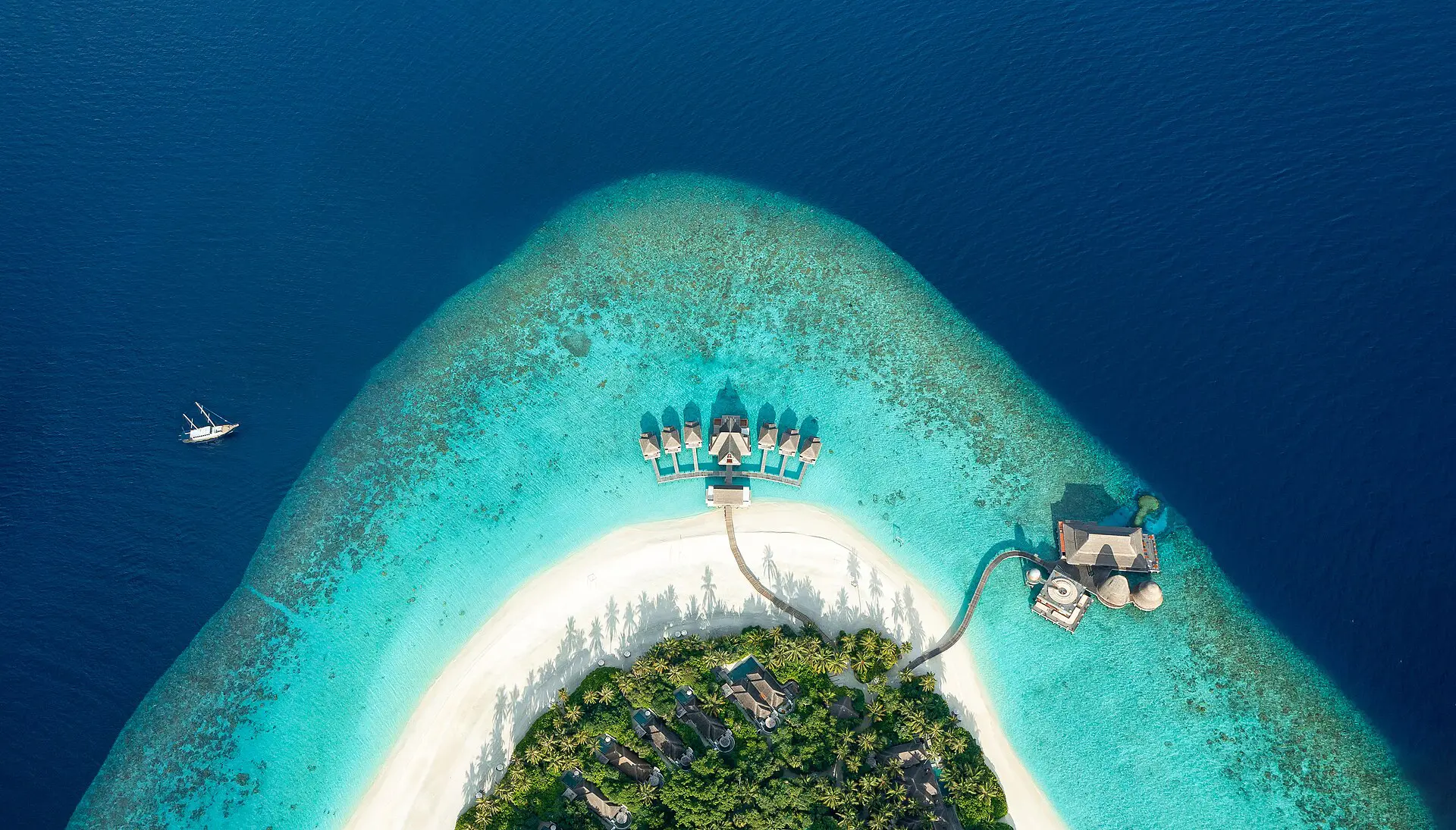
The list of things to do in Maldives is built around water. The country is an archipelago of about 1,192 coral islands grouped into 26 atolls, spread over roughly 90,000 square kilometres of the Indian Ocean, with only around 300 square kilometres of land. The Wikipedia overview notes that it is the world’s lowest-lying country, with a highest natural point of just 2.4 metres. Most visitors search for a Maldives vacation built around an overwater villa, but the country also offers diving, surfing, fishing communities and small guesthouse islands.
It suits couples, honeymooners, divers and snorkellers, and travellers who want a beach holiday with calm water and good visibility. It is less suited to travellers who want sightseeing, nightlife or cheap independent travel, because transfers between islands are by boat or seaplane and cost real money. The choice between a private resort island and a local island with a guesthouse shapes everything else, including costs, alcohol and dress rules.
Best places to visit in Maldives
The best places to visit in Maldives are best understood by atoll, since your base island decides what you can reach by boat.
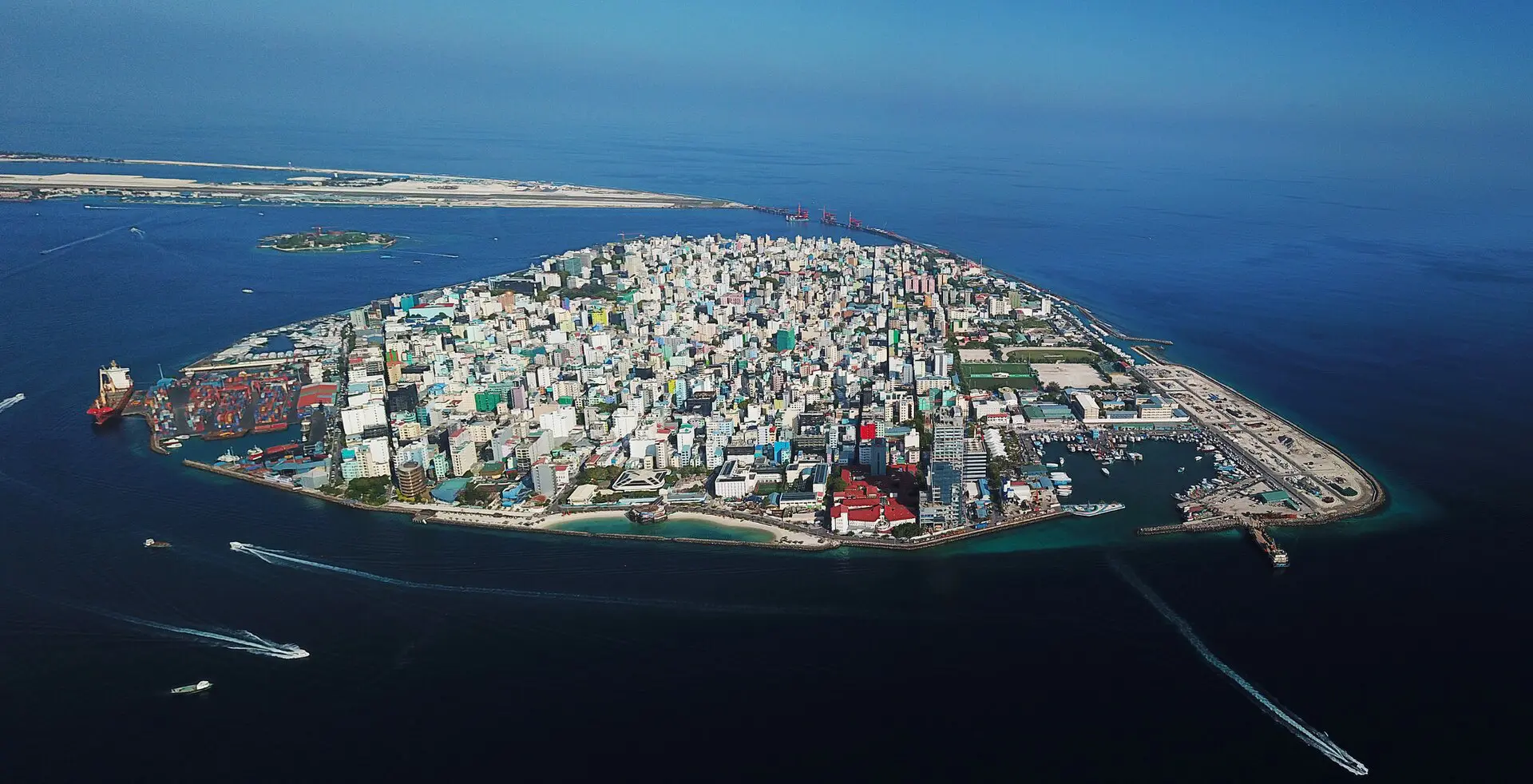
Malé and Hulhumalé
Malé is the capital, packed onto a small island and often called one of the densest cities on Earth. Its fish market, the old Friday mosque and the main streets can be seen in a few hours. Most visitors pass through on the way to the airport island next door.
North and South Malé Atolls
These are the closest to the airport and the easiest for speedboat transfers. Local islands such as Maafushi have guesthouses, dive centres and tours at the lowest prices of the central region.
Ari Atoll
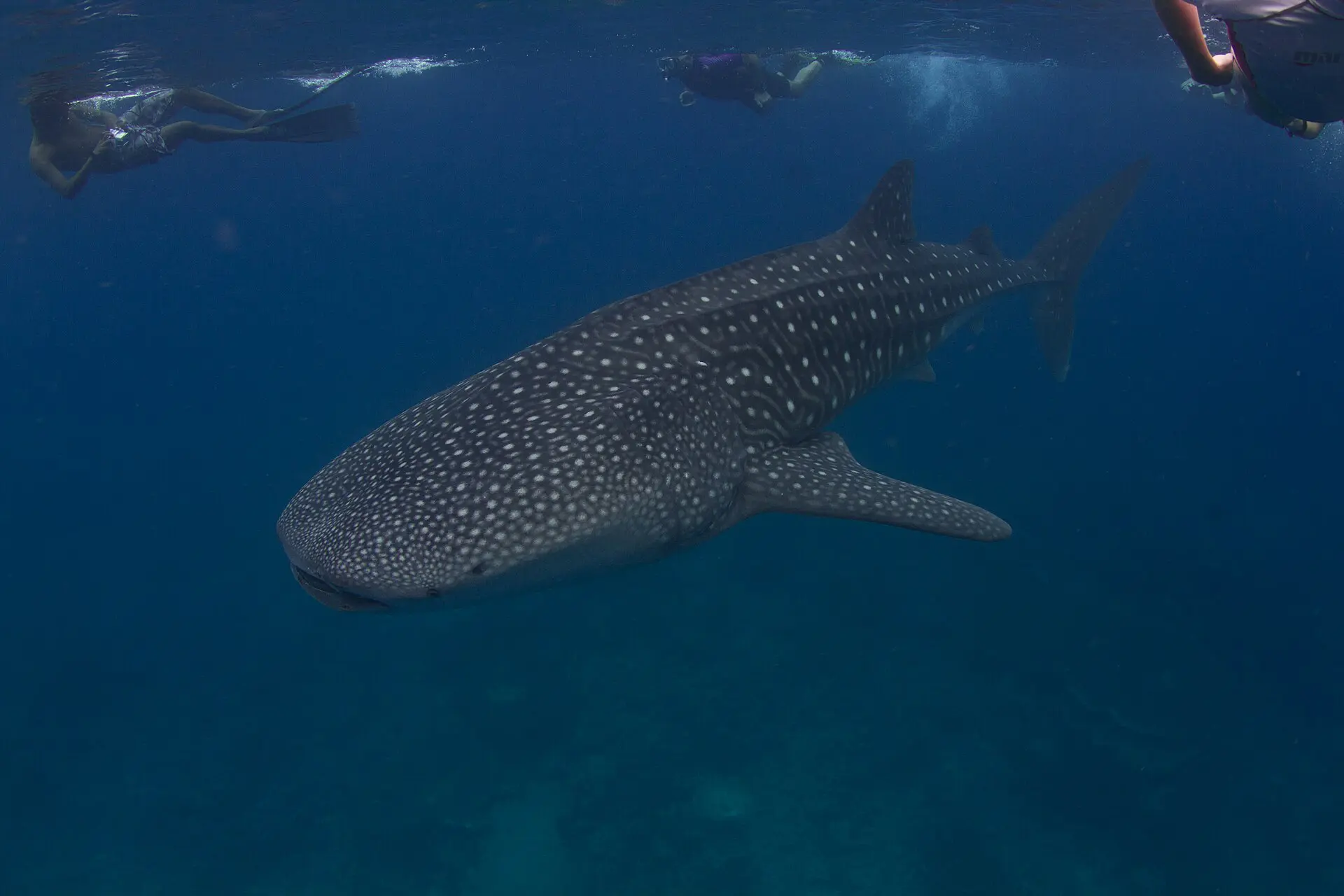
Ari Atoll is a main area for resorts, diving and snorkelling, and it includes inhabited islands such as Rasdhoo, Ukulhas, Mathiveri and Thoddoo. South Ari is known for whale shark sightings at several times of year.
Baa Atoll
Baa Atoll holds Hanifaru Bay, a marine protected area where manta rays gather to feed, most reliably from May to November.
Addu and the far south
Addu, the second city, has wartime history, long causeways and good diving, and it is reached by domestic flights. Fuvahmulah, nearby, is known among divers for tiger sharks.
Top things to do in Maldives
The top things to do in Maldives are almost all in or on the water, and many do not need a resort.
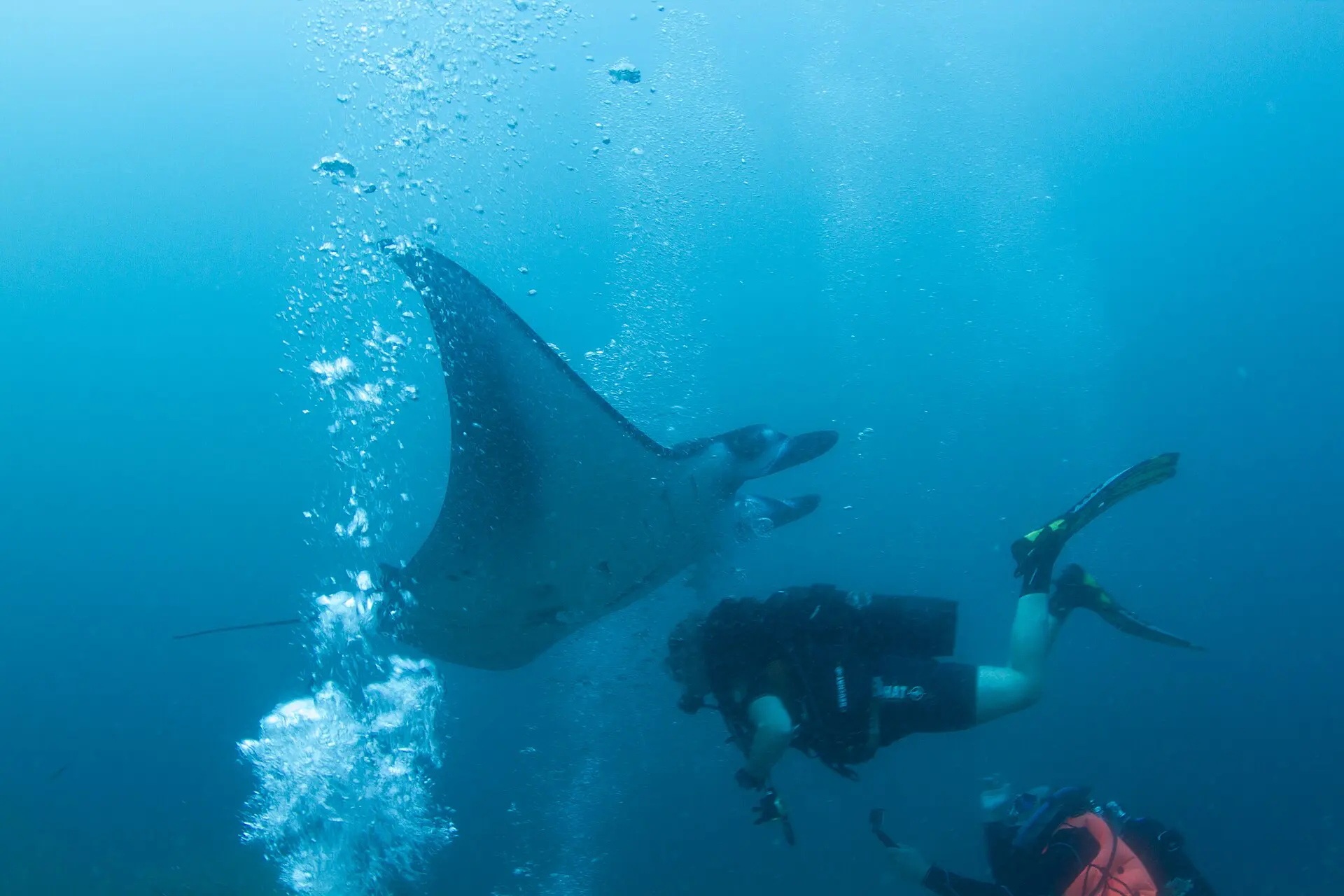
- Snorkel a house reef: many islands have a reef within wading distance, with reef fish, turtles and small sharks.
- Dive with mantas and whale sharks: operators run trips to cleaning stations and channels in the Ari and Baa atolls, and best seasons vary by site.
- Visit Hanifaru Bay: the protected bay near Baa Atoll draws mantas in the southwest monsoon, and access is regulated with a permit.
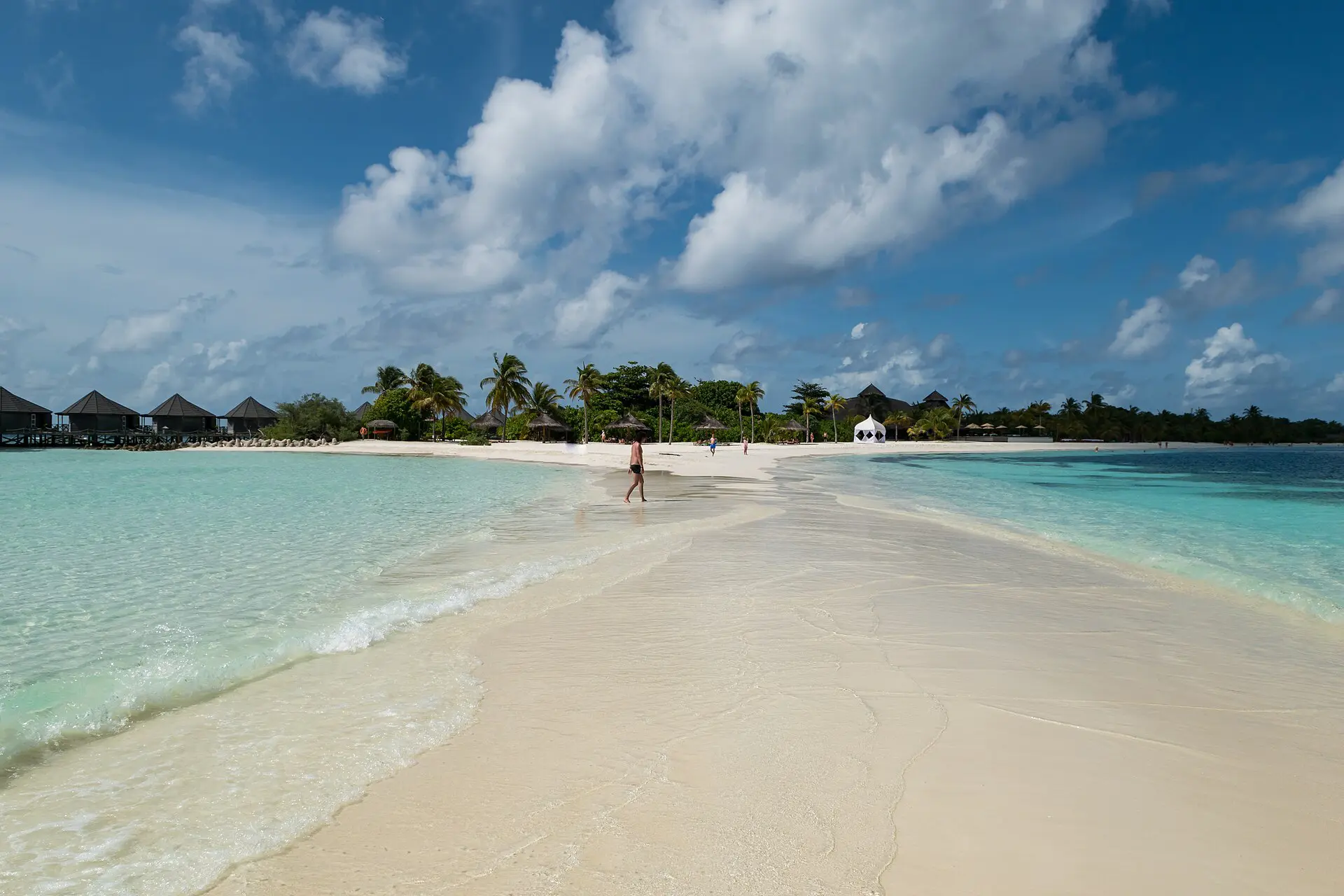
- Take a sandbank trip: boats drop visitors on uninhabited sand strips for a picnic and swimming.
- Go on a dolphin cruise: sunset trips often find spinner dolphins near the atolls.
- Stay in an overwater villa: resorts build their offer around lagoon-side villas with direct sea access.
- Surf: the North and South Malé Atolls have well-known reef breaks, best from roughly March to October.
- Go night fishing: traditional line fishing from a dhoni boat is offered by guesthouses and resorts.
- Join a liveaboard: multi-day boat trips combine diving and island stops across several atolls.
- Visit a local island: walk village lanes, see a mosque from outside and buy snacks at small shops.
Best time to visit Maldives
The best time to visit Maldives is December to April, during the dry northeast monsoon, when skies are mostly clear, seas are calm and visibility is at its best. Temperatures stay between roughly 26 and 32 C all year. Rain increases during the southwest monsoon from about May to October, with the wettest period often from June to November, but showers are usually short and the sun still appears most days.
| Season | Weather | Crowds and prices | Good for |
|---|---|---|---|
| Dec-Apr | Dry, sunny, calm seas | Highest, peaking at Christmas and New Year | Beaches, snorkelling, couples |
| May-Jun | Hot, with rain arriving | Falling | Surfing, manta season starts |
| Jul-Oct | Windier and wetter, rougher seas | Lowest in many resorts | Manta rays, budget deals, surfing |
| Nov | Rain easing | Rising again | Shoulder season trips |
Resorts price by season, so a stay in the wet months can be significantly cheaper. Surfers and manta watchers often prefer the so-called low season, and divers should check which atolls fit the month, since the best channels change with the monsoon.
Is Maldives safe to visit?
Yes, Maldives is safe for most visitors, and resort islands are very low-risk. The main hazards are sea conditions, sun and local laws, rather than crime. Check the UK FCDO or your own government’s travel advice for current notes on terrorism, protests and local regulations.
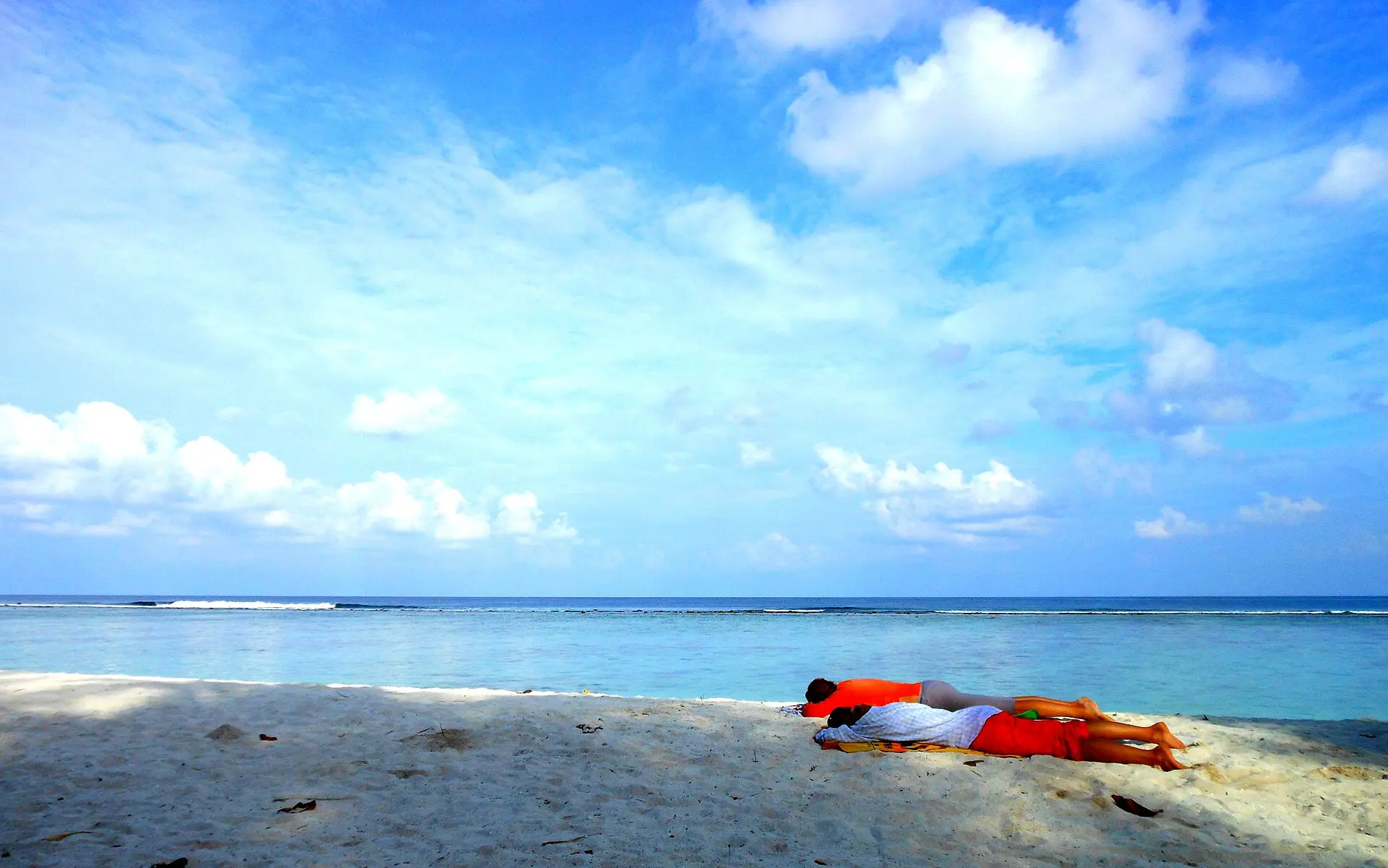
Sea. Currents in channels and reef passes can be strong, and drownings of snorkellers happen every year. Use a flotation vest if you are a weak swimmer, follow lifeguard flags where they exist and never snorkel alone in open channels. Boat transfers can be rough in the southwest monsoon.
Sun and heat. Sunburn and dehydration are common, so use reef-safe sunscreen and a rash vest.
Law and conduct. Islam is the state religion. Alcohol, pork products and public observance of other religions are banned on inhabited islands, and drug offences carry severe penalties, so do not bring any prescription medicine without checking the rules first. Resorts operate under more relaxed rules.
Health. Dengue exists, so use repellent. Hospitals outside Malé are limited, and serious cases are evacuated, so take travel insurance with medical evacuation cover.
Maldives visa and entry requirements
Maldives visa rules are unusually simple. Visitors of most nationalities have been given a free tourist visa on arrival, usually valid for 30 days, with no advance application. Requirements change, so confirm the current rule for your passport with the Maldives immigration authority or your nearest embassy.
You will generally need a passport valid for the length of your stay, a confirmed booking at a registered resort, hotel or guesthouse, a return or onward ticket, and proof of funds. Travellers have also been required to submit an online traveller declaration shortly before arrival. Keep printed or saved copies of your booking, because airline staff and border officers may ask for it.
Visitors must stay at registered accommodation, and you cannot simply arrive and look for a room. Tourist taxes, including a green tax charged per night, are collected by your accommodation, and the amounts have been revised in recent years. Check customs rules too: alcohol, pork products, pornography and religious material other than the Quran are restricted on arrival. The UNESCO page for Maldives lists heritage information, but it does not cover entry rules.
Getting to and around Maldives
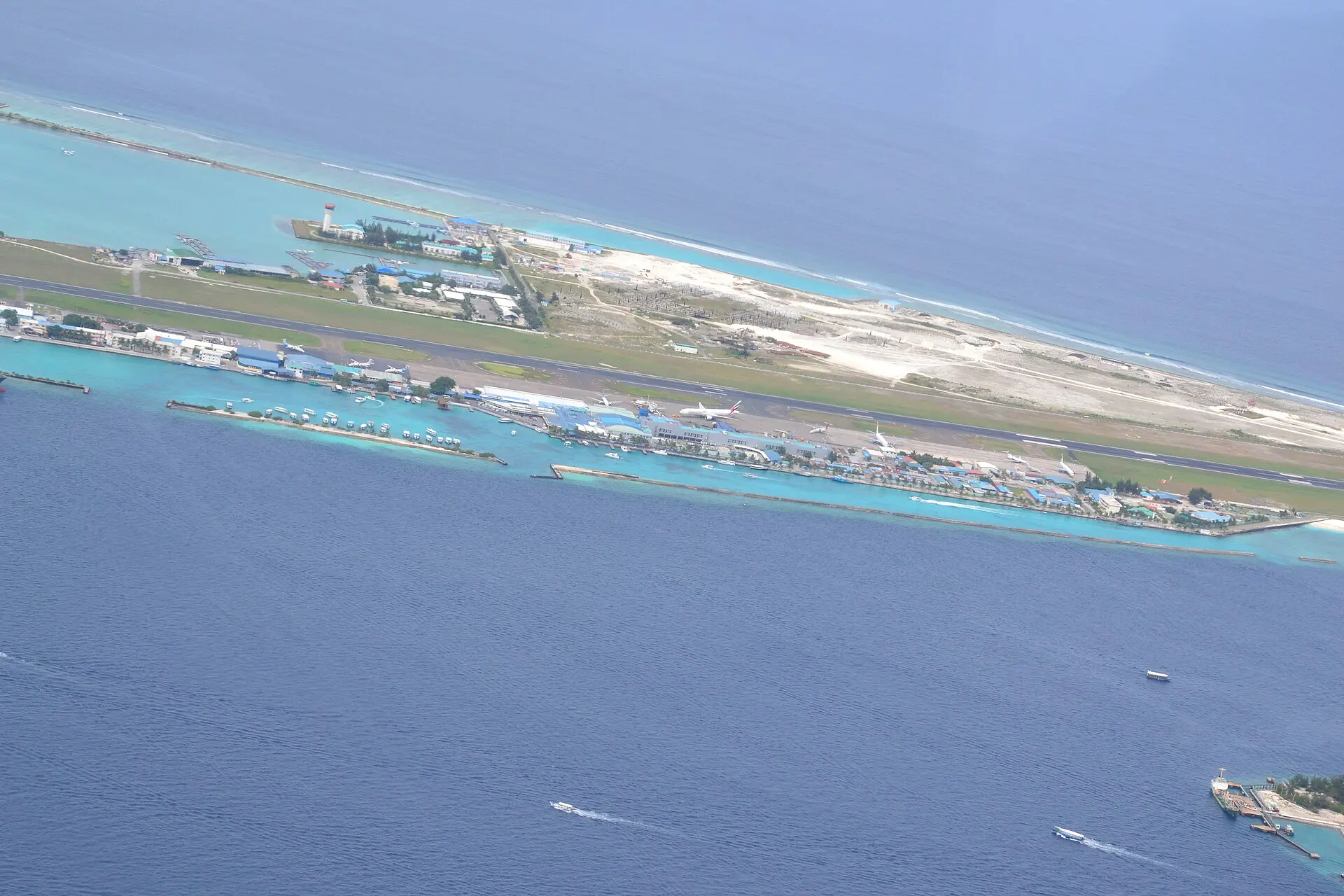
Nearly all visitors arrive at Velana International Airport on Hulhulé island, next to Malé. Direct flights come from the Gulf, India, Sri Lanka, Southeast Asia and several European cities, and others connect through Doha, Dubai, Istanbul or Colombo. Some flights have long travel times, so many visitors build in a stopover.
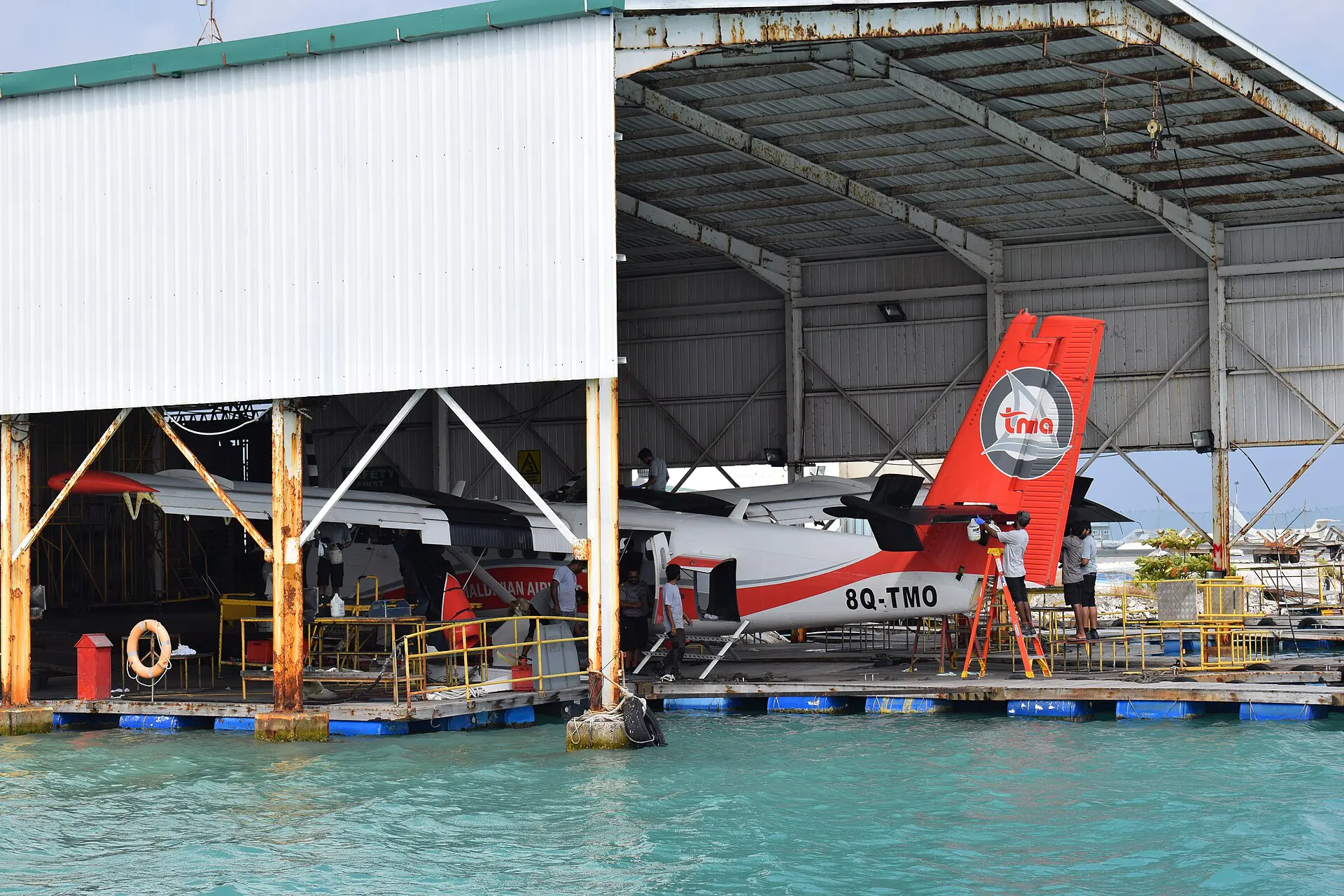
What happens next depends on your island. Resorts near the airport use speedboats, usually 20 to 60 minutes, while farther resorts use seaplanes, often 30 to 60 minutes, or domestic flights followed by a boat. Seaplanes fly only in daylight, so late arrivals may need a night in Malé or Hulhumalé, and transfer times matter when you book flights.
Local islands are linked by public ferries, which are cheap but infrequent and slow, and by private speedboats, which cost more and run to timetables. Ferries to Maafushi take around an hour and a half. In Malé, short taxi rides and walking are enough. Check schedules before you book, because rough weather can cause cancellations, and ferries often do not run on Fridays.
How much does a trip to Maldives cost?
A trip to Maldives costs between very little and a great deal, depending on whether you stay on a local island or a resort. Resorts quote prices in US dollars, and the Maldivian rufiyaa (MVR) is used on local islands, though dollars are widely accepted. Figures below are rough per-person guides for 2026.
- Budget: around USD 100 to 150 per day on a local island, with a guesthouse room, local meals and public ferries.
- Mid-range: around USD 150 to 250 per day on a local island with a better guesthouse, excursions and speedboat transfers, or a lower-cost resort package in the wet season.
- High-end: from around USD 500 per night and up, with an overwater villa on a private island, seaplane transfer and meals.
Accommodation and transfers drive the cost. Seaplane flights can cost several hundred dollars per person return, and resort meals and drinks are priced at resort rates. Many resorts sell all-inclusive plans, which help with budgeting. On local islands, excursions such as snorkel trips, sandbank picnics and diving add up, and a tourist tax and service charges are usually added to the room price.
Maldives food and drink
Maldives food is built around tuna, coconut, rice, and chilli. Fishing is the traditional economy, and most staple ingredients other than fish are imported. On local islands you can eat cheaply at small cafes; resorts offer international menus, often with local dishes on request.
- Mas huni: shredded smoked tuna mixed with coconut, onion and chilli, eaten with roshi at breakfast.
- Garudhiya: a clear tuna broth served with rice, lime, chilli and sometimes fried fish.
- Roshi: thin unleavened flatbread that goes with curries and mas huni.
- Mas riha: a Maldivian fish curry, usually with tuna and coconut milk.
- Hedhikaa: afternoon snacks such as fried fish balls, pastries and sweet treats served with tea.
- Kulhi boakibaa: a spicy fish cake with rice and coconut.
- Fresh fruit and juices: papaya, mango, watermelon and coconut water are common.
Alcohol is banned on inhabited islands and sold only at resorts and on some liveaboards, so check what your accommodation allows. Vegetarians can find rice, vegetable curries and fruit, but menus on local islands can be limited, and some islands have little fresh produce.
Culture, language and etiquette in Maldives
Dhivehi is the national language, and English is widely used in tourism, with resort staff fluent in it and often in several others. Maldivian culture blends Sinhalese, South Indian and Arab influences, and Maldivians are entirely Sunni Muslim.
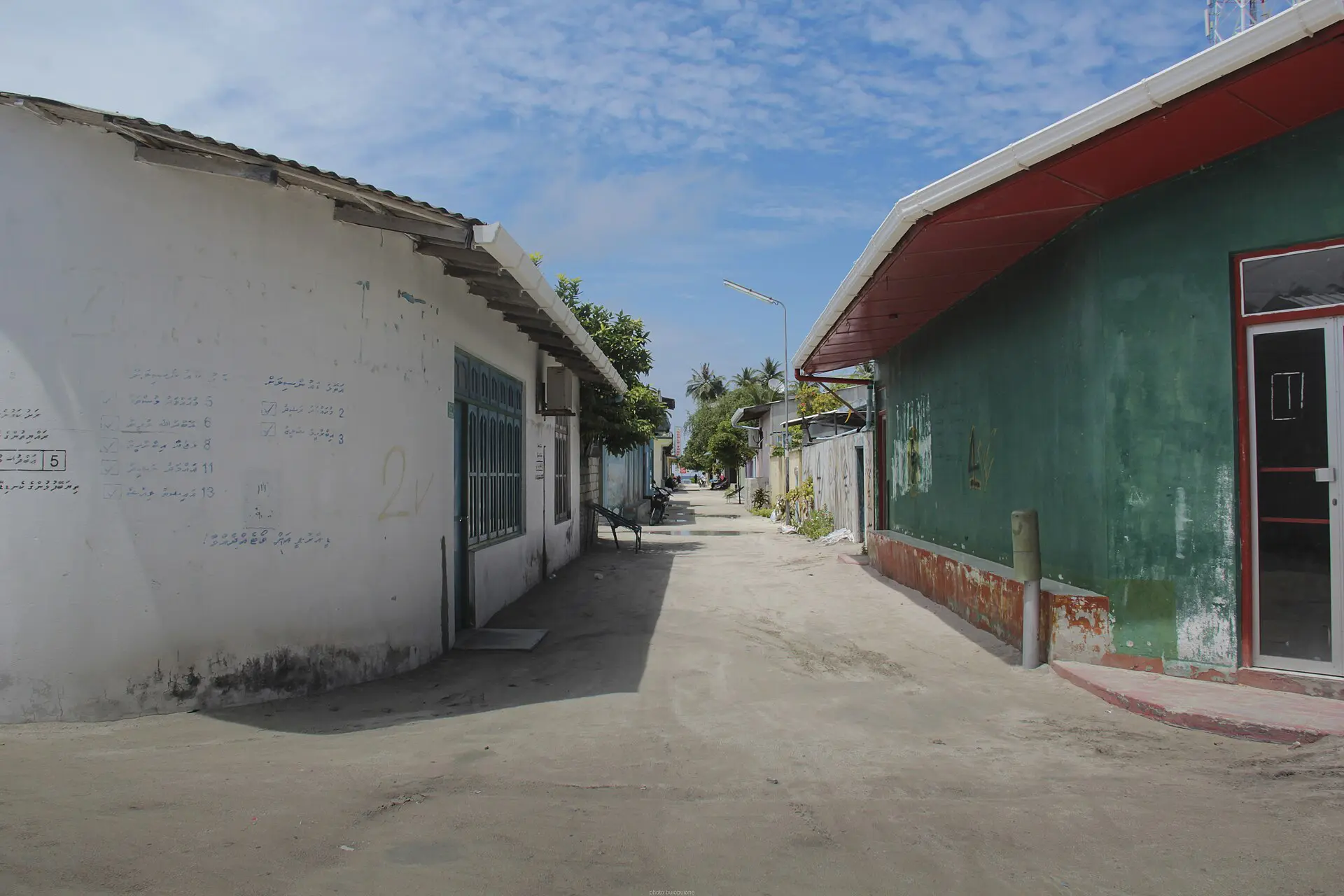
On inhabited islands, dress modestly: cover shoulders and knees in village streets, and swim only on designated bikini beaches, where swimwear is allowed. Public displays of affection are discouraged, and visitors should respect prayer times. The weekend is Friday and Saturday, so many shops and offices close on Friday.
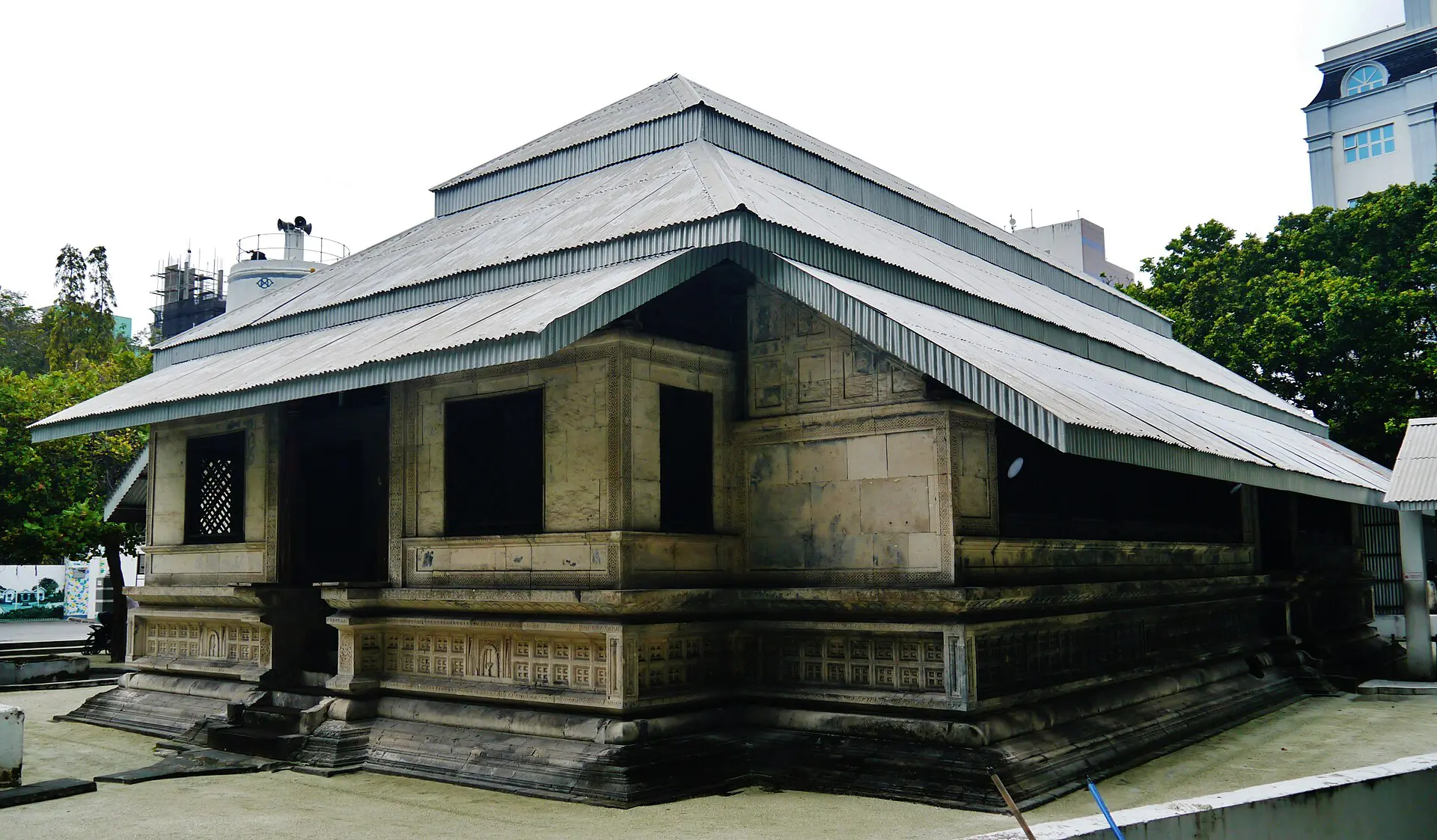
The old Friday mosque in Malé is a historic coral-stone building, and non-Muslims can usually see it from outside; ask before entering religious buildings. Resorts follow different rules, but swimsuits and alcohol are for resort areas only. Do not take coral, shells or sand from the beach, and do not touch or stand on the reef, since coral is protected and fragile. Photograph people only with their permission.
Maldives itinerary: a 7-day route
This route uses two local islands and public or speedboat transfers, so it works without a resort. Confirm ferry and speedboat schedules before you book flights.
- Day 1, arrival: land at Velana airport and take a speedboat or ferry to Maafushi, about 45 minutes to one and a half hours.
- Day 2, Maafushi: snorkel the nearby reef or join a sandbank and snorkel trip.
- Day 3, dolphin cruise: take an afternoon or sunset boat trip, and swim at the bikini beach.
- Day 4, transfer to Ukulhas: travel by speedboat or ferry to North Ari Atoll, about two to three hours depending on the service.
- Day 5, Ukulhas: snorkel or dive, and walk the village and beach.
- Day 6, Rasdhoo or Thoddoo: take a boat trip for a day of snorkelling and a visit to another island.
- Day 7, return: go back to Malé by ferry or speedboat, leaving plenty of margin before your flight.
For a resort stay, replace the middle days with one seaplane or speedboat transfer and spend the week on a single island. Build in a buffer night in Malé if your international flight is early.
Practical tips for Maldives
- Money: the rufiyaa is the local currency, but resorts price in US dollars and accept cards. Carry some cash for local islands, where card use varies and ATMs are limited outside Malé.
- SIM and eSIM: tourist SIM cards and eSIMs are available at the airport, and coverage is usually good on inhabited and resort islands.
- Plugs: several types are used, including G, D and J at 230 V, so bring a universal adapter.
- Tipping: not obligatory. Resorts often add a 10 percent service charge, and small extra tips for boat crew and room staff are appreciated.
- Health: bring insurance with evacuation cover, repellent, reef-safe sunscreen and any prescription medicine with a doctor’s note.
- Packing: a rash vest, a reusable water bottle, light modest clothes for local islands and a dry bag for boat transfers.
- Plastic and reef: many resorts limit single-use plastic, and visitors should avoid touching coral.
For more background, see the Wikivoyage Maldives guide.
FAQ
Q1What is the best time to visit Maldives?
December to April is the best time, with dry weather, calm seas and the clearest water. May to November is wetter and windier but cheaper, and it suits manta rays at Hanifaru Bay and surfing. Christmas and New Year are the most expensive weeks.
Q2What are the best things to do in Maldives?
Snorkel house reefs, dive with mantas and whale sharks, take a sandbank trip, join a dolphin cruise, surf the reef breaks, go night fishing and stay in an overwater villa. You can also visit a local island to see village life.
Q3What is Maldives food like?
Maldives food centres on tuna, coconut, rice and chilli. Try mas huni (smoked tuna with coconut), garudhiya (fish broth), roshi flatbread and fish curry. Alcohol is available only at resorts and on some liveaboards, and local islands mostly offer simple cafes.
Q4Is Maldives safe?
Yes, for most visitors, and crime against tourists is low. The real risks are strong currents when snorkelling, sunburn and strict laws on drugs and alcohol on local islands. Follow safety briefings, use a flotation vest if needed and carry insurance with medical evacuation.
Q5Do I need a visa for Maldives?
Most travellers receive a free short-stay tourist visa on arrival, usually for 30 days, if they have a passport, onward ticket, confirmed accommodation and proof of funds. An online traveller declaration is also usually required. Confirm current rules with Maldivian immigration.
Q6How many days do you need in Maldives?
Five to seven days is enough for a relaxed trip with snorkelling, one or two excursions and some beach time. Divers or travellers visiting two atolls should allow ten days, since boat and seaplane transfers take time and can be cancelled by weather.
Q7Can you visit Maldives on a budget?
Yes. Local-island guesthouses cost far less than resorts, and public ferries are cheap. Expect roughly USD 100 to 150 per day, with excursions extra. Remember that alcohol is not sold on local islands and that tourist taxes and transfers add to the cost.