Why visit Malawi
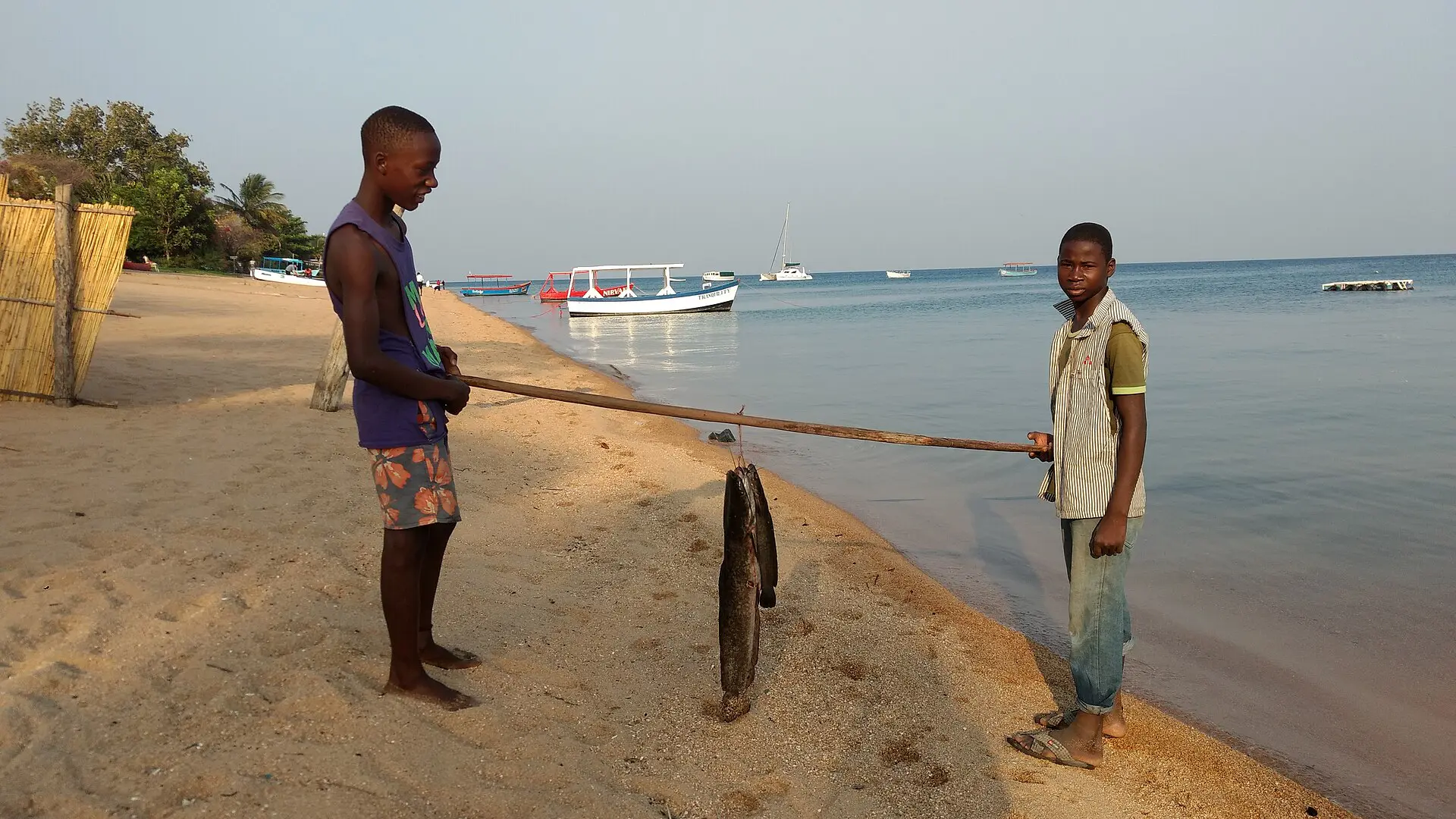
The things to do in Malawi are built around its lake, its mountains and its people. According to the Wikipedia overview, this landlocked country in Southeast Africa covers about 118,000 square kilometres, and Lake Malawi, the third largest lake in Africa, runs along most of its eastern border. Malawians are known for their friendliness, which gives the country its nickname, the Warm Heart of Africa.
Malawi suits budget and mid-range travellers who want a relaxed, personal trip rather than big-ticket safaris. It is a good fit for backpackers, divers and snorkellers, hikers, birdwatchers and travellers interested in village life. It is less suited to visitors who need polished infrastructure, because power cuts, fuel shortages and slow transport are real. Many people spend one to two weeks, combining a lake stay with one or two parks and a highland walk.
Best places to visit in Malawi
The best places to visit in Malawi run from the lakeshore to the highlands, and most can be linked in a single loop from Lilongwe or Blantyre.
Lake Malawi: Cape Maclear and Nkhata Bay
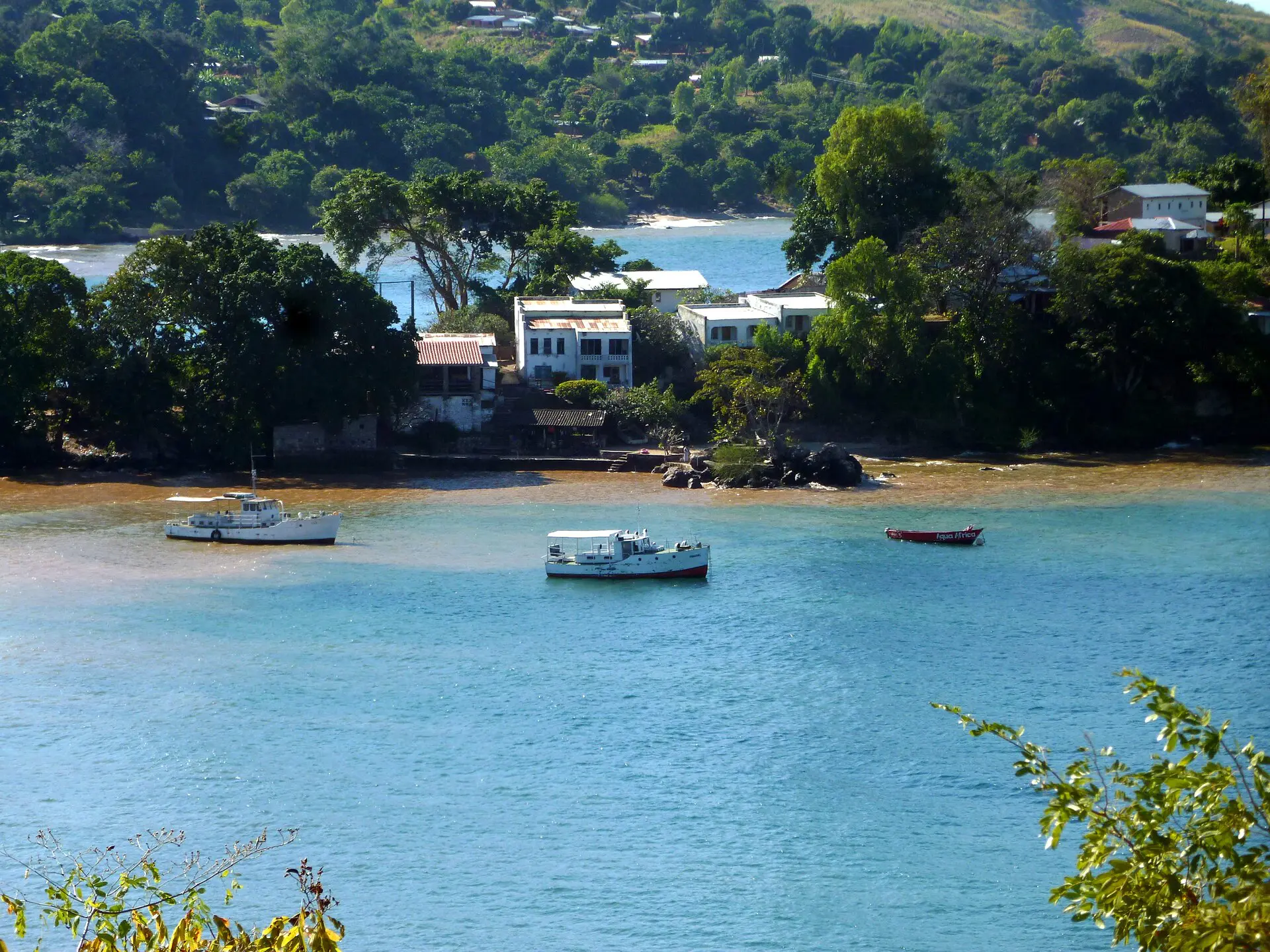
Cape Maclear, on a peninsula in the south, has beaches, islands and a national park famous for its colourful cichlid fish. Nkhata Bay, further north, is a laid-back harbour town with lodges, diving and a popular backpacker scene.
Likoma and Chizumulu
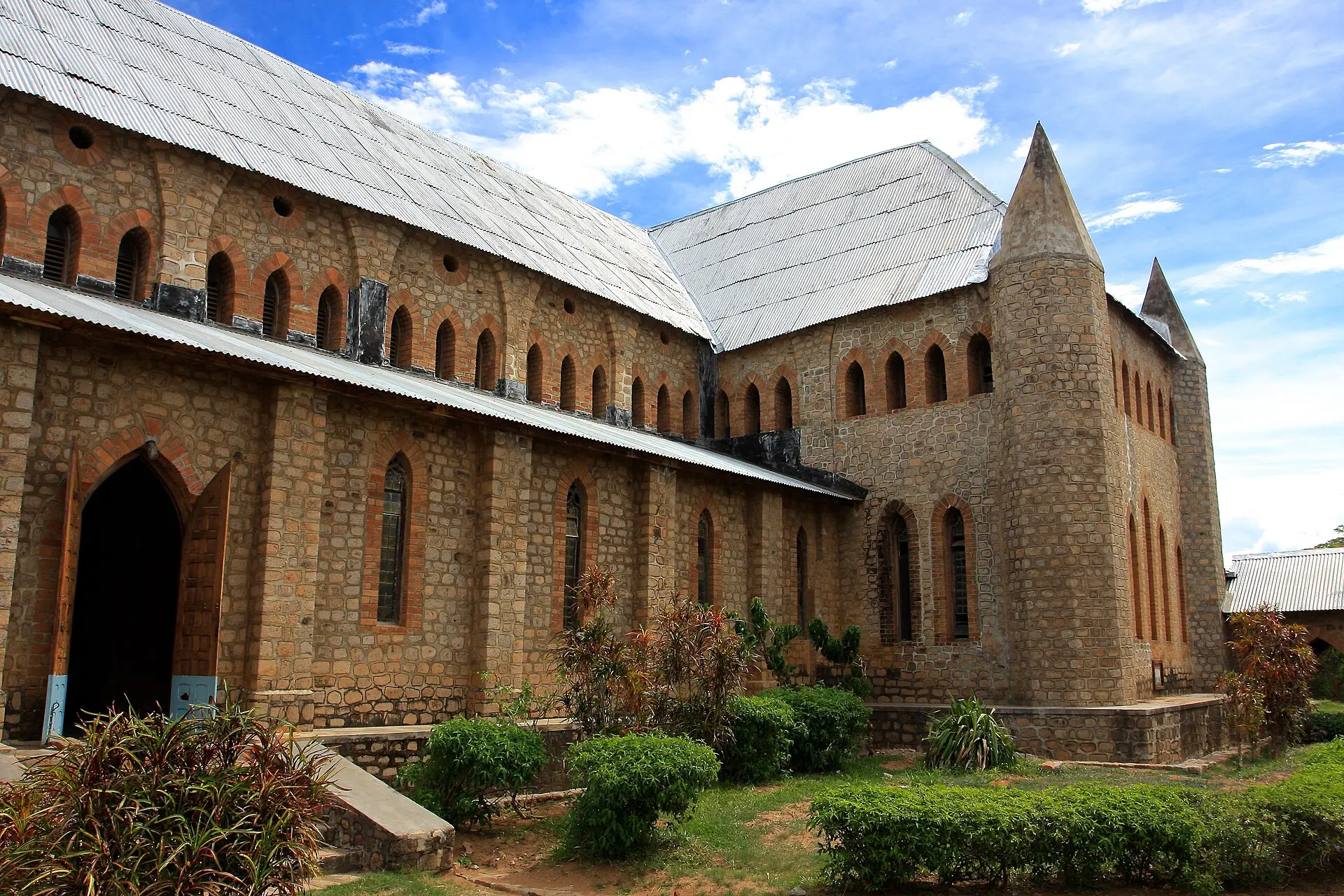
These two islands in the lake are reached by ferry or private boat. Likoma has a large cathedral and quiet beaches, and both islands offer a slow pace of life.
Liwonde and Majete
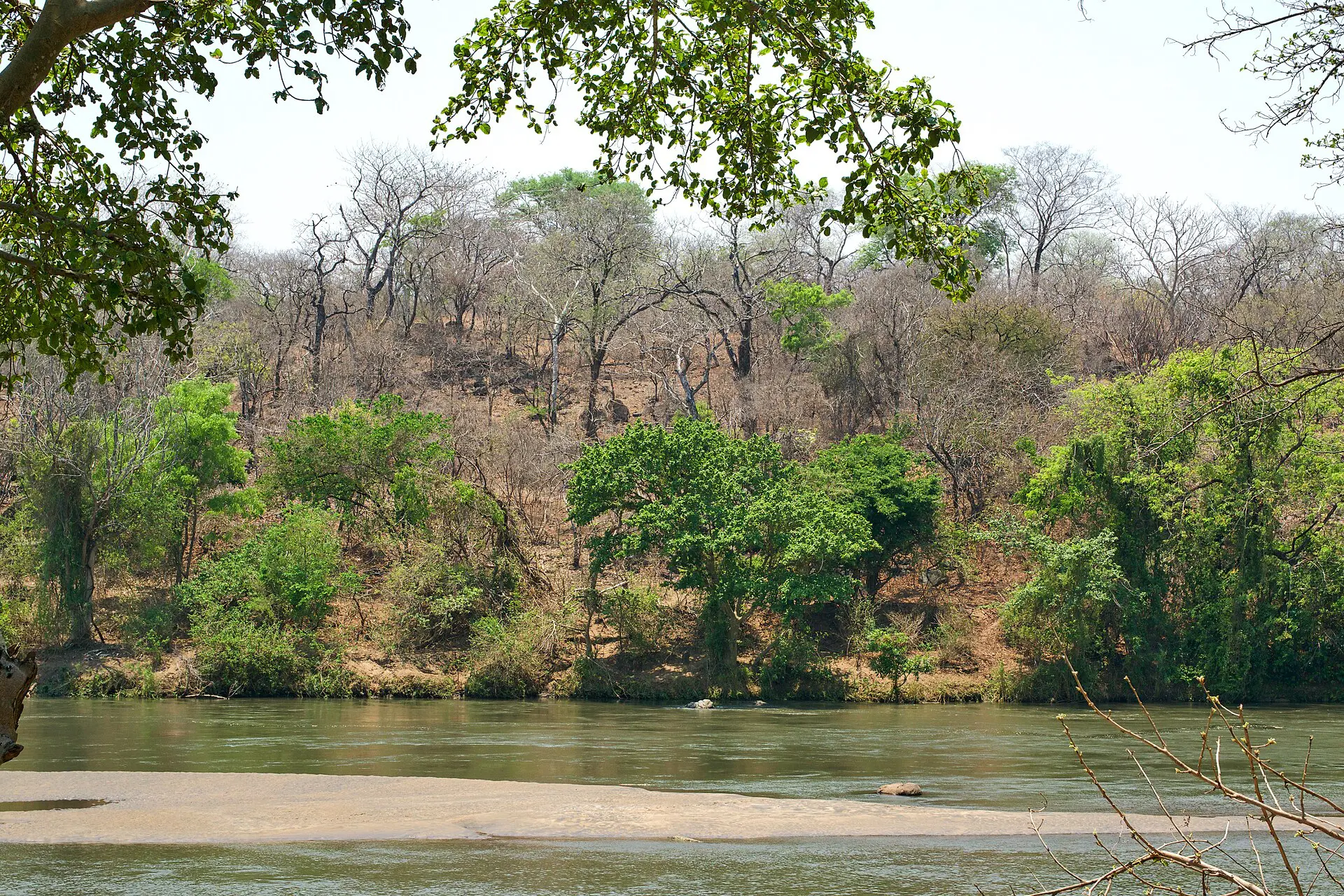
Liwonde National Park on the Shire River is the main safari area, with boat trips for hippos, elephants and birds. Majete Wildlife Reserve in the south has reintroduced big game, including lions and rhinos.
Zomba Plateau and Mount Mulanje
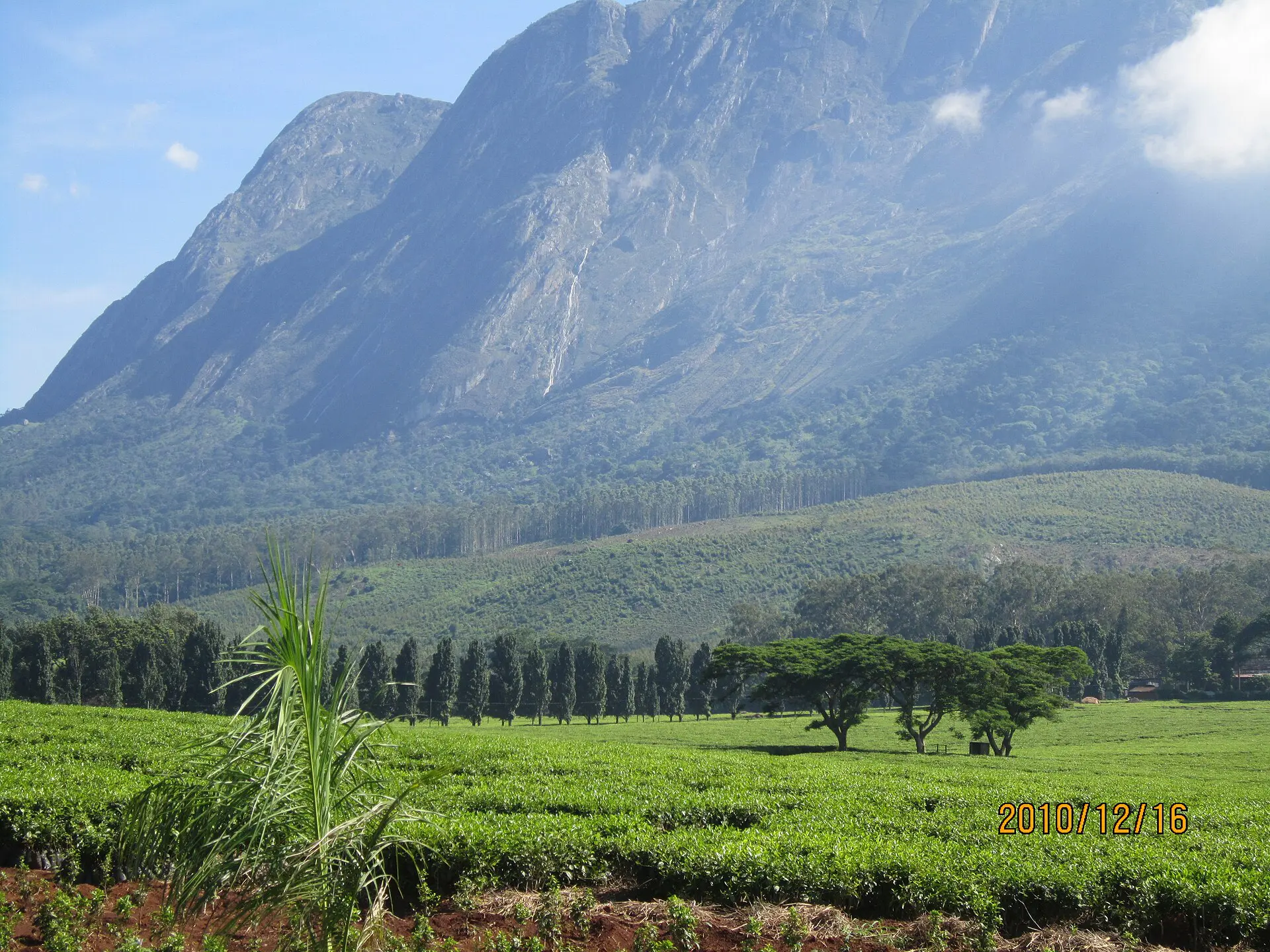
Zomba, the old colonial capital, sits under a forested plateau with waterfalls and viewpoints. Mount Mulanje, near the Mozambique border, is the highest peak in the region and has hut-to-hut trekking.
Nyika Plateau and the north
Nyika National Park is a high grassland plateau with zebras, antelope and wildflowers. It is remote and best for travellers with their own vehicle and time.
Top things to do in Malawi
The top things to do in Malawi range from lazy lake days to trekking and wildlife, and most are cheap by regional standards.
- Snorkel at Cape Maclear: Lake Malawi National Park protects hundreds of colourful cichlid species in clear water.
- Take a boat safari at Liwonde: drift along the Shire River past hippos, crocodiles, elephants and birdlife.
- Trek on Mount Mulanje: multi-day routes use mountain huts, and shorter walks reach pools and viewpoints.
- Hike Zomba Plateau: trails lead to waterfalls, forest and sweeping views over the Shire Highlands.
- Kayak or sail on Lake Malawi: operators offer trips between islands and beaches.
- Visit Likoma Island: see the large cathedral, then spend a day on beaches and in fishing villages.
- Join a walking safari at Majete or Nkhotakota: guided bush walks bring you close to wildlife.
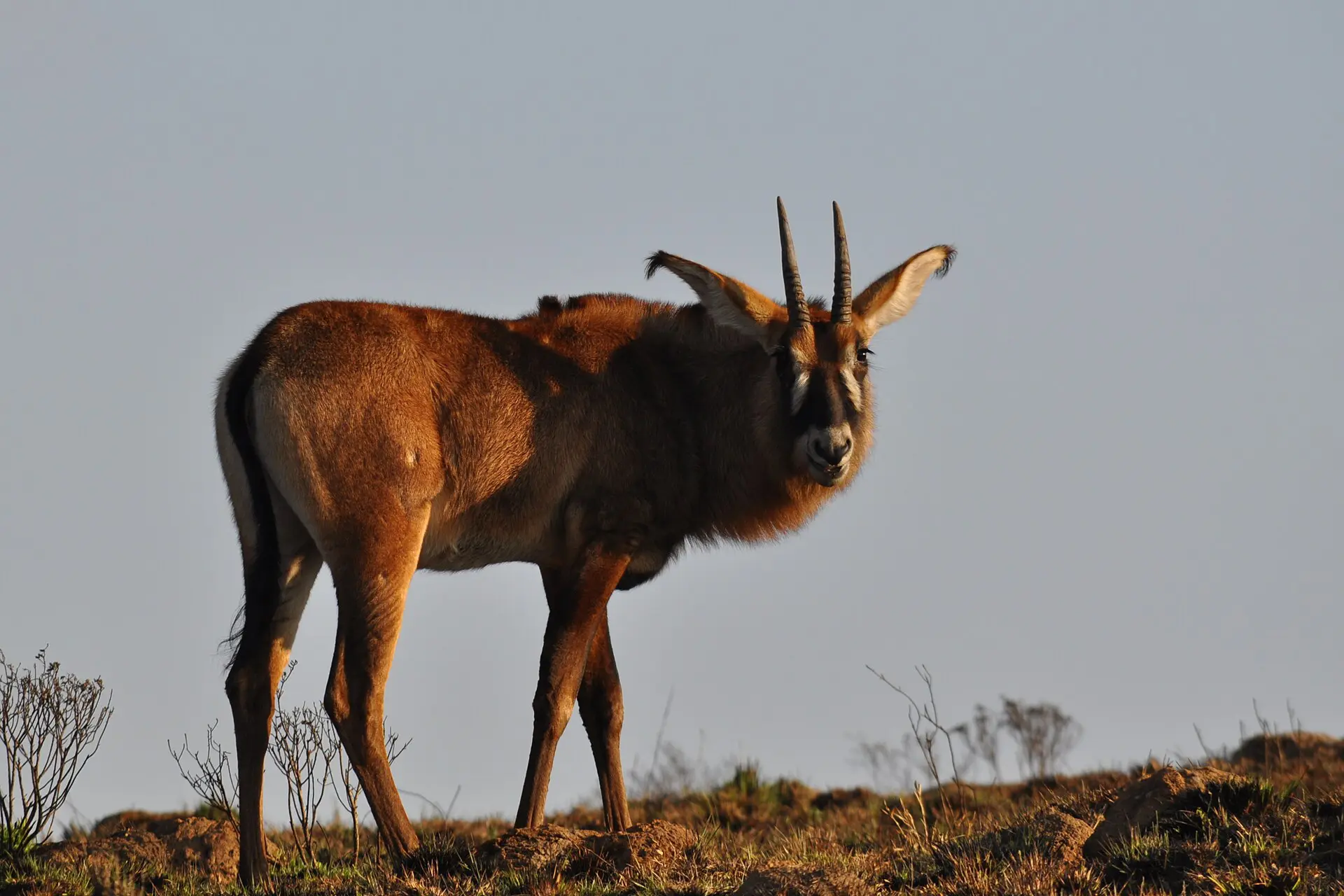
- Explore Nyika Plateau: look for zebra, roan antelope and orchids in the high grassland.
- Go on a village homestay: community projects offer meals, music and farm visits.
- See Gule Wamkulu dancers: this masked Chewa tradition appears at festivals and ceremonies.
- Browse craft markets: look for wood carvings, baskets and chairs along the Lake Road.
Best time to visit Malawi
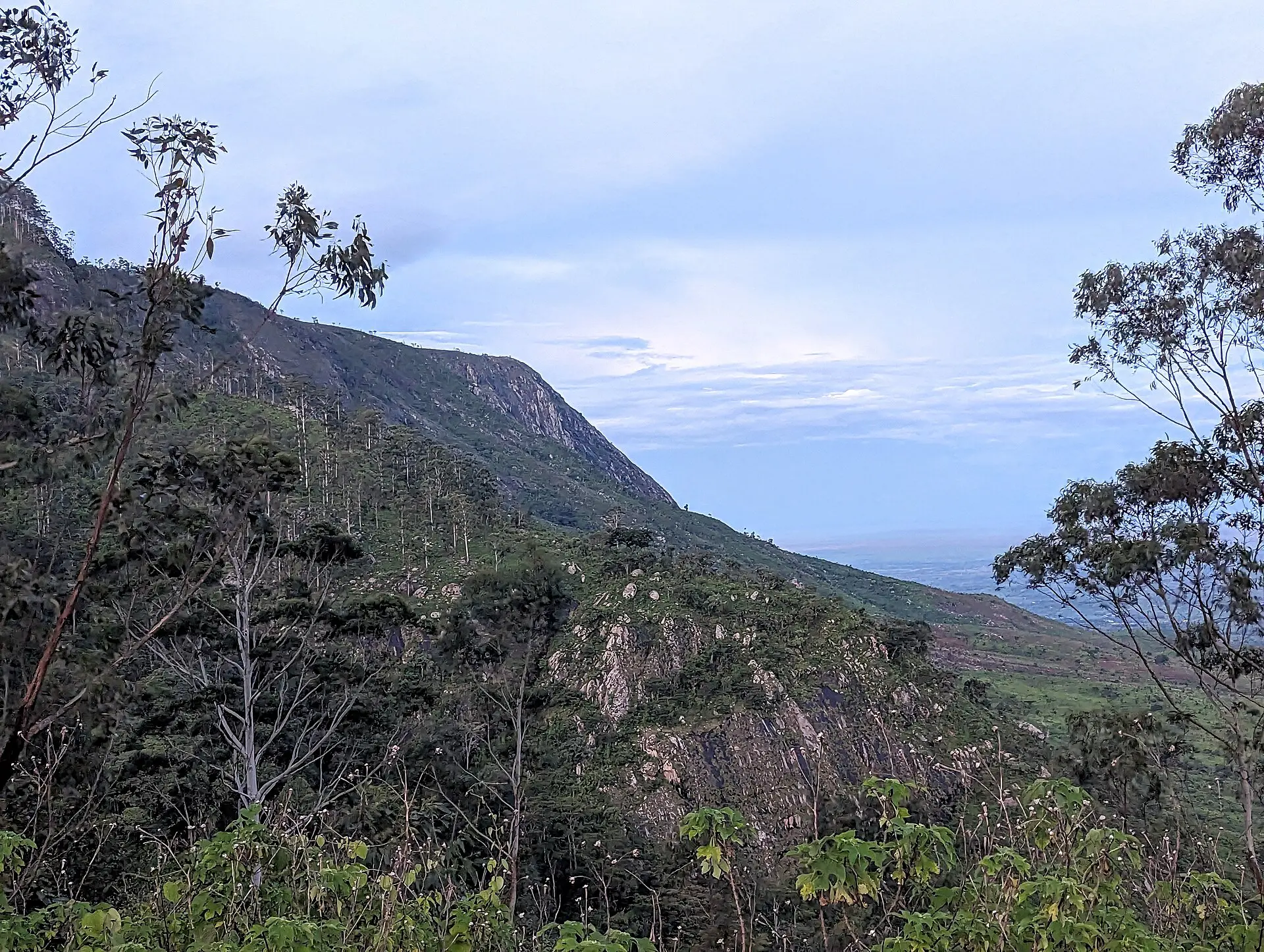
The best time to visit Malawi is the dry season from May to October, when roads are open, skies are clear and wildlife gathers at water. Winters (May to July) are dry and cool in the highlands, while the rainy season runs from mid-October or November until March and can make some roads impassable. The lake is warm for swimming almost all year.
| Season | Weather | Crowds and prices | Good for |
|---|---|---|---|
| Cool dry (May-Aug) | Sunny, cool nights in the highlands | Moderate, higher in July and August | Hiking, lake stays, Liwonde |
| Hot dry (Sep-Oct) | Hot, dry, dusty, very hot in the Shire valley | Moderate, good value | Wildlife viewing, snorkelling |
| Rainy (Nov-Mar) | Warm, humid, heavy storms | Low, with cheaper rooms | Birdwatching, green landscapes |
| Late rains (Apr) | Easing, lush and green | Low to moderate | Photography, quiet travel |
The lowland Shire valley is the hottest part of the country, and the lakeshore is cooled by evening breezes. Some lodges and parks close or limit access during the heaviest rains.
Is Malawi safe to visit?
Yes, Malawi is generally considered safe and welcoming for tourists, and violent crime against visitors is uncommon. The main problems are petty theft, road accidents and health risks. Is Malawi safe in every area? Mostly, but conditions can change, so check your government’s current travel advice, such as the UK FCDO or US State Department pages, before you go.
Crime. Bag snatching and theft occur in cities, bus stations and markets, particularly in Lilongwe and Blantyre. Avoid walking at night, keep valuables out of sight and use registered taxis. Some beach lodges report opportunistic theft, so lock your room.
Roads. Driving is the biggest risk. Roads have potholes, livestock and pedestrians, and minibus drivers often speed. Avoid driving after dark. Fuel shortages have occurred, so plan ahead.
Health. Malaria is present year-round, so take advice on prophylaxis. Schistosomiasis (bilharzia) is a known risk in parts of Lake Malawi, including around Cape Maclear, so seek current local advice and consider testing after swimming. Drink treated or bottled water.
Politics. Demonstrations can occur, particularly around elections, so avoid gatherings and follow local news.
Malawi visa and entry requirements
The Malawi visa position depends on your nationality. According to Wikivoyage, citizens of many Commonwealth and southern African countries can visit visa-free for up to 90 days, and citizens of most other countries can get a visa on arrival or through an online e-visa system, with a fee of around USD 50 for a single-entry tourist visa. Some nationalities must apply in advance at an embassy, and fees and rules change, so confirm with the Malawi immigration department or your nearest embassy before you book.
Your passport should be valid for at least six months, with blank pages. Carry proof of onward travel and accommodation, and bring a printed copy of any e-visa approval. If you arrive from a yellow fever risk country, you may need a vaccination certificate, so check health advice.
Border posts with Tanzania, Zambia and Mozambique are open to travellers, but opening hours and procedures vary. If you cross by land or rent a vehicle, ask the rental company about cross-border permits. Keep your documents handy at police checkpoints, which are common on main roads.
Getting to and around Malawi
Most visitors arrive at Kamuzu International Airport in Lilongwe, or at Chileka Airport in Blantyre, via connections in Johannesburg, Nairobi or Addis Ababa. There are no international passenger trains, and land crossings from Tanzania, Zambia and Mozambique are used by overland travellers.
Inside Malawi, the main road, the M1, links the north and south. Lilongwe to Blantyre takes about five to six hours by road, Lilongwe to Mangochi about four hours, and Lilongwe to Cape Maclear about five to six hours. Minibuses and coaches serve the main routes and are cheap but crowded; coach services between Lilongwe and Blantyre are more comfortable and cheaper than flying.
A rental car with a driver is the easiest way to reach parks and the lakeshore. Malawians drive on the left, and many roads have potholes, so allow extra time. Boats and the Ilala passenger ferry link lakeside ports such as Nkhata Bay and Likoma, though schedules are irregular and weather affects them, so confirm locally. Small charter flights serve lodges and parks at higher cost.
How much does a trip to Malawi cost?
Malawi is among the cheaper countries in southern Africa for travellers, although safaris and international flights are the main expenses. The currency is the Malawian kwacha (MWK), and the exchange rate has moved sharply, so check current rates. Figures below are rough per-person guides for the 2026 season.
- Budget: around USD 25 to 50 per day, with dorms or simple lodges, minibuses and local food.
- Mid-range: around USD 50 to 120 per day, with comfortable lodges, a private driver for part of the trip and activities.
- High-end: from around USD 250 per day, with safari lodges, lake retreats and charter flights.
Park fees, guide fees and boat trips add costs, and safari lodges at Liwonde, Majete and Nyika are priced in US dollars. Meals in local restaurants and markets are very cheap, while tourist lodges charge more. Fuel is a major expense for a rental car. Cash is common, and card acceptance is limited outside larger hotels, so carry US dollars and kwacha.
Malawi food and drink
Malawi food is simple and based on maize, fresh fish and vegetables. Meals are served with a relish known as ndiwo, and eating with your hands is common in homes and local restaurants.
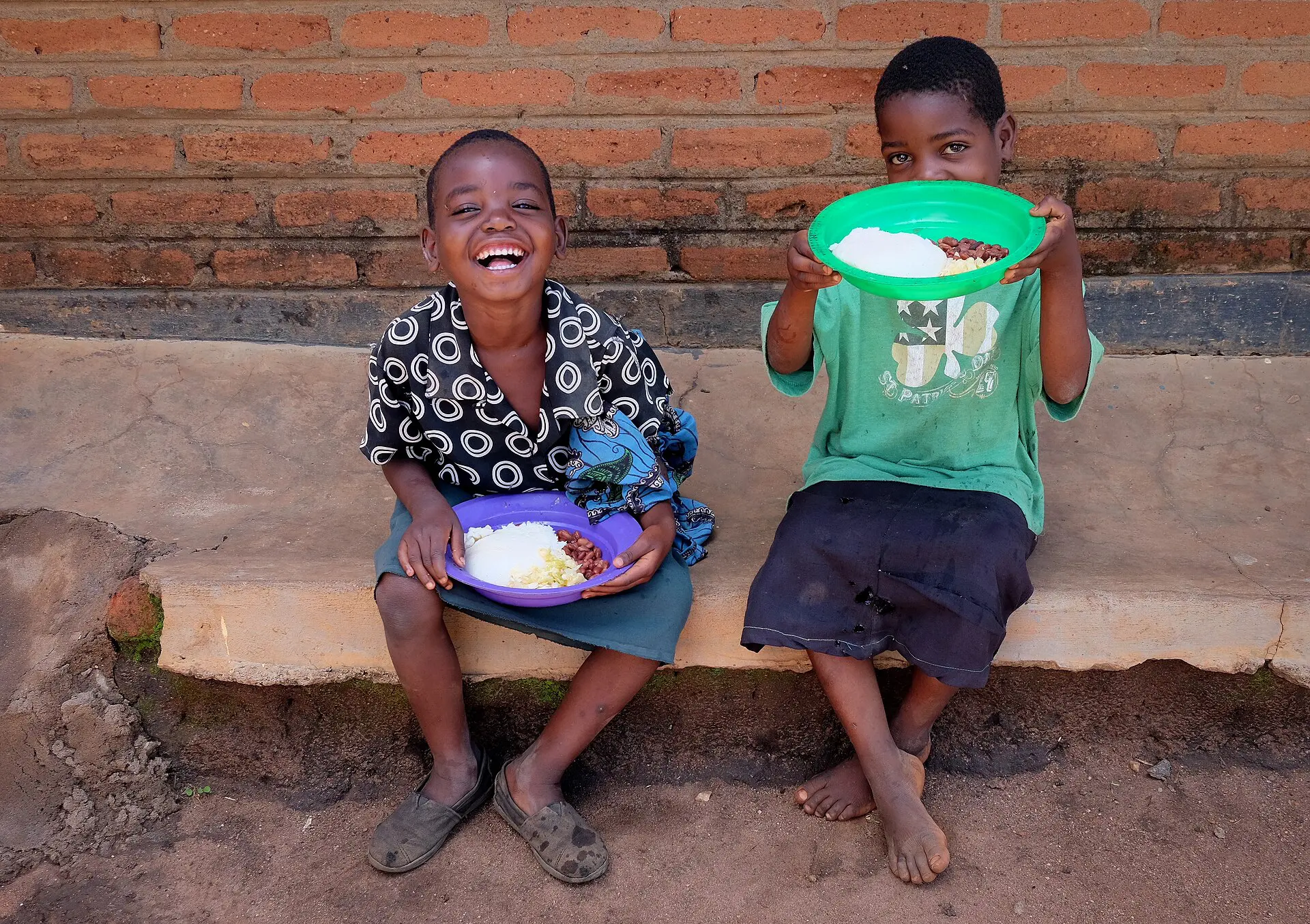
- Nsima: a thick maize porridge, the staple food, served with relish of vegetables, beans, meat or fish.
- Chambo: a prized tilapia from Lake Malawi, often grilled whole with chips or nsima.
- Kapenta (usipa): small dried or fried lake fish, sold at markets and eaten with nsima.
- Nyama: grilled or stewed meat, including goat and beef, often at roadside stalls.
- Mandasi: fried dough balls, similar to doughnuts, sold at markets and bus stops for breakfast.
- Thobwa: a lightly fermented maize drink, usually sold in plastic bottles.
- Beer and spirits: Carlsberg Green is the local beer, and locally made gin is common. Traditional Chibuku maize beer is sold in cartons.
- Tea and coffee: grown in the southern highlands and sold in cafés.
Vegetarians can eat beans, vegetables, eggs and nsima, though many relishes include fish or meat. Lakeside lodges serve fresh chambo, while Lilongwe and Blantyre have international restaurants. Eat hot, freshly cooked food and drink bottled water to lower the risk of stomach trouble.
Culture, language and etiquette in Malawi
English and Chichewa (Chewa) are the official languages, and many people also speak regional languages such as Tumbuka, Yao and Lomwe. English is widely understood in towns and tourism, and a few Chichewa words go a long way: muli bwanji (how are you) and zikomo (thank you).
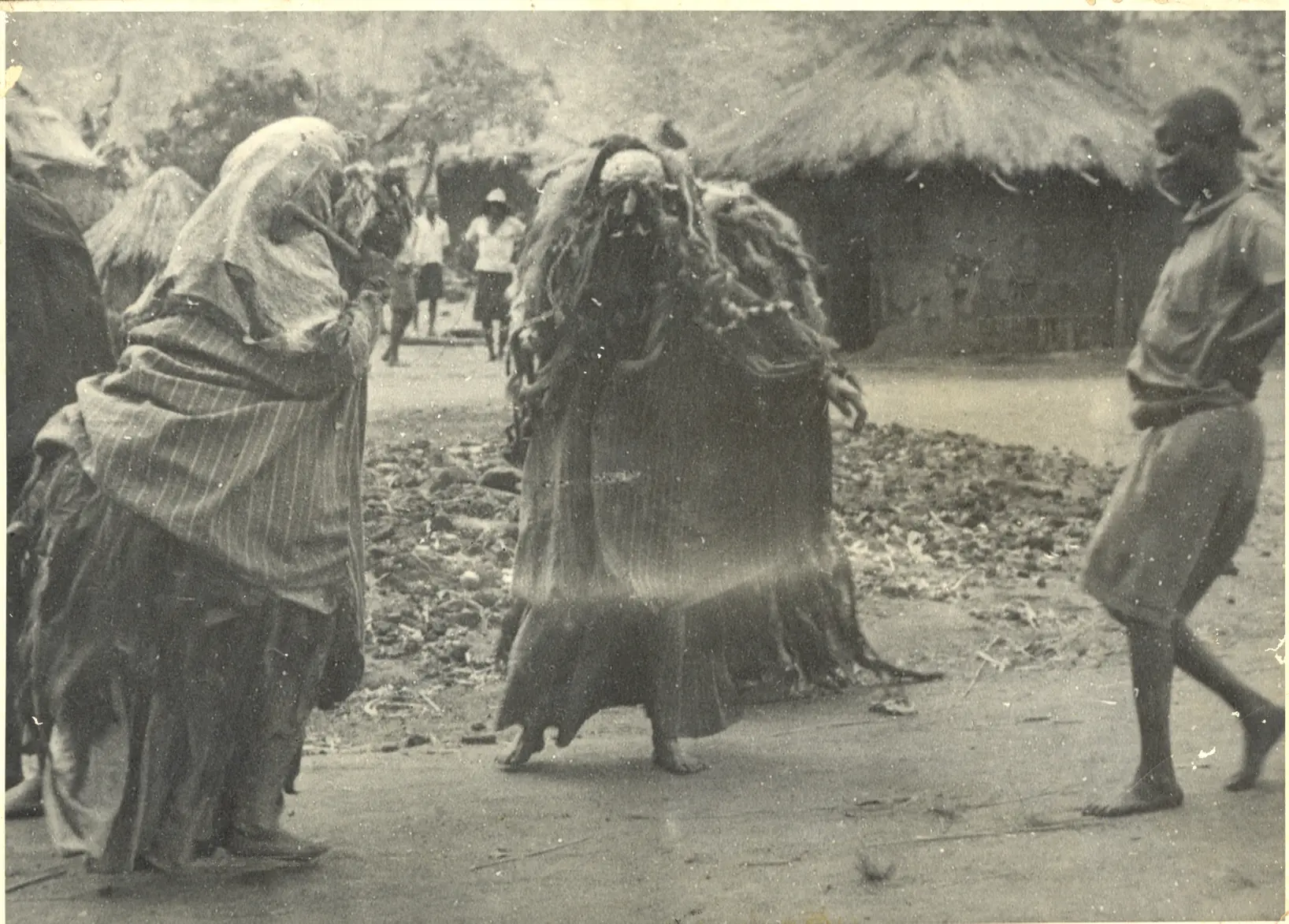
Malawians are known for politeness and warmth. Greetings matter: take time to ask how someone is before asking for anything, and shake hands, often with the left hand supporting the right forearm as a sign of respect. Use the right hand for giving and receiving. Most people are Christian, with a large Muslim minority, especially along the lake, and religious holidays and Sunday services are important.
Dress modestly, especially in villages and mosques, and avoid wearing very short clothing away from beaches. Ask permission before photographing people, and do not photograph government buildings, police or the military. If you visit a village, bring a small gift for the chief or host, and follow your guide’s advice. Avoid public displays of affection, and note that same-sex relationships are illegal and carry risks.
Malawi itinerary: a 7-day route
This route runs from Lilongwe to the southern lake and back via Liwonde, using a private driver or rental car because public connections are slow.
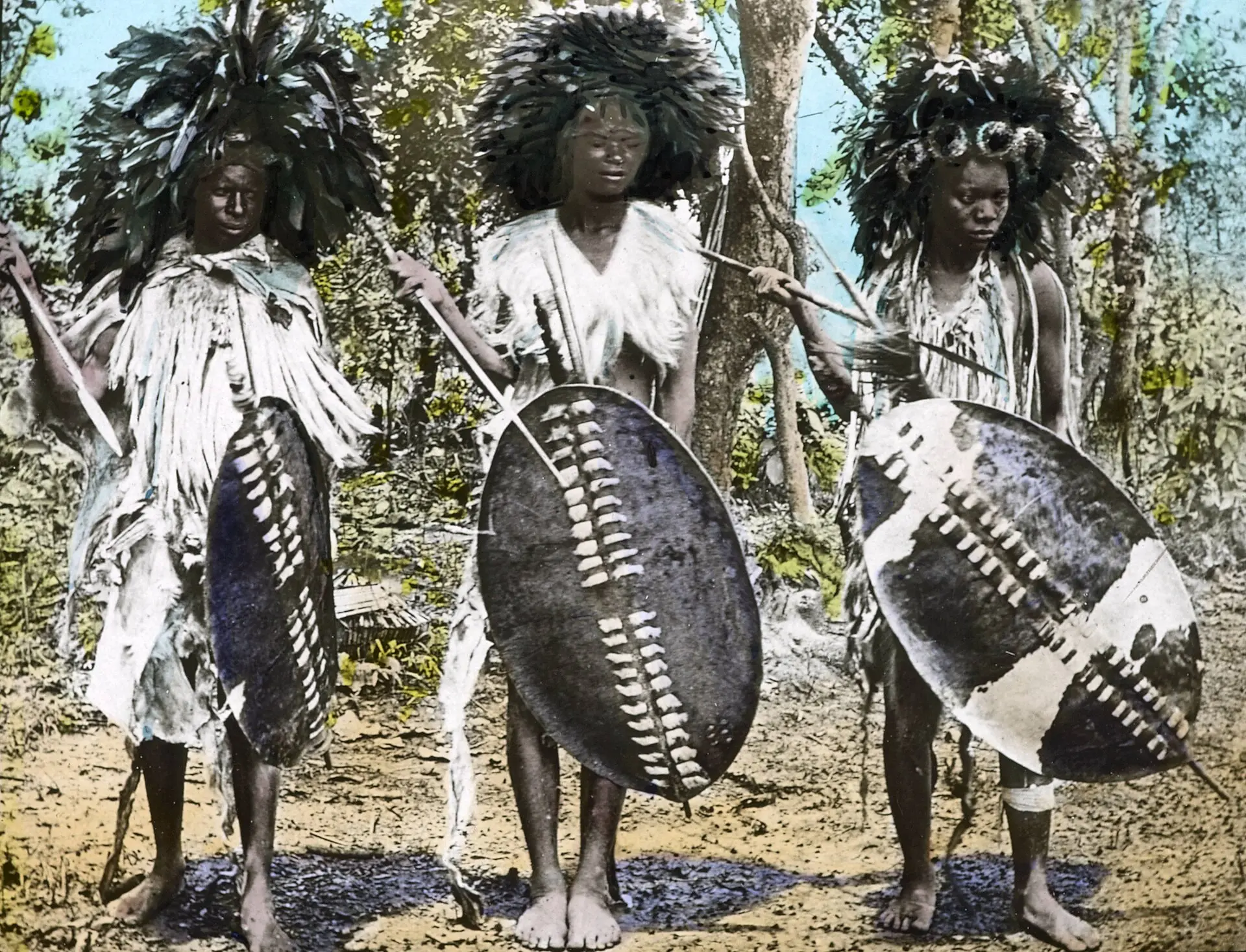
- Day 1, Lilongwe: arrive, visit a craft market and the Old Town, and eat grilled fish or nyama.
- Day 2, Lake Malawi: drive about four to five hours to Mangochi or Cape Maclear and settle in at a lakeside lodge.
- Day 3, Cape Maclear: snorkel, kayak or take a boat trip to the islands in Lake Malawi National Park.
- Day 4, Liwonde: drive about three hours to Liwonde National Park and take a sunset river safari.
- Day 5, Liwonde: go on a morning game drive or walking safari, then continue to Zomba.
- Day 6, Zomba Plateau: walk to waterfalls and viewpoints, then drive to Blantyre (about an hour).
- Day 7, Blantyre or Lilongwe: fly from Chileka or drive about five to six hours back to Lilongwe for departure.
In the rainy season, skip Zomba’s forest tracks and add extra lake time. For a longer trip, add Mount Mulanje or Nkhata Bay. Book safari lodges ahead.
Practical tips for Malawi
- Money: the Malawian kwacha is the currency. ATMs exist in main towns but are unreliable, so carry US dollars to exchange at banks or forex bureaus and bring plenty of small notes.
- SIM and eSIM: local SIM cards are cheap, and coverage is good in towns but patchy in parks and on the lake.
- Plugs: type G (UK-style) at 230 V. Power cuts are common, so bring a power bank.
- Tipping: not required, but around 10 percent in restaurants and small change for guides and porters is appreciated.
- Health: consult a travel clinic about malaria, vaccines and schistosomiasis, and carry insurance with medical evacuation.
- Packing: light neutral clothes, a warm layer for highland evenings, a head torch, sunscreen and insect repellent.
- Fuel and transport: fill up when you can, and plan for delays and shortages.
- Responsible travel: buy crafts from local sellers and follow guidance on village visits.
For heritage planning, see the UNESCO page for Malawi, which lists Lake Malawi National Park, Chongoni rock art and Mount Mulanje.
FAQ
Q1What is Malawi food like?
Malawi food centres on nsima, a thick maize porridge eaten with relish of vegetables, beans, meat or fish. Try grilled chambo from Lake Malawi, kapenta, mandasi fried dough and thobwa. Carlsberg Green is the local beer. Vegetarians can eat beans and vegetables.
Q2Is Malawi safe?
Generally yes. Malawians are welcoming and violent crime against tourists is uncommon. Main risks are petty theft, poor roads, malaria and bilharzia in some parts of the lake. Avoid driving at night, follow advice on swimming and check your government's travel advice.
Q3What are the best things to do in Malawi?
Snorkel at Cape Maclear, take a boat safari at Liwonde, trek Mount Mulanje, hike Zomba Plateau, visit Likoma Island, explore Nyika Plateau and join a village homestay. Lake Malawi is the central attraction for most trips.
Q4What is the best time to visit Malawi?
May to October is best, with dry weather, open roads and good wildlife viewing from July. The lake is warm year-round. The rainy season from November to March brings storms and muddy roads but green landscapes and good birdwatching.
Q5What are the best places to visit in Malawi?
Lake Malawi at Cape Maclear and Nkhata Bay, Liwonde National Park for safaris, Zomba Plateau and Mount Mulanje for hiking, Likoma Island for quiet beaches and Nyika Plateau for remote highlands. Lilongwe and Blantyre are the main gateways.
Q6Do I need a visa for Malawi?
It depends on your nationality. Many visitors can obtain an e-visa or a visa on arrival for around USD 50, while some countries are visa-free for up to 90 days. A few nationalities must apply in advance. Confirm with official sources before booking.
Q7Is Malawi safe to visit for solo travellers and women?
Solo travel is common and Malawi is considered friendly, though women should expect attention and use common sense. Avoid walking alone at night, use registered taxis, dress modestly and tell your lodge your plans before treks. Check current government advice.