Why visit Madagascar
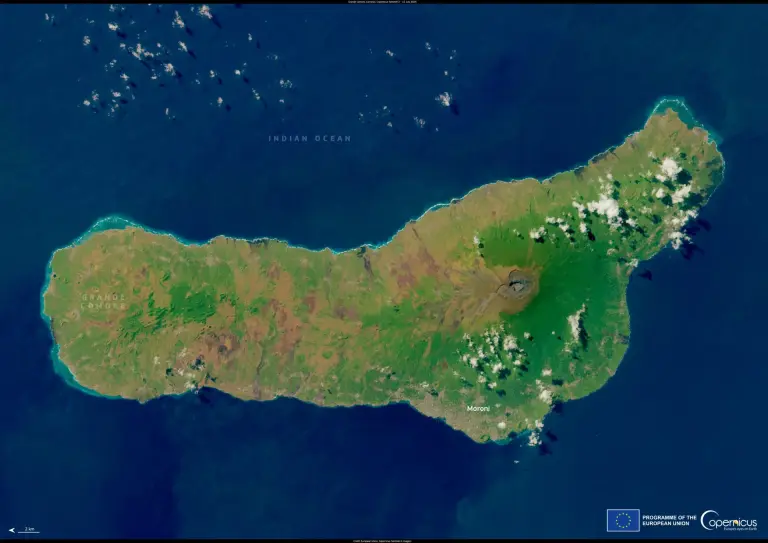
The things to do in Madagascar are unlike those in any other country, because the island separated from the African mainland around 180 million years ago and from India about 90 million years ago. According to the Wikipedia overview, more than 90 percent of its wildlife is endemic, including over 100 species of lemurs, chameleons, giant baobab trees and spiny forest. It is the world’s fourth-largest island, so you can see rainforest, desert-like plateaus, limestone needles and tropical beaches in one trip.
Madagascar suits wildlife lovers, photographers, hikers and travellers who accept slow journeys and basic comforts. It is not ideal for visitors who need tight schedules, because roads are poor, domestic flights change, and long distances are slow. Most visitors spend two to three weeks, but a 7-day trip focused on one region can still be rewarding. The Malagasy are largely of Austronesian descent, and the culture blends Southeast Asian, African and French influences.
Best places to visit in Madagascar
The best places to visit in Madagascar are spread across a very large island, so choose one or two regions rather than trying to see everything.
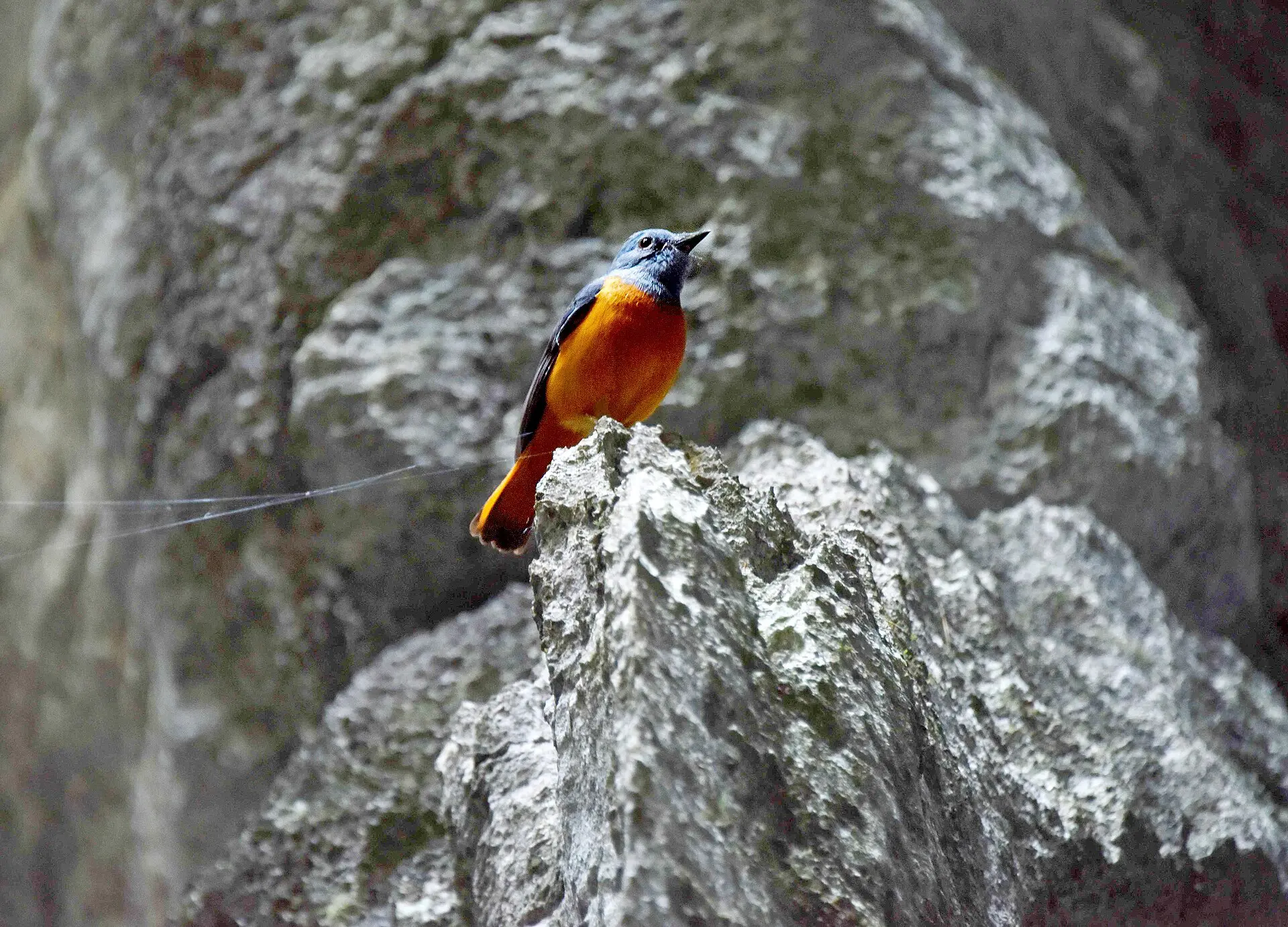
Antananarivo and the highlands
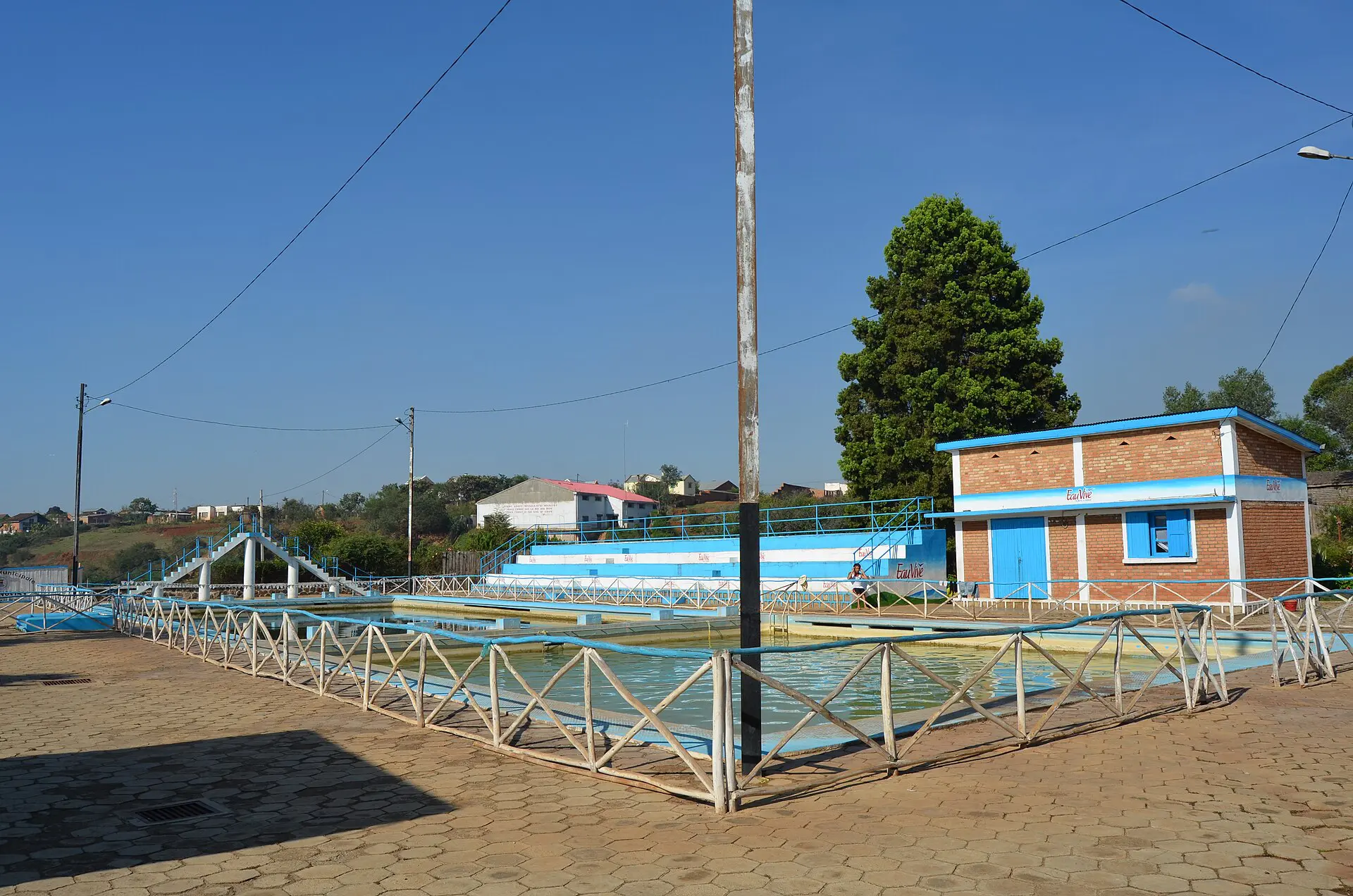
The capital, known as Tana, is a hilly city with a historic royal hill, markets and busy traffic. Antsirabe, a cooler town south of the capital, is known for colonial architecture, thermal baths and rickshaws.
Andasibe-Mantadia
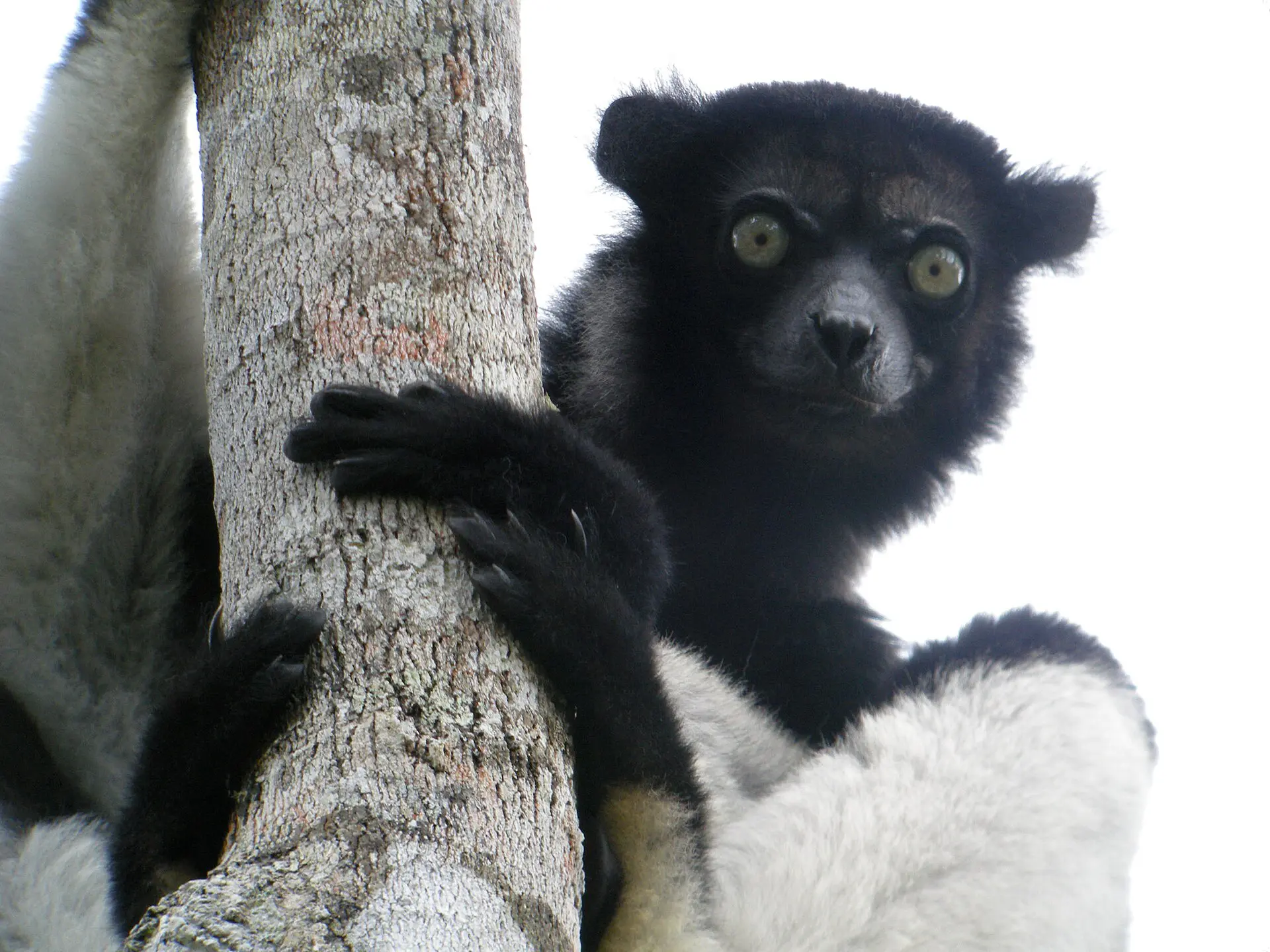
East of Tana, this rainforest area is the best-known place to see and hear the indri, the largest living lemur. Night walks reveal small nocturnal lemurs and frogs. It is the easiest wildlife stop from the capital.
Ranomafana and the south
Ranomafana National Park protects rainforest with golden bamboo lemurs and many other species. Further south, Isalo National Park has sandstone canyons, natural pools and ring-tailed lemurs.
Morondava and the west
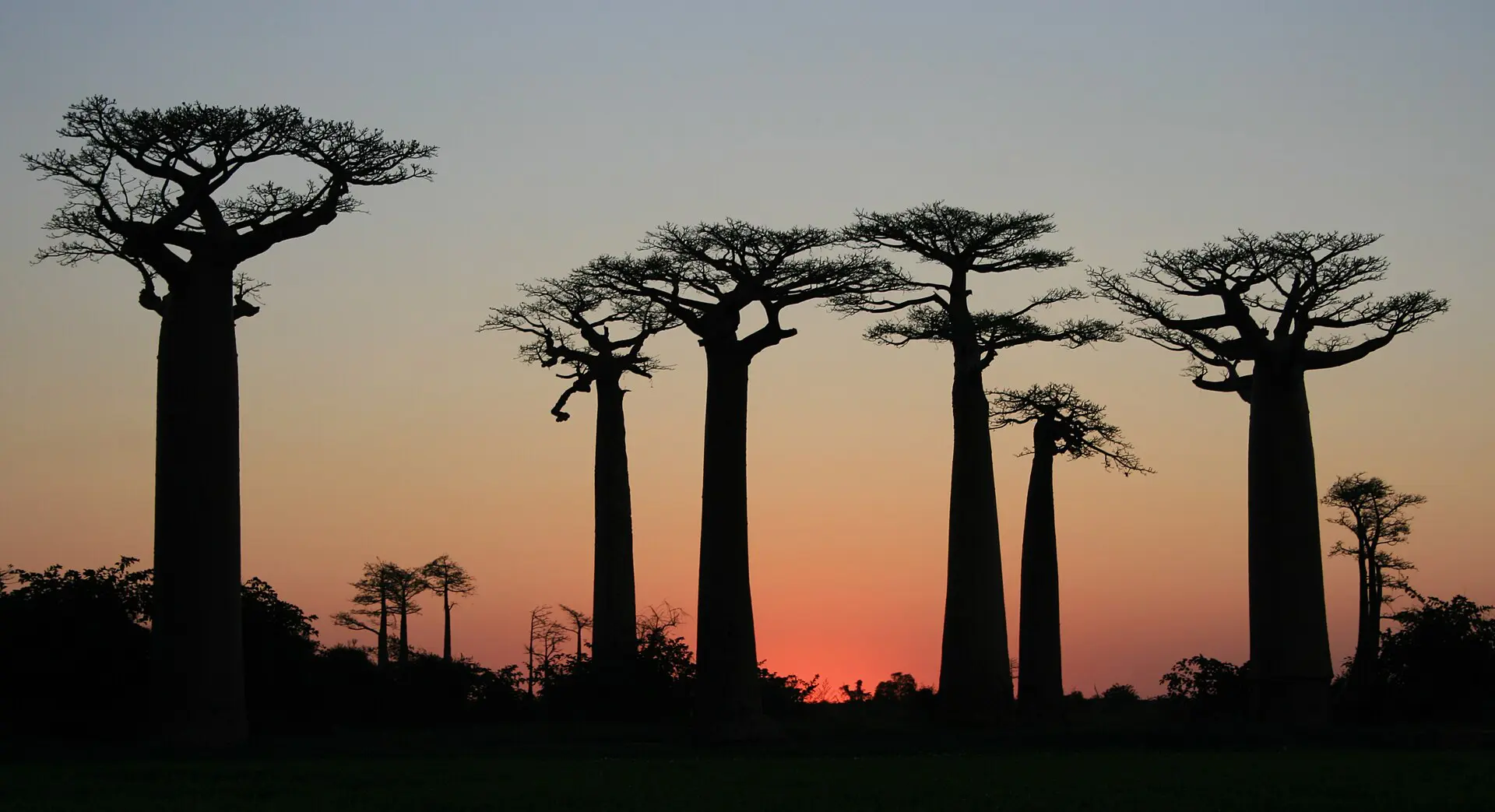
The Avenue of the Baobabs near Morondava is the most photographed landscape in the country. The Tsingy de Bemaraha reserve, a UNESCO site, has razor-sharp limestone pinnacles and suspension bridges, though access is difficult and season-limited.
Nosy Be, Sainte-Marie and the coast
Nosy Be in the north-west is the main beach island, with diving and snorkelling. Île Sainte-Marie on the east coast has whale watching from July to September and quiet beaches.
Top things to do in Madagascar
The top things to do in Madagascar centre on wildlife, landscapes and coast, and each usually needs a guide and a day or two.
- See indri at Andasibe: their calls carry for kilometres across the forest at dawn.
- Walk among ring-tailed lemurs: Anja Reserve near Ambalavao and Isalo are the best-known places.
- Drive the Avenue of the Baobabs: aim for sunrise or sunset when the trees glow orange.
- Cross the Tsingy de Bemaraha: a via ferrata-style route climbs through the limestone pinnacles.
- Hike Isalo National Park: trails lead to canyons and the natural swimming pools.
- Look for chameleons and night lemurs: guided night walks at Ranomafana and Andasibe reveal small species.
- Go whale watching at Sainte-Marie: humpbacks pass the island between July and September.
- Snorkel or dive around Nosy Be: nearby islands such as Nosy Tanikely have coral and turtles.
- Visit Antsirabe’s craft markets: look for gemstones, wood and embroidery.
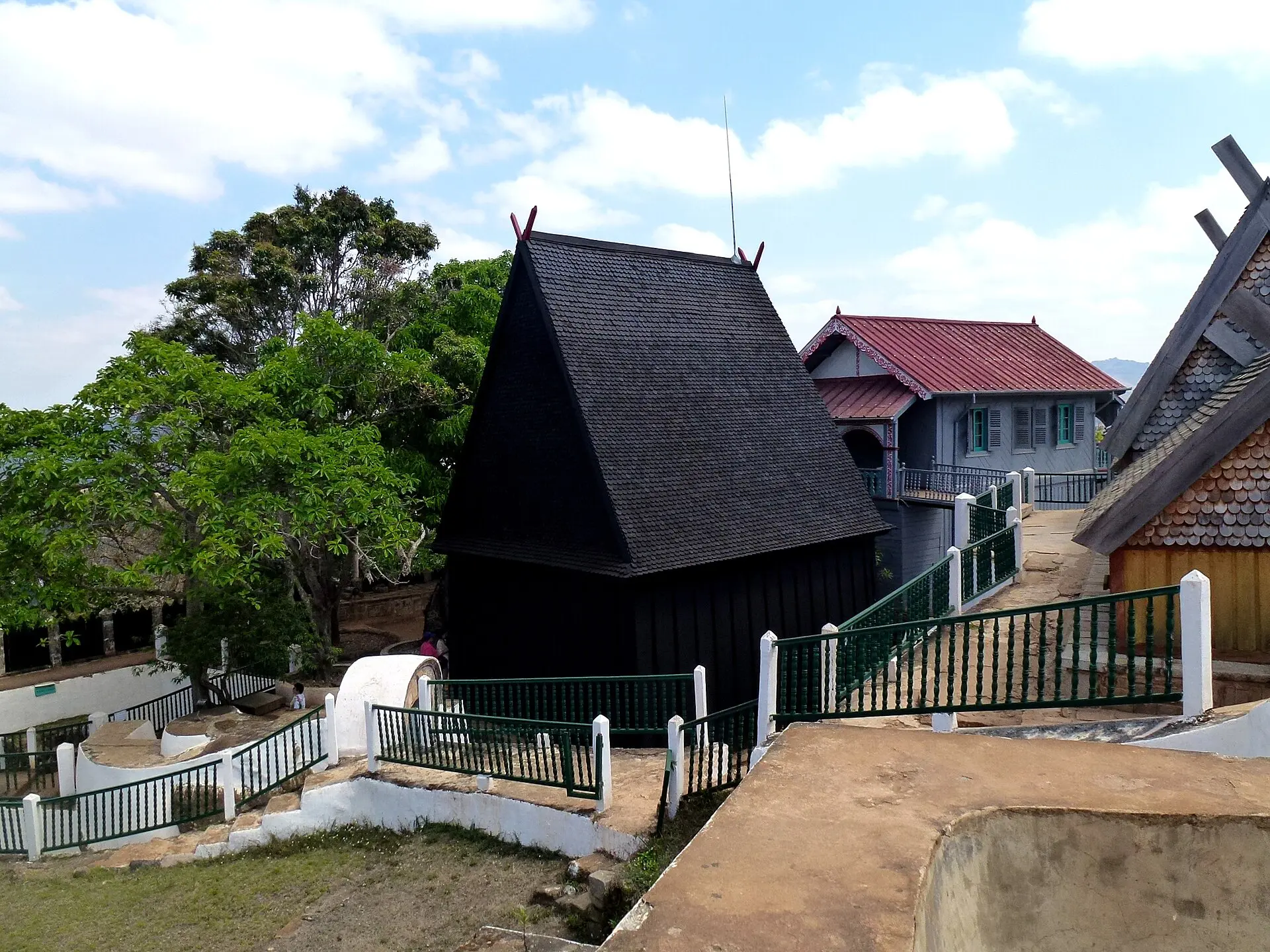
- Tour Ambohimanga: the Royal Hill near Tana is a UNESCO World Heritage site.
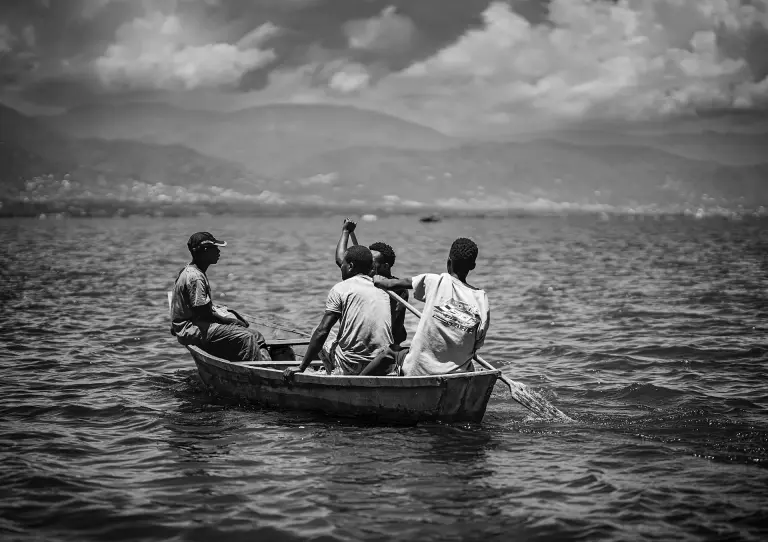
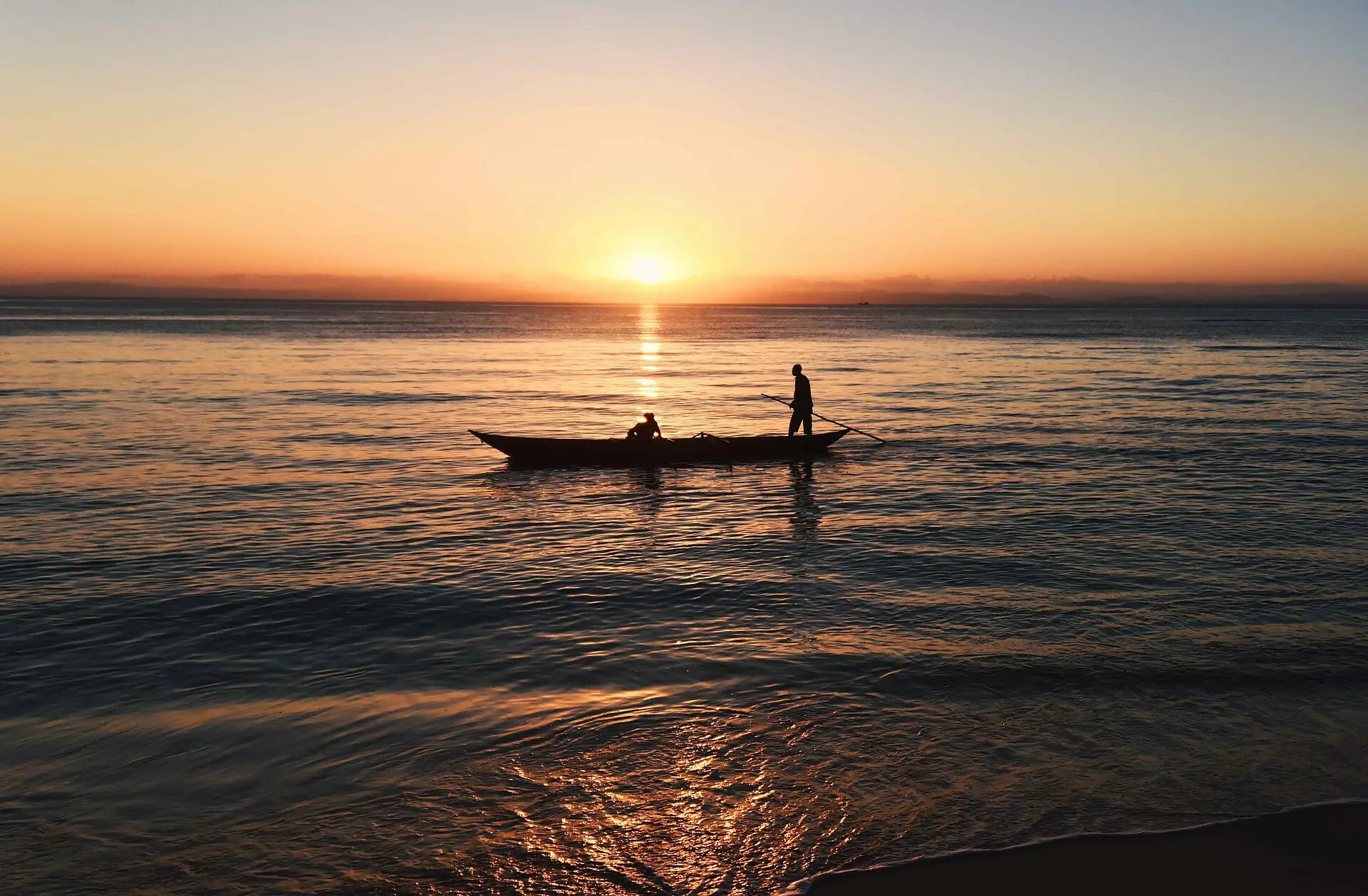
- Take a pirogue trip: boats on the Tsiribihina river or Canal des Pangalanes show rural life.
Best time to visit Madagascar
The best time to visit Madagascar is the dry season from April to November, when roads are more passable and wildlife viewing is easier. Madagascar has two seasons: a hot, rainy season from November to April and a cooler, dry season from May to October. Cyclones occur in the rainy season, mostly on the east coast, so avoid January to March for travel there.
| Season | Weather | Crowds and prices | Good for |
|---|---|---|---|
| Dry, cool (May-Aug) | Sunny days, cool nights in the highlands | High-season prices from July | Baobabs, Isalo, whales from July |
| Dry, warming (Sep-Oct) | Warm, dry, some haze | Busy, good value outside school holidays | Lemur babies, Nosy Be, Tsingy |
| Early wet (Nov-Dec) | Hot, storms build | Quiet and cheaper | Chameleons, rainforest, birds |
| Cyclone season (Jan-Mar) | Hot, humid, heavy rain, cyclones | Very quiet | Budget travel, limited access |
The Tsingy and many dirt tracks in the west can be closed in the rains. The east coast is wetter all year, with up to 3,500 mm of rain annually.
Is Madagascar safe to visit?
Madagascar is generally workable for tourists who plan carefully, but it carries higher risks than most destinations, so take extra care. Is Madagascar safe depends on where you go: the main tourist routes see few serious incidents, while some rural areas and cities have crime, banditry and political tension. Check your government’s current travel advice, such as the UK FCDO or US State Department pages, before you book.
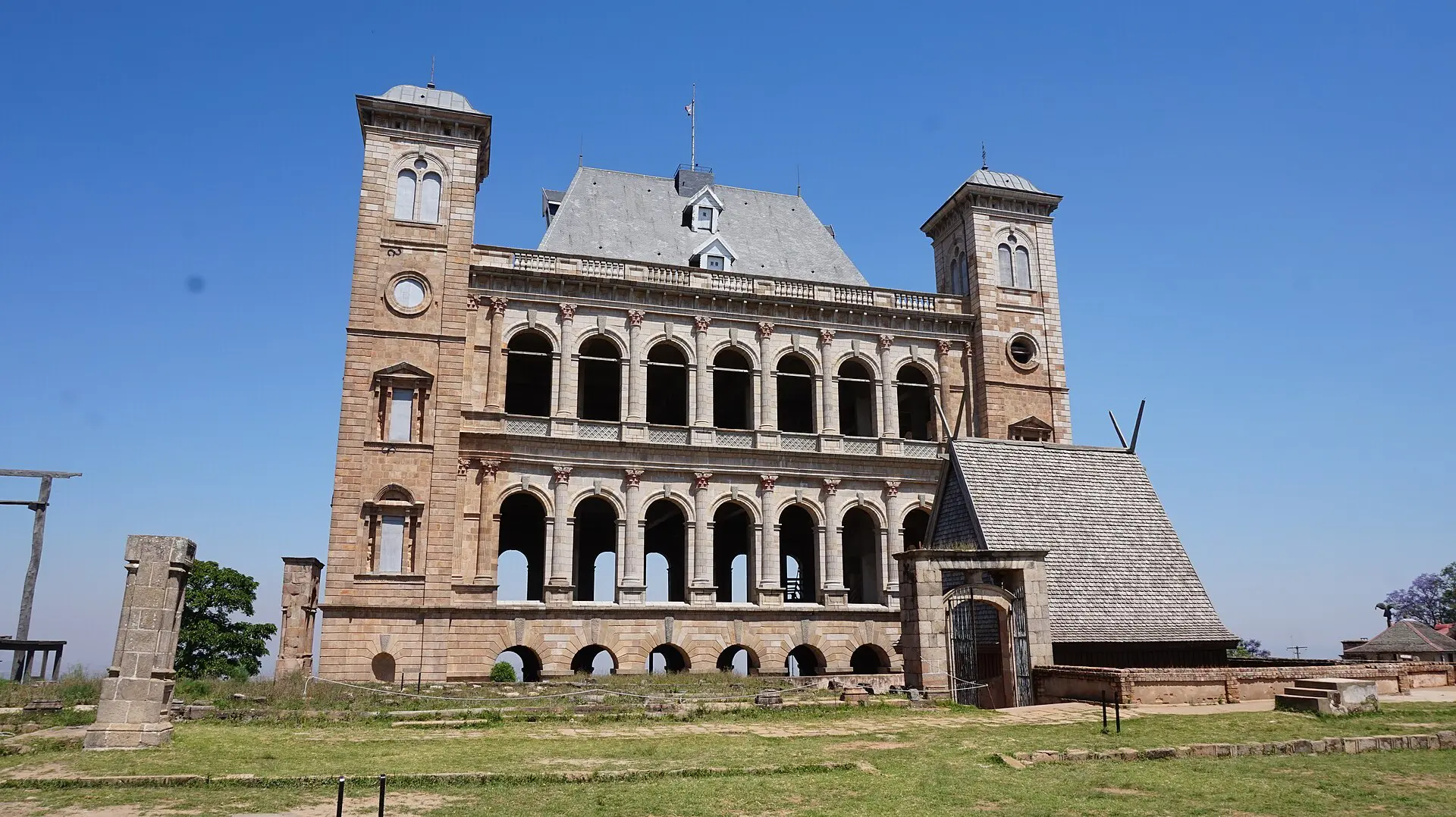
Political situation. The country has had periods of unrest, including protests and a change of leadership in late 2025. Avoid demonstrations, follow local news and check advisories shortly before departure.
Crime. Pickpocketing and bag snatching occur in Antananarivo and other cities. Avoid walking at night, keep valuables out of sight and use hotel-arranged transport. Armed banditry affects some rural roads, so travel in daylight with a reputable driver.
Health. Malaria is present, so take prophylaxis advice. Plague cases occur seasonally, mainly in the highlands. Drink only bottled or treated water, and carry travel insurance with medical evacuation.
Hazards. Cyclones and floods affect roads in the wet season, and thunderstorms in the highlands bring lightning. Domestic flights and roads are slow and may be delayed, so leave buffer time.
Madagascar visa and entry requirements
Entry rules depend on your nationality, and the Madagascar visa system has changed in recent years. Most visitors have been able to obtain a tourist visa on arrival at the main airports or through an online e-visa system, with stays of up to 30, 60 or 90 days available for a fee. Some nationalities need a visa in advance, so confirm the current rule for your passport with the Malagasy immigration authority or your nearest embassy.
Bring a passport valid for at least six months from arrival with enough blank pages, a return or onward ticket and proof of accommodation. Fees and procedures at Ivato airport in Antananarivo can vary, so carry cash in euros or US dollars as a backup, and keep the receipt for your visa.
Vaccination requirements, including yellow fever if you arrive from a risk country, may apply. Check the health advice from your national travel health service. The Wikivoyage Madagascar guide covers further entry notes, but it is not an official source.
Getting to and around Madagascar
Most international visitors arrive at Ivato International Airport in Antananarivo, with connections via Paris, Nairobi, Addis Ababa, Johannesburg, Mauritius and Réunion, and some seasonal charters to Nosy Be. Flight availability varies, so book early.
Inside the country, distances are large and roads are slow. The main highway, the RN7, runs from Antananarivo south through Antsirabe and Fianarantsoa to Toliara, and driving it takes several days with stops. Antananarivo to Andasibe takes about three to four hours by car, to Antsirabe about three to four hours, and to Morondava about 10 to 12 hours by road. Many travellers hire a 4×4 with a driver and guide, which is usually required for national parks and rural tracks.
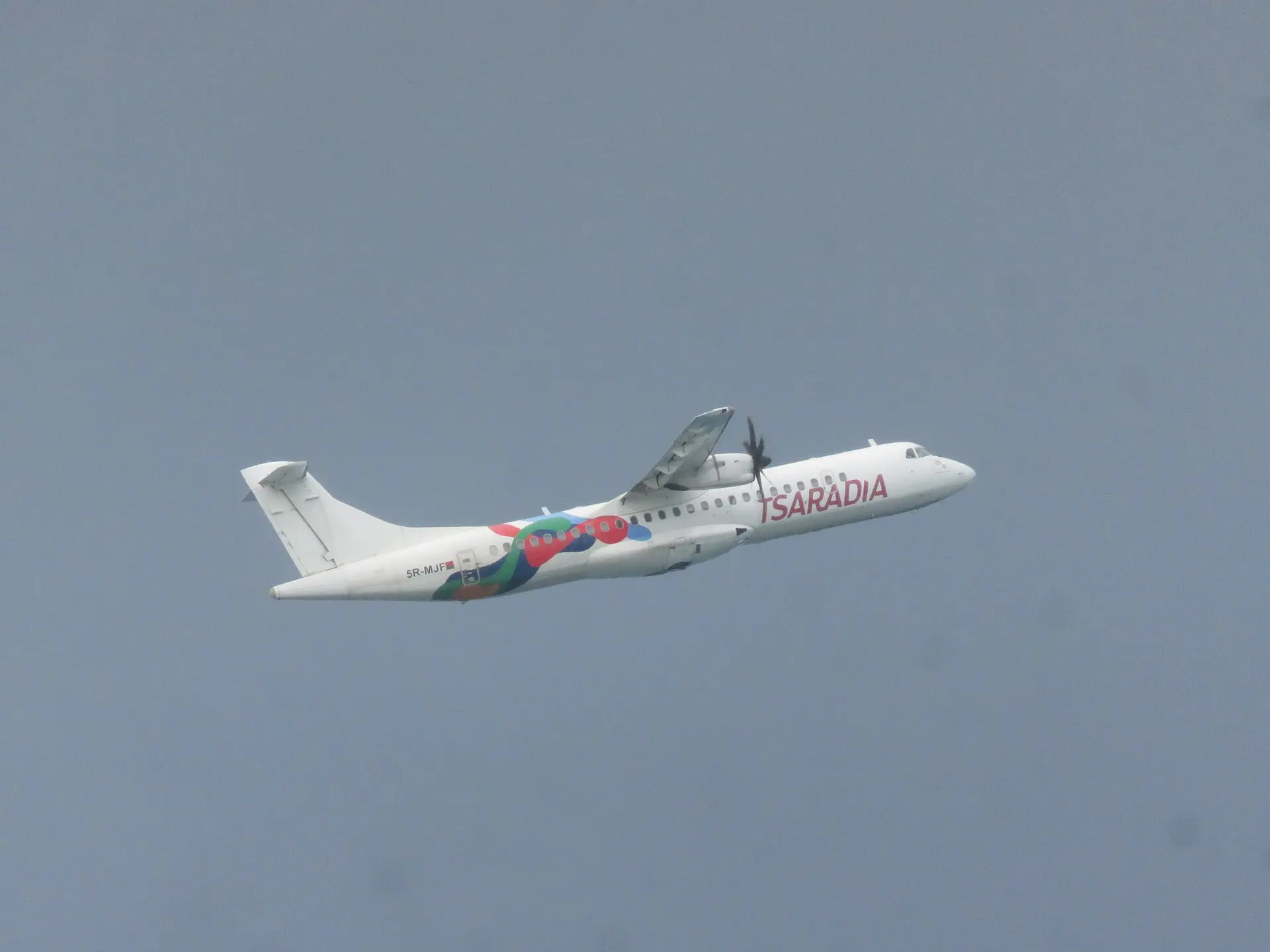
Domestic flights save time on routes such as Antananarivo to Morondava, Toliara and Nosy Be, but schedules change and flights may be cancelled. Shared taxi-brousses are cheap but crowded and slow. Trains are limited and unreliable. Do not travel by road at night, and allow extra days around flights in the rainy season.
How much does a trip to Madagascar cost?
Madagascar can look cheap on paper but costs add up, because international flights, domestic flights, park entry, guides and 4×4 hire are significant. The currency is the Malagasy ariary (MGA); cash is essential outside major hotels. Figures below are rough per-person guides for the 2026 season.
- Budget: around USD 30 to 60 per day, with simple guesthouses, local food and taxi-brousses.
- Mid-range: around USD 60 to 130 per day, with comfortable lodges, a private driver and guide and some domestic flights.
- High-end: from around USD 250 per day, with luxury lodges, charter flights and private tours.
Daily costs do not include the main expenses: park entry fees, mandatory guides and a private vehicle can add USD 100 per day or more for a group. Meals in local restaurants (hotely) are cheap, while tourist restaurants and beach resorts cost more. Costs rise in July and August, and a group tour often works out cheaper than arranging transport alone.
Madagascar food and drink
Madagascar food is built on rice, which Malagasy people eat at almost every meal, served with a laoka, an accompaniment of vegetables, meat or fish. French, Indian, Chinese and Southeast Asian influences appear across the menus.
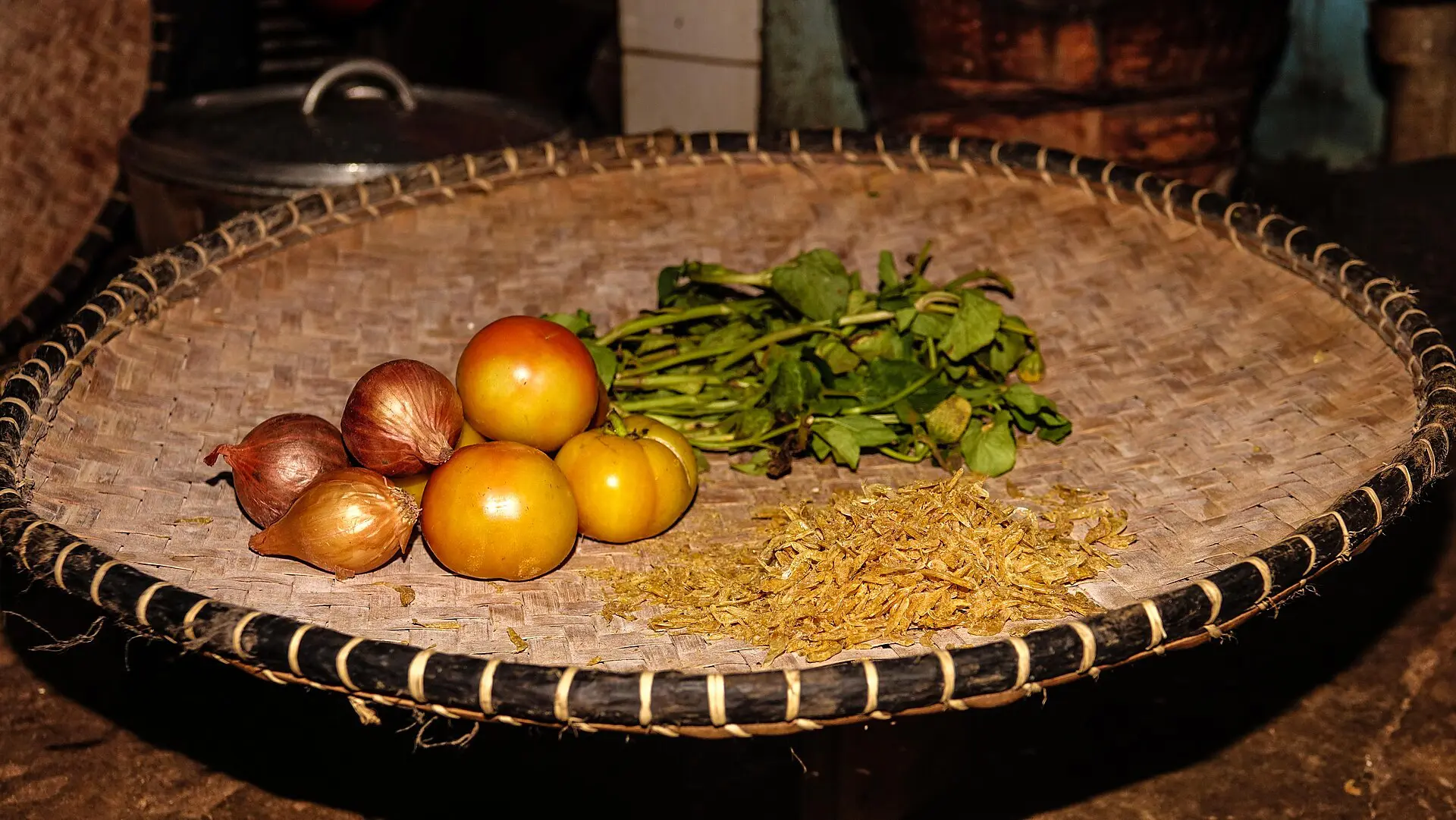
- Romazava: a stew of zebu beef with leafy greens and ginger, often called the national dish.
- Ravitoto: ground cassava leaves cooked with pork and served with rice.
- Vary amin’anana: rice cooked with greens, a simple everyday dish.
- Koba: a sweet cake of ground peanuts, rice flour and sugar wrapped in leaves.
- Mofo gasy: small rice-flour breads or cakes sold at street stalls for breakfast.
- Zebu brochettes and steak: grilled beef with chips, widely available.
- Seafood: prawns, lobster and grilled fish on the coast, especially Nosy Be and Toliara.
- Drinks: THB (Three Horses Beer), fresh juices, ranovola (a rice-water drink from the toasted crust of the pot) and spiced rum, called rhum arrangé.
Vanilla and spices come from the north-east, and chocolate is made locally. Vegetarians can eat rice, vegetables and beans, but should ask about meat stock. To avoid stomach problems, eat freshly cooked food and drink bottled or treated water.
Culture, language and etiquette in Madagascar
Malagasy is the language of daily life, and French is the second official language. French is understood in tourist areas, English is increasingly common in hotels and parks, and attempts to speak Malagasy are warmly welcomed. Useful words are salama (hello) and misaotra (thank you).
Madagascar has 18 ethnic groups, with the Merina of the highlands the largest. Ancestors are central to belief, and many communities follow fady, local taboos that may ban certain foods, days or places. Ask your guide about local fady before you enter a village, sacred forest or tomb, and respect them. Famadihana, a reburial ceremony in the highlands, is held in the dry season, and you should only attend if invited.
Greet people when you meet them, use your right hand to give and receive, and dress modestly in villages. Ask permission before photographing people, and avoid pointing at graves. Bargaining is normal in markets, but keep it friendly. Hosts appreciate small gifts such as school supplies rather than money for children, since cash can encourage begging.
Madagascar itinerary: a 7-day route
This route covers the most accessible highlights using the capital as a hub and one domestic flight. It avoids remote areas that governments advise against, and it should be arranged with a reputable operator who tracks current conditions.
- Day 1, Antananarivo: arrive, visit the Rova and upper town, and rest after the flight.
- Day 2, Andasibe: drive about three to four hours east, then take an evening night walk for small lemurs.
- Day 3, Andasibe: go out early to find indri, then return to Antananarivo in the afternoon.
- Day 4, Morondava: fly west (about an hour, if flights are running) and visit the Avenue of the Baobabs for sunset.
- Day 5, Kirindy and baobabs: make a day trip with a guide to a dry forest reserve and see more baobabs.
- Day 6, return: fly back to Antananarivo, shop for crafts and enjoy a final dinner.
- Day 7, departure: allow time for the airport, since traffic is heavy.
If flights are cancelled, replace days 4 to 6 with Antsirabe by road. For a longer trip, add Ranomafana and Isalo in the south. Always confirm flights shortly before departure.
Practical tips for Madagascar
- Money: the ariary is the currency. ATMs exist in Antananarivo and larger towns but often fail, so bring cash euros or dollars to exchange. Cards work only in bigger hotels.
- SIM and eSIM: local SIM cards are cheap, though coverage is patchy outside towns. Check roaming and eSIM options before departing.
- Plugs: types C, D, E, J and K at 230 V, so bring a universal adapter.
- Tipping: not required, but 5 to 10 percent or small change for guides, drivers and park staff is welcomed.
- Health: consult a travel clinic about malaria, vaccinations and plague precautions, and carry insurance with medical evacuation.
- Packing: light rain gear, sturdy shoes, a head torch for night walks, insect repellent and warm layers for the highlands.
- Booking: reserve flights, lodges and guides early for July to October, and allow buffer days for delays.
- Responsible travel: use licensed guides, follow park rules and do not feed wildlife.
For heritage planning, see the UNESCO page for Madagascar, which lists the Tsingy, Ambohimanga and the rainforests of the Atsinanana.
FAQ
Q1What is Madagascar food like?
Madagascar food centres on rice served with stews. Try romazava (zebu beef with greens), ravitoto (cassava leaves with pork), koba peanut cakes, mofo gasy breads and fresh seafood on the coast. THB beer and rhum arrangé are common drinks. Vegetarians can eat rice and vegetable dishes.
Q2Is Madagascar safe?
Madagascar is workable on established tourist routes, but it carries higher risks than most destinations: petty crime in cities, banditry on some rural roads, political unrest and health risks such as malaria. Travel with a reputable guide and check your government's current advice.
Q3What are the best things to do in Madagascar?
See indri lemurs at Andasibe, visit the Avenue of the Baobabs near Morondava, hike Isalo National Park, explore the limestone Tsingy de Bemaraha, watch humpback whales at Île Sainte-Marie from July to September and snorkel around Nosy Be.
Q4What is the best time to visit Madagascar?
April to November is best, with dry weather and easier roads. July to September suits whale watching, and September to November is good for lemurs with young. The rainy season, November to April, brings cyclones, especially on the east coast.
Q5What are the best places to visit in Madagascar?
Andasibe-Mantadia for indri, Ranomafana and Isalo for forests and canyons, Morondava for baobabs, the Tsingy de Bemaraha for limestone pinnacles, and Nosy Be or Île Sainte-Marie for beaches. Antananarivo and Antsirabe offer culture and craft shopping.
Q6Is Madagascar safe to visit for solo travellers and women?
Solo travel is possible but demands care, because transport is difficult and some areas carry crime risks. Women travellers often hire a guide or join a small group, avoid walking at night and dress modestly in villages. Check current government advice.
Q7Do I need a visa for Madagascar?
It depends on your nationality. Many visitors can get a tourist visa on arrival at the main airports or through an e-visa, for stays of up to 90 days for a fee. Some need to apply in advance, so confirm with official sources before booking.