Why visit Lebanon
The best things to do in Lebanon combine layers of history, a mountain-to-sea landscape and a food culture that is one of the most admired in the Middle East (see the Wikipedia overview for background). The country is only about 10,450 square kilometres, so you can ski, swim and visit a Phoenician port within the same day in the right season. Beirut is the cultural centre, with galleries, bars and a lively social scene.
Lebanon suits experienced, flexible travellers who follow current news and are comfortable adjusting plans at short notice. It is not a country for a rigid itinerary at present. Years of economic crisis, the 2020 Beirut port explosion and recurring conflict have affected daily life, and the situation can change quickly. If conditions allow and your government’s advice supports travel, visitors often describe the hospitality as exceptional. Arabic is the main language, French is widely spoken, and English is common.
Best places to visit in Lebanon
The best places to visit in Lebanon are concentrated along the coast and in the Mount Lebanon range. Check current advice for each area, as some regions are subject to stronger warnings than others.
Beirut
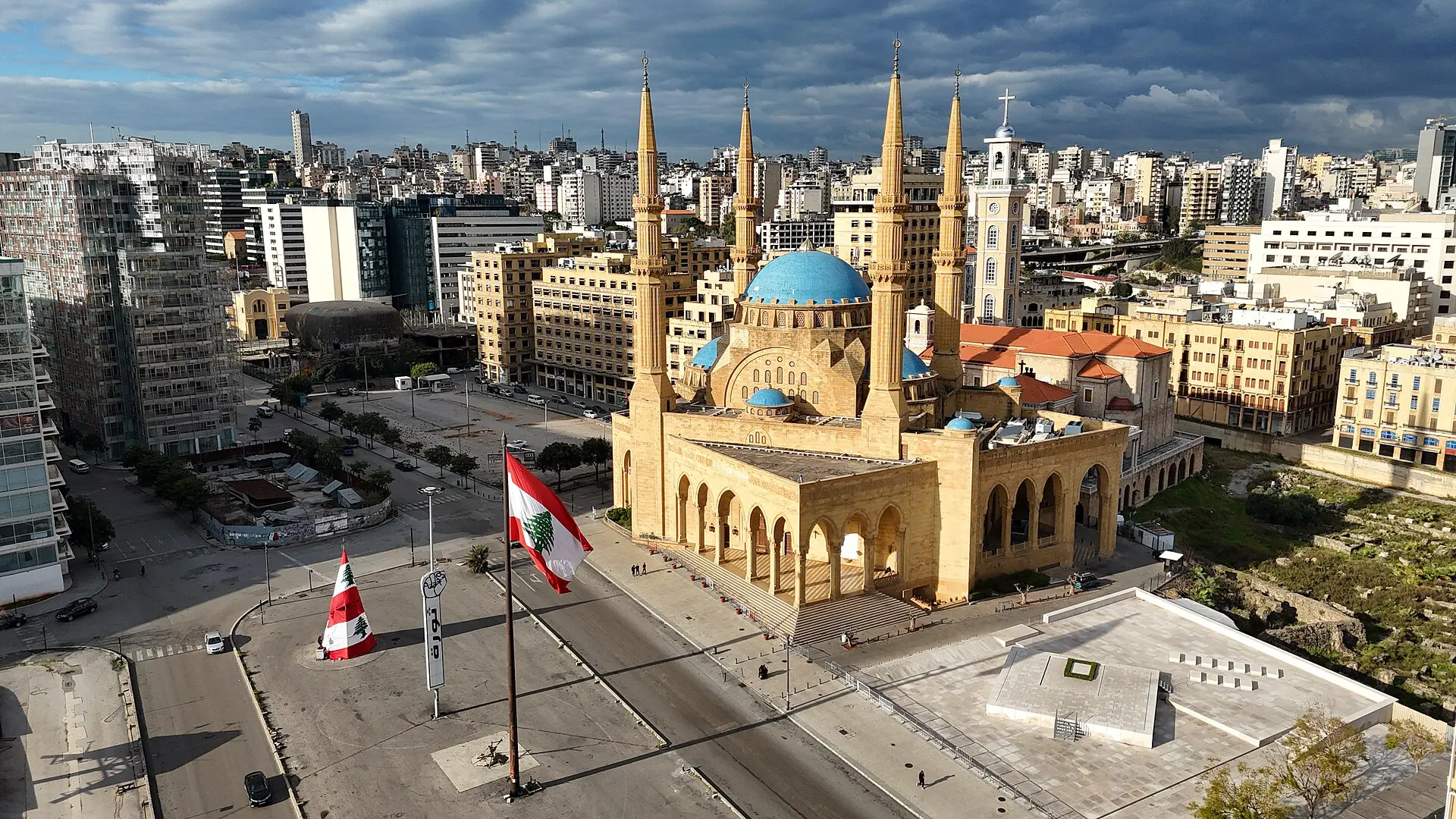
The capital is a dense, busy city of neighbourhoods such as Gemmayzeh, Mar Mikhael and Hamra, and a seafront Corniche that locals use at sunset. The National Museum holds a strong collection of Phoenician and Roman artefacts. The port area still shows damage from the 2020 explosion.
Byblos
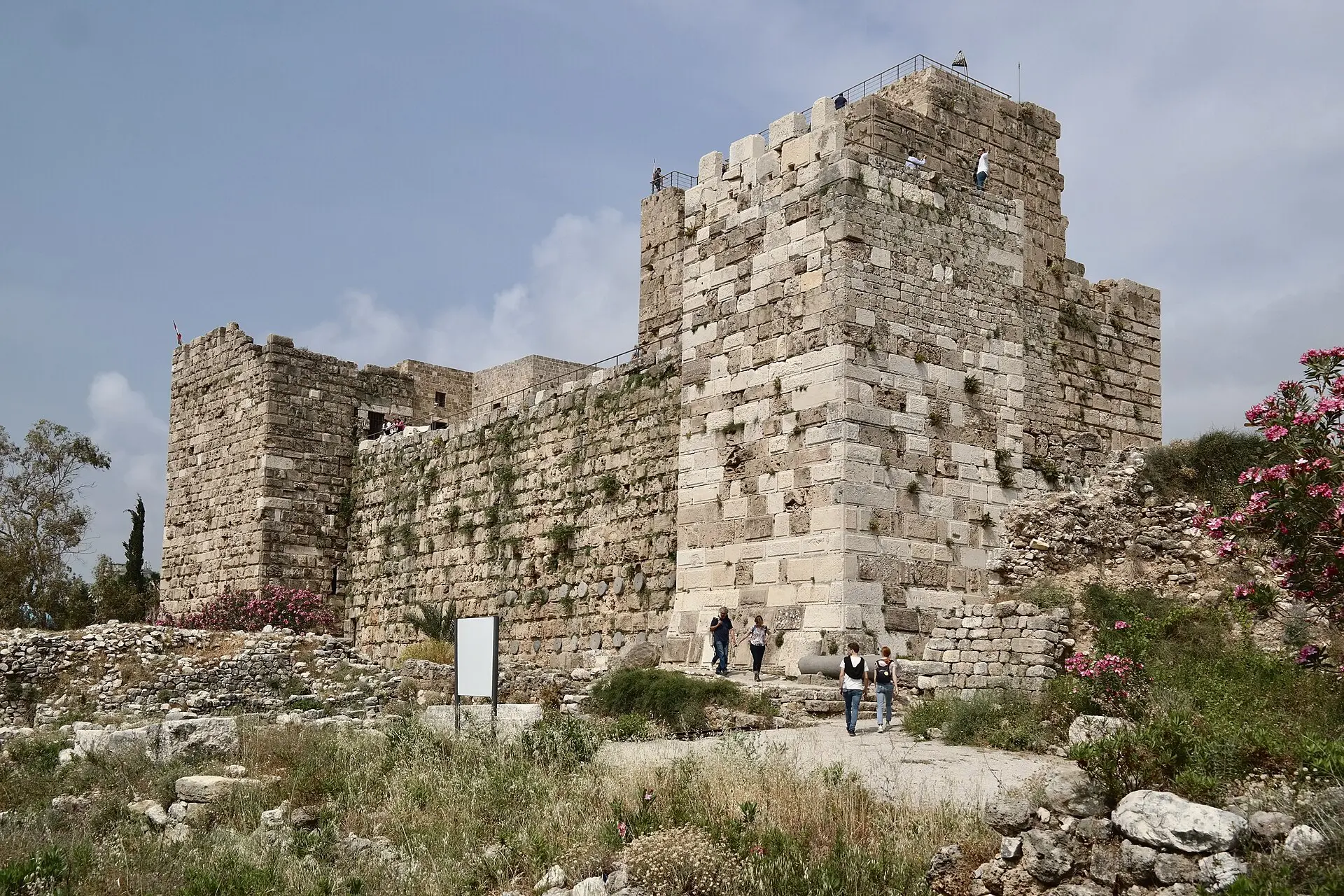
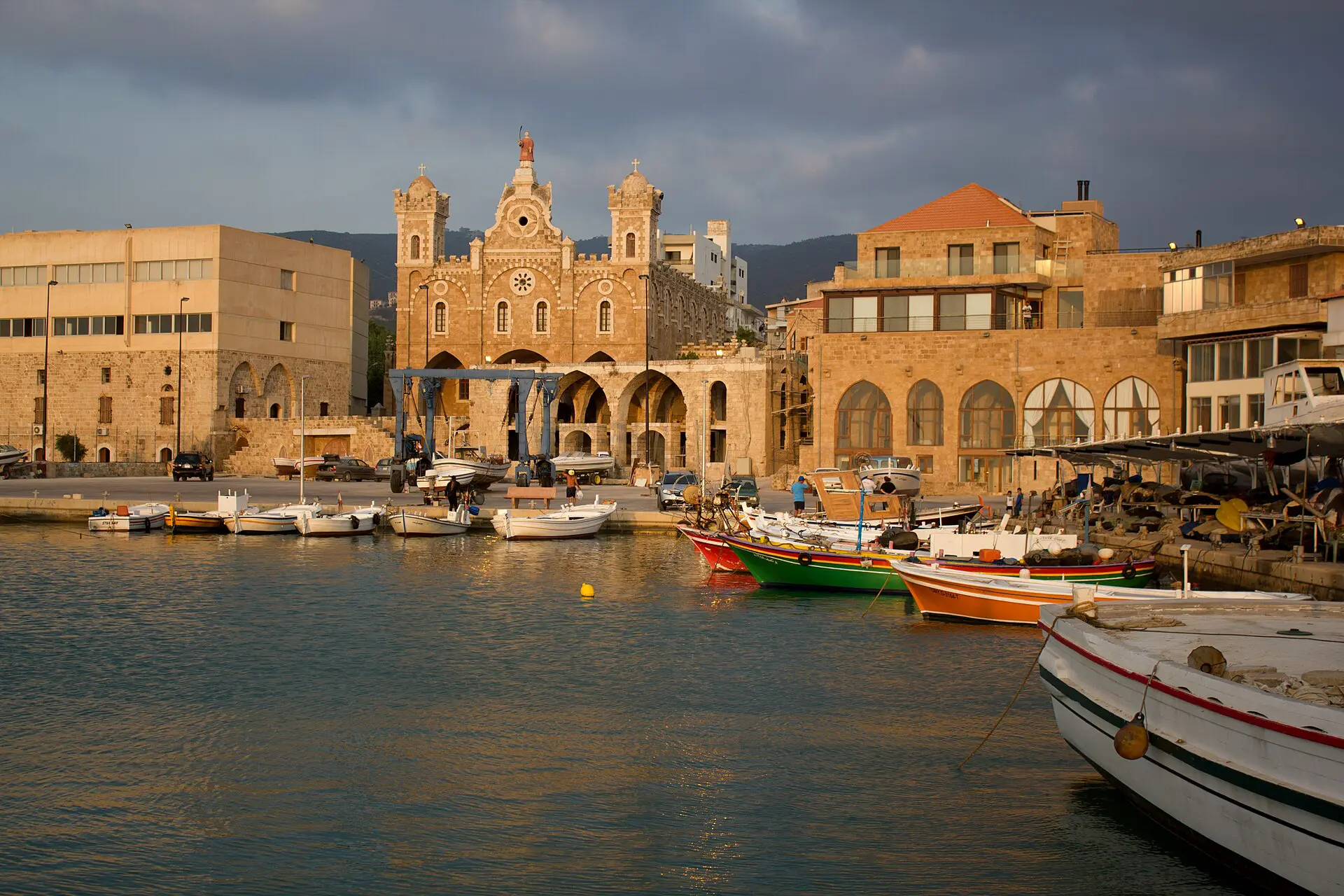
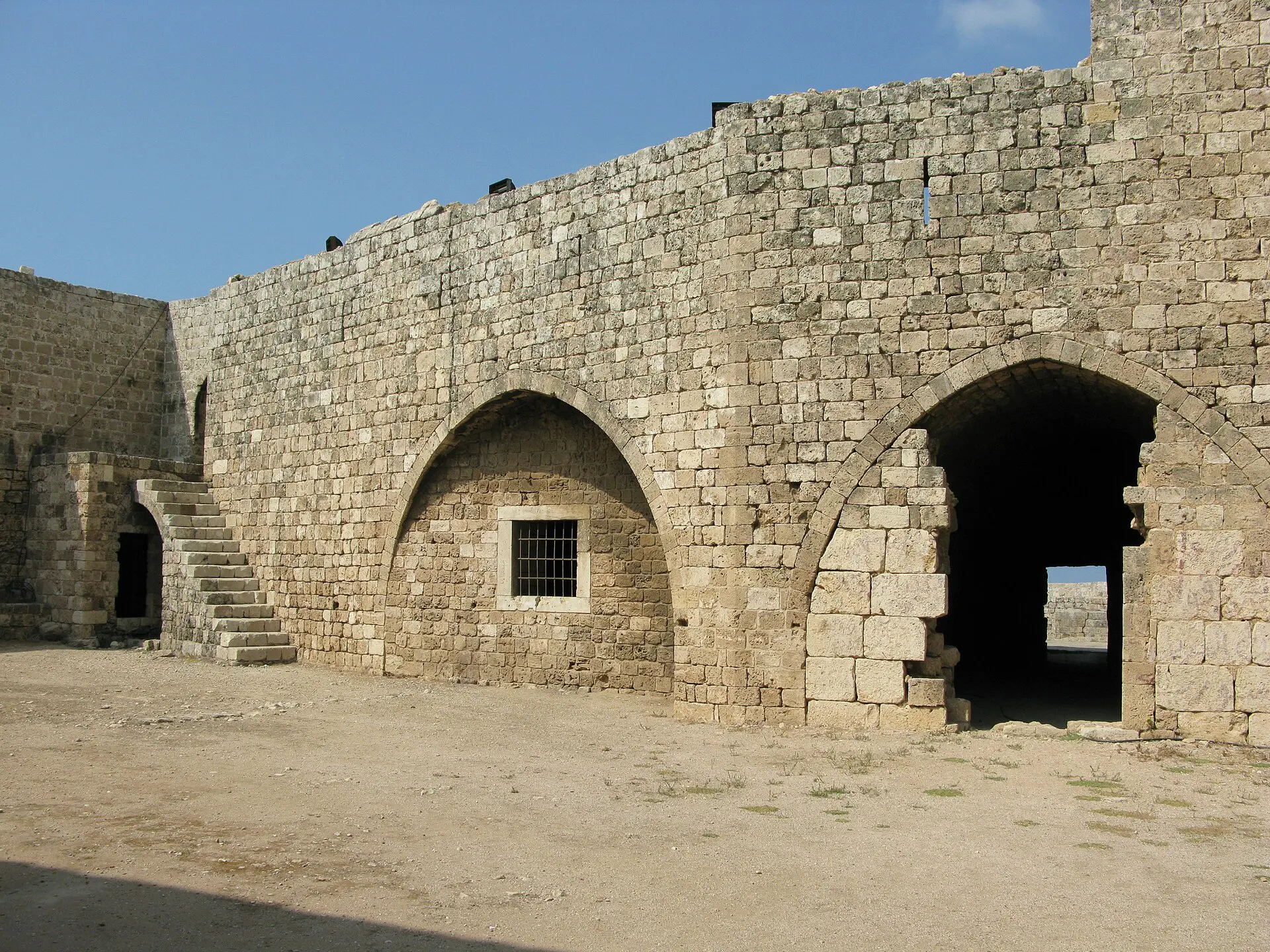
One of the oldest continuously inhabited towns in the world, Byblos has a Crusader castle, Roman remains and a small harbour. It is UNESCO-listed and lies about 40 kilometres north of Beirut.
Batroun
A small coastal town with a Phoenician sea wall, a lively old centre and beach clubs. It is known for lemonade, craft beer and the nearby coastal vineyards.
Jeita Grotto
A pair of limestone caves with some of the world’s largest stalactites, reached by boat and walkway. It sits in a valley a short drive north of Beirut.
Qadisha Valley and the Cedars
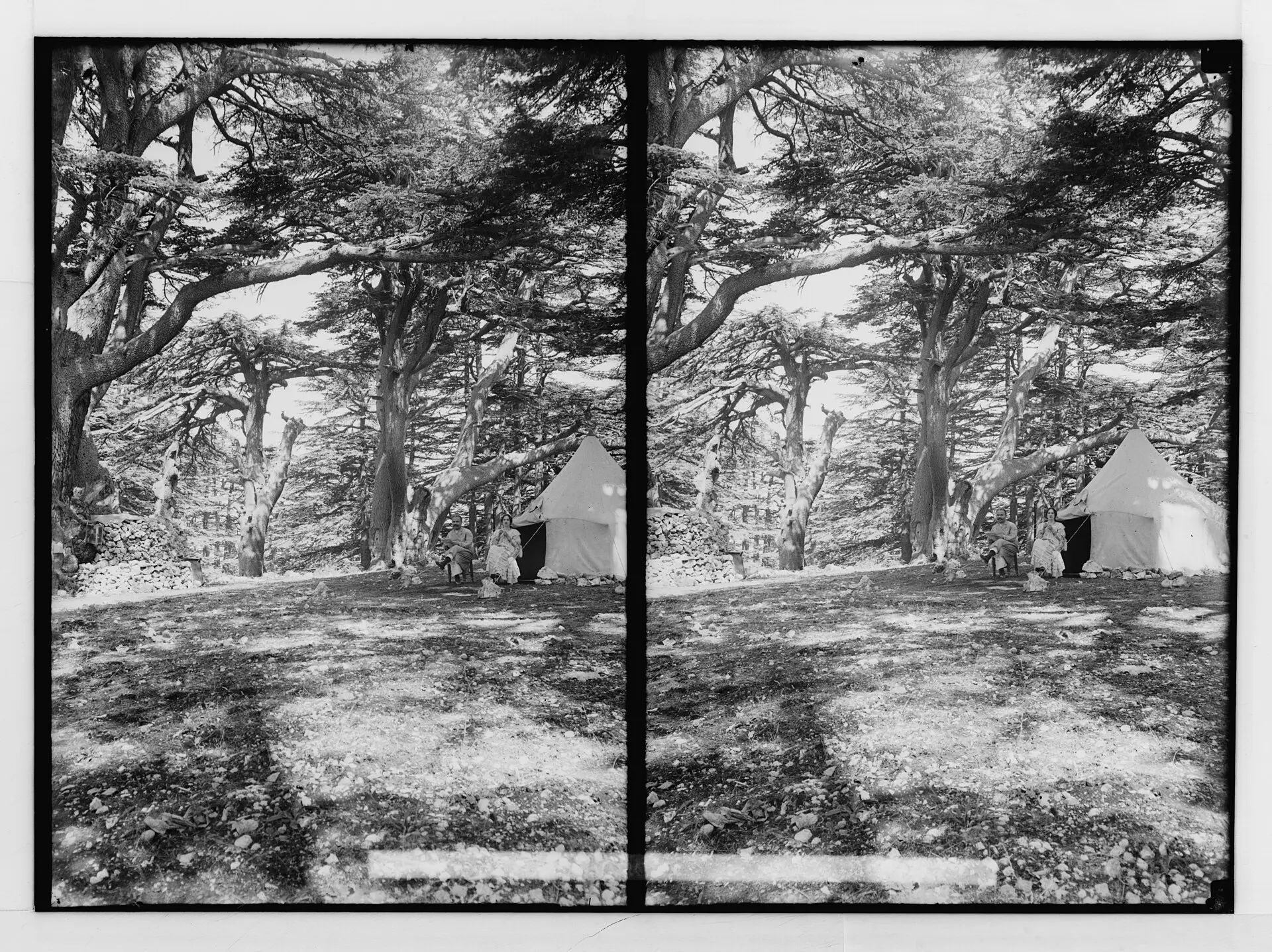
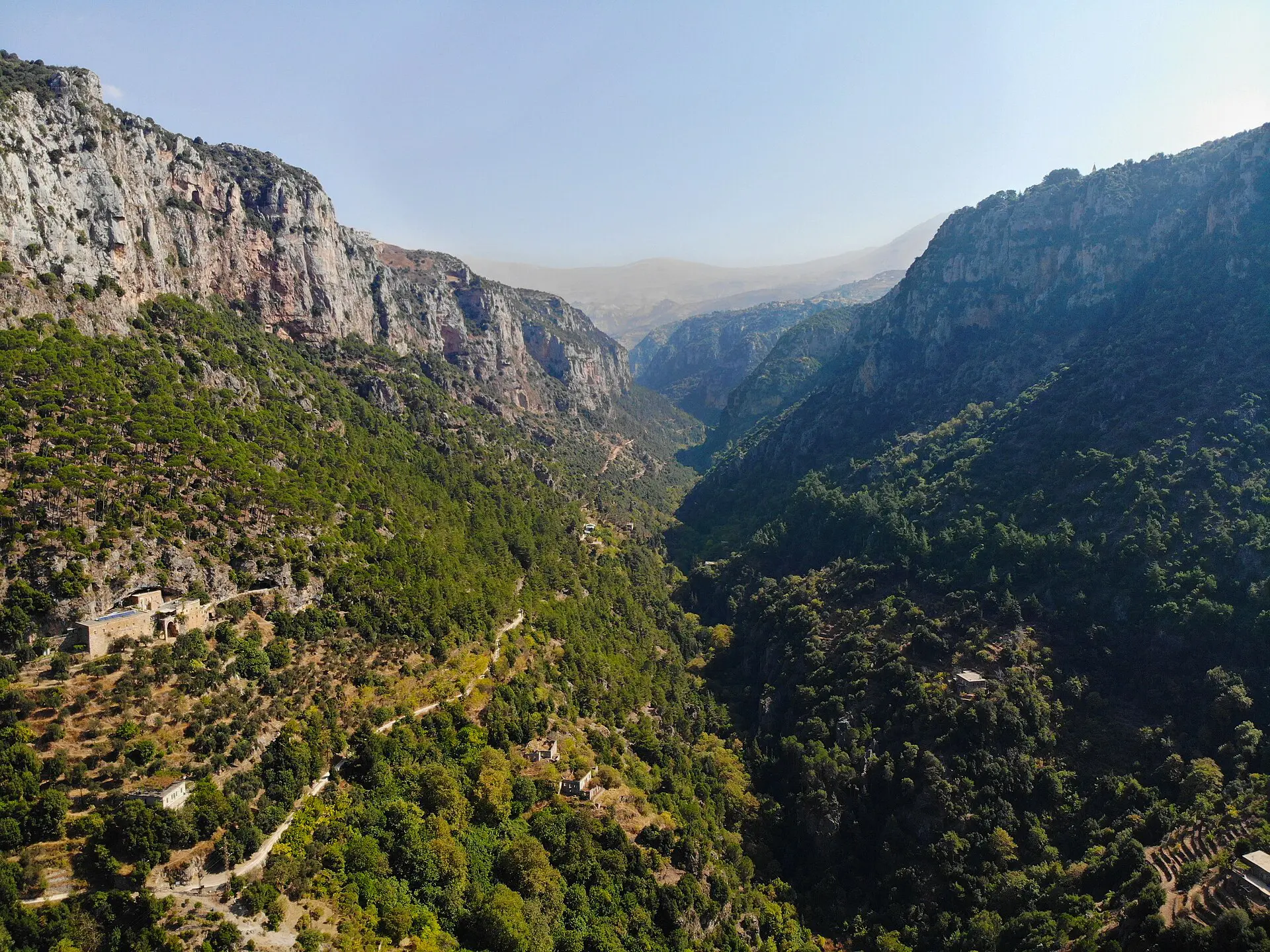
The deep Qadisha Valley is a UNESCO site with cave monasteries, and the Cedars of God, a small grove of ancient cedars, sits above it. The area is popular for hiking in summer and skiing in winter.
Tripoli and the Chouf
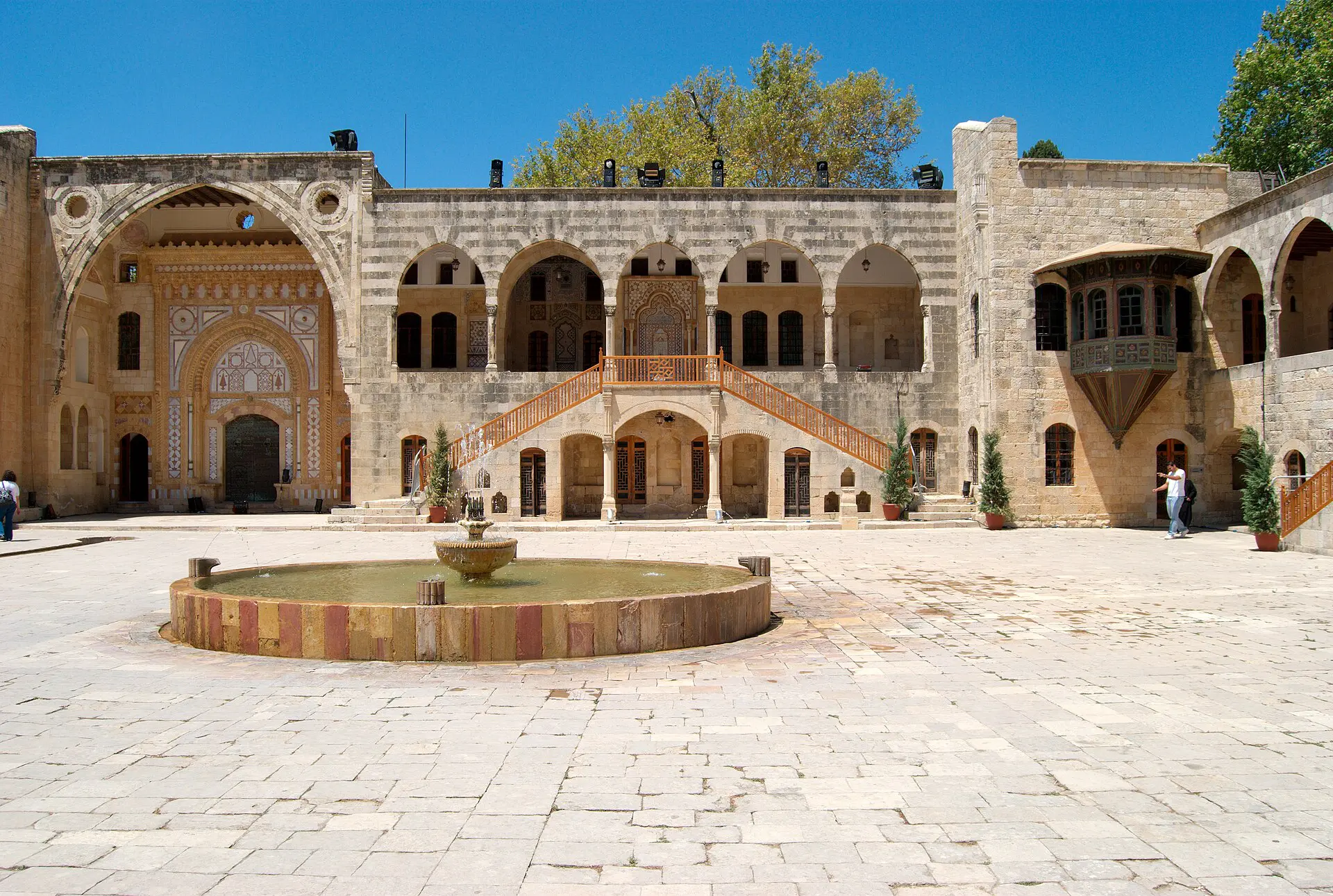
Tripoli has a large Mamluk-era old city and souks. The Chouf mountains hold Beiteddine Palace, villages and the Shouf Cedar Reserve.
Baalbek, in the Bekaa Valley, and Tyre, in the south, have outstanding Roman ruins, but both are in areas where governments have recently issued the strongest warnings, so they are not recommended without current local advice.
Top things to do in Lebanon
The top things to do in Lebanon depend heavily on the security situation, so treat this as a menu to check against current advice.
- Eat mezze in Beirut: order several small plates, hummus, mutabbal, tabbouleh and kibbeh, to share.
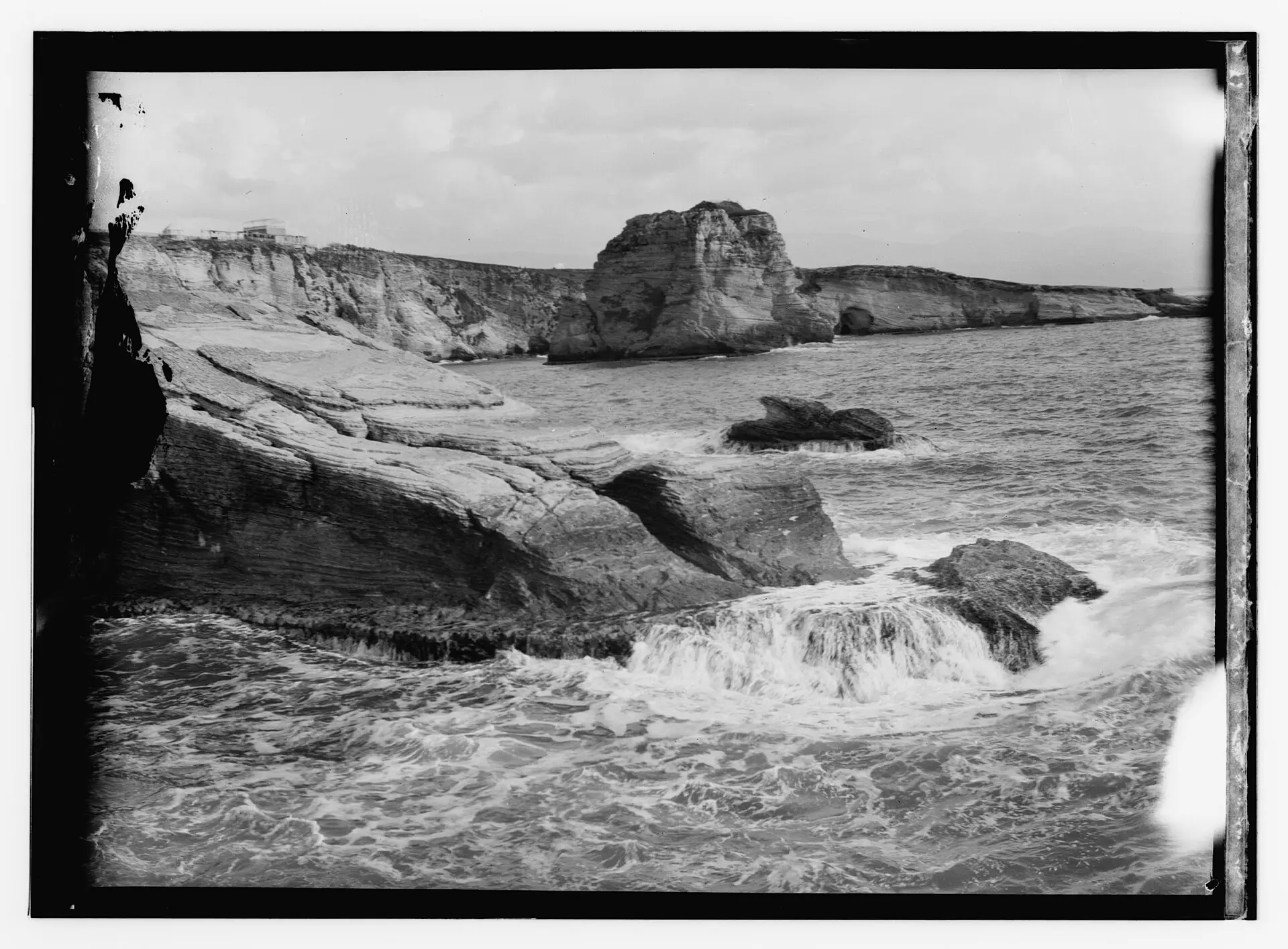
- Walk the Corniche: locals jog, fish and gather near the Raouche Rocks at sunset.
- Visit the National Museum: the Phoenician sarcophagi and Roman mosaics are the highlights.
- Explore Byblos: climb the Crusader castle and walk the Roman colonnade.
- Tour the Jeita Grotto: the upper gallery is on foot and the lower cave is by boat, and it is closed in some wet weather.
- Hike in the Qadisha Valley: trails link villages and cave monasteries.
- See the Cedars of God: a small, protected grove of ancient trees above Bsharri.
- Visit Beiteddine Palace: a 19th-century Ottoman-era palace in the Chouf mountains.
- Taste Lebanese wine: several wineries in Batroun and the Bekaa offer tastings, with the Bekaa subject to the advisory above.
- Ski in winter: resorts such as the Cedars and Faraya open from about December to March, snow permitting.
Best time to visit Lebanon
The best time to visit Lebanon is spring, from April to June, and autumn, from September to November, when temperatures are comfortable for the coast, the cities and mountain hikes. Summer is hot and humid on the coast but pleasant in the mountains, and the diaspora arrives in July and August, so prices rise. Winter brings rain on the coast and snow in the mountains from about December.
| Season | Weather | Crowds and prices | Good for |
|---|---|---|---|
| Spring (Apr-Jun) | Mild to warm, green hills | Moderate | Hiking, cities, coast |
| Summer (Jul-Aug) | Hot and humid on the coast, cooler in mountains | High with returning expats | Beaches, mountain villages |
| Autumn (Sep-Nov) | Warm, then cooler, some rain late | Moderate to low | Wine harvest, hiking, culture |
| Winter (Dec-Mar) | Rainy on the coast, snow above 1,500 m | Low outside ski areas | Skiing, museums, food |
Security conditions matter more than season, so check them before choosing dates.
Is Lebanon safe to visit?
Lebanon is not currently a low-risk destination, and travel is advised against, in whole or in part, by several governments. The risk is not mainly street crime, which is generally low, but the potential for armed conflict, airstrikes, kidnapping and civil unrest, which can arise with little warning. Read your government’s current advice, such as the UK FCDO or US State Department pages, before you commit to anything.
Areas of particular concern. Governments have recently singled out the border with Israel and the south, the Bekaa Valley and the Syrian border, and parts of Beirut’s southern suburbs. Some Palestinian refugee camps and the northern city of Tripoli have also had security incidents.
Practical precautions. Register with your embassy, buy travel insurance that explicitly covers Lebanon, keep flexible bookings, and have an exit plan that does not rely on a single airport. Flights can be reduced or cancelled quickly.
Everyday risks. Power cuts, unreliable services and chaotic driving are common. Carry some US dollars in cash, as card and ATM reliability varies. Dress modestly in religious areas, and avoid photographing military sites.
Visa and entry requirements for Lebanon
Visa rules depend on nationality. Citizens of many countries can obtain a short-stay visa on arrival at Beirut airport, while others must apply in advance, and a few categories of travellers face restrictions. Rules and fees change, so rely on the official Lebanese General Security source and your nearest Lebanese embassy rather than a travel blog.
Your passport should be valid for at least six months. Carry proof of a hotel booking or an invitation, a return ticket and travel insurance, as immigration may ask for them. Evidence of travel to Israel, such as an Israeli passport stamp, can lead to refusal of entry, and Israeli citizens are not admitted.
Land crossings with Syria are subject to separate, stricter rules and are not advised by most governments. For background, see the Wikivoyage Lebanon page, but always confirm with an official source.
Getting to and around Lebanon
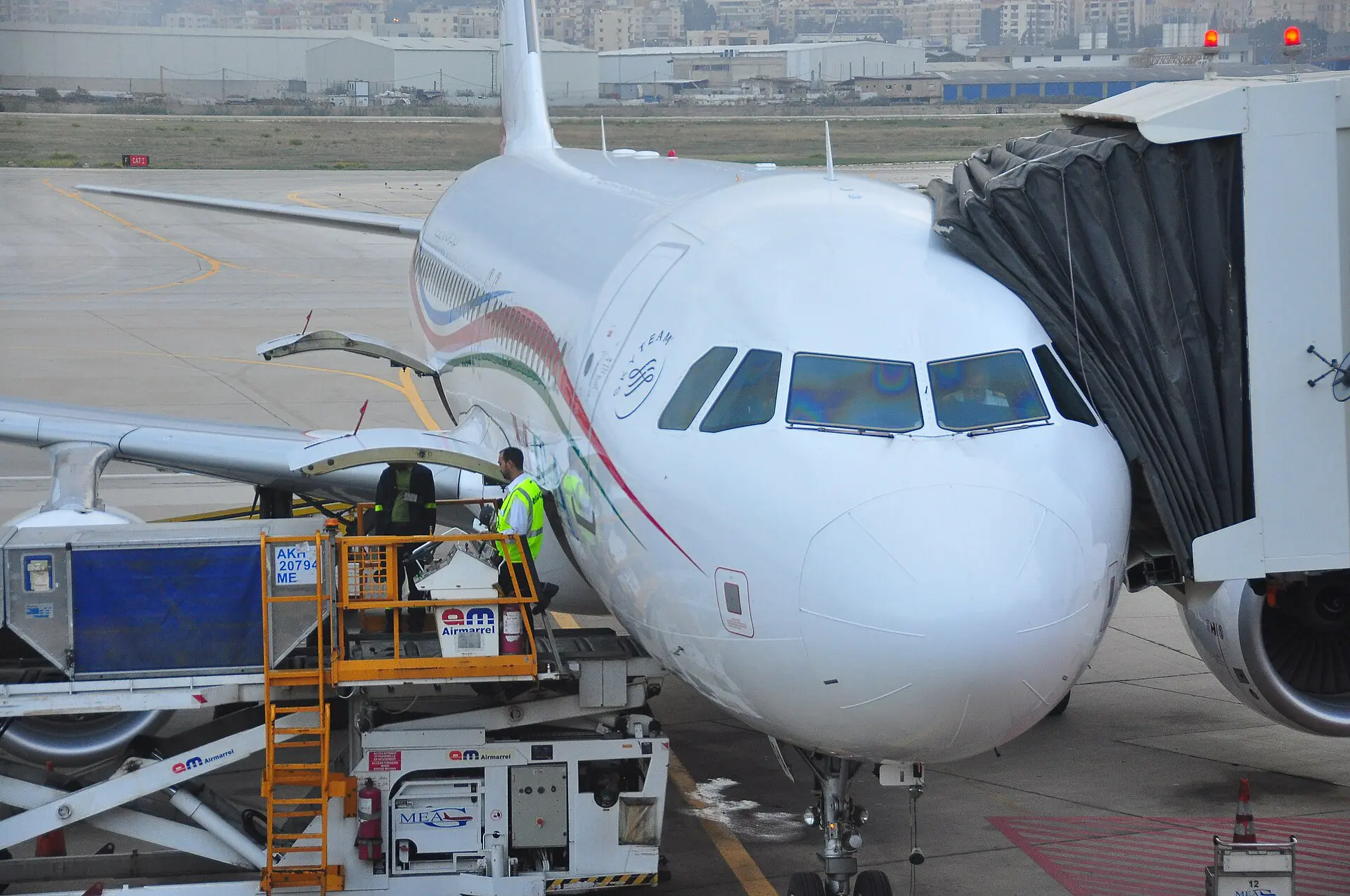
Beirut-Rafic Hariri International Airport is the main entry point, with flights from European and Gulf hubs. Service levels can change quickly in a crisis, so confirm that your airline is operating before you book a non-refundable ticket. Land borders are not recommended for visitors.
Within Lebanon. There is no functioning national rail network and public transport is informal. Shared taxis called services run set routes cheaply, and minibuses connect Beirut with towns along the coast. They are hard for first-time visitors to use and do not follow fixed timetables.
Taxis and drivers. Most visitors hire a taxi or a private driver by the day. Agree the price first, or use a ride-hailing app in Beirut. A driver is often the best way to reach Byblos, Jeita and the Cedars in a day.
Driving. Cars drive on the right. Traffic in and around Beirut is dense, and driving is assertive. Mountain roads are narrow and can be icy in winter, and fuel and power shortages can affect services. Typical distances are short: Beirut to Byblos is around an hour, and to the Cedars around three hours, depending on traffic.
How much does a trip to Lebanon cost?
Lebanon’s currency is the Lebanese pound, but since the economic crisis began in 2019 many hotels, restaurants and shops price in US dollars, and the pound’s value has fallen sharply. Exchange rates and pricing practices have changed repeatedly, so treat these figures as rough and verify them before you go.
- Budget, USD 40 to 70: hostel or basic guesthouse, street food and shared taxis.
- Mid-range, USD 70 to 130: comfortable hotel, restaurant meals, a driver for some days.
- High, USD 200 and up: boutique hotel or resort, fine dining and a private driver.
Prices are often higher in Beirut and in summer. Restaurants are not cheap by regional standards, and imported goods are costly, while local produce, bakeries and street food are affordable. Many places prefer cash in US dollars, and card machines may charge extra or be unavailable. Power cuts mean hotels may add generator charges. Budget for flexibility and travel insurance, as changes to flights and bookings can add cost.
Lebanon food and drink
Lebanon food is the main reason many people visit: fresh vegetables, olive oil, herbs, grilled meat and dozens of small plates make up a cuisine that is shared, generous and varied.
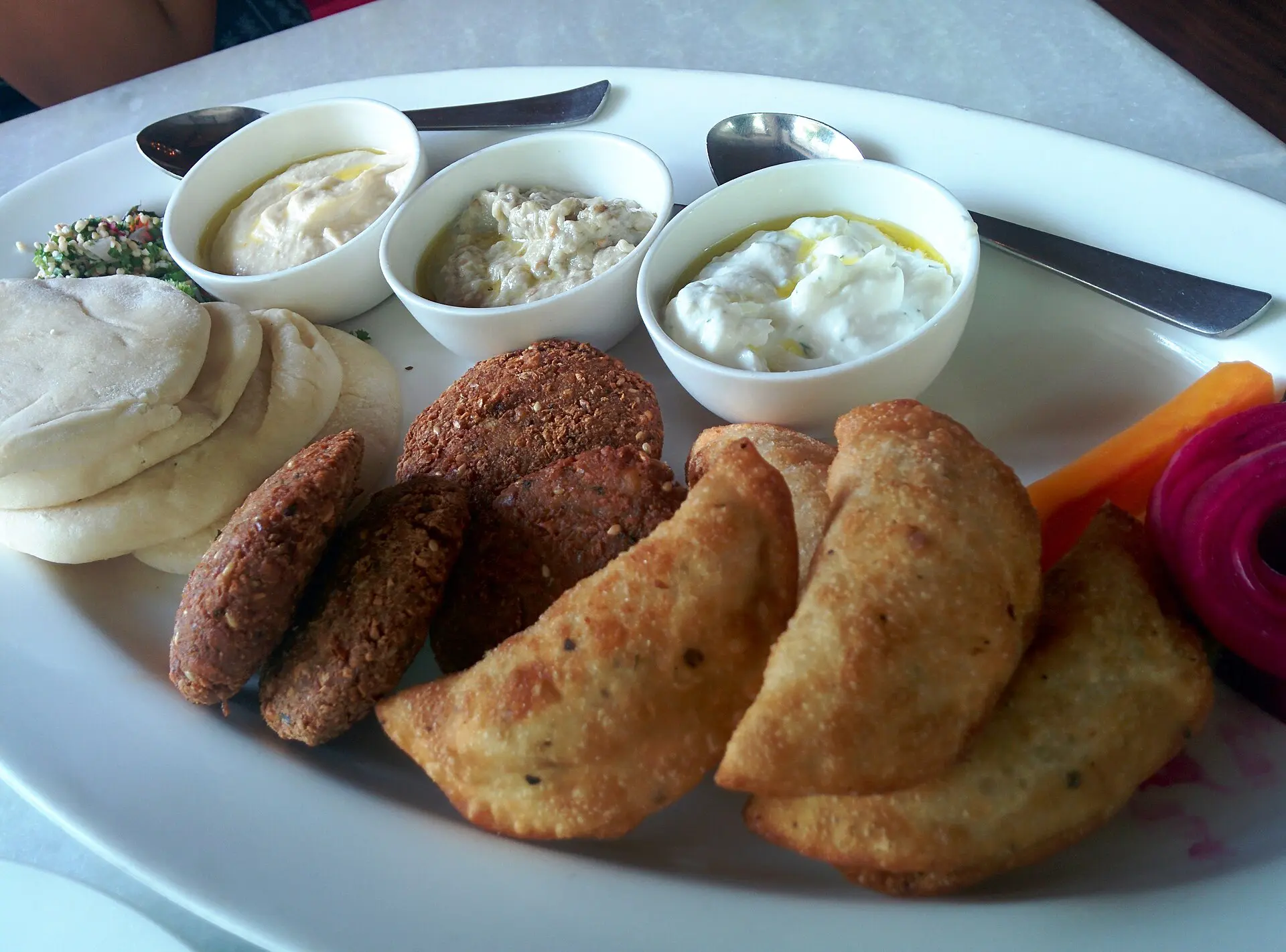
- Mezze: a spread of small dishes such as hummus, mutabbal, labneh, warak enab (stuffed vine leaves) and fattoush.
- Tabbouleh: a parsley salad with tomato, mint, bulgur and lemon, quite different from versions abroad.
- Kibbeh: bulgur and minced meat, served fried, baked or raw as kibbeh nayyeh.
- Manakish: flatbread baked with za’atar, cheese or meat, a standard breakfast.
- Shawarma and falafel: street food sold at small counters across the country.
- Knafeh: a warm cheese pastry soaked in syrup, famous in Tripoli and Beirut.
- Arak: an aniseed spirit served with water and ice alongside meze.
- Lebanese wine: producers in the Bekaa and Batroun make red and white wines.
Vegetarian and vegan travellers are well served, since many mezze are plant-based. Eat where it is busy, and ask about local specialities, which differ between Beirut, the mountains and the north.
Culture, language and etiquette in Lebanon
Lebanon is one of the most religiously diverse countries in the region, with Muslim and Christian communities that include Sunni, Shia, Maronite, Greek Orthodox and Druze, and a political system built around them. Arabic is the official language, and many Lebanese also speak French and English, often switching mid-sentence.
Hospitality is central to daily life. Accept coffee or tea if you are offered it, and expect to be pressed to eat more. Greet with a handshake, and wait for a woman to offer her hand. Dress is relaxed in Beirut, though modest clothing is expected in mosques, churches and conservative towns, and women may be asked to cover their heads in mosques.
Politics and religion are sensitive. Avoid taking sides on regional conflicts, and ask before photographing people. The cave monasteries of the Qadisha Valley are a good place to see the long history of the Maronite community.
Lebanon itinerary: a 7-day route
This route covers the coast and mountains north and east of Beirut and avoids the south, the Bekaa Valley and the border areas that governments advise against. Use it only if current advice allows travel, and treat it as flexible. If conditions deteriorate, independent travel is not advisable.
- Day 1, Beirut: arrive, walk the Corniche to the Raouche Rocks and eat mezze in Gemmayzeh or Mar Mikhael.
- Day 2, Beirut: visit the National Museum, Hamra and the central district, and have dinner in a neighbourhood restaurant.
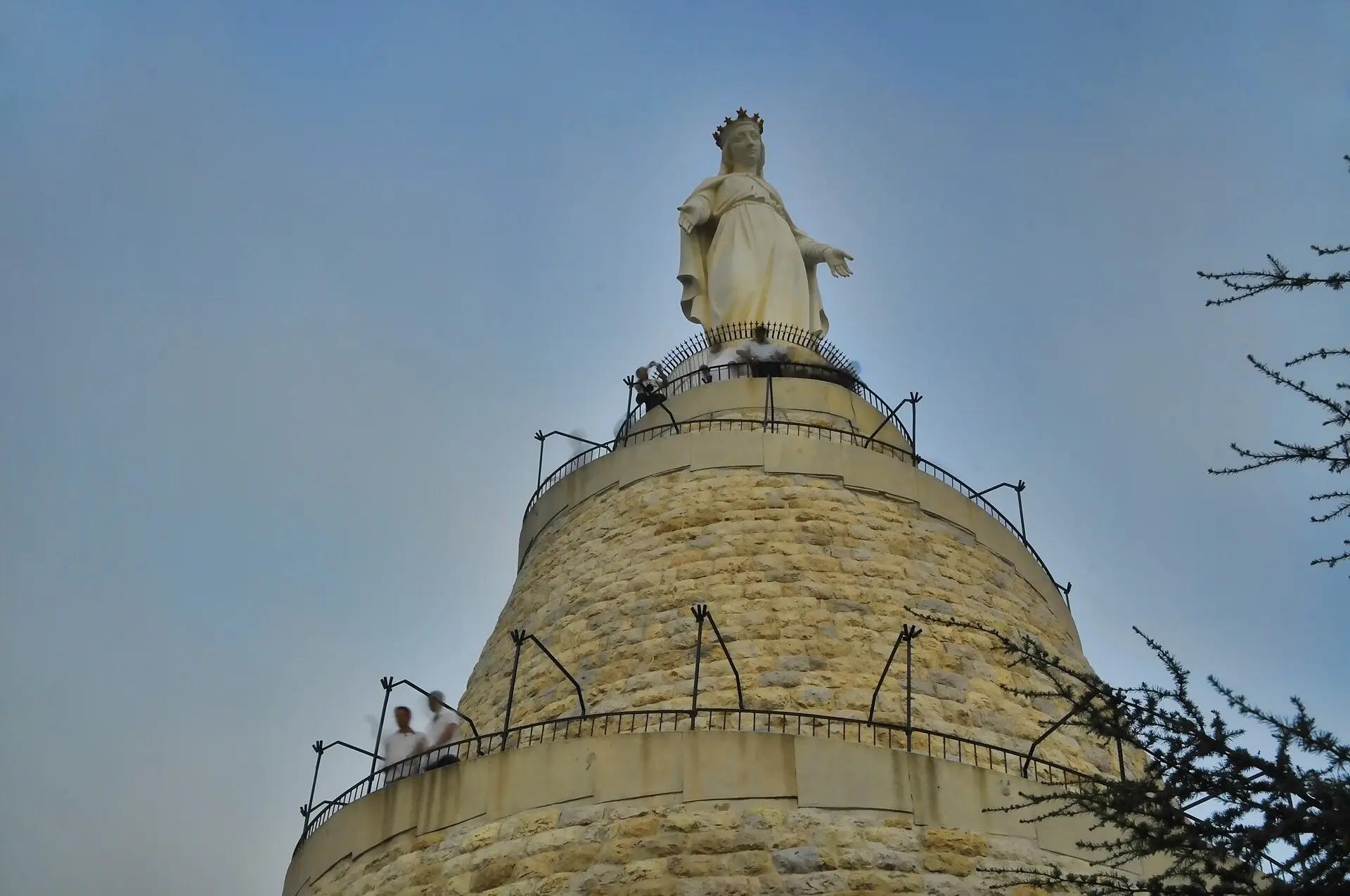
- Day 3, Jeita and Harissa: visit the Jeita Grotto and the hilltop shrine of Our Lady of Lebanon, then return to Beirut.
- Day 4, Byblos and Batroun: spend the morning at Byblos castle, then continue to Batroun for lunch and a swim.
- Day 5, Tripoli: visit the citadel and old souks only if current advice for the north allows it, then move toward Bsharri.
- Day 6, Qadisha Valley and Cedars: hike a section of the valley, visit the cave monasteries and the cedar grove.
- Day 7, Chouf and Beirut: head south to Beiteddine and the Shouf Cedar Reserve if conditions permit, then return to Beirut for departure.
If you have less time, drop Tripoli and the Chouf, and base yourself in Beirut with day trips.
Practical tips for Lebanon
Careful preparation matters more in Lebanon than in most destinations.
- Money: carry US dollars in small notes, since many places price in dollars. Card payments are common in Beirut, but not guaranteed. ATMs may have limits.
- SIM and eSIM: local prepaid SIMs are available at the airport, and eSIM options exist. Data coverage is generally good in cities, though patchy in mountain valleys.
- Power: sockets are types C, D and G at 230 V. Power cuts are common, so bring a power bank and check that your hotel has a generator.
- Tipping: around 10% in restaurants if service is not included, and rounding up for drivers.
- Health: use travel insurance that covers Lebanon. Drink bottled water, as tap water is not reliably safe. Pharmacies are well stocked, though shortages occur.
- Packing: layers, modest clothes for religious sites, sturdy shoes for mountain trails and a warm jacket for winter.
- Staying informed: follow your embassy’s alerts and local news, and share your plans with someone at home.
- Emergencies: dial 112 for police and emergency services in many areas, and 140 for the Red Cross, but ask your hotel for the right numbers locally.
FAQ
Q1What food is Lebanon known for?
Lebanon food is known for mezze, including hummus, mutabbal, tabbouleh, kibbeh and stuffed vine leaves, plus manakish flatbreads, grilled meats, knafeh and arak. Lebanese wine from the Bekaa and Batroun regions is also well regarded, and vegetarians eat very well.
Q2Is Lebanon safe?
Not reliably. Several governments advise against all or parts of travel to Lebanon because of conflict, airstrikes and unrest, especially in the south, the Bekaa Valley and near the Israeli border. Street crime is generally low. Check your government's current advice and keep flexible bookings.
Q3What are the best things to do in Lebanon?
When conditions allow, eat mezze in Beirut, visit the National Museum, explore Byblos and Batroun, tour the Jeita Grotto, and hike the Qadisha Valley and the Cedars of God. Winter brings skiing in the mountains. Check current advice for each area.
Q4Is Lebanon safe to visit right now?
Conditions change quickly, so only your government's latest advice and your embassy can answer this. In recent years the UK and US have advised against all or most travel to Lebanon. If you go, buy insurance covering Lebanon and plan flexible exits.
Q5What is the best time to visit Lebanon?
April to June and September to November are best, with mild weather for the coast, cities and hiking. July and August are hot on the coast but good in the mountains. Skiing runs from about December to March. Security conditions matter more than season.
Q6Do I need a visa for Lebanon?
It depends on your nationality. Many travellers can obtain a visa on arrival at Beirut airport, while others must apply in advance. Evidence of Israel travel can cause refusal of entry. Confirm current rules with the Lebanese General Security or an embassy.
Q7What currency should I bring to Lebanon?
Bring US dollars in small notes. The Lebanese pound is the official currency, but since the 2019 crisis many hotels, restaurants and shops price in dollars. Card payments are common in Beirut but not guaranteed, and ATM access can be limited.