Why visit Latvia
The best things to do in Latvia fit into a country of about 64,500 square kilometres, with a capital that holds one of the largest collections of Art Nouveau buildings in Europe and a coastline of around 500 kilometres that is mostly sand and pine forest (see the Wikipedia overview for background). Riga is the largest city in the Baltic states, and from it you can reach castles, river valleys and beaches within two to three hours.
Latvia suits travellers who like walkable old towns, long forest walks and uncrowded beaches, and who do not mind that the weather turns cold early. It works well as a long weekend in Riga, as part of a Baltic route with Estonia and Lithuania, or as a slow road trip. Latvians speak Latvian, and Russian is also widely spoken, mainly in Riga and the east. Since independence was restored in 1991 the country has joined the EU, NATO and, in 2014, the euro.
Best places to visit in Latvia
The best places to visit in Latvia are a mix of one big city, several small historic towns and the coast, and most are reachable by direct bus or train from Riga.
Riga
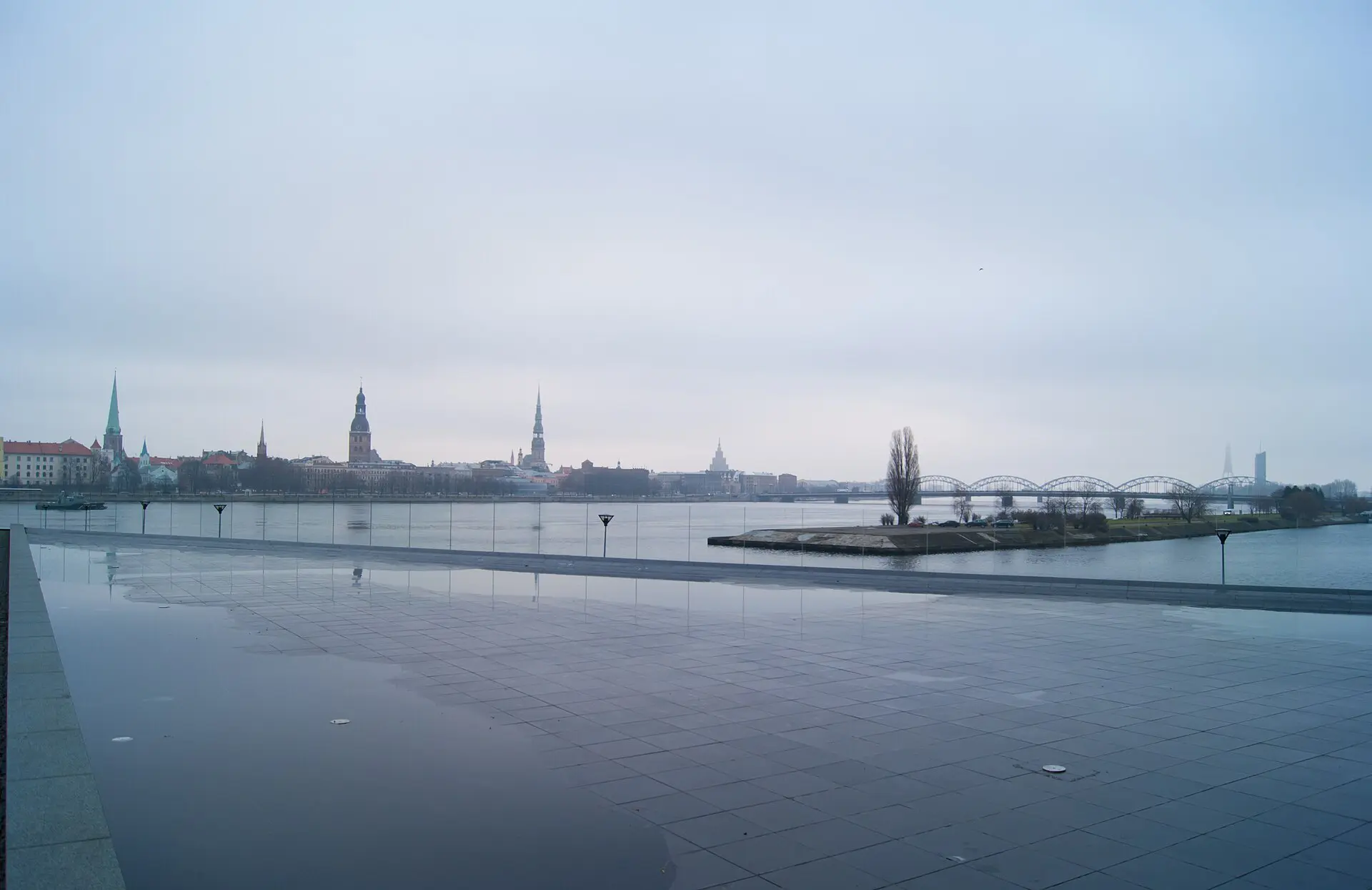
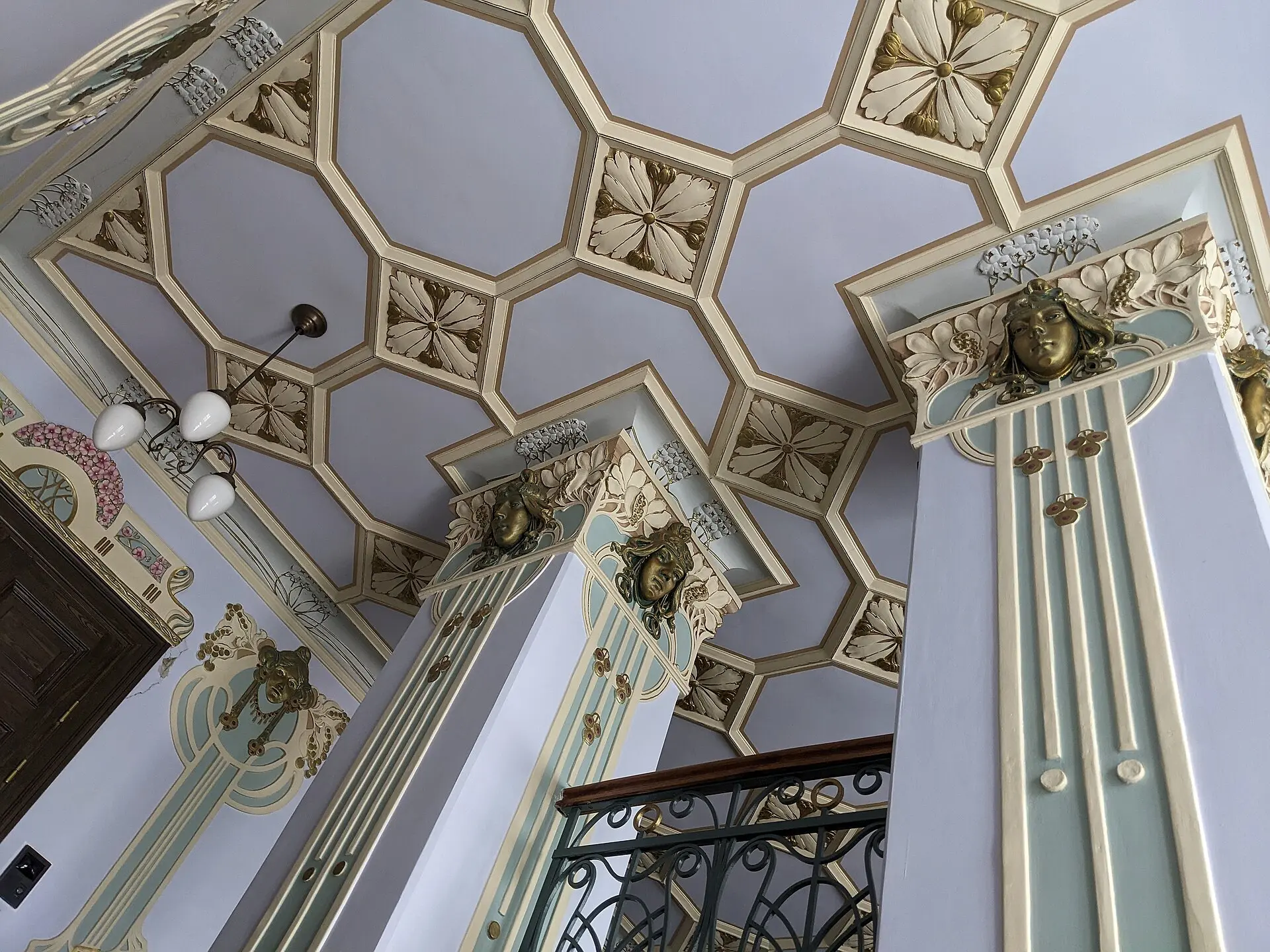
The capital’s Old Town and its Art Nouveau district are both UNESCO-listed. Spend a day among the spires, guild houses and the Central Market, and another walking the ornate facades of Alberta iela and Elizabetes iela. Cafés, craft beer bars and museums cover a rainy day.
Sigulda and Gauja National Park
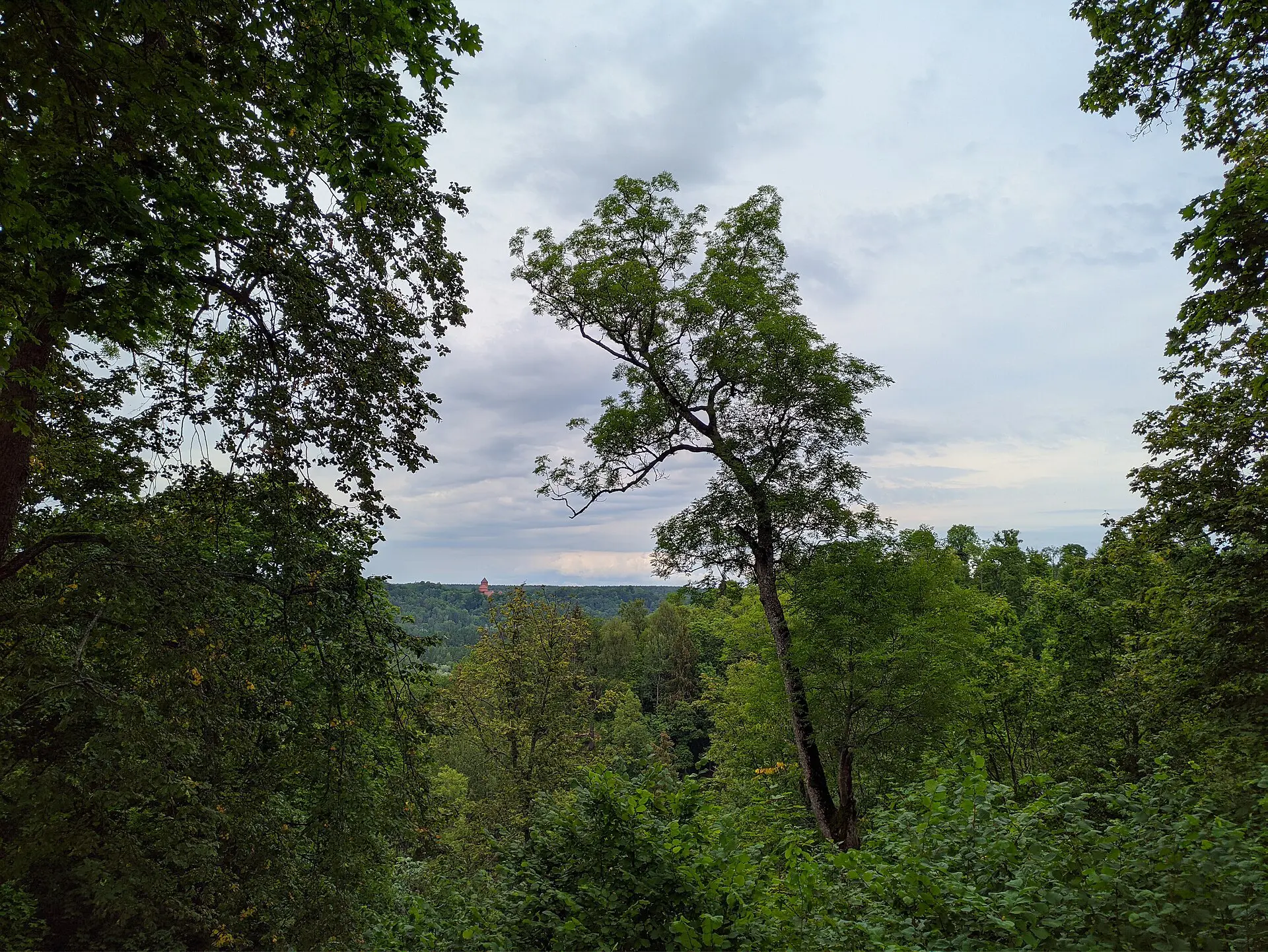
About an hour east of Riga, the Gauja valley has sandstone cliffs, caves, castle ruins and walking trails. Sigulda has a cable car over the river, and the brick castle of Turaida sits nearby. Autumn colours are a highlight.
Cēsis
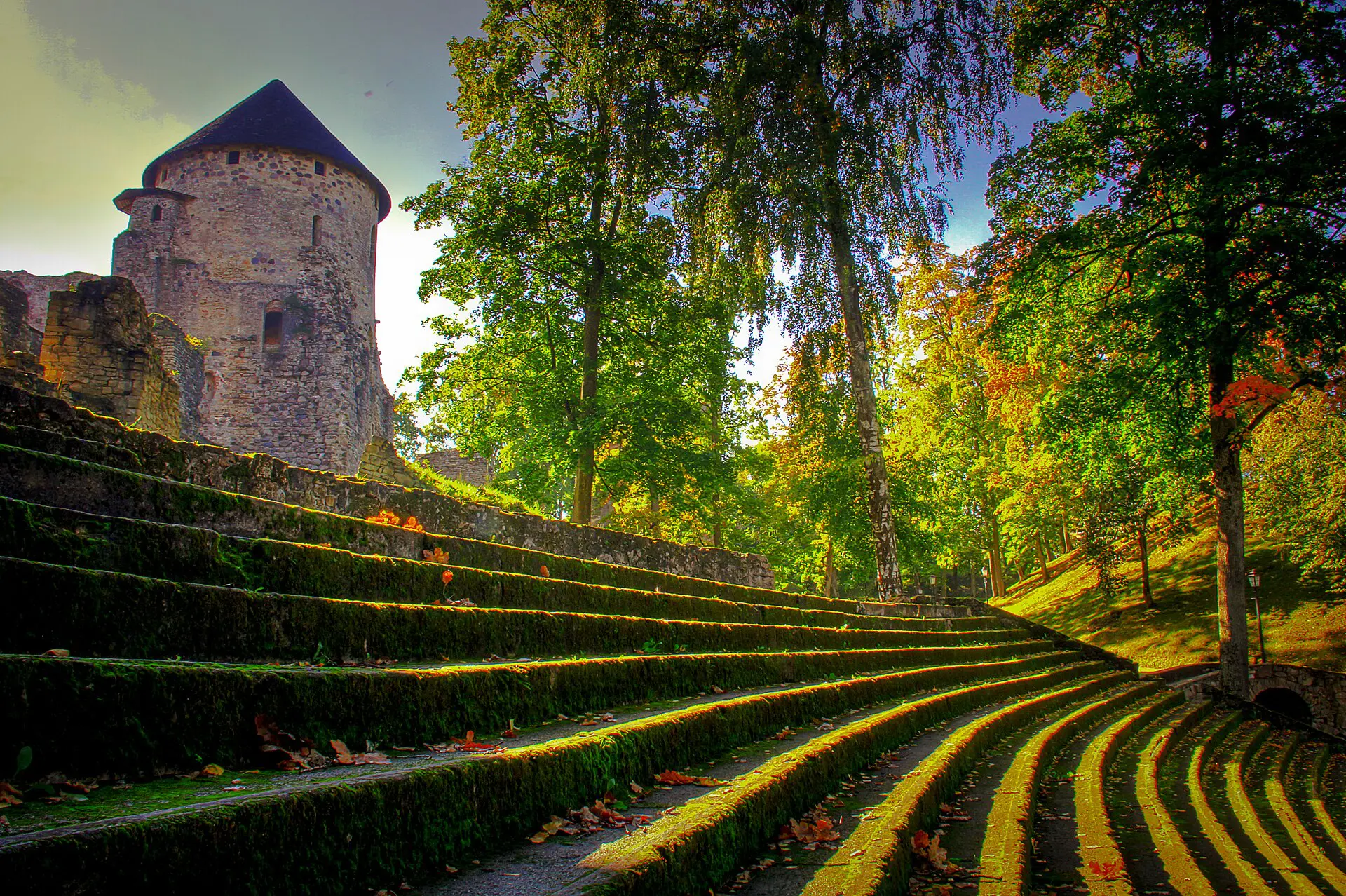
This compact town has a medieval castle with a newer manor beside it, a pleasant old centre and a local beer tradition. It is the best base for the northern Gauja valley and works well as an overnight stop.
Rundāle Palace
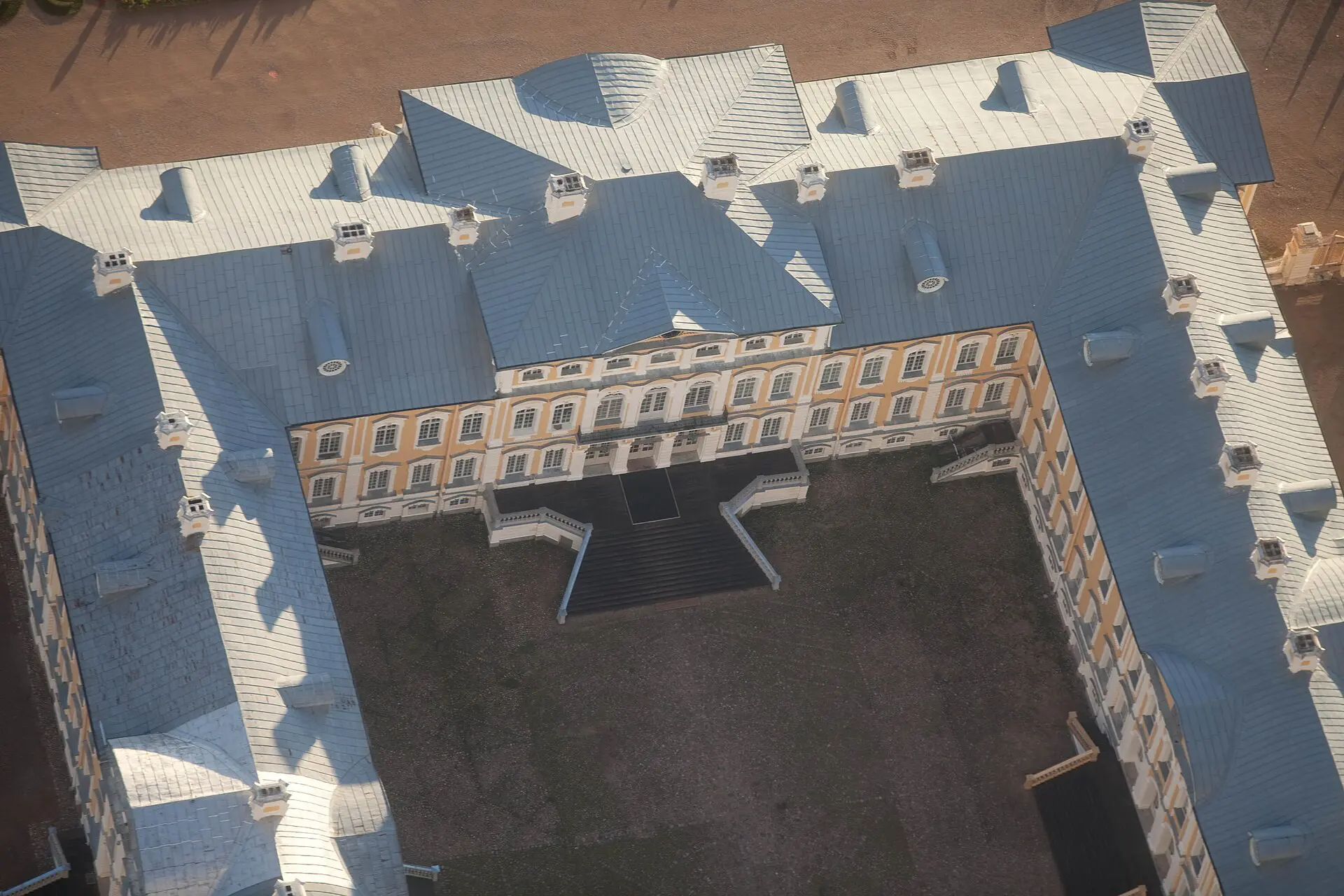
Designed by the architect of St. Petersburg’s Winter Palace, this baroque palace south of Riga has restored state rooms and formal gardens. Allow half a day, longer if you add the nearby town of Bauska.
Kuldīga
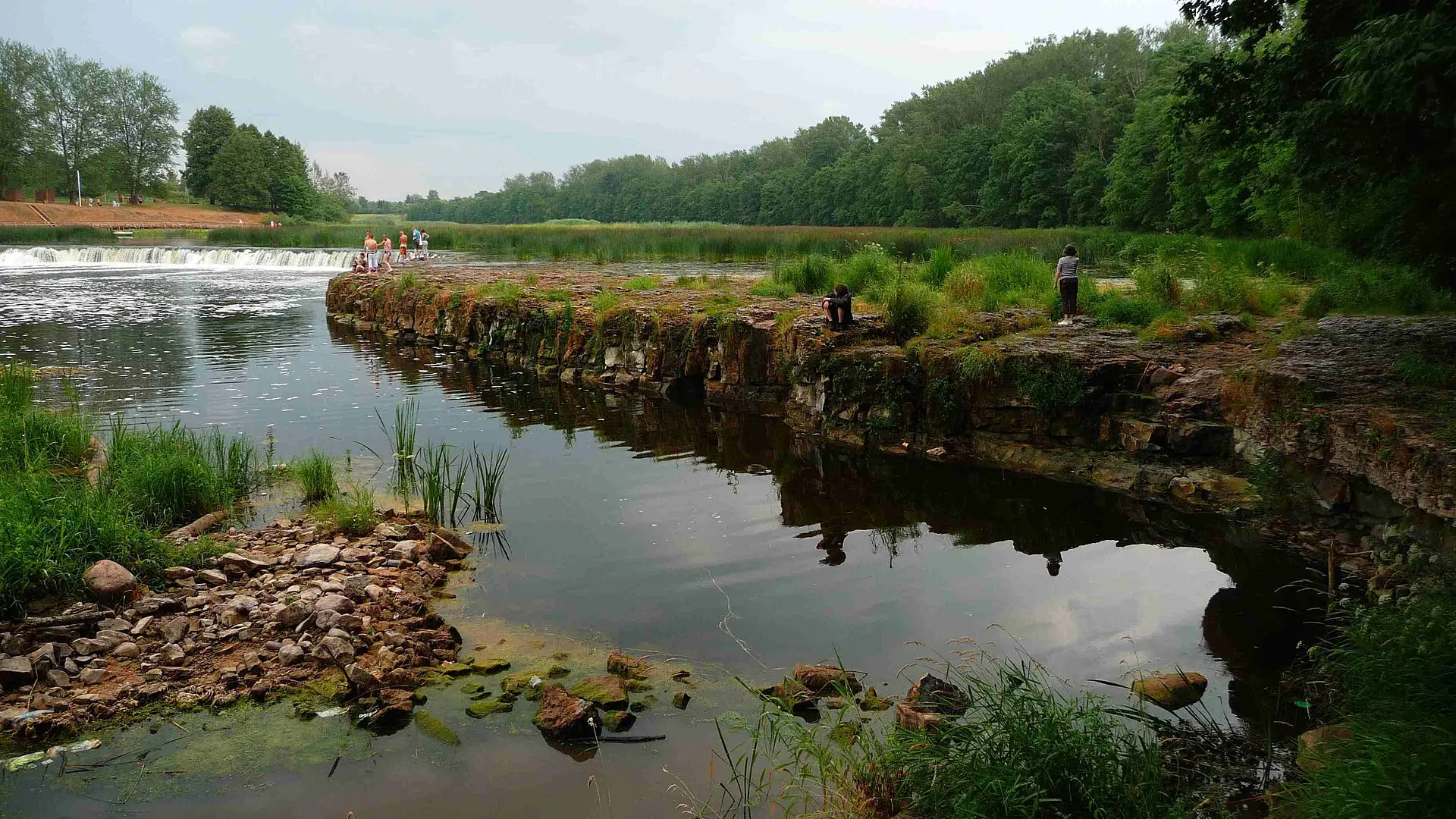
Kuldīga’s wooden old town, brick bridge and the Venta Rapid, one of the widest waterfalls in Europe, make it one of the most photogenic small towns in the country. Its old town is on the UNESCO list.
Jūrmala, Liepāja and Cape Kolka
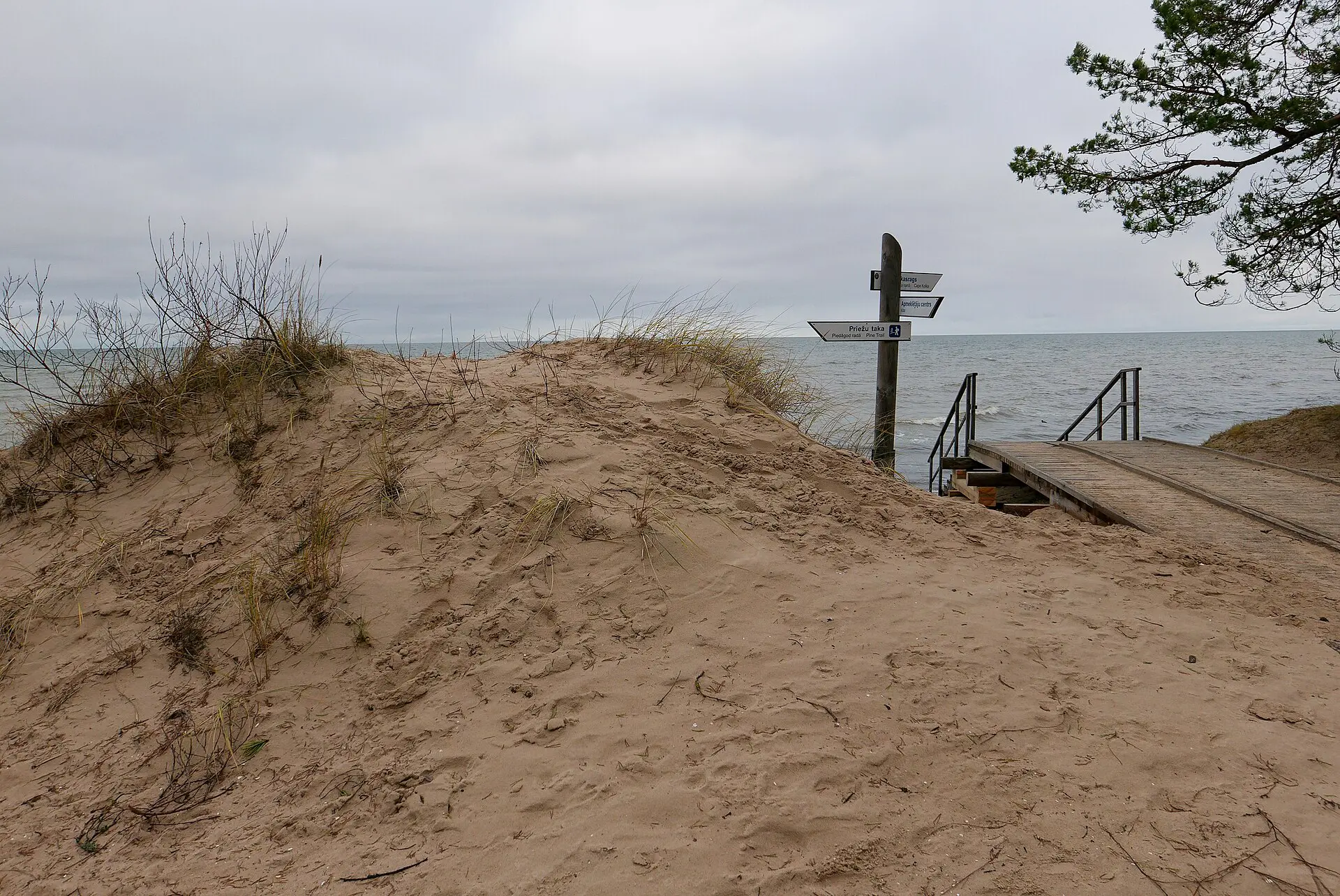
Jūrmala is a long resort strip of wooden villas and white sand, 30 minutes from Riga. Liepāja is a livelier port city on the west coast with a long beach. Cape Kolka, where the Baltic Sea meets the Gulf of Riga, is a quiet, wild spot with a seal-spotting beach.
Top things to do in Latvia
The top things to do in Latvia mix city sightseeing with easy nature and a few distinctive local traditions.
- Walk Riga’s Old Town: start at the House of the Blackheads and the cobbled squares, then climb the tower of St. Peter’s Church for the city view.
- Admire the Art Nouveau district: Alberta iela has the most elaborate facades, and the Riga Art Nouveau Museum shows a restored apartment.
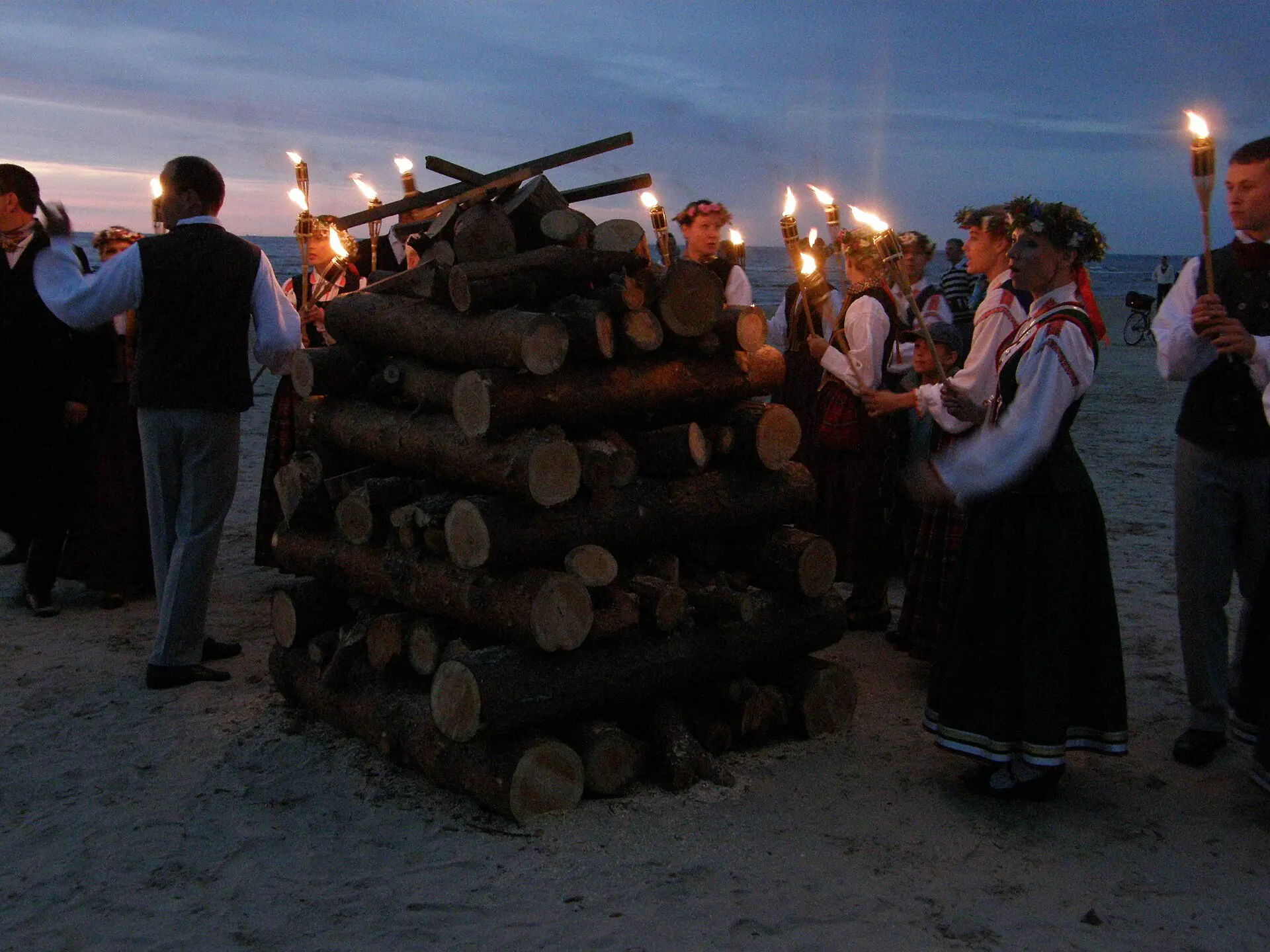
- Eat at the Central Market: five former Zeppelin hangars hold stalls of smoked fish, rye bread, dairy and pickles.
- Visit Rundāle Palace: tour the rococo state rooms and the rose garden.
- Hike or cycle in Gauja National Park: trails link Sigulda, Turaida and the Gutmanis cave.
- See the Venta Rapid in Kuldīga: in spring, fish jumping the weir can be seen from the brick bridge.
- Walk the beach at Jūrmala or Liepāja: the sand is fine and flat, and sunsets face the open sea.
- Watch seals at Cape Kolka: a quiet path leads to the tip of the cape.
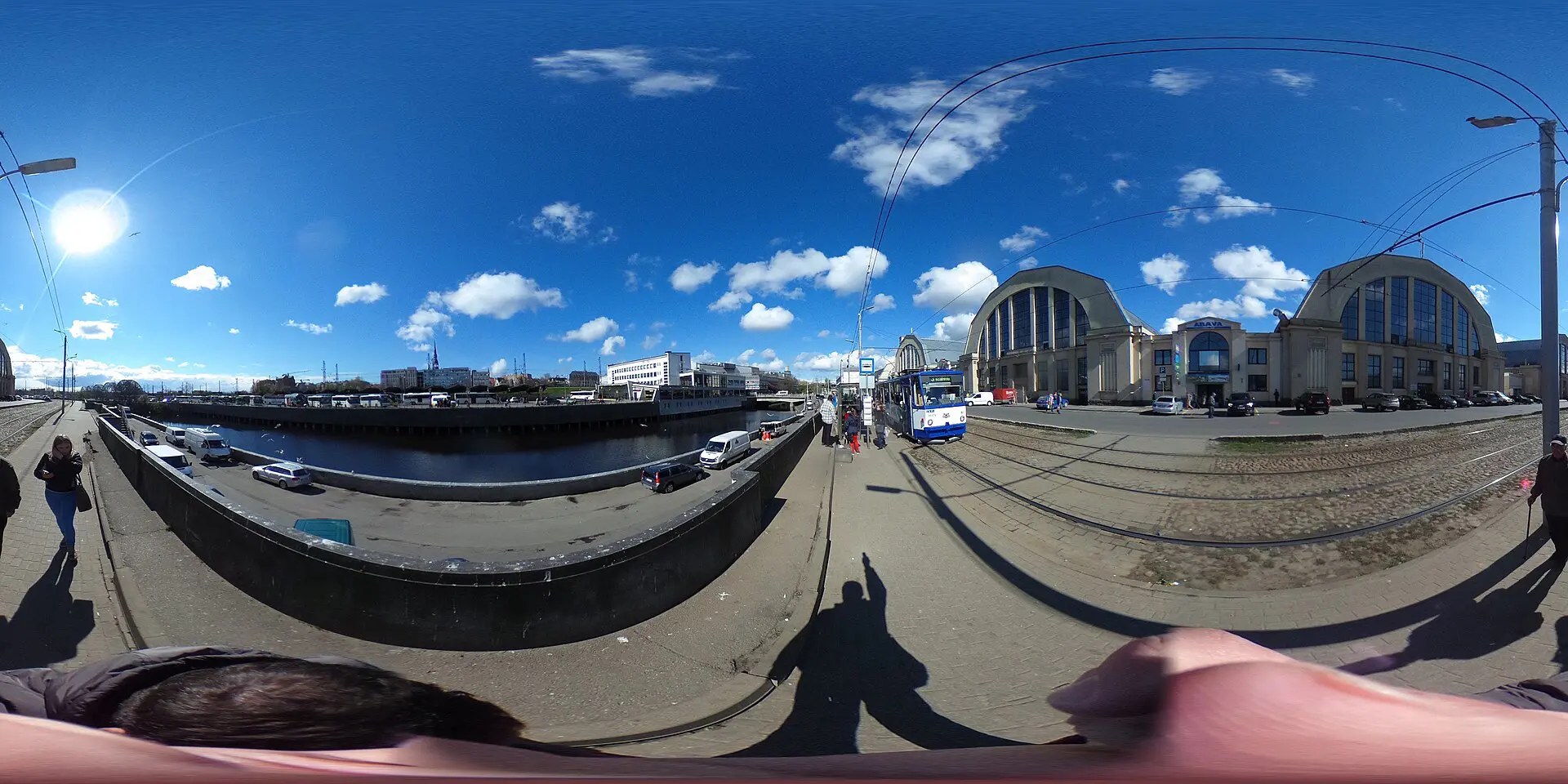
- Join a Midsummer celebration: on 23 and 24 June, Līgo and Jāņi involve flower crowns, bonfires, caraway cheese and beer.
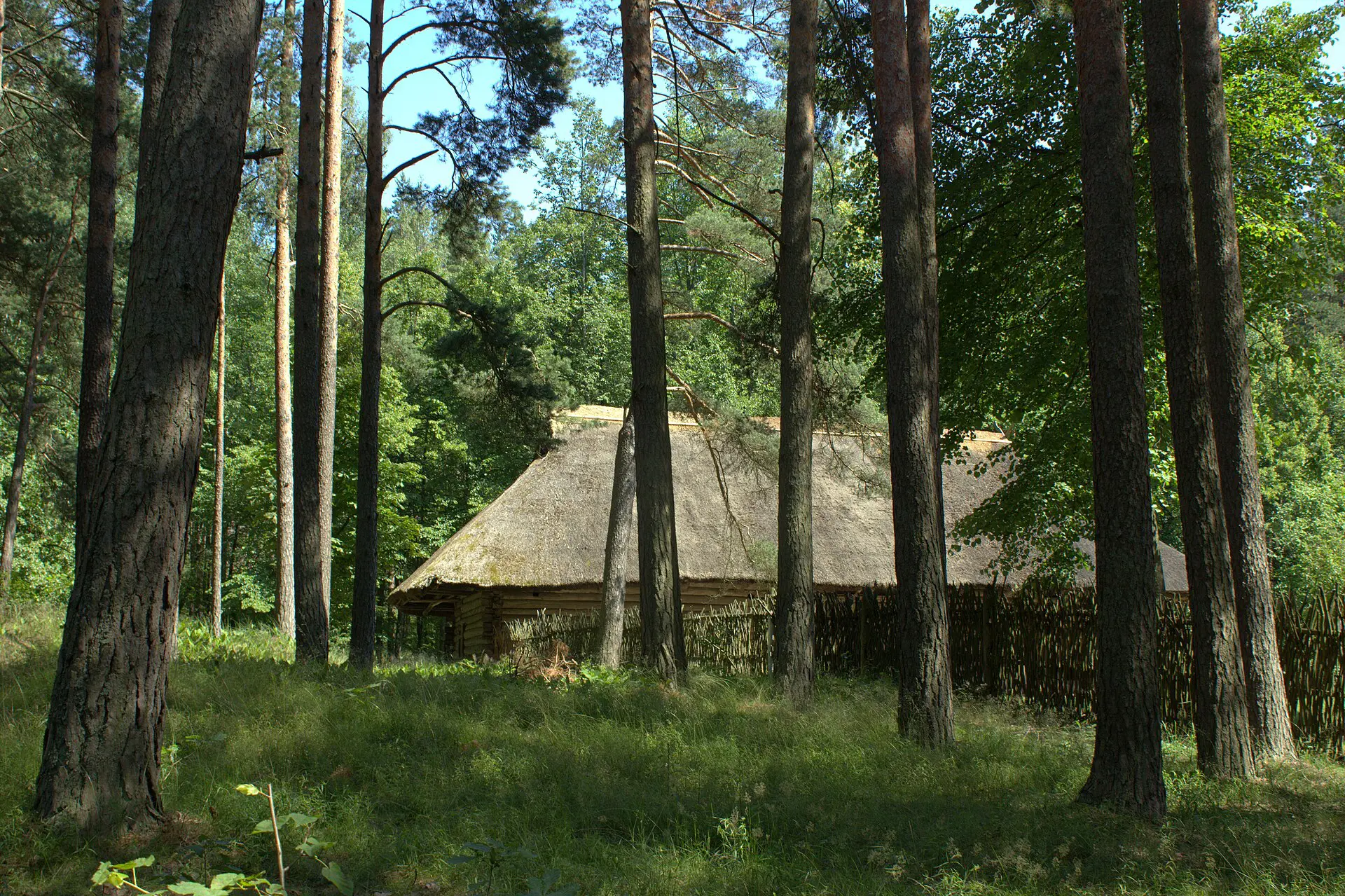
- Visit the Ethnographic Open-Air Museum: old farmsteads, windmills and wooden churches sit beside Lake Jugla outside Riga.
- Try a sauna: public and hotel saunas are common, and some include a bath or a plunge in a lake.
Best time to visit Latvia
The best time to visit Latvia is June to August for warm weather, long daylight and beaches, or May and September for lower prices and fewer visitors. Winters are cold, dark and snowy, but Christmas markets and saunas appeal to some travellers. Midsummer on 23 and 24 June is the biggest national celebration, and many Latvians leave the cities, so book accommodation early.
| Season | Weather | Crowds and prices | Good for |
|---|---|---|---|
| Spring (Apr-May) | Cool, increasingly mild and green | Low to moderate | City breaks, Gauja valley |
| Summer (Jun-Aug) | Warm, often 20 to 25 C, light until late | Highest prices and crowds | Beaches, festivals, cycling |
| Autumn (Sep-Oct) | Cool, colourful, more rain | Falling | Forests, castles, mushrooms |
| Winter (Nov-Mar) | Cold, often below freezing, snow possible | Low | Christmas markets, museums, saunas |
Daylight in midsummer lasts around 17 to 18 hours, while in December it is closer to six.
Is Latvia safe to visit?
Yes, Latvia is safe for visitors, and violent crime against tourists is uncommon. The usual city risks apply: pickpockets in busy parts of Riga, and overcharging at some Old Town bars and clubs. Check your government’s current travel advice, such as the UK FCDO or US State Department pages, before you travel.
Regional context. Latvia is a NATO and EU member that borders Russia and Belarus. Border crossings with both countries are restricted and subject to change, so do not plan to cross them without checking the latest official guidance. The war in Ukraine has not led to travel restrictions inside Latvia, but the border areas in the far east deserve extra care.
Nightlife and scams. Check drink prices before you order in the Old Town and avoid street invitations to unknown bars. Use licensed taxis or ride-hailing apps.
Roads and weather. In winter, ice and snow cover many roads, and daylight is short. Summer brings ticks in the forests, so use repellent and check your skin after walks. Tap water in Riga is generally considered drinkable, though some people prefer bottled.
Visa and entry requirements for Latvia
Latvia is a member of the Schengen area, so the general Schengen rules apply. Visitors from many countries, including the EU, the UK, the US, Canada and Australia, can enter visa-free for short stays, usually up to 90 days in any 180-day period, while citizens of other countries need a Schengen visa. Rules differ by nationality and change over time.
Schengen countries are introducing the EU Entry/Exit System and the ETIAS travel authorisation for visa-exempt travellers, with start dates that have shifted, so check the timeline before you book. EU and Schengen citizens can enter with a national ID card.
Bring a passport valid for at least three months beyond your planned departure, proof of accommodation and onward travel, and travel insurance. Confirm the current requirements for your nationality with the Latvian Ministry of Foreign Affairs or your nearest Latvian embassy. Land borders with Russia and Belarus have restricted crossing rules, so check them separately.
Getting to and around Latvia
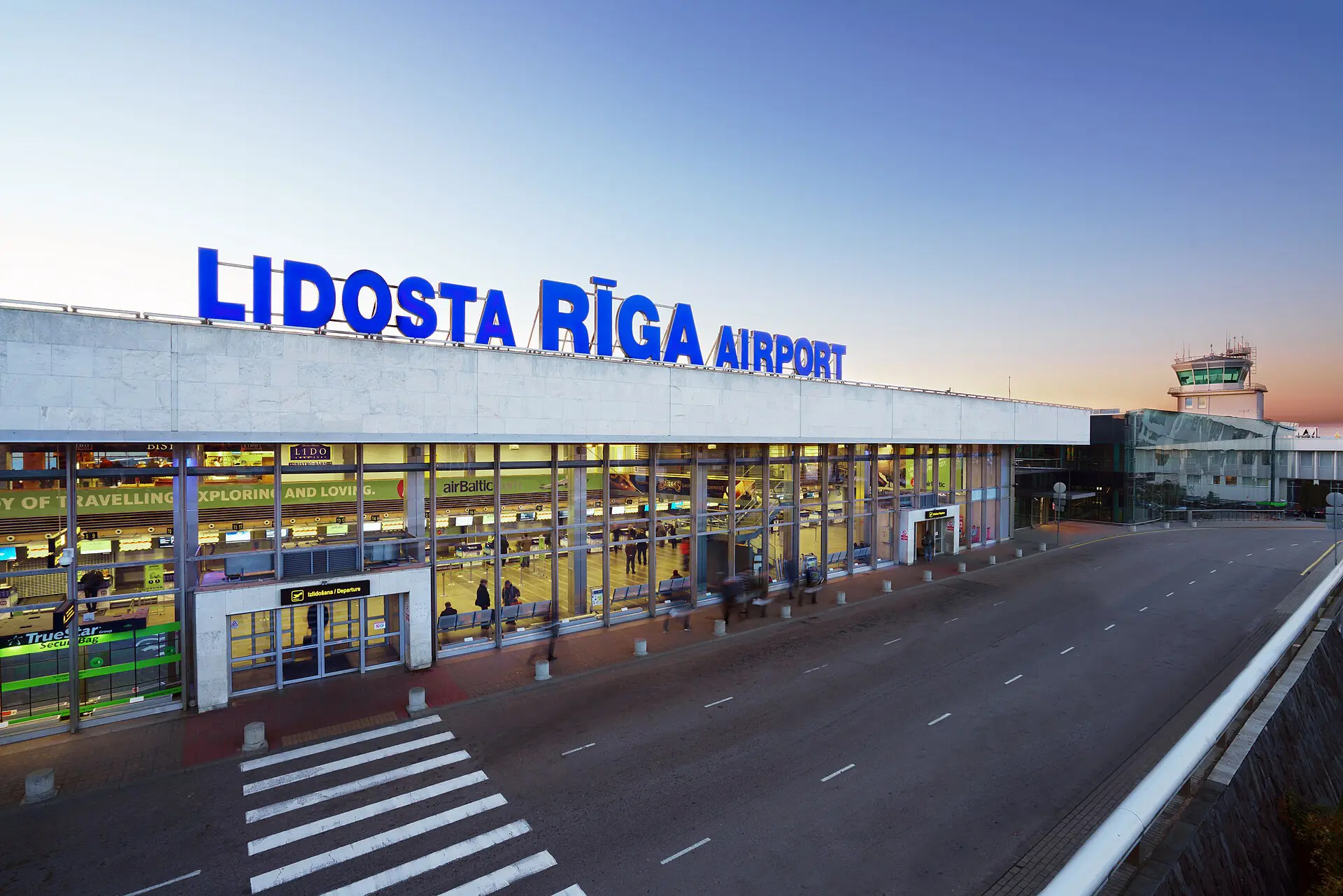
Riga International Airport is the main gateway, with direct flights from most European hubs and from the airline airBaltic’s network. Many travellers also arrive by bus from Tallinn (around four to five hours) or Vilnius (around four hours), on frequent services between the three Baltic capitals. Ferries connect Riga with Stockholm on overnight sailings, subject to the current timetable.
Trains and buses. Trains run from Riga to Jūrmala, Sigulda, Cēsis and Daugavpils, though schedules are sparse in places. Long-distance buses cover almost every town, are cheap and reliable, and are the best option for Kuldīga and Liepāja. Tickets are sold online and at bus stations.
Driving. Cars drive on the right. Roads on main routes are decent, but rural roads can be narrow, and gravel is common. Drive with dipped headlights on at all times. Winter tyres are required in the cold months.
Within Riga. The Old Town and Art Nouveau district are walkable. Trams, trolleybuses and buses serve the rest, and ride-hailing apps are usually cheaper than street taxis.
How much does a trip to Latvia cost?
Latvia uses the euro and is cheaper than Scandinavia and Western Europe, though not as cheap as it used to be. The figures below are rough 2026 estimates per person per day and will vary by season and exchange rates.
- Budget, EUR 40 to 70: hostel bed or basic guesthouse, bus travel, market and cafeteria meals, free sights.
- Mid-range, EUR 70 to 120: three-star hotel or apartment, restaurant meals, museum entry, a day trip by train or bus.
- High, EUR 150 and up: boutique hotel, tasting menus, private drivers and a rental car.
The main cost drivers are accommodation in Riga in summer and during events, car rental and fuel. Eating at self-service cafeterias, using regional buses and visiting in May or September cut the daily cost noticeably. Entry to major attractions such as Rundāle Palace is usually in the range of EUR 10 to 15, and many museums offer reduced or free days. Check current prices before you go.
Latvia food and drink
Latvia food is hearty and built on rye, potatoes, pork, dairy, forest produce and smoked or pickled fish, with a growing modern restaurant scene in Riga that reworks old recipes.
- Rupjmaize: dense dark rye bread, eaten with almost everything and often the basis of desserts.
- Pelēkie zirņi ar speķi: grey peas with bacon and onion, a traditional dish at Christmas and in country restaurants.
- Pīrāgi: small baked buns filled with bacon and onion, sold in bakeries and served with beer.
- Aukstā zupa: cold beetroot and kefir soup, served in summer with boiled potatoes.
- Smoked fish: sprats, eel and herring are sold in Central Market and along the coast.
- Sklandrausis: a sweet carrot and potato pie spiced with caraway, from the Kurzeme region.
- Riga Black Balsam: a strong herbal liqueur, often added to coffee or cocktails.
- Local beer: craft breweries in Riga and Cēsis are widely available.
Lunch menus at restaurants and self-service canteens are good value. Vegetarian options are increasingly common in Riga, but traditional country restaurants often rely on meat, so ask ahead about dietary needs.
Culture, language and etiquette in Latvia
Latvian is the official language and one of only two surviving Baltic languages, with Lithuanian. Russian is widely understood, especially among older people and in Riga, but some Latvians prefer to be addressed in English rather than Russian. English is common among younger people and in hotels, restaurants and shops.
Latvians tend to be reserved at first and value personal space, quiet and punctuality. A handshake is a standard greeting. Remove shoes when you enter a private home, and bring flowers, in odd numbers, if you are invited. Even numbers are for funerals.
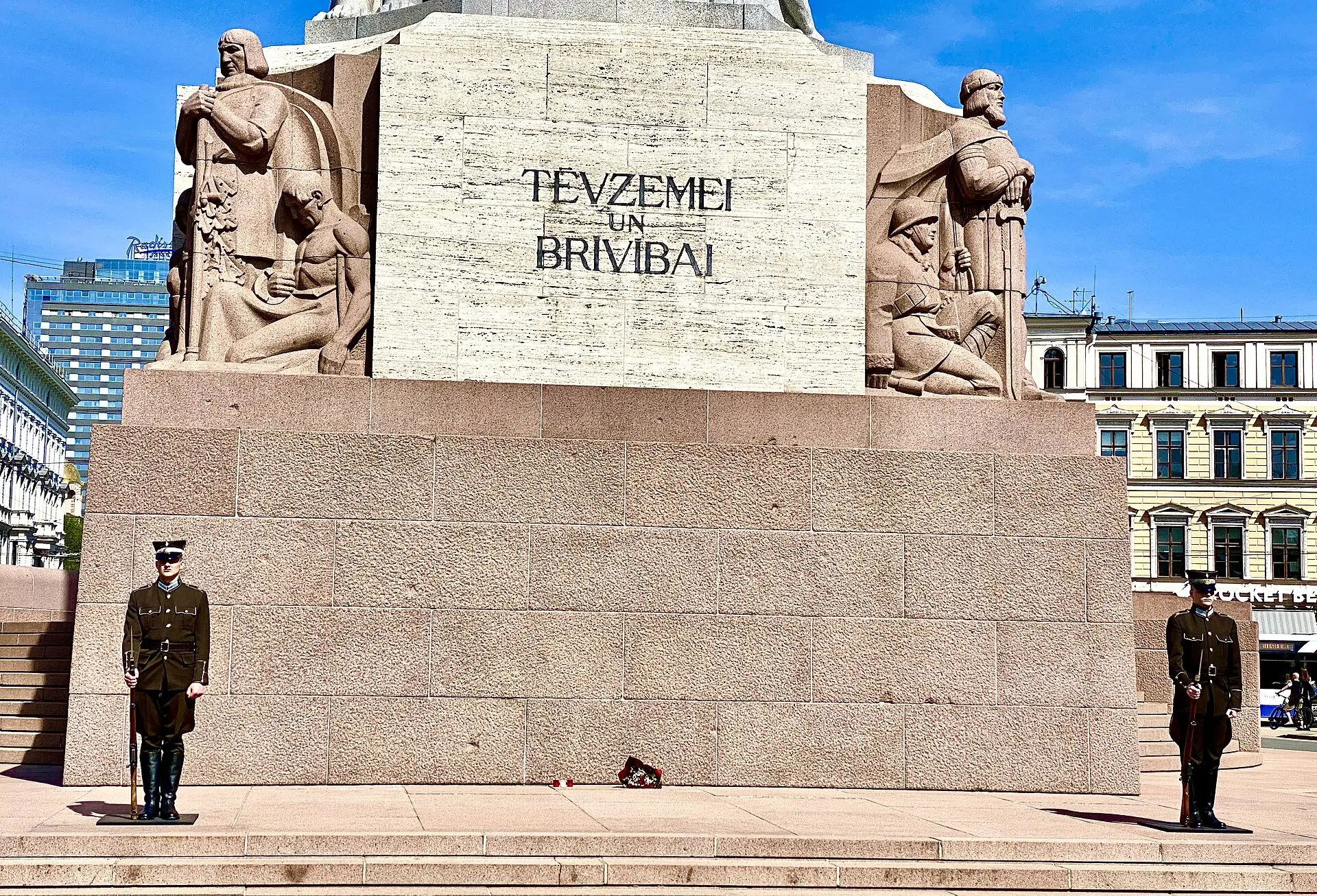
Singing is central to Latvian identity. The Song and Dance Festival, held about every five years and on the UNESCO intangible heritage list, brings tens of thousands of singers together. The recent history of Soviet occupation is a sensitive topic, so approach it with respect, and avoid comparing Latvia with Russia casually. The Museum of the Occupation of Latvia in Riga is a good place to learn about it.
Latvia itinerary: a 7-day route
This route starts and ends in Riga and uses public transport where it works well. A car makes Days 4 to 7 easier.
- Day 1, Riga Old Town: walk the cobbled squares, climb St. Peter’s tower, then visit the Central Market for lunch and an evening beer.
- Day 2, Art Nouveau and museums: Alberta iela and Elizabetes iela in the morning, then the Museum of the Occupation or the National Museum of Art.
- Day 3, Jūrmala: take the train, walk the beach and the wooden villas of Jomas iela, and return to Riga for dinner.
- Day 4, Rundāle and Bauska: go by car or tour to the palace and Bauska Castle, then continue to Kuldīga for two nights.
- Day 5, Kuldīga: explore the old town and Venta Rapid, then drive toward the coast for a beach walk.
- Day 6, Sigulda and Cēsis: return via Riga to Sigulda, walk in the Gauja valley, visit Turaida Castle, and sleep in Cēsis.
- Day 7, Cēsis and Riga: visit Cēsis Castle in the morning and take the train or bus back to Riga.
With fewer days, drop Kuldīga and spend a night in Sigulda instead. With more, add Liepāja and Cape Kolka on the west coast.
Practical tips for Latvia
A few practical points help trips run smoothly.
- Money: the euro is used everywhere. Cards and contactless payment are accepted almost everywhere, including small cafés, though carry a little cash for markets and rural places.
- SIM and eSIM: EU roaming applies to EU SIMs. Visitors from outside the EU can buy a local prepaid SIM or an eSIM at the airport or in shops, with good 4G and 5G coverage in towns.
- Plugs: types C and F at 230 V and 50 Hz.
- Tipping: not obligatory. Rounding up or leaving about 10% in restaurants is common, if service is not included.
- Health: EU visitors should carry the EHIC or GHIC equivalent, and others should have travel insurance. Ticks are common in forests, so check for them after walks.
- Packing: layers and a waterproof jacket in all seasons, mosquito repellent in summer, and a warm coat, hat and grippy boots in winter.
- Timing: shops are usually open daily, though some close early on Sundays and on public holidays.
- Emergencies: dial 112 for all emergency services.
For more background and listings, the Wikivoyage Latvia page and the UNESCO list for Latvia are useful complements.
FAQ
Q1What are the best things to do in Latvia?
Start with Riga's Old Town and Art Nouveau district, then add Gauja National Park with Sigulda and Turaida Castle, Rundāle Palace, the old town of Kuldīga and the beaches at Jūrmala or Liepāja. Midsummer on 23 and 24 June is the best time to see local traditions.
Q2Is Latvia safe?
Yes, Latvia is generally safe for tourists, and serious crime against visitors is rare. Watch for pickpockets in Riga and check prices in Old Town bars. It borders Russia and Belarus, so check your government's advice and avoid the restricted border crossings.
Q3What is Latvia food like?
Latvia food is built on dark rye bread, potatoes, pork, dairy, smoked fish and pickles. Try grey peas with bacon, pīrāgi bacon buns, cold beetroot soup in summer and Riga Black Balsam. Riga's Central Market is the easiest place to taste many of them.
Q4What is the best time to visit Latvia?
June to August is best for warm weather, beaches and Midsummer, though prices peak. May and September are quieter and cheaper, with mild weather. Winter is cold and dark but suits Christmas markets, museums and saunas, if you pack properly.
Q5Do I need a visa for Latvia?
It depends on your nationality. Latvia is in the Schengen area, so citizens of many countries can visit visa-free for up to 90 days in any 180 days, while others need a Schengen visa. Confirm the rules with the Latvian foreign ministry before you book.
Q6Is Latvia expensive to visit?
Latvia is cheaper than Scandinavia and most of Western Europe. A mid-range trip costs roughly EUR 70 to 120 per person per day, depending on the season and where you stay. Riga in summer costs the most, while regional towns and buses are affordable.
Q7How many days do you need in Latvia?
Three days is enough for Riga and one day trip, such as Sigulda or Jūrmala. A week lets you add Rundāle Palace, Kuldīga and Cēsis at a relaxed pace. Ten days allow the west coast and Cape Kolka as well.