Why visit Kuwait
The things to do in Kuwait appeal to travellers who want a real Gulf city without the resort crowds of Dubai or Doha. The country sits at the head of the Persian Gulf between Iraq and Saudi Arabia and has long been a trading port between Mesopotamia, India and Persia (see the Wikipedia overview). Oil wealth built modern Kuwait City, but it also left a lively souk, small museums, a strong cafe culture and a lively food scene.
Kuwait suits curious, independent visitors, business travellers extending a stay, and people interested in Gulf history and modern architecture. It is less suited to anyone seeking beaches, nightlife or alcohol, which is banned, and the public transport is limited, so a car or taxi app is nearly essential. Visiting in winter and respecting local customs makes the trip much easier.
Best places to visit in Kuwait
The best places to visit in Kuwait are concentrated in and around Kuwait City, with one island and a few desert sites a short trip away.
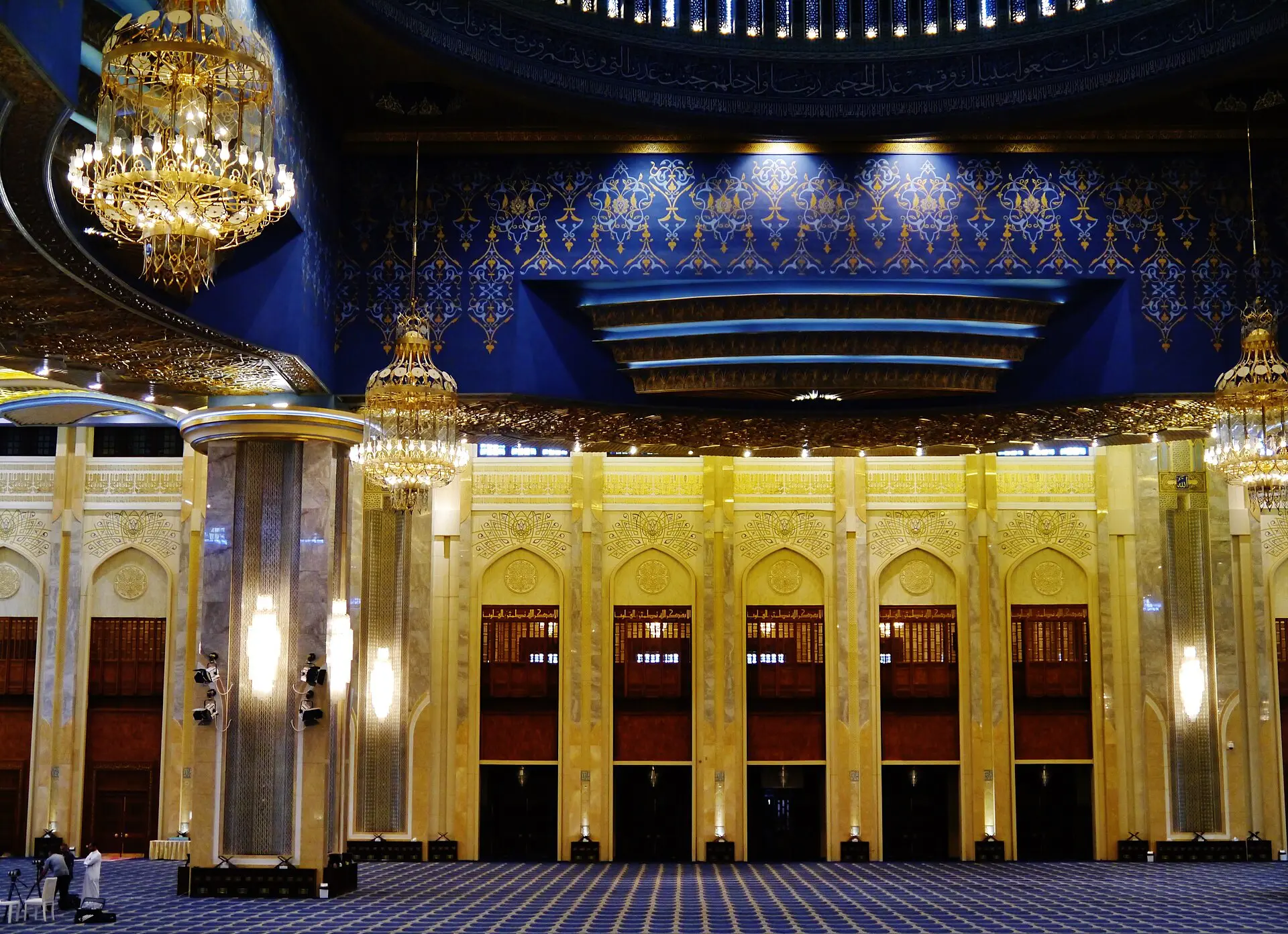
Kuwait City
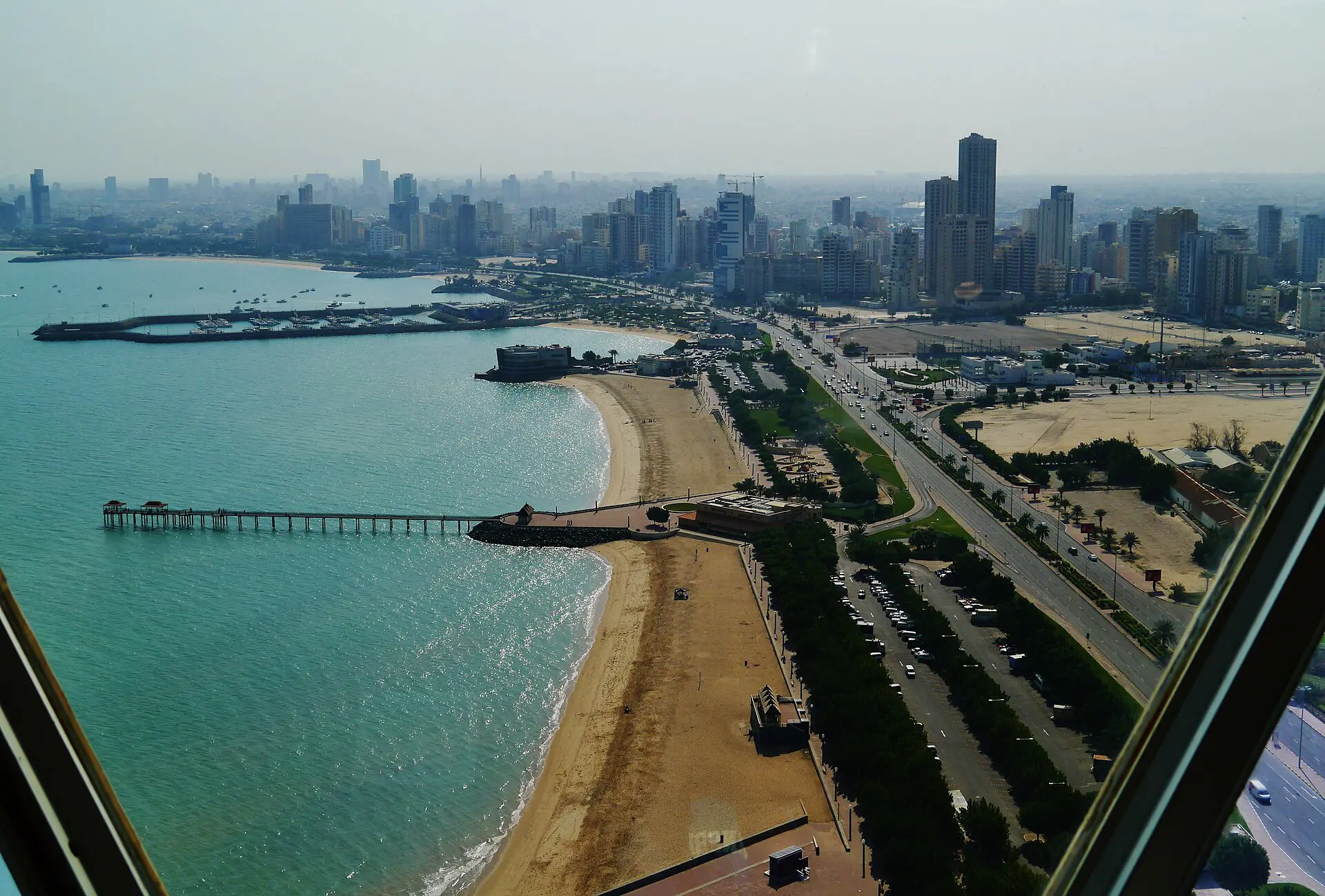
The capital stretches along the Gulf shore, with the Kuwait Towers, the Liberation Tower, the Grand Mosque and the old waterfront. Souq Al-Mubarakiya is the oldest market, good for spices, sweets and traditional cafes. The Sheikh Abdullah Al-Salem Cultural Centre is a large museum and science complex.
Salmiya
A busy commercial district with malls, restaurants and a seafront promenade, handy as a base thanks to its range of hotels.
Failaka Island
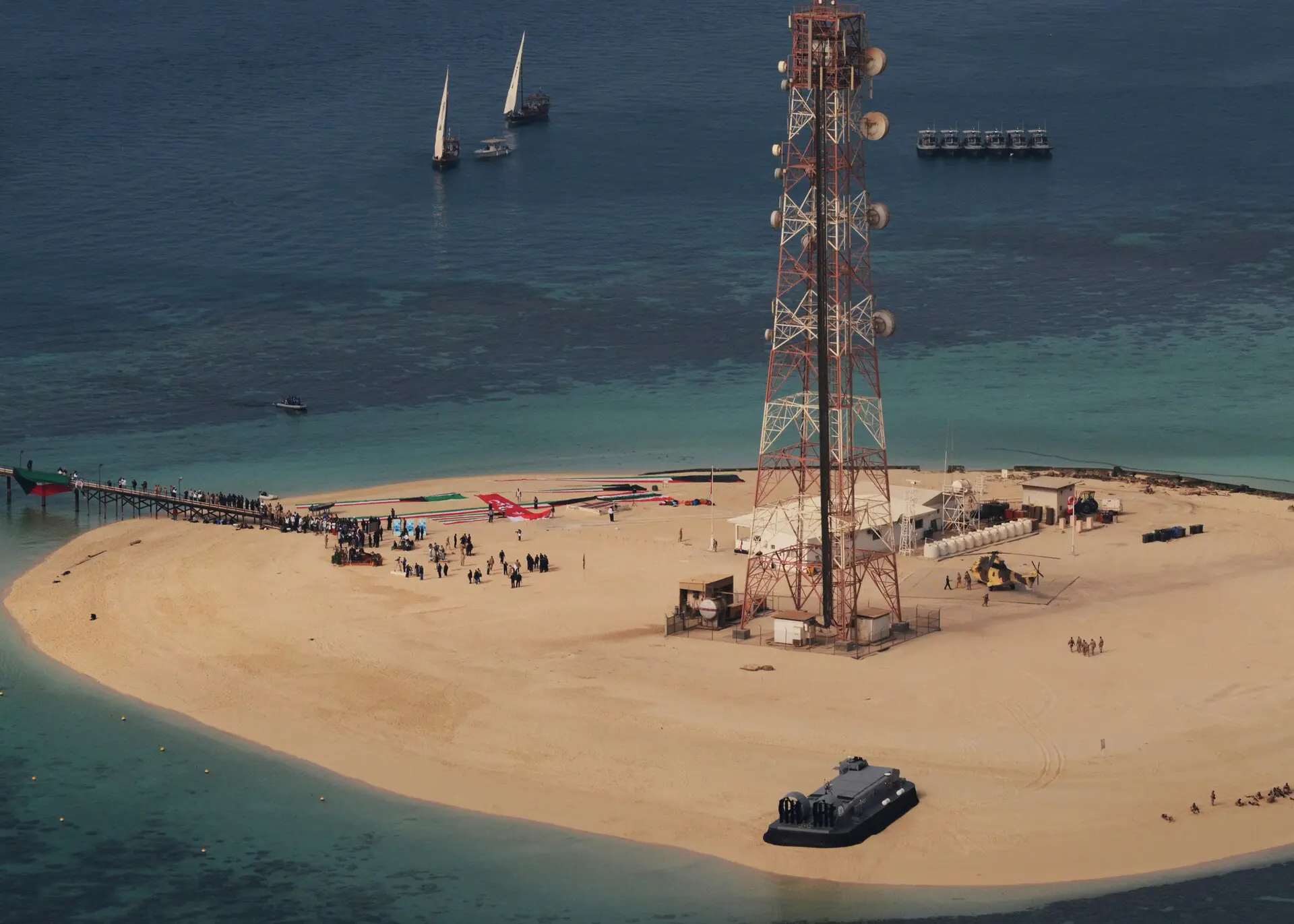
A short ferry ride from the mainland, Failaka has ancient Greek and Bronze Age remains, abandoned houses and quiet beaches. Check ferry times, as services vary.
Jahra and the Red Fort
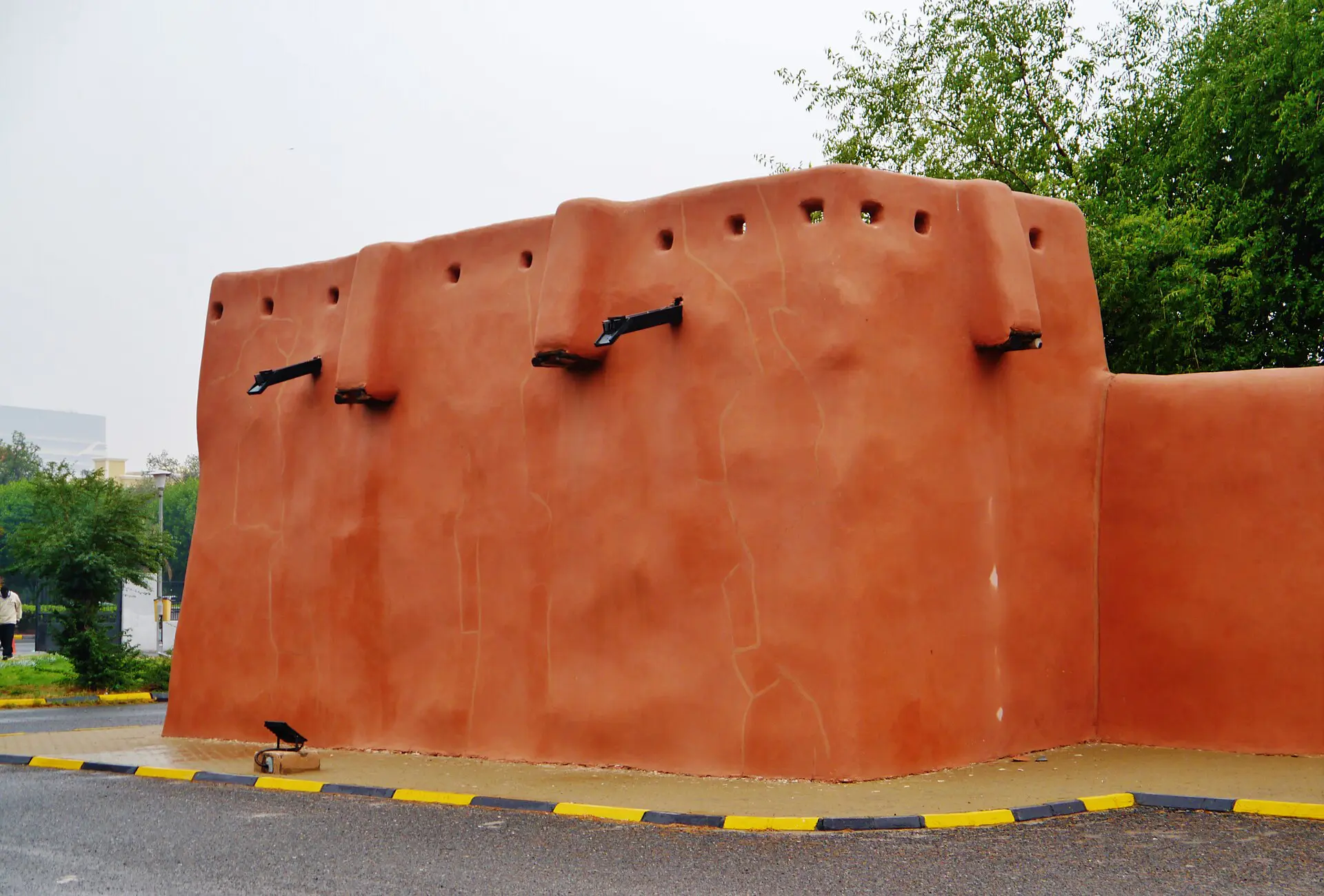
The Red Fort at Jahra, about 30 minutes from the centre, is a mud-brick fortress linked to a famous 1920 battle in Kuwait’s history.
Desert and coast
Camping seasons in winter draw locals to the desert outside the city, and beaches such as Messilah are popular on weekends.
Top things to do in Kuwait
The top things to do in Kuwait mix heritage, architecture and food, and most are within a short taxi ride in Kuwait City.
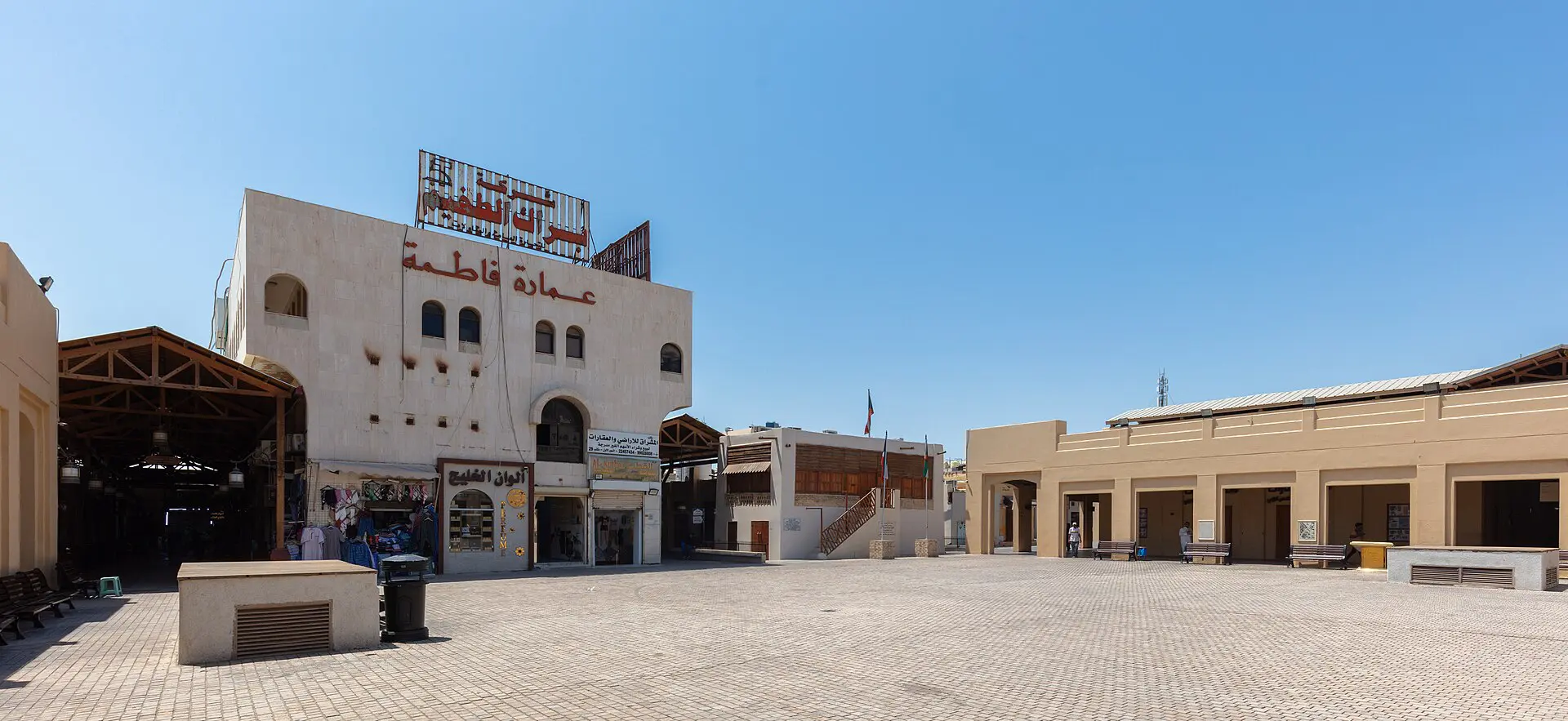
- Visit the Kuwait Towers: the three towers on the waterfront are the national symbol, and one holds a viewing sphere.
- Tour the Grand Mosque: non-Muslim visitors are usually welcome at set hours; dress modestly and check opening times.
- Wander Souq Al-Mubarakiya: stalls sell spices, perfumes, dates and grilled food in the old market lanes.
- See the Tareq Rajab Museum: a private collection of Islamic art, ceramics and jewellery.
- Explore Sadu House: a small cultural centre devoted to traditional Bedouin weaving.
- Take a ferry to Failaka Island: walk among the ruins and old village on this quiet island.
- Visit the Mirror House: a private house covered in mosaic and mirror art, open by arrangement.
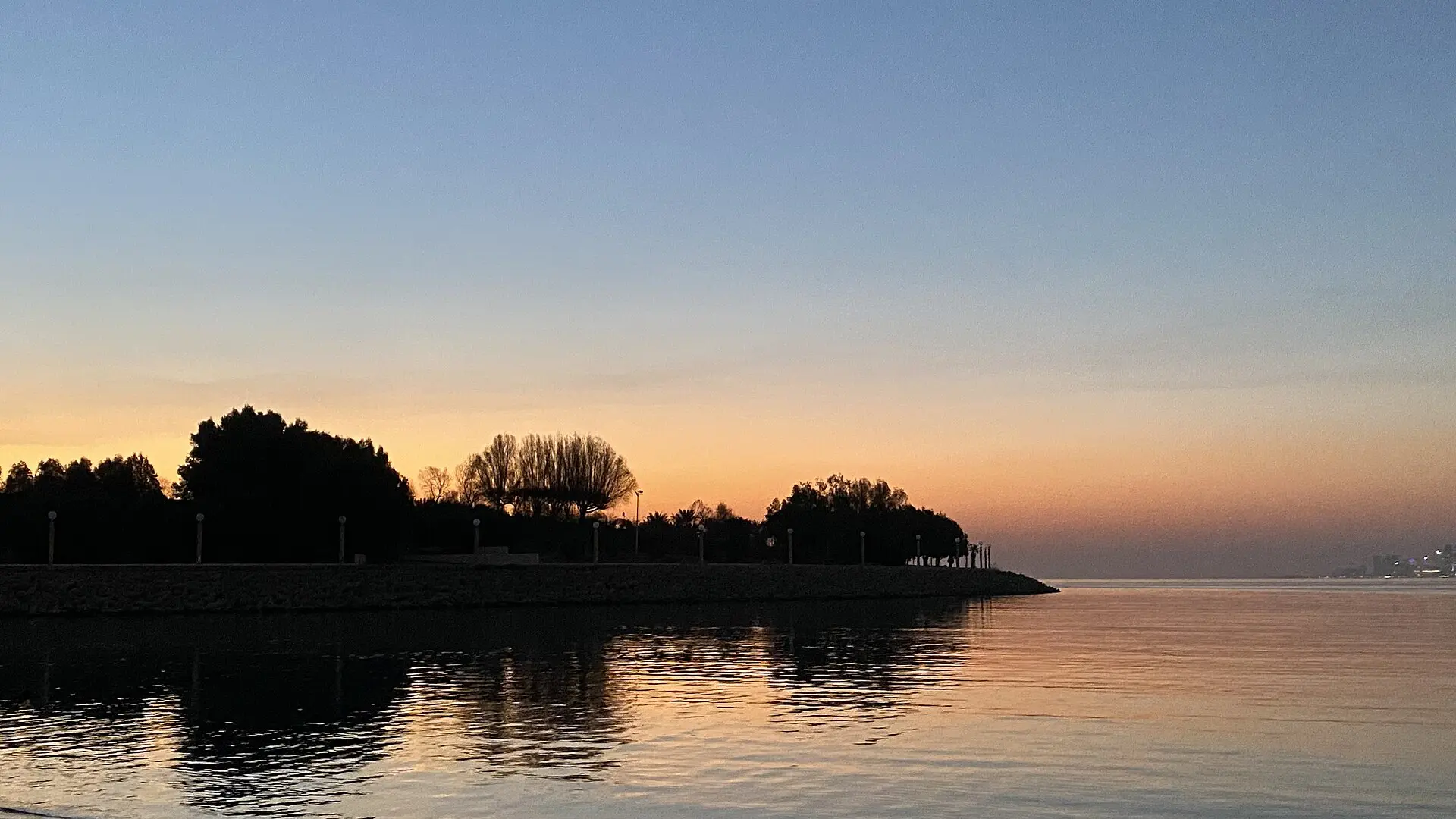
- Stroll the Corniche and Marina: sea views and cafes, best in the evening.
- Try the Scientific Center: the large aquarium is a good option for families.
- Shop at the Avenues: one of the largest malls in the region is also an air-conditioned break from summer heat.
Best time to visit Kuwait
The best time to visit Kuwait is November to March, when days are warm, evenings are cool and outdoor sights are comfortable. Summers are extremely hot, with temperatures that regularly exceed 45 C, so most activity moves indoors.
| Season | Weather | Crowds and prices | Good for |
|---|---|---|---|
| Winter (Nov-Feb) | Mild to cool, with occasional rain | Busiest, but still quiet | Sightseeing, desert camping, Failaka |
| Spring (Mar-Apr) | Warm, some dust storms | Moderate | City, souks, museums |
| Summer (May-Sep) | Very hot, often 45 C or more | Low demand, cheaper rooms | Malls, museums, indoor attractions |
| Autumn (Oct) | Hot but easing | Moderate | Outdoor walks in the evening |
Ramadan changes daily life, with daytime restaurant closures and shortened hours. The weekend is Friday and Saturday, so many places open late on Fridays.
Is Kuwait safe to visit?
Yes, Kuwait is generally safe for most visitors, and street crime against tourists is low. Is Kuwait safe to visit in the current regional climate? Check your government’s travel advice, such as the UK FCDO or US State Department pages, because Gulf security conditions can change quickly, and some governments publish specific warnings about the border with Iraq.
Laws. Kuwait enforces strict rules. Alcohol is banned, drug offences carry severe penalties, and public displays of affection, offensive gestures and criticising the ruling family or religion can lead to arrest. Same-sex relations are criminalised, so LGBTQ travellers should be discreet.
Heat and weather. From May to September, heat is dangerous: drink water, avoid midday outdoor activity and use air-conditioned transport. Dust storms and flash floods after heavy rain occur occasionally.
Roads. Driving is fast and often aggressive, and road accidents are the main everyday risk. Use a taxi app if you are unsure.
Women and solo travellers. Women travelling alone generally report few problems, but should dress modestly and expect stares in some areas.
Kuwait visa and entry requirements
Kuwait visa rules depend on your nationality, and they have changed several times in recent years. Many visitors can apply for an e-visa through the official government portal, while citizens of some countries may qualify for a visa on arrival, and GCC citizens enter under separate rules. Confirm the current requirement for your passport with the Kuwaiti Ministry of Interior, the official e-visa service or a Kuwaiti embassy before you book.
Bring a passport valid for at least six months, proof of accommodation and a return or onward ticket. Applications can be refused or delayed, so apply early. Israeli passport stamps or a passport showing Israeli travel can cause problems at the border, and Israeli citizens are generally not admitted.
If you rent a car, check your driving licence is accepted and that insurance covers you. The UNESCO page for Kuwait is useful context for heritage, though it does not cover entry rules. Declare any prescription medicines, as some common drugs are controlled, and carry them in original packaging with a doctor’s note.
Getting to and around Kuwait
Most visitors fly into Kuwait International Airport, which has flights from Gulf hubs, Europe, South Asia and the Middle East. Land borders connect Kuwait with Saudi Arabia and Iraq, but the Iraq crossing is not recommended for tourists. There is no passenger rail, and sea access is for cargo and cruise stops only.
Inside Kuwait, buses exist but are slow and little used by visitors. Taxi and ride-hailing apps are the practical choice, and a city ride typically costs a few dinars. Driving is on the right, and rental cars are affordable, with major highways linking Kuwait City to Jahra, Ahmadi and the Saudi border. Traffic can be heavy at rush hours, especially on the ring roads. Kuwait City to Ahmadi takes about 30 to 45 minutes, and Salmiya is about 10 to 20 minutes from the centre.
Ferries to Failaka Island leave from the mainland marina, and times change, so confirm schedules locally. Walking is pleasant only in winter evenings along the Corniche and in the souk.
How much does a trip to Kuwait cost?
Kuwait is not a budget destination, mostly because hotels are expensive, although food and transport are affordable. The currency is the Kuwaiti dinar (KWD), one of the world’s highest-valued currencies, so prices look small in dinars but are large in US dollars or euros. Figures below are rough per-person guides for 2026.
- Budget: around KWD 20 to 35 per day, with simple hotels or guesthouses, local meals and taxi apps.
- Mid-range: around KWD 35 to 70 per day, with a four-star hotel, restaurant meals and some tours or museum visits.
- High-end: from around KWD 100 per day, with luxury hotels, fine dining and a private driver.
Accommodation is the main driver, and rates rise during business events and in winter. A local meal in a restaurant often costs KWD 3 to 6, taxis are cheap, and many museums charge small fees. Cards are accepted widely, and the lack of alcohol removes a normal tourist expense.
Kuwait food and drink
Kuwait food centres on rice, seafood, spiced meat and bread, with Gulf, Persian and Indian influences. Seafood is a particular strength thanks to the Gulf, and restaurants range from simple cafeterias to upmarket seafront venues.
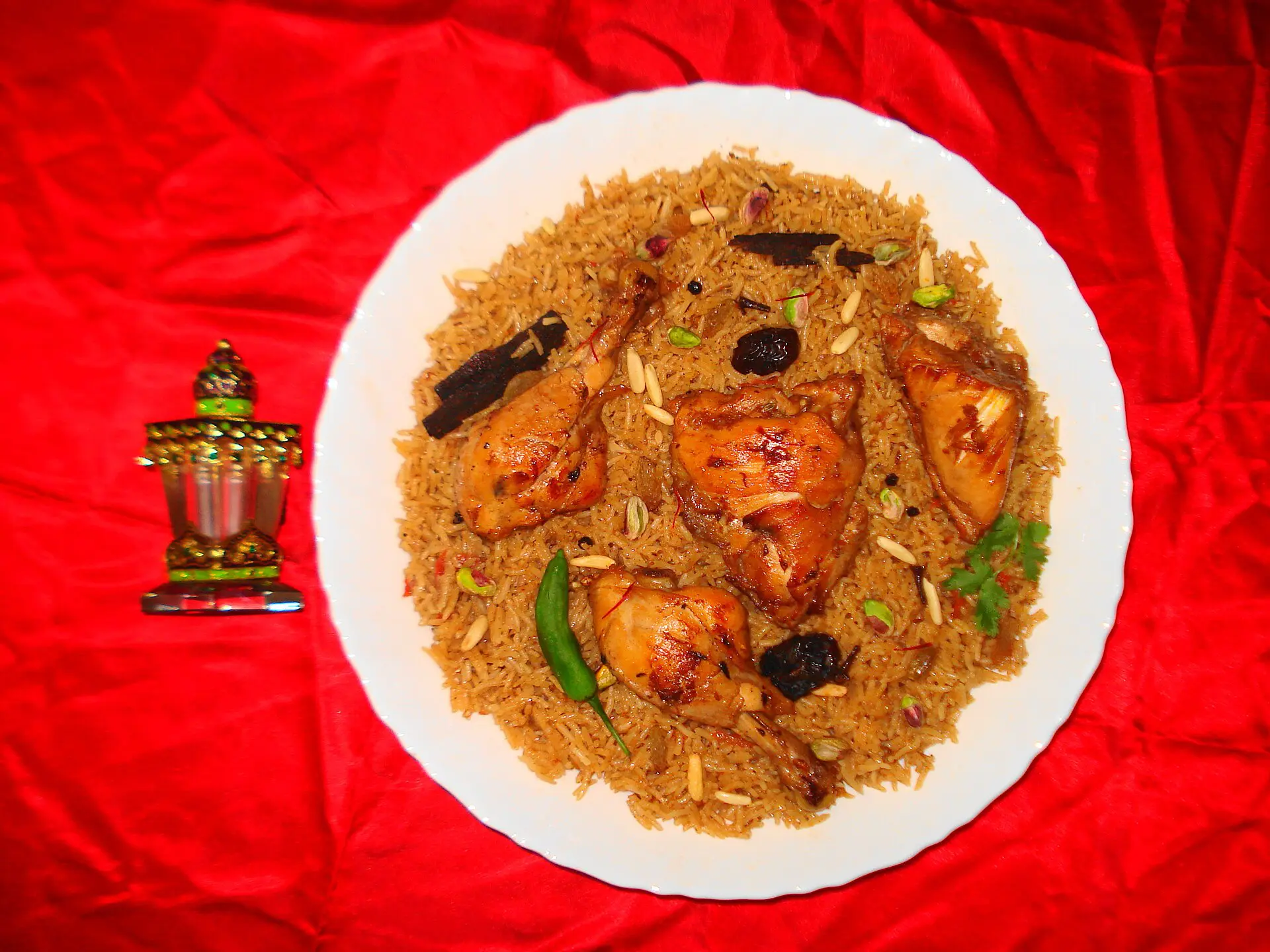
- Machboos: spiced rice with chicken, lamb or fish, often called the national dish.
- Murabyan: rice cooked with shrimp and spices, a seafood classic.
- Margoog: a thick stew of meat, vegetables and thin dough, eaten in winter.
- Jireesh: a porridge-like dish of crushed wheat with meat and spices.
- Samak masgouf and grilled fish: fresh Gulf fish cooked over charcoal.
- Gers ogaily: a sweet cardamom and saffron cake that goes well with tea.
- Karak chai and Arabic coffee: spiced tea and cardamom coffee are served with dates at gatherings.
All food from licensed restaurants is halal, and alcohol is not served, so juices, mocktails and coffee are the alternatives. Vegetarians can eat on mezze, falafel, hummus, salads and rice dishes. Fast food, Lebanese and Indian restaurants are everywhere, and Souq Al-Mubarakiya is a good place for grills.
Culture, language and etiquette in Kuwait
Arabic is the official language, and English is widely used in hotels, malls and business. Kuwait is a Muslim-majority monarchy, with a large expatriate population of about two thirds of residents, so interactions are often with people from South Asia, Egypt and elsewhere. A greeting such as salaam alaykum, and shukran (thank you), is appreciated.
Dress modestly in public: men should avoid shorts above the knee and sleeveless tops, and women should cover shoulders and knees, with a scarf for mosques. Many malls and offices have strong air conditioning, so bring a light layer. Greet people with the right hand, and wait for a woman to offer a handshake.
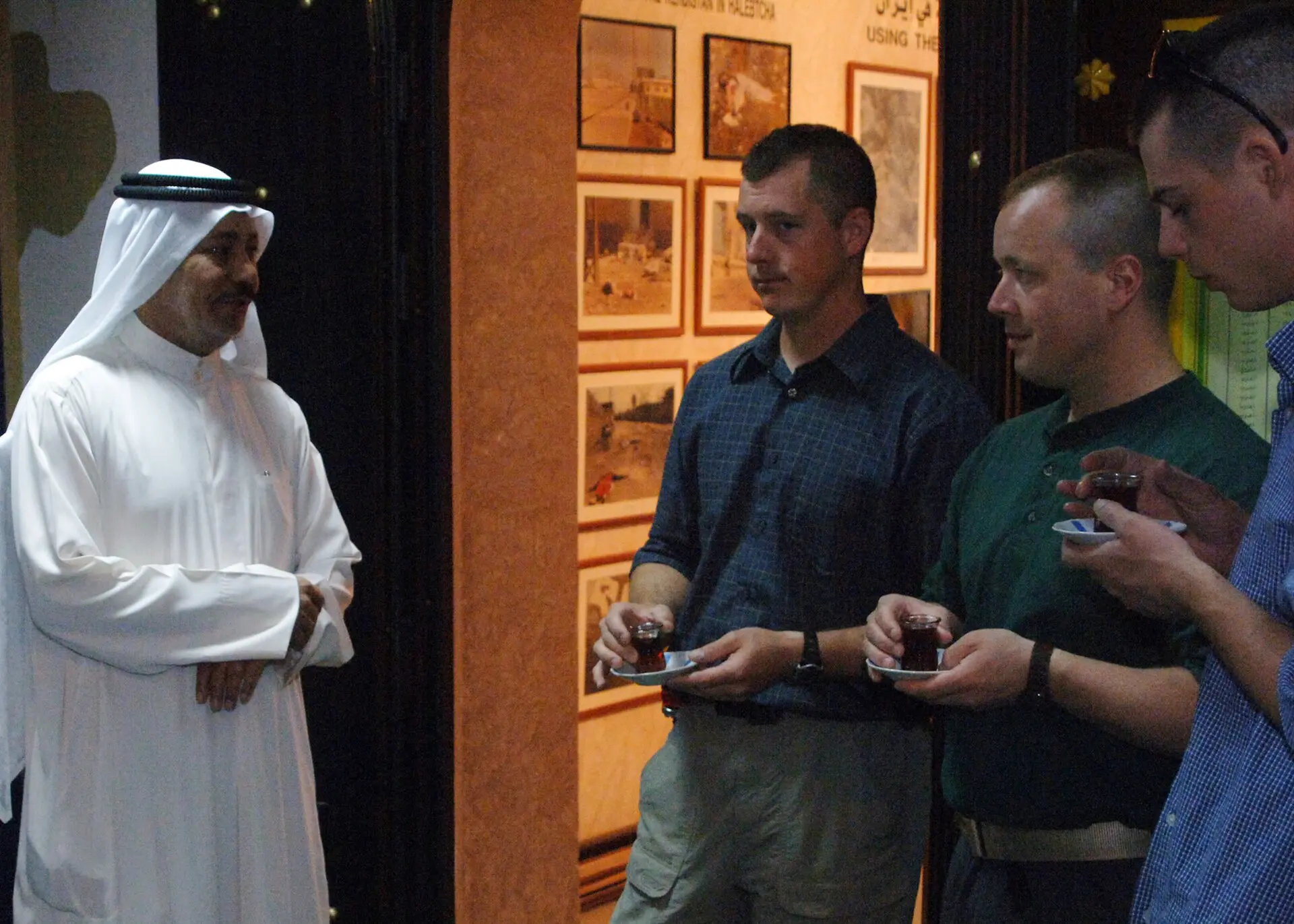
During Ramadan, do not eat, drink or smoke in public in daylight. Friday is the main prayer day, and many businesses open in the afternoon. Avoid criticising the ruling family, religion or government, and ask permission before photographing people, government buildings or military sites. Kuwaiti hospitality is generous, so expect offers of coffee and dates.
Kuwait itinerary: a 7-day route
This route is based in Kuwait City, with day trips by taxi, rental car or ferry. It works best from November to March.
- Day 1, arrive: check in and walk the Corniche and Kuwait Towers at sunset.
- Day 2, old Kuwait City: visit the Grand Mosque, Souq Al-Mubarakiya and the Sadu House.
- Day 3, museums: see the Tareq Rajab Museum, the National Museum area and the Cultural Centre.
- Day 4, Failaka Island: take the ferry for ruins and quiet beaches, then return in the evening.
- Day 5, Jahra and the Red Fort: drive about 30 minutes, visit the fort and eat a seafood lunch.
- Day 6, Salmiya and the Avenues: shop, eat at a Gulf restaurant and take in the seafront.
- Day 7, relax and depart: a last coffee and dates stop, then head to the airport about three hours before departure.
With extra days, add a desert camp in winter or a visit to the Mirror House. Do not plan trips toward the Iraq border, and check current government advice before travelling outside the main urban area.
Practical tips for Kuwait
- Money: the Kuwaiti dinar is the currency. Cards are accepted widely, and ATMs are common in the city; carry some cash for souks and taxis.
- SIM and eSIM: prepaid SIMs and tourist eSIMs are easy to get at the airport and in malls, and coverage is strong.
- Plugs: types G, C and F at 240 V, so a UK-style adapter is useful.
- Tipping: around 10 percent in restaurants if service is not already included; round up for drivers.
- Health: bring insurance, sun protection and a reusable water bottle; carry medicines in original packaging.
- Packing: light, loose clothing covering shoulders and knees, plus a layer for cold air conditioning and winter evenings.
- Week: the weekend is Friday and Saturday; plan museum visits for Sunday to Thursday.
- Apps: install ride-hailing and food delivery apps before arrival.
For wider background, see the Wikivoyage Kuwait guide.
FAQ
Q1Is Kuwait safe?
Yes, for most visitors. Street crime is low, and the main risks are strict laws, aggressive driving and extreme summer heat. Regional tensions can change conditions, so check your government's current travel advice and avoid the Iraq border area.
Q2What is Kuwait food like?
Kuwait food centres on spiced rice, Gulf seafood and grilled meat, with dishes such as machboos, murabyan, margoog and jireesh. Everything is halal, alcohol is not served, and karak tea, Arabic coffee and dates are served everywhere.
Q3What are the best things to do in Kuwait?
Top picks are the Kuwait Towers, the Grand Mosque, the old Mubarakiya souk, the Tareq Rajab Museum and a ferry trip to Failaka Island. In winter, add a desert camp, and use the malls as a break from summer heat.
Q4Do I need a visa for Kuwait?
Most likely, though it depends on your nationality. Many visitors apply for an e-visa online, some qualify for a visa on arrival and GCC citizens have separate rules. Check the official Kuwaiti government source or an embassy before booking.
Q5Is Kuwait safe to visit for women and solo travellers?
Generally yes. Women and solo travellers report few problems, but should dress modestly, use taxi apps at night and respect local laws. Same-sex relations are criminalised, so LGBTQ travellers should be discreet.
Q6What is the best time to visit Kuwait?
November to March is best, with pleasant days and cool evenings. Summers are extremely hot, often above 45 C, and Ramadan changes opening hours. The weekend is Friday and Saturday.
Q7Can you drink alcohol in Kuwait?
No. Alcohol is banned in Kuwait, and importing or consuming it can lead to arrest, fines or deportation. Hotels and restaurants serve juices, mocktails, coffee and tea instead, so plan your trip as an alcohol-free stay.