Why visit Kosovo
Kosovo travel rewards visitors who like layered history in a compact space. The country covers about 10,900 square kilometres and has roughly 1.6 million people, with a young population and a lively cafe culture (see the Wikipedia overview). Ottoman bazaars, Orthodox monasteries, Roman remains and mountain gorges sit within a couple of hours of Pristina, and prices are low. Kosovo declared independence from Serbia in 2008 and is recognised by roughly 110 UN members, while Serbia and several other states do not recognise it.
It suits independent travellers, hikers, history readers and anyone building a wider Balkan route through Albania, North Macedonia or Montenegro. It is less suited to travellers who want beach resorts or well-developed rail and tourism infrastructure. Knowing a little of the politics, and avoiding strong opinions about it, will make the visit smoother.
Best places to visit in Kosovo
The best places to visit in Kosovo are close together, so you can base yourself in two or three towns and make day trips.
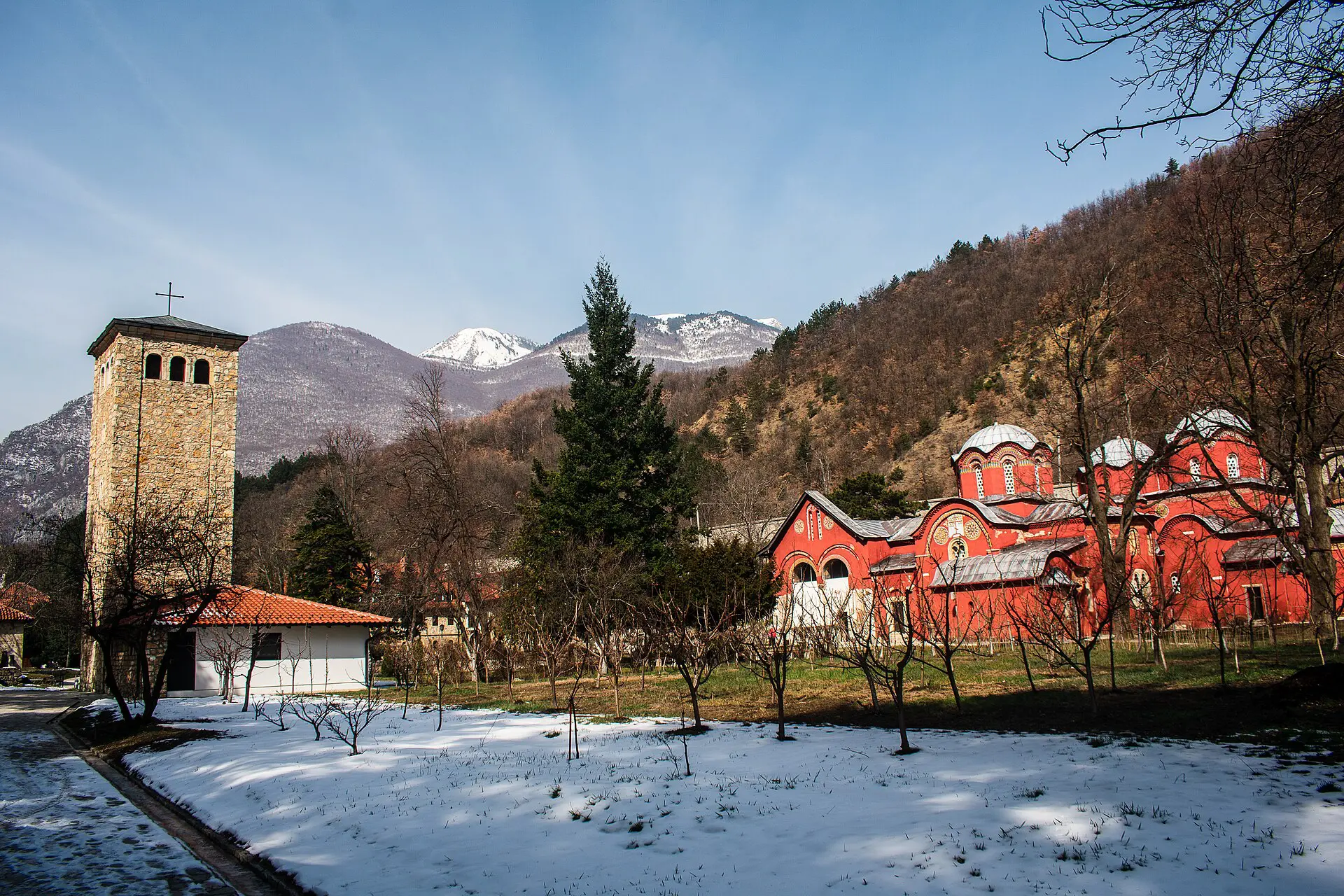
Prizren
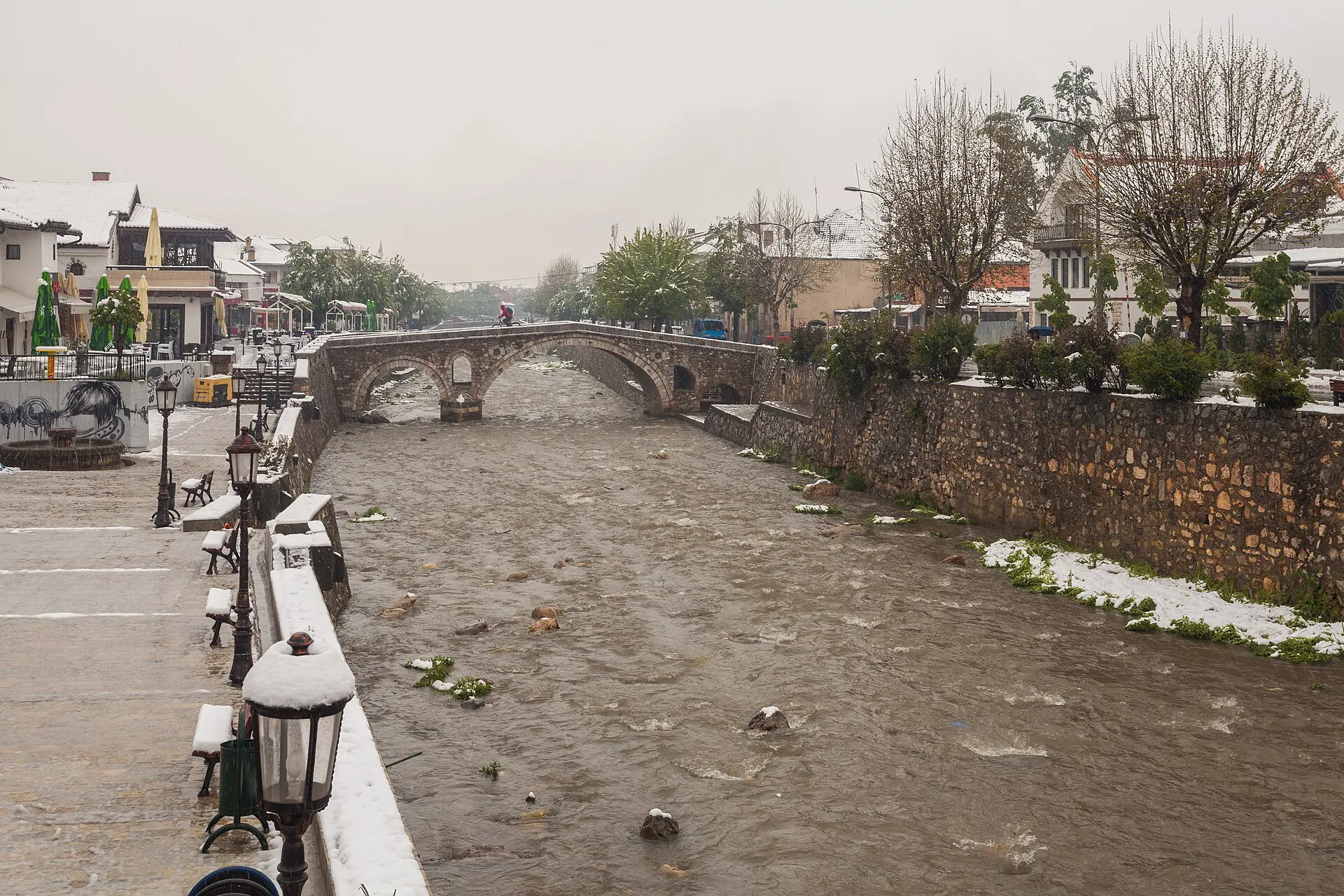
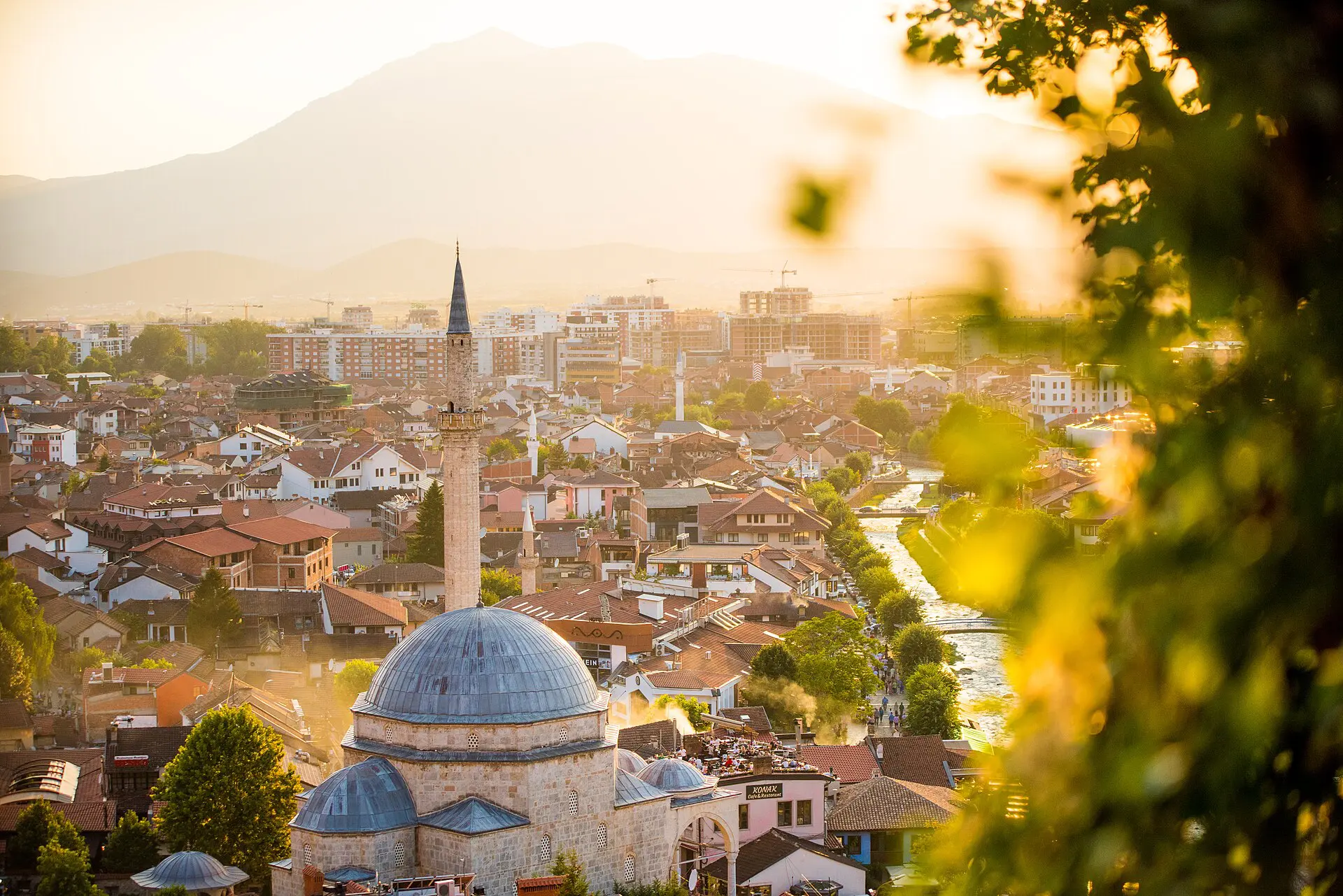
The cultural capital of the country has a stone bridge over the Lumbardhi river, Ottoman mosques and a hilltop fortress with views of the old town. Cafes line the river, and the film festival in late summer fills the streets. It is the best base for most visitors.
Pristina
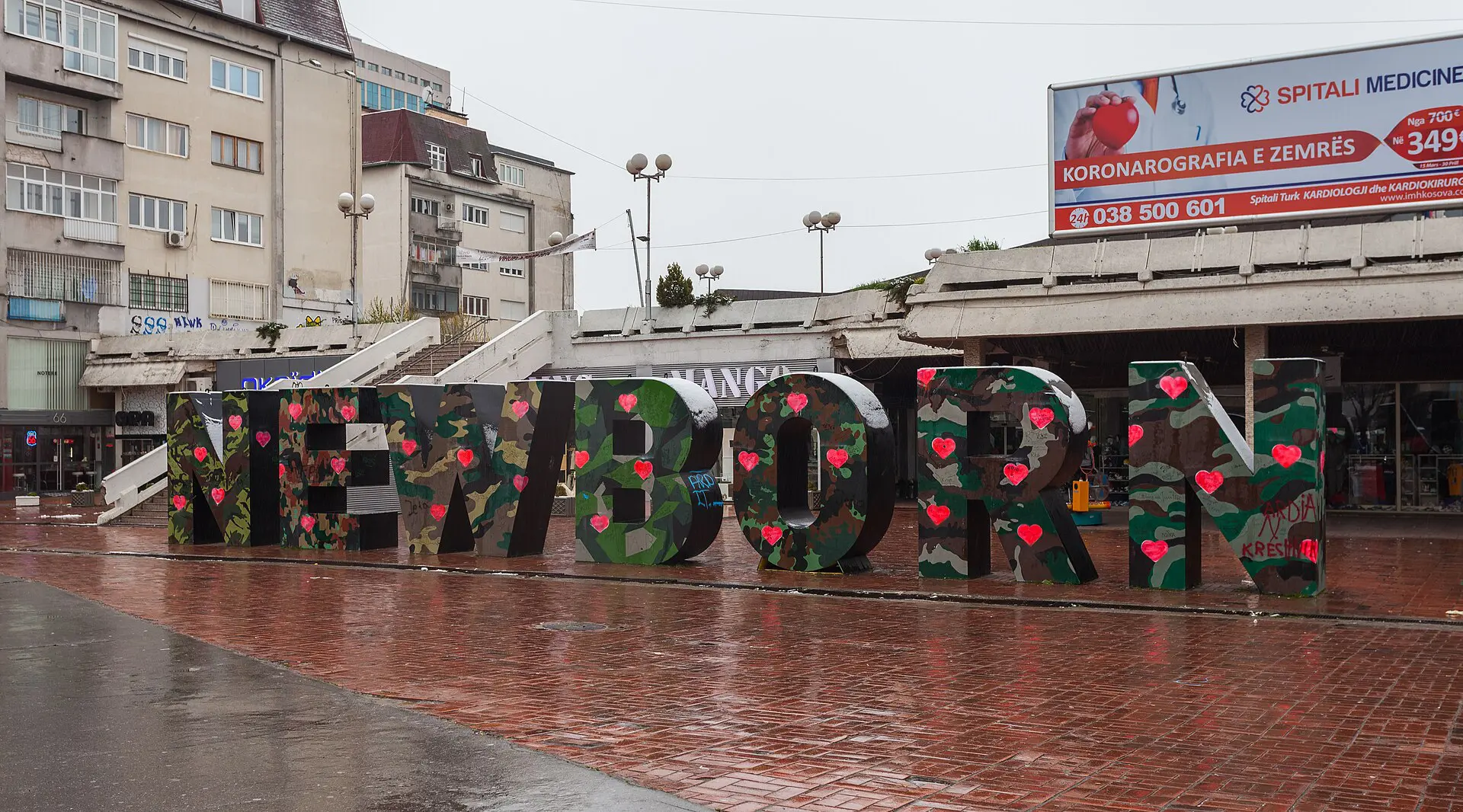
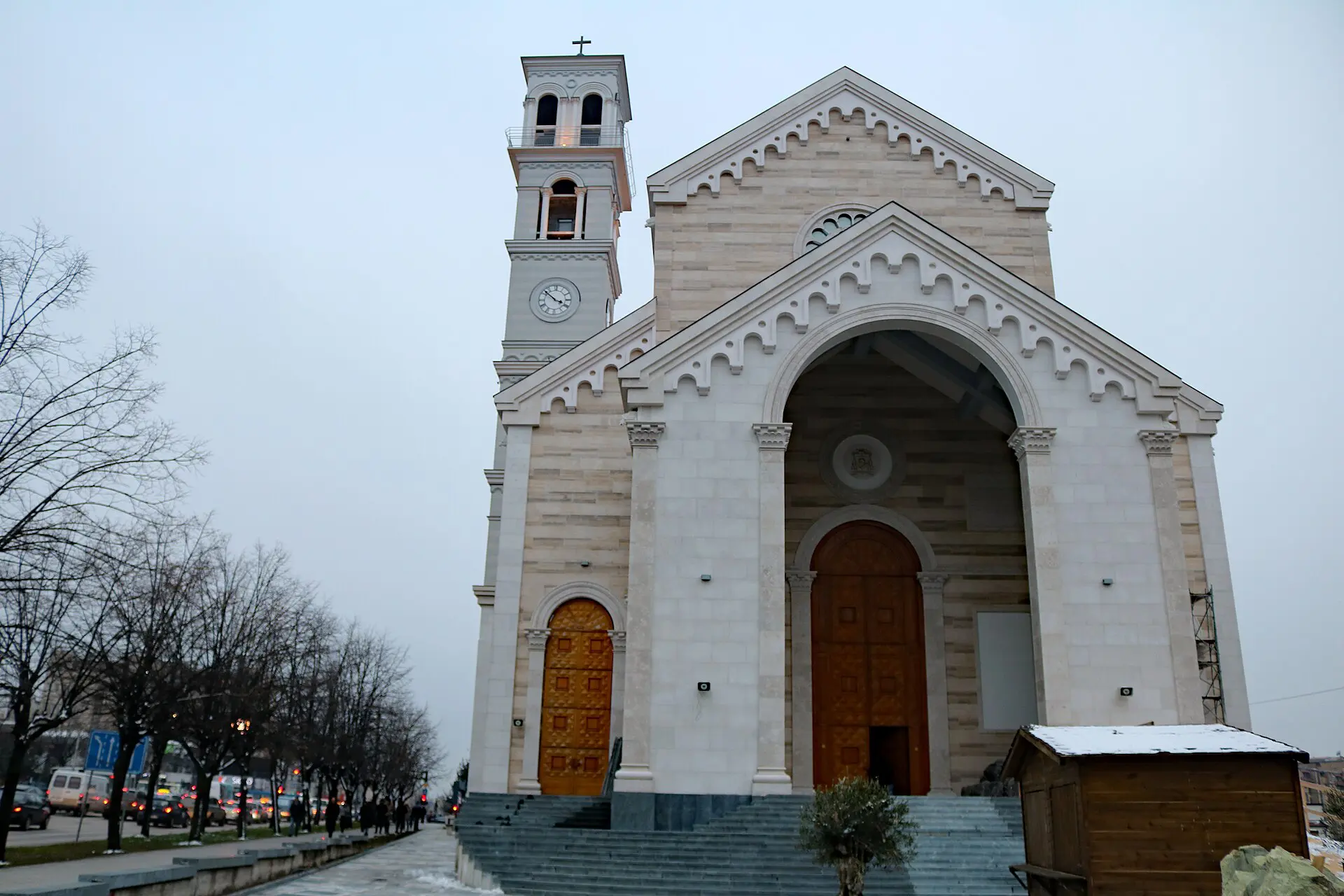
The capital is energetic and informal, with a student crowd, many cafes and unusual brutalist buildings such as the National Library. Mother Teresa Boulevard is the main promenade, and the Newborn monument marks independence.
Peja and the Rugova Gorge
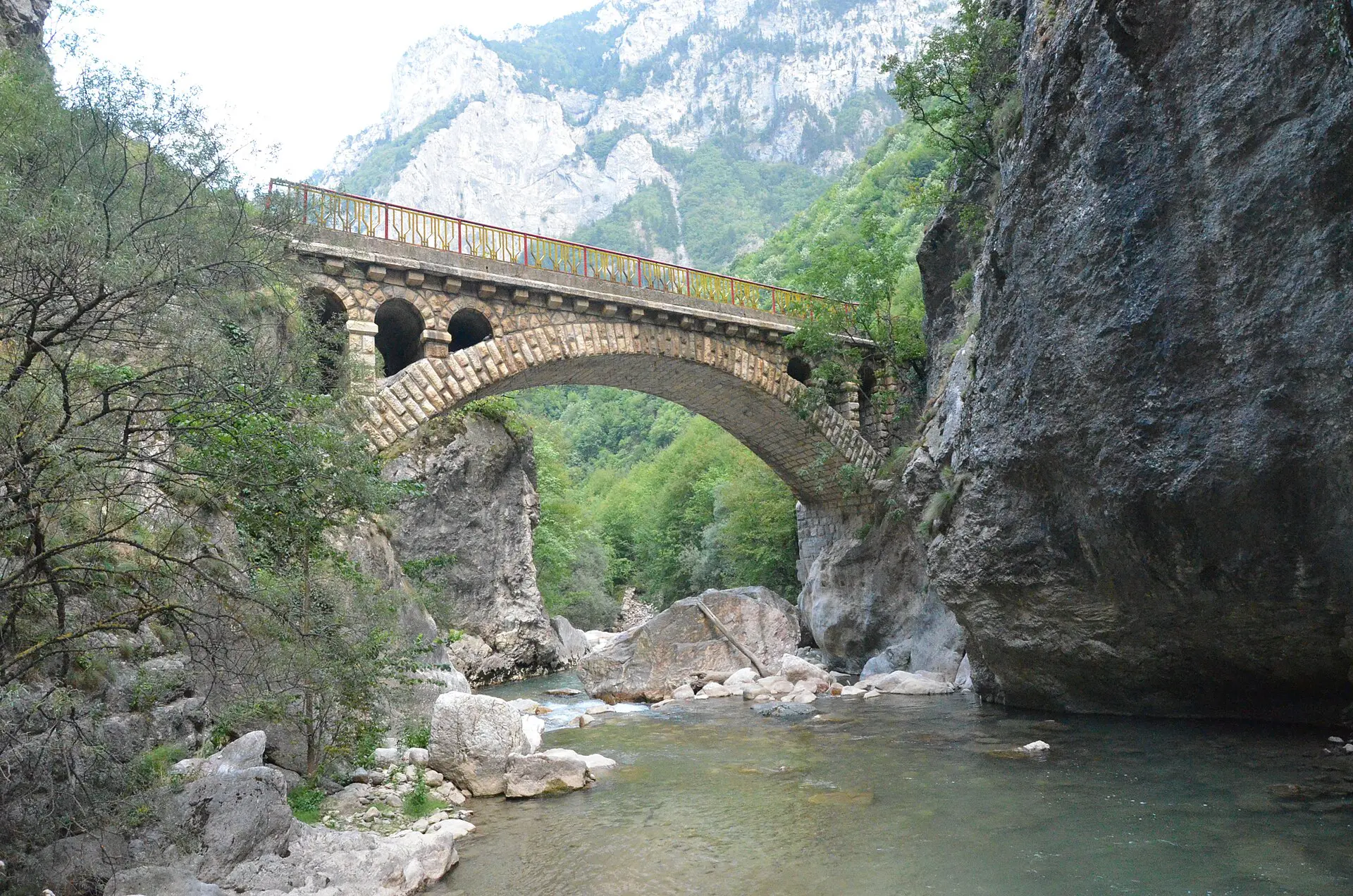
Peja sits below the Accursed Mountains, with the Patriarchate of Peć monastery on its edge. The Rugova Gorge above it offers cliffs, walking routes and mountain huts.
Gjakova
The old bazaar and the 16th-century Hadum Mosque make Gjakova a good half-day stop on the way between Prizren and Peja.
Mitrovica and the north
The divided city of Mitrovica is of interest to those following recent history; check conditions before going.
Top things to do in Kosovo
The top things to do in Kosovo combine heritage, outdoors and cafe life, and most can be reached from Pristina or Prizren in a day.
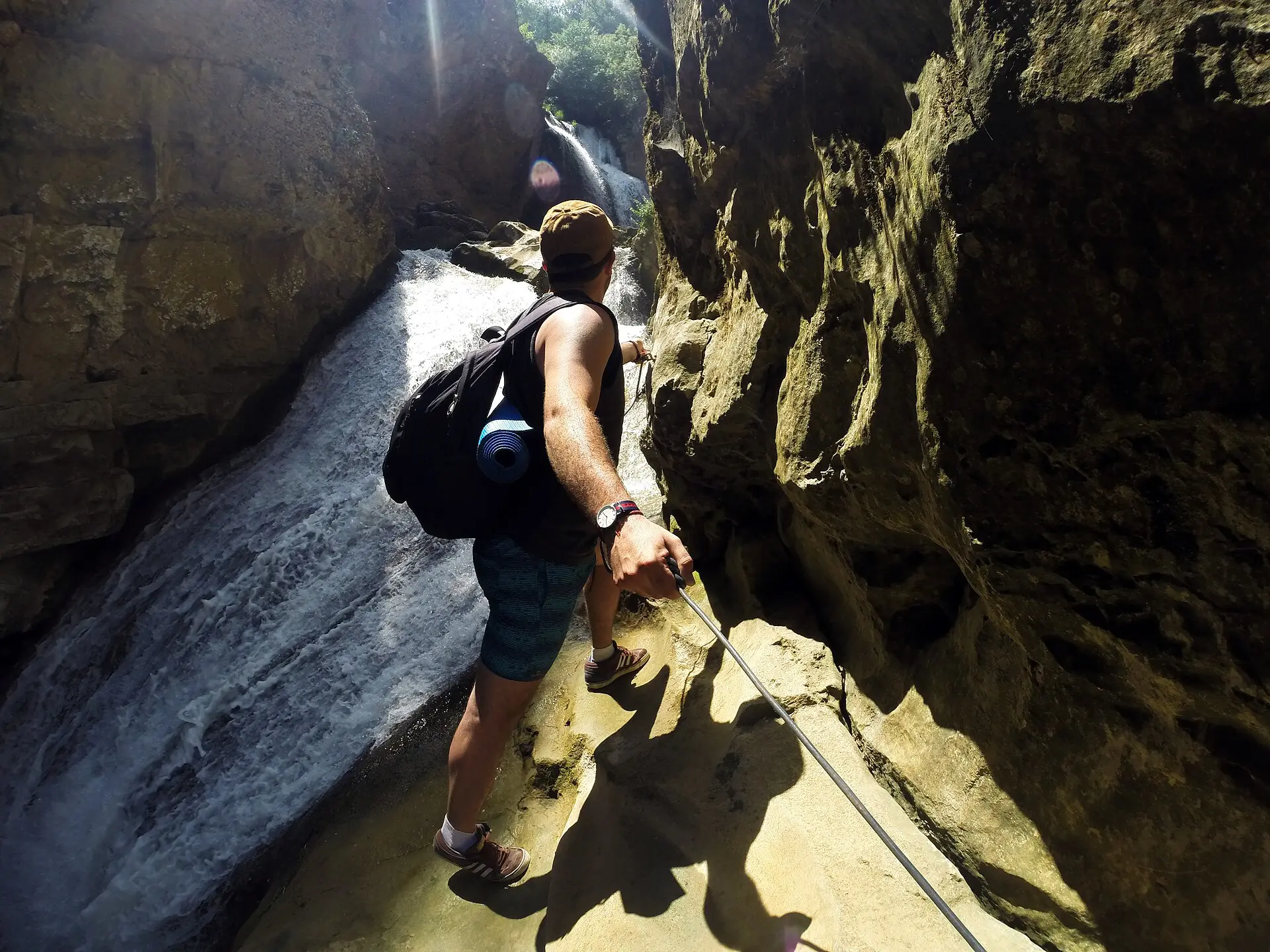
- Walk Prizren’s old town: cross the stone bridge, visit the mosques and climb to the fortress at sunset.
- Hike the Rugova Gorge: day trails above Peja suit most fitness levels from May to October.
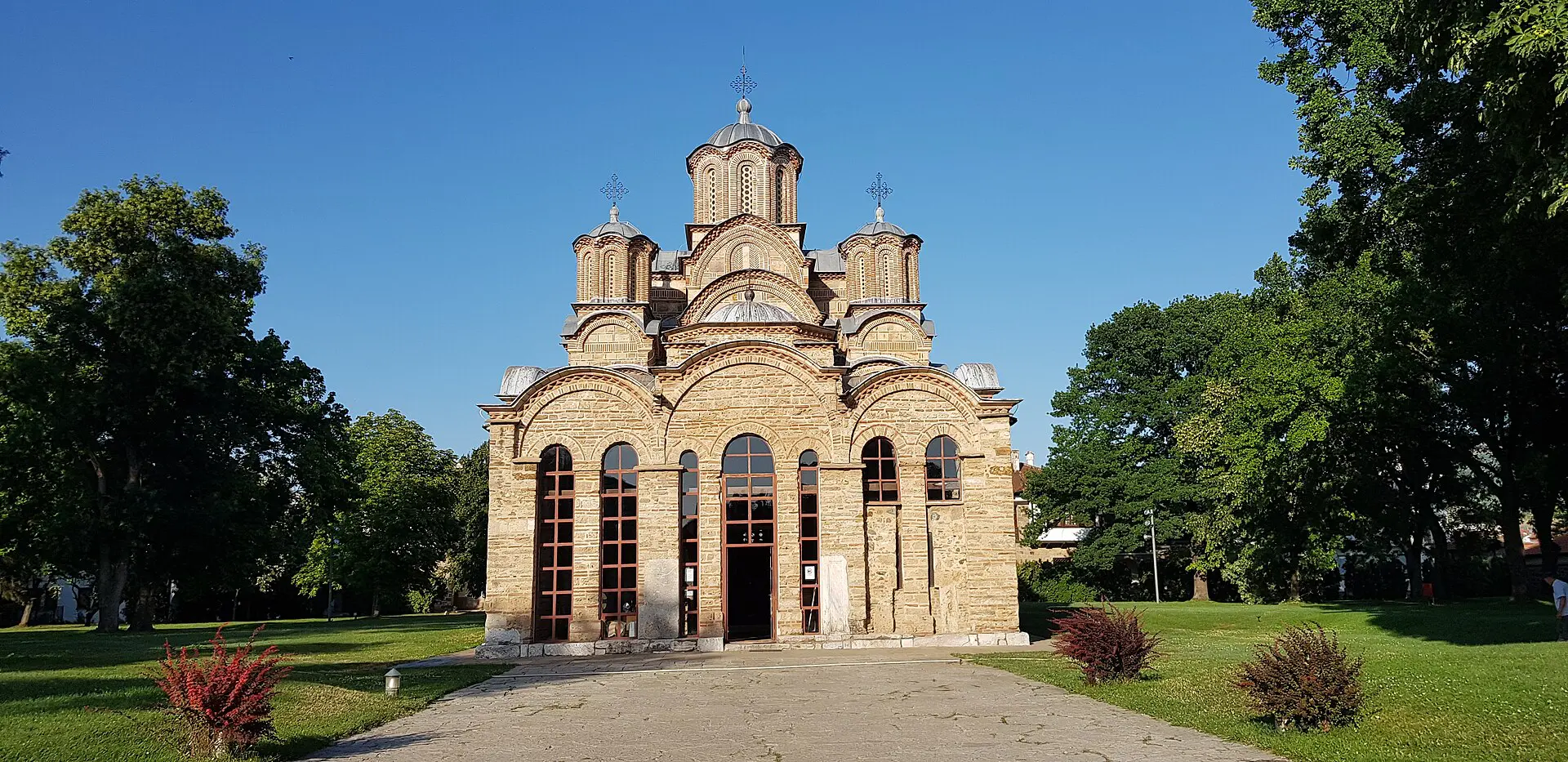
- See the medieval monasteries: Visoki Decani, the Patriarchate of Peć and Gračanica are part of a UNESCO listing; carry ID for armed-guard checks where required.
- Visit the Mirusha Waterfalls: a series of waterfalls and pools near Klina, good for a half-day.
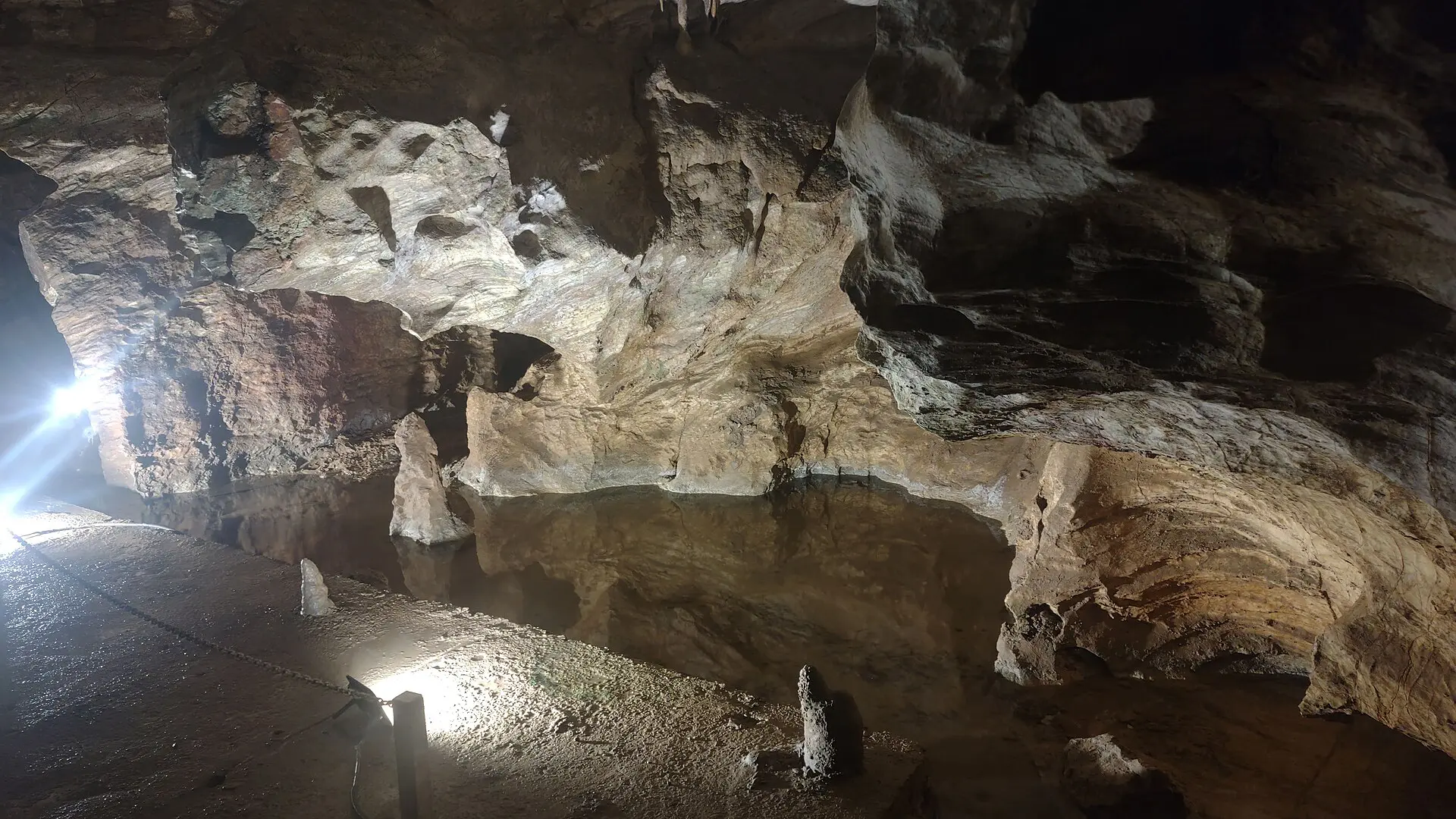
- Explore Gadime Cave: a marble cave with formations, east of Pristina near Lipjan.
- Taste wine in Rahovec: the vineyards of the Rahovec area are the main wine region.
- Ski at Brezovica: the resort in the Sharr Mountains is cheap compared with Alpine areas.
- Walk Germia Park in Pristina: a green park with trails and a pool complex.
- Shop in Gjakova’s old bazaar: small crafts and sweets are sold in the restored lanes.
- Take a coffee break: the espresso culture in Pristina is a sightseeing activity of its own.
Best time to visit Kosovo
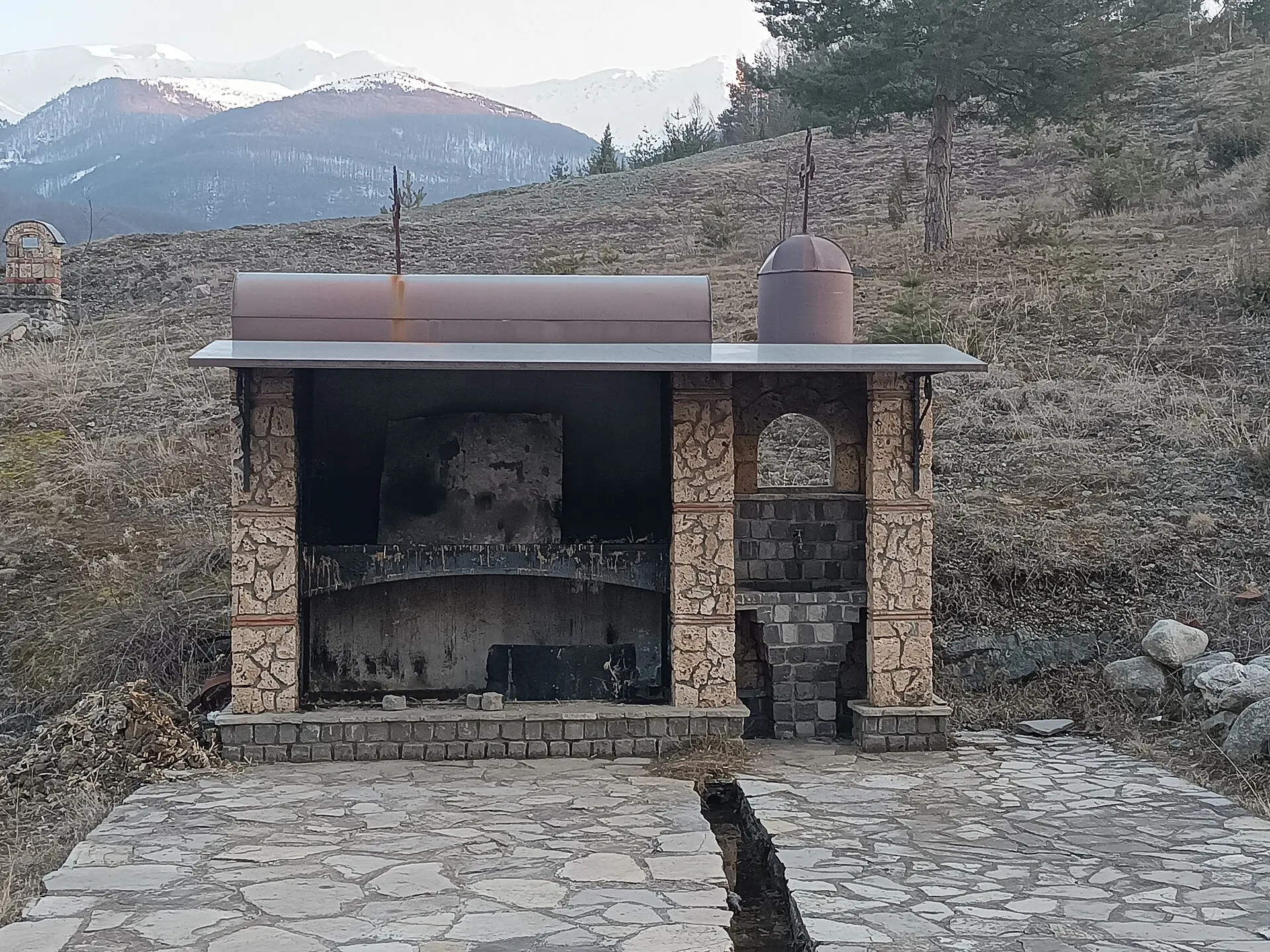
The best time to visit Kosovo is May to June and September to October, when days are warm, hiking trails are open and the towns are comfortable. The climate is continental, so summers are hot and winters can be cold and snowy, particularly in the mountains.
| Season | Weather | Crowds and prices | Good for |
|---|---|---|---|
| Spring (Apr-Jun) | Mild, some rain early | Low to moderate | Towns, waterfalls, early hiking |
| Summer (Jul-Aug) | Hot, often above 30 C in lowlands | Busiest, with diaspora visitors | Mountain hiking, festivals |
| Autumn (Sep-Oct) | Warm days, cooler nights | Low | Hiking, wine harvest, culture |
| Winter (Nov-Mar) | Cold, snow in mountains, fog in valleys | Low, except ski weeks | Skiing at Brezovica, city breaks |
In August, many people living abroad return to Kosovo, so roads and some accommodation can be busier than expected. Book ahead for that month.
Is Kosovo safe to visit?
Yes, Kosovo is generally safe for most visitors, and tourists are usually received warmly. Is Kosovo safe to visit in every area? Mostly, but tension persists between Kosovo and Serbia, and flare-ups have occurred in the Serb-majority north, so check your government’s current travel advice, such as the UK FCDO or US State Department pages, before you go.
Politics and the north. Avoid protests and roadblocks, stay informed about local news and do not photograph police or military sites. If you plan to visit Mitrovica or northern municipalities, check the latest advice first and avoid political discussion.
Crossing to Serbia. Serbia does not recognise Kosovo, so entering Serbia from Kosovo can be complicated, and an entry stamp from Kosovo can cause problems on later trips. Verify the rules for your passport in advance.
Roads. Driving standards are uneven, and mountain roads are narrow. Avoid night driving outside towns.
Petty crime and health. Pickpocketing is uncommon but possible in crowds. Tap water is usually safe in cities, but check locally. Unexploded ordnance from the 1990s is rare on marked trails, so stay on paths near border areas.
Visa and entry requirements for Kosovo
Entry rules depend on your nationality. Citizens of the EU, UK, US and many other countries have in recent years been able to enter Kosovo without a visa for short stays, but this can change, so confirm the current rule with the Kosovo Ministry of Foreign Affairs and Diaspora or your nearest embassy.
Bring a passport valid for the length of your stay. Kosovo uses the euro and has its own border controls, with crossings to Albania, Montenegro, North Macedonia and Serbia. Serbian authorities treat Kosovo as part of Serbia, so you can be questioned if you enter Serbia from Kosovo without a Kosovo entry stamp, and some travellers prefer to enter and leave Kosovo through other neighbouring countries.
Many states do not recognise Kosovo, and this affects consular help and some phone roaming. Carry travel insurance. The UNESCO page for Kosovo lists the Medieval Monuments in Kosovo, though it does not cover entry rules.
Getting to and around Kosovo
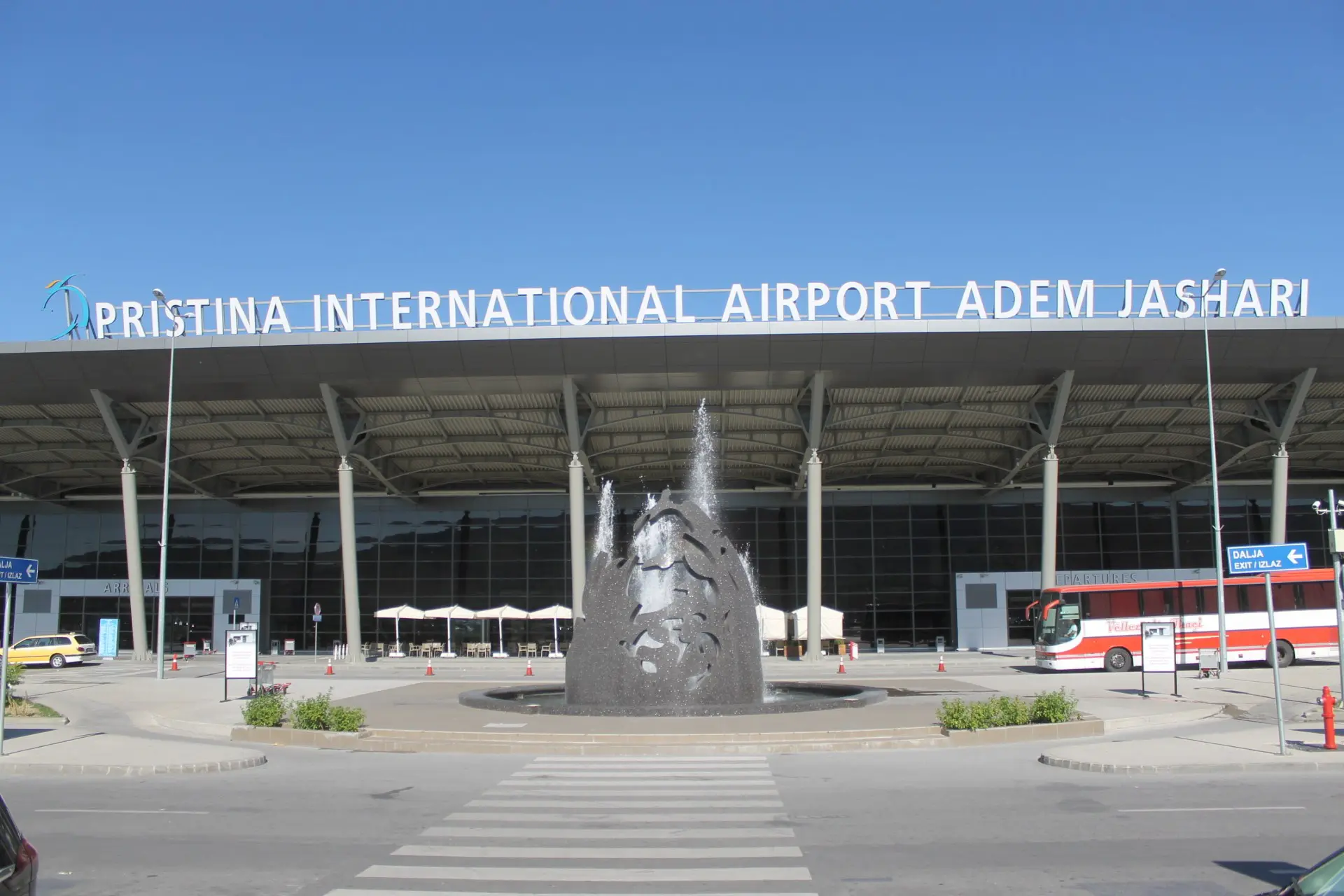
Most international visitors fly into Pristina International Airport (Adem Jashari), which has links to many European cities and several low-cost airlines. Many travellers also arrive overland by bus from Skopje, Tirana, Podgorica or Belgrade, though the Serbia route needs care. Buses from Tirana to Pristina usually take around five to six hours.
Inside Kosovo, buses and minibuses are the main public transport and are cheap. Pristina to Prizren takes around two hours, Pristina to Peja about two hours, and Prizren to Gjakova about an hour, though traffic and weather change times. Local services leave from bus stations, often when full, and timetables are informal. Passenger rail is very limited, so do not plan around it.
A rental car gives the most flexibility for the gorges and waterfalls. Driving is on the right, the highway network is improving, and mountain roads need care in winter. Taxis are cheap, and you should agree the price or use an app.
How much does a trip to Kosovo cost?
Kosovo is one of the cheapest places to travel in Europe. The currency is the euro, and cash is widely used, although cards are accepted in most cities. Figures below are rough per-person guides for 2026.
- Budget: around EUR 20 to 35 per day, with hostels or simple guesthouses, buses and cheap local food.
- Mid-range: around EUR 35 to 65 per day, with private hotel rooms, restaurant meals and a few taxis or day tours.
- High-end: from around EUR 90 per day, with boutique hotels, a rental car or driver and guided hikes.
Accommodation is the main variable, with Pristina and Prizren priciest in festival weeks and August. A coffee costs around EUR 1, a restaurant meal with a drink often EUR 6 to 12, and entry to most sights is free or cheap. Car hire and fuel are the biggest extra costs, and bus travel keeps budgets down.
Kosovo food and drink
Kosovo food blends Albanian, Ottoman and wider Balkan cooking, with a heavy emphasis on grilled meat, dairy, baked pastries and fresh vegetables. Portions are generous, and a meal costs little.
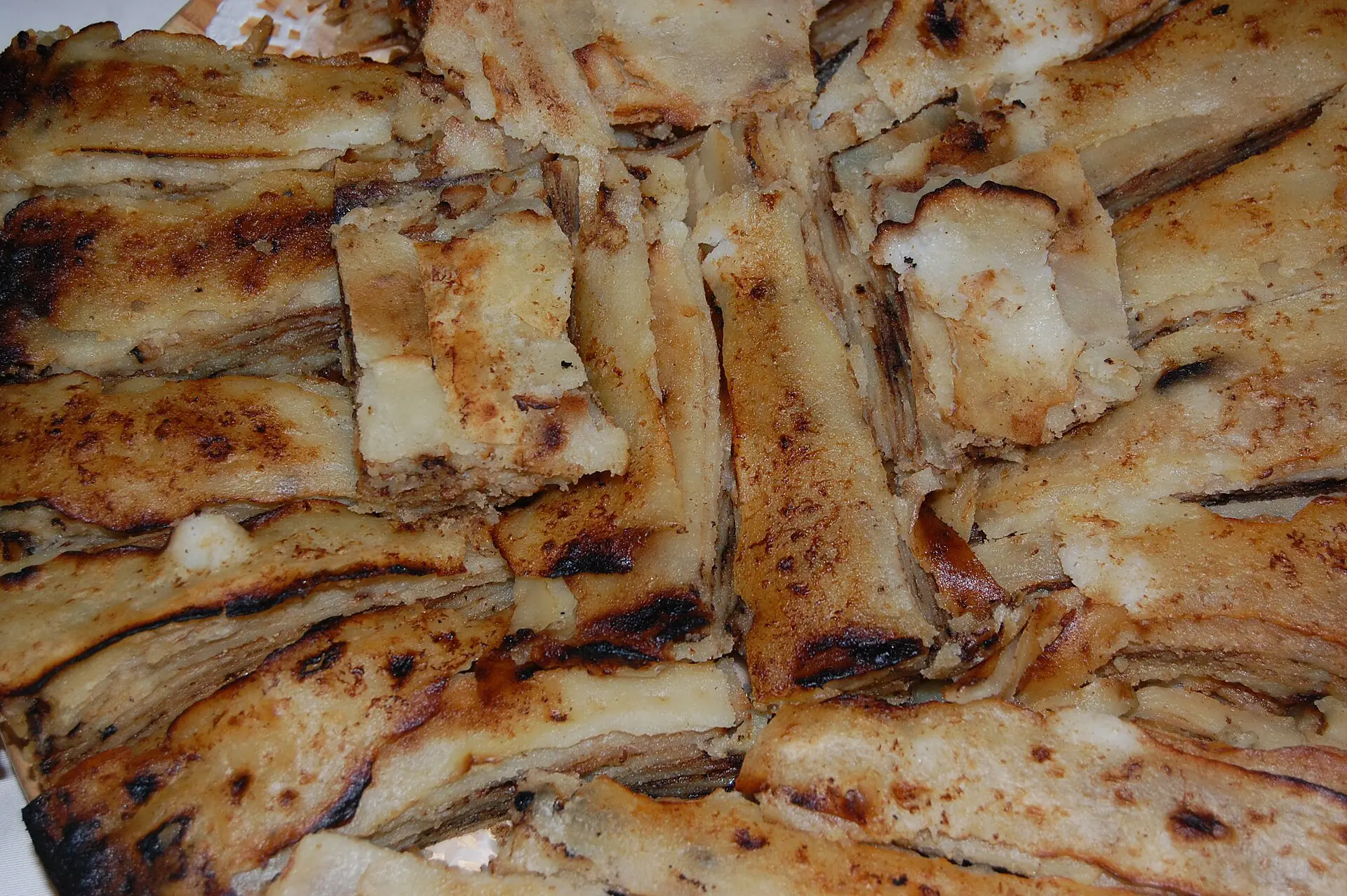
- Flija: a layered crepe-like dish baked slowly under a metal lid and served with cream or yoghurt, often ordered in advance.
- Pite and byrek: filled pastries with cheese, spinach or meat, eaten for breakfast and snacks.
- Qebapa: small grilled minced-meat sausages served with bread, onion and cheese.
- Tavë kosi: baked lamb with rice and a yoghurt-egg topping.
- Ajvar and salads: roasted pepper spread and tomato-cucumber salads with white cheese accompany most meals.
- Wine and raki: Rahovec makes much of the local wine, and raki is a common aperitif.
- Coffee and macchiato: espresso culture is strong, and meeting for coffee is a daily habit.
Vegetarians can eat well because pastries, salads and cheese dishes are common, though many traditional mains contain meat. Local beer such as Peja is cheap. Ask about pricing for flija, which is served as a shared dish and sometimes takes an hour to cook.
Culture, language and etiquette in Kosovo
Albanian and Serbian are the official languages, and Albanian is spoken by the large majority of people. Turkish, Bosnian and Romani are also used locally. English is common among younger people in Pristina and Prizren, while German is also widely understood because of the diaspora. A few words such as faleminderit (thank you) and mirëdita (good day) help.
Hospitality matters, and guests are often offered coffee, tea or sweets. Accept a drink when it is offered and expect to be invited for more. Religion is mostly Muslim in the Albanian community, with Orthodox and Catholic minorities; Kosovo is a secular state, and dress codes are relaxed in cities but modest dress is expected inside mosques and monasteries.
Avoid taking sides in the Kosovo-Serbia dispute. Use terms like Kosovo and Kosova naturally, and do not joke about wartime history. Ask before photographing people, and do not photograph police or military sites. Same-sex relationships are legal, but public attitudes are conservative, so be discreet outside Pristina.
Kosovo itinerary: a 7-day route
This route uses buses or a rental car and avoids the sensitive northern areas.
- Day 1, Pristina: arrive, walk Mother Teresa Boulevard, see the National Library and eat dinner locally.
- Day 2, Pristina area: visit the Gračanica Monastery and Gadime Cave in the morning, then relax in Germia Park.
- Day 3, Prizren: travel about two hours, cross the stone bridge and climb the fortress for sunset.
- Day 4, Prizren and Rahovec: explore the old town in the morning, then taste wine near Rahovec.
- Day 5, Gjakova and Peja: stop at the old bazaar in Gjakova, then continue to Peja for the night.
- Day 6, Rugova Gorge: hike above Peja and visit the Patriarchate of Peć monastery.
- Day 7, return: go back to Pristina, allowing about two hours to the airport and extra time for traffic.
With more time, add the Mirusha Waterfalls or a ski day at Brezovica in winter. Treat visits to northern Kosovo as a separate decision after checking current government advice.
Practical tips for Kosovo
- Money: euro cash is the norm. ATMs are common in towns, and cards are accepted in most hotels and mid-range restaurants but not all small places.
- SIM and eSIM: local prepaid SIMs are cheap and coverage is good along main routes. Check roaming charges, because EU roaming rules do not apply automatically.
- Plugs: types C and F at 230 V.
- Tipping: not required; rounding up or leaving about 10 percent is welcome in restaurants.
- Health: bring travel insurance, since Kosovo is outside many reciprocal healthcare schemes, plus sun protection and insect repellent.
- Packing: sturdy shoes for cobbled bazaars and trails, a light layer for mountain evenings and warm clothes in winter.
- Documents: carry your passport or ID, as police checks and monastery checkpoints can ask for it.
- Time: Kosovo is on Central European Time.
For wider background, see the Wikivoyage Kosovo guide.
FAQ
Q1Is Kosovo safe?
Yes, for most visitors. Crime against tourists is low, and people are welcoming. The main risks are tension in the Serb-majority north, uneven driving and occasional petty theft. Avoid protests, follow local news and check your government's current travel advice before you go.
Q2What is Kosovo food like?
Kosovo food mixes Albanian, Ottoman and Balkan cooking: flija, pite and byrek pastries, grilled qebapa, tavë kosi, salads with white cheese and ajvar. Meals are cheap and generous, and vegetarians can eat well on pastries and vegetable dishes.
Q3What are the best things to do in Kosovo?
Walk Prizren's old town and fortress, hike the Rugova Gorge near Peja, see the medieval monasteries, visit the Mirusha Waterfalls and Gadime Cave, taste wine around Rahovec and ski at Brezovica in winter.
Q4Is Kosovo safe to visit for solo and female travellers?
Generally yes. Solo travellers, including women, report friendly treatment in towns. Use normal precautions: avoid isolated places at night, use licensed taxis, and tell someone your plans before long hikes. Dress is relaxed in cities but modest in religious sites.
Q5Do I need a visa for Kosovo?
It depends on your nationality. Citizens of the EU, UK, US and many other countries have recently been able to enter visa-free for short stays, but rules change. Confirm with the Kosovo foreign ministry or an embassy before booking.
Q6What is the best time to visit Kosovo?
May to June and September to October offer warm weather, open hiking trails and fewer crowds. July and August are hot, with diaspora visitors filling roads and rooms. Winter is cold but suits skiing at Brezovica and city breaks.
Q7How many days do you need in Kosovo?
Five to seven days is enough for Pristina, Prizren, Peja and the Rugova Gorge at a steady pace. Add two or three days for hiking, waterfalls and wine country, or combine it with a trip to Albania or North Macedonia.