Why visit Jordan
The best things to do in Jordan are unusually concentrated: a nation of about 89,000 square kilometres (see the Wikipedia overview) contains the Nabataean city of Petra, the red desert of Wadi Rum, Roman ruins at Jerash, Crusader castles, the lowest land point on Earth at the Dead Sea and a Red Sea coast at Aqaba. A first-time visitor can see most of it in a week without internal flights.
Jordan suits history lovers, hikers, photographers and travellers who want a first trip to the Middle East that feels organised and welcoming. English is widely spoken in tourism, roads are decent, and Bedouin hospitality is a real part of the experience, not a staged one. The trade-offs are summer heat, the cost of Petra and organised desert trips, and the need to follow regional news. Jordan has long been described as a stable country in a volatile area, but conditions can change.
Best places to visit in Jordan
The best places to visit in Jordan sit along a north-south line, from Amman through the King’s Highway to Aqaba.
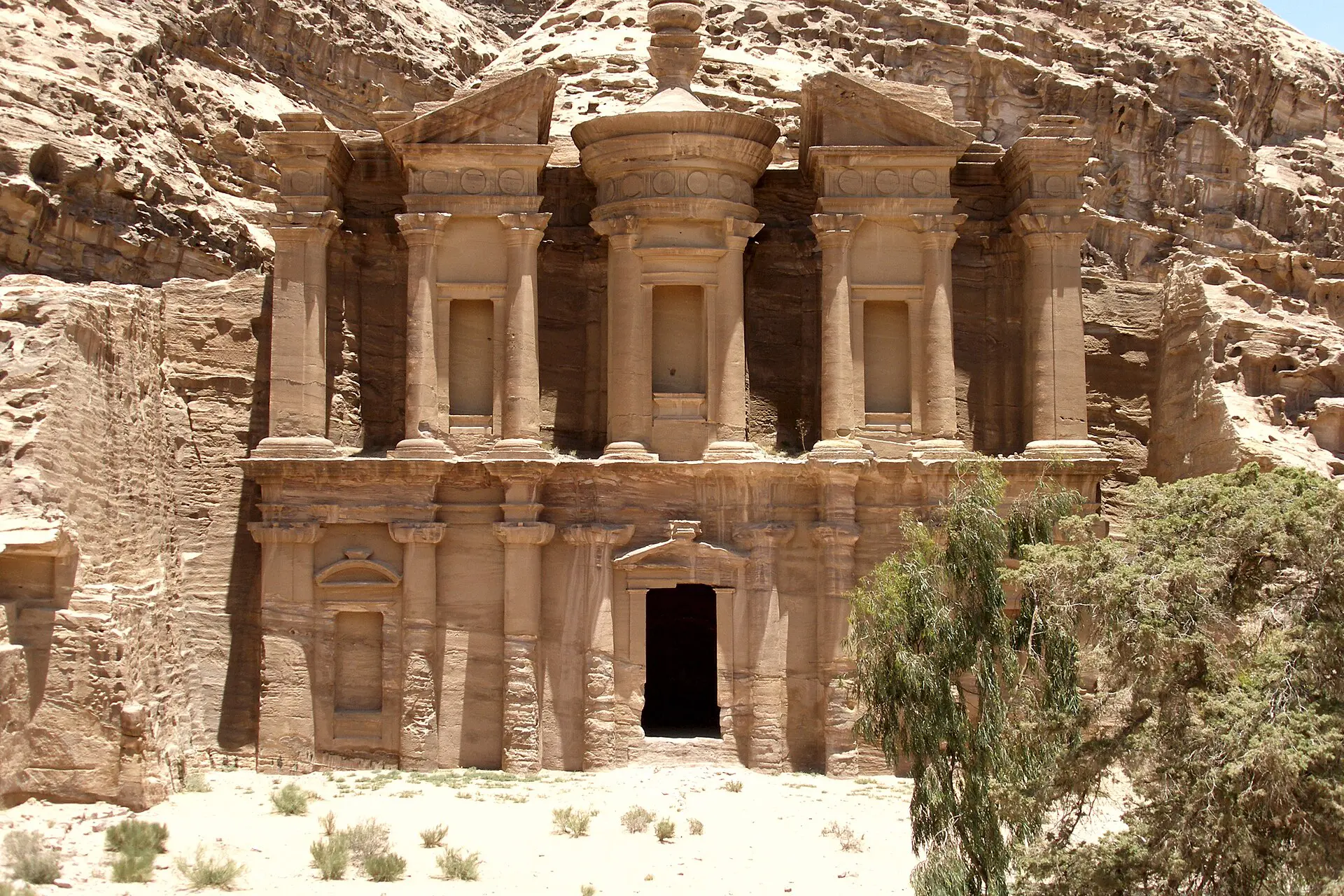
Petra
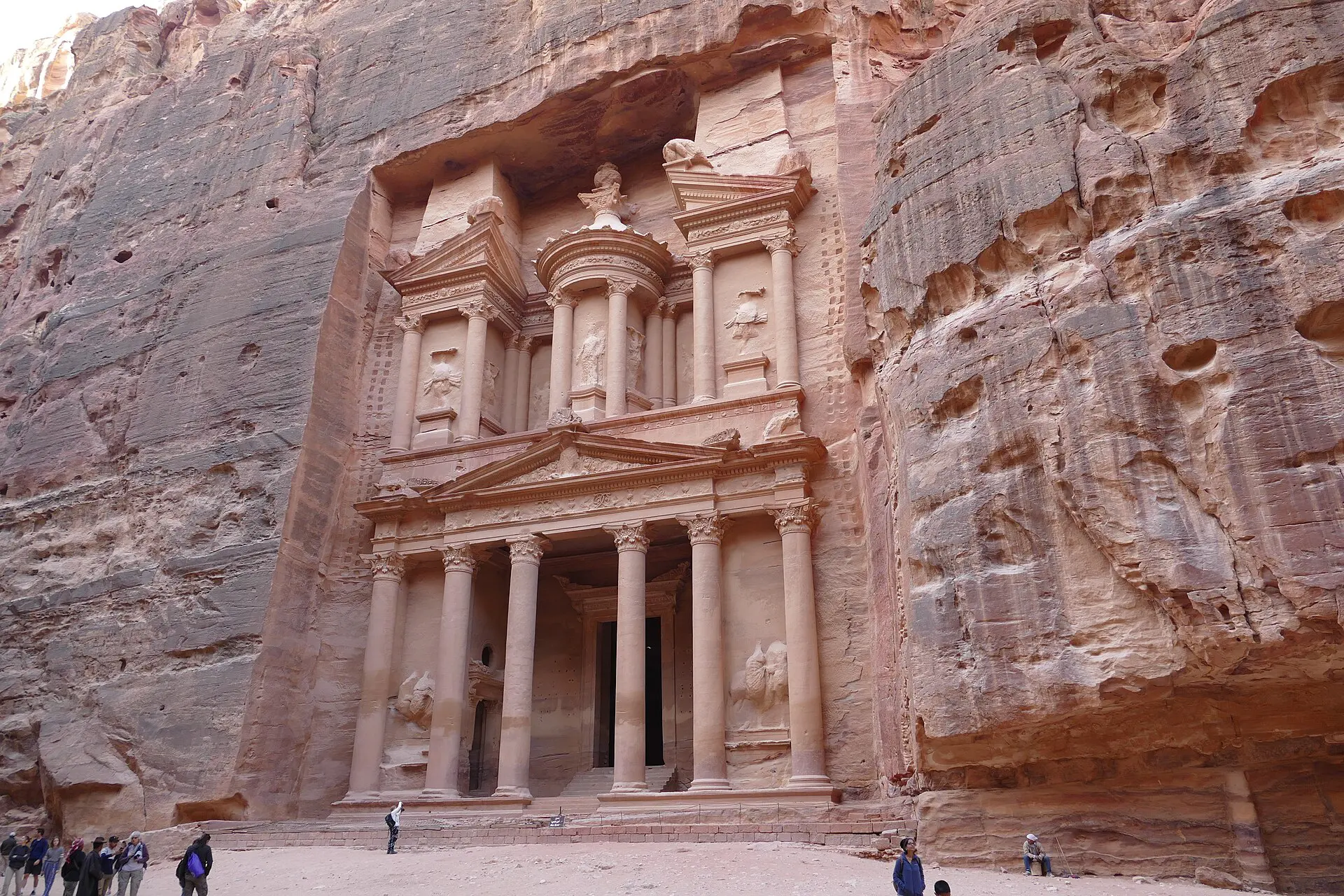
The rock-cut capital of the Nabataeans is Jordan’s headline attraction and a UNESCO World Heritage Site. The walk through the narrow Siq leads to the Treasury, and trails climb to the Monastery and high viewpoints. Allow at least two days.
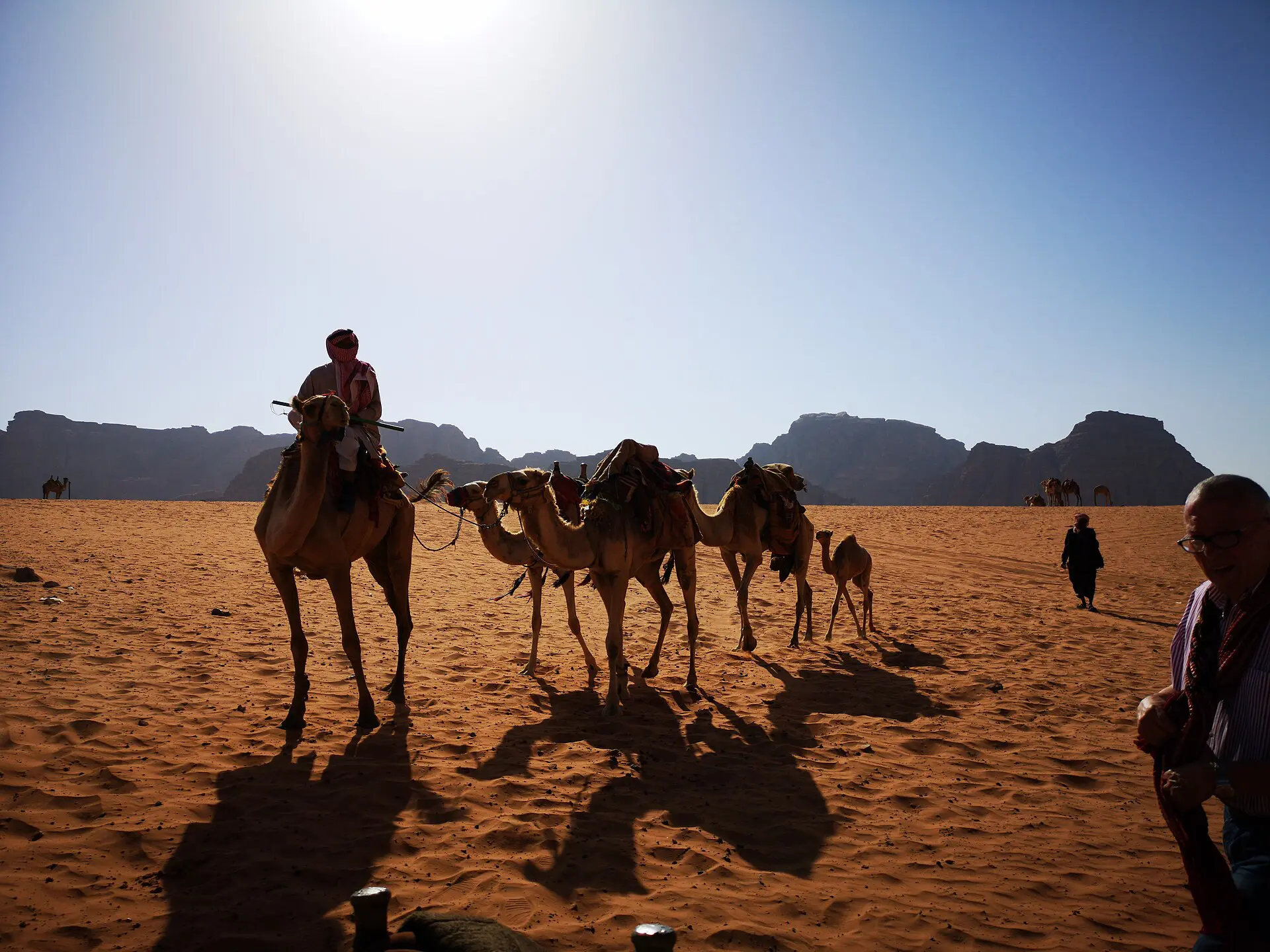
Wadi Rum
A protected desert of sandstone and granite cliffs, red dunes and rock arches, Wadi Rum is explored by 4×4, camel or on foot. Many visitors stay overnight in a Bedouin-run camp to see the stars.
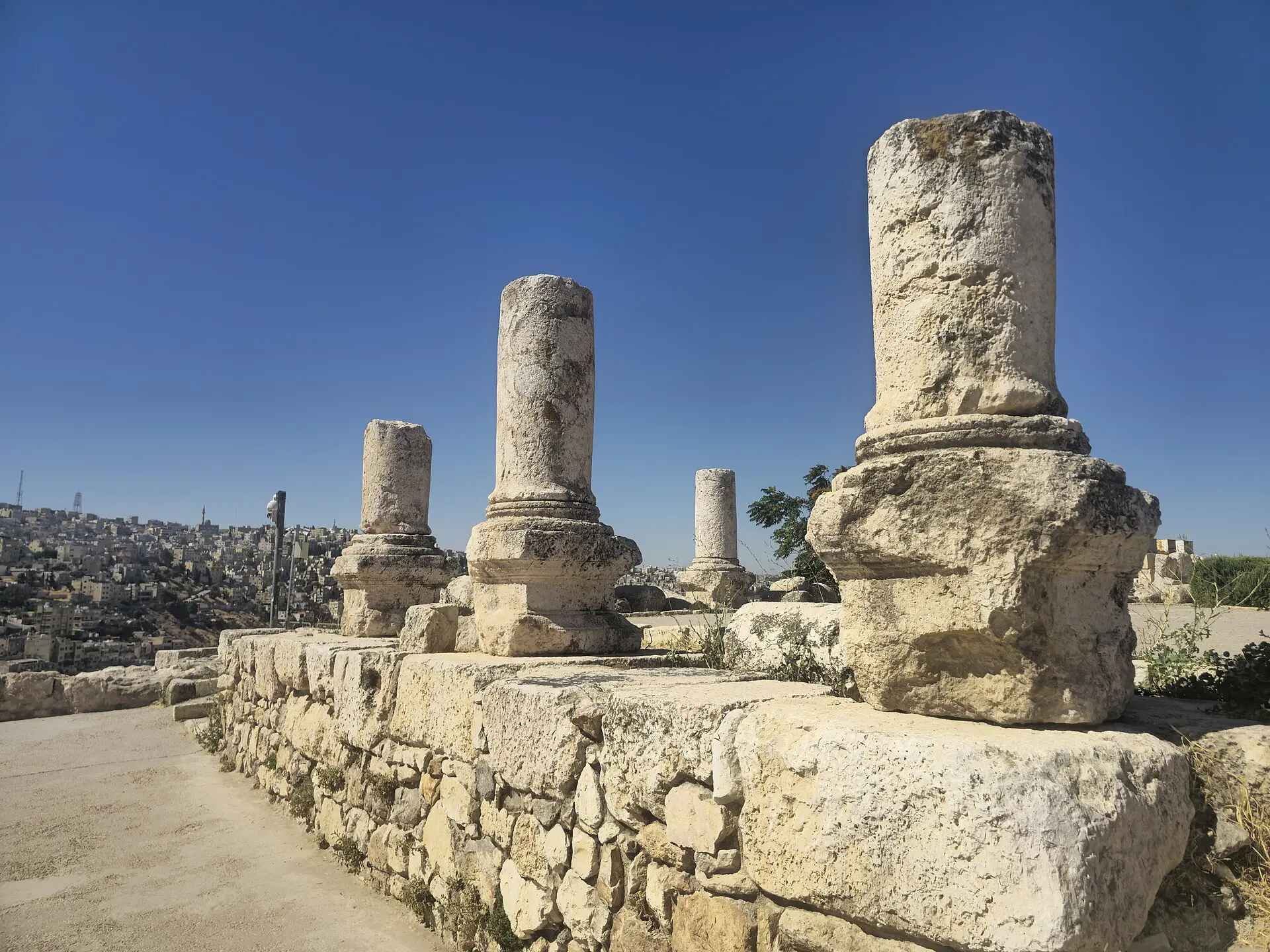
Amman
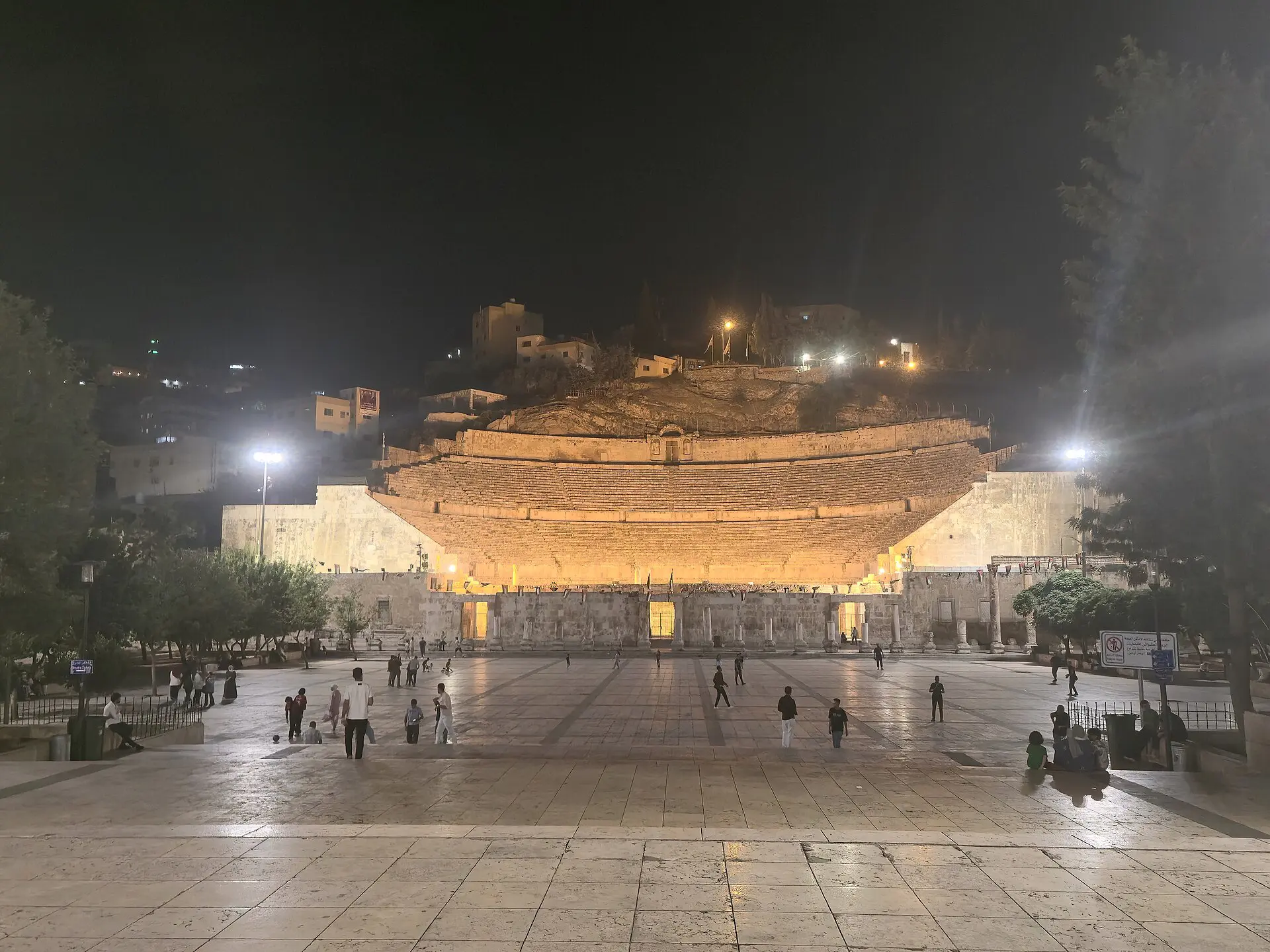
The capital spreads over hills, with a Roman theatre downtown, the Citadel and a busy café and food scene in Jabal Amman and Rainbow Street.
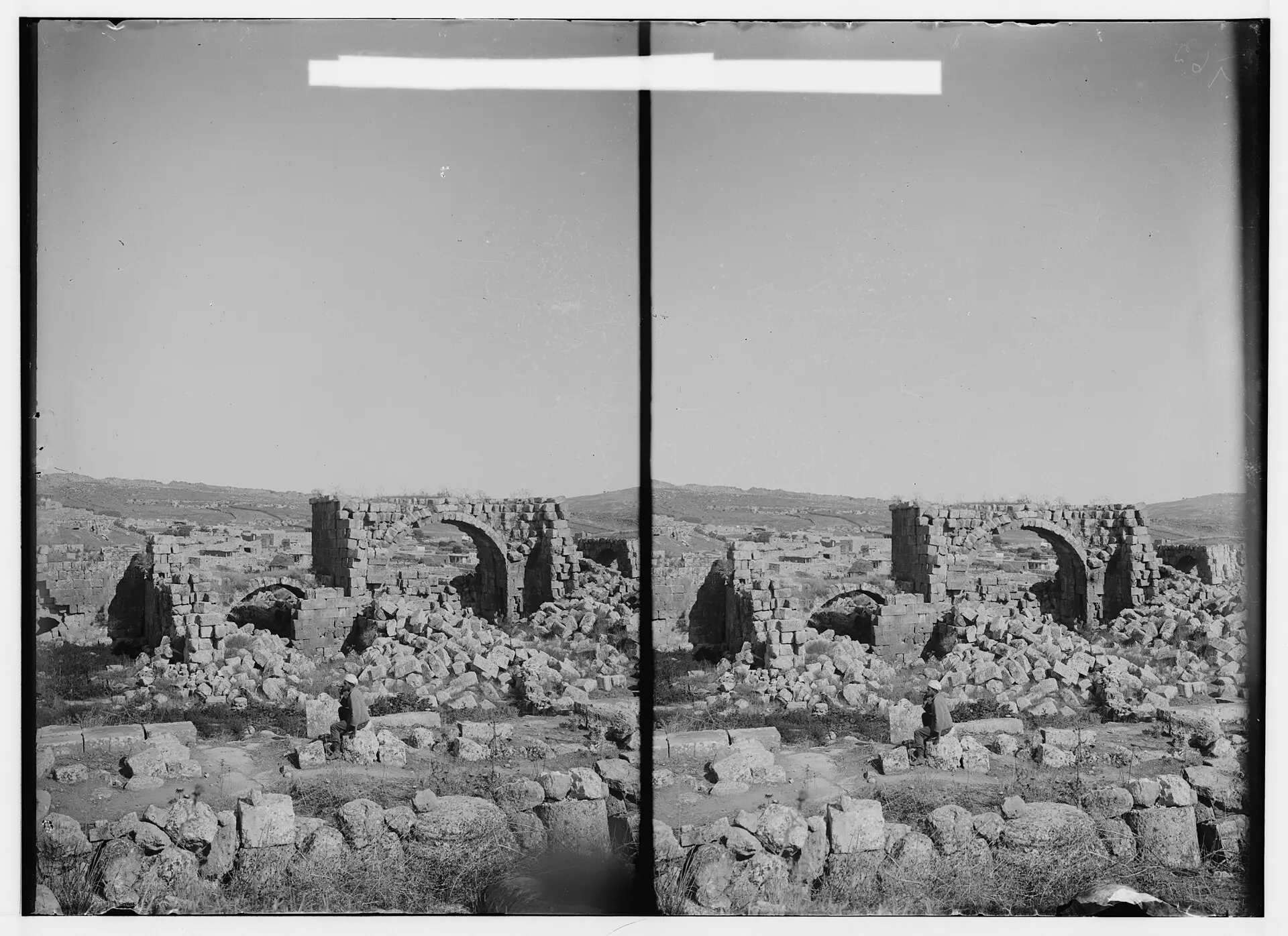
Jerash
About an hour north of Amman, Jerash has one of the best-preserved Roman provincial cities in the region, with colonnaded streets, a hippodrome and two theatres.
Dead Sea and Madaba
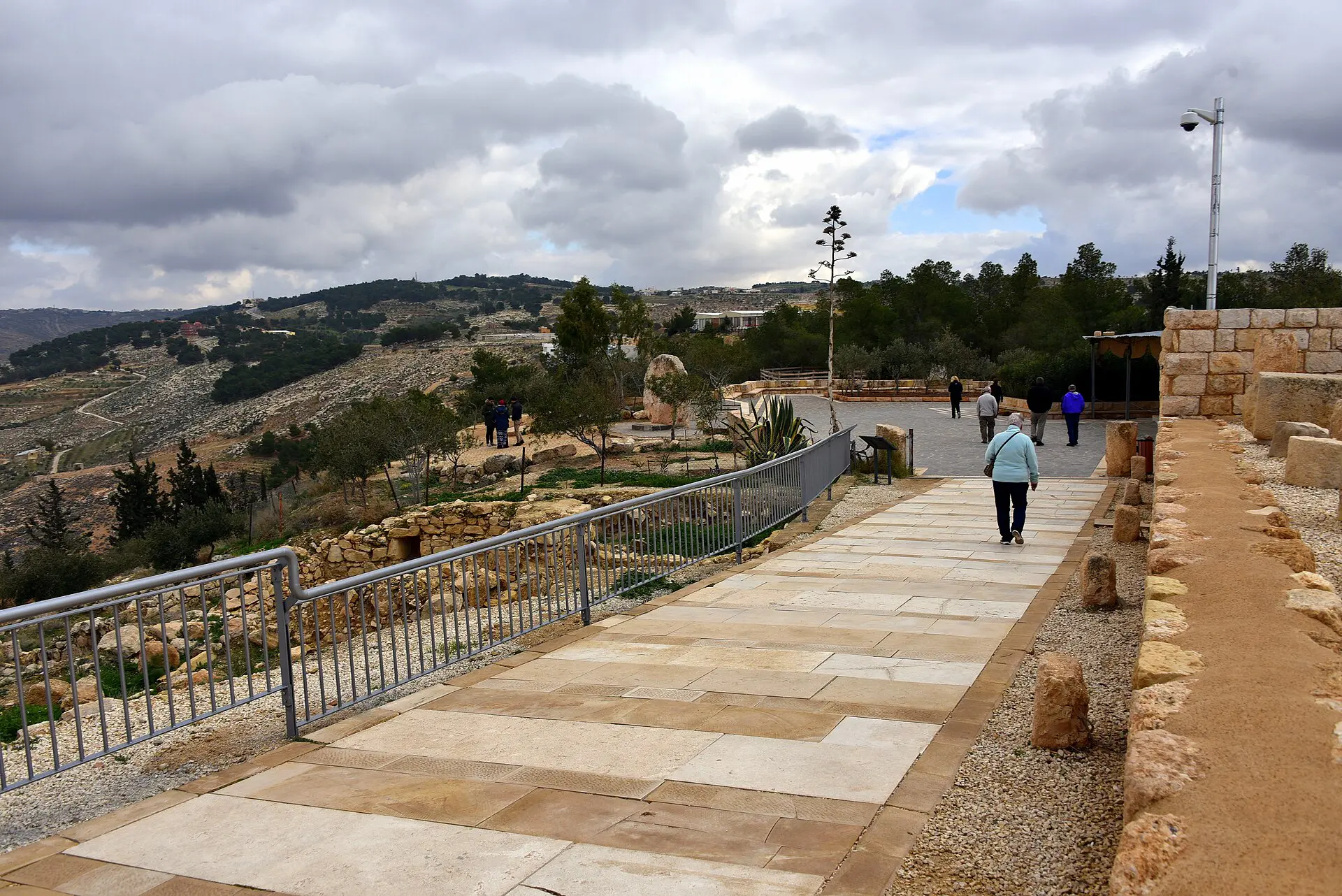
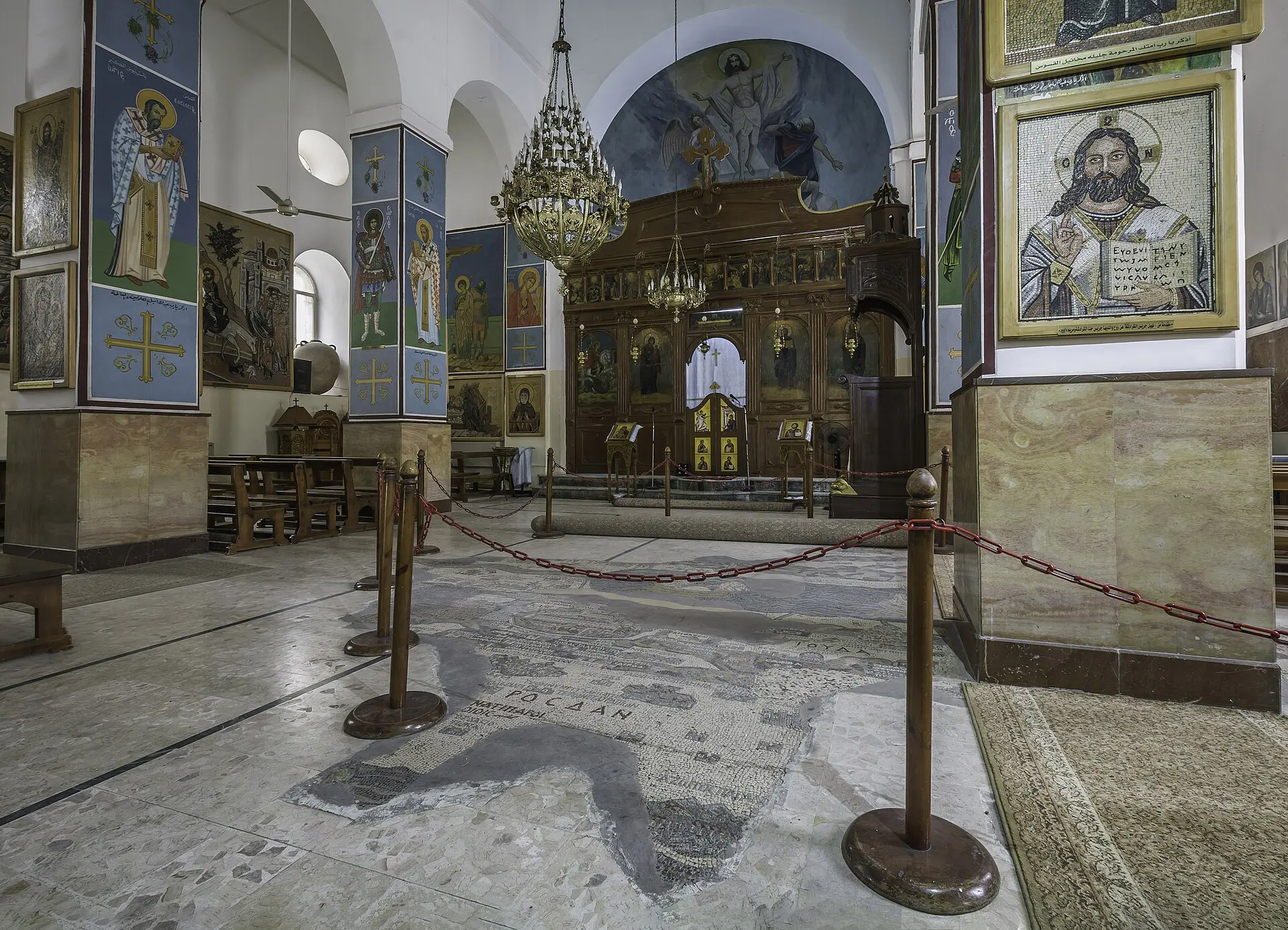
Floating in the salty Dead Sea is a signature experience. Nearby, Madaba has a Byzantine mosaic map of the Holy Land, and Mount Nebo has views across the valley.
Aqaba and Dana
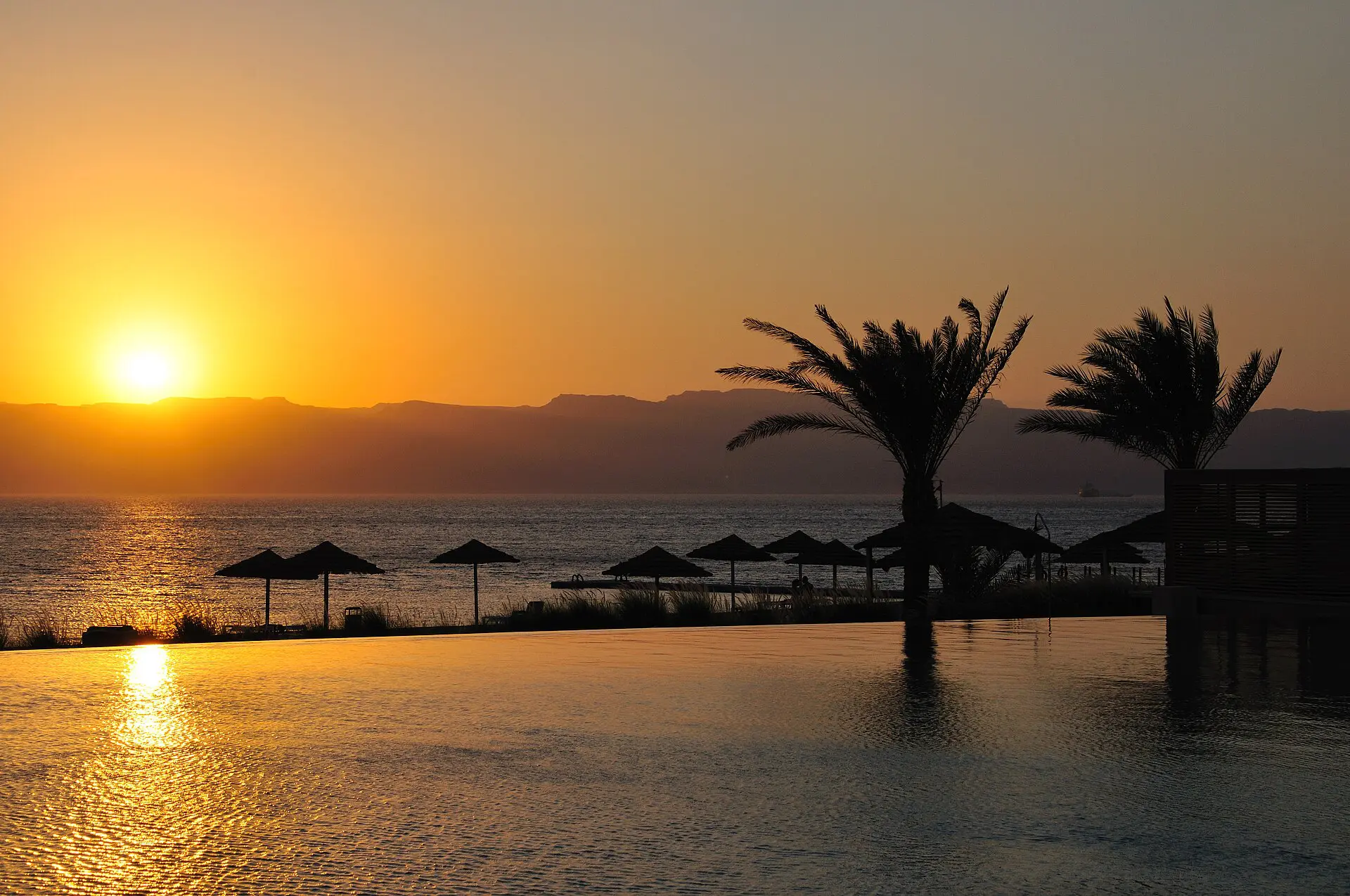
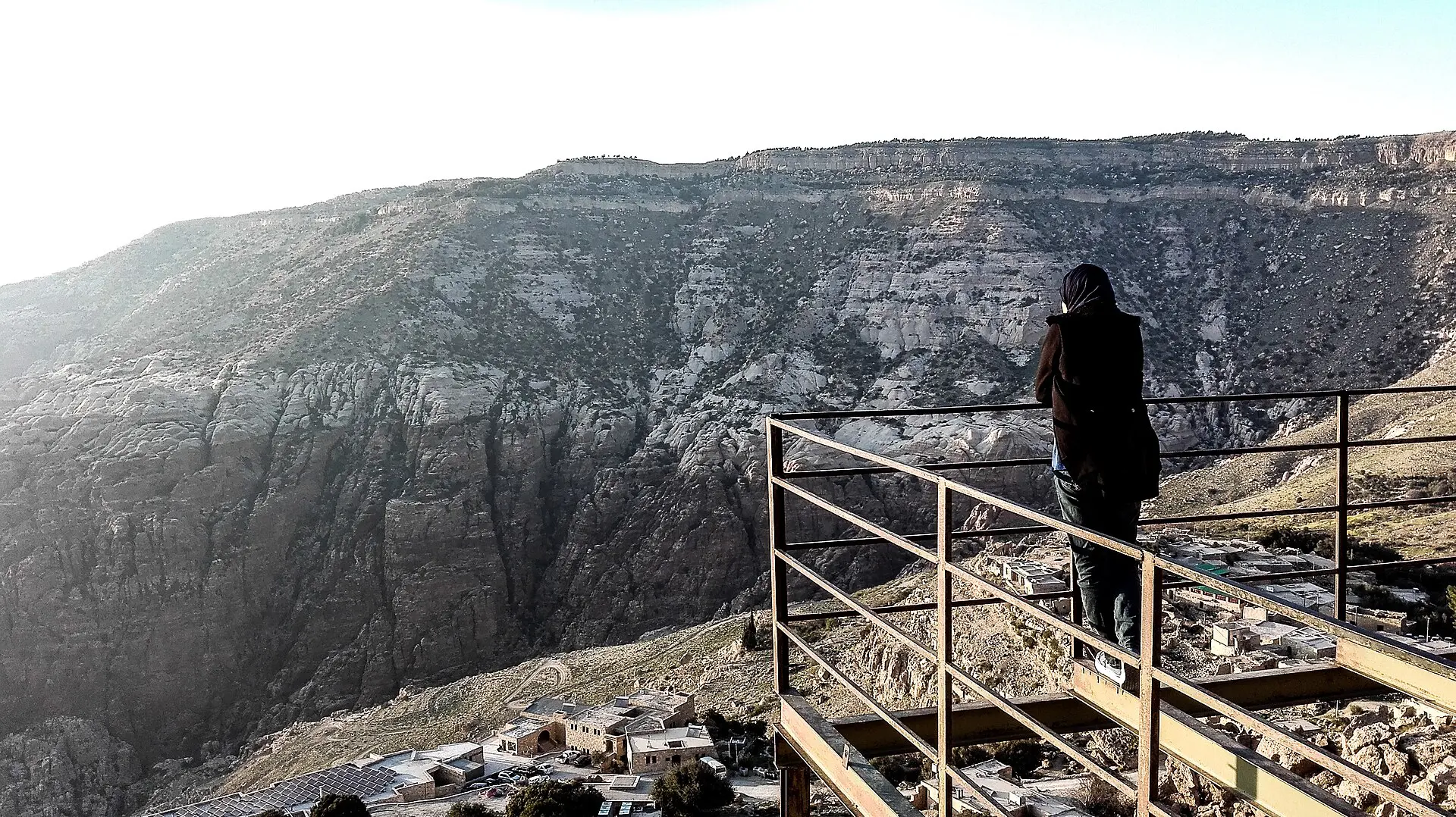
Aqaba is a relaxed Red Sea resort with coral reefs and diving. Dana Nature Reserve offers rugged hiking and a traditional stone village.
Top things to do in Jordan
The top things to do in Jordan mix ancient sites, desert landscapes and easy outdoor activities.
- Walk through the Siq to Petra’s Treasury: a narrow canyon about 1.2 km long opens onto the carved facade.
- Climb to the Monastery at Petra: around 800 rock-cut steps lead to a large facade, best in the afternoon light.
- Take a jeep tour in Wadi Rum: visit rock bridges, dunes and canyons, then eat a zarb dinner cooked in a sand oven.
- Float in the Dead Sea: the water is about ten times saltier than the sea, so keep it away from eyes and cuts.
- Explore Jerash: walk the colonnaded Cardo and see the oval plaza and theatres.
- Snorkel or dive in Aqaba: the Red Sea reefs have clear water and warm temperatures.
- Hike in Wadi Mujib or Dana: canyon walks and ridge trails suit different fitness levels, with the water trails seasonal.
- See the Madaba mosaic map: in the Church of Saint George, a 6th-century floor map of the region.
- Visit the Baptism Site: Bethany Beyond the Jordan is a pilgrimage site on the river.
- Eat in Amman: try hummus, falafel and knafeh at long-established local places.
Best time to visit Jordan
The best time to visit Jordan is March to May and September to November, when days are warm and walking at Petra and Wadi Rum is comfortable. Summer is very hot in Petra, Wadi Rum and Aqaba, with highs of 35 C or more, while winter can bring cold nights, rain and occasional snow in the highlands. Aqaba and the Dead Sea are pleasant winter retreats.
| Season | Weather | Crowds and prices | Good for |
|---|---|---|---|
| Spring (Mar-May) | Warm and mostly dry, wildflowers in the hills | High, highest in April | Petra, hiking, desert camps |
| Summer (Jun-Aug) | Hot and dry, very hot in the south | Lower, except in Aqaba | Aqaba and the Red Sea, early-morning visits |
| Autumn (Sep-Nov) | Warm, cooling in the evenings | High in October | Petra, Wadi Rum, Jerash |
| Winter (Dec-Feb) | Cool to cold, rain and some snow | Low, with some Christmas peaks | Dead Sea, Aqaba, quiet Petra |
Ramadan changes daytime opening hours and restaurant availability, though sites stay open; check dates before you book.
Is Jordan safe to visit?
Is Jordan safe? For most visitors, yes: tourist areas such as Petra, Wadi Rum, Amman and the Dead Sea have generally been calm, and violent crime against visitors is uncommon. The risk comes from the region. Governments advise against travel near the borders with Syria and Iraq, and conditions elsewhere can change with events in neighbouring countries. Check the UK FCDO or US State Department pages for current advice, and monitor news before and during your trip.
Protests and security. Demonstrations can occur, particularly in Amman, and can affect traffic. Avoid crowds and follow local instructions. Expect police checkpoints and bag checks at hotels and malls.
Crime and scams. Petty theft and overcharging occur at tourist sites. Agree taxi and camel prices first, use meters or ride-hailing apps, and be wary of sudden offers of free tours.
Nature and health. The heat and dehydration are real dangers in Petra and Wadi Rum, so bring plenty of water. Flash floods can affect canyons and wadis in the rainy season. Tap water is treated, but many visitors use bottled water.
Solo and women travellers. Many travel safely, but dress modestly and expect some unwanted attention in cities.
Jordan visa and entry requirements
Jordan visa rules depend on your nationality. Many visitors, including citizens of the US, UK, Canada, Australia and most EU countries, can obtain a single-entry tourist visa on arrival or through an online system, while some nationalities must apply in advance. Confirm the current rule with the Jordanian Ministry of Foreign Affairs or your nearest Jordanian embassy.
The Jordan Pass is a combined ticket that, as of recent seasons, covers entry to Petra and dozens of other sites and can waive the visa fee if you stay at least three nights. Prices and rules change, so check the current terms and buy it before you arrive if your trip includes Petra. Entry to Petra is priced differently for day visitors and for those staying overnight in Jordan.
Bring a passport valid for at least six months and a return ticket. Entry points at Aqaba and the land borders may have different visa procedures from Amman’s airport, so check before using them. Heritage sites are described on the UNESCO page for Jordan, though it does not cover entry rules.
Getting to and around Jordan
Most visitors arrive at Queen Alia International Airport, about 35 km south of Amman. King Hussein International Airport at Aqaba handles some European and regional flights, and land crossings with Israel and the West Bank, Saudi Arabia and Egypt via ferry connect with Aqaba. Some crossings close or change hours, so check before using them.
Jordan has no useful passenger rail. Public buses and minibuses cover major routes cheaply but run on irregular schedules. JETT and some private operators run comfortable intercity buses between Amman, Petra and Aqaba. Taxis are cheap, and ride-hailing apps work in Amman. Renting a car is popular on the King’s Highway and Desert Highway and gives freedom for Dana and Wadi Mujib, but driving is on the right with assertive local traffic.
Rough drive times: Amman to Petra about 3 hours by the Desert Highway, Petra to Wadi Rum about 1.5 hours, Wadi Rum to Aqaba about 1 hour, and Amman to Jerash about 1 hour. The Dead Sea is about 1 hour from Amman. A private driver for a day is a good option if you want to see several sites quickly.
How much does a trip to Jordan cost?
Jordan is more expensive than neighbouring countries, mainly because of Petra and organised desert trips. The currency is the Jordanian dinar (JOD), which is pegged to the US dollar at roughly 0.71 JOD per dollar. Figures below are rough per-person guides for 2026.
- Budget: around USD 50 to 80 per day, with hostels or simple hotels, falafel and shawarma meals, and buses.
- Mid-range: around USD 100 to 200 per day, with comfortable hotels, restaurant dinners, a rental car or driver and entry fees.
- High-end: from around USD 300 per day, with luxury Dead Sea resorts, private tours and upscale desert camps.
Entry fees are a major factor. Petra costs around JOD 50 for a day visit as of recent seasons, and less when covered by the Jordan Pass, which can offer large savings if you visit multiple sites. Jeep tours in Wadi Rum are priced per vehicle and per hour, so sharing helps. Local food is inexpensive, and a falafel sandwich costs very little, while alcohol is taxed heavily.
Jordan food and drink
Jordan food centres on shared plates, fresh bread, grilled meat and generous hospitality. Meals often start with mezze and finish with sweet tea.
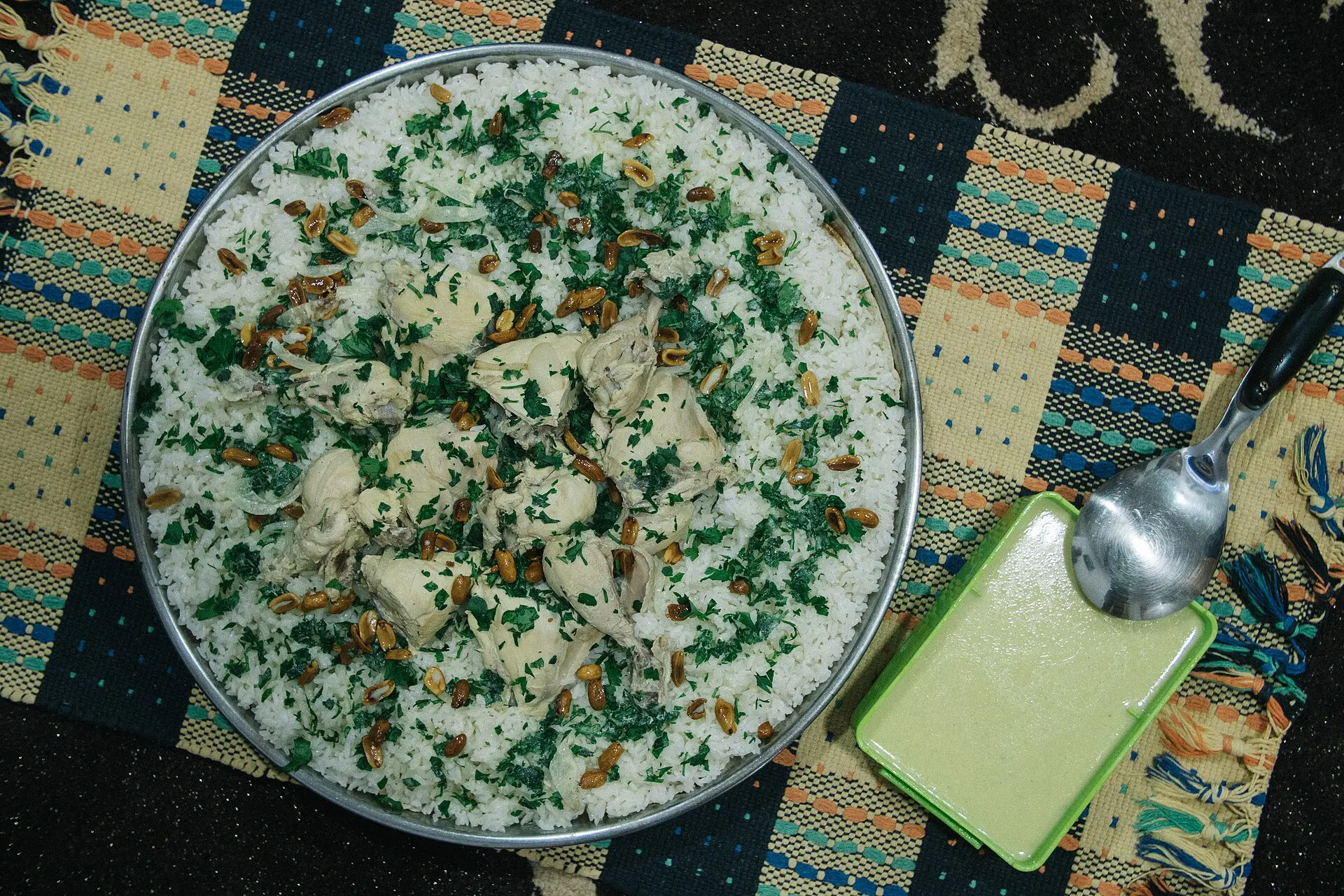
- Mansaf: the national dish, lamb cooked in fermented dried-yoghurt sauce and served over rice, traditionally eaten at celebrations.
- Maqluba: an upside-down dish of rice, vegetables and chicken or lamb, tipped out of the pot at the table.
- Hummus, falafel and foul: breakfast staples in Amman, eaten with warm bread; Hashem Restaurant downtown is a famous institution.
- Zarb: Bedouin meat and vegetables cooked underground in a sand oven, often served in Wadi Rum.
- Musakhan: roasted chicken with onions, sumac and olive oil on flatbread.
- Knafeh: a hot cheese pastry with syrup, especially popular in Nablus-style shops.
- Drinks: Arabic coffee with cardamom, sweet mint tea, fresh juices, local wine and arak.
Vegetarians eat well, thanks to mezze, salads, lentil soups and falafel. Alcohol is available in hotels, licensed restaurants and shops in Amman and Aqaba, but not everywhere, and it is not served in many rural places. During Ramadan, many daytime restaurants close or screen their windows, so be discreet about eating in public.
Culture, language and etiquette in Jordan
Arabic is the official language, and English is widely spoken in tourism, hotels and among younger people. Learning a few phrases, such as shukran (thank you) and marhaba (hello), is appreciated. The population is predominantly Muslim, with a significant Christian minority, and religion shapes the weekly rhythm: Friday is the main day of prayer, and many shops open late or close in the morning.
Hospitality is a core value. Visitors are often offered tea or coffee, and refusing repeatedly can seem impolite. Accept with the right hand. Bedouin communities treat guests with particular generosity, so respect the rules in camps and ask before photographing people, especially women.
Dress modestly away from beach resorts, with shoulders and knees covered for both women and men. Remove shoes when entering mosques and some homes, and women should cover their hair in mosques. Public displays of affection are best avoided. During Ramadan, avoid eating, drinking or smoking in public during daylight. Discuss politics and the royal family with care; criticising the monarchy is illegal.
Jordan itinerary: a 7-day route
This route follows the main tourist circuit, avoids border zones, and combines a rental car or driver with a few buses.
- Day 1, Amman: arrive, then visit the Citadel and the Roman Theatre, and eat dinner downtown.
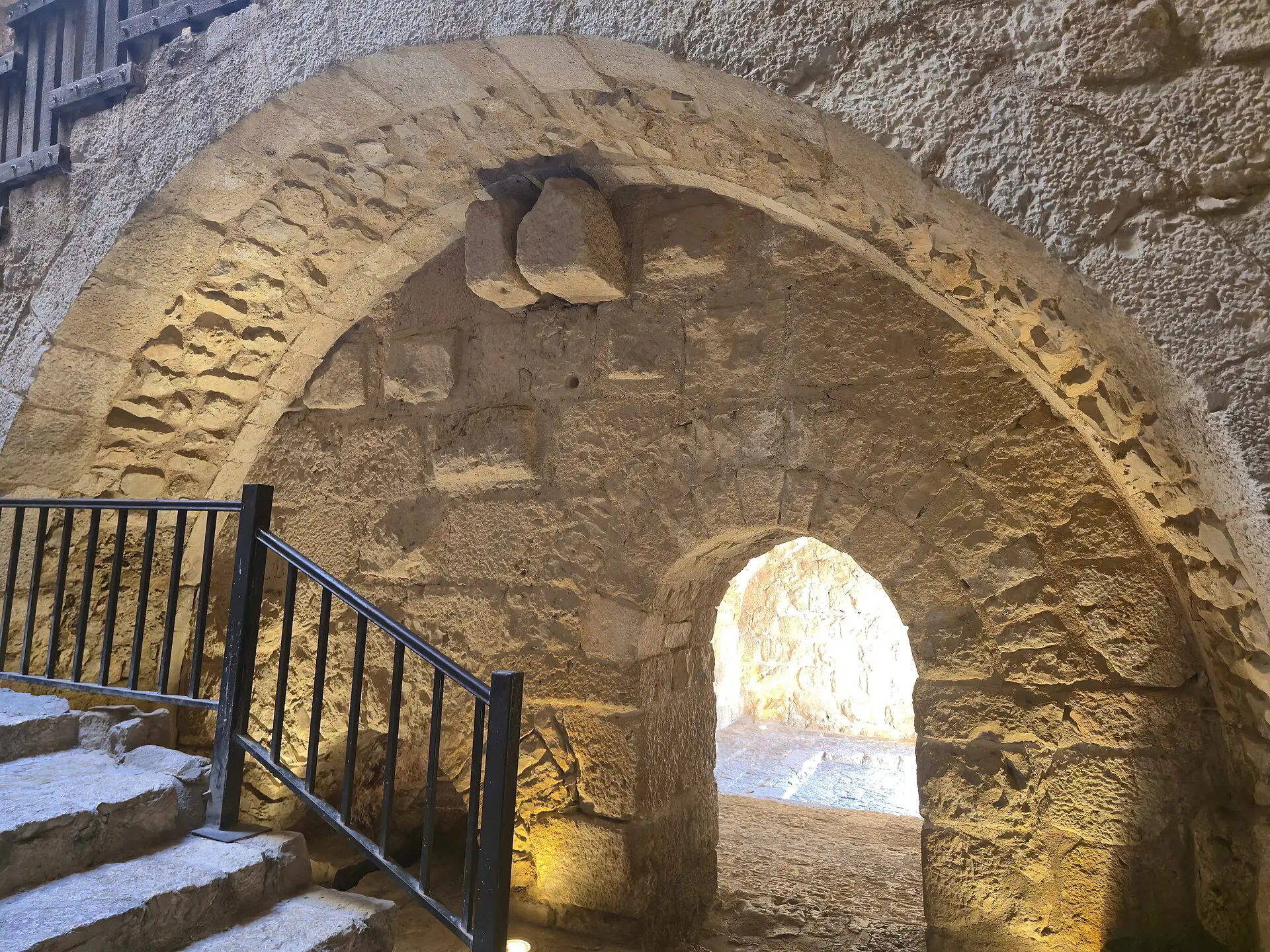
- Day 2, Jerash and Ajloun: spend the morning at the Roman ruins and the afternoon at Ajloun Castle, then return to Amman.
- Day 3, Madaba, Nebo and Dead Sea: see the mosaic map and Mount Nebo, then float at a Dead Sea beach.
- Day 4, King’s Highway to Petra: drive south via Kerak, with a stop at Dana if time allows. Arrive in Wadi Musa in the evening.
- Day 5, Petra: enter early, walk the Siq to the Treasury, then climb to the Monastery.
- Day 6, Wadi Rum: drive about 1.5 hours, take a jeep tour and stay overnight in a camp.
- Day 7, Aqaba and return: relax at Aqaba or snorkel, then fly out or take the Desert Highway to Amman, about four hours.
With extra days, add Wadi Mujib or a second night at Petra. Check conditions before setting out, and do not travel to border areas.
Practical tips for Jordan
- Money: the Jordanian dinar is the local currency, and ATMs are common in towns. Cards work at hotels and larger restaurants, but cash is needed for taxis, small shops and tips.
- SIM and eSIM: prepaid SIMs and eSIMs are cheap, and coverage is good in towns and along main roads. Signal can be weak in Wadi Rum and in canyons.
- Plugs: types C, D, F and G at 230 V, so bring a universal adaptor.
- Tipping: around 10 percent in restaurants if no service charge is added; tip guides and drivers a few dinars.
- Health: bring insurance, sunscreen, a hat and plenty of water. Pharmacies are common in cities. Hydrate well at the Dead Sea.
- Packing: sturdy shoes for Petra, modest clothing, a warm layer for desert nights and swimwear.
- Booking: reserve Wadi Rum camps and Petra hotels ahead in spring and autumn, and buy the Jordan Pass online if it suits your plans.
For more background, see the Wikivoyage Jordan guide.
FAQ
Q1Is Jordan safe?
For most visitors, yes. Tourist areas have generally been calm, and violent crime against visitors is uncommon. Governments advise against travel near the Syrian and Iraqi borders and warn that regional events can change conditions. Check your government's advice before you book and again before you travel.
Q2What are the best things to do in Jordan?
Top picks are walking the Siq to Petra's Treasury, climbing to the Monastery, taking a jeep tour in Wadi Rum, floating in the Dead Sea, exploring Roman Jerash and snorkelling at Aqaba. Hiking in Dana or Wadi Mujib suits active travellers.
Q3What is Jordan food like?
Jordan food is built on shared plates, bread and grilled meat. Try mansaf (lamb in yoghurt sauce), maqluba, hummus, falafel, musakhan and knafeh. Zarb is a Bedouin sand-oven meal. Vegetarians eat well, and Arabic coffee and mint tea are served everywhere.
Q4What is the best time to visit Jordan?
March to May and September to November are best, with warm days and comfortable walking at Petra and Wadi Rum. Summer is very hot in the south, while winter is cool and wet in the highlands but pleasant at Aqaba and the Dead Sea.
Q5Is Jordan safe to visit right now?
Jordan has been stable for tourists, but the wider region can change quickly. Avoid the Syrian and Iraqi border areas, follow local news and read your government's current travel advice. Take travel insurance that covers disruption, and keep your plans flexible.
Q6Do I need a visa for Jordan?
It depends on your nationality. Many visitors can get a single-entry visa on arrival or online, and the Jordan Pass can waive the fee if you stay three nights. Rules change, so confirm with the Jordanian foreign ministry or an embassy.
Q7How many days do you need in Jordan?
Seven days covers Amman, Jerash, the Dead Sea, Petra, Wadi Rum and Aqaba at a steady pace. Five days is enough for Petra and Wadi Rum from Amman. Add two or three days for Dana, Wadi Mujib and more time at Petra.