Why visit Ivory Coast
Ivory Coast travel is a strong choice for travellers who want a lively, French-speaking corner of West Africa that is easier to get around than many neighbours. The country, also called Côte d’Ivoire, has the Gulf of Guinea coast, a modern capital city on a lagoon, colonial architecture, mask traditions and three UNESCO sites (see the Wikipedia overview). Abidjan is the economic centre, while Yamoussoukro is the official capital.
It suits adventurous travellers, culture and food seekers, and visitors combining a West Africa route with Ghana or Senegal. Beaches, rainforest and savanna parks are within a day’s travel of one another, and Ivorian music, fashion and nightlife are famous across the region.
Tourism infrastructure is limited outside the south, and French is much more useful than English. Go with flexible plans, a fixer for remote areas and current safety advice.
Best places to visit in Ivory Coast
The best places to visit in Ivory Coast are in the south and west, which are easier to reach and generally more settled than the far north.
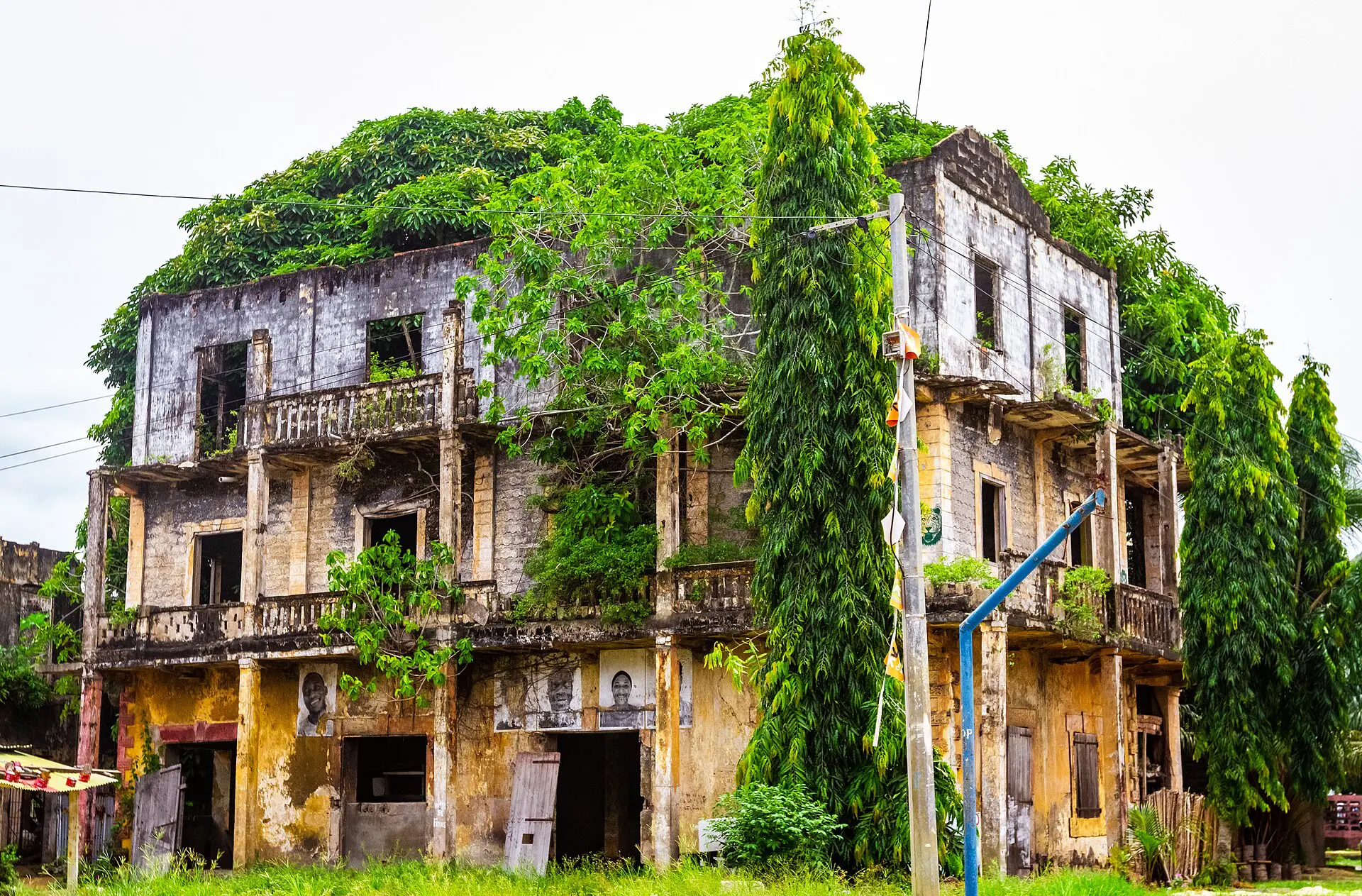
Abidjan
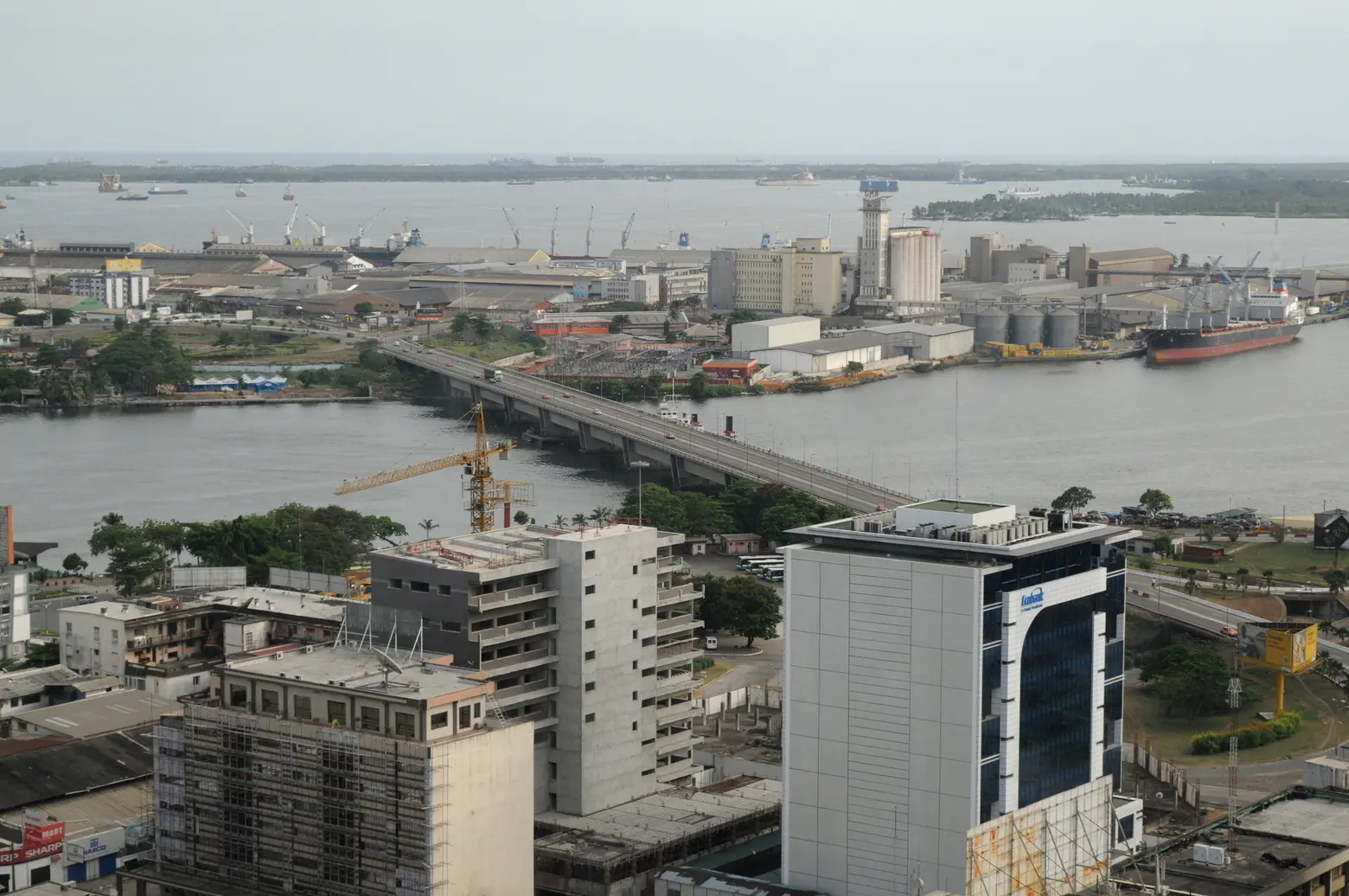
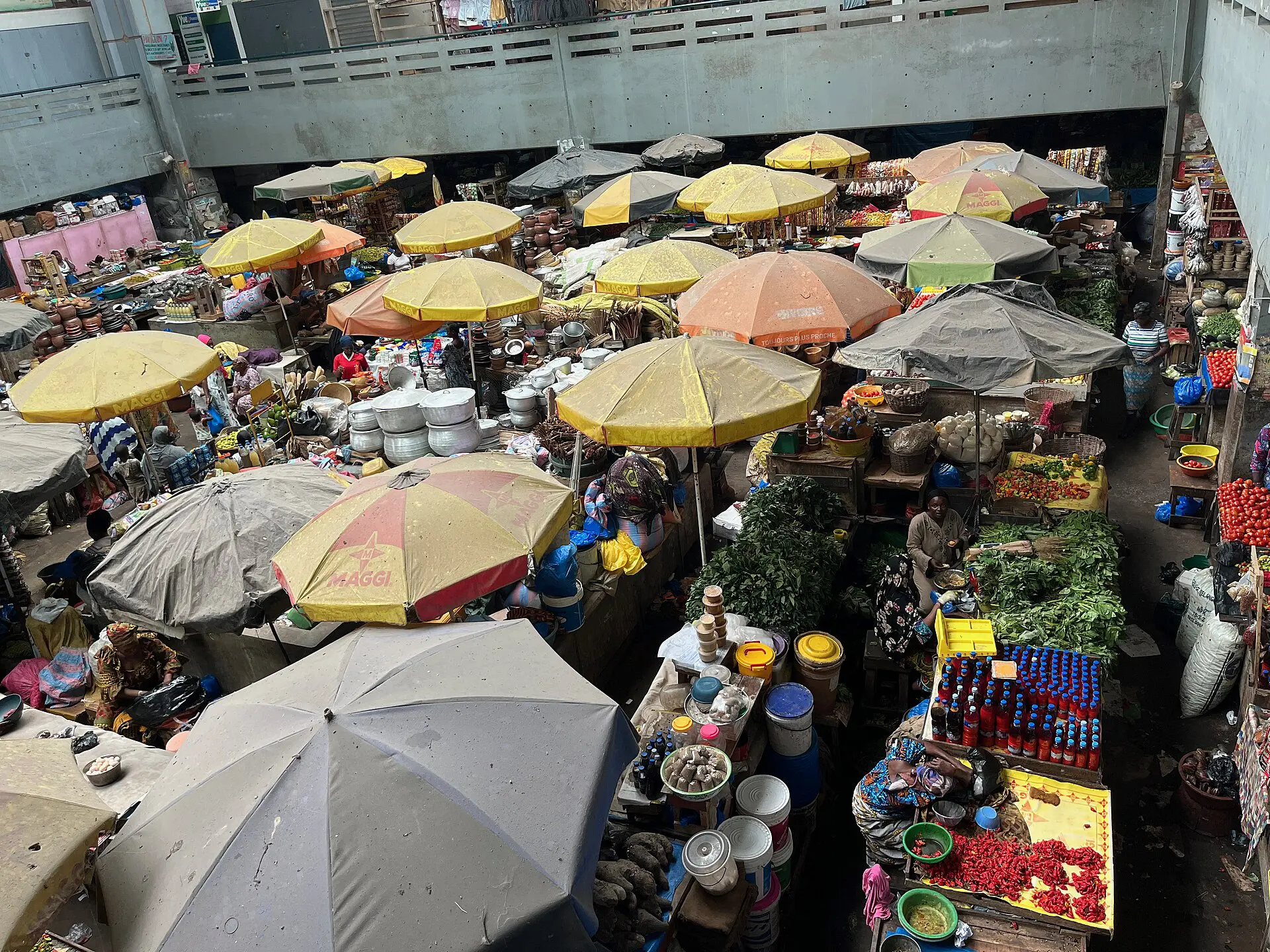
The country’s largest city has a skyline of towers on the Ébrié Lagoon, the Plateau business district, the Cocody and Marcory neighbourhoods and busy markets in Treichville. Maquis (casual open-air restaurants) and live music are the main evening attractions.
Grand-Bassam
A UNESCO World Heritage town east of Abidjan, with a faded colonial quarter, a museum of costume and a long beach. It is an easy day trip or overnight stay.
Yamoussoukro
The capital is known for its enormous Basilica of Our Lady of Peace and wide avenues. The town is a long day trip or an overnight stop between Abidjan and the centre.
Taï National Park
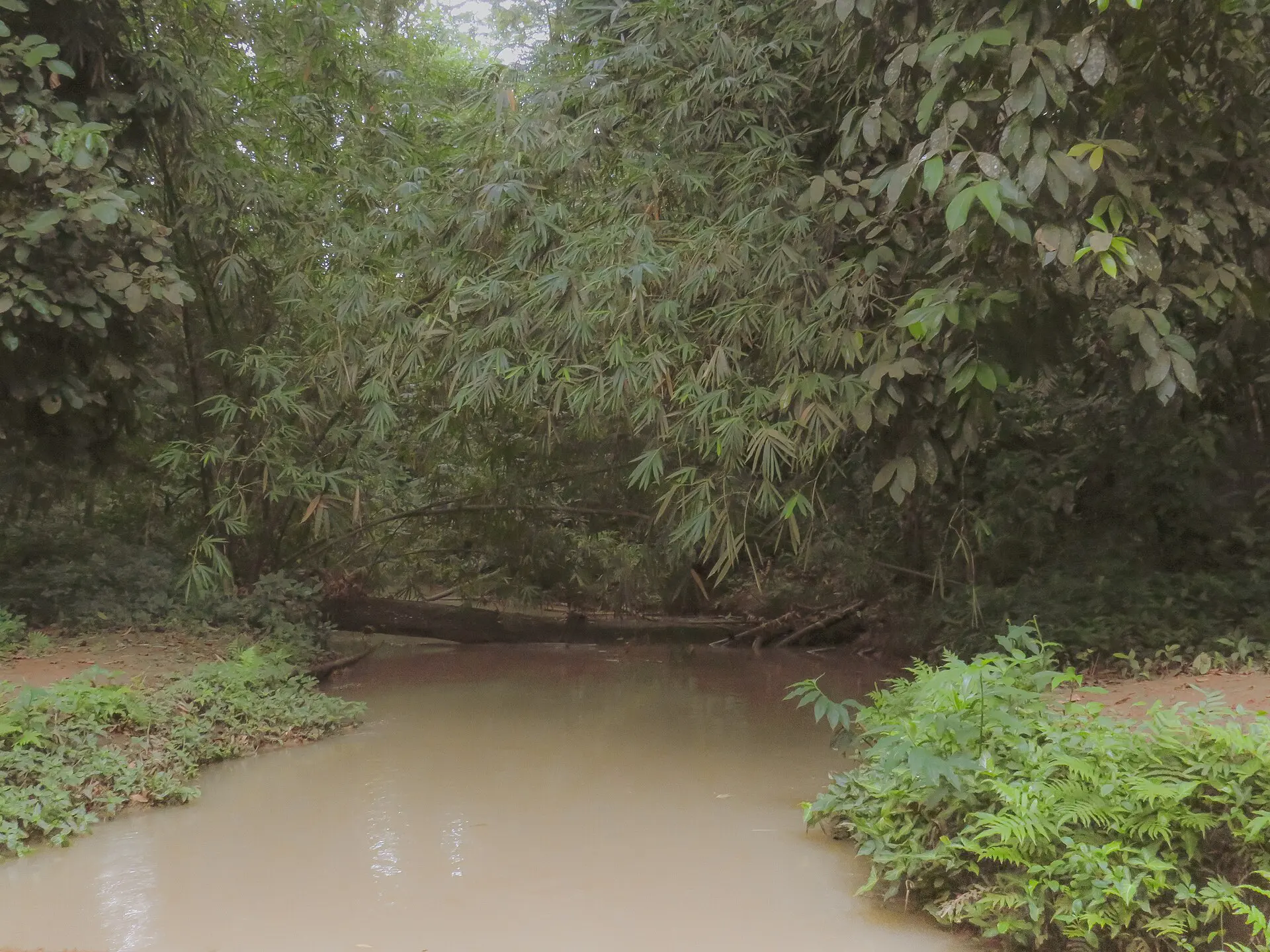
A UNESCO rainforest in the south-west with chimpanzees, forest elephants and pygmy hippos. Trips need advance planning and a licensed guide.
Man and the west
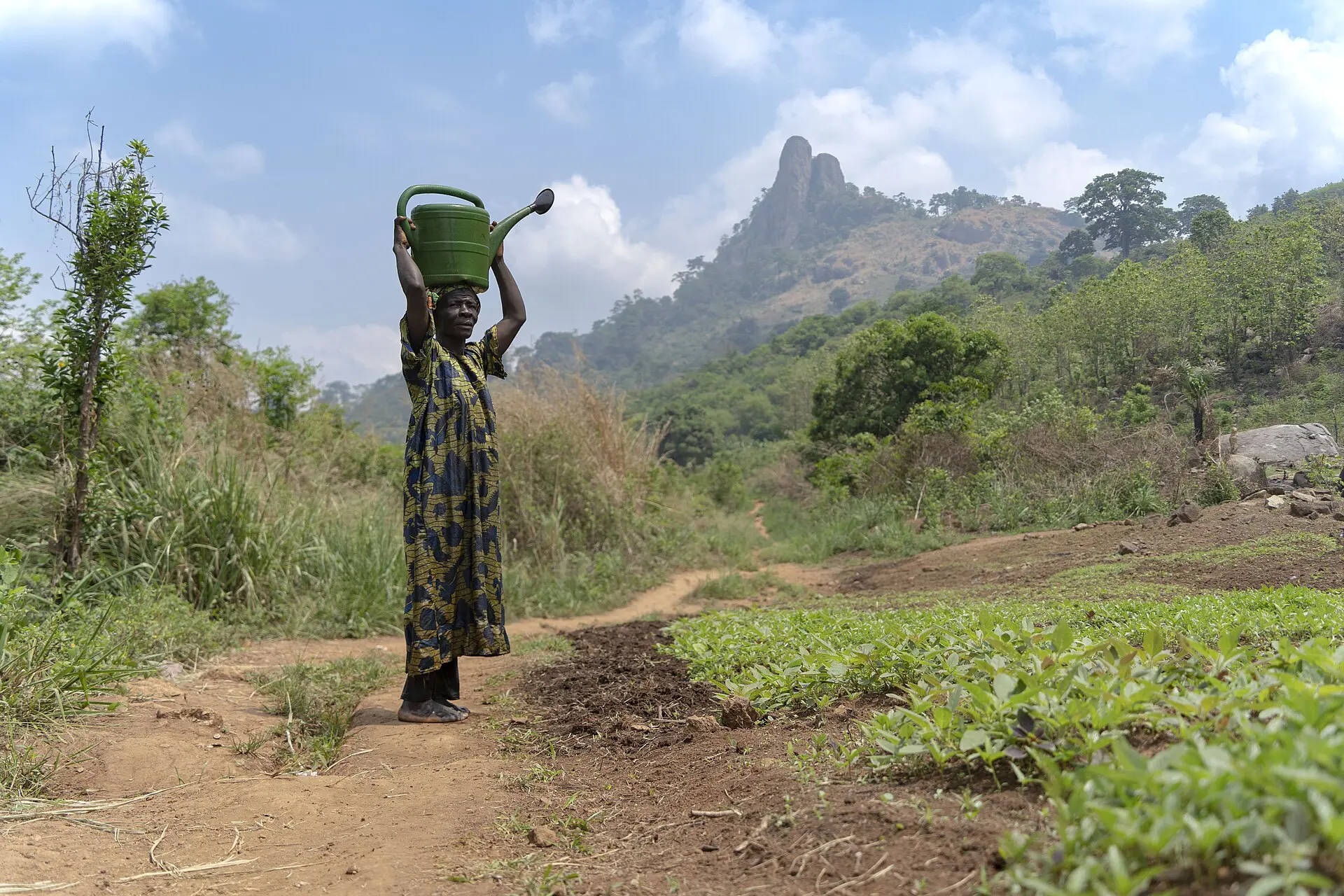
Mountains, waterfalls, liana bridges and the Dan culture around Man give a very different landscape.
Assinie and Sassandra
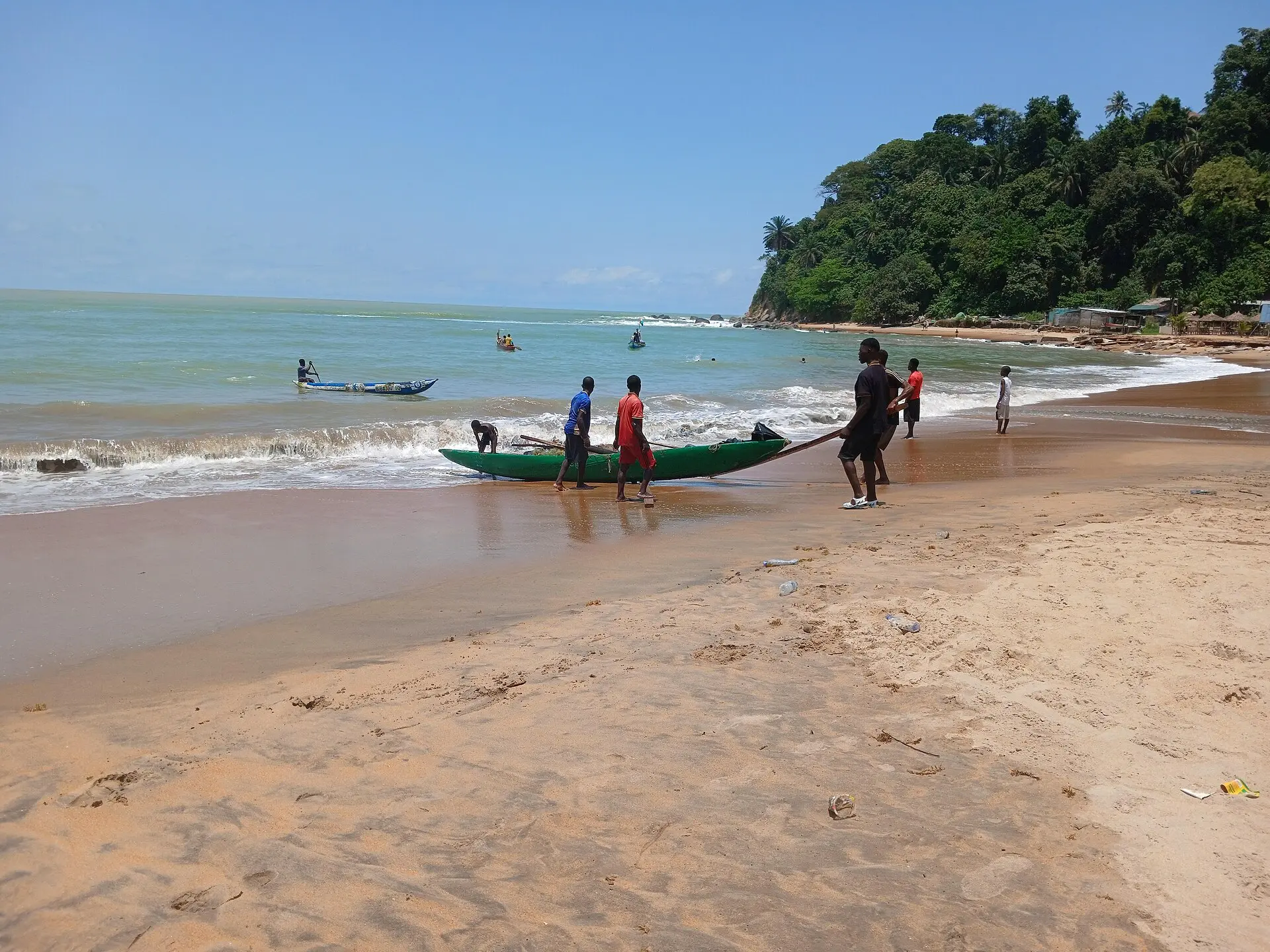
These Atlantic beach towns offer fish restaurants, surf and quieter coastal stays.
Top things to do in Ivory Coast
The top things to do in Ivory Coast mix city life, heritage and nature, and most can be done from Abidjan or Yamoussoukro.
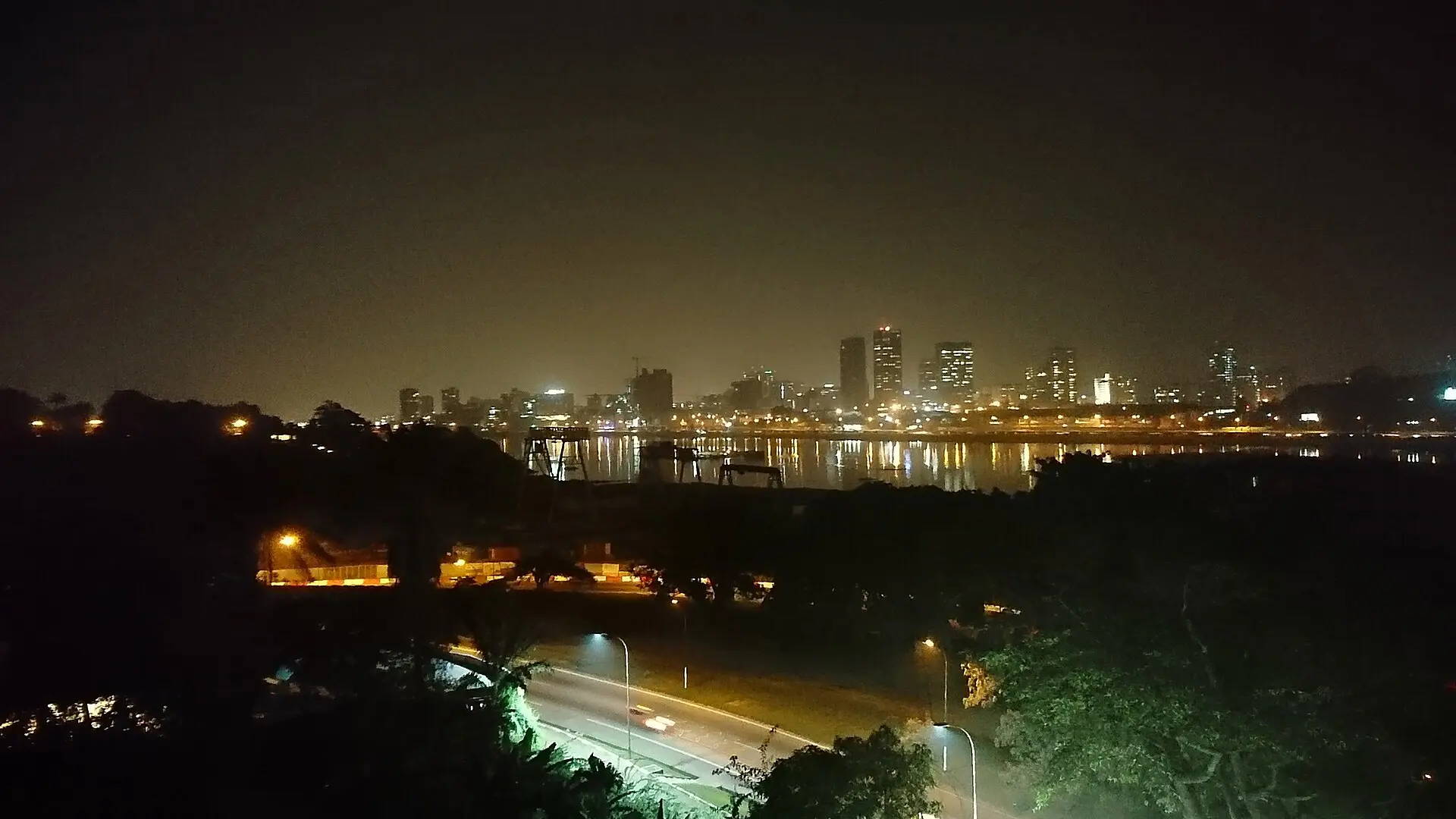
- Walk Grand-Bassam: explore the colonial quarter, the museum and the fishing village.
- See the Basilica of Our Lady of Peace: an enormous domed church in Yamoussoukro modelled on St Peter’s in Rome.
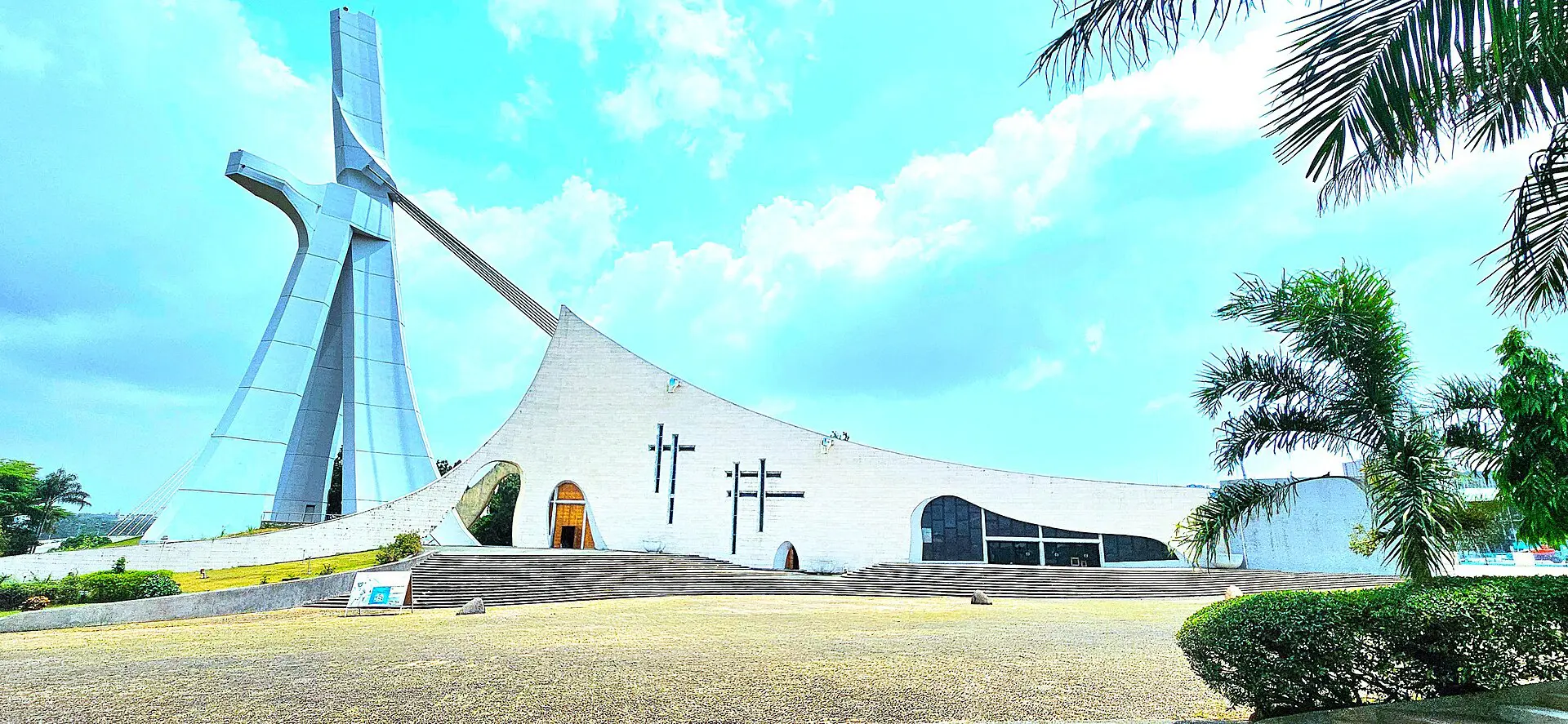
- Explore Abidjan’s Plateau and lagoon: take a boat or bridge walk for skyline views, and visit the Cathedral Saint-Paul.
- Eat at a maquis: open-air restaurants serve grilled fish, chicken and attiéké.
- Visit Banco National Park: forest walks inside Abidjan’s city limits.
- Relax at Assinie-Mafia: beach clubs and sandbars between the sea and lagoon.
- Trek in Taï National Park: track chimpanzees and forest wildlife with local guides.
- Hike near Man: reach the Dent de Man ridge, waterfalls and liana bridges.
- Look for Senufo art in Korhogo: woven cloth and carved masks, if the north is open to visitors.
- Dance at a night out in Abidjan: coupé-décalé music is the local sound.
Best time to visit Ivory Coast
The best time to visit Ivory Coast is the long dry season from November to March, when roads are passable, humidity is lower and wildlife is easier to see. The south has two rainy seasons, roughly April to July and a shorter one in October and November, while the north has one rainy season from May to October. The harmattan wind from December to February brings dusty haze and cooler nights.
| Season | Weather | Crowds and prices | Good for |
|---|---|---|---|
| Dry season (Nov-Mar) | Hot, drier, harmattan haze in the north | Highest demand, still modest crowds | Beaches, parks, road trips |
| Main rains (Apr-Jul) | Heavy rain, very humid | Low | Cheaper stays, green landscapes |
| Short dry spell (Aug-Sep) | Cloudy, cooler on the coast | Low to moderate | City trips, culture |
| Short rains (Oct-Nov) | Showers, humid | Rising | Early-season travel |
Roads to national parks can become difficult in the rains, so plan Taï and Man for the dry months. Check dates for festivals such as Fête du Dipri or local mask events, which vary.
Is Ivory Coast safe to visit?
Ivory Coast is moderately safe for visitors who prepare. The southern coast and Abidjan are the most visited areas, and most trips are trouble-free, but petty crime is common and the north carries higher security risks. Check your government’s current advice, such as the UK FCDO or US State Department pages, before travel.
Is Ivory Coast safe? What to watch
Governments commonly advise against travel to areas close to the Mali and Burkina Faso borders because of armed groups and the risk of cross-border attacks. A 2016 attack in Grand-Bassam targeted a beach resort, and security has been strengthened since. Political tensions around elections have sometimes led to protests, so avoid demonstrations.
Everyday precautions
Bag snatching, pickpocketing and opportunistic theft happen in Abidjan, especially in markets and on busy streets. Avoid walking at night, use taxis booked through an app or your hotel, and keep valuables hidden. Roads can be poorly lit and drivers aggressive. Malaria is present across the country, so take prophylaxis and use repellent. Do not swim in rough surf, because rip currents on the coast are strong and beaches have few lifeguards.
Ivory Coast visa and entry requirements
Ivory Coast visa rules depend on your nationality. Most non-African visitors need a visa, and the government operates an online e-visa system that should be completed before travel; some ECOWAS and other African nationals are exempt. Always apply through the official government portal, because lookalike sites exist, and check fees and processing times as of your travel date.
A yellow fever vaccination certificate is required for entry, and officials may check it on arrival. Your passport should be valid for at least six months and have blank pages. Carry proof of accommodation and onward travel, and a printed copy of your e-visa approval.
If you plan to cross into Ghana, Liberia, Guinea, Mali or Burkina Faso by land, check border rules and your government’s advice in advance, because some crossings are restricted. Entry requirements can change, so confirm with the Ivorian embassy or official immigration source. The UNESCO page for Ivory Coast lists the country’s World Heritage sites, but it does not cover entry rules.
Getting to and around Ivory Coast
Most visitors arrive at Félix Houphouët-Boigny International Airport in Abidjan, with direct flights from Paris, Brussels, Casablanca, Istanbul and other West African capitals. Land crossings exist with Ghana, Liberia and Guinea, though bus journeys can be slow, and the northern borders may be restricted.
Within the country, intercity buses and shared minibuses connect Abidjan with Yamoussoukro, Bouaké, Man and San-Pédro. Abidjan to Yamoussoukro takes around three to four hours on a good highway. Abidjan to Grand-Bassam takes about an hour. Domestic flights serve Bouaké, Korhogo, San-Pédro and Man at times, so check schedules. A railway link toward Burkina Faso exists but is not suited to casual tourism.
In Abidjan, taxis are plentiful, including ride-hailing apps, and many drivers use metered or negotiated fares. Lagoon ferries and water taxis (bateaux-bus) cross between districts. Hire a car with a driver for national parks and remote areas, and avoid driving after dark. Driving is on the right.
How much does a trip to Ivory Coast cost?
Ivory Coast is moderately priced by West African standards, though Abidjan can feel expensive. The currency is the West African CFA franc (XOF), pegged to the euro, and cash is still the main way to pay outside upscale hotels. Figures below are rough per-person daily guides for 2026.
- Budget: around EUR 30 to 55 per day, with simple guesthouses, shared taxis and street food.
- Mid-range: around EUR 60 to 130 per day, with a comfortable hotel, restaurant meals and a driver or taxis.
- High-end: from around EUR 180 per day in Abidjan, with international hotels and private transport.
Accommodation in Abidjan and Assinie is the biggest cost, followed by private car hire with a driver, which is needed for parks and remote regions. National park visits require fees and guides. Meals at maquis are cheap, while imported food and international restaurants are costly. Costs rise at weekends on the beaches and during holiday periods.
Ivory Coast food and drink
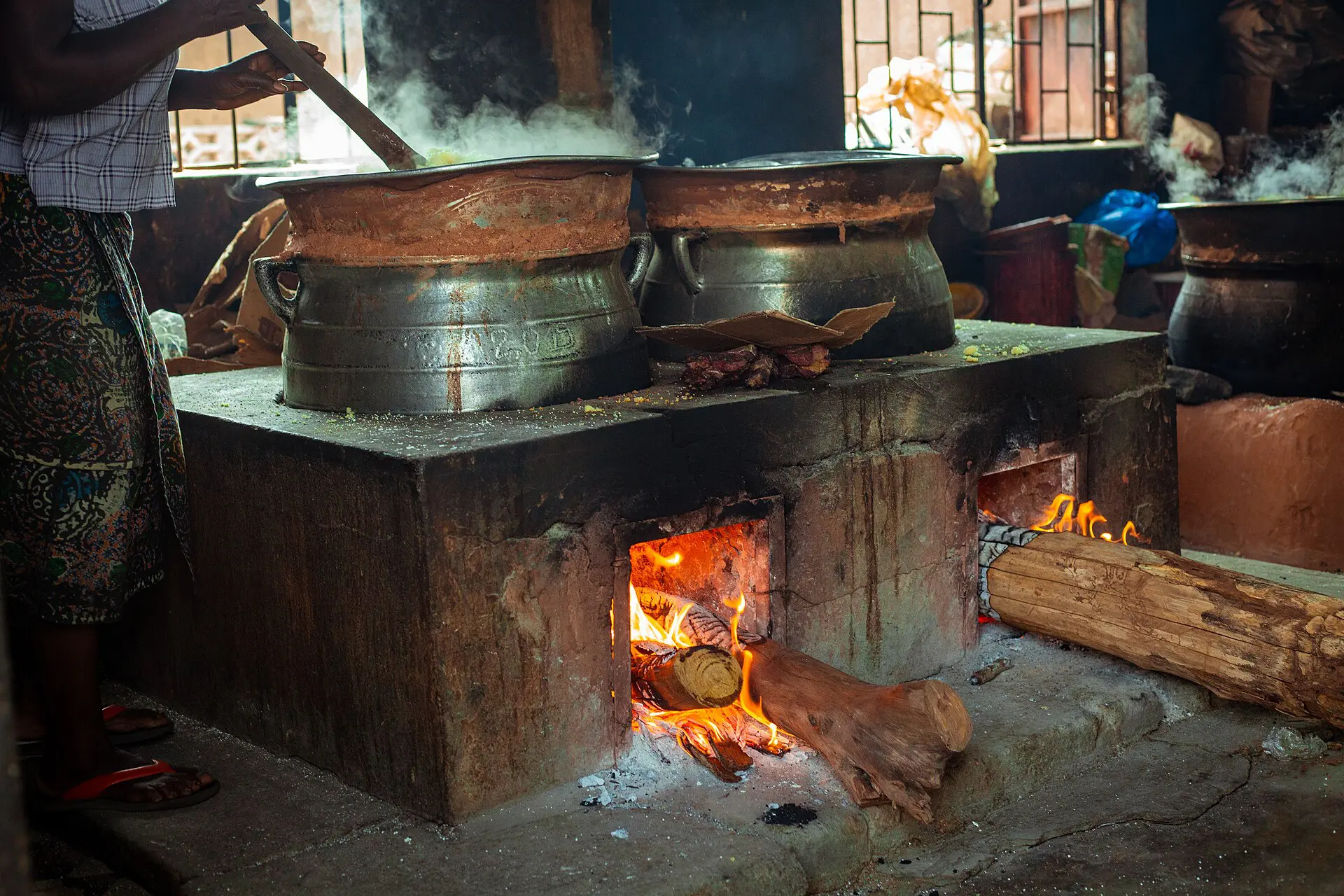
Ivory Coast food is among the best in West Africa: grilled fish, spicy sauces, starchy sides and fresh fruit. Eating is social, and the casual outdoor maquis restaurants are the best place to try it.
- Attiéké: fermented cassava couscous, served with grilled fish, chicken and fresh tomato and onion.
- Garba: a popular street meal of attiéké with fried tuna, chilli and onions.
- Alloco: fried ripe plantain, served with spicy sauce and egg or fish.
- Kedjenou: chicken or guinea fowl slow-cooked with vegetables in a sealed pot.
- Foutou and sauce graine: pounded plantain or cassava with a palm-nut soup.
- Poulet braisé: charcoal-grilled chicken marinated in onion and spice.
- Bissap and gnamankoudji: hibiscus and ginger drinks; palm wine and local beers such as Solibra’s Bock are also common.
Vegetarians can eat alloco, rice, beans and vegetable sauces, but meat and fish stocks are common, so ask. Choose busy stalls with freshly cooked food, and drink bottled or filtered water. Spice levels vary, so ask for the pepper separately.
Culture, language and etiquette in Ivory Coast
French is the official language and the main medium of travel and business. Around sixty languages are spoken, including Baoulé, Dioula and Bété, and Nouchi, an urban Abidjan slang, is common among young people. English is limited, so learn a few French phrases such as bonjour, merci and s’il vous plaît.
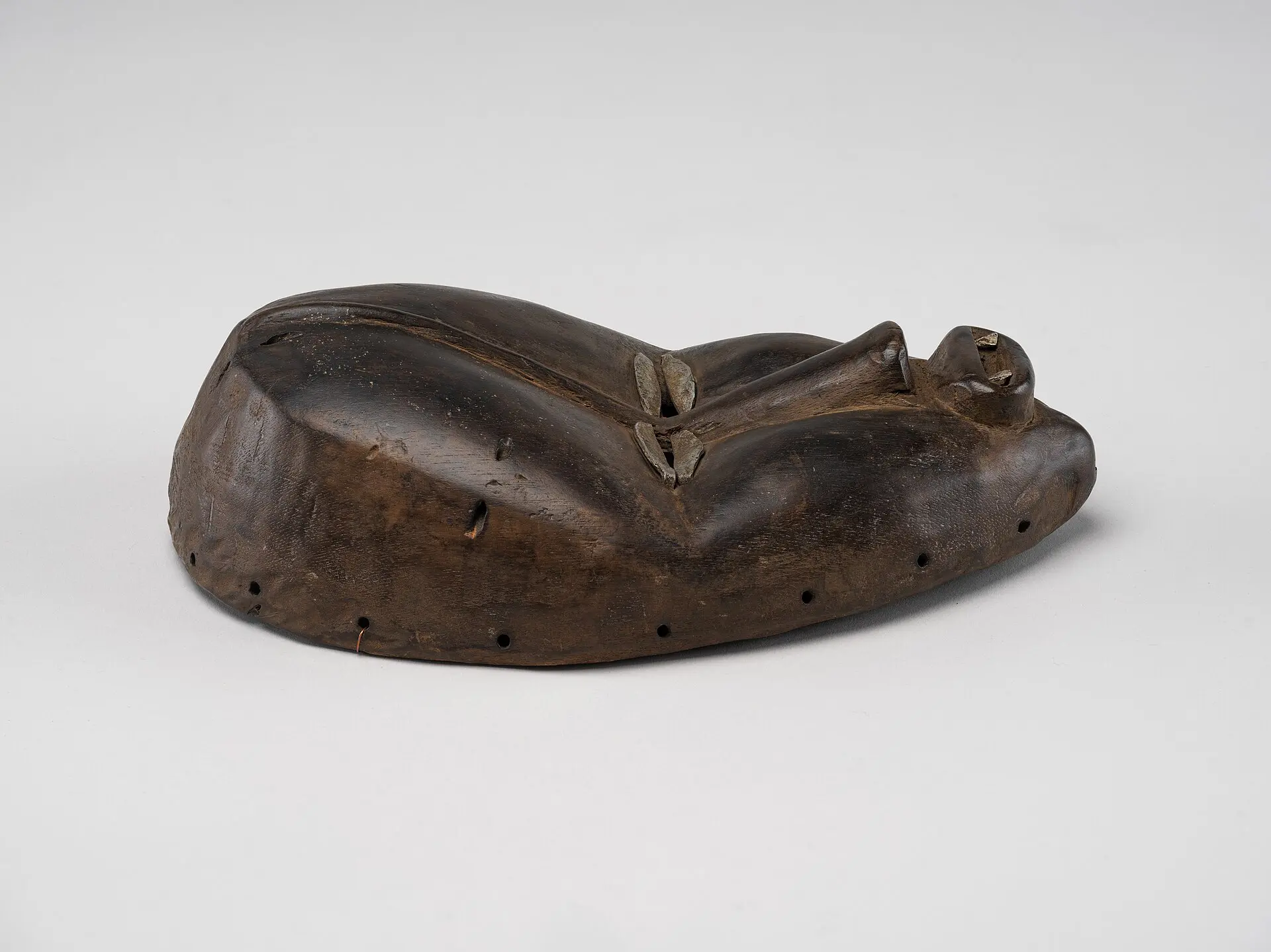
Greetings matter: always say hello and ask how someone is before making a request, and shake hands where appropriate. Use your right hand for giving and receiving. Ivory Coast has a mix of Muslim, Christian and traditional beliefs, with Muslims more numerous in the north. Dress modestly in the north and in places of worship, and ask before taking photos of people, ceremonies or masks.
Mask dances, textile traditions and funeral ceremonies are important cultural events, so observe respectfully and follow guides’ advice. Avoid political discussion, especially around elections and ethnic or regional divisions. Bargaining is normal in markets and for taxis without a meter; stay polite and smile. Photographing government buildings, the military and airports can lead to problems.
Ivory Coast itinerary: a 7-day route
This route stays in the south and centre, where travel is easiest, and avoids the northern border areas that governments advise against. Check advisories before booking, and use a local driver for longer legs.
- Day 1, Abidjan: arrive, explore Plateau and Cocody, and eat dinner at a maquis.
- Day 2, Abidjan: visit Treichville market, the cathedral and Banco National Park, then ride a lagoon boat.
- Day 3, Grand-Bassam: travel about an hour east, tour the colonial quarter and swim at the beach with care.
- Day 4, Assinie: continue east for about an hour and relax between the lagoon and the sea.
- Day 5, Yamoussoukro: return to Abidjan, then drive about three to four hours north to the capital.
- Day 6, Yamoussoukro: visit the Basilica of Our Lady of Peace and the presidential lake area.
- Day 7, return: drive about three to four hours back to Abidjan airport, leaving margin for traffic.
With extra days, add Taï National Park or Man and the western mountains, or the beaches near Sassandra. Do not extend the route to Korhogo or border regions without checking current advice.
Practical tips for Ivory Coast
- Money: the CFA franc (XOF) is the currency; carry cash, as cards are accepted only in larger hotels and shops. ATMs are common in Abidjan but less reliable elsewhere.
- SIM and eSIM: local SIMs from major operators are cheap, with registration needed, and coverage is good in cities. Mobile money is widely used.
- Plugs: types C and E at 220 to 230 V; bring an adapter and a surge protector.
- Tipping: not obligatory; 5 to 10 percent in restaurants or a small round-up is appreciated.
- Health: bring your yellow fever certificate, take malaria prophylaxis, and use bottled water. Check vaccination advice with a travel clinic.
- Language: download offline French maps and phrases; fewer people speak English.
- Packing: light breathable clothing, rain gear in the wet season, repellent and a copy of your passport and visa.
For wider background, see the Wikivoyage Côte d’Ivoire guide.
FAQ
Q1What is Ivory Coast food like?
Ivory Coast food centres on grilled fish and chicken, plantain and cassava. Try attiéké, garba, alloco, kedjenou, foutou with sauce graine and poulet braisé at a local maquis. Dishes are spicy but you can ask for pepper on the side, and vegetarian choices are limited.
Q2Is Ivory Coast safe?
Mostly yes in the south, with caveats. Petty theft is common in Abidjan, and governments warn against travel near the Mali and Burkina Faso borders. Use taxis at night, avoid protests, take malaria precautions and check your government's current advice.
Q3Do I need a visa for Ivory Coast?
Most visitors do. Ivory Coast uses an online e-visa that should be completed in advance through the official government portal, and some African nationals are exempt. A yellow fever certificate is required. Check the official immigration source for current rules and fees.
Q4What are the best things to do in Ivory Coast?
Highlights include the colonial town of Grand-Bassam, Yamoussoukro's basilica, Abidjan's lagoon and maquis restaurants, beaches at Assinie and Sassandra, Banco National Park and rainforest treks in Taï National Park. Most are easiest in the dry season.
Q5Is Ivory Coast safe to visit for tourists?
For most visitors who stick to the south and central regions, yes, with normal precautions against petty crime and traffic. The north near the borders has higher risk. Take a local guide for remote areas and register with your embassy if possible.
Q6What are the best things to do in Côte d'Ivoire?
In Côte d'Ivoire, walk Grand-Bassam's colonial quarter, visit the Basilica of Our Lady of Peace, spend time in Abidjan's markets and nightlife, relax at Assinie-Mafia and trek with a guide in Taï or near Man. The dry season, November to March, is best.
Q7What is the best time to visit Ivory Coast?
November to March is best, with lower humidity, drier roads and easier wildlife viewing. The harmattan brings haze in the north from December to February. April to July has heavy rain in the south, which makes park roads hard but lowers prices.