Why visit Iraq
Iraq travel is not for everyone, but the reasons to go are real. The land between the Tigris and Euphrates, known as Mesopotamia, produced some of the first cities, writing and law codes, and the traces are still on the ground at Babylon, Ur and Ashur (see the Wikipedia overview). Baghdad was a centre of learning under the Abbasids, and Najaf and Karbala receive millions of pilgrims every year.
The country suits experienced travellers who are comfortable with uncertainty, speak or can arrange a guide who speaks Arabic or Kurdish, and follow official advice closely. Most visitors who report positive trips describe Iraqi hospitality as the highlight: invitations to tea and meals are common. The Kurdistan Region in the north is the easiest part to visit, with mountains, citadels and a functioning tourism trade.
Read the safety section before anything else. Iraq has faced decades of war, insurgency and political instability, and conditions can change within days.
Best places to visit in Iraq
The best places to visit in Iraq combine UNESCO-listed ancient sites with living cities. Access to each depends on current security conditions and your government’s advice, so treat this as a map of what exists rather than a recommendation to go everywhere.
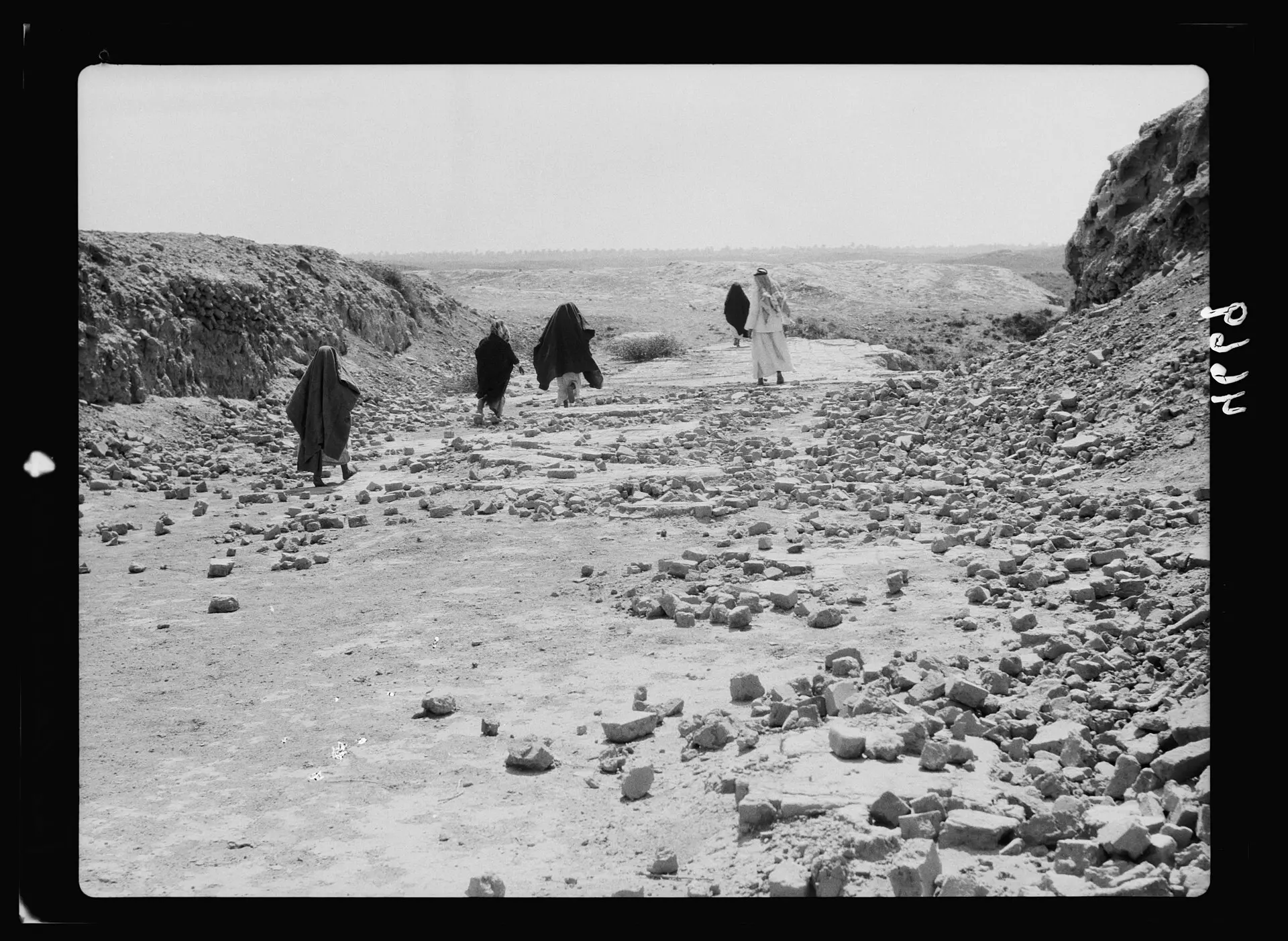
Erbil
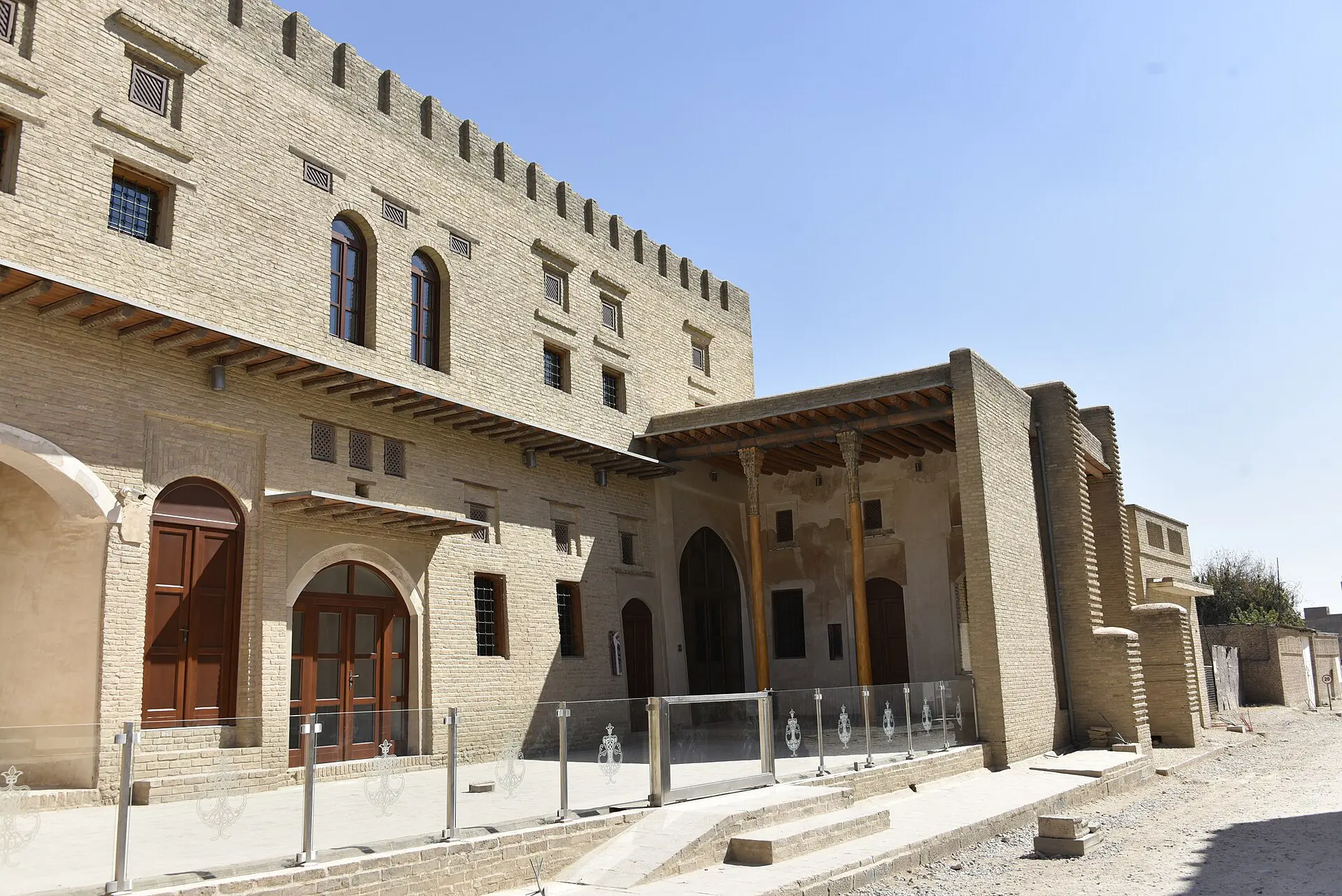
The capital of the Kurdistan Region claims one of the world’s oldest continuously inhabited settlements. Its citadel mound sits above a busy bazaar and modern city with cafés, malls and a good textile museum.
Babylon
South of Baghdad, the ruins of Babylon include a reconstructed Ishtar Gate and processional way. Much of the site was heavily rebuilt in the 1980s, which is worth knowing before you go. It is on the UNESCO list.
Ur and the southern marshes
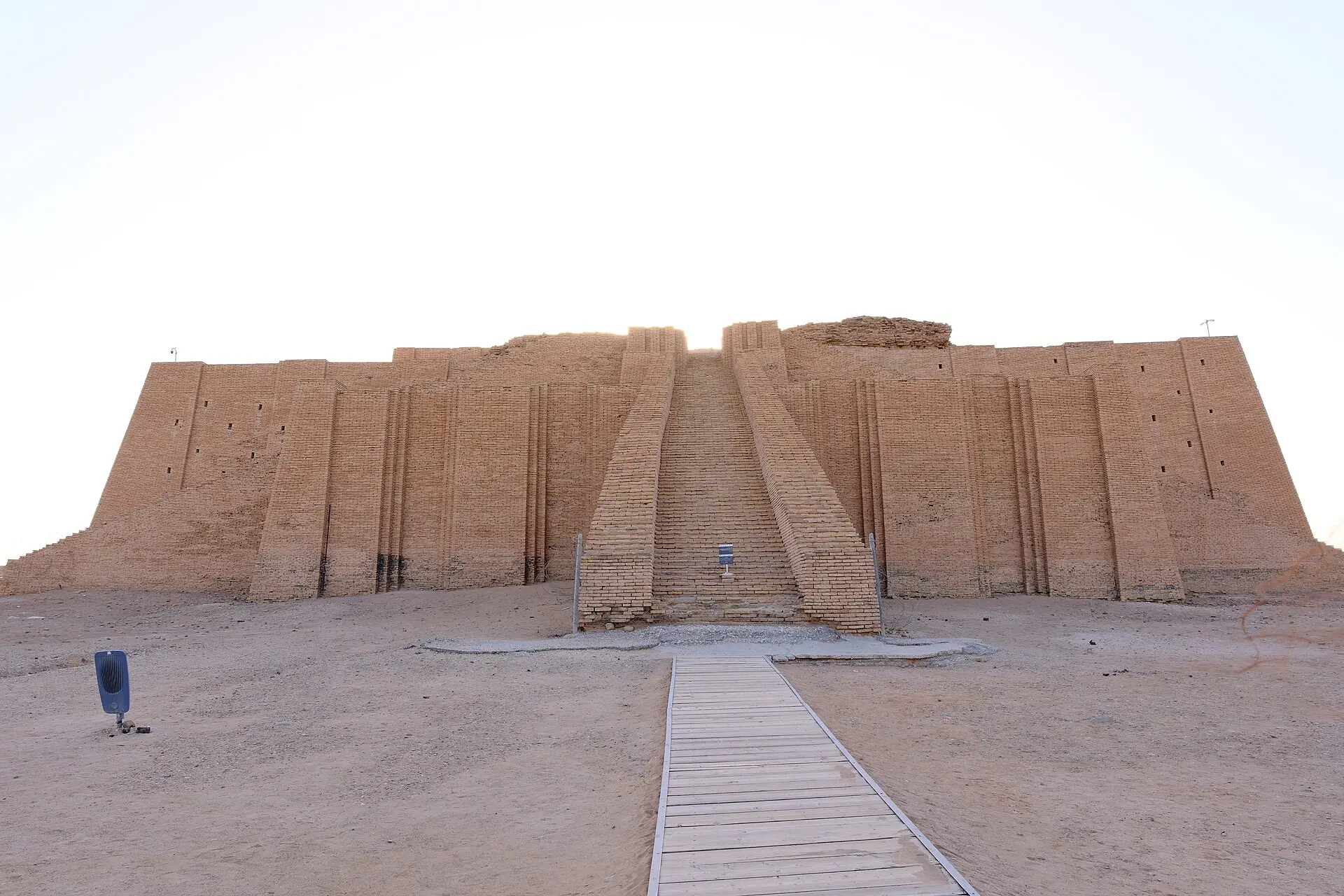
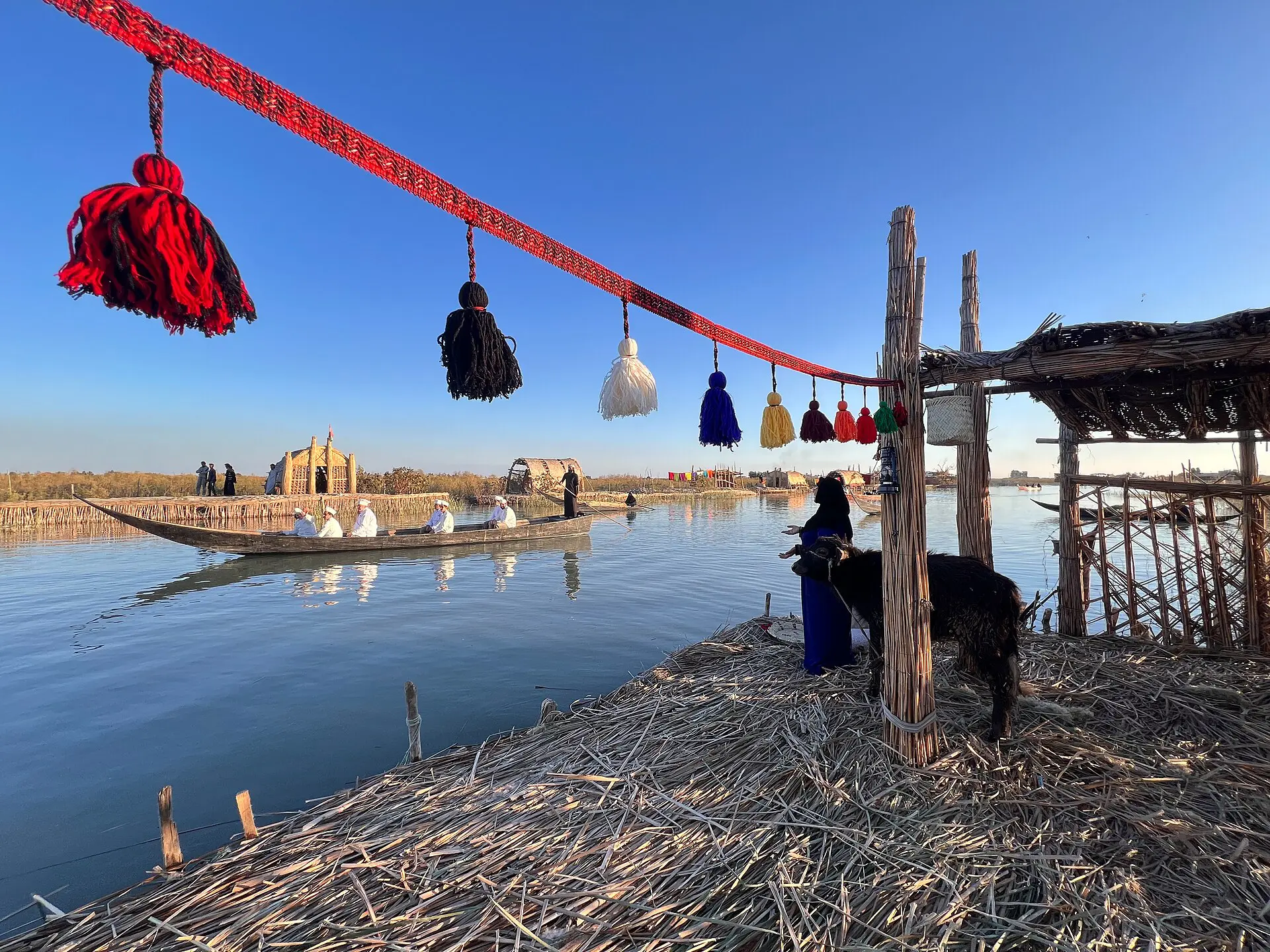
The ziggurat of Ur near Nasiriyah is among the best-preserved Mesopotamian monuments. The nearby Ahwar marshes, a UNESCO site, are home to Marsh Arab communities who live in reed houses.
Baghdad
The capital holds the Iraq Museum, the book market on Mutanabbi Street and the Kadhimiya shrine. Security checkpoints are frequent.
Najaf and Karbala
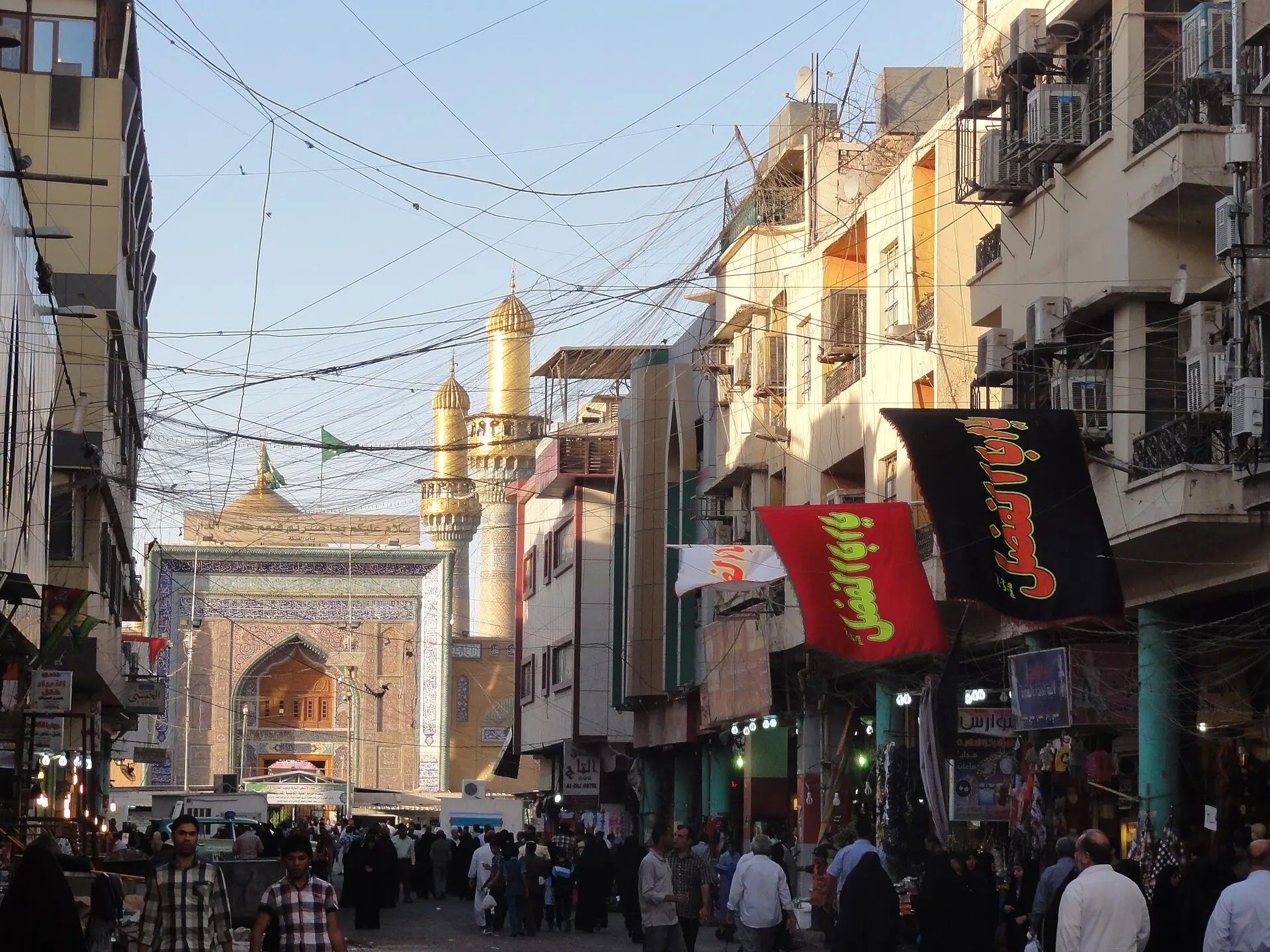
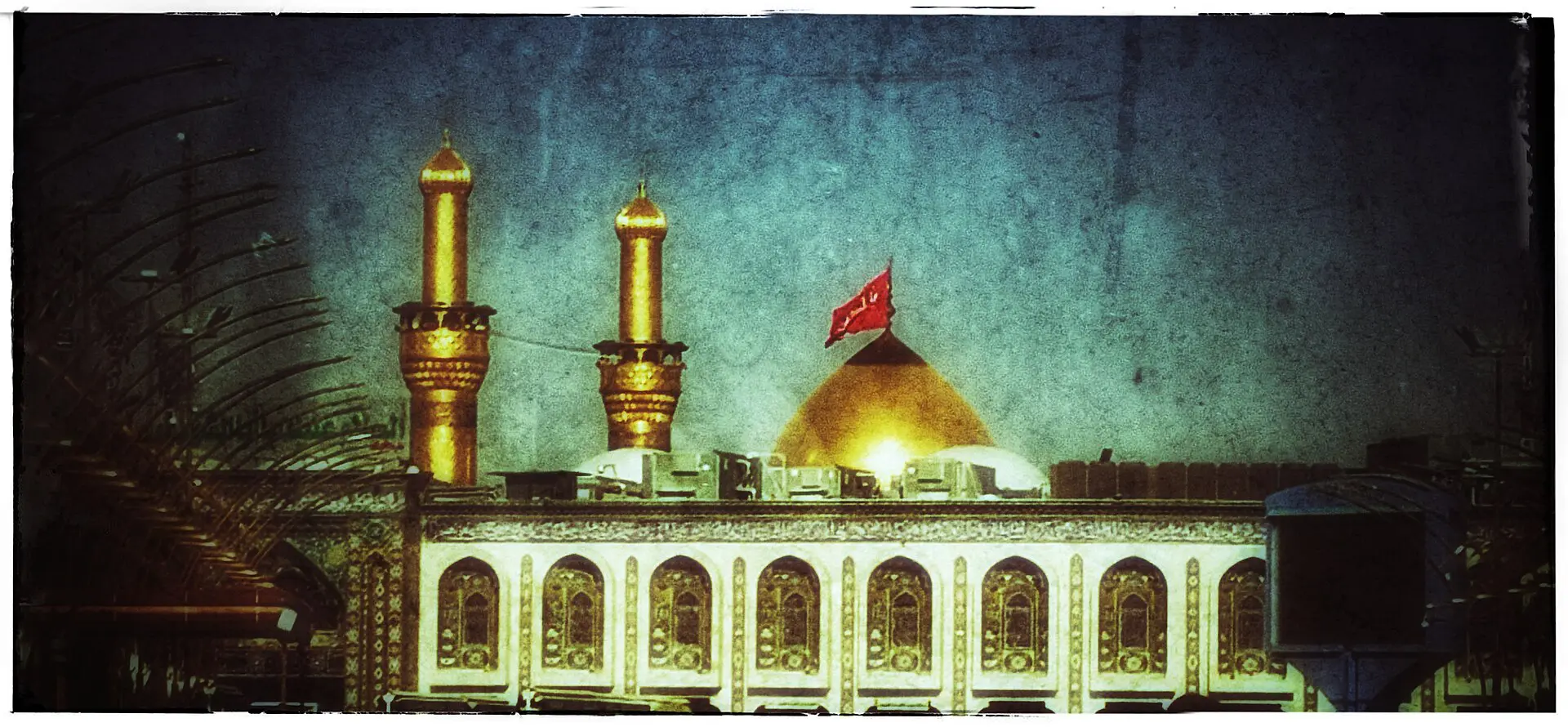
These Shia holy cities are centred on the shrines of Imam Ali and Imam Husayn. Non-Muslim visitors face restrictions and security is intense, especially during Arbaeen.
Duhok, Amedi and Sulaymaniyah
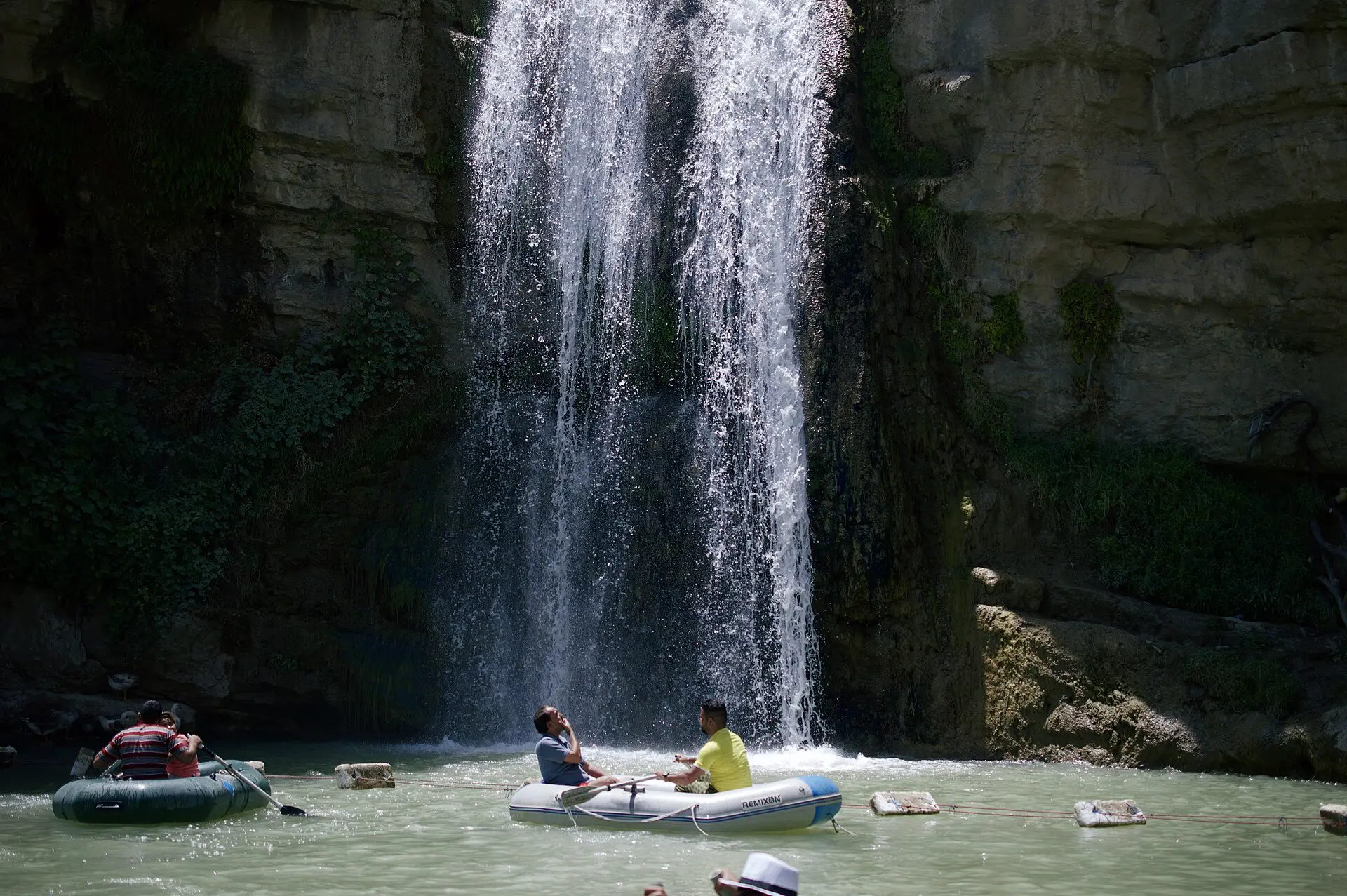
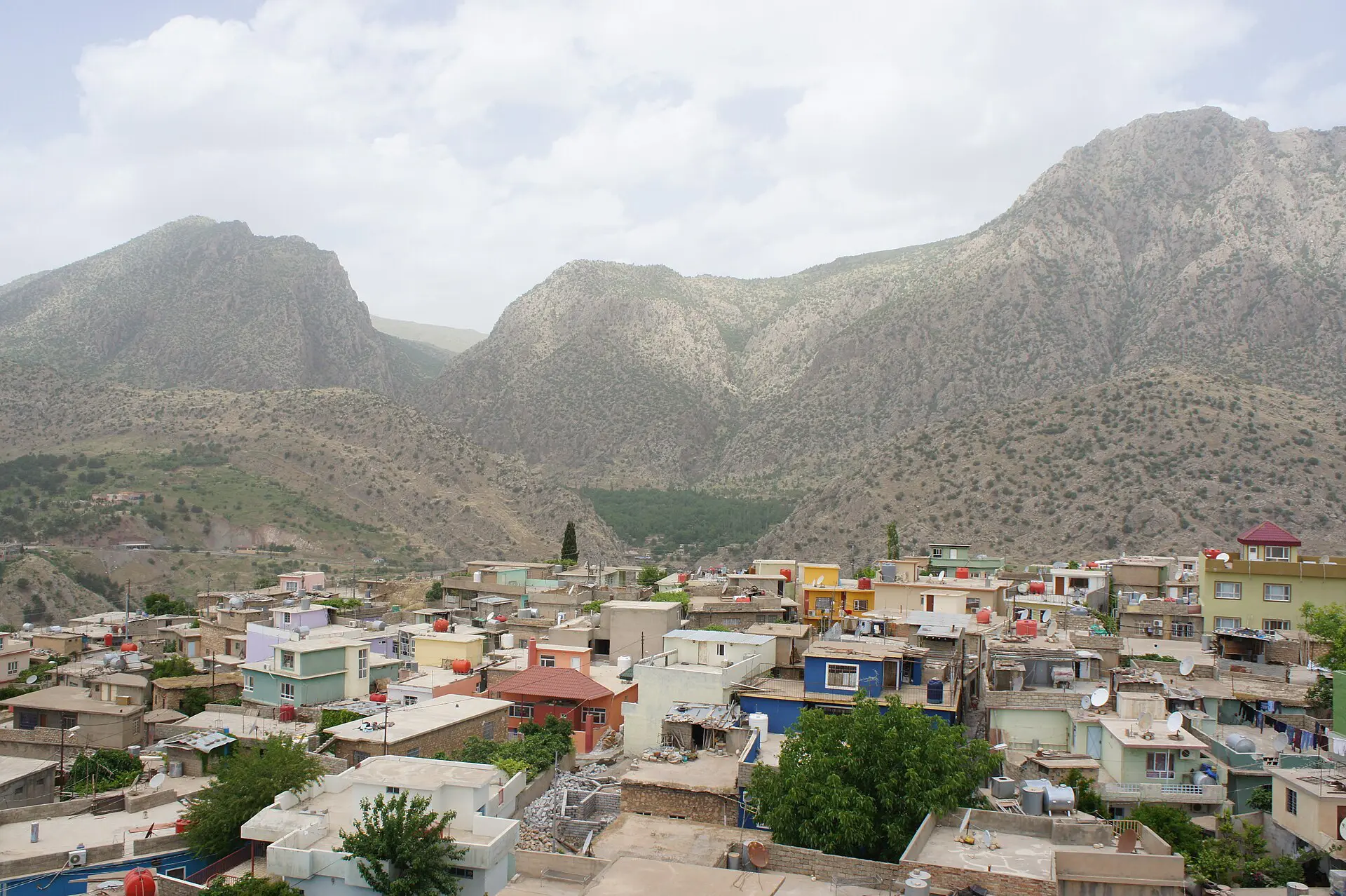
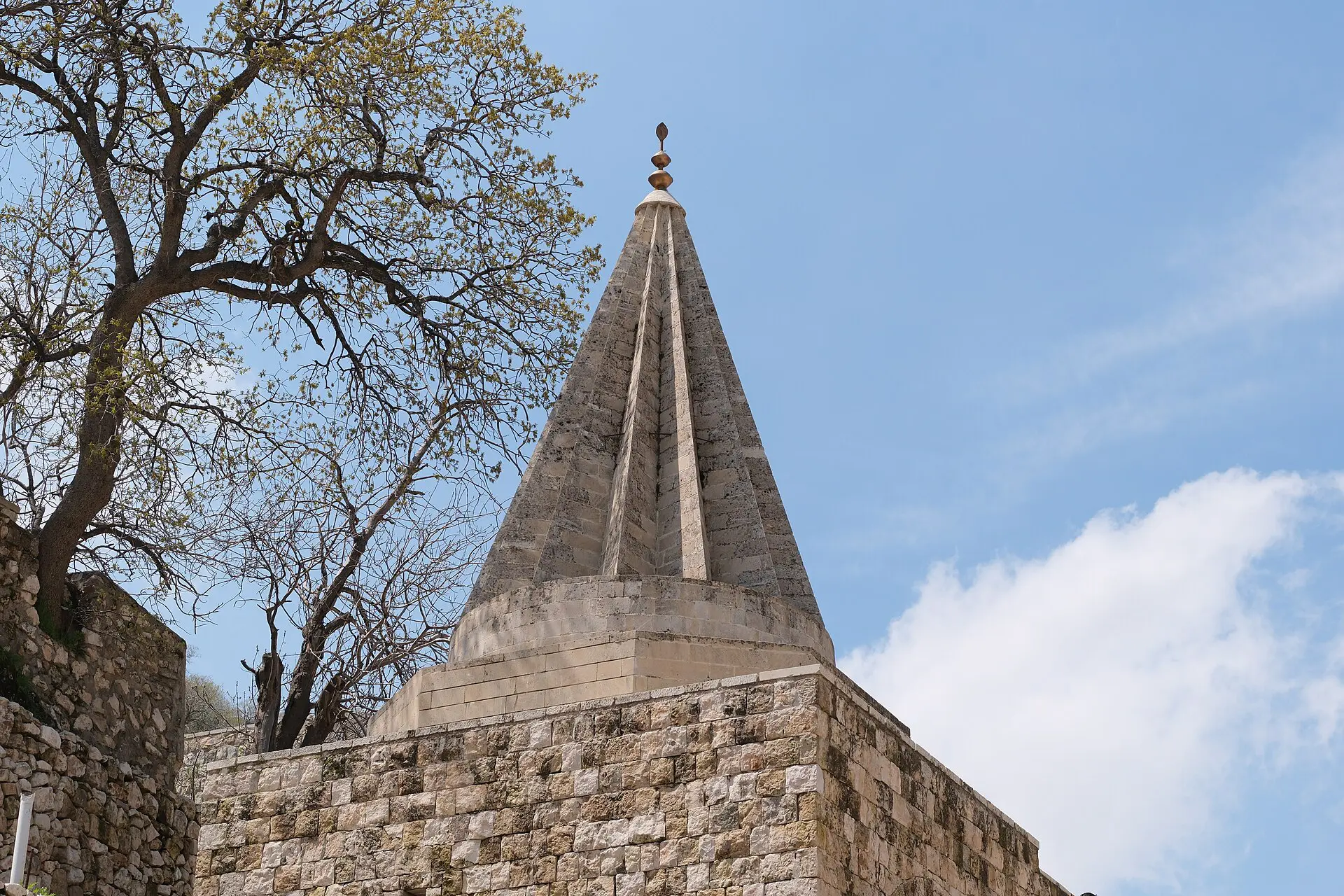
Northern Kurdistan offers mountain towns, waterfalls and the Yazidi temple of Lalish, with a more relaxed atmosphere than the south.
Top things to do in Iraq
The top things to do in Iraq are built around history, religion and food, and most require a licensed guide or organised tour. Many are best done in the Kurdistan Region.
- Climb the Erbil Citadel: walk the mound’s lanes and visit the textile and Kurdish heritage displays.
- Visit the Ziggurat of Ur: this Sumerian temple platform is about 4,000 years old.
- See Babylon: walk the Ishtar Gate replica and the processional way.
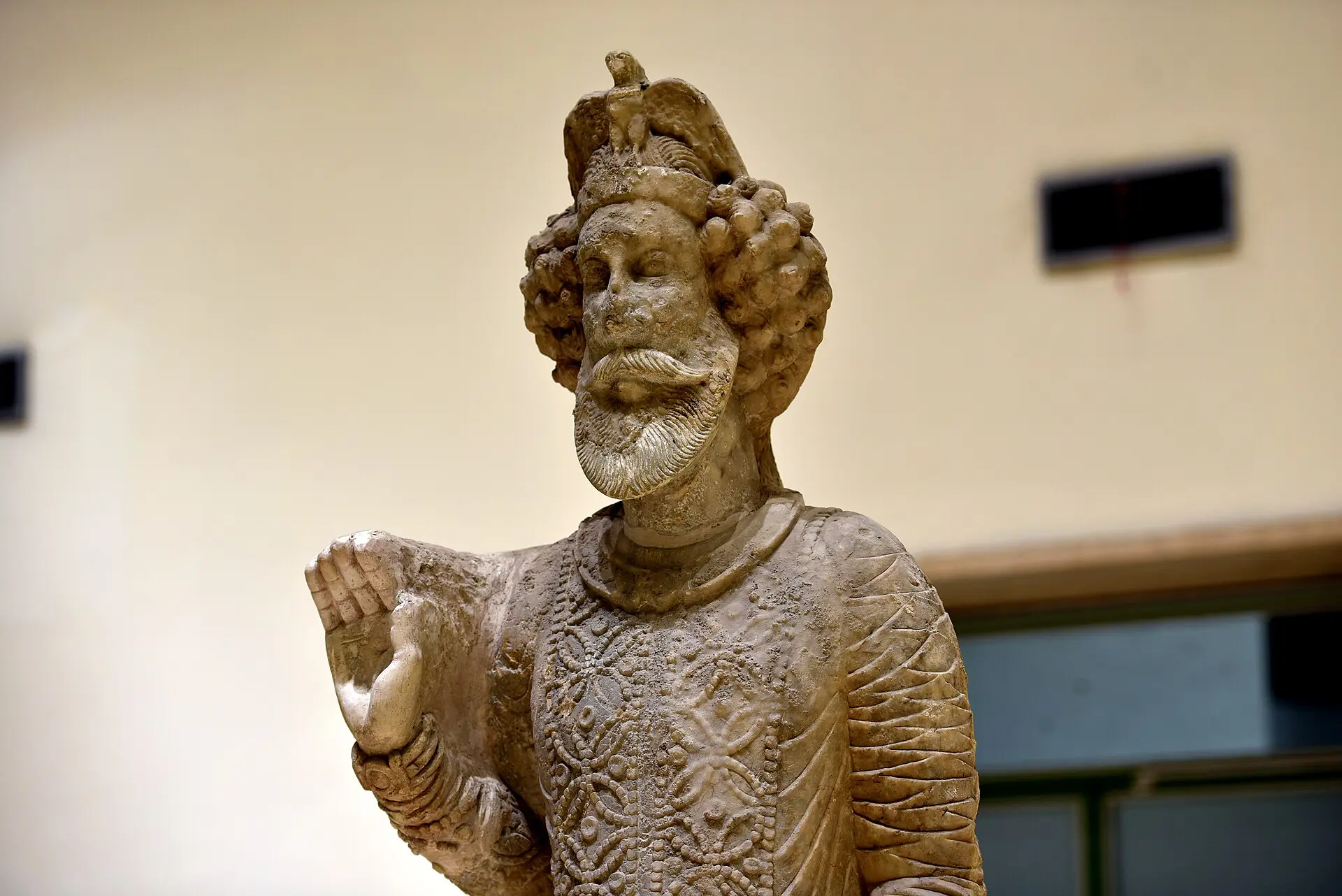
- Explore the Iraq Museum in Baghdad: its Sumerian, Assyrian and Babylonian collections are among the world’s most important, though opening times change.
- Drive the Gali Ali Beg and Rawanduz canyon road: a dramatic Kurdish mountain route with waterfalls.
- Walk the old town of Amedi: a mountaintop settlement above Duhok.
- Visit Lalish: the holiest Yazidi temple, in a valley north-east of Mosul.
- Browse Mutanabbi Street: Baghdad’s Friday book market and tea houses.
- Take a boat in the southern marshes: reed villages and birdlife near Chibayish.
- Eat masgouf by the Tigris: grilled carp is the signature Baghdad meal.
Best time to visit Iraq
The best time to visit Iraq is March to April and October to November, when temperatures are manageable. Summer from June to September is punishingly hot in the centre and south, often above 45 C, and heat can make site visits dangerous. Winters bring snow to the Kurdish mountains.
| Season | Weather | Crowds and prices | Good for |
|---|---|---|---|
| Spring (Mar-May) | Warm, green in the north, some rain | Moderate; Kurdistan busiest | Mountains, ruins, marshes |
| Summer (Jun-Sep) | Extremely hot in the south and centre | Low outside Kurdistan | Cooler northern highlands only |
| Autumn (Oct-Nov) | Warm to mild, dry | Moderate; pilgrim crowds around Arbaeen | Archaeology, cities |
| Winter (Dec-Feb) | Cool, wet; snow in the north | Low | Baghdad, Babylon, Ur |
Arbaeen, the Shia pilgrimage to Karbala, brings millions of people and tight security each year, and its date moves roughly 11 days earlier annually. Avoid Karbala and Najaf around it unless you are a pilgrim.
Is Iraq safe to visit?
Iraq is not considered safe for casual tourism, and most Western governments advise against all or most travel. The Kurdistan Region is generally calmer than the centre and south but is not risk-free. Treat the answer as conditional on where you go, why, and with whom.
Is Iraq safe? What governments say
The UK Foreign Office, the US State Department and others have advised against travel to most or all of the country in recent years, and some also warn about Kurdistan. These warnings affect insurance: most standard travel policies exclude areas under such advisories, so confirm cover in writing.
Main risks
Armed groups, militias and the remnants of the Islamic State remain active in parts of the country. Kidnapping, roadside explosives and unexploded ordnance are documented hazards, and drone and missile strikes linked to regional tensions have affected both Baghdad and Kurdistan. Demonstrations can turn violent without warning.
Practical precautions
Use an established local operator, register with your embassy where possible, avoid unnecessary night travel, carry copies of documents and expect many checkpoints. Heat in summer is a real health risk, and water and food hygiene need care. Women travelling alone should dress modestly and take extra precautions. If you are unsure, do not go.
Iraq visa and entry requirements
Iraq visa rules depend on your nationality and on which entry point you use, and they have changed several times. Many travellers can use an e-visa through the official federal portal or obtain a visa on arrival at some airports; others must apply through an embassy. Some nationalities are refused or face extra checks, so confirm everything with the official source before booking.
The Kurdistan Region operates its own entry system. Visitors flying into Erbil or Sulaymaniyah have historically been granted a short stay on arrival for many nationalities, but that stamp covers the Kurdistan Region only. Travelling onward to federal Iraq normally needs a separate visa, and moving between the two can involve extra paperwork.
Bring a passport valid for at least six months. Evidence of an Israeli stamp or visa can cause refusal of entry, as Iraq does not recognise Israel. The UNESCO page for Iraq lists the World Heritage sites you may want to plan around, but it does not cover entry rules.
Getting to and around Iraq
Most visitors fly to Erbil International Airport or Baghdad International Airport; Sulaymaniyah, Basra and Najaf also have international flights. Services depend on regional airspace conditions and can be suspended with little notice, so book flexible tickets. Overland entry is possible from Turkey, Iran and Jordan, but several crossings are restricted or closed to foreigners at different times.
Domestic flights link Baghdad, Erbil, Basra and Sulaymaniyah and are the safest option for long distances. Inter-city buses and shared taxis exist, yet checkpoints add hours, and independent road travel in the centre and south is not advisable under most government advice. In Kurdistan, hired cars with drivers between Erbil, Duhok and Sulaymaniyah are common: Erbil to Duhok takes about two and a half hours, and Erbil to Sulaymaniyah roughly three.
Driving is on the right. Self-drive is rare among visitors because of checkpoint procedures and road conditions. Taxis in cities are cheap, but agree fares first or use a trusted hotel driver.
How much does a trip to Iraq cost?
Iraq is not a cheap destination for visitors, mainly because security, guides and private transport are essential. The currency is the Iraqi dinar (IQD), but US dollars are widely used for hotels, guides and large purchases. Figures below are rough per-person guides for 2026 and move with exchange rates and local conditions.
- Budget: around USD 40 to 70 per day in Kurdistan, using simple hotels, shared taxis and local restaurants.
- Mid-range: around USD 70 to 150 per day, with comfortable hotels, a driver and meals.
- High-end: USD 200 or more per day in Baghdad or Erbil, including a guide, security arrangements and international-standard hotels.
The biggest cost drivers are guides and transport rather than food or entry fees. Official guide or fixer fees, visa charges and travel insurance that covers high-risk destinations add a meaningful amount. Museum and site tickets are modest. Cash is still the main way to pay outside large hotels, so budget accordingly, and carry clean, undamaged dollar notes.
Iraq food and drink
Iraq food is one of the strongest reasons to visit: rich stews, grilled fish, stuffed vegetables and fresh bread, shared generously. Hosts often insist on feeding guests, and refusing politely once is normal before accepting.
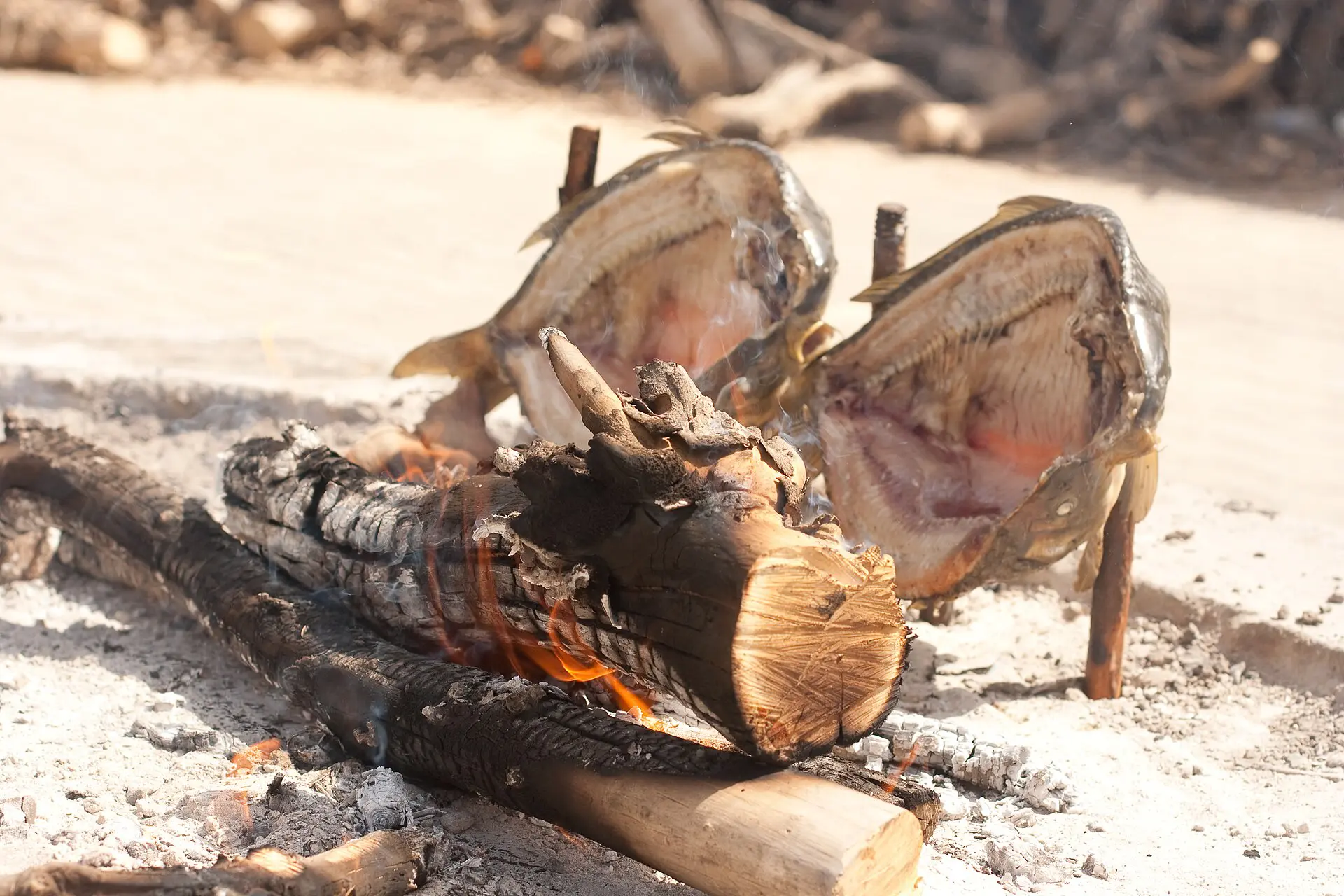
- Masgouf: carp split, seasoned and grilled upright beside an open fire, the signature dish of Baghdad’s riverside.
- Dolma: vine leaves, onions, peppers or aubergines stuffed with spiced rice and sometimes lamb.
- Kubba: rice or bulgur shells filled with minced meat, fried or served in broth.
- Tashreeb: torn flatbread soaked in lamb or chicken stew, a comforting home dish.
- Quzi: roast lamb over spiced rice with nuts, served at celebrations.
- Samoon: diamond-shaped bread baked in wood-fired ovens, often eaten with eggs or cheese.
- Chai and kleicha: strong sweet tea, often with date-filled cookies.
Alcohol is restricted in much of the country; Kurdistan and Christian neighbourhoods sell it more openly. Tap water should be avoided. Vegetarians can eat well on bread, dips, rice and vegetable dolma, but meat is central to many menus, so ask when ordering.
Culture, language and etiquette in Iraq
Arabic is the main language, with Kurdish (mainly Sorani) widely spoken in the north and smaller communities speaking Aramaic dialects, Turkmen and Armenian. English is limited outside business, hotels and universities, so a few Arabic phrases, such as shukran (thank you), help. Iraq is home to Arabs, Kurds, Turkmen, Assyrians, Yazidis, Mandaeans and others, and Shia, Sunni and Christian communities all live there.
Hospitality is central to Iraqi life. You may be invited into homes, and a small gift such as sweets is appreciated. Dress modestly: long sleeves and trousers for men and women, with a headscarf for women in shrines, which often provide a cloak at the entrance. Remove shoes before entering mosques and many homes.
Photography near military sites, checkpoints, government buildings and shrines can lead to detention, so ask first and follow your guide. Avoid raising politics, sectarian divisions, the Iraq War or the Kurdish question unless locals bring them up. During Ramadan, avoid eating and drinking in public during daylight.
Iraq itinerary: a 7-day route
Independent travel through central and southern Iraq is not currently advisable under most government advice, so this route stays in the Kurdistan Region, which is generally calmer. Check advisories first and move or cancel if conditions change. Use a local driver or operator throughout.
- Day 1, Erbil: arrive, settle in and walk the citadel’s edge and bazaar in the evening.
- Day 2, Erbil: tour the citadel, textile museum and Kurdish cuisine at a local restaurant.
- Day 3, Rawanduz and Gali Ali Beg: drive about two hours north-east for canyon scenery and waterfalls.
- Day 4, Duhok: continue about three hours west, with stops in mountain villages.
- Day 5, Amedi and Lalish: visit the hilltop town of Amedi and, if open, the Yazidi temple at Lalish, dressing modestly.
- Day 6, Sulaymaniyah: a long drive of around five to six hours; visit the bazaar and the Amna Suraka museum.
- Day 7, return: allow three to four hours back to Erbil airport, with a margin for checkpoints.
Skip the Mosul area and the disputed territories unless your operator confirms current conditions. Do not extend the route to Baghdad or the south without advice from your embassy.
Practical tips for Iraq
- Insurance: check that your policy covers Iraq, because many exclude regions under government travel warnings; get a specialist policy if needed.
- Money: carry US dollars in good condition and some dinars. ATMs exist in cities, but foreign cards are not reliably accepted.
- SIM and eSIM: local SIMs are cheap, but registration rules can be strict. Kurdistan networks may differ from the rest of Iraq.
- Plugs: types C, D and G at 230 V; bring a universal adapter.
- Tipping: not required; 5 to 10 percent in restaurants or rounding up is welcome.
- Health: bring sunscreen, rehydration salts and any medicines you need, and check vaccinations with a travel clinic. Avoid tap water.
- Communication: share your itinerary with your embassy and family, and keep a charged phone with offline maps.
- Packing: light, modest clothing, a scarf, a hat and sturdy shoes; add warm layers for winter in the north.
For more background, read the Wikivoyage Iraq guide, and always compare it with current official advice.
FAQ
Q1What is Iraq food like?
Iraq food centres on grilled and stewed meat, rice, fresh bread and stuffed vegetables. Try masgouf (grilled carp), dolma, kubba, tashreeb and quzi, with sweet tea to finish. Meals are hearty and shared. Vegetarians can eat dips, rice and vegetable dolma, but should ask about meat stock.
Q2Is Iraq safe?
Not generally for casual tourism. Many governments advise against all or most travel because of armed groups, kidnapping, unexploded ordnance and regional tension. The Kurdistan Region is calmer but still carries risk. Check your government's current advice, use local operators and confirm that your insurance covers Iraq.
Q3Is Iraq safe to visit for tourists in 2026?
Only with serious preparation. Conditions vary by region and change quickly. Some visitors tour Kurdistan and heritage sites with licensed guides, yet advisories remain high. If your government advises against travel or your insurer excludes it, the safest decision is to postpone.
Q4What are the best things to do in Iraq?
Top attractions include Erbil Citadel, the Ziggurat of Ur, Babylon, the Iraq Museum in Baghdad, the Rawanduz and Gali Ali Beg canyon road, the town of Amedi and the southern marshes. Access depends on current security, so confirm each place with a local operator.
Q5Do I need a visa for Iraq?
Usually yes, but rules vary by nationality and entry point. Many travellers can use an e-visa or get a visa on arrival, and the Kurdistan Region has its own system that does not cover the rest of Iraq. Confirm with the official Iraqi source before booking.
Q6What is the best time to visit Iraq?
March to April and October to November have the mildest weather. Summers in the centre and south often exceed 45 C, which makes sightseeing risky. Winter suits Baghdad, Babylon and Ur, while the northern mountains get snow. Avoid Karbala and Najaf during Arbaeen unless you are a pilgrim.
Q7Can I visit Iraq without a guide?
It is strongly discouraged. Checkpoints, permits, language and security risks make independent travel difficult, especially outside Kurdistan. Most visitors use a licensed local operator or hired driver who knows current conditions, and many governments advise against going at all.