Why visit Iran
The things to do in Iran are extraordinary on paper: it is the heir to one of the world’s oldest civilisations, with 28 UNESCO World Heritage sites, including Persepolis, Isfahan’s grand square and the gardens of Persia (see the Wikipedia overview). The country covers about 1.65 million square kilometres, from Caspian forests and Zagros mountains to deserts and the Persian Gulf coast. Its capital is Tehran, and the language is Persian, also called Farsi.
Travellers who have visited often describe Iranian hospitality as exceptional, and the architecture as some of the finest in the world. However, this guide has to be direct: Iran is not an easy or currently advisable destination for many nationalities. Government advice warns against travel, foreign and dual nationals have been detained, the economy and internet are unstable, and strict laws apply to dress, alcohol and photography. Treat this page as a planning reference and a reason to follow official advice, not as encouragement to go.
Best places to visit in Iran
The best places to visit in Iran form a central loop of cities that have long been the standard route, although you should only consider them if your government’s advice allows.
Isfahan
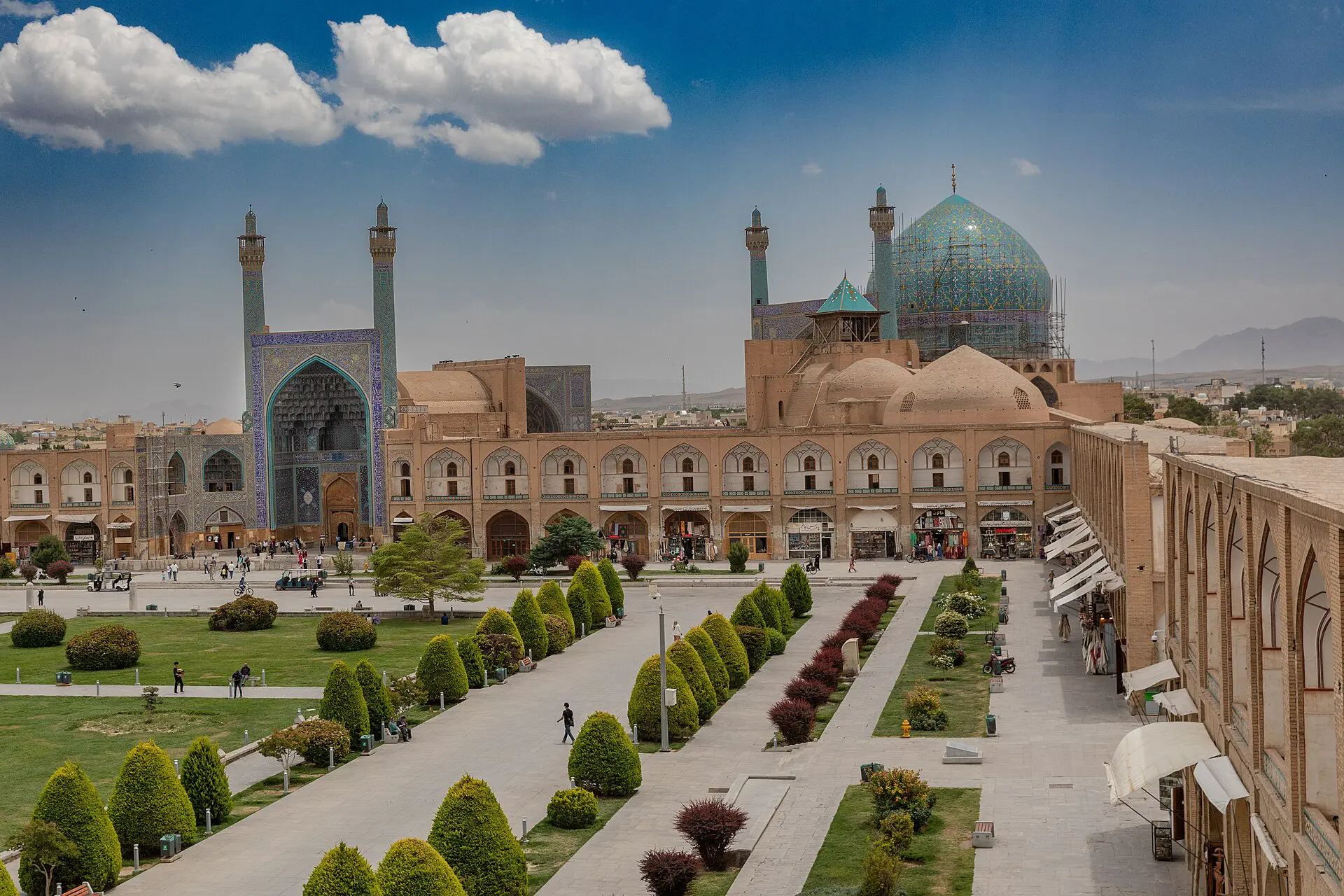
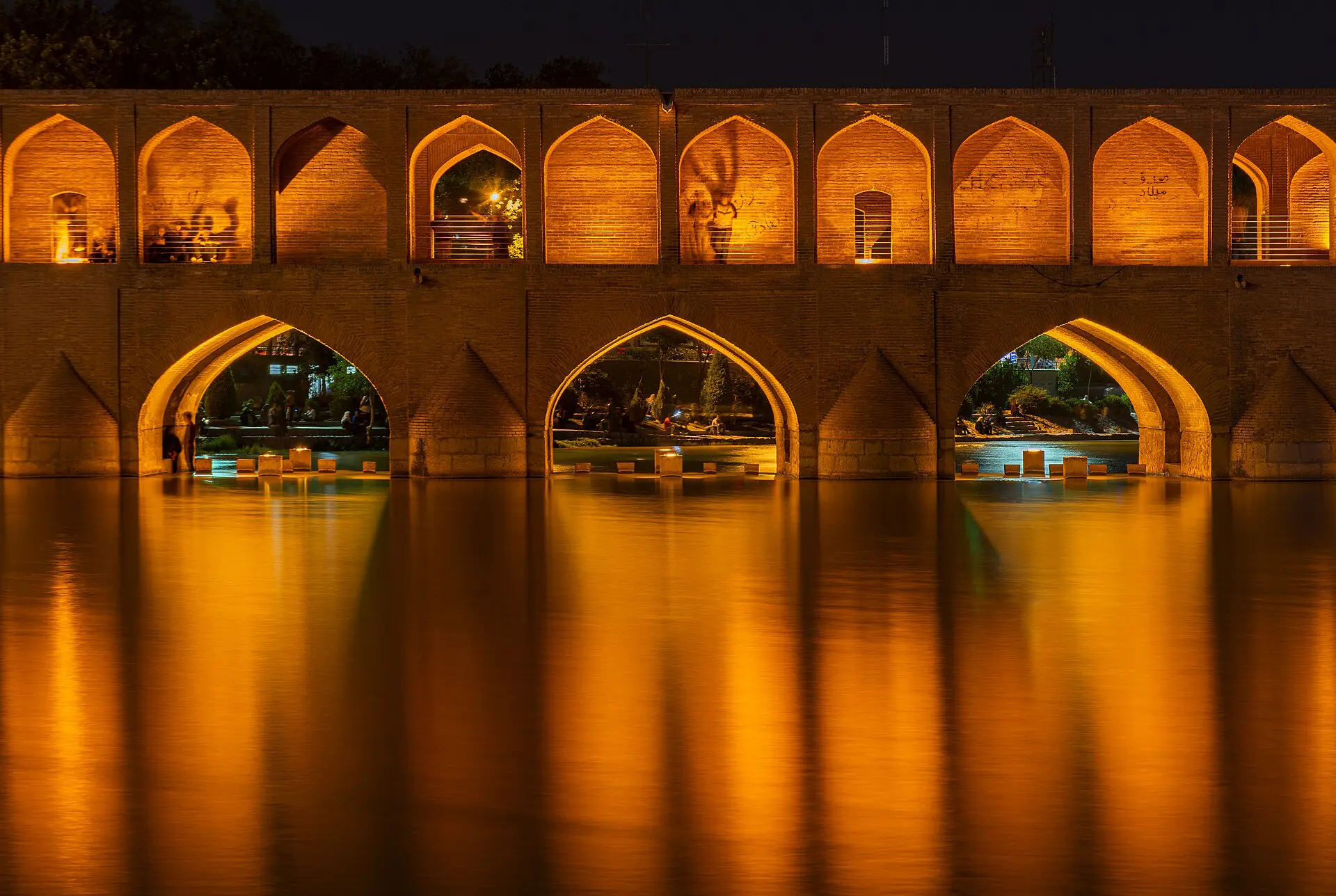
Often called the most beautiful city in Iran. Naqsh-e Jahan Square is surrounded by the Shah Mosque, Sheikh Lotfollah Mosque and the Ali Qapu Palace, and the old Si-o-se-pol and Khaju bridges cross the Zayandeh River. The covered bazaar adjoins the square.
Shiraz and Persepolis
Shiraz is a city of poets, gardens and the pink-tiled Nasir al-Mulk Mosque. Persepolis, a ceremonial capital of the Achaemenid Empire, lies about an hour from the city, with rock tombs at Naqsh-e Rostam nearby.
Yazd
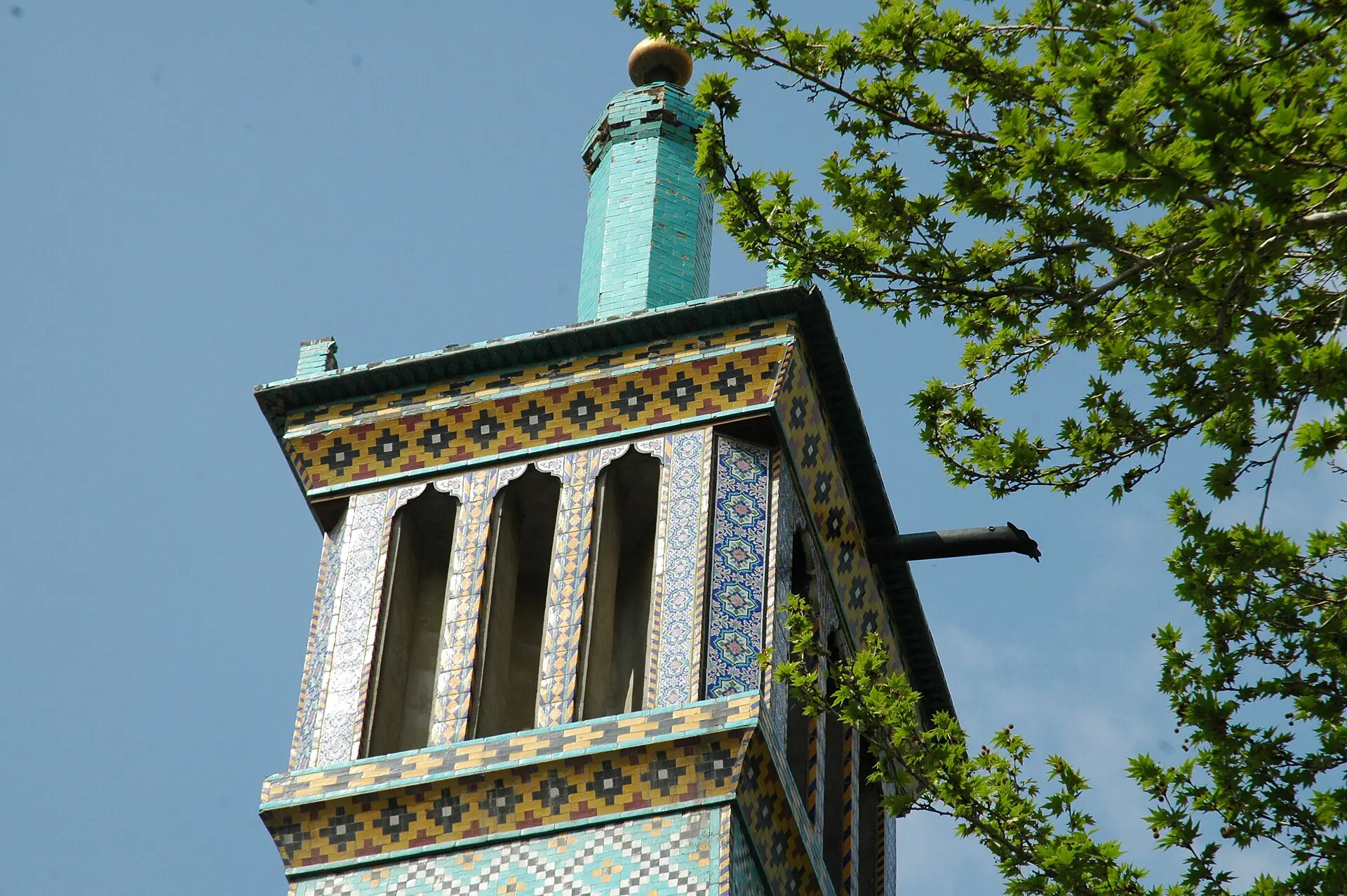
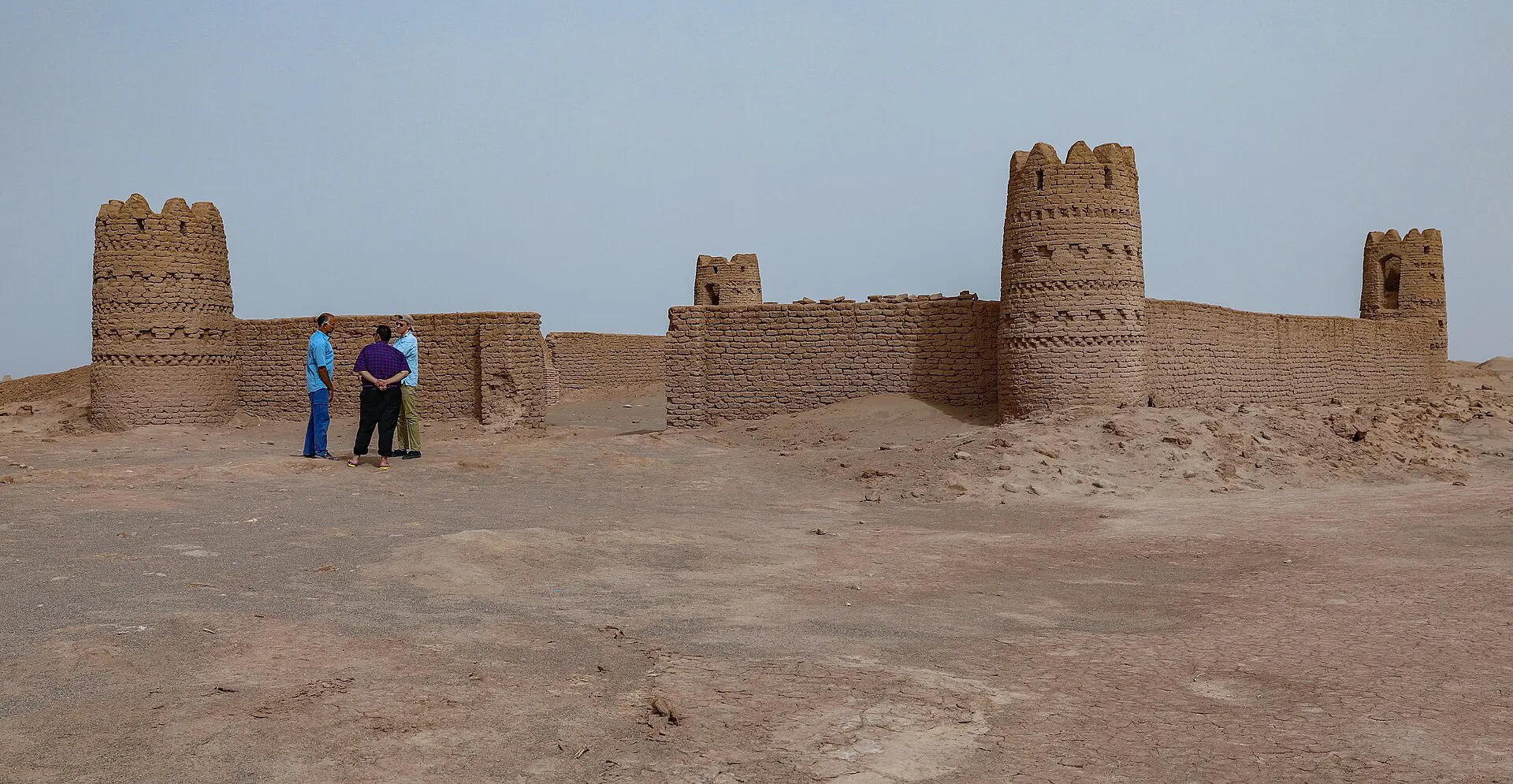
A desert town of mud-brick lanes, wind towers and the Jameh Mosque, home to one of the oldest Zoroastrian communities. Its old town is UNESCO-listed.
Kashan
Known for traditional courtyard houses, the Fin Garden and rose-water production in spring.
Tehran
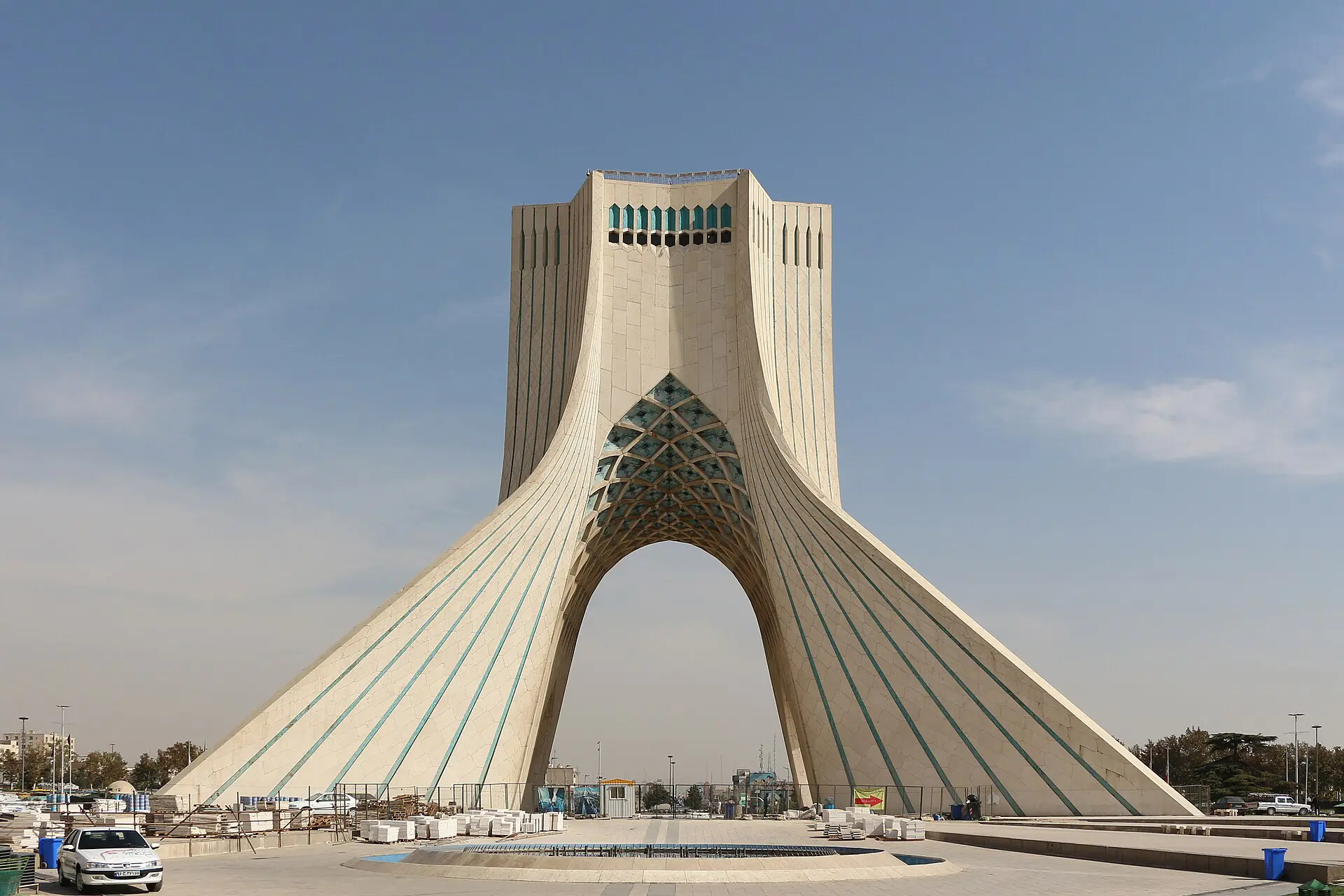
A sprawling capital with the Golestan Palace, the National Museum, bazaars and mountain views on clear days, though pollution and traffic are heavy.
Tabriz and the northwest
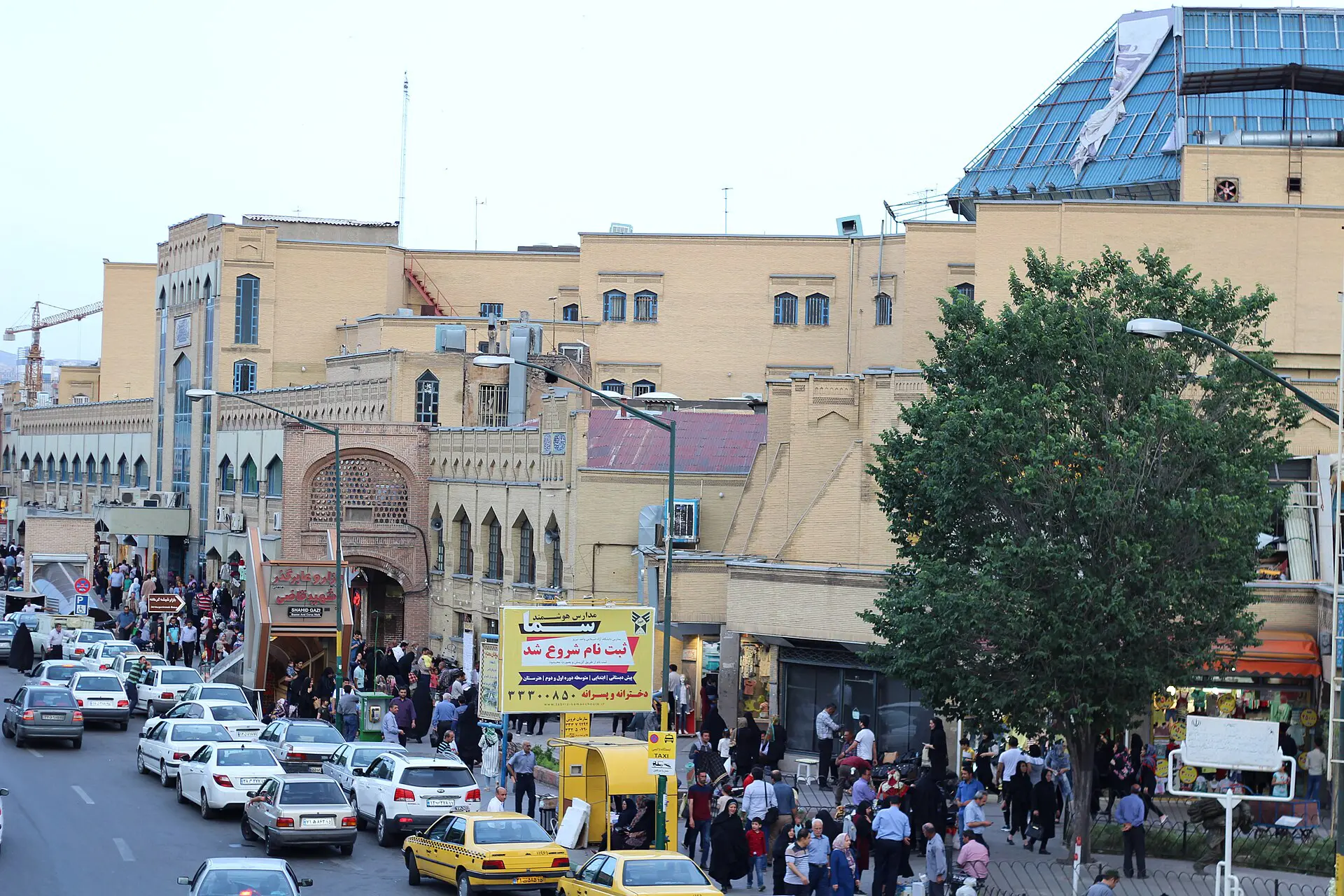
The huge covered bazaar of Tabriz is a UNESCO site, and the region has Armenian monasteries and Azerbaijani culture.
Top things to do in Iran
These are the top things to do in Iran when travel is possible and your government’s advice permits it.
- Walk Naqsh-e Jahan Square: visit the Shah Mosque in the morning light and the bazaar in the afternoon.
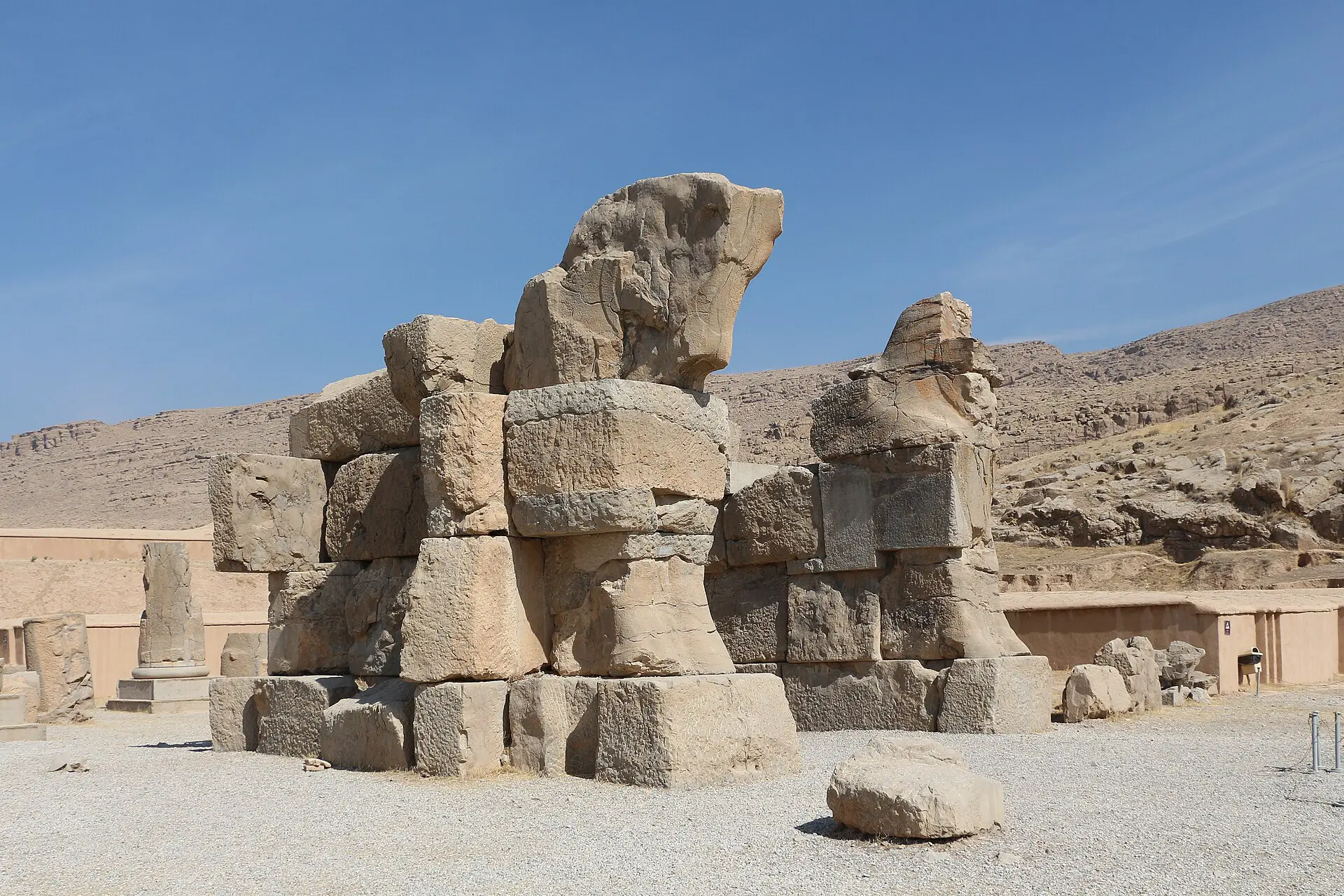
- Tour Persepolis: the palace terraces, reliefs and gate of all nations show Achaemenid power.
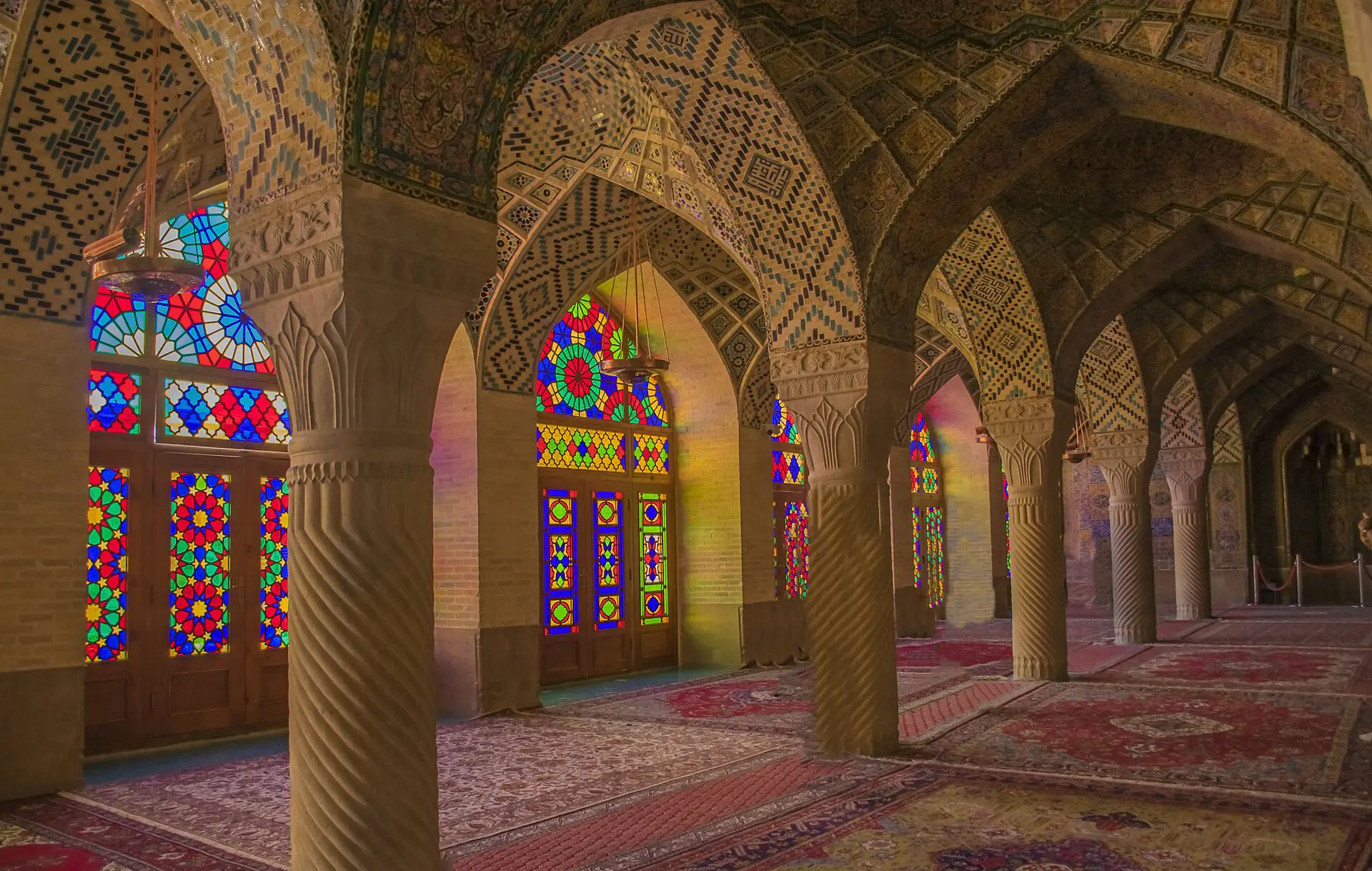
- See the Nasir al-Mulk Mosque: in Shiraz, stained glass casts colour across the carpets at morning.
- Cross Si-o-se-pol at night: locals gather under the arches of this Isfahan bridge in the evening.
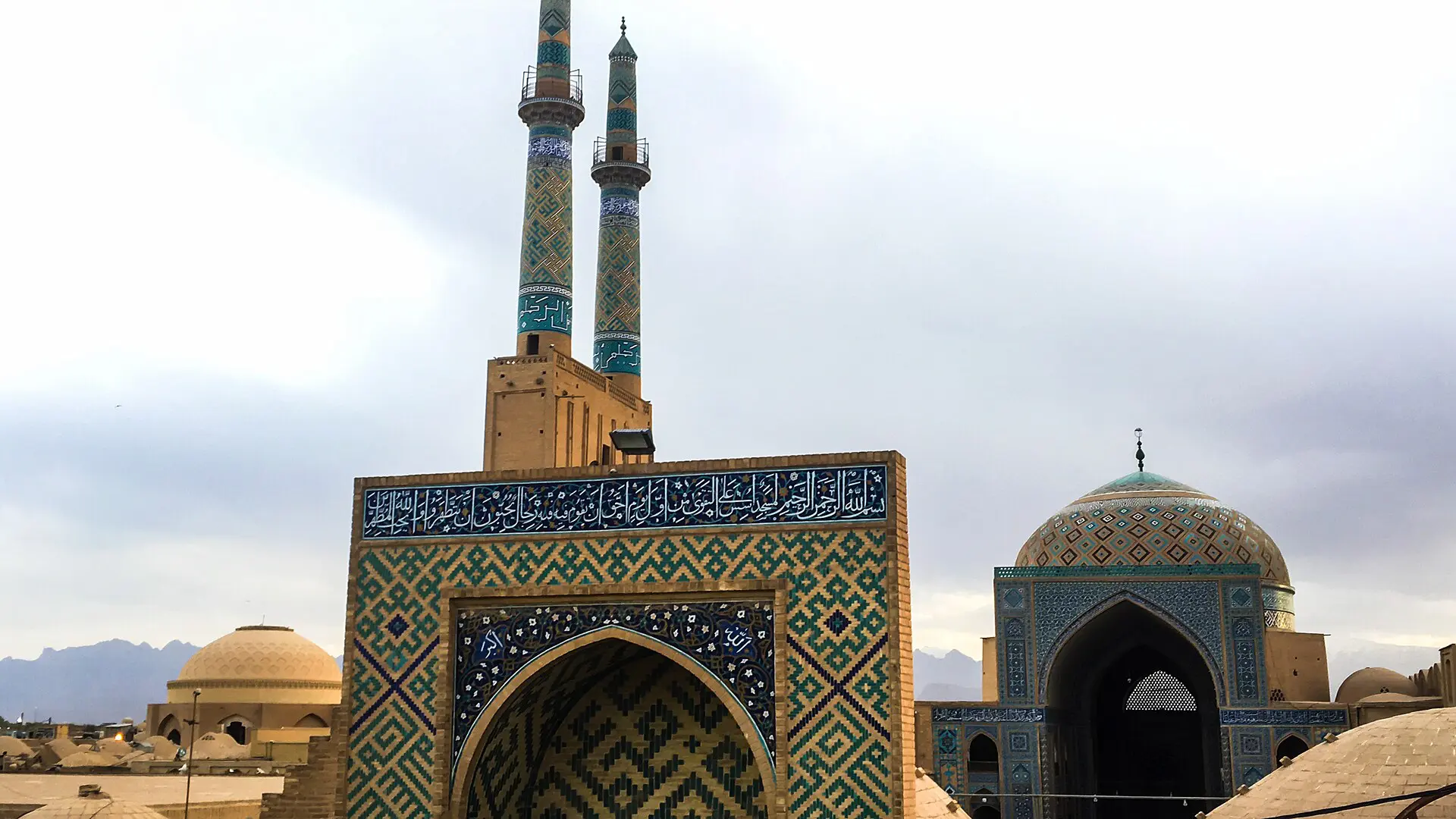
- Explore Yazd’s old town: climb a rooftop for the wind towers and domes and visit a Zoroastrian fire temple.
- Visit the Golestan Palace: Tehran’s Qajar-era complex of mirrored halls and tiled walls.
- Walk Tabriz bazaar: a vast brick-vaulted market selling carpets, spices and gold.
- Stay in a caravanserai or traditional house: restored lodgings in Yazd, Kashan and Isfahan offer a window into old Persian life.
- See the Fin Garden in Kashan: a Persian garden with pools and cypress trees.
- Share tea and ask about local life: conversation with Iranians is for many visitors the highlight.
Best time to visit Iran
The best time to visit Iran for sightseeing is April to May and September to October, when central cities are warm without extreme heat. Summers are very hot in Yazd, Shiraz and the south, often above 40 C, while winters can be cold and snowy in Tehran, Tabriz and the mountains. Nowruz, the Persian new year around 20 to 21 March, is a major holiday when many Iranians travel and accommodation fills.
| Season | Weather | Crowds and prices | Good for |
|---|---|---|---|
| Spring (Mar-May) | Mild, rose and blossom season | Busy around Nowruz; moderate after | Isfahan, Shiraz, Kashan roses |
| Summer (Jun-Aug) | Very hot in the centre and south | Low for foreigners; domestic holidays | Caspian coast, northern mountains |
| Autumn (Sep-Nov) | Warm to cool, clear skies | Moderate | Cities, ruins, desert towns |
| Winter (Dec-Feb) | Cold; snow in the north and west | Low | Skiing near Tehran, southern islands |
Muharram and Ramadan change daily life: restaurants may close during the day in Ramadan, and public religious processions in Muharram are major events. Check the dates, which move each year.
Is Iran safe to visit?
Many governments say no. As of 2026, the UK, US, Canada, Australia and others advise against all or all but essential travel to Iran, and travel insurance often will not cover it. Check your government’s current advice, such as the UK FCDO or US State Department pages, before you read further. This is not a place for a casual trip.
Detention risk. Foreign nationals, especially those with dual or Western citizenship, have been arrested on security or espionage charges, often with limited consular help. Governments cite this as a main reason for their advice.
Conflict and unrest. Regional tensions have led to military strikes involving Iran, airspace closures and sudden border changes. Protests have occurred in many cities, and security forces can respond harshly. Areas near the borders with Afghanistan, Pakistan and Iraq, and parts of Sistan-Baluchestan, are particularly risky.
Everyday safety. Ordinary street crime is generally low and visitors often report being welcomed. Traffic is dangerous, air pollution is severe in Tehran, and earthquakes are common.
Laws and communications. Dress rules, alcohol bans, photography limits and heavy internet filtering apply. Do not photograph military or government sites, and avoid political activity.
Iran visa and entry requirements
Iran visa rules depend on your nationality and change often. Many visitors have needed to apply for a tourist visa in advance through the Iranian foreign ministry’s e-visa system and then collect it at an embassy or on arrival, while some nationalities have had visa-free or simplified access for short stays. Travellers from certain countries, including the UK, US and Canada, have historically been required to travel with an approved guide or on a pre-arranged organised tour. Confirm which category applies to you before any booking.
Passports with an Israeli stamp or visa have historically been refused, and an Israeli stamp may cause problems, so check current policy. Your passport needs adequate validity and blank pages. Medical or travel insurance accepted in Iran may be required for visa issue, and many standard policies exclude Iran.
Foreign bank cards do not work in Iran because of sanctions, so you must carry all cash. If your government advises against travel, entry may also affect consular help, so register for travel alerts. The UNESCO page for Iran lists its heritage sites but does not cover entry rules.
Getting to and around Iran
Tehran Imam Khomeini International Airport is the main gateway, with other international airports at Shiraz, Isfahan, Mashhad and Tabriz. Flights have been disrupted by sanctions, airline restrictions and conflict-related airspace closures, so check what is operating. Land borders with Turkey, Armenia, Azerbaijan, Iraq and Turkmenistan exist, but several areas near borders carry the highest government warnings.
Within Iran, intercity buses are comfortable and inexpensive, and trains link Tehran with Isfahan, Yazd, Shiraz, Tabriz and Mashhad. Tehran to Isfahan by train or bus takes roughly five to six hours, Isfahan to Yazd about four, and Yazd to Shiraz about six. Domestic flights save time on long routes. Taxis and ride-hailing apps (local ones, not international brands) work in cities. Tehran has a metro.
Driving is on the right, and road safety is poor, with fast, aggressive traffic and weak enforcement. Foreigners generally do better with a licensed driver or tour operator. Sanctions affect booking platforms and payments, so travellers using an organised tour normally pay for arrangements in advance.
How much does a trip to Iran cost?
Costs in Iran are hard to predict because the rial has lost value repeatedly, and prices are quoted in both rials and tomans (one toman equals ten rials). Local goods and services are cheap in foreign currency, but organised tours, guides and flights cost more than visitors sometimes expect. The figures below are rough guides for 2026 and may be outdated by your trip.
- Budget: around USD 20 to 40 per day, with guesthouses or hostels, local meals, buses and shared taxis.
- Mid-range: around USD 40 to 80 per day, with traditional hotels, restaurants, taxis and entry fees.
- Guided or high-end: from around USD 150 per day, with a required guide, private driver and boutique stays.
Because sanctions block foreign cards, you must bring enough cash, usually US dollars or euros, to change locally for the whole trip. Exchange only at licensed offices. Some visitors use prepaid tourist cards sold in the country. Entry fees for foreigners are higher than for locals, and tours for nationalities that require a guide are a large part of the total budget.
Iran food and drink
Iran food is one of the great cuisines of the region: fragrant rice, grilled meats, herbs, saffron, pomegranate and dried fruits, with regional variations. Meals are social and often shared, and hospitality is extended to guests.
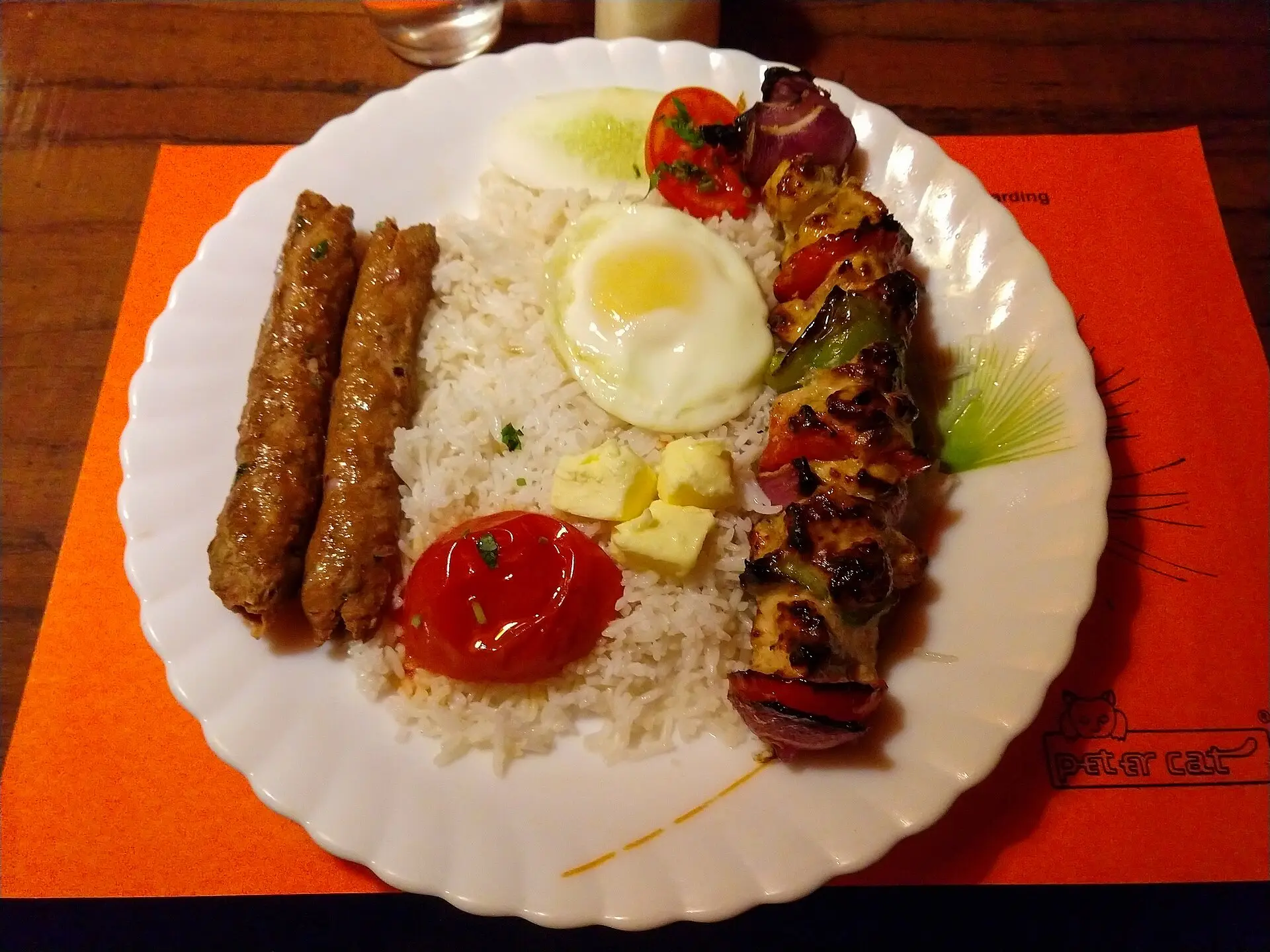
- Chelow kabab: grilled lamb or chicken kebabs with saffron rice, the national plate.
- Ghormeh sabzi: a herb and kidney bean stew with lamb and dried limes.
- Fesenjān: chicken or duck in a walnut and pomegranate sauce.
- Tahdig: the crisp, golden layer of rice from the pot’s base, often a favourite.
- Dizi (abgoosht): a lamb and chickpea stew served in a stone pot and mashed at the table.
- Ash reshteh: a thick noodle, bean and herb soup.
- Bastani sonnati: saffron and rosewater ice cream, often with pistachios.
- Chai and doogh: sweet black tea served constantly, and a salty yoghurt drink.
Alcohol is illegal for everyone, and drinks are non-alcoholic. Vegetarians can eat kuku (herb frittata), mirza ghasemi (smoked aubergine) and rice dishes, though meat is central. Many restaurants do not take foreign cards, so bring cash. Be cautious with raw salads and tap water outside major cities.
Culture, language and etiquette in Iran
Persian (Farsi) is the official language, spoken alongside Azerbaijani Turkic, Kurdish, Luri, Arabic, Baluchi and others. English is spoken by many younger people in cities. Learning salaam (hello) and merci or mamnoon (thank you) helps. Iran is a Shia Muslim country with Christian, Jewish and Zoroastrian minorities, and religion influences law and daily life.
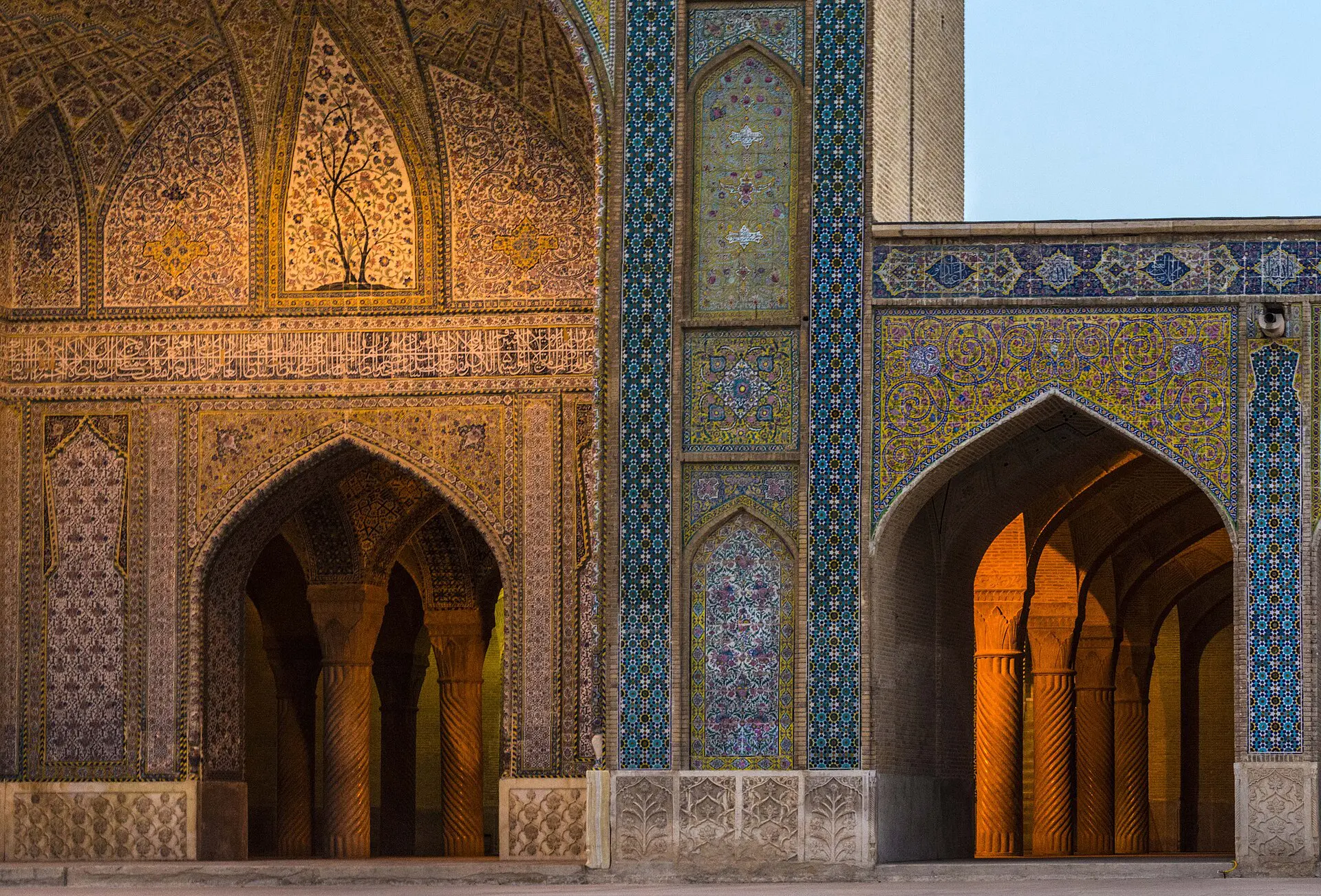
Legal dress rules apply: women, including foreigners, must wear a headscarf and loose clothing covering arms and legs, and men should avoid shorts. Rules are enforced unevenly and the situation has been politically contested, so check current guidance and follow local expectations. Public displays of affection, alcohol and unmarried couples sharing rooms can cause trouble.
Taarof is a system of ritual politeness: hosts and shopkeepers may refuse payment at first, and you are expected to insist. Accept tea and food when offered, and remove shoes at homes and mosques. Women should dress modestly in shrines and may need to wear a chador, often lent at the door. Avoid commenting on politics, religion, Israel or the government, and do not photograph people without asking, nor police, military or government buildings.
Iran itinerary: a 7-day route
Independent travel in Iran is not currently advisable for nationals of countries whose governments warn against it, and no route here should be booked unless your own advice and insurer allow it. The route below is a reference showing the classic central loop that licensed operators have used, avoiding border regions, and it will need updating against current conditions.
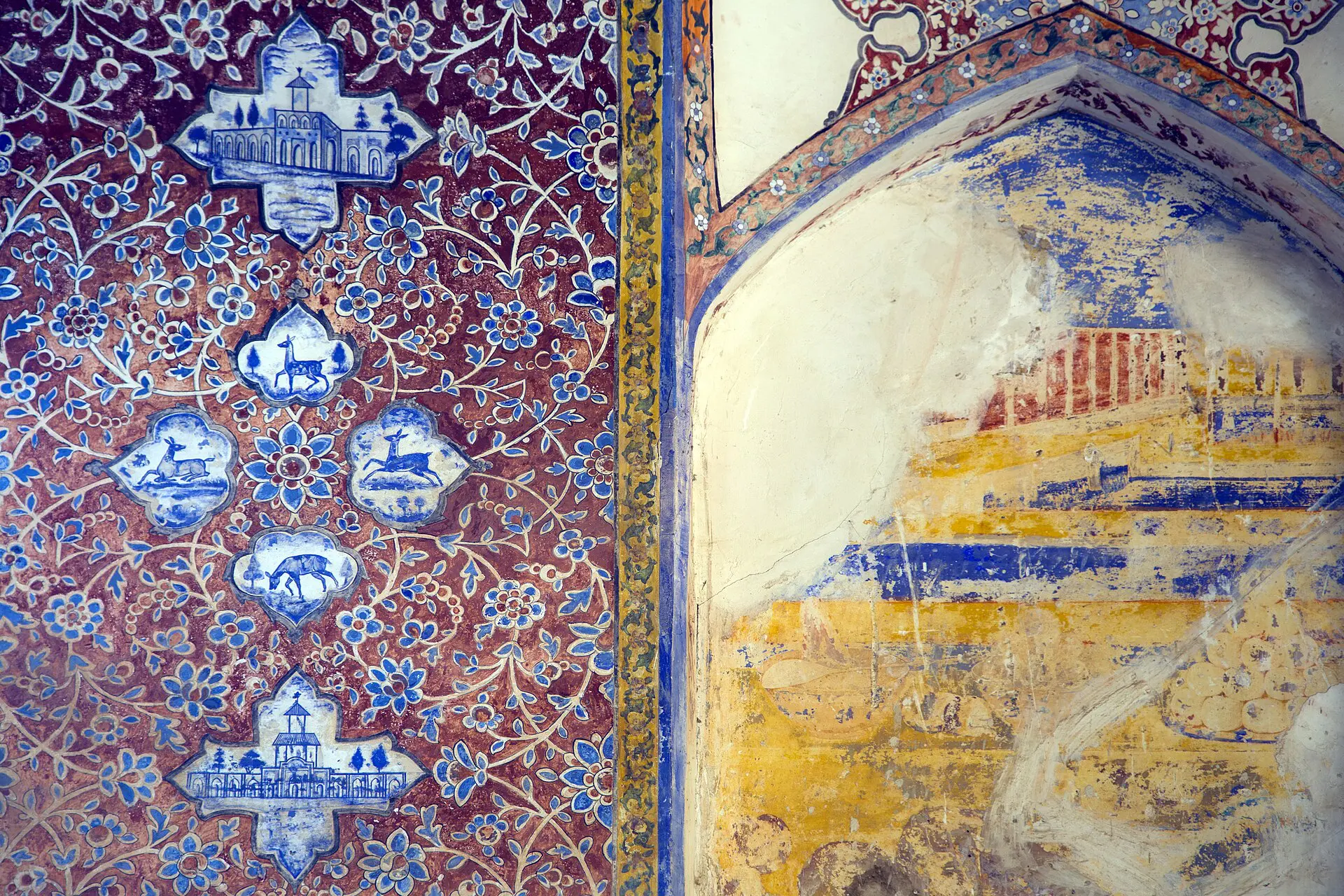
- Day 1, Tehran: arrive, visit the Golestan Palace and the National Museum.
- Day 2, Kashan: travel about three hours south, see the Fin Garden and traditional houses.
- Day 3, Isfahan: continue about three hours, walk Naqsh-e Jahan Square and the bazaar.
- Day 4, Isfahan: visit the Vank Cathedral, Si-o-se-pol and Khaju bridges and the Friday Mosque.
- Day 5, Yazd: travel about four hours, explore the old town, Jameh Mosque and a Zoroastrian temple.
- Day 6, Shiraz: go about six hours by road, or fly, and visit the Nasir al-Mulk and Vakil mosques.
- Day 7, Persepolis: see Persepolis and Naqsh-e Rostam, then fly onward from Shiraz.
Do not add the Gulf islands, the south-east or any border area without current government guidance. Keep a spare day and flexible bookings in case of closures.
Practical tips for Iran
- Money: carry enough cash in US dollars or euros for the whole trip, because international cards and most foreign ATMs do not work. Exchange only at licensed offices and be aware of the rial and toman difference.
- Phone and internet: local SIMs are available with passport registration, and many websites and apps are blocked or filtered. Mobile and internet access has been restricted during unrest, so tell family not to expect constant contact.
- Plugs: types C and F at 230 V.
- Tipping: small tips of 5 to 10 percent in restaurants are common, and taarof can complicate payment, so insist politely.
- Health: see a travel clinic, carry usual medicines and note that air pollution in Tehran can be severe. Check that your travel insurance actually covers Iran.
- Packing: loose long clothing, a headscarf for women, layers for cold nights in the desert and mountains, and a power bank.
- Safety: register with your embassy if possible, leave an itinerary with someone at home and avoid political discussions online and in person.
For wider background, see the Wikivoyage Iran guide.
FAQ
Q1What is Iran food like?
Iran food centres on saffron rice, grilled kebabs, herb stews like ghormeh sabzi, walnut and pomegranate fesenjān, crisp tahdig and dizi. Tea is constant, doogh is a salty yoghurt drink and alcohol is illegal. Vegetarians can eat kuku and mirza ghasemi, though meat is central.
Q2Is Iran safe?
Many governments advise against all or all but essential travel. Foreign and dual nationals have been detained, regional conflict has affected flights and borders, and protests can occur. Street crime is generally low, but check your government's advice and insurance before any plans.
Q3What are the best things to do in Iran?
The best things to do in Iran are seeing Isfahan's Naqsh-e Jahan Square, touring Persepolis, visiting Shiraz's mosques and gardens, exploring Yazd's desert old town, walking Tabriz bazaar and visiting Tehran's Golestan Palace, if your government's advice permits travel.
Q4Do I need a visa for Iran?
Usually yes, but it depends on your nationality. Many visitors apply for a tourist visa in advance, and some countries' citizens, including those from the UK, US and Canada, have needed a guide or organised tour. Rules change often, so use official Iranian sources.
Q5Is Iran safe to visit for tourists right now?
Several governments currently advise against it because of detention risk, regional conflict and unrest, and most travel insurance excludes Iran. If you consider going, check your government's latest advice, use a licensed operator, avoid border regions and carry cash.
Q6What is the best time to visit Iran?
April to May and September to October are best, with mild weather in the central cities. Summers are extremely hot in Yazd and Shiraz, and winters are cold in Tehran and the northwest. Nowruz in March is busy, and Ramadan changes opening hours.
Q7Can foreigners use credit cards in Iran?
No. International sanctions mean Visa, Mastercard and most foreign bank cards do not work in Iran, and ATMs will not accept them. Visitors must bring enough cash, usually US dollars or euros, to exchange for rials, or use a prepaid tourist card if available.