Why visit Haiti
Things to do in Haiti have long drawn people for its history, art and landscape, even though the country is now in a security crisis. Haiti occupies the western third of the island of Hispaniola, east of Cuba and Jamaica, and is the most populous country in the Caribbean, with around 11 million people (see the Wikipedia overview for background). It became the first independent Black republic after the Haitian Revolution of 1791 to 1804, and that history is visible in the fortresses and palaces of the north.
In calmer times, Haiti suits travellers interested in history, Vodou culture, painting and craft, music and food, who are comfortable with basic infrastructure. Right now it does not suit tourists. Armed gangs control large parts of Port-au-Prince, kidnappings are widespread and services are strained. This guide gives the facts so that you can plan for the day security improves, and it is not an encouragement to travel while advisories remain in force.
Best places to visit in Haiti
The best places to visit in Haiti are, in normal times, in the north and south, away from the capital. These places are described for reference, and many remain affected by advisories.
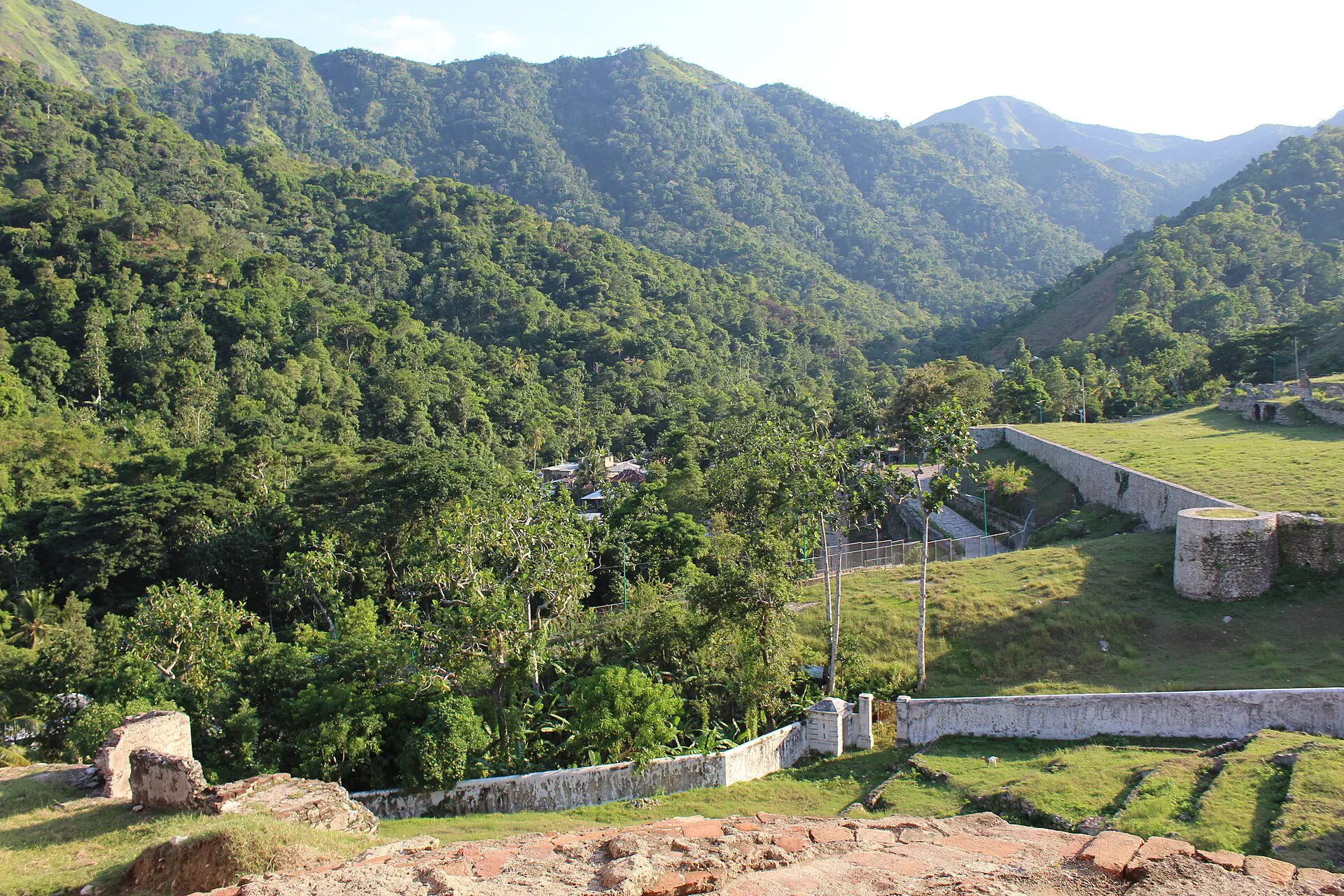
Citadelle Laferrière and Sans-Souci
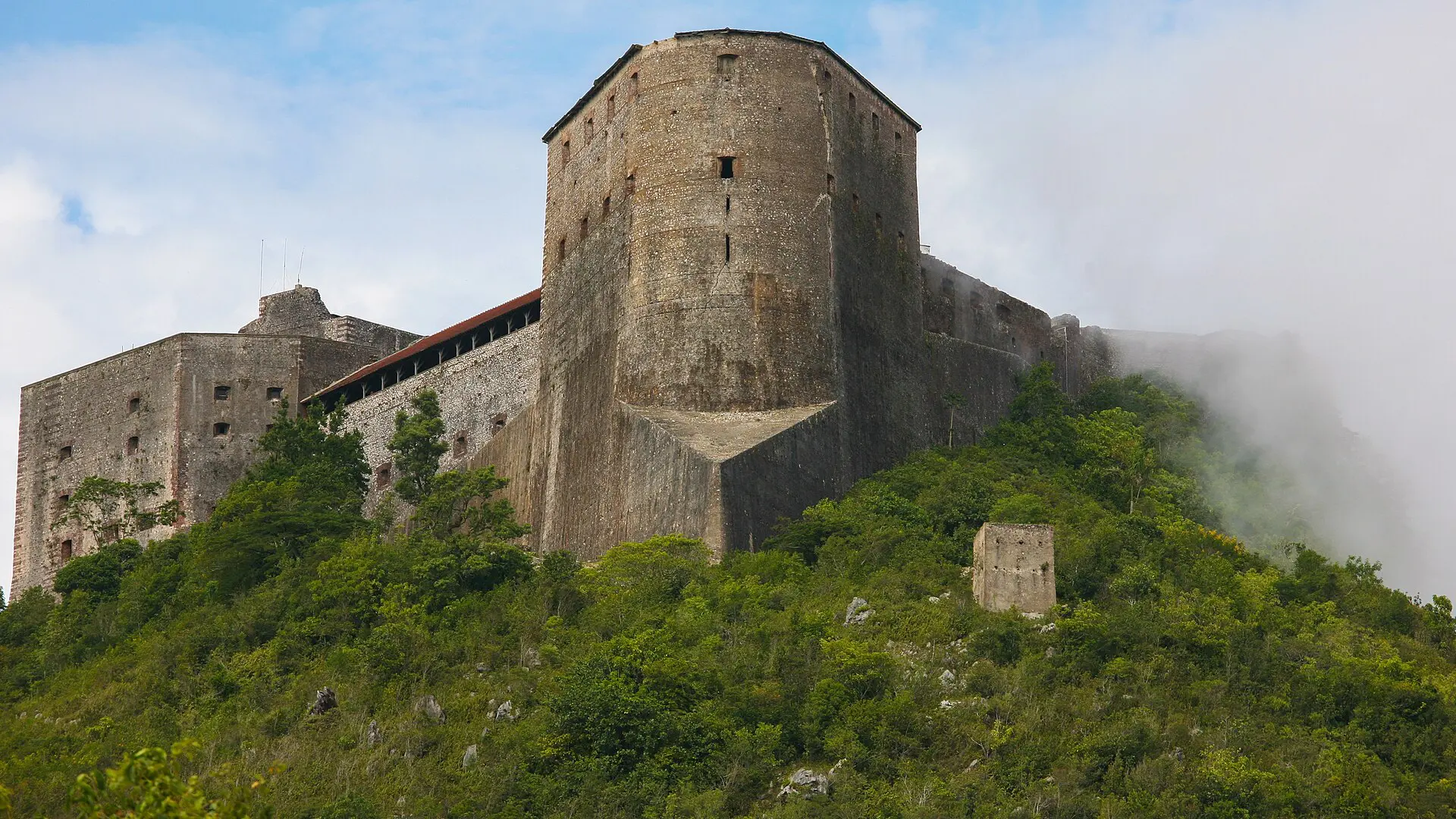
Near Milot, south of Cap-Haïtien, the huge Citadelle fortress was built after independence and stands on a mountaintop. Together with the ruined Sans-Souci Palace, it forms a UNESCO World Heritage Site and is Haiti’s best-known attraction.
Cap-Haïtien
The second city has French colonial architecture, a lively waterfront and good access to the Citadelle. It was historically the main base for visitors to the north.
Jacmel
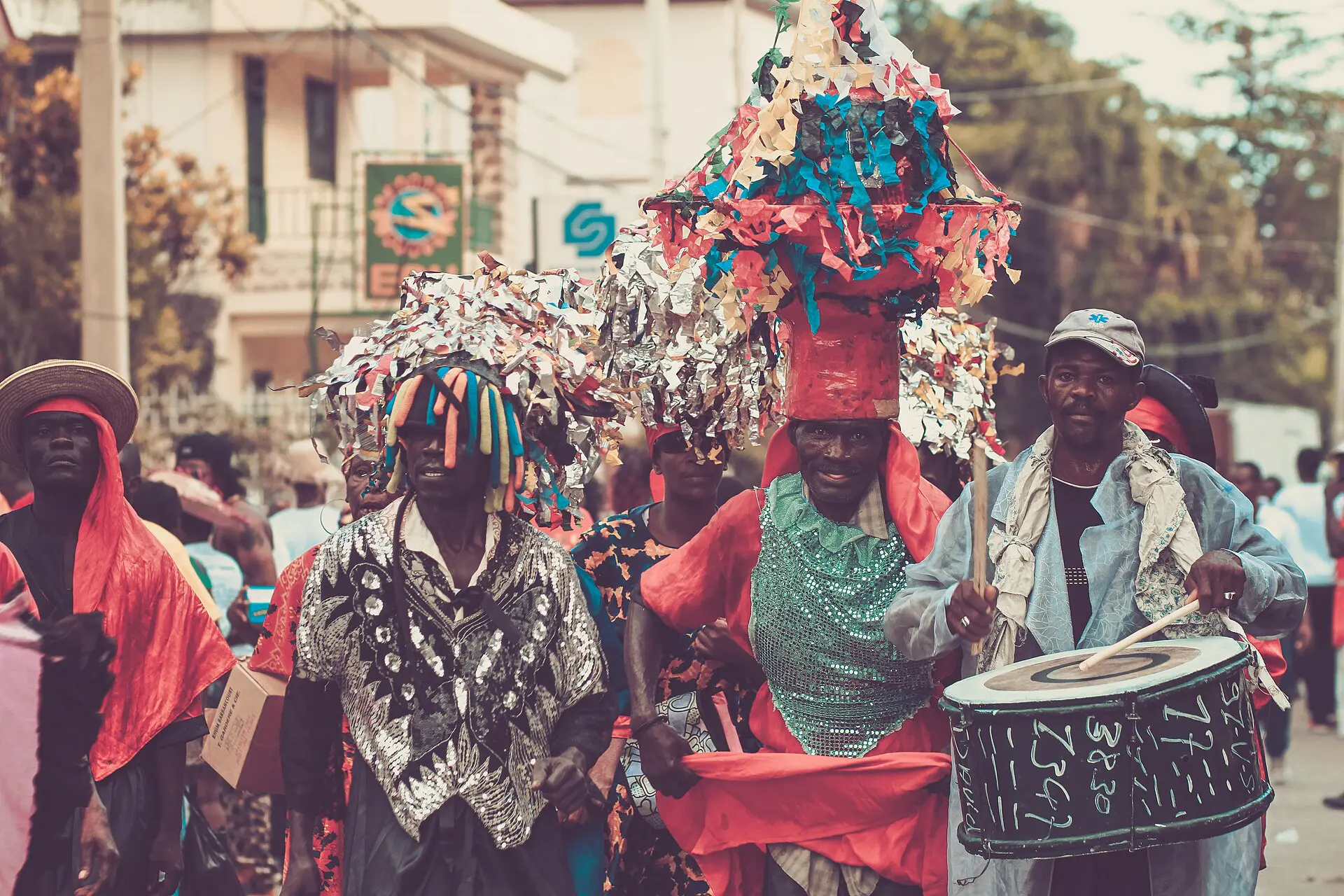
On the southern coast, Jacmel has old iron-balconied houses, art galleries, papier-mâché masks and a famous pre-Lenten carnival. It was damaged in the 2010 earthquake but is known for its artists.
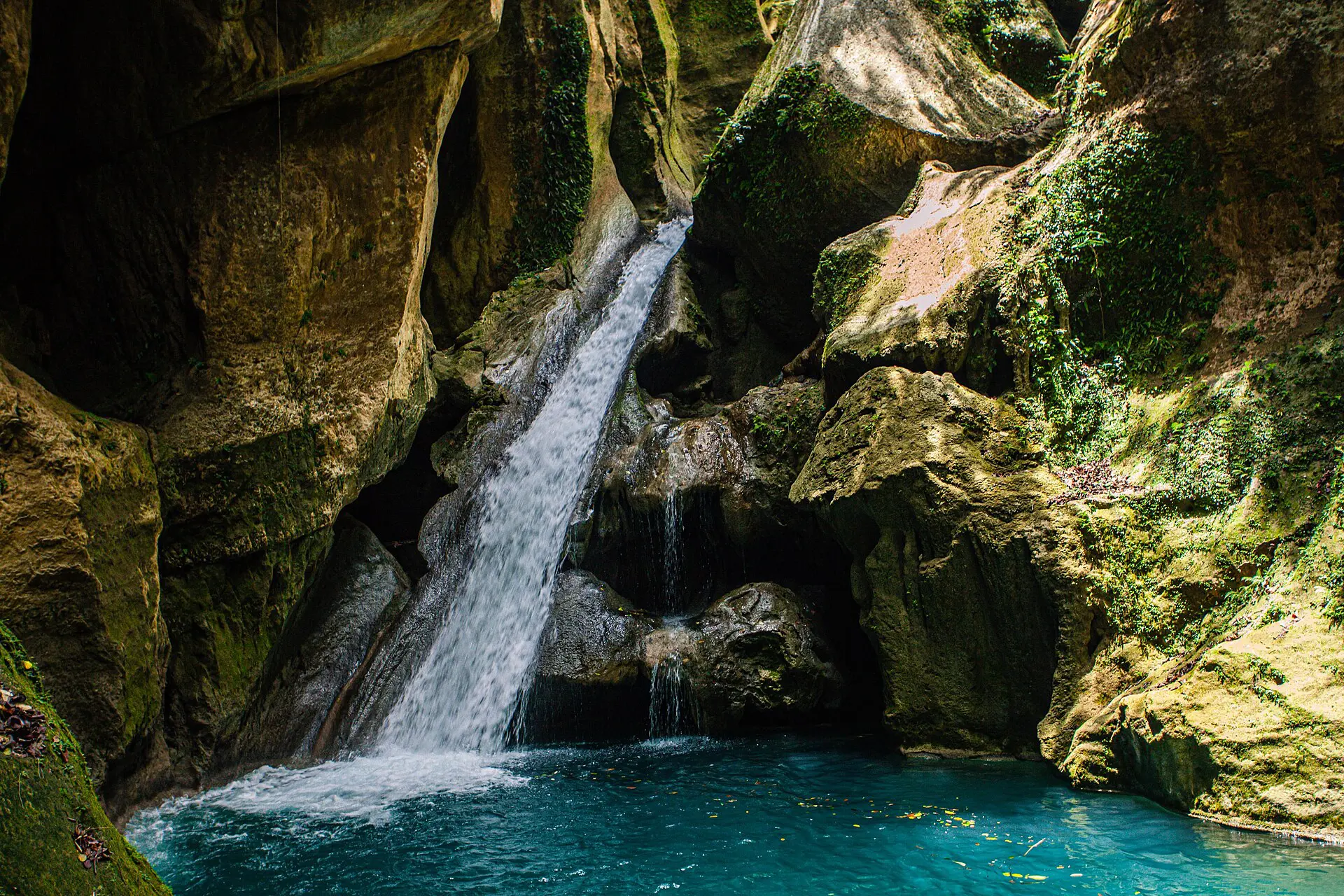
Bassin Bleu
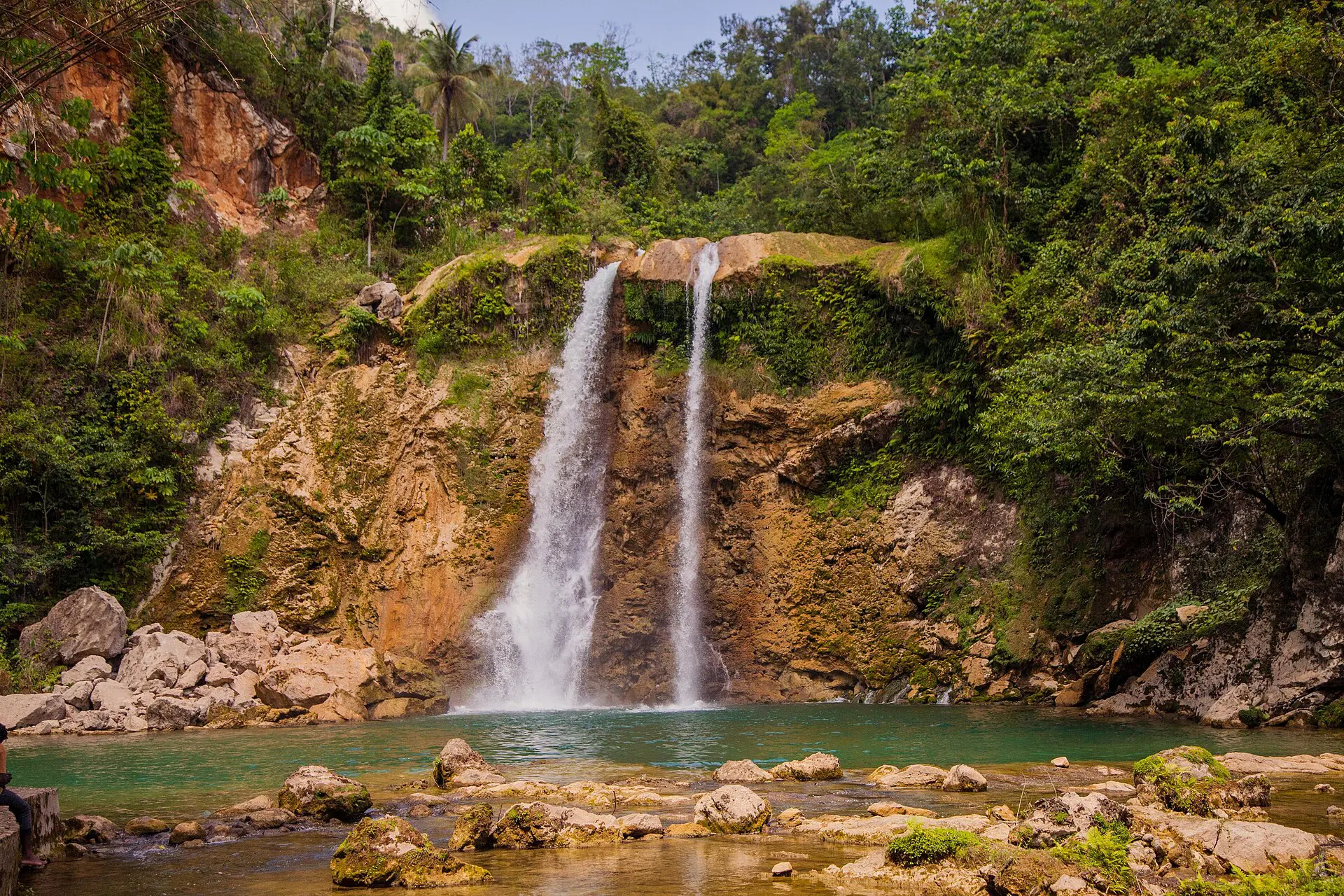
Three linked turquoise pools fed by waterfalls near Jacmel are a classic swimming stop reached by a short trek.
Port-au-Prince
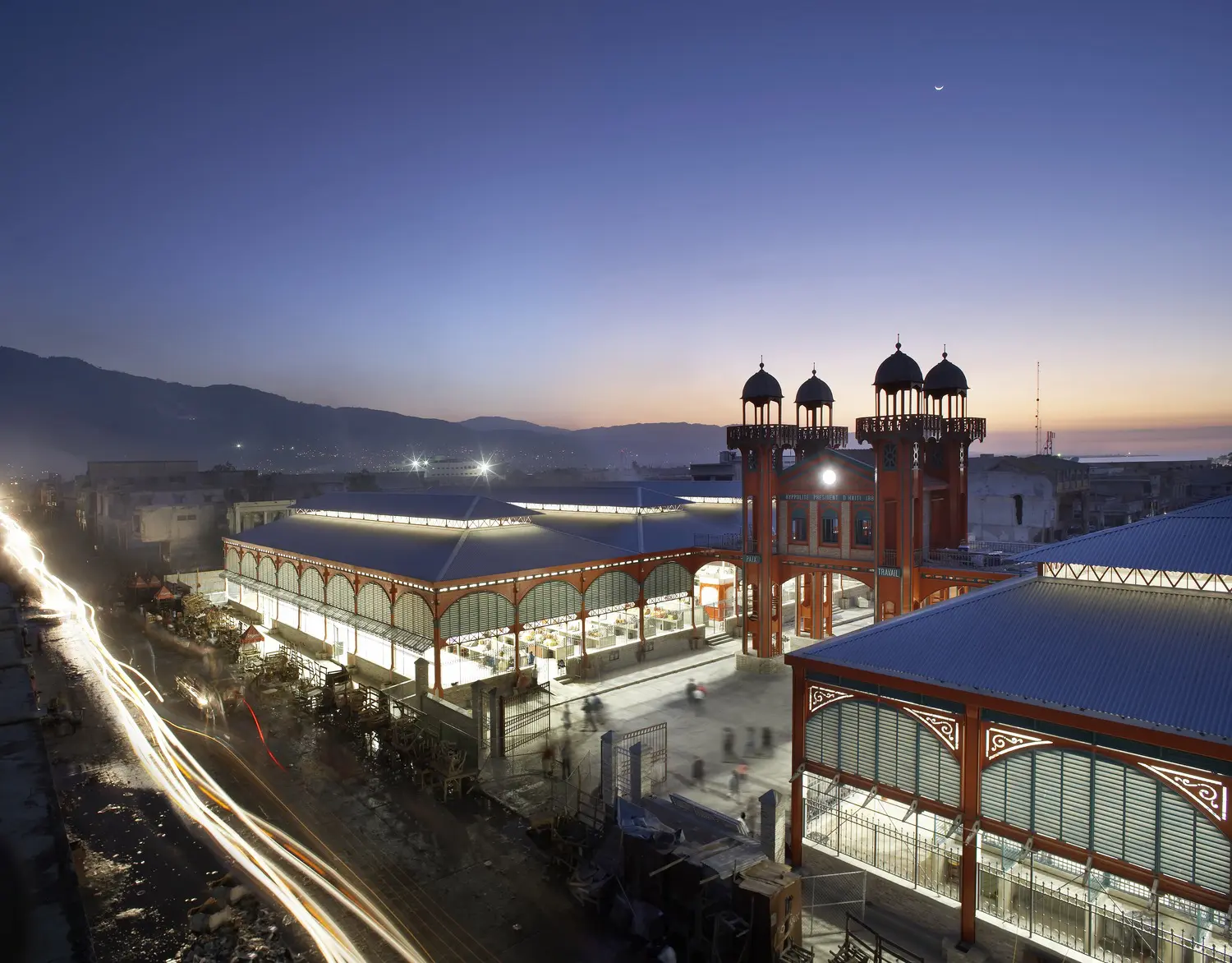
The capital holds the Iron Market, galleries and the National Pantheon Museum, but security conditions currently make it the most dangerous part of the country.
Île-à-Vache and the south
This small island off Les Cayes has quiet beaches and no cars, and it is among the better-known spots in the south.
Things to do in Haiti
Things to do in Haiti are listed here for context, because most are currently affected by government warnings. Check the security situation before considering any trip, and use a trusted local organisation with security arrangements.
- Climb to the Citadelle Laferrière: a steep walk or horse ride leads to the cannon-lined fortress, with views over the north.
- Tour the Sans-Souci Palace: the earthquake-damaged ruins show the scale of the early independent state.
- Swim at Bassin Bleu: the blue pools are a short hike from the road near Jacmel.
- See Jacmel’s carnival or art studios: papier-mâché masks and painted metalwork are local specialities.
- Browse Haitian art: bright paintings and sculptures are sold in galleries and workshops, including metal art from the Croix-des-Bouquets area.
- Visit the Iron Market: the historic market in Port-au-Prince sells crafts and spices, though the capital is not advisable today.
- Relax on Île-à-Vache: a calm island of fishing villages and beaches off the southern coast.
- See the Saut-Mathurine waterfall: the tallest waterfall in Haiti is near Camp-Perrin in the south.
- Hear live Haitian music: compas, rara and twoubadou are part of daily and festival life.
- Taste local food and clairin: a good local meal is a highlight in itself.
Best time to visit Haiti
The best time to visit Haiti, in terms of weather, is the dry season from December to March, when days are warm and humidity is lower. The Atlantic hurricane season runs from June to November and is the main risk, with heavy rain, flooding and landslides, and August to October is the peak. Haiti is also exposed to earthquakes at any time of year, as 2010 and 2021 showed. This is a question of weather only, because security overrides the season.
| Season | Weather | Crowds and prices | Good for |
|---|---|---|---|
| Dec-Mar | Dry, warm, lower humidity | Highest demand; carnival in February | Hiking, beaches, festivals |
| Apr-May | Hot, first rains | Quiet | Cultural visits |
| Jun-Nov | Hot, wet; hurricanes at their peak from August to October | Very quiet | Little, because storms disrupt travel |
Whatever the month, a trip depends on government advice, open flights and safe road access, so confirm all three first.
Is Haiti safe to visit?
Is Haiti safe?
No. Haiti is not safe for tourists at present. The UK FCDO and the US State Department advise against all travel, and gang violence, kidnapping for ransom, roadblocks and unrest have affected Port-au-Prince and spread to other areas. Foreigners, aid workers and tourists have been targeted, and help from the authorities is limited. Read the latest official advice and treat it as binding for travel planning and insurance.
Gangs and kidnapping. Armed groups control large parts of the capital and major roads, and kidnapping has occurred in daylight. Travelling by road between towns is especially risky, because checkpoints can be set up without warning.
Transport. Flights to the capital have been repeatedly suspended, and the main airport has been closed to commercial services at times. Evacuation can be difficult or impossible.
Natural hazards. Earthquakes, hurricanes and floods occur, and building standards are poor in many areas.
Health. Hospitals are overstretched and some are closed. Cholera has returned in recent years, so water and food hygiene matter. Standard travel insurance usually excludes areas covered by a do-not-travel warning, so check your policy.
If you have a compelling reason to go, such as aid work or family, use a reputable organisation with a security plan and register with your embassy.
Visa and entry requirements for Haiti
Haiti visa rules depend on your nationality. Citizens of many countries have in the past been able to enter for short stays without a visa, with a passport valid for the duration of the trip, while others needed a visa from a Haitian consulate. Because rules change and embassies may be affected by the security situation, confirm current requirements with the official Haitian immigration or foreign ministry source or with the nearest embassy.
Expect to show a return or onward ticket and proof of accommodation. A yellow fever certificate may be required if you arrive from a country with risk of transmission. Some travellers are asked to pay a small entry or departure fee in cash, so ask in advance.
The land border with the Dominican Republic, at crossings such as Ouanaminthe and Malpasse, has been closed or restricted at various times, and crossing is risky. Do not assume you can leave by land. Entry rules are irrelevant if governments advise against travel, since insurance, consular help and flights may be unavailable. The UNESCO page for Haiti lists the country’s heritage sites.
Getting to and around Haiti
Toussaint Louverture International Airport in Port-au-Prince is the main gateway, with historical flights from Miami, New York, Montreal, Paris and Panama City. In recent years it has been closed or restricted to commercial flights, so services are unreliable. Cap-Haïtien’s international airport has also been used for flights from the US and Caribbean, but schedules change, so check airline and government notices before booking.
Roads are poor, and many have been controlled by armed groups. Public transport is by crowded shared pickup trucks known as tap-taps and by buses, but these are not advisable for visitors. Moto-taxis are common but risky. Domestic flights and helicopters have been used by aid organisations and residents.
Port-au-Prince to Cap-Haïtien is about 270 kilometres and could take six to eight hours or more in better times, but the main road north has been blocked at points. Port-au-Prince to Jacmel is about 80 kilometres and takes about three hours. Do not travel overland between towns on your own. Ferries link Haiti to the Île de la Gonâve and Île-à-Vache, but the services are informal.
How much does a trip to Haiti cost?
Haiti is one of the poorest countries in the Americas, but travel there is costly, because security, transport and accommodation for visitors are limited. The currency is the Haitian gourde (HTG), and US dollars are widely used for hotels and tours. The gourde has weakened sharply in recent years, so check current rates. The following are rough guides for 2026, and a trip is only realistic where official advice allows it.
- Budget: around USD 50 to 90 per day, with basic guesthouses and local food, mainly in the north or south.
- Mid-range: around USD 90 to 180 per day, with a decent hotel, restaurant meals and a hired driver.
- High-end: from around USD 250 per day, with the best hotels, a private driver and guide, and arranged security.
Security arrangements, such as vetted drivers, are the largest cost and cannot be skipped. Accommodation, imported food and fuel are pricey, while local meals are cheap. Flights are expensive and can be cancelled. Carry cash in US dollars, since cards and ATMs are unreliable. Budget for evacuation insurance, which many insurers will not offer for Haiti.
Haiti food and drink
Haiti food is one of the main reasons people want to visit, and it is among the most distinctive in the Caribbean. It mixes West African, French, Taíno and Middle Eastern influences, and it is bold, spicy and built on rice, beans, plantain and pork. Haitian Creole cooking is also available in diaspora restaurants worldwide.
- Griot: chunks of pork marinated in citrus and spices, then fried until crisp, the best-known Haitian dish.
- Diri ak djon djon: rice cooked with black mushrooms that give it a dark colour and earthy taste.
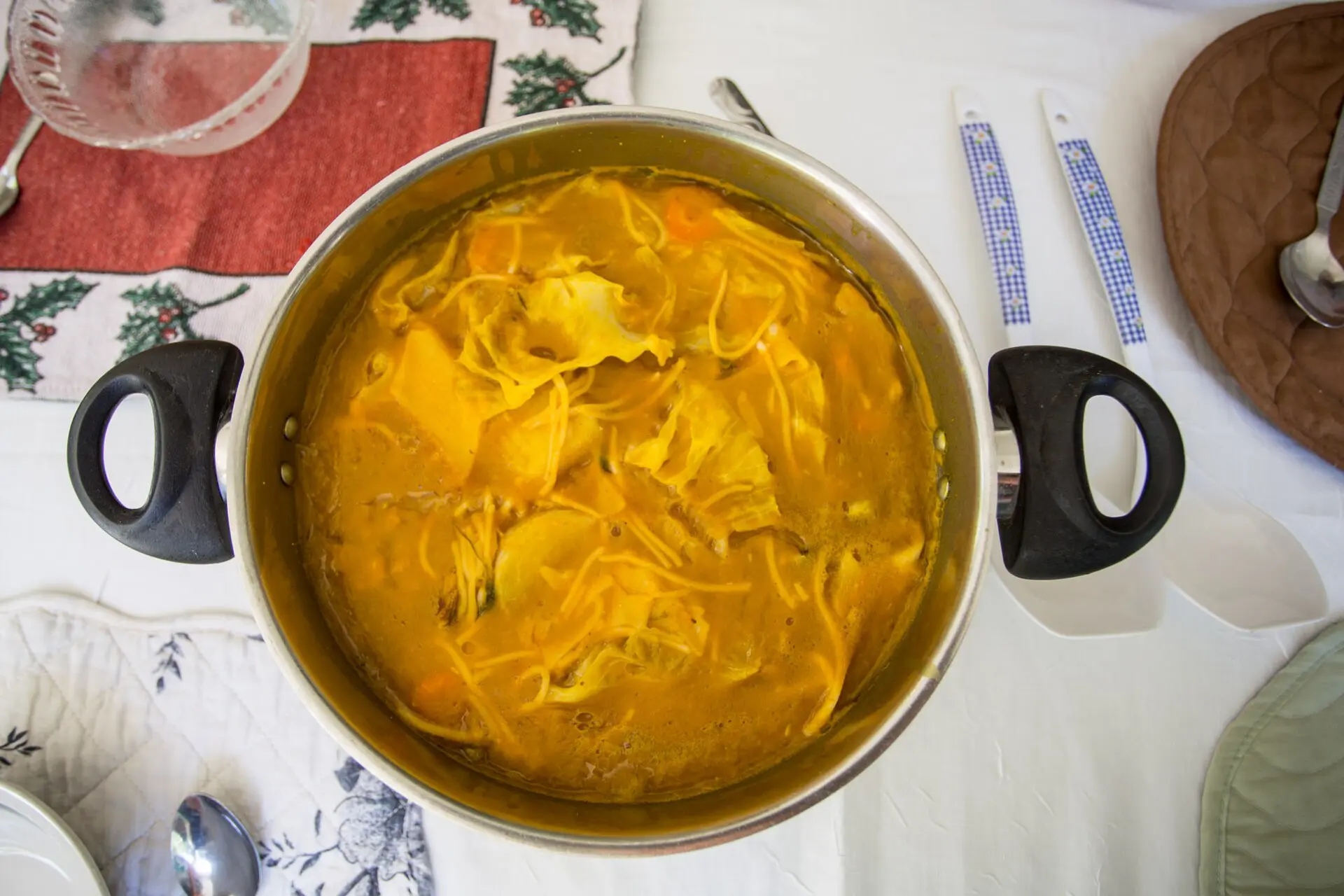
- Soup joumou: a pumpkin soup with beef and vegetables, eaten on 1 January to mark independence and recognised by UNESCO as cultural heritage.
- Pikliz: a fiery pickled cabbage and scotch bonnet relish served with fried food.
- Bannann peze: twice-fried green plantain slices.
- Akra and marinad: fried malanga fritters and savoury dough fritters sold as snacks.
- Lambi and fish: conch and grilled or fried fish served along the coast.
- Barbancourt rum and clairin: a famous aged rum and an unaged local sugarcane spirit, with Prestige as the national beer.
Eat hot, freshly cooked food and avoid raw salads and tap water because of cholera and other risks. Vegetarians can eat rice, beans, plantain and vegetable stews called legim, but meat appears in many dishes.
Culture, language and etiquette in Haiti
French and Haitian Creole (Kreyòl) are the official languages, and Creole is spoken by almost everyone. French is used in formal settings, and English is limited. A few Creole greetings, such as bonjou (good morning) and mèsi (thank you), are appreciated. Haitians are often proud of their history as the first independent Black republic, and that pride runs through art, music and daily conversation.
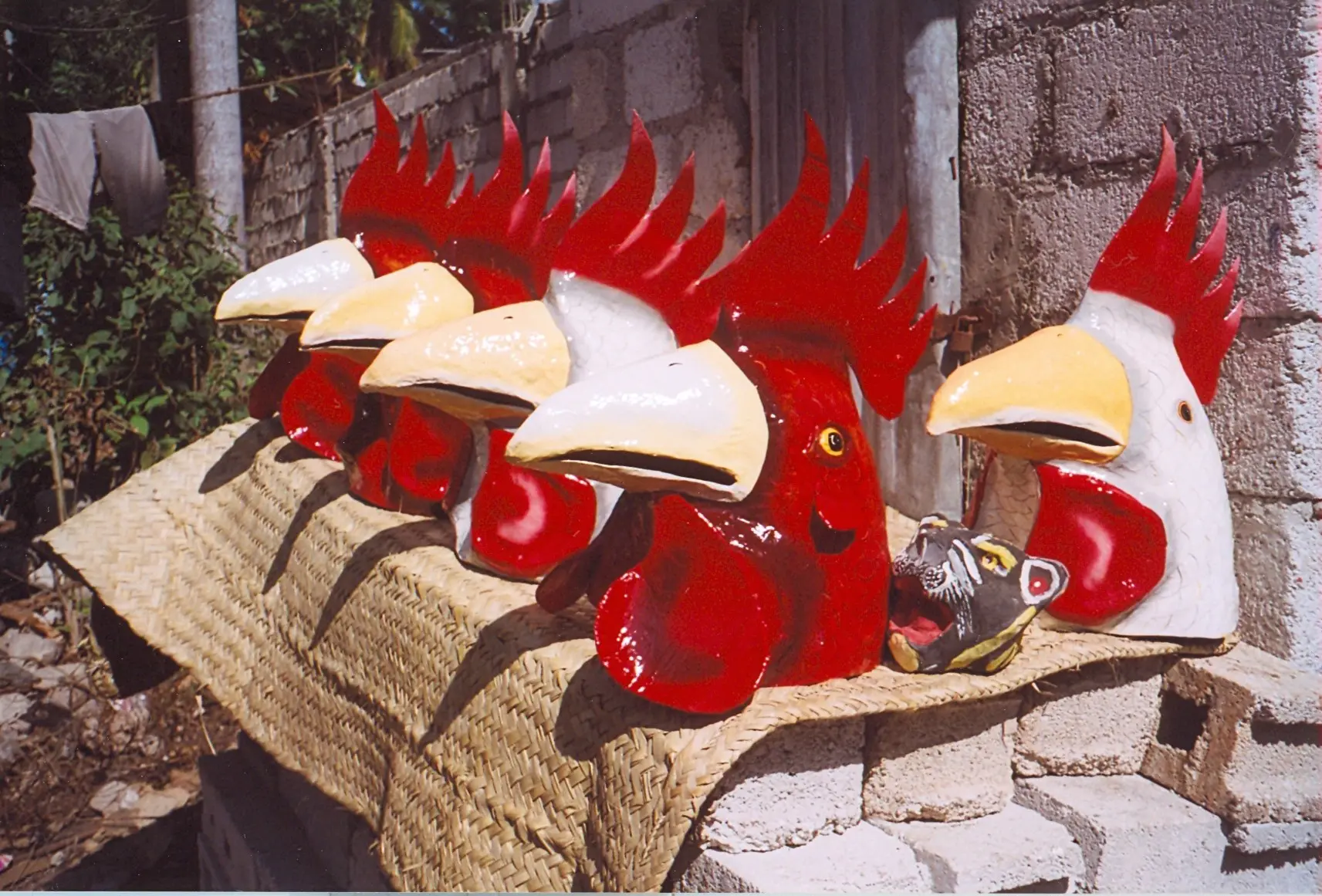
Most Haitians are Christian, mainly Catholic and Protestant, and many also practise or respect Vodou, an Afro-Haitian religion that was officially recognised in 2003. Treat Vodou ceremonies with respect, ask permission before attending and never photograph rituals without consent. Haitian painting, metalwork, music such as compas and rara, and storytelling are important cultural forms.
Greet people before asking for anything, dress modestly outside the beach, and ask before taking photos of people, who may ask for payment or refuse. Avoid flaunting wealth, and be tactful about poverty, politics and the role of foreign aid. Haitians have often been unfairly portrayed in the international press, so listen and avoid stereotypes.
Haiti itinerary: not currently advisable
Independent travel in Haiti is not currently advisable, and no tourist itinerary can be recommended while governments advise against all travel. Roads between towns, Port-au-Prince and many airports are affected by armed groups, and help is limited. A seven-day plan would put readers at serious risk, so this section instead sets out the shape of a trip for a time when official advice allows it.

- Check first: read the FCDO and US State Department advice, confirm flights, insurance and security support, and do not proceed if any are missing.
- Fly direct to Cap-Haïtien: avoid the capital and road transfers where possible, if flights operate.
- Days 1 to 3, the north: base in Cap-Haïtien, visit the Citadelle and Sans-Souci with a vetted driver and guide.
- Days 4 to 6, coast or south: only by air or a safe route, visit Jacmel, Bassin Bleu or Île-à-Vache.
- Day 7, depart: leave plenty of time and keep flexible tickets.
If you want to help Haiti now, consider supporting reputable Haitian-led charities and buying Haitian art or coffee from ethical sellers.
Practical tips for Haiti
- Advice: check the FCDO and US State Department pages, register with your embassy if possible and tell family your plans.
- Money: the gourde is the local currency, and US dollars are widely used. Carry cash in small notes, because ATMs and cards are unreliable.
- SIM and eSIM: local SIM cards are cheap and mobile data works in towns, though networks are patchy. Keep a satellite or backup communication plan if travelling for work.
- Plugs: types A and B at 110 V, as in North America.
- Tipping: about 10 percent in restaurants if service is not included, and tip drivers and guides.
- Health: check vaccines, take malaria and cholera advice, drink bottled water and carry a medical kit. Insurance with evacuation cover is essential.
- Packing: light clothes, rain gear, sturdy shoes, repellent and copies of documents, but nothing that shows wealth.
For wider background, see the Wikivoyage Haiti guide.
FAQ
Q1What is Haiti food like?
Haiti food mixes African, French and Taíno influences. Key dishes are griot (fried marinated pork), diri ak djon djon (black mushroom rice), soup joumou (pumpkin soup eaten on New Year's Day), pikliz relish, fried plantain and fritters. Barbancourt rum and clairin are the main spirits.
Q2Is Haiti safe?
No. The UK and US governments advise against all travel to Haiti because of armed gangs, kidnapping, roadblocks and unrest, especially in Port-au-Prince. Flights are often disrupted, hospitals are strained and insurance usually excludes the country. Do not travel without checking current official advice.
Q3What are the best things to do in Haiti?
In normal times, the best things are visiting the Citadelle Laferrière and Sans-Souci Palace, swimming at Bassin Bleu, seeing Jacmel's art and carnival, and relaxing on Île-à-Vache. Because of security warnings, these are not currently advisable for tourists.
Q4Is Haiti safe to visit for tourists right now?
No, tourism is not currently advisable. Kidnapping and gang violence have affected travellers, and the road network and airport are unreliable. Only people with essential reasons, such as aid workers, should consider travel, and they should use organisations with security plans.
Q5Do I need a visa for Haiti?
It depends on your nationality. Many visitors have historically entered without a visa for short stays, while others need a visa from a Haitian consulate. Rules change and embassies can be affected by the security situation, so confirm with official sources, and check the safety advice first.
Q6What is the best time to visit Haiti?
For weather, December to March is best, with dry, warm days. Hurricane season from June to November, peaking August to October, brings storms and floods. Security, not season, is the main factor, so check government advice before thinking about timing.
Q7How much does a trip to Haiti cost?
Costs are high for the quality available. Mid-range travel is around USD 90 to 180 per day, and security arrangements, vetted drivers and flights add much more. Budget travellers might spend USD 50 to 90, but a trip is only realistic where official advice allows it.