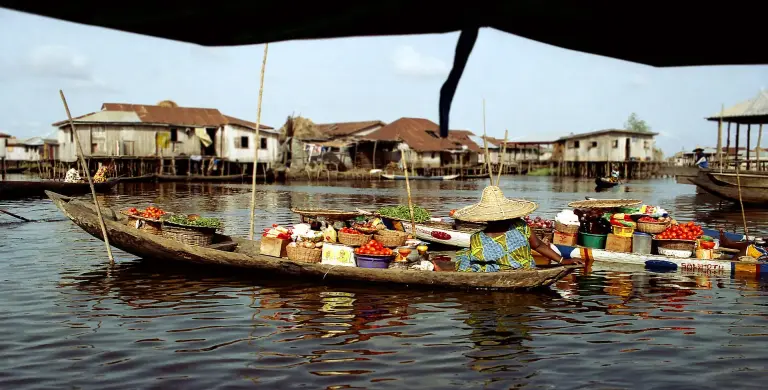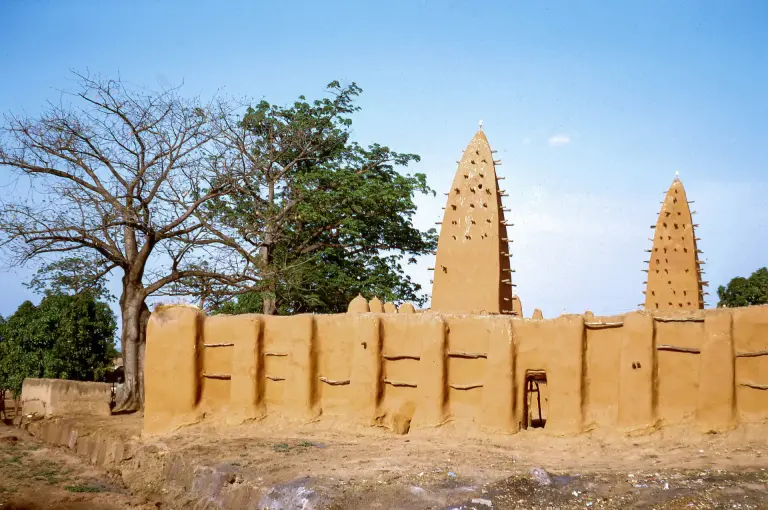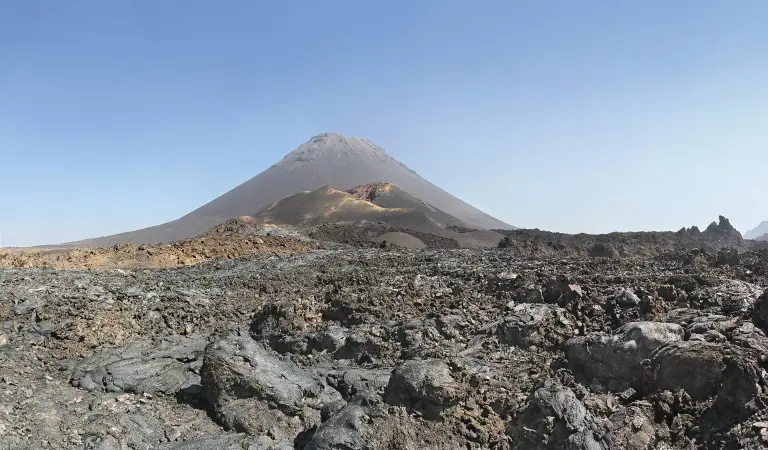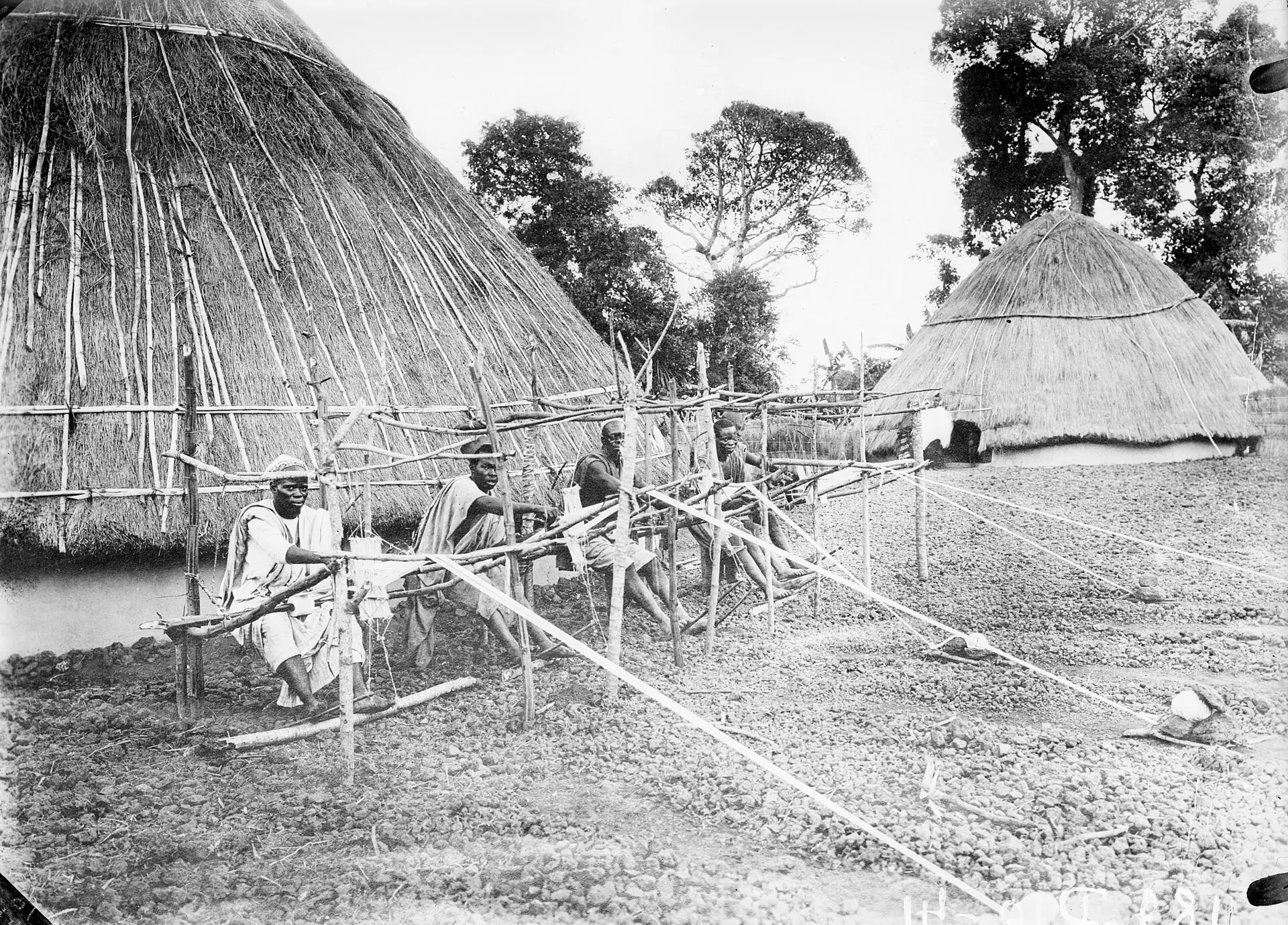
Why visit Guinea
The things to do in Guinea are mostly outdoors: highland waterfalls, long village walks, Atlantic islands and national parks that protect chimpanzees, hippos and antelope. The country covers about 245,857 square kilometres, roughly the size of the United Kingdom, and has four natural regions: Maritime Guinea on the coast, the Fouta Djallon highlands, the Upper Guinea savannah and the forested south-east (see the Wikipedia overview for background). It is sometimes called Guinea-Conakry, to tell it apart from Guinea-Bissau and Equatorial Guinea.
Guinea suits travellers who value scenery, music and local contact over comfort, and who can handle French, slow roads and last-minute changes. It is not a first West Africa trip for most people, and there is almost no organised tourism, so you will often be the only visitor. Expect warm hospitality, strong Fulani, Susu and Maninka cultures, and a country that is still rebuilding after decades of political turbulence and the 2021 military takeover.
Best places to visit in Guinea
The best places to visit in Guinea are the highlands and the coast, with Conakry as the gateway. Travel between them is slow, so choose two or three bases.
Conakry
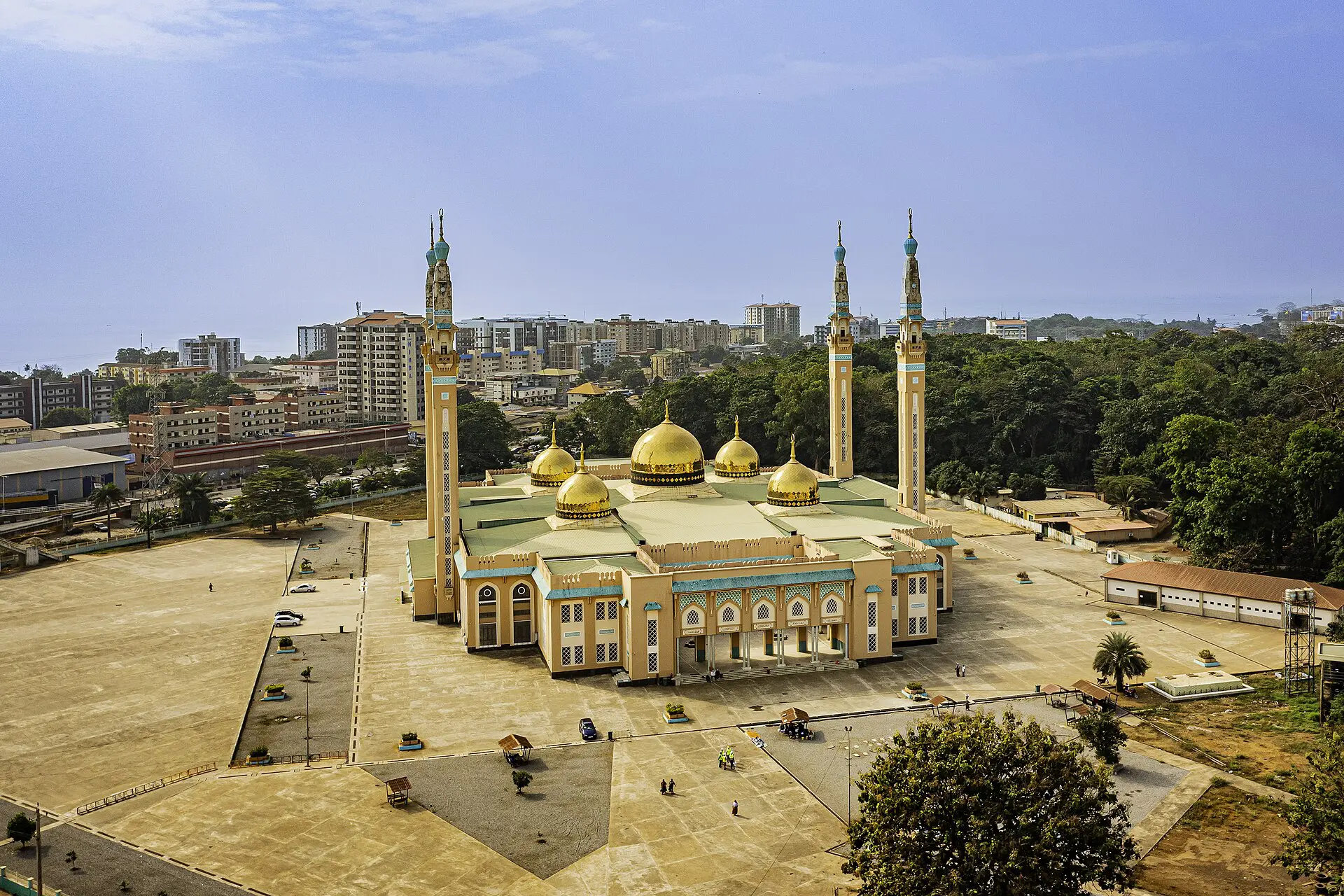
The capital sits on a narrow peninsula and is crowded, noisy and busy with markets, traffic and street food. Sights include the large Grande Mosquée, the National Museum and the Madina market. Most visitors stay one or two nights before heading inland or offshore.
Îles de Los
A small group of forested islands, including Kassa, Roume and Tamara, lie a short boat ride off Conakry. They have sandy beaches, simple guesthouses and a slave-trade past, and they are a popular weekend escape for residents.
Fouta Djallon
This highland plateau of valleys, cliffs and Fulani villages is the main reason to travel inland. Towns such as Dalaba, Labé, Mamou and Pita make good bases for waterfall and village walks.
Kindia
About two hours from Conakry, Kindia is known for its markets, mango and pineapple trade and nearby waterfalls, which makes it an easy first stop out of the capital.
Kankan and Upper Guinea
Kankan, the second city, lies on the Milo River in the savannah and is a centre of Maninka culture and trade. The roads here are long, so go only if you have time.
Mount Nimba
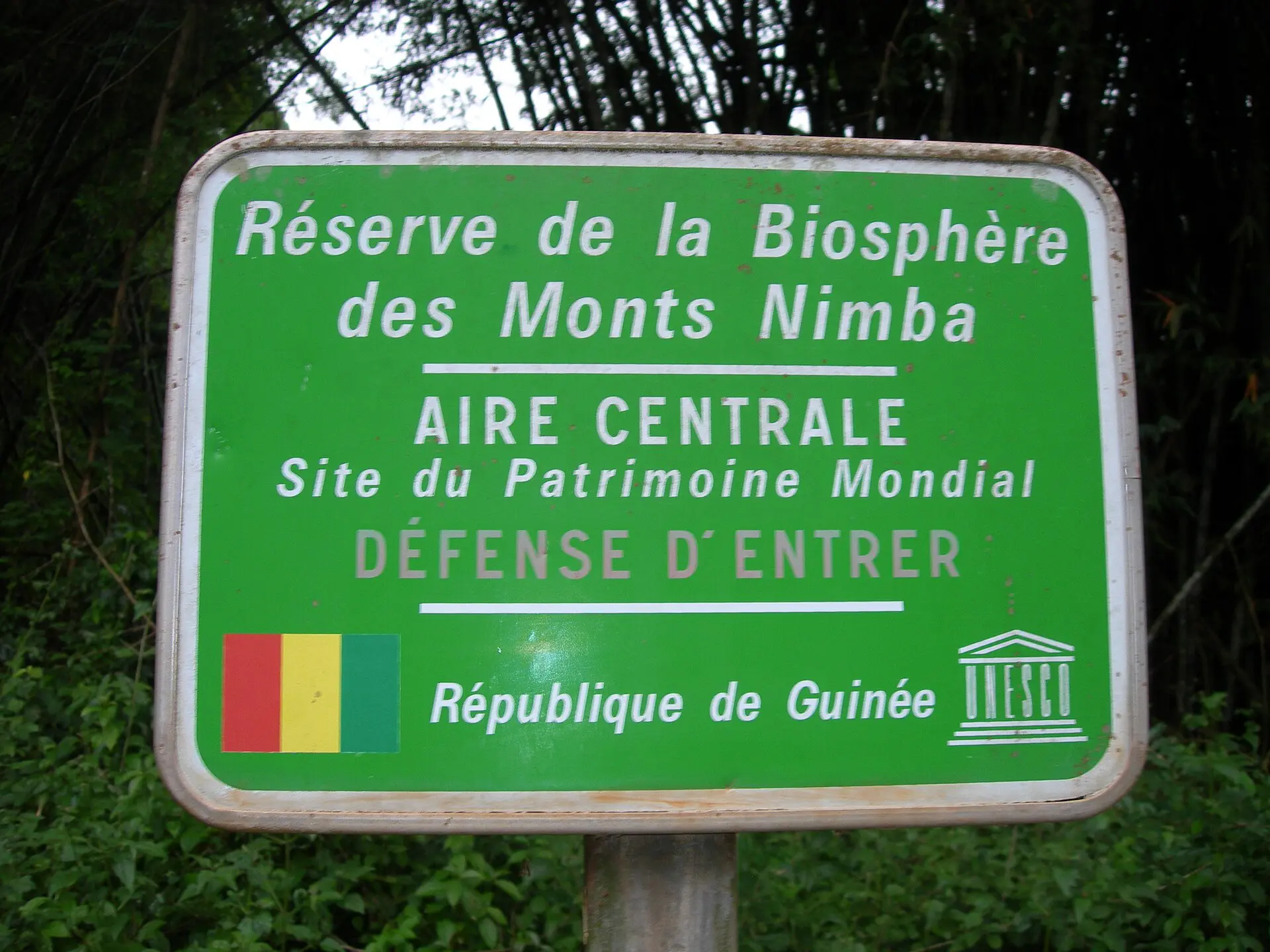
Shared with Ivory Coast and Liberia, the Nimba reserve is a UNESCO site with rare species. Visiting needs permits and a local guide arranged well ahead.
Things to do in Guinea
Things to do in Guinea revolve around nature, walking and local life rather than sights with ticket offices. Most activities need a local guide or driver.
- Hike in the Fouta Djallon: walk between Fulani villages, rivers and viewpoints around Dalaba, Pita and Labé.
- See Kinkon Falls near Pita: the wide cascade is one of the best-known waterfalls in the highlands and flows strongest after the rains.
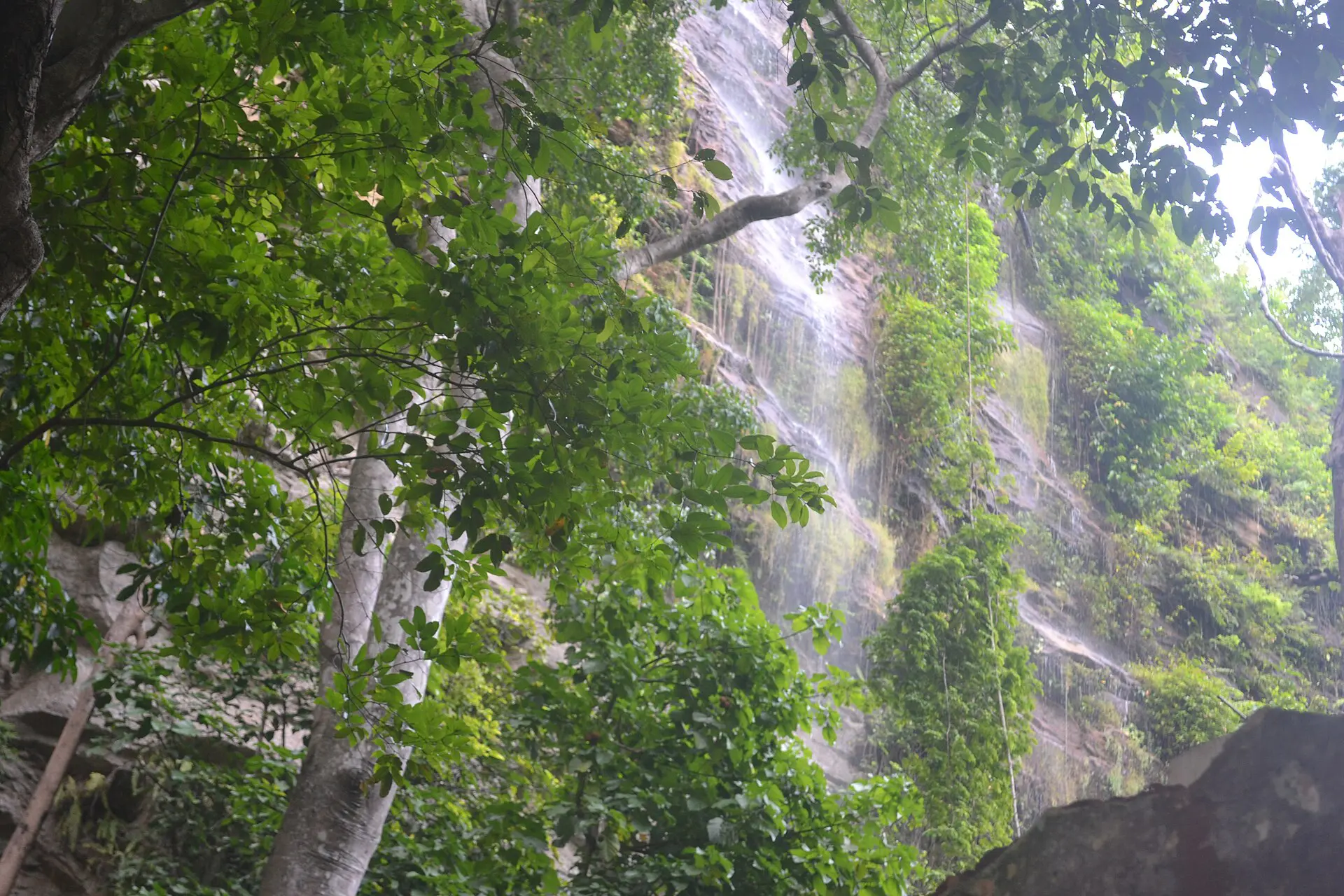
- Visit the Voile de la Mariée near Kindia: the bridal veil waterfall is a short walk from the road and a classic day trip from Conakry.
- Take a boat to the Îles de Los: spend a night on Kassa or Roume for swimming and quiet.
- Explore Madina market in Conakry: fabric, spices, fruit and crafts fill the maze of stalls, so keep valuables hidden.
- Go wildlife watching: Haut Niger National Park protects hippos, elephants and chimpanzees, and Badiar National Park has savannah wildlife in the dry season.
- Hear live music: Guinea is famous for djembe drumming and dance, and musicians perform in Conakry and at festivals.
- Walk the Dalaba hills: the cool air and pine-dotted slopes explain its nickname, the Switzerland of Guinea.
- Ride a pirogue on the Niger: fishing villages along the upper river show daily life in the savannah.
- Eat grilled fish at the Conakry waterfront: casual seafront stalls serve fresh catch in the evening.
Best time to visit Guinea
The best time to visit Guinea is the dry season from November to March, when roads are passable and skies are mostly clear. Between December and February the harmattan wind brings dust and hazy light, but temperatures are bearable. The rainy season runs from about May to October, with extremely heavy rain on the coast, so Conakry is one of the wettest capitals in the world.
| Season | Weather | Crowds and prices | Good for |
|---|---|---|---|
| Nov-Feb | Dry, sunny; hazy harmattan from December | Few tourists; transport and hotels are at their busiest and priciest | Hiking, islands, road travel |
| Mar-Apr | Hot and humid, storms start building | Very quiet | Wildlife in the parks, cheap rooms |
| May-Jul | Rain most days, muddy tracks | Very quiet; some roads close | Lush green scenery, city stays |
| Aug-Oct | Heaviest rain, strongest waterfalls | Very quiet | Waterfalls, if you accept bad roads |
The highlands are cooler than the coast, especially at night, so Dalaba and Labé stay comfortable even in the hot months.
Is Guinea safe to visit?
Is Guinea safe?
Guinea carries a higher level of risk than most travel destinations, and the answer depends on where you go and when. Violent crime against tourists is uncommon, but political tension, street protests, petty crime and poor roads are real problems. Read the UK FCDO and US State Department pages before you book and again just before you leave.
Politics and demonstrations. Guinea has had several coups, including the 2021 military takeover, and demonstrations in Conakry, especially along the main road known as the Axe, have turned violent in past years. Avoid crowds, check local news and leave if tension rises.
Crime. Bag snatching, pickpocketing and muggings happen in Conakry, particularly after dark. Use hotel-arranged taxis at night, carry little cash and keep your phone out of sight in traffic.
Roads and checkpoints. Highways are in poor condition, and night driving is dangerous. Expect police and military checkpoints; stay calm, be polite and carry copies of your passport and visa.
Health. Malaria is a risk across the country, so take preventive medication and nets. West Africa saw a large Ebola outbreak from 2013 to 2016 that began in Guinea, and a Marburg outbreak was reported in 2021, so check current health alerts. Get a yellow fever vaccination and carry the certificate. Medical care outside Conakry is limited, so insurance with evacuation cover is strongly recommended.
Visa and entry requirements for Guinea
Guinea visa rules vary by nationality, and most visitors from Europe, North America and Asia need a visa before arrival. The country has offered an online e-visa system in recent years, but procedures and fees change, and processing times have varied. Confirm the current process with the official Guinean immigration or foreign ministry website, or with the nearest Guinean embassy, before booking flights.
Bring a passport valid for at least six months and with blank pages, plus a printed copy of your visa approval, hotel booking and return ticket. A yellow fever vaccination certificate is generally required for entry and is often checked at the airport, so carry the original card. Some travellers are asked for an invitation letter or proof of accommodation.
Land borders with Senegal, Mali, Sierra Leone, Liberia, Ivory Coast and Guinea-Bissau may be open or closed at short notice, and crossings can involve long delays. Ask your embassy before travelling overland. The UNESCO page for Guinea lists the Nimba reserve, which needs its own permits on top of national entry rules.
Getting to and around Guinea
Most visitors arrive at Ahmed Sékou Touré International Airport in Conakry, which has connections to Paris, Casablanca, Istanbul, Brussels and several West African hubs. Flight schedules change often, so check them before booking. Overland arrivals are possible from Senegal, Mali, Sierra Leone, Liberia and Ivory Coast, but they are slow and best left to experienced travellers.
Guinea has no passenger rail network for tourists. Travel is by shared taxi, minibus or hired 4×4 with a driver. Shared taxis leave when full and are cheap but cramped. Conakry to Kindia takes about two to three hours, Conakry to Mamou four to six, Mamou to Labé another three or so, and Conakry to Kankan well over twelve hours, because road conditions and checkpoints make times unpredictable.
Hiring a car with a local driver is the most practical option, since a driver knows the roads and the police. Conakry traffic is severe, so allow extra time. Boats to the Îles de Los leave from the Boulbinet pier, and prices are negotiated, so ask your hotel for a fair rate.
How much does a trip to Guinea cost?
Guinea is not as cheap as its income level suggests, because hotels, flights and transport are limited and visitors often rely on drivers. The currency is the Guinean franc (GNF), and prices are quoted in francs, though hotels often price in US dollars or euros. These rough bands are per person for 2026 and will vary with the exchange rate.
- Budget: around USD 35 to 60 per day, with basic guesthouses, shared taxis and street food.
- Mid-range: around USD 60 to 120 per day, with a decent hotel, restaurant meals and a driver for part of the trip.
- High-end: from around USD 150 per day, with the best Conakry hotels, a private 4×4 and guided excursions.
Accommodation in Conakry is the biggest cost, and good rooms can match European prices. Inland, rooms and meals are much cheaper. A hired 4×4 with driver and fuel is the second large expense, so sharing it between travellers helps. Boat trips to the islands, park permits and guides add up, so get quotes in writing. Carry enough cash, since cards are rarely accepted outside top hotels.
Guinea food and drink
Guinea food is built on rice, cassava, peanuts, palm oil and leaf sauces, with grilled fish and meat on the coast. Meals are filling and cheap, and eating with locals is one of the best ways to learn about the country.
- Rice with sauce: the everyday meal, with rice under a stew of palm oil, fish or meat and vegetables.
- Leaf sauce: cassava or sweet potato leaves cooked down with oil, onion and fish or meat, served with rice.
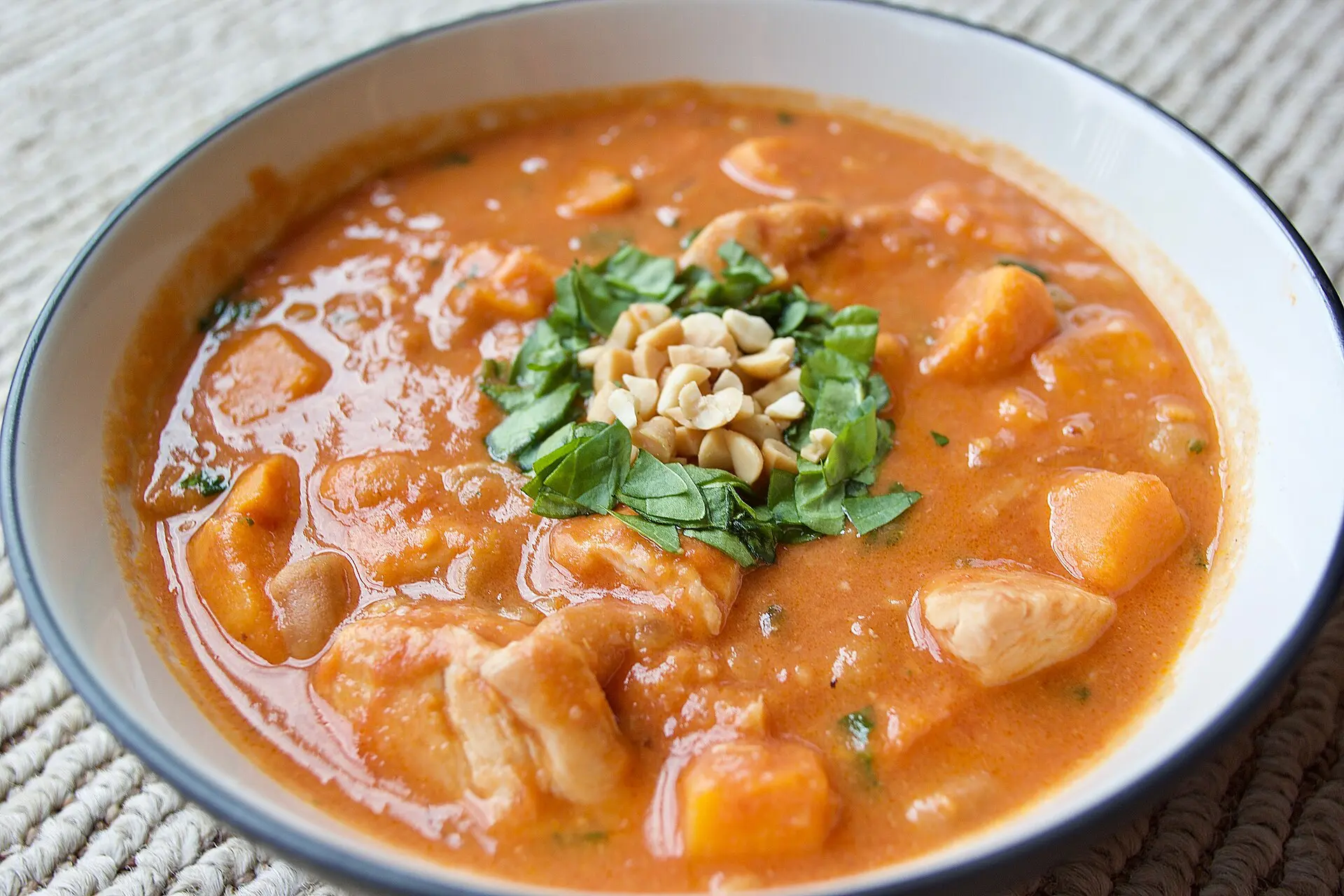
- Peanut sauce (mafé style): a rich groundnut stew with chicken or beef, common across West Africa.
- Grilled fish and chicken: served with onions and spicy pepper sauce in Conakry and along the coast.
- Tapalapa: a soft white bread eaten at breakfast with butter, egg or sweet spreads.
- Fresh fruit: mangoes, pineapples and bananas are cheap, and Kindia is known for its fruit.
- Bissap and ginger juice: sweet hibiscus and spicy ginger drinks sold in bags and bottles.
Eat at busy stalls with fresh, hot food, and drink bottled or filtered water. Vegetarians can eat rice with vegetable sauces, but meat and fish stock is common, so ask. Alcohol is available in Conakry hotels and bars, but it is harder to find inland, since about 90 percent of Guineans are Muslim.
Culture, language and etiquette in Guinea
French is the official language and is used in schools, government and the media, but more than 24 local languages are spoken. Susu dominates around Conakry, Pular in the Fouta Djallon and Maninka in Upper Guinea, and the Forest region is mixed. Learning greetings in French, and a few words of the local language, wins smiles. English is rare outside the most tourist-aware hotels.
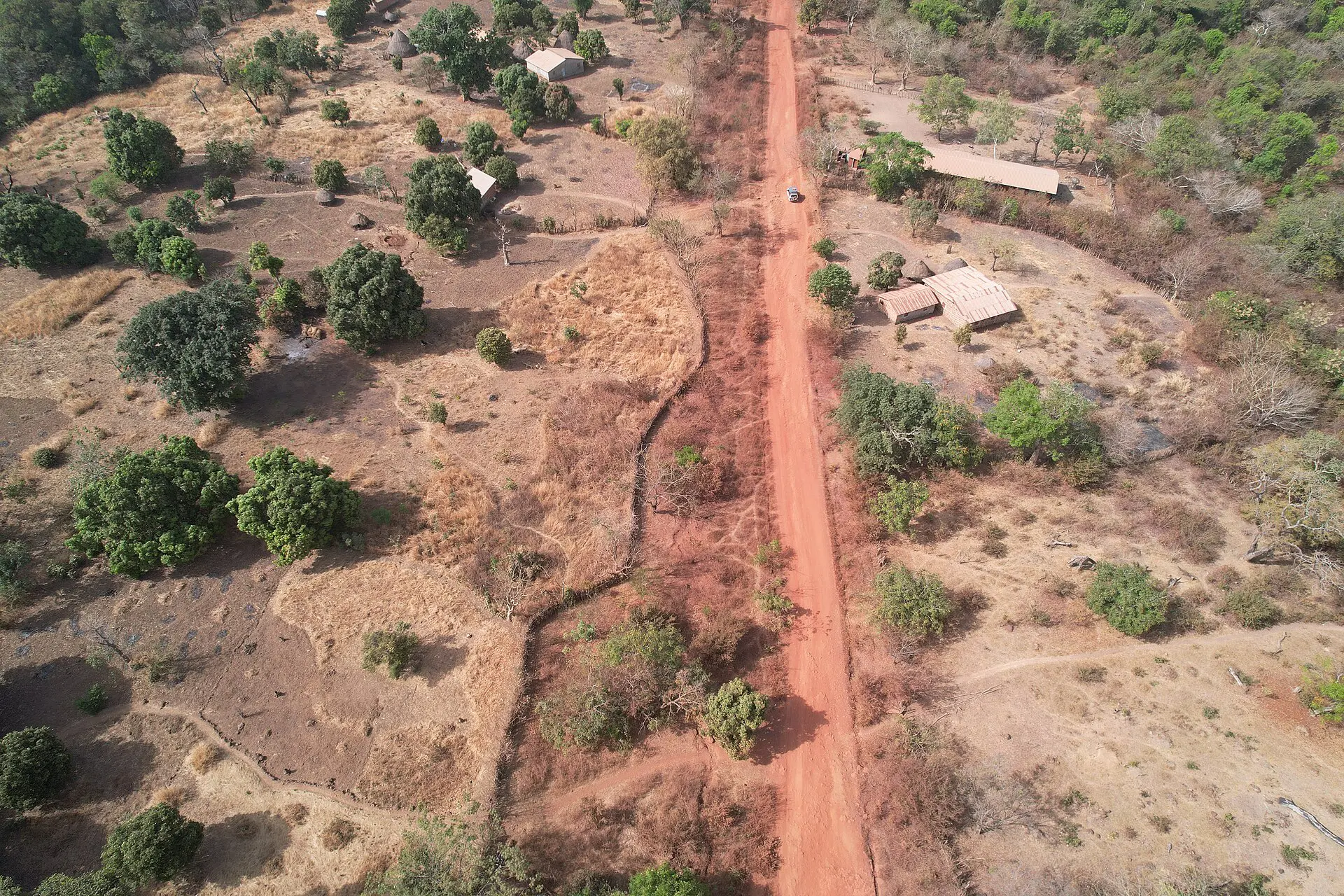
Around 90 percent of Guineans are Muslim, with Christian and traditional beliefs also present. Dress modestly, particularly in villages and mosques, with shoulders and knees covered. Greetings matter, so shake hands, ask after family and health, and do not rush into business. Use your right hand for eating and passing things.
Always ask before taking photos of people. Do not photograph soldiers, police, government buildings, airports or bridges, which can lead to detention. Be careful with talk about politics, the military or ethnic divisions. Music and dance are central to Guinean life; the djembe drum is closely linked with the country, and a good evening of live music is easy to find in Conakry.
Guinea itinerary: a 7-day route
This route covers the coast and the Fouta Djallon in the dry season, with a hired car and driver. It avoids the border areas, long overland stretches and night driving. Check government advice before booking.
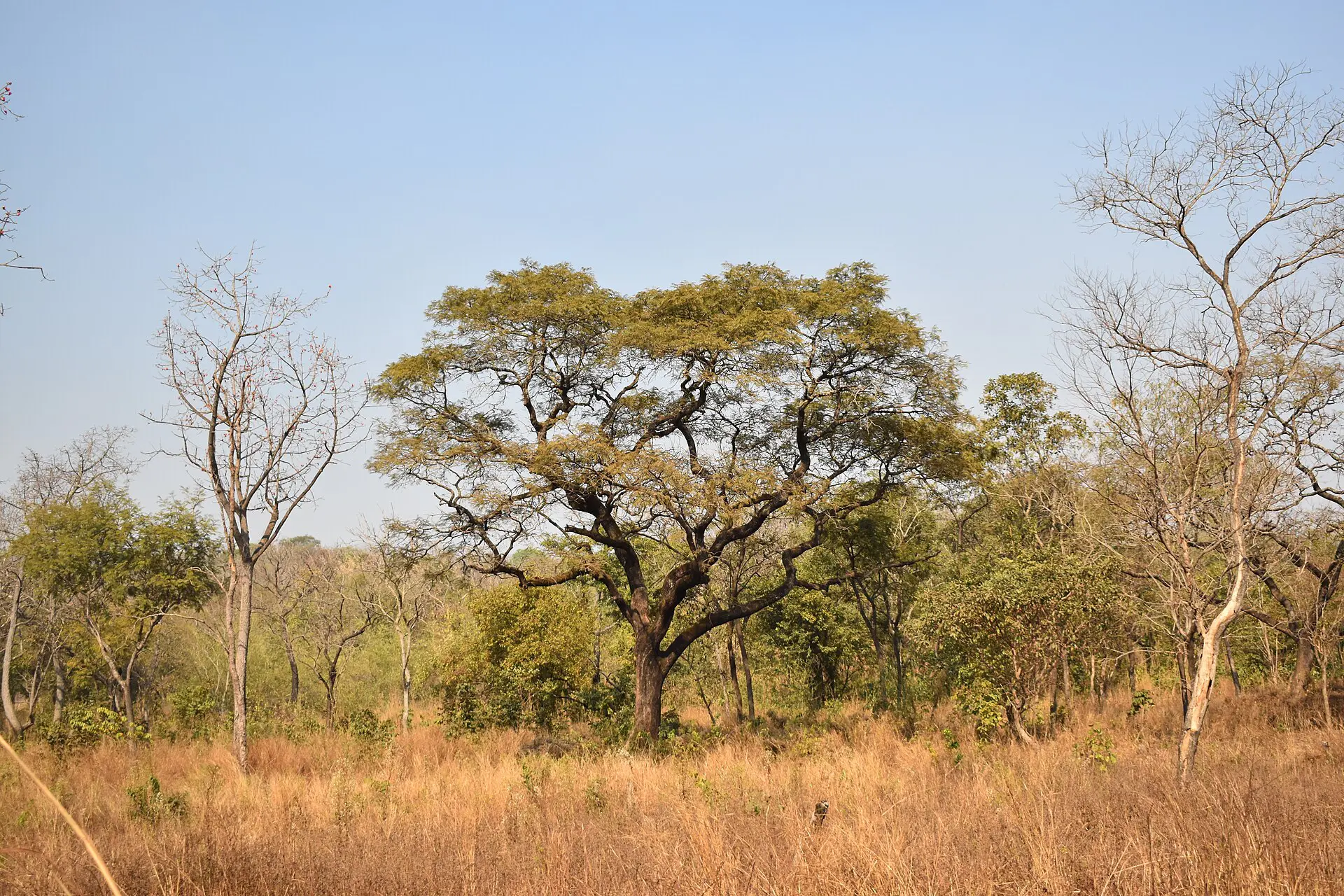
- Day 1, Conakry: arrive, rest, and visit the Grande Mosquée and the National Museum if time allows.
- Day 2, Îles de Los: take a morning boat to Kassa or Roume, swim, and stay overnight.
- Day 3, Kindia: return by boat, then drive about two to three hours to Kindia for the waterfall and the market.
- Day 4, Mamou and Dalaba: continue inland, around four hours, and stay in Dalaba for its cool hills.
- Day 5, Pita and Kinkon Falls: visit the falls, walk through nearby villages and return to Dalaba or Labé.
- Day 6, Labé: explore the market and nearby viewpoints, or take a guided village hike.
- Day 7, return to Conakry: allow a full day, about eight to ten hours, and build in a buffer before any flight.
With more time, add Haut Niger National Park or a Mount Nimba trip with a specialist operator. In the rainy season, drop the islands and stay in the highlands, but expect muddy roads.
Practical tips for Guinea
- Money: the Guinean franc is the currency. Bring clean euros or US dollars to exchange, because ATMs are scarce and often fail, and cards work only in a few hotels. Inland, carry enough small notes.
- SIM and eSIM: local SIM cards are cheap and mobile data covers towns and main roads, with patchy signal in the hills. Register the SIM with your passport.
- Plugs: types C, F and K at 220 V; bring a universal adapter and a power bank, as outages are common.
- Tipping: not expected; small tips for guides, drivers and hotel staff are welcome.
- Health: check vaccinations including yellow fever, take malaria prevention, and bring a basic medical kit and water purification.
- Packing: light long-sleeved clothes, a rain jacket, walking shoes, a head torch and insect repellent.
- Documents: keep photocopies of your passport, visa and vaccination card, and register with your embassy if it offers it.
For wider background, see the Wikivoyage Guinea guide.
FAQ
Q1What is Guinea food like?
Guinea food centres on rice with palm oil or peanut sauces, leaf stews made from cassava or sweet potato leaves, and grilled fish or chicken with pepper sauce. Tapalapa bread, fresh mangoes and pineapple, and bissap hibiscus drink are common. Meals are cheap, and vegetarians should ask about fish or meat stock.
Q2Do I need a visa for Guinea?
Most visitors need a visa, and the rules depend on your nationality. Guinea has offered an online e-visa system, but fees and procedures change, so confirm on the official government website or with an embassy. You should also carry a yellow fever vaccination certificate and a passport valid for six months.
Q3Is Guinea safe?
Guinea has a higher risk level than most destinations. Violent crime against tourists is uncommon, but political protests, petty crime in Conakry, poor roads and malaria are real concerns. Avoid demonstrations, do not drive at night and read the FCDO and US State Department advice before you go.
Q4What are the best things to do in Guinea?
The best things to do are hiking in the Fouta Djallon, seeing Kinkon Falls and the Voile de la Mariée waterfall, taking a boat to the Îles de Los, visiting Conakry's markets and watching wildlife in Haut Niger National Park. Live djembe music is another highlight.
Q5What is the best time to visit Guinea?
November to March is best, with dry weather and passable roads. The rainy season from May to October brings heavy storms, especially on the coast, but waterfalls are strongest from August to November. Highlands such as Dalaba stay cool all year, while the coast and savannah are hot.
Q6Is Guinea safe to visit for solo travellers?
Solo travel is possible but demanding. Women alone may attract attention, and Conakry has bag snatching after dark. Use a trusted driver, stay in well-reviewed guesthouses, avoid walking at night and tell someone your route. Because tourist services are limited, many solo visitors join a local guide or small group.
Q7How many days do you need in Guinea?
Seven to ten days works for Conakry, the Îles de Los and the Fouta Djallon highlands, because roads are slow. Add a few days for Kankan or the national parks. Keep a day of buffer at the end, since delays and checkpoints are common.