Why visit Guinea-Bissau
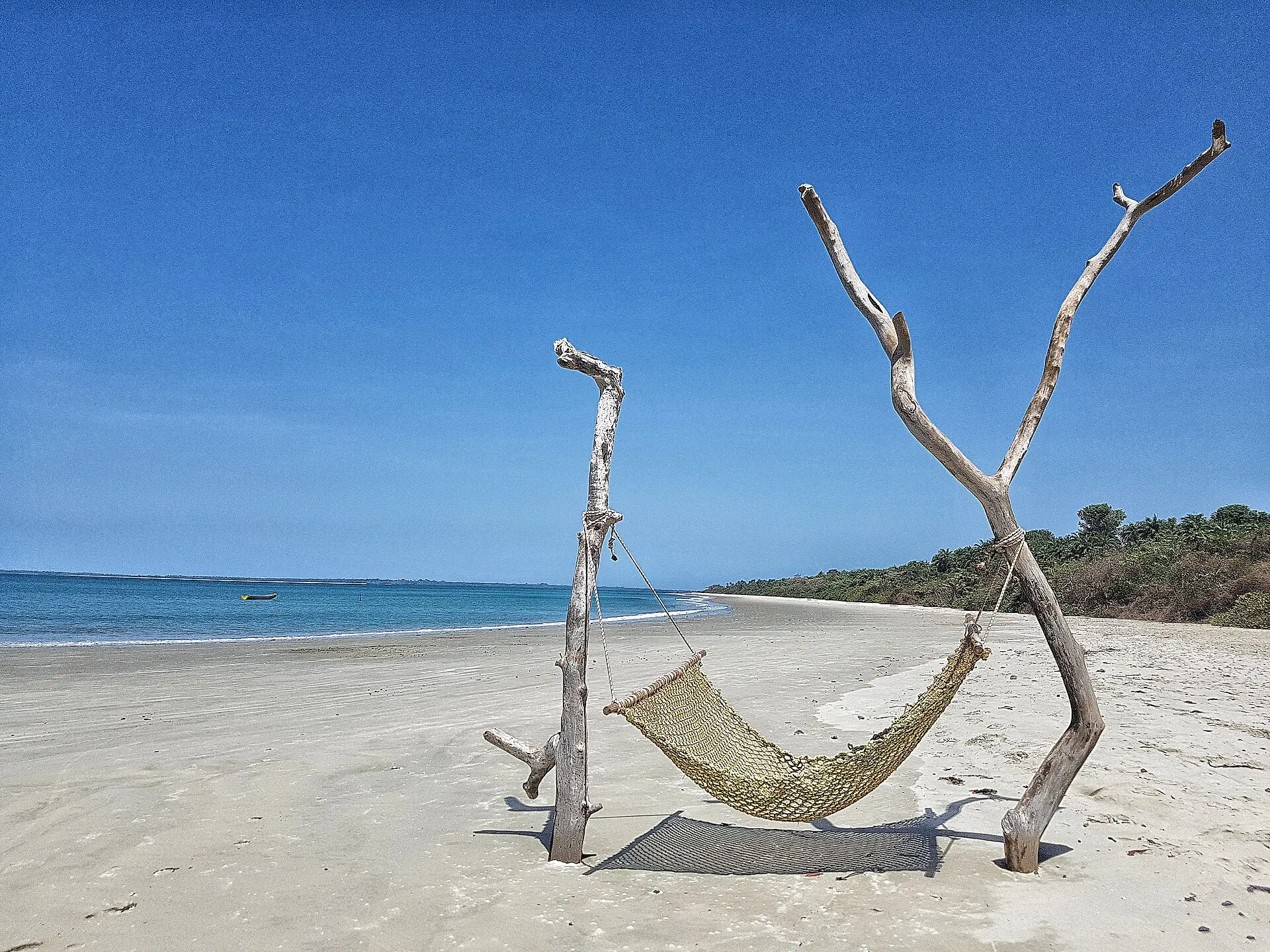
Guinea-Bissau travel offers something increasingly rare in West Africa: undeveloped islands, mangrove-lined rivers and towns with very few visitors. The country covers about 36,125 square kilometres and has just over two million people. Most travellers come for the Bijagós Archipelago, a group of roughly twenty inhabited and uninhabited islands off the coast, where turtles nest and, on Orango, hippos live in saltwater (see the Wikipedia overview for background).
It suits experienced, patient travellers who like slow journeys, Portuguese colonial history and wildlife, and who do not need polished tourism. There are few hotels, almost no tour operators outside Bissau and Bubaque, and plans change with tides, weather and fuel. In return you find quiet beaches, a lively Kriol culture and a country that is still known mostly for its coups and its cashew nuts. It is not a destination for first-time visitors to Africa.
Best places to visit in Guinea-Bissau
The best places to visit in Guinea-Bissau are the islands, a few historic towns and the coastal wetlands. Distances are short, but roads and boats are slow.
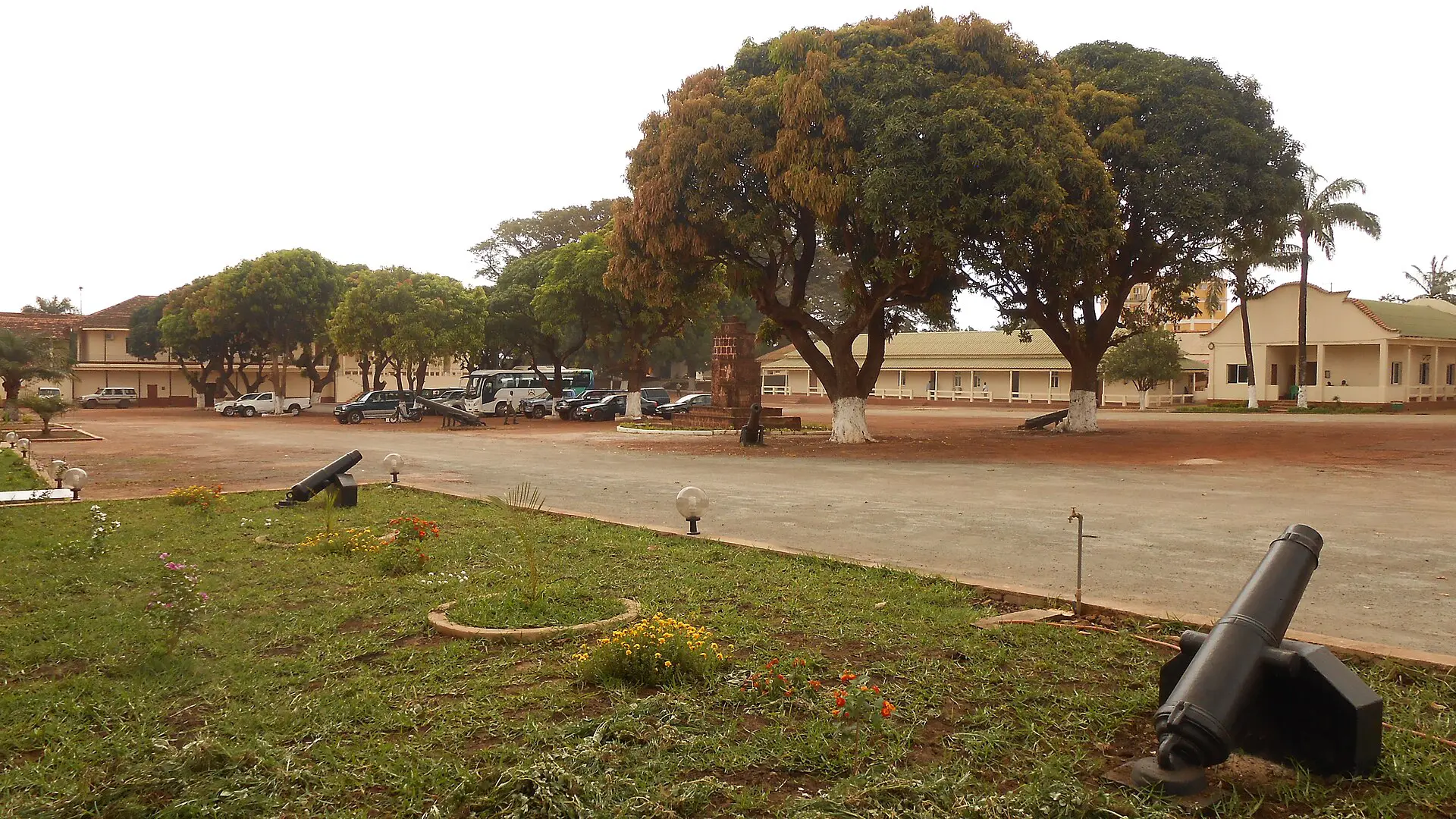
Bissau
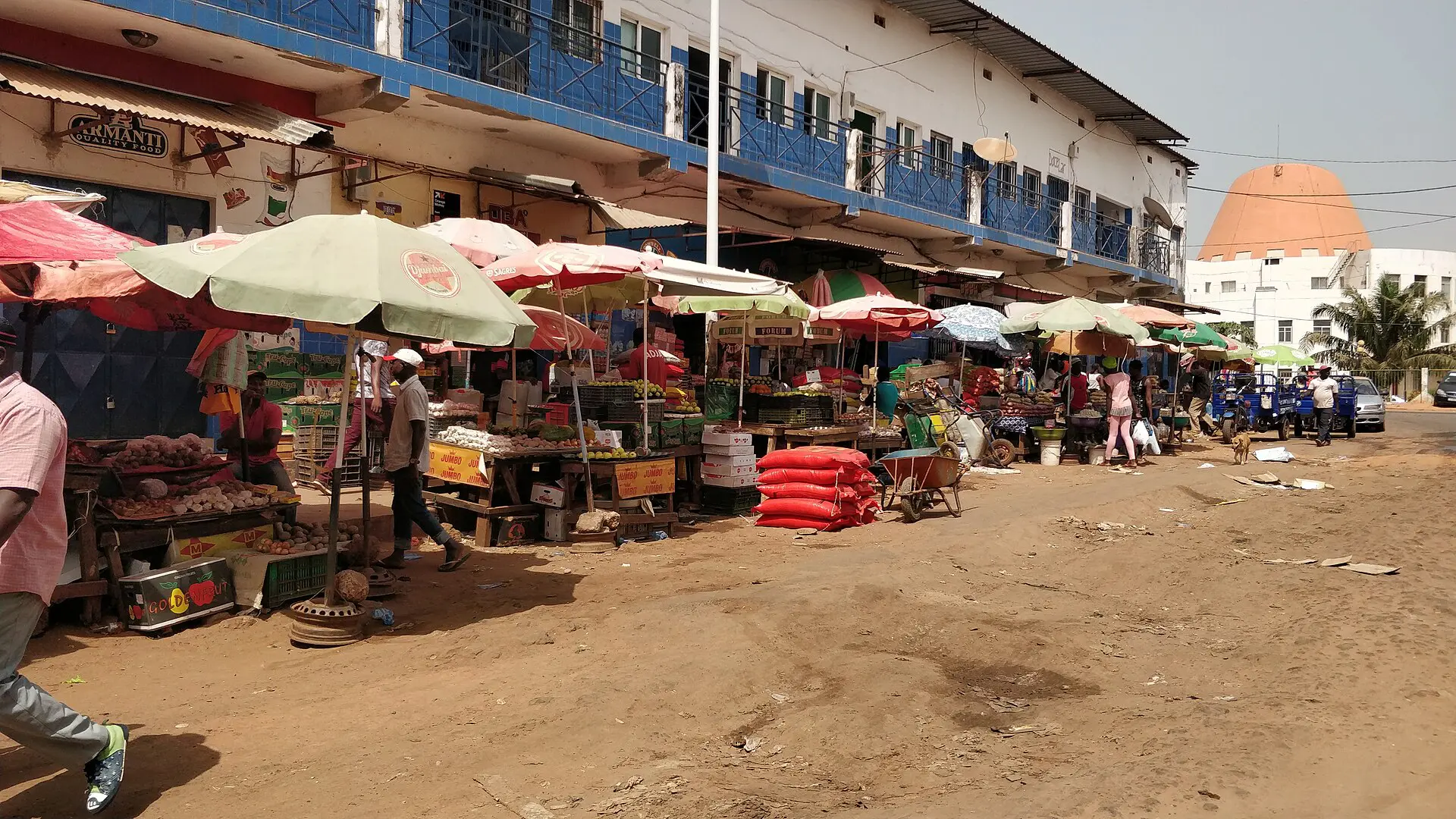
The capital has a faded Portuguese centre, the old Fortaleza de São José da Amura, busy markets and a lively music scene. Allow a day or two for the fort, the Bandim market and an evening of local music.
Bijagós Islands
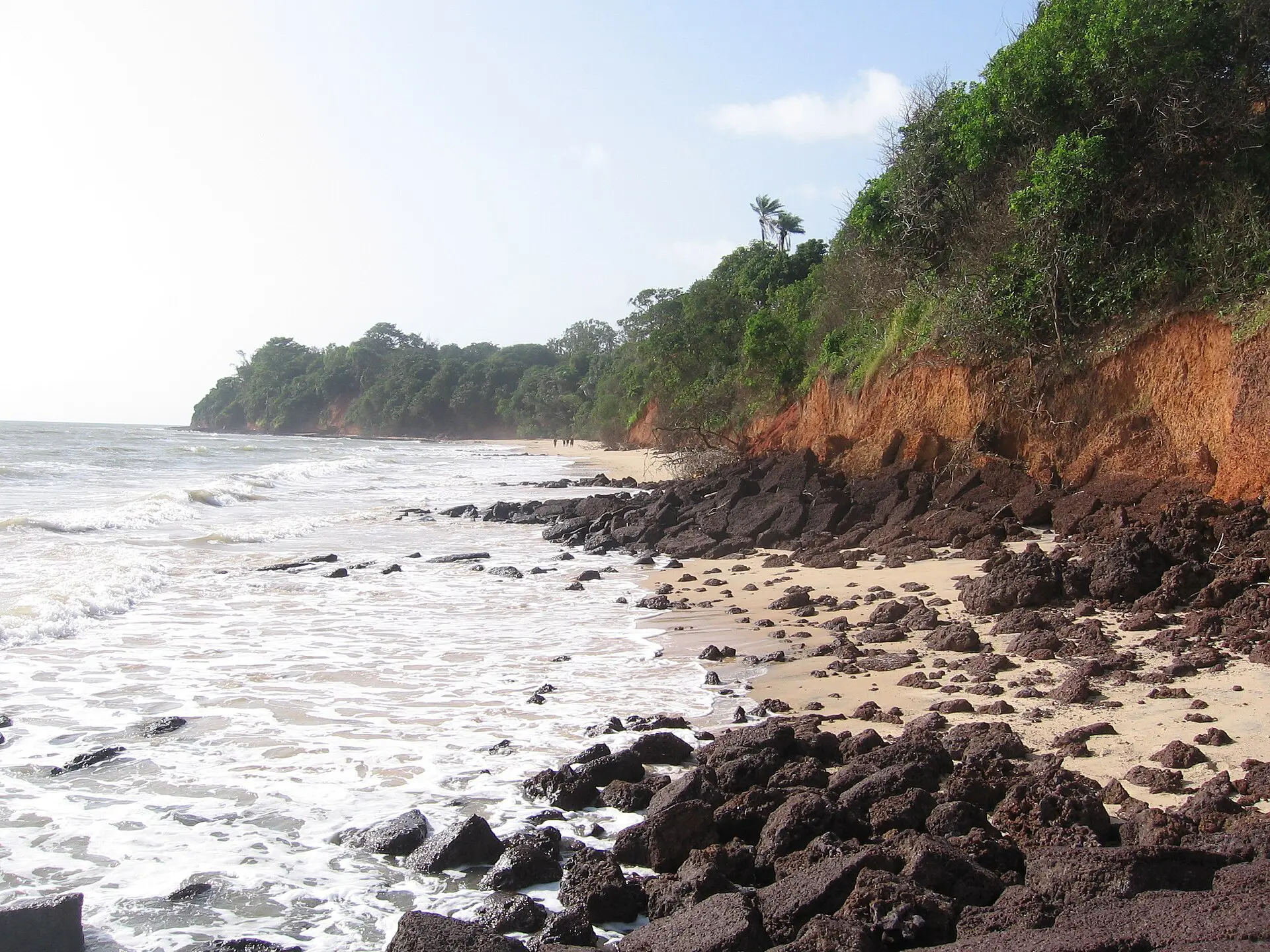
Bubaque is the main island, with simple hotels and boats to others. Orango, Rubane and João Vieira each offer a different mix of beaches, forest and wildlife, and visits to some villages need local permission.
Bolama
The former capital, abandoned in 1941, has a grid of crumbling colonial buildings overgrown with greenery. It is reached by boat from Bissau or Bubaque.
Cacheu
This old slave-trading port on the river of the same name has a small Portuguese fort and a backdrop of mangroves. It is a good day trip with a guide, and it links to the Cacheu mangrove natural park.
Bafatá
A river town in the interior with a colonial centre and the birthplace of independence leader Amílcar Cabral, whose house can be visited.
Varela
On the northern coast, close to the Senegal border, Varela has long beaches and pine woods and is among the few real seaside spots on the mainland.
Things to do in Guinea-Bissau
Things to do in Guinea-Bissau are mostly about nature, boats and local life. Most activities are best arranged through a guesthouse or a local guide, and costs depend on fuel and group size.
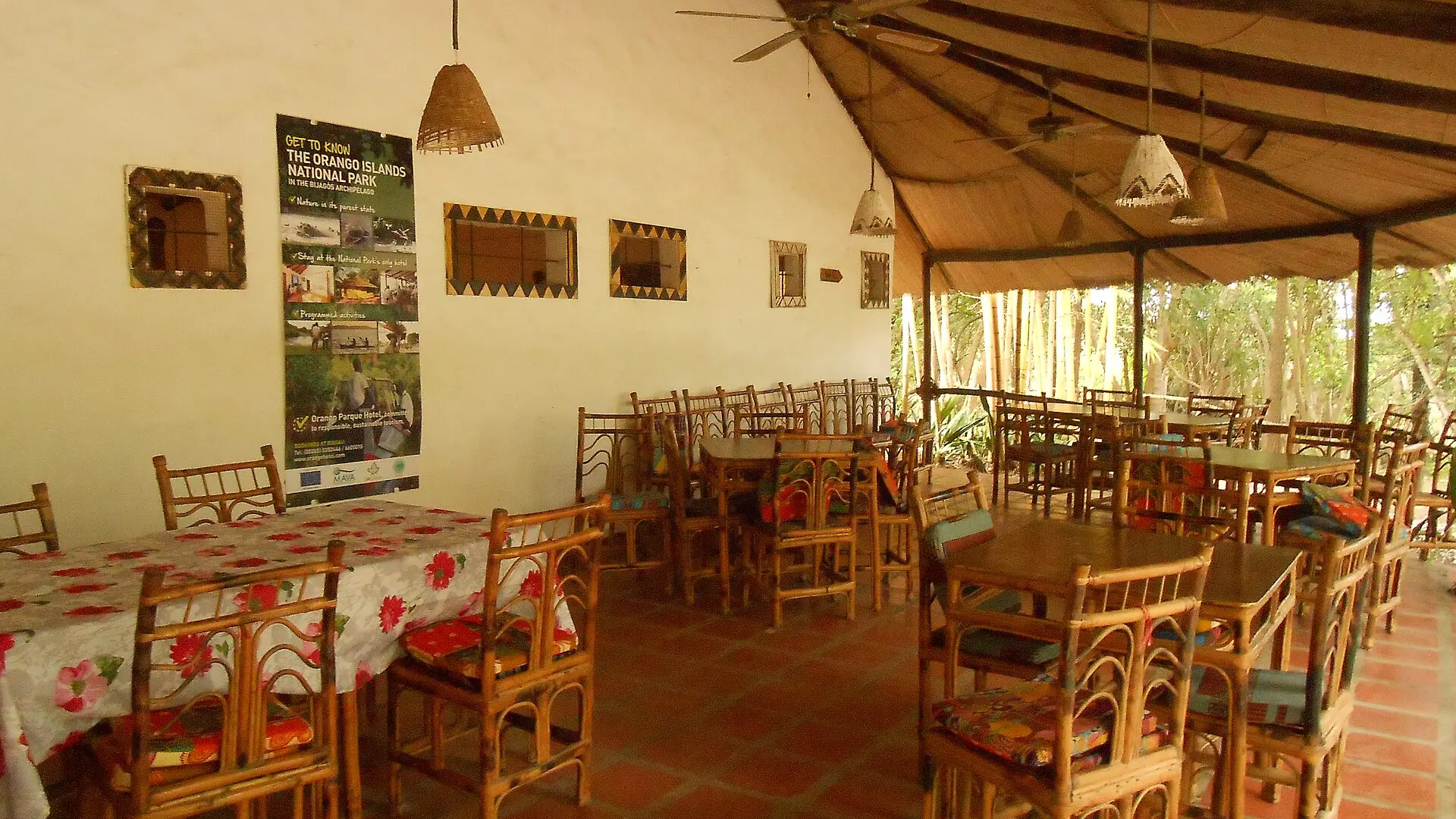
- Island hop in the Bijagós: arrange a boat from Bubaque to quieter islands such as Rubane or Orango.
- Look for hippos on Orango: the national park is known for hippos that wade in the sea and swim between lagoons and the shore.
- See nesting turtles: green turtles nest on islands such as João Vieira and Poilão, usually between about July and November, with strict visitor rules.
- Walk Bissau’s old quarter: take in the fort, the cathedral and the market streets in a morning.
- Visit Bolama: wander the ruined colonial boulevards and arcades of the former capital.
- Take a mangrove boat trip: the Cacheu and Cufada areas have creeks, birds and oyster collecting.
- Watch for birds: Cufada Lagoons Natural Park, the country’s first protected area, holds a freshwater lake and many waterbirds.
- Relax on Varela beach: long sand and few visitors, though facilities are basic.
- Catch carnival: Bissau’s carnival, usually in February, fills the streets with masks and music.
- Go fishing: sport-fishing lodges operate in the islands, mostly aimed at foreign anglers.
Best time to visit Guinea-Bissau
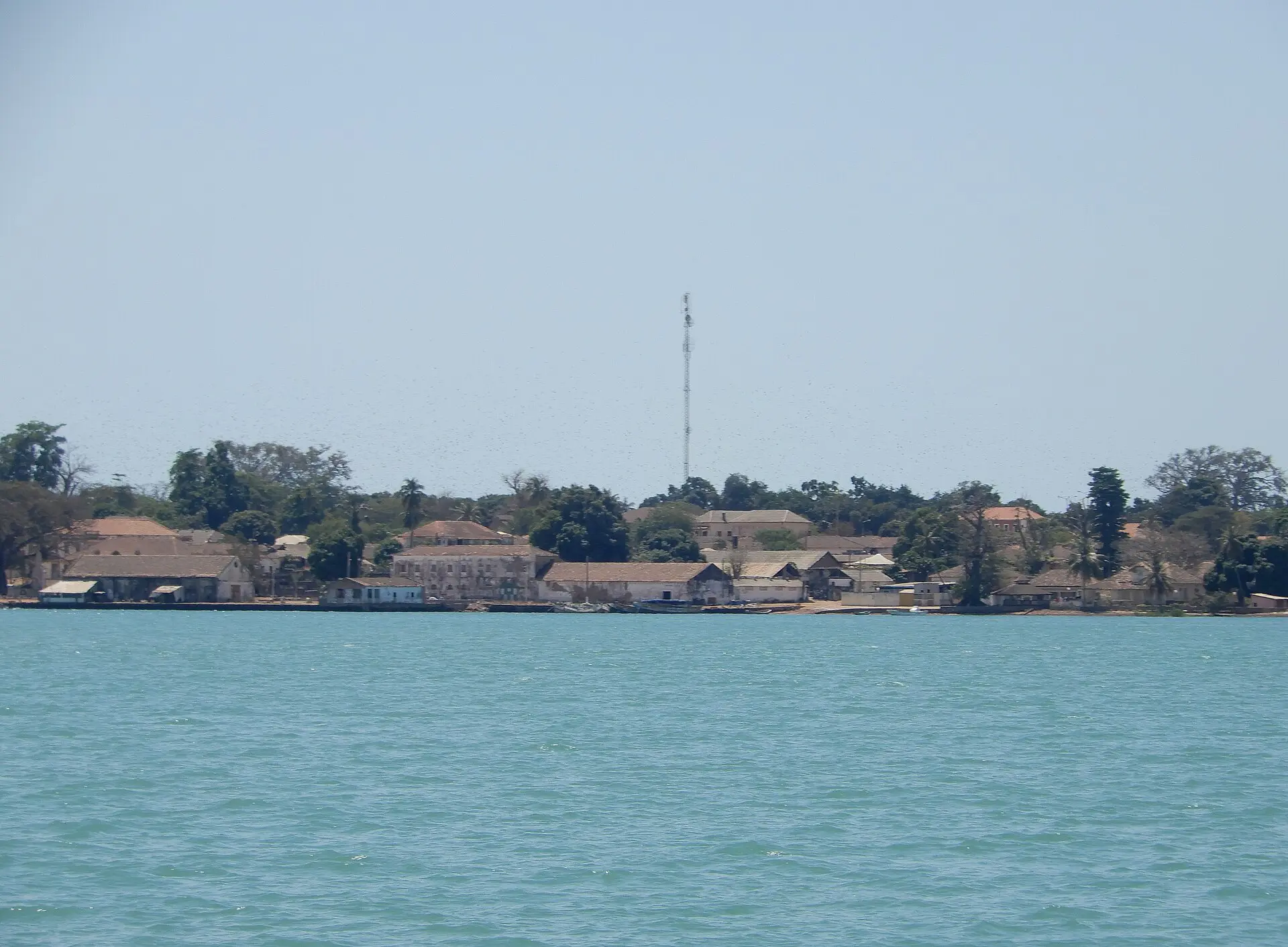
The best time to visit Guinea-Bissau is the dry season from November to May, when skies are clear, humidity is lower and boat crossings are calmer. February is popular for the carnival, and the hottest weeks come in April and May. The rainy season, from about June to October, brings storms, flooded tracks and rough seas, and some lodges close.
| Season | Weather | Crowds and prices | Good for |
|---|---|---|---|
| Nov-Feb | Dry and warm, cooler nights | Busiest, but still few visitors | Islands, carnival, birdwatching |
| Mar-May | Hot and humid, little rain | Quiet; cashew harvest begins | Beaches, fishing, village visits |
| Jun-Oct | Heavy rain, rough seas, mud | Very quiet; some lodges shut | Turtle nesting, green landscapes |
Turtle nesting on the southern islands typically peaks in the wet season, so the best trip for turtles may mean accepting rain and rougher boats. Check lodge opening dates before you book.
Is Guinea-Bissau safe to visit?
Guinea-Bissau is safe for some visitors in some places, but it carries elevated risk because of political instability, limited health services and poor infrastructure. Street crime against tourists is not common, but the situation can change quickly. Read the UK FCDO and US State Department advice before booking and again before departure.
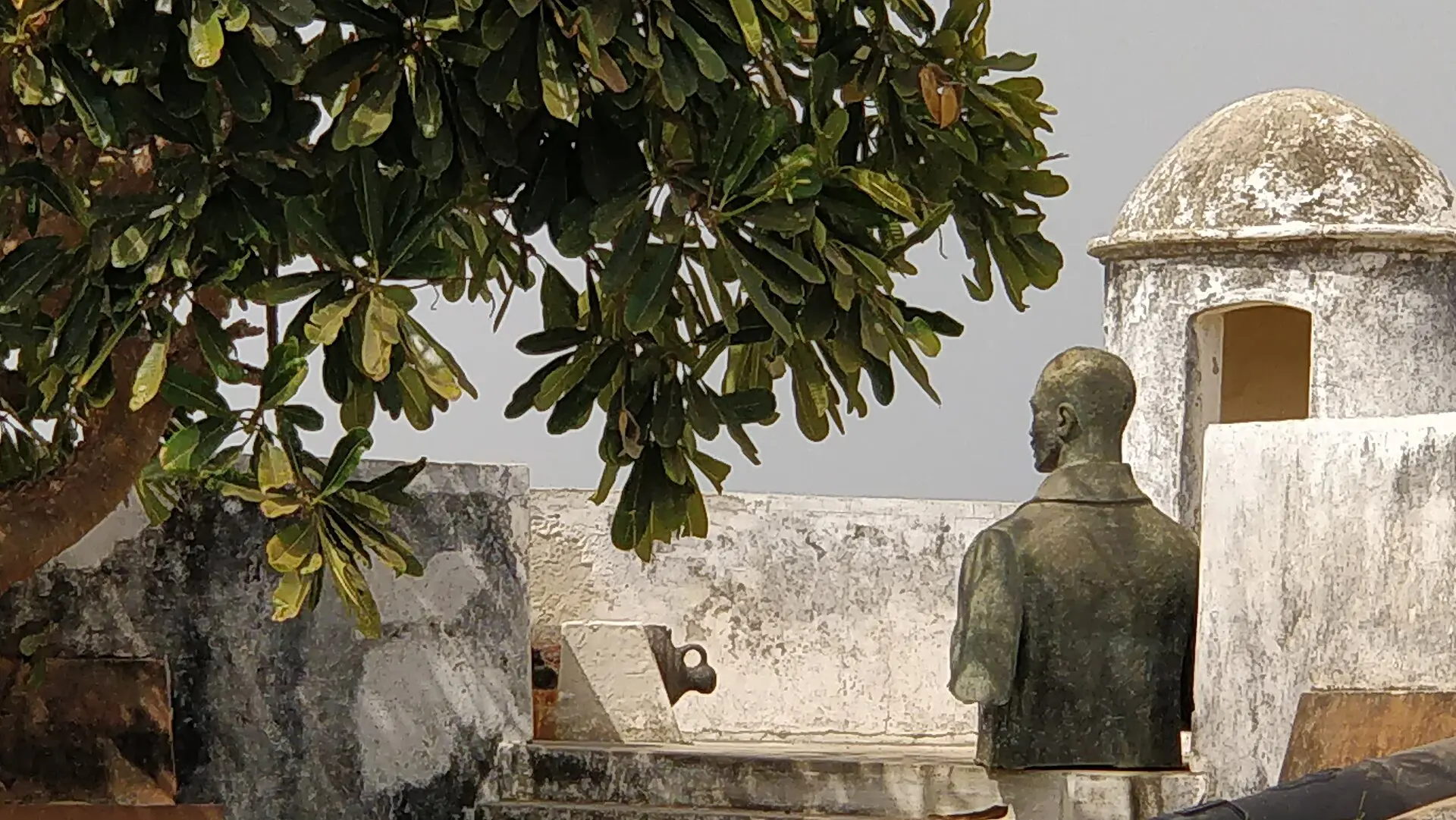
Politics. The country has seen repeated military coups, including one in 2025 that installed a transitional military government. Tension around elections or arrests can lead to roadblocks, curfews and internet shutdowns. Avoid demonstrations and military areas, and follow local advice.
Crime. Petty theft and opportunistic robbery happen in Bissau after dark. Do not walk at night, carry little cash and use trusted taxis. The country is also used in drug-trafficking routes, so do not carry parcels for strangers.
Roads and boats. Many roads are rough, and boats in the islands can be overloaded or poorly equipped. Ask about life jackets, fuel and weather before leaving.
Health. Malaria is common, and you should take preventive medication. Cholera outbreaks have occurred in past years. Medical facilities are very limited, so insurance with medical evacuation is vital. Carry a yellow fever certificate.
Visa and entry requirements for Guinea-Bissau
Visa rules for Guinea-Bissau depend on your nationality, and many visitors from Europe and North America need a visa. In recent years the government has offered an online e-visa, and some nationalities have been able to obtain one on arrival, but the process, cost and availability change. Confirm the current rules with the official Guinea-Bissau government or immigration source, or with the nearest embassy, before you book flights.
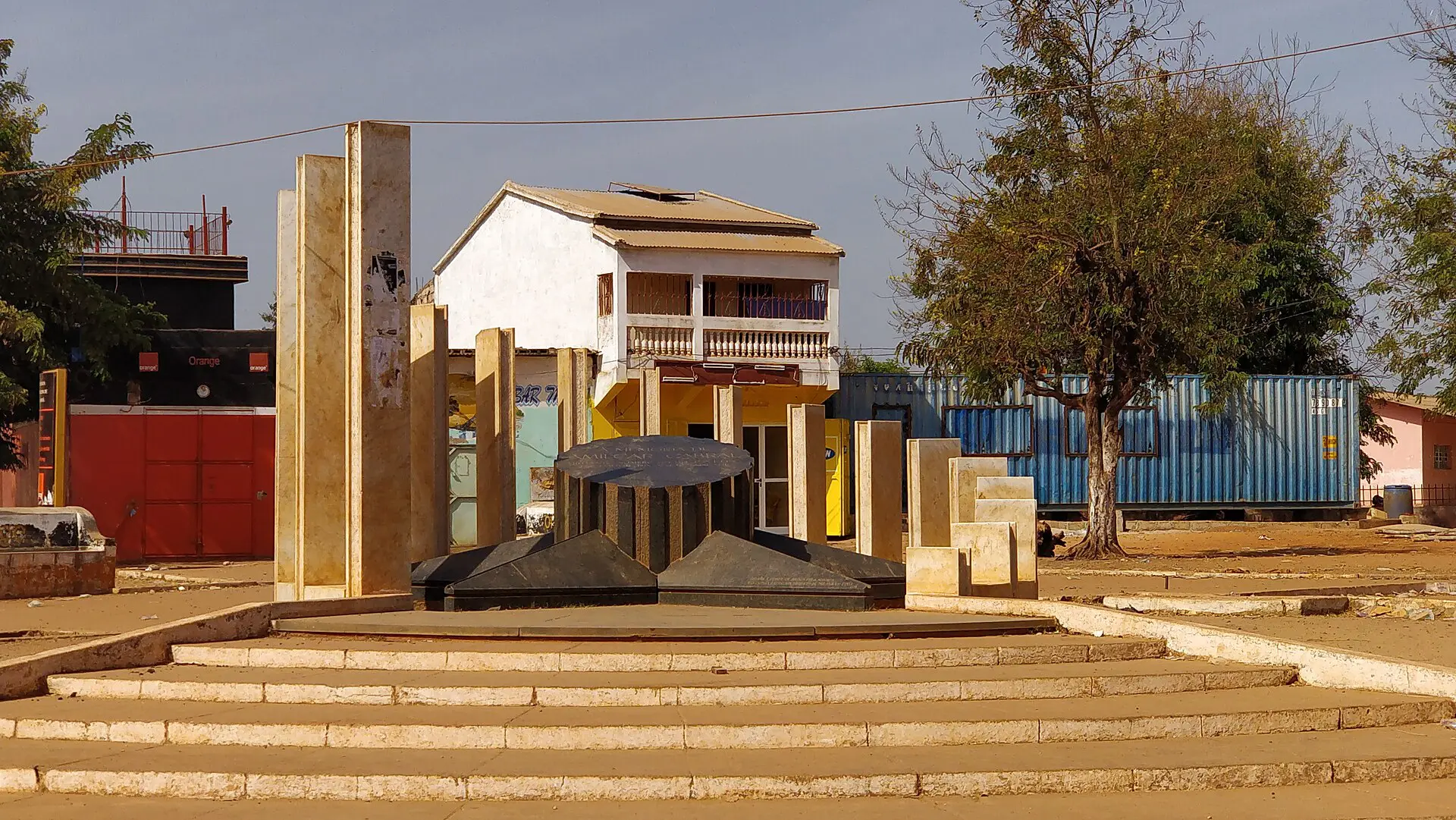
Carry a passport valid for at least six months, with blank pages, a printed copy of your approved visa, proof of accommodation and a return or onward ticket. Officials normally expect a yellow fever vaccination certificate. Citizens of ECOWAS member states have historically had easier entry, though regional membership has changed, so nationals of nearby countries should also check.
Land crossings from Senegal and Guinea exist, but they can be slow, and some may be closed at short notice. Register with your embassy if possible, and keep photocopies of all documents. The UNESCO page for Guinea-Bissau is useful when you look at heritage and protected areas.
Getting to and around Guinea-Bissau
Most visitors fly into Osvaldo Vieira International Airport in Bissau. Flights have connected the capital with Lisbon, Dakar and Casablanca in recent years, though schedules change and some routes are suspended, so check before you buy a ticket. Many travellers also arrive overland from Senegal through Ziguinchor, where the road passes the northern border.
Roads outside Bissau vary from sealed to deep sand and mud, and the rainy season makes some impassable. Transport is by shared taxi, minibus (toca-toca) or a hired 4×4 with a driver. Journeys are slow, and breakdowns, checkpoints and ferry waits are common. Bissau to Cacheu takes about two to three hours, and Bissau to Bafatá around two to three.
For the Bijagós, a scheduled ferry has run between Bissau and Bubaque, taking a few hours, but timetables are irregular, so confirm locally. Smaller boats link Bubaque with other islands, and you negotiate price and fuel. Flights to Bubaque may also be offered by private operators. Allow buffer days at both ends of an island trip.
How much does a trip to Guinea-Bissau cost?
Guinea-Bissau is a poor country, yet travel costs can be surprisingly high because tourism services are limited and boats and fuel are expensive. The currency is the West African CFA franc (XOF), which is pegged to the euro at about 656 francs per euro, so euro prices are easy to compare. These bands are rough per-person guides for 2026.
- Budget: around EUR 30 to 50 per day, with simple guesthouses, shared taxis and local meals.
- Mid-range: around EUR 50 to 110 per day, with a decent room, a hired driver for part of the trip and occasional boat hire.
- High-end: from around EUR 150 per day, including island lodges, private boats and guided excursions.
Island lodges and sport-fishing camps are the biggest cost, often priced as full-board packages in euros. Boat charters are the second driver, so share them. On the mainland, meals and basic rooms are inexpensive. Cash is essential, as cards are accepted in only a few hotels in Bissau, and ATMs can be unreliable.
Guinea-Bissau food and drink
Guinea-Bissau food is based on rice, fish, peanuts, palm oil and cashew products, with a mix of West African and Portuguese influences. Meals are simple, filling and cheap, and seafood is good on the coast and the islands.
- Caldo de peixe: fish stew with rice, vegetables and spice, a common home dish.
- Arroz com peixe or carne: rice with a sauce of fish or meat, eaten almost daily.
- Mancarra (peanut) sauce: a rich groundnut stew with chicken or beef.
- Grilled fish and oysters: mangrove oysters and fresh catch are sold along the rivers and coast.
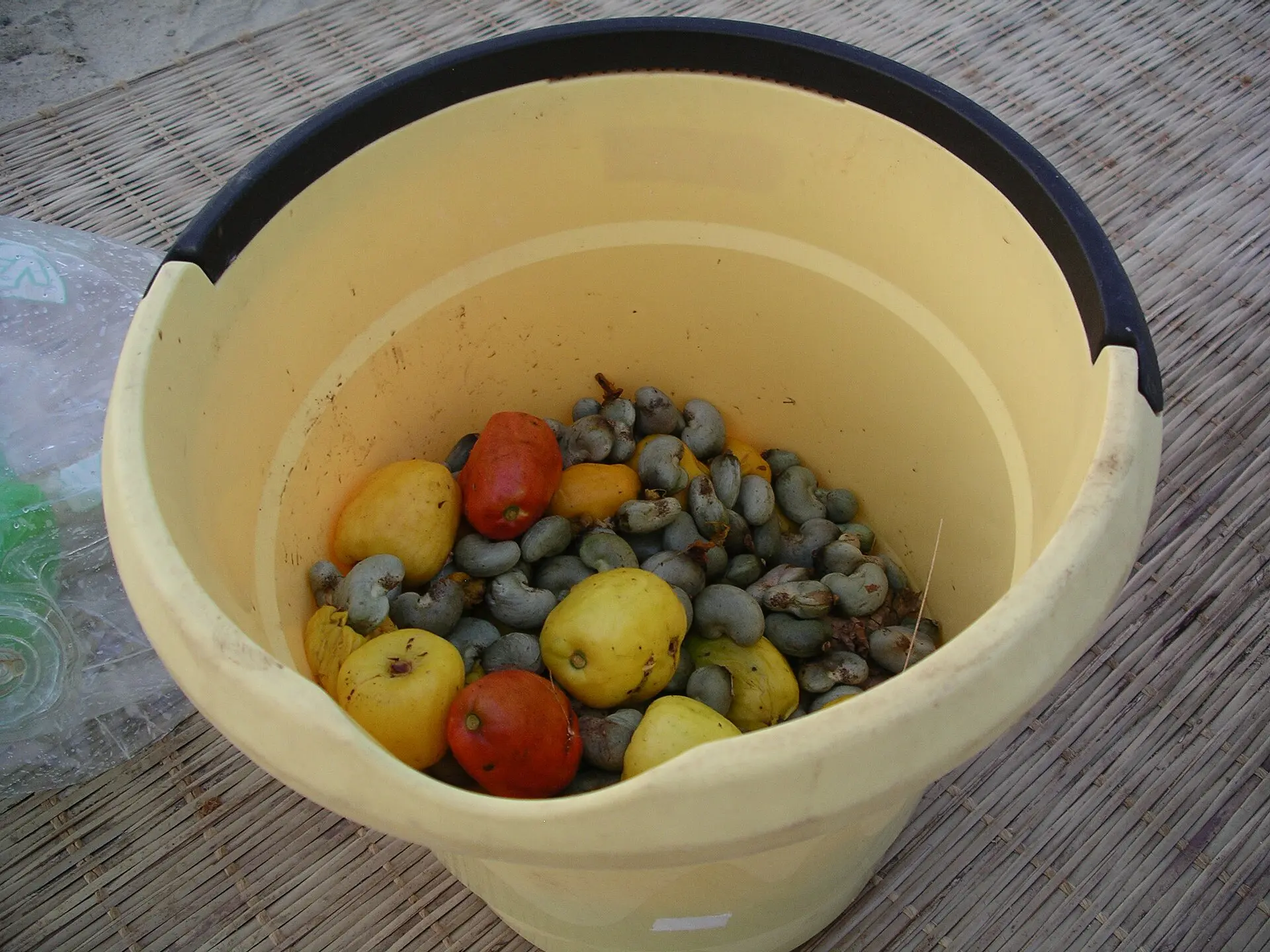
- Cashew fruit and juice: the country is a major cashew producer, and the sweet fruit is eaten fresh or turned into juice during the harvest.
- Cashew wine and palm wine: local drinks that are sold informally in villages.
- Portuguese bread and coffee: found in Bissau cafés, a legacy of the colonial era.
Food hygiene needs care. Choose busy places, eat hot cooked food and drink bottled or filtered water. Vegetarians can eat rice and vegetable sauces, but most dishes use fish or meat stock. Alcohol is available in Bissau, and beer and spirits are served in many towns, though availability is lower in Muslim areas such as Gabú.
Culture, language and etiquette in Guinea-Bissau
Portuguese is the official language, but only about two percent speak it as a first language. Kriol, a Portuguese-based creole, is the national language and the language of daily life, with a mix of other African languages spoken across ethnic groups such as the Balanta, Fula, Manjaco and Mandinka. A few Kriol greetings go a long way, and French is useful near the Senegal and Guinea borders. English is rare.
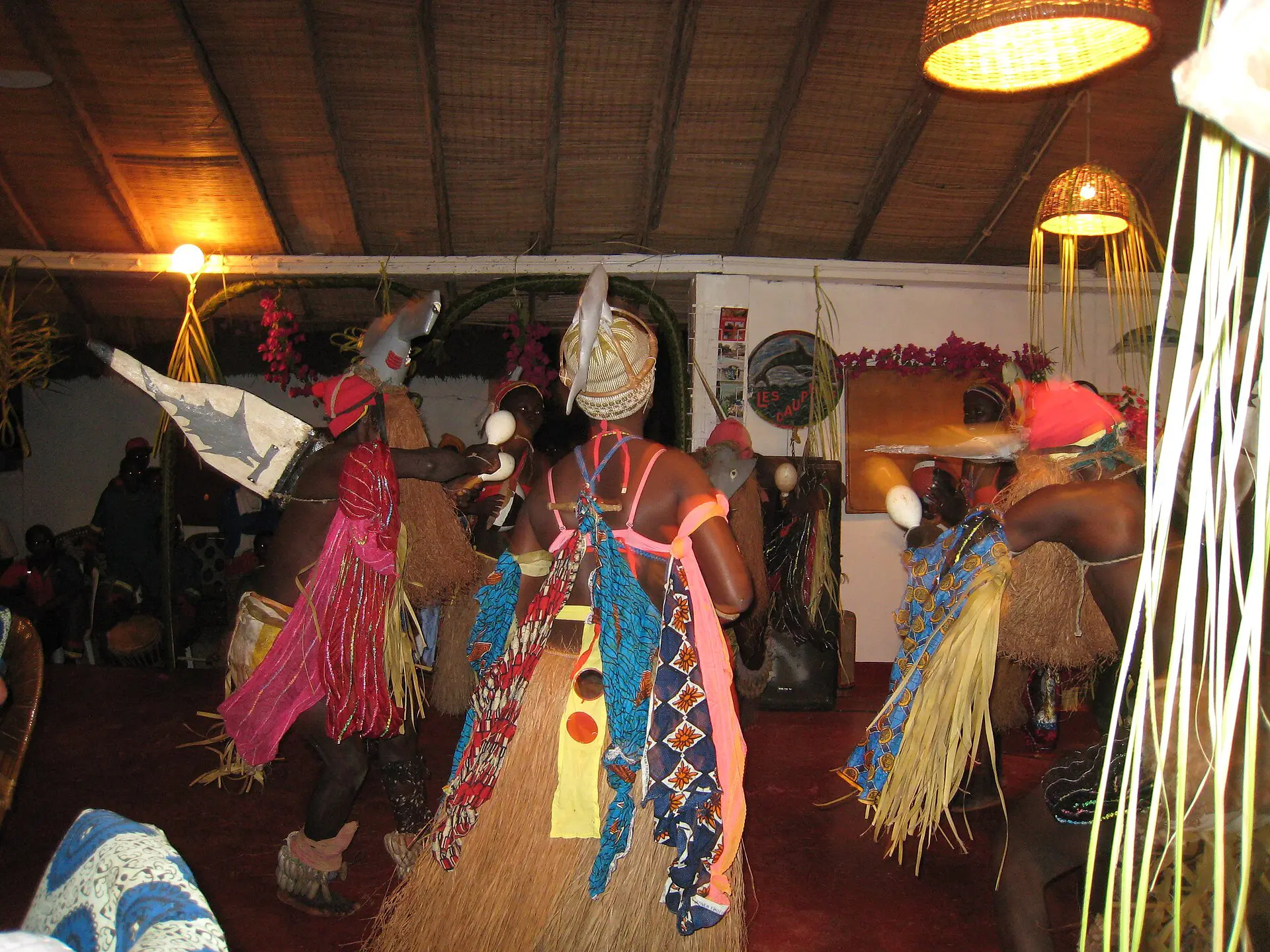
Faith is mixed, with Muslim, Christian and traditional beliefs, and many people combine them. In the Bijagós, communities keep strong customs, including sacred sites, initiation ceremonies and matrilineal traditions. Visitors should ask permission through the village chief or a local guide before entering a community or a sacred area, and should never photograph ceremonies without consent.
Greet people properly, with a handshake and questions about health and family, before any request. Dress modestly in villages and Muslim areas. Do not photograph soldiers, police or government buildings. Politics is a sensitive subject, so let locals raise it first. Music, particularly the gumbé and tina rhythms, and the Bissau carnival are central parts of cultural life.
Guinea-Bissau itinerary: a 7-day route
This route combines Bissau, the mainland and the Bijagós Islands in the dry season. It uses short road stretches and avoids borders and long night journeys. Check government advice first.
- Day 1, Bissau: arrive, walk the fort and the old centre, and eat dinner at a local restaurant.
- Day 2, Bissau: visit the Bandim market and the museums if open, then arrange the ferry or flight to the islands.
- Day 3, Bubaque: travel by boat, which can take several hours, and settle into a beach lodge.
- Day 4, Bijagós day trip: take a chartered boat to Rubane, Orango or another island with your guide.
- Day 5, Bijagós beaches: spend a slow day on the sand, or visit a village with permission.
- Day 6, back to Bissau: return by boat and rest, with a buffer for weather and delays.
- Day 7, Cacheu or departure: make a day trip to the fort and mangroves, or fly out.
With extra days, add Bolama or Bafatá. In the rainy season, skip the long island legs and focus on Bissau and the mainland, because sea conditions can be rough.
Practical tips for Guinea-Bissau
- Money: the CFA franc (XOF) is the currency. Bring euros in cash and change them in Bissau, as ATMs are scarce and unreliable, and cards work in few places.
- SIM and eSIM: local SIM cards are cheap and coverage is fair in Bissau and larger towns, but weak on the islands. Roaming is expensive.
- Plugs: types C and E at 220 V; carry an adapter and a power bank for frequent outages.
- Tipping: not expected; small tips to guides, boat crews and lodge staff are welcome.
- Health: take malaria prevention, bring a full medical kit and water purification, and confirm vaccines including yellow fever.
- Packing: light long sleeves, a hat, sunscreen, repellent, reef-friendly sandals and a dry bag for boat trips.
- Planning: book island lodges and boats well ahead, confirm by message the day before, and keep spare days around ferry crossings.
For wider background, see the Wikivoyage Guinea-Bissau guide.
FAQ
Q1Is Guinea-Bissau safe?
Guinea-Bissau carries elevated risk. Street crime against tourists is uncommon, but the country has had several coups, including one in 2025, and health services are very limited. Avoid demonstrations and night travel, and check the FCDO and US State Department advice before you go.
Q2What are the best things to do in Guinea-Bissau?
Highlights are island hopping in the Bijagós Archipelago, looking for hippos on Orango, seeing turtles nest, exploring Bissau's old fort and market, visiting the colonial ruins of Bolama and taking a mangrove boat trip. Bissau's carnival in February is another draw.
Q3What is the best time to visit Guinea-Bissau?
November to May is best, with dry weather and calmer seas for island boat trips. February brings carnival, and April and May are hottest. The rainy season from June to October is wetter and rougher, but it is when turtles typically nest.
Q4Do I need a visa for Guinea-Bissau?
Many nationalities need a visa. Guinea-Bissau has offered an online e-visa and some visas on arrival, but rules and fees change. Confirm on the official government website or with an embassy, and carry a yellow fever certificate and a passport valid for six months.
Q5What is Guinea-Bissau food like?
Food centres on rice with fish or meat sauces, fish stew called caldo de peixe, peanut stew, grilled fish and mangrove oysters. Cashew fruit, juice and wine are local specialities. Portuguese bread and coffee appear in Bissau. Vegetarian options are limited because stocks use fish or meat.
Q6How do I get to the Bijagós Islands?
Most travellers go by boat from Bissau to Bubaque, a journey of a few hours on a ferry or private boat. Schedules are irregular, so confirm locally, and some operators arrange flights. From Bubaque you hire a boat to reach other islands.
Q7How many days do you need in Guinea-Bissau?
Seven days covers Bissau and a few nights in the Bijagós. Add three or four days for Cacheu, Bolama or Bafatá. Keep spare days around boat trips, since weather, tides and breakdowns often change plans.