Why visit Grenada
The best things to do in Grenada come from packing a lot into a small island. It covers only about 344 square kilometres in the southern Windward Islands, with the capital, St. George’s, on the south-west coast, and the island includes the smaller islands of Carriacou and Petite Martinique (see the Wikipedia overview). It is known as the Spice Isle for its nutmeg and mace, and spices, chocolate and rum are part of daily life.
Grenada suits travellers who want a Caribbean trip that feels local rather than resort-heavy. It is good for couples, divers and snorkellers, hikers, food lovers and families who like calm beaches. English is the official language, driving is on the left and distances are short, so most of the island can be seen in a week. The trade-offs are that flights from Europe and North America can be indirect, and prices are higher than on many mainland destinations.
Best places to visit in Grenada
The best places to visit in Grenada are close together, and most can be reached on a day trip from the south-west coast.
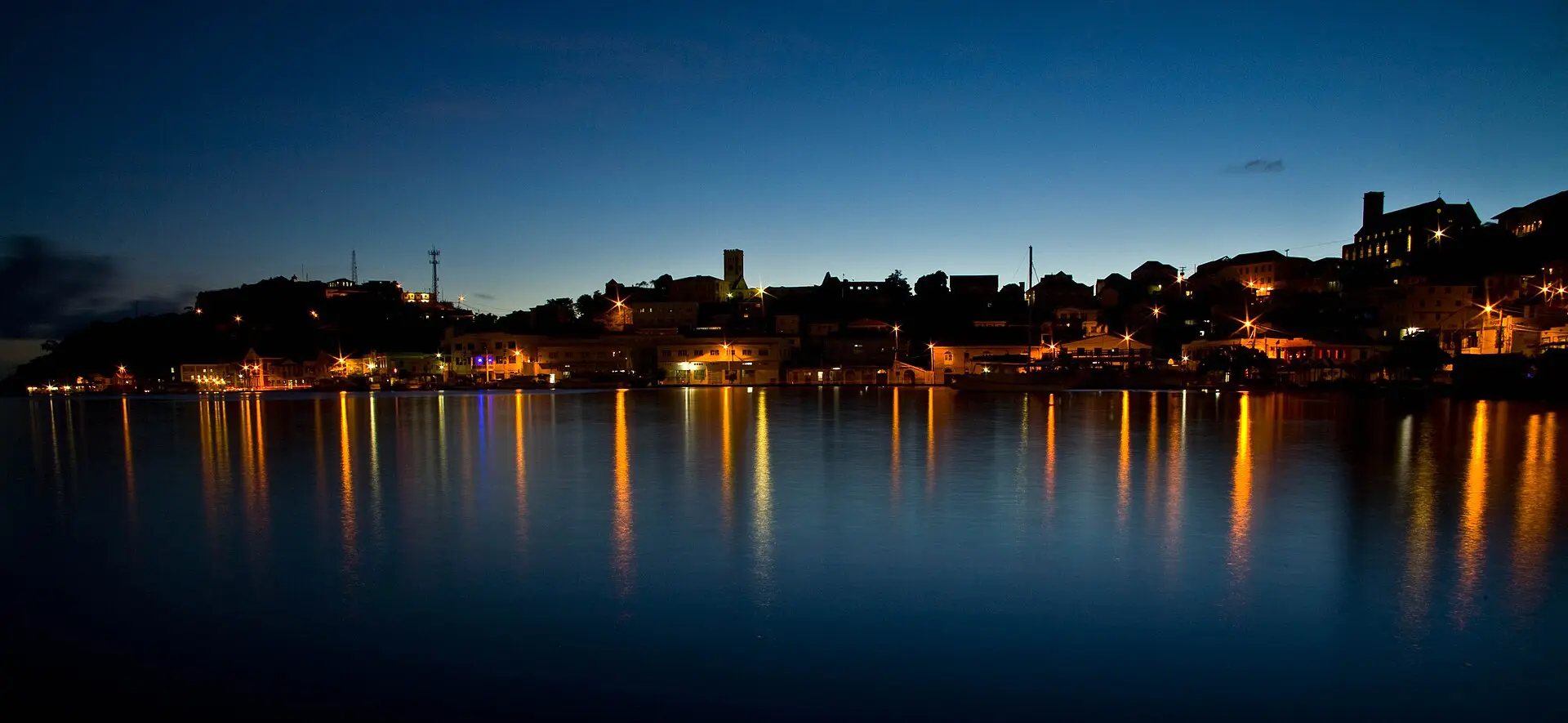
St. George’s
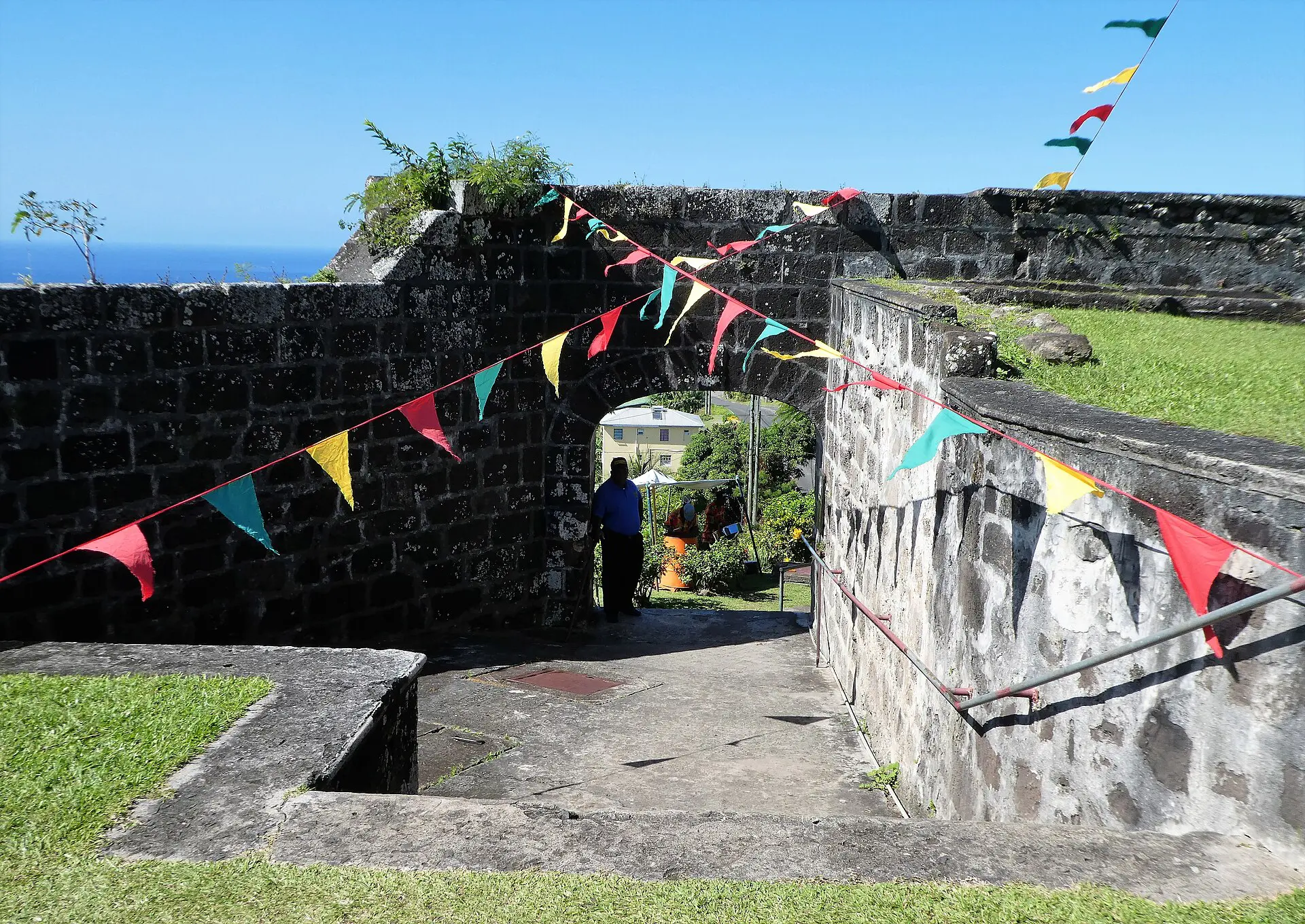
The capital wraps around a horseshoe harbour, the Carenage, lined with colourful buildings and cafés. Fort George gives views over the town and sea, and the Saturday market is a good place to buy spices.
Grand Anse
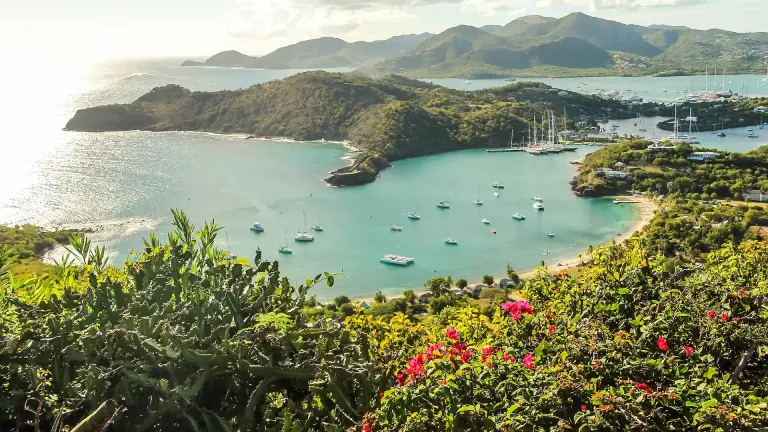
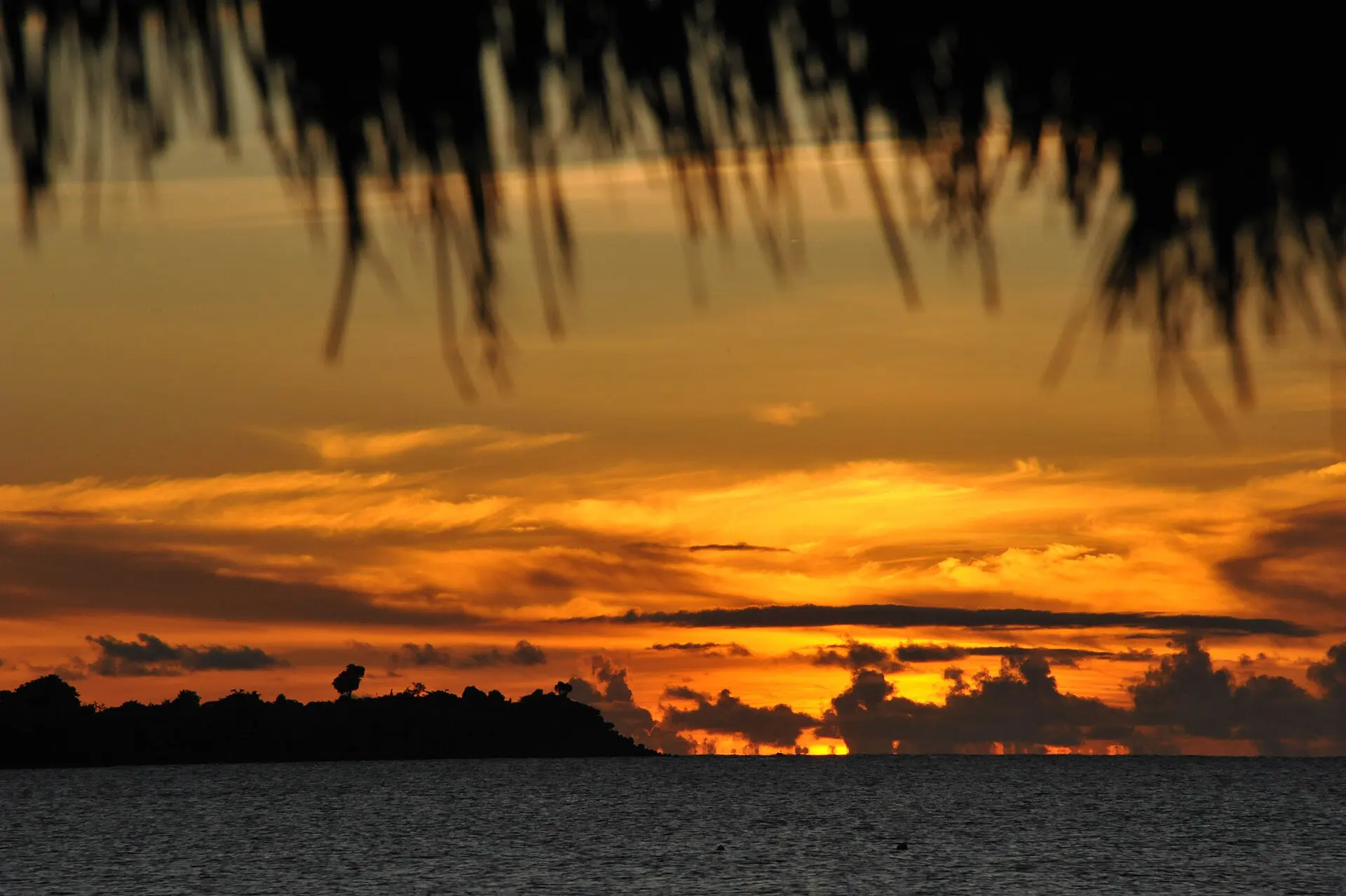
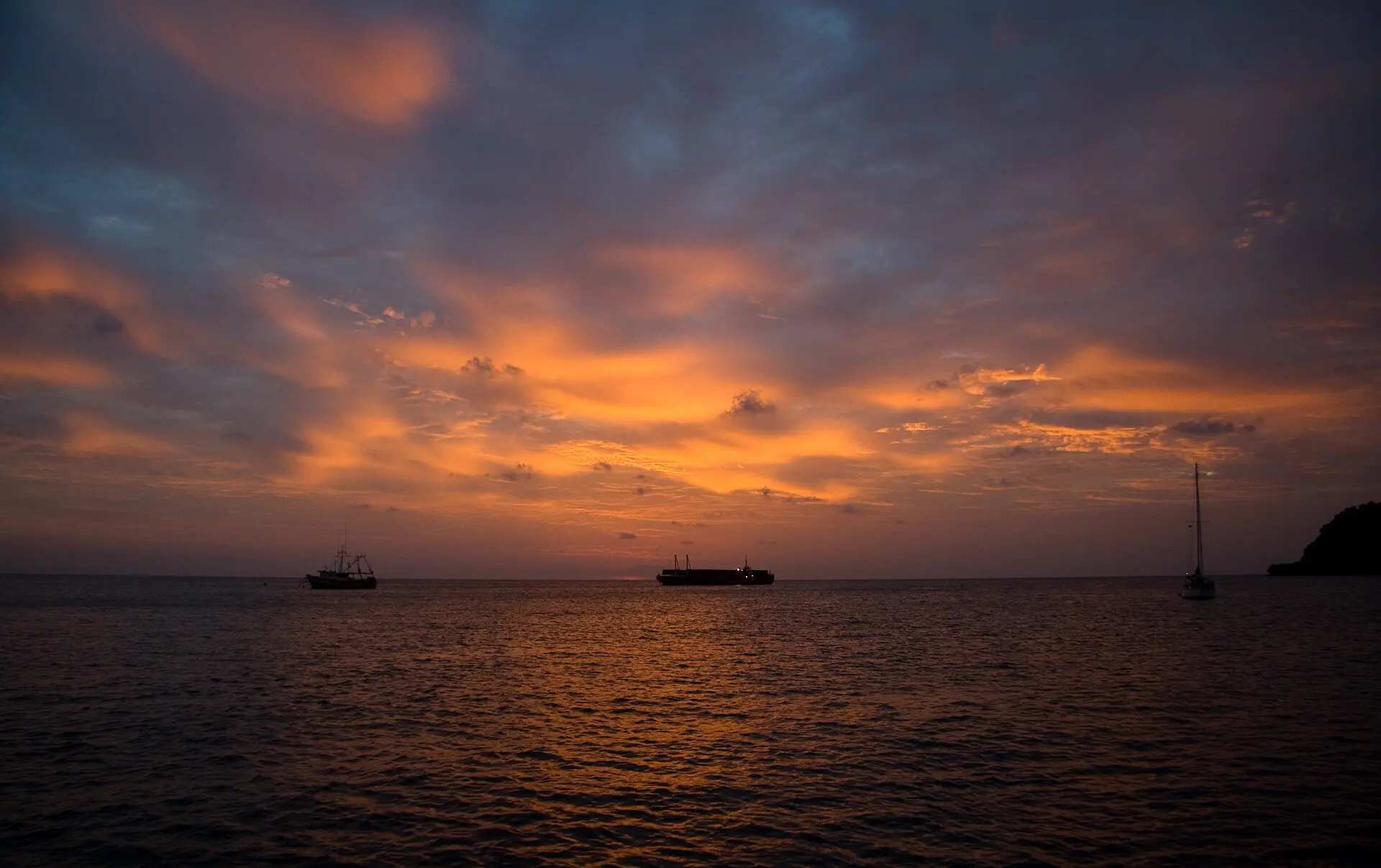
The island’s main resort area has a long white-sand beach with calm water, hotels, restaurants and watersports. Sunsets here are a daily event.
Grand Etang National Park
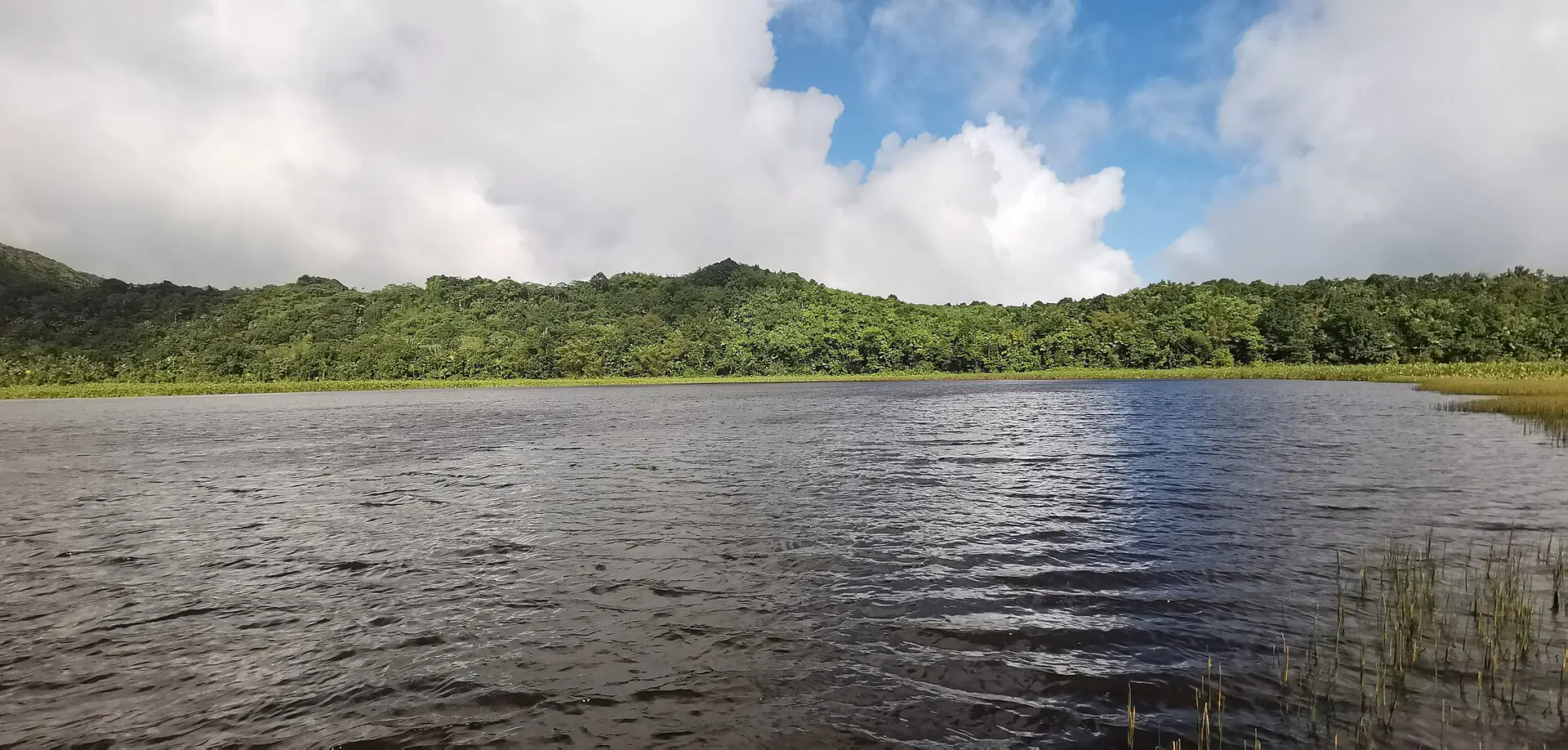
In the island’s interior, the park has a crater lake, rainforest trails and Mona monkeys. It is cooler and often rainy, so bring a jacket.
Gouyave and the west coast
Gouyave is a fishing town known for its Friday night Fish Friday street party and for the nutmeg processing station.
Sauteurs and the north
The north has Leapers Hill, River Antoine Rum Distillery and quieter beaches such as Bathway.
Carriacou
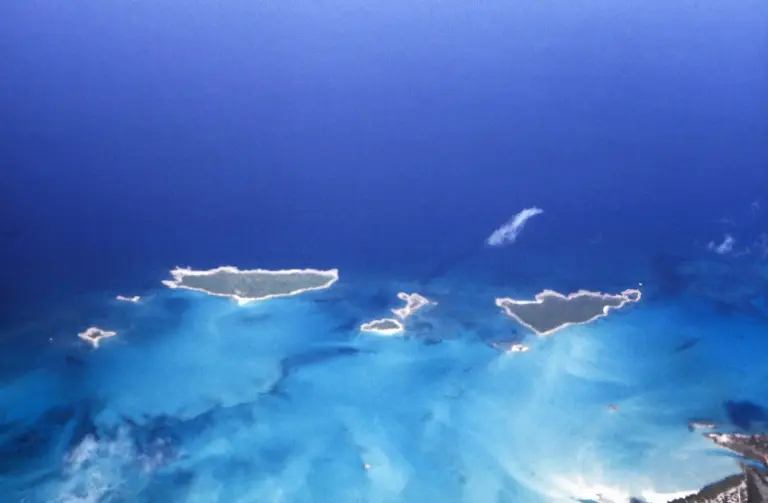
This small island north of Grenada has calm beaches, diving and a relaxed pace. It is reached by ferry or plane, and it was badly damaged by Hurricane Beryl in 2024, so check current conditions.
Top things to do in Grenada
The top things to do in Grenada mix beaches, spice estates and rainforest, and most take a half day or less.
- Swim at Grand Anse Beach: the long, calm bay has the best facilities and sunset views.
- Tour a nutmeg or spice estate: Dougaldston Estate and Gouyave’s nutmeg station show how the spice is dried and graded.
- Visit a chocolate maker: Grenada has bean-to-bar producers, and tours often end with tastings.
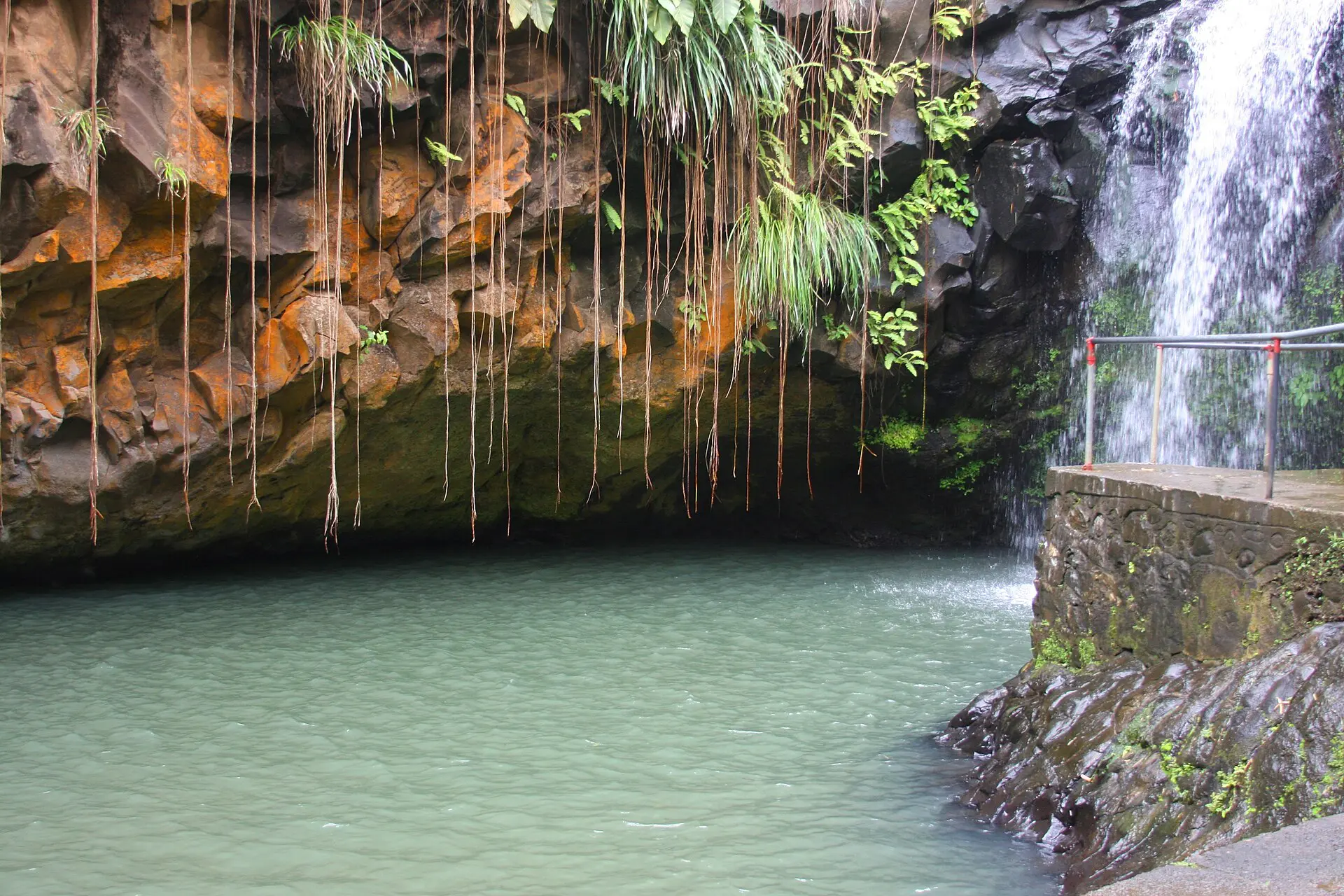
- Hike to Seven Sisters or Annandale Falls: short forest walks lead to waterfalls with swimming pools.
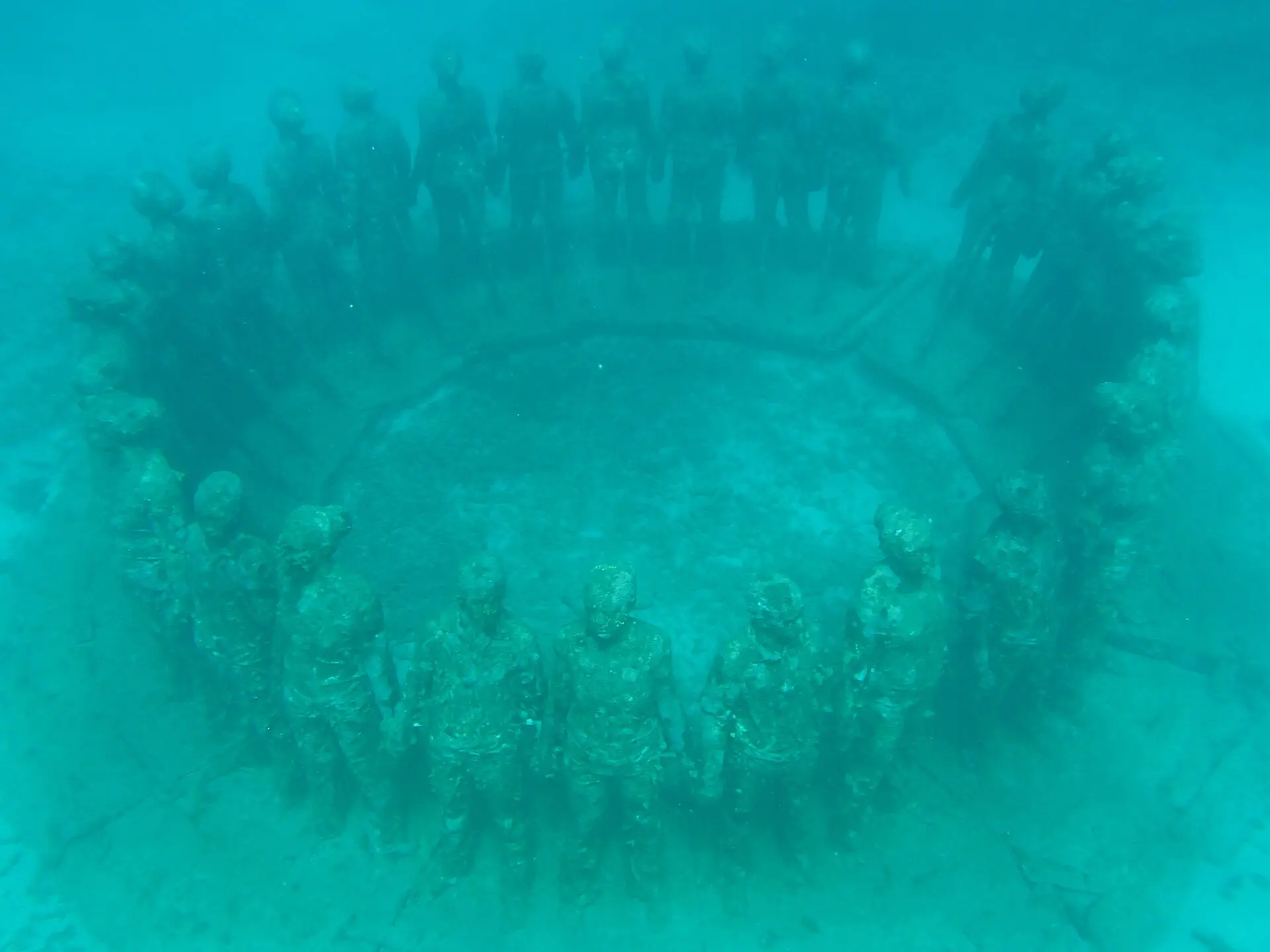
- Dive or snorkel the Underwater Sculpture Park: statues placed on the seabed near Molinere Bay.
- Walk around the Carenage and Fort George: a gentle half day with views.
- Join Gouyave’s Fish Friday: street stalls sell grilled fish, lobster and local snacks in the evening.
- Visit Grand Etang Lake: circle the crater lake and look for monkeys.
- Taste rum at River Antoine: one of the Caribbean’s oldest water-powered distilleries still operating.
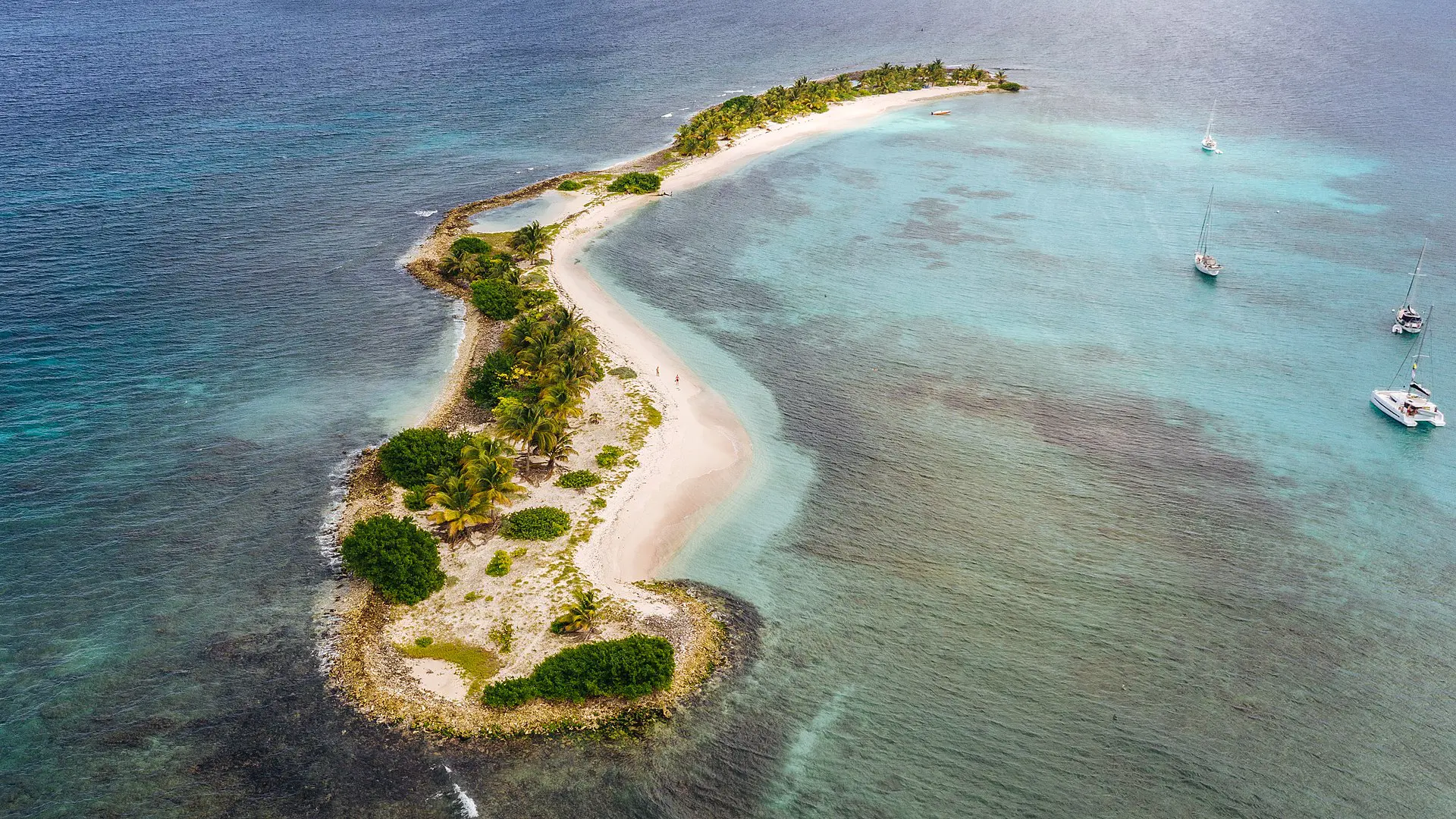
- Take a day trip to Carriacou or Sandy Island: boat trips visit quiet cays for snorkelling.
Best time to visit Grenada
The best time to visit Grenada is January to May, in the drier season, when showers are short, humidity is lower and the sea is calm. The wet season runs from about June to December, and hurricane season officially runs from June to November. Grenada lies south of the main hurricane belt and is struck less often than islands to the north, but major storms can still happen, as Hurricane Beryl showed in 2024.
| Season | Weather | Crowds and prices | Good for |
|---|---|---|---|
| Dry season (Jan-May) | Warm, sunny, brief showers | Highest from Christmas to Easter | Beaches, diving, hiking |
| Early wet season (Jun-Aug) | Hot, humid, afternoon downpours | Lower prices | Spice Isle festivals, value trips |
| Peak storm months (Sep-Oct) | Wettest, highest storm risk | Lowest, some places close | Budget stays with flexible plans |
| Late wet season (Nov-Dec) | Showers easing | Prices rise again in December | Quiet beaches before the peak |
If you travel from June to November, buy travel insurance that covers weather disruption and keep flexible bookings.
Is Grenada safe to visit?
Yes, Grenada is generally safe to visit, and most visitors find it relaxed and friendly. Violent crime against tourists is uncommon, but petty theft and occasional break-ins do occur. Check your government’s current travel advice, such as the UK FCDO or US State Department pages, before you book.
Theft. Do not leave valuables on beaches, in parked cars or in unlocked rooms, and use hotel safes. Take care walking alone at night, especially in quieter parts of St. George’s, and use taxis after dark.
Sea and trails. Some beaches have strong currents, so check conditions and swim where lifeguards or locals do. Waterfall trails get slippery after rain, and a local guide is sensible for longer hikes.
Storms and health. Hurricane season runs from June to November, so follow official warnings. Mosquito-borne illnesses such as dengue occur in the Caribbean, so use repellent. Pharmacies and private clinics are available, but serious cases may need evacuation, so carry travel insurance with medical cover.
Roads. Roads are narrow, winding and steep, and drivers use the left. Drive carefully and avoid rural roads at night.
Visa and entry requirements for Grenada
Entry rules depend on your nationality. Citizens of many countries, including the US, UK, Canada and most EU states, have been able to visit Grenada without a visa for short tourist stays, usually up to three months, but some nationalities need a visa in advance. Confirm the rule for your passport with the Grenada Immigration Department or your nearest Grenadian embassy or high commission.
Carry a passport that is valid for the length of your stay, and often for six months beyond it, plus proof of onward or return travel and details of your accommodation. Travellers may be asked to complete an electronic immigration or health form before arrival, so check the current requirements before flying. Vaccination certificates, such as yellow fever, may be needed if you are arriving from a risk country.
You can find the island’s heritage listings on the UNESCO page for Grenada, though it does not cover entry rules. Customs rules limit imports of fruit, plants and some foods.
Getting to and around Grenada
Most visitors arrive at Maurice Bishop International Airport, at the south-western tip of the island near Grand Anse. Direct flights run from several US and Canadian cities and from London in season, and others connect via Caribbean hubs such as Barbados, Trinidad or Miami. Cruise ships dock in St. George’s.
Distances are small: the airport to Grand Anse or St. George’s takes about 20 to 30 minutes, and the drive to the north of the island around an hour and a half. Local minibuses, marked with a number plate starting with H and often called buses, run most routes cheaply and are an easy way to see towns. Taxis are plentiful, with set rates between main points, and guided island tours are a popular way to see the interior.
A rental car gives freedom, and you drive on the left with a temporary local driving permit, available from the rental company or police. Roads are narrow with sharp bends. Ferries and flights connect Grenada with Carriacou, and boat transfers reach Sandy Island and other cays.
How much does a trip to Grenada cost?
Grenada is mid-priced to expensive for the Caribbean, especially for beachfront rooms and in the high season. The local currency is the Eastern Caribbean dollar (XCD), pegged to the US dollar at about 2.70, and US dollars are widely accepted. The figures below are rough per-person guides in US dollars for 2026.
- Budget: around USD 70 to 120 per day, with guesthouses, local buses, roti and street food, and free beaches.
- Mid-range: around USD 120 to 220 per day, with a comfortable hotel or apartment, restaurant meals, taxis and a few tours.
- High-end: from around USD 350 per day, with beachfront resorts, private drivers and boat charters.
Accommodation is the main cost, with the highest prices from December to April. Many imported goods are expensive, while local food, fresh fish and street snacks are good value. Hotels often add a service charge and a government tax. Self-catering apartments can cut costs for families and longer stays.
Grenada food and drink
Grenada food is Caribbean cooking with plenty of spice, seafood and fresh produce, and it has the island’s nutmeg, cinnamon, cloves and cocoa in the background. Meals are casual and often cheap.
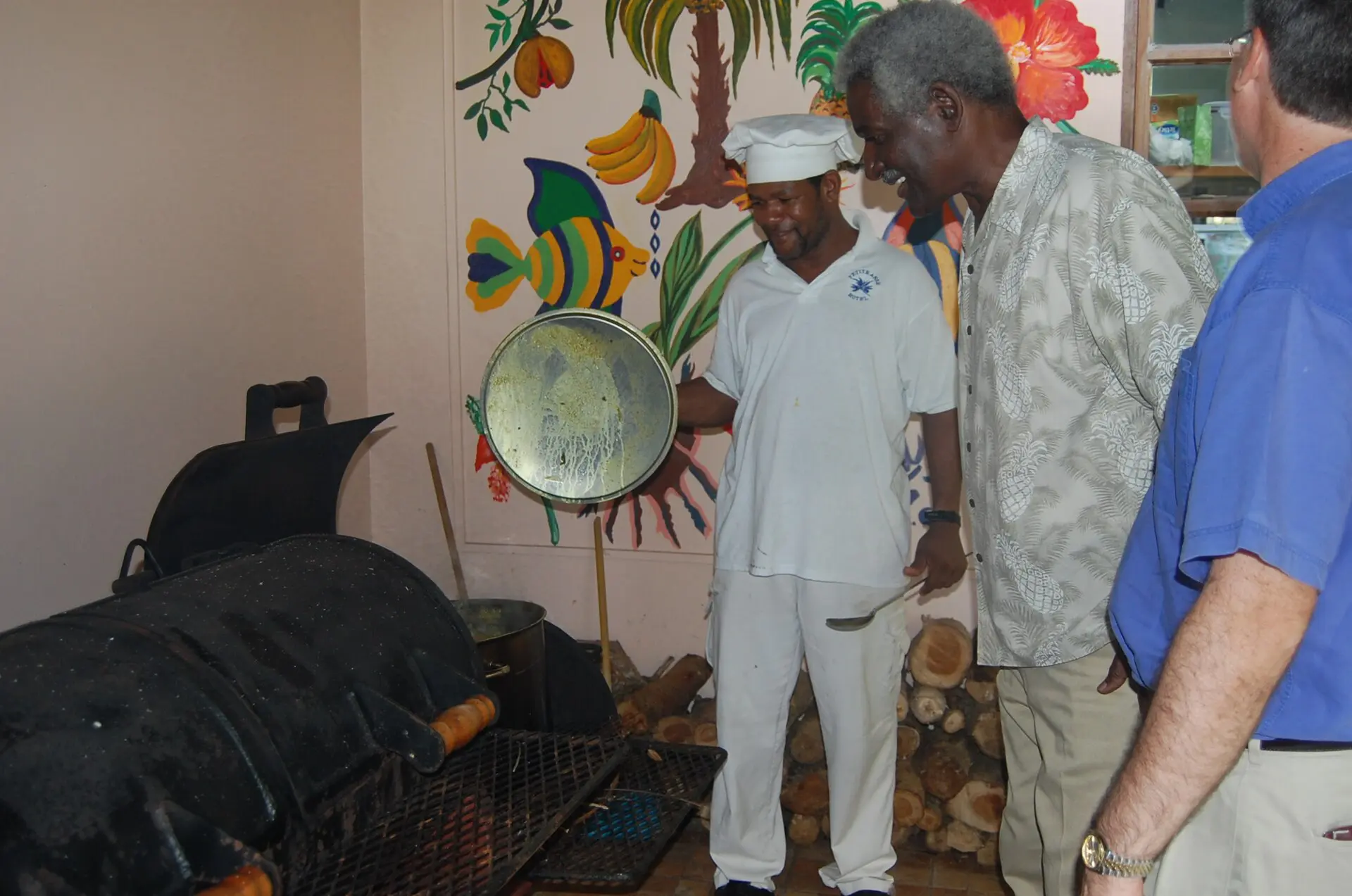
- Oil down: the national dish, a one-pot stew of salted meat, breadfruit, dumplings and vegetables simmered in coconut milk.
- Callaloo soup: a green soup made with dasheen leaves, often with crab or salted meat.
- Fresh fish and lobster: grilled or in curry, particularly at Gouyave’s Fish Friday and beach shacks.
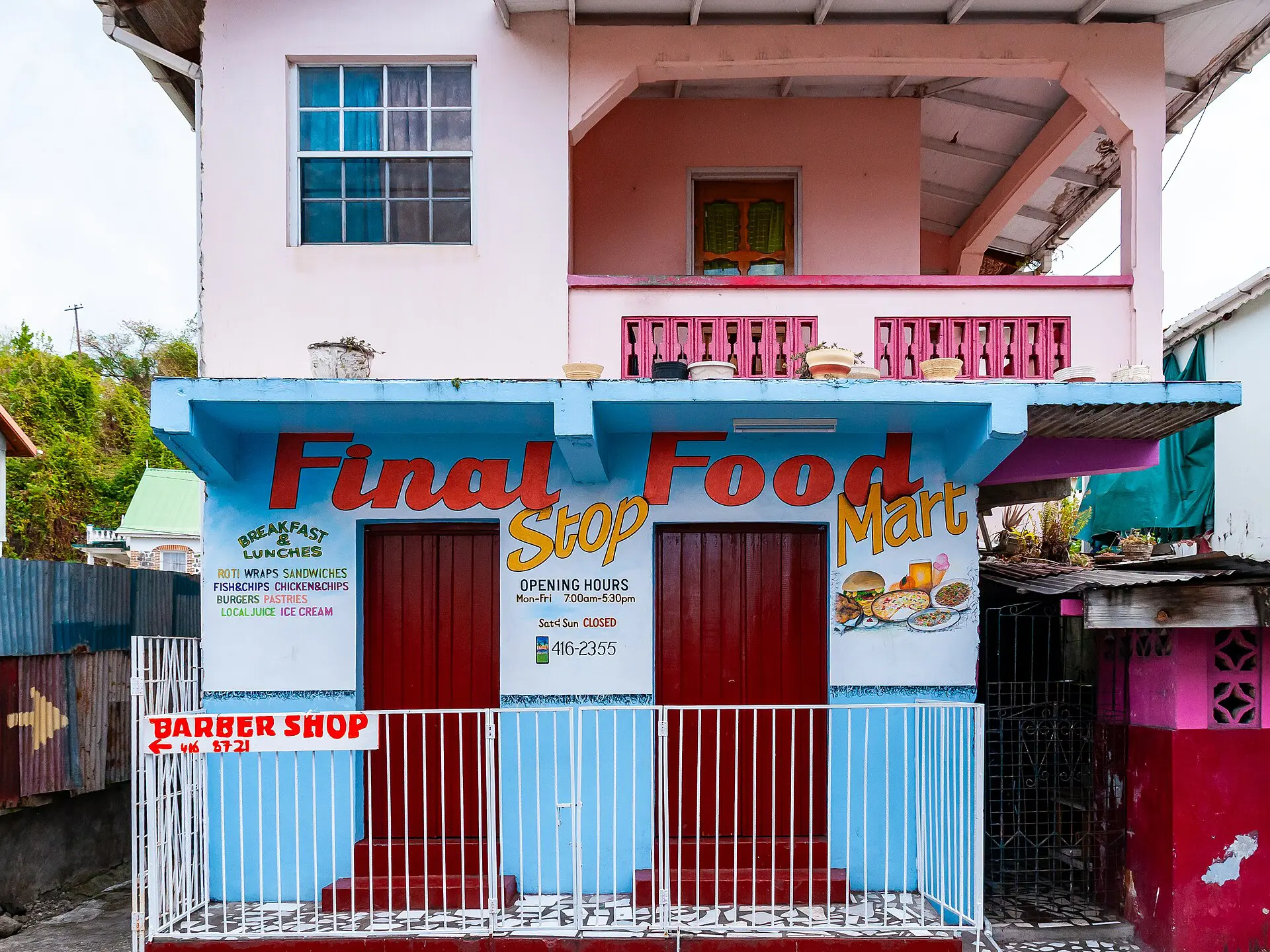
- Roti: flatbread wrapped around curried chicken, goat or vegetables, a favourite lunch.
- Nutmeg ice cream and cocoa tea: sweet local treats that use the island’s crops.
- Grenadian chocolate: bean-to-bar makers sell bars and cocoa products.
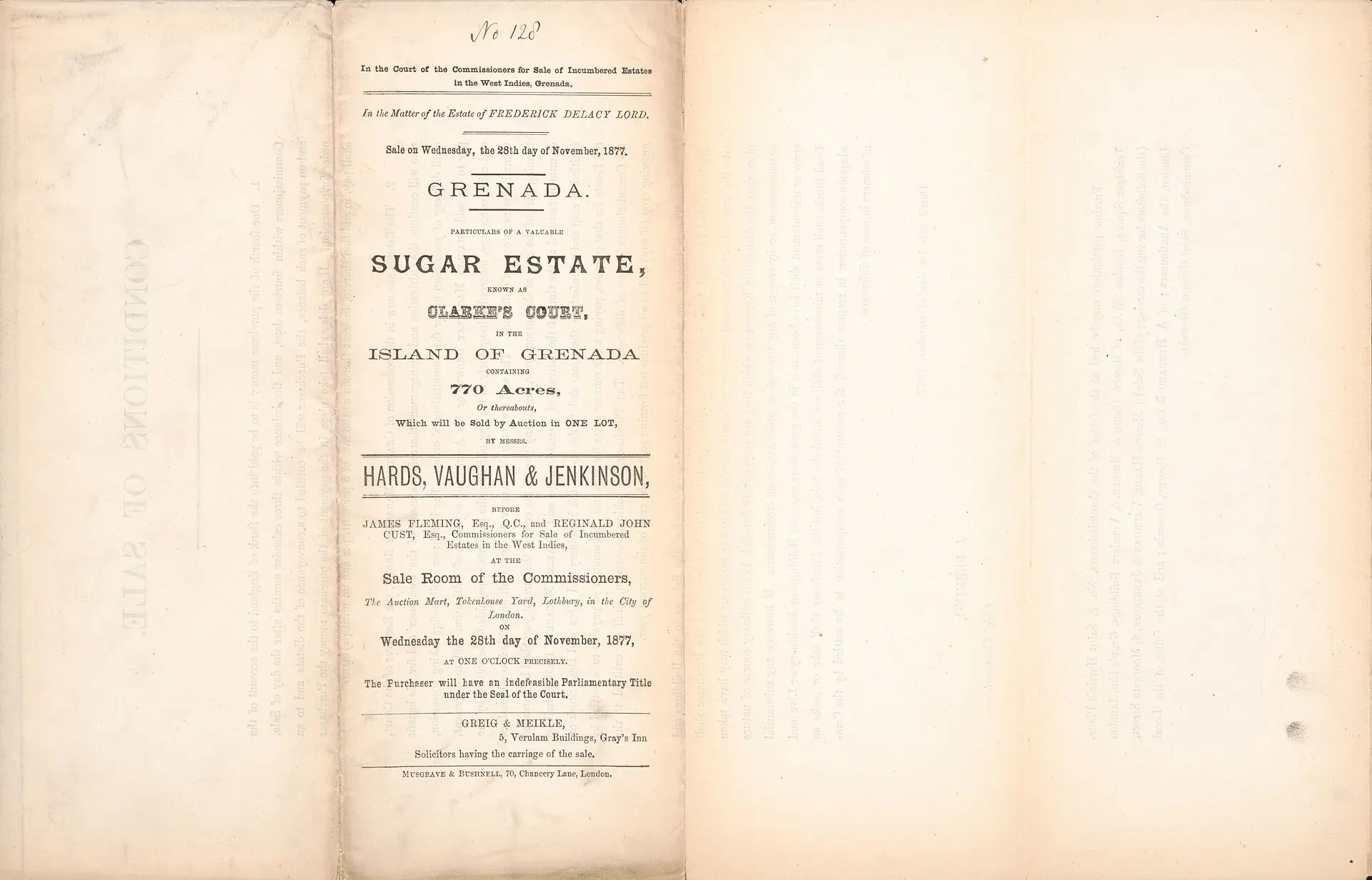
- Rum punch and Carib beer: a local rum, such as those from River Antoine or Clarke’s Court, and the local lager.
Vegetarians can eat on roti with vegetables, callaloo without meat, and fresh fruit, though many local dishes use meat or fish stock. Tap water is generally treated, but some visitors prefer bottled water.
Culture, language and etiquette in Grenada
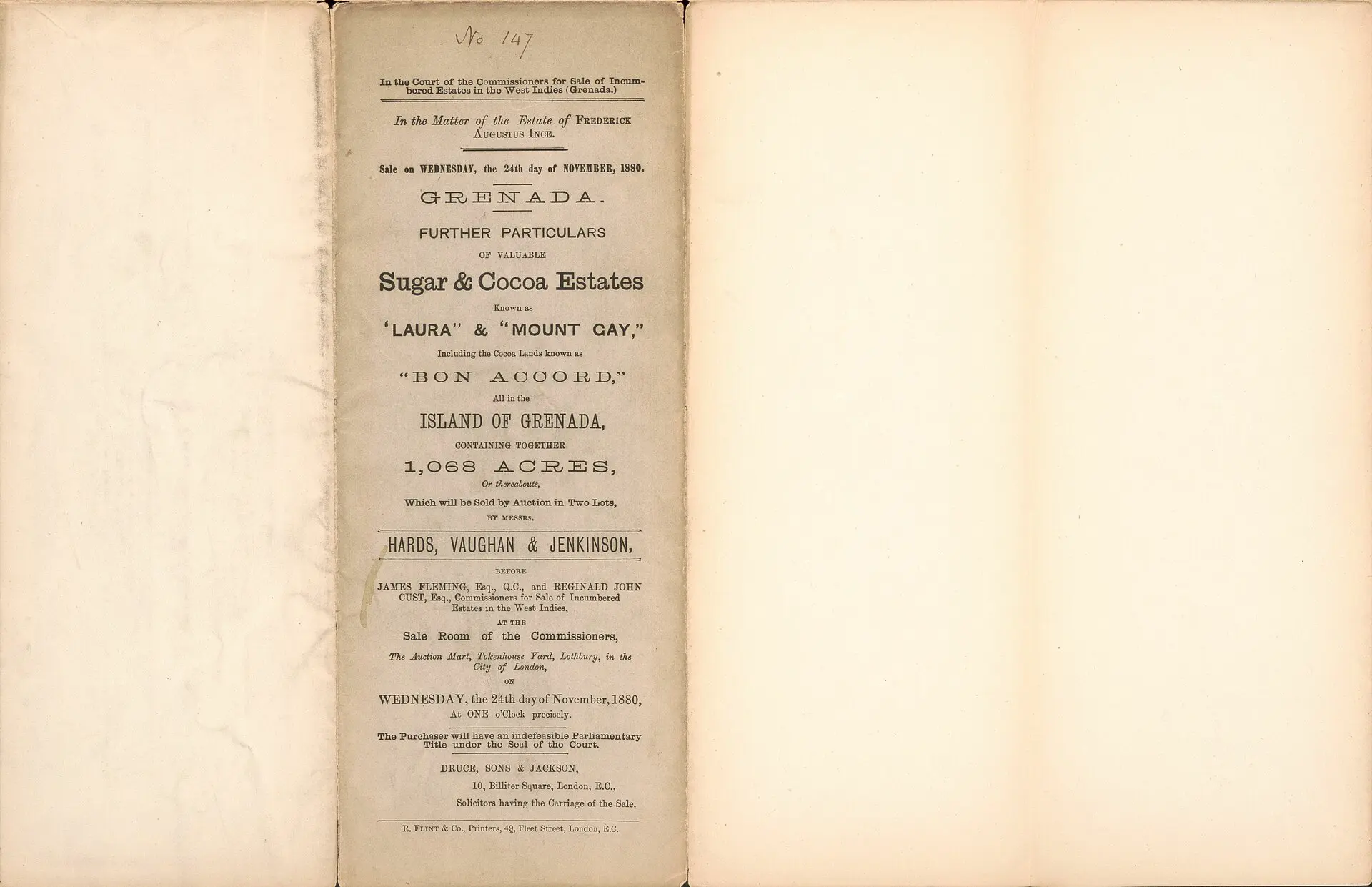
English is the official language, and most people also speak Grenadian Creole, an English-based dialect with a French-influenced vocabulary that reflects the island’s history. The island was a French and then British colony before it gained independence in 1974.
Greet people with good morning, afternoon or evening before asking questions, since a friendly greeting is polite and expected. People dress casually, but swimwear should stay at the beach and resort pools, and it is better to cover up in towns, shops and churches. Ask before taking photographs of people, and do not remove coral, shells or plants, which is illegal.
Religion is important, with most people Christian, and Sunday is quiet. Carnival, called Spicemas, takes place in August, with calypso, steel pan and street parades. The 1983 US-led intervention remains a sensitive topic, so listen first if locals bring it up. Camouflage clothing is illegal for civilians, so do not pack any.
Grenada itinerary: a 7-day route
This Grenada itinerary uses a base in the south-west and short drives to the main sights.
- Day 1, Grand Anse: arrive, settle in and swim at the beach before a sunset dinner.
- Day 2, St. George’s: walk the Carenage, climb Fort George and shop at the market.
- Day 3, Grand Etang and waterfalls: drive inland, about 45 minutes, for the lake, forest trail and Annandale Falls.
- Day 4, Spice and chocolate: tour a nutmeg estate and a chocolate maker on the east side.
- Day 5, North and west coast: visit River Antoine, Leapers Hill and Gouyave, then stay for Fish Friday if it is a Friday.
- Day 6, Underwater and beach day: snorkel or dive the sculpture park, then rest at Magazine Beach or Grand Anse.
- Day 7, departure: allow time for the short drive to Maurice Bishop International Airport.
With extra days, add Carriacou or Sandy Island, after checking the conditions and ferry timetable.
Practical tips for Grenada
- Money: the Eastern Caribbean dollar is the currency, and US dollars are often accepted at about 2.70 XCD. ATMs are in St. George’s and Grand Anse, and cards work at most hotels and restaurants. Carry cash for buses and markets.
- SIM and eSIM: prepaid SIMs and eSIMs are available, with good coverage on the main island. Check roaming charges if you use your home plan.
- Plugs: mainly type G at 230 V, with some A and B sockets, so bring an adapter.
- Tipping: around 10 to 15 percent in restaurants if no service charge is added, and a small tip for guides and drivers.
- Health: use repellent, drink plenty of water and wear reef-safe sunscreen. Bring insurance with medical cover.
- Packing: light clothes, a rain jacket, sturdy shoes for waterfalls and snorkel gear if you have it.
- Booking: book accommodation early for December to April, and for Spicemas in August.
For wider background, see the Wikivoyage Grenada guide.
FAQ
Q1What are the best things to do in Grenada?
Top picks are swimming at Grand Anse, touring nutmeg and chocolate estates, hiking to Annandale Falls and Seven Sisters, snorkelling the Underwater Sculpture Park, exploring St. George's and joining Fish Friday in Gouyave. Add a day trip to Carriacou or Sandy Island if time allows.
Q2Is Grenada safe?
Yes, Grenada is generally safe and relaxed. Violent crime against tourists is rare, though petty theft and break-ins happen, so use hotel safes and avoid isolated areas at night. Hurricane season runs June to November. Check your government's current travel advice before you go.
Q3What is Grenada food like?
Grenada food is spiced Caribbean cooking with fresh fish, root vegetables and local nutmeg and cocoa. Try oil down, callaloo soup, roti, grilled lobster and nutmeg ice cream. Fish Friday in Gouyave is the best street food night, and vegetarian choices are limited but possible.
Q4What is the best time to visit Grenada?
January to May is best, with drier and sunnier weather, calm seas and lower humidity. June to November is wetter and falls within hurricane season, though prices are lower. December to April is the busiest and most expensive period, so book accommodation well ahead.
Q5Is Grenada safe to visit during hurricane season?
Grenada lies south of the main hurricane belt and is hit less often than islands further north, but Hurricane Beryl in 2024 showed that serious storms can occur. If you travel from June to November, choose flexible bookings, buy insurance and follow official warnings.
Q6What is a good Grenada itinerary for a week?
Base yourself near Grand Anse, then spend days on St. George's, Grand Etang and the waterfalls, a spice and chocolate tour, the north and Gouyave, and a snorkel or beach day. Add Carriacou if you want a quieter extension, after checking ferry schedules.