Why visit Gabon
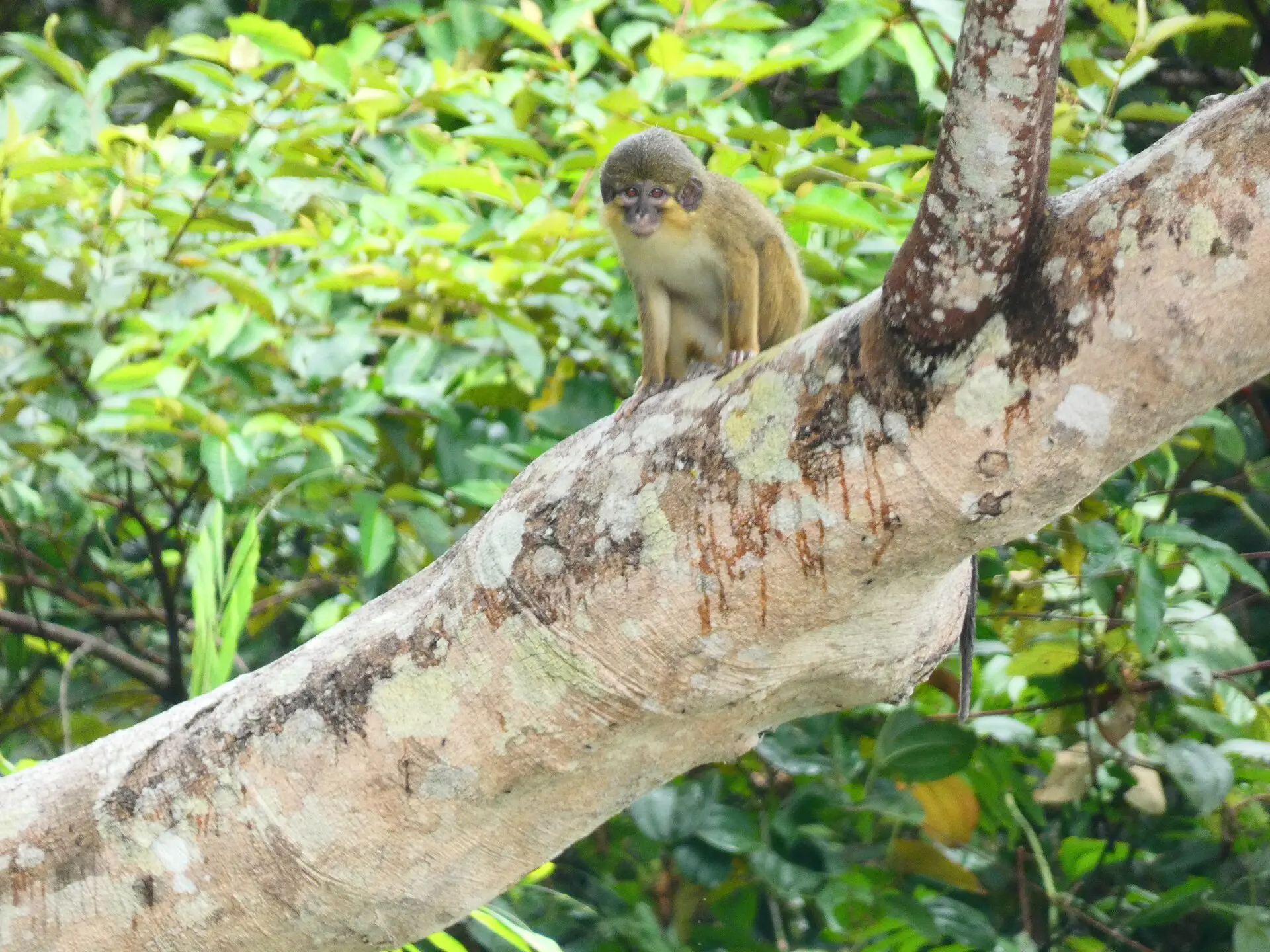
The things to do in Gabon centre on wildlife and rainforest, not cities or monuments. The country lies on the equator on the Atlantic coast of Central Africa, covers about 270,000 square kilometres and has a population of around 2.6 million, so most of it remains forested and quiet (see the Wikipedia overview for background). It has 13 national parks, and conservation has kept large areas of rainforest intact, home to forest elephants, gorillas, chimpanzees and mandrills.
Gabon suits experienced, independent-minded travellers, wildlife enthusiasts and birders who want to avoid crowds. It is not a budget destination: flights, lodges and park logistics are costly, roads are limited and French is the working language. Visitors who plan well, travel with a reputable operator and accept slow travel find some of the least-visited wild places in Africa.
Best places to visit in Gabon
The best places to visit in Gabon are the national parks and the coast, with Libreville as the practical base.
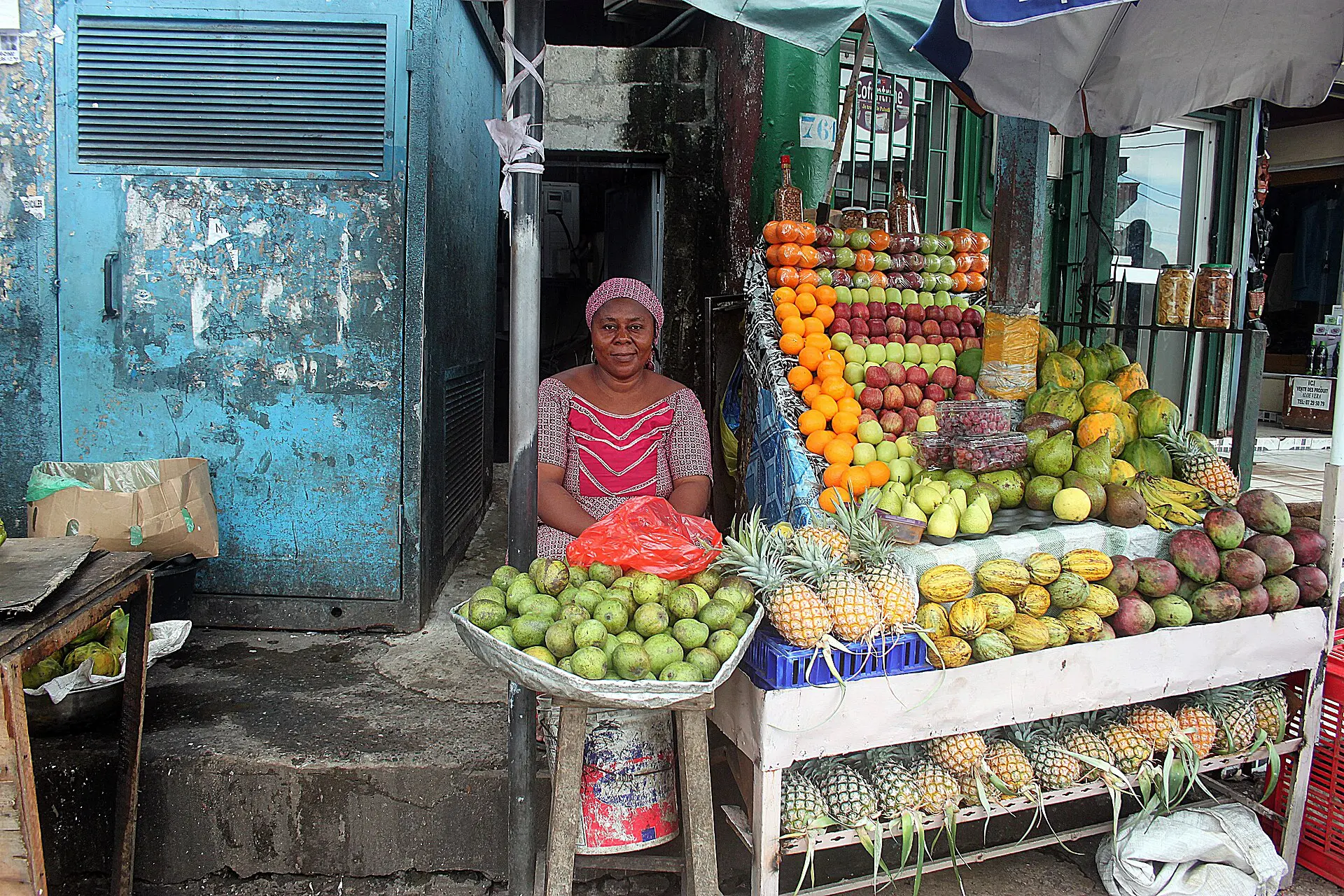
Libreville
The capital has a waterfront, markets, a national museum and restaurants with French and West African cooking. Most visitors stay one or two nights before heading to the parks.
Pongara National Park
Just across the estuary from Libreville, Pongara has mangroves, beaches and, between November and February, nesting leatherback turtles.
Lopé National Park
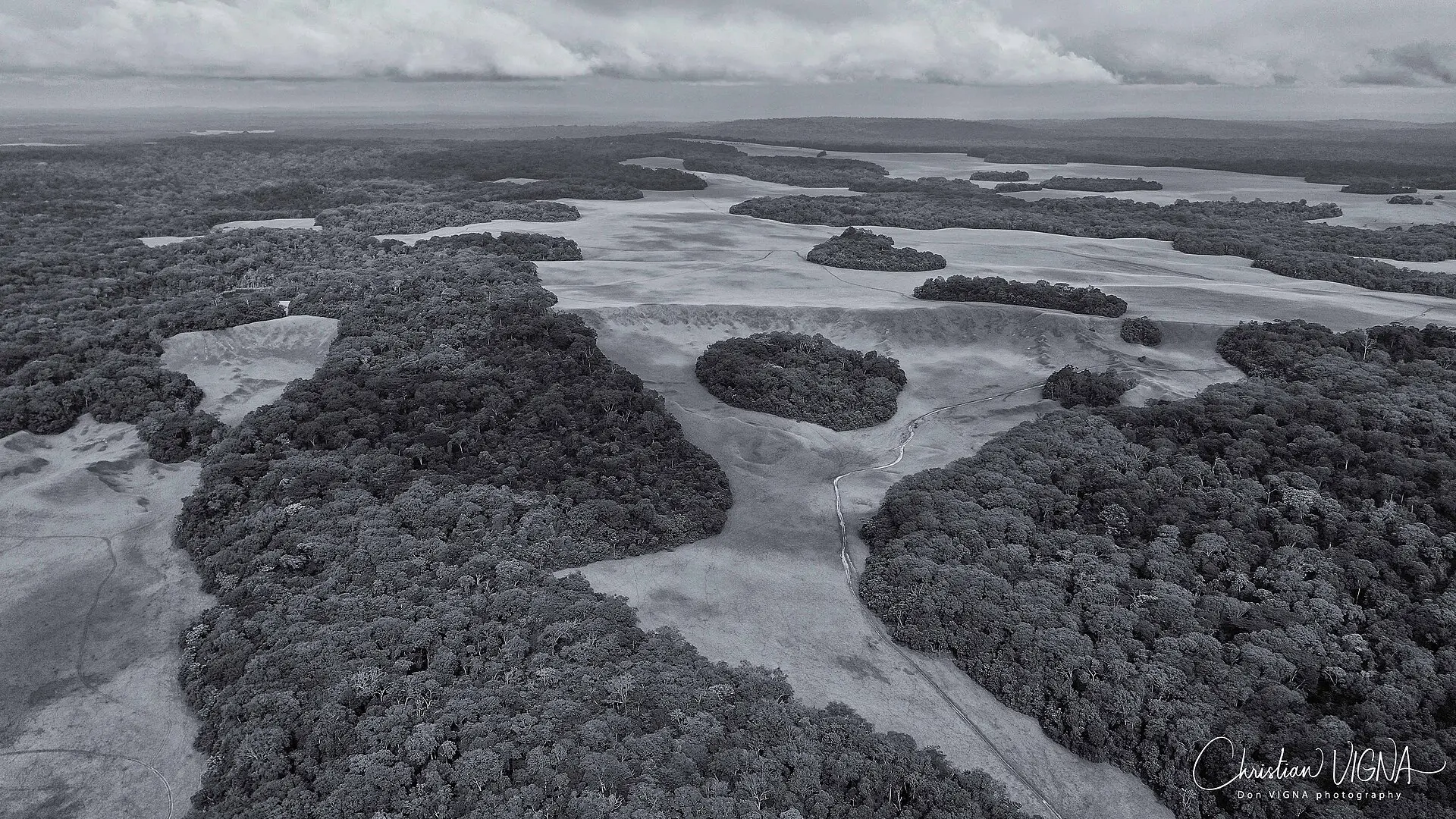
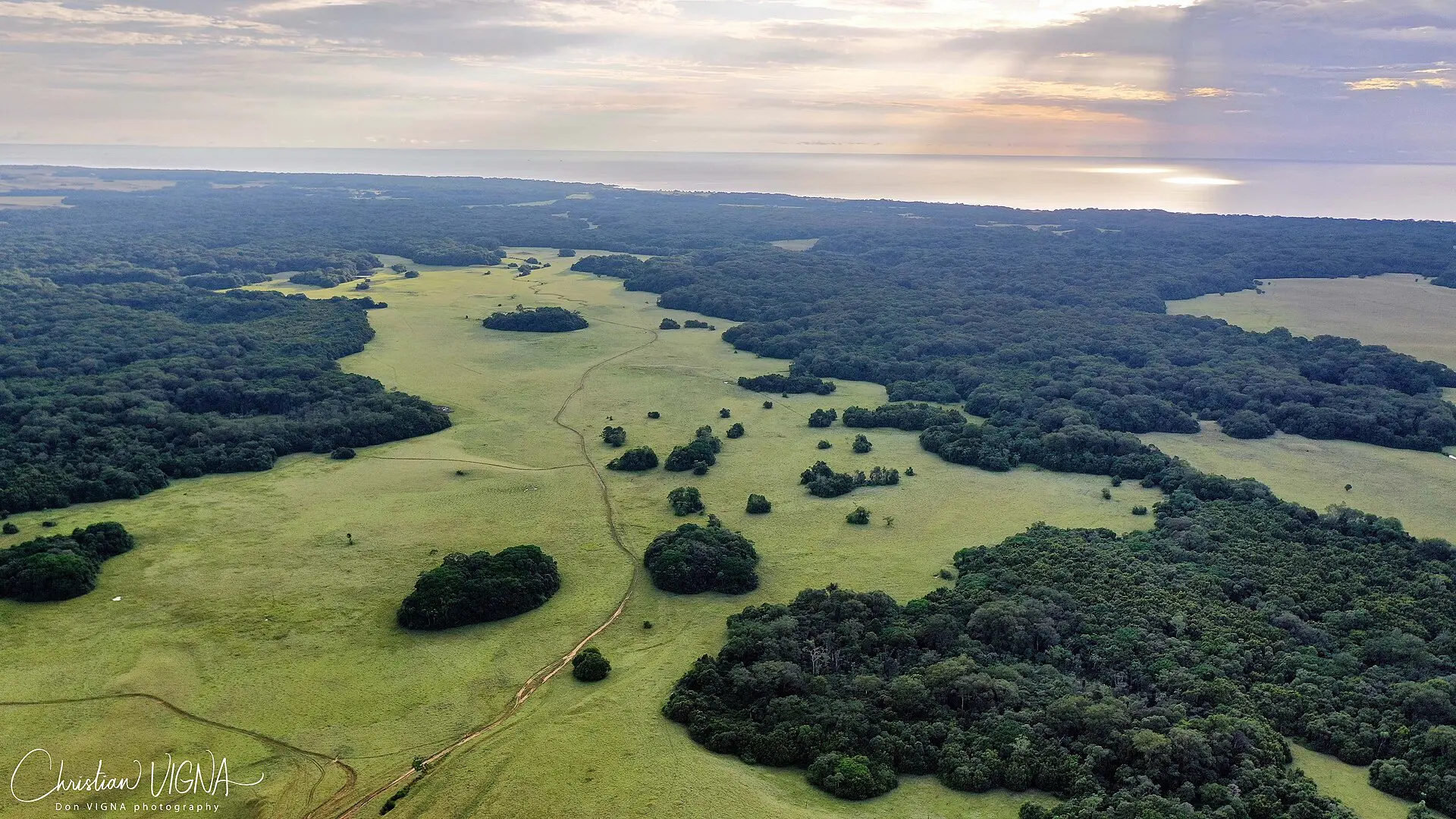
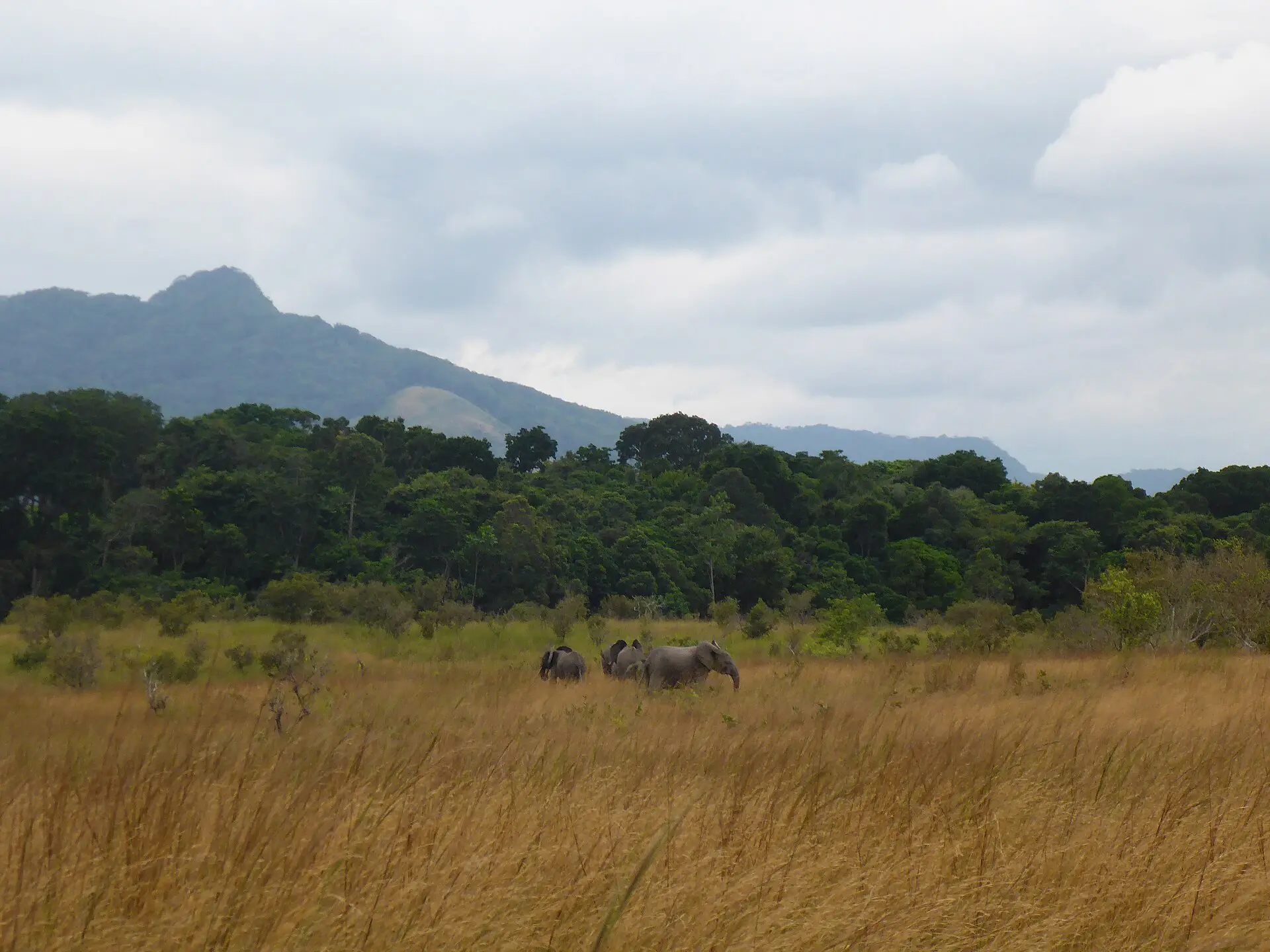
A mix of savanna and forest, Lopé is known for mandrills, forest elephants and good birding. It is on the Trans-Gabon Railway and is part of a UNESCO-listed landscape.
Loango National Park
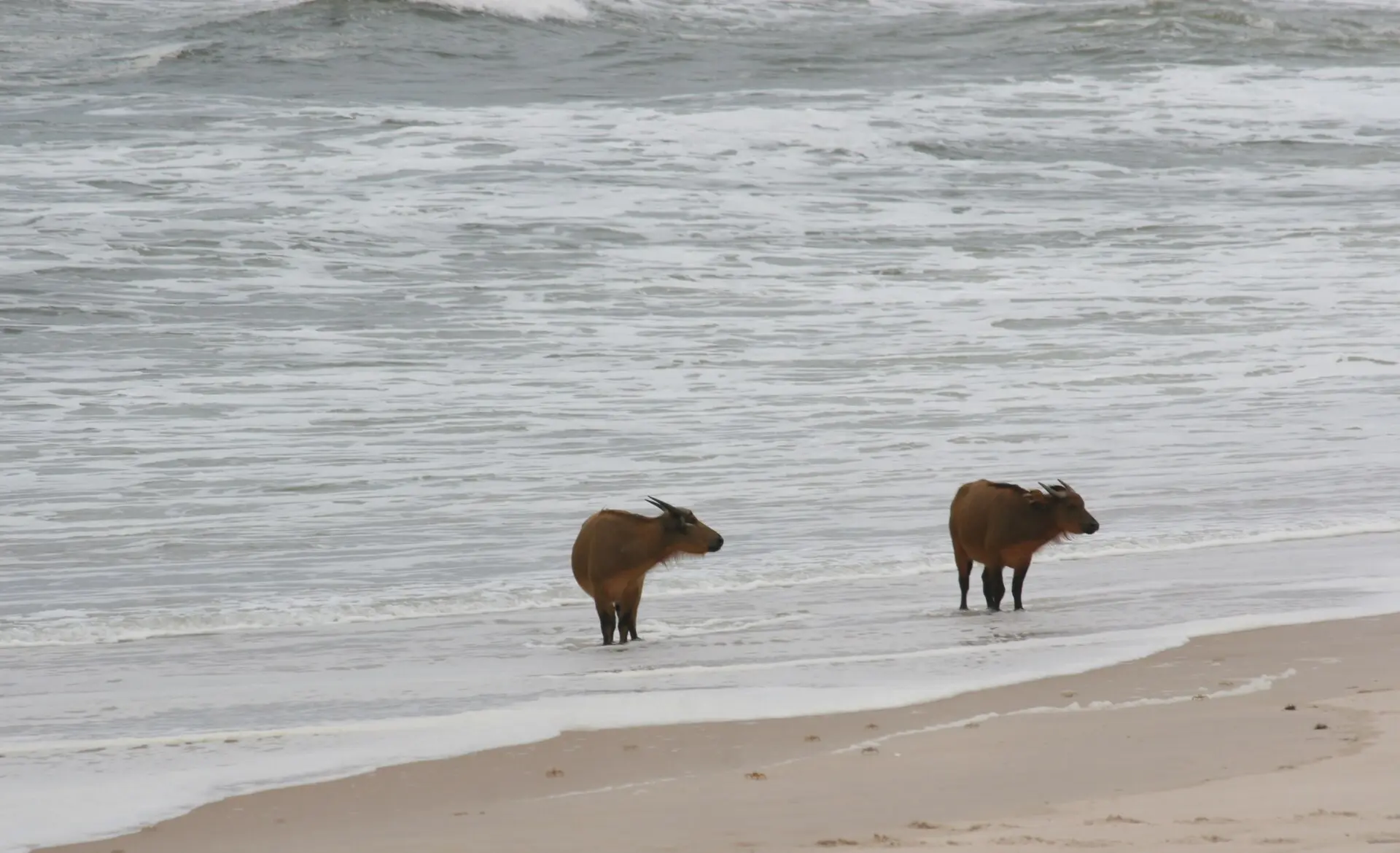
This coastal park is famous for elephants, buffalo and hippos on beaches and for whales offshore in season. Access is by boat or small plane and usually through a lodge.
Ivindo National Park
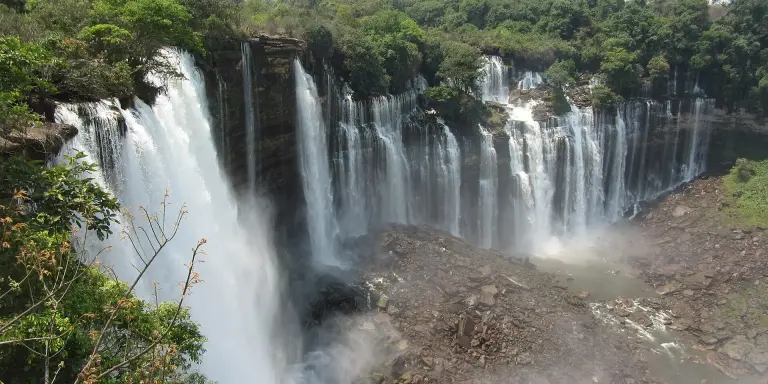
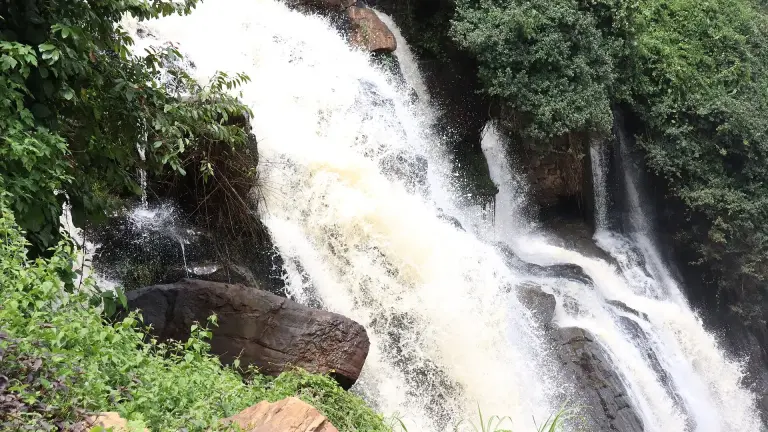
Ivindo protects remote rainforest and the Kongou Falls, and offers gorilla and chimpanzee habitats for experienced trekkers.
Port-Gentil and Mayumba
Port-Gentil is the oil port on an island, while Mayumba is a quiet coastal town near a marine park known for turtles and humpback whales.
Things to do in Gabon
The top things to do in Gabon are outdoor and wildlife-focused, and most need advance bookings.
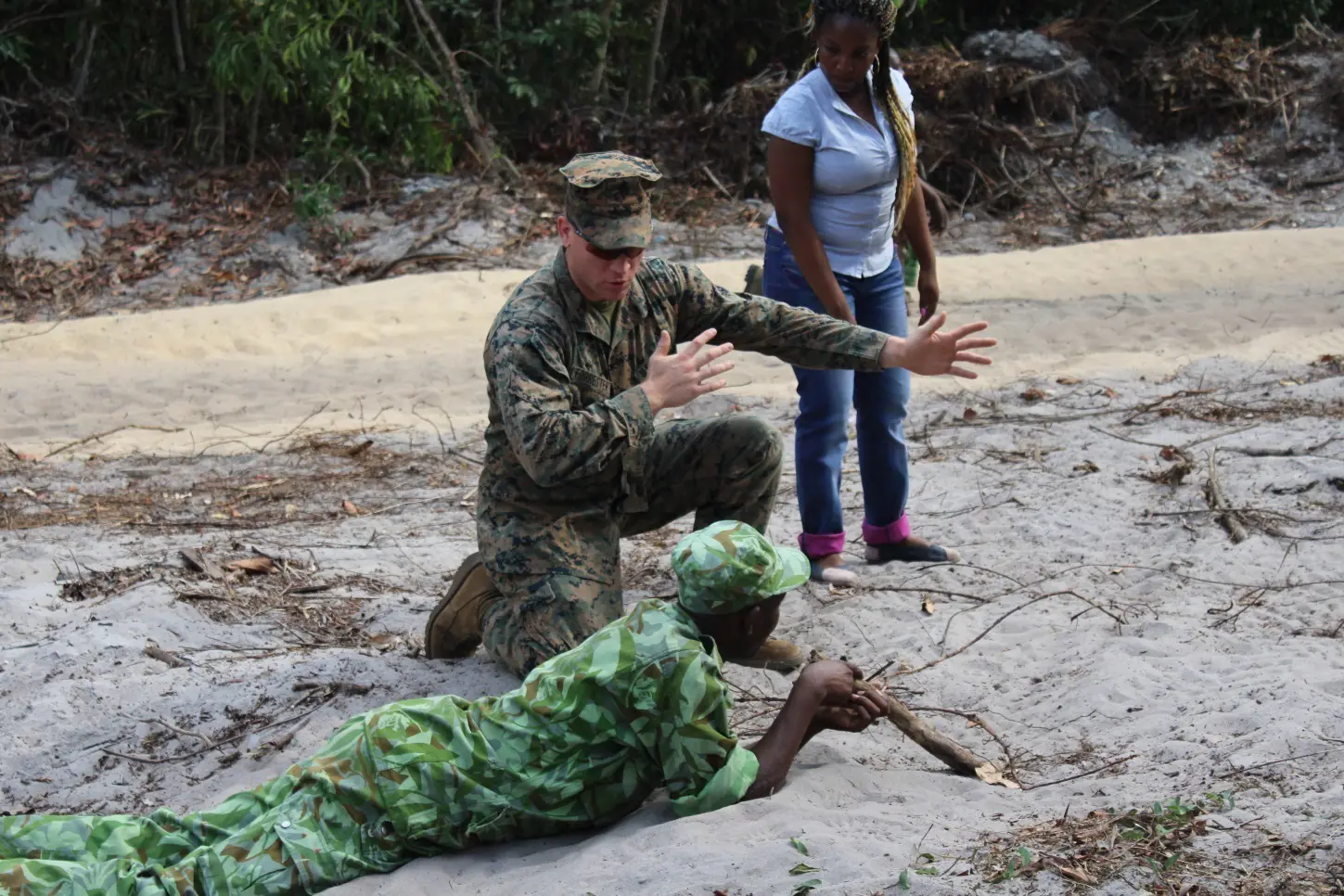
- Watch elephants on the beach in Loango: lodge-based safaris combine boat, vehicle and walking trips.
- See nesting turtles at Pongara: leatherback turtles come ashore at night from about November to February.
- Track mandrills in Lopé: guided trips follow some of the largest groups in the world, when conditions allow.
- Walk to the Kongou Falls: in Ivindo, the broad falls are reached by river and trail with a guide.
- Go whale-watching: humpback whales pass the Gabonese coast from about July to October.
- Try sport fishing: the coast and lagoons are known for tarpon and other game fish.
- Ride the Trans-Gabon Railway: the scenic line crosses forest on its way to Franceville.
- Visit the Libreville markets: Mont-Bouët market is chaotic and best done with a local guide.
- Search for birds: forests and lagoons hold hundreds of species, including many Central African specialities.
- Try forest walks and river trips: guides lead nature walks at several lodges.
Best time to visit Gabon
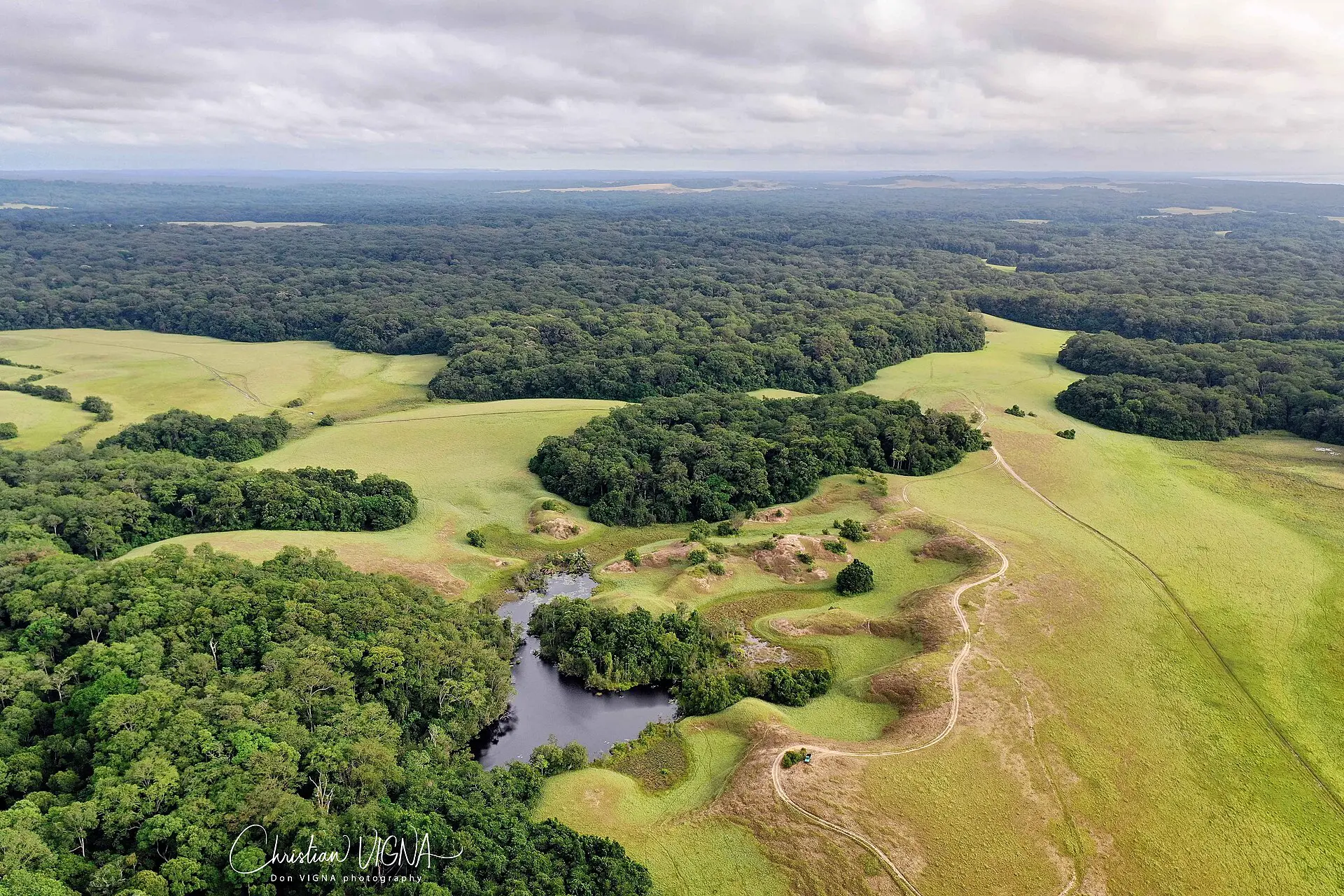
The best time to visit Gabon is the long dry season from June to August, when roads and trails are easier, nights are cooler and animals are easier to spot. A shorter dry spell in December and January also works. The climate is equatorial, so it is warm and humid year-round, and heavy rain can fall at any time.
| Season | Weather | Crowds and prices | Good for |
|---|---|---|---|
| Long dry (Jun-Aug) | Warm, less humid, little rain | Highest lodge demand | Safaris, gorillas, whale-watching |
| Short rains (Sep-Nov) | Hot, humid, frequent storms | Quiet | Turtles from November, birding |
| Short dry (Dec-Jan) | Warm, drier spells | Moderate | Turtles, coast, forest walks |
| Long rains (Feb-May) | Hot, very wet, muddy tracks | Lowest | Birding, budget stays, fewer visitors |
Some lodges close in the wettest months, so confirm opening dates and access before booking.
Is Gabon safe?
Gabon is calm by regional standards, but it needs more preparation than most destinations. Petty crime and opportunistic theft are the main risks in Libreville and Port-Gentil, and health and logistics are the other concerns. Check your government’s current travel advice, such as the UK FCDO or US State Department pages, before you book. For most travellers on organised trips, it is safe to visit with sensible precautions.
Politics. A military takeover took place in August 2023, followed by a transition period, so follow current news and avoid demonstrations.
Crime. Avoid walking at night in cities, keep phones and bags out of sight, and use trusted taxis. Expect police checkpoints, and carry a copy of your passport and visa.
Health. Malaria is present everywhere, so take advice on prophylaxis and use repellent. A yellow fever certificate is required for entry, and travel insurance with medical evacuation is strongly advised since good care is limited.
Wildlife and roads. Always follow guides near elephants, hippos and buffalo. Driving outside towns is slow and rough, and long trips are best done by day with a local driver.
Gabon visa and entry requirements
Entry rules depend on your nationality, and they have changed in recent years. Most visitors have needed a visa, and Gabon has offered an e-visa system that is generally the simplest route, but confirm the current process with the Gabonese immigration authorities or your nearest embassy before booking. Some regional nationalities may enter more easily.
You will usually need a passport valid for at least six months, a return or onward ticket, proof of accommodation and a yellow fever vaccination certificate. Carry paper copies of your visa and hotel booking, as they are sometimes asked for at checkpoints.
If you plan to cross by land from Cameroon, Equatorial Guinea or the Republic of the Congo, check whether the border is open and what documents are needed, since crossings can be slow or restricted. Many nature trips require separate park permits, which operators normally handle. The UNESCO page for Gabon lists its World Heritage sites, though it does not cover entry rules.
Getting to and around Gabon
Most visitors arrive at Libreville’s Léon-M’ba International Airport, with connections from Paris, Casablanca, Addis Ababa and several African hubs. Port-Gentil and Franceville also have airports served by domestic flights.
The Trans-Gabon Railway runs from Owendo near Libreville through Lopé to Franceville, and it is the most scenic way to reach the interior. Services are usually overnight or long, often 8 to 12 hours to Lopé and longer to Franceville, so check current timetables and book ahead. Roads between major towns are improving but remain slow in places, especially in the rainy season.
Loango and many coastal sites are reached by boat or light aircraft, usually arranged by the lodge. Taxis in Libreville are shared and unmetered, so agree the fare first. A 4×4 with a driver is the practical option outside cities, and it is not worth self-driving without local experience. Distances are long, and travel times are rarely what maps suggest.
How much does a trip to Gabon cost?
Gabon is expensive by African standards, mainly because of limited infrastructure and the cost of lodge-based safaris. The currency is the Central African CFA franc (XAF), pegged to the euro, and euros are the easiest foreign cash. Figures below are rough per-person guides for 2026 and vary widely.
- Budget: around EUR 70 to 110 per day, in simple guesthouses in towns, with local meals and shared transport.
- Mid-range: around EUR 120 to 250 per day, with private hotel rooms in cities and some guided excursions.
- High-end: EUR 400 per day and well above, for full-board lodges in Loango or Ivindo, including transfers and guiding.
Flights, park fees and guide costs drive the total, so a few days in the parks can cost more than a week in the cities. Restaurant meals in Libreville can match European prices, while street food and market meals cost far less. Card payments work in larger hotels, but cash is needed elsewhere.
Gabon food and drink
Gabon food combines Central African staples with French influence, and the coast adds fresh fish. Meals are filling and often built around cassava and stews.
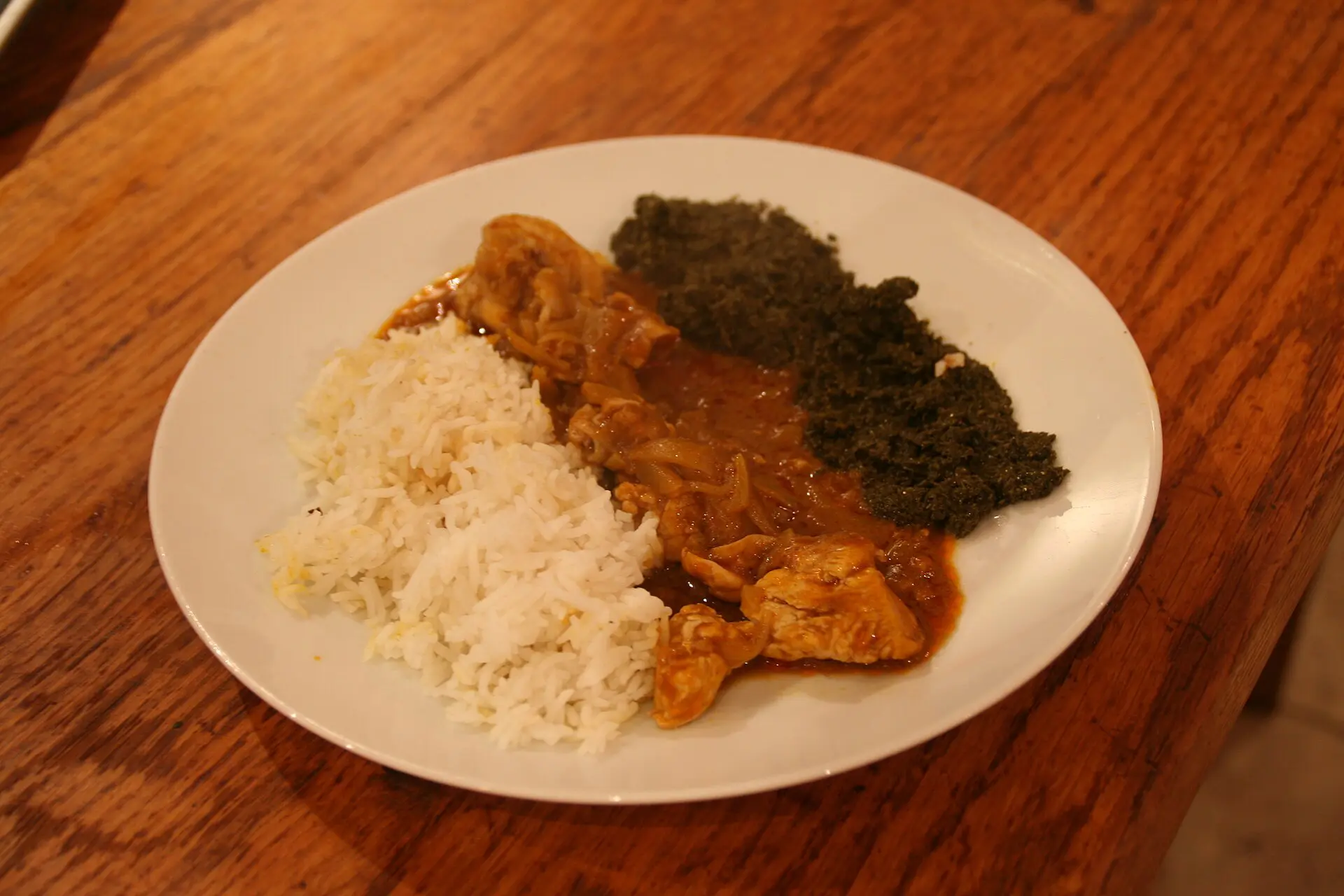
- Poulet nyembwe: chicken in a thick palm-nut sauce, often called the national dish, served with rice or cassava.
- Poisson braisé: grilled fish, often served at roadside stalls with spicy sauce, onions and plantain.
- Manioc (cassava) sticks: steamed cassava wrapped in leaves, eaten with stews and grilled fish.
- Sauce gombo: a stew thickened with okra, served with fish or meat.
- Plantain: fried or boiled, a common side dish.
- Atanga: the safou fruit, also called African pear, eaten roasted or boiled.
- Régab beer and palm wine: Régab is the main local lager, and palm wine is a traditional drink.
Libreville has French bakeries, Lebanese and West African restaurants, and street grills in the evening. Bushmeat appears on some menus, and visitors who prefer to avoid it should ask. Vegetarian options are limited, but vegetable stews and plantain are widely available. Drink bottled or purified water.
Culture, language and etiquette in Gabon
French is the official and working language, and many Gabonese also speak languages such as Fang, Punu, Nzebi and Myene. Learning basic French greetings, such as bonjour and merci, helps greatly, and English is limited outside tourism.
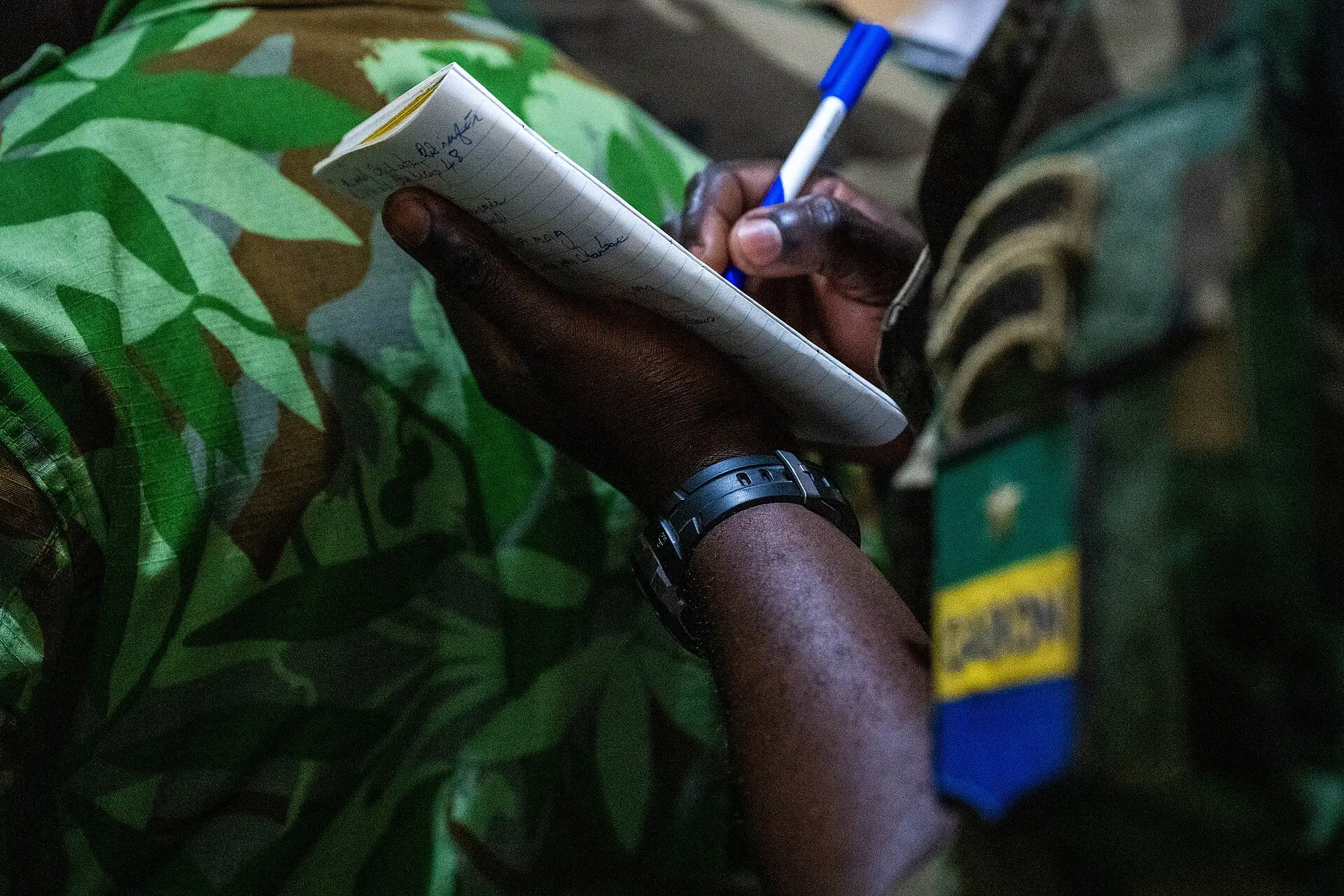
Gabon has a mix of ethnic groups, with Fang the largest, and Christianity is the main religion, alongside traditional beliefs and a Muslim minority. The Bwiti tradition, practised in forest regions, has ritual and music that visitors should treat with respect.
Greetings matter: shake hands, say good day and ask after health before getting to business. Dress modestly in towns, and do not photograph government buildings, military sites, airports or police without permission. Ask before taking pictures of people, and be ready to be refused.
Politics can be sensitive after the 2023 coup, so avoid starting political discussions. Expect a slower pace and patience with delays. Bargaining is normal in markets but less so in shops and restaurants.
Gabon itinerary: a 7-day route
This route links Libreville, the coast and Lopé, and relies on the Trans-Gabon Railway; confirm timetables and lodge bookings first.
- Day 1, Libreville: arrive, rest, walk the waterfront and eat in a local restaurant.
- Day 2, Pongara: cross the estuary for beaches and mangroves, with a night turtle walk in season.
- Day 3, to Lopé: take the train from Owendo, a long ride of around 8 to 10 hours, and settle in at a lodge.
- Day 4, Lopé: guided morning drive and a walk in the savanna and forest to look for mandrills and birds.
- Day 5, Lopé: a second guided day, perhaps visiting cultural and archaeological sites in the park.
- Day 6, return: take the train back toward Libreville and overnight there.
- Day 7, departure: transfer to the airport and fly home.
With extra days, add a flight to Loango for beach elephants or a trip to Ivindo, both requiring lodge and transport arrangements.
Practical tips for Gabon
- Money: the Central African CFA franc is used; euros are easiest to exchange. ATMs exist in cities but are not reliable, so carry cash for the interior.
- SIM and eSIM: local SIMs are available at the airport and in town, and coverage is limited in the parks. Download offline maps.
- Plugs: types C and E at 230 V.
- Tipping: not obligatory; rounding up or leaving 5 to 10 percent in restaurants is appreciated, and guides are usually tipped.
- Health: take yellow fever proof, malaria prevention, repellent and a basic first-aid kit. Carry insurance with evacuation.
- Packing: lightweight long sleeves, rain jacket, sturdy shoes, binoculars and a head torch.
- Booking: reserve lodges and park transport well in advance for June to August.
- Documents: carry copies of your passport, visa and vaccination card at all times.
For wider background, see the Wikivoyage Gabon guide.
FAQ
Q1What is Gabon food like?
Gabon food combines Central African staples with French influence: poulet nyembwe (chicken in palm-nut sauce), grilled fish, cassava, plantain and okra stews, with Régab beer to drink. Libreville also has French bakeries and Lebanese restaurants. Vegetarian choices are limited, and bushmeat appears on some menus.
Q2Is Gabon safe?
Gabon is relatively calm for the region, but petty crime in Libreville and Port-Gentil, malaria, rough roads and political sensitivity after the 2023 coup call for care. Travel with a reputable operator, avoid night walks and protests, and check your government's travel advice before you go.
Q3What are the best things to do in Gabon?
Top picks are beach elephants and hippos in Loango, mandrills and birding in Lopé, turtle nesting at Pongara from November to February, the Kongou Falls in Ivindo, whale-watching from July to October and the Trans-Gabon Railway. Libreville's markets and museum fill a day.
Q4Is Gabon safe to visit for tourists?
For most travellers on organised trips, yes, with precautions. Avoid demonstrations and dark city streets, keep valuables hidden, take malaria prevention and carry insurance with evacuation cover. Independent travel outside cities is possible but slow, and good local advice or a driver is worth the cost.
Q5Do I need a visa for Gabon?
Most nationalities need a visa, and Gabon has used an e-visa system for many travellers. A yellow fever certificate is also required. Rules change, so check with the Gabonese immigration authorities or your embassy before booking, and carry printed copies of your visa and onward ticket.
Q6What is the best time to visit Gabon?
June to August is the best period, when the long dry season makes tracks and trails easier and wildlife easier to spot. December and January are a second option. Turtle nesting peaks from November to February, and whales pass the coast from about July to October.
Q7How many days do you need in Gabon?
Seven days allows Libreville, Pongara and Lopé at a steady pace, using the Trans-Gabon Railway. Add three to four days for Loango or Ivindo, since transfers and lodge access take time. Because travel is slow and costly, shorter trips of fewer than five days are often unrewarding.