Why visit Ethiopia
The most memorable things to do in Ethiopia reflect a country with an unusually long history: it is one of the oldest independent states in Africa, has its own script, a calendar with 13 months, a distinct cuisine and Christianity dating back to the fourth century. The country covers about 1.1 million square kilometres and is home to highlands, canyons, volcanic deserts and lakes (see the Wikipedia overview for the wider story).
Ethiopia suits experienced, well-prepared travellers interested in culture, hiking and wildlife, including birdwatchers and coffee lovers. It is not a casual destination: travel conditions vary sharply between regions, roads are slow and security advice has been serious in parts of the north and elsewhere. The safest and most rewarding trips often use a reputable local operator, stay flexible and focus on areas with current clear government guidance, such as Addis Ababa, the Rift Valley lakes and the Bale Mountains.
Best places to visit in Ethiopia
The best places to visit in Ethiopia are spread across a large country, and some of the best known lie in regions that governments advise against visiting. Check current advice before choosing any destination.
Addis Ababa
The capital sits at about 2,350 metres and is the entry point for most trips. It has the National Museum, home to the fossil Lucy, the Ethnological Museum, the huge Merkato market and the lively cafes of Bole and Piazza. Two nights is a good start.
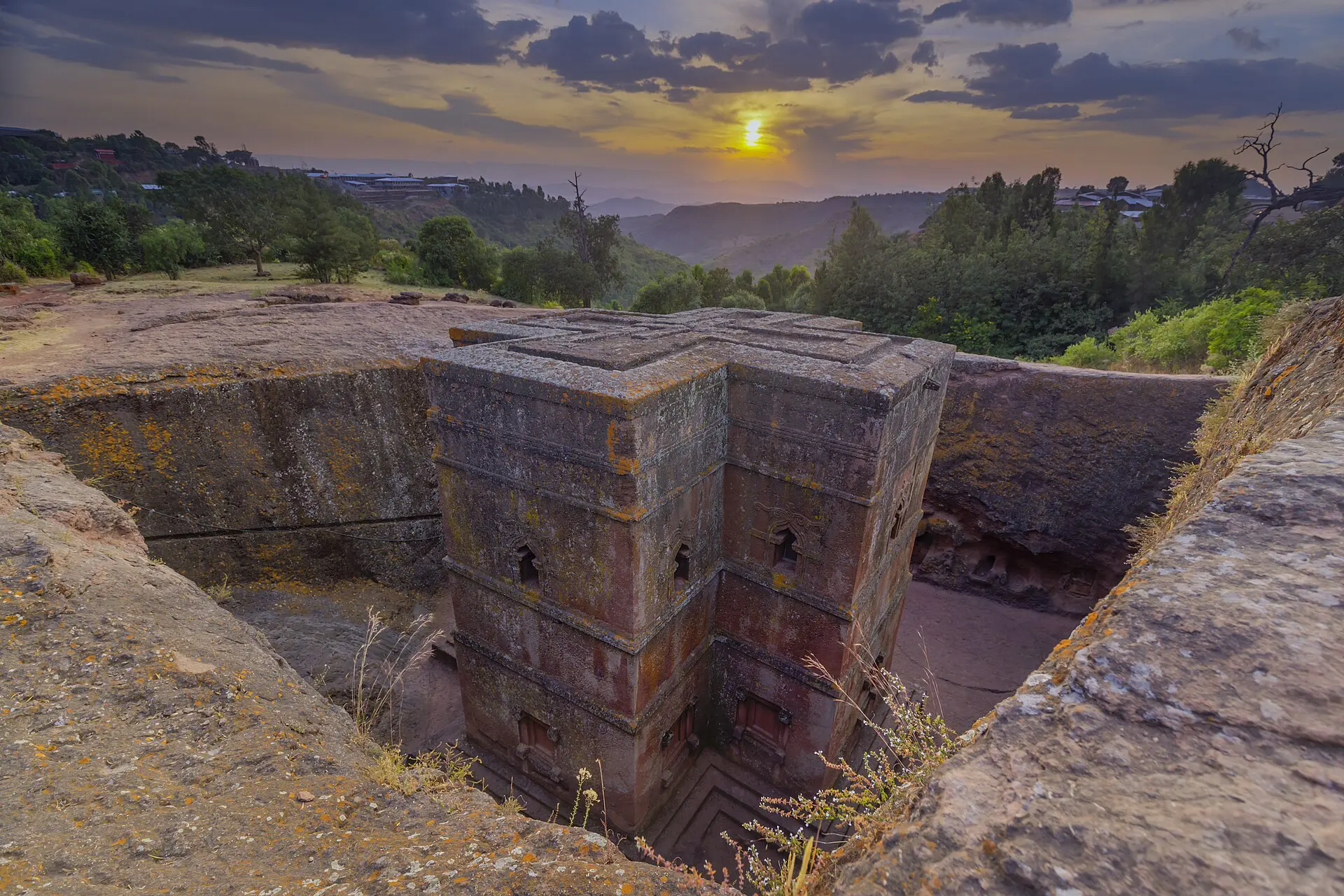
Lalibela
Famous for 11 medieval churches carved from rock and still used for worship, Lalibela is a UNESCO World Heritage Site. It lies in the Amhara region, where security has been difficult, so confirm the situation before you plan.
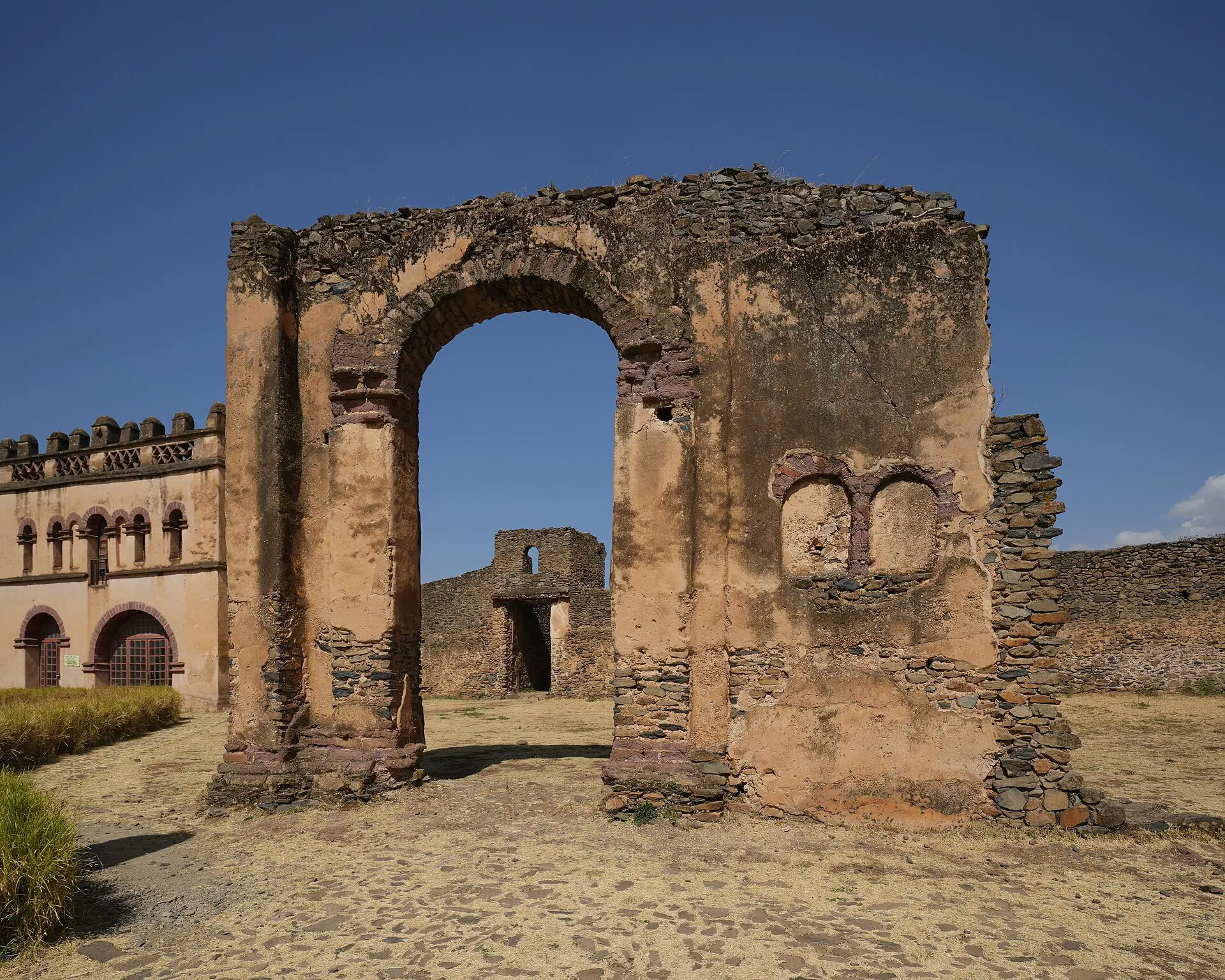
Gondar and Bahir Dar
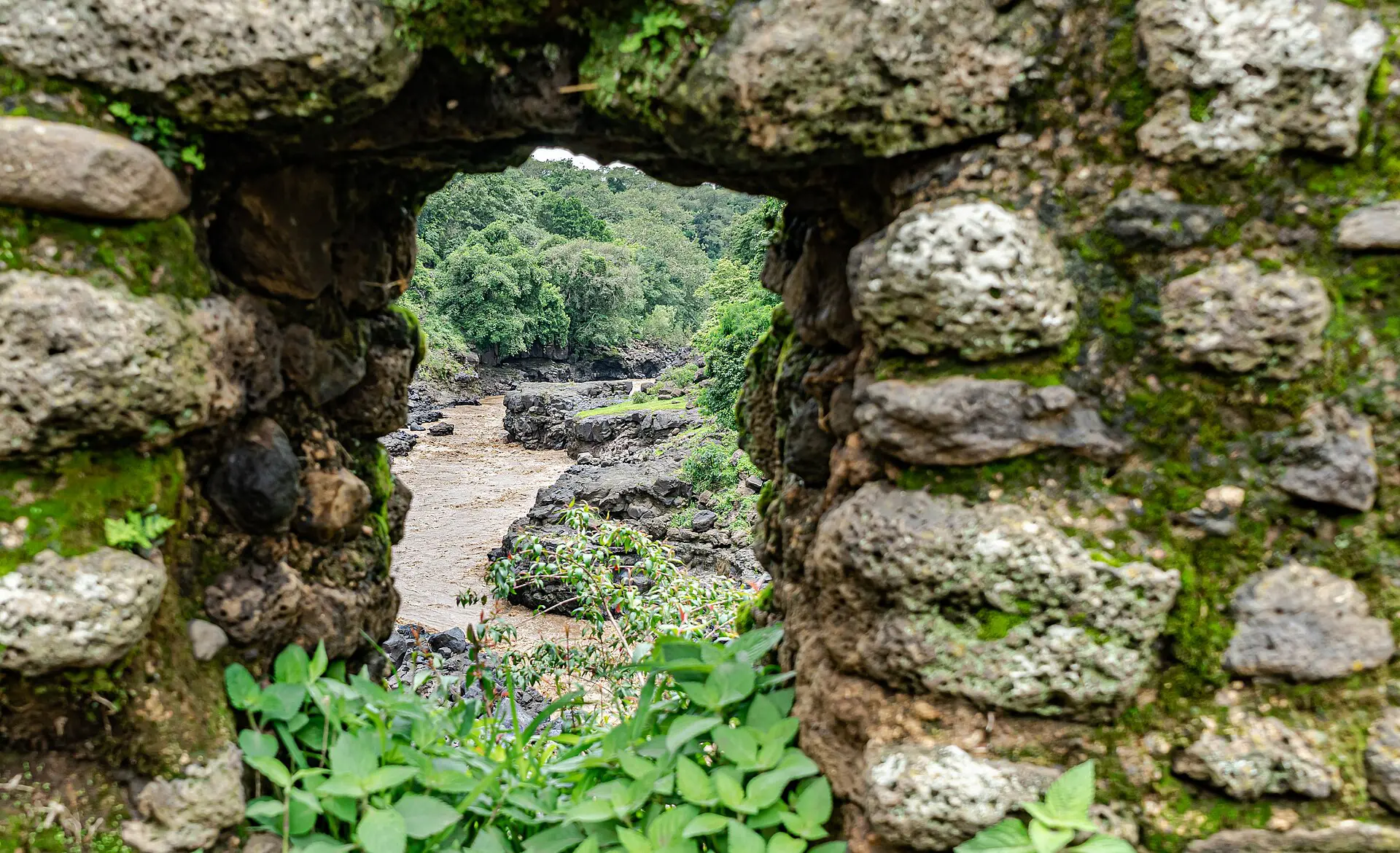
Gondar has a 17th-century royal compound with castles, while Bahir Dar sits on Lake Tana, with island monasteries and the Blue Nile Falls nearby. Both are in Amhara, so the same caution applies.
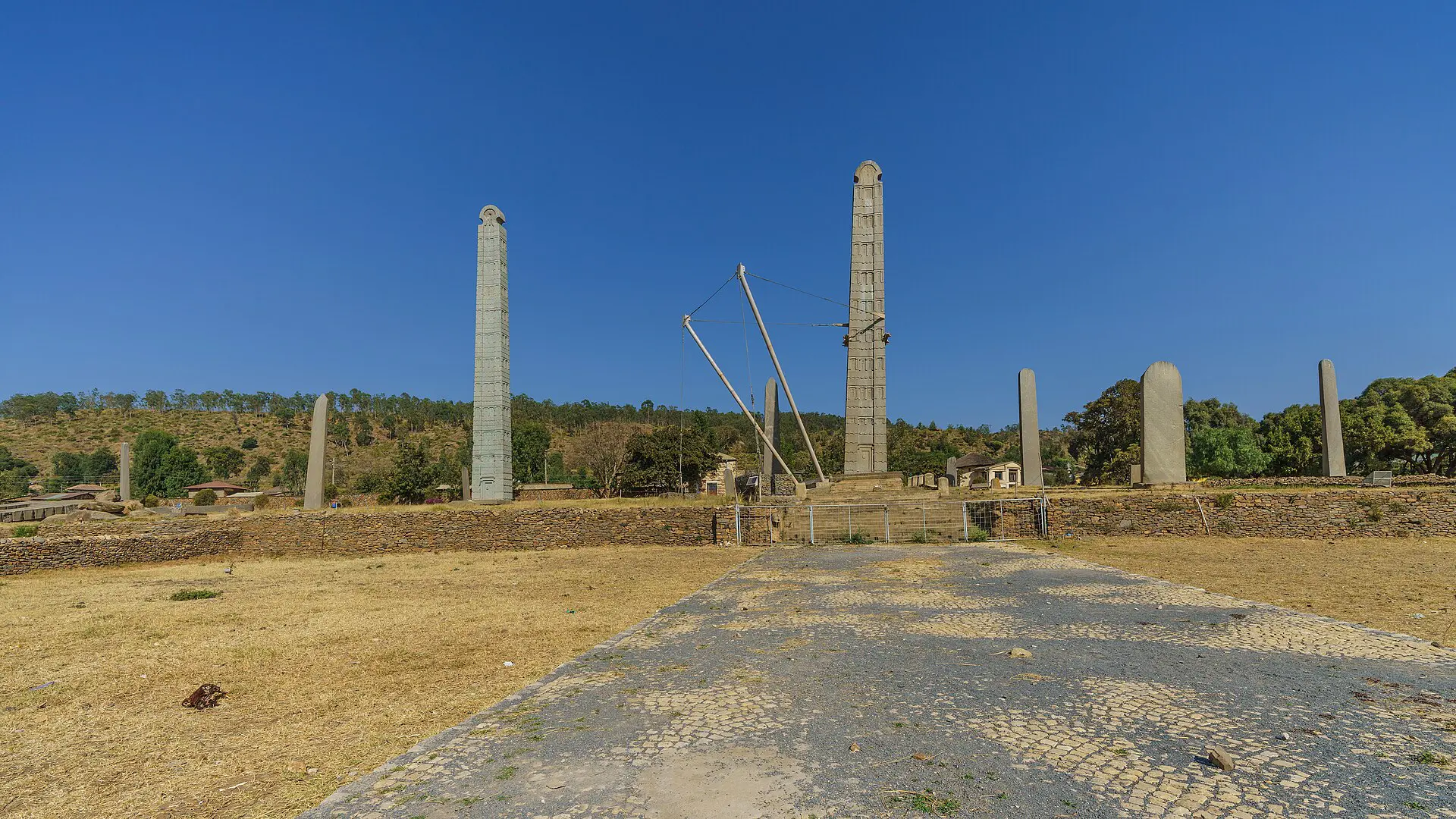
Axum
The ancient capital of the Aksumite kingdom has tall carved stelae and tombs, in Tigray.
Bale Mountains and the Rift Valley
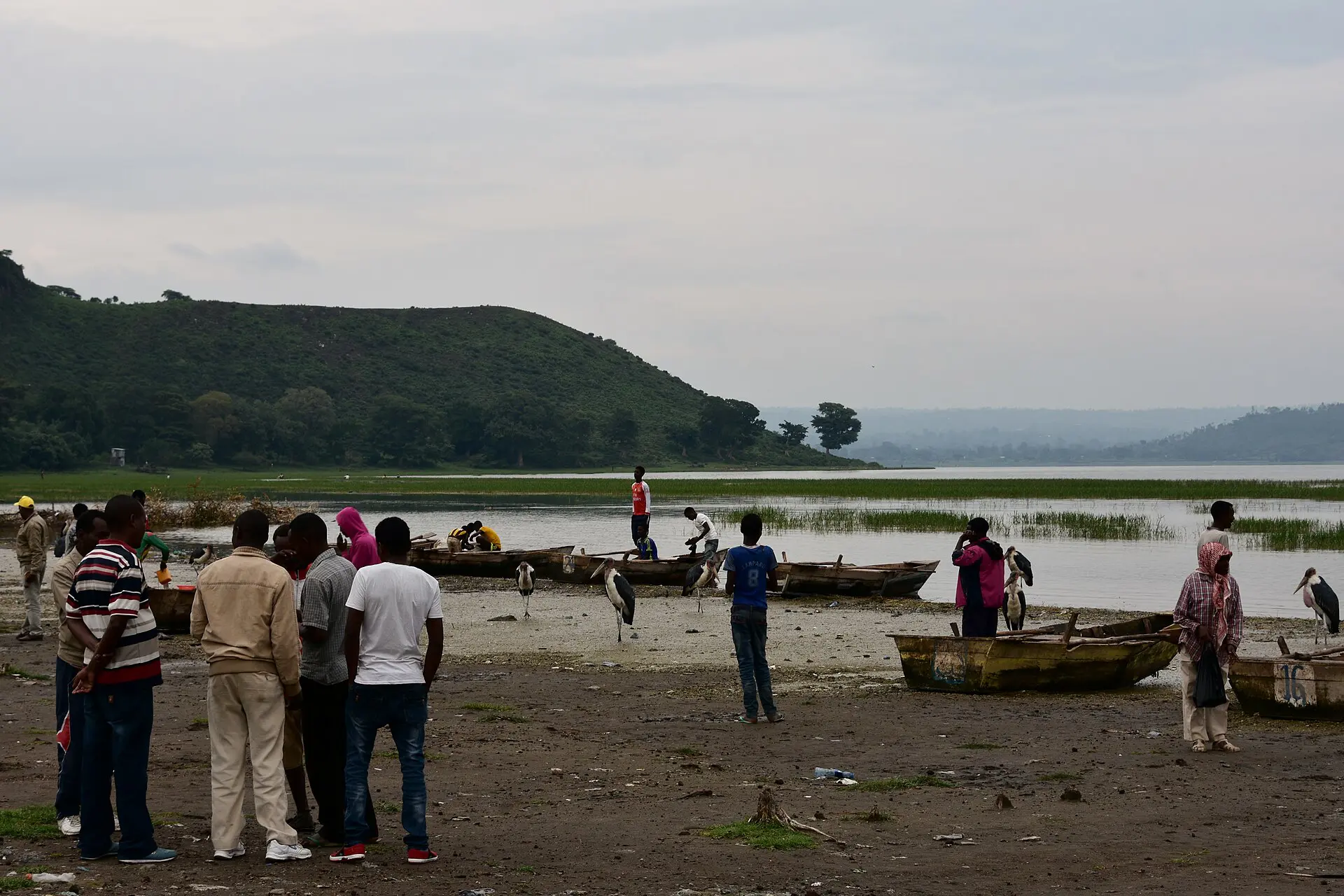
Bale offers high plateaus, Ethiopian wolves and forest, and the Rift Valley lakes near Ziway, Langano and Hawassa offer birds, beaches and easier travel.
Top things to do in Ethiopia
The top things to do in Ethiopia range from city museums to high mountain hikes, and several can be done in areas with fewer security concerns.
- Visit the National Museum in Addis Ababa: see the Lucy fossil and artefacts from ancient Ethiopian kingdoms.
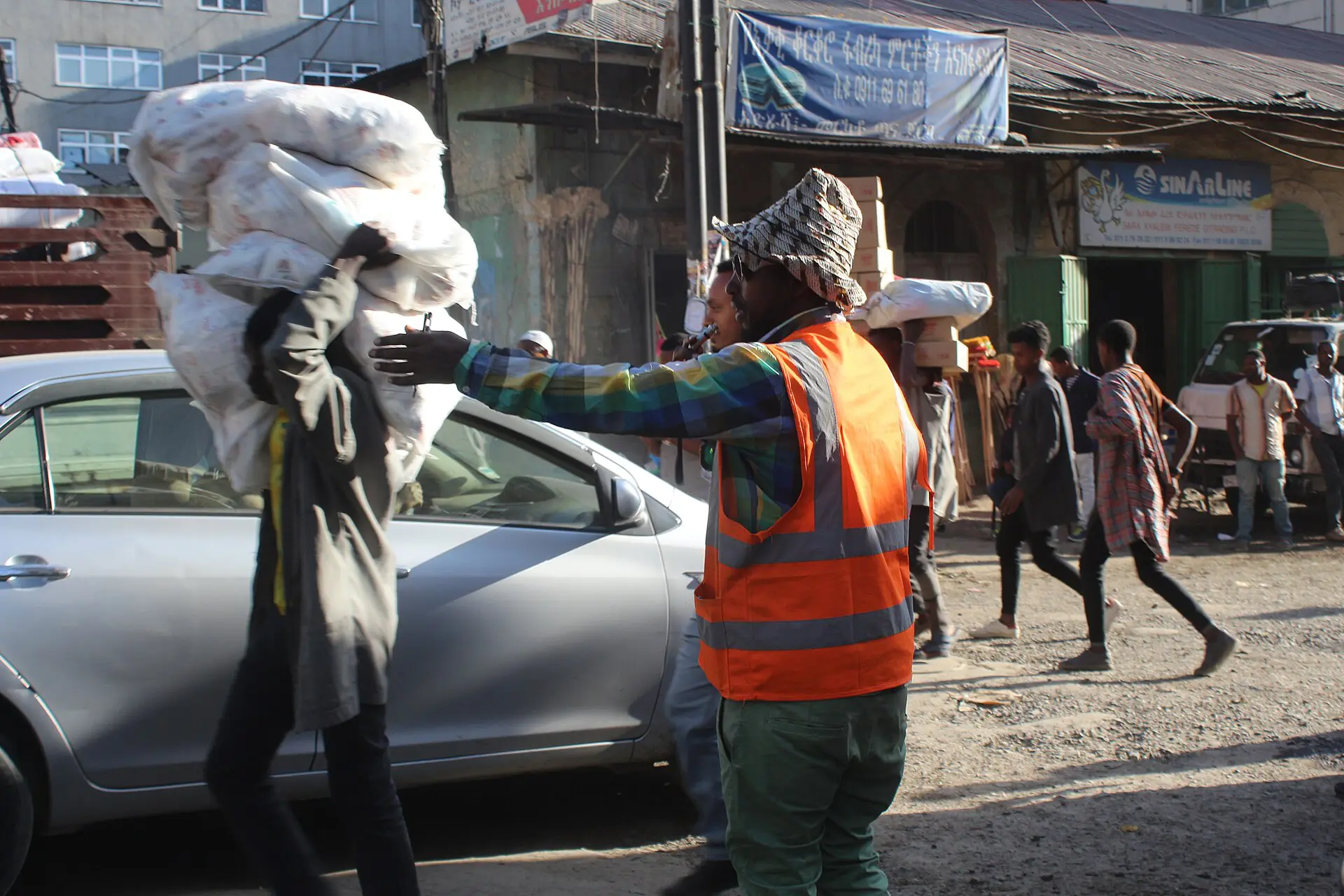
- Explore Merkato: one of Africa’s largest open-air markets, best visited with a local guide.
- Join a coffee ceremony: hosts roast, grind and brew coffee in front of you, serving three rounds.
- Hike in the Bale Mountains: the Sanetti Plateau and Harenna Forest offer wildlife including Ethiopian wolves and endemic birds.
- Relax at Lake Langano or Hawassa: Rift Valley lakes are popular weekend breaks with birds and boat trips.
- Visit Lalibela when safe: the rock-hewn churches are the country’s best-known sight.
- See the Blue Nile Falls: a major waterfall near Bahir Dar, best in and just after the rainy season.
- Attend a festival: Timkat in January and Meskel in September are major celebrations, with huge crowds in cities.
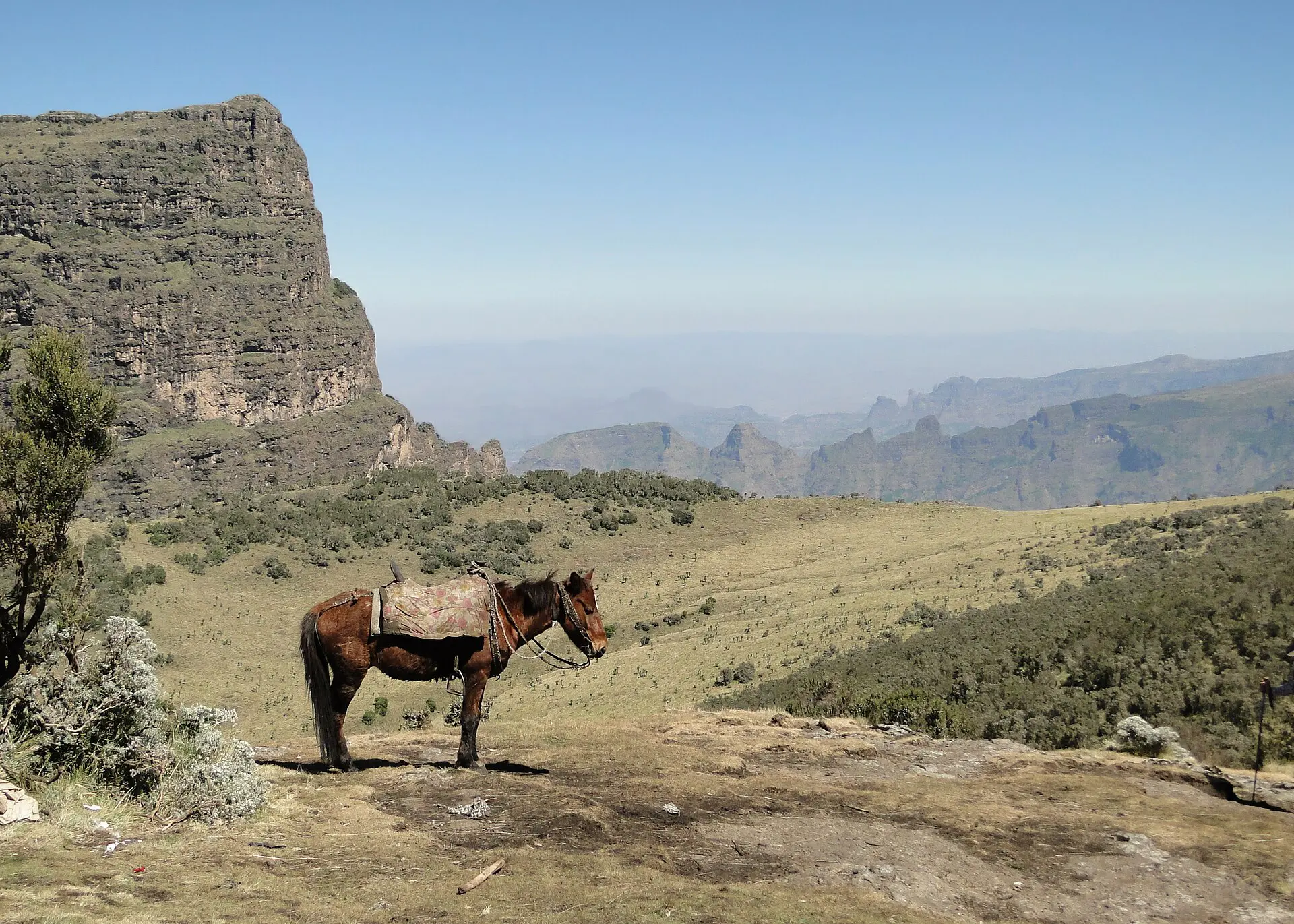
- Trek the Simien Mountains: the gelada baboons and cliff views are a highlight, in Amhara.
- Visit Harar: a walled eastern city with markets and a hyena feeding tradition; confirm regional conditions first.
Best time to visit Ethiopia
The best time to visit Ethiopia is October to March, the main dry season, when skies are clear, hiking is easiest and most roads are passable. June to September is the main rainy season in the highlands, with green landscapes, muddy trails and some road disruption, and it is also when the Blue Nile Falls are at their fullest. Because of altitude, Addis Ababa is mild all year, and nights can be cool.
| Season | Weather | Crowds and prices | Good for |
|---|---|---|---|
| Oct-Dec | Dry, sunny and green after the rains | Busy around Meskel and New Year; rising prices | Hiking, culture, Bale |
| Jan-Mar | Dry and clear; Timkat in January | High around Timkat | Festivals, trekking, lakes |
| Apr-May | Warm; short rains begin | Lower | Birds, cities |
| Jun-Sep | Heavy rain in the highlands | Low | Waterfalls, budget travel, Addis |
Key dates include Ethiopian New Year on 11 September, Meskel on 27 September and Timkat on 19 January, though dates can shift in leap years.
Is Ethiopia safe to visit?
It depends heavily on where you go. Ethiopia is not safe to visit everywhere, and several governments advise against all or most travel to certain regions, including parts of Amhara, Tigray, Afar, Oromia and areas near the borders with Eritrea, Somalia, South Sudan and Kenya. Addis Ababa and some southern areas are more commonly visited, but conditions can change quickly. Check the UK FCDO and US State Department pages for each region before you book.
Conflict and unrest. Armed conflict, insurgency, kidnapping, road closures, curfews and internet shutdowns have occurred in several regions. Local travel restrictions and states of emergency can be declared with little notice.
Crime. In Addis Ababa, pickpocketing, bag snatching and scams around Merkato and Bole are the main concerns. Keep valuables hidden, use ride-hailing apps or hotel taxis at night and avoid demonstrations.
Roads and health. Roads are dangerous, with livestock, poor surfaces and long journeys. Altitude sickness can affect trekkers in the Simien and Bale Mountains, malaria exists below about 2,000 metres, and medical care outside Addis Ababa is limited. Carry insurance that covers evacuation.
Ethiopia visa and entry requirements
Ethiopia visa rules depend on your nationality. Most visitors need a visa, and an online e-visa through the official Ethiopian government portal has been the most common route, with some nationalities also able to obtain a visa on arrival at Addis Ababa Bole International Airport. A few countries are exempt. Always confirm the current process with the Ethiopian Immigration and Citizenship Service or an embassy, and beware of unofficial websites that charge extra fees.
You will need a passport valid for at least six months, a return or onward ticket and, depending on your route, a yellow fever certificate if you arrive from an affected country. Keep digital and paper copies of your e-visa and travel documents.
Photography permits may apply to some sites, and drones are restricted. Travel permits may be required for certain regions, particularly near borders. For a quick look at the country’s World Heritage Sites, see the UNESCO page for Ethiopia, though it does not cover entry rules.
Getting to and around Ethiopia
Most visitors arrive at Addis Ababa Bole International Airport, the main hub of Ethiopian Airlines, which has wide connections across Africa, the Middle East, Europe and Asia. Land borders with Kenya, Djibouti, Somaliland and Sudan are generally not recommended for tourists, and many are affected by conflict or restrictions.
Domestic flights are the fastest way to cover long distances and have been the standard way to reach northern towns when security permits. Schedules change, so confirm before you travel. Roads are slow, and long drives such as Addis Ababa to Hawassa take about four to five hours, Addis Ababa to Lake Langano about three to four hours, and Addis Ababa to the Bale Mountains around eight hours.
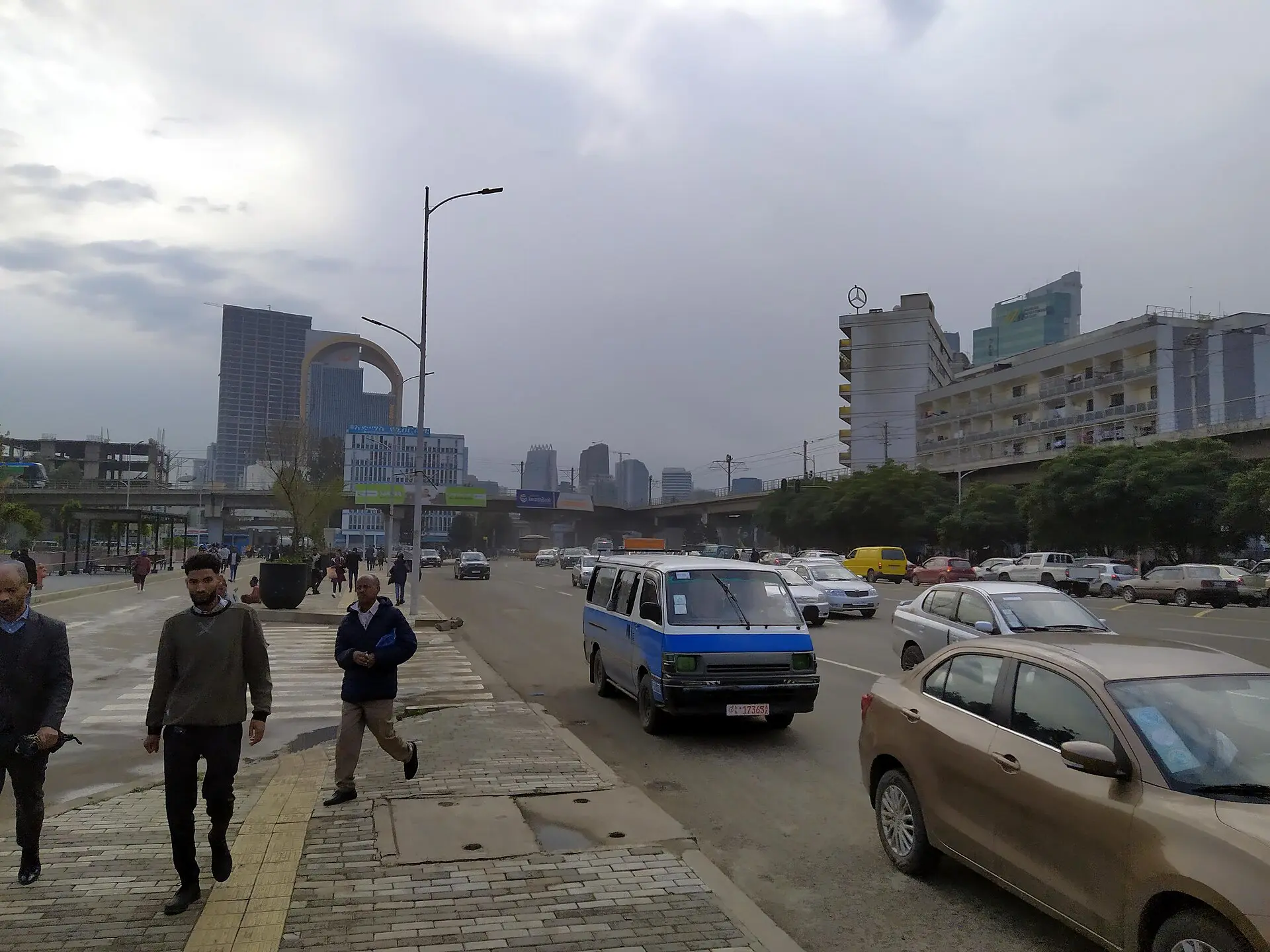
Buses are cheap but crowded, and drivers sometimes travel at high speed. Most visitors hire a car and driver or join a tour with a licensed operator. Addis Ababa has a light rail system, minibuses and ride-hailing apps, and the best way to move around the city is by taxi or app. Do not drive yourself outside the capital unless you are experienced on African roads, and avoid night driving.
How much does a trip to Ethiopia cost?
Ethiopia is inexpensive for food and local transport, although tours, flights and park fees add up, and foreigners often pay higher rates at attractions. The currency is the Ethiopian birr (ETB), and its value has changed sharply since reforms in 2024, so figures are guides only and are best checked close to your trip. Many hotels and tours quote prices in US dollars.
- Budget: around USD 30 to 55 per day, with basic guesthouses, local food and buses.
- Mid-range: around USD 60 to 110 per day, with comfortable hotels, restaurant meals and some car and driver hire.
- High-end: from around USD 200 per day, with upscale hotels, private guiding and domestic flights.
The biggest costs are internal flights, guided treks and private transport. Church entry fees and park fees are modest but add up over a trip. Cards are not accepted everywhere, so carry cash, and ATMs can be unreliable. Bring clean, recent US dollar notes as a backup, and keep a reserve for changes in plans.
Ethiopia food and drink
Ethiopia food is one of Africa’s most distinctive cuisines, based on injera, a spongy fermented flatbread, and spicy or mild stews eaten from a shared platter by hand.
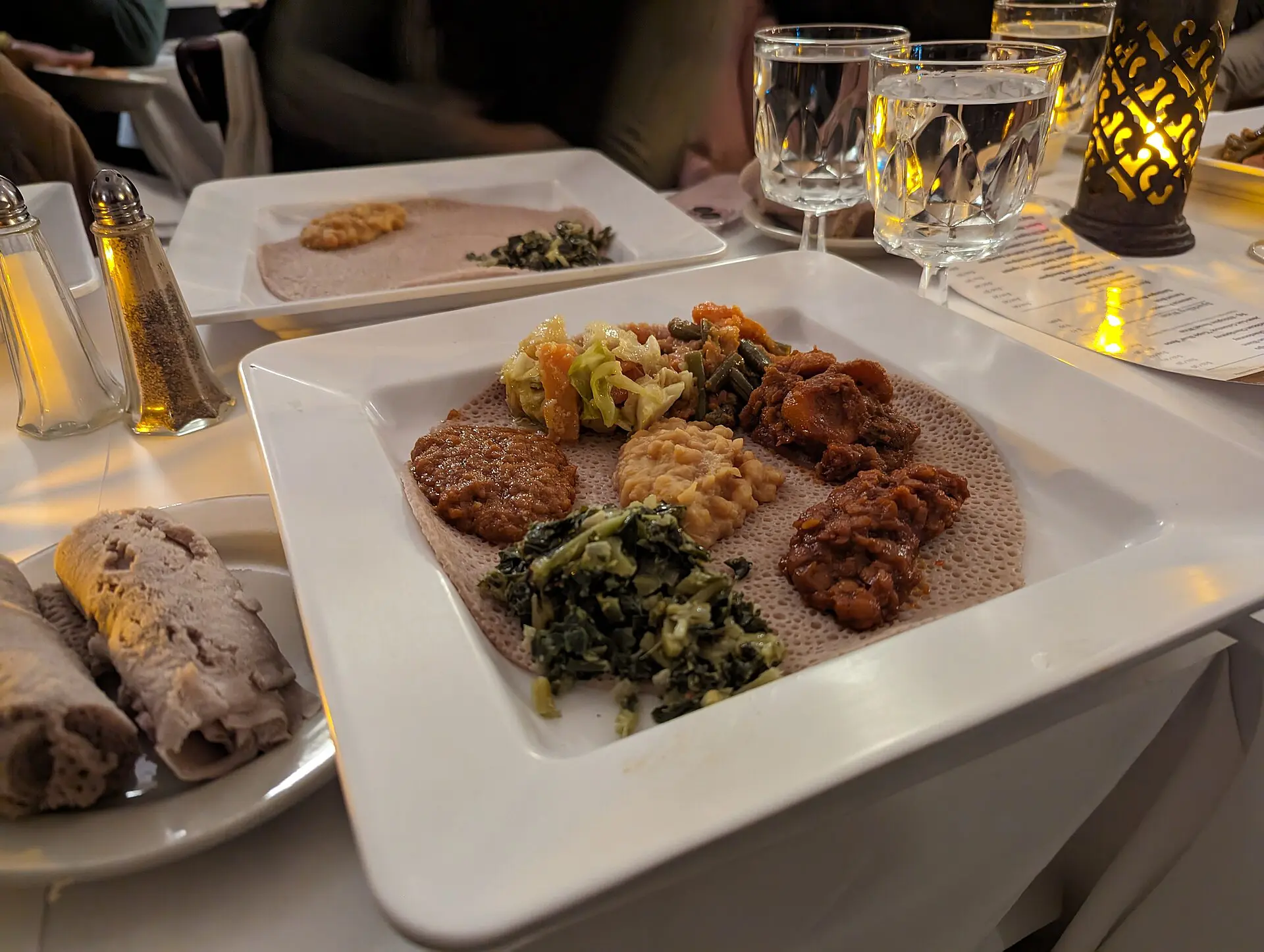
- Injera with wat: a sourdough flatbread served with stews, most famously spicy doro wat made with chicken and egg.
- Beyaynetu: a vegetarian platter of lentils, split peas, greens and vegetables, ideal on fasting days.
- Kitfo: minced beef seasoned with spiced butter and chilli, served raw or lightly cooked, with fresh cheese.
- Tibs: sauteed beef or lamb with onions and peppers.
- Shiro: a smooth chickpea stew that is cheap and widely available.
- Tej and tella: honey wine and a home-brewed grain beer.
- Buna: Ethiopian coffee, served in small cups after a ceremony.
Vegetarians and vegans do very well on Wednesdays and Fridays, when many Orthodox Christians fast and restaurants serve meat-free dishes. Raw meat carries a risk of stomach problems, so choose busy restaurants if you try kitfo. Tap water is not safe to drink, so stick with bottled or treated water.
Culture, language and etiquette in Ethiopia
Ethiopia has more than 80 ethnic groups and languages. Amharic is the main federal working language, Oromo is the most widely spoken first language, and Tigrinya, Somali and others are used regionally. English is common in tourism and business. Greetings matter, so try selam (hello) or ameseginalehu (thank you) in Amharic.
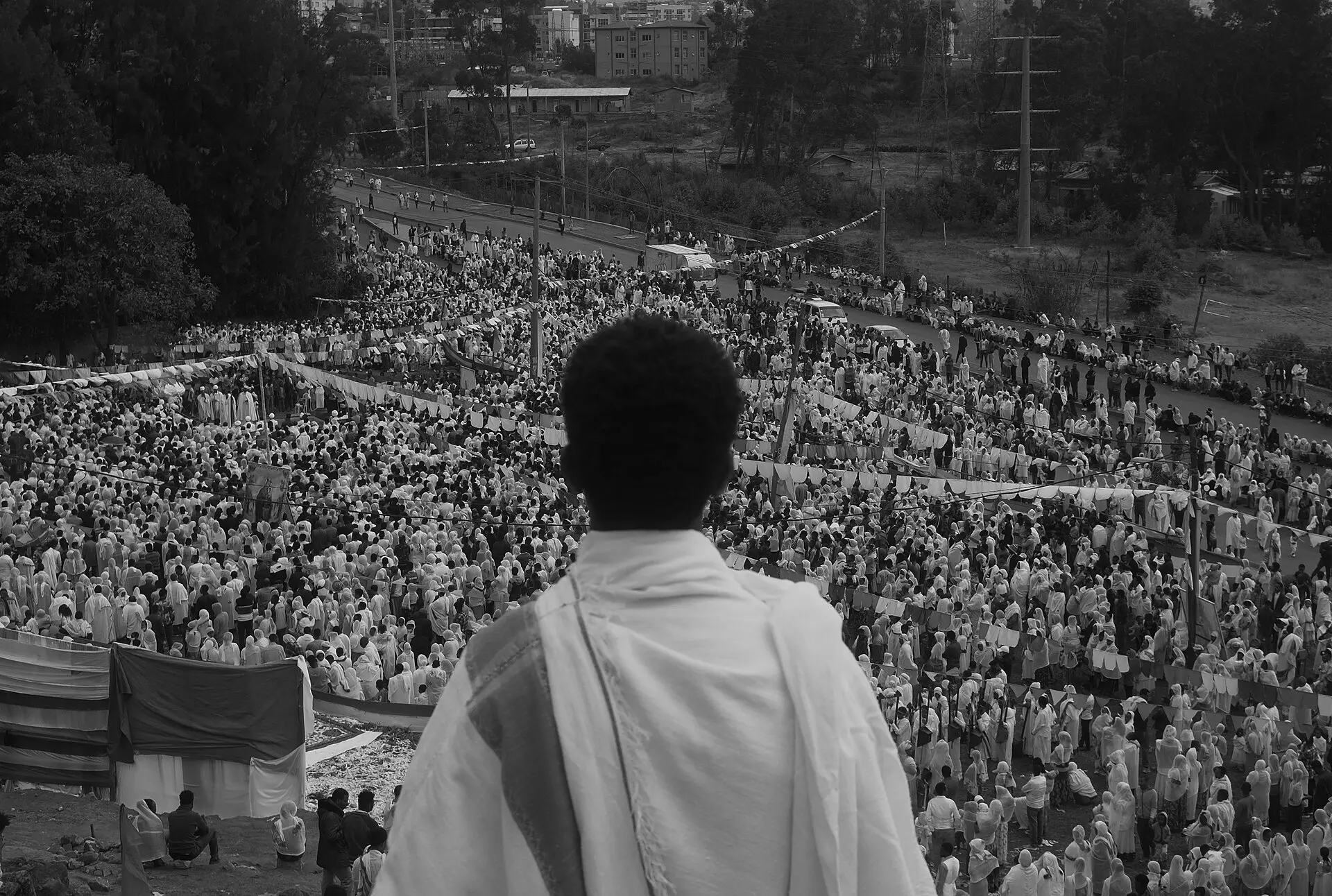
Ethiopia follows its own calendar, with 13 months and a new year in September, about seven to eight years behind the Gregorian calendar, and clocks start at dawn, so ask whether a time refers to local or international time. Most Ethiopians are Orthodox Christian, Muslim or Protestant, and religion is central to daily life.
Dress modestly, remove shoes in churches and cover shoulders and knees. Use your right hand to eat and to pass items. Ask permission before taking photos of people, priests and religious ceremonies, and expect requests for payment in some places. Avoid discussing conflict, regional politics or ethnic tensions with strangers, and treat questions about religion respectfully.
Ethiopia itinerary: a 7-day route
This route focuses on Addis Ababa, the Rift Valley lakes and the Bale Mountains, and avoids regions that governments advise against visiting. Confirm current advice and road conditions before you go, and use a reputable local operator.
- Day 1, Addis Ababa: arrive, rest at altitude and take an evening walk or dinner in Bole.
- Day 2, Addis Ababa: visit the National Museum, Holy Trinity Cathedral and Merkato, and have a coffee ceremony.
- Day 3, Lake Langano: drive about three to four hours south via Ziway, with birdwatching stops.
- Day 4, Hawassa: continue about two hours to the lakeside city, visit the fish market and relax.
- Day 5, Bale Mountains: take a long drive of around six hours to Dinsho and look for wildlife.
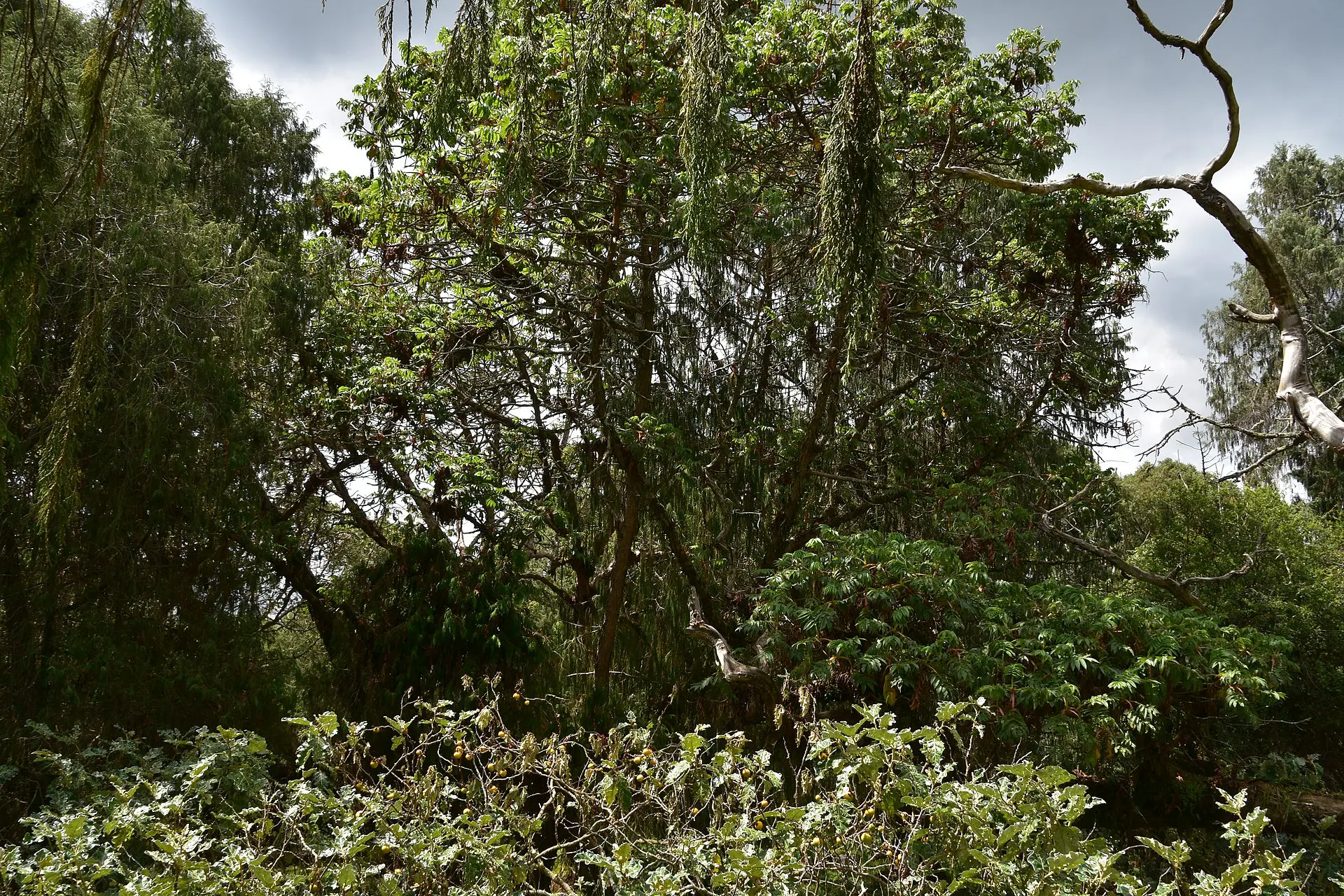
- Day 6, Sanetti Plateau: hike or drive on the high plateau for wolves and birds, then return to the lodge.
- Day 7, return: allow about eight hours back to Addis Ababa by road, or a domestic flight from nearby towns if available.
If you want historic sites, check whether northern regions are open to travel, and add days only if official advice allows.
Practical tips for Ethiopia
- Money: the birr is the local currency; carry cash for small purchases, because ATMs are unreliable and cards are not widely accepted outside upmarket hotels. Take clean US dollars as backup.
- SIM and internet: a local SIM is available at the airport, but coverage and speeds vary, and shutdowns have occurred in some regions. Download offline maps and tickets.
- Plugs: several types, including C, E, F and L at 220 V, so carry a universal adapter and a power bank.
- Tipping: about 10 percent in restaurants without a service charge, and small tips for guides and drivers.
- Health: ask a travel clinic about malaria, typhoid, hepatitis and yellow fever, and carry altitude medicine if trekking.
- Packing: layers for cold highland nights, rain gear, sturdy shoes and sun protection.
- Safety: register with your embassy if possible and share your plans.
For further background, see the Wikivoyage Ethiopia guide, and compare it with current government advice.
FAQ
Q1Is Ethiopia safe?
It depends on the region. Governments advise against all or most travel to parts of Amhara, Tigray, Afar, Oromia and border areas because of conflict and unrest, while Addis Ababa and some southern areas are more commonly visited. Check current FCDO or State Department advice, use a reputable operator and carry insurance.
Q2What is Ethiopia food like?
Ethiopia food centres on injera, a sour spongy flatbread, served with spicy stews such as doro wat, lentils, shiro, tibs and kitfo. Meals are shared and eaten by hand. Wednesdays and Fridays are fasting days, so vegetarian options are widely available. Coffee ceremonies are a highlight.
Q3What are the best things to do in Ethiopia?
Visit the National Museum and Merkato in Addis Ababa, join a coffee ceremony, hike in the Bale Mountains and relax at Rift Valley lakes. The rock churches of Lalibela, Gondar and the Simien Mountains are famous but lie in regions with security warnings.
Q4What is the best time to visit Ethiopia?
October to March is best, with dry weather, clear skies and easier roads, and Timkat in January and Meskel in September are major festivals. June to September is the rainy season, with green scenery and waterfalls at their fullest, but muddy trails and travel delays.
Q5Do I need a visa for Ethiopia?
Most travellers need a visa, usually an e-visa applied for through the official Ethiopian government portal, and some nationalities can get one on arrival at Addis Ababa airport. Rules vary by nationality and change, so confirm on official sources and avoid unofficial websites.
Q6Is Ethiopia safe to visit for tourists?
Parts of Ethiopia can be visited, mainly Addis Ababa, the Rift Valley and Bale, but conflict, kidnapping and unrest affect other regions. Avoid areas that your government advises against, watch for petty theft in cities and take care on roads, especially at night.
Q7What currency is used in Ethiopia?
Ethiopia uses the birr (ETB). Its value has moved sharply since 2024, so check the current rate before travel. Cash is essential outside upmarket hotels because ATMs are unreliable, and some tours and hotels quote prices in US dollars.